Summer 2026 Review: It’s Still Too Early to Draw a Definitive Conclusion, Says Valérie Boned


Invited to Good Morning Business on BFM Business, Monday 17 August 2026, Valérie Boned, president of Entreprises du Voyage, outlined an initial assessment of the summer season. While bookings are retreating, the behaviors of the French are evolving under the influence of purchasing power, wildfires, and international tensions.

At the halfway point of the summer season, Valérie Boned believes it is still too early to draw a definitive bilan. « It’s always difficult to make a halfway assessment », she reminded Erwan Morice, noting that the season extends until the end of September, or even early October.

In France, the wildfires have weighed particularly on certain destinations. In the Var and Gironde, professionals have reported cancellations and changes of destination. «There is a wave of cancellations for destinations in Gironde, Cap Ferret, the Var, especially in outdoor hospitality », she explains.


“There is a budget issue, the cost of living”

Facing the rise in the cost of living, the French are also watching their expenses more closely. “We are paying very close attention to expenditures, that’s for sure: there is a budget issue, the cost of living, purchasing power is very strong this year in particular,” notes the president of Entreprises du Voyage.

On foreign destinations, “there is the domestic political context, a lack of visibility, a very cautious market, and then there was the war, we cannot deny it. For foreign destinations, we have observed a very significant impact for three months. The French were waiting, and the market finally opened up in June-July. We will now have to wait for the figures. »

BFM focused on two destinations: the United States, which suffers from travel costs and the “Trump effect” and Albania, which shows strong growth, close to 300% in the Entreprises du Voyage observatory, driven notably by “a good price-quality ratio“.


“When you have an intermediary who is a professional, you have a contact person.”

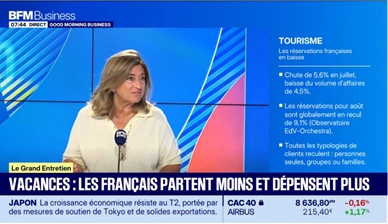
Valérie Boned, invitée de Good Morning Business sur BFM - Capture écran

Valérie Boned also defends the role of travel agencies in the face of uncertainties. “When you have a professional intermediary, you have a contact person. If you cannot take your flight, there is assistance. If you cannot use the hotel you booked, there is a refund. That is the whole difference. Moreover, the French know this, as there is a return to travel agencies since uncertainties have multiplied and become more significant,” she recalls, as flight disruptions, notably the EasyJet strike and international events, can complicate travel.
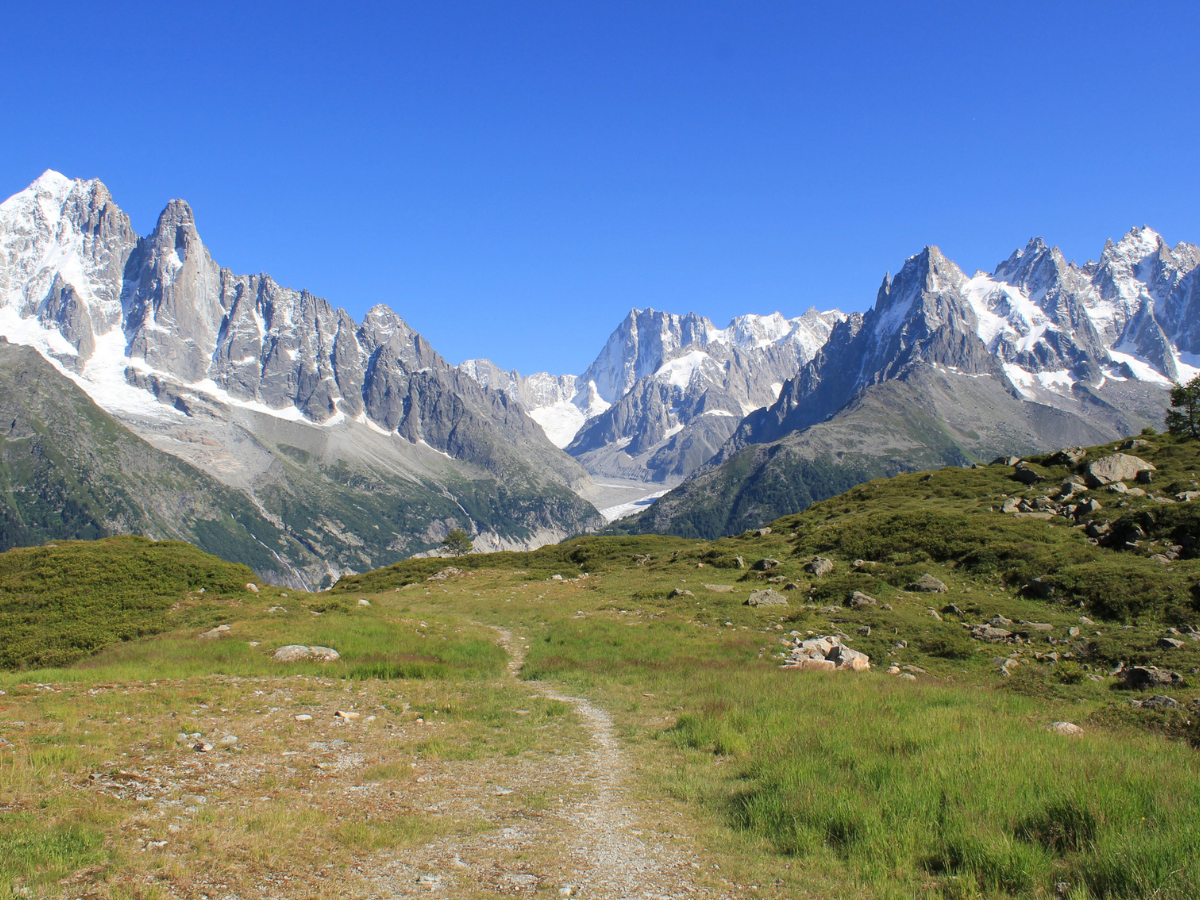
France: Mountains Draw Tourists in Search of Cooler Weather


La montagne française affiche un taux d’occupation de 65,8 % durant l’été 2026.    DepositPhotos.com/Elenarts

MSC Croisières


According to the National Association of Mountain Resort Mayors (ANMSM), the French mountains recorded an occupancy rate of 65.8% for the summer season of 2026, a rise of 2.5 percentage points compared to summer 2025 and 5 percentage points compared to 2024.

The dynamics pertain especially to the two main months of the season, with 63.3% occupancy in July, up 3.6%, and 72% in August, up 1.1%.

The peak attendance was reached during the week of August 8, with an occupancy rate of 80.7%.


“The mountains are becoming a major tourist destination” according to Serge Papin

Beyond heat episodes, the ANMSM highlights the diversification of the resorts’ offerings, spanning sports, cultural and family activities, as well as hosting major events, such as stages of the Tour de France, festivals or competitions.

Holiday villages show a 3.3-point increase to 68.4%, while real estate agencies reach 50.6%, i.e. +3.5 points. The tourist residences, at 74.1%, and the hotels, at 67.9%, remain more stable.

In terms of mountain ranges, the Pyrenees register the strongest growth, with 69.8% occupancy, i.e. +4%. The Northern Alps reach 64.6%, up 2.3%, and the Southern Alps 66.8%, up 1.2%.

The French clientele accounts for 81.72% of holidaymakers. International visitors account for 18.28%, with the Dutch leading at 26%, ahead of the Belgians at 25%, and the British at 13%.

These figures complement those announced by Serge Papin.

The Minister of Commerce and Tourism was a guest on TF1, on Tuesday, August 25. He stated that France should “have a good season“, at least as good as, or better than, 2025.

The mountains are becoming a major tourist destination“, he asserted, revealing that attendance there rose by 12% in July and 16% in August.

Green Is Our Gold: Sustainability Becomes a Major Tourism Draw in Australia [ABO]


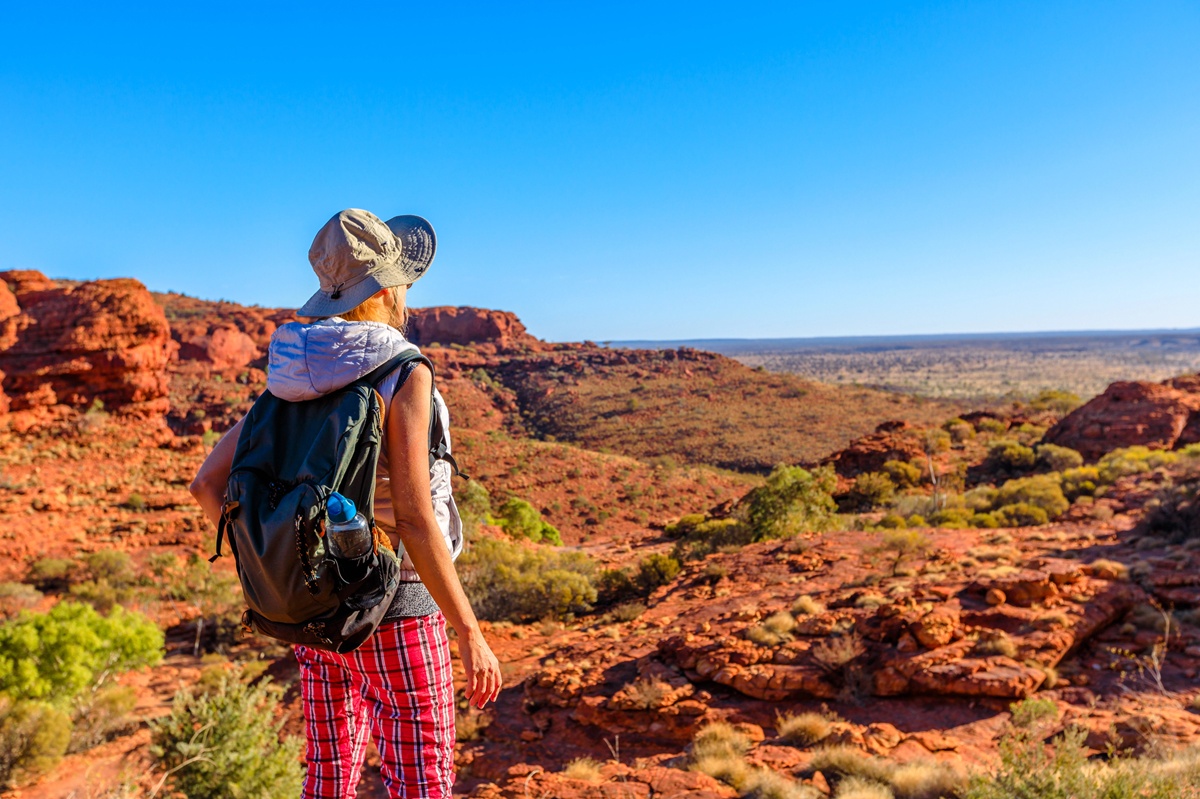
Tourism Australia a lancé en mars 2026 son initiative "Green is Our Gold" - DepositPhotos.com, bennymarty

Dream Yacht


When 77% of international travelers say that sustainability is important in their daily lives, and 70% that it influences their travel choices, a long-haul destination can no longer merely promise spectacular scenery.

Tourism Australia has understood this.

Launched on March 19, 2026, at the Destination Australia conference in Melbourne (Narrm) in front of 800 professionals, the initiative “Green is Our Gold” now structures the country’s sustainable commitment.

At the Australian Tourism Exchange 2026 in Adelaide, the program was placed at the heart of professional conversations, including those aimed at European markets.


Five Pillars, a Toolbox, 360,000 Businesses

Green is Our Gold brings together the Australian tourism industry around a shared promise“, explains a spokesperson from Tourism Australia’s Sustainability and Communications team met in Adelaide.

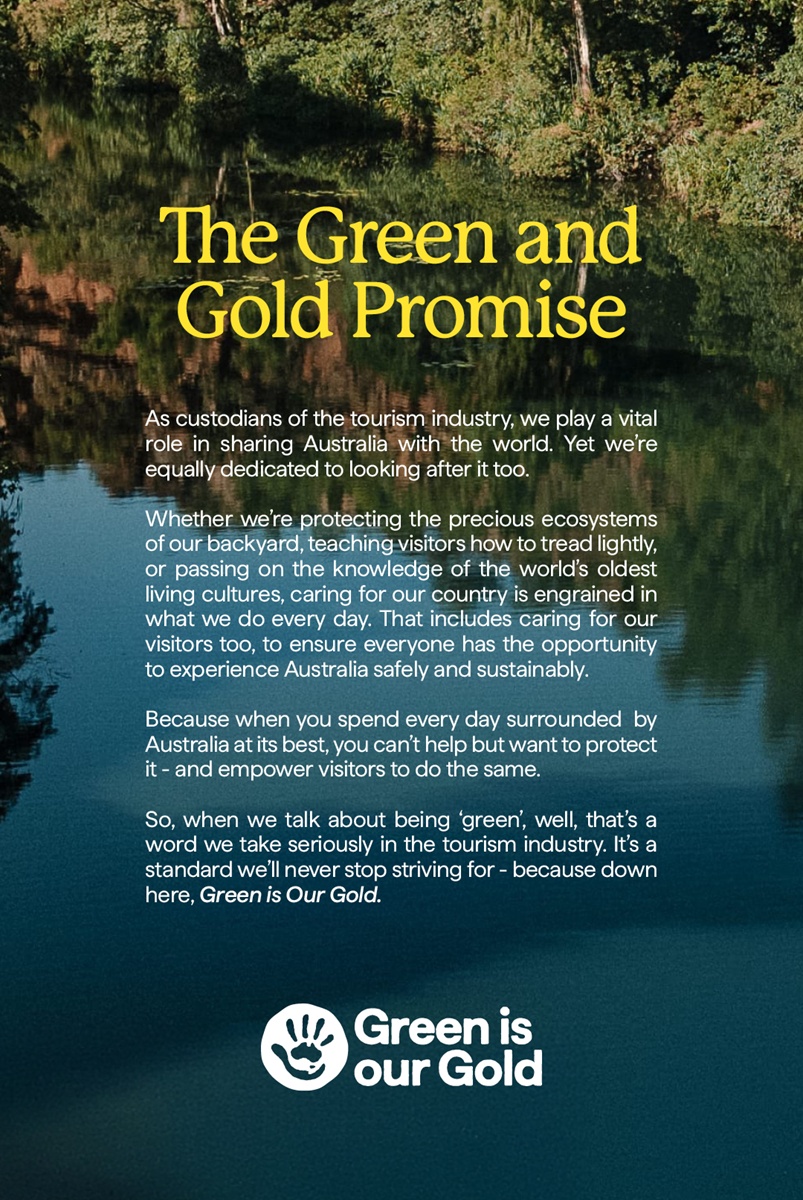
According to her, operators who sign the Green and Gold Promise access a practical toolkit containing operational sustainability tools and on the five pillars to embody.

These five pillars, formalized by Tourism Australia, have become the common grammar of Australian responsible tourism:

Celebrate Community : support local players and their businesses,

Embrace Culture : share heritage, including the stories of the First Nations,

Preserve Place : protect natural and iconic environments,

Respect Wildlife : ensure the health of the wildlife unique,

Take Care : encourage responsible travel, in the manner of locals.

More than 360,000 Australian tourism businesses are targeted by this rollout.

The momentum was confirmed at ATE26: more than 1,000 professionals signed the Green and Gold Promise during the fair, marking their formal commitment to the five principles.

The official engagement platform is accessible at greenisourgold.australia.com, where operators and organizations can sign the charter and download the practical kit.

The program is designed to last. The spokesperson describes “Green is Our Gold” as a lasting platform, designed to endure over time.

Phase 1, extending until 2027, aims to mobilize the industry. Phase 2 includes gradual integration into the Aussie Specialist program, which will directly affect French agencies trained by Tourism Australia.


Robin Mack: “Green is Our Gold is a Call to the Industry”


Manifeste "The Green and Gold Promise" - Illustration Tourism Australia

In an interview with TourMaG in Adelaide, Robin Mack, Managing Director of Tourism Australia, defends a strong industry conviction. “Green is Our Gold is a call to the industry to go even further,” he asserts.

Australia has a solid history of sustainable growth in tourism, and many companies have already integrated sustainability, delivering world-class experiences that respect our natural environments, cultures and communities.

For Robin Mack, two logics converge. First, that of the First Nations: “Our First Nations culture and sustainability are deeply linked.” Then that of geography: “We cannot escape our location. It’s a long flight to get here. When travelers are on site, we must show them how well we practice sustainability on the ground.

The initiative fits within the national THRIVE 2030 framework and complements the National Sustainability Framework for the Visitor Economy launched in 2023.


Between Industry Commitment and Carbon Accounting: a Balancing Equation

The initiative is not universally welcomed. At ATE26, several professionals highlight the paradox of a country that heavy invests in mining while access remains reserved for long-haul travel.

The critique has its legitimacy. But industrial awareness, on the scale of a continent, nonetheless marks progress.

The whole challenge now lies in transmission. That the program reaches regional operators and small firms, that agents pass the baton to their clients, and that these clients in turn accept concrete gestures, such as choosing a reusable water bottle over a plastic bottle, in a country where tap water is drinkable everywhere.

Transmission, in short, as the implicit fifth pillar of the program.


Sébastien Cros