What Is the History of European Heritage Days?

The must-attend event of the autumn season, the European Heritage Days attract millions of visitors each year. The event, which will unfold across the country next weekend, marks its 40th anniversary this year. Before lifting the veil on the highlights of this new edition (which we will detail here tomorrow), here is a look back at the origins of the event.

In 1984, Jack Lang, then Minister of Culture, imagined a large “Open Doors Day of Historic Monuments” at a national scale. His objective? To reveal to the greatest number and across the entire country the richness of French heritage through unprecedented appointments, visits, and exceptional openings.

A French invention that became European

But from its second edition in 1985, Jack Lang wished the event to become European, convinced of the major place accorded to cultural heritage by the Council of Europe. The latter works to promote diversity and dialogue around Europe’s common heritage through three axes: its conservation, its protection, and the enhancement of heritage.

In 1992, the event was renamed the “National Heritage Days.” From 1993 onward, 34 European countries joined the event, allowing the public to visit more than 26,000 monuments. In 2000, the event took on its final name of “European Heritage Days.” Or “JEP” for insiders. By then, more than 40 countries participated, making the JEP one of the first major international cultural manifestations.

Abroad, the event is known as Heritage Days. Soon, other countries around the world joined the lineup, such as Turkey and Taiwan. By 2010, there were now 50 states organizing the event, from the Vatican to Portugal, from Belarus to Moldova, to Malta or Saint Martin.

Who organizes the European Heritage Days?

In France, the event was initiated by the Ministry of Culture and its Directorate of Cultural Heritage. The event is also implemented by the territories and the DRACs (Directions Générales des Affaires Culturelles). Throughout the country, private associations join the venture.

At the European level, however, it is the Council of Europe and the European Commission that oversee the JEP.

A large number of the visits organized within the event are free, and private establishments mostly offer reduced-rate options.

What to see during the European Heritage Days?

More than the number of participating countries, the European Heritage Days attract with the variety of sites they open to the public. Civil or religious monuments, agricultural and industrial heritage—the offering is vast, which allows, beyond the places and buildings involved, the spotlight to be cast on the know-how and crafts of those who work there.

Each edition of the event also highlights one or more themes. Cinema, literature, citizenship, sciences, protection, travel, youth, education, sustainability…

Soybeans: Five Millennia of History Behind a Seed That Became Essential

Soy oil, soy milk, tofu… It is consumed in a thousand forms. More importantly, 70% of the world’s soybean harvest is destined to feed livestock. The plant is also used to manufacture biofuels, ink, candle wax, and foams for car seats! A decidedly prosaic fate for a legume whose cradle is China, where it has been cultivated for five millennia and was long regarded as one of the five sacred grains, alongside rice, wheat, barley, and millet. The Middle Kingdom saw its status as the leading producer of soy in the world stolen in the 20th century by the Americas (the United States, Brazil…), where the plant was introduced in the 18th century by an Englishman, and it must now import it.

Périgord: An Almost Open-Air History Book


A Lascaux IV, dans la salle des taureaux - Photo : Dan Courtice

Costa Rica


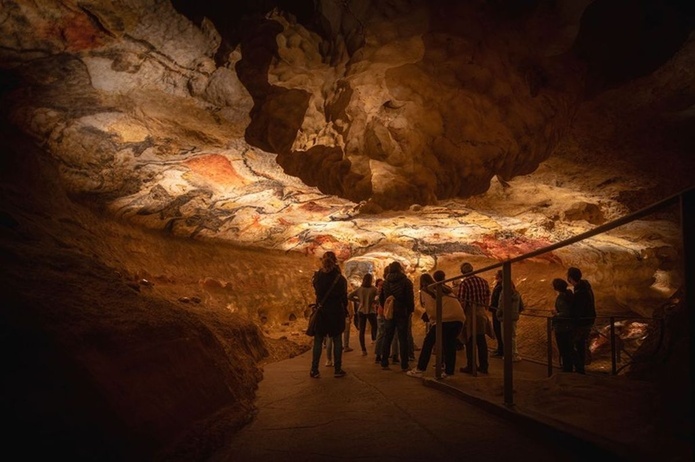
The most recent replica of the famous cave, Lascaux IV is so perfect that one could easily imagine standing before the “real” masterpieces left around 21,000 years ago by early Magdalenian hunters.

How can one not be moved? Perhaps even overwhelmed?

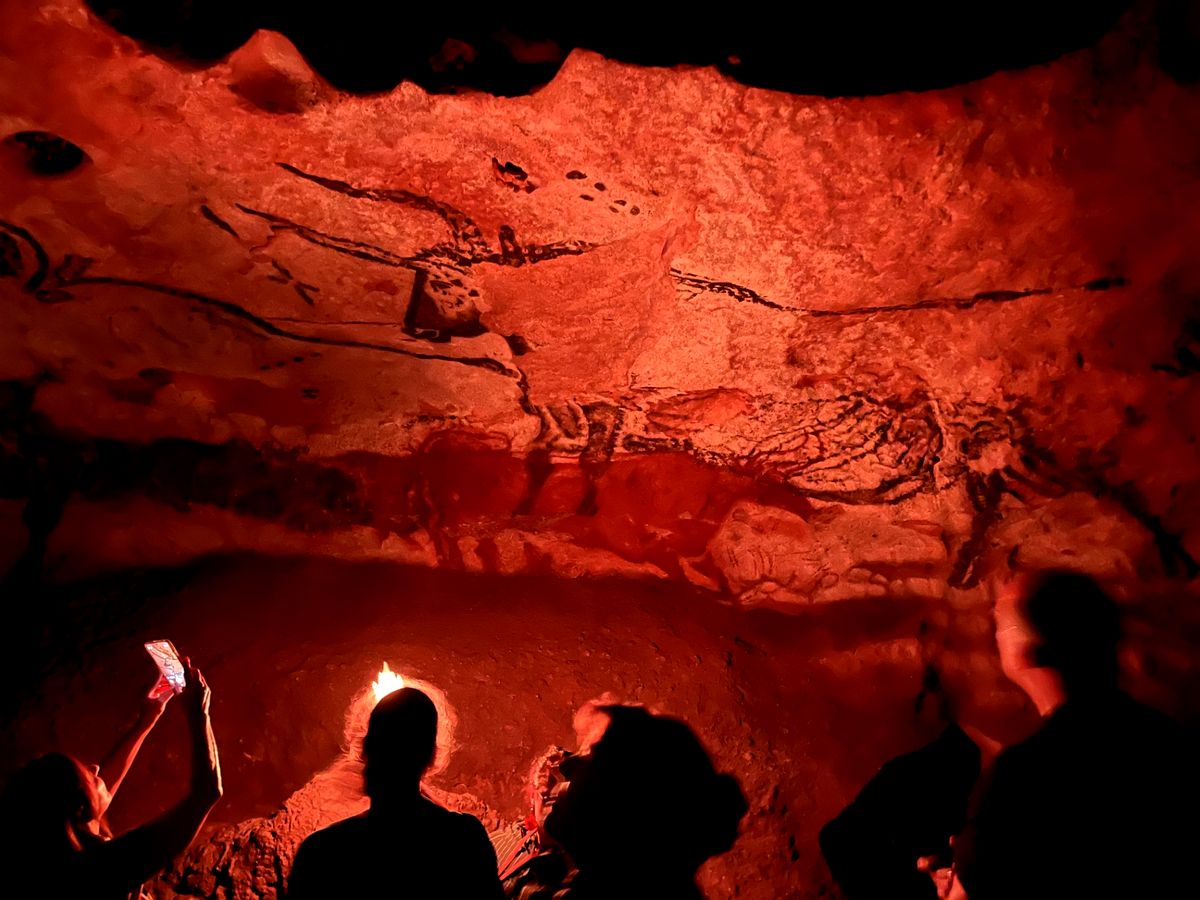
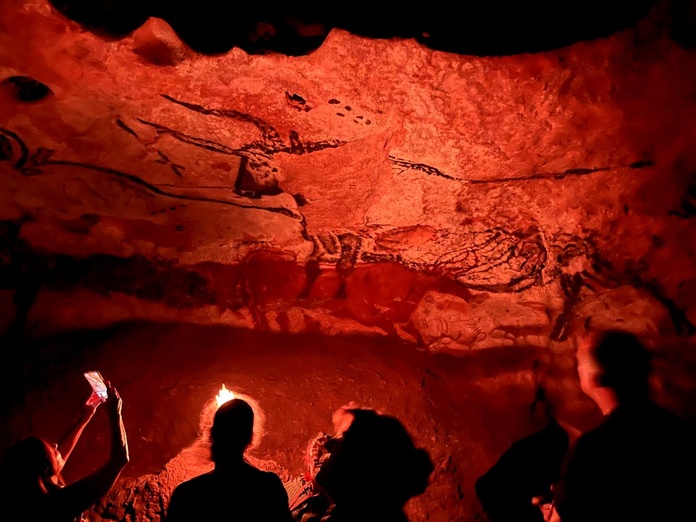
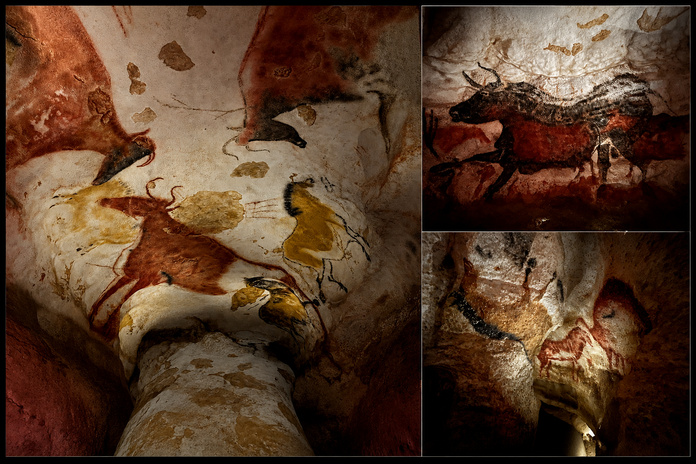
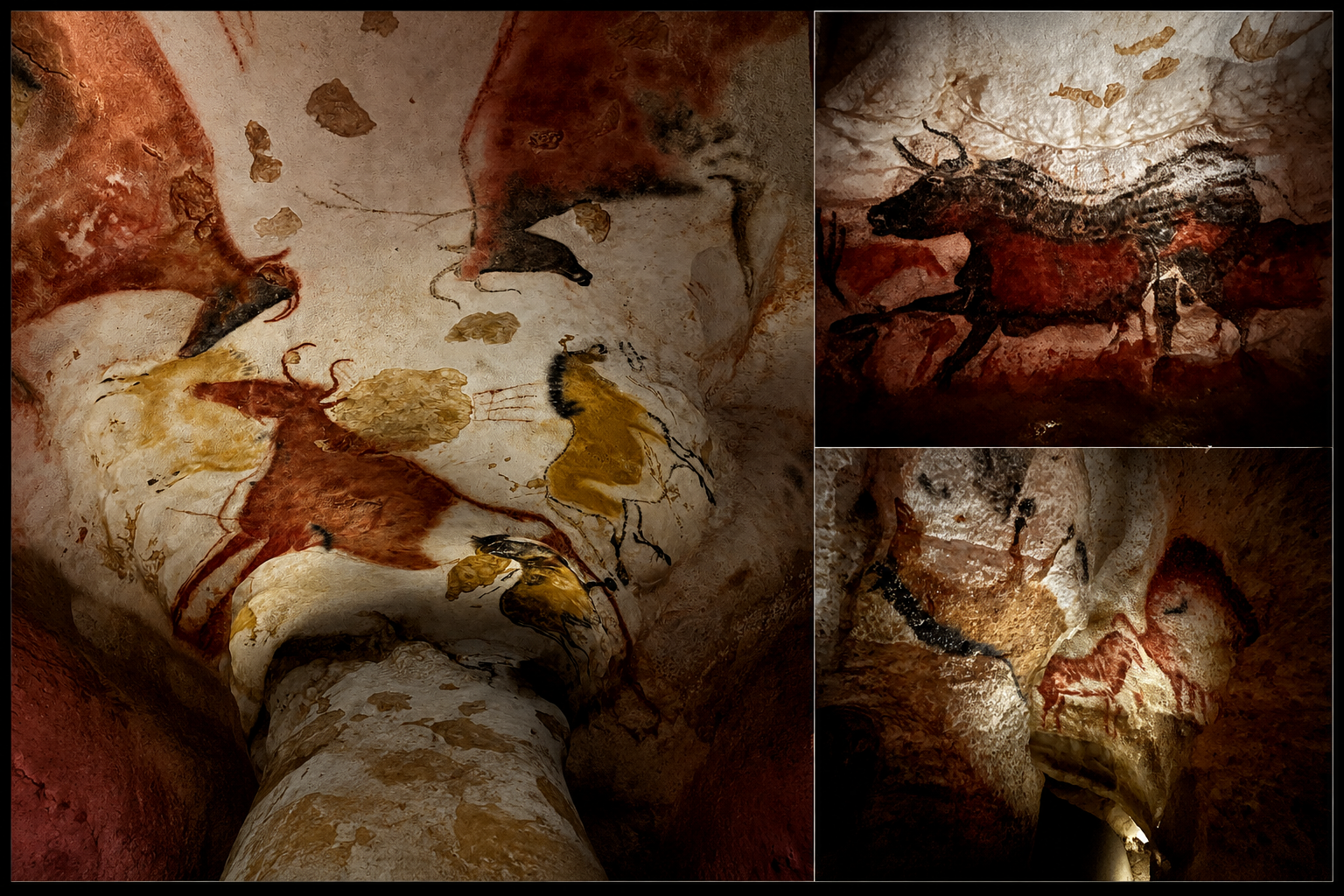
In the dim light of a torch, unforgettable stampedes of aurochs, ibex, bison, deer and horses are carved or painted in ochre, red, and black along the walls.

Welcomed by the “Unicorn,” a strange two-horned figure, visitors then wander through the Hall of the Bulls under the gaze of impressive animals—up to 3.5 meters tall—before progressing into a sequence of caverns adorned with polychrome paintings, among which a human figure with four fingers and a bird’s beak.


A major revelation of the 20th century


Souvent, ceux qui visitent Lascaux II ont la certitude d'avoir vu la "vraie" grotte - Photo : PB

The original Lascaux cave was one of the greatest archaeological revelations of the 20th century.

It was discovered in 1940 by four teenagers — Marcel Ravidat, Georges Agniel, Simon Coencas, Jacques Marsal — in the depths of a hill topped with chestnut trees and pines, in Montignac, Dordogne.

Listed as a UNESCO World Heritage site in 1979, this “Sistine Chapel of parietal art” has not revealed all of its secrets.
Indeed, it was decorated, by Cro-Magnon men, by scratching, rubbing, blowing and stamping, sometimes aided by scaffolding. But what was its purpose since it was never inhabited? Experts believe it may have had a religious function.
Since 1963, for conservation reasons (the carbon dioxide exhaled by visitors was destroying the paintings), it has been inaccessible to the public. Several replicas have therefore been made.


Lascaux IV: a full replica


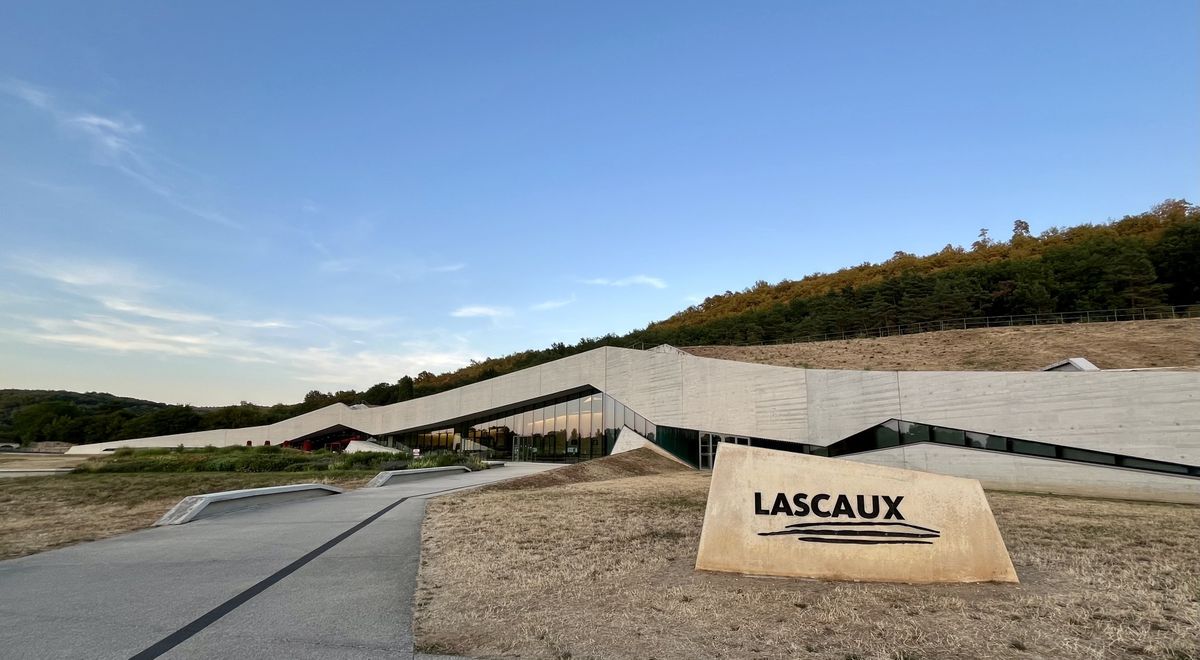
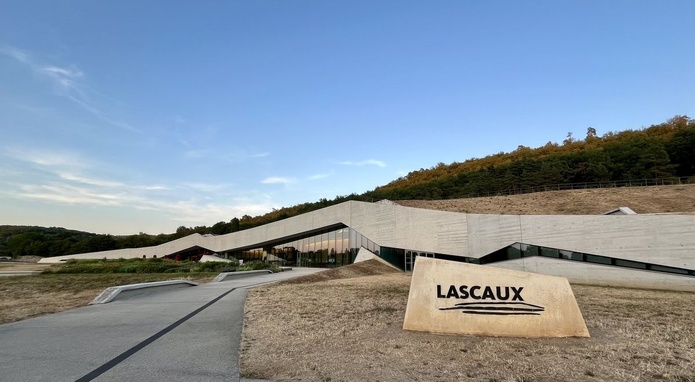
Pour abriter Lascaux IV, le cabinet d'architecture norvégien Snøhetta a conçu un bâtiment-paysage au pied de la colline où se cache la grotte originale - Photo : PB

The first replica, built as early as 1983, right beside the original cave, Lascaux II, already seems so faithful to the original that its 70,000 annual visitors often believe they are seeing the “real” cave. Yet, it shows only the Hall of the Bulls and the axial diverticulum.
Conceived in 2010, Lascaux III is a traveling, “kit” version of only part of the decorated cave (its twelve panels will be exhibited in Chicago in 2027).
By contrast, Lascaux IV is the first facsimile reproducing the entire original cave: its 900 m² of decorated walls have been restored with millimeter precision.
To reach such a level of realism, the teams at the Atelier des Fac-Similés du Périgord combined technology and craft: ultra-precise 3D digital surveys, wall modeling, application of colored patinas, then hand reproduction of paintings and engravings with natural pigments, just as 21,000 years ago!
Housed in an elegant, semi-buried white building at the foot of the original hill, Lascaux IV marks its tenth anniversary this year, with a program blending immersive experiences, gastronomic evenings, performances and new themed tours.


Lascaux IV: 380,000 visitors annually


A Lascaux IV, des cavalcades d'animaux inoubliables - Photos : PB, composition générée par IA

An exceptional project, Lascaux IV cost 60 million euros, financed by the region, the department, the State, Europe, patrons and Semitour Périgord, a mixed‑economy company created by the Dordogne Department.
A substantial budget, indeed. But, open 340 days a year, the International Center of Parietal Art/Lascaux IV has become one of the essential cultural sites of Périgord. “We welcome 380,000 visitors annually. A remarkable figure for a rural territory,” notes André Barbé, general director of Semitour Périgord, in charge of this extraordinary site.
As the department’s leading tourist enterprise, Semitour manages seven other cultural sites there. Each tells a slice of local history while engaging with contemporary creation, as Lascaux IV does thanks to digital tools and the know‑how of the Center for Parietal Art.


The Grand Roc mineral forest

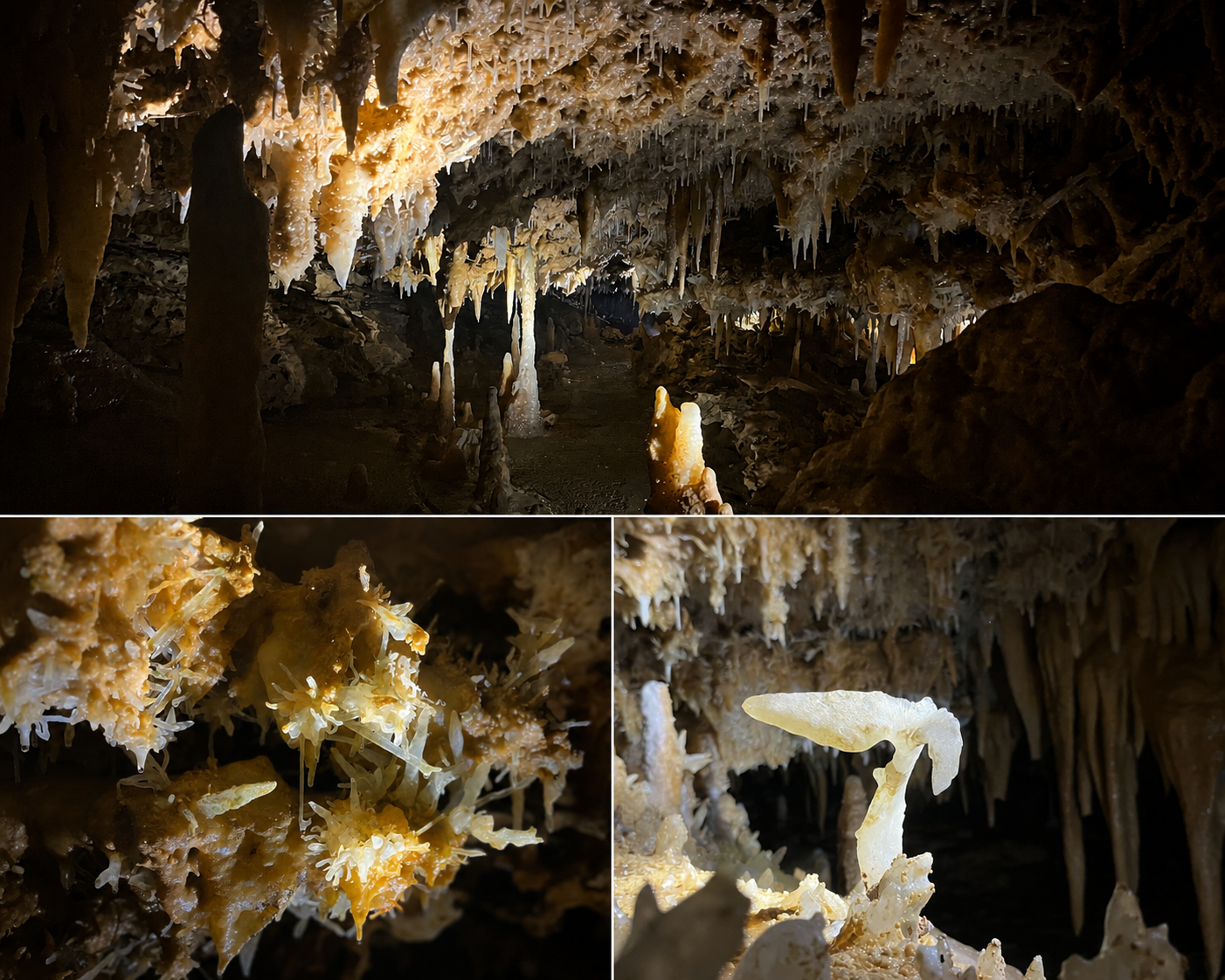
In the ceaseless back-and-forth between past and present highlighted by these sites, the Grand Roc Cave stands out with a vertiginous plunge back to the Upper Cretaceous: between 100 and 66 million years ago!
Nestled in Les Eyzies, inside an impressive cliff, this cave is part of the UNESCO-listed Vézère Valley sites.
Discovered in 1924 by Jean Maury, it offers a magical immersion in a mineral forest gradually formed by water seeping through the rock.
Yet one must first climb 76 fairly steep steps (no accessible access for people with mobility impairments), then wander along a path guided by discreet lighting to admire stalagmites, stalactites, columns, stone draperies and astonishing “eccentric concretions,” almost translucent, with surprising chrysanthemum-shaped forms!
Further down, under the same cliff, the prehistoric Laugerie-Basse site was occupied by humans as early as the Magdalenian period.
Excavations in the rock shelter known as “des Marseilles” (a joint ticket with Grand Roc) revealed four layers of occupation and hundreds of objects, including the famous “Indecent Venus,” a female statuette with a broken head.


In Biron, ten centuries of history


Monpazier, once a commercial “bastide,” now a “City of Arts and Crafts”


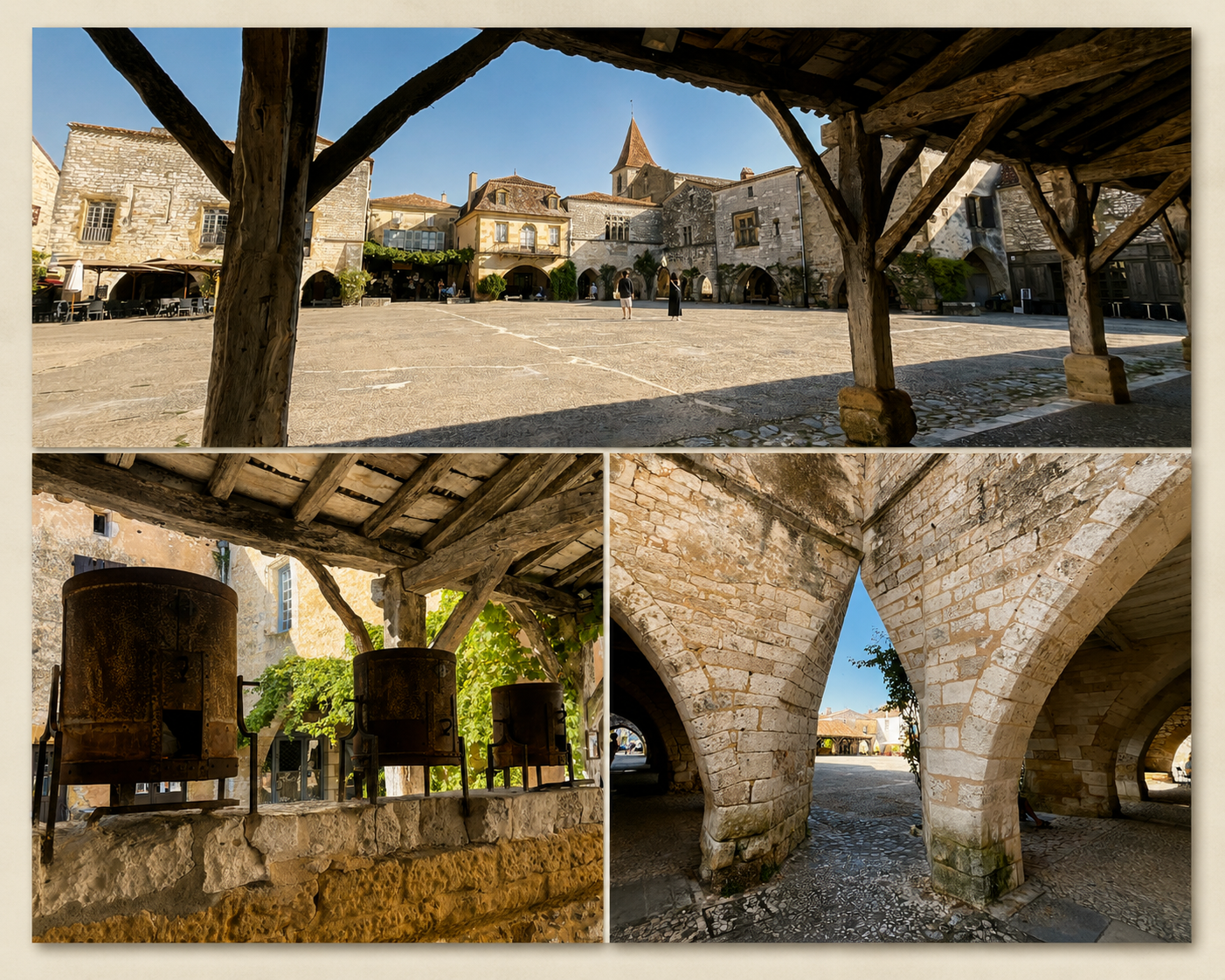
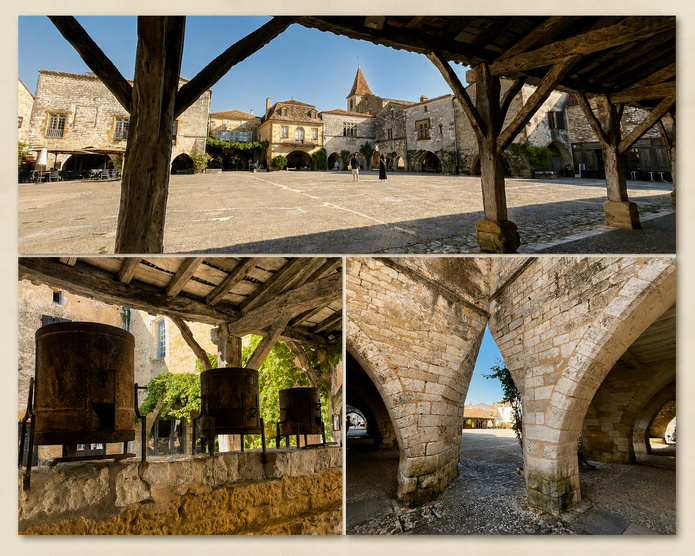
Trois visages de Monpazier, prospère place commerciale du XIIIe - Photos PB, composition générée par IA

Last rendezvous with medieval history in Monpazier, close to Biron.
This charming town of pale stone is one of the 300 “new towns” built in the southwest of France between 1222 and 1373: called bastides, they were active commercial hubs.
At that time, the Hundred Years’ War had not yet begun, but the English—established in Aquitaine since, through marriage, the King of England had become Duke— and the French were already facing one another, each trying to rally local lords to their cause.
From its creation in 1284, by Edward I, king of England—on land granted by the lord of Biron—Monpazier thus lived behind solid ramparts and fortified gates still visible.
Its plan remains organized around two main axes and the central square surrounded by arcades and covered ways, pierced by passages (the “corners”).
The market still takes place on Thursdays under the powerful chestnut-framed hall where three of the original grain measures are kept, once used to determine the price of goods and the amount of taxes to be imposed.


Exclusive tours and private dinners


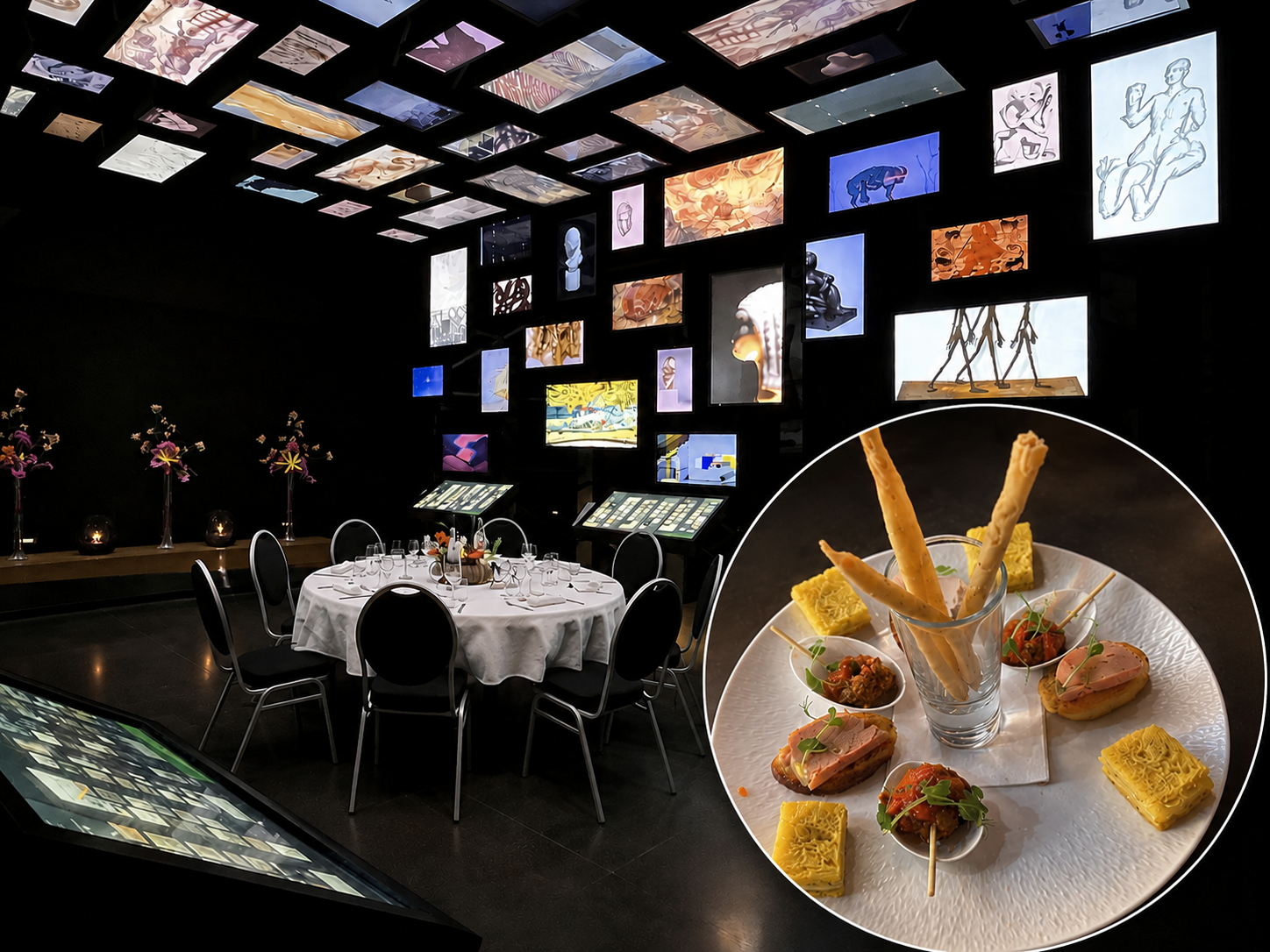
Pour ce dîner privé à Lascaux IV, la table a été dressée dans la Galerie de l’Imaginaire - Photos : PB, composition générée par IA

With more than 22 artists and artisans for barely 500 inhabitants, Monpazier has, in recent years, reinvented itself as a “City of Arts and Crafts”.
Shops and restaurants likewise highlight the delicious specialties — duck, foie gras, truffles, walnuts, wines, etc. — that make the Périgord a destination prized by gourmets as much as by heritage and history lovers.
For attracting new audiences, Semitour now offers, with the help of local caterers, a combination of exclusive tours and private dinners (by reservation) at Lascaux IV, Cadouin Abbey, and Biron Castle.
Tailor-made offers (price on request) worthy of attention for agencies seeking experiences for their clients.
Truly driving forces, the eight cultural sites managed by Semitour help keep shops, restaurants and accommodations thriving.
In this rural area, there are options of all standings, from the modest Cadouin Abbey Youth Hostel to the elegant four-star Les Glycines, housed in a park with a pool and Spa in Les Eyzies.
Its owner, Pascal Lombard, even earned a Michelin one-star for his gastronomic table, “Le 1862.”
In Monpazier, the Edward 1st Hotel ****, recently renovated in a 19th‑century manor, is also aiming higher since it was taken over by Michel Fredric and his wife Isabelle, who bring solid experience in upscale hospitality in Mauritius and Zanzibar.
Clearly, many paths lead to the Périgord.


PAULA BOYER Published by Paula Boyer Head of the LuxuryTravelMaG section – TourMaG.com
View all articles by Paula Boyer

  • picto Twitter
  • picto Linkedin
  • picto email
Add TourMaG to your Google News feed Google Actualités icône

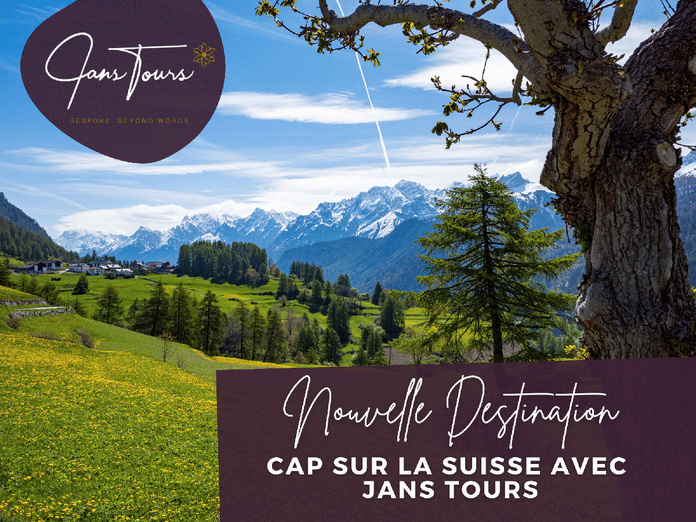
Jans Tours Switzerland: A New Milestone in the Group’s History


© Getty Images

Dream Yacht


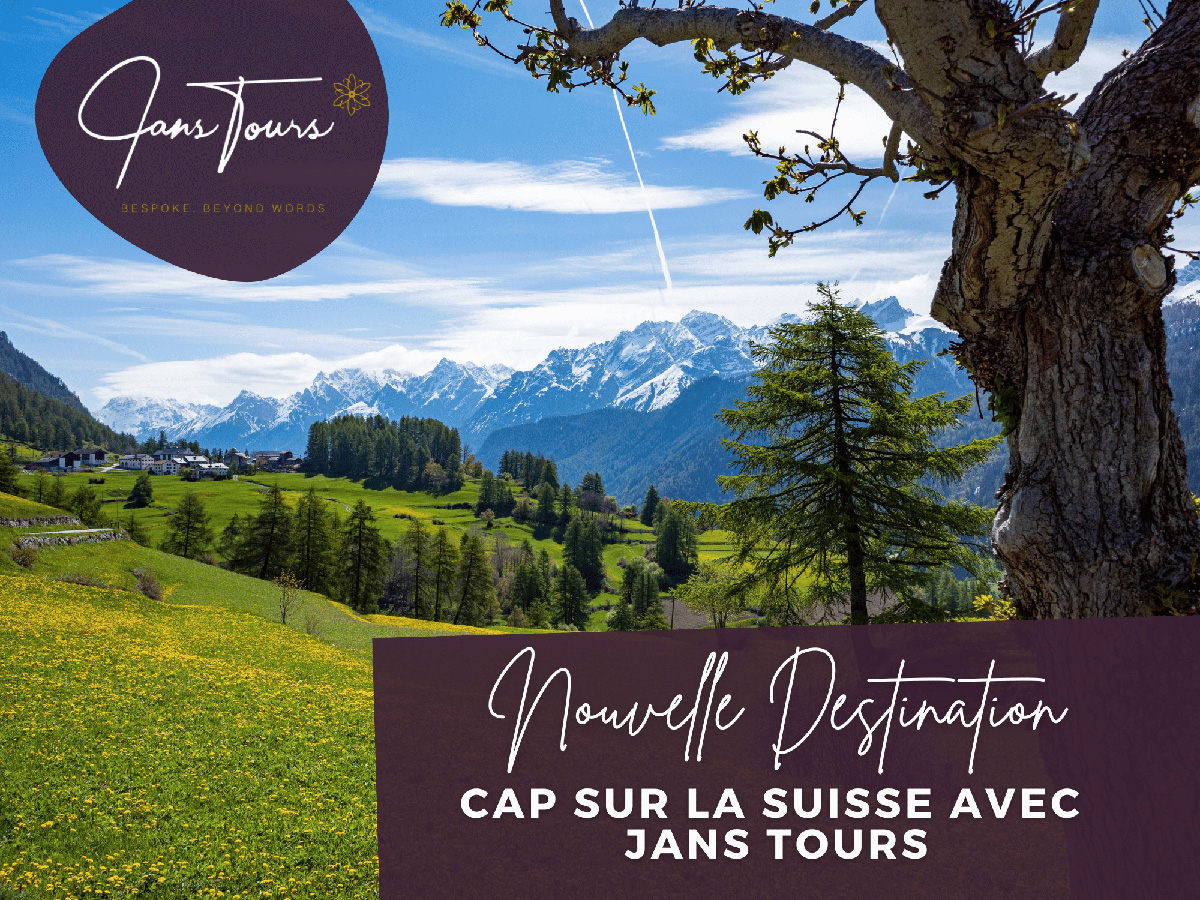
Jans Tours Switzerland launched its first operations this year, with carefully crafted products, committed local partners, and a field team that brings the destination to life on a daily basis.

A step that naturally fits into the group’s evolution and that it was time to present more officially to our partners in the Francophone market.


A natural evolution rather than a strategic shift

At first glance, the link between Southeast Asia and Switzerland may seem surprising. Yet the logic is simple.

Jans Tours has always built its development around the same philosophy: strong destination expertise, teams close to the ground, and the ability to craft tailor-made trips that make sense.

After Indonesia, the Philippines and Malaysia, the group naturally continued its international expansion by opening up new perspectives in Europe. The France commercial office marked an important first step to strengthen ties with Francophone markets. The creation of Jans Tours Switzerland is in line with this continuity.

This is not about changing professions, but about widening the playing field.


Switzerland, a destination that ticks all the boxes today

If Switzerland today asserts itself as a new destination for Jans Tours, it is not by chance.

The market is evolving, and so are travelers’ expectations. There is a growing demand for trips that are smoother, more responsible, closer to nature and local experiences. Journeys where the travel itself becomes an experience, where one takes time to discover, to feel, to understand.

And in this regard, Switzerland has a real playbook.

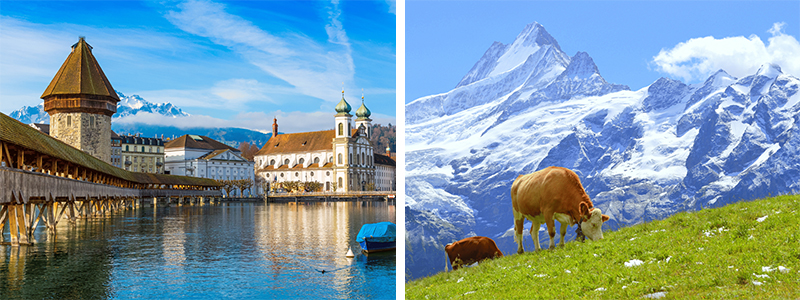
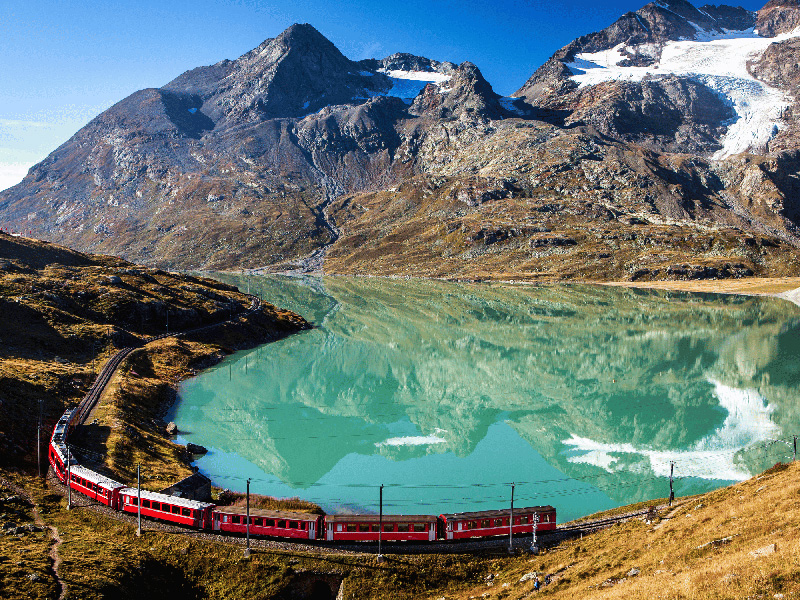
Between its spectacular Alpine landscapes, its lakes, its perfectly preserved villages, and its railway network among the most efficient in the world, the country offers an ideal playground to build varied itineraries that are attractive and accessible year-round.

It is also a destination that speaks to several client typologies: FITs, groups, incentives, or premium trips.


© Getty Images


A destination built closest to the ground

Since its launch, Jans Tours Switzerland has relied on an approach built from direct contact with the destination, nourished by in-depth and practical knowledge of the terrain.

The country lends itself particularly well to varied itineraries, thanks to the complementarity of its regions. Lucerne and Central Switzerland offer immediate access to the Alps and the country’s classics, between sparkling lakes and accessible mountains. The Bernese Oberland remains one of Switzerland’s most spectacular playgrounds, perfect for nature experiences and endless alpine panoramas. Farther south, Valais and Zermatt embody iconic Switzerland, with the presence of the Matterhorn, the country’s emblematic mountain, and a decidedly premium atmosphere. Graubünden and the Engadin entice with their more pristine landscapes and exceptional rail experiences, while the Geneva region and Lake Geneva combine urban elegance, terraced vineyards, and open views of the Alps.

The goal is not to offer a fixed package, but to build a flexible, inspiring, and customizable base that can adapt to the expectations and specific needs of each market and each client.

Today, it is mainly the experiences that give the destination its full personality.


Experiences that invite you to travel differently

In Switzerland, travel is part of the journey itself.

The panoramic trains are the best example. They are not mere transfers, but genuine experiences.

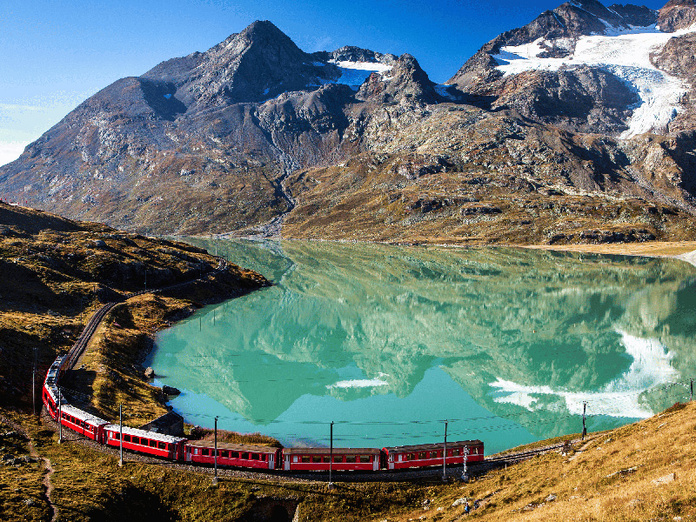
This is notably the case with the Bernina Express Pullman Class, where travelers board historic cars inspired by the 1930s to traverse some of the most beautiful UNESCO-listed Alpine landscapes.

On board, the pace slows. The scenery scrolls by. And the journey takes on a different dimension, almost timeless.

Another novelty in central Switzerland: the TITLIS Tower, with its Horizon Deck at the summit, offering a new panoramic experience in the heart of the Alps, at over 3,000 meters above sea level.

To these are added gastronomic experiences, regional festivals, and a particularly high-quality hotel offering, enabling the construction of very differentiating programs.


© Getty Images


A clear commitment to sustainable tourism


One logic: connecting destinations and partners

With Jans Tours Switzerland, the group takes a new step in its development, without changing what defines its identity.

The ADN remains the same: strong destination expertise, solid local presence, and a constant commitment to supporting travel professionals in creating tailor-made programs.

And above all, a clear continuity between all destinations in the group.

From Indonesia to the Philippines, from Malaysia to Switzerland, our teams remain available to assist travel agencies and tour operators in their projects, delivering the same rigor, the same responsiveness, and the same on-the-ground passion.

Because ultimately, it doesn’t matter the destination: what matters is the experience we build together.


Jans Tours Switzerland : une nouvelle étape dans l’histoire du groupe

Audrey Marc

Deputy Director France

+ 33 6 70 54 20 63

+ 33 1 61 30 30 06

[email protected]

jans.tours

Renato Domini

Group Director

+62 812 385 0439

[email protected]

Anthony Borie

Director France

+33 6 14 48 11 93

+33 1 61 30 30 06

[email protected]

>> JANS TOURS in the DESTIMAG Directory