In Singapore, Trading Screen Time for a Book Can Earn You Money

Whether it’s replying to messages or checking emails, watching a series or a movie, or shopping online, screens now hold a central place in our daily lives. A new way of living that sometimes pushes us to neglect activities that were once essential, such as outdoor activities, social interactions, or books and reading. To address this phenomenon and encourage its citizens to detach from their phones, computers, or televisions, Singapore has designed a program that pays them for reading a book.

Money, an Incentive for Reading

Since the start of September 2026, the Singaporean government has launched a program aimed at paying its citizens who dedicate at least fifteen minutes per day to reading a book. The objective? To counter doomscrolling, the practice of endlessly scrolling through posts on social networks, sometimes for hours on end. The scheme also aims to protect young people from the anxiety-inducing content they can be exposed to on the Internet.

Singapore also hopes that this program will improve its citizens’ concentration, critical thinking, and imagination. The principle is simple: readers can accumulate points, later converted into cents. As The Guardian explains, 50 daily reading sessions on a government site are needed to earn 1 Singapore dollar. A session of 15 minutes or more indeed yields 20 virtual coins, while you must accumulate 1,000 to obtain one dollar. Only one reading session is allowed per day.

A program that thus requires a certain degree of diligence if one truly hopes to pad their wallet. “We live in a world of extraordinary abundance of content, information and stimuli. At any moment, we can scroll through hundreds of titles, watch a video, or get a summary. We know that habits are built through small, regular actions. That is why we start with a simple objective: read 15 minutes a day. On the bus, before bed, or during lunch”, stated Melissa Tam, the director of the National Library Board in the columns of the Straits Times.

Singapore Is Not New to Financial Incentives

The program, carried out by the National Library Board (NLB), an agency that administers Singapore’s public libraries and falls under the Ministry of Digital and Information Development, aims to reach 150,000 users by September 2027.

Despite the government’s concerns about reading, fifteen-year-old Singaporean students recently topped the global reading rankings as part of the 2025 Programme for International Student Assessment (PISA), ahead of China and Taiwan.

As surprising as it may seem, Singapore is not new to using financial incentives to influence the behavior of its citizens. Indeed, the city-state had already employed this method to encourage Singaporeans to walk and meet their daily step goals in exchange for supermarket vouchers.
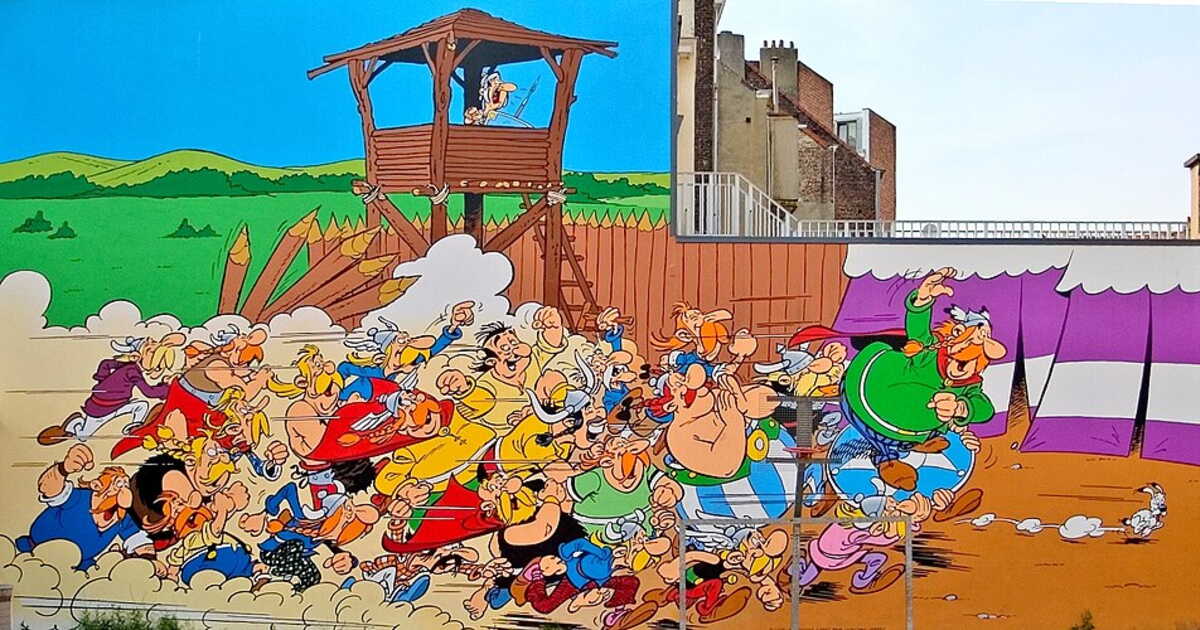

Asterix and the Peoples of the World: A Book in the Footsteps of the Indomitable Gauls

Since the birth of Astérix in 1959, René Goscinny and Albert Uderzo, its two creators, have driven the indomitable Gauls on countless journeys. They have traversed a large portion of the ancient world: from Italy to Hispania, from Brittany to Corsica, not to mention lands even farther afield. The Astérix albums have always accorded a significant place to landscapes, to peoples, to traditions, and to History. It is this link between comics and geography that Astérix and the Peoples of the World highlights, a GEO beau-livre (coffee-table book) available from September 16, 2026.

Over 128 pages, GEO magazine’s reporters set out to seek the real-world places and elements that helped shape the Astérix universe. A journey that leads them notably to Lusitania, to the lands of the Picts, to ancient Rome, and to Corsica.

When Astérix’s Albums Meet the Real World

The originality of the work rests on a dialogue between the comic-book pages and the photographs taken by GEO’s reporters.

On one side, the images from the albums narrate a reimagined ancient world through the humor and imagination of their creators. On the other, the photographs allow readers to discover, in today’s world, certain landscapes, traditions or vestiges that fed this imagination.

Fabcaro and Didier Conr ad unveil the behind-the-scenes of the creation

The book also gives a voice to those who today bring to life the adventures of the famous moustached Gaul. In an exclusive interview, the screenwriter Fabcaro and the artist Didier Conr ad, the current custodians of the Astérix character, recount their creative process and their approach to travel in the latest albums they worked on: L’iris blanc (published in 2023) and Astérix in Lusitania (published in 2025).

How does one document a narrative set in a distant era and territories? What role should be accorded to historical and geographical references? And what characterizes Astérix and Obélix as they become, through the albums, true travelers?

At the crossroads of the art book, the travelogue and the comic, Astérix and the Peoples of the World thus speaks to both fans of the universe created by René Goscinny and Albert Uderzo and to lovers of comics, of history and of travel.

Astérix: Meeting the Peoples, available from September 16, 2026, in press and in bookstores, at a price of €19.95.

Google’s AI Mode Lets You Book Hotels Directly


Google permet désormais de réserver un hôtel directement depuis son Mode IA - Depositphotos.com  Auteur rokas91

Hurtigruten


Google déploie sa réservation hôtelière agentique dans son Mode IA. La fonctionnalité permet aux utilisateurs de rechercher un établissement en langage naturel, de comparer les offres, de sélectionner une chambre, de consulter les conditions d’annulation puis de finaliser la réservation avec Google Pay.

Pour l’heure, le dispositif est réservé aux réservations effectuées en anglais aux États-Unis et nécessite notamment d’être connecté à un compte Google, de disposer d’un moyen de paiement valide dans Google Pay et d’avoir une adresse américaine enregistrée dans Google Pay.

Une fois l’hôtel et la chambre sélectionnés, l’utilisateur choisit l’option « Continuer sur Google ». La réservation est ensuite effectuée auprès du partenaire intégré.

Google précise que l’hôtel ou l’OTA reste le marchand, traite le paiement, envoie la confirmation et assure le service après-vente. Les modifications, annulations et demandes de remboursement doivent donc être adressées directement au marchand.


Google ne gère pas l’après-vente

Google insiste également sur le fait que son IA ne réserve pas encore automatiquement un hôtel à la place du voyageur. L’utilisateur conserve la main sur le choix de l’établissement, de la chambre, la vérification des conditions et la validation du paiement.

Le groupe présente son rôle comme celui d’un facilitateur de la transaction, et non comme celui d’une OTA. Une position également relevée par Skift, qui souligne que Google ne récupère que les informations nécessaires à la réalisation de la réservation, comme le nom du client, le paiement, le nombre de voyageurs et l’établissement.

Parmi les premiers partenaires figurent Booking.com, Choice Hotels, Expedia, Hotels.com, IHG, Marriott, Priceline, Trip.com et Wyndham.

Pour Skift, cette évolution constitue surtout un premier test grandeur nature de la capacité de Google à faire passer son moteur de recherche de la phase d’inspiration et de planification à celle de la réservation, un terrain que le groupe avait déjà exploré avec son ancien outil « Book on Google », fermé en 2022.

Périgord: An Almost Open-Air History Book


A Lascaux IV, dans la salle des taureaux - Photo : Dan Courtice

Costa Rica


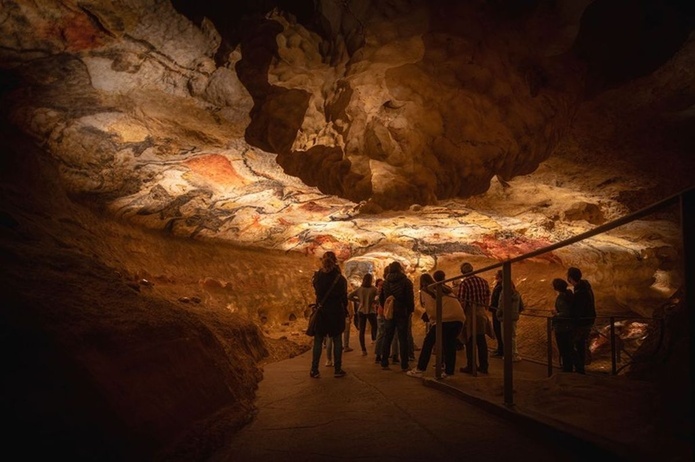
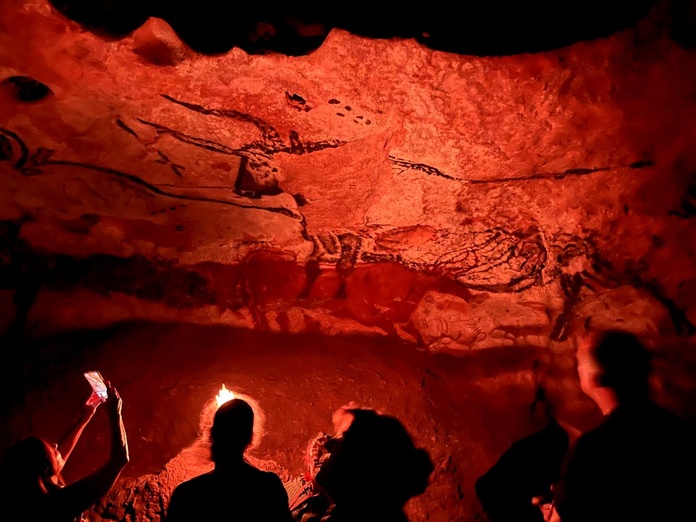
The most recent replica of the famous cave, Lascaux IV is so perfect that one could easily imagine standing before the “real” masterpieces left around 21,000 years ago by early Magdalenian hunters.

How can one not be moved? Perhaps even overwhelmed?

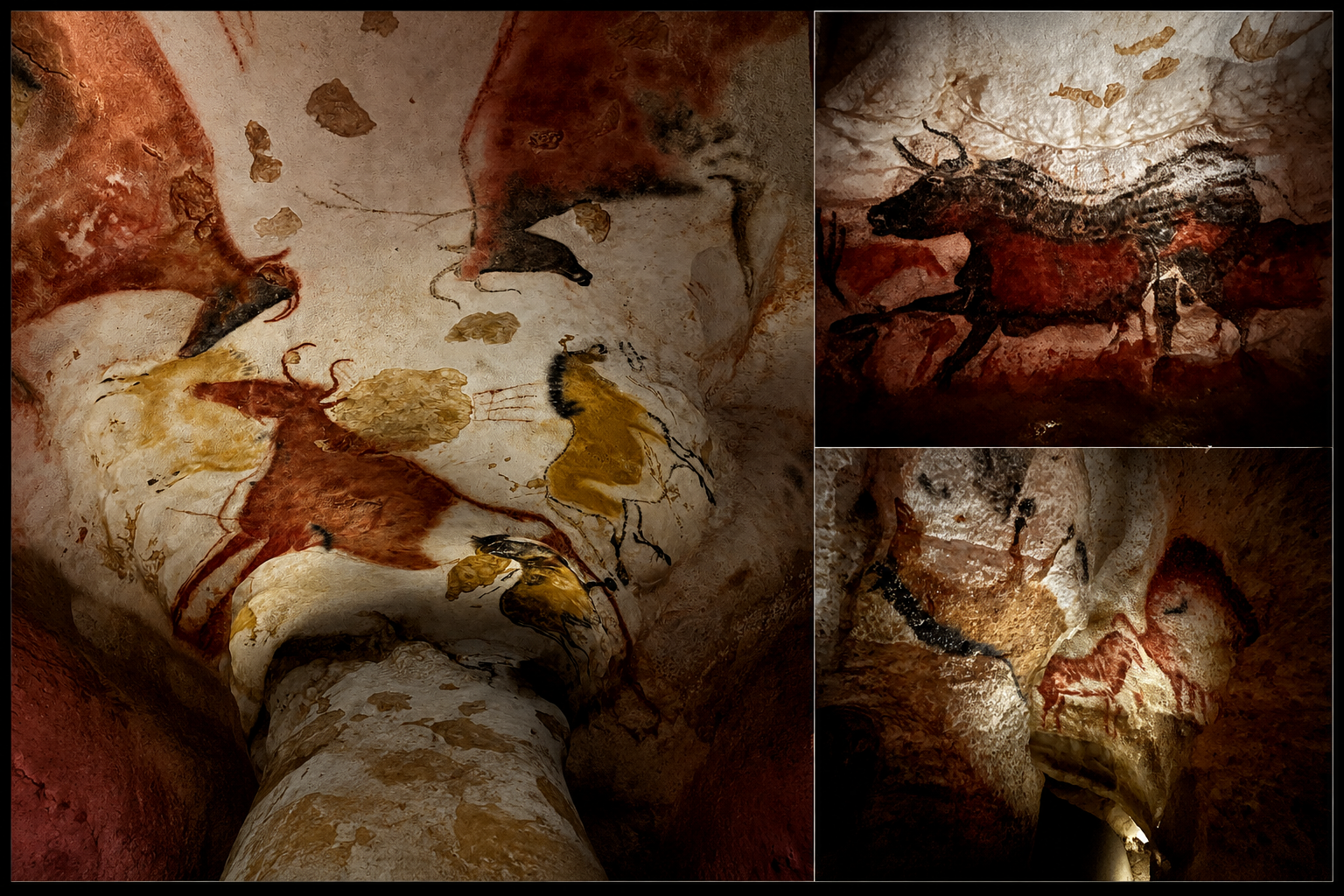
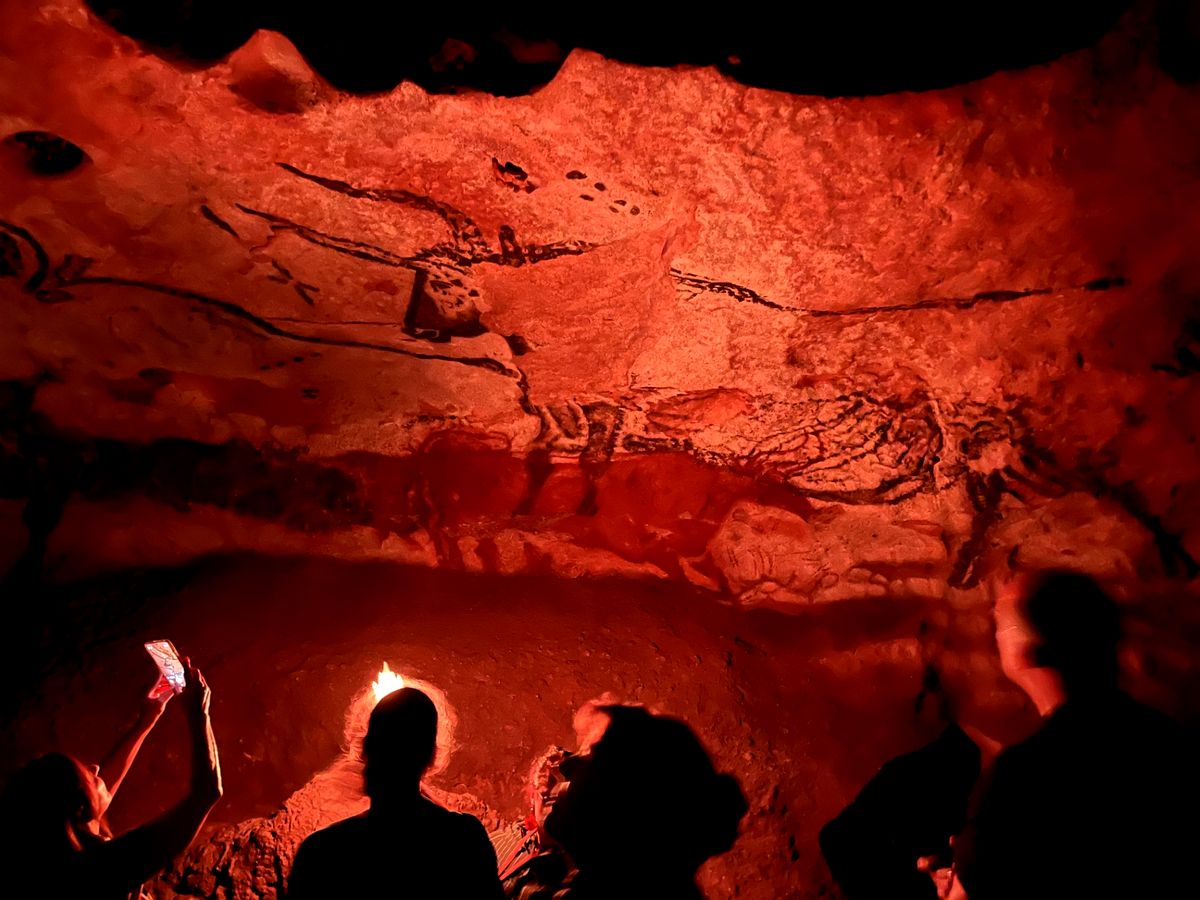
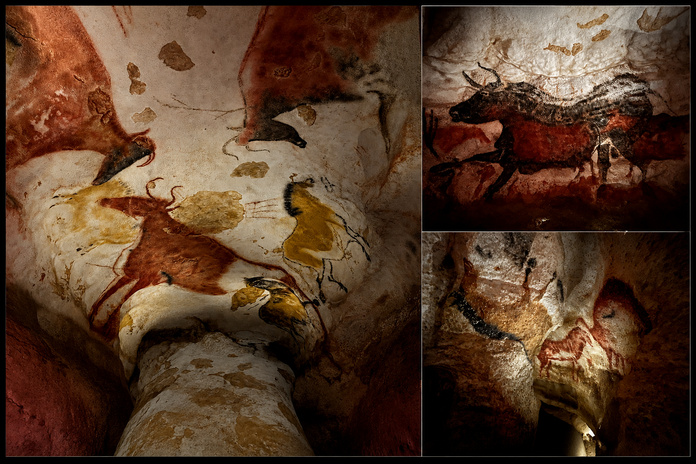
In the dim light of a torch, unforgettable stampedes of aurochs, ibex, bison, deer and horses are carved or painted in ochre, red, and black along the walls.

Welcomed by the “Unicorn,” a strange two-horned figure, visitors then wander through the Hall of the Bulls under the gaze of impressive animals—up to 3.5 meters tall—before progressing into a sequence of caverns adorned with polychrome paintings, among which a human figure with four fingers and a bird’s beak.


A major revelation of the 20th century


Souvent, ceux qui visitent Lascaux II ont la certitude d'avoir vu la "vraie" grotte - Photo : PB

The original Lascaux cave was one of the greatest archaeological revelations of the 20th century.

It was discovered in 1940 by four teenagers — Marcel Ravidat, Georges Agniel, Simon Coencas, Jacques Marsal — in the depths of a hill topped with chestnut trees and pines, in Montignac, Dordogne.

Listed as a UNESCO World Heritage site in 1979, this “Sistine Chapel of parietal art” has not revealed all of its secrets.
Indeed, it was decorated, by Cro-Magnon men, by scratching, rubbing, blowing and stamping, sometimes aided by scaffolding. But what was its purpose since it was never inhabited? Experts believe it may have had a religious function.
Since 1963, for conservation reasons (the carbon dioxide exhaled by visitors was destroying the paintings), it has been inaccessible to the public. Several replicas have therefore been made.


Lascaux IV: a full replica


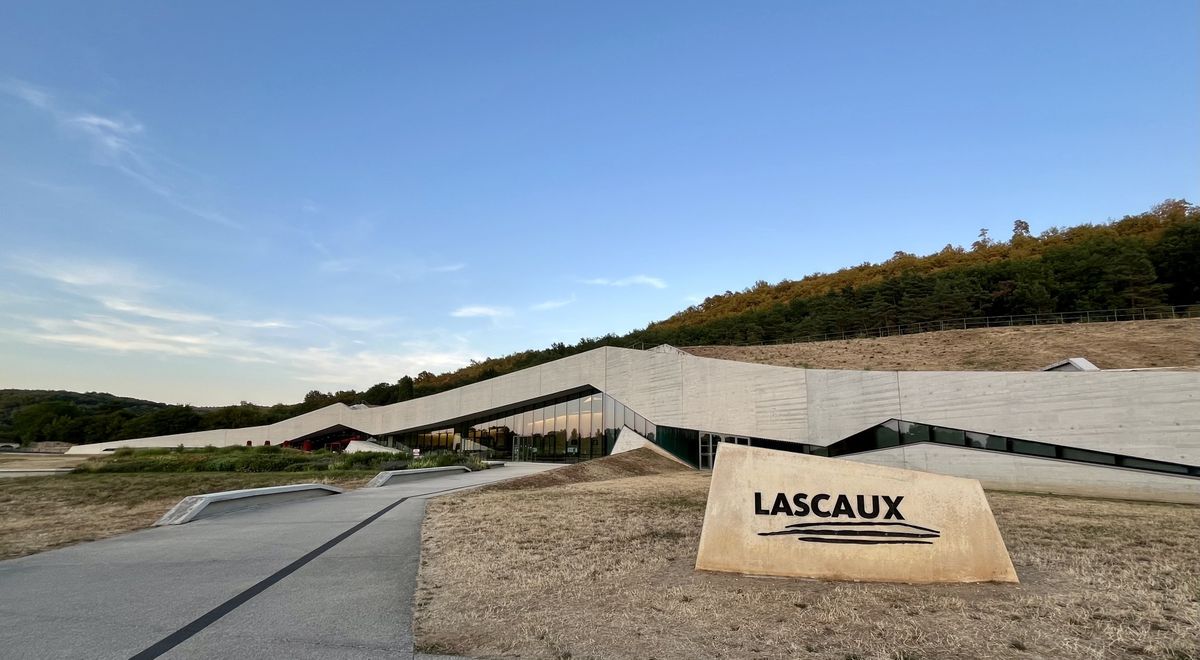
Pour abriter Lascaux IV, le cabinet d'architecture norvégien Snøhetta a conçu un bâtiment-paysage au pied de la colline où se cache la grotte originale - Photo : PB

The first replica, built as early as 1983, right beside the original cave, Lascaux II, already seems so faithful to the original that its 70,000 annual visitors often believe they are seeing the “real” cave. Yet, it shows only the Hall of the Bulls and the axial diverticulum.
Conceived in 2010, Lascaux III is a traveling, “kit” version of only part of the decorated cave (its twelve panels will be exhibited in Chicago in 2027).
By contrast, Lascaux IV is the first facsimile reproducing the entire original cave: its 900 m² of decorated walls have been restored with millimeter precision.
To reach such a level of realism, the teams at the Atelier des Fac-Similés du Périgord combined technology and craft: ultra-precise 3D digital surveys, wall modeling, application of colored patinas, then hand reproduction of paintings and engravings with natural pigments, just as 21,000 years ago!
Housed in an elegant, semi-buried white building at the foot of the original hill, Lascaux IV marks its tenth anniversary this year, with a program blending immersive experiences, gastronomic evenings, performances and new themed tours.


Lascaux IV: 380,000 visitors annually


A Lascaux IV, des cavalcades d'animaux inoubliables - Photos : PB, composition générée par IA

An exceptional project, Lascaux IV cost 60 million euros, financed by the region, the department, the State, Europe, patrons and Semitour Périgord, a mixed‑economy company created by the Dordogne Department.
A substantial budget, indeed. But, open 340 days a year, the International Center of Parietal Art/Lascaux IV has become one of the essential cultural sites of Périgord. “We welcome 380,000 visitors annually. A remarkable figure for a rural territory,” notes André Barbé, general director of Semitour Périgord, in charge of this extraordinary site.
As the department’s leading tourist enterprise, Semitour manages seven other cultural sites there. Each tells a slice of local history while engaging with contemporary creation, as Lascaux IV does thanks to digital tools and the know‑how of the Center for Parietal Art.


The Grand Roc mineral forest

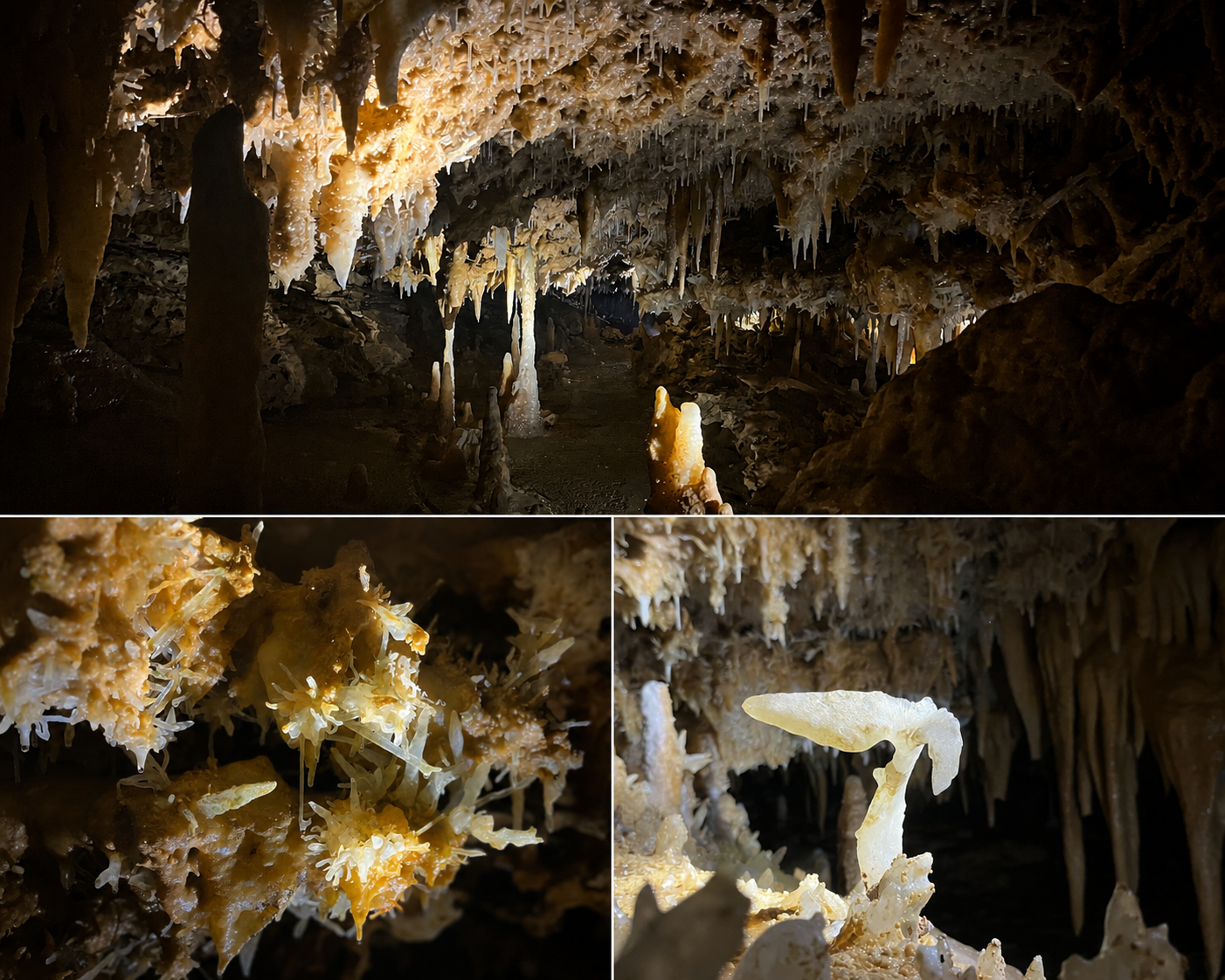
In the ceaseless back-and-forth between past and present highlighted by these sites, the Grand Roc Cave stands out with a vertiginous plunge back to the Upper Cretaceous: between 100 and 66 million years ago!
Nestled in Les Eyzies, inside an impressive cliff, this cave is part of the UNESCO-listed Vézère Valley sites.
Discovered in 1924 by Jean Maury, it offers a magical immersion in a mineral forest gradually formed by water seeping through the rock.
Yet one must first climb 76 fairly steep steps (no accessible access for people with mobility impairments), then wander along a path guided by discreet lighting to admire stalagmites, stalactites, columns, stone draperies and astonishing “eccentric concretions,” almost translucent, with surprising chrysanthemum-shaped forms!
Further down, under the same cliff, the prehistoric Laugerie-Basse site was occupied by humans as early as the Magdalenian period.
Excavations in the rock shelter known as “des Marseilles” (a joint ticket with Grand Roc) revealed four layers of occupation and hundreds of objects, including the famous “Indecent Venus,” a female statuette with a broken head.


In Biron, ten centuries of history


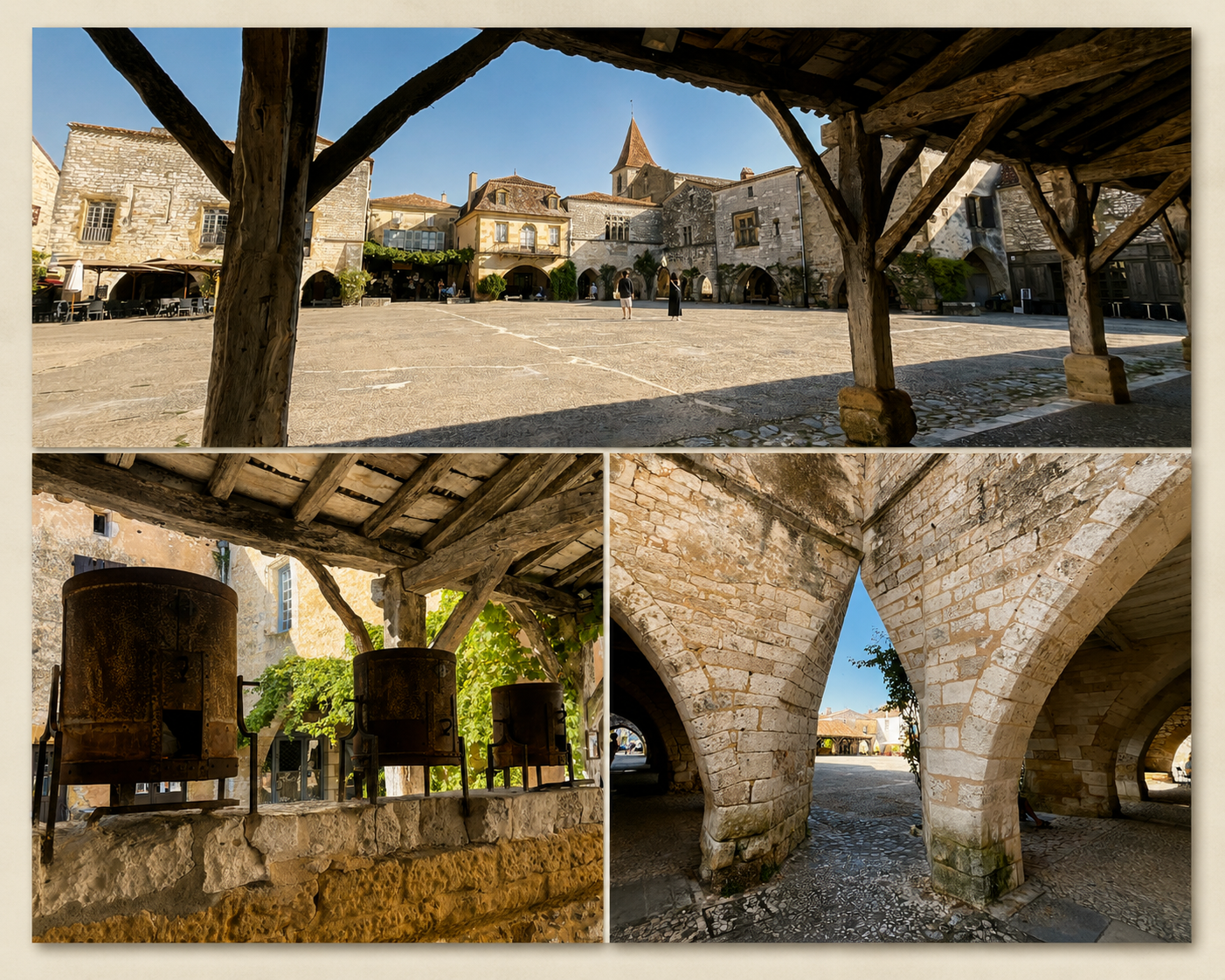
Monpazier, once a commercial “bastide,” now a “City of Arts and Crafts”


Trois visages de Monpazier, prospère place commerciale du XIIIe - Photos PB, composition générée par IA

Last rendezvous with medieval history in Monpazier, close to Biron.
This charming town of pale stone is one of the 300 “new towns” built in the southwest of France between 1222 and 1373: called bastides, they were active commercial hubs.
At that time, the Hundred Years’ War had not yet begun, but the English—established in Aquitaine since, through marriage, the King of England had become Duke— and the French were already facing one another, each trying to rally local lords to their cause.
From its creation in 1284, by Edward I, king of England—on land granted by the lord of Biron—Monpazier thus lived behind solid ramparts and fortified gates still visible.
Its plan remains organized around two main axes and the central square surrounded by arcades and covered ways, pierced by passages (the “corners”).
The market still takes place on Thursdays under the powerful chestnut-framed hall where three of the original grain measures are kept, once used to determine the price of goods and the amount of taxes to be imposed.


Exclusive tours and private dinners


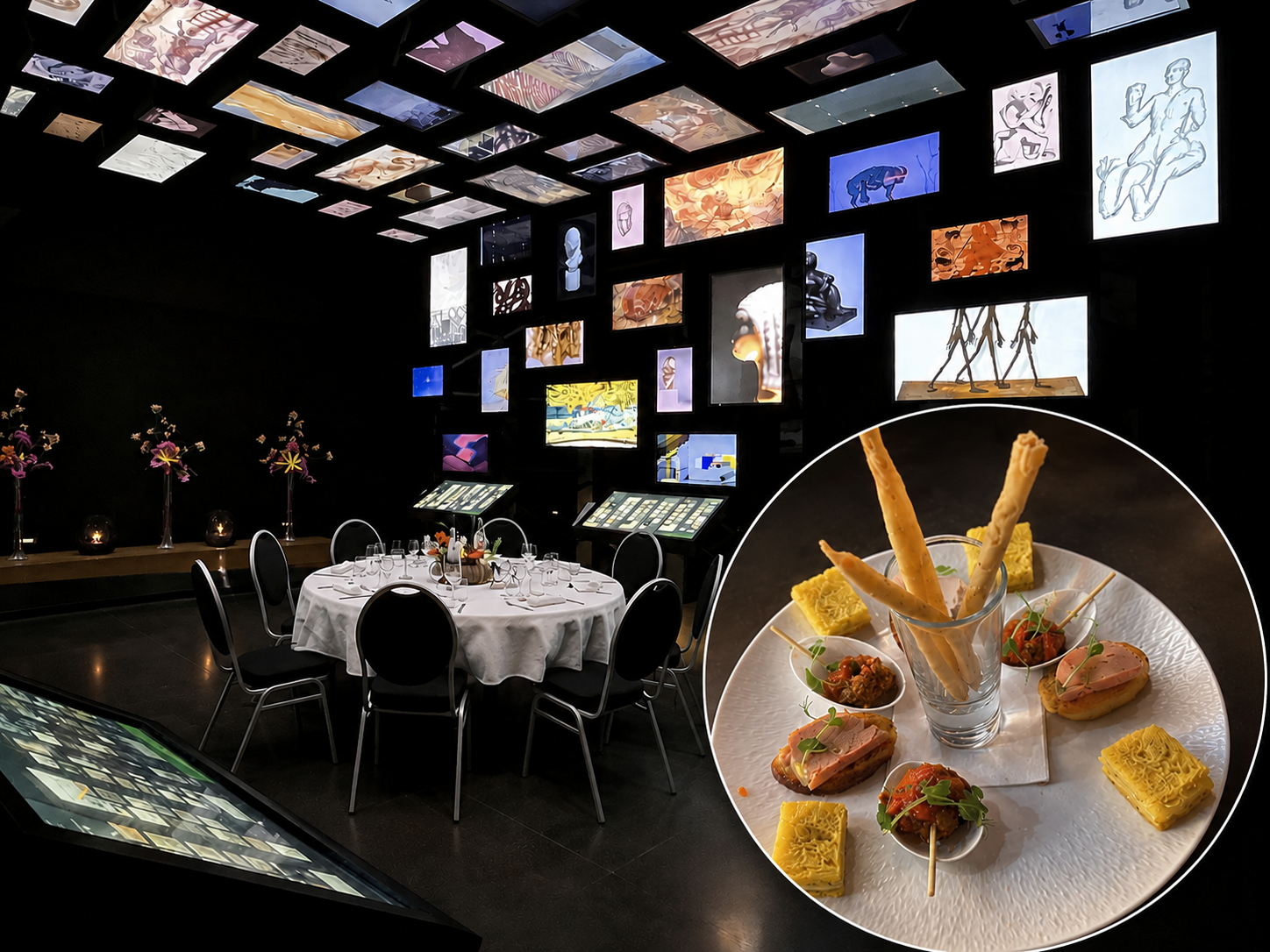
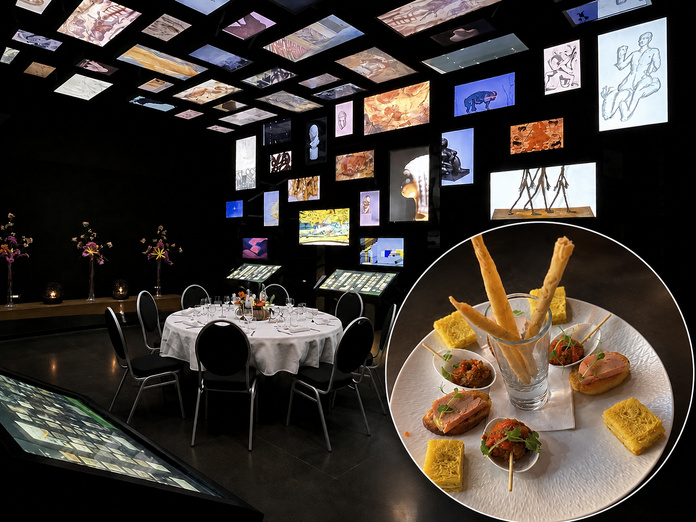
Pour ce dîner privé à Lascaux IV, la table a été dressée dans la Galerie de l’Imaginaire - Photos : PB, composition générée par IA

With more than 22 artists and artisans for barely 500 inhabitants, Monpazier has, in recent years, reinvented itself as a “City of Arts and Crafts”.
Shops and restaurants likewise highlight the delicious specialties — duck, foie gras, truffles, walnuts, wines, etc. — that make the Périgord a destination prized by gourmets as much as by heritage and history lovers.
For attracting new audiences, Semitour now offers, with the help of local caterers, a combination of exclusive tours and private dinners (by reservation) at Lascaux IV, Cadouin Abbey, and Biron Castle.
Tailor-made offers (price on request) worthy of attention for agencies seeking experiences for their clients.
Truly driving forces, the eight cultural sites managed by Semitour help keep shops, restaurants and accommodations thriving.
In this rural area, there are options of all standings, from the modest Cadouin Abbey Youth Hostel to the elegant four-star Les Glycines, housed in a park with a pool and Spa in Les Eyzies.
Its owner, Pascal Lombard, even earned a Michelin one-star for his gastronomic table, “Le 1862.”
In Monpazier, the Edward 1st Hotel ****, recently renovated in a 19th‑century manor, is also aiming higher since it was taken over by Michel Fredric and his wife Isabelle, who bring solid experience in upscale hospitality in Mauritius and Zanzibar.
Clearly, many paths lead to the Périgord.


PAULA BOYER Published by Paula Boyer Head of the LuxuryTravelMaG section – TourMaG.com
View all articles by Paula Boyer

  • picto Twitter
  • picto Linkedin
  • picto email
Add TourMaG to your Google News feed Google Actualités icône

Advertising, AI, and Word-of-Mouth: What Really Makes CSP+ Customers Book [ABO]


96% des voyageurs ultra-luxe continuent de passer par un conseiller humain pour organiser leurs séjours, malgré les outils de réservation en ligne - DepositPhotos.com, Milkos

IFTM prenez RDV avec TourMaG


In the United States, Resonance Consultancy has tracked the spending habits of affluent travelers since 2007, in partnership with the Leger Institute.

According to its 2026 Future of Luxury Travel study, the wealthiest 10% of American households will spend $544 billion on leisure travel in 2026, with the average per-trip budget rising from $5,100 to $7,900 between 2022 and today.

A McKinsey study specifies that a third of this market now comes from clients with a net worth between $100,000 and $1 million, a profile closer to senior executives or small-to-midsize business leaders than to ultra-wealthy clients.


Trust Comes First, Not Price

According to ColorWhistle’s compilation of 2025-2026 industry studies, 96% of ultra-luxury travelers continue to rely on a professional to organize their high-end trips, despite the growing availability of online booking tools.

TravelAge West interviewed clients with budgets of at least $25,000 on why they choose this route: 84% believe that a recognized advisor provides more value than a prolonged Internet search.

Time savings tops the motivations cited, ahead of itinerary personalization and the reduction of planning-related stress.

These two studies position the travel professional as a buffer against the mental burden of planning, rather than merely a booking intermediary.

Also read: Travel agencies: how much should you invest in Google Ads to acquire a client in 2026?


AI informs, it does not decide

A Skift survey, cited by AltexSoft, shows that 93% of travelers trust artificial intelligence to obtain information about a destination.

Only 2% would entrust AI to handle a booking or a modification to a trip entirely autonomously, without human validation.

This gap marks a clear boundary between using AI as a source of information and its role in the final booking decision.

Also read: Google search evolutions: what a travel agency must anticipate for 2027


The United Kingdom Confirms the Trend

Virtuoso, which surveyed more than 2,400 advisors worldwide for its Luxe Report 2026, notes a similar shift among British and American clients: luxury is defined less by the price tag and more by authenticity and the depth of the connection to a destination.

This same definition is driving agencies like Not Just Travel, which launched in July 2026 an internal certification program to train its advisors in Asia, Europe, and the Middle East, encouraging investment in education rather than solely in the media budget.

The British luxury travel market, valued at $2.81 billion in 2025 according to Market Data Forecast, owes part of its growth to this emphasis on personalization.


What I Take Away for Advertising


In Summary

1. In the United States, wealthy households are spending more per trip, with the average budget rising from $5,100 to $7,900 between 2022 and 2026, on a market valued at $544 billion.

2. 96% of ultra-luxury travelers continue to rely on a human advisor to organize their stays, despite online booking tools.

3. Time savings motivates this choice more than access to exclusive experiences, ahead of itinerary personalization and reducing stress.

4. Travelers trust AI to inform themselves (93%), but rarely to book on their own without human validation (2%).

5. In the United Kingdom, luxury is defined more by authenticity and personalization than by the displayed price, prompting some agencies to invest in advisor training.

6. Referrals remain the sector’s most effective conversion channel at 9.5%, ahead of search and email.


Sources

– Resonance Consultancy, 2026 Future of Luxury Travel (January 2026).

– McKinsey, cited by AltexSoft, Luxury Travel Market (November 2025).

– ColorWhistle, Luxury Travel Consumer Statistics (June 2026).

– TravelAge West, Why Luxury Travelers With $25K+ Budgets Are Turning to Travel Advisors (May 2025).

– Skift, cited by AltexSoft, Travel Advisors Market (January 2026).

– Virtuoso, 2026 Luxe Report (November 2025).

– Not Just Travel, press release (July 2026).

– Market Data Forecast, UK Luxury Travel Market Size & Share Report (June 2026).

– Ruler Analytics, Travel Marketing Statistics (August 2024).

– OpinionWay for American Express, Lifestyle Trends Observatory, 4th Edition (April 2026).


Photo : A. Houizot

Adrien Houizot is a Google Ads consultant who has specialized exclusively in the travel and tourism sector for eight years.

After working with several digital marketing agencies, he now supports travel agencies (B2C & B2B), hoteliers and providers of tourism activities.

He is the founder of Monsieur Travel Marketing.