

Sun PhuQuoc Airways Entrusts European Sales Representation to TAL Aviation Group


Sun PhuQuoc Airways confie sa représentation commerciale en Europe à TAL Aviation Group - DepositPhotos.com, Iryna_Rasko

MSC Croisières


As part of its international expansion, Sun PhuQuoc Airways partners with TAL Aviation Group to structure its commercial presence in the European market.

Based on Phu Quoc Island, the airline, a subsidiary of the Sun Group, plans to grow its fleet to 32 aircraft by the end of 2026, including four widebodies, in order to strengthen its routes in Asia and to prepare its long-haul network.

The European market is strategically important to us as we develop our international network. The in-depth market knowledge and TAL Aviation’s strong relationships with industry professionals make it the ideal partner to support our long-term growth in the region,” says Tran Viet Loi, the commercial director of Sun PhuQuoc Airways.


A historic order of 40 Boeing 787-9 Dreamliners to support long-haul

This expansion strategy rests on a major investment plan to renew the fleet.

On February 18, 2026 in Washington, D.C., the airline formalized a contract worth $22.5 billion for the acquisition of 40 Boeing 787-9 Dreamliners.

This commitment represents the largest order of wide-body aircraft in the history of Vietnamese commercial aviation.

The gradual arrival of these aircraft will enable the operator to operate direct connections between Vietnamese hubs, Europe and other international destinations.

Gideon Thaler, CEO of TAL Aviation Group, welcomed the partnership: “We are delighted to represent Sun PhuQuoc Airways in Europe. This partnership reflects our commitment to delivering premier representation and distribution.”


Comprehensive management of sales and partnerships in Europe

TAL Aviation’s mandate includes activating travel agency networks, supporting reservations, and developing strategic partnerships with industry players.

The group will rely on its network of local agencies to establish the airline’s presence among European customers.

Through this framework, Sun PhuQuoc Airways aims to position Phu Quoc and the region’s major Vietnamese cities at the heart of tourist and business flows coming from Europe.
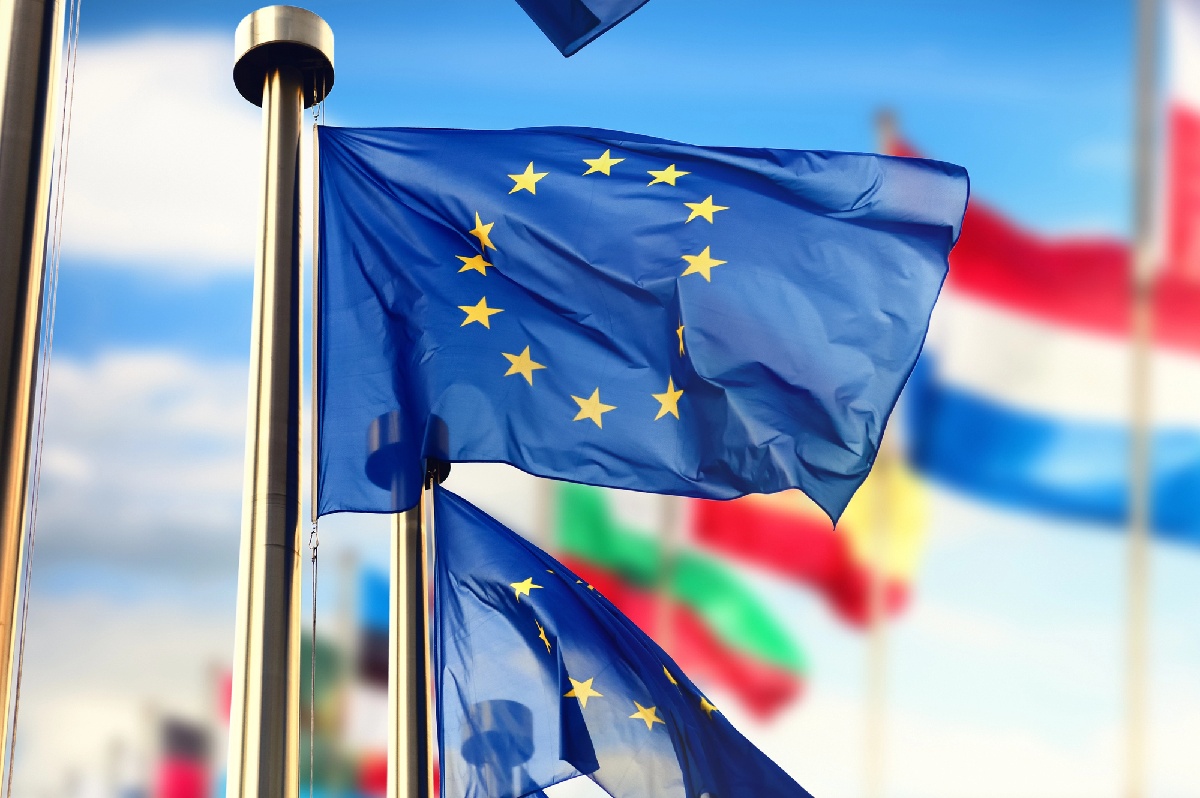
Aviation: Brussels Targets Carbon Quotas, Threatens Prices and European Airlines? [ABO]


ETS : Bruxelles veut étendre les quotas carbone, une menace pour les compagnies européennes ? - Depositphotos.com Auteur symbiot

Hurtigruten


Hard times for the Gulf hubs.

While geopolitical tensions and thus instability persist in the region, affecting air traffic, the appeal of the Gulf’s strongholds— notably the Doha, Dubai, and Abu Dhabi hubs— could further diminish in the years to come.

Indeed, in a proposal for a directive from the European Parliament and the Council, it is learned that the European Commission plans to extend its Emissions Trading System, the ETS, beyond intra-European flights.

Eric Drésin, secretary general of ECTAA (the European association of travel agents and tour operators), told TourMaG that this project is very recent, “we are really at the very beginnings of discussions on these issues. But there could be an increase in costs for the airlines.

Briefly remind what the ETS are, Emissions Trading Schemes in English, which can be translated as: systems for trading emission rights. A system introduced in 2005 obliging companies to purchase rights to emit CO₂.


Chinese and Americans Spared by Brussels

Regarding air transport, these emission quotas apply only to flights within Europe.
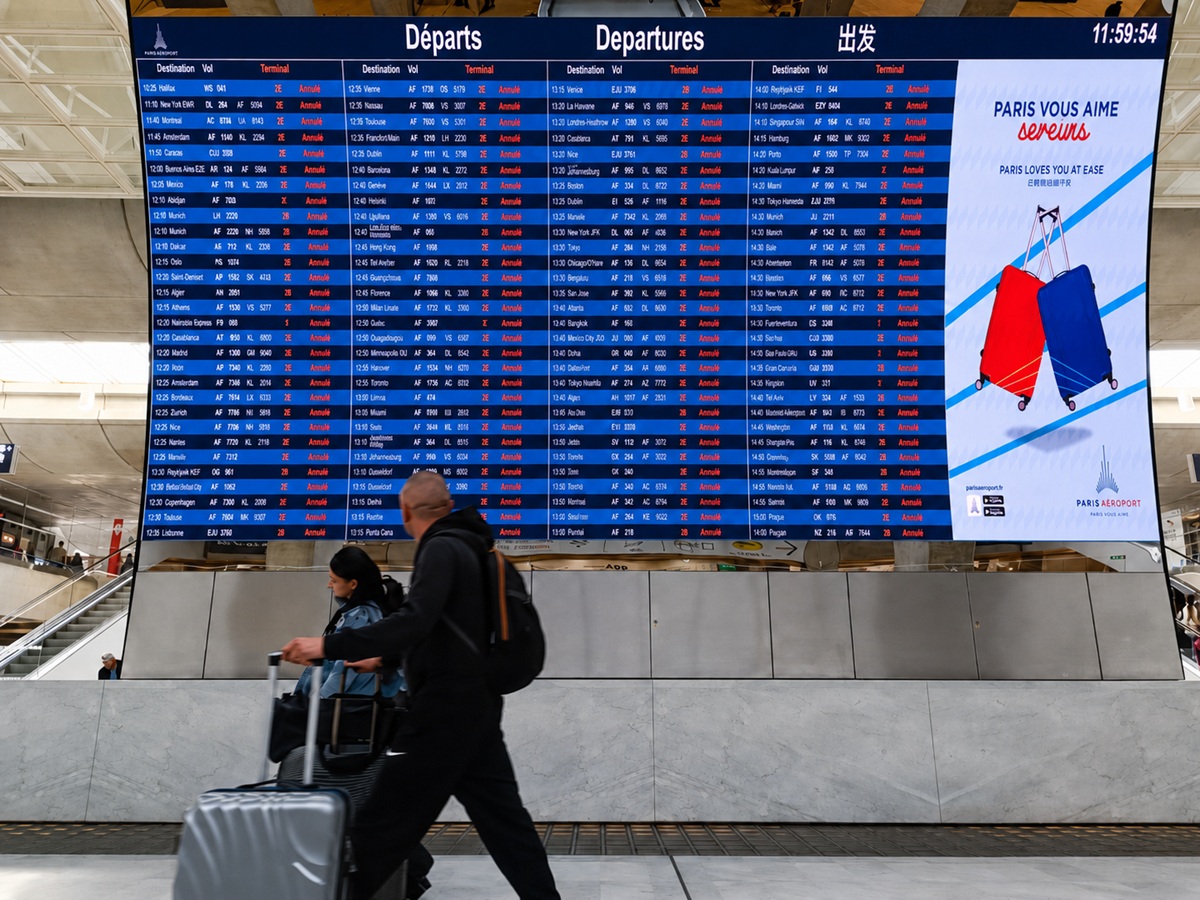
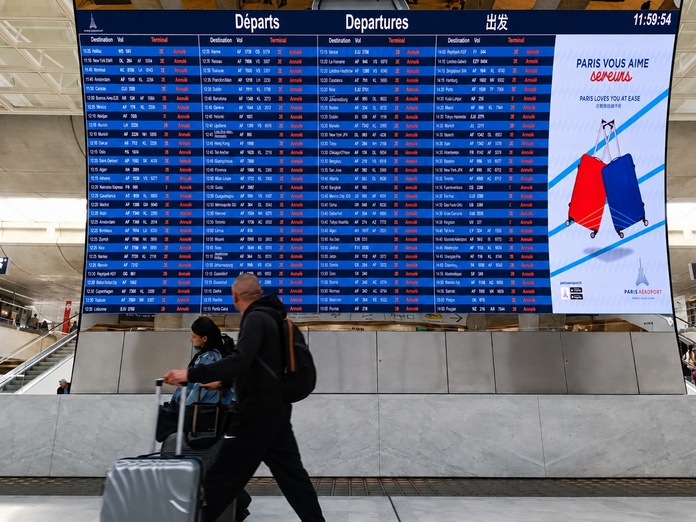
But starting in 2029, Brussels aims to adjust the criteria and include the scheme for flights whose destinations are less than 5,000 kilometers from Frankfurt.

Would then be affected a portion of Africa, of Russia and especially the Middle East with carriers such as Emirates, Qatar, Etihad or even the “little” Riyadh Air. This extension, on the simple principle that the farther you go the more you pay, can be understood. However Brussels is up against the hard law of the strongest which seems to become the law “full stop.” The famous 5,000 kilometers thus completely spare the United States and China, which had suggested that in the event of new “taxes” there would be retaliations.


Carbon quotas: European airlines protest

With this proposed ETS extension, at first glance one might think Brussels is restoring a bit of fairness in the fierce competition between European carriers and those from the Gulf that will now be impacted.

But most major European-based airlines think the opposite. For groups like Air France-KLM, Lufthansa or IAG, this extension would cover hundreds of new routes among those they operate and thus ETS costs would truly explode.

In the columns of the Dutch daily De Volkskrant, the carrier KLM had said that it already pays €172 million for emission rights, i.e., 1.5% of its total costs, and viewed a massive price rise with dismay in the coming years.

By means of a note published last May, Air France-KLM informed Brussels that it opposesfirmly any extension of the EU ETS to all flights departing the European Union to destinations outside Europe.” The group asserts that such a measure would further increase the decarbonization burden already disproportionately borne by European carriers. It adds that it would amplify distortions of competition vis-à-vis non-European carriers and could provoke retaliation measures from third countries.

And this document, produced by Air France-KLM’s top management, goes well beyond a mere protest. It is also a counterproposal to Brussels’ upcoming revision of the European emissions trading system, to which the group says it would contribute more effectively and profitably to the EU’s 2050 climate neutrality goal.

Among the proposed measures, and besides maintaining the current geographic scope of the ETS, Air France-KLM also calls for extending the free carbon quotas granted to carriers using SAF to beyond 2030, a limit set by Brussels.

Known as FEETS (Fuel EU ETS Support), this temporary mechanism allocates free carbon quotas called SAF Allowances to carriers using SAF to reduce their ETS bill.

This transitional measure, designed as an encouragement to adopt SAF, is supposed to end in principle in 2030 but for Air France-KLM, that limit is incompatible with industrial SAF investments that are planned over 15–20 years and with the ramping up of SAF-fuel obligations, which remains for a long time far more expensive than kerosene and will have to be carried in the tanks at 70% by 2050.


Plans to Abandon Routes?

In Air France-KLM’s document, the group also seems ready for significant concessions, notably route abandonments, provided that this SAF Allowances scheme is extended to intermodal practices feeding the group’s hubs at Paris-Charles de Gaulle and Amsterdam-Schiphol.

In other words, if Brussels were to reward airlines with free carbon quotas for transporting passengers by train to their hub, certain routes could simply be dropped.

The group would like to convert air passengers into rail passengers for those connecting to long-haul flights, replacing short- and medium-haul flights that fall under the EU Emissions Trading System.

We are thinking of certain links between French provinces and CDG, or other European cities near Amsterdam such as Brussels.

A little revolution.


Aviation: Sébastien Lecornu Under Pressure to Avert a Nationwide Strike


Aérien : l’intersyndicale exige un engagement écrit avant le 31 juillet 2026, pour éviter une grève nationale - Photo : RP, modifiée avec l'IA

Costa Rica


Meetings in ministerial offices are stacking up for the interunion of cabin crew members (PNC). Each time, they leave a sense of things unfinished for the profession’s representatives.

The first one took place with Philippe Tabarot, nearly two weeks ago, as we disclosed to you.

The Minister of Transport acknowledged the particularities of the PNC regarding the employment-retirement accrual reform (CER) and stated that he would support, with the Prime Minister, the interunion’s proposal to exclude this group from the text.

Earlier this week, it was the turn of the Ministry of Labor to receive the representatives.

The technical and legal advisers of Jean-Pierre Farandou recognized that the “cabin crew are the great forgotten ones of this reform” and that their “demands are legitimate given the specifics” of their professions and of the CRPN.

If the union flyer drafted after this meeting aims to be positive, it also reveals shortcomings in the ministry’s commitment to resolve the issue.

A massive strike, affecting all companies, is still not to be ruled out, even though an ultimatum has been given to Sébastien Lecornu.

To read: easyJet France: anger is mounting, a strike looming in August?


Reform of the employment-retirement accrual: patchwork, without taking cabin crew out of the text

Indeed, according to the flyer, the ministerial team has not been able to offer a firm solution to the problem raised by the interunion.

For reference, the reform, which will come into force on January 1, 2027, provides that all earnings, including unemployment benefits, could be deducted from the CRPN pension. Yet the CRPN is a private and mandatory retirement fund.

The unions fear that the State will seize the reserves and, more broadly, that “unpaid CRPN pensions” would go to “fuel the public accounts.”

For now, this would amount to little more than “patchwork,” in the words of the various unions who attended the meeting, which was proposed without removing the PNC from the reform text.

Following the meeting with the Ministry of Labor, a new letter was sent to Sébastien Lecornu, after the July 8 letter that remained unanswered.

In addition to recalling the recent context, with the three visits to ministerial offices, the letter explains that these meetings have allowed to confirm “that applying this reform to cabin crew constitutes an unanticipated side effect, arising from the lack of consultation and impact assessment on the specificities of air transport.”


Aviation: the interunion demands a written commitment by July 31, 2026!

The decision on this possible exclusion of PNC now rests with the Prime Minister. And the answer should not be delayed.

The不可-negotiable deadlines tied to the settlement of CRPN pensions require a solution to be decided by July 31, 2026.

Otherwise, a wave of early departures cannot be prevented, posing a risk of a major industrial accident in French air transport, with particularly heavy operational, economic, and social consequences
“, the communication states.

If by the end of the month no serious response is provided to the unions’ demands, France could face a nationally significant social movement.

The interunion simply wants the complete exclusion of cabin crew from the new reform scheme and does not want a mere alternative solution designed to limit its impact.

They also want to participate in the legislative work planned within the framework of the 2027 Social Security financing bill, since that is where the reform is positioned.

In the absence of a written commitment before July 31, 2026, or if the commitments made should not be respected during the drafting of the bill in the autumn, our organizations will take responsibility.

They will then undertake the necessary steps to organize nationwide, large-scale strikes
“, the letter concludes, also signed by the SNPL.

The countdown has begun…


Romain Pommier Published by Romain Pommier Journalist – TourMaG.com
See all articles by Romain Pommier

  • picto Facebook
  • picto Linkedin
  • picto email
Add TourMaG to your Google News feed Google Actualités icône

Can the Aviation Industry Still Move Forward in Silos?


L’aérien peut-il encore avancer en silos ? - Depositphotos.com, Chalabala

CroisiEurope


Air transport can no longer be steered solely by a cost logic. Its future competitiveness will depend on its ability to create, share, and reinvest value.

It is in this spirit that I spoke on May 21 at ENAC, as part of the UTA module dedicated to the stakeholder ecosystem.

Created by Francis Massé, this European program brings together professionals from across the entire aviation value chain.

Its ambition is simple yet powerful: to break down barriers, build a shared understanding of air transport, and help sector players think in terms of an ecosystem rather than isolated functions.

The round table, titled “Airline-Airports relations : cooperation or tension in a new era ?”*, was moderated by Didier Bréchemier of Roland Berger. I spoke there alongside Jean-Louis Baroux, Nicolas Duthilleul and Franck Goldnadel.

A clear finding emerged from the exchanges: aviation can no longer be understood solely through costs, fees, infrastructure or capacity.

These variables remain essential, but they no longer fully explain the scale of the transformations underway.

The real question now is the creation of value: where is it created, who captures it, how is it shared, and under what conditions can it be reinvested in connectivity, resilience, decarbonization and the customer experience?

* Relations compagnies aériennes-aéroports : coopération ou tension dans une nouvelle ère ?


Compagnies et aéroports : dépasser la logique tarifaire

La relation entre compagnies aériennes et aéroports reste structurée par une tension bien connue : les compagnies cherchent à réduire les redevances, tandis que les aéroports doivent financer des investissements lourds, de long terme et souvent très contraints par la régulation.

Cette tension est compréhensible, mais elle ne suffit plus. L’enjeu n’est plus seulement de négocier quelques euros par passager. Il est de créer davantage de valeur par passager. Cela suppose de travailler ensemble sur le développement des routes, les revenus annexes, la donnée, la fidélisation, le cargo, les services digitaux et l’ensemble du parcours client.

Le prochain gisement de valeur ne viendra pas d’une source unique. Il viendra de la capacité à orchestrer le parcours passager : avant le voyage, à l’aéroport, pendant les perturbations, et même après l’arrivée.


IA : sans données connectées, pas de valeur durable

L’intelligence artificielle a naturellement occupé une place importante dans les échanges. Le programme UTA lui consacrait d’ailleurs une séquence spécifique, centrée sur ses applications pour les compagnies, l’ATM, les aéroports et la supply chain.

Dans l’aérien, on pense d’abord aux usages les plus visibles : revenue management, pricing dynamique, personnalisation client, conversion retail, gestion des perturbations ou fidélisation. Ces applications sont majeures, mais elles ne représentent qu’une partie du potentiel.

L’IA peut aussi transformer des domaines moins visibles mais tout aussi décisifs : maintenance, MRO, dossiers techniques, prévision des pièces, conformité, achats, planification opérationnelle ou stratégie. Dans un secteur aux marges faibles, mieux anticiper une panne, améliorer la disponibilité d’un avion, éviter un retard ou optimiser un contrat fournisseur a un effet direct sur la rentabilité.

Mais l’enjeu central n’est pas la seule puissance de l’algorithme. C’est sa capacité à s’appuyer sur une vision suffisamment complète du réel.

OAG le résume bien avec l’idée de « partial in, partial out » : même exacte, une donnée peut produire une mauvaise décision si elle reste incomplète ou isolée. Un outil d’IA peut ainsi proposer une correspondance attractive en théorie ; s’il ignore les temps minimums de connexion, les terminaux, les contraintes de transit, les règles bagages ou les réalités opérationnelles de l’aéroport, il recommandera en pratique un itinéraire irréaliste.

Le même raisonnement vaut côté opérations. Une IA peut détecter une perturbation météo et proposer un réacheminement ; si elle n’intègre pas les temps de service équipage, la disponibilité réelle des avions, les contraintes de maintenance, les ressources au sol ou les capacités bagages, elle risque de créer une seconde perturbation en voulant résoudre la première.

C’est l’un des paradoxes du secteur : peu d’industries produisent autant de données, mais peu les fragmentent autant. Elles existent chez les compagnies, les aéroports, le contrôle aérien, les assistants en escale, les mainteneurs, les distributeurs, les autorités et les prestataires technologiques, mais restent trop souvent dispersées entre systèmes, métiers et organisations.

Cette fragmentation existe aussi côté client. Le voyageur ne consulte plus seulement le site d’une compagnie ou une agence en ligne : il compare sur Google Flights, Skyscanner, Kayak ou les OTA, interroge des assistants IA, vérifie les avis, les temps de correspondance, les conditions bagages, les retards, les remboursements ou les alternatives multimodales.

Cela change profondément la donne. Le client utilise déjà des outils qui agrègent, comparent et recommandent ; mais si ces outils reposent sur des données partielles, obsolètes ou mal reliées, ils peuvent conduire à de mauvaises décisions : un tarif inexistant, une correspondance trop courte, une offre bagage mal comprise ou une promesse de service impossible à tenir.

L’enjeu de l’IA dans l’aérien n’est donc pas de savoir qui aura le meilleur chatbot ou le meilleur moteur de recommandation. Il est de connecter les données : horaires, disponibilités, tarifs, règles de correspondance, état des vols, contraintes opérationnelles, informations passagers, fidélité, retail, maintenance et ressources au sol.

Le potentiel réel de l’IA apparaîtra lorsque ces données pourront être croisées dans un cadre de confiance, avec des règles claires de gouvernance, de sécurité, d’anonymisation et de partage de la valeur.

L’IA ne servira pas seulement à vendre plus. Elle permettra de mieux voler, mieux maintenir, mieux acheter, mieux orienter le client et mieux gérer les perturbations. Mais à une condition : que l’écosystème aérien accepte enfin de connecter ses données et de sortir des silos.


Decarbonize Without Detaching

The environmental transition was another central topic. SAF, e-SAF, taxes, European regulation: everyone now recognizes that decarbonization will not be simple, nor economically neutral.

Europe is right to want to accelerate. But it must also ensure that it does not create a cost differential that would permanently weaken its airlines and platforms compared with other regions of the world. Passengers compare prices, not regulatory frameworks.

The question is therefore not to reduce environmental ambition. It is to support it with a genuine industrial policy: production of SAF, support for innovation, regulatory stability, international coordination and clear targeting of environmental contributions.

A tax that feeds a general budget mostly increases the ticket price. A contribution reinvested in transforming the sector, on the other hand, can truly accelerate the transition.


Transformer le flux en expérience

Customer experience has long been conceived as a sequence of procedures: check-in, security, boarding, and baggage. This processing logic remains necessary, but it must now evolve toward a hospitality mindset.

A relaxed, informed, and reassured passenger is more predisposed to spend, to purchase an ancillary service, to engage with a brand or to remain loyal. Conversely, stress destroys value: it lowers retail, weakens loyalty, and taints the travel image.

The objective is not to maximize time spent at the airport, but to create useful, smooth, and predictable time. Dwell time has value only if experienced positively.


L’humain, nouvel actif rare du secteur

Finally, the question of skills traverses the entire aviation chain: security, ramp assistance, maintenance, operations, cargo, sales, and customer service. The labor shortage is not only an HR or operational issue. It becomes a commercial issue.

If an airport cannot absorb more flights, if queues become unpredictable, if bag handling deteriorates or if customer teams are overwhelmed, growth becomes theoretical.

Automation and AI will help, especially on repetitive or predictable tasks. But aviation will remain deeply human in critical moments: disruption, assistance, security, crisis, operational arbitration or passenger reassurance.

The more the journey is automated, the rarer the human contact. Yet when it does occur, it will be all the more valuable, especially with better-trained and more empowered teams.


Penser l’aviation comme un écosystème de valeur

This ENAC round table, organized within the UTA module, strengthened in me a belief: air transport is entering a new phase.

Debates about costs, charges, capacities and infrastructures will remain necessary. But the sector’s future will depend mainly on its ability to create value collectively.

This is the essence of the UTA: to bring together professionals from the different components of the aviation ecosystem, to help them better understand the constraints of others, and to foster a shared culture of cooperation.

In a sector where challenges are increasingly transversal – decarbonization, connectivity, customer experience, AI, operational resilience, competitiveness – this logic is essential.

Aviation can no longer advance in silos. Airlines, airports, industries, distributors, public authorities, schools, regions, tourism actors, and service providers will need to learn to create more value together.

The future will belong to those who can go beyond isolated optimization: no longer managing the passenger as a mere flow, the airport as a cost center, or the route as a simple timetable.

The true competitive edge will belong to those who can think of aviation as a value ecosystem, not merely an addition of silos to optimize.


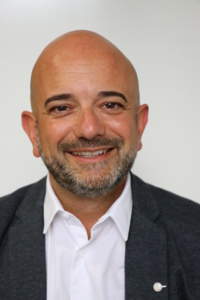
Eric Didier - DR

An accomplished entrepreneur and specialist in air transport, with more than three decades of experience, Eric Didier coordinated the launch of the Oneworld alliance before creating and developing Qatar Airways in France and on several European markets, where he held key leadership roles, ensuring the growth and success of the airline.

An expert in team management and in commercial strategies, alliances and distribution, he has worked with several major airlines, contributing to their international expansion.

He now leads the consulting firm TED Advisory Services.