
Aurora Travel & DMC: Stability, Expertise, and Commitment
Founded in 2003 by Mrs. Mai Anh, a passionate Vietnamese entrepreneur, Aurora has shown solid growth, doubling its staff after the pandemic to today reach 120 employees spread across four destinations.
Our core strength lies in human investment: we boast the industry’s lowest staff turnover. This loyalty of our senior experts guarantees partners invaluable stability and meticulous follow-up on their files. This expertise rests on exclusive products, a fleet of private vehicles, and a direct commitment to sustainable tourism, exemplified by a community-run restaurant co-managed with locals in the Mekong Delta.
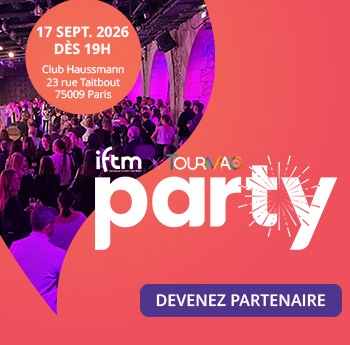
Meet Us at IFTM Top Resa 2026
Come discuss your future projects directly with our experts. For the very first time, the founder and owner of Aurora will travel to Paris for this essential fair:
● Stand B024
● Book a meeting now via our Calendly link.
● Stand B024
● Book a meeting now via our Calendly link.


Ready-to-Sell Production Solutions for 2027
To meet standard demands while ensuring controlled profitability, we have developed several tools:
1. 2027 GIR Programming (Guaranteed Groups)
A curated selection of circuits with guaranteed departures in small groups (2 to 12 people maximum), led by French-speaking guides for highly immersive experiences:
○ 2 Vietnam programs
○ 1 Cambodia program
○ 1 Thailand program
○ 1 combined program (Vietnam – Cambodia – Thailand)
Operational flexibility: Sales are secured with a fixed rebate set at J-31, giving you smooth and confident stock management.
2. Thematic Catalogs for 2027
From eco-friendly travel to ultra-luxury experiences, access a wide range of customizable itineraries tailored to your clients’ wishes:
○ Classic circuits
○ Thematic circuits
○ Signature Tours (High End)
Don’t hesitate to contact us at [email protected] to receive full details of the programs, dates, and our pricing.
1. 2027 GIR Programming (Guaranteed Groups)
A curated selection of circuits with guaranteed departures in small groups (2 to 12 people maximum), led by French-speaking guides for highly immersive experiences:
○ 2 Vietnam programs
○ 1 Cambodia program
○ 1 Thailand program
○ 1 combined program (Vietnam – Cambodia – Thailand)
Operational flexibility: Sales are secured with a fixed rebate set at J-31, giving you smooth and confident stock management.
2. Thematic Catalogs for 2027
From eco-friendly travel to ultra-luxury experiences, access a wide range of customizable itineraries tailored to your clients’ wishes:
○ Classic circuits
○ Thematic circuits
○ Signature Tours (High End)
Don’t hesitate to contact us at [email protected] to receive full details of the programs, dates, and our pricing.
Ultra-Personalized B2B Support
One of Aurora’s pillars is direct training of sales teams to equip you with all the tools to reassure your clients:
● Tailor-made Exclusive Webinars: Want to train your teams on a specific region or theme (coastal, luxury, rail)? Aurora organizes private sessions to meet your precise needs.
● Dedicated Agent Space: A professional space to autonomously consult our image banks, destination presentations, restaurant lists, and MICE venue recommendations.
● Open-Access Training Modules: Several replays are available on topics as varied as coastal Vietnam (Quy Nhon, Cam Ranh) or the Ultra-Luxury segment.
● Introduction to Vietnam: Discover the general presentation webinar recently led by Olivier Garessus on our YouTube channel.
● Tailor-made Exclusive Webinars: Want to train your teams on a specific region or theme (coastal, luxury, rail)? Aurora organizes private sessions to meet your precise needs.
● Dedicated Agent Space: A professional space to autonomously consult our image banks, destination presentations, restaurant lists, and MICE venue recommendations.
● Open-Access Training Modules: Several replays are available on topics as varied as coastal Vietnam (Quy Nhon, Cam Ranh) or the Ultra-Luxury segment.
● Introduction to Vietnam: Discover the general presentation webinar recently led by Olivier Garessus on our YouTube channel.
Infrastructure and Field: Prepare for the Future with Our FAM Trip
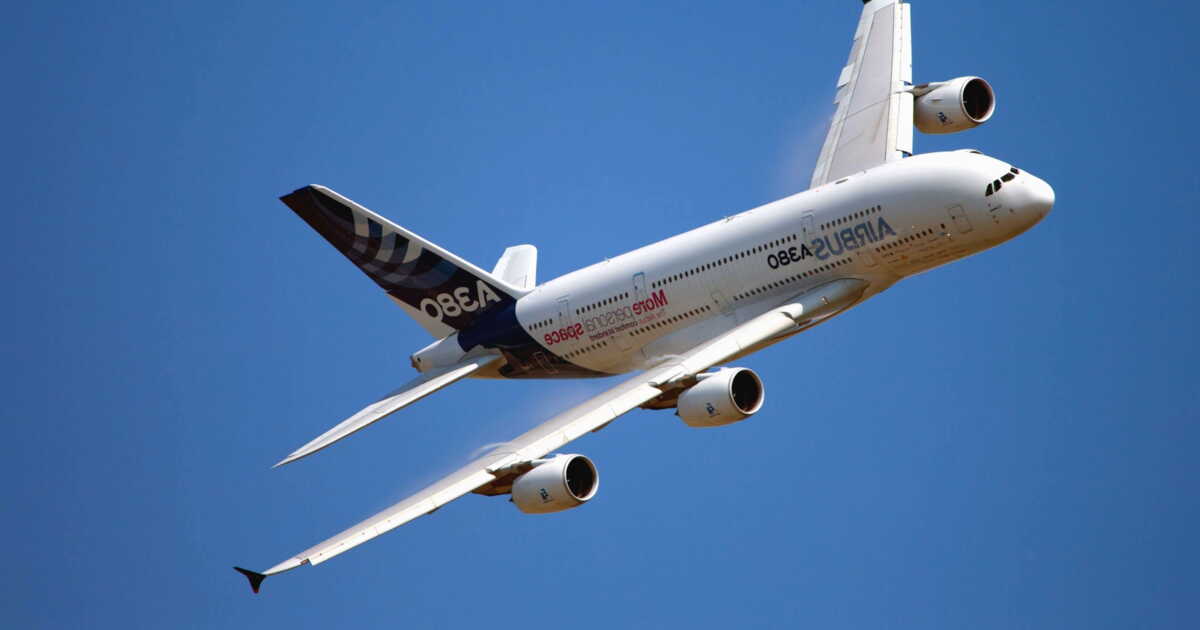
The year 2027 will mark a major logistical turning point for the region with the highly anticipated opening of the new Long Thành International Airport near Ho Chi Minh City and the arrival of new direct connections from Europe.
To help you anticipate these on-the-ground developments, Aurora is once again partnering with the Ho Chi Minh City Tourism Authority and Vietnam Airlines. We are organizing an exclusive FAM Trip for a selected group of French travel agencies and tour operators, alongside the ITE HCMC 2027 exhibition which will commence in late August.
● Pre-registrations: You can already express your interest by writing to [email protected]
● Do not hesitate to consult our articles from previous editions to gauge the scale of this event.
To help you anticipate these on-the-ground developments, Aurora is once again partnering with the Ho Chi Minh City Tourism Authority and Vietnam Airlines. We are organizing an exclusive FAM Trip for a selected group of French travel agencies and tour operators, alongside the ITE HCMC 2027 exhibition which will commence in late August.
● Pre-registrations: You can already express your interest by writing to [email protected]
● Do not hesitate to consult our articles from previous editions to gauge the scale of this event.