

Summer of 2026 will be remembered across the Mediterranean basin.
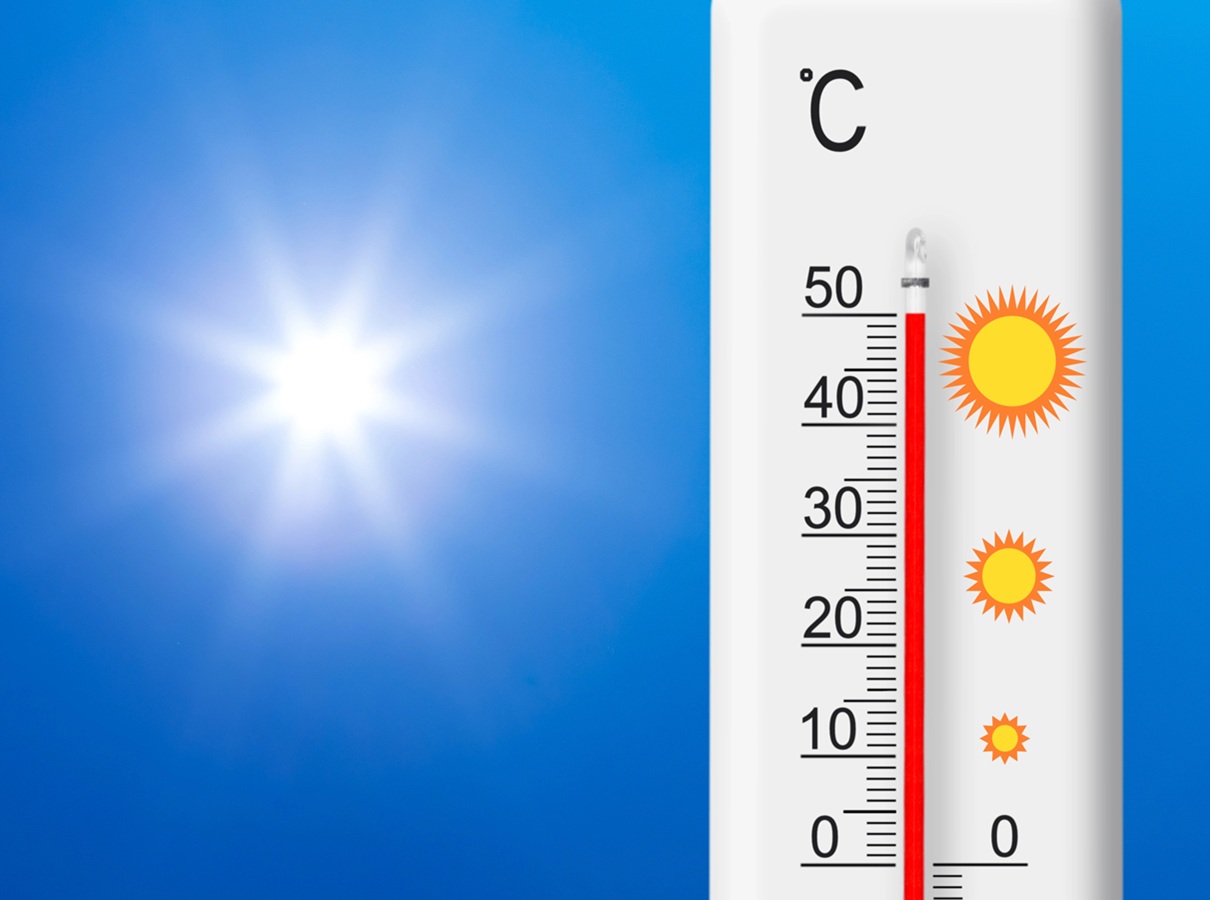
Just like in France, Spain, and several other countries, Tunisia experienced an exceptionally hot summer season, with temperatures dangerously flirting with 50 degrees.
Already, the country logged July as the second hottest month since 1950.
Unfortunately, this summer is a harbinger of more episodes like this, a consequence of climate warming, as heat waves sweep across the other side of the Mediterranean.
Indeed, the thermometer is once again on an upward trend. Temperatures were expected on Thursday, August 7, to range between 45 and 48 °C. In Kairouan and Beja, the mercury again approached the 50-degree mark.
While these temperatures spell trouble for bodies, they also pose significant challenges for infrastructure.
Just like in France, Spain, and several other countries, Tunisia experienced an exceptionally hot summer season, with temperatures dangerously flirting with 50 degrees.
Already, the country logged July as the second hottest month since 1950.
Unfortunately, this summer is a harbinger of more episodes like this, a consequence of climate warming, as heat waves sweep across the other side of the Mediterranean.
Indeed, the thermometer is once again on an upward trend. Temperatures were expected on Thursday, August 7, to range between 45 and 48 °C. In Kairouan and Beja, the mercury again approached the 50-degree mark.
While these temperatures spell trouble for bodies, they also pose significant challenges for infrastructure.
Tunisia: drinking water and electricity outages
Numerous media outlets report rolling electricity blackouts across the country.
The objective, for the operator, the Tunisian Electricity and Gas Company (STEG), with these outages, is to “preserve the safety and continuity of the electrical system,” as explained in a post picked up by Webdo.
For the moment, STEG has not issued any statement to announce further load shedding.
Moreover, these outages have become a political issue, as the Tunisian president denounced “premeditated” disruptions intended to inflame the already high tensions in the country.
b[To read: Is climate tourism a thing?
A message that was not well received by the General Union of Tunisian workers in Sfax, a union denouncing Kaïs Saïed’s conspiratorial rhetoric, as reported by RFI.]
In response to this situation, anger is rising across the country, but protests and demonstrations remain poorly attended.
In these circumstances, the French Ministry for Europe and Foreign Affairs has updated its travel recommendations for those traveling to Tunisia.
The objective, for the operator, the Tunisian Electricity and Gas Company (STEG), with these outages, is to “preserve the safety and continuity of the electrical system,” as explained in a post picked up by Webdo.
For the moment, STEG has not issued any statement to announce further load shedding.
Moreover, these outages have become a political issue, as the Tunisian president denounced “premeditated” disruptions intended to inflame the already high tensions in the country.
b[To read: Is climate tourism a thing?
A message that was not well received by the General Union of Tunisian workers in Sfax, a union denouncing Kaïs Saïed’s conspiratorial rhetoric, as reported by RFI.]
In response to this situation, anger is rising across the country, but protests and demonstrations remain poorly attended.
In these circumstances, the French Ministry for Europe and Foreign Affairs has updated its travel recommendations for those traveling to Tunisia.
Tunisia: a drop in temperatures coming
It is stated that, in order to protect a heavily strained electrical network due to the extreme heat, “the Tunisian Electricity and Gas Company may carry out temporary electricity cuts (load shedding).
The supply of potable water, whether from the tap or in bottled form, may also experience temporary disruptions.
It is therefore advised for travelers heading there to check their accommodation conditions and take precautions. A crisis that is compounded by shortages of bottled mineral water.
A situation that should fortunately not last.
According to Samir Khalfaoui, Director of Competition and Economic Investigations at the Ministry of Trade and Export Development, “the expected drop in temperatures in the coming days will allow production to resume its normal pace to meet the entire national demand.
The situation worsened quickly during July due to a scorching heat wave combined with disruptions to the bottling chain caused by power outages.
This situation led to the total depletion of stock reserves with wholesalers and factories, forcing the market to rely solely on daily production. The latter itself also slowed due to network faults, which explains the tensions and shortages now seen on shelves.
Indeed, the thermometer is expected to fall and hover around 30 degrees by the end of next week.
The supply of potable water, whether from the tap or in bottled form, may also experience temporary disruptions.
It is therefore advised for travelers heading there to check their accommodation conditions and take precautions. A crisis that is compounded by shortages of bottled mineral water.
A situation that should fortunately not last.
According to Samir Khalfaoui, Director of Competition and Economic Investigations at the Ministry of Trade and Export Development, “the expected drop in temperatures in the coming days will allow production to resume its normal pace to meet the entire national demand.
The situation worsened quickly during July due to a scorching heat wave combined with disruptions to the bottling chain caused by power outages.
This situation led to the total depletion of stock reserves with wholesalers and factories, forcing the market to rely solely on daily production. The latter itself also slowed due to network faults, which explains the tensions and shortages now seen on shelves.
Indeed, the thermometer is expected to fall and hover around 30 degrees by the end of next week.


 Certainly, at the turn of the century, the Islamist threat was not yet what it has become.