
Tourism: Maintaining an Affordable Offer Is a Key Economic Issue, Says Serge Papin [ABO]


La fréquentation des voyageurs français est "en légère régression dans le cœur de saison juillet-août" - Crédit photo @ Alexandre Lescure

CroisiEurope


Being the Tourism Minister for the world’s leading tourist destination carries a very particular aura.

So, when Serge Papin strolls through the aisles of the IFTM, the sensation of being George Clooney at a film festival is not far off, far from it.

“I felt like a rock star (laughs, editor’s note).

Not only are 180 countries represented, but we also had the opportunity to meet a good number of foreign ministers. France is regarded as a global leader in tourism. What may surprise is that we feel there are expectations placed on us, a desire to share and to take advantage of our know‑how.

I received a lot of inquiries
“, confides a tourism minister pleased with this rush of oxygen in a national and international environment terribly degraded.

The Paris meeting was an opportunity to take stock of the summer of 2026, marked by the solid performance of foreign clientele, but a bit more uncertain for French tourists.

Without jumping for joy or shouting victory, in the race against Spain, the minister judges the high season “adequate”.


The French: “a slight regression in the heart of the July-August peak”

“It’s better than the previous year, but not by much.

We started from a 2025 that was already very good, because we had crossed a hurdle thanks to France and Paris promotion, thanks to the Olympic Games.

International clientèle had jumped by 9% in 2025 compared to 2024.

This same clientele is up 3.7% in the figures from January to July. We are almost at 15% in two years, we can be proud
“, states the minister of Small and Medium Enterprises, Trade, Crafts, Tourism and Purchasing Power.

Positive numbers that must, however, be viewed in perspective. In 2024, the Olympic Games had led to a drop in international travelers, according to INSEE, notably during the events.

A lull that has since been filled by the strong growth of international markets. If the event’s effect remains hard to measure, its image and success have, at the very least, not harmed the destination, quite the opposite.

And this clientele, highly lucrative, seems to have become a government priority. Which leaves many observers puzzled, particularly regarding the president’s aim to make France the world’s first sustainable destination.


The two challenges are not at odds, according to the minister.

“We have an infrastructure challenge, tourist facilities, water management, but also pesticide use in green spaces, etc. We truly have a commitment to sustainable development on site.

The organizers of the 2030 Winter Games have pledged to make them the most sustainable winter Games in history. I genuinely want us to be the champions of sustainable tourism by 2030.

After that, if travelers come by air, if they come from far away, they cannot come otherwise. On the other hand, once they are on site, they operate within an ecosystem that is very attentive to sustainable development
“, tries to justify Serge Papin.

And even if the minister does not wish to pit any particular clientele against another, climate warming reminded the industry of itself throughout the summer.


“The French weighed choices for budgetary and climate reasons”

The summer of 2026 was the hottest on record in our country, since the beginning of meteorological measurements in 1900.

“The heat waves affected the places of stay and consumption.

French tourists, in particular, chose destinations with more bearable temperatures, hence the regions north of the Loire, including Brittany, Normandy and the Channel, as well as the Northern Alps.

These destinations progressed quite spectacularly.

In the middle of the heat wave, places of entertainment and restaurants endured a bit of the impact. The French likely hedged for budgetary and climatic reasons
“, estimates Serge Papin.

A finding that aligns with the view of UM IH.

The union stated in early September that travelers had decided to watch their spending, particularly in bars and restaurants.

Another casualty of the summer: Gironde.


The department, which experienced one of the most destructive fires in its history, will host the next Tourism Sector Committee in October 2026.

The occasion, for the minister, to show residents that the government stands by them, but also to monitor the end of the tourist season in the region and the rollout of aid.

“Acting players benefit from payroll tax exemptions on salaries, social security charges, property tax and partial unemployment, for three months.

Then, in the PLF, we proposed that the companies most affected by these fires and their consequences be exempt from the fields I have just outlined.
”

And this is not the only tourism-specific issue to appear in the forthcoming finance bill.


PLF 2027: “Everyone must make efforts, Atout France included”

The sector is expected, by implication, to contribute in the coming budget.

“Tourism is a thriving activity. It contributes to the trade balance by around 20 billion euros and to the country’s growth, even if modest.

There is a topic that will be addressed by the text: the tourist tax. We are in discussion with professionals and elected officials on reform since May 2026.

Arbitrations are not yet set, but they will align with the desires of professionals,
” reveals the occupant of Bercy.

In addition, the government is working on a simplification plan, as it has done in the past.

According to the cabinet, the new definition of the word “tent” (decree No. 2026-14 of January 14, 2026 simplifying and securing provisions of the tourism code relating to the definition and classification of certain merchant tourist accommodations) generated an additional 60 million euros in turnover. The simplification project has not yet been unveiled, but remember that in April last year, Nathalie Delattre, the former Tourism Minister, filed a bill in that sense. At any rate, in the next PLF, there could also be a reference… to Atout France.

“Atout France has a solid legitimacy and real recognition, especially internationally.

After all, this does not oppose a transformation, which is already underway and which we have begun a year ago. We are custodians of public funds and, in a period of budgetary austerity, everyone must make efforts, Atout France included
“, the minister confided.

According to our information, the austerity plan is already a reality, since several posts have been eliminated abroad and offices rationalized.

Moreover, a reorganization is also announced at the Paris headquarters, without the teams truly understanding, for the moment, where the institution is heading.

In the meantime, Serge Papin does not question the legitimacy or even the existence of Atout France.


Mass tourism: “This offering is a challenge for our economy”


Romain Pommier Published by Romain Pommier Journalist – TourMaG.com
See all articles by Romain Pommier

  • picto Facebook
  • picto Linkedin
  • picto email
Add TourMaG to your Google News feed Google Actualités icône

IFTM 2026: Valérie Boned Aims to Make Tourism an Economic Priority


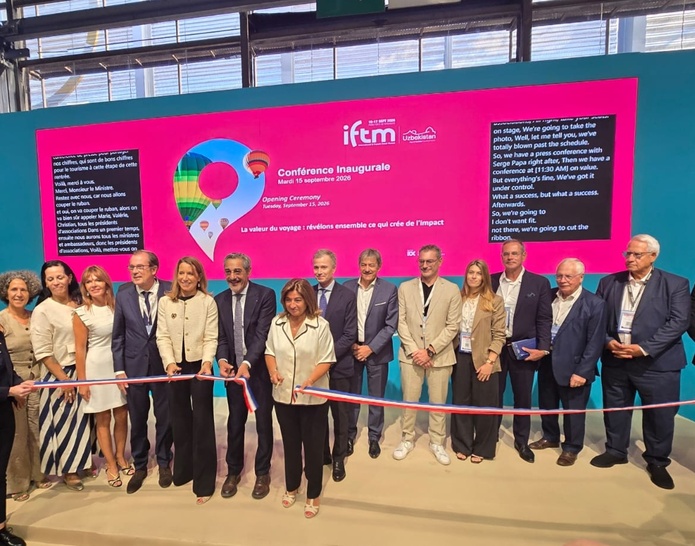
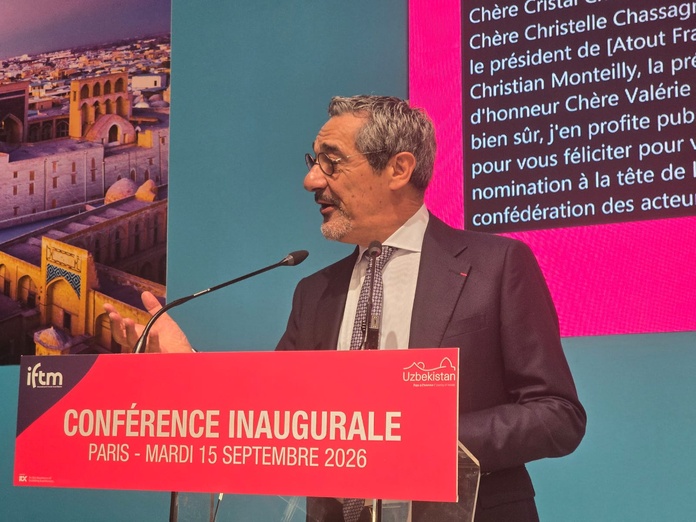
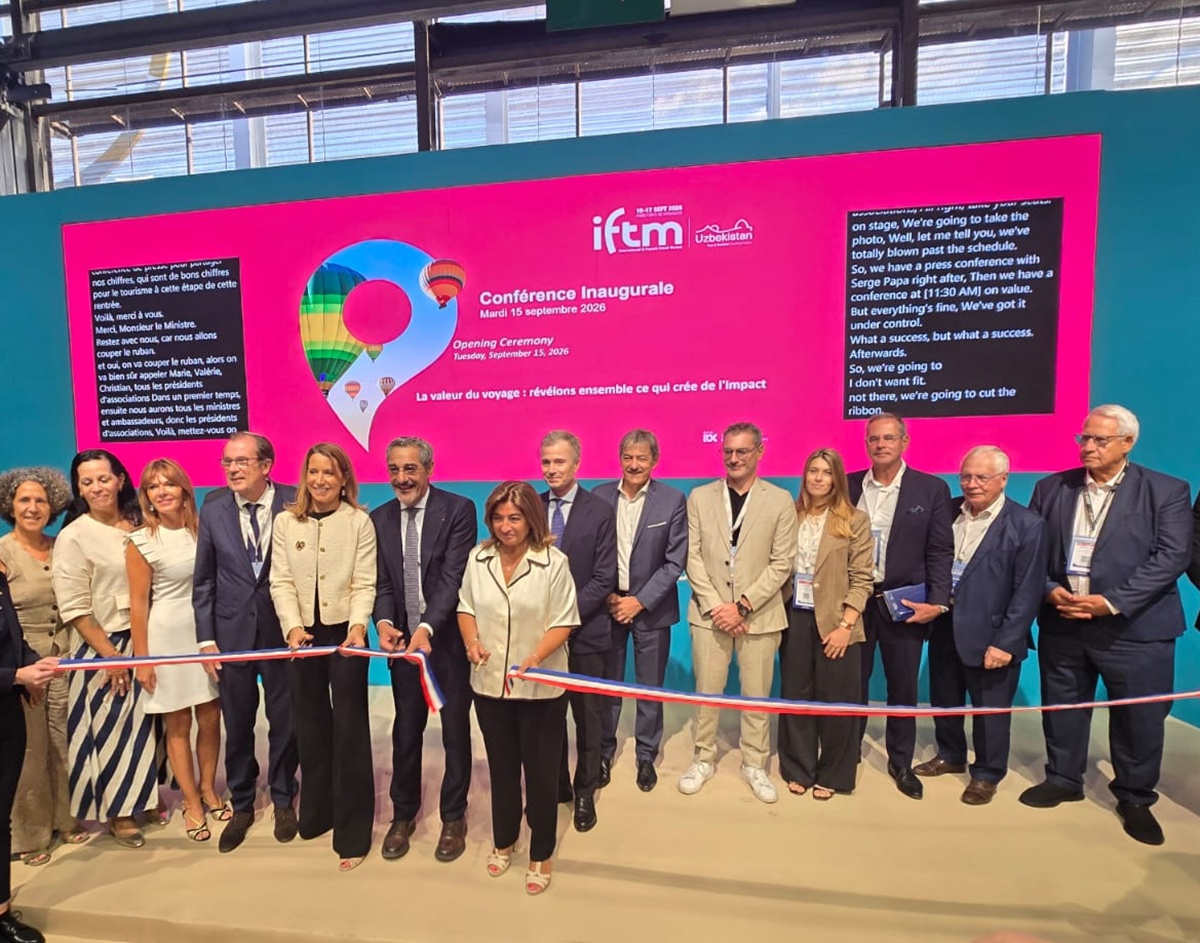
L'inauguration de l'IFTM ce mardi 15 septembre au matin, en présence de Serge Papin, Ministre des PME, du tourisme et du pouvoir d'achat aux côtés de Valérie Boned, Présidente d'honneur du salon et Marie Allantaz, directrice de la stratégie de l'IFTM - Photo CE

CroisiEurope


« We are in a year that is very particular» a lancé Valérie Boned, présidente d’honneur de l’IFTM et présidente des Entreprises du voyage, à l’occasion de l’inauguration du salon.

Elle a rappelé les belles perspectives évoquées lors de l’édition précédente qui ont volé en éclat fin février dernier avec le conflit au Moyen-Orient : « Le 28 février et les trois mois qui ont suivi ont été particulièrement difficiles pour le secteur des agences de voyages et des tour-opérateurs. Cela a été un choc profond, avec, comme vous le savez, jusqu’à 30 % de perte d’activité en trois mois. »

Résultat, le secteur se retrouve dans un « environnement international extrêmement instable», bien que l’activité cet été ait « repris des couleurs ».

« Aux effets du changement climatique s’est malheureusement ajoutée la crise énergétique. C’est la pire crise que nous connaissons depuis la Deuxième Guerre mondiale. » a ajouté Serge Papin, Ministre des PME, du tourisme et du pouvoir d’achat lors de l’ouverture de l’IFTM.

« Nous sommes en plein cœur de cette crise, avec des conséquences évidemment sur notre économie. Nous la connaissons depuis le mois de mars et elle nous oblige à repenser notre façon de voyager, nos saisons, nos mobilités et nos modèles. »

La rentrée reste ainsi marquée par un contexte « fragile », entre les tensions au Moyen-Orient et dans le Golfe, le prix du kérosène et les inquiétudes liées au pouvoir d’achat. Pour les prochains mois, Valérie Boned évoque néanmoins « une petite dynamique positive » sur les réservations.


AI: “I think we are entering a period of revolution”


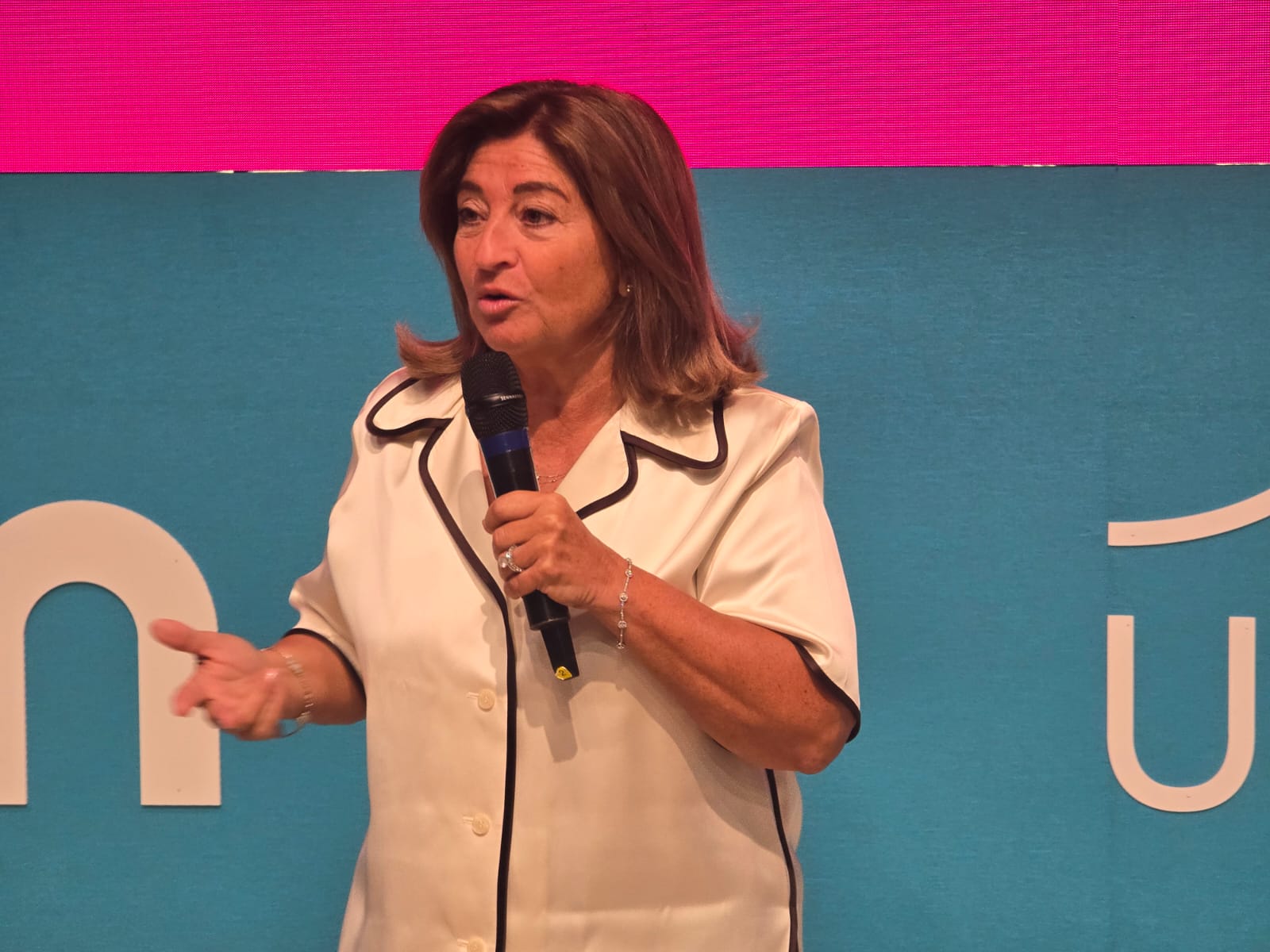
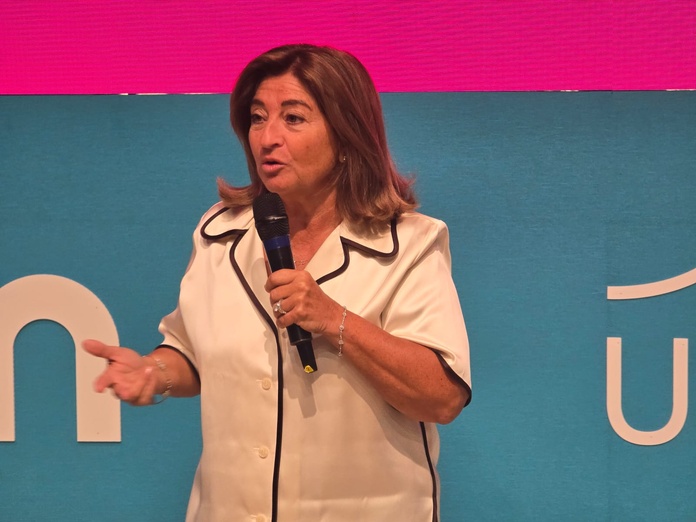
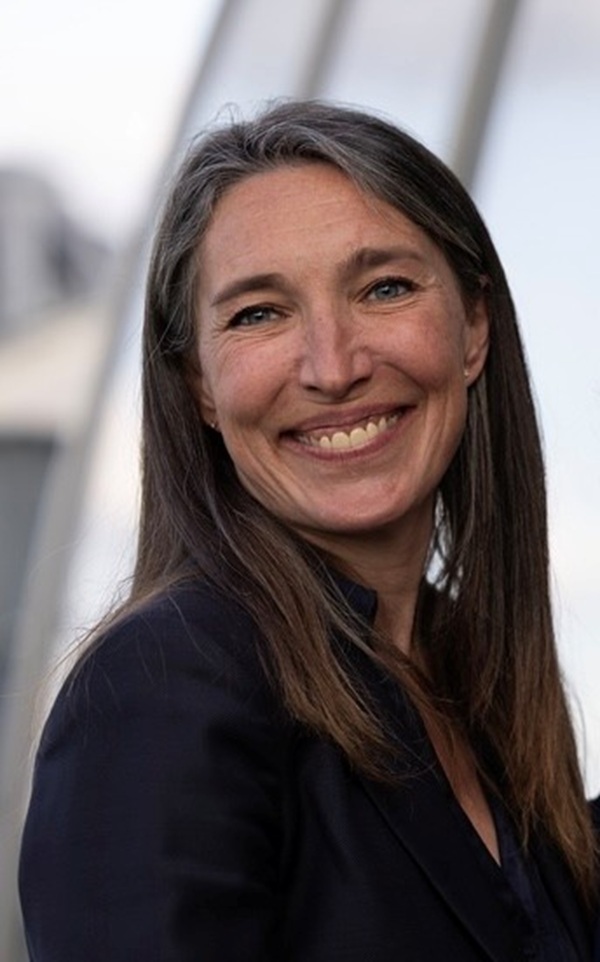
Valérie Boned, présidente des Entreprises du Voyage, présidente d'honneur du salon et présidente de la CAT - photo CE

Au-delà de ce contexte conjoncturel, les professionnels du tourisme doivent également composer avec des transformations plus profondes.

« Je pense qu’on arrive dans une période de révolution avec l’accélération de l’intelligence artificielle », a-t-elle estimé.

« On a beaucoup pensé à l’impact de l’IA par rapport aux clients qui allaient se débrouiller seuls. Moi, je pense qu’il y a une transformation des entreprises très profonde avec une course à la compétitivité, et à la productivité, qui révolutionne vraiment les process », explique-t-elle.

La formation devient ainsi un enjeu à mesure que les technologies transforment les métiers et les organisations. Un sujet d’autant plus important dans une période où le secteur connaît de nombreux mouvements capitalistiques et les transmissions d’entreprises.


“We must take our place as an industry”


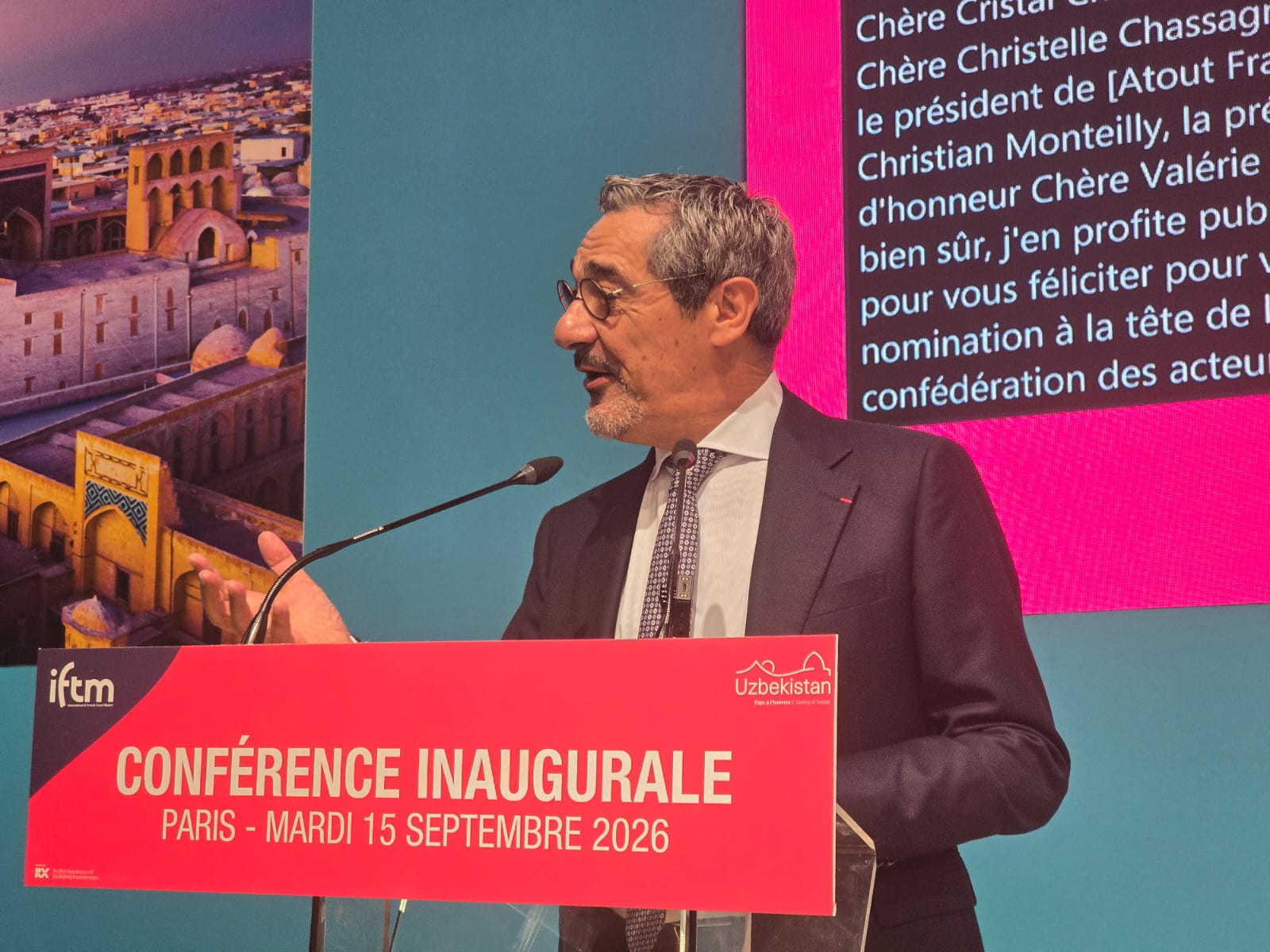
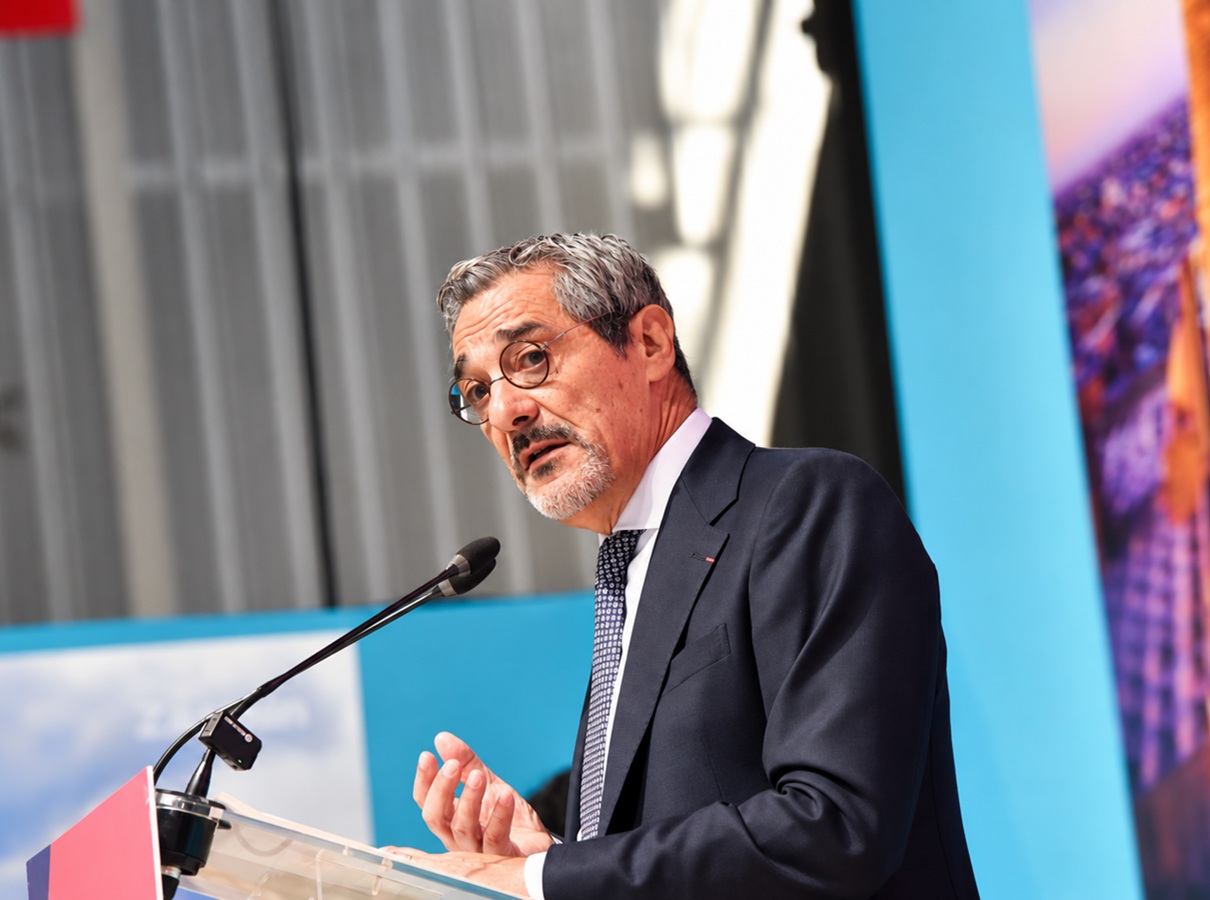
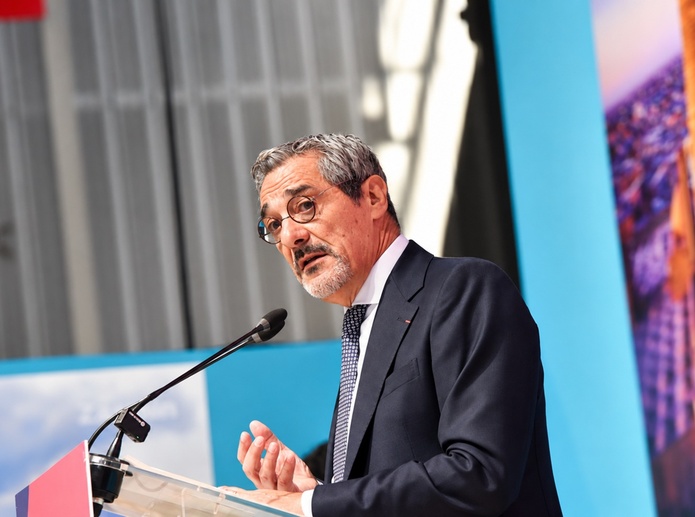
Serge Papin lors de l'inauguration du salon IFTM à Paris - Photo CE

Valérie Boned, récemment élue à la présidence de la Confédération des acteurs du tourisme (CAT), prenait pour la première fois la parole dans ses nouvelles fonctions.

La confédération rassemble aujourd’hui 22 fédérations représentant différents métiers du tourisme. « 22 métiers différents, mais inscrits dans une chaîne de valeurs unique », rappelle la nouvelle présidente.

À l’aube des élections présidentielles de 2027, elle affiche plusieurs ambitions.

« La première, c’est d’être visible, et c’est de faire de ce secteur un axe, un angle très important de la stratégie économique et de développement du pays », affirme-t-elle.

« Il faut que nous prenions notre place en tant qu’industrie et que nous soyons reconnus comme tels. Cette ambition s’adresse aux pouvoirs publics, et notamment au ministre et à ses collaborateurs. Il s’agit de faire entendre que l’enjeu n’est pas forcément de chercher ce que l’on peut prendre au tourisme, mais de montrer ce que le tourisme peut apporter et comment il peut contribuer à l’économie. Il faut que cela devienne une évidence, ce qui n’est pas encore le cas aujourd’hui. Nous nous battons pour cela. »


Objective: raise tourism’s share of GDP from 8% to 10%

Valérie Boned a également fixé un objectif de croissance pour le secteur. Avec la CAT, elle entend faire passer le poids du tourisme dans l’économie française de 8 % à 10 % du PIB d’ici 2035, soit plus de 60 milliards d’euros de croissance supplémentaire.

La présidente de la CAT souhaite aussi faire évoluer le regard porté sur le tourisme par les pouvoirs publics. « Nous ne voulons pas être un simple réservoir de recettes pour l’État, mais plutôt une source de profit en développant et en accompagnant le secteur », a-t-elle insisté.

Dans un contexte économique et politique incertain, le message adressé à l’État est également très clair. Les entreprises ont besoin de pouvoir se projeter : « elles ont besoin de visibilité, de lisibilité, de stabilité », explique Valérie Boned.

Ces conditions sont, selon elle, indispensables pour permettre aux entreprises « d’investir, d’embaucher, de se développer ».

Le ministre des PME et du Tourisme assure partager la vision de la présidente de la CAT : « nous pouvons arriver à 10 % du PIB » a-t-il affirmé, rappelant au passage que la France avait accueilli 102 millions de visiteurs internationaux en 2025 et engrangé 77,5 milliards d’euros de recettes internationales.


A major tourism forum with presidential candidates

Pour Valérie Boned, l’année électorale constitue une occasion de faire entendre davantage les revendications et les ambitions du secteur.

La CAT organisera ainsi le 1er décembre prochain un « grand oral du tourisme », auquel seront invités les candidats à l’élection présidentielle.


L’objectif sera d’interroger directement les candidats sur leur vision du secteur et sur sa contribution à l’économie française.


Tunisia: Tourism Remains Resilient Despite Complex Economic Conditions


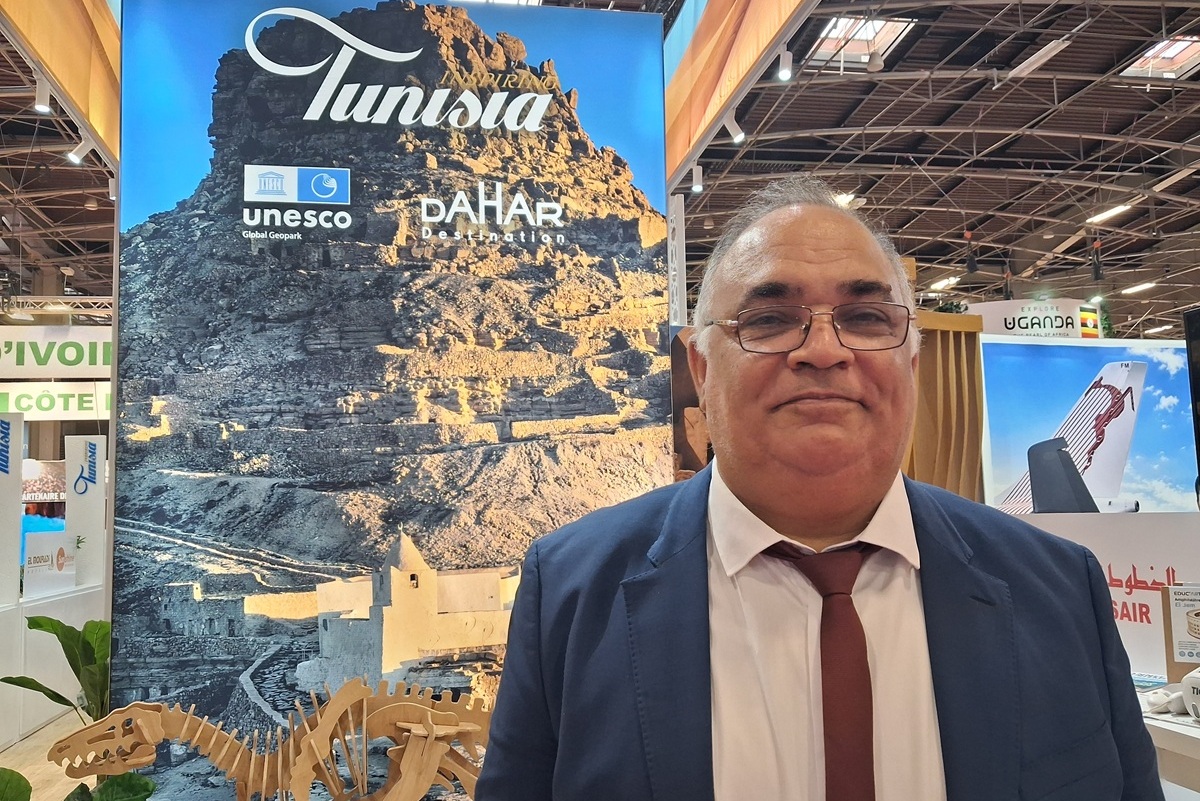
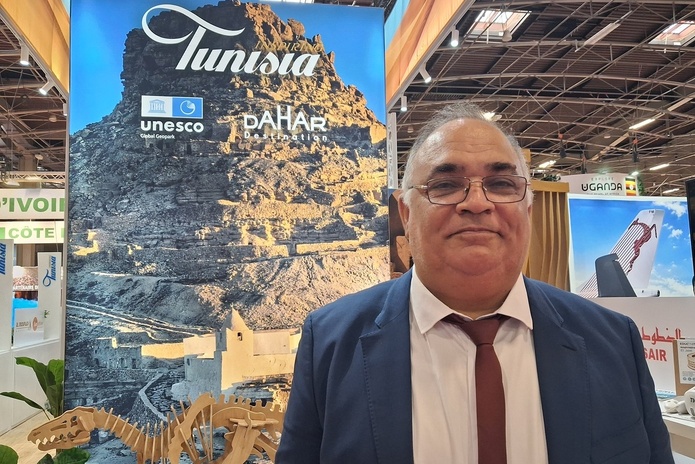
Sur le marché français, Mohamed Mehdi Haloui, directeur général de l’ONTT fait état d’une progression comprise entre 3 et 4 % du  nombre d’arrivées depuis le début de l’année 2026. @cl

Climats du Monde


Tunisia confirms its resilience, but indicators call for nuance in the assessment. Through August 31, 2026, the destination records a slight decline of 0.2% in arrivals, across all markets, thus remaining almost at the level of the previous year.

“For the year 2026, in terms of arrivals, the situation is roughly stable,” summarizes Mohamed Mehdi Haloui, director general of the Tunisian National Tourism Office (ONTT).

On the French market, the ONTT’s director general reports a rise of between 3% and 4% since the start of the year. A positive result that must, however, be weighed against data from the Syndicate of Tour Operating Companies (Seto), which notes a 5.7% decline in departures to Tunisia this summer among its members.

Read also : Seto’s assessment: summer partly saves the year for TOs

The destination has had to contend with a complex backdrop, between tensions in the Middle East and episodes of extreme heat, which notably led to water outages.


France leads, the UK advances

France remains Tunisia’s top European source market. The United Kingdom now holds the second spot, closely followed by Poland and Germany.

“The UK market has progressed well and has taken the second place since the launch of a direct route with easyJet,” notes Mohamed Mehdi Haloui.

The Office is also looking to reconnect with some historical markets. Russia shows signs of recovery, though volumes remain modest.

“Before the war, Russia represented the second market for Tunisia after France, with more than 600,000 arrivals. In 2026 we recorded a modest rebound of the Russian market, but it is progressing,” says the ONTT’s director-general.

Air connectivity remains a central challenge. If the service to the French market is considered satisfactory, notably thanks to Tunisair, Nouvelair, and Transavia, the situation is more fragile on other markets.

A better level of connectivity would help better leverage opportunities linked to the regional context. The war in the Middle East reminded that Tunisia is not in a conflict, but the destination has not been able to fully capitalize on this situation. “We could have benefited more from this conjuncture if we had had better air connectivity”, says the ONTT’s director-general.


Alternative accommodations gain ground

Several hotel projects are coming to fruition, notably in Tozeur, Tabarka and Djerba. Tunisia is also seeing growing interest in alternative accommodations, such as guest rooms, rural cottages and tourist camps.

Regulated by regulatory texts since 2013, these offerings meet an increasing demand. “The sector is developing very well and responding to an ever-stronger demand from customers,” stresses Mohamed Mehdi Haloui, director general of the ONTT.

In Tozeur, a first establishment was inaugurated at the end of last year, while the Tozeur Plaza is due to open this year.


Diversifying the offer beyond beach tourism

Diversification is one of the Tunisian National Tourism Office’s priority axes. The destination aims to develop cultural tourism, well-being, golf, sports, and Saharan tourism.


“These are very interesting niches that we are trying to develop to attract a broader clientele,” explains the ONTT’s director-general.

To support these segments, the Office intends to encourage investment and strengthen marketing actions. It seeks to promote these experiences through institutional campaigns, tour operators, influencers, and digital initiatives.

The objective is to showcase a Tunisia that is not limited to beach tourism, which remains “highly valued” and continues to hold a major place in the tourism offering.

Thalassotherapy also remains an important asset. More broadly, health tourism is part of the sectors to be developed, thanks to the country’s medical expertise and its favorable pricing. The segment, however, progresses cautiously, notably due to regulatory difficulties.


Encouraging winter outlooks


Caroline Lelievre Published by Caroline Lelievre Journalist – TourMaG.com
See all articles by Caroline Lelievre

  • picto Twitter
  • picto Linkedin
  • picto email
Add TourMaG to your Google News feed Google Actualités icône
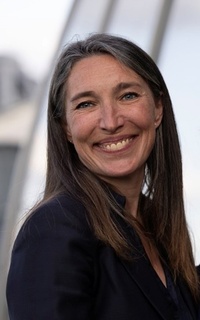
Ingrid Mareschal (FNTV): Looming Economic Difficulties Ahead


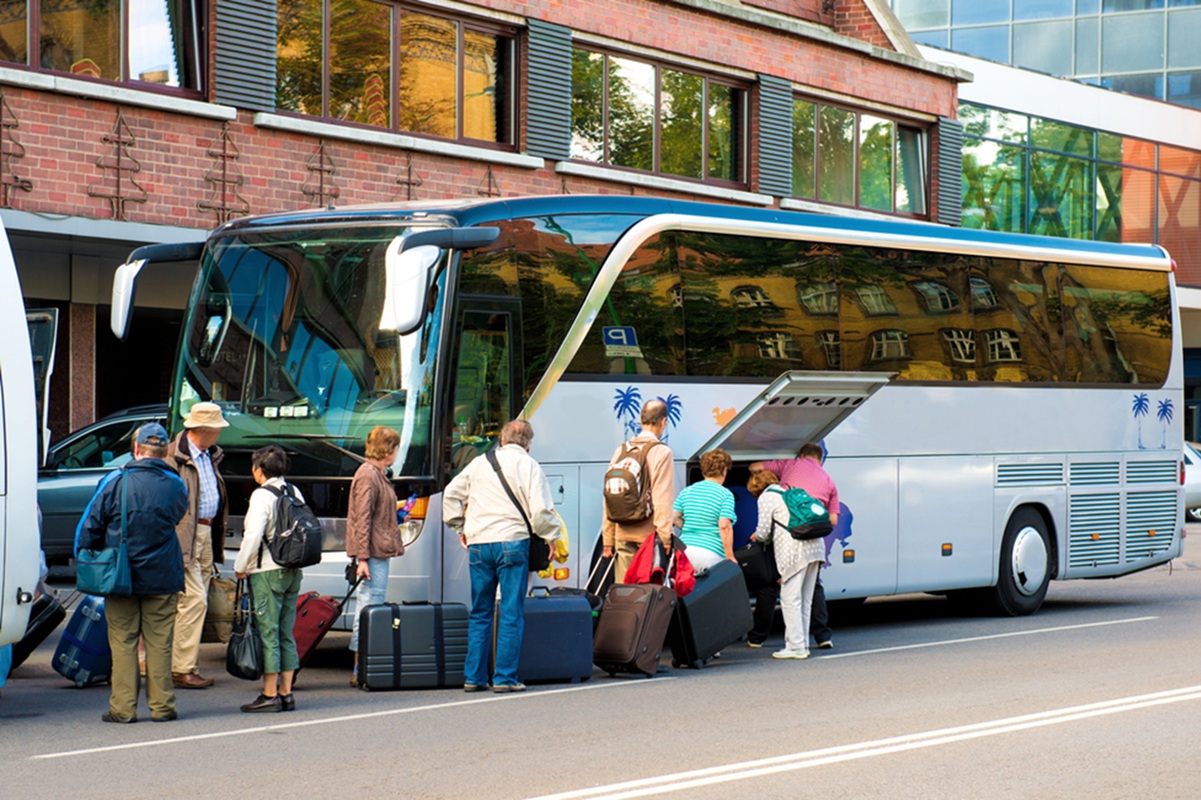
« 78% des entreprises ne sont pas satisfaites des modalités de répercussion des coûts, notamment ceux liés aux carburants », affirme Ingrid Mareschal, déléguée générale de la FNTV - Depositphotos.com, Vbaleha

Hurtigruten


TourMaG.com – What assessment would you give for 2026?

Ingrid Mareschal :
It has been a financially challenging year for our members.

We had a growth-driven activity since the post-Covid period, but unfortunately geopolitical tensions exposed us to energy difficulties, with sharp increases in fuel costs and challenges in passing them on.

This led to many cancellations. The situation was further worsened by heat waves and wildfires.

TourMaG.com – Why is it so difficult to pass on fuel increases?

Ingrid Mareschal :
When prices began to rise in March, many services had already been sold and accepted. There is generally no update to the cost at the time of service delivery.

This is especially true for clients such as the National Education system, subsidized associations, or social and educational trips. Their budgets are tight and, for National Education in particular, budgets are sometimes set six months in advance.

It is therefore difficult for a company to request an adjustment from a client who is known to have little margin. Companies must either keep the service at the price planned before the crisis or face cancellations.

TourMaG.com – What impact does this have on order books?

Ingrid Mareschal :
We sense a slowdown, with services that are no longer being booked compared to the previous year.

The heat waves also had a very strong impact. Many events were canceled, as well as the activities connected to them. The end of the school year was particularly difficult, as many outings and school trips are concentrated in this period.

Wildfires also had a significant impact on tourism in the Southwest.


“Avoid Operating at a Loss”

TourMaG.com – What solutions exist to support businesses?

Ingrid Mareschal :
We do a lot of education with clients to explain our costs and the increases we are facing. It is not an extra step for businesses: the goal is simply to avoid operating at a loss.

When fuel costs rise sharply, the transporter can lose all of their margin on a service.

We also want to work with the National Education system on school trips. A convention on children’s schedules recommended at least one school trip per level and per class each year.

This is an important educational measure, but we fear it will remain only good intentions unless it is accompanied by concrete decisions and means.


Energy transition: “You can’t put an electric coach to do 600 km”


Ingrid Mareschal, déléguée générale de la Fédération Nationale des Transports de Voyageurs (FNTV) - FNTV

TourMaG.com – Decarbonization is another major challenge. Where does the industry stand?

Ingrid Mareschal :
We are even more behind in tourism because we cover longer distances than in school transport or regular routes. Today, we do not necessarily have a suitable technological solution.

A electric coach cannot cover 600 kilometers. Coach operators are therefore trying to use biofuels in diesel vehicles, but they are not recognized by regulations as a real greening of the fleet.

TourMaG.com – Do the costs of these alternatives also act as a barrier?

Ingrid Mareschal :
Yes. Biofuels such as B100 or HVO are already more expensive than diesel and they have also been affected by energy cost increases.

For HVO, there are supply tensions as well. European regulations require the incorporation of biofuels into fossil fuels, which increases demand and reduces the volumes available for pure use.

TourMaG.com – What would be needed to accelerate the transition?

Ingrid Mareschal :
We need to increase the autonomy of electric vehicles. Technology will evolve, but we are not there yet.

And autonomy alone is not enough: we will also need very fast charging systems. If a coach has to stop for three hours on the highway to recharge, that is not compatible with client expectations and travel times.

We must therefore work both on technology and on the network of charging infrastructures.

The FNTV also requests a review clause regarding the objectives for phasing out thermal propulsion, so that biofuels can be taken into account. For long-distance tourist transport, electric “zero emission” does not seem applicable to all activities today.


Macron Coaches: “An Extremely Positive Review”

TourMaG.com – Macron Coaches celebrated their tenth year in 2025. What assessment do you make of that?

Ingrid Mareschal :
The verdict is extremely positive. The program has enabled an additional mode of travel for customers, one that did not exist before and that is cheaper than some other options, notably the train.

The coach is complementary. The customer decides based on the time they are willing to devote to travel and the price.

However, we face a capacity shortfall under good conditions, with bus stations that do not exist or are not suitable.

TourMaG.com – The problem is particularly visible in Paris…

Ingrid Mareschal :
Yes. The closure of Paris-Bercy has been postponed and a bus station has been temporarily reopened at Porte-Maillot. In the longer term, the goal is to create a new hub at Saint-Denis-Pleyel.

Today, the conditions at Bercy are not satisfactory: issues with toilets, safety, but also difficulties related to coexistence with residents.

More broadly, the issue of bus stations concerns the whole of France. A framework bill plans to require municipalities with more than 200,000 inhabitants to have a welcoming infrastructure. But with the current budget constraints of local authorities, nothing is yet guaranteed.


Employment: “The situation has improved a lot”


2027: “We can feel economic difficulties arriving”

TourMaG.com – What are the other issues worrying coach operators?

Ingrid Mareschal :
Administrative complexity is a real issue, especially for trips abroad. Companies have to manage VAT declarations in different countries and regulations that can vary from one state to another.

We will undertake substantial support to help businesses understand these regulations. But we should also consider simplifying them, notably with harmonized VAT declarations at the European level for companies that traverse several countries.

Another tension: the parking conditions for tourist coaches in Paris. The city intends to significantly reduce, or even eliminate, the presence of coaches in the capital.

The Federation intends to continue discussions with the new municipal administration, even if initial positions remain unfavorable to the sector.

TourMaG.com – What are the prospects for 2027?

Ingrid Mareschal :
We are rather worried. The year is expected to follow the pattern of 2026. Today, we feel economic difficulties arriving.

According to our latest barometer, 78% of companies are dissatisfied with the modalities for passing through costs, notably those related to fuels. About forty companies also say they are particularly worried about their future and cash flow in six months.


The FNTV in figures:

– 1 900 member companies

– 45 000 coaches

– 90 000 employees


Caroline Lelievre Published by Caroline Lelievre Journalist – TourMaG.com
See all articles by Caroline Lelievre

  • picto Twitter
  • picto Linkedin
  • picto email
Add TourMaG to your Google News feed Google Actualités icône