$100,000 Wellness Retreats to Live Longer: The New Luxury Travel Craze

Resting on a briefcase, a mask connected to sensors promises to detect 23 biomarkers and biological indicators in just a few minutes, before delivering a program to improve health. “PNOË is a respiratory analysis device,” explains Panos Papadiamantis, the head of the company, which employs around a hundred people. “We assess, in functional terms, how well your lungs absorb oxygen, how effectively your heart pumps it, and how efficiently your cells take it up,” he adds.

The link to the worlds of tourism and hospitality may seem tenuous at first glance, and yet the company has already equipped Four Seasons hotels and has other orders in the hospitality sector. “The wellbeing and the longevity represent the new luxury. Consequently, I think wellness and hospitality will be inextricably linked in the future. I don’t believe it will be possible to sell luxury hospitality without tying it very closely to wellness,” the entrepreneur contends.

Beside the PNOË mask, there is a hyperbaric chamber with ultra-modern design, where the visitor can settle into a chic beige chair, an oxygen mask on the face, for a session under a pressure “equivalent to ten meters underwater,” explains David Gumbleton, representative for the HPO Tech brand. With the possibility to continue working, he notes, since tablets are connected inside the chamber.

The “Wellbeing and Appearance” Concern

At the end of the day, he asserts, are expected health benefits such as faster healing processes or reduced inflammation. These tools—often reserved for the medical sector or elite athletes—now find a place in luxury hotels, which can thus offer and monetize additional services.

“The hotel market used to be more about spas and the notion of indulging oneself. Today, people are seeking wellbeing. It is a market with very high growth,” analyzes David Gumbleton. And the hotel, equipped with these new technologies, becomes a destination in itself.

While the wellness sector represented last year as a whole around $2 trillion according to McKinsey, longevity has been thrust into the spotlight by American billionaire Bryan Johnson. It is attracting clientele who, for some, have shifted away from traditional luxury goods. According to a Bain & Company report, global luxury spending fell by 1 to 3% in the previous year compared with 2024. While goods suffered—especially leather goods and fashion—spending on experiences rose by 3% during that period, notably thanks to the wellness sector.

Scientific arguments are not all proven, but the movement is spreading: the Six Senses hotel group offers longevity-focused stays at certain destinations for several thousand euros per week, excluding accommodations. Four Seasons has partnered with Chi Longevity clinics, offering a genetic testing service to discover “how your body metabolizes nutrients in a unique way”.

“It is a demographic reality: the baby-boom generation is reaching retirement age”, notes Stéphane Durand, tourism specialist at the consultancy Voltere by Egis. “These are people with purchasing power, used to being major luxury consumers.” Not to mention “the concern for wellbeing and appearance. These are part of the society’s enduring trends”, he adds—provided they have the means, of course.

In Malta, entrepreneur Mark Weingard, head of the Iniala group, plans to launch in 2028 a four-week longevity program for entrepreneurs across his hotels… at a cost of $100,000. “Longevity is the buzzword right now. But many places do not implement it correctly”, he remarks.
Disconnect, Wellness, Discoveries: The New Priorities of French Travelers


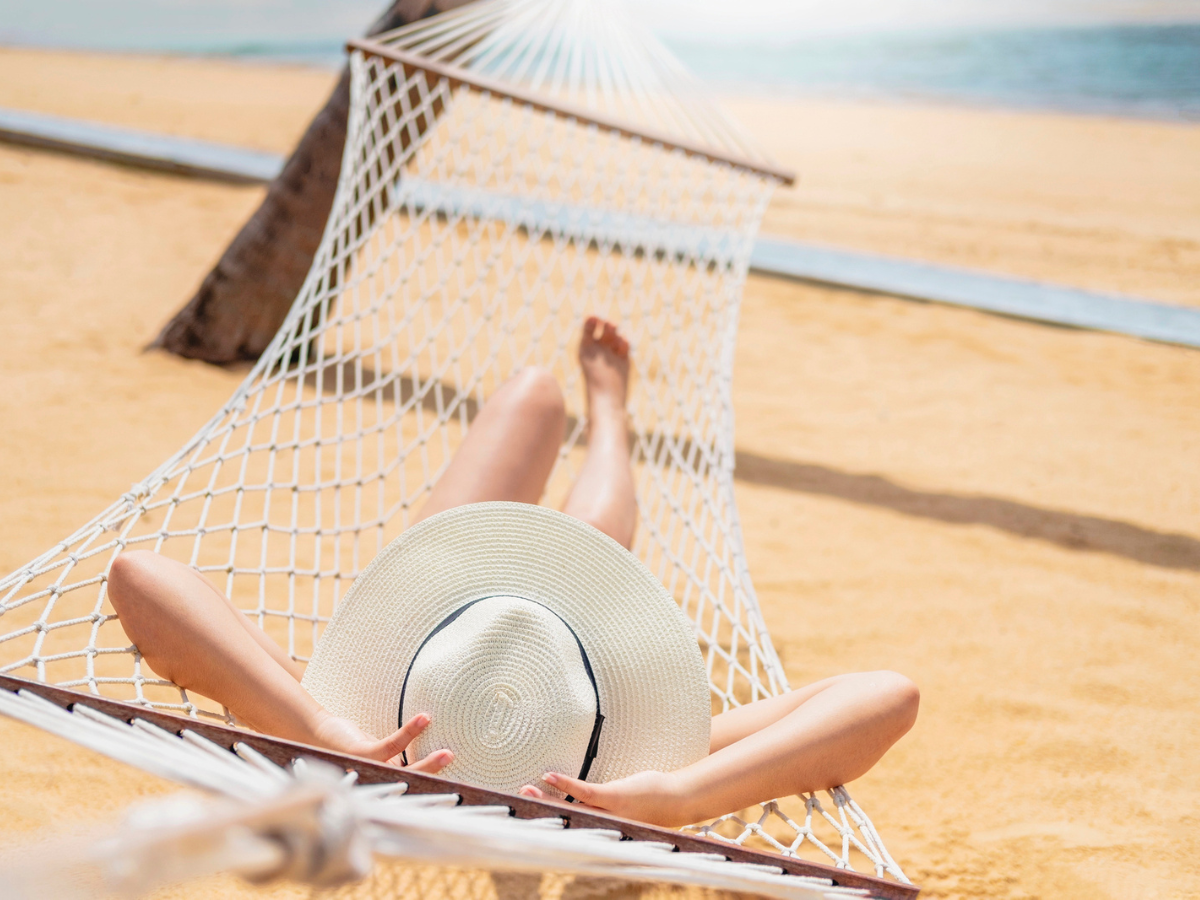
Le Sud-Est de la France, l'Espagne, la Bretagne et l'Italie figurent parmi les destinations les plus envisagées par les Français en 2026 - Depositphotos.com, Jomnicha

Costa Rica


The French remain attached to travel.

According to the latest edition of the American Express Lifestyle Trends Observatory, 81% of them plan to depart before the end of the year, including 73% starting as early as the summer 2026. The Southeast of France, Spain, Brittany and Italy are among the most cited destinations.

The under 35 age group shows the strongest departure intentions, with 92% planning to travel before year end.

The study also highlights a shift in expectations. For 54% of respondents, the ideal trip is primarily about time for oneself and relaxation. The possibility to disconnect from daily life (50%) and to recharge mentally and physically (49%) also tops the motivations.

Peace of mind emerges as a central element in the tourism experience. Thus, 91% of the French feel that thorough trip preparation allows for a calmer departure, while 88% attach importance to comfort during their stay.


Discovery remains at the heart of the travel experience

Beyond rest, travelers are also seeking enriching experiences.

The discovery of new landscapes is the main factor making a stay memorable for 60% of French respondents.

Next come cultural and historical visits (47%), local gastronomy (45%) and human encounters (39%).

The study also highlights the importance of a balance between activities and downtime. Nearly nine in ten French people (89%) consider it essential to alternate between the two during a single trip, while 85% wish to multiply discoveries, whether they are cultural, gastronomic or human.

Among those under 35, this quest for experiences is even more pronounced. Half of them associate their travels with unique experiences, compared with 39% for the overall French.

Léa Joulia Launches Naïa Journey, an Immersive Wellness Travel Agency


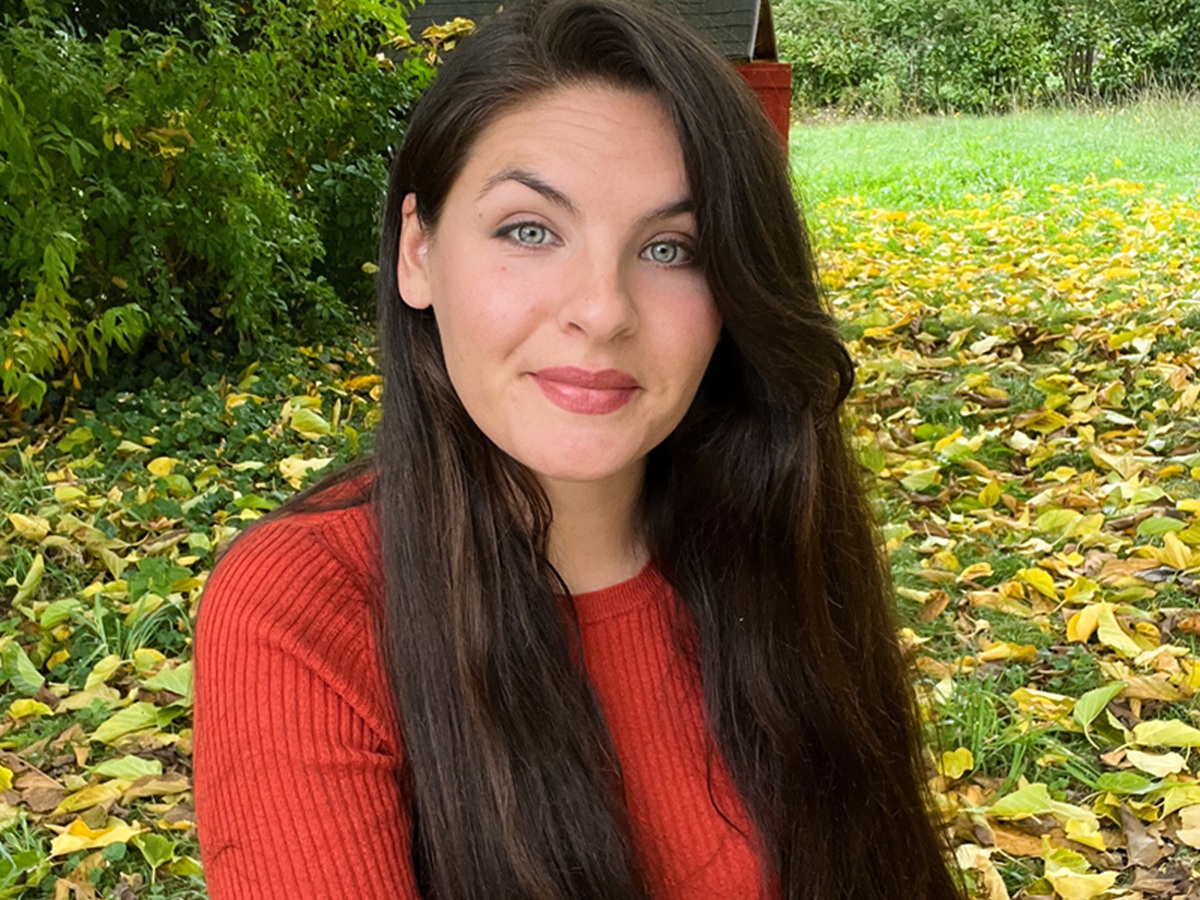
Léa Joulia a créé Naïa Journey, une agence de voyages spécialisée dans les voyages immersifs et bien-être en petits groupes. @L.J.

CroisiEurope


The love of travel is something Lea Joulia inherited from her family. Her grandparents, who were teachers, traveled extensively and she was taught at a very young age to be curious about other cultures.

After a master’s degree in hospitality management, she worked in luxury hospitality, notably in events and group hosting.

The Covid crisis then redirected her path. She left French Polynesia to return to the Lot region, where her mother has run for nearly thirty years an Ayurvedic wellness center. For four years, Léa Joulia has supported stays and began creating her own.

“I moved from one luxury to another. I discovered my true version of luxury: working in nature and having a meaningful job.”, she explains.


An agency specializing in immersive and wellness stays

Created in early 2026, Naïa Journey offers small-group stays, generally between 10 and 15 people.

The agency organizes wellness retreats, sporty, cultural, gastronomic or even marine immersion trips. The common thread across all these journeys is immersion and human connections. Naïa Journey offers tailored packages and experiences for individuals and for companies.

“The theme mainly serves to bring together people who share the same wavelength. But the trip itself is already a transformative experience.”, emphasizes Lea Joulia.

To build her stays, the young entrepreneur works with guides, speakers and hosts whom she knows personally. Among the destinations offered are Greece, Morocco, Egypt, Ireland, India, and France.

The question of sustainable tourism is also at the heart of her project.

“The fundamental rule in all stays is to not cause harm,” reminds Naïa Journey’s founder, who advocates tourism that is more respectful of residents, the environment and local cultures.


Providing a legal and regulatory framework for immersive travel


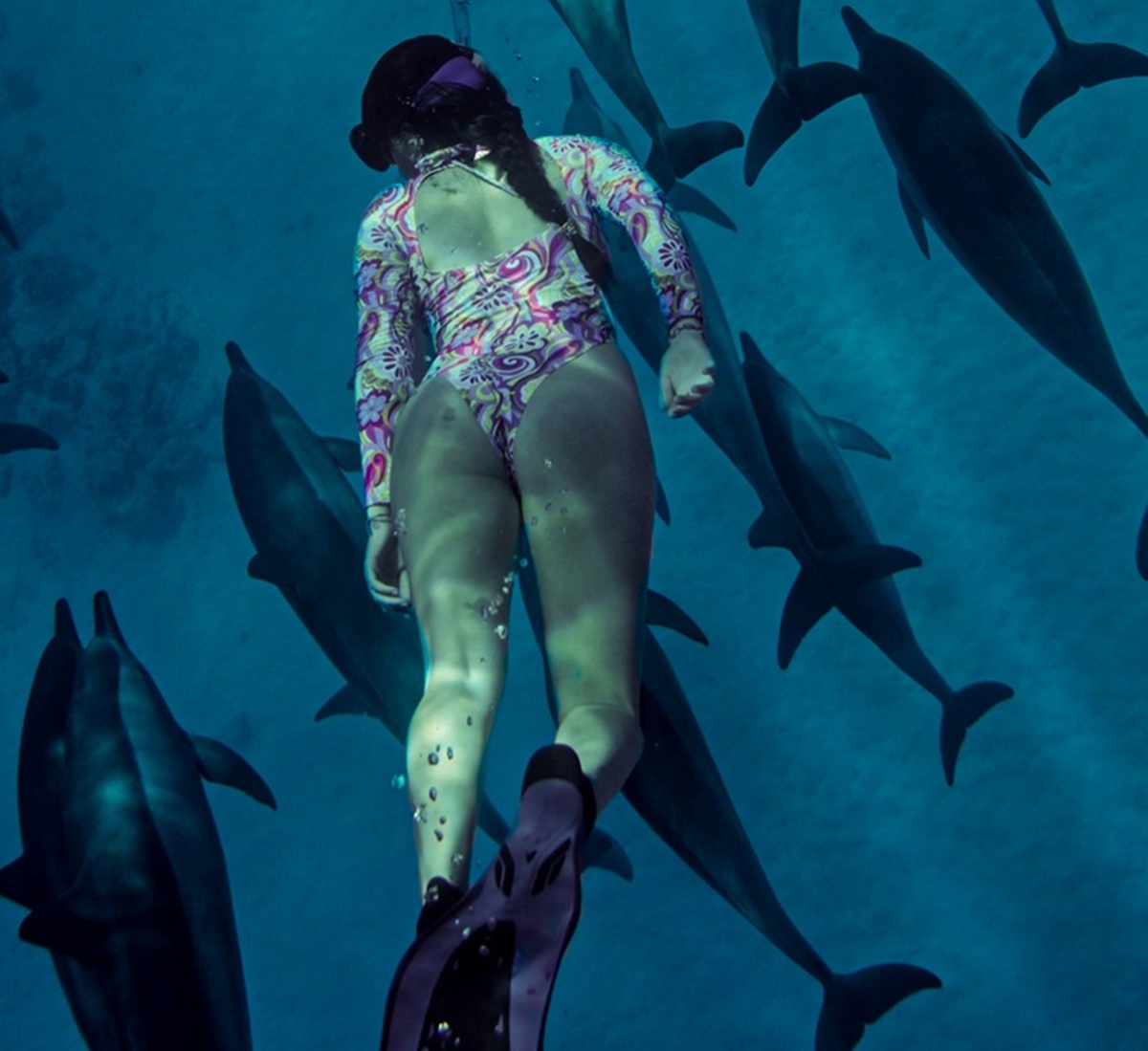
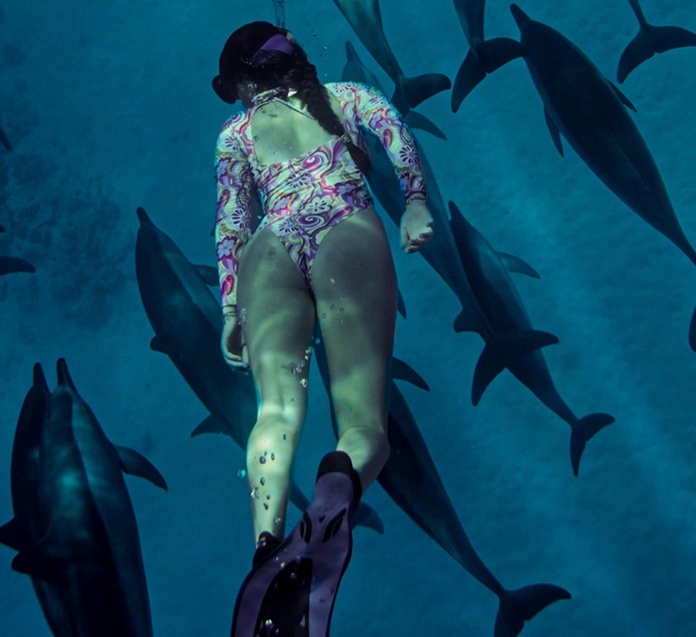
L’apnée et la plongée sont des thématiques fortes de l’offre Naïa Journey. @L.J.

With Naïa Journey, Lea Joulia aims to address a gap in the tourism sector.

“ Travelers are looking for something different from a classic trip today. They want to live an experience and meet people.” explains the founder of Naïa Journey.

But the young business leader also points to the missteps promoted on social networks. She mentions in particular the proliferation of trips organized without a legal structure or protections for travelers.

“Many travelers do not necessarily think to check the insurance or the legal structure behind a stay.” explains the entrepreneur.

She regrets a form of unfair competition between registered agencies and certain influencers or travel planners on Instagram.

“I’m very active on networks; I find about a hundred travel offers per day on wellness-themed topics, not all of them are compliant. When you create a real agency, it takes a lot of money, time and energy.”, notes Lea Joulia.

Nevertheless, she remains optimistic about the sector’s future. “I think people will eventually tell the difference,” says the Naïa Journey founder.


A long and costly creation journey

Even though she was already familiar with the tourism world, Léa Joulia did not anticipate the difficulty of starting a travel agency. “That was a big shock.”

Between financial guarantees, insurances, administrative steps and the capital required, the path was long. The young entrepreneur explains that she was supported by the Chamber of Commerce, accountants and lawyers to build her project.

“Luckily I had support. I wouldn’t have been able to do this alone,” confides Léa Joulia. “It’s complicated, but it’s also what protects travelers.”


Measured ambitions for the coming years

For the future, she intends to grow her agency gradually, without losing the original spirit.

“I want people to think: if it’s a Naïa stay, you can go with your eyes closed.”, explains the business owner.

She already foresees new projects, notably around South Korea.

At the same time, she is developing an initiative called Alta Events. The goal: fund solidarity projects and enable people who cannot afford to travel to do so.

Ultimately, Léa Joulia aims to advocate a travel vision that emphasizes openness and human encounters.

“If travelers return exactly as they arrived, we’ve missed something,” concludes the founder of Naïa Journey.