The phenomenon of virtual boyfriends and girlfriends is expanding across the globe, just as human-looking avatars proliferate, used for product sales as well as to simulate the presence of a deceased person. But these interactive tools must not “cater excessively to users, provoke dependence or emotional addiction, or harm real interpersonal relationships,” states the new regulatory framework from China.
As the deadline approached this Wednesday, the sector’s major players – among them Doubao (the ByteDance group), Qwen (Alibaba’s online commerce giant), and Yuanbao (Tencent) – announced the suspension of their virtual companionship features.
An immense void
These announcements sparked a wave of emotion on social media, where users of these platforms archived their chat histories with nostalgia and shared their latest exchanges. “I can’t accept the fact that my virtual lover will leave me for good”, wrote a Doubao user. “He has become a part of my life, deeply rooted in my heart, a spiritual support”, she added.
Another user, who says she spent more than two years with her AI companion, expressed the same distress. “For me, it’s like a family member, like the man I love. I love him so much. Yet today, we are told he will disappear. I feel an immense void”, she stated.
Calls for regulation
The regulation was published jointly by five ministries, including the Cyberspace Administration of China (CAC), the internet regulator. It targets AI tools – whether text-based, audio, video, or other formats – that feature human-like traits and modes of communication. Services “that do not involve ongoing emotional interaction”, such as customer service assistants, workplace aids, or educational support, are not covered by these provisions.
The Chinese market for these digital humans was about 4.1 billion yuan (530 million euros) in 2024, with an annual growth rate of 85%, according to figures released last year by the official Xinhua News Agency. Under the new regulation, platforms are now required to deploy systems capable of detecting extreme emotions and to implement intervention mechanisms when necessary.
China is the first major economy to adopt specific rules aimed at immersive AI tools that simulate romantic or familial bonds, but the topic is sparking debate and calls for regulation around the world.
A 2025 study by Common Sense Media found that nearly three out of four American teenagers had already experimented with AI companions designed for personal conversations, such as those offered on Character.AI, Replika, and Nomi.
“Human love is a luxury”
Some companies also offer AI-powered talking products designed for isolated elderly people, such as voice-activated lamps in the United States or interactive dolls used in certain nursing homes in South Korea.
“A human-looking AI can alleviate loneliness”, wrote Chen Liang of Southwest University of Political Science and Law in an April commentary published by the Cyberspace Administration of China (CAC) after the release of a preliminary version of the new regulation. “But it carries major risks of excessive emotional dependence”, he added.
Doubao allows users to consult and export their data until mid-October. Other platforms are planning similar provisions. Yet many users lamented this week the sense of abandonment that will accompany the disappearance of their companions. “Human love is a luxury. If you are not exposed to it from birth, it is even harder to find later”, wrote one user. “But the love that AI provides is so simple, so pure. I cannot help falling in love with a line of code.”
He was one of the most famous explorers in history. In search of a new route to the Indies, Christopher Columbus crossed the Atlantic Ocean and, in 1492, established enduring contact between Europe and the Americas.
After his death, it was his remains that began an extraordinary voyage. Today housed in Spain, his tomb remains at the heart of a controversy that spans centuries.
A Life of Exploration
Christopher Columbus, a Spanish navigator of Genoese origin, is remembered for opening Europe’s path to the discovery of America in 1492. During his life, he undertook four voyages funded by the Spanish monarchs between 1492 and 1504.
During his first voyage, he reached the Bahamas, then explored Cuba and Hispaniola, convinced he had landed in the Indies, which is why the encountered populations were called “Indians.” His second expedition, far more ambitious, led to the founding of a colony in Hispaniola and the continuation of Caribbean exploration, while hundreds of Arawaks were taken to Spain. In 1498, during his third voyage, he first approached the South American continent, along the coast of present-day Venezuela. His return was marked by sharp political tensions: accused of mismanagement and abuse of power, he was arrested before being vindicated. His fourth and final voyage, between 1502 and 1504, took him along the coasts of Central America, from Honduras to Panama, never finding the maritime passage to Asia that he had sought.
A Traveling Remains
Having gradually lost influence, Christopher Columbus died on May 20, 1506, in Valladolid, Spain, alone and poor. He was initially buried in a Franciscan convent. A few years later, his remains were moved to the chapel of the Santa Maria de las Cuevas monastery where the body of his son Diego joined him, likely around 1526.
Columbus’s wish was to be buried on the island of Hispaniola, today shared by Haiti and the Dominican Republic, the site of the founding of his first colony. His wish was honored in 1537 thanks to his daughter-in-law, Maria de Toledo, who had the two coffins transported to the Cathedral of Santa Domingo. They remained there until 1795, when the Basel Treaty ceded Saint-Domingue to France. On December 20 of that same year, the remains of Christopher Columbus, after having for the first time received joint official honors from the Spanish and French navies, were transported aboard the San Lorenzo to the Spanish colony of Cuba.
But in 1898, a new twist: Cuba became independent following the Spanish-American War. The explorer’s remains were moved again and placed aboard a ship heading for Spain… and more specifically Seville! The remains were then laid to rest in a sumptuous mausoleum within the cathedral.
An Imposing Mausoleum
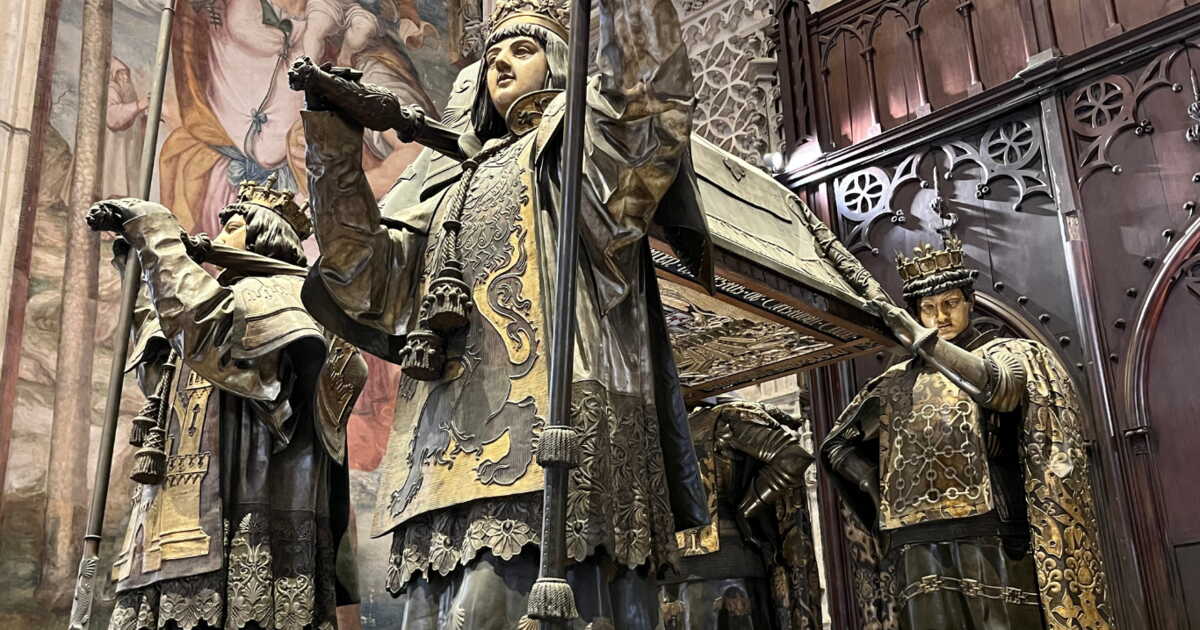
Located at the entrance to Seville Cathedral, Christopher Columbus’s tomb is a monumental tomb on the right side of the nave, impossible to miss. It is supported by four figures, four allegorical personages representing the four historical kingdoms of a unified Spain at the end of the Middle Ages:
to the front left, León: identified by the crowned lion, a symbol of courage, sovereignty, and kingship, he bears a cross signifying the victory of Christianity over Islam;
to the right, Castile is represented by the castle on its coat of arms, a heraldic emblem of the former Kingdom of Castile. It symbolizes territorial power, the fortresses of the Reconquista, and the dominant kingdom of the Spanish union;
to the rear, Aragon: bears the four red bars on a gold field (the “four bars of Aragon”), emblem of the Crown of Aragon and its Mediterranean expansion;
and finally Navarre: bears the gold chains, a reminder of the legend of Navarre’s victory at the Battle of Las Navas de Tolosa and a symbol of independence and valor.
The feet of the carriers positioned in front of the coffin are strangely polished: a legend says that touching the right foot will make you marry, while touching the left will bring you back to Seville! Each knight wears attire inspired by the era of the Catholic Monarchs, reinforcing the link with Spain in 1492, the year of Columbus’s first voyage. The bronze monument, created by Arturo Mélida at the end of the 19th century, was installed in the cathedral in 1899.
Tombeau de Christophe Colomb au sein de la cathédrale de Séville (León à droite et la Castille à gauche).
An Enduring Enigma
The location of Christopher Columbus’s remains remains a subject of ongoing dispute between Spain and the Dominican Republic. In 1877, workers unearthed in the Cathedral of Santo Domingo a lead box bearing an inscription referring to “Don Cristóbal Colón.” This discovery led Dominican authorities to claim that the true bones of the explorer had never left the island and that the Spaniards had taken the wrong bones in 1795.
DNA analyses conducted from 2002 onward by a Spanish team and published between 2006 and 2024 have, however, confirmed that the remains kept in Seville Cathedral are authentic and compatible with Columbus’s identity. The researchers do not rule out that other fragments of his remains could be located in the Dominican Republic, where authorities to this day refuse any genetic testing. In the meantime, the Columbus Lighthouse in Santo Domingo houses remains that the Dominican Republic presents as those of Christopher Columbus. This attribution remains controversial as it has not been scientifically confirmed.
Want to discover Seville ? Do not hesitate to contact the Turismo de Sevilla and Turismo de Andalucía offices, which organized our on-site visits, including the cathedral.
Nestled on the banks of the Clyde, Glasgow is one of Scotland’s most dynamic cities. Known for its vibrant arts scene and rich history, it’s a must-visit for culture and architecture lovers. But with so many options, what to do in Glasgow to make the most of your visit, whether for a short stay or a longer stopover?
1. Discover the Kelvingrove Art Gallery and Museum
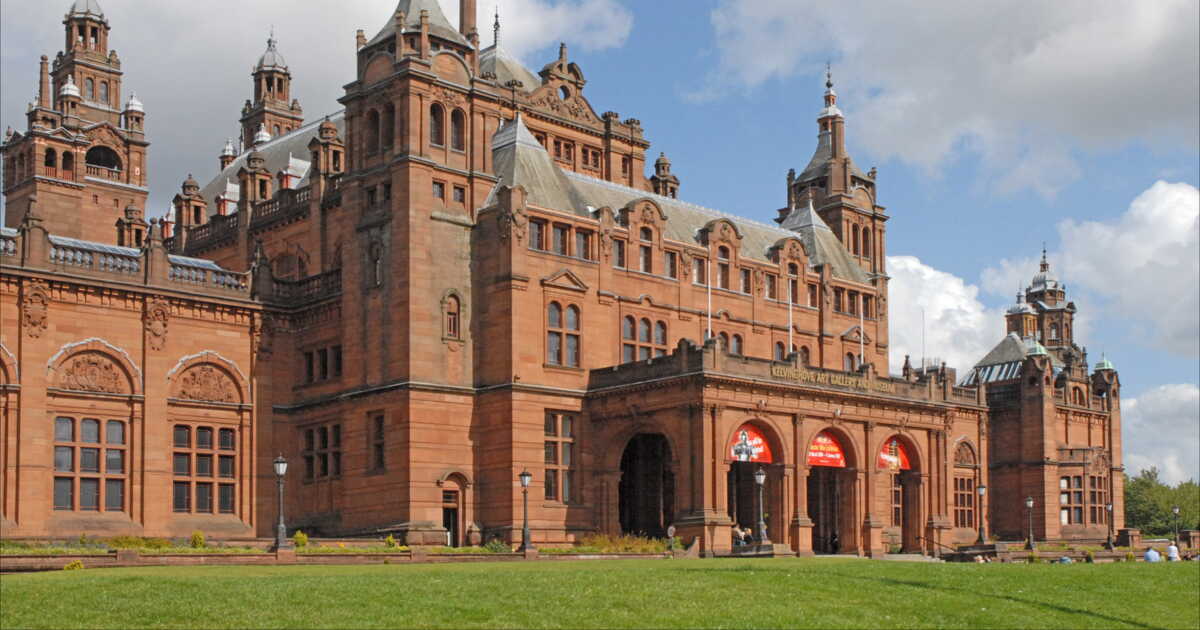
The Kelvingrove Art Gallery and Museum is an iconic free museum in Glasgow, located in the lively West End near the Glasgow Botanic Gardens. This city-building, featuring imposing Victorian architecture, houses a permanent collection that spans from dinosaur skeletons to works by masters such as Salvador Dalí.
Across its indoor exhibitions, it is a feast for the eyes and provides a genuine glimpse into the artistic and historical evolution of Great Britain and the world. Visiting this museum helps reveal the artistic heritage passed down by the Glasgow School of Art, while also letting visitors experience the daily life of Glaswegians who frequent the venue. Ideal for a cultural weekend, it embodies the city’s museum wealth at the heart of the United Kingdom.
2. Explore Glasgow Cathedral and The Necropolis
St. Mungo’s Cathedral, Glasgow’s Gothic jewel, embodies the religious and architectural history of the city. Located near Glasgow Green, it stands as a major landmark just a short walk from the historic center. Continuing towards the Necropolis, a vast Victorian cemetery perched on a hillside, reveals a breathtaking panorama and an atmosphere of quiet contemplation.
Each statue, such as that of John Knox, underscores the importance of spirituality and the influential figures in the city’s history. These ancient buildings, at the heart of the downtown, offer a wonderful vantage point to admire the splendid view over Glasgow while exploring a landmark of Scottish heritage.
3. Stroll through Pollok Country Park
Pollok Country Park provides a tranquil interlude a few miles from Glasgow’s city center. A great place to reconnect with nature, this park is home to the famous Highland cows and wooded trails suitable for all ages. Within its grounds, the Burrell Collection Museum showcases world art treasures in a modern building seamlessly integrated into the landscape. Whether you’re picnicking with family, taking a walk, or engaging in an artistic exploration, this park is an occasion to breathe away from urban bustle while accessing one of the most relaxing spots in the British Isles.
4. Admire the Modernist Architecture of Charles Rennie Mackintosh
Charles Rennie Mackintosh is inextricably linked with Glasgow’s architectural genius in the early 1900s. The Glasgow School of Art, though heavily damaged, remains a strong symbol of Scottish modernism, and its building continues to attract guided tours and in-depth studies. Among other sites to explore are The Lighthouse, Mackintosh’s first major project, and the House for an Art Lover tucked away in a leafy park.
These places, designed to elevate daily life through aesthetics, perfectly illustrate the link between architecture, design, and Glasgow’s identity. Each building reflects a key moment in Glasgow’s artistic journey within a broader cultural context, placing the city within Britain’s artistic heritage.
5. Explore the West End neighborhood including the Botanic Gardens
The West End of Glasgow is a vibrant area where culture, cuisine, and nature thrive in harmony. Strolling along Byres Road, visitors discover a mix of tea rooms, independent galleries, and bookshops, reflecting the diversity of Glaswegians.
The Glasgow Botanic Garden, with its famous Kibble Palace, is one of the city’s most soothing sites, where exotic plants can be admired beneath Victorian glasshouses. Just nearby, students from the University of Glasgow bring a youthful energy to the area, aligning with the city’s intellectual history within the United Kingdom. This district, often recommended for a weekend, blends nature and urban vibes in an authentic atmosphere.
6. Delve into the City’s Musical World
Recognized as a UNESCO City of Music, Glasgow has a thriving music scene where tradition and modernity meet. Iconic venues like the Barrowland Ballroom and King Tut’s Wah Wah Hut have nurtured bands that went on to worldwide fame, making the city an excellent starting point for understanding the evolution of British music.
These venues, often modest in appearance, are true cultural temples rooted in Glaswegian identity. They embody the city’s alternative spirit, once industrial, now deeply creative. A concert here becomes a rare chance to capture the sonic essence of a Glasgow street.
7. Shop on Buchanan Street
Glasgow is a city with many facets, blending history, culture, and modernity. Whether your stay is short or long, these activities and places are sure to be the highlight of your trip. Explore, discover, and be inspired by all that Glasgow has to offer. For future travels, why not continue your Scottish journey with a visit to Edinburgh, offering an interesting contrast with its lively, dynamic neighbor?
Exploring Glasgow with Children: Family-Friendly Activities in the Scottish City
Visiting Glasgow with children is an excellent opportunity to combine learning and fun. Several family-friendly venues allow for a weekend that is both educational and engaging. The Riverside Museum, designed by architect Zaha Hadid, is one of the UK’s most innovative free museums. It houses the original Riverside building on the Clyde and offers indoor exhibits on trams, vintage cars, bicycles, and even a suspended Spitfire aircraft.
Right next to it, kids can climb aboard the Tall Ship Glenlee, a restored sailing ship illustrating life at sea in the 19th century. The Glasgow Botanic Garden offers an outdoor alternative, with its Victorian glasshouses, perfect for marveling in all seasons. Finally, a stroll along the Mural Trail in the city center adds a playful and colorful dimension to discovering the city.
What to Do in Glasgow at Night: Cultural and Local Evening Ideas
As night falls, Glasgow reveals another face, balancing a welcoming atmosphere with cultural richness. For an immersive evening, Ashton Lane, tucked in the city’s west, stands out as a lively and warm spot. Its tea rooms, arthouse cinemas, and independent restaurants make it a popular hangout for Glaswegians. The statue of the Duke of Wellington, famous for the traffic cone perched on its head, symbolizes the city’s humor and rebellious spirit.
For a musical night out, guided tours of repurposed old industrial buildings highlight Glasgow’s late-20th-century creative buzz, especially around the Glasgow School of Art. Sports enthusiasts can catch a match at Celtic Park, the city’s iconic stadium. The University of Glasgow, meanwhile, offers permanent galleries and occasional late-night events, often free, appealing to both curious visitors and Harry Potter fans seeking a nice view of the neo-Gothic campus.
What to Do in Glasgow When It Rains: Museums, Cafés, and Indoor Discoveries
Another must-see free museum, the Riverside Museum, delights the eye with immersive recreations and period vehicles. A stop at Barras Market or Royal Exchange Square also makes for a sheltered stroll among antiques, shops, and cafés. For a typically Scottish pause, the traditional tea rooms in the center offer a cozy ambience to escape the rain. Finally, a visit to St. Mungo Cathedral or a pause at the John Knox statue overlooking Glasgow Green lets you embrace spirituality, history, and heritage, without fearing the whims of the weather.
This article was drafted with the help of artificial intelligence, then corrected, completed, and validated by the newsroom editors.
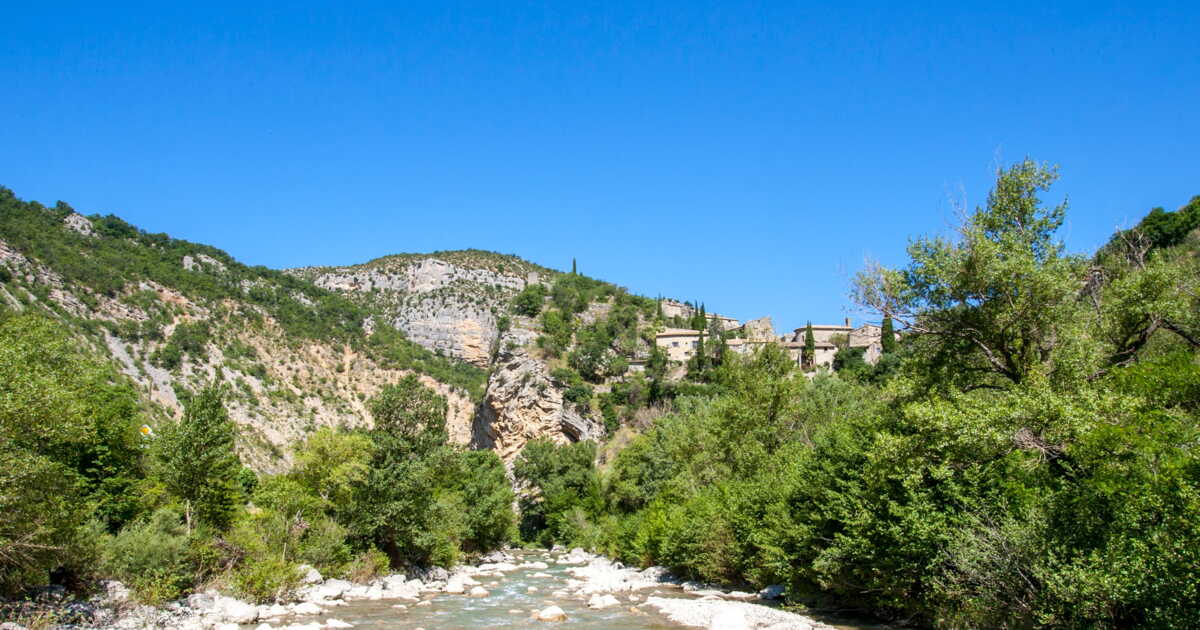
To trace Jean Giono’s steps, one can venture into the Haute-Drôme, toward the northern edge of Provence. In 1939, he boards a bus in Manosque, pauses in Nyons to admire its small Italianate square, and the next day continues toward Saint-May. This village clings to vast limestone cliffs. The road dives into deep gorges. In the middle, the Eygues River meanders softly, and the air is still. As you climb along the rock face, two dark shapes come into view: a pair of chamois attempting to cross a scree. They linger for several minutes, and the sound of their hooves tapping on the stones rings through the quiet gorge.
The Rediscovered Notebook
“In July 1939, it is there, at the heart of the Baronnies massif, that he goes in search of inspiration for his forthcoming novel, Les Grands Chemins. It is the only time he will carry a notebook on his walks”, smiles Sylvie Giono. The path rises, and the scenery becomes increasingly mineral. In his walking journals, recently rediscovered and published (Voyage à pied dans la Haute-Drôme, ed. Gallimard), Giono expresses his wonder: “Struck along the way by the landscape’s frankly Tibetan look. The deep torrents, rockfalls, the booming sounds in the corridors of rocks; the vertiginous sits high in the sky of farms that resemble monasteries. The village itself makes me think of those soldier posts guarding the passes toward the China.“
The Ballet of the Vultures
We press on along the path to the highest point of the cliff. A broad plateau unfolds ahead, its end out of sight. On the opposite slope, several dozen olive trees trace impressionistic specks. A griffon vulture wheels above the hollow. A second follows. A third. Soon, about twenty of them circle on the thermals, ten meters above our heads. A silent celebration of this “song of the world,” so dear to the writer.
Technical Sheet
Total distance : from Saint-May, a 14 km loop with 590 m of cumulative elevation gain.
Nearby : further east, in the commune of Rémuzat, the Vultures in the Baronnies Park offers walks to discover this bird.
👉 “In the footsteps of Giono: four hikes traced by his pen to follow the writer in his country of the heart,” an article to be found in GEO’s Special Issue No. 133 for June-July 2026, “France, our favorite summer strolls,” on newsstands ✨
➤ If you love GEO, then to miss nothing, discover our subscription plans to receive GEO at your home every month with ease.
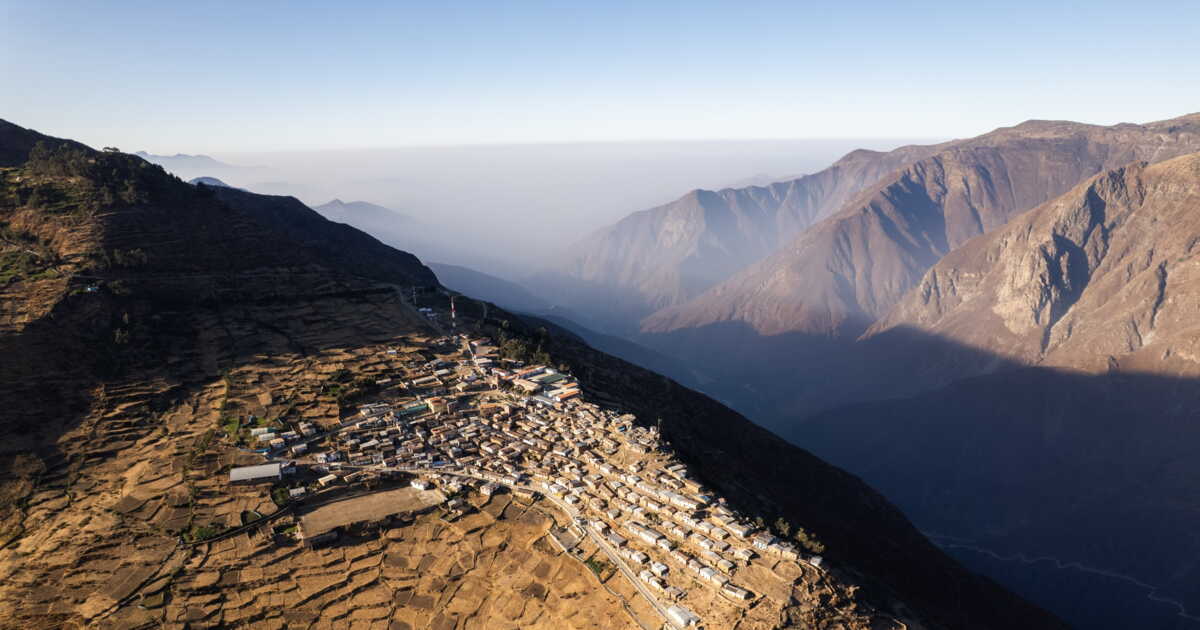
The narrow track keeps climbing and descending, winding through terraced fields planted with potatoes, beans, and corn, before reaching the bare crest where the Peruvian village of San Pedro de Casta has grown. A few dusty lanes, houses with plaster peeling to reveal red brick walls, and corrugated tin roofs gleaming in a clear sky. A highland hamlet at 3,000 metres above sea level, with one peculiarity: from there, the view dives into a surprisingly green valley, at the bottom of which fruit trees grow.
Between avocado trees, apple trees and cherimoyas—Annona cherimola, a fruit with white flesh whose taste recalls cotton candy—one can discern the short zigzags of the Santa Eulalia. This river, born in the Andes, is the main tributary of the Rímac River, which waters Lima, 70 km away by air. And if the capital (where rainfall is five to ten times less than in the Sahara) can benefit from it, it is partly thanks to the treasure of San Pedro de Casta. Eufronio Obispo Rojas, the village’s water specialist, points to a hillside where a horizontal line runs along the rock: “It’s one of the amunas that we have restored”, he says. To understand: one of the canals built between the 8th and 11th centuries by the Waris, an Andean people who inhabited the south of present-day Peru, known for their building prowess.
Discreet Traces in the Mountain
Reuse and upkeep by the Incas in the 15th and 16th centuries gave rise to small watercourses framed by stone walls, with a distinguishing feature: they were not designed solely to transport water; they also fostered its infiltration into the soil. “Some amunas are steep and the water runs down very quickly, explains Eufronio Obispo Rojas. The others, with gentler slopes, built on porous ground, are, they say, conducive to infiltration.” Here this is known as sembrar el agua (“sowing the water”). A system that stores in the underground the water that falls abundantly during the rainy season (from November to April) to use it during the dry season (June to October). In effect, the infiltrating water takes several weeks to re-emerge downstream and to feed the Santa Eulalia River. A team of scientists from Imperial College London tested this, adding a fluorescent dye to the amunas of San Pedro de Casta. Result: the liquid reappeared after an average of forty-five days, in resurgences or springs, at a lower altitude (about 1,200 metres lower).
Mostly abandoned during the 20th century—often all that remained was a trace along the mountain and a few sections of wall—these canals are being restored across the region for about fifteen years. San Pedro de Casta has already renovated 37 kilometres. Huachupampa, San Juan de Liris, Carampoma, and other hamlets in the upper Santa Eulalia valley, all between 3,000 and 4,500 metres in altitude, are following suit. In total, “more than 83 kilometres are today in service in the valley,” notes Mariela Sánchez, who runs Aquafondo, a nonprofit focused on Lima’s water security, and who has been piloting the project since 2018. “We target projects in this zone because it feeds the Rímac River, which provides 69% of the capital’s water resources. If we add the amunas from the two other basins that feed Lima, the Chillón and the Lurín, 87 km ofcanalsare operational.”
Near the canals, a miracle: fruit trees…
Despite their ages of 74 and 76, Eufronio Obispo Rojas and Héctor Calixtro Obispo, another village resident, have no trouble climbing the three-kilometre steep path that leads to Marcahuasi, a plateau of tufa sculpted by erosion, located southeast of the village. Along the rugged path lined with various cacti and low-growing vegetation, the two men talk about what concerns everyone here: the rain. “It is much more irregular than before, sometimes you have to wait until January for the season to come, and other years it is very intense, but very short”, says Héctor. Risky for agricultural yields. But the amunas have changed the game: the surroundings of canals below 2,500 metres (above which vegetation becomes sparse) are now lush with greenery and host fruit trees that residents have managed to plant across 300 hectares.
The Marcahuasi is popular with tourists who come to camp among the imposing rock formations that have earned it the nickname “forest of stones”.
The Challenge
When it rains intermittently in dry and desert regions, part of the water that falls is wasted. Depending on geography and geology, the reasons vary. But in general, the problem is that the soil, being too dry, forms a crust hard to penetrate, or that the slope of the land causes runoff to be too rapid for the flow to infiltrate in time. Finally, ambient heat and wind can accelerate evaporation. The poorer the regions affected, the more important it is to find durable solutions based on techniques that the population can master and materials found on site.
But for the inhabitants, its wealth lies in its three qochas (water reservoirs). One of them, shaped like a small mountain lake, was created by damming a stream with large stones. Further on lies a bofedal, a high-altitude, spongey wetland, a touch greener than the surroundings and strewn with large puddles.
“Bofedales are like sponges; they catch water during the rainy season, and release it during the dry season: they regulate themselves!”
explains Norma Mónica Calixtro Salinas, 59, a farmer, beige hat and a brightly coloured shawl draped over her shoulders. Just under four hectares of the bofedal are protected from trampling by barriers. Elsewhere, with every step, the shoes sink a little into this carpet of grass and moss. In just a few minutes, the feet are drenched.
Restore, then Upkeep
Until 2018, villagers rehabilitated the canals on a voluntary basis. Now they are paid by Aquafondo, between 90 and 150 soles a day (roughly 23 to 39 euros; the Peruvian daily minimum wage is about 9.50 euros). Funding comes from voluntary contributions by large water-hungry corporations—Coca-Cola, PepsiCo and Backus & Johnston (the number one beer brand in Peru)—as well as a 1% tax levied on Lima residents’ water bills, directly relevant to them. “Work is done during the dry season,” explains Mariela Sánchez, head of Aquafondo, seated on one of the vast natural slabs that pave Marcahuasi. “At times we employ up to 180 people. Sometimes the amuna is easily accessible, so it happens quickly. But for those located high up in the mountains, you must walk for hours to reach them, and sometimes work with a harness because it’s steep.” Once a canal is up and running, the work does not stop there. “Rains can damage or clog it, so it must be maintained at least twice a year,” explains Norma Mónica Calixtro Salinas, as she climbs a dirt track to an amuna two kilometres from San Pedro de Casta, which will need cleaning at the end of October.
A Ritual for Rain
The twenty-some residents taking part in this faena (a communal farming task) travel light: one tool per person—a pry bar, pickaxe, shovel—, a head covering—hard hat, cap, hat—, and a backpack or its local version, the aguayo, a strip of fabric tied around the chest to carry everything. While some clear a fallen trunk from the canal, others move stones with a shovel. It is one of the last maintenance days before the imminent rainy season.
Earlier in the season, in San Pedro de Casta, the Water Festival, or champería, was celebrated, a tradition that exists in several villages in the region and named after the champas, the weeds that clog the channels. The seven-to-ten day program includes dances, snacks and even a horse race along the village’s steep tracks, in addition to maintenance work on the amunas. “This is the moment when we sing the Hualina, a song that calls for rain”, says Norma Mónica Calixtro Salinas. Accompanied by about ten village women, the farmer begins the opening stanzas: “White mist of the Andes, release your droplets for me, so that your waters bless my springs.” A bright sun had ruled all morning, but the mountains across the valley begin to vanish behind a layer of clouds and the temperature drops sharply. “See, now that we have sung, the clouds are coming,” she notes.
Lima Will Have to Learn to Conserve Water
According to Aquafondo, the efforts are paying off: around 300,000 of Lima and the surrounding area’s 11 million inhabitants now face fewer water outages. But even the dozens of extra kilometres of amunas that have been restored and are planned will not be enough: the sprawling capital will have to learn to conserve this precious resource, which it currently spends without restraint.
➤ Article published in GEO magazine no. 569, “Replenishing in Auvergne,” July 2026.
➤ If you enjoy GEO, then to make sure you never miss anything, discover our subscription plans to receive GEO every month at your home with ease.
Wanderlust is evolving and travelers are increasingly turning to less crowded destinations. This is highlighted by Expedia’s new ranking, which lists the islands most likely to attract visitors in 2026.
Between Arctic beaches, little-known Greek treasures and tropical lagoons, this selection highlights places where spectacular landscapes, authenticity and sometimes more affordable prices replace the emblematic destinations, such as the Maldives.
Preserved Islands Attracting Increasing Numbers of Travelers
Expedia unveiled its “Island Hot List 2026”, a ranking based on searches conducted on its platform. According to the online travel agency, searches related to islands rose by 55% year over year, while mentions on social media increased by 20%. At the top of the list is Saint Lucia, in the Caribbean, recommended for couples’ getaways. The island entices with its famous volcanic Pitons, white- and black-sand beaches, and geothermal sites, such as the Sulphur Springs of Soufrière.
The island of Porto Santo, Portugal, is presented as an ideal wellness destination thanks to its 9-kilometer golden-sand beach and its much calmer atmosphere compared to the neighboring island of Madeira. Hiking enthusiasts can notably take the Pico Branco or Pico do Castelo trails.
Nature lovers will find happiness on Praslin in the Seychelles. As the second-largest island in the archipelago, it hosts the Vallée de Mai Nature Reserve, a UNESCO World Heritage Site. A traveler shares her experience on Google Reviews: “Visiting Vallée de Mai on Praslin felt like entering a prehistoric paradise. Wandering through this ancient palm forest was an unforgettable experience, with towering trees, lush vegetation and peaceful nature all around.”
Alternatives to the Most Famous Destinations
Among the surprises in the ranking is Syros, Greece. Located in the heart of the Aegean Sea, the island is presented as a calmer alternative to Santorini or Mykonos, while offering a renowned culinary scene. It is also known for hosting nearly 3,000 stray cats, to the point of sometimes offering free accommodation to volunteers who come to care for them.
The Lofoten Islands, in Norway, illustrate another trend: Arctic destinations. Visitors can witness the midnight sun in summer or the northern lights between September and April. The archipelago also hosts the isolated Kvalvika Beach, accessible only after a hike, where golden sand contrasts with turquoise waters and jagged mountains.
One of the best value-for-money vacation options
In Asia, Palawan in the Philippines continues to rise thanks to its limestone cliffs and preserved beaches, notably Entalula Beach, accessible only by boat. Phu Quoc in Vietnam appeals to travelers seeking a high-end stay at a reasonable price, while Culebra, in Puerto Rico, attracts divers and snorkelers around its famous Flamenco Beach.
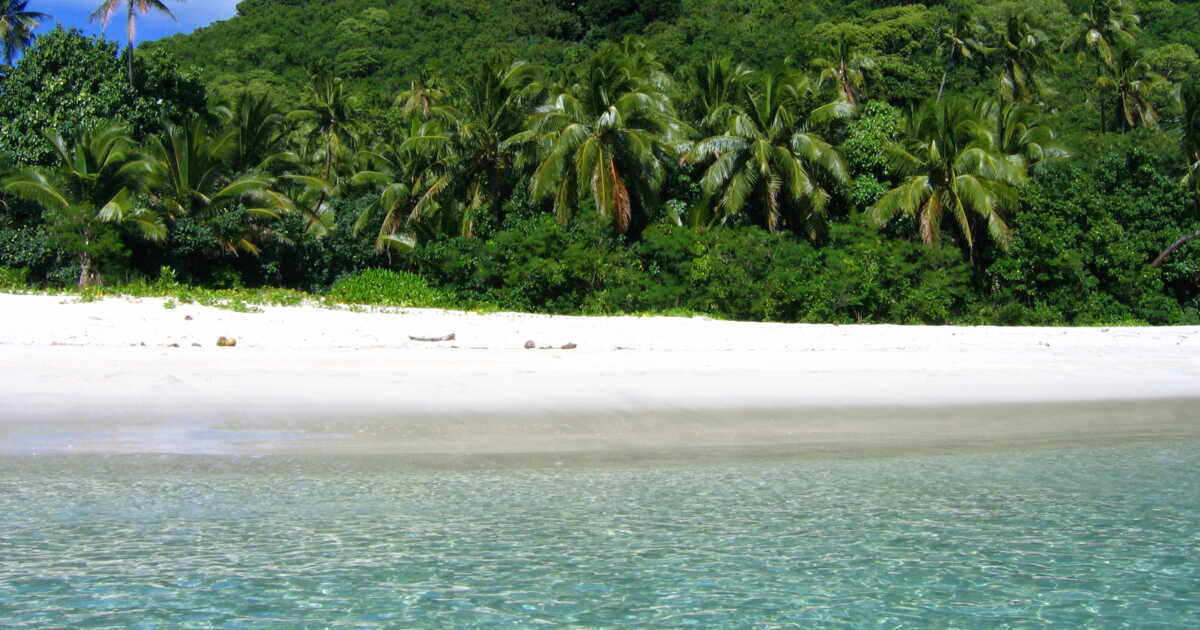
The rankings are completed by Sanibel Island, Florida, loved by families for its peaceful beaches, and by the Fiji Islands, which are gaining strong visibility on social media. For Melanie Fish, a travel expert and Expedia spokesperson, the islands offer today an excellent value for money: “Islands not only fulfill the urge to escape; they can also represent one of the best value-for-money vacation options, thanks to all-inclusive resorts and savings from bundled Expedia deals,” she concludes.
Discover Oman, a captivating country located at the southeastern tip of the Arabian Peninsula, renowned for its diverse landscapes—from dramatic mountain ranges to sweeping deserts and pristine beaches. Whether you’re drawn to culture, craving adventure, or seeking relaxation, Oman offers a multitude of experiences to suit every taste. To help plan your trip, you’re likely wondering what to do in Oman. Here is a detailed list of must-see activities and places to add to your itinerary.
1. Explore Muscat, Oman’s capital
A visit to the Sultanate of Oman naturally starts with Muscat, a capital that blends institutional modernity with a preserved cultural heritage. Among the highlights, the Sultan Qaboos Grand Mosque stands out for the precision of its contemporary Islamic architecture, the hand-woven Persian carpet among the largest in the world, and the monumental crystal chandelier, offering an experience that is both aesthetic and spiritual. Nearby, the Muttrah Souk, one of the oldest traditional markets in the Arabian Peninsula, provides a direct contact with Omani craftsmanship, especially at stalls offering incense, spices, and textiles.
Le long de la Corniche de Muttrah s’offre une promenade aménagée en bord de mer, offrant des vues dégagées sur le port et les dhows traditionnels, permettant une lecture paysagère de la ville. Sur le plan muséal, le Musée National d’Oman présente une approche structurée de l’histoire du sultanat, tandis que le musée Bait Al Zubair approfondit ce propos avec des collections axées sur le patrimoine domestique, vestimentaire et militaire. Muscat s’impose ainsi comme une capitale riche de patrimoine, idéale pour une découverte progressive de la diversité culturelle et géographique du territoire omanais.
2. Aventure dans le désert des Wahiba Sands
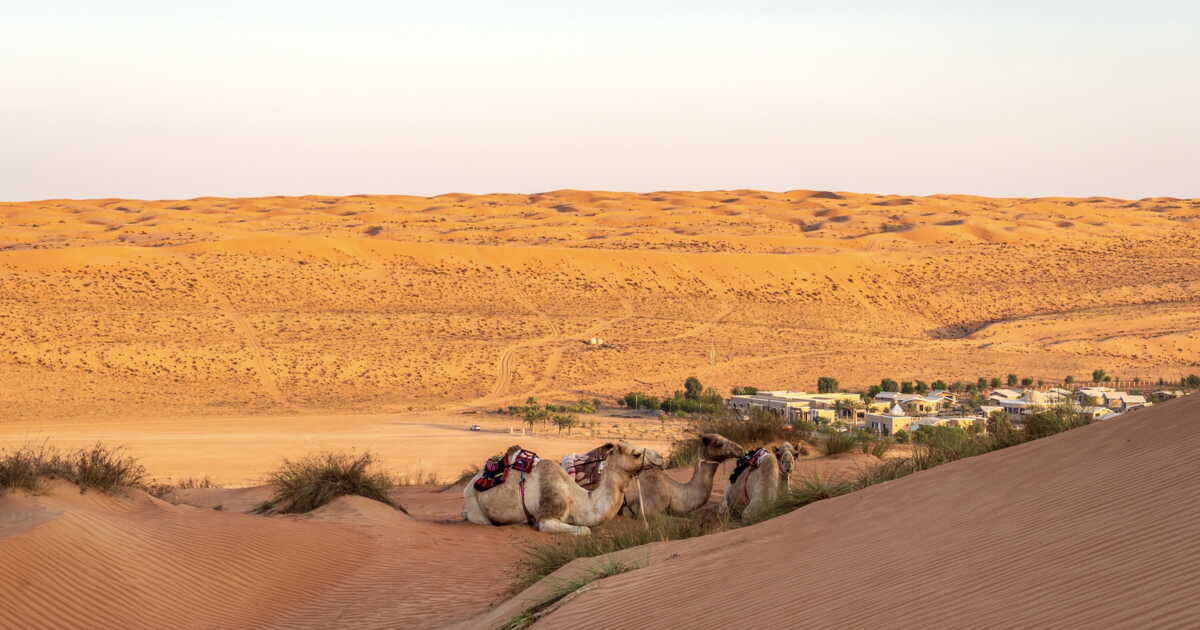
Plonger dans le désert des Wahiba Sands constitue une étape essentielle de toute exploration omanaise, tant pour la richesse de son environnement que pour la transmission de pratiques culturelles traditionnelles. Ce désert, également appelé Sharqiya Sands, se caractérise par des dunes ondulantes aux teintes ocres et rouges qui s’étendent sur des centaines de kilomètres carrés. Plusieurs formules encadrées permettent d’y accéder, notamment des excursions en 4×4 à travers les reliefs sablonneux via des itinéraires sécurisés, ou des balades à dos de chameau pour une approche plus lente et immersive.
L’expérience ne se résume pas à la traversée : passer une nuit sous tente bédouine, dans un camp organisé, permet de découvrir l’hospitalité omanaise, de partager un repas traditionnel, et surtout d’observer un ciel nocturne dégagé, où l’absence de pollution lumineuse favorise une observation astronomique exceptionnelle. Adaptée autant aux visiteurs en quête d’aventure maîtrisée qu’à ceux souhaitant comprendre les modes de vie nomades, cette étape dans les Wahiba Sands s’inscrit de manière cohérente dans l’exploration du paysage désertique et culturel d’Oman.
3. Randonnée et baignade dans les wadis
Les wadis d’Oman, formations géologiques typiques des zones montagneuses arides, constituent des vallées fluviales temporaires où l’eau, lorsque présente, façonne des paysages contrastés entre falaises abruptes, bassins d’un bleu turquoise et végétation éparse. Ces sites, prisés pour leur beauté et leur accessibilité maîtrisée, offrent des possibilités d’activités de plein air encadrées, allant de la randonnée à la baignade naturelle.
Parmi les plus fréquentés, Wadi Shab propose un trajet pédestre balisé menant à une série de piscines naturelles et culminant dans une grotte partiellement submergée, accessible en nage. De son côté, Wadi Bani Khalid se distingue par la constance de son cours d’eau, la présence de palmiers dattiers en bordure et ses bassins d’eau claire, propices à une pause récréative. Ces sites combinent valeur écologique, tourisme raisonné et intérêt géomorphologique, faisant des wadis omanais des étapes incontournables pour les voyageurs désirant explorer la diversité naturelle du sultanat dans un cadre semi‑aquatique unique.
4. Découverte des forts historiques et châteaux
Le territoire omanais se distingue par un réseau dense de forts et de châteaux historiques, témoignant de son passé défensif, administratif et culturel. Ces structures, bâties principalement entre le XVIIe et le XIXe siècle, illustrent l’évolution des techniques architecturales dans la péninsule arabique tout en jouant un rôle central dans l’organisation des anciennes cités. Le fort de Nizwa, l’un des plus emblématiques du pays, se distingue par sa tour circulaire monumentale, conçue pour la surveillance et la défense, ainsi que par la présence d’un souk traditionnel voisin, encore actif, qui prolonge l’expérience historique dans un cadre commercial vivant.
Le château de Jabrin, lui, se distingue par la richesse décorative de ses plafonds en bois peints, ses mashrabiyas ouvragées et ses espaces résidentiels bien conservés, offrant un aperçu structuré de l’architecture résidentielle omanaise raffinée. Enfin, le fort de Bahla, classé au patrimoine mondial de l’UNESCO, impressionne par l’étendue de ses remparts et par l’ampleur de ses travaux de restauration, soulignant sa valeur patrimoniale internationale. L’ensemble de ces sites compose une trame cohérente pour explorer les dynamiques historiques, politiques et esthétiques qui ont façonné le sultanat d’Oman.
5. Excursions dans les montagnes du Hajar pour découvrir le Jebel Shams et le Jebel Akhdar
Les montagnes du Hajar, principale chaîne montagneuse du nord d’Oman, constituent une destination de référence pour les amateurs de randonnée, de géographie structurée et de paysages à forte valeur esthétique. Ce massif, qui s’étend sur plusieurs gouvernorats, abrite des itinéraires balisés permettant une exploration encadrée de ses formations rocheuses, de villages perchés et de vallées profondes. Le Jebel Shams, point culminant du pays, est souvent surnommé le « Grand Canyon d’Oman » en raison de ses falaises vertigineuses et de la profondeur du Wadi Ghul qu’il domine.
Il propose des parcours de trekking adaptés à différents niveaux, avec des points d’observation offrant une vue panoramique sur l’ensemble du relief environnant. Le Jebel Akhdar, littéralement « la montagne verte », est réputé pour ses villages agricoles en terrasses, ses cultures de roses et son microclimat plus frais qui permet une agriculture traditionnelle encore active. Ces deux secteurs illustrent la diversité écologique et topographique des montagnes omanaises et s’intègrent pleinement dans une logique de tourisme durable, alliant accessibilité, préservation des écosystèmes et valorisation du patrimoine rural.
6. Activités marines le long de la côte omanaise
La côte d’Oman, qui s’étend sur plus de 3 000 kilomètres, se distingue par sa capacité à combiner patrimoine maritime, biodiversité marine et activités nautiques guidées, faisant d’elle une destination pensée pour les voyageurs intéressés par l’environnement côtier. À Sur, ville historique du commerce maritime, la visite du chantier naval des dhows permet d’observer les techniques traditionnelles de fabrication de ces embarcations en bois, toujours construites selon des méthodes artisanales.
À proximité, le site protégé de Ras Al Jinz offre un accès réglementé à l’un des principaux lieux de nidification des tortues vertes, avec des visites nocturnes encadrées pour observer ce phénomène naturel sans perturber l’écosystème. Plus au nord, les îles Daymaniyat, classées réserve naturelle, sont connues pour leurs récifs coralliens préservés, accessibles via des excursions de snorkeling ou de plongée sous‑marine, idéales pour observer la faune marine tropicale.
Enfin, au large de Mascate, des sorties en mer permettent d’observer des phénomènes de migration des dauphins et des baleines bleues, offrant une lecture complémentaire de l’environnement marin omanais. Dans l’ensemble, ces sites témoignent de l’équilibre réussi entre des activités de loisir encadrées et la préservation du patrimoine naturel et maritime.
Oman est une destination riche en découvertes, offrant une diversité d’activités et de paysages qui combleront tous les voyageurs en quête d’aventures, de culture ou de détente. Que vous exploriez les trésors culturels de Muscat, que vous partiez à l’assaut du désert ou que vous vous émerveillez devant les paysages marins, chaque instant passé à Oman promet d’être inoubliable. Pour tirer le meilleur parti de votre séjour, n’oubliez pas de prendre en compte les conseils de sécurité et de planification propres à chaque activité.
What to Do in Oman with Family or Children? A Destination Between Gentle Adventure and Cultural Discoveries
Traveling with family in Oman means combining safety, accessibility and wonder. The country is stable and welcoming, making it well suited for family trips by car or on organized excursions. Children particularly enjoy swimming in the wadis, camel rides in the desert, and coastal strolls in search of dolphins.
Historic forts, such as Nizwa Fort, bring a playful and educational dimension. Infrastructure is modern, distances are reasonable, and the local population is respectful and friendly toward families. Oman thus stands out as an ideal destination for a family vacation in the Middle East.
What to Do in Oman in the Evening? Traditions, Quietness and Tranquil Atmospheres After Sunset
Evening in Oman unfolds in a calm cadence, in harmony with local customs. In Muscat, strolls along the Mutrah waterfront remain a favored pastime, especially at sunset. Markets come alive toward the end of the day, offering a sensory immersion in spices, frankincense, and fabrics. Some upscale hotels host outdoor dinners, often accompanied by traditional music. In the desert, the evening becomes a memorable moment with stargazing and fireside gatherings. Without excess or bustle, Oman in the evening invites a form of slowness conducive to contemplation, respectful of local norms.
Why Oman’s tourism attracts more travelers seeking authenticity and rugged landscapes
Long known for its discreet presence on the international scene, Oman’s tourism now appeals for reasons tied to a balance between measured modernity and embraced tradition. The country does not strive to outdo its neighbors in spectacle but to offer a sustainable model that values its natural and architectural heritage.
Whether it’s UNESCO-listed forts, rugged mountains, green oases or the coastline of the Indian Ocean, Oman offers a spectrum of experiences where authenticity takes precedence over spectacle. This positioning gives the sultanate a distinctive appeal for travelers seeking meaning, cultural exchange and environmental respect.
This article was drafted with the help of artificial intelligence, then revised, expanded and validated by the publication’s editors.
Exploring Finland, a country of vast natural expanses, where each season brings its own slate of unique activities. Whether you’re a winter sports enthusiast, a lover of Scandinavian design, or curious to discover the local culture, Finland offers a range of experiences tailored to the climatic and seasonal opportunities. Learn how to maximize your stay with planning adapted to the different times of the year. What to do in Finland? Here is a detailed guide to discovering activities and outings across the seasons.
1. Finnish winter: Northern Lights and Lapland activities
Winter in Finland transforms the country into a magical corner of Northern Europe, where snow-covered landscapes stretch to the horizon under a unique polar light display. In Lapland, around the town of Rovaniemi, nature-focused areas across Finland take on a spectacular dimension, especially in national parks such as Pallas-Yllästunturi or near Levi Fell.
Long nights favor aurora watching, while days are marked by snowshoeing, snowmobiling, and campfires in the heart of a forest frozen in time. The thermometer can drop very low, but the tourism infrastructure ensures comfortable conditions, making winter a premier destination for an extraordinary weekend, blending iconic sights with immersion in a stunning natural environment.
2. Spring in Finland: awakening nature and hiking
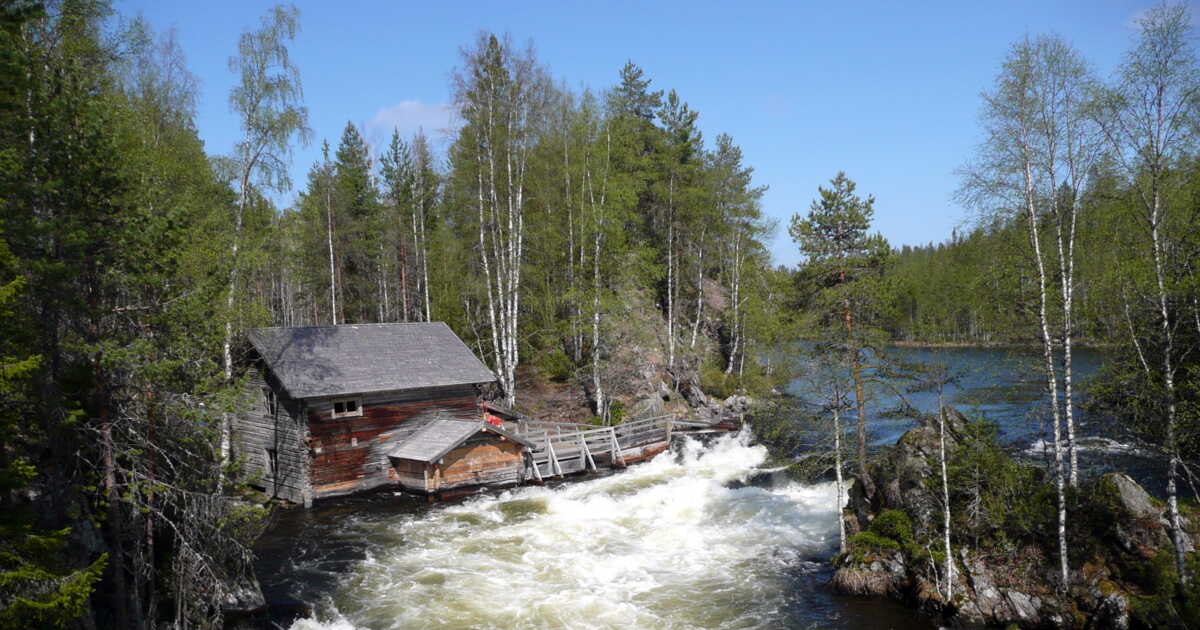
In spring, Finland reveals another facet of its landscapes, shaped by melting snow and the gradual return of life to rivers and forests. In the northeast of the country, the Oulanka River, whose flow carves spectacular gorges, becomes a reference point for hikers and photographers. National parks offer some of the best things to do in Finland: walking along the water’s edge, observing wildlife, and sharing a picnic against the backdrop of rejuvenated scenery. Tourist spots remain relatively uncrowded, making spring a perfect time to explore Finland with a more intimate atmosphere, conducive to a peaceful and structured discovery of the country.
3. Summer under the midnight sun: festivals and water activities
Finland’s summer is inseparable from white nights and endless sunsets, turning lake and coastal landscapes into living paintings. In the capital, architecture lovers appreciate the diversity of styles, while the islands of the Turku archipelago offer a string of tourist sites reachable by ferry. Further south, the Bengtskär lighthouse stands as a magical place facing the sea, ideal for admiring the subtle evening light. Canoeing, swimming, and simple meals based on local dairy products are part of the summer routine, making summer a favored season for travelers from around the world seeking a destination that blends nature, culture, and a relaxed way of life.
4. Autumn in Finland: vibrant colors and traditions
Autumn in Finland marks a strong visual and cultural transition, as forests don rich hues and religious sites and historic towns settle into a calmer rhythm. In Porvoo, the Porvoo River brushes past iconic wooden houses, while the characteristic wooden churches and the medieval cathedral attract visitors interested in religious and architectural heritage. This season is ideal for architecture and tradition enthusiasts who encounter tourist spots without overwhelming crowds. Autumn thus forms a coherent period for exploring Finland’s locales, balancing cultural heritage, local gastronomy, and changing landscapes within a setting conducive to an enriching weekend.
5. Finnish saunas: a timeless experience
Finally, regardless of the season, the Finnish sauna remains a central hub of social and cultural life, deeply rooted in the country’s identity. Found both in towns and deep in nature, often by a river or a lake, it ranks among the best things to experience during a stay. After the heat, some people join the cold water or simply enjoy the silence, facing the endless expanse of nature. This ritual, sometimes followed by a simple meal or a moment of sharing, embodies a balanced relationship with the body and the environment. The sauna is not merely equipment: it is a perfect place to understand Finland, its relationship to time, to the seasons, and to its most authentic places.
Finland is a destination rich in contrasts, where each season reveals unique treasures to discover. From the snow-covered vastness of Lapland to the bright nights of summer, through the vivid colors of autumn and the awakening of nature in spring, your stay in Finland will be an opportunity to experience varied and authentic moments. Plan your trip with seasonality in mind to fully enjoy what the country has to offer, both naturally and culturally.
What to do in Finland in winter? A season ripe for wonder and active exploration
Winter in Finland offers an exceptional setting for unique experiences. From the first snowfall, the country becomes a vast playground where dog sledding, snowshoeing, and snowmobile safaris shape the days. Beyond sports, the magic also occurs in Lapland villages, meeting Santa Claus, or during nocturnal observations of the northern lights. Traditional saunas, pillars of Finnish culture, allow for relaxation and immersion in local life. In winter, tourism in Finland becomes a lesson in nature and silence, combined with a deeply rooted Nordic lifestyle.
What to do in Finland with children? A country designed for family travel
Traveling in Finland with children proves particularly smooth thanks to child-friendly infrastructure and a range of activities designed for families. In Lapland, visiting the Santa Claus Village in Rovaniemi is a must, as are dog sled rides and encounters with reindeer. Farther south, interactive museums like Heureka in Vantaa or the Moominvalley Centre in Tampere combine learning with entertainment. In both summer and winter, Finland’s accessible and safe nature lets youngsters thrive outdoors among lakes, forests, and wooden cabins. Finland thus emerges as a destination that is soothing, educational, and exotic for families.
What to do in Finland in the evening? Between quiet nature, lively culture and Nordic relaxation
While Finnish evenings may seem calm, they carry a vibe unique to the Scandinavian pace. In cities like Helsinki or Turku, the cultural life takes the lead with concerts, exhibitions, or screenings in arthouse cinemas. In rural areas and in Lapland, the evening becomes a time for renewal: aurora watching, a dip in icy water followed by a traditional sauna, or a meal around a wood fire. Finns place great importance on the evening’s privacy, making it a moment for contemplation and reconnection with the elements. In Finland, night does not mean withdrawal, but an inner experience.
This article was written with the help of artificial intelligence, then corrected, expanded and validated by the editors of the newsroom.
Nestled in the very heart of South America, Bolivia is a country that captivates with its varied landscapes and rich indigenous culture. From the striking Salar de Uyuni salt desert to the deep blue waters of the Lake Titicaca, every corner of the country offers a new adventure. For those wondering what to do in Bolivia, the range of activities and sites to visit is wide and captivating. Let us dive into an enriching account of the places and experiences this fascinating nation has to offer.
1. Discovery of Salar de Uyuni
The Salar de Uyuni is undoubtedly Bolivia’s most iconic site. It is the world’s largest salt flat, sprawling over more than 10,000 square kilometers. The most common way to reach it is to embark on a 4×4 excursion from Uyuni, traversing this surreal landscape that resembles a giant mirror after rain. Ultimate photo opportunities and endless reflections, this place is often described by travelers as an almost dreamlike experience. Take the opportunity to visit the Isla Incahuasi and Isla Pia Pia, which mark fascinating pauses in the heart of this expansive white plain.
2. Exploration of Lake Titicaca
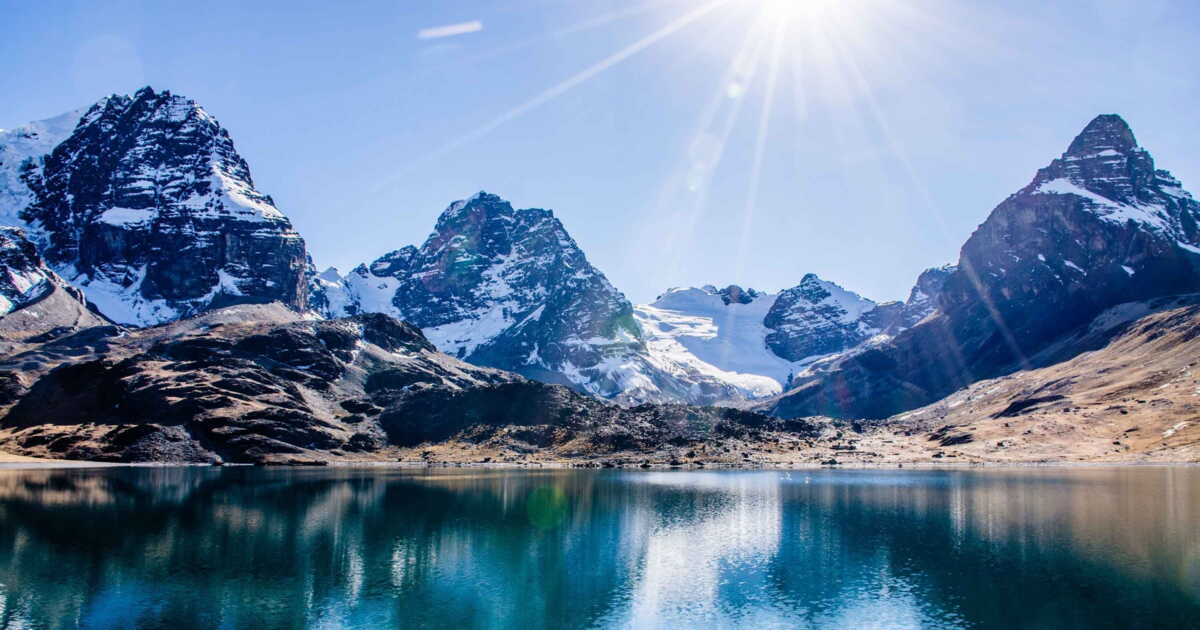
Lake Titicaca, shared by Bolivia and Peru, is the highest navigable lake in the world. With its deep blue waters and the Andean mountains in the background, it provides a perfect backdrop for a serene getaway. From Copacabana, a picturesque lakeside town, embark on a boat to explore the Isla del Sol. This island, according to certain Inca legends, is the birthplace of the sun. Do not miss a short hike to its ancient ruins and to discover the life of local communities.
3. Discovering La Paz
La Paz, Bolivia’s administrative capital, sits in an Andean valley at more than 3,500 meters above sea level. One of the most effective ways to soak up this vertical panorama is to ride the Mi Teleférico cable car, which traverses the city in the air. On the ground, stroll through the Witches’ Market, where stalls teem with potions, talismans, and ritual objects. Not far away lies the Valley of the Moon, a geological landscape reminiscent of lunar expanses, perfect for a half-day escape.
4. Cultural Visit to Sucre
As the constitutional capital of Bolivia, Sucre is renowned for its well-preserved colonial architecture, often nicknamed the “White City.” UNESCO-listed, it captivates with its lime-white façades and cobbled streets. Visit the Casa de la Libertad, where the country’s declaration of independence was signed, and stroll through the botanical garden in the Bolívar Park for a natural pause.
5. Immersion in the Bolivian Amazon
Exploring the Bolivian Amazon, especially around Rurrenabaque, offers direct contact with tropical biodiversity. Organize an excursion into the pampas to observe caimans, pink river dolphins, and capybaras. For the adventurous, the surrounding jungles reveal epic treks, allowing you to grasp the nuances of this complex and rich forest.
6. Hiking in Sajama National Park
Sajama National Park is little known but promises breathtaking landscapes. Dominated by the spectacular Sajama volcano, the park is ideal for hiking and trekking, away from the beaten paths. Discover hot geysers and mysterious rock formations, as well as the local wildlife. The park also offers natural thermal baths, perfect for unwinding after a long day of trekking.
7. Time travel to Potosí
In Potosí, an ancient mining town perched above 4,000 meters, dive into Bolivia’s colonial history. The Cerro Rico dominates the cityscape and once fueled a large part of Spanish wealth. Visit the mines for a unique experience, but note that these tours can be intense. The baroque architecture of the city, with its churches and old haciendas, completes this journey into another era.
In conclusion, Bolivia is a destination rich in contrasts and varied experiences, blending spectacular natural landscapes with vibrant ancient cultures. Whether exploring salt deserts, navigating high-altitude lakes, or immersing oneself in the lively urban life, every traveler will find something to suit their tastes. As you explore the country, never forget to adopt a respectful approach toward local communities, thereby contributing to sustainable tourism that benefits everyone.
How many days does it take to visit Bolivia without missing the essentials?
A trip to Bolivia requires time to embrace the diversity of its landscapes, the richness of its Bolivian culture, and the scale of its geographic contrasts. Given the long journeys, the altitude in Bolivia (often above 3,500 meters), and sometimes limited infrastructure, a minimum of 12 to 15 days is recommended.
This timeframe allows you to cover the most emblematic itineraries: Lake Titicaca, the Cordillera Real, the historic center of Sucre, the cities of Bolivia like La Paz, and of course the vast Uyuni salt desert. Each day on the road is a day that shapes your journey, marked by a spectacular viewpoint or a meeting in a small village of the wild state. The country reveals itself slowly, at the pace of elevations, local markets, and travel guides who illuminate this unique territory.
Is Bolivia an expensive destination for travelers?
Bolivia remains one of the most affordable countries in South America, despite some localized increases. Tourism prices often drop according to the season, and the cost of this type of travel will largely depend on lodging, transport, and guiding choices.
In the cities of Bolivia, it is common to stay in comfortable hotels at a very accessible price. Intercity bus journeys, frequent and inexpensive, allow long distances to be covered, though the trip to Sucre can take longer than expected. Meals at markets or local restaurants are also very affordable.
However, some more technical activities, such as expeditions to the Laguna Colorada or toward natural pools in the north of Bolivia, can reach higher rates, especially if guided by a French-speaking or certified guide. Nevertheless, prices in Bolivia remain lower than those of neighboring countries for comparable services.
What to do in Bolivia in 2 weeks for a balanced itinerary?
Over two weeks, a well-structured stay in Bolivia can offer a dense and organized overview of the country. After a starting point in La Paz, often marked by a unique atmosphere blending urban chaos and Andean spirituality, head to Lake Titicaca. Then proceed to Sucre, with its mild climate, to explore its cathedral of Sucre, its religious buildings, and its UNESCO-listed historic center.
Continue toward the southeast direction, toward the vast Salar de Uyuni, the Laguna Colorada, and the Andean flamingos. The bus journey is long, but the landscapes offer a splendid view to the horizon. Also include a stop in the north of Bolivia, in the Rurrenabaque jungle, to discover lush vegetation, rare bird species such as colorful macaws, and to enjoy natural pools in a preserved environment. Each step becomes a beautiful discovery, to be savored with the help of a good guide.
Altitude in Bolivia: how to manage the effects of altitude on the body?
Altitude in Bolivia poses a real challenge for many travelers, especially during the initial days in La Paz or in the high-altitude region near Uyuni. At over 3,600 meters, the symptoms of altitude sickness can appear: headaches, shortness of breath, and fatigue. It is advisable to allow time for acclimatization, such as staying in a well-located hotel at the start and avoiding strenuous exertion during the first 48 hours.
Local coca infusions and the guidance of a guide can be valuable aids for this transition. Altitude also conditions the route to La Paz, the pace of treks, and how your body responds, which should be listened to carefully in order to enjoy a trip to Bolivia without major discomfort. A good travel guide will spell out these essential precautions for each month in Bolivia, depending on climate and chosen itineraries.
Traveling in Bolivia: what are the real dangers and precautions to take?
Traveling in Bolivia is generally safe, provided you adopt informed and respectful behavior. Some urban areas or remote zones require particular vigilance, but reliable travel guides and French-speaking guides on site offer effective supervision. Classic precautions include monitoring personal belongings, being cautious with night transports, and choosing recommended hotels through reliable platforms.
One major concern is often the Death Road near La Paz, famous for its vertiginous cliffs. While spectacular, this route should only be undertaken with certified operators. The same goes for certain regions in the north of Bolivia, where the wild state of the area requires careful organization. In short, Bolivia isn’t riskier than other South American destinations, provided you take the time to research, especially about the best months in Bolivia for each type of itinerary.
Road Trip in Bolivia: how to build an exceptional itinerary?
To craft an exceptional road trip in Bolivia, start from a simple idea: alternate highland atmospheres, characterful cities, and unreal landscapes, without chasing after miles. Begin in La Paz, the dizzying gateway, to acclimate, then head to the Lake Titicaca and Copacabana, where the route takes on a sacred dimension.
Descend to Sucre, elegant and bright, before reaching Potosí and its Cerro Rico, a raw memory of the country. The finale of the journey prepares itself: devote two to three days to the Salar d’Uyuni, the lagoons of the South Lípez, the geysers, the pink flamingos, and the freezing nights beneath the stars. The key? Plan reasonable stops, hire a 4×4 with a local driver, allow margins for altitude, weather, and road conditions, and then choose the season according to the experience you seek: mirror-like water or a sculpted salt desert. In Bolivia, the perfect itinerary is not the densest one, but the one that makes the vertigo turn into emotion.
This article was drafted with the help of artificial intelligence, then corrected, expanded, and validated by the journalists of the editorial team.
The Calendario Romano is an unofficial calendar that features men from the Catholic clergy (priests, seminarians, or religious), often photographed in ecclesiastical attire in iconic locations of Rome. A true media phenomenon, it was quickly nicknamed the “calendar of the sexy priests of the Vatican.” It was created in 2003 by the Venetian photographer Piero Pazzi, who was then working on educational calendars for several cities, focusing on their most emblematic inhabitants such as the gondoliers for Venice and the priests for Rome.
Priced at around 8 to 10 euros and published for 24 years, it has become a cult keepsake among tourists thanks to its popularity on TikTok and Instagram, where the men featured have accumulated millions of views and hundreds of thousands of likes. It recently drew attention again after revelations from the Italian newspaper La Repubblica.
The men of the calendar would not all be real priests
In a recent interview, Giovanni Galizia, one of the iconic figures of the Calendario Romano whose face has appeared for years on the covers of numerous editions, revealed that he had actually never been a priest. He explained that it was the photographer, a family friend, who asked him to pose in a cassock in front of a church in his hometown. Now 39 and a flight attendant for a Spanish airline, he was only 17 when he posed for the photo that became emblematic.
“It’s very funny when colleagues or friends come from Rome and tell me: ‘You have a familiar face. I start to tremble'”, he said before admitting that he had never received royalties from the calendar sales, but that it did not bother him because it was part of the initial agreement with the photographer. According to him, none of them could have foreseen the calendar’s success. As the calendar’s emblematic model, Giovanni Galizia naturally became the subject of many rumors, including one that claimed he was a priest who left the order for love.
But the reality would be quite different. “I have never frequented clerical circles. I am not a priest,” he revealed. Giovanni Galizia did not stop at his own case: he also claimed that almost none of the men appearing in the calendar were actually priests, some not even Italian. “The men photographed were mostly models and volunteers”, he noted, adding that some simply participated in religious processions when Pazzi’s lens captured them.
Despite the revelations, the calendar’s success does not waver
Despite the revelations, the calendar’s commercial success does not seem to have been affected. Indeed, sales remained high, as did the number of people convinced they were dealing with real priests. “People are fascinated”, said Maria Letizia D’Ilario, who has run a newsstand near Saint Peter’s Square since 2013. Over the years, tourists, but also priests, have come to buy her calendar. “People often ask me where to find priests as handsome as these. I tell them that if only I knew, I would go confess right away”, she joked.
The same sentiment from Monirul Haque, who has run a newsstand for 18 years. “Many tourists, both Italian and foreign, buy it as a joke. Mostly women, but also a few men,” he confides.He adds that he sells about 600 copies of Calendario Romano per year, but that sales fell in 2025. The reason? The arrival of a new religious calendar titled the “Calendario Gregoriano”. It replicates exactly the model of the “Calendario Romano” by offering an anonymous and seductive priest photographed for each month of the year in front of churches in Rome, Venice, and Florence.