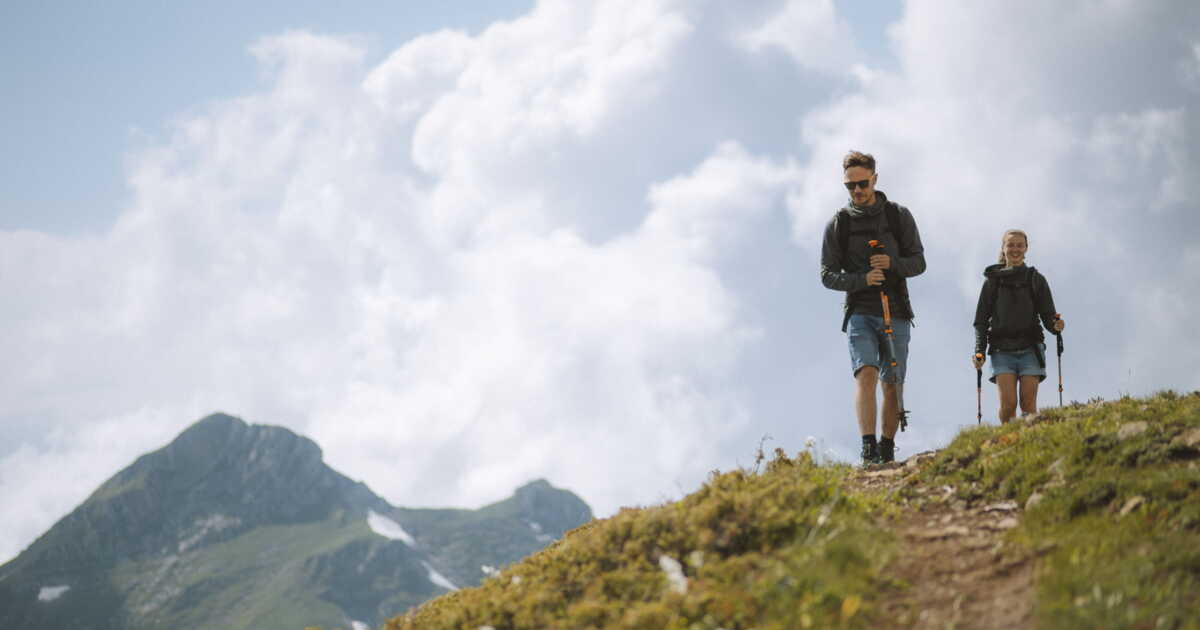
Whether you’re an experienced hiker seeking a fresh challenge or simply an enthusiast looking for a pause from the frenetic pace of daily life, this new trail is tailor-made for you. The Wolf Trail spans nearly 3,500 kilometers across six European countries. It invites walkers to traverse a mosaic of landscapes, from the Polish Baltic coast to the Adriatic shore in Trieste, Italy, passing through Germany, Austria, Switzerland, and Slovenia.
Designed by the outdoor gear brand Jack Wolfskin, it takes four to six months to complete in its entirety. “Our Wolf Trail invites you to explore Europe on foot, from the Baltic Sea to the Adriatic. It blends nature and culture, and traverses Hanseatic fishing villages, the wine regions of the Palatinate and Trieste, a true cultural melting pot”, the company explained. But beware, the adventure won’t be a walk in the park. Indeed, with 78,400 meters of positive elevation to conquer, this trail presents a real challenge, especially for those who are not accustomed to long-distance hiking.
What are the essential stages of the Wolf Trail?
With 3,494 kilometers spread over seven stages across Europe, the Wolf Trail requires meticulous planning. The choice of departure window is particularly crucial, since between October and March alpine snowstorms can significantly complicate hikers’ progress. The journey begins with 428 kilometers of nearly flat terrain along the Polish Baltic coast, from Hel to Świnoujście.
Then, as the trail leaves Poland to enter Germany and then Switzerland, hikers embark on a 1,930-kilometer crossing punctuated by historic towns such as Rostock, before continuing on steeper paths toward the Austrian border. This progresses into a 392-kilometer stretch through the Allgäu Alps to Innsbruck, the fifth city in Austria, then it follows the emblematic Via Alpina, traverses the Italian Dolomites and the Triglav National Park in Slovenia. The journey culminates in Trieste, a port city where you can celebrate your arrival with a well-deserved drink facing the Adriatic Sea.
The Wolf Trail, an exceptional adventure across Europe
If you still have a few reservations, know that this new trail has been studied by Lauren Roerick, a recognized specialist in long-distance hiking. She confirmed that the route is safe and that walkers can progress with confidence without fear of getting lost along the way.
Moreover, the route is dotted with lodging options, from permitted trekking camps to mountain refuges, passing through villages where somewhat more comfortable accommodations are available. This ensures more restful nights and a full recovery before resuming the journey. The Wolf Trail thus promises to be an extraordinary adventure, capable of leaving a lasting mark on those who choose to embark on this trek.
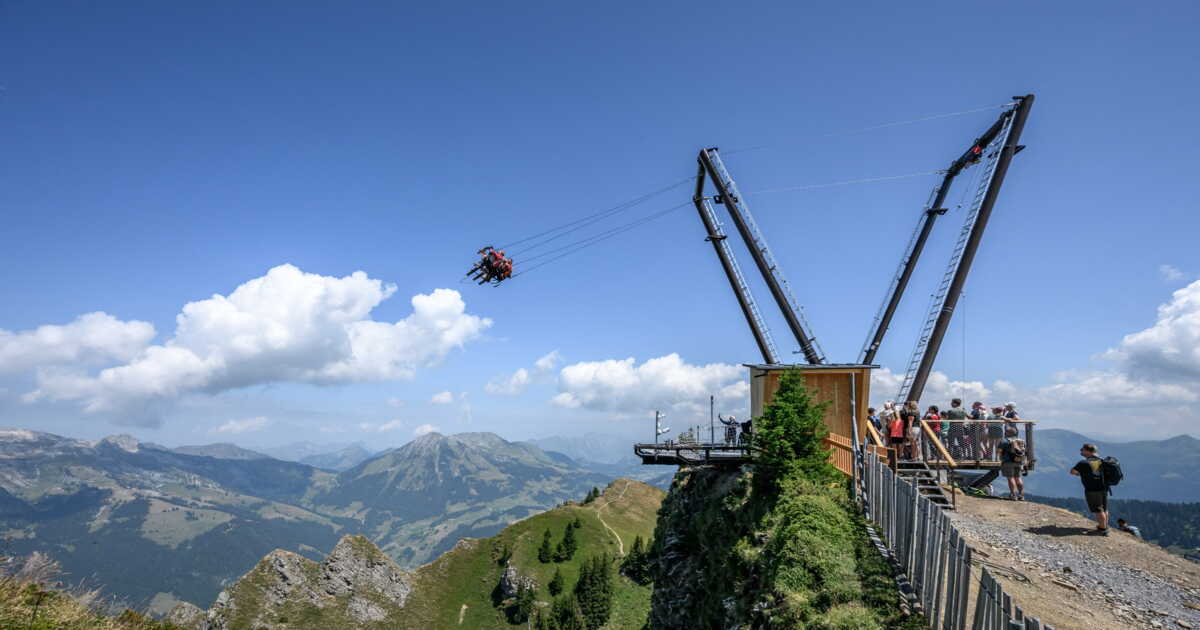
As the chairlift nears the summit of Grand Chamossaire, in Switzerland’s alpine village of Villars, screams mixing fear and exhilaration echo above the drop. Perched atop the mountain at an altitude of 2,110 meters, a towering V-shaped structure supports a giant swing that propels its passengers toward a breathtaking alpine panorama.
“There’s a little knot in the stomach for sure, but once you’re up there it’s incredible: you feel like a bird,” says Alexandra Henchoz, 37, who came to test the ride with her husband and their 10-year-old daughter.
Adapting to Climate Change
Opened at the start of the month, the Grand Chamossaire swing is the latest move by alpine resorts to attract summer visitors and monetize their lifts, as snow reliability becomes more uncertain due to climate change. “We are really looking to diversify our offering,” explains to AFP Martin Deburaux, director of the Villars-Gryon-Diablerets ski area.
This new 12-meter-tall swing, similar to others already installed in Megève or La Clusaz in France, “finally gives us an attraction that can operate irrespective of snow conditions,” he notes.
Mr. Deburaux recalls that the resort saw record footfall over the past two winter seasons, as skiers who typically visited lower-altitude areas turned to higher, better-snowed resorts.
“Nevertheless, we’re facing climate change. We’ve also conducted a study on the snow potential we’ll have in 2050, and we’re simply preparing for less snow or more irregular snowfalls,”
Mountain Resorts Bet on Summer
Today, the resort hosts more than 700,000 visitors in winter, versus only 100,000 in summer. Its goal is to triple summer attendance in the coming years, Martin Deburaux explains, noting that this will come through a multiplication of available activities. He also adds that the swing was deliberately placed in an already busy area in order to preserve the wilder parts of the domain for nature lovers.
Nearby, hikers traverse the green trails, while helmeted and protected mountain bikers sprint down a steep dirt track. The route runs alongside an ephemeral land art mural created on a mountainside by French artist Saype, depicting a child in the act of drawing.
Accessible to anyone with a ski-lift pass, the swing can accommodate up to three people at a time. Each rider sits astride a saddle mounted on a metal frame resembling an Alpine ibex. Securely strapped in, they grip a handlebar. A clever system of cables and pulleys then lifts the riders to a 90-degree angle, leaving them suspended face-down.
When the safety cable is suddenly released, the swing tips into the void. The cries of excitement, mingled with a few curses, accompany the descent, before suddenly giving way to a spectacular view of the valley, with the rocky, lightly snow-dusted summits in the backdrop.
Marc Truffer, 70, recalls feeling both terrified and excited at the prospect of testing the attraction. “Well, it’s scary, as I expected, and then I was speechless, I didn’t even shout,” he tells AFP. “The descent takes your breath away, and afterward the view is magnificent.”
The rough road winds between the green hills of Antioquia, in the northwest of Colombia, before reaching Finca Maracay. The house, built nearly 90 years ago, seems frozen in time. Its rammed-earth walls, a plaster mix of earth, straw and mud, its guadua framework (a giant bamboo nicknamed the ‘natural iron’), and its clay tile roof bear witness to the region’s traditional architecture.
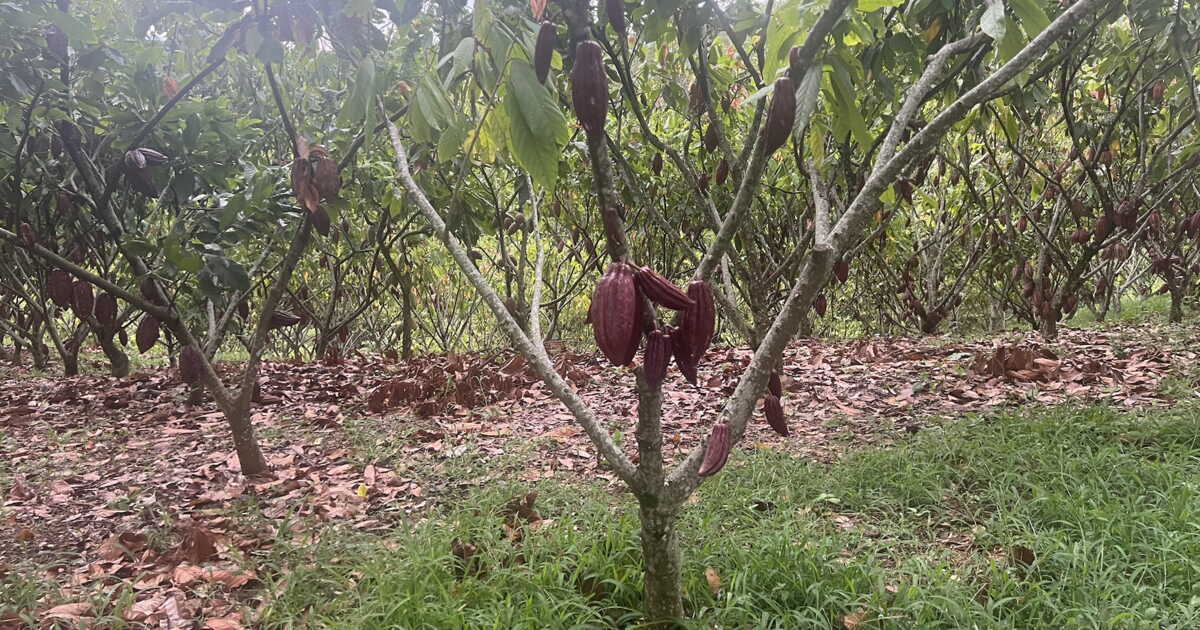
Here, cocoa is everywhere. Pods hang directly from the trunk, displaying yellow, orange, or deep red hues. Inside, dozens of beans are protected by a white, juicy, and sweet pulp called the mucilage. For a layperson, it is hard to imagine that this fruit will give birth to one of the most widely consumed foods in the world.
La Finca Maracay a été crée il y a 90 ans.
The cacao “requires a precise cut”
At Finca Maracay, Criollo and Trinitario bean varieties are harvested twice a year. “The harvest requires a precise base cut with scissors to preserve the tree, while the harvested pods are split manually to extract the beans encased in mucilage”, explains Diana, the director of Finca Maracay. The mucilage is the white, sweet flesh that surrounds the cacao beans.
The farm claims a “clean, pesticide-free management”. To naturally limit diseases such as Phytophthora or Moniliopsis, the producers prioritize tree maintenance and pruning over chemical treatments.
After the harvest comes the fermentation stage. The beans, still wrapped in their mucilage, are left to ferment before drying. This transformation develops the first aromas of chocolate.
La récole se fait à la main. Luis, guide à la Finca Maracay
How roasting changes the flavor of cacao beans
“Then, we begin the roasting process. We leave the beans for about 45 minutes at a medium-low temperature until they reach 115 °C”, explains Luis, a guide at Finca Maracay. The heat gradually makes the outer shell crack. “Until the shell separates from the kernel, we obtain our first derivative: cacao nibs”, he continues.
These roasted bean fragments already constitute a product in their own right. Biting them softly, they reveal a powerful bitterness, quickly followed by roasted notes reminiscent of hazelnuts or dried fruits. Rich in antioxidants, they are today used in granola, pastries, or simply enjoyed as they are.
The next stage in turning cacao into chocolate takes place in a cast-iron manual mill. “It’s the grandmother’s traditional machine, where we grind arepas, coffee… We pour in the nibs and we immediately see them transform into a paste. The friction is immediate”, explains the guide. Without adding a drop of water or fat, the solid fragments become a smooth, dark, glossy paste. The pressure and heat naturally release the cocoa butter contained in the beans. “This means there is a lot of cocoa butter. We obtain here a 100% chocolate”, adds Luis.
The paste coming out of the mill is still chunky
How to turn cacao paste into chocolate to enjoy?
The paste coming out of the mill is still chunky. To obtain chocolate as we know it, it is transferred to a refiner equipped with stone wheels. “We pass it through our refiner to make the chocolate creamy. We refine it for 36 consecutive hours. The longer we leave it, the creamier and smoother our chocolate becomes. It is also at this stage that we add sugar and determine the cacao percentage”, continues Diana.
This step transforms the texture of the chocolate. The particles become finer and finer until they disappear under the tongue. It is also here that the different cacao percentages printed on packaging are born. From this same cacao liquor, the industry extracts two essential ingredients:
cocoa powder
and cocoa butter, sought after by chocolatiers, the cosmetics industry and pharmaceuticals
“It’s like filtering this liquor through a press; the butter is extracted and the cacao remains separate”, continues Luis.
Transforming cacao into a chocolate bar
Before taking the form of a bar, the chocolate must still pass through one last step, perhaps the most technical, tempering. “This is a very important part to ensure our bars are crunchy and shiny. We must raise the chocolate to 45 °C, then bring it down to 34 °C and finally work it at 28 °C”, details Luis.
Three methods enable this perfect crystallization:
tabling on a marble slab,
an inverted bain-marie,
seeding, which involves incorporating about 1% already crystallized cocoa butter.
This step is crucial because if the temperature is not perfectly controlled, the bar loses its luster, becomes chalky or brittle. When it succeeds, it presents a shiny surface, unmolds easily and produces the characteristic “snap”, the dry crack sought by all chocolatiers. From the mountains of Antioquia, the chocolate leaves the Amazon to find its place on our shelves, allowing everyone to taste this Colombian treasure.
We often think that it is enough to check the validity date of our passport before leaving abroad. Yet a detail to which many travelers pay no attention can be enough to cause this document to be refused at boarding or at the border. A problem far from trivial, which can jeopardize an entire trip. Here is what to check before packing your suitcase.
A passport can be refused long before its expiration date
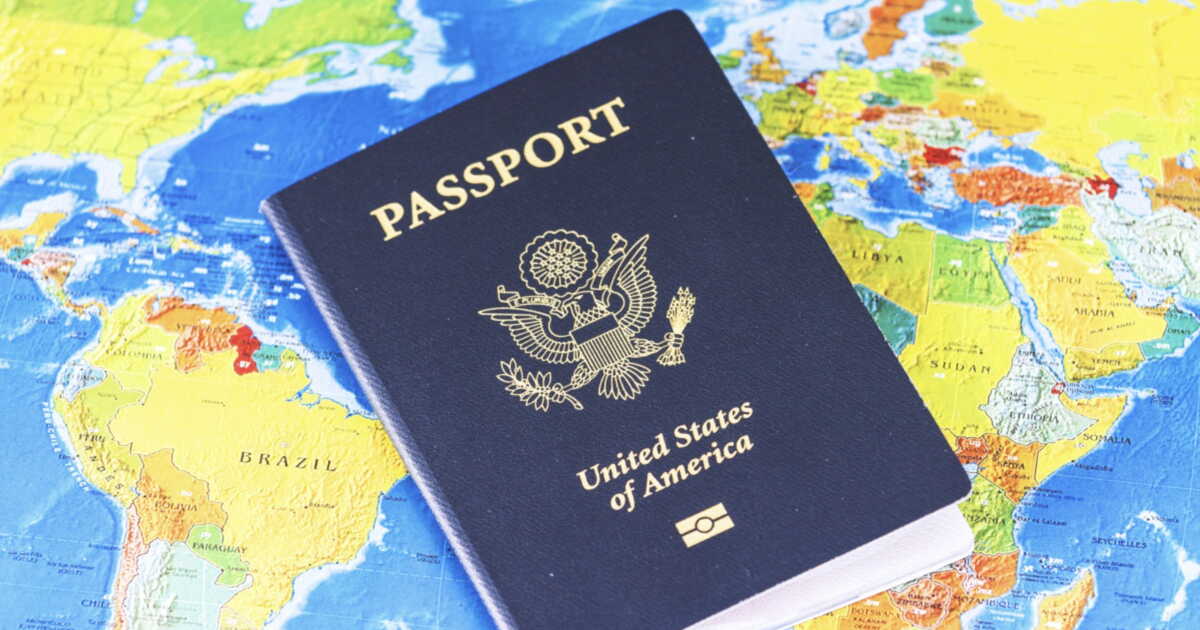
Before international travel, most travelers verify that their passport is still valid. But its physical condition is just as important. The American State Department notes that a damaged passport “may be refused by airlines or border-control officers and delay your travel”.
Among the damages that could pose problems are notably significant tears, mold, stains, visa pages missing or torn out, a hole, or non-official inscriptions on the identity page. By contrast, normal wear, such as a slight crease or a small worn corner, is generally not considered a reason for invalidation.
According to Leslie Coleman, founder of the travel company Suitcase Gals, water damage is by far the most frequent. “In my personal travels and the stays I’ve organized, I’ve seen many situations where a damaged passport was considered invalid. The most common problem is water damage: the pages buckle and the ink from old stamps can bleed, making these pages unreadable”, she explains in Travel + Leisure.
An apparently trivial incident, such as a leaking bottle or a soaked umbrella stored in a bag, can therefore be enough to alter the document. To limit the risks, the expert recommends keeping the passport in a dry place and protecting it with a suitable pouch.
Checks to perform before booking your departure
Even if the passport seems in good condition, a careful check is advised several weeks, even months before the trip. Leslie Coleman recommends not waiting until the eve of departure. “A good rule is to inspect your passport as soon as you book your trip so you have enough time to address any potential damage if it is damaged”, she advises.
The expert also invites verifying that the document is properly signed, that the pages are clean, with no annotations other than official stamps, and that no page is missing or torn. Another point deserves particular attention: the barcode. “A scratch on this barcode could render it unreadable by the computers used to verify it”, warns Leslie Coleman, again in Travel + Leisure. If the computer systems cannot read these details, the passport may be considered non-compliant.
Finally, one should not focus solely on the identity page. Authorities examine the document as a whole. “Each page of your passport is as important as the others. If one page is damaged, the entire passport becomes invalid. Your passport is an official document and must be intact and perfectly compliant”, she reminds us.
If damage is detected shortly before a departure, it is nevertheless possible to request a new passport through an expedited procedure when deadlines are very tight. However, it is better to avoid reaching that point by inspecting your document during travel preparation.
In the same series “Travelers’ Tips”:
How (perhaps) to obtain a passport quickly before the summer holidays?
Choosing your seat on a plane: the mistakes that can ruin your entire trip
This new airport scam could have you stopped abroad
A heatwave has settled over Europe since the end of May 2026. It strikes populations in suffocating waves as the summer holidays begin. A new vacation trend is already emerging—the “coolcation.” The idea: travel to places where the heat does not crush the mind and body. And this tourism reality in the midst of climate change has also reached Asia, which, according to the World Economic Forum, is warming twice as fast as the rest of the world.
In Japan—where temperature records had already been broken in the summer of 2025—CNN reports that this new reality has even given rise to a new word: kokusho-bi or “cruelly hot day.” But beyond the semantics, it is the whole range of tourism practices that is evolving in Asia. More and more travelers are willing to engage in activities very early in the morning or in the evening to avoid the daytime heat, for example. The company Get Your Guide has already noted a 70% surge in these time slots, CNN reports.
Last-Chance Tourism Is Taking Shape
It is hard to give up certain activities or outings because of the heat when you have come from very far—and paid a lot—to discover a region of the world. Especially since some destinations are widely threatened by climate change and are certainly in their last years as tourist destinations. This is the case for the Maldives, or the Pacific islands, for example.
To remain competitive and attractive despite heat waves, floods, or storms, all induced by global warming, destinations must redouble their ingenuity. In some countries, tourists are redirected from one region to another, milder between June and August—a period during which most of the Northern Hemisphere is on vacation. This is how, for example, the Hokkaido region in Japan has seen an increase in visitation in recent years.
Mongolia: A New Leading Asian Destination?
Tourist sites face another problem: the lack of regularity in the seasons and the difficulty of forecasting variations in climate and temperature. In Nepal, hotels have hired staff responsible for assessing climate risks year-round. Some hiking routes are thus closed for long months.
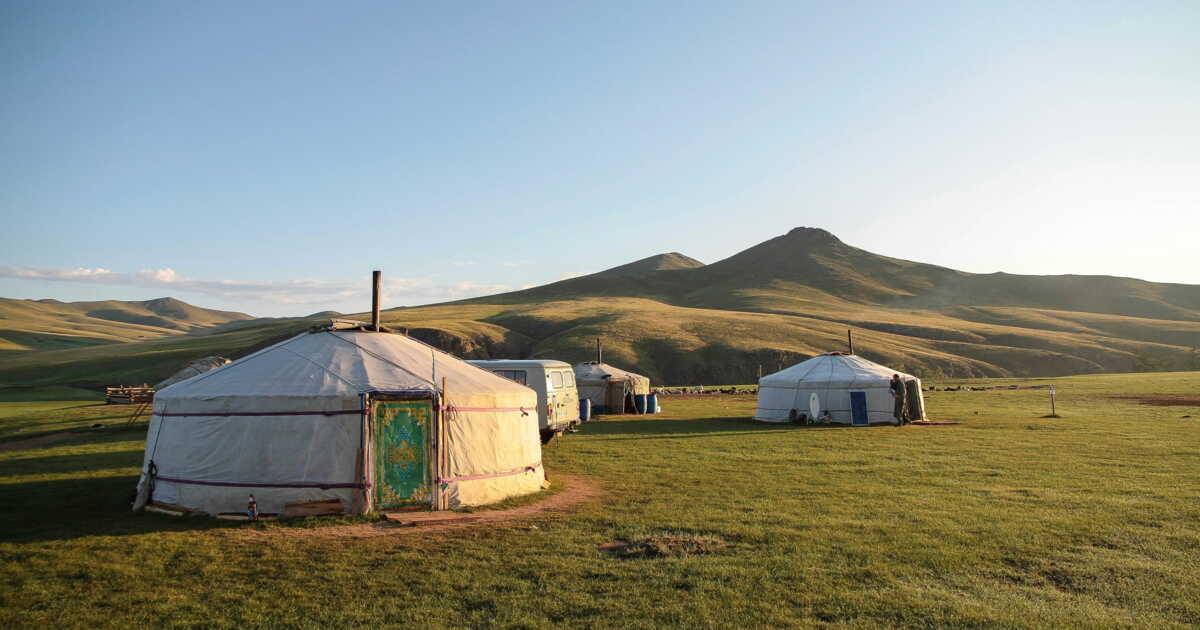
Other Asian countries are benefiting from this search for coolness. In the first half of 2026, the number of tourists rose by 33% in Mongolia. And authorities expect this rate to grow exponentially in the years to come. They are investing heavily in the construction of hotels and leisure activities in the capital, Ulaanbaatar.
Want to share your view on climate change in France?Participate in the photo contest The Climate Eye!
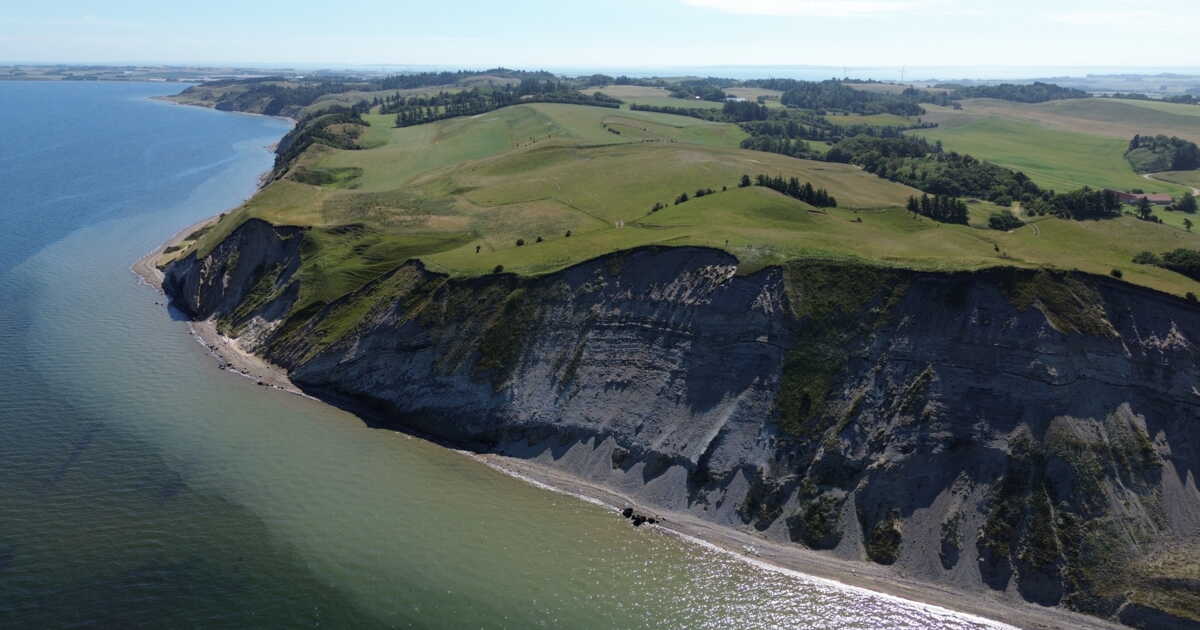
Two Danish coastal cliffs, where paleontologists have unearthed fossils of prehistoric animals dating back 55 million years, are due to join UNESCO’s World Heritage List at the end of July.
The two cliffs of Hanklit and Knudeklint, overlooking the Limfjord in the northwest of Denmark, have long been known for their fossils “exceptionally well preserved” of primitive insects, birds, and more than 80 species of fish, including ancient ancestors of the mackerel and the herring.
Remarkably well-preserved fossils dating back 55 million years
“It’s quite unique”, notes Jan Audun Rasmussen, a researcher and curator at the Mors Museum, and co-author of the UNESCO bid. “These fossils allow us to highlight the evolution of many lineages of fish and birds”, he told AFP.
Fifty-five million years ago, Denmark was submerged under water, and the Limfjord’s clay-rich, oxygen-poor seabed formed a time capsule for fish, birds and turtles which, after dying, sank to the seafloor.
“There was no oxygen for the invertebrates, those small animals that lived on the seabed and fed on the carcasses of dead animals” explained Audun Rasmussen at the foot of Hanklit, the towering 60-meter cliff. This environment was conducive to an “excellent” preservation of fossils, he said.
UNESCO and the International Union for Conservation of Nature (IUCN) have recommended listing them as a World Heritage site. The 196 member states of the UN organization are set to review the nomination this week in Busan (South Korea).
A natural laboratory to better understand climate warming
Beyond a glimpse into a distant past, Hanklit and Knudeklint could also offer lessons for the future, in the face of warming. The rock layers of the cliffs bear witness to a spectacular climate-warming event about 56 million years ago — one of the greatest climate catastrophes in Earth’s history — during which a massive release of greenhouse gases raised global temperatures by 5 to 8 degrees Celsius.
“Obviously, warming leads to many changes in animals” says Laura Jane Cotton, of the Danish Natural History Museum.
The fossils from the Limfjord cliffs — including specimens dating from the time of that event and from the subsequent period — provide researchers with the “best analogue of modern warming”. “It’s a clearer snapshot of that environment at that precise moment”, she tells AFP. “Even if we cannot say exactly which species went extinct and when, we can get a sense of the species that disappeared very suddenly from that environment”, the specialist notes.
Si cette candidature est approuvée, les falaises de Hanklit et de Knudeklint, situées sur les îles de Mors et de Fur dans le fjord, deviendraient le cinquième site naturel du Royaume du Danemark à bénéficier du statut de patrimoine mondial de l’Unesco — dont l’un se trouve au Groenland. Les discussions concernant une candidature ont débuté dès 2010.
La région est prisée des chasseurs de fossiles amateurs, et les “trésors” que sont Hanklit et Knudeklint sont tous deux protégés depuis des décennies par la législation danoise.
Thomas Olesen, chef de projet pour la commune locale de Skive, estime qu’une reconnaissance de l’Unesco donnera un coup de pouce bienvenu au tourisme, en particulier sur la petite île de Fur, qui n’abrite que 700 habitants. “Espérons que cela aura un effet très positif sur l’économie locale”, déclare M. Olesen, depuis le sommet de la falaise de Knudeklint, haute de 30 mètres.
The labyrinth of the old Casbah, the shaded lanes of the Jardin d’essai, the treasures of the Bardo Museum… White Algiers holds surprises in store. Discovering them, one by one, is a journey in its own right.
1. Strolling through the Casbah of Algiers
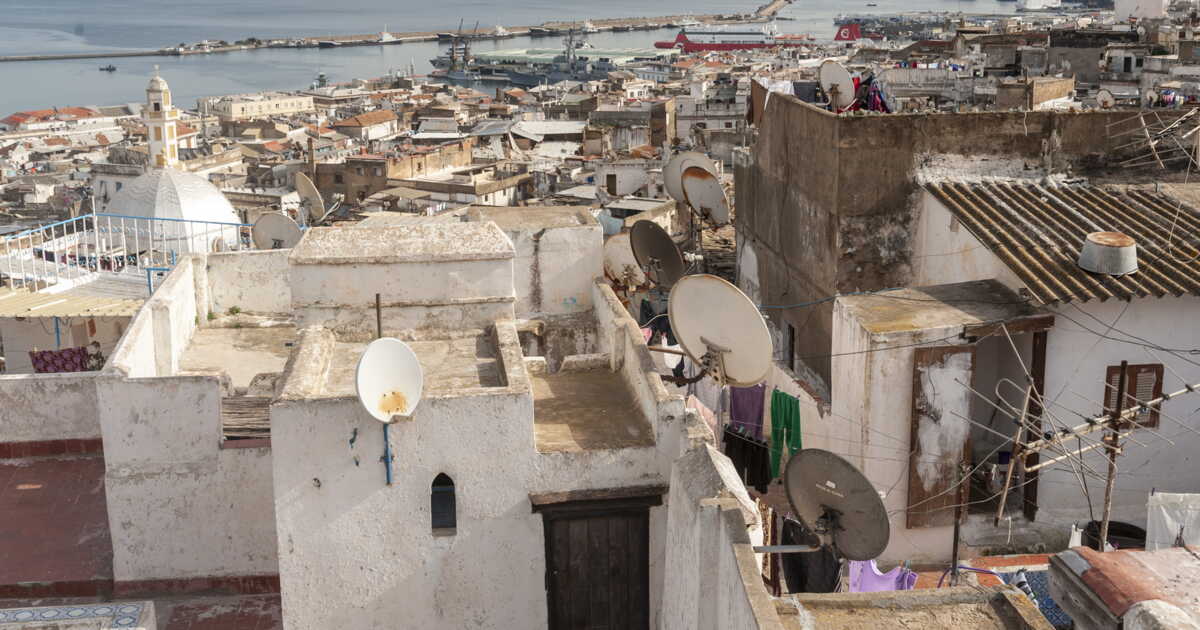
The Casbah of Algiers, listed as a UNESCO World Heritage site, stands as one of the Maghreb’s most significant historic urban ensembles, noteworthy for its spatial layout as well as its architectural and social value. This ancient quarter, perched on the hillsides above the medina, is characterized by a complex lattice of narrow alleys, vaulted passages, and tucked-away squares, bearing witness to Ottoman urban design and its adaptation to the terrain.
As you wander through the Casbah, you gain a tangible glimpse into Algiers’ Ottoman past, evidenced by traditional wooden-balcony houses, historic mosques such as the Ketchaoua Mosque, and small artisan workshops still in operation, preserving time-honored crafts. This district, though weathered by time, retains a rare urban coherence and offers an immersive experience within a living fabric where every turn reveals another facet of Algerian cultural heritage.
2. Admire the view from the Basilica of Notre-Dame d’Afrique
Overlooking the bay from the heights of Bologhine, the Basilica of Notre-Dame d’Afrique stands as one of Alger’s major architectural and spiritual landmarks, notable for its location and symbolic significance. Dedicated to the Virgin Mary, this basilica built in the 19th century in an eclectic Byzantine-inspired style is distinguished by its dome, its interior mosaics, and its ornate arcades, offering a rare example of Christian religious architecture integrated into the North African Mediterranean landscape.
From its forecourt, the panoramic view over the Bay of Algiers provides a privileged vantage point, reachable along a cliff-side road. The site remains an active place of worship and interfaith dialogue, attracting both worshippers and curious visitors eager to explore Algiers’ religious and historical heritage. It is advisable to check opening hours before a visit, as access is limited to specific times. The Basilica of Notre-Dame d’Afrique thus represents a must-stop to understand Algerian cultural and religious diversity within an exceptional architectural setting.
3. Unwind at the Hamma Botanical Garden
The Hamma Botanical Garden, located in the heart of Algiers, is one of the Mediterranean basin’s most important botanical gardens, renowned for its plant wealth, meticulously designed landscapes, and educational mission. Created in the 19th century, this park of more than 30 hectares is organized into thematic zones — French garden, English garden, rose garden, palm grove — enabling a structured exploration of local and exotic flora.
The shaded avenues, lined with rare species, provide a setting ideal for family strolls, while the rest areas allow for moments of rest in nature within the urban environment. The garden also houses a small zoo, enjoyed by children, enhancing its recreational dimension. Used by both locals and visitors, the Jardin d’Essai plays a central role in showcasing Algerian landscape heritage.
4. Discover the history at the National Public Museum of the Bardo
The National Public Museum of the Bardo, housed in an old Ottoman palace from the 18th century, is an essential stop for anyone wishing to deepen their understanding of Algeria’s ancient history. This museum is notable both for the richness of its archaeological collections and for the architectural quality of its building, tracing the major periods of human occupation on the territory—from prehistory to the Roman era—through the Numidian and Berber civilizations.
The exhibited objects — tools, ceramics, sculptures, inscriptions — allow a grasp of the diversity of cultural influences that have shaped the country over the centuries. The arrangement of the rooms emphasizes historical continuity while incorporating accessible educational supports. The Bardo Museum also hosts temporary exhibitions, often centered on specific themes or recent discoveries, offering a renewed perspective on Algerian heritage.
5. Walk along the seafront
The Corniche of Algiers constitutes a structuring coastal axis that connects the city center to the coastal districts, while providing privileged access to the Mediterranean Sea. This landscaped promenade, lined with palm trees and punctuated by clear viewpoints over the port, the bay and the surrounding hills, is especially appreciated in the late afternoon for its soft light and relaxed atmosphere. It accommodates a variety of uses, ranging from morning jogging to cycling, in a safe and open setting. The numerous cafés and kiosks along the route allow for a pause, notably over a mint tea, while watching the sunset over the sea, a moment particularly cherished by locals and visitors alike.
6. Teri Park, a Cultural Walk
Located a few kilometers from Algiers, Teri Park is a beloved spot during a stay in Algiers, offering a distinctive atmosphere where urban landscapes, historical memory, and carefully integrated plant life mingle. From this park laid out atop a cliff, the stunning view over the bay, the sea level, and the surrounding relief helps to understand the city’s strategic geography.
This place lies in the extension of Algiers’ historic district, near the old medina and its labyrinth of alleys, where emblematic Algerian buildings— hérités of the Regency of Algiers and French colonization—line the landscape. Not far away, the Grande Poste d’Alger, the Catholic Sacred Heart Cathedral, and Jamaa al-Jdid attest to the diversity of architectural influences, spanning from 17th-century structures to more recent constructions. Teri Park thus stands as an urban breathing space, revealing Algiers’ unique charm through a balanced dialogue between nature, heritage, and the country’s history.
7. The Martyr’s Memorial, symbol of the struggle for Algerian independence
Overlooking the capital from the heights of El Madania, the Martyr Memorial stands as one of Algeria’s most powerful emblematic buildings, dedicated to the struggle for independence and national memory. This contemporary architecture landmark, inaugurated in 1982, is distinguished by its three tall, palm-like structures that evoke majestic minarets, rising to several tens of meters in height. Their minaret-inspired form, both stylized and symbolic, reinforces the site’s solemn character.
At its base, statues of fighters recall the sacrifices made in the face of French occupation, linking the monument to the country’s history. Visible from many points across the city, this memorial masterpiece converses with other architectural gems like Ketchaoua Mosque with its tall minarets or works influenced by French architect Jean-Eugène Fromageau.
What to do in Algiers in 3 days? Exploring the capital of Algeria between history, sea, and living culture
The first day can begin with a visit to the Casbah, a UNESCO World Heritage site, followed by the Rais Palace and the National Museum of Fine Arts. The second day invites you to explore the seafront, with the Jardin d’Essai du Hamma, the harbor, and the famous Notre-Dame d’Afrique Basilica. Finally, a stroll through the colonial-era downtown and a detour to the Bardo Museum complete a full yet balanced itinerary. Three days are enough to grasp the complexity of Algiers, between memory, contrasts, and a Mediterranean outlook.
What to do in Algiers with family? A human-scale city between nature, culture, and relaxation
Algiers for families offers a setting conducive to relaxed tourism, combining green spaces with accessible cultural venues. The Jardin d’Essai du Hamma, a true botanical treasure, allows children to discover a variety of fauna and flora in a safe environment. The Antiquities Museum or the Fine Arts Museum offer routes tailored for young audiences. For a more playful approach, a stroll along the Corniche, an ice cream at Place des Martyrs, or a cable car excursion to Notre-Dame d’Afrique provide relaxing moments favored by families. Algiers, though dense, remains manageable with children, provided travel times are anticipated and a relaxed pace is chosen.
What to do in Algiers at night? A city that reveals its convivial night-time atmosphere
Even if Algiers by night remains quieter than some major Mediterranean capitals, it nevertheless offers an authentic nightlife. Seaside restaurants, notably along the Corniche or in Bab El Oued, provide pleasant settings to savor local cuisine, from grilled fish to Kabyle specialties.
Cafés in the historic center stay lively late into the night, and some cultural spaces, such as the Alger Opera or Art-house cinemas, offer regular programming. Finally, a nocturnal stroll along the port or through Hydra district allows one to appreciate another city atmosphere, calmer yet just as vibrant.
What to do in Algiers when it rains? Between museums, historic cafés, and cultural immersion
Even in the rain, Algiers retains a discreet elegance conducive to inner exploration. The Bardo Museum, housed in an Ottoman house, or the National Museum of Fine Arts, one of Africa’s most important, provide quality cultural shelter. History enthusiasts can turn to the Army Museum or the Antiquities Museum. Traditional cafés in the city center, such as Tantonville or Cafétéria Ruisseau, also allow immersion in local life while staying sheltered. Weather can thus become an opportunity to discover a more introspective Algiers—less seaside, but no less informative.
Algiers is a city that captivates with its historical heritage and varied landscapes. Whether you are a culture enthusiast, a nature lover, or drawn to breathtaking views, Algiers has something to satisfy every desire. As you explore the city, you will discover a unique blend of tradition and modernity that makes this place so distinctive.
This article was drafted with the help of artificial intelligence, then revised, expanded, and validated by the newsroom’s journalists.
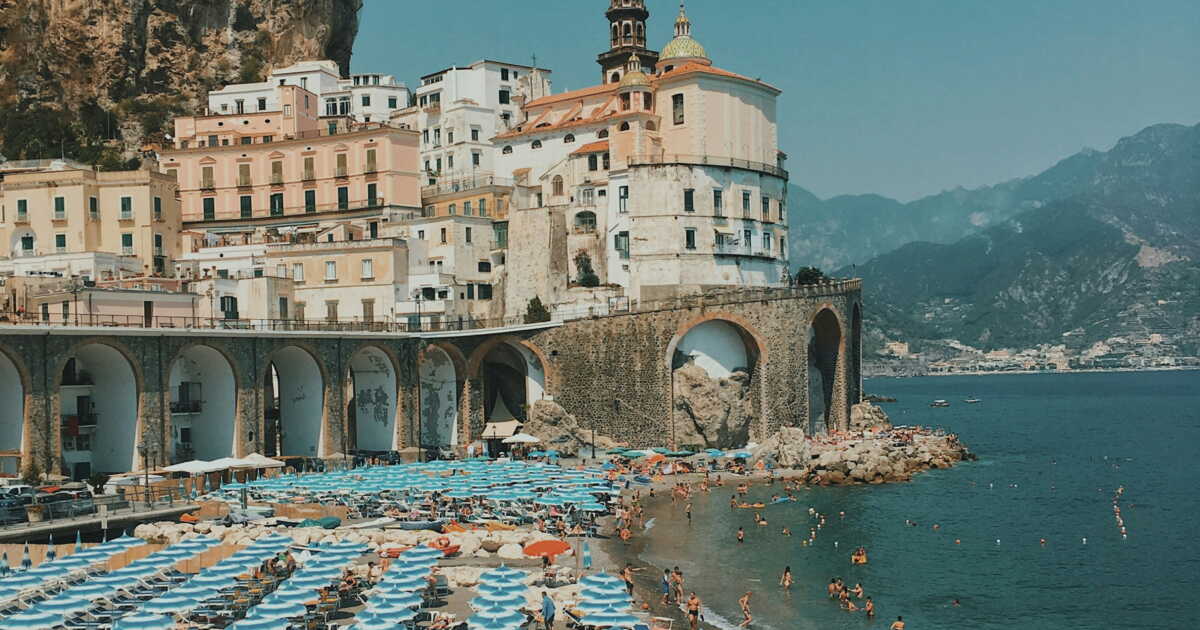
Along nearly 8,000 kilometers of the Italian coast, parasols and sunbeds line up with near-military precision. Every fifty meters, the establishments change, and the shades of the beach furniture do as well. These “bathhouses” or “lidos”, more formally known as seaside concessions, embody an entire lifestyle: sand raked at dawn, cocktails served to music—often Italo disco—and spots rented at astronomical prices depending on how close to the water the client wishes to be.
But this meticulously crafted postcard hides a harsher reality, that of a country where nearly half of the coastline is governed by private interests, relegating the “public beaches” (spiagge libere in Italian) to less attractive corners of the boot, often without restrooms or supervision.
Sea Free: Facing the Headwinds
To combat this massive privatization, a citizen movement has emerged in recent years under the banner Mare Libero (literally, “Sea Free”). Danilo Ruggiero, head of the campaign, tells The Guardian, on Sunday, July 19, of a profound transformation of the country’s beaches, turned into “small seaside resorts” with pools, parking lots, and even clothing shops and gyms inside the complexes. He himself lives in Ostia, near Rome, where 80% of the coastline belongs to what he affectionately calls “the United States of the Lidos”.
All around these private zones, walls, fences, or hedges have been erected to guarantee privacy for those who pull out the wallet, blocking the view of the sea for residents and tourists who want to enjoy the landscape for kilometers.
Only 5% of public beaches in Naples
In the northern part of the Gulf of Naples, the young mayor of Bacoli, Josi Gerardo Della Ragione, 39, has gained national notoriety by fighting tooth and nail against the “profiteurs” of the beaches. “Until recently, our beaches were crowded with illegal huts, barbed wire, gates, and intercoms”, the mayor told the British paper. It then took ringing an intercom to be known by the site manager to be allowed onto the warm sand. In Campania, private concessions account for 70%. They rise to 95% in Naples itself.
The mayor did not hesitate to send in bulldozers to demolish warehouses illegally built on public land. “It is evident that the public domain seized by force and intimidation will be defended by force and intimidation. Once, we even came across an official armed with a chainsaw, heading toward municipal workers”, recounts Josi Gerardo Della Ragione.
The Mafia’s Shadow and the Lure of Profit
The struggle is not only a tourism issue. The local mafia is involved as well. For a long time, the Camorra thrived on the lucrative yet opaque management of these seaside establishments. Several properties in Bacoli were confiscated from mafia clans, such as the Pariante family, to be returned to the public, like Villa Ferretti, which has overlooked the Gulf of Pozzuoli since the 19th century.
Not far away, Miseno beach remains entirely occupied by complexes belonging to the army, the navy, or the customs service, representing nearly 100,000 square meters reserved for exclusive use. “The sum of individual interests is always less than the common good”, laments Josi Gerardo Della Ragione.
Since 2006, Brussels has required that coastal concessions in the European Union be allocated through transparent tenders, but successive Italian governments have extended the deadline and repeatedly postponed it. For concession defenders, such as Antonio Capacchione, president of the seaside operators’ union, these establishments provide safety for their clients because lifeguards are mandatory, something not always guaranteed in Italy. For Mare Libero militants, this argument, minimal compared to the scale of profits, cannot stand on its own.
An ancient city perched on the banks of the Rhine, Cologne charms with the diversity of its atmospheres and the richness of its heritage. Between iconic monuments, lively neighborhoods, and varied cultural experiences, it offers a particularly dense field of discovery for visitors.
1. Discover Cologne Cathedral
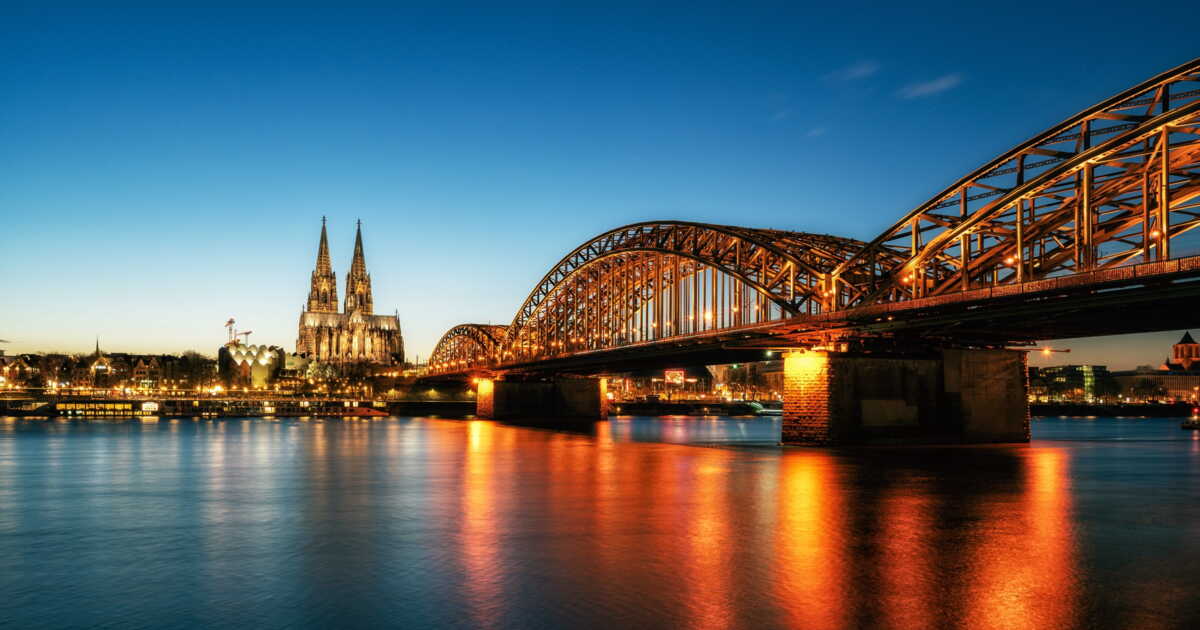
The Kölner Dom, or Cologne Cathedral, stands as the city’s major architectural landmark and a privileged starting point for any exploration of Rhineland heritage. UNESCO World Heritage-listed, this Gothic cathedral is distinguished by its twin towers reaching beyond 150 meters, making it one of Europe’s most impressive religious edifices.
Its monumental façade, richly sculpted, illustrates the excellence of medieval German craftsmanship, while the interior houses the relics of the Magi, a central element of Cologne’s worship and spiritual identity. Visitors can also access the observation platform after climbing a staircase of more than 500 steps, offering a panoramic view of the city, the Rhine and the surrounding area.
2. Strolling through Cologne’s Old Town
The Altstadt, or Cologne’s Old Town, forms a historic core organized around cobbled lanes, traditional houses with colorful facades, and lively public squares that bear witness to the city’s medieval and mercantile past. This district, carefully restored after the destructions of World War II, concentrates emblematic sites such as the Alter Markt and the Heumarkt, true crossroads of local social life.
These spaces provide a setting for architectural discovery, but also for experiencing regional culinary practices, notably through tasting Kölsch, Cologne’s signature pale beer, served in traditional breweries where service follows a well-established ritual.
3. Crossing the Hohenzollern Bridge
The Hohenzollernbrücke, Cologne’s main rail bridge, has gradually become a popular symbol of modern love, recognizable by the multitude of padlocks left by couples from around the world. This unofficial custom has transformed the structure into a landmark of affection as much as a functional crossing. Offering a clear view of the Cologne Cathedral and the Rhine, the bridge also serves as a pedestrian-friendly route, especially enjoyed at sunset when the light highlights the lines of the river and the surrounding buildings.
4. Explore Cologne’s Museums
Cologne asserts itself as a major cultural hub in Germany, offering a remarkable density of museums that reflects the diversity of its artistic, historical and industrial heritage. The internationally renowned Museum Ludwig stands out for its collection of modern and contemporary art, including major works from Pop Art, Expressionism and Surrealism, thereby strengthening the city’s position within the European network of leading cultural institutions.
Nearby, the Chocolatemuseum (Schokoladenmuseum) traces the history of cacao and its processing, integrating economic, technical and sensory aspects, making it a popular stop for gastronomy enthusiasts and family visits. In addition, the Roman-Germanic Museum (Römisch-Germanisches Museum) offers an immersion into Cologne’s ancient history, highlighting its central role during the Roman era through archaeological objects, mosaics, and urban remains.
5. Enjoy a Rhine River Cruise
To explore Cologne from a perspective complementary to land-based sightseeing, a Rhine cruise provides a structured and accessible option, combining urban strolls with river relaxation. These excursions, offered in different formats (short trips, guided cruises, dinners on the water), allow you to discover the riverfront architecture from another angle, including major landmarks such as the cathedral, the historic bridges, and the port’s modernized districts.
Venturing a little away from the center, this journey also offers a reading of the Rhineland landscape, marked by the alternation of natural and industrial zones. This mode of discovery thus combines gentle mobility, heritage appreciation and a recreational pause.
6. Savor Cologne’s Local Gastronomy
Cologne’s cuisine reflects a strong regional rooting, combining Rhineland culinary traditions with the conviviality typical of local breweries. Among the emblematic specialties, Himmel un Ääd — a blend of mashed potatoes and apple sauce, often served with black pudding — illustrates the straightforward yet structured nature of the region’s popular gastronomy.
The sausages accompanied by sauerkraut, frequently offered in traditional establishments, extend this regional rooting into a rustic cuisine that showcases staple ingredients prepared with care. For an authentic experience, it is recommended to visit a typical brewery, where Kölsch, the light local beer served in small glasses, accompanies simple dishes such as Halve Hahn, a rye bread and aged cheese specialty.
7. Dive into Cologne’s Nightlife
Cologne’s nightlife stands out for its diversity and local rooting, blending alternative venues, independent cultural spaces and dynamic music scenes. Neighborhoods such as the Belgisches Viertel, with its contemporary bars, lively cafés and hybrid galleries, or Ehrenfeld, known for its live music clubs, its independent concert spaces and cosmopolitan atmosphere, concentrate a varied offering that caters to different visitor profiles.
Whether you want to dance, attend a concert, participate in an artistic event or simply share a convivial moment over a drink, Cologne offers a structured, accessible, and ever-evolving setting. This urban buzz complements a city that coherently blends heritage, museum offerings, regional gastronomy and a living contemporary culture.
What to Do in Cologne at Night? A Cultural and Social Nightlife
Cologne in the evening offers a range of activities beyond the clichés of Rhineland revelry. The city hosts a dense theatre and music scene, with the Opera, the Philharmonic, and numerous small independent stages. The Rhine banks come alive with restaurants and bars where it is pleasant to dine outdoors or stroll.
For a local experience, a visit to a traditional old-town brewery allows you to taste Kölsch in its home environment. Finally, nighttime cruises provide another way to approach the city, enjoying the illuminations and the river vantage point.
What to Do Around Cologne? Discovering the Rhineland Beyond the City
Exploring the surroundings of Cologne broadens the view to the rich heritage of North Rhine-Westphalia. Within an hour’s drive, Bonn, the former federal capital, charms with its museums and its banks along the Rhine. Farther east, the wine villages of Mittelrhein invite strolls punctuated by medieval castles.
The Eifel nature park also offers a breath of fresh air, ideal for hiking or cycling. Finally, industrial history enthusiasts can visit the Zollverein coal mine in Essen, listed as a World Heritage site.
What to Do in Cologne in 2 Days? A Balanced Itinerary Between History, Art and Relaxation
The first day could begin with a visit to the cathedral, a UNESCO-listed Gothic masterpiece, followed by a stroll through the old town and along the Rhine. In the afternoon, the Ludwig Museum, renowned for its modern art collection, could be followed by a Kölsch tasting, the local beer. The second day could include a visit to the Roman-Germanic Museum, a stop in the Belgian Quarter for its relaxed atmosphere, and a moment of relaxation at Claudius Therme.
What to Do in Cologne with Children? A City Suited for Family-Friendly and Educational Tourism
The Odysseum science museum, dedicated to science and discovery, offers interactive exhibits suitable for young audiences. Cologne Zoo, one of the oldest in Europe, attracts with its animal diversity and educational installations. A stroll along the Rhine or a short boat cruise nicely rounds out the programme.
For a playful break, the Stadtgarten city park offers well-equipped playgrounds. Finally, many cafés and restaurants provide spaces for children. Cologne thus proves perfectly suited for families, combining accessibility, safety and cultural richness in an educational yet relaxed setting.
This article was drafted with the help of artificial intelligence, then revised, supplemented and validated by the newsroom journalists.
Listening to the sound of the waves while soaking up the sun on your towel is your favorite vacation activity? Be aware that it is now mandatory to reserve certain beaches in Europe in order to hope to access them. Indeed, faced with a constantly growing number of tourists, some highly popular beaches have had to implement visitor quotas and reservation systems to allow everyone to fully enjoy the place.
This is notably the case in Italy, where about twenty beaches now limit the number of people allowed to visit. Some are already showing as full for the summer season. For vacationers who like to follow their impulses, especially during their holidays, this new setup can therefore feel somewhat disconcerting.
Moreover, some beaches go a step further by charging for access via reservation. “This is the first time I’m visiting Italy, and honestly, I hadn’t even thought about the possibility that you might have to pay to access the beach”, a holidaymaker quoted by the Daily Mail said. Meanwhile, another tourist lamented: “it’s heartbreaking to have to book a spot online just to stand on a beach”. Here are six European beaches where you will need to reserve in advance to enjoy their idyllic settings.
Cala Goloritzé Beach in Italy
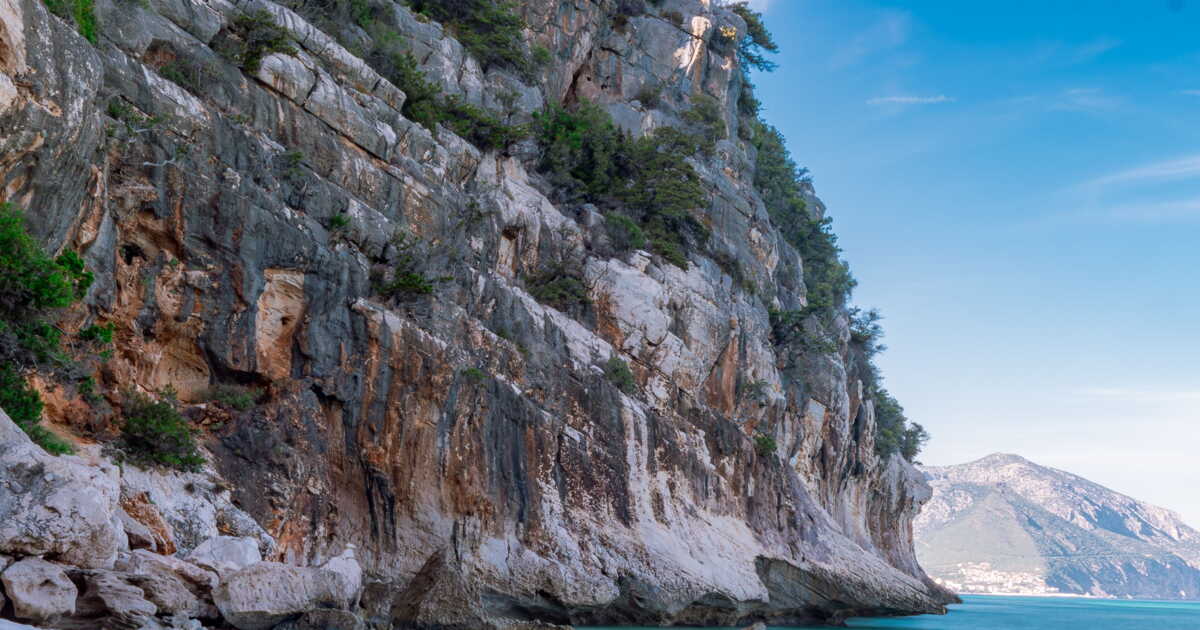
It is a cove in the Gulf of Orosei, located at the foot of the Supramonte di Baunei, on the eastern coast of Sardinia. This beach of white pebbles, 150 meters long and 30 meters wide, is bathed in turquoise water renowned for its high transparency. It also offers a remarkable rocky backdrop, with sandstone cliffs, karst pinnacles rising from the sea, and a stone arch shaped by erosion. Its attendance is limited to 250 people. Reservations open three days in advance and cost 7 €. Children aged 5 and under, as well as local residents, can reserve for free.
It is an aerial view of Cala Goloritzé Beach.
Praia das Catedrais Beach in Spain
It is located in Galicia, at the far northwest of Spain, at the seaside resort of Aguas Santas. Its arches and monumental caves give it a unique landscape, earning it the nickname “Cathedrals Beach.” Indeed, its cliffs form vast natural arches reminiscent of medieval cathedrals. During the months of July, August and September, it is necessary to reserve entry to be able to access it. This is also the case during Holy Week, which typically takes place between March and April. Access remains free, however.
This photo illustrates the famous rock formations visible on Praia das Catedrais Beach.
Tuerredda Beach in Italy
It is one of the most beautiful beaches in Sardinia. It sits in the heart of a cove, between Capo Malfatano and Capo Spartivento, in the territory of Teulada, at the island’s southwestern tip. Renowned for its turquoise waters and fine sand, it is accessible only by reservation from June 2 to October 11. Attendance is limited to 1,100 visitors and tickets cost 3 € per person. Visitors then receive a QR code that they must present to gain access to the beach.
The Sugiton Calanque in France
It’s a true little paradise! It sits within the Calanques massif, in the south of the Marseille metropolitan area, near the Luminy university site. “The Sugiton Calanque and the Pierres Tombées are suffering from pronounced erosion due to overcrowding. To protect the sites, the National Park limits the number of visitors by making access subject to a mandatory and free reservation during the peak season,” one reads on the reservation site, which is open on June 20 and 21, every day from June 27 to August 30, on September 5 and 6, and on September 12 and 13. The reservation is free.
It is the Sugiton Calanque located in the Calanques National Park.
The Cala Brandinchi and Lu Impostu Beaches in Italy
The two stunning Sardinian bays of Cala Brandinchi and Lu Impostu both require reservations from June 1 to September 30. Visitors can book their access one or two days in advance only, depending on the period, at a price of 2 € per person. They are renowned for their exceptional natural beauty and crystal-clear waters.
The Sandwich Bay in the United Kingdom
Sandwich Bay is a long sea inlet between Ramsgate and Deal, on the east coast of Kent, England. The coastal area consists of sandy flats with their salt marshes and coastal sand dunes. Public access to the site is blocked by a barrier; there is no mandatory booking system for visitors, but entry is paid. Visitors can purchase seasonal memberships from April 2026 to March 2027 or pay on-site. Prices range from £5 to £16, depending on the vehicle parked.