It’s hardly an accident that the ancient Greeks made this land the setting for the Argonauts and the realm of Medea. Georgia is none other than the stage for one of the earliest European adventure tales: the ancient Colchis, where Jason recovered the Golden Fleece. A unique blend of History and modernity, this small territory of 69,700 square kilometers packs within its stunning geography twelve climatic zones and wild natural spaces, some peaks exceeding 5,000 meters, hundreds of mineral springs, dense forests, and shores washed by the Black Sea. Each season is unique, revealing a different face of the country as light changes: hiking, trekking or ski touring are practiced in a pristine environment. Hospitality here expresses itself through millennia-old rituals; many sites and traditions are listed as UNESCO World Heritage.
Summer: Between Sky and Sea
From the summits of the Caucasus to the beaches along the Adjara coast, the country willingly reveals itself under the summer sun. To the north, the high range of the Greater Caucasus sees hikers wandering through forests of beech and hornbeam, crisscrossed by turbulent torrents and crowned by glaciers. In its villages, a mountain way of life endures—authentic and rugged—paced by folk festivals. In Upper Svaneti, the remarkable village of Ushguli, perched at more than 2,000 meters above sea level, raises its tall medieval defensive towers against the blue of the sky.
Svaneti
Kolkheti
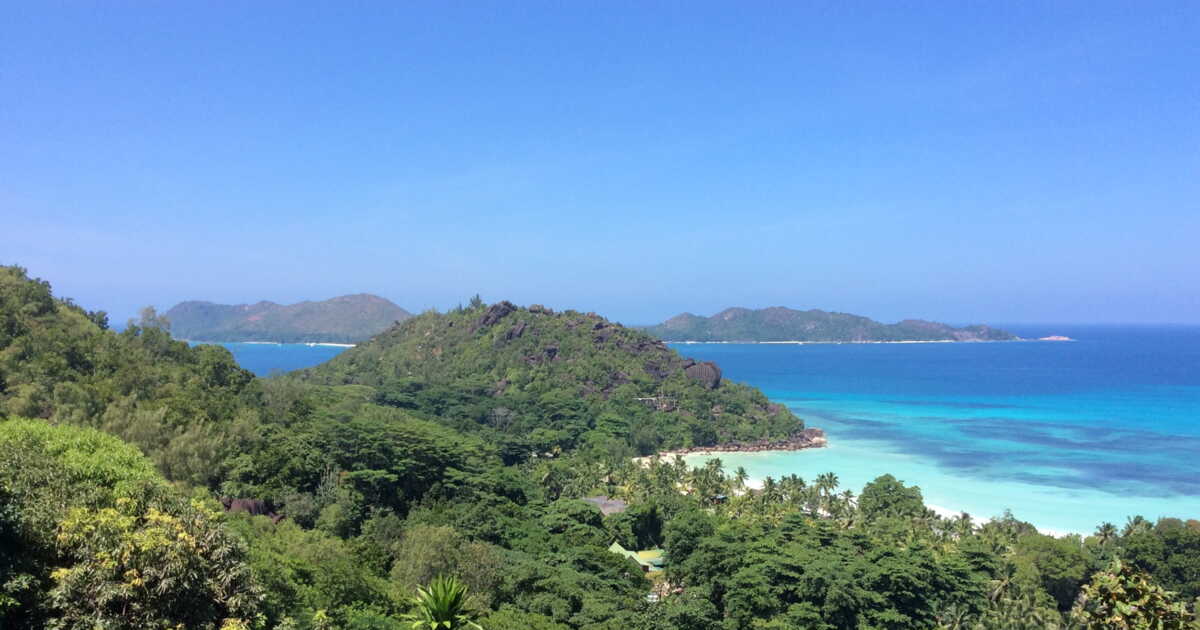
At the other end of the country, just two or three hours by road, lies the Black Sea. Nestled against the Turkish border, the Adjara coast enjoys a subtropical climate: palms provide welcome shade, the air is thick with humidity. Cosmopolitan, distinctive, the seaside city of Batumi blends Art Nouveau architecture and Ottoman influences, glass towers and casinos along a vibrant seafront that buzzes in the summer months. There you will find busy yet pleasant beaches for a refreshing dip. To discover wilder coves, you must head a little further north.
Batumi
Autumn: the Harvest Season
By late September, the sun becomes oblique, the forests turn gold, and the air grows softer. This is the pinnacle of the year, a genuine and gentle transition toward winter. The country pulses to the rhythm of the rtveli, the traditional grape harvest. In villages, grapes are trodden by foot in wooden vats, the satsnakheli, after which the juice is poured into qvevri—ovoide clay vessels—where it begins to ferment. Georgia has been producing wine for more than 8,000 years, and this ancestral method is inscribed on UNESCO’s intangible heritage list.
rtveli are a moment of great conviviality marked by a feast called supra. Dozens of toasts are made according to a well-established ritual orchestrated by the master of ceremonies, the tamada; one dances to traditional music, and typical dishes are tasted: khachapuri (cheese bread), khinkali (dumplings stuffed), pkhali (delightful vegetable-based starters).
rtveli are a moment of great conviviality marked by a feast called supra. We raise dozens of toasts according to a well-established ritual orchestrated by the master of ceremonies, the tamada, we dance to traditional music, and we sample typical dishes: khachapuri (cheese bread), khinkali (stuffed dumplings), pkhali (delightful vegetable-based appetizers).
rtveli are a moment of great conviviality marked by a feast called supra. We raise dozens of toasts according to a well-established ritual orchestrated by the master of ceremonies, the tamada, we dance to traditional music, and we sample typical dishes: khachapuri, (pains au fromage), khinkalis (ravioli), pkhali (savory vegetable starters).
Tbilisi – Bains sulfureux
Tbilisi is especially welcoming in the heart of winter: visitors linger there before resuming the road to ski on the less crowded but often pristine slopes of the Greater Caucasus! Gudauri, Bakuriani, Tetnuldi (Svaneti), Bakhmaro and Goderdzi… you simply need to choose your resort!
Bakuriani
Kolkheti
A destination at the other end of the country is the Black Sea. Nestled near the Turkish border, the Adjara coast enjoys a subtropical climate: palms cast welcome shade, the air is laden with humidity. Cosmopolitan and distinctive, the seaside city of Batumi blends Art Nouveau architecture with Ottoman influences, glass towers and casinos along a lively seafront that comes alive in the summer. Here you’ll find popular, pleasant beaches for cooling off. To discover wilder coves, you should head a bit further north.
Batumi
Winter: From the warmth of Tbilisi to the ski slopes
Tbilisi, the Georgian capital, pleasantly stretches along the banks of the Mtkvari River. One enjoys visiting the Narikala fortress and its labyrinth of cobbled streets, lined with wooden-balconied houses. The medieval Metekhi Church, followed by the famed Abanotubani sulfur baths, also deserve a stop to discover the millennial tradition of thermal cures that characterizes the country.
Tbilisi – Bains sulfureux
Tbilisi is particularly welcoming in the heart of winter: one is happy to stay before resuming the journey to ski on the seldom-busy yet often pristine slopes of the Greater Caucasus! Gudauri, Bakuriani, Tetnuldi (Svaneti), Bakhmaro and Goderdzi… you just have to choose your resort!
Bakuriani
Kolkheti
The Georgia can be visited all year round, but each season offers its own distinctive experiences. All that remains is to choose your preferred season.
From the crystal-clear waters of the Mediterranean to the wild shores of the Atlantic, Europe is brimming with beaches with spectacular landscapes. To establish its ranking of the continent’s most beautiful beaches, European Best Destinations analyzed hundreds of coastal sites before selecting the best-rated according to several criteria, including natural beauty, water quality, authenticity, accessibility, and environmental preservation. The top 30 beaches were then presented to an international panel of tourism experts. A result that notably highlights Greece, represented alone by five beaches in the top 10.
The Greek Islands Dominate the Rankings
Greece places several of its coastal gems among Europe’s most sought-after destinations. In second place, Voutoumi Beach, on the small Ionian island of Antipaxos, captivates with its particularly clear turquoise waters, white pebbles, and the surrounding green hills. Its tranquil setting makes it a favored spot for swimming and snorkeling, far from the bustle of some Mediterranean resort towns.
Third place goes to Fteri Beach on the island of Kefalonia. This beach is often regarded as one of Greece’s most pristine spots. Its relatively challenging access, by boat-taxi or along a hiking trail, keeps crowds away. Visitors discover a stretch of white pebbles bordered by steep limestone cliffs plunging into turquoise waters.
Another iconic site, Elafonissi Beach in Crete, ranks fourth. Located on the island’s southwest coast, this beach is globally renowned for its pink-tinged sand. This natural phenomenon, combined with shallow lagoons and clear waters, creates a landscape often likened to Caribbean scenes. Protected within a nature reserve, it also attracts many families thanks to its calm waters and wide bathing areas.
Corfu, meanwhile, manages to place two beaches in the ranking. Rovinia Beach, eighth, is tucked beneath tall, vegetation-covered cliffs on the island’s western coast. Accessible only on foot or by boat, it preserves a wild character valued by travelers seeking tranquility. Its preserved environment and the clarity of its water are among its main assets.
The tenth place is Paleokastritsa Beach, one of Corfu’s most famous seaside destinations. The region is distinguished by a succession of rocky bays, sea caves, and green hills that descend into the sea. Visitors come for swimming as well as boat trips, snorkeling, or water sports.
From Portugal to Norway, the Other Beaches Completing the Top 10
The top spot goes to Monte Clérigo Beach in the Algarve, Portugal. Situated along the Costa Vicentina, this beach is renowned for its wide ribbon of golden sand, wild Atlantic landscapes, and spectacular sunsets, which has earned it the nickname “Sunset Beach.” Located within the Southwest Alentejo and Costa Vicentina Natural Park, it attracts nature lovers, surfers, and those seeking wide, preserved spaces. Its calmer atmosphere compared to the more crowded resorts of the Algarve is also a strong selling point.
In fifth place is Bogliasco Beach in Liguria, northwest Italy. This small pebble cove sits within one of the most charming fishing villages of the Italian Riviera. The colorful houses that overlook the sea and the relaxed atmosphere contribute to its appeal. Loved by locals during the summer, it offers a more authentic face of the Ligurian coast.
Spain is represented by Cala Mesquida on Mallorca, ranking sixth. This dune-fringed bay stands out for its 300-meter-long white-sand beach. Unlike some of the island’s highly urbanized beaches, it preserves a relatively natural setting, framed by rugged hills. Its turquoise waters and wide spaces attract both families and lovers of preserved landscapes.
Further north, Kvalvika Beach, in Norway, earns seventh place. Hidden in the heart of the Lofoten Islands, this Arctic beach presents a dramatic scene where golden sand meets rugged mountains and surprisingly turquoise waters. Accessible only after a one- to two-hour hike, it remains completely free of urban development. The absence of infrastructure further amplifies the sense of isolation that makes it famous.
Finally, Kaputaş Beach in Turkey ranks ninth. Nestled between the resort towns of Kaş and Kalkan, this sheltered cove is surrounded by steep cliffs that heighten the intensity of the blue of its waters. Though it has become one of the most photographed beaches along the Turkish coast, its spectacular setting continues to attract visitors seeking exceptional panoramas.
What if summer holidays became a real quest for fortune? In Finnish Lapland, a tourist resort is offering visitors the chance to search for a gold ingot valued at 20,000 euros. For more than two months, participants will have to follow a series of clues scattered across the landscapes of the Far North. An initiative aimed as much at delighting treasure hunters as at shedding light on a facet of the region that remains little known.
A Hidden Treasure at the Heart of Lapland
Known for its snowy winters, its Northern Lights, and its association with Santa Claus, Finnish Lapland seeks to attract visitors during the summer season. To achieve this, Levi ski resort, located in the north of the country, has devised a large treasure hunt called “Midnight Sun Hunt”, literally “Chase of the Midnight Sun”.
The event will kick off on June 18 at Levi’s tourist information center. Participants will need to register there and collect a first clue before setting off onto the region’s trails. The subsequent stages will lead them to explore various natural sites, points of interest and local attractions, in the hope of locating the valuable prize.
To maintain the suspense, new clues will be published throughout the summer. These will progressively narrow the search area until the reveal of the final clue, scheduled for August 22. At stake: a gold ingot worth 20,000 euros. The organizers note that it could be discovered as early as the first clues, so waiting for the end of the treasure hunt to win the big prize is not strictly necessary.
Located above the Arctic Circle, Levi is among Finland’s most frequented winter sports destinations. But once the snow disappears, the terrain takes on a radically different face. For several weeks, the Midnight Sun phenomenon provides nearly constant light, creating unique conditions for outdoor activities.
Showcasing a Summer Still Largely Unknown
Through this treasure hunt, local tourism players are primarily aiming to promote the summer season. According to Satu Pesonen, CEO of Visit Levi, this period remains largely underestimated by travelers. “Levi is mostly known for its winter, but Nordic summer remains unknown to many people”, she said in a Visit Levi press release.
The official believes that the Lapland landscapes reveal a completely different personality. “We want to give travelers a new reason to visit Levi when the sun never sets and the hillside landscape reveals a face entirely different from itself”, she added.
This strategy is part of a broader trend observed in several European resorts traditionally dependent on winter tourism. Faced with evolving tourist practices and the uncertainty linked to snow cover, many of them are now developing summer activities. In Levi, visitors can thus hike, mountain bike, paraglide, or raft. The treasure hunt thus complements this offering, delivering an immersive experience through the region’s landscapes.
The operation is organized in partnership with Agnico Eagle Finland, a gold-mining company based in Kittilä, and Levi Ski Resort. The organizers also emphasize environmental respect: participants must stay within authorized zones and preserve natural spaces. They also note that it will not be necessary to dig or damage the terrain in order to hope to lay hands on the famous gold ingot.
Senegal, a country located at the westernmost tip of Africa, is notable for its cultural richness and natural diversity. Bordered by the Atlantic Ocean, it offers a range of activities from tranquil beaches to wildlife reserves, as well as historic towns. If you are planning to visit Senegal, you’re surely wondering which activities and sites should not be missed. This guide is designed to give you an overview of the essential experiences to have during your stay.
1. Discover Dakar and its surroundings
Dakar, the capital of Senegal, is the ideal starting point for a successful trip to Senegal. From Dakar, you can reach Gorée Island, a UNESCO World Heritage site — and visit the famous House of Slaves. The immersion continues in Dakar’s lively districts, among markets, crafts, textiles and urban atmosphere. Do not miss the African Renaissance Monument as well, a strong symbol of cultural identity. This stay in the capital of Senegal evokes the very essence of a modern Senegal journey, blending history, memory and urban dynamism.
2. Explore the Petite Côte
Leaving Dakar, the road leads to the Petite Côte, a region ideal for vacations blending relaxation and discovery. In Saly Portudal or Toubab Dialaw, the fine sand and idyllic beaches invite swimming, water sports or simply gazing at the Atlantic Ocean. In Toubab Dialaw, an artists’ village, the creative atmosphere offers a charming contrast with urban life. For families with children, the proximity to an accessible natural setting adds a valuable asset. The Bandia Reserve, nearby, opens the possibility to observe African animals in their habitat — a strong nature experience within the framework of a family trip to Senegal.
3. Discover the North of Senegal
The North reveals a calmer horizon and is rich in heritage. The historic town of Saint-Louis, former colonial capital, charms with its architecture, colonial lanes and gentle ambiance. Venturing toward the Djoudj Bird Park, ornithology, wildlife watching and biodiversity enthusiasts will enjoy spotting pelicans, herons and other migratory species — a meeting with the preserved nature of West Africa. One might even include a detour to the emblematic Lake Retba, whose brackish water offers a unique spectacle to cap this northern journey.
4. Navigate the Saloum Delta
The Saloum Delta is a hidden gem of Senegal: a vast labyrinth of mangroves, bolongs (water channels), islands and canals. Navigating by pirogue or kayak through this aquatic mosaic provides a deep immersion into lush and serene nature. For a different trip to Senegal, away from crowds, the delta offers tranquil landscapes, a sense of remoteness, and a close connection with the environment. It is an opportunity to experience a slow, authentic stay in Senegal, deeply connected to the land.
5. Immersion in Casamance
The Casamance region combines tropical forest, rice fields, traditional villages and preserved beaches — an invitation to relaxation, calm and encountering a unique culture. Toward Cap Skirring or Diembering, beaches along the Atlantic Ocean provide the perfect setting for unforgettable holidays in Senegal. Families, even with children, will appreciate the laid-back lifestyle, the warmth of the people and the richness of a welcoming culture. This corner of Casamance illustrates the balance between nature, local culture and a laid-back living — a major asset for anyone seeking to discover Senegal differently.
The Senegal offers a palette of unique activities and places, from Dakar’s historic sites to the lush landscapes of Casamance. Whether you are passionate about history, nature or culture, this country will meet your expectations and offer you a rich and versatile experience. You can also explore other themes such as local gastronomy or responsible tourism itineraries to enrich your trip.
What is the best time to go to Senegal?
The best time for a stay in Senegal remains November to March, when the climate is milder, the air cooler and humidity reduced. This season is particularly suitable for a trip to Senegal with family or friends: the beaches of the Atlantic Ocean are pleasant, and city visits — whether in Dakar or other areas — are comfortable without intense heat. Thus, one can make the most of the lush nature, the coastline, and the heritage sites in comfortable conditions.
What budget should you plan for visiting Senegal in 10 days?
For a 10-day stay, a moderate budget — simple to mid-range accommodations, local meals, internal transportation — is more than enough to discover the essentials: city, beaches, a detour to the Bandia Reserve or the Saloum Delta, and a visit along the coast. For higher comfort — more comfortable accommodations, excursions, activities — the cost remains reasonable compared to European standards, especially if you favor local services. You can thus tailor the budget according to the desired Senegal travel style.
What to do in Senegal in December?
In December, mild weather and ideal light: it’s the perfect opportunity to combine beach, nature and heritage. You can explore coastal zones along the Atlantic, walk through mangroves or nature reserves, discover the lush nature of the country, or observe the Djoudj birds if you venture north. It’s also a good time to enjoy the unique blend of relaxation, sea, and cultural immersion in a pleasant and serene setting.
What to do on a family trip to Senegal?
A family trip to Senegal can blend history, nature, beach and cultural encounters: visiting Gorée Island or the House of Slaves for a heritage dimension, going on a gentle safari at Bandia Reserve to observe wildlife, or enjoying welcoming beaches for relaxing moments. By combining these elements, you offer both children and adults a rich, varied and accessible stay, balancing safety, discoveries and enjoyment for everyone.
This article was drafted with the help of artificial intelligence, then corrected, expanded and validated by the newsroom journalists.
Checking a suitcase at check-in is a routine gesture for millions of travelers. Yet a new kind of fraud is now worrying authorities in several countries, including Canada: criminals would divert passengers’ baggage tags to attach them to suitcases filled with drugs. As a result, some tourists find themselves suspected of international trafficking without ever having seen the incriminated luggage. A little-known threat that could affect far more travelers than one might think.
A manipulation of a few seconds with heavy consequences
The scheme hinges on a detail that many passengers do not monitor: the barcode label affixed to their suitcase during check-in. According to an investigation by the Canadian outlet CTV News, at least 17 travelers who departed from Canada were involuntarily involved in drug-trafficking cases in the past year.
The method is relatively straightforward. After a bag is checked in, an accomplice staff member removes the passenger’s luggage tag and affixes it to another suitcase, this time one that is stuffed with drugs. If the fraudulent bag slips past security undetected, the accomplices retrieve it upon arrival. Conversely, if illicit substances are discovered, the name on the tag points to a traveler wholly unrelated to the operation.
The consequences can be particularly severe. The documented cases involve flights headed for Paris, Germany, Morocco, the Dominican Republic, South Korea, or the Philippines, countries where penalties for drug trafficking can be very harsh.
One of the most notable cases concerns Nicole, a 35-year-old Canadian traveling to New Zealand with her family. During a layover in Vancouver, authorities suddenly pulled her from the plane after two suitcases bearing her name were found suspicious. Inside, agents recovered more than 20.5 kg of alleged methamphetamine.
Facing this situation, she explained to CTV News: “How can you contest that there is a label in your name? How can I deny that it’s not mine?”. After several hours of detention, she was eventually released, investigators having apparently established that the luggage did not belong to her.
The precautions to take before each flight
This fraud is even more worrying because many victims would never discover that they were used. According to several testimonies gathered by CTV News, traffickers sometimes place GPS trackers, notably AirTags, in drug-laden suitcases to recover them discreetly at destination.
Nicole herself recounted what investigators would have told her. “They will swap the labels (…) then they will recover the bags containing the drugs”, she said. She adds: “You will arrive at your destination, pick up your suitcase, and you won’t even know that anything happened.”
To limit the risks, several simple measures are recommended. The first is to photograph your suitcase right before check-in. Authorities also advise taking a photo or video at the moment the luggage is weighed. This detail can prove valuable if the bag’s weight becomes a key element in the investigation.
It is also advised to verify that the tag is securely fixed before the bag disappears on the conveyor belt. Keeping the baggage receipt issued at check-in is equally important, as it allows you to compare the identification numbers in case of trouble.
The use of a connected tracker constitutes another useful protection. If your real suitcase is sent elsewhere after an exchange of tags, the geolocation data can help demonstrate that it was not at the same place as the bag containing the drugs.
Finally, taking a photo of the label itself, with the tracking number, destination, and passenger name clearly visible, can provide an additional piece of evidence. Precautions that may seem excessive, but that could spare some travelers from having to prove their innocence thousands of kilometers from home.
In the same series “Traveler Tips”:
Reclining seat on the plane, its occupant without headphones… tips from a flight attendant on dealing with incivilities
Here are the 3 quick moves to borrow from flight attendants to travel like a pro
Here are the dirtiest spots and objects in a hotel room
In Laos, travel often unfolds as a slow exploration guided by rivers, traditions and nature. Each region unveils a different face of the country, between remarkable heritage, outdoor adventures and untouched sites. A survey of five experiences not to be missed during a Lao stay.
1. Getting Lost in Luang Prabang
Getting lost in Luang Prabang invites you to dive into the local Lao life, in a UNESCO World Heritage city renowned for its temples, colonial architecture, and scenes of life imbued with spirituality. Watching the Tak Bat, the dawn ceremony of local offerings, is a powerful moment, revealing the relationship between the city’s residents and Buddhist traditions. This silent ritual embodies a way of life defined by simplicity and respect, shared with nearby Lao people who come to observe or participate. A multitude of activities in Luang Prabang allow for deeper immersion: cooking classes, cycling tours, or a visit to the Kuang Si Falls, located near a small village tucked away in a lush jungle. For a richer experience, it is advisable to book certain activities in advance, especially those tied to traditional arts or cultural excursions. All in all, Luang Prabang remains an ideal place to understand the Laotian way of life and to feel the harmony between spirituality, nature and locals.
2. Cruising the Mekong
Cruising the Mekong offers a smooth, immersive experience in a riverine archipelago where living traditions, pristine landscapes and waterways of strategic importance mingle. This river runs across the country, marking the border with Thailand on several stretches and guiding local life for centuries. A river cruise toward the Pak Ou caves provides a look into the country’s religious practices, while a stop in villages such as Ban Xang Hai introduces the artisanal production of rice wine, handed down among communities along the river. This gentle navigation reminds us that Laos is best discovered at its own pace, with respect for traditions and rhythms. The Mekong, stage for traditional boat races during the Lao New Year, also plays a central role in exchanges between the Lao government and its neighbors, such as Vietnam, in a spirit of regional cooperation. It remains a key axis for outdoor activities, including river expeditions, explorations of wild banks and encounters with inhabitants.
3. Adventure in Vang Vieng
Vang Vieng, in the country’s north, has become a coveted spot for outdoor adventures, set against a backdrop of impressive karst cliffs and the Nam Song river winding through green valleys. This singular landscape allows for a mix of gentle outdoor activities like bicycle rides to limestone caves, and more vigorous pursuits such as kayaking, rock climbing or hiking. Once a haven for travelers seeking adrenaline, Vang Vieng now attracts those who want to combine raw nature with a glimpse of rural life, in a setting spared from mass urbanization. The presence of small villages on the outskirts illustrates the coexistence of sustainable tourism and local residents keen to preserve their farming practices. This beautiful corner of lush jungle, bearing subtle traces of the Vietnam War, represents an ideal place to explore active Laos at the crossroads of nature and living culture.
4. Strolling through Vientiane
As the administrative capital of the country, Vientiane presents a peaceful urban face, conducive to discovering the Laotian government and its institutions, while retaining a human scale that favors everyday life scenes. The Pha That Luang, a premier Buddhist site of the nation, sits beside buildings inherited from French colonization and bustling markets where Laotians come to shop. In this mini-Pakse city, urban dwellers share their daily life at the slow pace of the Mekong, within a context where spirituality still strongly structures social relations. The Buddha Park, with sculptures that fuse Hindu and Buddhist symbols, illustrates this rich iconography. If the activities in Vientiane are fewer than in rural areas, they deserve to be planned in advance to visit archaeological sites or to partake in events such as the Lao New Year festivities. Through its apparent calm, the capital reveals another form of dynamism, more institutional, yet deeply rooted in the local life.
5. Quest on the Bolaven Plateau
The Bolaven Plateau, located in the Champasak Province, embodies a rural and pristine territory where outdoor activities occupy a central place in discovering authentic Laos. This high plateau with a temperate climate is famed for its coffee plantations, Kuang Si and Tad Fane waterfalls, and hiking routes linking small villages inhabited by ethnic minorities. The lush jungle and open landscapes offer a panoramic view of the surroundings, making this space ideal for trekking, cycling and eco-tourist stays. Marked by the traces of the Vietnam War, this region has rehabilitated its natural potential to become an ideal place for recharging and environmental education. Its proximity to the city of Pakse makes it possible to organize these activities in advance, in a framework of responsible tourism and respect for the inhabitants living along the trails. The Laotian government promotes controlled development there, balancing local life and preservation.
Laos Travel: a off-the-beaten-path itinerary in the heart of Southeast Asia
A trip to Laos invites you to slow down, to breathe differently, to discover a country still preserved, far from the hustle of major tourist routes in Asia. Here, the Mekong sets the tempo, temples rise in silence, and villages live to the rhythm of the seasons. From Luang Prabang, the spiritual jewel of the north, to the wild nature of the Bolaven Plateau, via the karst formations of Vang Vieng and the tropical gentleness of the 4,000 Islands, Laos offers a rare balance between natural beauty, cultural heritage and human encounters. It is a destination for curious travelers, those who seek to marvel without rushing, to understand rather than to consume. A trip to Laos is less an escape than a revelation.
What to do in Laos in 15 days and how long does it take to visit the country? A gentle adventure at the Mekong’s pace
Visiting Laos requires time, not to tick off a list, but to soak in its slowness, its spirituality and its grand landscapes. Fifteen days represent the ideal duration to discover the essentials, while respecting the country’s tranquil tempo. From Luang Prabang, the UNESCO-listed colonial jewel, to the mystical Plain of Jars, via Kuang Si Falls and the sacred Pak Ou caves, the north reveals a deeply spiritual Laos. Then head south to Vang Vieng, surrounded by karst peaks, down to the tranquil capital Vientiane, and the 4,000 islands where the Mekong broadens into a mosaic of water.
What is the most beautiful place in Laos? Discovering the most inspiring landscapes
If Laos overflows with natural and cultural wonders, Luang Prabang remains for many the most beautiful place in the country. Perched at the confluence of the Mekong and Nam Khan rivers, this former royal capital charms with its golden temples, colonial houses, and morning rituals where monks walk by in silence. Beyond the town, Laos’s landscapes take on a nearly spiritual dimension: crystal-clear waterfalls, mysterious caves, and misty mountains. Farther south, the Si Phan Don islands, the Champassak rice fields, or the Bolaven plateaus offer another form of beauty—raw, green, boundless. The most beautiful place in Laos might be the one that invites you to slow down, to observe, to feel.
What to see in Laos? Hidden treasures between mountains, temples and the Mekong
Laos is a country of quiet beauty that reveals itself to those who take time to observe it. In Luang Prabang, shimmering temples stand beside colonial houses and artisan markets. Nearby, the Kuang Si Falls and the Pak Ou caves invite contemplation. Further south, Vientiane, a tranquil capital on the bank of the Mekong, blends Buddhism and French architecture. The journey continues to Vang Vieng, between rivers and karst mountains, before ending on the 4,000 Islands in the south, where the river fades into the horizon. Between spirituality, nature and a laid-back way of life, each place in Laos is a meeting with authenticity.
Is it worth going to Laos? A rare destination for travelers seeking the essentials
Yes, Laos is worth more than a detour: it deserves to be lived. In this country still spared by mass tourism, time seems suspended. One discovers a calm Asia where the kindness of the inhabitants, the slow pace of the Mekong and the serenity of the temples form a rare harmony. The landscapes, often grand but never flashy, offer a raw and meditative beauty. Traveling in Laos is about re-learning the meaning of simplicity, reconnecting with nature, with oneself, and with others.
This article was written with the help of artificial intelligence, then revised, supplemented, and validated by the editors of the desk.
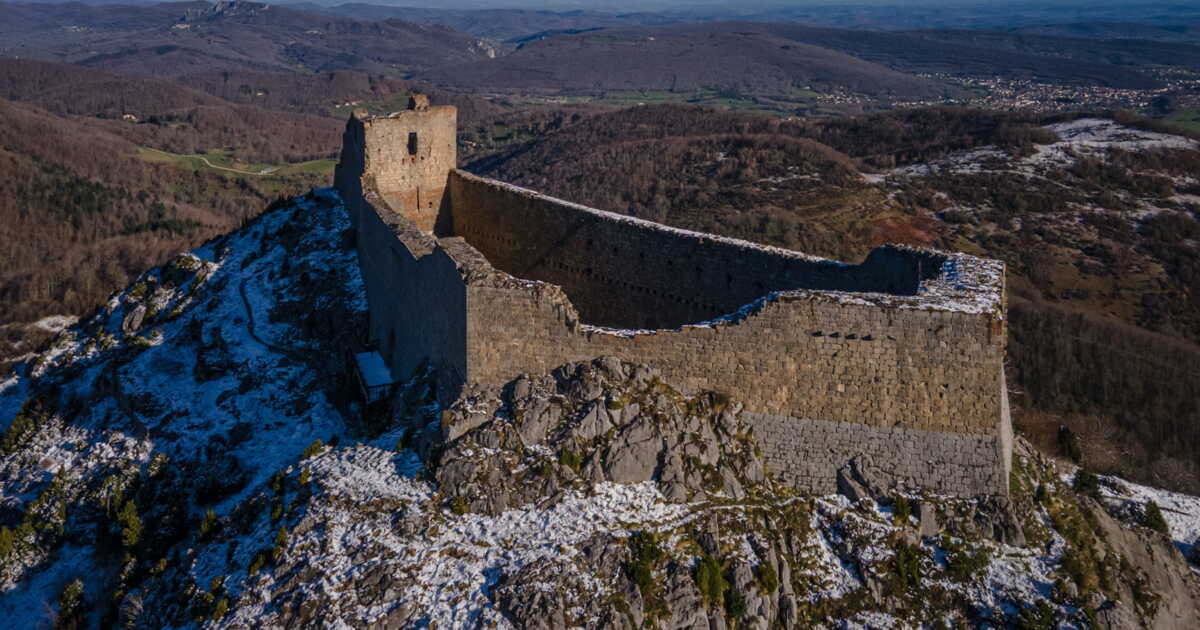
To be moved by these millennia-old stones nestled in the High Corbières, you must rise early. At dawn, indeed, but the effort is rewarded by the sight of the first sunbeams caressing the façade of the Château de Quéribus, perched on its pog (“piton rocheux” in Occitan) overlooking the Aude village of Cucugnan, 120 inhabitants. This eagle’s nest, scarred by cannonball impacts, lends itself perfectly to this play of early morning light.
From this overlook, reached by skirting the ramparts, an breathtaking panorama unfolds: to the east, the medieval tower of Tautavel, with, further away, the vast blue of the Mediterranean; to the south, the snow-capped peak of Canigou; to the west, the Ariège peaks of the Pyrenees; and, right opposite, to the northwest, seven kilometers away as the crow flies, tucked away on a ridge cloaked in arbutus trees and evergreen oaks, another fortress: Peyrepertuse, barely discernible as its walls and towers blur with the crenellations of the limestone crest.
Peyrepertuse (“pierre percée” en occitan languedocien), 800 mètres d’altitude, accueille 100 000 visiteurs par an sur ses remparts.
Quéribus and its four brothers in arms—Peyrepertuse, thus, and also Puilaurens, Aguilar and Termes—form the strategic ensemble known as the “five sons of Carcassonne.” These stone sentinels punctuate the ridgelines that weave between the Corbières massif and the Pyrenean foothills, near the medieval citadel. Radiating from it, the traveler discovers, for a weekend, this line of defense erected by Saint Louis in the 13th century to lock the kingdom’s border. And it offers a medieval getaway amid rugged reliefs, vertigo-inducing gorges, vineyard plains, and fortified villages.
Ambiance mystérieuse
Less than two hours by road from the ramparts of Carcassonne, Quéribus often marks the starting point of this escape. “This castle was a lookout, explains Bruno Schenck, a winemaker and deputy mayor of Cucugnan, who has been working for more than thirty years to renovate this historic monument. It is nicknamed the Finger of God because of its verticality.” This was the last bastion to fall: in 1255, eleven years after Montségur’s burning, the fortress still sheltered the Albigeois, those “heretics” hunted by the Inquisition, under the protection of the Languedoc lord Chabert de Barbaira. The site then became a royal stronghold, used to watch over the border with Aragon.
Bon à savoir
A small revolution is underway: the designation “Cathar castles” is giving way to the “royal fortresses of Languedoc.” Some lament the loss of a name steeped in mystery and identity, but historians remind us of an archaeological truth: the Cathars never built these citadels. It was Saint Louis who, in the 13th century, after the crusade against the Albigeois, ordered these giants of stone to be erected on the ruins of former lordly residences (castrums) to defend the border with Aragon. Today, eight of these military constructions hope for UNESCO inclusion on the World Heritage List. Verdict in July 2026.
Eight centuries on, each of these stone giants harbors a singular, mysterious atmosphere. Notably at Puilaurens, which sits at the heart of a forest of pines and holm oaks. The fortress, seventy kilometers from Carcassonne, rises at 697 meters on Mount Ardu, at the crossroads of the Boulzane and Fenouillèdes valleys.
“One must imagine that at the time of the castrum [the fortified village surrounding the citadel], there was no forest; everything was cultivated”,
explains Karine Duhil, the person in charge of the monument, as she makes her way up toward the first switchbacks. These thick, tusk-shaped walls were designed to slow down attackers. The structure blends so intimately with the rock that one struggles to distinguish human handiwork from nature. “The works carried out under Saint Louis are recognizable in the dressed stones, more regular than those of the vestiges of the original castrum”, notes Karine Duhil.
An hour and fifteen minutes by road from both Puilaurens and Carcassonne, perched on the southern slope of the Corbières massif, another fortress, abandoned after its military role ended, dominates the village of Termes, bathed by the Sou river. The fortress had been heavily degraded before benefiting from restoration campaigns led by the municipality and passionate volunteers. “Destroyed in 1653, the castle had been left to ruin; only the cruciform window of the chapel remained,” explains Michel Séguy, president of the association safeguarding the building. “We have been working for forty years to help visitors grasp the site’s original layout.”
Un vaisseau fantôme
Overlooking vineyards and hills 30 kilometers from Termes, the walls of Aguilar follow the shape of the rocky spur on which they stand. Nicknamed the Little Carcassonne, the castle mimics in miniature the Aude fortress, with its defensive towers and its polygonal enclosure. Here one is immersed in the stark light of the Corbières, which makes the white stones blaze, then steps into the shade of an ancient olive tree, before continuing on and reaching, 25 kilometers further, the most spectacular of the five fortresses: Peyrepertuse.
Hidden along the crest, the roughly 300 meters of rampart blend with the rock, evoking a ghost ship. “It is a true city; its construction spans several centuries”, explains Agnès Daubrege, guide of the castle. The best way to enjoy this poetic detour is to ascend the sixty or so steps of the “Saint-Louis” staircase, carved into the rock. From the terrace of the Sant-Jordi chapel, one can glimpse the Verdouble, this “river that unfolds its meanders over the stones”, which Claude Nougaro sang about. So, in the quiet of the mountaintops, vertigo takes on a new form. And one understands that these citadels, once ramparts against the enemy, have become promontories from which to embrace the world.
À Cucugnan, village rendu célèbre par une nouvelle d’Alphonse Daudet, le moulin d’Omer, datant du XVIIe siècle, a été réhabilité en 2003 et remis en marche en 2006.
Nearby to visit
Master Baker
Don’t tell Roland Feuillas that he’s merely making bread. Cucugnan’s baker (photo above) has put the village’s lordly mill back into service to craft “100% natural” loaves from ancient wheats. His School of Bread, right beside his shop, lets you learn all about sturdy sourdoughs that release flavors and about wood-fired baking. lesmaitresdemonmoulin.com
Rushing waters
Between Puilaurens and Quéribus, the Agly has carved the limestone to forge narrow gorges and basins suited for canyoning. On the rock face, the Saint-Antoine de Galamus hermitage, built into the cliff at 376 m above sea level, is accessible on foot. From the parking lot at the gorge’s entrance, follow the prepared trail winding up to the small sanctuary clinging to the cliff. gorgesdegalamus.fr
➤ Article paru dans le magazine GEO n°568, “Barcelone, l’atelier à ciel ouvert d’Antoni Gaudí”, de juin 2026.
➤ You like GEO ? Then to make sure you don’t miss anything, discover our subscription plans to receive GEO every month at home with ease.
Watching wildlife in their natural habitats, climbing Africa’s highest peak, or strolling through Zanzibar’s history-steeped streets: Tanzania offers a multitude of ways to explore. This East African destination unfolds as a mosaic of experiences as varied as they are unforgettable.
1. Explore Serengeti National Park
Exploring Serengeti National Park allows you to witness one of the most impressive wildlife phenomena on the African continent. This exceptional terrain, situated in the northeast of Tanzania on the border with Kenya, offers a deep immersion into the endless savannas populated by wildlife.
During the dry season, especially from July to October, herds of zebras and wildebeests traverse the plains in search of water points and grazing grounds, closely followed by big cats and other predators. Being accompanied by a driver-guide or a local Tanzanian guide, often among the top guides, helps provide a precise understanding of this natural dynamic.
This unforgettable safari also reveals places of interest with landscapes ranging from open plains to dense tropical forests, making Serengeti a must-see for any nature-loving traveler.
2. Discover Ngorongoro Crater
Discovering the Ngorongoro Crater is like stepping into a closed world, shaped by millennia of geological history. This spectacular formation, whose floor lies hundreds of meters deep, houses an exceptional concentration of wildlife.
During a half-day or a full-day visit, travelers can observe herds of elephants, big cats, and numerous rare species within a protected ecosystem. With experienced guides, the excursion takes on a scientific and cultural dimension. The environment is particularly conducive to wildlife photography, with a breathtaking view of the green-cliffed rims surrounding the site.
The best time to explore this area remains the dry season, when temperature fluctuations are moderate and visibility is optimal. Each visit to this unique site deepens the understanding of the outstanding quality of Tanzania’s natural habitats.
3. Relax on Zanzibar’s Beaches
Relaxing on Zanzibar’s beaches offers a balanced pause between cultural exploration and seaside rest. A visit to the island of Unguja reveals the southeast white-sand beaches, the crystal-clear waters ideal for boat trips, and hidden spots lining the coast.
In the heart of the archipelago, Stone Town, with its Darajani Market, its coral houses and its Swahili, Arab and European influences, constitutes a world heritage site that cannot be missed. A visit to a spice farm is also recommended to better understand Zanzibar’s role on the spice route. Shopping for handmade souvenirs, often done during calmer afternoons, extends the local experience. The island represents an idyllic place to end a trip, thanks to its pleasant climate, the stability of its daily temperatures, and the warm hospitality of its people.
4. Climb Mount Kilimanjaro
Climbing Mount Kilimanjaro is a demanding undertaking, yet attainable with solid support and proper preparation. The summit, also known as Kibo, rises to 5,895 meters and represents a personal challenge for many hikers. The various routes available allow tailoring the ascent to visitors’ physical condition, guided by a local guide in Tanzania or a driver-guide.
The trek traverses successively through dense tropical forests, high-altitude moorlands, and residual glaciers, offering remarkable ecological diversity. Depending on the temperatures from day to night, equipment must be adjusted, particularly with warm clothing for the final days of ascent. From the heights, the breathtaking view over the northeast plains and the endless Serengeti savannas gives full meaning to this experience. Kilimanjaro thus remains one of Tanzania’s most iconic destinations for tourism.
5. Visit Tarangire National Park
A visit to Tarangire National Park reveals a lesser-known yet equally captivating facet of Tanzanian wildlife. This northeast destination stands out for its particularly large elephant herds, especially noticeable during the dry season when they congregate around the Tarangire River.
The park is also home to numerous species of antelopes, giraffes and carnivores, and offers essential water points for wildlife during arid periods. The landscape, punctuated by imposing baobabs, lends a distinctive identity to the site.
Local guides, renowned for their expertise, accompany visitors through the areas richest in wildlife sightings. This unforgettable safari, often combined with itineraries that include Lake Manyara or the Ngorongoro, is particularly recommended from July to October, when temperatures are mild and travel is easier.
Is it prudent to travel to Tanzania? Understanding the safety of an East Africa must-visit destination
Asking whether it is prudent to travel to Tanzania is a question about the country’s stability and hospitality, where tourism constitutes a major economic pillar. Overall, Tanzania is regarded as a safe destination for travelers, provided you follow the usual vigilance guidelines and heed travel advice issued by authorities.
Tourist zones such as Serengeti National Park, Ngorongoro Crater, or the island of Zanzibar benefit from well-structured infrastructure and staff trained in visitor management. As with any Tanzania trip, basic prudence applies: avoid unnecessary night travel, favor official tours, and inquire about health conditions. The travel experience remains deeply positive, marked by the kindness and hospitality of the locals.
What budget should you plan for 10 days in Tanzania? A balance between preserved nature and tourist comfort
Planning the budget for a ten-day trip to Tanzania requires integrating the variety of experiences on offer: safaris in national parks, relaxation on Zanzibar’s beaches, or cultural discoveries in Maasai villages. On average, a balanced stay ranges from about €2,000 to €3,500 per person, international flights included. Safaris represent the most substantial portion of the cost, due to park entry fees and guide services. Accommodations, from charming lodges to more authentic camps, allow you to tailor the budget to your expectations. Traveling ten days in Tanzania is an investment in a rare experience, grounded in encounters with wildlife and the country’s cultural diversity.
What to Do in Tanzania with Family? Between Nature, Culture and Shared Wonder
A family trip to Tanzania is a richly educational and sensory experience. Children discover animal life in the heart of the Serengeti or Tarangire, observe elephants, lions and giraffes in their natural habitat, and learn to respect biodiversity. Zanzibar’s beaches then provide an ideal setting for relaxation, swimming, and exploration of Swahili culture. Families can also visit Maasai villages to understand local traditions, or tour spice plantations. With appropriate infrastructure and experienced guides, Tanzania positions itself as a safe, educational, and unforgettable destination for families.
Traveling in Tanzania: essential tips for a successful and environmentally respectful stay
Preparing a trip to Tanzania requires thoughtful planning and careful attention to local realities. It is advised to travel during the dry season, from June to October, to take advantage of optimal conditions for safaris. The travel tips include checking mandatory vaccines, notably yellow fever, and obtaining insurance that covers activities in natural settings. Travelers are also encouraged to support local operators engaged in sustainable tourism, contributing to ecosystem preservation and community development. Traveling in Tanzania means adopting a responsible approach: learning about the country before you go, respecting its rhythms, and appreciating its beauty in full truth.
This article was written with the help of artificial intelligence, then corrected, augmented and validated by the newsroom’s journalists.
Amid the clamor of belts and sheets whizzing through a Kyoto printing house, two artists watch their work come to life on paper as they strive to win over new audiences in the AI era. Despite the decline of the publishing industry, self-publishing and handmade magazines known as “fanzines” or “zines” are gaining popularity in Japan, a reflection of the country’s enduring love for paper, even in the digital age.
Paper “is a medium that engages the five senses“, as Kazuma Obara, one of the two creators, explains to AFP, his hands stained with ink from his photo essay.
Together with his partner Akihico Mori, this 40-year-old photographer is among the artists using a press provided by the Kyoto Shimbun daily newspaper, which is seeking alternative uses for its machines in the face of falling subscriptions.
As the printing presses roar, five technicians quickly flip through pages to check quality. “I think the printed press is incredibly ‘open’. You can give a newspaper and read it together,” explains Obara, who notes a difference between paper and mobile phones, “which are very compartmentalized.” One can feel the artist’s passion when holding the work in one’s hands, Mori, a 44-year-old writer, explains. “That is what makes it so attractive, and AI simply cannot reproduce it.
The duo’s work was showcased at Kyotographie, the renowned international photography festival, held from April 18 to May 17 across Kyoto.
“Interesting Because It Is Old”
Yoshihiko Okazaki, from Kyoto Shimbun Printing, explains that the age range of his clients—artists—spans from teenagers to people over 70. “Interestingly, this phenomenon resonates with younger people… I even hear comments like: ‘it’s interesting precisely because it is old.’“
The country has seen a rapid decline in print publishing. Book and magazine sales have fallen 40% from their 1996 peak when they brought in 2.6 trillion yen. And print newspaper circulation, which peaked in 1997 at 53.76 million copies, has roughly halved by 2025, according to the Japanese Association of Newspaper Editors and Publishers.
Many authors and publishers around the world fear this trend could be accelerated by AI and social networks: in the United Kingdom, half of novelists believe artificial intelligence is likely to replace their work, according to a 2025 study.
However, as in other parts of the world, self-publishing is rising in Japan, particularly among young people. And especially the fanzines—these publications that emerged in the 1930s among American science-fiction fans. According to a study cited by NHK, Japan’s self-publishing market is estimated at over 800 million euros for the fiscal year ending March 2026—almost twice what it was four years ago.
“Something Tangible”
A fanzine fair showcasing a wide range of these handmade magazines in varying sizes and formats has drawn a large crowd in Tokyo.
“AI and social networks are guided by algorithms that only show us what we want to see or what suits us best. But the fact that so many zine creators are taking part in this fair suggests that there are many other visions of the world”, cheers Harumi Kikuchi, a 22-year-old attendee.
The creator Watashi Kishino, who hand-draws her daily life in black-and-white illustrations, concedes that one can “do a lot with AI and digital technology”. “But I also think there is a charm to holding something in your hands”, she says as she displays her works.
Major bookstores are also embracing the trend. Sanseido, a 145-year-old Tokyo bookstore located in the Jimbocho book district, began placing self-published journals on its shelves almost a year ago. “Zines can appeal to an audience different from that of traditional readers,” explains AFP to Masato Sugiura, deputy director of the sales promotion department.
Watashi Kishino believes in the staying power of physical books and magazines despite the digital era. “There is a warmth that only paper can offer,” she says.
For a long time kept off the main European tourist routes, Poland reveals a remarkable heritage and landscapes of surprising diversity. From history-soaked cities to the wide natural expanses of the northeast, the country lends itself to both cultural getaways and refreshing outdoor breaks.
1. A Dive into Kraków’s History
Exploring Kraków allows you to trace the foundations of Polish history through its monuments, its medieval atmosphere, and its role as the country’s historic capital. The Old Town houses an exceptionally dense concentration of must-see monuments, including the Wawel Royal Castle and the emblematic Gothic cathedrals of the medieval era, making it a central segment of any culturally oriented trip to Poland.
Nearby, the Wieliczka Salt Mine represents another facet of this heritage, as does the former Jewish ghetto—a landmark to pair with a visit to Auschwitz. All of this forms an essential part of Poland holidays, enriched by approachable local cuisine and often affordable prices. Kraków thus embodies a coherent destination, built around memory, architecture, and the country’s diverse monuments.
2. Warsaw, a Capital with a Thousand Faces
Warsaw, a modern and resilient capital, houses monuments from different eras, symbols of a troubled yet rebuilt history. The Old Town, UNESCO-listed, faithfully mirrors the medieval atmosphere, even though it was rebuilt after the war. Among the buildings to visit are the Wilanów Palace and the visible remnants of the former Jewish ghetto, key elements for grasping the city’s memory.
Incorporating a stroll through the beautiful Łazienki Park botanical gardens or following a guided route through the museums of Wrocław or Warsaw helps structure a substantial portion of the stay. Taken together, these create a core segment of the many essential historical sites on a Poland trip, blending urban discovery, memory transmission, and cultural practices. With reasonable prices for transport or accommodation, Warsaw remains accessible even in peak season.
3. Getting Lost in the Białowieża Forest
The Białowieża Forest, designated a biosphere reserve, represents a unique part of Poland’s natural heritage. A true relic of Europe’s primeval forest, it offers a rare ambiance for guided strolls within an intact ecosystem. This protected area, spanning several square kilometers, is home to the last European bison and provides an unforgettable experience for visitors attentive to conservation.
Accessible on foot and guided by professionals, the forest walk doubles as an educational experience on conservation, endemic species, and contemporary threats. Integrated into a personalized itinerary focused on natural areas, this destination complements other cultural sites, enabling a Poland trip that balances heritage and biodiversity.
4. Gdańsk and Its Medieval Charms
Gdańsk, located on the Baltic Sea, is a city with a rich commercial and political past, home to many must-see monuments in Gdańsk and part of a structured Polish holiday circuit. The royal castle, Gothic-style buildings, the narrow streets of the Old Town, and museums tied to the Solidarity movement reflect a dense urban history.
On the outskirts, the towns of Sopot and Gdynia offer coastal extensions, with nautical activities and nature experiences in a kid-friendly atmosphere during the summer. Linked to the country’s monuments, the region allows for pairing seaside relaxation with historical exploration. Gdańsk thus stands as a coherent part of a northern cultural and seaside itinerary, enriched by a sea stroll, attractive prices and a strong sense of memory.
5. The Wieliczka Salt Mines, a World Beneath Our Feet
The Wieliczka Salt Mines, famed for their impressive salt monuments, form part of the many underground sites listed as world heritage. A few kilometers from Kraków, this subterranean network welcomes visitors in a unique atmosphere, blending history, engineering, and spirituality. Among the most iconic spaces are chapels and sculptures carved from salt, illustrating the miners’ craftsmanship.
With reasonable prices for guided tours, the site is aimed at families or school groups, with a well-supervised kids-friendly ambiance. Accessible for a multi-hour underground stroll, Wieliczka offers an unforgettable experience that fits perfectly into any Poland itinerary focused on the country’s industrial and artisanal heritage.
6. The Charms of Masuria
The Masuria, in the northeast, embodies a major lake region, often named the “land of a thousand majestic lakes,” ideal for boating or walks in the surrounding massif. Perfect for Poland holidays centered on nature and relaxation, it enables gentle activities such as fishing, sailing, or birdwatching in a tranquil atmosphere.
Thanks to a network of villages, the cost of a bus trip or a car rental stays affordable, facilitating exploration of a part of the country that remains relatively lightly urbanized. The calm of its rivers, the reflections on its waters, and the diversity of its fauna make Masuria an ideal area for respectful tourism, away from crowds, especially outside the peak season.
7. The Trails of Zakopane and the Tatras
Nestled at the foot of the Tatras, the town of offers an immersion into Polish highland traditions, combining mountain walks, local folklore, and active Poland holidays. Nearby, the Morskie Oko Lake, at an altitude of over 1,300 meters, stands as a major site for a walk to Morskie Lake, highly frequented in high season for its panoramas.
The Tatra National Park, an integral part of the region, offers regulated access to alpine landscapes and protected wildlife. The local cuisine, artisan markets, and the mountain ambiance give Zakopane a strong identity, ideal for days of real downtime.
Is Poland a Good Idea? A European Destination Between History, Accessibility and Cultural Vitality
Asking whether it makes sense to visit Poland means weighing the advantages of a country that remains underestimated in the European tourism scene. A member of the European Union, with a modern transport network and a dense cultural offering, the country attracts with the richness of its cities—from Kraków to Gdańsk—and the variety of its landscapes. It is also an economically accessible destination, with excellent value for money in lodging, dining, and activities.
In terms of tourism, Poland is still perceived as safe, stable, and well-structured to welcome international visitors. Far from the clichés, it offers a modern experience rooted in its heritage, driven by a strong identity and a growing openness.
What Do People in Poland Like to Do? Daily Life Anchored in Sociability, Nature, and Traditions
Understanding what Poles enjoy doing helps approach a culture deeply attached to communal life and seasonal rhythms. Forest walks, very common, reflect a constant tie to nature, ever-present in the country’s geography.
In urban areas, people frequent cafes, markets, and parks, especially in Warsaw or Wrocław, where public spaces play a central role in sociability. Regular hiking, cycling, or winter sports in the Carpathians also show an active relationship with the land.
Alongside this, there is a strong attachment to religious fêtes, culinary traditions, and family gatherings. Observing daily life here means grasping a culture that is both understated and profoundly vibrant.
What to Do in Poland in Winter? A Country to Rediscover Under Snow and Seasonal Lights
Visiting Poland in winter reveals a lesser-known facet of the country, marked by a hushed atmosphere and striking seasonal aesthetics. Christmas markets, especially in Kraków or Wrocław, offer a warm immersion into local traditions.
In the south, the Tatra Mountains near Zakopane allow skiing, snowshoeing, and thermal baths, with infrastructure suited to all levels. The major cities maintain a rich cultural life: museums, concerts, literary cafés, all within an intimate atmosphere. Polish winter, far from deterring, gives a new sense to discovery, blending heritage, indoor comfort, and stillness in nature.
Poland Travel Safety: What You Need to Know to Travel with Peace of Mind
The question of tourism-related danger in Poland rarely arises, given the country’s recognized political, social, and health stability on a European scale. Safety levels are high in tourist zones such as Warsaw, Kraków, and Gdańsk, with a visible police presence and a low crime rate.
Incidents involving travelers are rare and typically relate to minor acts such as opportunistic theft on public transport. Medical facilities are modern, food standards are high, and tour operators are well trained.
In short, Poland is a safe destination, provided you follow the elementary precautions applicable to any major Central European city.
This article was written with the help of artificial intelligence, then corrected, expanded, and validated by the editors.