What to Do in Yucatán: 11 Ideas for Outings and Activities

Famed for its hospitality and distinctive cuisine, the Yucatán is a region that attracts travelers from all walks of life eager to explore its natural and architectural wonders.

1. Immerse Yourself in the Maya Past at Chichén Itzá

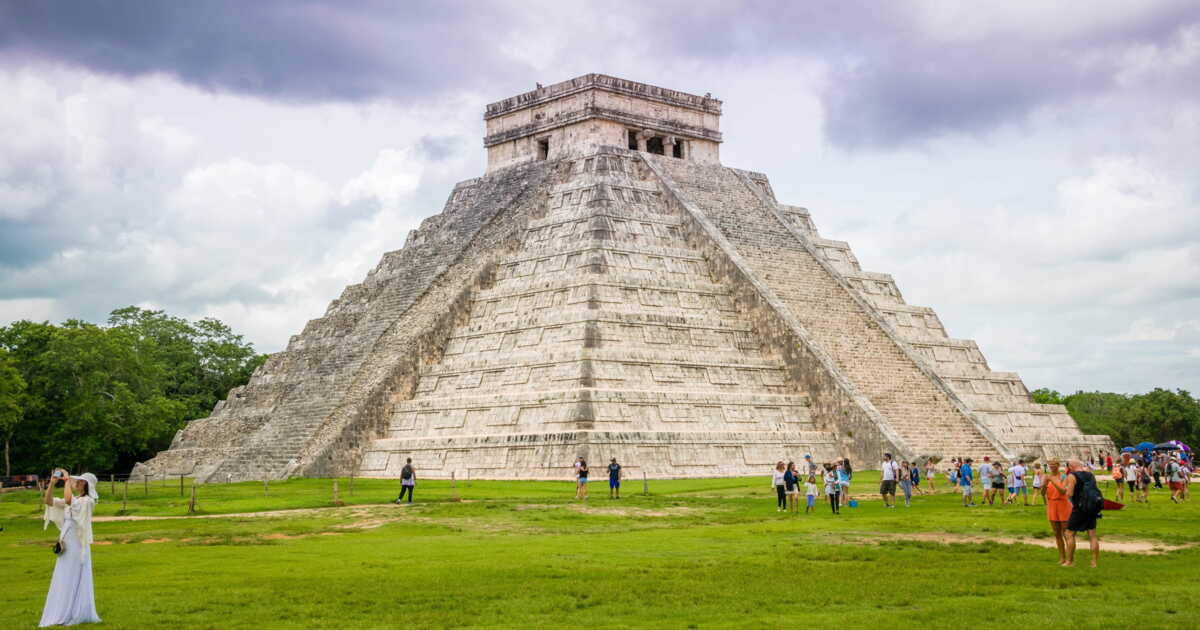
Starting with Chichén Itzá, at the heart of the Yucatán Peninsula, allows you to approach the pre-Columbian heritage through a structured reading of the ancient city, dominated by the Kukulcán Pyramid, whose architecture testifies to Maya ritual and astronomical knowledge.

Walking through the temples and the ball courts, guided by local guides, offers a methodical understanding of religious and civil practices, in an environment that remains one of the region’s most iconic landmarks.

A useful tip is to arrive early to avoid the crowds, especially those arriving from Cancún or Tulum after two to three hours on the road, while taking advantage of the morning light that highlights the architectural volumes. This immersion in the Maya past enhances the cultural reach of the trip across the peninsula.

2. Discover the Mysterious Cenotes

The cenotes of the peninsula are a singular geological resource, offering travelers direct access to natural freshwater formations of remarkable purity. Whether it’s the Gran Cenote (located in the neighboring state of Quintana Roo), Ik Kil, or more intimate sites such as Oxman (both in the state of Yucatán), each presents an immersion in a karstic environment, suitable for swimming or observing the hydrological systems.

These cavities, often accessible by paved trails, fit into a logic of discovery that complements the major nearby archaeological sites such as Ek Balam or Coba, enriching the exploration of the peninsula. By moving away from the coastal tourist zones of Cancún or Tulum, this approach offers a different face of the region, more subterranean and intimate.

3. Stroll Through the Streets of Mérida

As the cultural capital of the state of Yucatán, Mérida offers an urban landscape that harmoniously blends colonial heritage with Maya influences, manifested in its markets, palaces, and museums arranged along structured axes such as the Paseo de Montejo.

Its lively streets provide a gradual approach to local artistic expressions, reinforced by a vibrant cultural life that comes alive in the evenings on public squares.

This city serves as a strategic base to organize excursions to the cenotes, nearby archaeological zones, or traditional villages of the peninsula. Between the beaches of the coast and inland cultural sites, Mérida embodies the urban and patrimonial dimension of a well-planned journey.

4. Relax on the Beaches of Tulum

The beautiful beaches of Tulum, located on the Caribbean coast, offer an ideal setting for an immersion in a preserved coastline, characterized by fine white sand and turquoise waters bordered by a sometimes rough sea. In addition to beach relaxation, the pre-Hispanic ruins perched above the sea allow for a combination of cultural discovery and landscape observation.

This blend of natural and patrimonial resources makes Tulum a key element of a well-structured itinerary. The contrast between white sand, marine life, boat trips, and traces of Maya civilization gives this stage a rich and thoughtful balance.

5. Explore the Wildlife and Flora of Río Lagartos

The Río Lagartos Reserve serves as a privileged natural observatory for studying local biodiversity, especially for watching flamingos and mangrove ecosystems. Boat excursions, led by specialized guides, provide an educational framework to understand the interactions between fauna, flora, and wetlands in a region particularly conducive to ornithology and nature photography. This visit fits into a broader approach to the Yucatán Peninsula, which also includes its ecological, insular, and lacustrine dimensions.

6. Walk in the Footsteps of the Ancients at Uxmal

Less frequented than Chichén Itzá, Uxmal offers a calmer approach to the Puuc architecture, characterized by the ornamental elaboration of buildings such as the Devin Pyramid or the Governor’s Palace. This visit, ideally undertaken at opening time in the morning to avoid the heat of midday, highlights Maya architectural mastery while providing a contextual reading of the site, complementary to the ones offered at Ek Balam or Coba. Including Uxmal in your trip broadens the range of archaeological sites you can explore while maintaining a pleasant travel pace.

7. Venture into the Jungle at Coba

The Coba site, buried within the dense jungle vegetation, offers an exploration route that blends walking or biking with a gradual discovery of its ceremonial structures, among which the Nohoch Mul pyramid stands out. The network of ancient paths, still legible, helps understand the Maya urban layout and its interaction with the forest environment, offering a perspective different from more open cities like Chichén Itzá.

8. Sail to the Islands of Holbox and Cozumel

The islands of Holbox and Cozumel, accessible from the coast by ferry, offer two distinct visions of the insular environment of the peninsula. Holbox, renowned for its laid-back vibe and seasonal whale shark viewing, serves as a preserved space conducive to walking. Cozumel, meanwhile, is especially prized for its coral reefs, providing an ideal entry into marine ecosystems through diving.

9. Lose Yourself in the Colors of Valladolid

The city of Valladolid, whose historic center is characterized by houses in vivid hues and cobblestone streets, offers a tangible illustration of the peninsula’s colonial heritage. Its central position makes it easy to connect the major archaeological sites and the surrounding cenotes.

10. Savor Yucatán Gastronomy

Regional cuisine, characterized by iconic dishes such as Cochinita Pibil or Sopa de Lima, constitutes an essential facet of the cultural experience. The markets of Mérida and Valladolid offer lively opportunities to discover local ingredients and typical spices, while dedicated workshops or haciendas will introduce you to authentic traditional culinary techniques, thus complementing the exploration of the historical sites.

11. Exploring Cancún in the Yucatán: Beaches, History and Adventures in One Trip

Cancún, the tourist heart of the peninsula, captivates with its beautiful beaches, its facilities and its position as a starting point to reach, after a few hours of travel, numerous archaeological sites like Chichen Itzá, Coba and Ek Balam. Travelers can also take boat trips to Isla Mujeres or venture toward cenotes. Excursions to Bacalar and its turquoise lagoons or birdwatching for pink flamingos in the region offer a total immersion in nature.

In summary, the Yucatán is a multifaceted region, offering cultural treasures, unique natural landscapes, and a rich culinary scene to discover. Whether you are a history buff, a nature lover, or simply seeking relaxation, this Mexican destination holds countless surprises. Take advantage of each facet to live a comprehensive, enriching experience.

Is the Yucatán Really Worth It? Explore the Treasures of This Peninsula

Questioning the value of a trip to the Yucatán is already opening the door to an exceptional adventure. This peninsula, at the crossroads of Cancún’s beaches, major archaeological sites (Chichen Itzá, Coba, Ek Balam) and cenotes, is one of the richest regions in Mexico.

Visits to ruins, swimming in fresh waters, a boat trip to Isla Mujeres or a stop in Mérida compose a varied itinerary. Whether you are on a road trip or a longer, slower stay, travelers converge: the peninsula is well worth the detour.

What to Do in Yucatán When It Rains? Exciting Discoveries Despite the Weather

Even in rainy weather, the region does not lose any of its charm. The underground cenotes provide a natural shelter for an unforgettable swim. Archaeological sites such as Ek Balam or Chichen Itzá remain accessible with good rain gear, as do the museums of Mérida. If a downpour hits Cancún, explorers’ tips suggest sheltering in the city’s superb Maya Museum or wandering through its covered art galleries and shopping centers.

Family-Friendly Must-Do Activities in the Yucatán: Adventures for Young and Old

The peninsula is an ideal destination for families. A swim in cenotes enchants children and relaxes parents. Visits to ruins such as Chichen Itzá, Ek Balam or Coba offer a broad historical immersion. The sheltered beaches of Cancún or Isla Mujeres are perfect for family downtime, offering calm, shallow waters (unlike Tulum’s beaches, which are better suited to adults and confident swimmers due to their waves and currents).

What to Do in Yucatán in the Evening? Enjoy Lively Evenings Between Culture and Relaxation

The Yucatán doesn’t sleep after sunset. Evenings in Mérida or Cancún reveal a cultural richness: outdoor concerts, traditional dance performances, or night markets. In the beach towns of Tulum or Isla Mujeres, you enjoy a more relaxed atmosphere around dinners facing the beautiful beaches.

Some boat excursions, notably to Bacalar, offer sunset cruises, a privileged moment to observe the pink flamingos. For history enthusiasts, visiting a archaeological site like Chichen Itzá at night, when a sound and light show is organized, remains an unforgettable experience.

What Budget to Plan for 15 Days in the Yucatán? Estimating Costs for a Full Trip

Organizing a 15-day stay in the Yucatán requires a good estimate of the costs. In a Yucatán road trip mode, expenses vary according to accommodation (from a seaside resort to a hostel), transportation (rental car, boat, excursions), meals, and visits to ruins such as Chichen Itzá, Coba, or Ek Balam.

Plan for a daily budget of 50 to 150 €, depending on your comfort. The cenotes of the Yucatán, must-see like the Gran Cenote, often require a small entry fee (5 to 10 €). On the activity side, cruises to Bacalar, strolls to the beautiful beaches of Tulum or Cancún, or the discovery of the pink flamingos of Celestún enrich the stay.

Although certain tourist zones of the Yucatán are very busy, it is essential to stay informed about safety. The main beach towns like Cancún, Tulum, and Bacalar are generally safe for tourists, but it is advisable to heed local recommendations and avoid certain isolated areas at night.

Trips to the archaeological sites, the cenotes of the Yucatán, or a boat ride along the coast are conducted safely when organized with certified guides. By planning your stay carefully and favoring well-known routes, the Yucatán remains a top destination for tourism, combining culture, nature, and relaxation without compromising safety.

This article was drafted with the help of artificial intelligence, then revised, expanded, and validated by the editors of the publication.
What to Do in Madagascar: 6 Ideas to Explore This Unique Destination

Table of Contents


  • 1. Lose Yourself in Isalo National Park


  • 2. Walk the Fine White Sands of Nosy Be


  • 3. Be Enchanted by the Avenue of the Baobabs


  • 4. Dive into the Heart of Ranomafana National Park


  • 5. Venture into the Bemaraha Tsingy Strict Nature Reserve


  • 6. Experience a Cultural Immersion in Antananarivo


  • 7. Discover Nosy Sakatia Island


  • 8. Visit Lemurs’ Park


  • 9. Hike in Mantadia National Park


  • 10. Marvel at Tsingy Rouge Park


  • Is Madagascar Worth Visiting? A Destination with Unique Biodiversity to Discover with Preparation


  • What Budget to Plan for 15 Days in Madagascar? Between Local Realities and Logistical Costs


  • How Much Time Does It Take to Visit Madagascar? The Scope of a Trip on an Island Continent


  • What to Do in Madagascar with Children? A Pedagogical Adventure at the Heart of Accessible Nature

Off the African coast, Madagascar unfolds as a land where each region reveals a different face. From hikes in spectacular ranges, to paradisiacal islands and encounters with wildlife found nowhere else, the island offers a multitude of experiences that captivate both nature enthusiasts and travelers in search of authenticity.

1. Lose Yourself in Isalo National Park

Located in the southwest of Madagascar, the Isalo National Park is one of the island’s most iconic natural sites, renowned for its spectacular rock formations, its deep canyons and its semi-desert landscapes with western-style scenery.

Spanning over more than 80,000 hectares, this eroded sandstone massif houses a remarkable biodiversity, at the crossroads of , offering a privileged viewing framework for numerous endemic species, notably lemurs, chameleons or rare birds.

By combining geological advantages, ecological richness and accessibility, the Isalo Park meets the expectations of travelers keen to discover the diversity of Malagasy landscapes while engaging in responsible and guided tourism.

2. Walk the Fine White Sands of Nosy Be

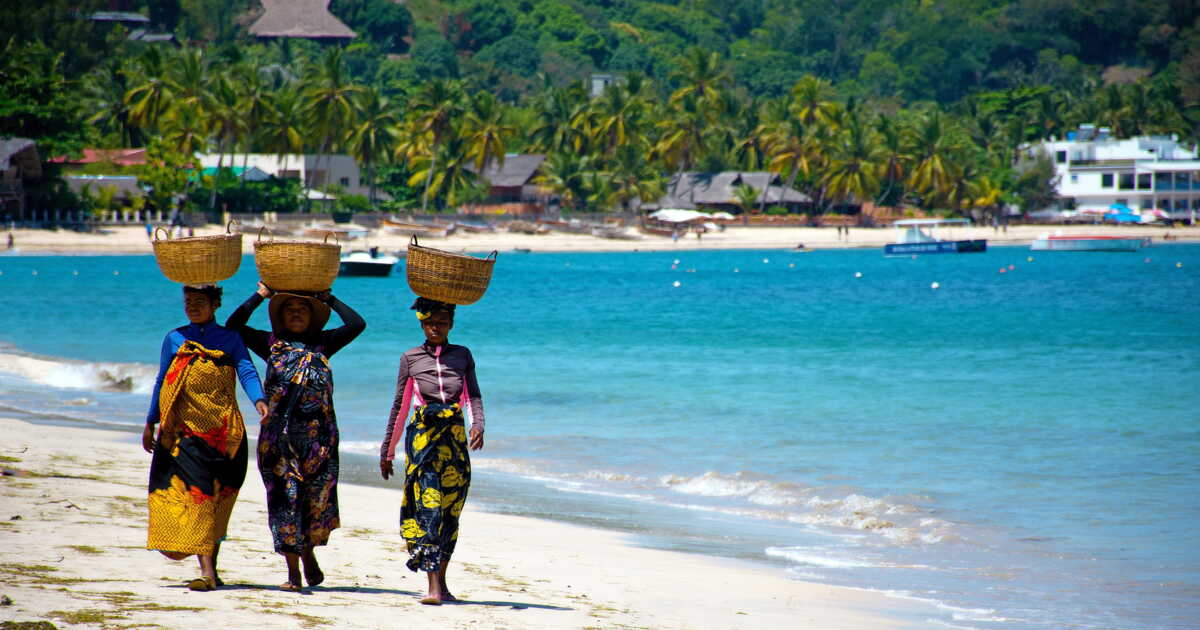
Nosy Be, an island located northwest of Madagascar, stands as one of the major seaside destinations in the Indian Ocean, famed for its white-sand beaches, its turquoise waters and its atmosphere conducive to relaxation as well as marine exploration.

The conditions are ideal for snorkeling or scuba diving, with pristine coral bottoms hosting a diverse fauna, ranging from tropical fish to sea turtles. The island, however, is not limited to its coast: a trip to the Lokobe Nature Reserve allows observing endemic species in a protected forest ecosystem.

This site complements the experience by offering a broader view of Malagasy biodiversity, accessible from a territory that is welcoming, preserved and well-structured for nature tourism. Nosy Be thus meets the expectations of travelers seeking a balance between seaside leisure, wildlife observation and ecological discovery in a safe setting.

3. Be Enchanted by the Avenue of the Baobabs

Near Morondava, on Madagascar’s west coast, the Avenue of the Baobabs stands as one of the island’s most iconic natural sites, designated a natural monument. Lined along a red dirt track, these Grandidier’s baobabs, reaching up to 30 meters tall, form a striking perspective, especially at sunset, when the tall trunks cast oversized shadows on an almost motionless landscape.

True place of contemplation, this avenue is loved by photographers and nature lovers, for both its aesthetics and symbolic significance. These trees, remnants of a once-dense forest now vanished, form Madagascar’s living heritage, carrying myths, oral traditions and major ecological concerns. A visit there offers more than a visual moment: it is a silent encounter with the island’s natural and cultural history, a must for those seeking to understand the soul of Malagasy scenery.

4. Dive into the Heart of Ranomafana National Park

Listed as a UNESCO World Heritage site, the Ranomafana National Park, located in the central-eastern region of Madagascar, represents one of the island’s green lungs richest in biodiversity. Its humid tropical forest, typical of the eastern region, hosts an exceptional concentration of endemic species, including several lemur species. The marked trails, winding between waterfalls, tree ferns and giant bamboos, offer a full sensory immersion at the heart of an ecosystem still largely preserved.

The rare birds, the chameleons and the lush tropical flora compose an ecological environment of great complexity, conducive to naturalist observation as well as scientific research. By combining biological richness, scenic beauty and educational dimension, the Ranomafana Park stands out as an essential destination for travelers seeking ecotourism, enabling a direct connection with Madagascar’s wild and authentic nature.

5. Venture into the Bemaraha Tsingy Strict Nature Reserve

Listed as a UNESCO World Heritage site, the Bemaraha Tsingy National Park, located in western Madagascar, hosts an exceptional karst relief shaped by limestone erosion over millions of years. These sharp formations, known as “tsingy”, draw a spectacular mineral landscape, characterized by jagged peaks, deep crevasses and suspended bridges offering dizzying viewpoints.

Accessible via marked and guided circuits, the site is particularly enjoyed by fans of technical hiking and light climbing, within a safe yet demanding setting. This geological labyrinth also houses remarkable endemic biodiversity, with lemurs, bats, and numerous nesting bird species that have adapted to this inhospitable environment. By blending geomorphological interest, athletic challenge and ecological richness, the Bemaraha Tsingy become a top destination for travelers curious about rare landscapes, where nature expresses itself with a raw and unique force.

6. Experience a Cultural Immersion in Antananarivo

Antananarivo, Madagascar’s capital, concentrates the historical, cultural and social layers of a country with many faces. Built on a series of hills, the city unfolds through its steep alleys, its red-brick traditional houses and its colonial buildings, witness to a plural past.

A visit to the Queen’s Palace, an iconic monument perched on the heights, helps illuminate the Malagasy monarchy’s organization and its role in national history. Local markets, such as Analakely, offer a sensory immersion, between fragrant spices, colorful crafts and lively urban life.

On the flavor side, Malagasy cuisine blends African, Asian and European influences, and is discovered through lively street food and more traditional establishments. By combining historical heritage, bustling everyday life and access to local culture, Antananarivo stands as an essential gateway to understanding Madagascar, which as a whole is a complete destination, rich in diverse landscapes, unique ecosystems and authentic encounters.

7. Discover Nosy Sakatia Island

Nosy Sakatia, a small confidential island off Nosy Be, presents itself as a perfect spot for travelers seeking authenticity. Far from the tourist bustle, this charming place hosts wild beaches, intact coral reefs and exceptional underwater biodiversity.

Accommodations on Madagascar’s island are few but carefully chosen, some boasting the comfort of a chic hotel facing the lagoon. It’s a paradise for lovers, ideal for a rendezvous with the sea, sea turtles, or peaceful sunsets. With a hotel comparison tool, organizing a stay on this large island becomes easy, where understated luxury blends with pristine nature, in one of the favorite spots for couples seeking tranquility.

8. Visit Lemurs’ Park

Lemurs’ Park, located about 22–25 km southwest of Antananarivo on the RN1 toward Imerintsiatosika, is an accessible and educational place, perfect for travelers wishing to discover Madagascar’s flora and emblematic species in a semi-natural setting. This private park, home to several lemur varieties, including the Coquerel’s sifaka, offers an easy stroll through a wooded area where species roam freely.

The site, well equipped, provides an excellent introduction to Madagascar’s biodiversity for young and old. It also offers an opportunity to raise awareness about species preservation, while enjoying the warm hospitality of the surrounding hotels.

9. Hike in Mantadia National Park

The Mantadia National Park, not far from Andasibe, is a preferred hiking spot at the heart of Malagasy flora, where humid and dense forests shelter endangered endemic species. This wild territory attracts naturalists, photographers and hikers seeking an immersion in an environment evoking a tropical Jurassic Park.

The richness of the ecosystems there is striking, from crystal-clear rivers to shaded trails dotted with rare orchids, chameleons and the mythical crowned ibis. The park is known for housing the largest living lemur: the indri indri. Away from the standard circuits, it is an ideal place to combine beautiful natural discoveries with an immersion in Madagascar’s unique landscapes.

10. Marvel at Tsingy Rouge Park

The Tsingy Rouge Park, located near Diego-Suarez, stands out for its spectacular geological formations: red clay peaks sculpted by erosion, in a canyon with Martian-like scenery. This place steeped in natural history makes a great discovery for fans of unusual landscapes. The park fits well into a route connecting the Amber Mountain, the northern beaches and traditional villages. It is also a perfect spot for photographers seeking striking contrasts, especially at dawn.

Is Madagascar Worth Visiting? A Destination with Unique Biodiversity to Discover with Preparation

Asking whether it is advisable to go to Madagascar essentially asks about the conditions for traveling in a country that is both fascinating and demanding. The island offers exceptional biodiversity, contrasting landscapes and a distinctive culture, but it requires careful planning. Tourism infrastructure varies by region, and travel can be long. However, well-visited areas such as Nosy Be, Sainte-Marie or the highlands remain accessible and relatively well supervised.

Regarding whether visiting Madagascar is dangerous, the answer is nuanced: the country is generally safe for informed travelers, provided health advice is followed, certain isolated night routes are avoided, and travel is conducted with reputable operators. Travel there becomes a rare, meaningful and authentic experience.

What Budget to Plan for 15 Days in Madagascar? Between Local Realities and Logistical Costs

The budget for 15 days in Madagascar largely depends on the level of comfort sought and the chosen itinerary. For an independent traveler combining mid-range accommodations, internal transfers and a few organized excursions, a budget of roughly 1,500 to 2,200 euros per person (excluding flights) provides a realistic baseline. Domestic flights, needed to connect major regions (such as Antananarivo, Nosy Be or Sainte-Marie), weigh on the overall budget.

Food, ground transport and mid-range accommodations remain affordable. It is advisable to book certain services in advance, especially in peak season, and to allow a margin for logistical surprises, common on the island. Madagascar remains a destination with a favorable cost-to-discovery ratio, if its particularities are anticipated.

How Much Time Does It Take to Visit Madagascar? The Scope of a Trip on an Island Continent

For a first structured discovery, combining the highlands, a coastal zone (East or Northwest) and one or two nature reserves, it is advisable to plan at least three weeks. In two weeks, a more targeted itinerary can be considered, notably by focusing on the northwest (Nosy Be, Nosy Sakatia) or the east (Sainte-Marie, Canal des Pangalanes). Traveling in Madagascar means accepting long travel times, logistical hiccups, but also the reward of access to exceptionally pristine natural environments.

What to Do in Madagascar with Children? A Pedagogical Adventure at the Heart of Accessible Nature

Exploring Madagascar with children can be an enriching yet demanding experience. Some regions, well served and safe, are suitable for family tourism. The Lemurs’ Park, about thirty kilometers from Antananarivo, allows discovering several lemur species in a semi-natural environment, with trails suitable for the younger ones.

On the coast, the tranquil beaches of Nosy Be or Sainte-Marie offer safe settings for relaxation. Many guided excursions let children discover wildlife, botany and local ways of life. Traveling with children in Madagascar requires preparation, but yields concrete and formative discoveries in a living, immersive and often welcoming environment.

This article was written with the aid of artificial intelligence, then corrected, expanded and validated by the editors of the editorial team.

What to Do in Casablanca: 7 Outing and Activity Ideas to Explore

Summary


  • 1. Visit the Hassan II Mosque


  • 2. Explore the Habous Quarter


  • 3. Walk along the Corniche


  • 4. Discover the Abderrahman-Slaoui Foundation Museum


  • 5. Stroll through Casablanca’s Medina


  • 6. Enjoy a day at Ain Diab Beach


  • 7. Take part in a Moroccan cooking class


  • What to do in Casablanca in 3 days? A weekend between modernity, heritage and the ocean


  • What to see in Casablanca? The essentials not to miss in the economic capital


  • What to do in Casablanca with family? A city to discover with kids and adults


  • What to do in Casablanca in the evening? A city that comes alive at sunset

Ah, Casablanca! The largest city in Morocco, it blends modernity and tradition with a certain charm. On the Atlantic coast, it unfolds like the country’s economic lung. Architecture enthusiasts, culture seekers, or those simply looking for peaceful moments will find plenty to enjoy.

1. Visit the Hassan II Mosque

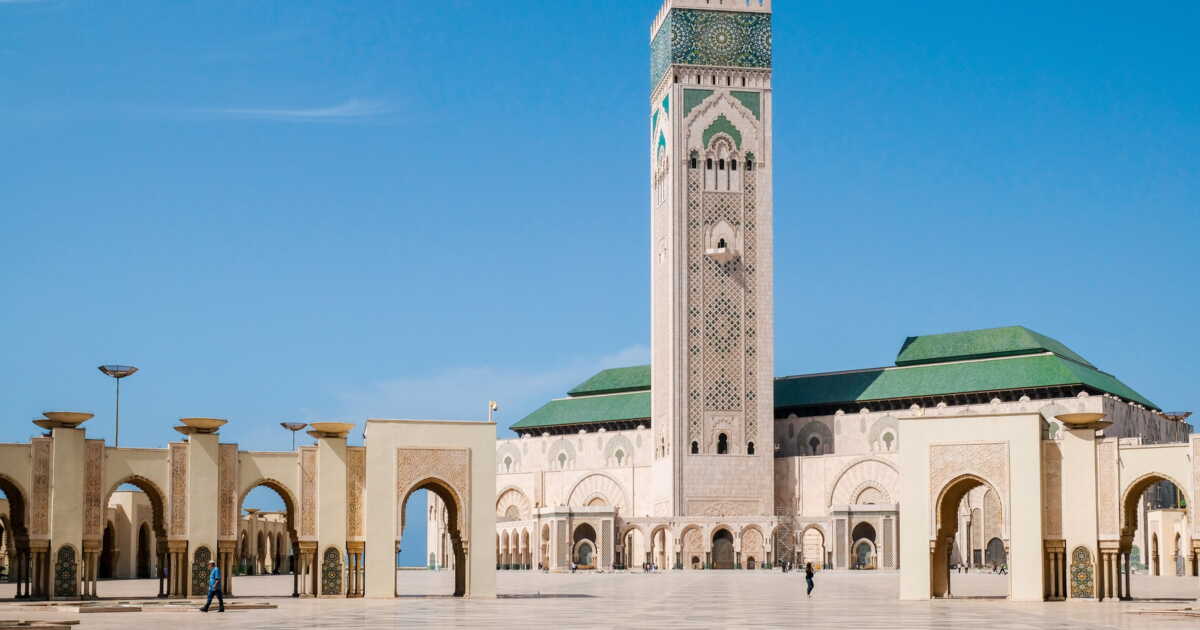
Towering over the skyline of Casablanca, the Hassan II Mosque is a must-see monument that captivates both for its spiritual dimension and its stunning architecture. With its minaret rising to 200 meters, one of the tallest in the world, it stands majestically along the edge of the Atlantic Ocean.

Ranked among the largest mosques in the world, it embodies a harmony between tradition and modernity, blending Moroccan artisanal craftsmanship with technical prowess. The interior, adorned with zellij tiles, fine marble, and carved wood, invites contemplation. For a pleasant visit, choose seasons when temperatures in Casablanca stay mild, so you can fully enjoy the experience, whether during the day or at sunset, when the golden reflections illuminate its monumental façades.

2. Explore the Habous Quarter

Strolling through the Habous Quarter is to immerse yourself in a unique atmosphere, where neo-Moorish architecture subtly dialogues with Moroccan artisanal traditions. Designed during the French protectorate as a “new medina,” this human-scale neighborhood charms with its orderly lanes, elegant arcades, and shaded squares.

Here, traditional markets buzz with activity, revealing refined craftsmanship — pottery, leather, and calligraphy — while Moroccan pastry shops diffuse the irresistible scent of gazelle horns and anis-flavored feqqas. A Casablanca outing that blends authenticity and tranquility, perfect for discovering unique souvenirs and savoring a slice of Morocco’s urban history.

3. Walk along the Corniche

For a bracing seafront interlude in the heart of Casablanca, nothing beats a walk along the Corniche, this iconic promenade along the Atlantic. Here, palm trees sway to the rhythm of the sea breeze, terrace restaurants serve grilled fish and mint tea with views of the waves, and lively beach clubs promise festive moments as dusk settles.

In the golden hour, as the sun slowly sinks beyond the horizon, the sky colors set the sea ablaze and the atmosphere becomes suspended, almost magical. It’s the perfect place to capture Casablanca’s seaside essence, blending relaxation, elegance, and coastal buzz.

4. Discover the Museum of the Abderrahman-Slaoui Foundation

For culture and history enthusiasts in Morocco, a stop at the Museum of the Abderrahman-Slaoui Foundation is a natural choice. This refined venue, nestled in the heart of Casablanca, reveals an intimate collection where vintage posters, Berber jewelry, and paintings by Mohamed Ben Ali R’bati weave a poignant narrative between tradition and modernity.

Each gallery offers a delicate immersion in Moroccan aesthetics, revealing an artistic heritage that is little known but deeply evocative. It is an inspiring interlude, ideal for those who wish to explore the soul of Morocco through its most precious objects.

5. Stroll through Casablanca’s Medina

Less famous than its renowned cousins in Fez or Marrakech, Casablanca’s medina nonetheless deserves a closer look. Here, authenticity takes precedence over opulence: between traditional shops, lime-whitewashed koubbas, and stalls overflowing with local goods, every turn yields a surprise. It’s a living labyrinth where narrow alleys tighten, widen, and then open onto a lively square or a slice of daily life. Strolling through this maze is to gift yourself a timeless interlude, a sincere encounter with Casablanca’s popular soul.

6. Enjoy a day at Ain Diab Beach

For fans of sunny beaches and sea breezes, Ain Diab Beach in Casablanca is a must-stop. Lined with restaurants, cafés, and beach clubs, this stretch of golden sand is perfect for relaxing after a day of urban exploration.

Easily accessible by taxi or tram, it attracts both families and surfers eager to ride the Atlantic waves. Between sunbathing, a refreshing dip, and a plate of grilled fish with your feet in the sand, the Moroccan beach experience here takes on its full meaning.

7. Take part in a Moroccan cooking class

Take time to experience an authentic culinary adventure by joining a Moroccan cooking class in Casablanca. In the intimacy of a home or within a welcoming workshop, you’ll learn to prepare a fragrant tagine, a fluffy couscous, or a crispy pastilla, while discovering techniques passed down through generations. Cooking alongside passionate hosts is also about exchanging, laughing, tasting… and leaving with a piece of local culture in your travel journal. A privileged moment that will delight all lovers of traditional gastronomy.

What to do in Casablanca in 3 days? A weekend between modernity, heritage and the ocean

A weekend in Casablanca or a three-day stay is enough to discover the many faces of this Moroccan metropolis oriented toward the Atlantic. Begin with the majestic Hassan II Mosque, one of the largest in the world, which seems to float above the ocean. Then stroll through the elegant Art Deco district in the city center, a reminder of the colonial era, and pause at the Villa des Arts.

On the second day, explore the winding lanes of the Habous Quarter, between bookstores, shops, and traditional workshops. Finally, take time to wander along the Corniche of Ain Diab, between beaches, restaurants, and sunsets. Casablanca is discovered at the crossroads of worlds, between preserved traditions and cosmopolitan energy, offering a rich and vibrant urban pause. It is an ideal city for tourism in Casablanca, whether for a short getaway or to soak in a moving Morocco.

What to see in Casablanca? The essentials not to miss in the economic capital

Casablanca is full of places to explore that tell its past and shape its future. Beyond the indispensable Hassan II Mosque, a true masterpiece of modern architecture, don’t miss the Central Market, the city’s vibrant heart. The Habous Quarter blends Andalusian charm with local craftsmanship, while the royal palace, though closed to the public, impresses with its stateliness.

Architecture enthusiasts will appreciate the Art Deco façades lining Mohammed V Boulevard. Casablanca isn’t just a city of transit; it’s a place where every detail deserves attention, between iconic monuments and neighborhood atmospheres.

What to do in Casablanca with family? A city to discover with kids and adults

Casablanca for families holds delightful surprises. Children will be impressed by the grandeur of the Hassan II Mosque, as well as the playgrounds and gardens of the Arab League Park. For a playful and educational touch, head to Morocco Mall, which houses a giant aquarium, a playground, and even an ice rink.

Casablanca’s beaches along the Corniche, accessible and well-kept, offer relaxing moments between swimming, ice cream, and strolls. A tram tour around the city can also become a small urban adventure. Casablanca is often seen as a business city, but it reveals a welcoming family-friendly side, perfect for a trip across generations.

What to do in Casablanca at night? A city that comes alive at sunset

When the sun sinks over the Atlantic, Casablanca lights up with a different energy. Start the evening with a dinner facing the ocean on the Corniche, where restaurants and lounges offer stunning views. In the city center, lively terraces provide a more local vibe, with live music and reinterpretations of Moroccan cuisine.

For a more upscale night out, several rooftops or nightlife venues welcome revelers in an elegant atmosphere. Casablanca by night is a city that pulses to the rhythm of its residents, where modernity and festive traditions coexist with grace.

This article was written with the help of artificial intelligence, then corrected, supplemented, and validated by the journalists of the editorial team.

What to Do in Estonia: 9 Ideas for Outings and Activities to Discover

Nestled between the Baltic Sea and Russia, Estonia is a land of contrasts where medieval history blends with cutting-edge technologies. Known for its varied natural landscapes and rich culture, Estonia attracts an increasing number of visitors each year. Whether you’re after outdoor adventures or cultural explorations, there’s always something to discover. So, what to do in Estonia? Here is a guide to the best activities to try.

1. Explore Tallinn Old Town

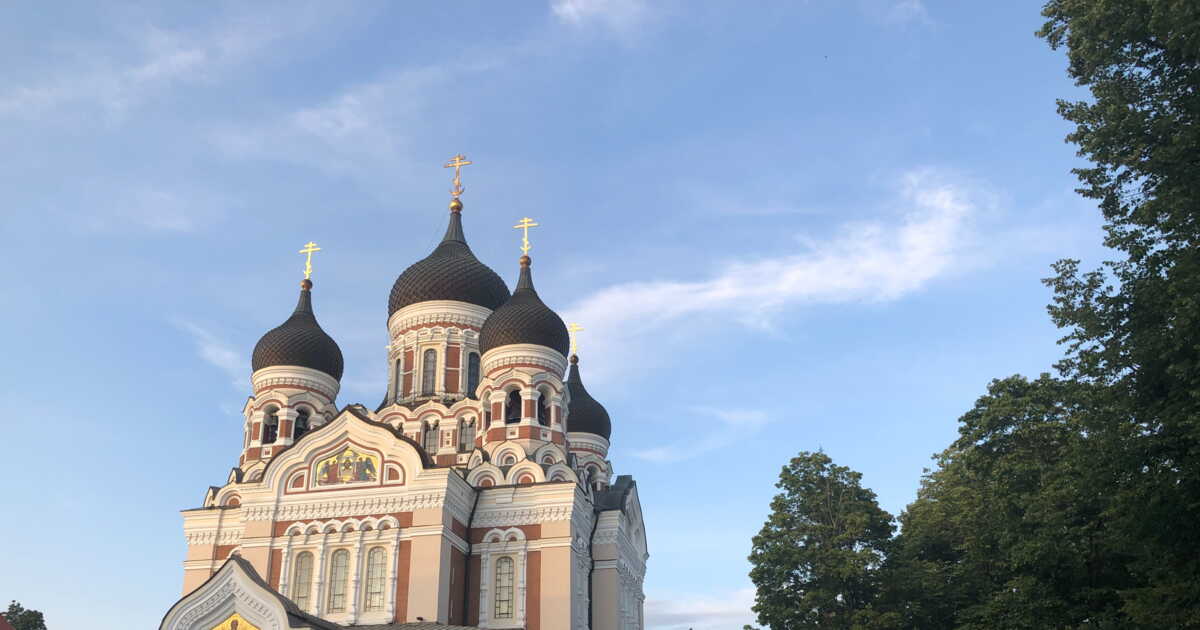
Exploring Tallinn‘s Old Town plunges you into the heart of Estonian history, in one of the best-preserved medieval ensembles in Northern Europe. A UNESCO World Heritage site, it captivates with its cobbled lanes, its ramparts and towers. From Toompea Castle, the seat of the Parliament, the viewpoints at Kohtuotsa and Patkuli offer a unique panorama of the Baltic Sea.

Every building tells a chapter of the past, between Scandinavian and German influences. This major cultural region of Estonia reveals itself on foot, by exploring Gothic churches, pastel façades, and historic cafés, to understand how Tallinn became the emblem of an identity that is both medieval and modern.

2. Visit the Kalamaja and Telliskivi district

Visiting the Kalamaja and Telliskivi districts allows you to grasp Tallinn’s contemporary transformation, where industrial heritage yields to urban creativity. Former working-class neighborhoods, Kalamaja has preserved its colorful wooden houses, typical of the region, while Telliskivi houses galleries, studios, and restaurants that reflect the country’s artistic vitality.

In these renovated former warehouses, Estonia in the throes of a cultural revival expresses itself through design, gastronomy, and music. A short walk from the old town, this area perfectly illustrates the dialogue between 19th-century heritage and the modern aspirations of a country oriented toward creation and innovation.

3. Discover Kadriorg Palace and Park

Discover Kadriorg Palace and Park means visiting a landmark of Estonian history. Built for Catherine I the Russian, this Baroque palace, surrounded by French-style gardens, bears witness to the imperial era and European influence on the territory. The park, vast and well-kept, invites a stroll, while the nearby Kumu Art Museum displays works tracing the evolution of local and international creation. This part of Tallinn reflects the richness of Estonian cultural heritage, between aristocratic architecture and contemporary artistic expression, in a tranquil setting where the Baltic Sea is never far away.

4. Explore Estonia’s landscapes in Lahemaa National Park

Exploring nature in Lahemaa National Park offers a valuable glimpse into Estonia’s northern face. Located to the east of Tallinn, this park protects a mosaic of forests, bogs (like Viru) and rugged coasts. Visitors can follow hiking trails, observe local wildlife, and discover historic manors that testify to Estonian rural life.

5. Discover history and culture in Tartu

Discovering history and culture in Tartu means visiting Estonia’s intellectual capital, at the crossroads of tradition and research. Located on the banks of the Emajõgi River, Tartu stands out for its university founded in the 17th century, and for cultural institutions such as the Estonian National Museum, dedicated to Estonian history and culture. In winter, the city takes on a hushed atmosphere, offering soft days punctuated by breaks in cafés and bookstores. This learned city, at the heart of the Tartu Region, provides a comprehensive view of Estonian identity: open, cultivated, and deeply rooted in its land.

6. Enjoy the beaches of Pärnu

Making the most of Pärnu’s beaches means discovering Estonia’s seaside facet. Considered the country’s summer capital, Pärnu attracts with its fine-sand beach that stretches along the Baltic Sea. Here, relaxation blends with sociability, between strolls along the waterfront, moments spent in a pub, and wellness treatments in the many spa establishments. The charm of Pärnu’s beach lies in the balance between leisure and serenity, in a preserved natural setting. The town center, with its colorful wooden houses, reflects the spirit of a region where the easygoing way of life accompanies every season.

7. Discover the Estonian islands

Discovering the Estonian islands lets you escape to the country’s most preserved territories. Accessible by ferry from the mainland, and then connected to its neighbor Muhu by a road causeway, Saaremaa Island houses Kuressaare Castle and its windmills, symbols of the largest island of Estonia. Further north, the Hiiumaa Island charms with its untouched nature, its operating old lighthouses and its soothing landscapes. Exploring Hiiumaa in winter offers a unique experience, between silence and raw beauty, while in summer, coastal hikes invite contemplation. These islands, true cultural regions, embody the intimate relationship Estonia maintains with the Baltic Sea, between isolation and authenticity.

8. Experience a traditional sauna

Experiencing a traditional sauna in Estonia means taking part in a fundamental daily-wellbeing practice of Nordic tradition. In the countryside or on the islands, the wood-fired saunas preserve an ancient ritual, symbolizing purification and sociability. Whether on the western coast, in Pärnu, on the Saaremaa Island, or in the forests of Soomaa Park, this experience offers a moment of absolute relaxation, in harmony with Estonian nature. The sauna, often associated with a rustic setting, illustrates the deep bond between inhabitants and their land, where warmth becomes a way to reconnect with what matters.

9. Participate in a local festival

Taking part in a local festival in Estonia helps to understand the country’s cultural vitality across its regions. Events like the Viljandi Folk Music Festival or Tallinn’s Öllesummer celebrate music, arts, and sociability. Visitors can meet art enthusiasts, discover traditional customs, and appreciate the richness of a modern Estonia that remains proud of its roots. These festivals are major cultural gatherings for exploring a country where artistic expression, memory, and celebration come together in one breath.

10. Tallinn KGB Museum: memory of a still-surveilled Estonia

The KGB Museum in Tallinn is one of the most singular places in Estonian tourism, offering a rare immersion into Estonian history during the Soviet era. Located in the former Viru Hotel, in the heart of the capital, this museum reveals the KGB’s surveillance methods, at a time when Estonia was under the control of the Soviet Union.

There you discover secret rooms, hidden listening equipment, and original documents illustrating the country’s strategic position within Northern Europe. This visit, which echoes frontier tensions visible from Narva Castle to the Baltic Sea, helps to understand the complexity of the national past. A true historic rendezvous, the KGB Museum stands as an essential stop for anyone wishing to visit Estonia with a cultural and memory-oriented approach.

In conclusion, Estonia is a destination rich in varied activities and discoveries, whether you’re exploring its medieval treasures, its natural landscapes, or its dynamic culture. Whether it’s a short break or a longer stay, there’s always something to discover in this unique Baltic country. Explore the seasons with activities suited to each, and immerse yourself in the Estonian experience.

What to absolutely see in Estonia? Between wild nature and medieval heritage

Discovering Estonia means roaming a territory where wild nature dialogues with preserved heritage. From Tallinn, with its Old Town encircled by ramparts and crowned by the Toompea Castle, to the fishing villages of the west coast, the country reveals a mosaic of cultural regions marked by history.

To the north, the Viru bog and the primeval forests of Lahemaa National Park invite contemplation, while to the south, Tartu, on the banks of the Emajõgi River, charms with its university atmosphere inherited from the 19th century. To the west, the Saaremaa and Hiiumaa islands recount Estonian history through their windmills, old lighthouses in operation, and beaches pounded by the Baltic Sea. Each of these places bears witness to an Estonia in the heart of Northern Europe, authentic and diverse.

Is it possible to visit Estonia in 3 days?

If three days feel short, a trip to Estonia within this timeframe can still cover the essentials, provided you plan your itinerary well. In about an hour’s drive from Tallinn, you reach striking natural spaces like Lahemaa National Park. In the capital, Tallinn’s Old Town, listed as a UNESCO World Heritage site, concentrates most of Estonia tourism, between museums, cobbled lanes and the medieval ramparts. For an urban escape, the route from Tallinn to Tartu, the country’s intellectual heart, or toward Pärnu, a seaside resort famed for its fine sand and great venues. In three days, you can thus feel the balance between culture, nature and well-being that characterizes Estonia in contemporary times.

Is Estonia a beautiful country? A harmony between history and landscapes

Yes, Estonia is a beautiful country in both geographic and cultural terms. Located in northeastern Europe, its strategic position between the Baltic Sea and the Nordic countries gives it a distinctive identity. The Soomaa hiking trails offer a glimpse of bogs, primary forests, and the famous fifth season, when the wetlands flood. In Pärnu, the summer capital, the fine-sand beach and wellness establishments attest to a serene way of living. In the northeast, Narva and the Ivangorod Fortress recall medieval heritage and the richness of Estonian history. Thus, the beauty of Estonia lies in this union between preserved nature and memory of the past.

Is it safe to travel in Estonia currently?

Estonia is today considered one of the safest countries in Northern Europe. Its tourist infrastructure is modern, public services are efficient, and travel conditions are particularly favorable. Visitors can move freely between the regions of Tartu, Pärnu or Saaremaa without difficulty. Even in winter, when temperatures drop, transportation remains reliable. Traveling in Estonia thus offers a serene experience, suitable for both art lovers and enthusiasts of wild nature. Estonia, located on the European continent, remains a safe and welcoming destination for all travelers.

This article was written with the help of artificial intelligence, then corrected, supplemented, and validated by the editors.

What to Do in Belfast: 13 Ideas for Outings and Activities in Northern Ireland’s Capital

Nestled in the heart of the Northern Ireland, Belfast is a city that blends rich history with contemporary vitality. Known for its industrial roots and its central role during the Troubles, it now attracts visitors and locals alike with its emerging art scene, lively neighbourhoods, and surprising urban landscapes. If you are wondering what to do in Belfast, there is a multitude of activities to suit every kind of visit, whether for a day or longer. Let us explore together the attractions to prioritize to make the most of your stay.

1. Discover Titanic Belfast

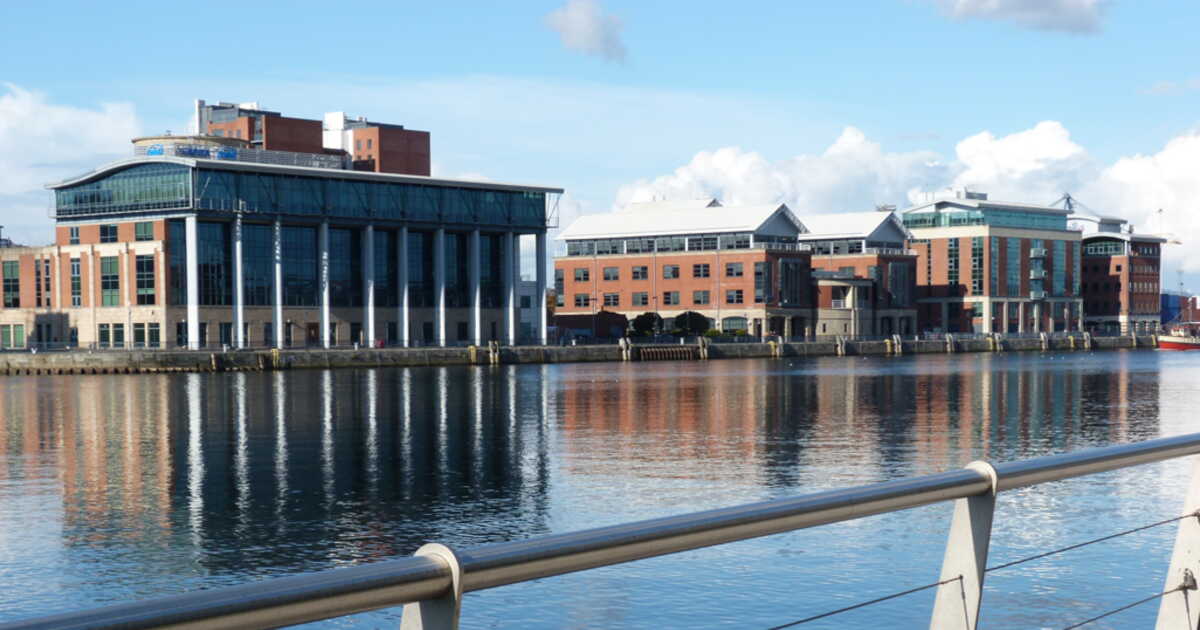
Located in the Titanic Quarter, Titanic Belfast stands as one of the United Kingdom’s most iconic museums, both for its bold building, designed in homage to the legendary liner, and for the quality of its interactive exhibitions. Built on the historic Harland & Wolff shipyard site, it traces the birth, construction, and the centenary of the Titanic’s sinking.

The visit continues with admission to the SS Nomadic, the original tender docked nearby, another witness to the city’s maritime past. This immersive journey sits within the momentum of revalorising Belfast’s historic buildings, and constitutes an essential introduction to the local industrial history. Titanic Belfast is today a must-see stop on any itinerary in the city centre.

2. Explore the Cathedral Quarter

The Cathedral Quarter, in the heart of Belfast’s city centre, reflects the cultural buzz of the northern Irish capital. Around the St Anne’s Cathedral, a major edifice among Belfast’s historic buildings, unfolds an urban fabric of art galleries, pubs with traditional atmospheres, and concert venues.

This area is also a strategic hub for navigating the city. In the evening, visitors can attend a play or discover the recent mural frescoes that testify to an engaged contemporary art scene. The Cathedral Quarter represents a perfect synthesis of religious heritage, cultural vitality, and urban regeneration.

3. Stroll through the Botanic Gardens of Belfast

The Botanic Gardens, located south of the city centre, offer a moment of relaxation in the heart of the city. This public park, enjoyed for its outdoor activities, is built around the Palm House, a Victorian-era building designed by Sir Charles Lanyon, and the Tropical Ravine, housing a rich diversity of exotic plants.

This natural site, frequented by both locals and visitors, fits into urban itineraries for those seeking to escape the city bustle. It is also a link to culture, as it adjoins the Ulster Museum and provides a pleasant starting point to explore south Belfast. Ideal for a pause between two visits.

4. Discover the history at the Ulster Museum

The Ulster Museum, the largest museum in Northern Ireland, offers a structured reading of history and the arts in a building adjacent to the Botanic Gardens. Its permanent exhibition covers a wide spectrum, from prehistory to the Northern Ireland conflict, with a particular focus on urban memory and social evolutions.

The richness of its interactive exhibits draws both art lovers and visitors wishing to understand the region’s historical foundations. The museum is free, a strong argument for travellers mindful of their budget. It sits within a logical sequence of stops including Belfast Castle, Tudor-style buildings, and other downtown institutions.

5. Plunge into history with the Murals and Black Taxi Tours

Belfast’s mural frescoes, visible in several city districts, bear witness to the socio-political tensions that marked Northern Ireland’s recent history. To better understand their meaning, the Black Taxi Tours allow exploring this visual heritage in a documented context, often narrated by former witnesses of the events.

These guided tours traverse areas where history has been etched on the walls, notably around the Peace Wall, near the city centre. The role of Stormont Palace, the workings of the institutions, or stories connected to historical figures are addressed clearly. This itinerary is essential for anyone wishing to move beyond clichés and grasp the complexities of a city continually reconfiguring.

6. Stroll through St. George’s Market

St George’s Market, one of the oldest covered markets in the United Kingdom, is a must-visit to discover Belfast’s authentic atmosphere. Open on weekends, it hosts local producers, artisans, and restaurateurs in a Victorian landmark in the city centre. The stalls teem with fresh produce, handmade items, and specialties such as the Ulster Fry, a traditional dish.

This lively place is part of a broader effort to celebrate culinary and cultural heritage. With its central location, it makes an excellent starting point to explore the surrounding area, notably the city hall and the main Belfast historic buildings. Ideal for a break during a weekend, or to meet the city’s artisans.

7. Visit the Crumlin Road Gaol

The Crumlin Road Gaol, Belfast’s historic prison, offers immersion into a lesser-known chapter of local history. This Victorian-era building, still marked by past tensions, can be toured with or without a guide, through a structured route through the old cells, corridors, and the execution room.

Its role during the Troubles and earlier conflicts is explained in a factual manner, with integrated educational devices. Located a short distance from the city centre, the prison is a key stop to understand the social and political dimensions of Belfast’s history. It is also an example of successful heritage repurposing.

8. Admire Belfast City Hall

Belfast City Hall, or City Hall, stands out with its remarkable baroque revival architecture in the city centre. This building, whose construction was overseen by Sir Alfred Brumwell Thomas, houses exhibitions on municipal history and the city’s urban evolution. Free guided tours offer access to its ceremonial rooms, stained glass, and historic galleries.

Outside, the building is surrounded by open lawns often used for outdoor activities. A place for orientation and gathering, it makes an ideal introduction to Belfast for any visitor, near St George’s Market, the Crown Liquor Saloon, and other major institutions.

9. Enjoy a day trip to the Giant’s Causeway

A day trip to the Antrim Coast from Belfast lets you discover the Giant’s Causeway, a unique volcanic formation listed as a World Heritage site. Reachable in under two hours from the capital, this natural site impresses with its hexagonal columns perfectly formed.

The visit can be integrated into a broader circuit including coastal castles or locations used for TV series filmed in the region. For geology, photography, or hiking enthusiasts, this excursion represents a natural extension of a Belfast weekend, combining nature, culture, and heritage.

10. Relax at the Grand Opera House

The Grand Opera House embodies the elegance of live performance in Belfast, with a program that blends opera, theatre, and musicals. Its building, recently restored, offers a complete experience for stage enthusiasts in a historic setting. Its proximity to other iconic sites such as Titanic Belfast or the Crown Liquor Saloon makes it easy to include in a sightseeing itinerary, especially for short stays. Attending a show in this history-laden venue complements the city’s cultural discovery.

11. SS Nomadic: a ship-museum brimming with history

The SS Nomadic, the last ship of the White Star Line still intact, provides a natural extension to Titanic Belfast. This small tender, which once served to board first-class passengers at Cherbourg, is now moored in the city’s historic port. Recently restored, it welcomes the public for tours of its decks, cabins, and period spaces, recreated with precision.

This floating vessel, rich in personal stories and anecdotes, helps to better understand the social context of the early 20th century. It is recommended to couple the visit with Titanic Belfast for a complete reading of the city’s industrial past. The SS Nomadic is also a point of interest for sailing enthusiasts, naval design, and maritime World Heritage heritage, at the crossroads of workers’ memory and cultural tourism.

12. Belfast Castle: between city panoramas and Celtic legends

Overlooking the city from the heights of the Cave Hill Country Park, Belfast Castle offers an immersion into Northern Ireland’s architectural history. Built in the 19th century in the Scottish Baronial style, this building stands out for its romantic charm and its integration into preserved natural surroundings.

The surrounding park, rich in Celtic legends and hiking trails, leads to the famous Napoleon’s Nose, offering a breathtaking view of Belfast City Hall and the bay. Free to access, Belfast Castle is a place for relaxation as well as a cultural highlight, with its gardens and a café housed in the former cellars. It is one of the recommended stops for those wanting to combine outdoor activities with heritage during a weekend or a day trip.

13. Peace Walls of Belfast: a striking testimony of contemporary history

The Peace Walls, Belfast’s peace walls, remain one of the most powerful symbols of the political and religious division that marked Belfast in the 20th century. These historic walls in Belfast, transformed into open-air galleries, are today covered with mural frescoes recounting conflicts, but also the hopes of reconciliation.

Visiting the Peace Walls means stepping into a still-sensitive chapter of the United Kingdom’s history. This memorial route sits within a broader exploration of the city centre, between the Stormont Palace, the Belfast City Hall, and the cultural institutions that participate in the effort of collective memory. A must-see step to understand the complexities of Northern Ireland’s identity.

In conclusion, Belfast is a destination brimming with historical, cultural, and urban treasures that will captivate any curious visitor. Whether you are a music aficionado, a history buff, or simply seeking a picturesque setting to unwind, Belfast offers much to discover and reveals itself through multiple dimensions across its contrasting neighbourhoods and landscapes. Before concluding your stay, consider excursions around the city and seize the opportunity to capture the full cultural diversity of this capital in full renaissance.

What is Belfast’s most famous thing? A maritime heritage turned into a global emblem

The most famous thing about Belfast is probably Titanic Belfast, an iconic museum in the United Kingdom erected on the old White Star Line shipyards, where the legendary liner was built. Opened on the centenary of the sinking, this contemporary building, with angular shapes inspired by the ship’s bow, houses exhibitions tracing the Titanic’s history from its design to its tragic fate.

Located in the city centre, close to the SS Nomadic, the only surviving ship of the company, it forms with the latter a coherent heritage complex, accessible via a combined entry to the SS Nomadic. Titanic Belfast is not merely a museum: it embodies the city’s industrial identity, pays tribute to its workers, and stands as a major cultural heritage site within the city’s patrimony.

What to do in Belfast with children? A city suited for young explorers

Visiting Belfast with children allows for a mix of cultural discovery and outdoor activities. The Belfast Zoo, perched on the slopes of the Cave Hill Country Park, offers a spectacular view of the city and hosts over 130 animal species. The park itself, with its marked trails, enables families to reach the Napoleon’s Nose, a famous rock formation overlooking the Belfast Castle, a Victorian-era building nestled in a park ideal for a picnic.

For a more urban moment, children enjoy the exhibits at Titanic Belfast, as well as a visit to the SS Nomadic, which allows them to discover Belfast’s maritime world in a playful way. Finally, the murals and kid-friendly guided tours in the old districts mark an introduction to the city’s contemporary history.

What to do in Belfast on weekends? Culture, nature and gastronomy on the agenda

Spending a weekend in Belfast offers an excellent opportunity to explore the richness of this Northern Irish capital. Start at St George’s Market, famous for its fresh produce and authentic atmosphere, where visitors can sample a traditional Ulster Fry.

The city centre, dominated by the Belfast City Hall, invites strolls among Belfast’s historic buildings, such as the Crown Liquor Saloon, a pub listed as a historic monument, lit by its original gas lamps. Heritage enthusiasts will continue with Titanic Belfast and the SS Nomadic, to better understand the city’s maritime history. In the evening, attend a play or opt for a day trip to the Antrim coast, easily accessible.

This article was written with the help of artificial intelligence, then corrected, augmented and validated by the newsroom’s journalists.

What to Do in Vancouver: 10 Ideas for Outings and Activities

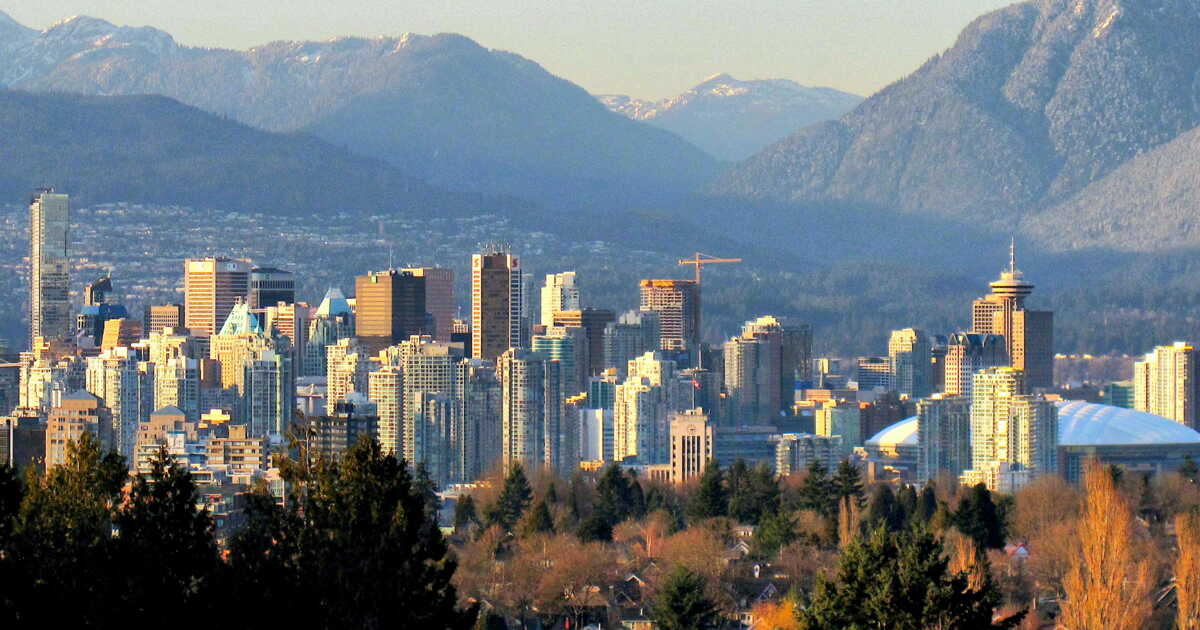
Vancouver, located on the West Coast of Canada, is a dynamic city offering a fascinating blend of nature, culture, and urban activities. Bordered by the Pacific Ocean and the mountains, it provides an ideal setting for a variety of explorations. Whether you’re planning a short layover or a longer stay, the city has something to satisfy every type of traveler. So, what to do in Vancouver? Here is a guide to the must‑do activities.

1. Stanley Park: a green haven in the heart of the city

Stanley Park, located at the northern edge of the city, stands as a major symbol of greenery within an urban setting. This expansive green space offers a shoreline promenade, notably along the Seawall, a renowned coastal cycling route. Visitors can explore the park tower on foot or by bicycle, enjoy a picnic among the pines, or admire ancient cedars.

Access to the Vancouver Aquarium also offers a rich aquatic experience, featuring local marine species. Stanley Park thus blends nature and recreational infrastructures within the city. This direct contact with nature, so close to the center, makes it a unique place to recharge, stroll, exercise, or simply gaze at the horizon—ideal for visitors as well as locals seeking a green escape.

2. Strolling through Gastown and Chinatown

The historic district of Gastown emerges as a must for those curious about history and architecture. Wandering through the cobbled streets and boutiques, one encounters a vibrant atmosphere punctuated by restaurants and cafés. The iconic steam clock bears testament to the old‑world charm of this area.

Not far away, the Chinatown district invites daytime immersion, notably around the traditional garden or fine gourmet markets. This urban stroll offers a sensory experience at the heart of the old town center and downtown, blending heritage, multiculturalism, and daily life in an authentic setting.

3. Granville Island: culinary delights and local crafts

Granville Island, a small artistic and culinary island, embodies a friendly and authentic facet of the city. Its public market offers fresh produce, local crafts, and a variety of stalls to suit the most discerning tastes. Strolling between stalls, tasting specialties, or watching craft demonstrations plunge you into a flavorful and cultural experience.

The art galleries and artisan workshops highlight the city’s creative vitality. Granville Island remains an aesthetic gem within the city, easily reachable in minutes from downtown. The atmosphere is relaxed, making it ideal for families, couples, or solo travelers looking to discover the local scene away from the typical tourist trails.

4. Crossing the Capilano Suspension Bridge for an adrenaline rush

A few kilometers from the center, the Capilano Suspension Bridge offers a memorable adrenaline boost. This 137‑meter long bridge spans a deep gorge, towering above ancient forests and sheer cliffs. The approach of the treetops in a natural setting, among cedars and moss, heightens the intensity of the experience.

For thrill‑seekers, this crossing provides a striking contrast to the city center’s comforts. The invigorating forest air enhances the sense of connection with nature while staying close to an urban environment. The activity can be combined with a nearby hike, making it a perfect half‑day escape that blends adventure, nature, and a sense of travel far from the usual tourist routes.

5. Winter sports and mountain on Grouse Mountain

Conveniently reachable from the city, Grouse Mountain makes for a mountain getaway that’s ideal for varying your pleasures. In winter, the slopes welcome skiers and snowboarders; in summer, hiking trails and bay views invite adventure. A cable car ascent, the Skyride, or a guided hike ensures a sporty and panoramic experience.

Visitors find a balance between physical exertion and contemplative moments. You can spot local species, enjoy panoramic platforms, or simply breathe in mountain air after the urban bustle. Grouse Mountain completes the range of urban and natural leisure offerings in the metropolis, delivering a sense of escape and a spectacular view in a short time.

6. Discovering urban beaches

When days grow longer, urban beaches like Kitsilano Beach become popular relaxation spots within the city. You can have a picnic against the mountain backdrop, enjoy a refreshing swim, or simply soak up the sun.

The blend of sea, sand, and skyline creates a unique ambiance, ideal for rest after a day of sightseeing. A stroll along the shore offers a scenic view of the horizon and the calm water. For locals and travelers alike, this coastal stretch represents a relaxing and accessible experience without leaving the city center, combining beach, nature, and urban life in perfect harmony.

7. Exploring museums and local culture

During bad weather or to enrich cultural knowledge of the city, museums and art spaces hold an important place. Science World offers interactive exhibits suitable for all ages, blending science, technology, and curiosity.

Arts enthusiasts can wander through art galleries to discover local or international works, while the Vancouver Aquarium reveals the marine richness of the coastline with dedicated tanks and aquariums. This diversity provides a balanced experience between learning, entertainment, and cultural immersion. One can spend several hours there, mixing education, contemplation, and discovery, a great complement to the city’s outdoor activities.

8. Hikes and nature on the city’s doorstep

At the city’s doorstep, numerous trails and forest paths invite exploration of the surrounding nature. Whether you head to Lynn Canyon Park or the nearby woods, these trips offer a peaceful experience in a wooded setting. There are hiking options for all levels, with opportunities to observe birds, regional plants, and occasionally tranquil streams.

These getaways bring visitors closer to the natural landscape while staying near the city’s urban energy. Whether for a family outing, a relaxed walk, or an immersion in the forest, this proximity between city and nature enhances Vancouver’s appeal as a versatile destination.

9. Immersion in culinary diversity

The city of Vancouver is also distinguished by its varied culinary experience, a reflection of its cosmopolitan population. Gourmet restaurants, food trucks, and multicultural markets offer menus ranging from fresh seafood to refined Asian recipes. Wandering through alleyways or near popular neighborhoods, flavors abound and delight curious palates.

You can sample traditional Indigenous dishes, taste fusion creations, or simply grab a street snack after a day of exploring. Cooking locally or trying a new address becomes a gastronomic adventure full of contrasts, illustrating the city’s cultural richness and the openness of its people to global influences.

10. Enjoy seasonal events

Throughout the year, the city hosts seasonal events that enrich the tourist offer. Fireworks festivals, Christmas markets, cultural performances, or artistic manifestations punctuate the calendar. Participating in these events makes for a memorable experience, blending urban festivities with a convivial atmosphere. Whether visited in summer or winter, these occasions provide a vibrant glimpse into the diversity of local life. Vancouver remains a metropolis that knows how to combine modernity, nature, and culture in a world‑open city, a destination where each moment can offer a new discovery.

In conclusion, Vancouver is a city that lends itself to a multitude of experiences, whether cultural, natural, or urban. With such a variety of activities, every visitor can tailor a stay to their interests and preferences. Whether you seek cultural discoveries, nature walks, or a culinary immersion, Vancouver has something to satisfy your expectations year‑round.

What to do in Vancouver with family?

Hitting Stanley Park is a must for a family visiting Vancouver: this vast green space, one of the largest urban parks in North America, provides an ideal playground between nature, fresh air, and walks. The Vancouver Aquarium, located in the heart of Stanley Park, offers a fun and educational outing for both kids and adults: watching sea otters, tropical fish, and other marine species will delight all ages.

Next, visiting Granville Island offers a perfect mix of local culture, crafts, a public market, and a friendly vibe, ideal for a relaxed family outing with occasionally kid‑friendly activities. Finally, for a moment of relaxation or a stroll, take the Seawall that runs along the coast, accessible, enjoyable, and safe, allowing you to enjoy a natural and urban setting at once, perfect for a family ramble.

What to do in Vancouver in winter?

Even in winter, Vancouver has plenty to offer: for families or curious travelers, sheltering in indoors venues like the Vancouver Aquarium or museums remains an excellent option. For those who want to combine nature and scenery, a climb up Grouse Mountain, easily accessible from downtown, offers spectacular views of the city and, depending on snow, mountain activities: a striking contrast between urban life and surrounding mountains. Finally, a stroll along the Seawall or in some neighborhoods, such as the heart of Vancouver, allows enjoying a quieter off‑season vibe with soft winter landscapes by the sea and mountains in the distance.

What to do in Vancouver when it rains?

When the weather isn’t favorable, certain indoor venues are perfect refuges: the Vancouver Aquarium remains a must for its marine exhibits, indoor spaces, and activities, blending discovery with shelter. Likewise, cultural venues or urban neighborhoods invite browsing from the indoors: exploring art galleries, museums, or Granville Island’s sheltered markets can turn a rainy day into an interesting cultural or gastronomic experience. Finally, to enjoy nature without getting soaked, a sheltered or partially covered stroll in the downtown area or nearby, paired with breaks in cafes or local shops, can offer a glimpse of Vancouver’s urban atmosphere even in the rain.

What to visit in Vancouver in 2 or 3 days?

With 2 to 3 days, you can see Vancouver’s essentials. Start with Stanley Park—a blend of walks, nature, and possibly an Aquarium—for a strong first contact with the city. Then dedicate half a day to Granville Island exploration: market, crafts, gastronomy, and local vibe make it a perfect place to feel Vancouver’s cultural heart.

Also plan to walk the Seawall to connect these places while enjoying sea and mountain views and the fresh air. Finally, for an exceptional panorama (especially if weather permits), head up to Grouse Mountain: the view of the city, the ocean, and the surrounding mountains makes a perfect culmination to your stay. This itinerary (nature, city, culture, and panorama) offers a wonderful snapshot of Vancouver’s best in a short visit.

What to do in Vancouver for free?

Among the budget‑friendly options, walking through Stanley Park and along the Seawall is a must: this large urban green space lets you enjoy nature, sea air, and stunning views of the ocean and mountains at no entry cost.

Strolling through downtown or certain pleasant neighborhoods, wandering the streets, admiring Gastown’s historic architecture or Vancouver’s spectacular glass skyscrapers, breathing in the city’s atmosphere and watching the waterfront provide a genuine free urban experience. For families, some public spaces, like beaches or seaside zones, also allow enjoying the coast without spending: perfect for a relaxing moment or a picnic when weather allows.

This article was written with the help of artificial intelligence, then corrected, expanded, and validated by the newsroom’s journalists.

What to Do in Bora Bora: 7 Ideas for Activities and Outings

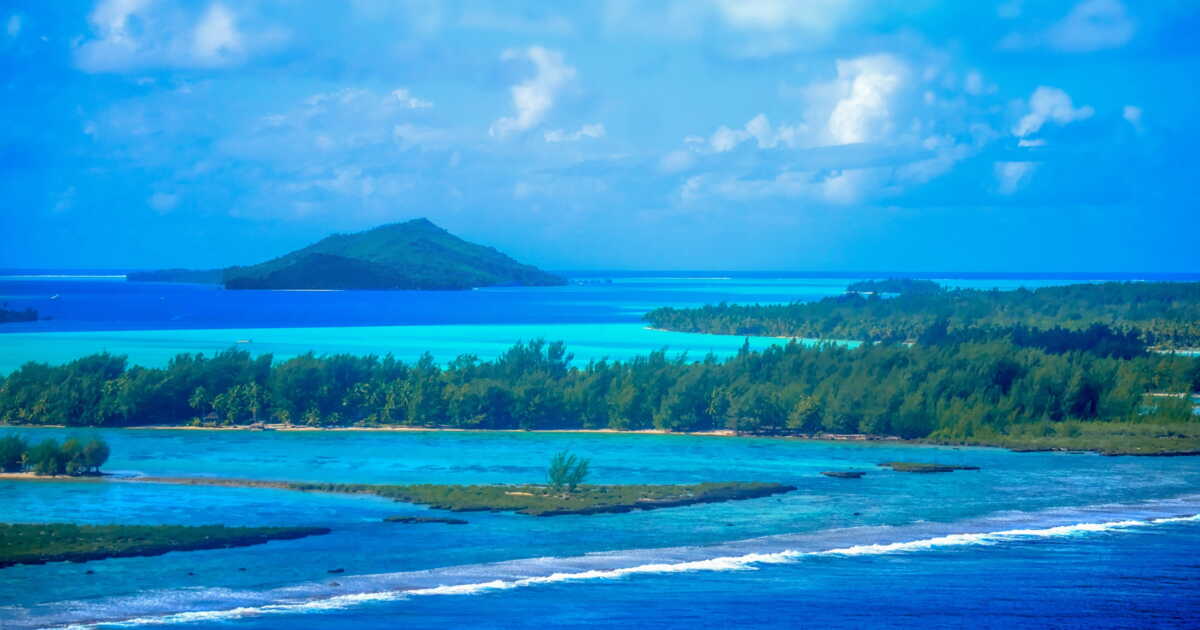
Nestled in the heart of the South Pacific, Bora Bora is a sought-after destination famed for its turquoise lagoon, white-sand beaches, and lush green mountains. This island of the Society Islands captivates travelers in search of idyllic scenery and unique experiences. Whether it’s diving into its crystal-clear waters, exploring its mysterious lands, or embracing its rich culture, the question remains: what to do in Bora Bora to fully enjoy this slice of paradise?

1. Exploring Bora Bora’s Lagoon

The Bora Bora lagoon represents one of the most remarkable marine ecosystems in French Polynesia, combining aquatic biodiversity, tourist accessibility, and exceptional scenic value. Protected by a coral barrier, this expansive lagoon space lends itself to a variety of supervised activities, ranging from snorkeling to scuba diving, allowing direct observation of coral gardens, as well as emblematic species such as blacktip reef sharks and manta rays.

These underwater outings are designed to be educational, safe, and suitable for different levels of experience. In parallel, excursions by traditional pirogue (outrigger canoe), by catamaran, or by glass-bottom boat offer a complementary reading of the Bora Bora lagoon, focusing on the color variations of the waters and viewpoints on the island’s relief. All of these activities position the lagoon as a central asset of local tourism, structuring the marine ecotourism offer and meeting visitors’ expectations for a guided discovery of the Polynesian natural environment.

2. Discover the Peaks on a Hike of Mount Otemanu

Bora Bora, with its pronounced relief, is built around two major volcanic summits: Mount Otemanu, the island’s highest point, and its immediate neighbor Mount Pahia. These geological formations, remnants of an ancient extinct volcano, offer a spectacular natural panorama that dominates the entire Polynesian lagoon. If the ascent to the Otemanu cave remains reserved for seasoned hikers, organized tours in four-wheel-drive vehicles (4×4) allow guided exploration of the surrounding hills, making strategic viewpoints over the island, its motus, and its turquoise waters accessible.

These excursions, often guided, also provide illumination on geology, endemic flora, and local history. The contrast between volcanic reliefs and the coral lagoon makes this area a privileged landscape observation site, prized for photography, naturalist documentation, or simply contemplation. Taken together, they position Bora Bora as a destination where geography, tourism, and conservation coexist in a sustainable approach to valuing the territory.

3. Enjoy Matira Beach

The Matira Beach, regarded as Bora Bora’s most emblematic public beach, is a central site in the island’s seaside offering, both for its ease of access and for the quality of its natural surroundings. Its fine white sand, its calm, shallow waters, and its low exposure to currents make it a space particularly suited to open-water swimming, gentle activities like paddle or kayaking, and relaxation.

Unlike other beaches often privatized by hotel complexes, Matira is accessible to all, making it a hub of local social life as well as tourism. In the late afternoon, it becomes a privileged sunset-viewing point, enhancing its appeal as a relaxation hotspot. All of these characteristics position Matira Beach as a key element of the beachfront experience in Bora Bora, combining accessibility, preserved natural surroundings, and versatility of recreational uses.

4. Dive into Polynesian Culture

The cultural experience in Bora Bora forms an essential complement to discovering its landscapes, allowing visitors to access a fuller understanding of the Polynesian identity. Among the core activities, an introduction to local cuisine plays a central role, whether through tasting emblematic dishes such as raw fish in coconut milk, or through culinary workshops that foster the transmission of traditional know-how.

Furthermore, visiting a pearl farm helps understand the production steps of Tahitian black pearls, a craft with high cultural and economic value, from oyster farming to final selection. Finally, some establishments offer a contextualized gastronomic experience, blending Polynesian ambiance, local products, and structured hospitality, reinforcing the link between tourism, gastronomy, and island culture. This immersive approach helps valorize local practices while strengthening the diversity of experiences in Bora Bora, beyond its purely seaside dimension.

5. Engage in a Range of Water Activities

For visitors seeking an active experience in Bora Bora, the island offers a diverse nautical lineup allowing exploration of its lagoon from a dynamic angle. Jet-ski excursions, guided by local guides, provide a quick and panoramic look at the motus and the turquoise waters, while gentler activities like kayaking or stand-up paddleboarding enable autonomous navigation in the lagoon’s calmer zones, fostering landscape and wildlife observation.

More experienced practitioners can head toward kitesurfing, a weather-dependent activity highly valued for the sense of freedom it provides. Finally, big-game fishing, supervised by local professionals, offers a complementary option for those wishing to combine sporting adventure with Polynesian maritime tradition. This variety of activities positions Bora Bora as a destination suited for supervised water sports, integrated into a framework of guided discovery of the island environment.

6. Delve into the island’s history

While Bora Bora is widely recognized for the beauty of its natural environment, it also hosts a lesser-known yet meaningful historic heritage, notably connected to World War II. Guided terrestrial tours, often done in 4x4s, allow you to explore the island’s highlands while recounting the key events of that period, when the island served as a rear base for American forces in the Pacific. Military remnants such as American cannons, still visible on some promontories, testify to this strategic presence and form accessible heritage points of interest.

These structured circuits provide a contextualized historical reading of Bora Bora, enriching the overall understanding of the island beyond its tourist and natural dimensions. Integrating this aspect into your stay helps to grasp how geopolitical issues, on their scale, helped shape local development and left a lasting imprint on the territory.

7. Relaxation and Well-Being

Vacation in Bora Bora is also an opportunity to prioritize rest and physical regeneration, thanks to a well-structured network of spas and wellness centers distributed across the island. These establishments offer treatments inspired by traditional Polynesian practices, incorporating the use of local oils, notably monoï, renowned for its soothing and moisturizing properties. Massage sessions, often performed outdoors or in over-water bungalows, fully benefit from Bora Bora’s exceptional natural setting, fostering complete sensory relaxation.

This approach to island well-being fits into a balanced tourism logic, combining body care, immersive landscapes, and local know-how. More broadly, the diversity of experiences offered on the island—whether focused on nautical adventure, cultural discovery, landscape exploration, or relaxation—enables building a modular stay, tailored to the varied profiles of travelers. By exploring Bora Bora’s different dimensions, everyone can access a complete and coherent experience, revealing why the island ranks among the most sought-after destinations in luxury tourism.

What to do in Bora Bora in 3 days? A balanced itinerary between lagoon, culture, and relaxation

Having three days in Bora Bora offers a concise yet rich immersion into this Pacific jewel. The first day can be devoted to an exploration of the famous lagoon: snorkeling, a pirogue ride, or a trip with a sighting of manta rays and blacktip reef sharks.

The second day allows you to explore the island’s interior, with a hike to Mount Pahia or a 4×4 excursion to explore the American military remnants.

Finally, a half-day of rest on a motu beach or in a Polynesian spa can close the stay. In three days, Bora Bora offers a balance of nature, culture, and rest, provided you optimize every moment.

How many days are needed to visit Bora Bora? Adapting your stay to the diversity of experiences

Visiting Bora Bora requires at least three days to discover the island’s main natural and cultural attractions. However, a five- to seven-day stay allows you to enjoy the island’s rhythm without rushing. Water activities, cultural visits, and simply admiring the lagoon deserve time. Extending your stay is also about giving yourself the luxury of slowing down, in tune with the Polynesian environment.

Those considering Bora Bora as a stop on a broader journey through French Polynesia can approach it in two to three days, but those making it a main destination will benefit from longer stays.

What to do in Bora Bora with family? Accessible activities and shared memories at the heart of the Pacific

Traveling to Bora Bora with family allows discovering a calm and educational facet of Polynesia. The lagoon, calm and shallow in many spots, is conducive to swimming and snorkeling with children.

Boat trips with glass bottoms or motorized pirogues enable wildlife observation with ease. On land, some pearl farms welcome visitors to explain the culture of the black pearl.

Finally, hotels often offer suitable activities: weaving workshops, Polynesian storytelling, or local cuisine. Bora Bora proves accessible to families, provided you choose your accommodation wisely and adjust transportation times.

What to do in Bora Bora when it rains? Exploring the island differently through local crafts and cultural discoveries

Even in the rain, Bora Bora retains its appeal. If nautical activities are limited, other options are available. The craft centers of Vaitape offer insights into wood, fabric, and pearl work within covered spaces. The spas, numerous across the island, provide traditional treatments inspired by Polynesian knowledge.

Some cultural excursions, such as visits to archaeological sites or dance and music workshops, can take place indoors. Rain in Bora Bora invites slowing down and turning toward more introspective or educational aspects of travel, often overlooked in clear weather.

This article was drafted with the help of artificial intelligence, then corrected, expanded, and validated by the editors of the staff.

What to Do in Siena: 10 Ideas for Outings and Activities

The question remains: what to do in Siena, Tuscany, to make the most of your stay? In this article, we explore a variety of activities that will satisfy the expectations of every traveler.

1. Discover the Piazza del Campo

Discovering the Piazza del Campo means entering the heart of the city of Siena and its historic center, listed as a UNESCO World Heritage site. This iconic square, recognizable by its shell-like shape, represents a unique example of medieval urban planning. It hosts the famous Palio di Siena, or Palio delle Contrade, each summer during Palio season, transforming the square into a living theater of centuries-old traditions. Flanked by exceptional buildings, including the 15th-century Palazzo Pubblico, also known as Siena’s Public Palace, this historic square houses the Museo Civico and masterpieces of the Sienese school, such as Duccio’s Maestà.

2. Visit the Siena Cathedral and the Piccolomini Library

The Siena Cathedral, or Duomo di Siena, is a remarkable example of Italian Gothic religious architecture. Located in the heart of the historic center, it impresses with its blocks of white marble, its richly decorated interior, and its floor inlaid with biblical scenes. Inside the Siena Cathedral, the Piccolomini Library stands out for its vividly colored frescoes depicting the life of Pope Pius II. The site also includes the San Giovanni Baptistery, whose interior baptismal fonts reveal Renaissance goldsmithing and sculpture. Access to the rooftop panorama allows you to embrace the view over the Tuscan countryside and the palaces with the city’s characteristic architecture. A Opa Si Pass facilitates visiting the entire complex, which also includes the Museo dell’Opera. It is an essential stop for any first visit to Siena.

3. Climb the Torre del Mangia

Climbing the Torre del Mangia, located as an extension of the Palazzo Pubblico on the Piazza del Campo, offers a vertical view of Siena’s urban layout. This 15th-century tower rises to more than 100 meters and requires a climb via narrow but steady steps. At the top, the view extends over the city of Siena, the on-site dwellings, the green bands of the contrade, and the harmonious line of terracotta roofs stretching to the Tuscan countryside. This ascent is as much an architectural experience as a visual one, allowing you to connect the city’s emblematic structures—from the public palace to the Fonte Gaia—in a single perspective. It is a privileged moment to grasp the spatial coherence of this historic center, where every building seems to dialogue with the others.

4. Explore the Santa Maria della Scala Museum Complex

The Santa Maria della Scala Museum Complex, located opposite Siena Cathedral, represents one of the city’s most comprehensive cultural sites. A medieval hospital converted into a museum, it traces the history of hosting pilgrims and public welfare. Today, its underground galleries and inner courtyards host classical and contemporary art exhibitions, as well as archaeological remains tracing Siena’s evolution since antiquity. This indoor passage through a historic building helps to better understand the city’s social foundations, its structure around hospitality and care, and its place in the network of medieval Italian city-states. This itinerary is suitable for a one-day excursion with strong educational and patrimonial value.

5. Savor the local cuisine

Sampling Siena’s local cuisine is a sensory gateway to Tuscan culture. In the trattorias of the historic center, visitors can savor pici, thick artisanal pasta often served with ragù or a garlicky sauce, as well as ribollita, a countryside soup made from vegetables and bread. For dessert, ricciarelli, almond-soft cookies, and panforte, a dense fruit-and-spice cake, illustrate Siena’s ancient gastronomic traditions. A meal can be accompanied by a glass of Chianti, produced locally in the surrounding Tuscan countryside.

6. Stroll through Siena’s medieval alleyways

Wandering Siena’s medieval alleyways means diving into the very texture of its historic center. Each narrow, cobbled lane links the contrade, these historic districts with strong identities, marked by symbols, green bands, and oral traditions carried forward during the Palio delle Contrade. Far from the main tourist routes, these passages reveal religious buildings, small ancient properties, and discreet heritage elements such as the Loggia della Mercanzia or the sober façades of Sienese houses. This slow walk provides a meaningful way to discover Siena at its own pace, without artifice, and to better understand the relationships between its residents, their traditions, and their urban environment.

7. Enjoy the green spaces at the Fortezza Medicea

The Fortezza Medicea, an old defensive structure transformed into a park, now offers a lush public space just a short walk from Siena’s historic center. Designed in the 16th century as a strategic fortress, it is today a favored spot for strolls, outdoor activities, and cultural events. Its tree-lined avenues allow you to contemplate the soft lines of the Tuscan countryside while staying within an urban frame. From its ramparts, the view of Siena’s rooftops and its religious buildings provides a soothing contrast after the density of the center. This green space contributes to the city’s balance, offering visitors a breathing space during a stay in Siena, whether short or long.

8. The Palio di Siena: a traditional horse race

The Palio of Siena, or Palio delle Contrade, is much more than a horse race: it is an emblematic event rooted in the city’s soul. Held twice a year on Piazza del Campo, during the Palio period, it draws thousands of visitors each summer to witness this spectacular medieval celebration. The Palio is the living expression of neighborhood spirit and a centuries-old rivalry between the contrade, or historic districts. This moment suspended in time recalls Siena’s deep identity, from its historic center to its traditions. Participating in the Palio or understanding its stakes captures the essence of a city proud of its history, possessive of its heritage, and eager to pass it on with fervor. A visit to Siena during this period offers a unique cultural experience, worth including in any Tuscan itinerary.

9. Explore the Palazzo Pubblico and the Museo Civico: major witnesses to Siena’s history

The Palazzo Pubblico, located on Piazza del Campo, is one of the most remarkable Gothic architecture palaces in Italy. Built around the turn of the 15th century, it houses the Museo Civico, where visitors can admire the masterworks of the Sienese school, notably the Maestà by Duccio and Ambrogio Lorenzetti’s frescoes. These works illustrate the civic and moral foundations of a city oriented toward the collective ideal. The building is also distinguished by its tall tower, the Torre del Mangia, which offers a panoramic view of the Tuscan countryside and the historic center. The interior of Siena’s public palace allows a comprehensive reading of Siena’s political, artistic, and urban history through the centuries.

10. Strolling through the Centro Storico di Siena

The Centro Storico di Siena, UNESCO World Heritage-listed, is ideally explored on foot, from Piazza del Campo to the far reaches of its walls. This is where the heart of Siena beats, with narrow streets, religious buildings such as the Basilica of San Francesco, the Siena Cathedral, and iconic fountains, including Fonte Gaia. Visitors can follow the green bands indicating the contrade, or let themselves be guided by the unique atmosphere of Siena’s dolce vita. By taking time to explore the interiors of buildings—such as the San Giovanni Baptistery or the Piccolomini Library—one discovers a rich, subtle, and ever-living heritage.

Siena is a city full of activities and discoveries for all types of travelers. From its historic sites to its gastronomic delights, through its breathtaking views, this Tuscan city guarantees a rich and diverse experience. By visiting Siena, you dive into a history filled with culture and emotion. Whether your stay is short or extended, Siena leaves you with precious memories and an irresistible desire to return.

Siena and its flavors: which culinary specialty to discover during your visit?

During a stop in Siena, it is essential to discover the culinary specialties that testify to the city’s authenticity and the richness of the Tuscan countryside. Panforte, a cake of dried fruits and spices dating from the Middle Ages, embodies Siena’s gastronomic heritage. Another must: ricciarelli, almond-based biscuits, sweet emblems of the Tuscan dolce vita. These products can be savored in the enchanting setting of the Piazza del Campo, the main square where local conviviality and the tranquil rhythm of the historic center surface.

Discover Siena with family: which cultural and playful activities to prioritize?

The Palazzo Pubblico, also called Siena’s Public Palace, houses the Museo Civico and displays frescoes by the Sienese school, including the famous Maestà by Duccio. The visit can continue at the National Gallery of Siena, where children and adults discover 15th-century art in a palace with remarkable architecture. Not far away, Siena Cathedral impresses with its blocks of white marble, its sculpted interior, its own fountain, and the fascinating Piccolomini Library, all elements to observe together. Families can also linger at Fonte Gaia, the Baptistery fonts, and inside the San Giovanni Baptistery, to complete a busy yet accessible day.

What to do in Siena when it rains: exploring the city’s indoor treasures

The Siena Cathedral, with its striking interior, inlaid floors, the interior of the San Giovanni Baptistery, and the Piccolomini Library, offers a complete visit sheltered from the weather. The Palazzo Pubblico welcomes visitors in its rooms adorned with frescoes illustrating the city’s history, including those dedicated to Saint Catherine. Nearby, the Opera Museum, the Public Palace, the Loggia della Mercanzia, and the Basilica of San Francesco provide a rich artistic journey.

This article was written with the help of artificial intelligence, then corrected, supplemented, and validated by the journalists of the editorial staff.

What to Do in Mayotte: 10 Ideas for Outings and Activities on Seahorse Island

Whether you are a devotee of water sports, a hiking aficionado, or passionate about cultural discovery, Mayotte has everything to surprise you. In this article, we explore the various activities to undertake on the island, while taking into account practical and safety aspects for a successful stay.

1. Lagoon Discovery: Diving and Snorkeling

Exploring the magnificent lagoon of Mayotte, renowned for its water-based activities, reveals the richness of the underwater world of this Indian Ocean destination in its own right. This trip to Mayotte attracts diving and snorkeling enthusiasts with the chance to explore one of the world’s largest lagoons, guarded by an exceptional coral barrier.

Accessible from the Marcel Henry International Airport or via direct flights from Paris with Air Austral, Mayotte is easily reachable, allowing visits to iconic sites such as the Passe en S, famed for manta rays and colorful reefs. Whether it’s your first visit or a longer stay in Mayotte, observing marine turtles and multicolored corals is a must, illustrating Mayotte’s reputation as one of the most beautiful destinations in the ocean for diving.

2. Hike to Mount Choungui

The Mount Choungui hike, an emblematic peak of the island, represents a must-do experience to discover a unique facet of Mayotte and enjoy superb postcard views of the island and its lagoon. The start of the hike takes place early in the morning to benefit from the cool temperatures and fully appreciate the ascent to 594 meters, traversing a preserved natural habitat. Once at the summit, the panoramic view reveals the splendor of Mayotte’s rainbow landscape, making it a great excursion idea to include in any trip to Mayotte or short hike on the island.

3. Excursion to White Sand Islet

The excursion to the White Sand Islet, accessible only at low tide in the southern Mayotte, offers a visit to a white sandy beach surrounded by beautiful marine scenery. This site, a true postcard of the Mozambique Channel, provides a relaxing break for a picnic, swimming, or a snorkeling session, enriching the stay in Mayotte.

The exploration of this islet is undertaken by boat from the Mamoudzou port, a route recommended to discover the island’s natural diversity and to experience one of the most beautiful destinations in the Indian Ocean.

4. Cultural Visit to Mamoudzou

A cultural visit to Mamoudzou, the capital of Mayotte, is essential to better understand local life and the influences shaping this French department. As you stroll through the city center and its market, visitors discover the ylang-ylang, spices, tropical fruits, and Mahoran crafts, while restaurants and cafés invite you to sample culinary specialties such as mataba. This immersion into the daily life of residents provides a concrete glimpse into the island’s bustle, highlighting the cultural and economic dynamism of the port of Mamoudzou.

5. Exploration of Dziani Lake

The exploration of Dziani Lake, on the Petite Terre Island in Mayotte, constitutes a major stop for any stay in Mayotte. This volcanic-origin lake, whose turquoise shade shifts with the light, is bordered by endemic flora that attracts hiking and biodiversity enthusiasts. A circuit around the lake, accessible via a marked trail, allows you to observe the famous makis, emblematic lemurs of Mahoran fauna, and to enjoy the tranquility of a preserved natural site far from the bustle of the north of Mayotte.

6. Boat Trip for Dolphin and Whale Watching

Boat trips for dolphin and whale watching position Mayotte as a destination in its own right for cetacean enthusiasts. From July to October, the waters of the magnificent lagoon become the stage for unique spectacles, supervised by professionals committed to wildlife respect.

These activities, often departing from the Mayotte International Airport or the main ports, reinforce Mayotte’s reputation as a premier hub of nautical activity and the protection of the marine habitat of the Indian Ocean.

7. Hike to Saziley and N’Gouja Beach

The hike to Saziley and the N’Gouja beach allows for a blend of biodiversity discovery and seaside relaxation in a preserved environment. The Saziley Marine Park offers a trail where green turtles’ nesting can be observed along with long secluded beaches. The N’Gouja beach, famous for turtle encounters, completes this idyllic picture—perfect for hikers or travelers to Mayotte seeking authentic experiences.

8. Visit to the Dzaoudzi Centre

The visit to the Dzaoudzi centre, the former capital of Mayotte on Petite Terre, is a must for those seeking to discover historical vestiges and the tranquil atmosphere of this neighborhood. Between colonial heritage, Place de la République, and a panorama of the magnificent lagoon, Dzaoudzi offers a cultural interlude contrasting with the bustle of Mamoudzou, highlighting the richness of the island’s different facets of Mayotte and its historical development as a French department.

9. Circuit through Native Fauna and Flora

A circuit through native fauna and flora showcases Coconi botanical garden, ylang-ylang plantations, and the discovery of rare or endemic species. This approach to the Mahoran landscape, combining guided tours and birdwatching, illustrates the biodiversity of a unique natural habitat, reinforcing the island’s appeal for botany enthusiasts.

10. Relaxation at Sakouli Beach

The Sakouli Beach, located in the southeast, charms with the tranquility of its waters, ideal for a peaceful break after a day of water activities or hiking. Its setting invites rest and contemplation of the stunning views over the Indian Ocean, making it a fitting end to the day for visitors eager to explore the island’s varied landscapes, whether from a hotel room or a Coco Lodge Cocobeach room.

In discovering Mayotte, each visitor can immerse themselves in a rich natural and cultural heritage. Whether through its beaches, its natural sites, or its festive ambiance, the island offers a multitude of activities to please every taste. Be sure to respect natural sites and local traditions to contribute to the preservation of this delicate insular ecosystem.

Is Mayotte a tourist destination?

Mayotte deserves to be considered as a destination in its own right for travelers, and for several reasons. On one hand, its status as a French department and its integration into European air networks facilitate access and build confidence: the Mayotte International Airport (Dzaoudzi-Pamandzi International Airport) along with various airlines offer direct flights from Paris or minimal layovers, making travel from the mainland easier.

On the other hand, Mayotte boasts a magnificent lagoon, an exceptional coral barrier, and one of the richest underwater ecosystems in the Indian Ocean: the archipelago is surrounded by one of the world’s largest enclosed lagoons.
Moreover, the destination captivates with its postcard-perfect landscapes: white sand, turquoise lagoon, lush vegetation, placing it among the favorite destinations for the French seeking “elsewhere” off the beaten paths. It is therefore indeed a tourist destination, though different from typical beach mass destinations: local life, hiking, islets, nautical activities, and preserved nature make for a travel experience that is more engaged, more authentic. The fact that the island remains relatively sparsely touristed reinforces this sense of an island apart.”

In conclusion, Mayotte can be regarded as a genuine tourist destination, blending comfort, accessibility, and extraordinary nature, while offering a sense of escape in the Indian Ocean.

What is the best time to visit Mayotte?

To organize a worry-free stay in Mayotte and fully enjoy the climate, it is important to choose the best time to go to Mayotte. The climate is typically maritime tropical, with a dry season from May to October and a rainy season from November to April.
The dry season – May to October – is the most favorable for outdoor activities, walking, hiking, swimming, and water sports: temperatures remain mild, rainfall is minimal, and humidity is lower. If you want to benefit from cheaper flight prices, more hotel rooms available, and a calmer ambiance, this window is ideal.
However, for those whose plans include marine wildlife watching – notably whales – some sources indicate that the period between July and November can present interesting opportunities, despite more frequent rain.
Thus, if your goal is a nature-focused Mayotte trip—lagoon, boat, sun—prioritize May to October. Conversely, to enjoy softer prices or a different atmosphere, November to April can also work, with a slight trade-off on weather conditions.

What is the current situation in Mayotte for a traveler?

Understanding the situation in Mayotte is essential for any traveler eager to discover this destination in its own right in the Indian Ocean. This French department located in the Mozambique Channel, between Madagascar and the African continent, presents a unique facet of Mayotte: balancing insularity, natural riches, and socio-economic challenges. Mayotte’s reputation is often marked by the structural challenges of island life, but that does not prevent the archipelago from being a destination full of contrasts, where postcard landscapes, vibrant local life, and exceptional biodiversity coexist.

To prepare a trip to Mayotte, it is advisable to stay informed about local news, particularly regarding safety or access to certain areas. French authorities regularly update recommendations, notably via the site of the Ministry of Europe and Foreign Affairs. On the ground, the breathtaking views, hikes to Mont Choungui, the Moya Beach, nautical activities, and cultural visits (such as the MUMA Mayotte Museum or the Coconi Botanical Garden) offer a rewarding stay in Mayotte, provided you arrive well prepared.

This article was drafted with the help of artificial intelligence, then corrected, expanded and validated by the newsroom journalists.

What to Do in New Caledonia: 10 Ideas for Outings and Activities

New Caledonia, this archipelago located in Oceania, captivates with its white-sand beaches, lush vegetation, and unique culture. This French territory, tucked in the South Pacific, offers remarkable natural diversity, from UNESCO-listed lagoons to emerald mountains. During your trip, you may be wondering which activities to explore first. This detailed guide offers an immersion into the heart of the essential experiences in New Caledonia.

1. Explore Nouméa and its Surroundings

Start your journey in Nouméa, the island’s dynamic capital. Discover the Tjibaou Cultural Centre, which provides a deep dive into Kanak art and culture. The Aquarium des Lagons allows visitors to admire the marine richness of the Pacific Ocean. For a stroll, the Place des Cocotiers is ideal, surrounded by cafés where you can sip a drink. Do not miss the Anse Vata and Baie des Citrons beaches, renowned for swimming and water sports. A day trip to the Amédée Lighthouse offers snorkeling and marine exploration.

2. Stay on the Isle of Pines

Nicknamed “the island closest to paradise,” the Isle of Pines is a must-see. Swim in the Natural Pool of Oro, a stunning natural aquarium. The bays of Kuto and Kanumera offer postcard-perfect landscapes. Join the Queen Hortense Cave for a fascinating underground adventure. Hop aboard a traditional pirogue to discover the island’s beauty in an authentic and eco-friendly way.

3. Discover the Loyalty Islands

The Loyalty Islands (Lifou, Ouvéa, Maré) each constitute a world of their own. In Lifou, explore the Jinek Bay for snorkeling, and admire the Jokin Cliffs. Ouvéa captivates with its endless Fayaoué Beach, bordered by turquoise waters, while Maré invites you to explore the Guerrier Jump and its natural pools. Each island offers unique cultural experiences through encounters with its residents and the discovery of their way of life.

4. Hiking on Grande Terre

Grande Terre, beyond Nouméa, is the ideal playground for nature lovers and hikers. The Blue River Provincial Park is a must, where you can spot the Cagou, the island’s emblematic bird, or go mountain biking. Explore the West Coast with its wide-open spaces and ranches, or the East Coast, known for its lush vegetation and stunning waterfalls. Poé Beach is a renowned spot for kitesurfing, and the New Caledonian Lagoon Natural Reserve is the perfect place for diving.

5. Cultural Immersion and Local Encounters

It is impossible to visit New Caledonia without immersing yourself in its rich and diverse culture. Take part in Kanak customs, a traditional welcome practice, and explore the local tribes to understand their ways of life. You can also try the local cuisine, discovering dishes such as bougna, the Caledonian specialty, made with meat or fish wrapped in banana leaves.

6. Lifou Island

Exploring Lifou, one of the Loyalty Islands of New Caledonia, helps to better understand the archipelago’s cultural and natural wealth. This island, accessible from Nouméa, offers a preserved setting between limestone cliffs, white-sand beaches, and living traditions. In Lifou, each village is an occasion for direct contact with the locals, immersion in local customs, and discovery of an ancient way of life. A destination that embodies authenticity and respect for island rhythms.

7. Visit the Tjibaou Cultural Centre

The Tjibaou Cultural Centre, located in Nouméa, is an essential stop to grasp Kanak identity in its historical and contemporary depth. Designed by architect Renzo Piano, this symbolic venue houses exhibitions, artistic installations and documents related to New Caledonia’s indigenous culture. It is a space where architecture, memory and transmission engage in dialogue to serve a guided vision of heritage. An essential visit to understand the cultural complexity of this island territoire.

8. Set Sail for the Amédée Lighthouse

Accessible by boat from Nouméa, the Amédée Lighthouse rises in the middle of a protected coral islet, offering a day trip to the heart of a UNESCO World Heritage-listed lagoon. At 56 meters high, this metal lighthouse, built in France and transported piece by piece, is visitable and affords a panoramic view of the surrounding turquoise waters. The islet is also suitable for swimming, snorkeling, and observing sea turtles, in a protected and educational natural environment.

9. Stay on the Îlot Maître

The Îlot Maître, located about twenty minutes by boat from Nouméa, is renowned for its overwater accommodations and tranquil beaches. The site, included in a marine reserve, offers a rare balance between tourist comfort and environmental preservation. It suits travelers looking to combine seaside relaxation, water sports, and observation of local species. This place appeals for its easy access, quality facilities, and the richness of its ecosystem.

10. Enjoy the Baie des Citrons Beach

The Baie des Citrons Beach, south of Nouméa, is one of the city’s most frequented beaches, due to its central location and its calm waters protected by the bay. This urban beach, lively by day and by night, allows safe swimming, access to cafés and restaurants, and a pleasant stroll along the shore. It is a popular starting point for those wishing to combine coastal discovery with immersion in the Neo-Calédonian city ambiance.

In conclusion, New Caledonia offers a variety of activities for every type of traveler, whether you are drawn to natural landscapes, vibrant culture, or encounters with locals. This far-off territory provides unforgettable experiences rooted in the beauty of nature and the richness of its traditions. Make the most of your trip by exploring every facet of this unique archipelago.

What is the best time to visit New Caledonia?

Planning a trip to New Caledonia requires a good understanding of its climate to choose the best period. Located in the South Pacific, between Australia and Polynesia, this destination enjoys a temperate tropical climate. The ideal period runs from May to October during the dry season, when temperatures are mild and rainfall is low.

It is then that the grand landscapes of Grande Terre, the Pacific atolls such as the Nokanhui Atoll, the dream beaches of Ouvéa or Lifou, and the enchanting places like the Natural Pool offer their finest scenery.
Visitors can then fully enjoy a Lifou catamaran trip or an exploration of the Rivière Bleue, the Ouen Toro hill, or the Amédée lighthouse under the best conditions.

This period is also favorable for whale watching or for manta ray viewing off the coasts. Outside this window, the humid heat can make certain excursions less pleasant. For those who wish to explore each place in depth and experience the discovery of emblematic sites, it is therefore crucial to carefully choose their starting point in the season.

Is it worth going to New Caledonia?

Asking whether it is “worth it” to go to New Caledonia is asking a question whose answer quickly becomes obvious. Yes, this exceptional destination is worth every detour, especially for those seeking a postcard-perfect backdrop, enchanting places, or unspoiled nature. The archipelago blends sumptuous landscapes, the Lékiny cliffs, the Kanumera Bay, and dream beaches that leave little to be desired. Whether you explore the beautiful Pacific atolls, walk along the coast to the forgotten shore, or visit cultural venues like the Tjibaou Cultural Centre or the ruins of the penal colony, New Caledonia impresses with its diversity. It is a rare gateway to a mosaic of identities and ecosystems — between Kanak traditions, exceptional marine biodiversity, and colonial heritage. Lifou, the Îlot Maître, the Mouli Bridge, and the Poule de Hienghène offer immersive experiences. Even activities like the Ouvéa kayak, lagoon jumps, or swims near the Nouméa Lagoon Aquarium add to the overall appeal. This is not just a trip, but an immersion in a place rich with discoveries.

What budget should you plan for a trip to New Caledonia?

A trip to New Caledonia requires careful budget planning. This destination is not among the most affordable, notably due to its remoteness. International flights can represent a considerable cost, especially from mainland Europe.

On-site, places such as Ouvéa, Lifou or the Îlot Maître offer accommodations ranging from simple bungalows to more luxurious complexes, with rates varying by season. Access to natural sites such as the Natural Pool, the Blue River, or the Cœur de Voh is often free, but certain activities — catamaran outings, kayaking, guided excursions — carry a price.

The overall budget thus depends on the type of stay: nature immersion, lounging, or exploring cultural sites. Plan roughly €3,000 to €10,000 per person for a two-week trip, depending on the level of comfort and the mode of transport (car rental, inter-island transfers).

A cost-efficient starting point can be aiming for the high season to optimize conditions while still enjoying exceptional marine activities such as manta ray watching. The dream beaches are always there, regardless of budget.

Can We Travel to New Caledonia Right Now?

Yes, it is currently possible to travel to New Caledonia, but it is essential to check the local situation before departure. This overseas territory, although linked to France, has its own social, political, and environmental dynamics. Access conditions can vary depending on weather events (cyclones, wet seasons) or occasional social movements. In general, flights from France operate via Nouméa’s international airport, and connections with islands such as Ouvéa, Lifou, or Grande Terre are well organized.

On-site, enchanting places such as the Baie des Citrons, the Amédée Lighthouse, or the Bac de la Ouaième remain accessible. The theaters and cultural centers like the Tjibaou Centre are places where a sense of place also takes on a political and cultural dimension. For a calm starting point, it is advised to consult the travel advisories updated by French authorities. Once there, discovering the places and dream beaches is always a reward in itself.

Why is the Natural Pool a Must-Visit Step in New Caledonia?

The Natural Pool of the Isle of Pines is one of the most iconic enchanting places in New Caledonia, often described as an open postcard setting. Surrounded by columnar pines and protected by a coral barrier, this sea-water pool offers an unparalleled swimming experience in the Pacific Ocean. Its calm, clear waters host marine life easily observable with fins, masks and snorkels, ideal for those who want to observe aquatic life in a serene environment.

This preserved natural site, easily accessible from Grande Terre, represents for many travelers an ideal starting point for discovering the territory’s marine wonders. Integrated into collective memory as a showcase of Caledonian beauty, it embodies what sumptuous landscapes and dream beaches are like in the region. The Natural Pool is far more than a simple swimming spot: it is the tangible expression of the destination’s exceptional and unique character. Swimming there means entering into a sense of place with respect and wonder.

This article was drafted with the help of artificial intelligence, then edited, completed and validated by the newsroom journalists.