
Pioneers Forum 2026: Navigating Uncertainty in Tourism Transformations


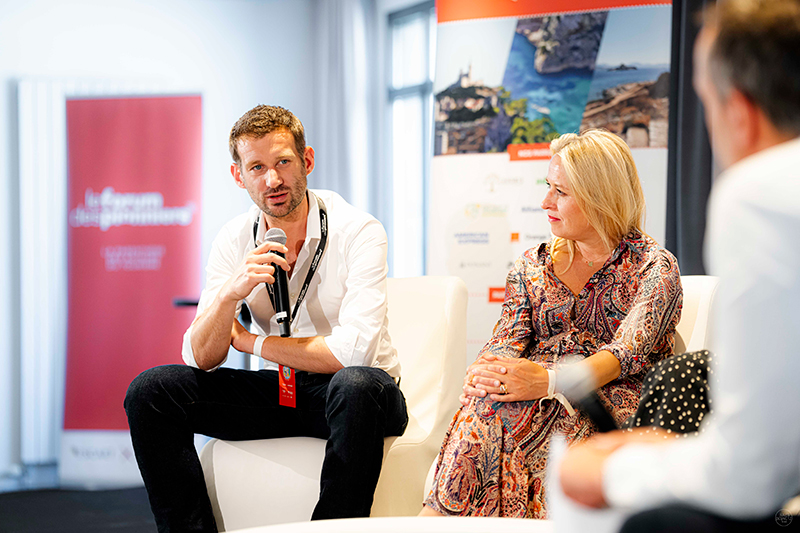
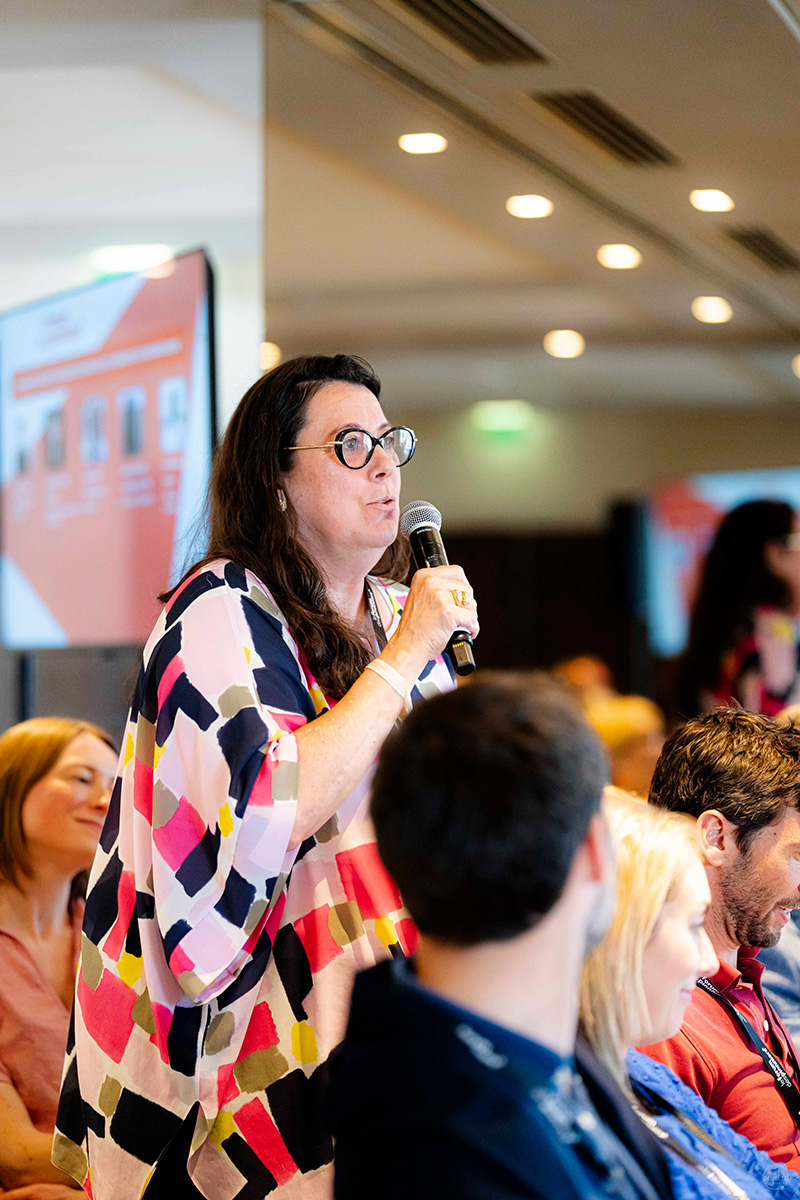
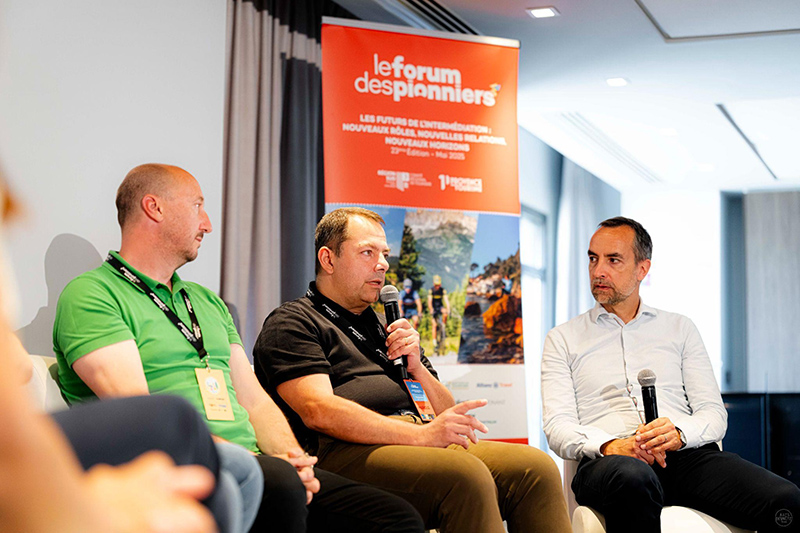
Forum des pionniers 2025 © Jules Despretz -

CroisiEurope


Travelers’ behaviors have never seemed so fluid.

Between late bookings, the search for security, new expectations regarding the experience, and evolving digital practices, tourism players must learn to cope with demand that is increasingly unpredictable.

In the face of this growing instability, the Forum des Pionniers 2026 aims to “steer the uncertain”.

A theme that signals the shift from a reactive logic to a forward-looking one, and the construction of scenarios for sector professionals.


Understanding the market through diverse perspectives

For Bruno Abenin, Commercial Director at Travel Evasion and co-organizer of the event, the main challenge is not a single reading of this uncertainty, but the confrontation of viewpoints.

“The theme is one thing, but what’s truly valuable are the exchanges and how each person perceives the market,” he explains. “A tech player, a tour operator, an incoming operator or a carrier don’t read the same issues in the same way. And it is precisely this diversity that makes the Forum so rich.

In a sector where crises are not felt at the same pace across professions, he emphasizes the importance of dialogue among varied experiences: “Some are facing their first crisis, others their tenth. The point is to pool all of this and understand what everyone actually does with the uncertainty.


Artificial intelligence, a new driver of decision-making

AI is now present in risk monitoring, customer relations, offer production, and corporate management, and it is no longer merely a tool for automation.

It gradually influences how organizations analyze their environment, make decisions, and anticipate market evolutions.

For tourism leaders, the challenge goes well beyond technology. What place should AI-generated recommendations have? How can human judgment be preserved in a context where predictive tools are becoming more precise?

And how can teams be guided through these transformations? All these questions will feed the discussions among the 130 decision-makers gathered in Egypt, in workshops and experience-sharing sessions.


An immersive experience to fuel strategic thinking

The Forum des Pionniers goes beyond theoretical content. It relies on an immersive format designed to foster exchanges and to encourage reflection.

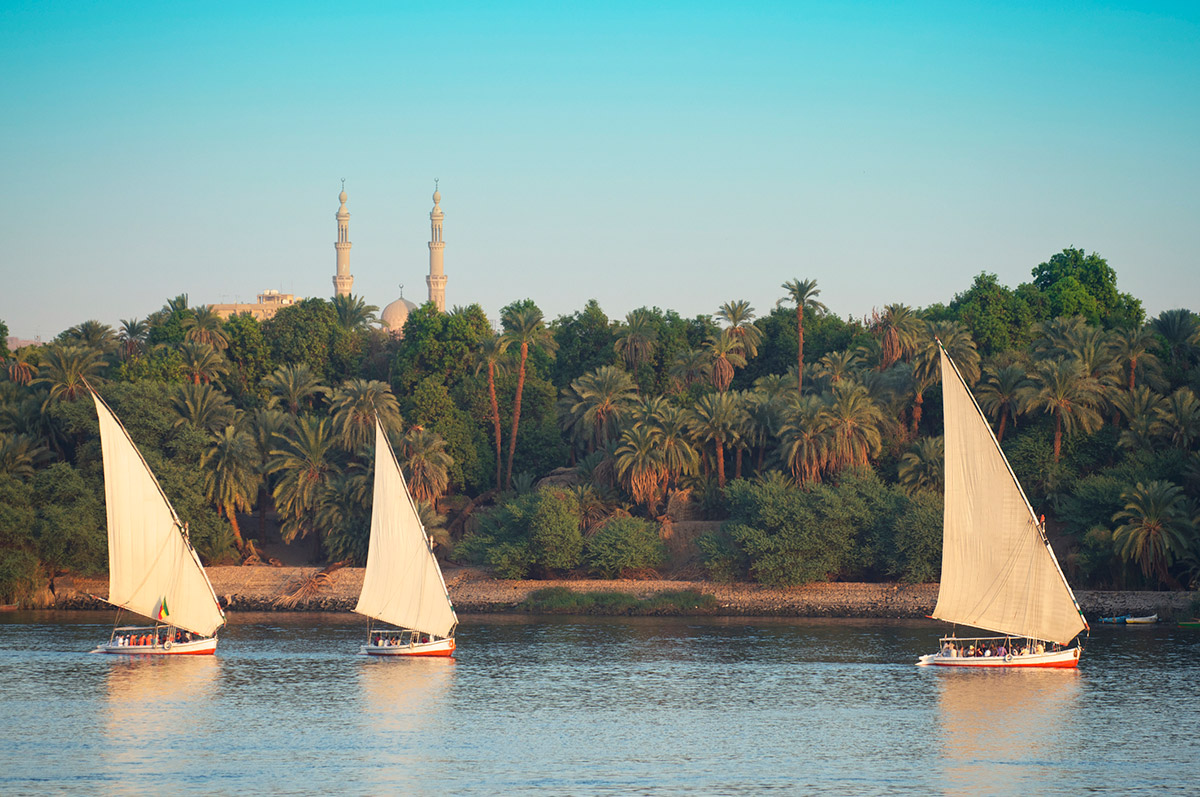
The Nile cruise, from Luxor to Aswan, provides the event’s through-line, with key stops such as the Valley of the Kings, Kom Ombo and Philae temples.

The program concludes in Cairo with visits to the pyramids of Giza, the Sphinx, and the Grand Egyptian Museum.

Working sessions alternate with workshops, round tables, and informal moments crafted to enhance the quality of dialogue among decision-makers. This relational dimension lies at the heart of the setup.


Egypt, a mirror of global tourism transformations

Choosing Egypt as the hosting destination gives a special resonance to this edition.

The country now concentrates a large portion of international tourism dynamics: a strong post-crisis rebound with almost 19 million visitors in 2025, accelerated modernization of infrastructure, upgrading of offerings, and major projects like the Grand Egyptian Museum.

Yet this growth takes place in a demanding environment. Egypt must contend with intense regional competition, sensitivity to geopolitical contexts, and a heavy dependence on air connectivity. It thus illustrates a model in perpetual transformation, where performance depends as much on attractiveness as on adaptability.

For Bruno Abenin, the gap between perception and reality remains significant. “I think people will be surprised by the world that exists in Egypt today,” he notes. “In Cairo, on the Nile, at the sites, there are crowds. Many tourists, from all nationalities.”

The Egypt expert adds: “Hotels are full, boats are sailing, sites are functioning normally. If you listen to some media, we sometimes have a distorted image of the destination.”

Beyond the exchanges among decision-makers and reflections on the sector’s major shifts, this 24th edition of the Pioneer Forum also carries a simpler ambition: to present a destination in its real context.
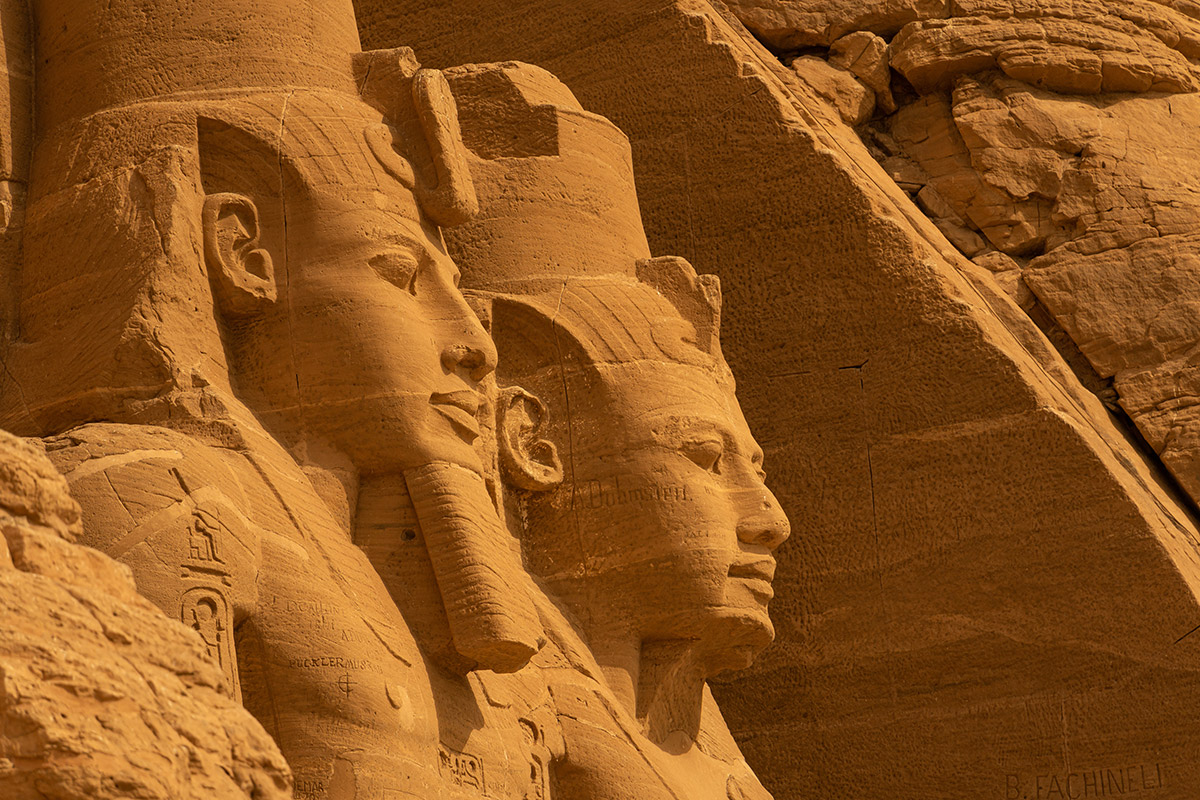
Pioneers Forum 2026: Egypt Faces the Uncertainty Challenge


L’Égypte, une destination emblématique du tourisme international, aujourd’hui engagée dans une nouvelle phase de transformation © IStock

Top of Travel


This 24th edition will bring together 130 sector leaders — tour operators, distributors, hoteliers, transporters, institutions, technology experts, insurers — around a market that alone concentrates a large share of the tourism industry’s current challenges. Post-crisis recovery, fierce competitive pressure, price wars, the role of air travel, evolving customer expectations, and the weight of geopolitical context: Egypt today concentrates many of the questions professionals are asking.

As the sector must learn to move forward in an increasingly unstable environment, the choice of Egypt takes on its full significance. For the destination, what is at stake is not merely a grand travel narrative, but a practical demonstration of what it takes today to restart momentum, refine a positioning, and adapt a tourism model to a shifting context.


A destination that blends heritage and transformation

Egypt stands as a benchmark in international tourism. Few destinations concentrate such a density of heritage, culture, and symbolic significance. Millennia-old sites along the Nile’s banks and the Red Sea’s coastal resorts make the country a premier choice for many travelers.

Today, the destination no longer rests solely on its heritage: it has embarked on a profound transformation of its tourism model. It must both capitalize on its fundamentals and meet new expectations that are increasingly demanding: quality of experience, clarity of the offering, smoothness of itineraries, and diversification of products.

In 2024, it already reached a record with 15.78 million visitors. In 2025, it pushed further, welcoming nearly 19 million tourists, a 21% year-over-year rise, exceeding even the goals announced a few months earlier by the authorities.

These figures position Egypt as a genuine case study. First, because they illustrate an exceptional rebound capacity after years marked by crises. Second, because they show that the recovery does not rely on a single engine. Charter traffic to Egyptian destinations rose by 32% in 2025. The country’s archaeological sites and museums, excluding NMEC and the Grand Egyptian Museum, welcomed 18.6 million visitors, a 33.5% increase year over year.

Led by the Egyptian Ministry of Tourism and Antiquities, this evolution rests on several structural axes: modernization of infrastructure, upgrading of the offer, diversification of experiences, and strategic repositioning on the international stage. The full opening of the Grand Egyptian Museum fits this logic: a country seeking to reaffirm its place on the international tourism stage by renewing how it tells its story and how visitors experience it.

This dynamic must also be read in a context of intense competition. Egypt operates in markets where comparisons with Turkey, Tunisia, Morocco, or Greece are immediate, and where the value-for-money proposition is decisive again. In the French market, the destination rose 26% in Orchestra’s August 2025 index, driven in particular by a lower average spend. Once again, the message is clear: the recovery exists, but it is also built through commercial, pricing, and distribution battles.


A coordinated mobilization of the destination’s actors

The arrival of the 2026 Pioneers Forum fits within a collective momentum driven by several key players in the sector, whose roles deserve closer scrutiny.

The Egyptian Ministry of Tourism and Antiquities occupies a central place. This is not merely institutional support, but a true strategic actor. Behind the 2025 results lies a political will to strengthen the country’s attractiveness, accelerate investments, expand hotel capacity, and better structure the tourism offering. The ministry thus carries a long-term vision, aiming to continue elevating the destination in the years ahead.

EgyptAir, as the national carrier, represents a central challenge for any tourism destination: accessibility. In a market where air travel directly shapes flows, competitiveness, and the ability to sustain volumes, its role is decisive.

Travel Evasion, Egypt specialist, provides essential operational expertise. Its on-the-ground knowledge helps reveal the destination’s diversity beyond rhetoric. Travel Evasion is committed to showcasing the country’s variety through itineraries that weave culture, cruises, and seaside experiences. It’s this type of expertise that helps reveal a destination beyond clichés and makes it legible for both professionals and travelers.

The coordination of these actors also illustrates a fundamental shift in the industry: a destination’s performance relies less on mere renown and more on the quality of coordination among institutions, carriers, and operators. Egypt thus offers a particularly compelling example of a collective approach to building tourism competitiveness.


Rethinking models in an uncertain context

The 2026 theme, “steering the uncertain”, will find a particularly relevant echo in Egypt.

In tourism, steering the uncertain means continuing to plan, sell, invest, reassure, and arbitrate even as parameters can evolve very quickly: geopolitical tensions, perceived safety concerns, economic fluctuations, demand shifts, dependence on aviation, price pressures, changes in buying behavior, and the rising influence of technologies like artificial intelligence.

Egypt crystallizes precisely these challenges. The destination has demonstrated a genuine ability to restart its tourism momentum, win back markets, and rebuild its appeal. Yet it remains exposed to the factors that today drive the sector’s fragility: a sensitive regional context, strong price competition, reliance on connectivity, and an image that external factors can rapidly affect.

That is why it constitutes a particularly fitting case for the Pioneers: Egypt does not merely endure uncertainty, it engages with it. It adjusts its offer, strengthens its infrastructure, improves accessibility, invests in new markers of desirability, and tries to transform vulnerability into adaptability. This trajectory speaks to actors far beyond the Egyptian case, because it raises a question that all tourism players face today: how to decide when not everything depends on you?

Observing how a destination like Egypt progresses in this complexity provides the 130 leaders present with material for reflection on their own practices, their models, their leeway, and their management tools.


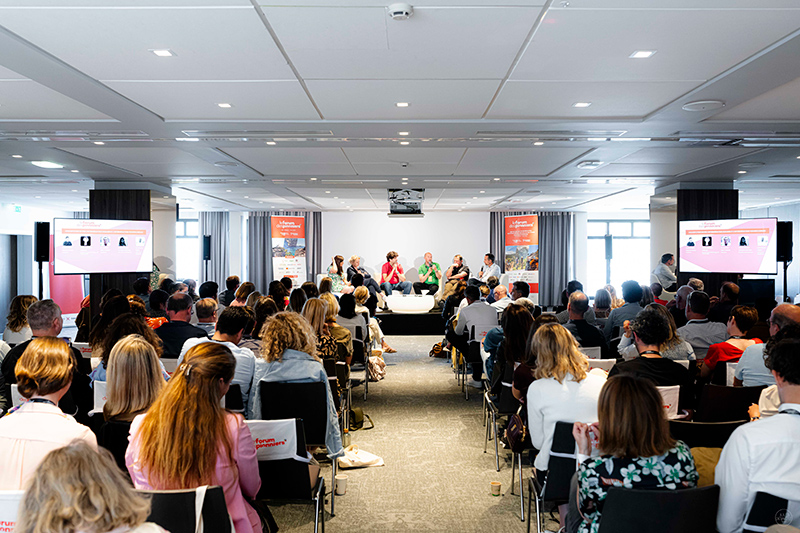
Lors de cette 24e édition, les décideurs du tourisme pourront croiser leurs regards, confronter leurs expériences et mieux comprendre les dynamiques d’un secteur en mutation. © Jules Despretz / Forum des Pionniers 2025


We are eager to welcome the Pioneers back for this new edition, which promises to be ambitious, inspiring, and deeply connected to the sector’s realities.

There are only a few spots left for general attendees.

💌 Contact us.


Pioneers Forum 2026 Theme: Navigating Uncertainty


Cap sur l’Égypte pour la 24ᵉ édition du Forum des Pionniers. Du 30 mai au 4 juin, 130 décideurs du tourisme se réuniront pour explorer un thème au cœur des enjeux du secteur : piloter l’incertain. © iStock

Top of Travel


For over 20 years, the Forum des Pionniers has gathered yearly tourism and business travel decision-makers to broaden their thinking about the sector’s major shifts and to expand their network. Each edition is also an opportunity to (re)discover a destination.

When disruptions stack up

In 2026, instability has become the norm. Geopolitical upheavals, widespread inflation, climate disruption, the entry of artificial intelligence: the travel industry is undergoing an unprecedented transformation.


Geopolitical fragmentation is brutal. The conflict in Ukraine has already erased $44.5 billion from the outbound market. The flare-up in the Middle East has cost regional tourism 515 million euros per day. Where growth of 13% had been anticipated, declines of up to 27% were recorded. The Hormuz Strait was paralyzed, kerosene rose from $750 to $1,900 per ton in six weeks, triggering extra costs that were passed through to airfares starting in the spring.

A divisive question will be posed to the Pioneers: absorb, pass through, or wait? Three strategies, three different outcomes, because supplier agreements were signed in a context that no longer exists. A shock of six weeks is manageable. A shock of six months calls everything into question: the organization, the contracts, the teams. And the April 8 ceasefire does not change the price of kerosene. IATA is clear: the return to normal will take months. Many have built their summer plans on assumptions that no longer hold.

Beyond these geopolitical and economic shocks, climate disruption is no longer a distant risk. In 2025, natural disasters cost $107 billion in global insured losses, according to Munich Re.

Every other summer now, a destination that is marketed burns, floods, or becomes difficult to market in peak season. The question is no longer whether the catalog should evolve, but whether operators have already updated their offering, or if they still treat each episode as a separate incident. Climate risk will eventually raise insurance costs, weaken entire destinations, and weigh on margins in the long run. Some have already integrated it into their decisions. For many, it remains a topic they postpone.

This double geopolitical and climate shock also weakens the fabric of the industry. Cash reserves have not had time to recover since Covid. The players who fared best share one trait: the ability to pool risks, to forge alliances, to build collective resilience rather than go it alone. The real question for the leaders gathered in Egypt for this edition: if the same shock reoccurs in 18 months, what would they do differently, and why aren’t they doing it already?


AI: Co-pilot or Source of Concern?

In 2026, artificial intelligence is asserting itself in the tourism professions. It no longer merely calculates; it writes, advises, and creates. But its entry into organizations raises as many questions as it claims to answer.

First domain: risk anticipation. Tools now integrate in real time geopolitical signals, climate alerts, and traveler advisories. The horizon is scanned, risks are scored, automated alerts are produced. Yet cancelling a program 45 days out, hedging kerosene prices six months ahead, maintaining a destination when states advise against it: these choices remain human, solitary, and irreversible. The co-pilot sees far ahead. The pilot bears the burden alone.

Second domain: travel recommendations. Reducing the traveler brief by 60%, field adoption rates above 80%: the numbers show the tools work. But they pose a deeper question. When AI prepares and humans approve, what becomes of expertise? Is it mere quality control or a true enhancement of judgment? What the client does not say—the hesitation, the unspoken wish, the unformulated family constraint—remains entirely on the human side.


Au Forum des Pionniers, chaque participant
est acteur de la réflexion. Un cadre bienveillant
où l’on prend la parole, où l’on confronte
ses visions et où l’on construit ensemble.
© Jules Despretz / Forum des Pionniers 2025

Third domain, more delicate: what happens within teams. AI is embedding itself in organizations from the top with a strategic decision, a deployed tool, and expected adoption. But it is on the ground where the real dynamics unfold. The advisor who sees their brief reduced. The marketing team whose content is generated in seconds. The back office whose tasks are automated without consultation. AI does not eliminate day-to-day jobs overnight; it quietly reconfigures the roles. And it is precisely this silence that can generate resistance, disengagement, and a loss of meaning.

Ultimately, the challenge is not choosing between humans and machines, but redefining their complementarity. What is human expertise worth if AI can model professional knowledge, surpass data analysis, and personalize at scale? What remains— and perhaps that is the essence— is responsible decision-making, engaged judgment, and human presence in moments of doubt.


Egypt: far more than a backdrop, a lesson in resilience

The choice of Egypt as the destination for this 24th edition is not accidental. A land of millennial hospitality, the country embodies the tensions and promises that cut across the sector: a destination essential in the midst of geopolitical reconfiguration, it must manage the saturation of its iconic sites, protect its natural treasures, and modernize its infrastructure while continuing to welcome the world.

For the Pioneers, Egypt will be both a ground for reflection and a ground for discovery. Immersive activities will allow exploring its treasures while continuing exchanges in an exceptional setting, faithful to the Forum’s DNA: blending usefulness with pleasure, stepping back to gain perspective.


Le Forum des Pionniers : un format collaboratif pour confronter les visions, faire émerger des idées et co-construire des réponses opérationnelles. © Jules Despretz / Forum des Pionniers 2024


About ESCAET and Travel-Insight


Pioneers Forum 2026: Penguin World Returns as Sponsor with SpeedMedia, Resaneo, and Quartier Libre


© Canva - Penguin World

Top of Travel


The Penguin World tourism group, based in Lyon, comprises three companies: SpeedMedia Services, Resaneo, and Quartier Libre. Collaborating with all three Penguin World entities means partnering with professionals dedicated to serving travel industry players.

SPEEDMEDIA: technology serving everyone

SpeedMedia, a travel software publisher for more than two decades, redefines the digital support for travel agencies, networks, and tour operators with a clear mission: turning technical complexity into immediate sales opportunities.


© Canva - Penguin World

The era of static showroom websites is over; today’s travelers demand fluency, immediacy, and reassurance. SpeedMedia rises to this challenge by delivering solutions that automate low-value-added tasks — checking availability, updating prices, handling deposits — so travel agents can focus on what matters most: guidance and sales. This efficacy rests on the strength of a single ecosystem, connecting in real time with more than 70 tour operators and an extensive network of air carriers.

This technological force enables professionals to reclaim control over their offerings through the Open Package (Flex). They can now assemble their own land-based services with global transport flows, while delegating the intricate management of air customer service. Each building block is designed to secure the customer journey and maximize conversion rates.

SpeedMedia’s ambition is to make this power accessible to all, from local agencies to large-scale e-commerce accounts.


RESANEO, transport now and always flight and train + hotel


© Canva - Penguin World

Resaneo is a 100% B2B online travel agency, specializing in booking transports (flights and trains), relied upon daily by more than 3,500 professionals for their ticketing needs. With the widest market offering, it provides access to more than 600 carriers (low-cost, regular, and charter airlines, and French and European rail operators).

A clean and intuitive site that simplifies transport reservations.

A differentiating offer with Travel Connect enabling travelers to depart from near their home and benefit from exclusive connections.

Resaneo also provides agents with a full rail offering in France (Oui SNCF, OuiGo, Trenitalia, Renfe) and across Europe for intercity journeys, e.g., Barcelona–Madrid, Vienna–Bratislava, Innsbruck–Milan, Basel–Munich, and more.

New: Since December 2025, in partnership with Teldar, Resaneo now offers a Worldwide Flight+Hotel and a Europe-wide Train+Hotel option.

And Resaneo also includes:

● Opportunities to access our offers in white label or via our APIs. You can present flights and trains in your own brand while relying on our support from pre- to post-sale.

● Free registration in just a few clicks, no subscription—you pay only for reservations.

● Accounting reporting and the possibility of account setup.

● And, Resaneo lets you manage your margins by configuring your own markup.

Finally, and this is no small point, Resaneo is powered by a team of accessible and passionate experts who drive a capable tool to deliver users the best possible booking experience.

Visit www.resaneo.com and let yourself be guided.


Quartier Libre with its classics and a host of new features


© Canva - Penguin World

Quartier Libre is a tour operator specializing in circuit trips around Celtic and Scandinavian cultures.

Iceland, Norway, Sweden, Ireland and Scotland have been our flagship destinations for over thirty years. We are nonetheless committed to deepening our expertise, strengthening our strengths, and staying aligned with contemporary challenges so that we offer products that are increasingly relevant to our clients.

The integration of Quartier Libre into the Penguin World group in 2019 re-energized our creation and commercialization processes. We work in synergy with other group members to offer a simple and efficient travel-booking experience: while Resaneo provides the full range of air availability with real-time pricing, SpeedMedia supplies users with a first-rate digital interface.

We also intend to preserve the proximity we have forged with our clients. Quartier Libre has established itself in the industry as a major regional player, enabling access to Northern Europe from many French cities and neighboring countries — Belgium, Luxembourg, Switzerland, and Spain. We emphasize developing varied proposals, both in form (guided tours, self-guided trips, or stays) and in substance (cultural and natural heritage discovery, playful and sport-filled activities, etc.), each with supervision and reassuring guarantees to meet the needs of every traveler type.

This year Quartier Libre innovated by launching a new production including a circuit in England or small groups of 18 in Ireland. Additionally, our multi-activity stays in Swedish Lapland are now offered with three flights per week.

Finally, our organization remains committed to addressing current issues. In the face of the climate emergency, we are developing numerous avenues to offer sustainable tourism that respects the environment. Whether prioritizing direct flights or train routes for pre- and post-journey connections, that is why we also offer our clients who wish to visit the Isles and Highlands of Scotland and our circuit in England to reach them by train from France or Belgium.

Moreover, our two Baltic circuits are train-based. Quartier Libre recognizes its responsibilities and strives to meet today’s legitimate expectations. So that travel leaves a lasting impact on the traveler… not only on the places they traverse.


Forum des Pionniers 2026 : Penguin World de nouveau parrain avec ses trois sociétés, SpeedMedia, Resaneo et Quartier Libre
Do not hesitate to contact Léa and her teams for any request. We offer demonstrations via screen sharing, conference calls, emails, meetings… we look forward to speaking with you:

• Email us: [email protected]

• Phone: + 33 (0)1 84 16 52 90

• Or on our site: https://www.speedmedia.fr

facebook linkedin


Pioneers Forum 2026: Anticipating the Unpredictable — The Sector’s New Challenge


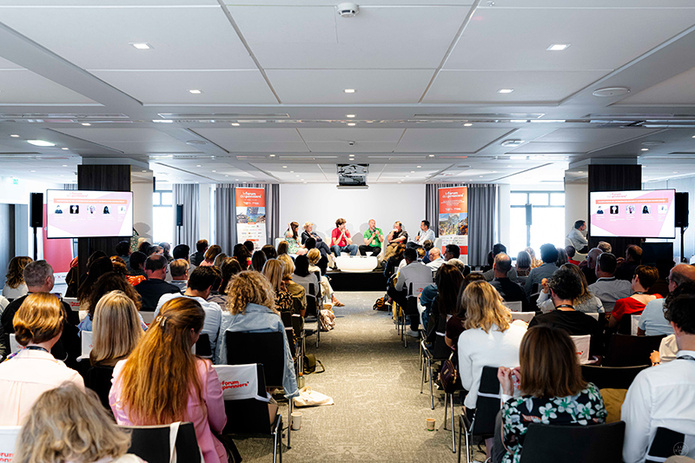
Le Forum des Pionniers : un format collaboratif pour confronter les visions, faire émerger des idées et co-construire des réponses opérationnelles. © Jules Despretz / Forum des Pionniers 2025

Top of Travel


From reaction to anticipation: a shift in posture

Travel has always been a sector exposed to vulnerability. And the profession has always known how to adapt—it’s even one of its strengths. But in recent years, the very nature of uncertainty has evolved. Disruptions have become more frequent, more simultaneous, and above all more structural. Reacting quickly is no longer enough. Most players have managed to cope, sometimes at a high cost to their teams and their margins. The real question now lies elsewhere: how to build organizations capable of foreseeing, modelling, and preparing themselves?

This shift is at the heart of the Forum des Pionniers 2026’s exchanges: moving from a reactive logic to a genuine culture of anticipation. The 24th edition is designed to explore together the terrains where this posture today makes a difference: geopolitics, climate, the economy, and the concentration of the sector.


Geopolitics: knowing your threshold before the next shake

Recent shocks have reminded us of one simple thing: in tourism, decisions are rarely made in comfort. Should we absorb fuel price hikes to protect customers and partners, or pass them through to protect margins? Two strategies, two bets, and often two different outcomes for the companies.

But beyond the decision itself, what distinguishes actors today is what they have prepared in advance. Knowing one’s breaking point, modelling the impact of a shock according to its duration (six weeks, three months, six months…) on margins, supplier contracts and teams: these exercises, long seen as theoretical, are becoming a real leadership skill. Anticipating means giving yourself the means to decide lucidly rather than improvise under pressure. And it also means knowing, in advance, at what moment an adaptation strategy becomes a survival strategy.


Climate: integrating a new geography into strategic decisions

Climate risk has long been treated as a branding issue, or as a marketing argument to mobilize occasionally. It now directly informs operational decisions. Allocations, pricing grids, partner choices, positioning during certain periods: the commercial mechanics of travel rest on seasonality assumptions that no longer hold quite as they used to.

Anticipating here means being willing to revisit parameters long considered stable. Reexamining the place of certain Mediterranean zones in midsummer, watching the rise of shoulder seasons, adjusting dialogues with local hosts who, too, see their trade evolving. It also means anticipating the forthcoming repercussions on travel insurance, on airlines’ investment policies, on the very value of certain destinations over a five- to ten-year horizon. For a few players, this work is already well advanced. For many, it is just beginning.


Economy: capturing value where it moves

Customer behavior is changing, and it is changing rapidly. People travel as much as before, but book later. They look more at France and nearby destinations. They arbitrate differently between duration, distance, and budget.

Yet riding a trend and seizing it are not the same thing. Some players overinvested in long-haul in the post-Covid years, and today find themselves rebuilding positions on proximity destinations they had long considered less profitable. Others, more ahead in market reading, have already repositioned their product mix, adjusted pricing for customers who book later, and are crafting new narratives around territories we thought we knew.

Anticipating the movement of value is not about following the trend a year late; it is about staying ahead of it. Betting, sometimes uncomfortable, that what seems marginal today will be central tomorrow. And above all, accepting that tomorrow’s strategy will not resemble yesterday’s.


Concentration: positioning yourself before the landscape changes

Every major tourism crisis has accelerated concentration. The current sequence follows the same mechanism: widening gaps in resilience among players, shifts between those who managed to secure their margins and those who struggle to rebuild their reserves, opportunities for consolidation multiplying.

The question is no longer whether consolidation will occur. It is how each player wishes to participate. A desirable target, consolidator, strategic partner: these are positions prepared in advance, in market reading, in the robustness of the business model, in the clarity of the vision. Those who anticipate these moves today, who face them head-on rather than with worry, gain a head start over those who will discover the landscape only once it has been recomposed.

In every segment, one model survives and strengthens. Identifying that model, knowing whether we fit into it, outlining our trajectory for the years to come: these are decisions that cannot be made in the heat of the moment, and certainly not alone.


About ESCAET and Travel-Insight


Pioneers Forum 2026: AI, a New Leadership Challenge for Tourism Leaders


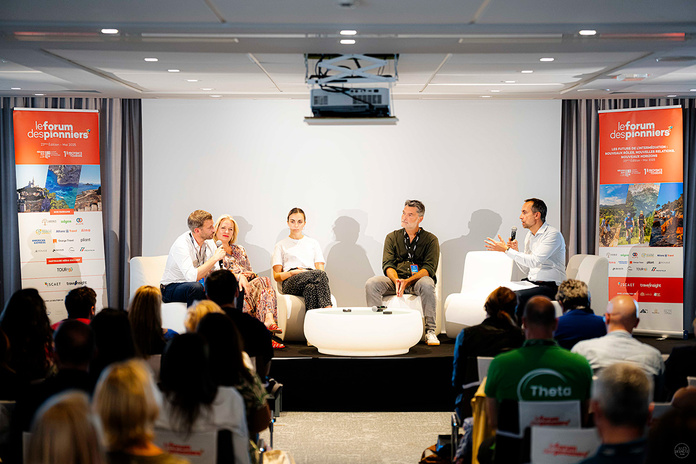
Au Forum des Pionniers, les dirigeants du tourisme confrontent leurs visions sur les transformations qui recomposent leurs métiers. © Jules Despretz / Forum des Pionniers 2025

Top of Travel


A Quiet Revolution, Yet Profound

Two or three years ago, AI in tourism was for many simply a matter of technological watch. Demos were watched, chatbots were tested, and questions were raised about possible uses. Today, the tools are deployed, teams are using them, and early feedback is beginning to outline a reality more nuanced than the initial promises.

AI hasn’t revolutionized everything all at once. It settles quietly, in successive layers, into very different functions. Destination risk monitoring, customer guidance, automation of repetitive tasks, compliance in business travel: in each area, it adds value, but it also moves something. Part of professional judgment, part of decision-making, a certain relationship to the craft.

It is this shift, more than the technology itself, that the Forum des Pionniers 2026 will explore. A 24th edition to understand how AI quietly reshapes four structural dimensions of the sector: risk monitoring, customer guidance, team management, and the steering of business travel.


Risk Monitoring: How to Use AI Effectively to Truly Protect

Tourism is one of the sectors most exposed to external crises. Conflicts, climate events, health alerts, diplomatic tensions: recent months have reminded us of this. And atop this exposure there is now growing regulatory pressure, turning monitoring into a genuine obligation. In the face of this double challenge, AI now promises an unprecedented protective capability: it aggregates weak signals, models scenarios, and raises real-time alerts. Dedicated tools can now evaluate a destination’s risk in minutes, where previously human monitoring took days.

But using it well requires understanding its legal and operational levers, its strengths and its weaknesses. Canceling a program six weeks before departure, covering a fuel-price increase over six months, maintaining a destination when authorities partially discourage it: these trade-offs remain human, often solitary, and largely irreversible. AI sees, sorts, alerts. It is the leader who bears the responsibility. And in this new setup, a question naturally enters boardrooms: at what point can we say we have “listened” to AI, and at what point does the opposite decision become hard to defend?


Guidance: When AI Prepares, Human Judgment Reclaims Its Role

The travel advisor profession has always rested on a skill that’s hard to automate: listening, understanding, and anticipating what the client does not yet know how to express. AI today is deeply restructuring this work. From understanding the client’s need to delivering a relevant offer, models quietly transform every step of the booking process, without the traveler, or sometimes the seller, noticing. The search for content is reinvented, old filtering criteria become obsolete, and teams adopt the tools quickly enough.

But this new organization of work profoundly changes the place of humans in the sales act. When AI prepares a recommendation, it’s not that expertise vanishes; it’s the advisory time that is freed up. The question remains what to do with it. A simple quality check of what the algorithm produced? Or, on the contrary, a revalorization of judgment, centered on what the machine cannot see: hesitation, unspoken desire, an unvoiced family constraint? The answer is neither fixed, nor identical across organizations. But it is what will largely determine the value advisory can command in the years to come.


Outils de veille, de recommandation, de productivité : l'IA s'invite désormais dans le quotidien des dirigeants du tourisme. © iStock


Teams: AI Quietly Reshapes Jobs

AI often takes root in organizations from the top: strategic decision, chosen tool, planned rollout, expected adoption. But it’s at the bottom that things actually change. The advisor who finds their brief shortened. The marketing team discovering that its content can be generated in seconds. The back office whose tasks are automated without having been given time to discuss it with them.

AI does not brutally destroy jobs; it quietly reshapes roles. And it is precisely this silence that can gradually generate resistance, disengagement, and a loss of meaning. For leaders, the question is no longer only about choosing the right tool. It is about whether teams were involved, listened to, and supported before deployment. It is also about what to do with the time freed by automation, and who decides how it is used. Upskilling, reallocation of workload, headcount reduction? Three answers, three different companies, and three managerial cultures that reveal themselves as AI arrives.


Business Travel: Between Technological Promises and On-the-Ground Realities

Business travel is perhaps the arena where AI promises are strongest: massive data, codified processes, travel policies to enforce — everything seems assembled for an ideal application. And yet, 60% of large French companies still do not know how to exploit the volumes of data they generate.

This is the paradox. Between disappointing chatbots and AI audits with ROI now proven, the gap between the technological promise and the field reality is almost never technical. It is organizational. Identifying where AI truly creates value, laying the right foundations now, and not confusing deployment with adoption: these are decisions that do not happen by accident. And those who make them today will avoid paying tomorrow the price of delay.


About ESCAET and Travel-Insight


Pioneers Forum 2026: Egypt’s Tourism Leaders Confront Uncertainty


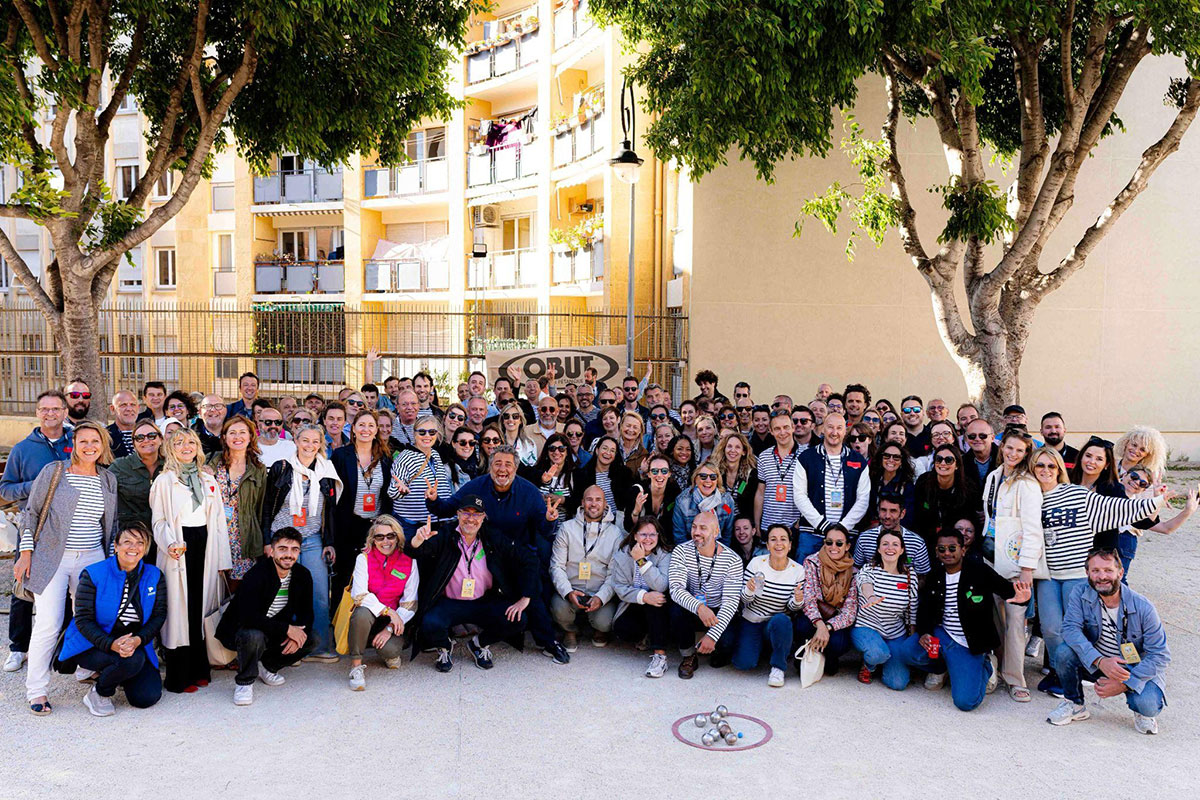
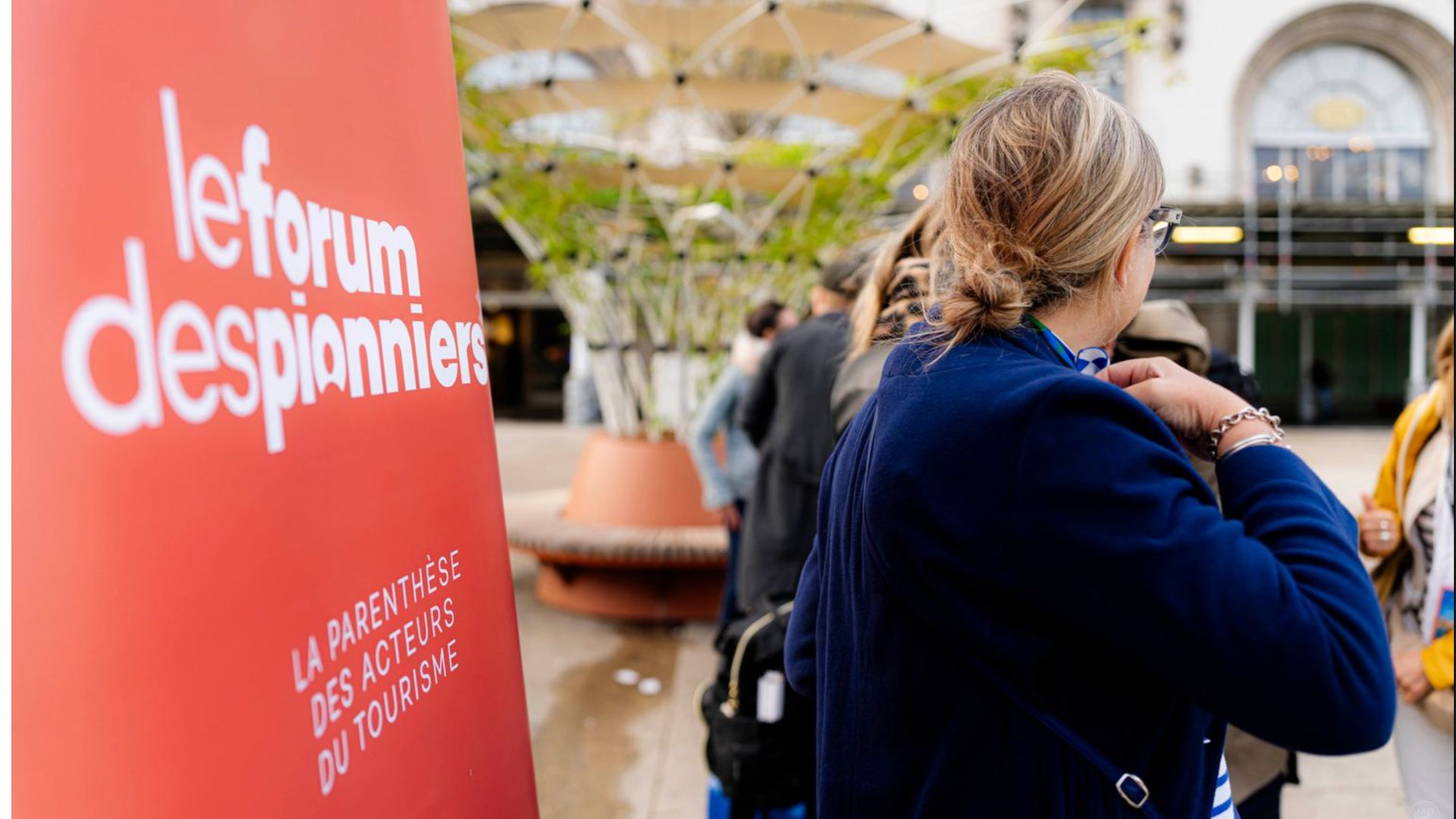
Les Pionniers à Marseille, en mai 2025 © Jules DESPRETZ

Top of Travel


From May 30 to June 4, 2026, 130 tourism decision-makers will fly to Egypt, traveling between Cairo and Aswan, with Luxor on the route.

Placed under the theme “Steering the Uncertain,” this new edition promises to be rich in exchanges, in reflections and in discoveries!

An edition focused on meetings, exchanges and professional opportunities

Created in 2000 by Pierre Amalou, the promise of the Forum des Pionniers has not changed for more than two decades: to create the conditions for shared reflection on the topics that stir the sector, in an environment conducive to in-depth discussions and to professional rapprochement. Participants find there as much strategic keys as concrete opportunities for collaboration, in a climate of trust and sharing.


The 2026 edition can rely on the Ministry of Tourism and Antiquities of Egypt, signaling strong government commitment to the event and marking the country’s tourism ambitions. EgyptAir, one of the oldest airlines in the world and a spearhead of Egyptian connectivity, as well as Travel Evasion, a French specialist in the destination, lend their support to this new edition.

This year, renowned companies such as Adyen, Agapè CSR, Allianz Partners, Alma, Atlas, HDB Solutions, Impact Consultants, Orange Travel, PenguinWorld (Quartier Libre, Resaneo, SpeedMedia), Travel Tech Factory and Vox Group have confirmed their presence as sponsors of the 24th edition of the Forum des Pionniers.


Un terrain de réflexion collective pour décrypter les grandes mutations du secteur

The 2026 theme “Steering the Uncertain” invites us to measure what is at stake today in the world of tourism. The traditional reference points of the trade have been upended in just a few years, pushing leaders to invent new methods of steering.

Between geopolitical instability, the emergence of artificial intelligence in all professions, and a coming wave of leadership transitions, the daily life of executives has changed. The Forum aims to provide a space to pose the right questions and to elicit operational answers, drawing on the diversity of experiences gathered in the room.

● How to decide and commit resources when the economic and geopolitical horizon is clouded?

● What role should AI play in travel professions, and how to preserve what gives teams their value?

● How to hand down, tomorrow, a tourism business, and what does that entail to prepare today?

Workshops on collective intelligence, masterclasses and moments of exchange will pace the reflection. These formats are designed to bring forth participants’ voices, rather than place them in the audience’s position.


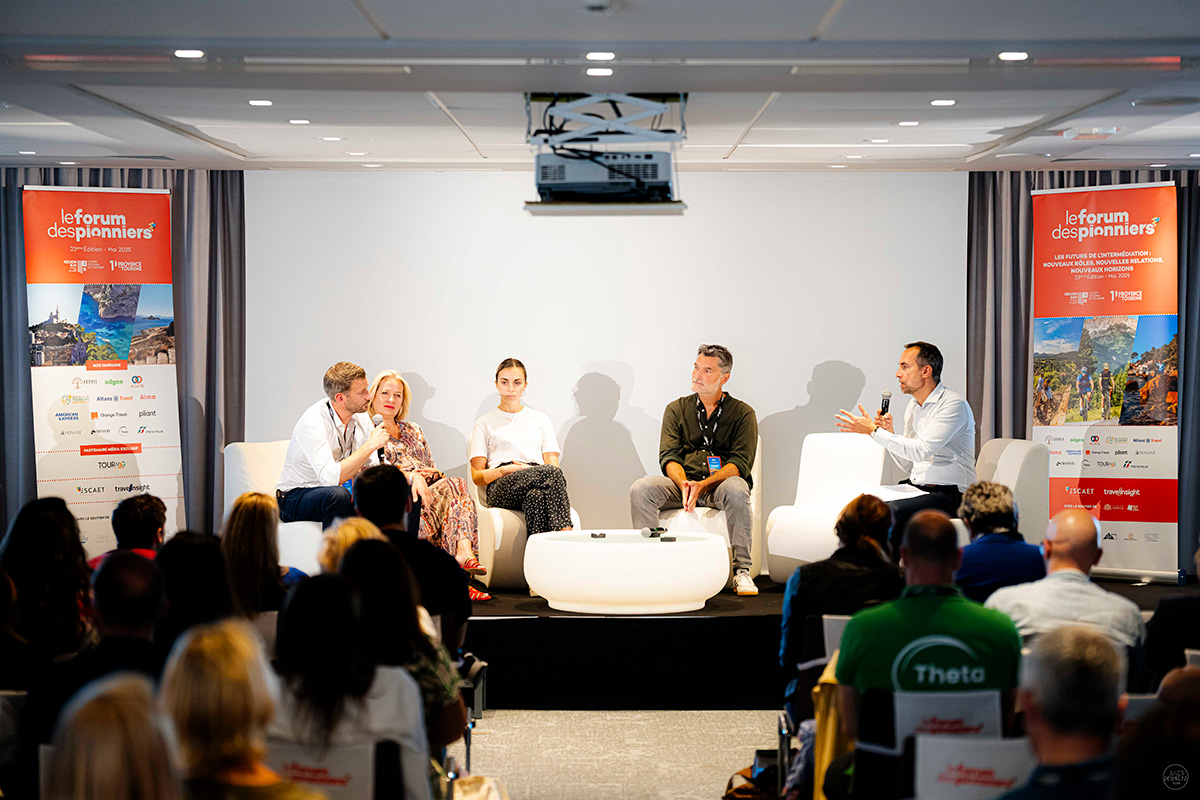
Retours d'expérience et débats : le Forum des Pionniers favorise l'émergence de réflexions partagées entre dirigeants du tourisme.  © Jules DESPRETZ


At the end, juxtaposed viewpoints, shared concrete cases and, true to the Forum’s DNA, professional connections that extend far beyond the event. The Pioneers will depart with a sharper reading of the ongoing transformations, practical tools to address them, and a network of peers that can be activated throughout the year.


L’Égypte en toile de fond, entre patrimoine universel et nouvelle dynamique touristique

It is in Cairo and along the Nile that the Pioneers community will gather. Egypt, which surpassed 19 million visitors in 2025, is experiencing an unprecedented phase of tourism growth not seen in decades. The country has made tourism a pillar of its economic strategy, closely linking it to the valorization of its heritage.

The recent opening of the Grand Egyptian Museum, the rehabilitation of major pharaonic sites, and the upgrade of hotel offerings compose a picture where historic heritage sits alongside a genuine ambition for renewal. Forum participants will discover this duality through immersion, through visits to major sites and meetings with local players who shape today’s Egyptian tourism.

This destination provides a particularly illuminating setting for leaders who come to question their own steering repertoires. Beyond the framework, Egypt adds additional material for reflection on a sector’s ability to transform without denying what makes it unique.


The Pioneers Forum 2026 Live [ABO]

Top of Travel: A Featured Window into TourMag’s Digital Edition

In the latest digital edition of TourMag, a dedicated module called “Top of Travel” takes center stage, pairing a prominent promotional banner with a focused, reader-friendly presentation. The layout positions an advertisement to the left, drawing the eye with a bold visual cue, while the main content area is streamlined for easy consumption. The banner, branded with the label “Top of Travel,” immediately signals a curated highlight reel designed to showcase travel stories, trends, and recommendations.

At the heart of the page lies an embedded live experience that invites readers to engage with freshly updated material. The central column hosts a live feed that is delivered through an embedded streaming element, allowing real-time interaction with current travel content. This live component acts as a dynamic gateway to evolving stories, enabling readers to access timely coverage without navigating away from the page. The implementation emphasizes a seamless, uninterrupted viewing experience, ensuring that the latest developments in travel are readily accessible.

The page’s visual narrative is anchored by a striking photograph credited to Jules Despretz. The image serves as a focal point for the reader, offering a compelling entry into the surrounding text and multimedia elements. The accompanying credit acknowledges the photographer’s contribution, underscoring TourMag’s commitment to showcasing high-quality visuals in conjunction with text-based reporting. The presentation of the image aligns with the site’s broader editorial aesthetic, balancing aesthetic appeal with informative content.

Layout choices throughout the page reflect a deliberate emphasis on readability and focus. The design minimizes distractions by hiding auxiliary columns and optimizing the main reading area for a clean, centered experience. This approach prioritizes the core article content and the embedded live feed, allowing readers to immerse themselves in the subject matter without the clutter often associated with multi-column layouts. The result is a streamlined, distraction-free environment that highlights the featured travel coverage.

The structure also conveys a sense of immediacy and accessibility. By presenting the most relevant material in a single, prominent column, readers can quickly grasp the key narratives and then explore related multimedia elements as desired. The combination of an eye-catching banner, a live content stream, and a powerful photographic centerpiece creates a cohesive reading experience that mirrors contemporary digital publishing trends, where speed, clarity, and visual engagement are paramount.

In keeping with TourMag’s editorial cadence, the page integrates multi-media elements to supplement traditional text. The live feed provides an ongoing stream of travel conversations, updates, and perspectives, complementing the article’s written components. Readers are invited to interact with the content through the embedded experience, experiencing a blend of reporting, commentary, and real-time commentary that enriches the overall narrative.
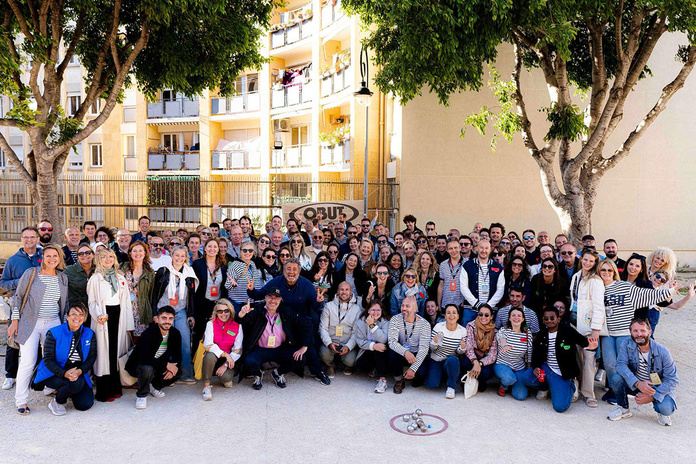
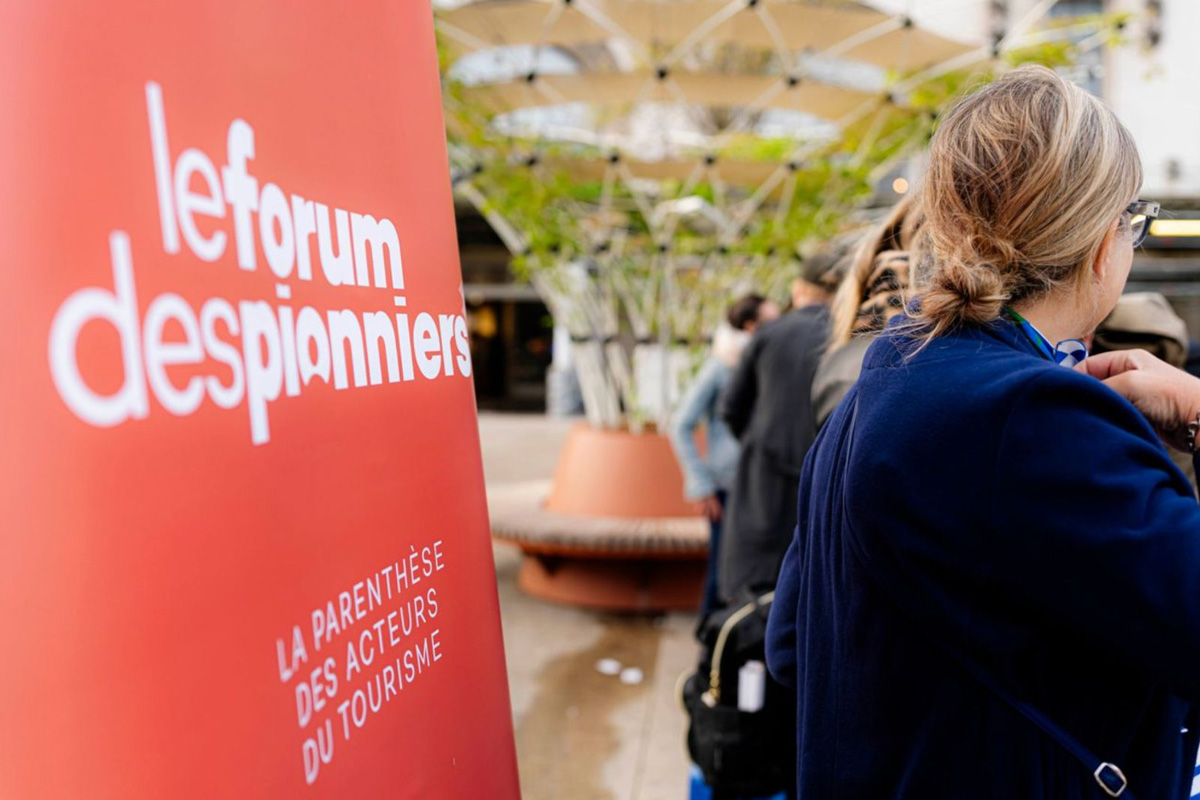
The photographic highlight by Jules Despretz anchors the page’s visual storytelling. The image’s presence reinforces the journalistic value of pairing descriptive prose with compelling visuals, offering readers a more immersive understanding of the travel landscape. While the banner and the live feed drive the page’s dynamic qualities, the still photograph grounds the experience with a moment of visual resonance.

From a technical standpoint, the page adopts a focused approach to presentation. The left-side promotional element, the central live content module, and the prominent photograph work in concert to deliver a concise, engaging experience. The removal of extraneous side columns and the centering of the primary content contribute to a clean, modern aesthetic that aligns with contemporary web design principles. This layout choice supports quick scanning, easy navigation, and a straightforward path from introduction to multimedia exploration.

In summary, TourMag’s Top of Travel page exemplifies a deliberate fusion of advertising, live content, and high-quality photography to create a compelling reader experience. The combination of a bold promotional banner, a real-time embedded feed, and a captivating credit for the lead image demonstrates how editorial teams can harmonize commercial elements with substantive travel coverage. The result is a focused, immersive environment that invites readers to explore current travel narratives in a streamlined, visually engaging format.