Craving Silence While Traveling? The 10 Quietest Countries in the World

What if silence had become one of travel’s new luxuries? Far from megacities, crowded highways, noisy infrastructure, and destinations saturated with visitors, some countries still offer landscapes where human presence seems almost forgotten. A recent ranking by Go2Africa sought to identify places most conducive to this pause, cross-referencing population density, tourist traffic, and infrastructure. The result? The top ten countries in the ranking hold a few surprises and give pride of place to vast wild spaces.

Africa dominates the top spots in the ranking

With six countries among the ten premiers, Africa is by far the best-represented continent in the list. Namibia comes in second, with a tranquility score of 86.69 out of 100. Its vast desert expanse holds only 3.83 inhabitants per square kilometer, while the tourist density stands at just 0.67 visitors per square kilometer. In the Namib Desert, as along the Skeleton Coast, distances and the sparse human presence foster a particularly strong sense of solitude.

Botswana takes third place with 80.86 points. The country has chosen a tourism approach that favors a limited number of visitors and vehicles in certain zones. A strategy that, in particular, makes it possible to observe animals in the Okavango Delta in wide spaces where vehicle gatherings remain limited. Zambia follows closely, with 80.64 points. About 48% of its territory is officially protected, notably in vast wild regions such as South Luangwa and Lower Zambezi. The country has also become known for its walking safaris, a way to explore nature without multiplying vehicles around the animals.

Fifth in the global ranking? Gabon scores 80.61. More than 85% of its territory is covered by equatorial forest, and 13 national parks were created in 2002, covering more than 10% of the country at the time. Among them, Loango National Park is particularly renowned for elephants capable of venturing onto the coastline. Two other African countries also feature in the top 10: Chad, seventh with 79.82 points, and the Central African Republic, eighth with 78.18 points. Their positions are explained largely by a very low density of infrastructure and visitors. Chad has no railway lines, while the Central African Republic counts only 1.56 vehicles per kilometer of road.

Vast spaces across all continents

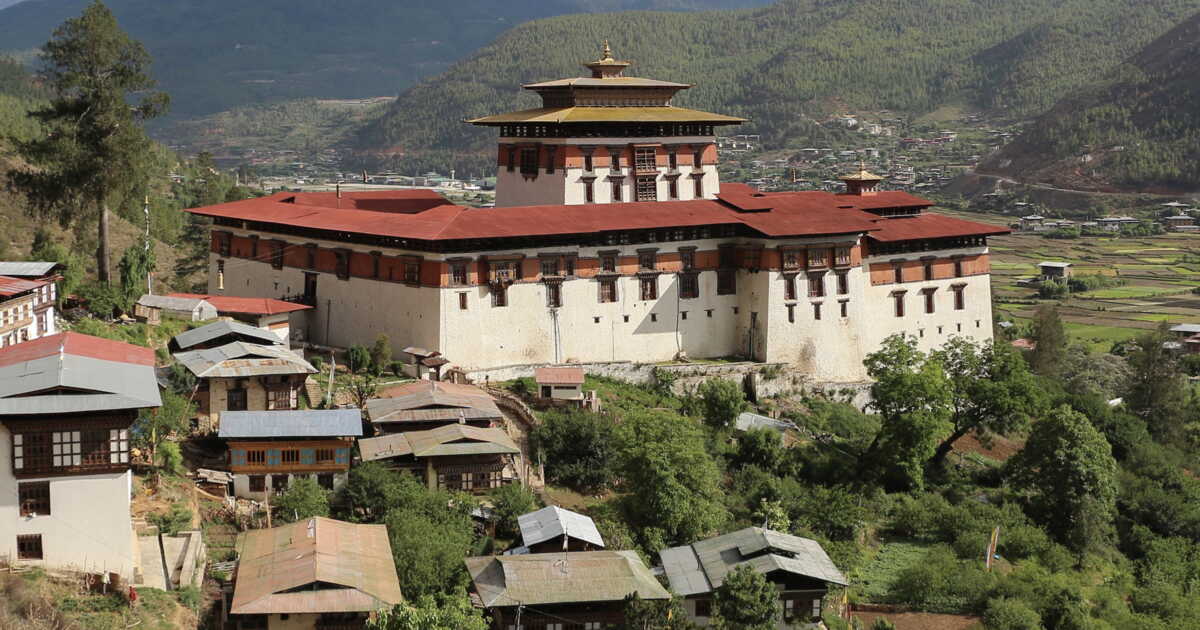
While African countries lead the ranking, the quietest country in the world lies elsewhere. Specifically in Asia. It is Bhutan, at the top with a score of 89.44. Nestled in the eastern Himalayas, the kingdom covers 39,041 square kilometers of forests, mountains, and sparsely populated valleys. Tourist access is also framed, notably through a daily fee intended for sustainable development.

In South America, Venezuela ranks sixth with 80.20 points. More than half of its territory, 54.1%, is under a protected status. The country also receives only 1.4 tourists per square kilometer, leaving vast regions largely untouched by international tourism. Mongolia, ninth with 75.53 points, underscores the weight of scale even more. The country spans roughly 1.5 million square kilometers, but has only 35 airports and 1,810 km of railways. Bolivia, tenth with 75.40 points, shows a population density of just 11.77 inhabitants per square kilometer, despite major cities like La Paz.

The Oceania region appears further down the ranking, with New Zealand in 17th place and Australia in 20th. However, these positions should be viewed with nuance, as several small Pacific island states could not be included in the ranking due to insufficient data. Europe, for its part, remains clearly behind. No European country makes the top 25. Estonia, the European country with the best score, is ranked only 34th, ahead of Finland (39th) and Sweden (40th). A consequence, notably, of population density and the transport networks that characterize the continent.

For Ashley Gerrand, safari specialist at Go2Africa, this search for space corresponds to an evolution in travel expectations: “More and more, our clients are not asking for itineraries that are busier or for more activities. They are looking for more space, where they can avoid the crowds.” And to conclude: “One of the greatest luxuries of travel today is the feeling of having space all to oneself.”.
Hotels and Taxis: The Hidden Price Women Pay for Safety When Traveling Alone

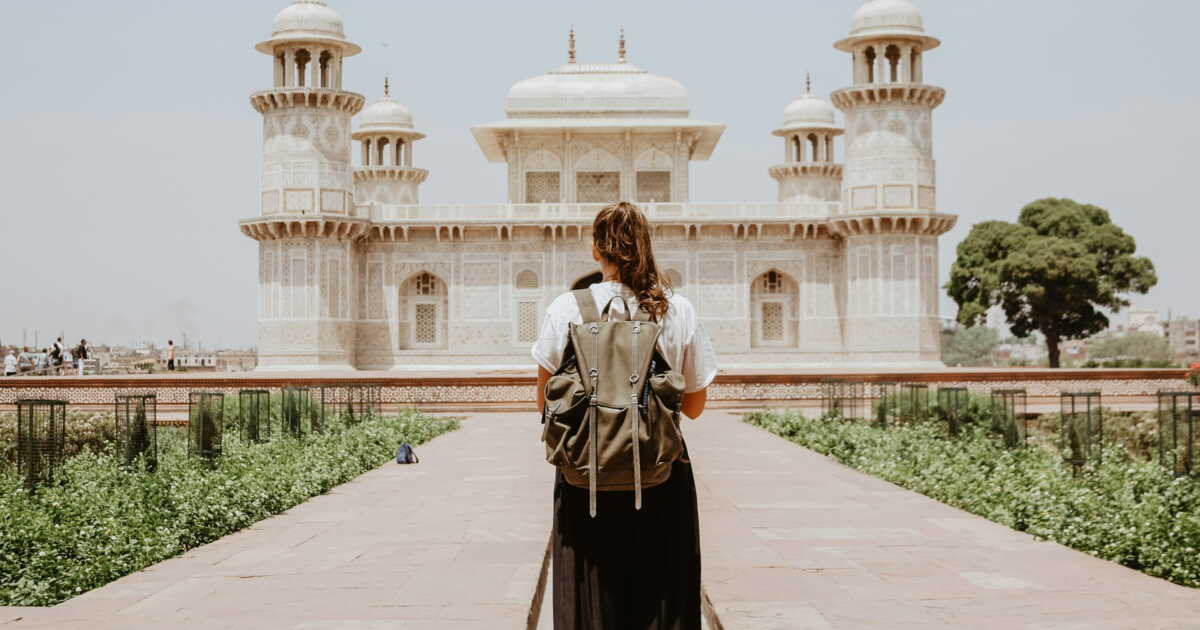
When you’re a woman, traveling alone can sometimes be pricey. More expensive than for a man. In London, BBC journalist Lorin Bozkurt recounts that she was offered two types of capsules in a Piccadilly Circus hotel, those small design spaces where a bed simply fits in. The ones reserved for an exclusively female clientele were priced at 45 pounds (about 52 euros) per night, while the others, mixed, were priced at 35 pounds (about 41 euros).

Yet no extra comfort accompanied the first offer, aside from a corridor accessible only by card and, above all, the promise of feeling safer for an extra 10 pounds. This difference illustrates what some specialists call the “avoidance tax”, akin to its marketing cousin, the “pink tax”. Female travelers do not necessarily pay more for the same trip than their male counterparts, but they often make different decisions, motivated by safety, which can end up increasing the bill.

The luxury of having peace of mind

Better-located hotels, a taxi rather than public transport, travel insurance or an extra charge for an earlier early check-in during the day… Expenses pile up. And they aren’t necessarily the same for men. Carried by the British broadcaster, a study from the Safer Tourism Foundation shows that “64 % of women avoid walking home alone at night abroad”, compared with 43 % for the opposite sex.

Nearly half of women also forgo wandering the backstreets of an unfamiliar city at night. “They don’t travel less because they are less adventurous than men. They operate in an environment where the risks are different”, explains Stephanie Boyle, director of the Safer Tourism Foundation’s She Travels Safe campaign.

Safer, therefore more expensive

For women accustomed to traveling solo, these precautions eventually become reflexes. Jen Kaarlo, who has 53 countries under her belt, tells the BBC she plans all her movements in advance. After experiencing several troubling incidents, including being drugged without her knowledge in a bar in Paris, the young woman avoids “any risky situation”. In Panama, she even preferred to pay nearly $200 extra (about €173) to ensure she wouldn’t have to share her sleeping arrangements with strangers during a trip to the San Blas Islands.

Jodie Hughes, who has been traveling alone since the age of 19, makes the same point. She says she used to favor youth hostels to save money, but now chooses other options because a women-only dorm can be more expensive than a mixed dorm. “I’d rather travel less often, but when I travel, I want to be safer”, she says. At Generator Hostels, whose Bruges property has been singled out, it is explained that women’s rooms are “in high demand” and that their prices reflect that demand.

“Safety should not be a competitive element. It shouldn’t be something that lets companies think they can charge more because they are safer”, replies Stephanie Boyle. Beyond the price of rooms or transport, these precautions also carry a less visible cost. They force travelers to plan more, sometimes give up going out, or choose a more expensive option rather than a spontaneous one. The question is therefore no longer only whether one can afford an extra expense, but whether one can afford not to spend it. “The mental load, I think, is the heaviest of all”, confesses Jen Kaarlo.

Huttopia Launches Recruitment Campaign for a Traveling Photographer in Summer 2026


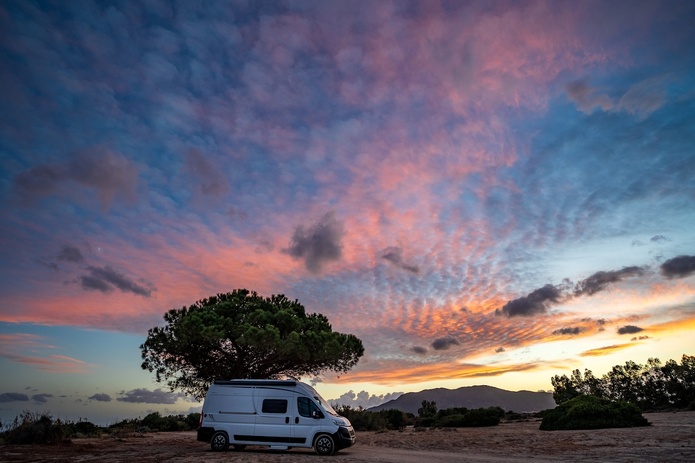
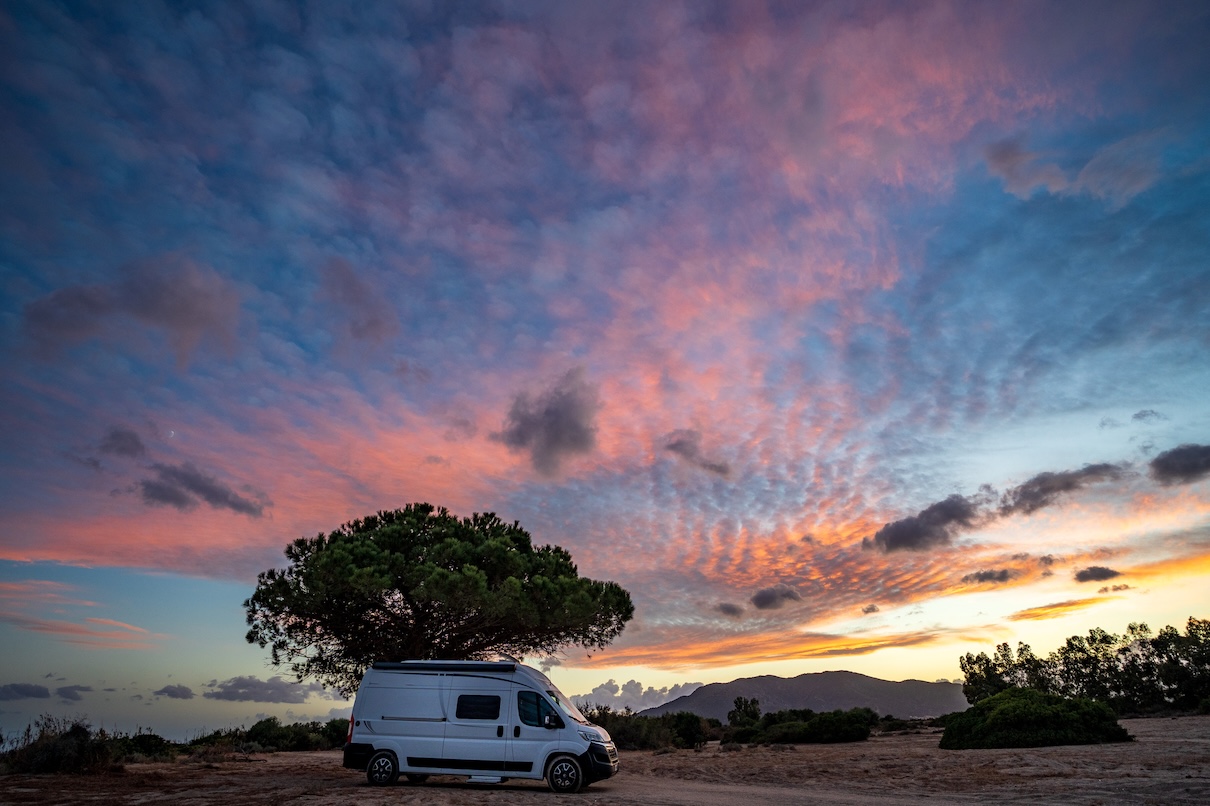
Le groupe Huttopia, via sa plateforme Bivouacs Huttopia, recherche un photographe ou vidéaste pour parcourir la France pendant l’été 2026 - Depositphotos.com @andrea.tabaro.gmail.com

CroisiEurope


In the framework of developing its platform launched in 2025, Bivouacs Huttopia aims to enrich its visual content library.

The concept rests on reserving bivouacs installed on privately owned lands selected across France, allowing travelers with a van, a roof tent, or a traditional tent to spend the night in authorized natural spaces.

The objective of this summer mission is to capture the experience of itinerant travel and the different environments on offer: lakeside shores, forests, vineyards, or mountainous areas.

The selected photographer will depart between June and September 2026 for a duration of two months. The itinerary will be undertaken aboard a camper van provided by Bivouacs Huttopia. The assignment may be completed solo or with a companion, depending on the profile chosen.

Along the journey, the candidate will be required to produce photo and video content intended to illustrate the visited bivouacs, highlighting the atmospheres, landscapes, and moments of life tied to itinerancy.


Open recruitment for non-professional profiles

No professional photography experience is required. The group places emphasis above all on a personal perspective, a sensitivity towards nature, travel, and vanlife, and an ability to tell stories in images.

Candidates must however be holders of a category B driving license for more than three years and available for a period of two months between June and September 2026.

The produced contents will then be used to feed the Bivouacs Huttopia reservation platform and the brand’s various communication supports.

Applications are open via this offer.


Amelia Brille Published by Amelia Brille TourMaG.com Writer
See all articles by Amelia Brille

  • picto Linkedin
  • picto email
Add TourMaG to your Google News feed Google Actualités icône