Tourisme Montréal Launches Its ‘Next Season in Montreal’ Campaign in France


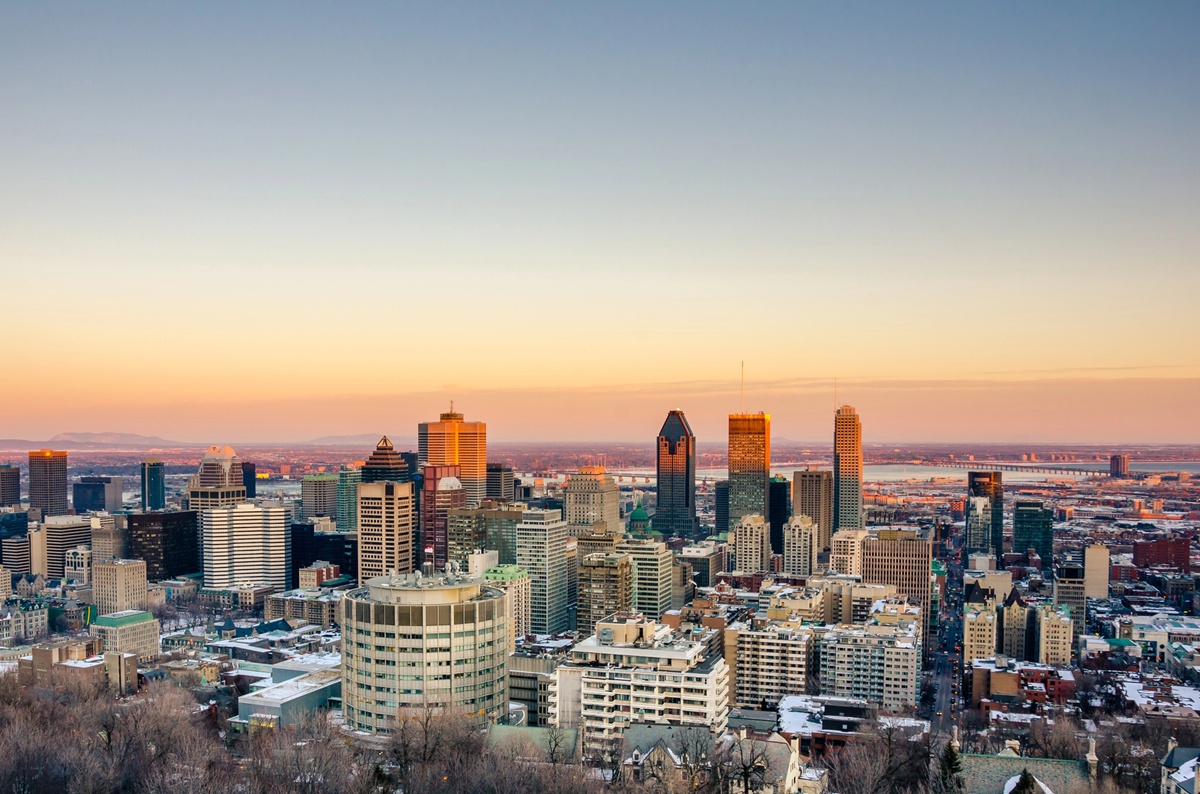
Tourisme Montréal déploie sa campagne « Prochaine saison à Montréal » - Depositphotos.com, Alpegor6

TAP Air Portugal


To boost tourist traffic during the cold season, Tourism Montréal engages the French market with a creative concept that pits the “Team Chill” (relax) against the “Team Thrill” (sensation).

This initiative, rolled out internationally to priority North American and European markets, aims to deconstruct the image of a restrictive winter and turn it into a compelling urban attraction argument for French travelers.

The organization thus seeks to highlight the contrasts of the metropolis through 30-second videos and short formats broadcast on digital and streaming platforms, inviting visitors to become active participants in their stay.


A reality-TV-inspired communication strategy

In continuation of its summer setup, the campaign borrows from the mechanics of reality TV shows, such as confessions, competition, and team-based rivalries, to theme the travel itineraries.

On the relaxation side, the promotion highlights local gastronomy, museums, urban spas, and neighborhood spots under the snow.

On the thrill side, the emphasis is on outdoor activities, winter festival programming, outdoor art installations, and nightlife.

The objective is not to create a true clash, but to illustrate the complementarity of experiences accessible within a single day in the city.


A media plan targeted at Île-de-France and the Lyon region through December

The campaign in France runs from September 2 to the end of December 2026, with priority targeting of the Île-de-France and Lyon catchment areas.

The media buy relies on high-audience outlets and digital channels to reach urban audiences seeking cultural, gastronomic, and exotic getaways.

By reaffirming that the metropolis “never hibernates,” Tourism Montréal aims to consolidate visitor flows across all four seasons and maintain visibility in the French market throughout the autumn-winter period.
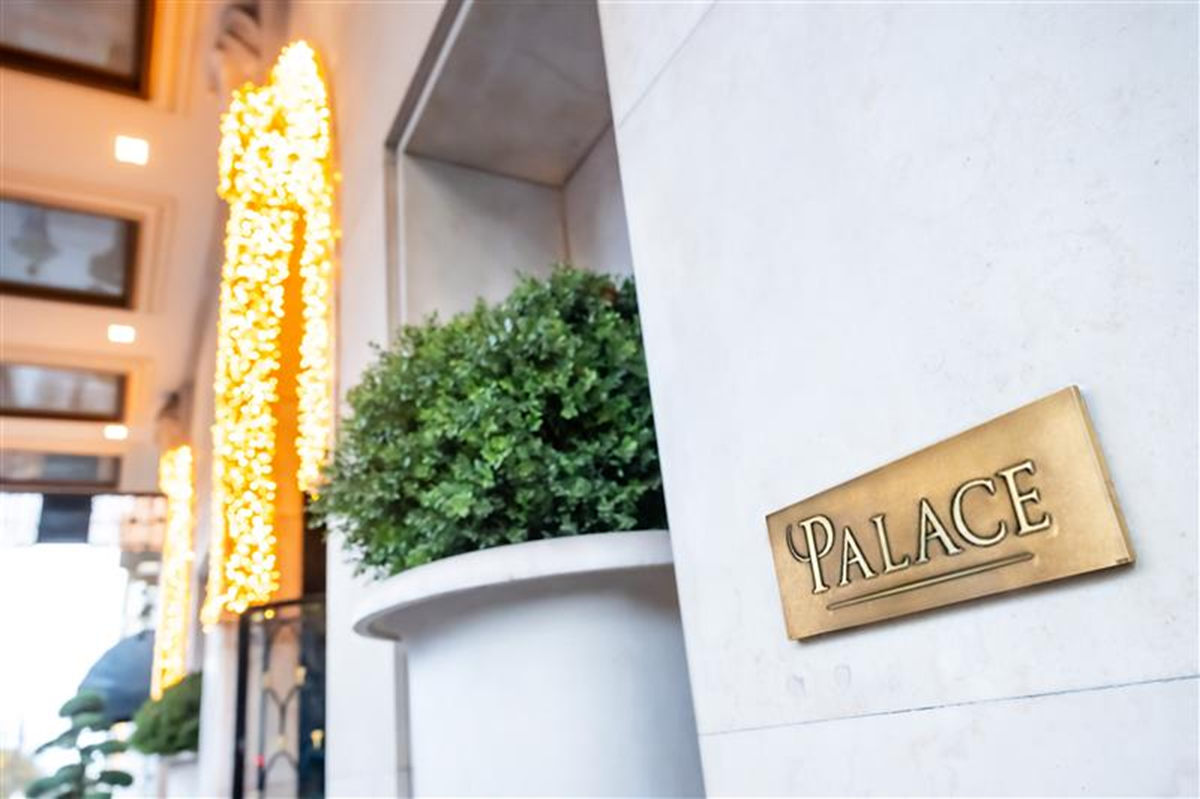
Atout France Launches 2027 Palace Candidacy Campaign


Atout France lance la campagne de candidature pour la distinction Palace 2027, photo by Atout France

Costa Rica


The Palace distinction, established during the overhaul of the hotel ranking to distinguish the elite among five-star establishments, is about to renew its roster of holders.

The national network currently counts thirty-three certified establishments, after the addition of six new addresses at the beginning of the summer.

This honorary distinction, formerly awarded for a longer period, is now granted for a strict duration of three years by the minister in charge of Tourism, on the conclusive opinion of a specialized attribution commission.

To read: Palace Label: “The aim is to attract ultra-luxury clientele to France”


The historical foundations and objectives of the distinction

The creation of the Palace distinction followed the comprehensive modernization of the French tourist accommodation offer, initiated in 2009.

While the introduction of the fifth star aimed to harmonize French standards with international frameworks for high-end hospitality, it soon became evident that a category of establishments with extraordinary characteristics needed to be singled out.

The Palace distinction was thus designed as a promotional tool to highlight exceptional properties on a global ultra-luxury market that is increasingly competitive.

In order to preserve the rarity of this label, the State implemented in 2024 a structural reform of the attribution criteria.

In addition to reducing the validity of the title to three years, the new provisions increased the operating seniority required before applying and restricted the possibilities of waivers when examining the ranking criteria.


The technical eligibility criteria imposed on applicants

For its file to be processed by Atout France, a candidate hotel must imperatively meet four cumulative eligibility criteria, otherwise the application will be immediately rejected.

The first criterion concerns the length of activity: the establishment must demonstrate at least 24 months of continuous operation for a newly created hotel, or a minimum of 12 months if it is a reopening after total refurbishment that required a long-term closure.

The second criterion requires the candidate to hold a current five-star rating.

The third criterion governs the size of accommodations, requiring a minimum surface area of 26m2, bathrooms included, for each room. An exception to this size rule is tolerated for a maximum of 10% of the hotel’s total room count.

Finally, the fourth criterion requires the validation of all the enhanced criteria of the five-star ranking grid. These options on the general grid become mandatory for Palace eligibility, such as the presence of a spa, a fitness area, a valet service, or a minimum ratio of suites within the hotel, with a tolerance margin limited to a single unvalidated criterion.


The preparation of the application file

The application submission is carried out digitally by creating a personal space on Atout France’s digital platform. The technical dossier to be assembled must by regulation include several supporting documents.

This includes first the official application form properly completed, accompanied by the complete report and the control grid stemming from the latest five-star category inspection. The operator must also attach an official document by which they undertake to cover all costs related to the inspectors’ stay and to provide the corresponding invoices.

The centerpiece of the file consists of a presentation “book,” transmitted in digital format or in two paper copies.

This document aims to demonstrate how the establishment meets the 12 exceptional assessment criteria defined by ministerial decree, such as the building’s history, the aesthetics of the premises, or the legendary character linked to famous personalities. Hotels may supplement this submission with annexed documents illustrating their CSR policy, their commitments to the quality of working conditions, or their internal training plans.


The progression of the evaluation and control procedure

From receipt of the file, the instruction process unfolds in two distinct and eliminatory phases. The first phase is purely administrative: Atout France conducts a technical verification of the four eligibility criteria. If the file is validated, it is then transmitted to the Palace distinction allocation commission.

The second phase rests on a on-site qualitative evaluation. Two members of the allocation commission, experts in the hotel sector and the art of living, carry out inspection visits within the establishment to attest to its exceptional character. Their assessments are based on a subjective “faisceau d’indices” spanning overall aesthetics, the quality of personalized hospitality, the gastronomic offering, and the coherence of the guest experience.

Following these inspection visits, the candidate establishment is summoned for an official audition lasting up to 30 minutes in front of all commission members.

This step allows the hotel’s management to defend its file before the commission proceeds to voting. If the commission’s opinion is favorable, the Palace distinction is formally granted by decree of the minister in charge of Tourism.

Huttopia Launches Recruitment Campaign for a Traveling Photographer in Summer 2026


Le groupe Huttopia, via sa plateforme Bivouacs Huttopia, recherche un photographe ou vidéaste pour parcourir la France pendant l’été 2026 - Depositphotos.com @andrea.tabaro.gmail.com

CroisiEurope


In the framework of developing its platform launched in 2025, Bivouacs Huttopia aims to enrich its visual content library.

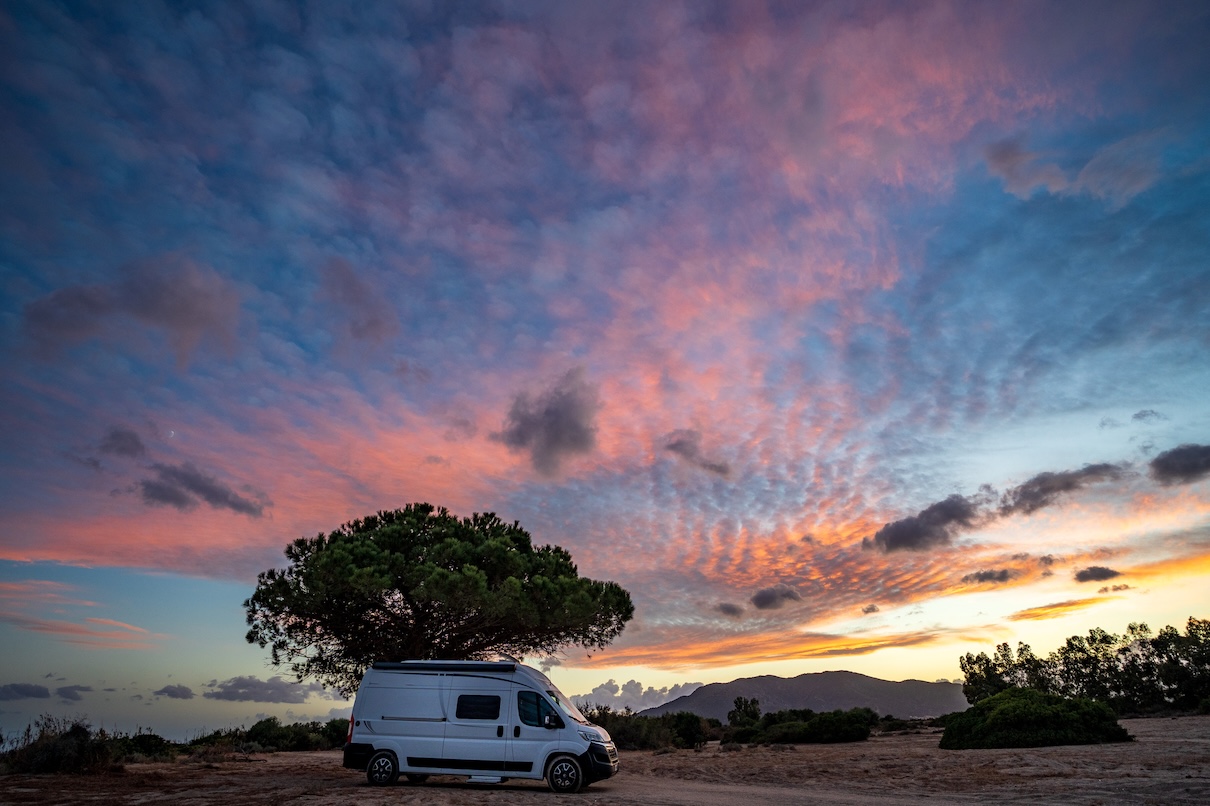
The concept rests on reserving bivouacs installed on privately owned lands selected across France, allowing travelers with a van, a roof tent, or a traditional tent to spend the night in authorized natural spaces.

The objective of this summer mission is to capture the experience of itinerant travel and the different environments on offer: lakeside shores, forests, vineyards, or mountainous areas.

The selected photographer will depart between June and September 2026 for a duration of two months. The itinerary will be undertaken aboard a camper van provided by Bivouacs Huttopia. The assignment may be completed solo or with a companion, depending on the profile chosen.

Along the journey, the candidate will be required to produce photo and video content intended to illustrate the visited bivouacs, highlighting the atmospheres, landscapes, and moments of life tied to itinerancy.


Open recruitment for non-professional profiles

No professional photography experience is required. The group places emphasis above all on a personal perspective, a sensitivity towards nature, travel, and vanlife, and an ability to tell stories in images.

Candidates must however be holders of a category B driving license for more than three years and available for a period of two months between June and September 2026.

The produced contents will then be used to feed the Bivouacs Huttopia reservation platform and the brand’s various communication supports.

Applications are open via this offer.


Amelia Brille Published by Amelia Brille TourMaG.com Writer
See all articles by Amelia Brille

  • picto Linkedin
  • picto email
Add TourMaG to your Google News feed Google Actualités icône  

Government Launches Campaign to Boost Low-Carbon Tourism


Le Gouvernement relance la campagne « Marquons les esprits, pas la planète », despositphotos.com

Dream Yacht


Le ministre Serge Papin engage une action de sensibilisation face à l’impact environnemental des déplacements liés aux vacances et aux loisirs des Français.

Alors que le transport représente 69 % de l’empreinte carbone globale du tourisme en France, la majorité de ces émissions découle directement du trajet effectué entre le domicile et le lieu de séjour.

En France, la voiture individuelle reste le mode de transport prédominant pour 79 % des départs en vacances et génère 53 % des émissions de gaz à effet de serre du transport touristique.

À l’inverse, si le transport aérien ne représente que 6 % de l’ensemble des voyages enregistrés, son impact écologique s’avère disproportionné, puisqu’il totalise 44 % des émissions de la filière.

A lire : Gaz à effet de serre : le tourisme doit (vite) agir ou mourir ?

Le ministro du Tourisme vient de lancer une campagne qui doit faire évoluer les comportements individuels en valorisant le voyage en train comme une composante à part entière de l’expérience touristique, tout en incitant à l’usage du vélo, de la marche ou de l’autopartage une fois arrivés à destination.


“Marquons les esprits, pas la planète” : une campagne pour transformer l’imaginaire du voyage

Pour maximiser l’impact de son message auprès du grand public, la DGE s’appuie sur un partenariat avec sept structures spécialisées dans les mobilités alternatives, l’hébergement et les loisirs.

La campagne est ainsi relayée par le réseau coopératif d’autopartage Citiz, la fédération d’hébergement Gîtes de France, ainsi que Lokki Rent, une plateforme dédiée à la location d’équipements sportifs.

Le secteur de l’aventure et des médias thématiques est également mobilisé à travers l’organisateur de courses de plein air La Mad Jacques et le média Mollow, spécialisé dans la décarbonation du voyage.

A lire : Évolution de la pollution des transports : faut-il s’alarmer ?

Enfin, l’application de guidage pour le vélo et la randonnée La Trace, ainsi que le site d’information Voyagerentrain.fr, complètent ce dispositif pour toucher une large communauté de voyageurs prêts à transformer leurs habitudes de déplacement.

La diffusion des supports de communication sera assurée pendant trois mois.

Ce réseau de diffusion est renforcé par le soutien d’organismes institutionnels et professionnels majeurs, parmi lesquels Atout France, l’ADEME, ADN Tourisme, l’association Acteurs du tourisme durable, le Réseau des Grands Sites de France, la Fédération nationale des Parcs naturels régionaux, ainsi que l’Autorité de régulation professionnelle de la publicité.


Le déploiement de la campagne tout au long de la saison estivale entend ainsi proposer des alternatives concrètes pour concilier découverte des territoires et préservation des écosystèmes.