TAP Air Portugal Partial Sale: Lufthansa Wins Bid Against Air France–KLM


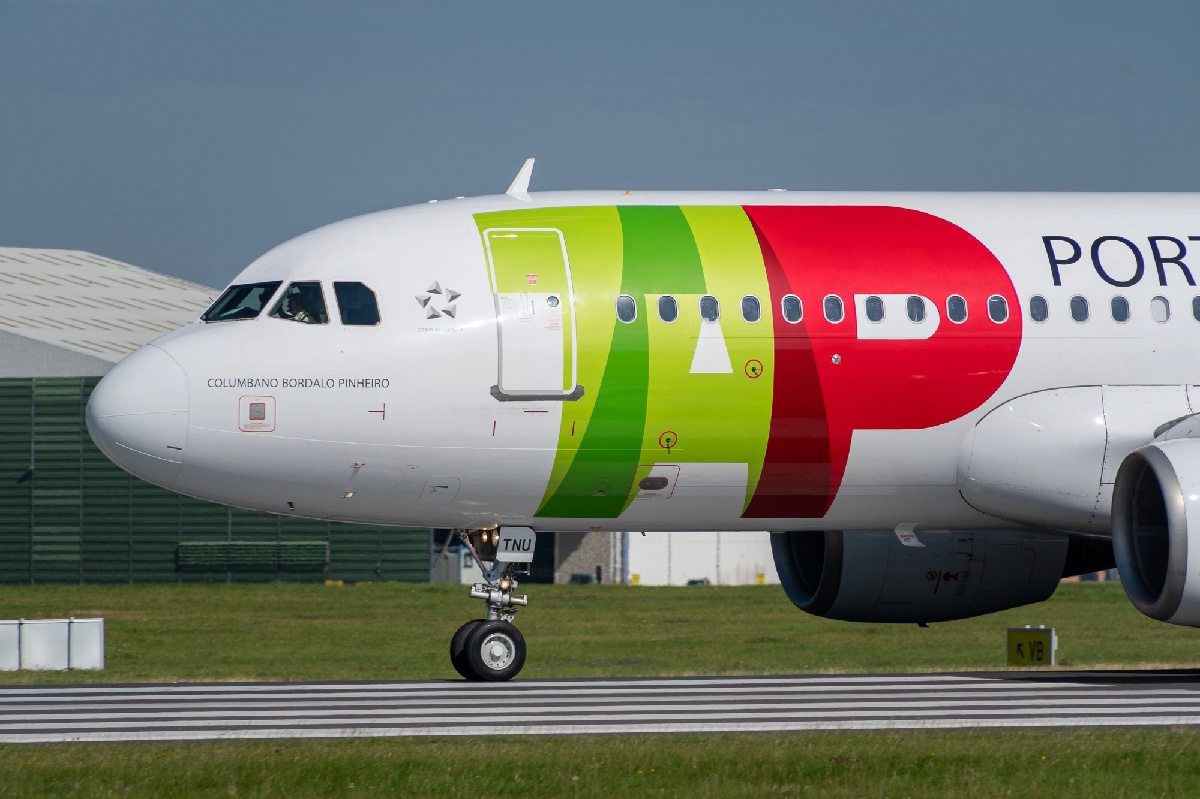
Vente partielle TAP Air Portugal : Lufthansa remporte la mise face à Air France - KLM - Depositphotos.com  Auteur russell102

PONANT


Air France – KLM or Lufthansa?

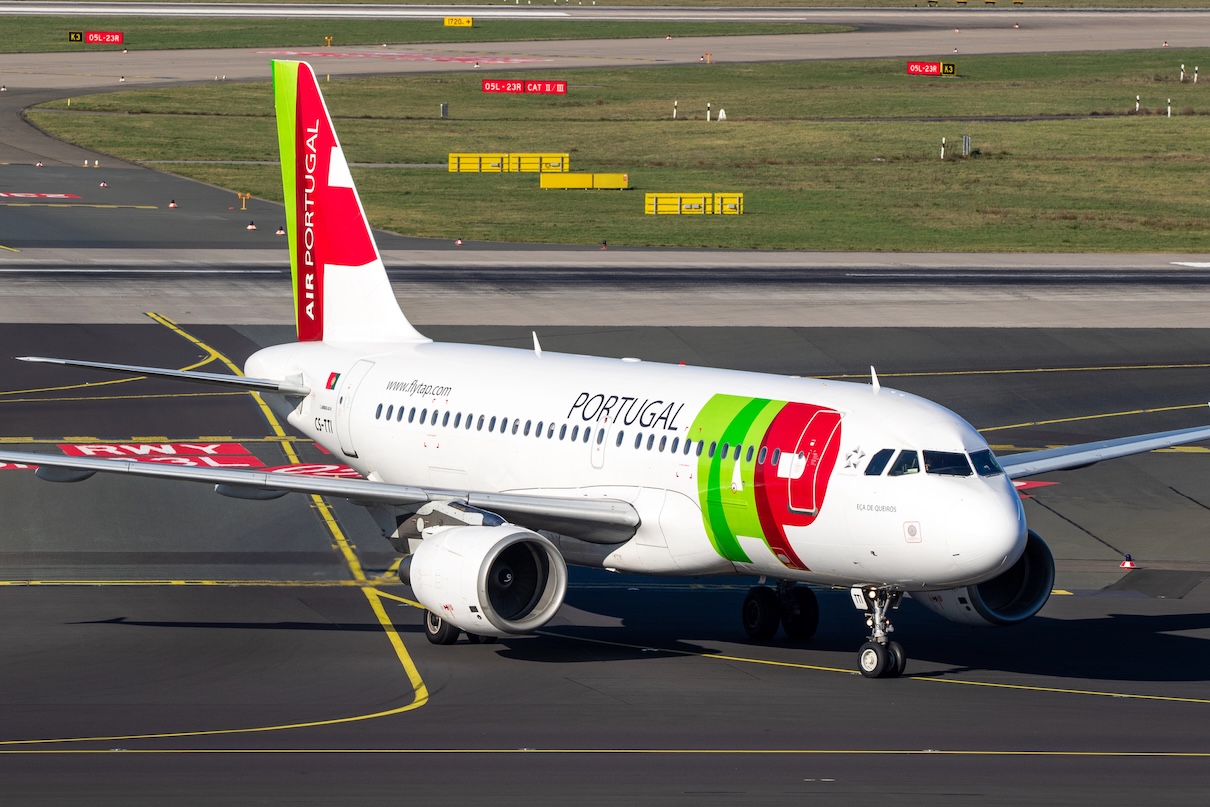
The outcome was determined today for the minority stake in TAP Air Portugal. The government ultimately turned to the German group Lufthansa.

This entity was chosen to acquire 44.9% of the capital of the Portuguese national carrier, sidelining the Air France – KLM offer.

The Portuguese government is expected to receive 1.2 billion euros thanks to the sale of a stake in TAP Air Portugal, with a total valuation estimated at 2.55 billion euros.


The Portuguese state retains 50.1% of the capital

« After reviewing the proposals, the government chose Lufthansa’s bid, whose financial offer is 16% higher than the rival bid and carries a lower degree of uncertainty », said the prime minister at the end of the cabinet meeting on Wednesday, as cited by the Portuguese press.

The Portuguese state holds 50.1% of the capital, the remaining 5% will be reserved for employees.

TAP Air Portugal carried 16.7 million passengers in 2025.


The reaction of Ben Smith, CEO of Air France-KLM

Following the Portuguese government’s decision to keep Lufthansa in the partial privatization of TAP Air Portugal, Ben Smith, CEO of Air France-KLM, took care to commend the work of the group’s teams and to express his regrets.

« I would like to congratulate our teams for the remarkable work they have accomplished over the past months and years. I know this is not the outcome we hoped for collectively», he stated.

Air France-KLM had presented an offer that its leader described as a « strong and comprehensive », respectful « of TAP’s brand and heritage », with ambitions for the future development of the Portuguese carrier.

Despite this decision, Ben Smith asserts that « this does not change our strategy ». The group plans in particular to pursue its SAS – Scandinavian Airlines integration project, « subject to regulatory approvals ».

The executive finally extended his best wishes to the TAP Air Portugal teams: « We would have loved to welcome you into our family, but we will gladly welcome you aboard our airlines as friendly competitors. » He closed his message with these words in Portuguese: « Obrigado e votos de muito sucesso ! »
New Year in Portugal: Traditions and Experiences to Try


© Shutterstock

CroisiEurope


Midnight, Portuguese Style

Even during the grandest celebrations, some traditions remain indispensable.

A few seconds before midnight, the Portuguese typically prepare twelve dried grapes, the famous “passas.” At each of the twelve chimes of midnight, one grape is eaten while making a wish for one of the twelve months of the coming year.

For visitors, it’s a simple tradition to share. In restaurants, hotels or during private dinners, the dried grapes are often prepared in advance for the countdown.

At midnight, glasses rise, embraces begin and everyone wishes a “Happy New Year!”.

These small details help to experience the transition to the new year the Portuguese way.


Lisbon: A Capital in Celebration

Lisbon is naturally one of the most popular destinations for New Year’s Eve.

The city allows you to combine several experiences in one evening. You can start with a dinner in a restaurant in the historic center, then join the celebrations near the Tagus and end the night in a bar, a hotel or in one of the liveliest neighborhoods.

For those who prefer a more exclusive evening, there are also many options: private dinner, rooftop with city views or a boat trip on the Tagus.

The city also preserves a distinctive atmosphere in the days surrounding the New Year. Baixa, Chiado and the main avenues stay decorated and busy, allowing the experience to extend beyond the night of December 31.


Porto: Between Tradition and Urban Vibe

Porto offers a different atmosphere, but just as intriguing.

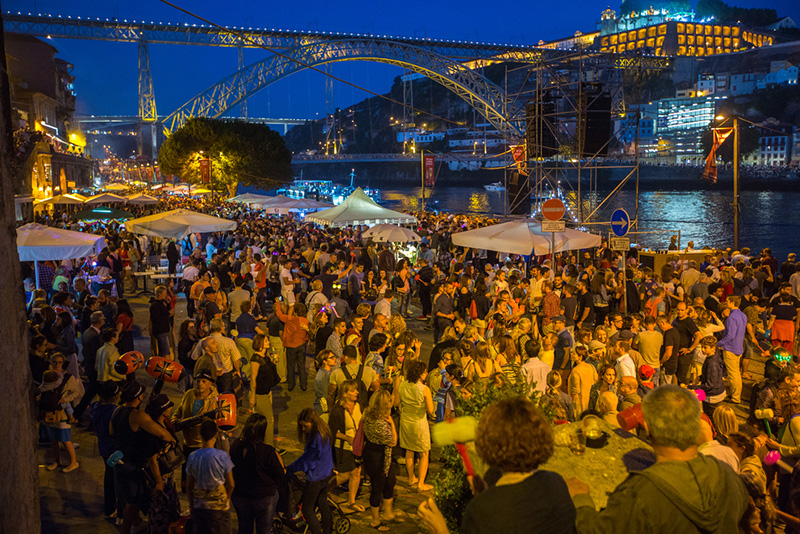
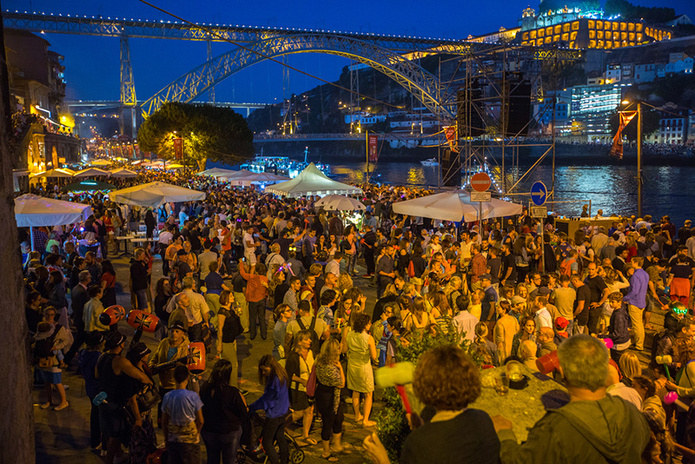
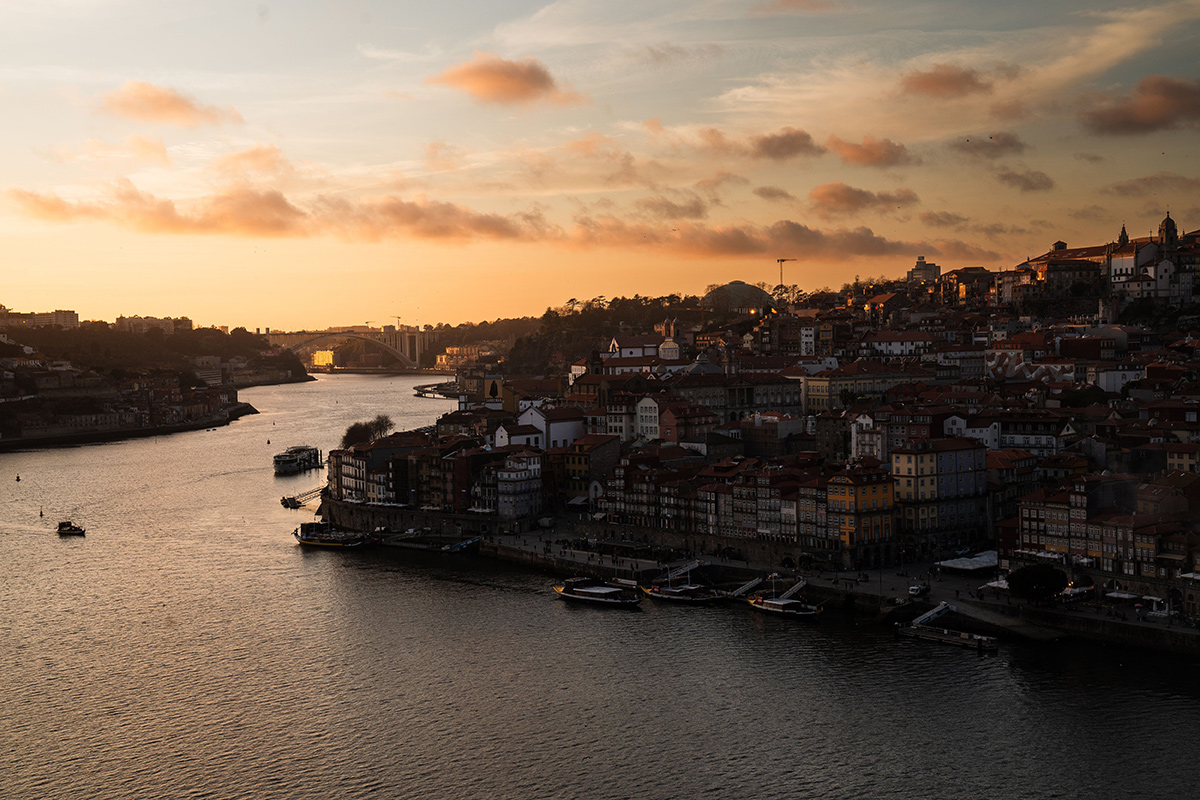
The historic center, the Douro banks and Vila Nova de Gaia create a very pleasant setting for the celebration. Dinner often plays a central role, with the opportunity to discover the cuisine of northern Portugal, accompanied by local wines and, of course, a glass of Port wine.

After dinner, visitors can wander the streets and squares of the city center to enjoy the concerts and the city’s ambiance.

For a calmer experience, an evening along the Douro can be an excellent option. The lights of Porto and Gaia, seen from the river or from a hotel with a view, provide a very special backdrop to welcome the New Year.


© Shutterstock


Madeira: The Grand Spectacle

It’s impossible to talk about New Year’s Eve in Portugal without mentioning Madeira.

In Funchal, the stroke of midnight is one of the year’s key moments. The bay becomes the backdrop for an impressive fireworks display, visible from many points around the city.

For visitors, several options are available: a dinner in the center, an evening at a hotel with a view over the bay, or watching the fireworks from the sea.

But Madeira is also a perfect destination to extend the stay. A few days allow you to combine the festivities with island excursions, walks through mountain scenery, visits to traditional villages and usually milder weather.

The New Year’s Eve becomes a true travel experience, not just an evening.


© Shutterstock


The Algarve for a New Year by the Ocean

The Algarve offers a different atmosphere.

Several towns host outdoor concerts and events, while many hotels and resorts offer special programs with dinner, music and New Year’s Eve celebrations.

The region primarily allows combining the party with a few days of relaxation. Even in winter, the beaches, cliffs and small harbors remain pleasant to discover.

On January 1st, the bravest can even join one of the New Year swims organized on certain Portuguese beaches.

For others, a stroll along the Atlantic coast is already a wonderful way to start the year.


A Different Experience for Every Traveler


Célébrer le Nouvel An au Portugal: traditions et expériences à vivre

Elsa Diogo

+351 244 836 431

[email protected]

www.in-tours.com/fr
>> IN TOURS PORTUGAL in the DESTIMAG Directory


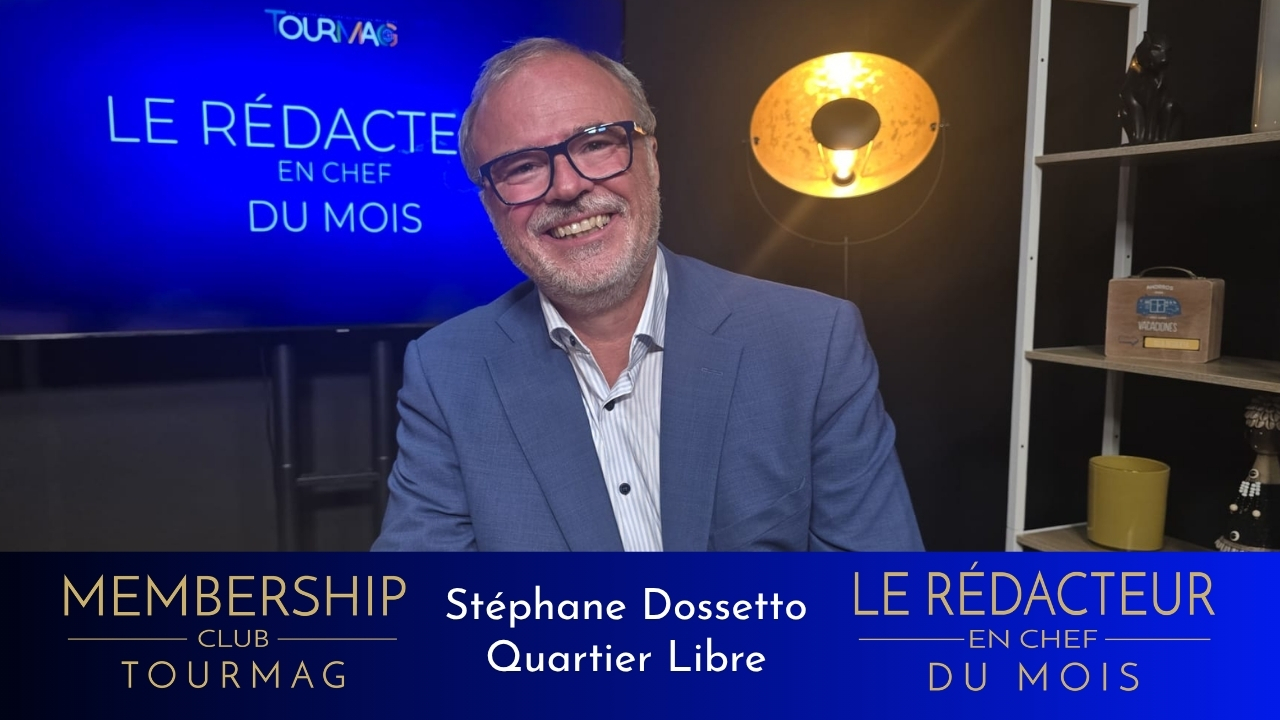
Lapland, Spain, Portugal: Quartier Libre Strengthens Its Production (Video)


TourMaG – How is Quartier Libre faring at the start of the 2026 season?

Stéphane Dossetto :
Like our competitors and colleagues, we experienced a somewhat chaotic summer. The beginning of the season was rather negative.

But after July and August, given that we generate a lot of last-minute sales, we managed to stand out. The season should ultimately break even, or be slightly positive.

TourMaG – So last-minute sales played a decisive role?

Stéphane Dossetto :
Yes. We suffered like everyone else, but the late bookings saved us. European destinations also contributed a lot to this solid performance.

TourMaG – Precisely, Europe seems to have benefited particularly from this context. Will European destinations be the big winners?

Stéphane Dossetto :
I don’t yet know if they are going to be the big winners; we will have to wait until the end of the year to measure it. However, these are clearly reassuring destinations.

They are close, they are in Europe and, for some, there is even an alternative to flying. If a client has a fear of flying or worries about being blocked, they can sometimes return by train.


TourMaG – What is your top destination this year?

Stéphane Dossetto :
Ireland has been Quartier Libre’s number one for years. This year, it was overtaken by Lapland. This isn’t really surprising, as this destination has been growing strongly for several years.

Lapland became our leading destination, ahead of Ireland. Scotland comes in third and has also progressed very strongly. We have notably broadened our range of guaranteed-departure circuits.

TourMaG – The Swedish Lapland has indeed become a real best-seller. How do you explain this success?

Stéphane Dossetto :
The French people love this destination. We also launched a new product. We were among the first to offer Swedish Lapland, and today we have three flights per week, with a direct arrival at Luleå airport.

We also opened two hotels from the second year, with two very different concepts. The first targets couples and is located in the city center, with an outdoor base in the forest where guests go daily for activities.

The second is more family-oriented. It sits by the sea, in a forest, away from the city. The main activities take place directly in the hotel. It notably features a 3,000 m² aquatic area, which is a real asset for families.


Spain and Portugal as new offerings!

TourMaG – Will you continue to develop this production?

Stéphane Dossetto :
Yes. This year we are keeping our three weekly flights, as last year, but we have increased the number of Quartier Libre pilots (the tour operator’s on-tour hosts). We already have eight on Piteå and five on Luleå.

We will also add a new range of two-bedroom chalets. The guests will be almost alone in the forest, while staying close to the activities. It is a product more oriented toward nature.

The challenge is that we do not have an unlimited quantity of chalets. We will offer nine, no more. It will thus be first come, first served.

TourMaG – Northern Europe remains your playing field. But will you also strengthen your presence in Southern Europe?

Stéphane Dossetto :
Yes. Italy has progressed notably. It has now surpassed Iceland, which was nonetheless a Quartier Libre benchmark. For a bit of history, we even chartered planes to go to Iceland at one time.

Given Italy’s progress, we will develop Southern Europe further. This will notably include Spain and Portugal starting next year.


TourMaG – What are the other new items in the lineup?

Stéphane Dossetto :
We will renew some offers, but we have also refreshed and improved England, with guided tours on guaranteed departures.

We have also developed themed tours. This year, for instance, we offered products around the eclipse in Scotland, Ireland, Norway and Iceland. This latter product, by the way, filled up very quickly.

For the next season, we will continue along this approach with new themes. We will notably offer Halloween, as well as a Whisky Tour in Scotland allowing visitors to discover several distilleries.

We will also intensify our range of circuits in mini-groups. The 12-passenger tours in Ireland performed well last year, and we will offer many more dates next year.


Quartier Libre : “We are the project managers of our circuits”

TourMaG – What differentiates Quartier Libre tours from other market offerings?

Stéphane Dossetto :
We are somewhat atypical in our lineup. We are a tour operator, meaning we produce our own tours. They are exclusive, which allows us to manage them from A to Z and assign our own guides. These are official guides, but they are trained by Quartier Libre.

Being the project manager also lets us work on last-minute deals. This year, while we sold many late departures, we were able to market certain products up to a week before departure.

On the experiential side, we also have our own differentiator. In Ireland, for example, we offer an evening of folk dancing in a private room or pub, with a show reserved for our clients.

In Lapland, Santa Claus is exclusively reserved for Quartier Libre clients, just like the dogsledding experience. The suppliers involved work only for us.

In Scotland, we obviously do the Isle of Skye, but we also offer an experience on the Isle of Bute. We go there by boat to explore the beaches, but above all a listed manor house, whose interior, exterior and gardens we visit.

In Norway, on our eight-day fjords circuit, clients benefit from three cruises on three different fjords. We notably offer a departure from the old port of Bergen, a UNESCO-listed historic site, followed by a 2h30 cruise on the Sognefjord. Again, this is an exclusive Quartier Libre experience.


2027: 12% ahead of other years


TourMaG – How does 2027 look for Quartier Libre?

Stéphane Dossetto :
2027 is looking quite solid. We opened sales for Lapland earlier this year and, more importantly, we opened our summer sales. Clients can already book next summer.

We are currently 12% ahead of other years. So next year is shaping up nicely.

And that’s good news, because we needed to turn the page on this year, which was challenging and could eventually end up positively. We did suffer, but the current momentum is encouraging.

Spain and Portugal: The Right Time to Visit Has Arrived


The same destination, but not the same journey

© Pexels - Tim Raack

Climats du Monde


A historic square uncovered in broad daylight does not tell the same story as in the early morning, when shops open and the city slowly regains its rhythm. A market visited at the moment it unfolds its stalls does not offer the same experience as a quick crossing between two excursions. A neighborhood observed from a coach does not have the same flavor as a stroll at sunset, when residents reinvest the streets and the terraces.

The destination is the same, but the traveler’s perception changes completely.

For a long time, tourism programs were built around a sequence of places: a city, a monument, a museum, a restaurant, then a new start. The timetable functioned mainly as a technical element enabling all visits to fit into the day.


© Pexels - Andrea Rodriguez M.

Today, it can become a genuine tool for creation. Shuffling the order of steps, advancing an excursion, extending an evening, or fitting in a pause can sometimes renew an itinerary without adding a single kilometer.

This evolution opens up new possibilities for agencies and group organizers. It invites not simply to sell a list of sites, but a sequence of atmospheres: the morning light on a landscape, the bustle of a market, the calm of a garden, the energy of a neighborhood at aperitif time, or the emotion of a show after nightfall.

The journey then begins to tell its story in a different way.


Ending the marathon trip

On paper, a very dense program can give an impression of richness. The more visits, cities, and excursions it contains, the more it seems to justify its price. But the value perceived during the stay does not depend solely on the number of offerings booked.

In aiming to show everything, one runs the risk of not leaving time to look.

Travelers must absorb the guide’s information, follow the movements, keep appointments, wait for the group, reunite with the coach and anticipate the next step. When days go by without a breath, experiences end up blending. Upon return, there are photographs, but not always a precise memory of what truly marked the stay.

A well-paced program does not necessarily mean a slower itinerary. It means that every moment has a function.

It may include a major visit at the moment when the group’s attention is strongest, a leisurely lunch, a transfer used as a transition rather than a mere move, then a more sensory or convivial experience at the end of the day.

It can also incorporate a half-hour with no instruction, free time in a pleasant neighborhood, or the possibility of returning individually to a place glimpsed with the guide. These spaces are not gaps to be filled. When well positioned, they allow the traveler to make the destination their own.

This question is particularly important for groups bringing together several generations, varying levels of mobility, or travel habits that differ widely. The right rhythm is not necessarily that of the fastest participant. It is the rhythm that enables the greatest number to enjoy the program without slowing down the entire group constantly.

In MICE as well, the quality of an event often depends on what happens between the formal times. A meeting, convention, or seminar can be enriched by a breakfast in an unexpected venue, a short activity after a working session, or an evening that leaves ample room for informal exchanges.

The available time then becomes a space for connection.


When the Iberian Peninsula changes time

Spain and Portugal lend themselves particularly well to this new way of organizing travel. The diversity of landscapes, the prominence of outdoor life, the gastronomy, and the evening traditions allow for days that do not necessarily follow the classic pattern “visit, lunch, visit, dinner.”

A morning can begin with a market, a walk in nature, a heritage discovery, or a meeting with a producer. The central hours of the day can be devoted to lunch, a comfortable transfer, a moment of rest, or an indoor activity. The late afternoon then becomes the starting point for a second part of the day.

It is at this moment that certain cities reveal another face.

Facades change with the light. The locals go out. Shopping districts give way to terraces, promenades, and cultural events. When a late opening allows it, a monument or museum can be discovered in an atmosphere very different from that of peak visiting hours.

After sunset, travel is not limited to nightlife. What we now call noctourism encompasses a much wider range of experiences: an architectural stroll, stargazing, a concert in a monument, a gastronomic tour, a performance of fado or flamenco, a traditional festival, a theatrical tour, or a dinner organized in a privatized venue.

On coasts and in islands, the evening can be organized around the landscape. In rural areas, it can highlight silence, the sky, or regional products. In large cities, it allows discovering vibrant neighborhoods without simply repeating the classic visit to the major monuments.

This evolution also responds to a search for comfort. Depending on the season and the destination, moving certain activities to the beginning or end of the day can allow enjoying more pleasant conditions and avoiding the busiest periods.

The objective is not to start all travelers at dawn nor to end every day at midnight. It is about choosing the schedules according to the experience sought, and not solely according to production habits.


Time is also a product that can be crafted

A program that feels smooth to the traveler rests on very precise preparation.

One must coordinate opening hours, guide availability, travel times, reservations, meals, the group’s mobility, and the constraints of each provider. An activity scheduled later in the day may require adjusting lunch, the driver’s rest time, or the arrival time at the hotel. A very early visit must be compatible with breakfast, group preparation, and site access conditions.

Creativity does not replace organization. It relies on it.

This is where the role of the receptive partner—responsible for receiving and orchestrating—makes perfect sense. It is not only about booking the different elements of a stay, but about putting them in harmony. A good program should be attractive in a brochure, feasible on the ground, and enjoyable for participants.

Before building an itinerary, several questions become essential: who are the travelers? In which season do they come? What is their level of mobility? What do they absolutely want to discover? Which moment should stand out as the high point of the stay? Where should the program be allowed to breathe?

The answers help establish a hierarchy. Not all visits need to have the same duration or the same importance. Not all days need to follow the same rhythm. And, sometimes, the best decision is to drop a step to give more value to the others.

For Itinerea Group, designing a trip means seeking a balance between discovery, comfort, feasibility, and emotion. Our teams work with agencies to tailor itineraries to the group’s reality and the territory, whether it is a cultural circuit, a thematic stay, a MICE operation, or a bespoke program.

The destination indicates where the journey takes place. The rhythm determines how it will be experienced.


DTravel Returns to IFTM Top Resa: Portugal Heads Back to Paris


© Dtravel

Climats du Monde


A destination is never merely a brochure

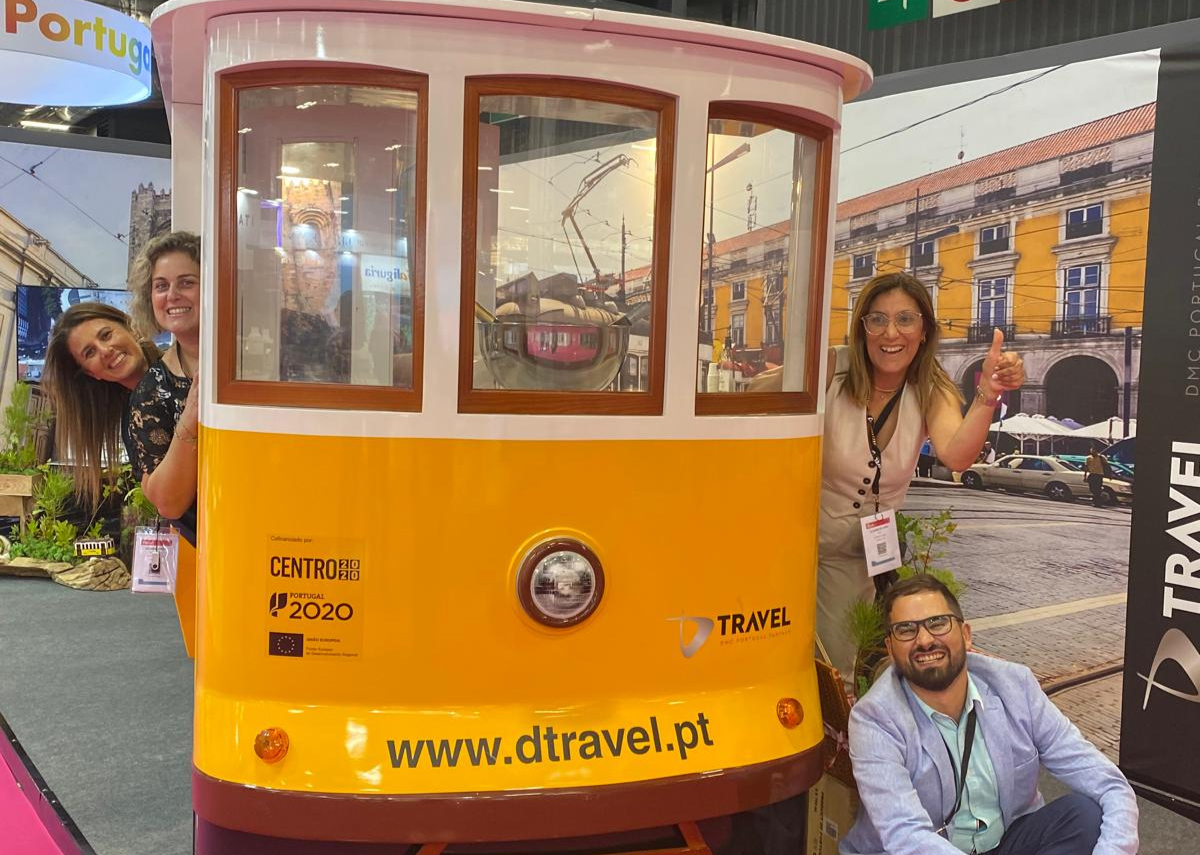
For Dtravel DMC, taking part in IFTM Top Resa is not about simply presenting standardized circuits or pre-printed brochures. The inbound agency is reinventing its role by focusing above all on active listening, exemplary responsiveness, and genuine tailor-made engineering. From the sun-kissed softness of the Algarve to the wild, volcanic landscapes of the Azores, through the preserved charm of Madeira or the cultural vitality of Lisbon and Porto, DTravel masters the diversity of Portuguese territories in their most authentic form.

This intimate knowledge of the terrain also extends to cultural Spain, enabling the agency to design fluid cross-border combinations and original thematic itineraries. Whether focused on architectural heritage, Iberian gastronomy, wine, or nature, DTravel champions high-value experiences. The agency favors private openings of historic monuments, workshops with passionate artisans, exclusive access, and a carefully curated selection of intimate, charming accommodations.

Whether meeting the requirements of high-end FIT stays, exceptional journeys, or regionally themed itineraries for groups, the agency tunes every detail with the precision of a master craftsman. The objective is clear: to go beyond mere logistical service and offer a memorable immersion. As the management team notes: “Knowing the Iberian Peninsula well does not merely mean knowing where to take a traveler, but understanding which facet of the destination will resonate best with their expectations and emotions.” It is this artisanal and personalized approach to travel that DTravel brings to share this year with all tourism professionals in Paris.


© Shutterstock


Five Audiences. One Obsession: Creating Meaning.

A high-end FIT does not necessarily seek the same emotion as a cultural group.

A student does not discover a destination with the same eyes as a seasoned traveler.

And a management committee does not expect an incentive to resemble a simple organized trip.

That is why DTravel develops its expertise across several worlds: FIT, groups, culture, students and MICE.

Different worlds, but one same demand: to understand what the journey should provoke.

For school and university groups, for instance, Portugal and Spain become true learning grounds.

Why simply observe when you can experience?

Hikes, historical visits, urban rallies, pottery workshops, traditional crafts, or local cuisine: DTravel favors an active pedagogy designed to engage young travelers rather than leave them as spectators.

The objective is to find the right balance between discovery, cohesion, autonomy and safety, while respecting the budgetary and organizational constraints of the institutions.

For school and university groups, DTravel rejects contemplative tourism. The agency favors a lively educational approach. To captivate young travelers, the agency emphasizes direct experimentation and immersion in favor of concrete and varied on-site activities. The programs include hiking, historical visits, and interactive urban rallies.

Students also participate in crafts workshops, traditional pottery, or local cooking, fostering direct contact with locals. This dynamic teaching method guarantees an ideal balance between cultural discovery, teamwork, and enhanced safety, all structured to rigorously adapt to the budgetary constraints of educational institutions.


MICE & Corporate: Tailor-made Solutions

The Meetings & Incentives by DTravel division offers comprehensive know-how to meet the needs of corporations and event agencies. Green seminars focused on rejuvenation, VIP-stimulation stays, product launches, or large-scale conventions: DTravel designs turnkey, creative, and impeccably executed setups.

The agency selects exceptional venues, from charming private accommodations to bold contemporary spaces, while orchestrating original team-building activities (treasure hunts in vintage vehicles, coastal regattas, private dinners in historic monuments). With a dedicated 100% French-speaking team and on-the-ground operational presence, DTravel ensures smooth logistics and absolute peace of mind, from the initial sketch to participants’ departure.


© Dtravel


The Mystery of Stand W071: A Surprise to Discover On-site

This year, DTravel DMC is paying particular attention to visitors who push open the door of its space at Hall 1. To mark this 2026 edition, the team is planning a secret exclusive surprise for all professionals who will stop by its stand. A hint? It is an extension of what the agency achieves on a daily basis: creating an authentic link with the destination and waking up curiosity.


Park Hyatt Expands into Portugal


Hyatt s'implante dans la région de Alentejo.    DepositPhotos.com/ nilaya

MSC Croisières


Hyatt et le promoteur portugais Coporgest ont conclu des accords portant sur le développement, le branding et l’exploitation du Park Hyatt Comporta et des Park Hyatt Comporta Residences.

Located in the Alentejo region, within less than an hour from Lisbon Airport, the forthcoming property is expected to strengthen Hyatt’s presence in Europe.

The Park Hyatt Comporta is expected to comprise 58 rooms and suites, six private two-bedroom villas, and 22 fully managed residences. The project also envisions several restaurants, pools, a wellness area with a fitness center, a padel court, and a children’s club..


Un projet tourné vers le bord de mer

The future hotel will be located near Troia Golf Course, an 18-hole course designed by Robert Trent Jones Sr. Four additional golf courses will be accessible within a 20-minute drive.

To read: The Hotel Palace Berlin joins Hyatt

The residences are intended for private ownership; owners will benefit from the hotel’s services and facilities, as well as its hotel management.

The project is part of a broader development, the Comporta Beach Resort, which will also include 31 villas and 49 additional apartments under the designation Luxury Beach Residences by Coporgest.

Also to read: Zimbabwe : Hyatt announces the opening of the Grand Hyatt Victoria Falls The Kingdom

TAP Air Portugal: Revenue Up, Profitability Down


TAP Air Portugal a enregistré une croissance de son activité au premier semestre 2026 - Depositphotos.com @VanderWolf Images

MSC Croisières


In the first half of 2026, TAP Air Portugal generated €2.04 billion of operating revenues, compared with €1.96 billion in the same period in 2025, a rise of 4.3%.

This growth is chiefly driven by passenger activity. Revenues from passenger transport reached €1.83 billion, up 4.4% year over year.

The airline attributes this evolution to a 1.7% increase in capacity and a 2.7% growth in passenger revenue per available seat kilometer (PRASK).

Revenue growth was accompanied by an uptick in traffic. TAP carried 8.2 million passengers from January to June, i.e., 4.2% more than in the first half of 2025.

Traffic, measured in RPK, rose by 5.9%, higher than capacity (+1.7%). As a consequence, the load factor improved by 3.4 percentage points to reach 85.4%. The airline operated 57,500 flights over the period, a slight year-on-year increase of 0.3%.


Rising fuel costs weigh on the accounts

Despite this commercial momentum, TAP struggles to translate growth into profit. Recurring operating costs rose by 9.6%, to €2.12 billion.

The main driver of this rise remains fuel. The aviation fuel bill rose by €89.4 million (+18.7%) over the first six months of the year.

Personnel expenses also advanced by 7.5%, to €519.3 million, while depreciation and amortization increased by 9.8%, notably linked to fleet investments.

This cost inflation translates into a clear deterioration of profitability indicators. The recurring operating result (EBIT) stood at €-83.7 million, versus €+17.3 million a year earlier.

The recurring EBITDA reached €181.9 million, down 29.8% year over year.


A net loss of €99.2 million

In terms of net income, TAP therefore posted a loss of €99.2 million in the first half of 2026, compared with a loss of €70.7 million a year earlier.

The deterioration amounts to €28.5 million year on year. TAP notes that the result was helped, notably, by a positive foreign exchange gain of €34.2 million over the period.

The second quarter particularly illustrates this earnings pressure. With €1.125 billion in revenue, quarterly revenue remained virtually flat (-0.6%), while recurring operating costs rose by 17.9%.

Fuel costs surged by 52.3% in the quarter, i.e., an additional €127.1 million versus Q2 2025. The quarter therefore ended with a net loss of €59.3 million, compared with a profit of €37.5 million a year earlier.


A strengthened cash position

Nevertheless, TAP highlights the strengthening of its financial position. As of 30 June 2026, the company held €1.22 billion in cash, i.e., €456.7 million more than at the end of 2025.

This improvement comes notably after the issue of €350 million in senior notes in the second quarter. According to TAP, this operation boosted liquidity, diversified its funding sources, and lengthened the maturity of its debt.

Net financial debt stood at €787.1 million as of 30 June, down slightly by 2.1% versus 31 December 2025.


TAP continues its development strategy

Operationally, TAP continues the fleet renewal. It had 101 aircraft in service as of 30 June 2026, two more than in the previous quarter.

The airline notes that 72% of its medium- and long-haul fleet is now comprised of aircraft from the NEO family, up from 71% a year earlier. TAP has also relaunched several seasonal routes from Lisbon to Ibiza, Alicante, Palma de Mallorca and Menorca, as well as a seasonal link to San Francisco via Terceira.

For the remainder of the fiscal year, TAP reports solid booking momentum and favorable prospects for unit revenues.

The airline remains cautious regarding fuel price volatility, geopolitical developments, and the macroeconomic context. It plans to continue its revenue-management actions, its fuel-hedging policy, and cost-control measures to limit the impact of these factors.

TAP has also adopted a new strategic plan for the period 2026-2035, focused in particular on expanding long-haul, differentiating its offering, and creating new revenue sources.


TAP Air Portugal: Air France-KLM, AS’s clear-cut objective [ABO]


Air France - KLM : objectif carré d’AS - Image : C. Hardin, générée par intelligence artificielle

MSC Croisières


Aux dernières nouvelles, la décision finale du gouvernement portugais pour choisir quel groupe aérien pourra prendre une participation pouvant atteindre 49,9 % du capital de TAP, devrait intervenir à la fin de cet été.

Les deux groupes candidats à la reprise que sont Air France-KLM et Lufthansa ont fait savoir qu’ils avaient remis leur offre contraignante au gouvernement portugais, plus précisément à Parapublica, l’agence de gestion des participations de l’État.

Pour le groupe Lufthansa, cette première étape d’entrer au capital de TAP à hauteur de 49,9 % serait la poursuite de cette stratégie d’acquisitions commencée il y a une vingtaine d’années avec le rachat d’Austrian Airlines, Swiss et Brussels Airlines.

Avec la dernière, ITA Airways, à Rome, acquise fin 2025, et l’éventuelle nouvelle venue TAP à Lisbonne, le groupe allemand règnerait sur l’Atlantique Sud et les axes entre l’Europe vers l’Amérique du Sud et l’Afrique.

Pour Air France-KLM, et pour faire face à ce rival, la stratégie évolue. Les deux hubs de Paris et Amsterdam ainsi que la joint-venture avec l’Américaine Delta ne sont plus suffisants.

Le groupe veut lui aussi se renforcer principalement vers les États-Unis, l’Asie et l’Amérique du Sud. Avec des résultats plutôt solides depuis quelques années, il veut aussi prendre sa part dans la consolidation du transport aérien européen et créer une verticale de quatre Hubs puissants de l’Atlantique Nord à l’Atlantique Sud, un « Mur de l’Atlantique » en quelque sorte, pour faire face.
Regardons ces hubs de plus près.


Copenhagen Will Strengthen Its Position


TAP Air Portugal : Air France - KLM, objectif carré d’AS [ABO]


On June 30 last, in the heat of summer, the news barely drew attention, but it was interesting as it signals the rise of SAS, of which Air France-KLM is the new shareholder.

The Copenhagen-based Scandinavian carrier announced the acquisition of up to 40 new long-haul Airbus A330s for $10 billion, the largest investment in the history of this company.

With the summer 2025 order of 55 Embraer short- and medium-haul aircraft to feed Copenhagen, a promising hub is clearly emerging far north in Europe toward Asia and the United States that Air France-KLM would certainly like to benefit from.

An ongoing project for now since, with a 19.9% stake, the French group remains today more of a competitor than anything else. But if all goes well, the situation should change this year, with Air France-KLM planning to increase its stake in the Scandinavian airline to 60.5%, making it a subsidiary able to capture a market with a high GDP.


Schiphol Amsterdam: The Weak Link?


TAP Air Portugal : Air France - KLM, objectif carré d’AS [ABO]
Faut-il voir dans ce projet de nouveau hub danois plus qu’une complémentarité au hub d’Amsterdam, fief de KLM, dont le gouvernement des Pays-Bas bride la croissance depuis plusieurs mois ? Se substituer ?

Certains, chez KLM, ne sont pas loin de le penser. Avec sa flotte long-courrier en croissance, SAS, à moyen terme, a vocation à « chasser » les clients de KLM pour les attirer vers Copenhague.
Aussi, Ben Smith, le PDG d’Air France-KLM avait dit tout le mal qu’il pensait de la politique du gouvernement néerlandais, gestionnaire de l’aéroport de Schiphol-Amsterdam, et qui avait fixé un niveau élevé de redevances aéroportuaires et voté des mesures visant à réduire le nombre de vols pour limiter les nuisances sonores. Une bataille juridique est engagée depuis.

Côté redevances, et depuis la guerre dans le Golfe, le gouvernement a desserré l’étau en appliquant une remise de 10 % jusqu’en mars 2027.

Un premier geste salué par Ben Smith : « la première bonne nouvelle depuis longtemps aux Pays-Bas concernant les coûts liés aux opérations à Schiphol ».

Mais sur l’affaire des créneaux horaires, le PDG d’Air France-KLM en avait rajouté une couche lors de la dernière assemblée générale d’A4E (Airline for Europe) avec une menace à peine voilée de ne pas avoir d’autre choix que de positionner des avions « ailleurs » en l’absence de suffisamment de créneaux.

Le gouvernement arrivé aux affaires en 2026 reste sur une ligne plutôt favorable aux limitations de vols ; cependant, on sent, à travers les nombreuses déclarations parues dans la presse ces derniers mois, qu’il veut trouver, avec l’ensemble des opérateurs de Schiphol, un compromis équilibré permettant une meilleure compétitivité en matière de connectivité.


Paris CDG Aims to Be More Attractive


TAP Air Portugal : Air France - KLM, objectif carré d’AS [ABO]
Pour le hub parisien d’Air France à CDG, mieux vaut tard que jamais. Il aura fallu attendre cependant assez longtemps avant qu’ADP et le groupe français unissent leurs efforts pour construire un levier d’attractivité : le Stopover.

Un produit développé ailleurs dans le monde, peu en Europe, mais beaucoup « dans les pays qui ont fait de leur secteur aérien une stratégie industrielle souveraine et économique : Istanbul, Dubaï, Doha, Singapour, Hong Kong », comme le précisait Sébastien Justum, Secrétaire général adjoint d’Air France-KLM, lors de la présentation du dernier rapport de la Chaire Pégase sur « Le rôle du transport aérien dans l’attractivité touristique de la France ».

Après le partenariat conjoint Air France–ADP annoncé au dernier salon du Bourget en présence du Président de la République, la décision, enfin, de positionner Paris comme elle aussi une escale sur un parcours international se concrétise.

Voici désormais « Paris Stopover », un nouveau dispositif créé par Air France et Extime Travel, la marque commerciale du Groupe ADP dédiée « aux expériences touristiques ».

ADP nouvelle agence de voyages ? Ça en a tout l’air, sauf que les réservations de vols, hôtels et locations de voitures vendus sur les sites de Paris Aéroport et d’Extime sont gérées par MisterFly.

Alors que 50 % des clients d’Air France arrivant à Paris CDG sont en correspondance, ils peuvent désormais, avec Paris Stopover, et si leur correspondance est au minimum de 27 heures, profiter d’offres, réserver des packages, des offres de séjours conçues par Extime Travel avec transferts, hébergements et activités diverses.

Autre avantage pour Paris CDG, et dont Air France-KLM se félicitera sûrement : le futur contrat de régulation d’ADP, et pour lequel, selon nos confrères des Échos, l’État aurait donné son feu vert. Dans ce plan de développement, il est prévu une forte baisse de la redevance applicable aux passagers en correspondance, avec un abattement passant de 40 à 60 %.

Toujours selon nos confrères des Échos, et sur ce point précis, les opérateurs concurrents d’Air France n’apprécient pas ce qu’ils considèrent comme une « distorsion de concurrence ».

Le SCARA, dans un communiqué récent à dénoncé : « de faire porter aux dessertes aériennes point-à-point européennes, domestiques et ultramarines le financement d’une stratégie qui ne les concerne pas directement puisqu’elle vise à attirer des lignes internationales et à faire de Roissy-CDG un hub de correspondances apte à rivaliser avec les grandes plateformes internationales. »

À ce sujet, l’ART, l’autorité de régulations des transports devrait se prononcer en décembre prochain.


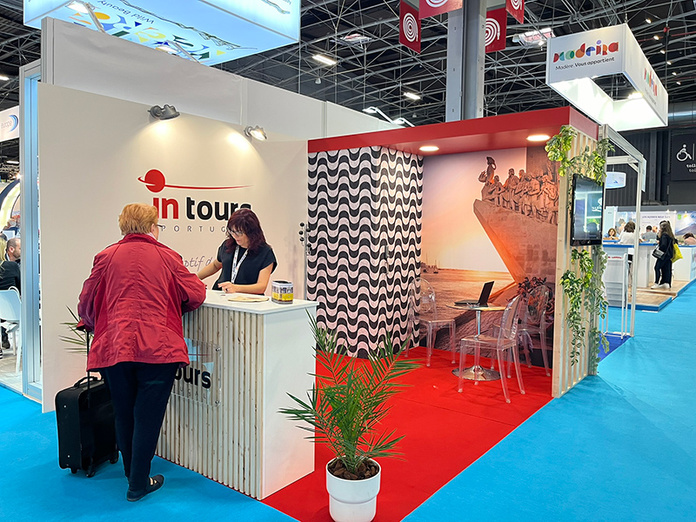
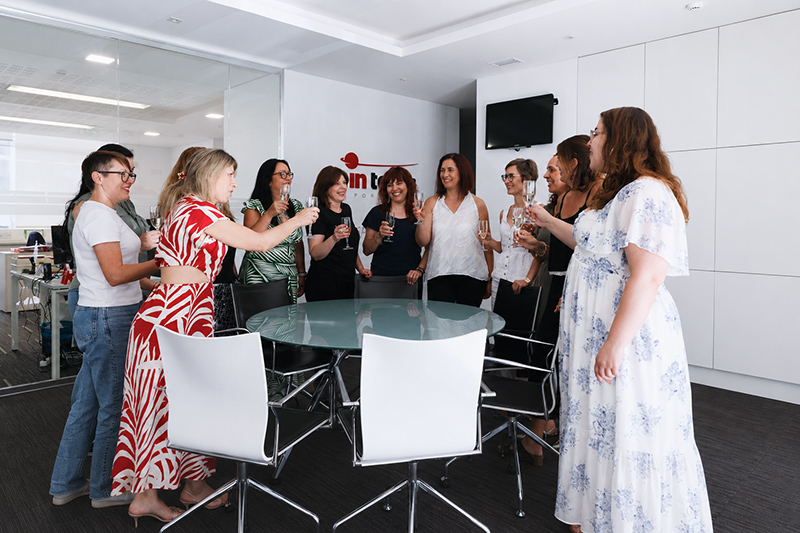
When Passion Meets Rhythm: IN TOURS PORTUGAL Enters Its Peak Season


© In Tours Portugal

Hurtigruten


The last four months of the year traditionally rank among the busiest periods for our company. It is a season during which we welcome many clients to Portugal, while our sales team travels, meets our partners and prepares the months ahead.

It is an intense, demanding period and sometimes very busy, but it also perfectly reflects what IN TOURS PORTUGAL is.

At IN TOURS PORTUGAL, our work is driven by a genuine passion for Portugal and for our craft. We love to reveal our country, present to our clients different regions, experiences and encounters, and ensure that every trip runs in the best possible conditions.

For our Operations team, autumn months are particularly active. Many clients travel across Portugal and, behind every itinerary, there is a substantial amount of organizational work.

Hotels, restaurants, guides, transport, visits and experiences all have to be perfectly coordinated. There are always many details to manage and, of course, a trip does not always go exactly as planned.

A flight can be delayed, the weather can change, clients can modify their plans and sometimes a programme must be adapted at the last minute.

That is part of our job.

Being a DMC is not only about preparing a good itinerary. It is also about being available, reacting quickly and finding the right solution when something unexpected arises.


During periods of high activity, teamwork becomes even more important. Our Operations team works closely with our guides, drivers, hotels, restaurants and all local partners who help ensure the smooth running of each programme.

These relationships are extremely important to us. Being able to rely on trusted partners across Portugal allows us to respond quickly and maintain the level of service that our clients and partners expect from IN TOURS PORTUGAL.

And even if these months can be demanding, they are also very rewarding.

Seeing our clients enjoy Portugal, discover a place for the first time, taste our gastronomy or simply appreciate the atmosphere of our country remains one of the most beautiful aspects of our work.

In parallel, our commercial team also enters a very active period.

September marks the start of several important months on the international tourism calendar, with several major events in Europe and Asia.

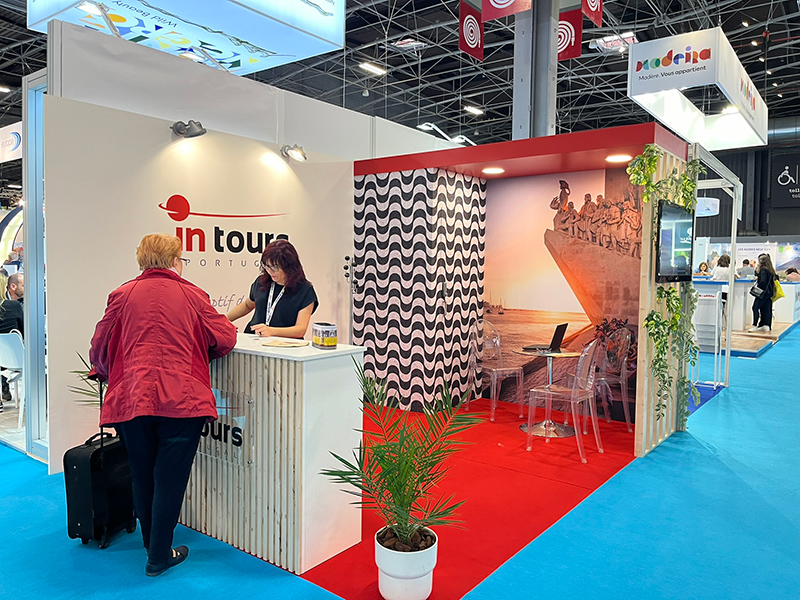
We begin the month in Paris with IFTM Top Resa, an important gathering for the French tourism industry and a regular date on our commercial calendar.

Trade shows like IFTM are always an excellent opportunity to reconnect with partners we already know, to establish new contacts and to better understand market developments.

For us, participating in these events is not simply about promoting Portugal.

It is, above all, about human relationships.

Tourism remains a deeply human sector. Emails, video calls and technology facilitate communication, but nothing replaces a good face-to-face conversation.

Meeting our partners in person allows us to better understand their needs, listen to what their clients are seeking and exchange ideas.


© In Tours portugal


In October, our schedule becomes even busier.

We will be in Rimini for TTG Travel Experience, where we will continue our work with the Italian market and meet tourism professionals from Italy and other countries.

Later in the month, our team will travel to Singapore for ITB Asia. This is another important event for IN TOURS PORTUGAL and a great opportunity to develop our relationships with partners in Asia and on other international markets.

October will also take us to Poland for the PPCC Tourism Workshops, where we will have the chance to meet local travel professionals and continue promoting Portugal on this growing market.

Then, in November, we will be back in London for the WTM.

WTM London remains one of the year’s major events for the international tourism industry. It brings together professionals from around the world and offers us another opportunity to reconnect with our partners, create new contacts and prepare future collaborations.

Paris, Rimini, Singapore, Poland and London are very different markets and environments, but our objective remains the same: to meet, listen, learn and build solid partnerships.


© In Tours Portugal


The travel industry is constantly evolving, just as travelers are.

Clients are more experienced, more curious, and often seek more personal experiences. They want to discover places beyond the must-see, to live authentic experiences and to create a real connection with the destination.

For us, this means we must also keep moving forward.

Even after many years of working in Portugal, there is always something new to discover. A new hotel, a restaurant, a local producer, a new experience or simply another way to present a place we already know very well.

This curiosity is an important part of IN TOURS PORTUGAL.

We know Portugal, but we also continue to explore it.

The coming months will therefore be very active across the different teams in the company.

Our Operations team will be in Portugal, serving our clients and attentive to the smooth running of each programme. In parallel, our sales team will travel, meet our partners and represent IN TOURS PORTUGAL on important international markets.

These two dimensions of our work are closely linked.

Strong business relationships create new opportunities, while the quality of our operations builds the trust that allows these relationships to grow over time.

Behind both lies the same commitment: a personalized service, great attention to detail, flexibility and a genuine passion for what we do.

The coming months will be filled with busy days, packed agendas, meetings, client arrivals, last-minute changes, flights and many miles traveled by the IN TOURS PORTUGAL team.

And we are ready.

Because, in the end, that’s exactly what we love to do: welcome travelers to Portugal, work closely with our partners and create journeys that clients will remember.

For IN TOURS PORTUGAL, these intense months are not really about being very busy.

They are above all the pleasure of doing what we love.

IN TOURS PORTUGAL, your reliable and passionate partner!


© In Tours Portugal


Quand la passion rencontre le rythme : IN TOURS PORTUGAL entre dans l’une des périodes les plus intenses de l’année

Elsa DIOGO

+351 244 836 431

[email protected]

www.in-tours.com/fr
> IN TOURS PORTUGAL in the DESTIMAG Directory


TAP Air Portugal Strategy: Consolidate Routes and Launch New Ones


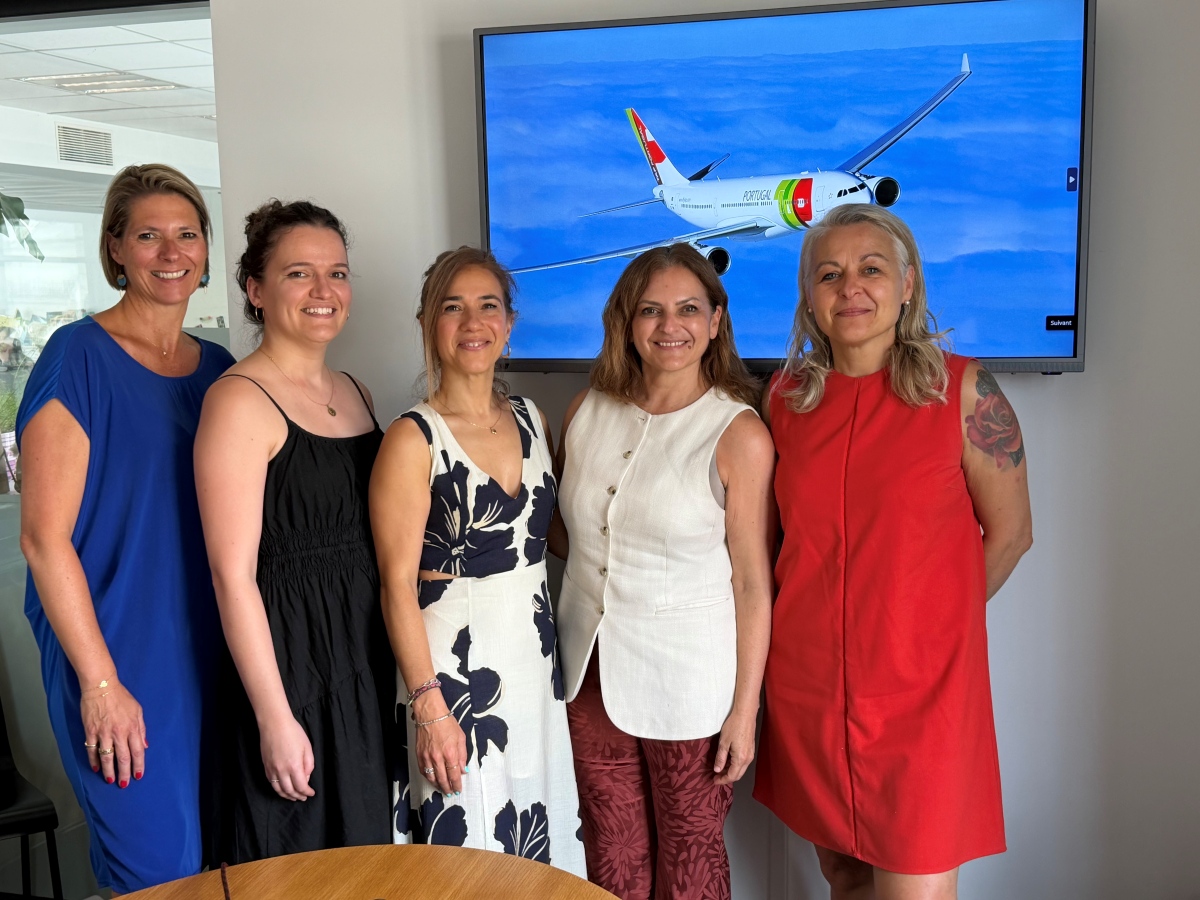
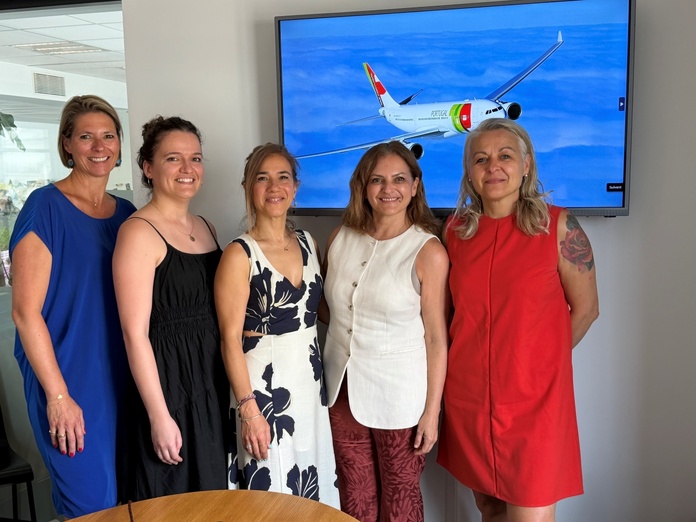
Dans les locaux de Hopscotch Tourism à Paris , Paloma Utrera (2e en partant de la droite) entourée, de gauche à droite, d'Eloïse Roux, directrice développement Hopscotch Tourism, Laura Wieczorek, directrice RP Hopscotch Tourism, Isabel Calvo, directrice RP Hopscotch Tourism, Isabelle Pereira, Responsable marketing France, Espagne, Royaume-Uni, Irlande, Benelux et pays nordiques TAP Air Portugal - Photo : C. Hardin

Costa Rica


Based in Madrid, Paloma Utrera was in Paris last week.

The opportunity to meet her and her teams for a discussion about major sector developments, such as evolving travel habits, connectivity challenges, and the market’s new dynamics.

In this context, and within TAP Air Portugal, we also discussed the French market and the connections from the mainland, the growing role of Portugal as a hub between Europe, South America and Africa, the evolution of the onboard product and the opportunities offered by a stopover in Portugal.


TAP Air Portugal: 132 weekly flights between France and Portugal

TourMaG – You took over from Rino Morosini at the beginning of this year 2026, a strategic year for TAP. How is this transition unfolding?

Paloma Utrera : Rino did an excellent job and I arrived in Paris to “inherit” the position, so to speak. There was first the inauguration of our business lounge in Paris, which, as a reminder, is TAP’s only lounge outside of Lisbon.

This is important for us. There was also the launch of our onboard service Economy Prime last month in June on our long-haul flights. It is a product we wanted to offer to our clients, our corporate passengers, and all those who do not travel in business class but still desire a differentiated onboard experience.

We are, in this regard, very satisfied with the market response to this product, whose success should continue to grow from September when corporate traffic becomes more dynamic.

I also commend our communications team here in France for doing an excellent job highlighting our brand, the quality of our product, and the performances of our onboard crews.

TourMaG – Regarding your offering between France and Portugal, could you remind us what you provide?

Paloma Utrera : This summer, our airline operates 132 weekly flights between France and Portugal, with direct services between Lyon, Marseille, Nice, Toulouse and Lisbon. Thus we cover the southern part of France, and for Paris we offer 56 weekly frequencies, what we call a shuttle to Lisbon and Porto.

TourMaG – How do you approach the summer season at TAP?

Paloma Utrera : This summer, the entire industry recognizes the challenge posed by the international situation and rising costs. Nevertheless, our structure is solid and our performance in France and overall is quite solid.

Our results for the first four months of the year are up by 11% compared with the previous year in terms of revenue, and passenger numbers have risen by 6.4%.

We have also improved load factors by 5% versus last year, reaching 84%. These are good results for this pre-summer period, which is not the peak season.

TourMaG – Portugal, like other southern destinations, is also a safe-haven destination?

Paloma Utrera : Yes, that is an important point to emphasize, and we also see growth in other markets such as the United States and Brazil, for which we recently opened a new destination in July: Curitiba, the capital of Paraná state.

We are also continuing to open new routes: Terceira in the Azores, and Praia, the capital of Cape Verde, from Lisbon.

From Lisbon, in addition to Curitiba, we have also opened Athens, an important route for us that has been very well received by the market in Greece.

Our strategy is to consolidate these routes and open others. In October, we will also launch São Luís, Maranhão, in Brazil, an exciting destination featuring, among other things, the Lençóis Maranhenses natural site, which is very interesting.


Lisbon, Europe’s premier hub to Brazil

TourMaG – Brazil is truly a flagship destination for you.

Paloma Utrera : Yes, indeed. We now have 15 direct destinations to Brazil from Lisbon, which is well connected to all of our European routes.

We are also developing Porto as a hub for long-haul destinations. We now aim to consolidate and grow in these markets. In the United States, a new development: after opening Los Angeles, we will open Orlando in the autumn.

TourMaG – Lisbon, a truly strategic hub?

Paloma Utrera : Absolutely. Look at our geographic position. I can say we are practically at the “center of the world.” The best place to connect Europe, North America, South America, but also Africa where we have many destinations.

TourMaG – What are the advantages of a stopover in Lisbon?

Paloma Utrera : What truly makes the difference is that we offer a 10-day stopover window in Lisbon or Porto between your connecting flights, to discover another destination in Portugal, a hop to the Azores for example, with a favorable fare and discounts up to 50% on restaurants, hotels, tours, outdoor activities, and cultural sites.

This is our Portugal Stopover program, which has been named the world’s best stopover program by Global Traveler for the eighth consecutive year.

TourMaG – The fleet evolution is also a TAP Air Portugal project?

Paloma Utrera : We currently operate a fleet of 99 aircraft, one of the most modern fleets thanks to our Airbus Neo, and we are working to replace our oldest aircraft and also to increase the number of planes (A320neo, A321neo, A330neo).

A modern fleet is part of our environmental strategy that we are developing. Modern aircraft, but also recyclable products onboard. Everyone is involved, and we have managed to reduce our CO₂ emissions by 12% since last year.


A slice of the cake?

TourMaG – Aviation industry observers are waiting for decisions on TAP’s capital entry by a major player. Two large groups are in the running: Air France-KLM and Lufthansa. Do you have a preference?

Paloma Utrera : (smiling) No, not a preference. The aviation world is highly competitive, and we need to partner with a major group. It will be a government decision that selects the best option.

TourMaG – We won’t know your preference. And if I ask what your favorite cake is: Black Forest cake, a German cake, or the chocolate éclair, a French pastry?

Paloma Utrera : (laughs) I like both a lot!


Christophe Hardin Published by Christophe Hardin Journaliste AirMaG – TourMaG.com
See all articles by Christophe Hardin

  • picto Twitter
  • picto Linkedin
  • picto email
Add TourMaG to your Google News feed Google Actualités icône