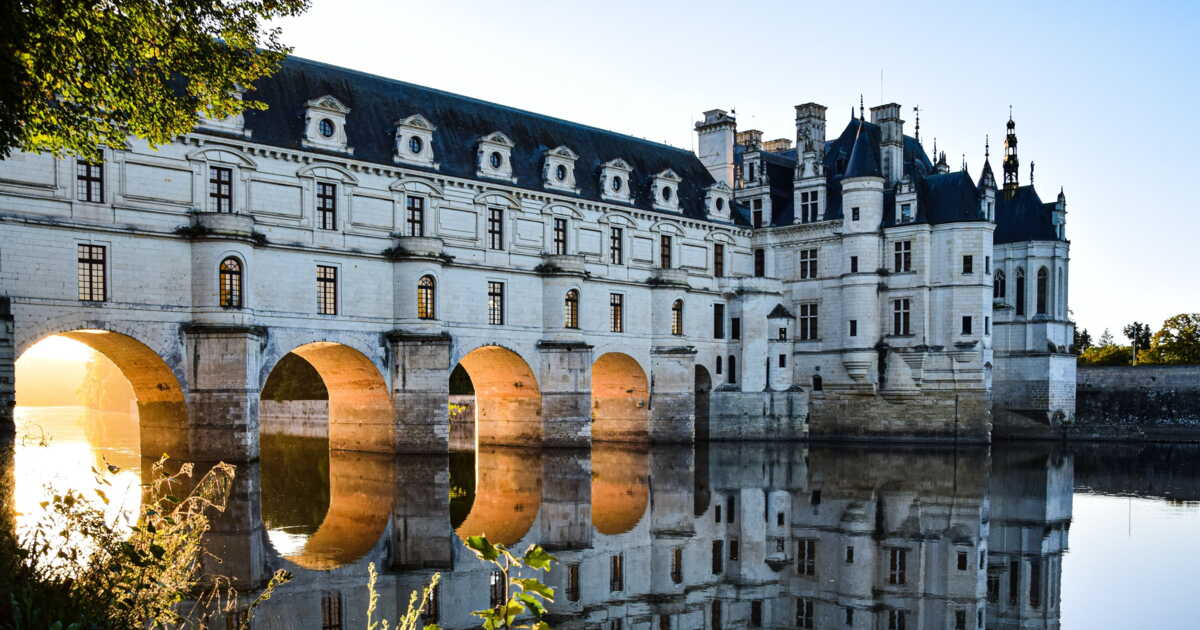
Loire Valley Cycling: Two Secret Routes Through Castles and Troglodyte Villages

Around Saumur: a subterranean escape in the land of “troglos”

Villages Clubs du Soleil Hiring This Summer


Villages Clubs du Soleil recrute pour cet été ! - Photo VCS

CroisiEurope


As the summer season approaches, Villages Clubs du Soleil announces a broad recruitment drive with more than 200 seasonal positions available, mainly in its mountain establishments.

According to the press release, 170 positions remain to be filled at the mountain Villages Clubs, complemented by about 30 positions on the coast. The operator is seeking candidates for contracts lasting two to six months, spanning from May to October, particularly in “the kitchen and early childhood” sectors.

The openings cover a wide range of trades. Among the profiles sought are nursery assistants, early childhood educators, chefs de partie (station chefs), dining-room managers or supervisors, and bartenders.


Recruitment in the Mountains and by the Sea

These recruitment efforts target several destinations, notably in Savoie, the Hautes-Alpes, Haute-Savoie, and Alpes-de-Haute-Provence, as well as certain coastal and urban sites, such as Marseille.

Beyond operational needs, Villages Clubs du Soleil highlights its commitments in human resources. The company states it welcomes and integrates 100 % of new arrivals and trains nearly 2,000 employees each year. It also emphasizes promoting from within, with 70 % of managers coming from its ranks.

The group also emphasizes working conditions that include access to some services offered to clients, such as sports activities or wellness spaces.


Villages Clubs du Soleil additionally states that it is developing initiatives to promote youth employment and support for those in integration programs, notably through partnerships with Local Missions.

The company also states that 100 % of positions are open to people with disabilities, with appropriate accommodations, and notes that a dedicated mission has been established to assist these recruitments and their integration.

Why These Recreated Historical Villages Are Booming in China

Here is a vacation concept that is, to say the least, surprising. China claims an exceptional heritage, yet much of its original monuments have disappeared through fires, wars, or political upheavals. In response to this loss, the country has multiplied spectacular reconstructions of ancient cities, where every street, every façade, and every detail are designed to plunge visitors into another century. These sets, sometimes more real than life, attract millions of Chinese and foreign tourists, despite a question that continues to divide: how far can history be recreated?

Historical sets designed to transport visitors through time

In China, these sites are known as “fanggu”, which can be translated as “historical imitation”. Unlike a simple museum or a restoration of a monument, they are often entire cities built recently to reproduce the atmosphere of a bygone era. The buildings display deliberately aged tiles, façades are covered with climbing plants to give the impression that the structures have traversed the centuries, and visitors can rent traditional outfits to complete the experience.

This formula responds to a growing demand for immersive tourism. “Modern consumers are increasingly willing to pay for emotional value, seeking a deeper engagement and cultural meaning through immersive experiences”, said Yang Jinsong, director of the International Institute of the Chinese Academy of Tourism, in the People’s Daily.

Among the most emblematic examples is Gubei Water Town, near Beijing. Opened in 2014 after a $600 million investment (about €520 million), this town combines a water village inspired by the Jiangnan region… with the immediate vicinity of the Great Wall. A geographic mash-up that would be impossible in reality, since the famous Jiangnan villages lie roughly 1,300 kilometers further south.

The concept, however, works remarkably well. Booking platforms offer excursions that combine the Great Wall and Gubei Water Town. By July 2026, the site showed more than 10,000 bookings and 2,200 reviews on Klook, with an average rating of 4.9 out of 5. Visitors can also stay overnight in establishments run by state-owned enterprises, some rooms reaching $500 per night (about €433).

Between tourist success and authenticity criticisms

In Xi’an, the ancient imperial capital of China for more than a millennium, the reconstruction takes another form. Datang Everbright City recreates the Tang dynasty vibe on a 2,100-meter pedestrian avenue, illuminated by red pagodas and animated every evening by shows. The site welcomes nearly 75 million visitors a year. One of the most popular attractions involves arranging “time-travel” weddings.

Couples wear several outfits representing different eras, while filming crews, makeup artists, extras, and even performers performing the lion dance stage their love stories. Some posts on the Xiaohongshu social network mention a cost equivalent to a full month’s salary, but these arrangements continue to attract many young couples.

“The feeling of having been deceived”

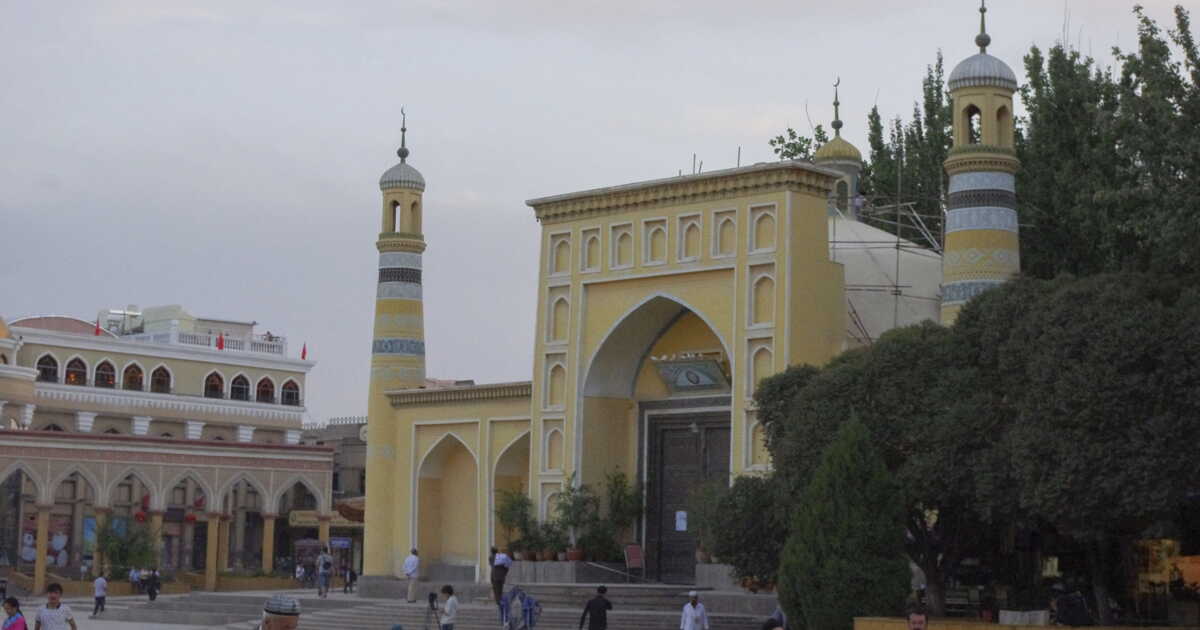
Further west, in the Xinjiang region, Kashgar is an ancient oasis on the Silk Road whose history dates back nearly 2,000 years. But the old town that today attracts visitors is no longer the one that withstood the centuries, as a large part of the historic center was demolished and rebuilt more than ten years ago. While its maze of alleys has been preserved, the buildings have been largely recreated and modernized, turning what was once the heart of Uyghur culture into a smoother and tourism-oriented version.

Yet not all visitors appreciate this staging of the past. After discovering that Gubei Water Town was not a real ancient village, Thai student Minyada “Minnie” Chotichaicharin shared her disappointment. “I wouldn’t mind if it were rebuilt, but it’s hard not to feel like I’ve been deceived”, she told CNN.

Conversely, Edward Zhou, a student from Washington, describes Kashgar as a place that is “surreal.” Despite this “theme park” façade, he believes the city offers a glimpse of a history that he, like many other travelers, had never encountered in other destinations.

These reconstructions thus illustrate a new way of valorizing heritage in China. Between spectacular immersion, deliberate staging, and a search for authenticity, they attract tens of millions of visitors each year, fueled by their immense popularity on social media.