Why Choose a Cruise Over a Land Tour? [ABO]


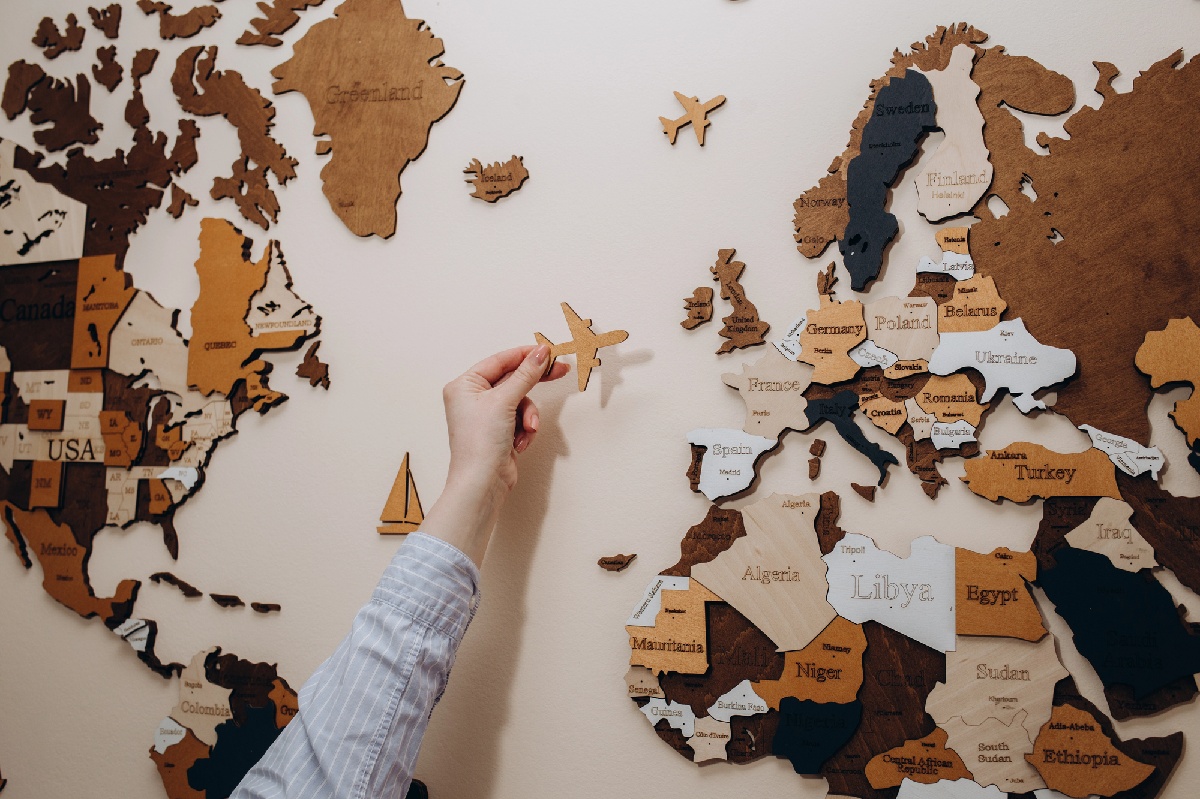
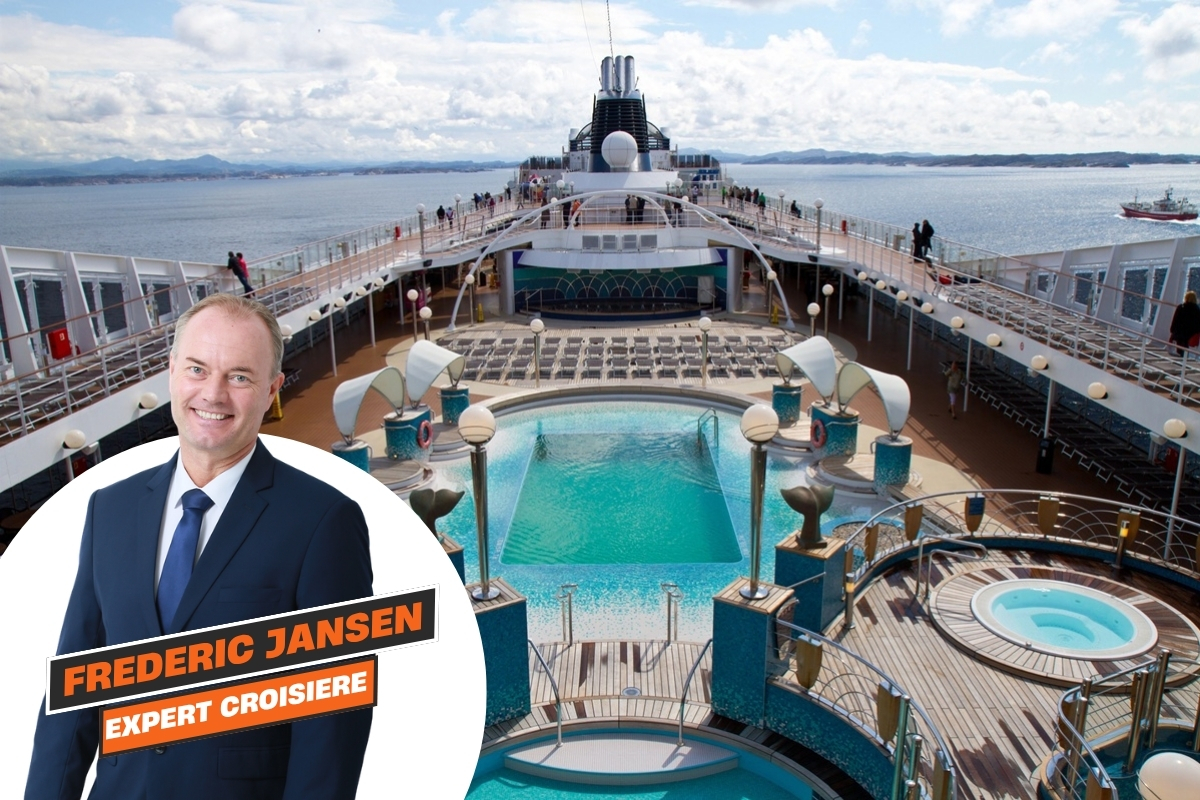
Vacances en circuit ou en croisière ? Comment choisir ? A moins de combiner les deux... - DepositPhotos.com, lsantilli

TAP Air Portugal


Recently, friends took their first cruise. They found it enjoyable, albeit somewhat “frustrating”.

This isn’t for us,” they explained, mentioning that they did not have enough time on land during the various port calls. “Too short, too fast.” I can understand them.

Cruises are ideal when you are seeking a stress-free trip to multiple destinations, because they allow visiting several places without unpacking your suitcases and offer an all-inclusive budget (meals/housing included).

On the other hand, land tours are preferable if you seek deeper immersion, greater flexibility, and better control of your schedule and pace.

In both cases, the idea remains to be able to discover as much as possible and to multiply experiences. We are talking here about travels where the purpose, the reason, is not the destination, but the journey itself.


The Vacation Club Detour: A Choice That Must Be Well-Targeted

I take the opportunity to open a parentheses because, ashore, you also find the vacation club.

In this specific case, the client will look at both the destination and what is included: activities (which can be very expensive), meals, restaurants, drinks, pool access, wifi, etc. Often, they will stay in the same place and keep the same room. A considerable advantage that is also found on cruises.

About the creation of Club Med, what a beautiful Franco-Belgian boast it is! I must underscore it… and mention the cruise ship Club Med 2, a successful blend of cruising and club living. Yes, yes, it is a cruise ship. Sorry, I’m too purist to call it “a sailing ship.” The importance of words. End of the digression.

Thus, unless your client prefers changing hotels several times and packing and unpacking every day or every other day, advise them to opt for a cruise rather than a land tour for a single destination (remote and magical) such as French Polynesia.

In the end, it will be truly cheaper to choose a cruise departing from Papeete than to visit several islands and stay in beautiful hotels, traveling by plane. Especially since the price of meals and drinks in high-end hotels on these islands is relatively expensive, this must be taken into account.


Find all of Frédéric Jansen’s chronicles by clicking here.


Land tour vs cruise: why not combine them?

Another possible option: combine a land tour and a cruise.

I have known luxury cruise lines that ventured into this territory… but be careful, it is a sensitive topic! It is indeed difficult to find qualified staff (and for the francophone niche, guides who speak good French) and trustworthy agencies around the world. It takes time and requires serious support and preparation.

Likewise, the scouting – when there is any, since it costs money – is usually done by one or two people. Yet, in all the places visited later as well as in the restaurants, imagine 50 or 100 people doing the same thing. This preparation, this study, is essential.

As for the escort profession (on a land tour and thus also as a pre-cruise option), while it is certainly pleasing, it can also be quite challenging. Adaptation, being available 24/7, short nights, unforeseen events…

And if the pre-cruise does not go well, I can assure you that, from boarding, passengers will let the crew, the ship’s management… and the other passengers know. “Welcome on board!” A good start to the cruise.

Nevertheless, I would recommend offering it in this order: a land tour first and then a cruise. It is preferable. The main argument being that the cruise will be more restful after days spent on land.

“The best way to travel is to discover the land by the sea,” is that not so, Mr. de Kersauson? Keep his phrase in mind.


Australia / New Zealand

For such distant journeys, a combination is essential. Far too many clients think they can visit these destinations in 15 days.

My recommendation : Opt for three weeks or more. Otherwise, it’s frustrating.


Japan

Japan is also about the interior, its mountains, its villages and its hidden onsen. Hence the combination.


Vietnam

The same reasons as Japan.


Caribbean

Really? A pre-cruise in the Caribbean? Isn’t the cruise enough? Here is my explanation and guidance. Martinique and Guadeloupe are indeed islands, but they are large and cannot be explored in a single port call.

My recommendation : A few days on these islands, one after another, or even combined. How can you miss Les Saintes (south of Guadeloupe)? Will you really skip the moment to sing Voulzy on Marie-Galante? Smiles. You must take the time. France, in its broad sense, is beautiful, all of France!

And if you want to surprise, there are still paradise corners in the Caribbean. Take Tobago, a gem further south, located to the north of its larger neighboring island, Trinidad. A bit further north, the Grenadines.

Some lesser-known islands such as Canouan, Mayreau, Bequia (with a stop at Mac’s for its famous lobster pizza), Carriacou. The pre-cruise becomes synonymous with luxury, rest, paradise, adventure… And the locals, who are slowly but surely recovering from Hurricane Beryl that affected them a couple of years ago, are so charming and welcoming.


The Mediterranean

Rome, Venice, Naples, Barcelona, Palma de Mallorca, Marseille, Nice, Dubrovnik, Athens… and I’m forgetting others, deserve these few days of pre-cruise, as there is so much to see, so much to live!


Finally, cruising isn’t only about destinations: there are onboard activities, that multicultural side with passengers and even crew members, different languages, etc. What a richness!


What are the advantages and disadvantages of cruise vacations?

I say it and repeat it: the cruise world comprises so many different products that you have to target carefully.

Cruises (as we imagine them) are ideal for families, multigenerational groups, first-time travelers, couples, and those seeking relaxation. With the option, or not, to visit, ashore, sites, towns and villages of interest.

Advantages : unpack once, visit several places (usually one port of call per day), easily plan your program thanks especially to the ship’s daily journal, enjoy onboard entertainment.

Disadvantages : indeed you must cope with limited time in each port, less flexibility due to excursion schedules, meals, and excursions’ timing… and potential hidden costs (excursions, beverages, Wi-Fi, etc.).


What are the advantages and disadvantages of land travel?

A land journey is ideal for backpacking adventurers, for culture enthusiasts, and for those who want to stay longer in one place.

Advantages : deep cultural immersion, flexible itineraries, more spacious accommodations, and the freedom to set your own pace.

Disadvantages : greater logistical planning when not using a tour operator, higher costs for meals and transport, but also the time (lost?) spent in transit.



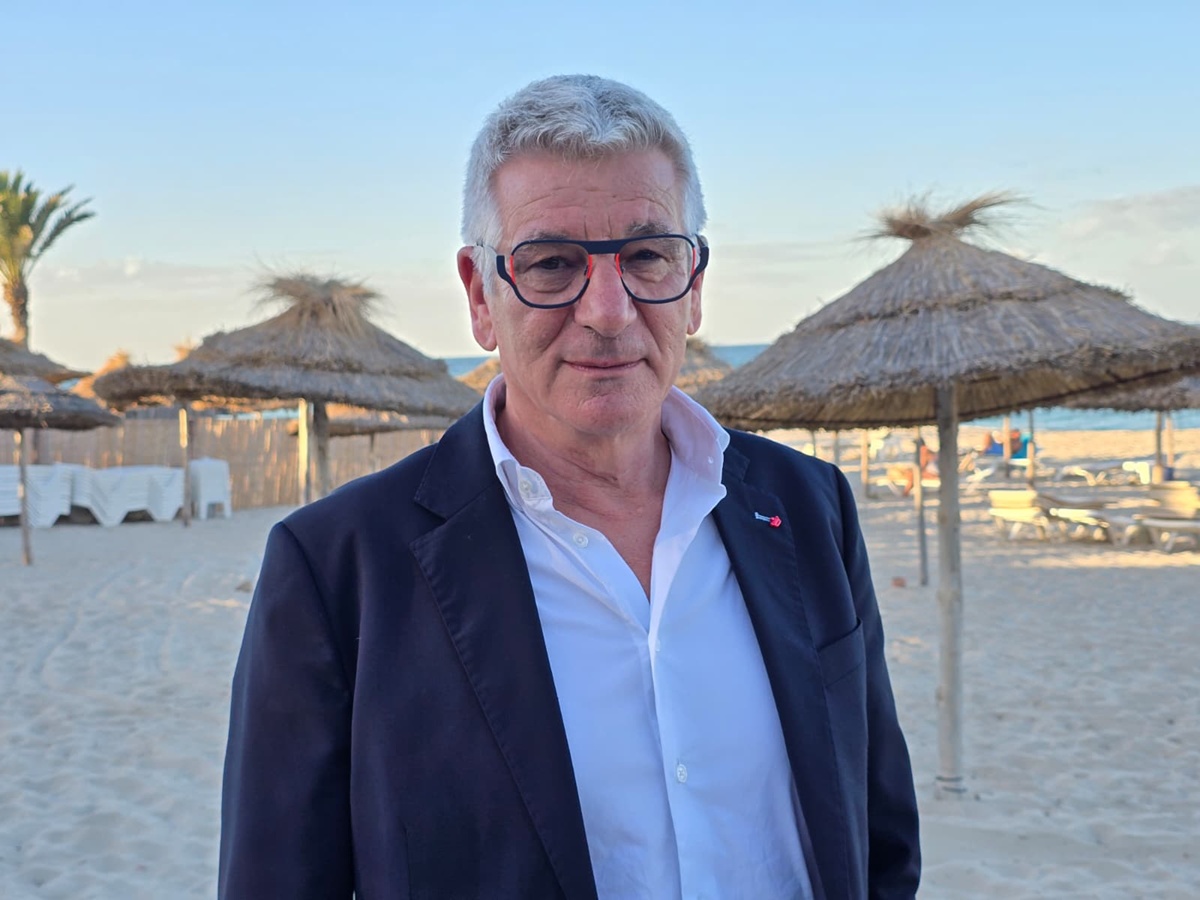
Frédéric Jansen - Photo Studio Digital PhotoShop

Frédéric Jansen est un consultant d’origine belge et avant d’avoir récemment officié à terre pendant 7 ans comme Global Brand Ambassador pour une compagnie française, il a été directeur de croisière durant 20 ans pour 9 compagnies de croisières, à bord de 20 navires différents.

Organisateur et accompagnateur de voyages extrêmes pour une clientèle haut de gamme, il a voyagé dans le monde entier avec une passion pour les langues, les rencontres avec les populations et les cultures locales.

Il est sur le point de publier son premier ouvrage « Journal de Bord d’un Directeur de Croisière » (en deux versions, française et anglaise), où il retrace ses anecdotes de voyage les plus incroyables.

Il a également participé récemment à plusieurs émissions : Héros avec Faustine Bollaert (RTL) ; Legend avec Guillaume Pley (YouTube) et NRJ Belgique avec Mike.
Monts du Genevois Bet on Digital to Extend Tour de France Momentum


Les Monts du Genevois prolongent le Tour de France avec une chasse aux trésors digitale - Depositphotos.com, southmind

Costa Rica


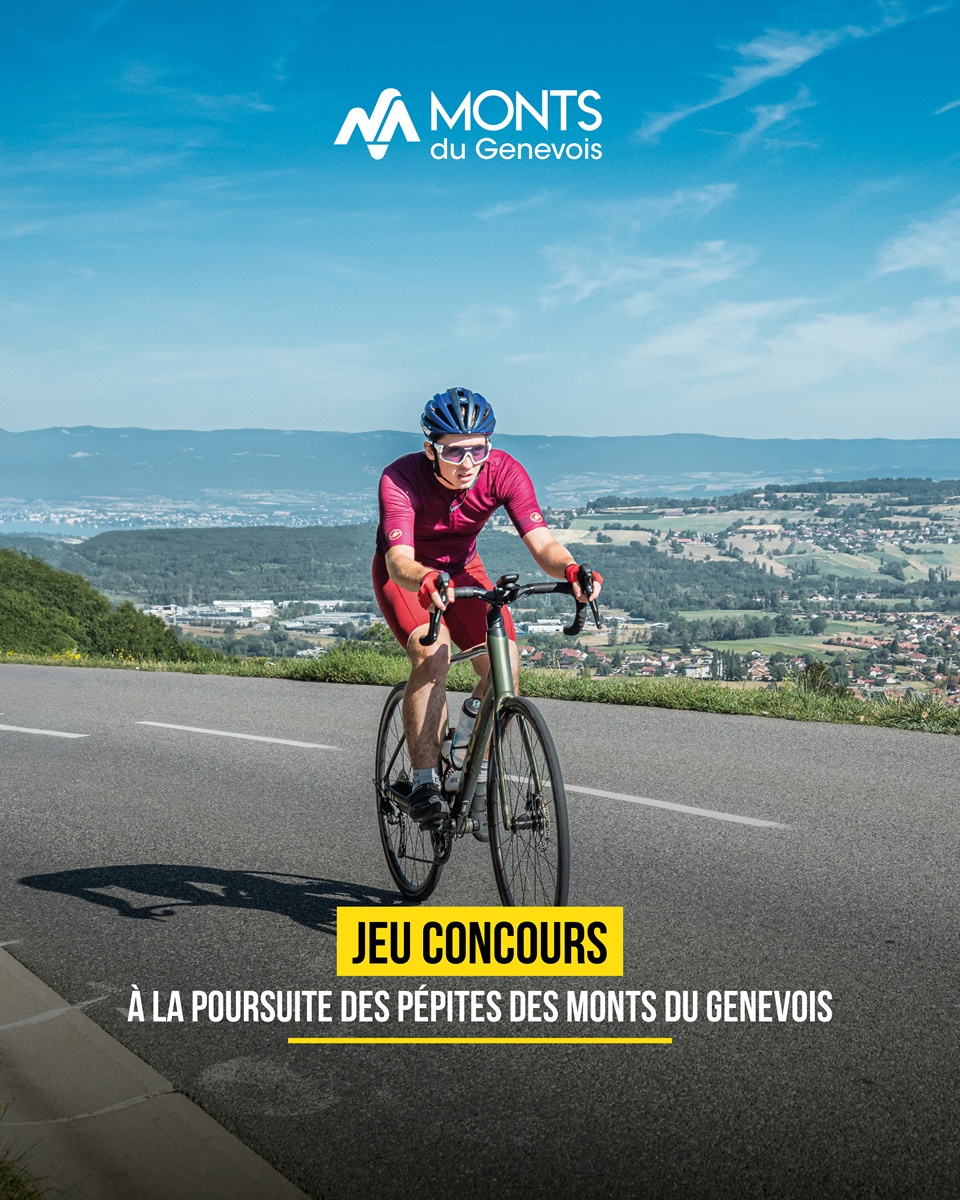
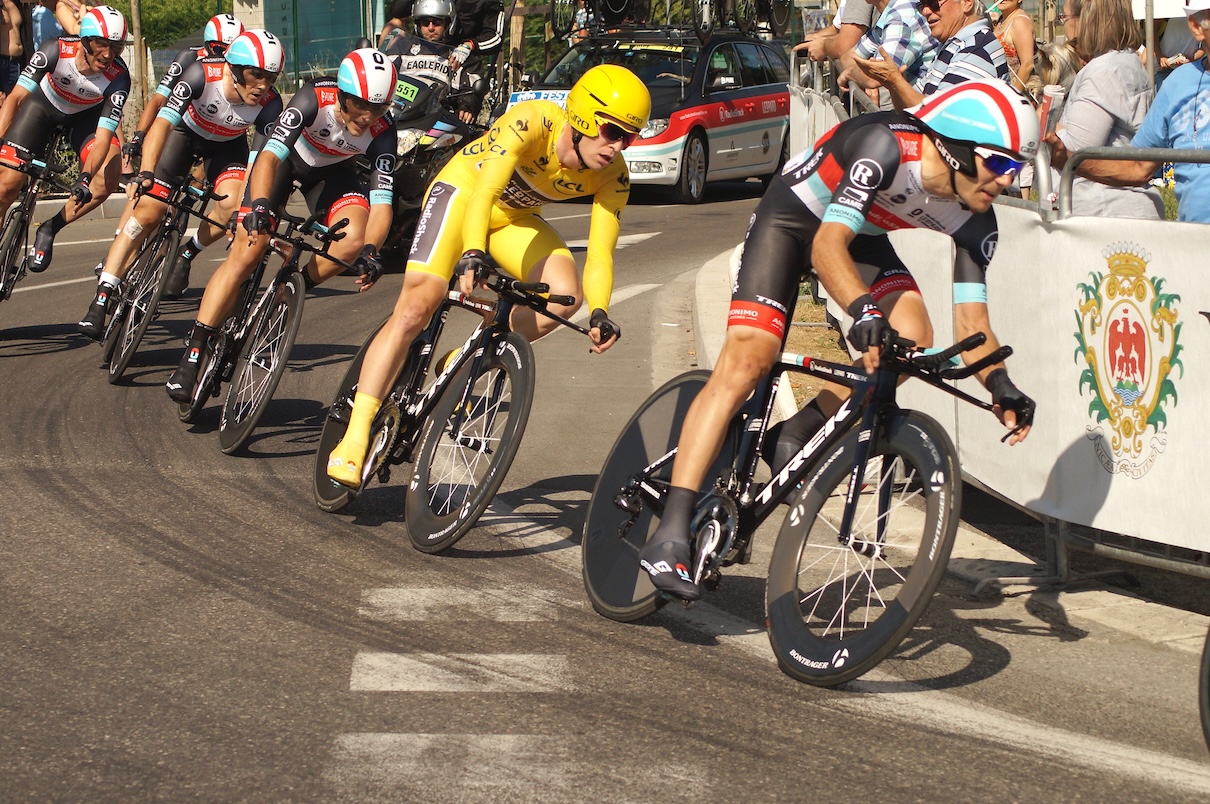
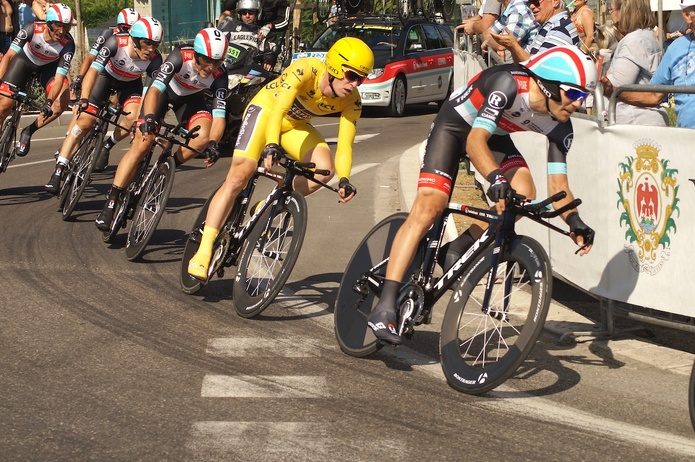
The Tour de France’s passage placed the Monts du Genevois in the spotlight on July 19.

The 15th stage of the Grande Boucle notably crossed the Col de la Croisette, perched at over 1,300 meters altitude, in the Salève massif.

On the occasion of this event, the Office de Tourisme des Monts du Genevois launched a gamification experience aimed at extending interest beyond the riders’ passage.

Until July 31, 2026, residents, visitors and curious people are invited to explore the area through a playful route accessible from a smartphone, a tablet or a computer.


A Treasure Hunt Inspired by the World of Cycling


Illustration : OT des Monts du Genevois

The setup rests on an interactive map and a series of local riddles.

Participants progress through several stages inspired by cycling vocabulary: breakaways, ascents, intermediate sprints, and even mythical cols.

As they advance, they must locate symbols hidden in various locations across the Monts du Genevois.

The riddles lead them to viewpoints, natural sites, villages and addresses that contribute to the territory’s appeal.

A secondary quest, designed as a “time trial,” completes the experience.

It allows the most motivated participants to take on an extra challenge and win goodies, in a nod to the Tour de France’s advertising caravan.


Local Experiences to Win

The prizes have been designed in collaboration with several tourism players and professionals of the Monts du Genevois. The top prize, awarded by draw, will offer two people an immersion in the territory.

The stay includes, notably, a ride on the Salève cable car, a gourmet lunch at Hôtel-Restaurant L’Arborescence, and a night in the Salève Cabanes. Winners will also receive a personalized roadbook crafted by the Office de Tourisme.

A second draw also makes it possible to win several local experiences, including entries to UCPA Vitam, Filenvol, or the Salève cable car.


Making Visiting an Interactive Experience

Through this initiative, the Monts du Genevois Tourism Office aims to extend the Tour de France’s impact beyond the mere passing of the race.

The sporting event thus becomes the starting point for a tourism and digital experience intended to encourage discovering the territory.

The project relies on the experiential tourism trend, which motivates visitors to seek out activities and experiences to live rather than merely follow itineraries. The gamification here transforms the discovery of the Monts du Genevois into an interactive adventure.

The smartphone becomes the platform for this exploration, while the riddles guide participants to different sites around the territory.

A way for the Tourism Office to highlight its landscapes, its villages, and its tourism stakeholders in a playful light, while capitalizing on the visibility offered by the Tour de France’s passage.


Amelia Brille Publié par Amelia Brille Rédactrice TourMaG.com
Voir tous les articles d’Amélia Brille

  • picto Linkedin
  • picto email
Ajoutez TourMaG à votre flux Google Actualités Google Actualités icône  

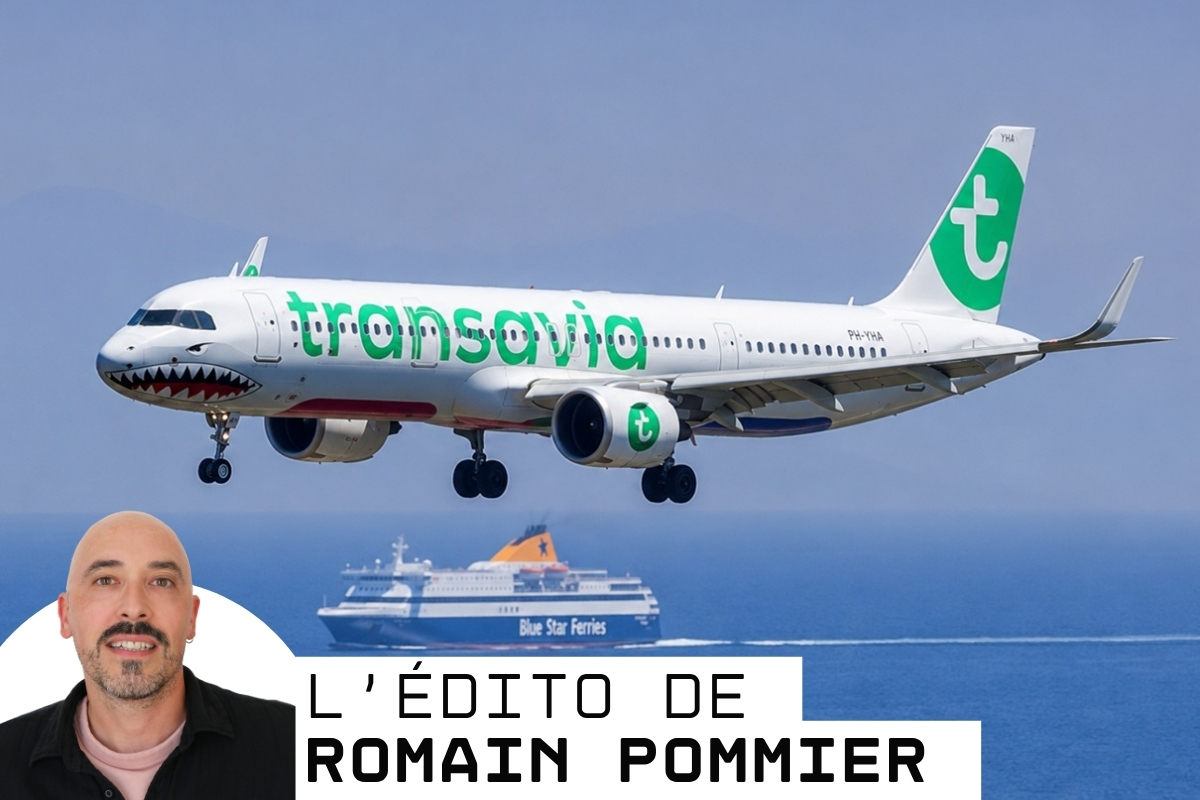
Transavia: What If the Partner Became the Tour Operators’ Leading Predator?


Après s’être fait une place au soleil méditerranéen, en partie grâce aux TO français devenus de bons clients, transavia pourrait-elle se prendre pour Brutus ? - Depositphotos.com,  Boarding2Now - photo modifiée avec l'IA

Costa Rica


Last week, we revealed to you that Air France had decided to take back control of its travel agency.

Air France Holidays, launched in March 2025, had until now been entirely managed by PerfectStay.

Despite significant volumes, the management of the national carrier was not satisfied with the initial results.

After a few months of existence, it decided to fully internalize this activity.

Thus, Air France and Transavia – because this takeover indeed concerns both airlines – will become both tour operator and distribution network once again within a matter of weeks or months.

Their project company received its registration last week. The technological building block will be provided by a subsidiary of KLM, the Dutch sister company.

The loop is closed.

Now the question remains: what are the ambitions of Air France and Transavia Holidays in this regard.

According to sources close to the executive team of the national carrier, they are high, in line with the financial success and volume of easyJet Holidays.

Hence this legitimate question: could the travel agency/tour-operator activity finally make Transavia profitable?


easyJet Holidays, a model to follow?

easyJet Holidays has achieved in a few years what traditional carriers never really did.

It has become one of the largest tour operators across the Channel, in a market where the package holiday remains a reflex for a significant portion of the population, fond of all-inclusive flight + hotel offers, all under the sun, to escape the gray British weather.

In 2024, during Matt Callaghan’s visit to Paris, the head of the tour operator told us more about the winning formula that is lifting the low-cost carrier’s financial results.

In addition to thousands of hotels listed in hundreds of destinations, the package typically includes airfare, luggage up to 23 kg, transfer, and the stay with full board, bed & breakfast, or half-board.

Among the cities favored by the British, unsurprisingly we find Palma, Marrakech, Rome, Tenerife or Lanzarote, spanning city breaks and seaside getaways.

However, upon closer look, this kind of product does not really fit the CSP+ clientele who fill Air France’s planes and hold loyalty cards.

By contrast, it suits wonderfully one of its subsidiaries (Transavia), a regular ally of tour operators, . And that is where the trouble lies.


Transavia, future rival to tour operators?

For, after carving out a place in the sun of the Mediterranean, partly thanks to French TOs who had become good clients, the green shift could perhaps turn into Brutus?

The famous line would then be all that SETO has left to reply with: Tu quoque, mi fili, or “you too, my son” in good French in the text.

There is a feeling of betrayal that French tour operators might experience at the announcement of this innovation.

At each of our meetings and exchanges with Nicolas Hénin, the former commercial director of Transavia, he reminded us of the special bond the company used to maintain with producers.

We have a dedicated team, with special prices for tour operators who commit to the year… At our beginnings, we were very TO-oriented. We do not want to lose this link, it is very important for us“, he told us in April 2023.

In the same way, we recall that to explore and launch a new route, the low-cost teams often rely on producers, ensuring them a minimum fill rate and helping to kick off operations.

This decision to internalize production and distribution seems to them the logical next step in the Franco-Dutch group’s developments.

Nevertheless, a certain fear is manifesting in this respect.

The head of a French TO recently confided his worry about this “severe” competition and his fear of a head-on clash, even though today it is its main partner.

After having massively stopped charters, with only a few exceptions, what difference will exist tomorrow between Transavia and certain TOs?

Let us suppose that the differences will be slim and will boil down to on-the-ground knowledge, the exhaustiveness of the offering, but also the routes designed by a few experts who have wandered around the world.


Transavia and Air France, will they finally find the winning formula?

The Collection and Air France Holidays have never really found a public niche, without failing to merit it. However, nothing says that Transavia, with its low prices and its fragmented offering – cabin baggage is paid – cannot manage to stand out.

If there exists, on part of the network, a like-minded clientele, the green-liveried airline has the same customer base as easyJet. Only the language and origin differ.

However, note that the package is far less ingrained in French culture than in England or Germany.

Nonetheless, with effective technology, good communication, and the emphasis on the protection that tour operators provide to customers, there is little doubt the offer could appeal to many French travelers.

This will also depend partly on its hotel catalog.

While visiting KLM Holidays, we found that the lodging provider is none other than Booking. The comprehensiveness of the offer should therefore pose no problem if the model is replicated.

On top of that, add the Group’s online reach. Air France sites attract around 60 million visitors each year, while Transavia ranks right after in the aviation category by audience, according to Similarweb.

The task remains to convert a percentage of those millions of visitors. For example, easyJet Holidays counted 3.1 million travelers in 2025, i.e., more than 5% of its audience, and expects 15% more in 2026.

Yet there is often a gulf between intention, execution, and reaching the customer.

This is the point Gilbert Baladi keeps hammering: “Back to the past! One would think we’re in the 70s! Air France NEVER benefits from the experience gained! They have already given: they have lost! They will give again! They will lose again!

The future will tell us whether, in this new venture, the French airlines will finally be able to say “Veni, vidi, vici” (I came, I saw, I conquered)!


Inbound Tour Operator of Tomorrow: The Rise of Group Travel Strategy


© Únia Travel / Image générée par IA à titre illustratif

CroisiEurope


The group journey has not spoken its last word. It is evolving, just as travelers, agencies and the ways of discovering a destination are evolving. In a world where everything seems bookable in a few clicks, the need to travel together, to share an emotion, to discover a culture with others, and to feel accompanied remains profoundly current.

At Únia Travel, this conviction guides the vision of tomorrow’s receptive partner: a hands-on ally capable of helping agencies design travel experiences that are more personalized, more reliable and more meaningful.


Group travel answers a need that will not disappear

We sometimes hear that group travel is coming to an end, as if new generations will inevitably travel solo, organize everything online, and do without support. At Únia Travel, we do not share this view.

Group travel still has a future because it answers a profoundly human need: the need to share, to meet, to exchange and to experience something together with others. Traveling is not just about moving from one point to another. It is about creating shared memories, discovering a culture with a guided perspective, being surprised by a meeting, a tradition, a flavor or a local story that one might not have found alone.

Even future generations will crave connection. They will likely want travel that is freer, more immersive, closer to the local culture. They will want to understand more, experience deeper moments, and feel like actors in their own journey. But that does not mean the end of the group. It means the end of standardized groups.

The group journey of tomorrow will be more personalized, more flexible, and better aligned with travelers’ real profiles. For agencies, this evolution represents a real opportunity, but it also requires more guidance, more anticipation, and a precise knowledge of the terrain. This demand is especially important for French-speaking senior groups, where pace, comfort, quality of meals, travel times, and accompanying support play a crucial role in the success of the stay.


Tomorrow’s receptive partner can no longer be merely an assembler

For a long time, the role of a receptive partner could be summarized fairly simply: find the right hotels, book the restaurants, coordinate the guides, organize the visits and ensure the program runs smoothly on site.

These tasks remain essential. But today, they are no longer enough.

An agency expects more from its local partner. It needs a counterpart who understands its clientele, its commercial constraints, its deadlines, its positioning, and its objectives. A group program must not only be feasible; it must be coherent, legible, well-paced, adapted to travelers’ profiles, and attractive enough to sell.

For Únia Travel, this evolution is obvious: a receptif must do more than just organize a trip. It must help the agency sell it, secure it, and build customer loyalty. It must become the agency’s eyes and ears on the ground, anticipate constraints, and ensure that every choice serves the final experience of the group.

Receptives capable of advising, personalizing, anticipating, and securing will become even more indispensable partners for tourism professionals.


© Alena Darmel - Pexels


Personalization begins with listening

In a market where many offerings look alike, personalization becomes a genuine lever of differentiation for agencies.

At Únia Travel, this personalization starts with listening. Who are the travelers? What is their rhythm? What have they already visited? What level of comfort do they expect? Does the agency seek an accessible program, an original experience, an in-depth cultural circuit, or a proposal capable of surprising a loyal clientele?

The answer cannot be the same for everyone.

That is why Únia defends a simple idea: the product must adapt to the client, and not the other way around.

This approach requires field knowledge, proximity, and flexibility. A successful program is not necessarily the one that offers the most; it is the one that finds the right balance between discovery, comfort, pacing, pleasure, budget, and flow.

It is in this spirit of personalization and listening that Únia Travel develops more differentiated ideas, notably through the Únia Signature universe: proposals built around local flavors, celebrations, traditions, lesser-known experiences, or themes capable of giving real personality to the journey.


Technology at the service of the field, not in place of it

Talking about the tomorrow’s receptive partner also means talking about technology. But at Únia Travel, technology is not an end in itself. It only has value if it concretely improves the service provided to agencies and the smooth running of on-site operations.

This reflection particularly focuses on new tools that can facilitate exchanges with agencies, speed up certain communication steps, make proposals clearer, and simplify file tracking. The aim is to give professionals more legible, more practical, and easier-to-use supports in their own commercial work.

It also concerns how to better convey information to the various participants in a trip: internal teams, guides, drivers, local partners. A well-prepared, well-shared, and easily accessible file directly contributes to the stay’s success. In group travel, the quality of the experience depends as much on program design as on how precisely information circulates before and during the trip.

Technology should save time, streamline exchanges, organize information more effectively, and improve responsiveness. But it does not replace field knowledge, professional intuition, or human relationships.

A tool can speed up a response, but it cannot sense whether a program is too dense for a senior group, nor know whether a step is enjoyable in theory but not suited in practice. It does not replace the experience of a team that knows destinations, suppliers, the habits of French-speaking groups, and agencies’ expectations.

The modernity of tomorrow’s receptive partner will thus be hybrid: more tools, yes, but still more guidance. More speed, but without sacrificing quality. More structure, but without standardizing the travels.


Tell us about your projects: we are here to help you build them, adapt them, and succeed with them.


Le réceptif de demain : pourquoi son rôle devient plus stratégique pour les voyages de groupes

A receptive DMC agency specializing in the design and organization of tailor-made group trips, stays, and guided circuits in Andorra, Occitania, Spain and Portugal.

For your group projects, programmed itineraries, tailor-made stays, or specific requests:

[email protected]

[00376] 720 600

www.uniatravel.com

facebook instagram instagram

>> Únia Travel in the DESTIMAG Directory


Sustainable Tourism in Polynesia: The Rāhui, the Lesson Tour Operators Have Yet to Learn


© Tahiti Tourisme

CroisiEurope


The issue is no longer marginal: it has become a booking criterion in its own right, almost on par with price or the level of comfort. But between what travelers say and what they actually buy, the gap remains vast.

85 % of travelers say they are willing to choose accommodation committed to sustainable development. In practice, only 8 % actually do. This is not a lack of desire. It is a lack of readable, credible, and easy-to-sell options. (source: CSA / Prisma Media Solution, Tourism Observatory)

This paradox is not a fatality. In French Polynesia, there exists an answer to this gap, and to date it has almost never been told to French tour operators. It does not come from an imported label or a voluntary charter. It comes from a practice aged several centuries, now reactivated by law, by science, and by the communities themselves: rāhui.


Le rāhui : quand authenticité et écologie deviennent un seul geste


© Tahiti Tourisme

The rāhui is an ancestral management tool, practiced throughout the Polynesian triangle for centuries. Its principle is simple: temporarily ban access to a lagoon, a bay, a species, or a resource, to give it time to regenerate, for the benefit of the entire community. Formerly ordered by village chiefs, the rāhui has seen renewed interest since the 2000s, now carried by municipalities themselves, often in connection with NGOs such as Pew Bertarelli Ocean Legacy.

The most spectacular example is Bora Bora. Facing the gradual disappearance of sea urchins, bay scallops, and sea cucumbers, the municipality created in 2025 a rāhui covering 700 hectares at the heart of the lagoon, in front of the iconic Matira Beach: no boats, no jet-skis, no fishing. The decision was made after extensive consultation with fishermen, churches, neighborhoods, and tourism stakeholders. The first affected, fishermen who now face fines, accepted it themselves.

This level of buy-in is far from trivial: a study by the Biodiversity Research Foundation shows that 90% of the Polynesian population wants to see a rāhui established in every commune. The country nevertheless marked a major milestone in 2025 by making French Polynesia the largest marine protected area in the world, with 1.1 million km² already covered and 500,000 km² of additional strict protection planned for 2026. A rāhui project call, now supported by the Polynesian Ministry of Agriculture, Marine Resources and Environment, is already in its 9th edition.

This is the angle few programs still exploit: elsewhere in the world, “respect for local culture” and “environmental protection” are two separate approaches, which tour operators must build and justify separately. In Polynesia, it is the same. Enforcing a rāhui on your clients, in the same move, honors a legitimate cultural practice in the eyes of an entire community and very concretely protects a reef or a species. There are not two checkboxes. There is only one.


Une destination qui structure sa durabilité au plus haut niveau

This local dynamic is embedded in an overarching territorial strategy. Tahiti Tourisme built its Sustainable Tourism Plan, which lays out 110 concrete actions through 2030, and had the destination Tahiti and Its Islands evaluated by the Global Sustainable Tourism Council (GSTC) between 2023 and 2025. The FM27 strategy (Fāri’ira’a Manihini) explicitly aims to diversify geographical flows toward less-visited islands, to preserve the most exposed sites without sacrificing the high-end service level expected by the premium clientele.

This ambition is not a mere added-on.


GSTC : un langage commun pour rassurer sans greenwasher

The Global Sustainable Tourism Council (GSTC) is a nonprofit organization, born in 2010 from the merger of several initiatives supported by the United Nations Environment Programme (UNEP) and the World Tourism Organization (UNWTO).

Its role is not to issue labels itself: it establishes the global reference criteria for sustainable tourism and accredits organizations that certify hotels, tour operators, and destinations. These criteria revolve around four pillars: sustainable management, local socio-economic impacts, cultural preservation, and environmental protection.

Their relevance to you, as a tour operator, is precise: they provide a common vocabulary, internationally recognized (by groups like TUI or Four Seasons), which allows you to demonstrate real commitment without falling into vague promises or the greenwashing that clients increasingly fear. And because the GSTC criteria are designed to adapt to local cultural realities, a practice like rāhui can fully fit within them, which is not the case for most generic environmental labels.


© Sylvain Lefevre


Trois leviers concrets pour vos programmes


Le rôle de Tahiti Travel Services : facilitateur, pas simple exécutant

No tour operator is meant to become, on its own, an expert in rāhui, in GSTC criteria, or in the ecological balances of each archipelago.

This is precisely the role Tahiti Travel Services intends to play: a field partner, capable of translating this Polynesian richness into sale-ready programs, aligned with the destination’s FM27 strategy, credible to a demanding clientele, and faithful to what makes the true authenticity of the fenua.

Sustainable tourism is not, in Polynesia, an extra layer to add to the product. It is a way of telling what already exists, for a very long time, on these islands.

Mauruuru.

Tahiti Travel Services


Tourisme durable en Polynésie : le rāhui, la leçon que les tour-opérateurs n'ont pas encore reçue
[email protected]

www.tahititravelservices.pf

>> Tahiti Travel Services in the DESTIMAG Directory


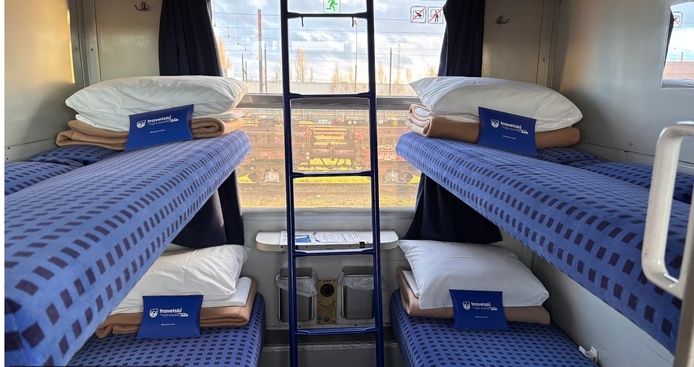
Pegasus Trains: The Company That Loves Tour Operators and Travel Agencies [ABO]


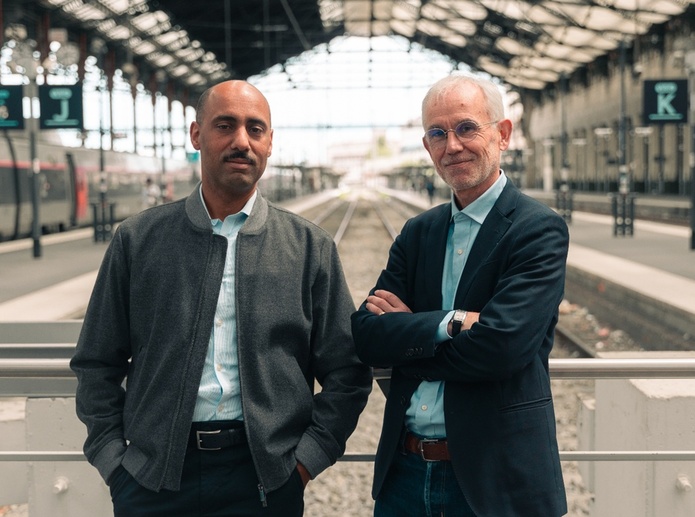
David Mascorda et Guillaume de Marcillac, les deux fondateurs de Pegasus Trains - Crédit photo : Emile Rivet

CroisiEurope


Nobody knows it, or almost, but the SNCF is not the only French railway company operating on our soil.

In fact, lurking in the shadow of its big sister, there is nevertheless a company that owns a train and has been running since winter 2025.

At its head, a familiar face in the tourism industry: Guillaume de Marcillac. He is known as the former CEO of TravelFactory and as a former financial head of Egencia and Karavel-Promovacances. He now wears the hat of train chief, leading Pegasus Trains.


After a first trial run with his previous employer during the launch of the Travelski Express, to redeploy the Eurostar between London and Bourg-Saint-Maurice, Guillaume de Marcillac decided to take off and thus create his own railway company.

The first challenge was to find rolling stock. “We combed across Europe to find owners willing to lease cars and a locomotive. It required a lot of work to locate and negotiate equipment coming from different places.

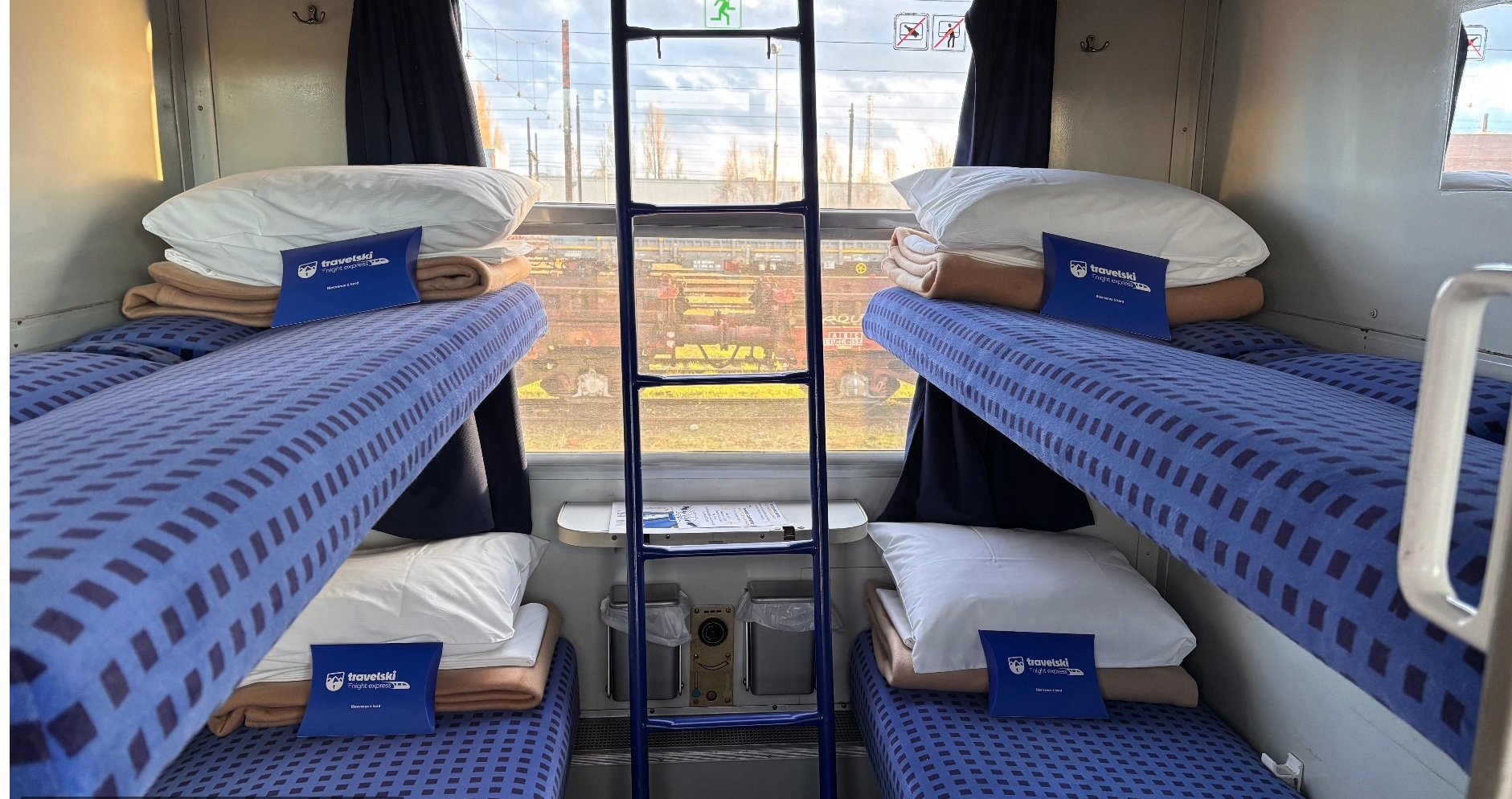
Our dining car comes from the Netherlands, the sleeping cars come from Baden-Württemberg, and the locomotive from France.

There are very substantial entry barriers in rail, which explains the very small number of new entrants
“, explains the fortunate cofounder of Pegasus Trains and owner of a train set.


Pegasus Trains: “We are in slow travel,” not a high-speed train

The second hurdle was securing homologation to run the trainset in France.

We are a railway company, but I do not use the term ‘railway company’, which is a legal term. Indeed, there are three statuses in the railway world.

The first is that of an authorized candidate, which means you are recognized as credible by SNCF Réseau and SNCF Gares & Connexions. You are an official interlocutor for these companies.

The second status is called the railway license. A bit like the registration for travel agencies, it is a recognition granted by the Ministry of Transport and Bercy, based on having sufficiently strong equity and certain management characteristics.

The last grade, the highest, is the security certificate of the railway company. It is a complex process, which takes time to obtain,” he explains.

To read: Rail Charter Service: what if you charter trains?

With the license in hand, Pegasus Trains thus cannot have its trains operated by its own crews. The company must recruit staff who hold this certificate.

To find drivers, it is enough to go through SNCF or freight operators also authorized to carry passengers. There are also European operators whose core business is to hold this safety certificate, as is the case with European Sleeper.

We are in a sense an orchestrator, with the equipment on one side, the locomotive on the other and the driver. We assemble all these building blocks.

We are also in slow travel. We do not offer high speed, like TGVs or Frecciarossa. We can, in one night, travel 1,300 km.


Pegasus Trains: “We will have two train sets in operation” by the end of 2026


Pegasus Train devrait sortir de la montagne pour desservir le littoral l'été prochain - Crédit photo : Pegasus Trains

Thus, Pegasus Trains offers a journey that is slower than the TGV, but with the merit of being decarbonized.

Each train set has a capacity of between 300 and 650 passengers, depending on client needs. It includes a dining car.

The trains have an international vocation, even though they cannot travel to the United Kingdom, as the Channel Tunnel requires very specific features reserved for Eurostar.

These are trains that have already been renovated by their owner, with whom we have an agreement for the long term.

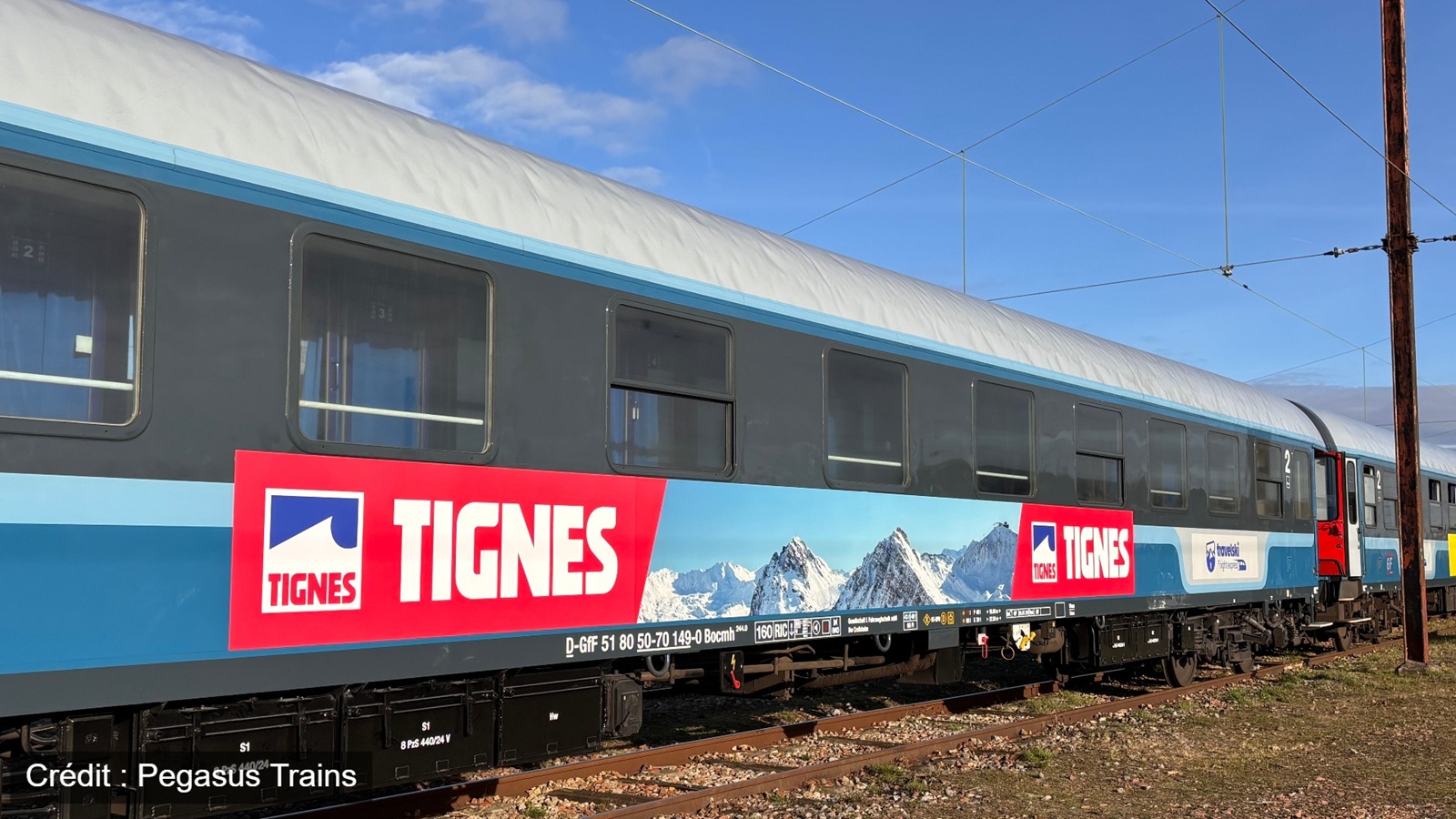
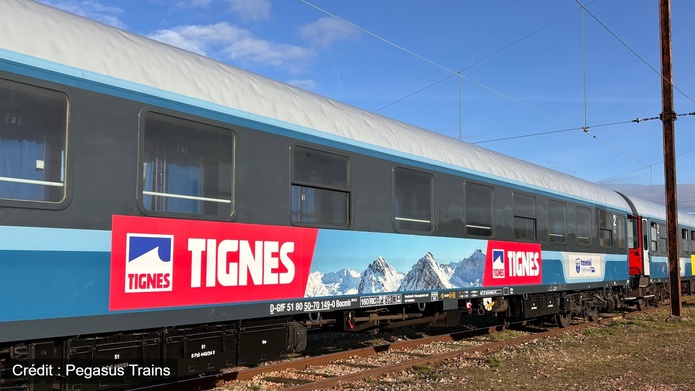
The rolling stock is not our property, so we cannot make modifications. However, it is possible for us to do a lot of exterior and interior decoration. Our trains also serve as a communication platform
“, continues Guillaume de Marcillac.

Consequently, the train becomes a marketing element for destinations and tour operators, such as Travelski.

Duly noted, buoyed by this success, after two winters of chartering for the winter-sports tour operator, the railway company aims to grow its fleet.

Our vision is that, gradually, our fleet will grow and our project is to gradually own our own trains, which we will renovate ourselves. That takes time.

Starting at the end of 2026, we will ramp up and have two train sets in operation,
rather than the single one we have today


Pegasus Trains is set to leave the mountains and serve the coast next summer


Pegasus Train : "nous allons nous adresser aux agences de voyages" et aux TO - Photo : Pegasus Trains

The first train will continue to operate between Paris and Bourg-Saint-Maurice, while the other will have a more European destiny.

The second train will depart from Amsterdam, then stop in Rotterdam, Antwerp and Brussels-Midi, before heading into the Alps.

It is intended for Dutch, Belgian, and also a little for British travelers, as Eurostar stops at Brussels-Midi.
We are in full preparation for its deployment, and once again, the Compagnie des Alpes has pre-booked it under a multi-year contract.

They are very satisfied with the initial rotations that have taken place
“, congratulates the cofounder of Pegasus Trains.

To read: Agencies, how to sell the train better?

If the rakes will run in Travelski colors for weekend rotations, weekday rotations are being considered for the rolling stock on the Paris-origin line.

A product that will be more aimed at travel agencies, group organizers, and tour operators. Departures will occur every Tuesday evening and returns on Wednesday mornings.

Our business model is not only to operate in winter but also to operate in summer, thus year-round.

Currently, we are talking with other tour operators for spring and summer 2027, in order to serve territories beyond the French mountains
“, reveals Guillaume de Marcillac.

Pegasus Trains could venture out to sail along the coast, serving urban destinations, or even offering trips abroad next year.

It must be said that this kind of product fits perfectly with events and the various festivals that take place in winter as well as in summer.


Sainte-Claire Group Acquires Eden Tour


Yvon Peltanche fondateur d'Eden Tour avait annoncé à ses équipes avoir reçu plusieurs marques d'intérêt fin 2025 - Photo CE

CroisiEurope


Eden Tour passes under the umbrella of the Sainte-Claire group.

Rumors of the sale of the network led and created by Yvon Peltanche have circulated since 2024. The 66-year-old executive who wished to hand over the reins did not hide, at the end of 2025 during the latest internal seminar, that he had received several “marks of interest”.

If several names circulated, it was ultimately the Sainte-Claire group that won the bid, on July 17 last. Yvon Peltanche will remain for three more years to accompany the company’s transition.

The Selectour member network weighs €65 million in business volume in 2025 (€42.6 million in 2024), for a turnover of €6.7 million (€5.5 million in 2024).


The Sainte-Claire Group Reaches the 100 Travel Agencies Milestone

26 agencies with the acquisition of Aven Tour in July 2025 constitute the network’s footprint. The company is also organized around a production hub – encompassing Azores Voyages, Faroe Voyages and Eden in France – and is broken down into several specialized segments: Eden Groups (group travel), Eden School (school trips), Eden Affairs (ticketing) and Eden Business (seminars and incentives).

On its side, the Sainte-Claire Group led by Eric Kuo counts on the mainland nearly 70 travel agencies bearing various brands such as TUI, Selectour, Havas Voyages, Navitour and Aquatour.

In the overseas territories, the group is also present in Réunion, Guyana, Martinique and Guadeloupe with close to thirty points of sale, including a business hub.

With this acquisition, Sainte-Claire thus surpasses the 100-agency mark and strengthens its presence significantly in the western part of France.

As a reminder, in June 2024, the Sainte-Claire group had acquired Penchard Voyages (four points of sale in Guadeloupe).

Recruitment: Top 6 In-Demand Careers in Travel Agencies and Tour Operators


Recrutement : découvrez le Top 5 des métiers les plus porteurs chez les agences et tour-opérateurs ! - Depositphotos.com fentonroma143@gmail.com

CroisiEurope


Despite a clear rebound since the pandemic, the travel operators sector has not yet returned to the recruitment volumes seen in 2019.

Valérie Dufour, Head of TravelJobs, the Employment section of TourMaG, notes that the number of job offers remains significantly below the pre-COVID years.

This is explained by a deep restructuring of the agencies’ business models, the integration of digital technology, and a structural decline of certain traditional roles that took longer to regain their pre-crisis weight,” she explains.

The international and political context in France has also influenced recruitment.


“The difficulty of recruiting for operational roles has never been as high as today”

Even though the overall volume of offers has declined, the challenge of filling operational roles has never been greater, notes Valérie Dufour. The market faces an imbalance between numerous positions to fill—travel advisors, ticketing clerks, agency managers—and a small pool of qualified CVs.

Recruiters highlight a lack of specific technical skills, notably proficiency with reservation tools (GDS/Amadeus), as well as a need for general culture and advisory ability.” emphasizes the head of TourMaG’s Employment section.

The recruitment bottleneck is also cultural. Current candidates prioritize quality of life and flexibility. Teleworking, which has fully integrated into organizations with the COVID-19 pandemic, has become an almost systematic demand for support and ticketing roles. Finally, work-life balance is a consideration for many applicants.

To attract talent, companies must now offer upskilling plans and a hybrid organization. However, this evolution complicates recruitment for large traditional agencies, which sometimes struggle to adapt their roles and hours” summarizes Valérie Dufour.

She adds that firms are seeking increasingly specific skills: “The personalization of travel and tailor-made experiences are skyrocketing, as is the management of ever more complex situations (visas, multi-segment itineraries), becoming growth drivers for tour operators, which requires more precise competencies from staff.

Other sectors are buoyant. Group travel operators, for example, are seeing strong activity and hiring. In this context, technicians and group travel sales professionals are in demand.

Another significant impact on job profiles is the rise of travel recommendations and content on social networks such as Instagram or TikTok, which is shifting customer expectations. “Some influencers are even becoming advocates—this forces agencies/tour operators to rethink their marketing approach to stay attractive. They are seeking employees who also possess these skills.” adds the employment expert.


Top 6 in-demand roles in 2025-2026

In this context of transformation, certain profiles remain highly sought after:

Travel Advisor: The pivot of distribution, indispensable for creating tailor-made trips.

Travel Product Manager: A profile sought by tour operators to design differentiated offers (ecotourism, adventure, niche).

Luxury / Premium Specialist: A growing segment that requires highly specialized client expertise.

Digital & Marketing Expert: To respond to the increasing influence of social networks (TikTok, Instagram) in the purchasing process.

Ticketing Clerk, Transport Manager and Back-office: Technical roles essential to the operational reliability of agencies.

Sales and Group Travel Technician: The salesperson is responsible for developing and selling tailor-made trips for groups (associations, companies, local authorities…). The group travel technician designs, organizes, and coordinates trips for groups (associations, schools, businesses…).


TravelJobs 2026: new tools to smooth the market


Valérie Dufour responsable de TravelJobs

Facing these recruitment challenges, matchmaking services are evolving on TourMaG. TravelJobs will roll out in 2026 customized sourcing services for recruiters, going beyond simple job postings diffusion.

This approach includes targeted headhunting by geographic area and activation of alumni networks and professional associations. The objective is clear: provide visibility to candidates on sometimes unpublished opportunities while ensuring employers access to qualified and immediately operational profiles.

Learn more :

Email : [email protected]

Phone : +33 6 99 07 16 66

SNCF Becomes Official Supplier of the Tour de France Through 2028


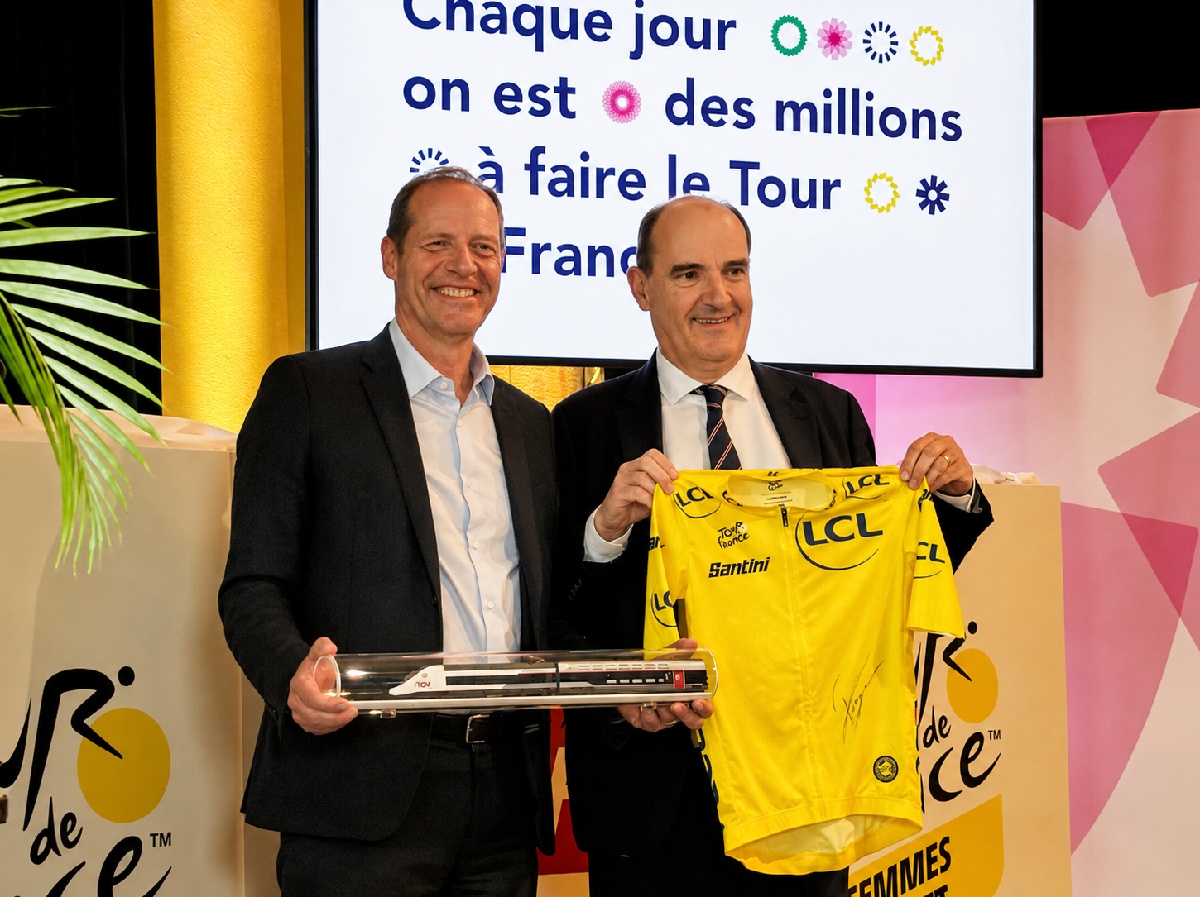
Jean Castex, président-directeur général du groupe SNCF, et Christian Prudhomme, directeur du Tour de France - Photo : AB

IFTM prenez RDV avec TourMaG


The SNCF and the Tour de France formalize an unprecedented rapprochement.

Gathered on Friday, May 29, 2026, Jean Castex, chief executive officer of the SNCF group, and Christian Prudhomme, head of the Tour de France, announced the signing of a three-year partnership between the rail company and the organizers of the Grande Boucle.

As part of this agreement, the SNCF becomes the “official supplier” of both the Tour de France and the Tour de France Femmes with Zwift for the 2026, 2027 and 2028 editions.

For Jean Castex, this collaboration appears as an obvious one given the shared history and values of the two institutions.

The Tour de France, like the train, is France’s countryside, France’s people, France’s landscapes“, he said to reporters.

The former prime minister also recalled that the route of the very first Tour de France in 1903 had been designed around railway stations to enable spectators and organizers to follow the race.


The train and cycling at the heart of decarbonized mobility

Beyond the historical symbol, SNCF intends to highlight decarbonized mobility through this partnership. “Bicycling and rail travel are future forms of mobility,” emphasized Jean Castex, who also pointed to the group’s plan to further enhance bike-related services at stations and on trains.

Among the main announcements, SNCF Voyageurs will for the first time provide the teams and riders with a specially chartered TGV INOUI to ensure the transfer between the Alps and the Île-de-France region on July 25, following the Alpe d’Huez stage.

A train decorated in the colors of the partnership will then carry the cyclists to Paris before the final arrival on the Champs-Élysées.

Christian Prudhomme hailed “a partnership that makes sense“, underscoring the many historical ties between rail and the Grande Boucle.

SNCF and the Tour de France bring people together and unite territories“, he stated. The Tour director also recalled that train transfers were part of the event’s history before being gradually abandoned in recent years, notably after the health crisis.


Animations planned in French railway stations

This partnership will also be expressed through several events across the territories traversed by the races. Photo exhibitions will be organized at the Gare Bordeaux Saint-Jean, Chambéry and Dijon stations to highlight the landscapes and stages of the Tour de France and the Tour de France Femmes with Zwift.

The women’s component of the competition has indeed been fully integrated into this agreement. In a video message shown at the press conference, Marion Rousse, director of the Tour de France Femmes with Zwift, lauded “an institution as prestigious as SNCF” for joining women’s cycling. “This demonstrates that gender parity matters and that women’s sport continues to grow,” she explained.

This rapprochement strengthens SNCF’s strategy around major sporting events, following the Paris 2024 Olympic and Paralympic Games and the 2023 Rugby World Cup. For the Tour organizers, it also serves to reaffirm the event’s territorial and popular roots that bring together nearly 10 million spectators each summer on French roads.


Amelia Brille Published by Amelia Brille TourMaG.com Editor
See all articles by Amelia Brille

  • picto Linkedin
  • picto email
Add TourMaG to your Google News feed Google Actualités icône  

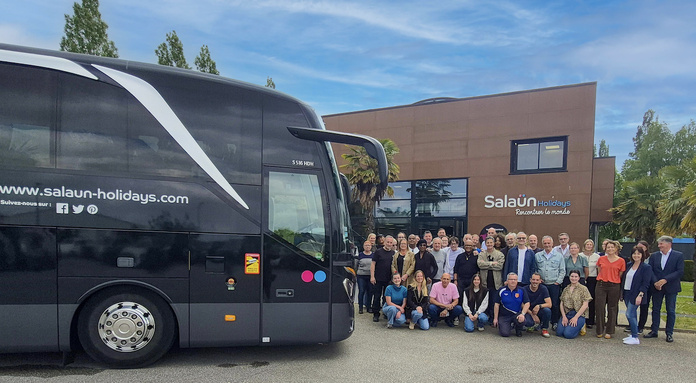
Stars 80 Farewell Tour: Artists Visit Salaün Holidays


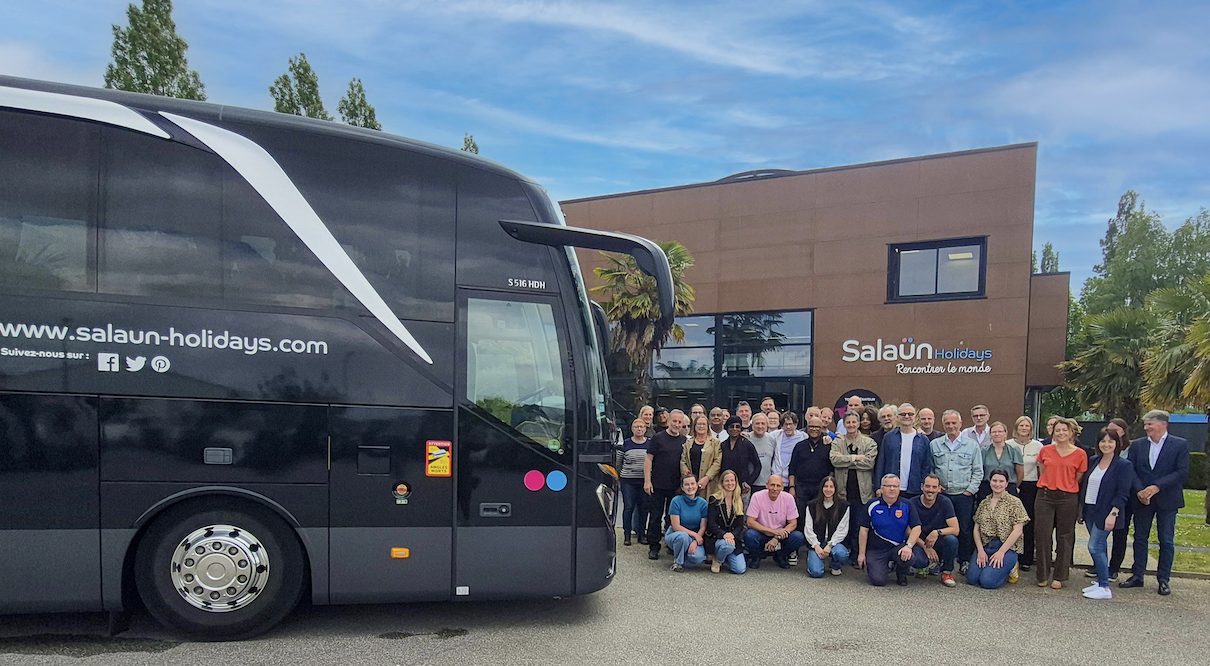
Les artistes de Stars 80 ont fait une halte dans les locaux de Salaün Holidays - Photo : Salaün Holidays

IFTM prenez RDV avec TourMaG


Jeudi 30 avril, l’équipe de la tournée Stars 80 s’est arrêtée dans les locaux de Salaün Holidays quelques heures avant de rejoindre la Brest Arena pour un nouveau concert.

Les collaborateurs du Groupe Salaün ont ainsi pu partager un moment privilégié avec les artistes, dans une atmоsphère conviviale et empreinte d’émotion, à l’image de cette tournée d’adieu.

Ce rendez-vous marque l’aboutissement d’un partenariat initié en 2014 entre la tournée et Salaün Autocars, filiale transport du groupe. À l’exception de la parenthèse liée à la crise sanitaire, l’entreprise a accompagné Stars 80 sur les routes de France pendant plus d’une décennie.

L’autocar noir aux couleurs de Salaün Holidays s’est progressivement imposé comme un symbole de cette tournée.


A Final Symbolic Step

For this final set of concerts, several iconic figures were present during the visit, including Patrick Hernandez, Jean-Pierre Mader, Émile et Images, Phil Barney, Christiane (Zouk Machine), Joniece Jamison, Vivien Savage, William (opening act) or Michael Jones.

The Salaün Group took advantage of this meeting to thank Décibels Productions and the tour partners for their loyalty.

The teams of Salaün Autocars were also praised for their commitment, as were the drivers who, over the years, have contributed to the logistical success of the tours.


Amelia Brille Publié par Amelia Brille Rédactrice TourMaG.com
Voir tous les articles d’Amélia Brille

  • picto Linkedin
  • picto email
Ajoutez TourMaG à votre flux Google Actualités Google Actualités icône