How to Prevent Travel Fatigue at the Start of Your Vacation

Holidays are often associated with rest and recovery. Yet many travelers feel more fatigued upon arriving at their destination than before departure. This widely shared impression contrasts with the very aim of a trip meant to recharge the batteries. Sleep specialists have studied this phenomenon and explain why vacations do not always translate into immediate recovery. Indeed, holidays are supposed to allow recuperation, but they often begin in the worst possible conditions for the body…

A study conducted with 1,000 Britons reveals that 76% of them believe that travel disrupts their sleep. More than two in five acknowledge that fatigue affects at least their first day of vacation, while nearly 14% say they lose the first two days of their stay due to exhaustion. And even though the figures from this study were collected in the United Kingdom, the sleep mechanisms highlighted concern travelers just as much among French holidaymakers.

Holidays that begin with a sleep debt

According to data analyzed by Simba, a company specializing in sleep technologies, nearly 18% of Britons have already booked or plan to travel abroad this summer, meaning more than 23 million adults potentially affected by travel-related fatigue. For Lisa Artis, Deputy Chief Executive of The Sleep Charity, Simba’s partner, several factors accumulate even before arriving at the destination.

“The ‘holiday sleep hangover’ has become the hidden physical and mental cost of modern travel. Sleep disruptions usually start well before unpacking the suitcase and can continue long after you’ve unboxed your things”, she explains in a statement relayed by the Daily Mail. The expert notes that many travelers already depart with a sleep deficit. More than a quarter of respondents (26.1%) report sleeping less well than usual the night before departure, while 22.1% sleep three hours or fewer.

Nevertheless, 19.2% still book very early morning or late-night flights, while 17.6% land at their destination completely exhausted. Lisa Artis also warns against a common mistake before departure. “If you wake up at 3 a.m. to reach the airport after a restless night, you are asking your body to function with less recovery than usual. This sleep debt can follow you during the first days of your trip”, she explains. And she adds: “It can be tempting to try to optimize the night before departure by going to bed very early. But trying to fall asleep earlier by force can make falling asleep even harder. You end up checking the clock and feeling even more awake”.

These moments that prolong fatigue

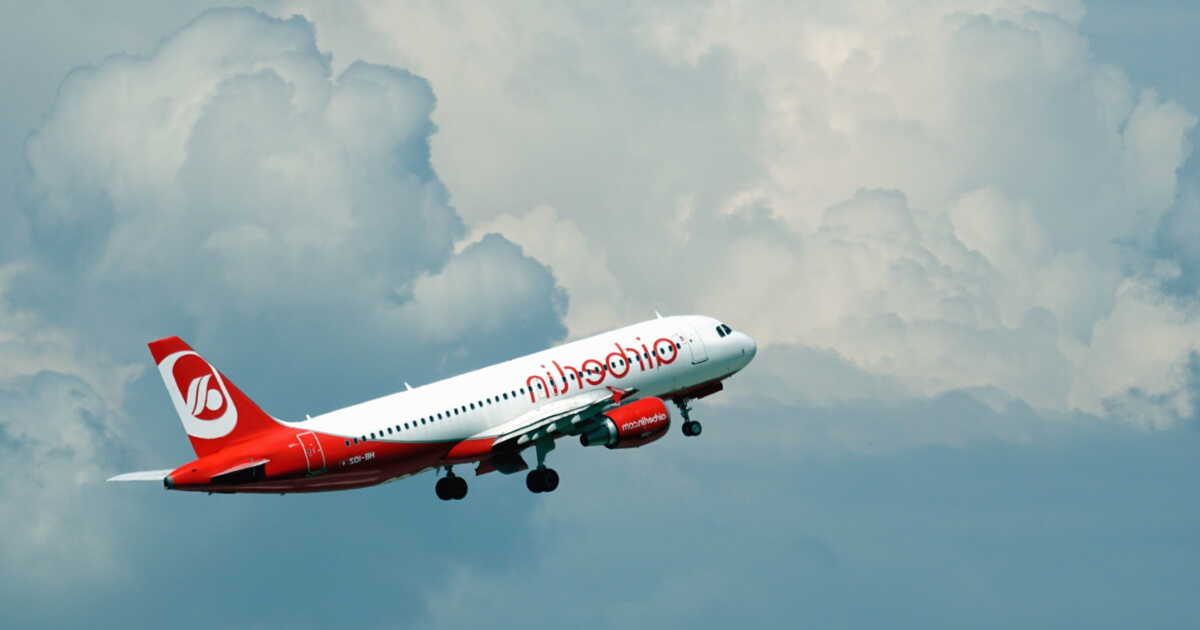
Sleep deprivation does not end once you are on the plane. The study shows that 29.9% of respondents have trouble sleeping during the flight, especially when seats offer little legroom. Lisa Artis recommends preferring a window seat, ideally over the wings, where turbulence is generally less noticeable, while avoiding seats near bathrooms or galleys. Airport habits can also amplify the phenomenon. Nearly one traveler in five (19.4%) consumes alcohol before or during the journey.

The expert notes that “the higher the level of alcohol, the more dehydrating its effect”. She also points out that “spirits such as vodka, gin, rum or whiskey contain a much higher alcohol concentration than beverages like beer or wine. They can therefore contribute more to dehydration when consumed in large quantities”. To minimize this effect, she advises alternating alcoholic drinks with water throughout the journey.

Arrival at destination does not necessarily erase this fatigue. More than one Briton indeed reports rarely sleeping well on the first night in the hotel, particularly due to an unfamiliar environment. To ease adaptation, Lisa Artis recommends bringing a pillowcase from home, avoiding long afternoon naps, and quickly exposing oneself to natural light.

Finally, coming back from vacation can also be taxing… More than a quarter of participants (27.5%) report feeling the effects of this fatigue for at least two days after their return, while 18.3% say they are more exhausted during their first week back at work than before their departure. As Lisa Artis reminds us, “the goal isn’t perfection. It is about giving your body the best possible conditions to recover. Holidays should leave you rested, not make you feel you need another week to get over it”.
Spain Heat Wave: Why You Should Stay Vigilant Before Your Summer Vacation

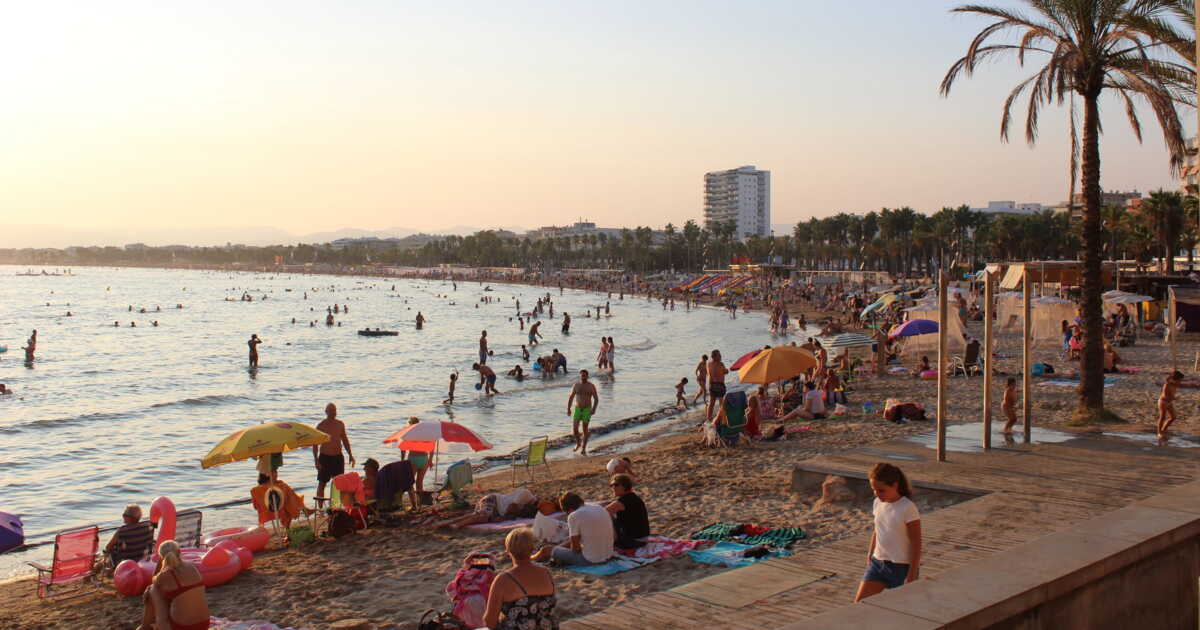
Barcelona, Marbella, Granada… Spain ranks among the most popular summer destinations for travelers each year. But this summer, vacationers will need to exercise extra vigilance. Indeed, a fresh heatwave is set to strike the country, bringing extreme temperatures and several associated risks. Spain’s national meteorological agency, AEMET, foresees the heat wave intensifying, with temperatures expected to climb to a peak on Thursday, July 30, 2026. This comes after a summer that has already been exceptionally hot, with average temperatures from early June to mid-July about 3.3°C above the seasonal norm, making it one of the hottest starts to summer ever recorded in Spain.

According to forecasts, southern regions are expected to be the most affected, notably Andalusia and popular tourist destinations such as Seville. Forecast models indicate temperatures could reach 47°C or 48°C in parts of the region, approaching or surpassing the all-time Spanish record of 47.6°C recorded in Córdoba province in August 2021. Some parts of Catalonia are also expected to see temperatures well above 40°C in the coming days, and popular tourist hubs like Malaga could experience peaks around 45°C. It is therefore strongly advised to check the weather regularly, especially if you are traveling to one of the affected areas, so you can take precautions.

Is it reasonable to travel to Spain this summer?

In addition to the heatwave, several wildfires have also ravaged various regions of southern Europe, notably in Spain. In Almería, Andalusia, a fast-spreading blaze has claimed at least 12 lives and destroyed more than 6,600 hectares. It ranks among the deadliest fires the region has seen in recent years. Another fire broke out in Aragon, near Zaragoza, burning about 15,400 hectares since it began on July 15. In the province of Guadalajara, the La Mierla fire has already consumed over 32,000 hectares. In total, these fires forced the evacuation of 34 municipalities.

The European Commission has deployed this year what it describes as its most substantial wildfire-fighting arrangement, mobilizing 777 firefighters from 14 countries, along with 22 water-bombing planes and 5 helicopters, in high-risk areas, notably in Spain, France, Portugal, Italy, Greece, and Cyprus. For the moment, the Foreign, Commonwealth & Development Office (FCDO) has issued no travel advisories against heatwaves or wildfires in Spain, and no major disruption to air traffic has been reported in connection with the current fires.

However, conditions can change rapidly during a heat wave; it is therefore advised to check your airline’s website before departure and to follow local news once on site, especially if you are headed to Andalusia, Aragon or Castilla-La Mancha. If you are traveling during the hottest parts of the day, take precautions by avoiding sun exposure from around 11 a.m. to 3 p.m., staying hydrated, applying sunscreen, and wearing light clothing.

Cancelling Your Trip to Spain: What Are Your Rights?

Facing the current situation, you might decide to opt for another destination for your summer holidays after all? Here is what you need to know before canceling your stay, along with the rights you have. Refunds and cancellations are generally possible only if the government officially advises against travel to the region, in cases of a nearby wildfire near your accommodation, or if your flight or transport is canceled due to a fire.

Moreover, if you booked your vacation through a travel agency, don’t hesitate to contact them to explore the options available to you. Some agencies may offer flexible solutions even without a formal cancellation, especially if your destination is near a fire. However, remember that canceling as a precaution, in the absence of an official travel advisory against travel, makes obtaining a refund unlikely.

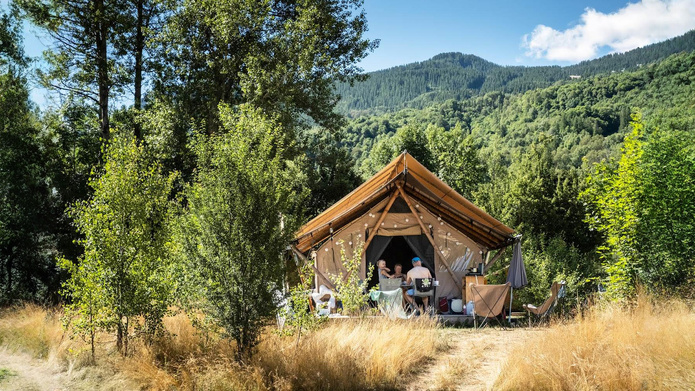
Huttopia Launches Its Vacation Observatory


Huttopia annonce la création de son Observatoire des vacances

CroisiEurope


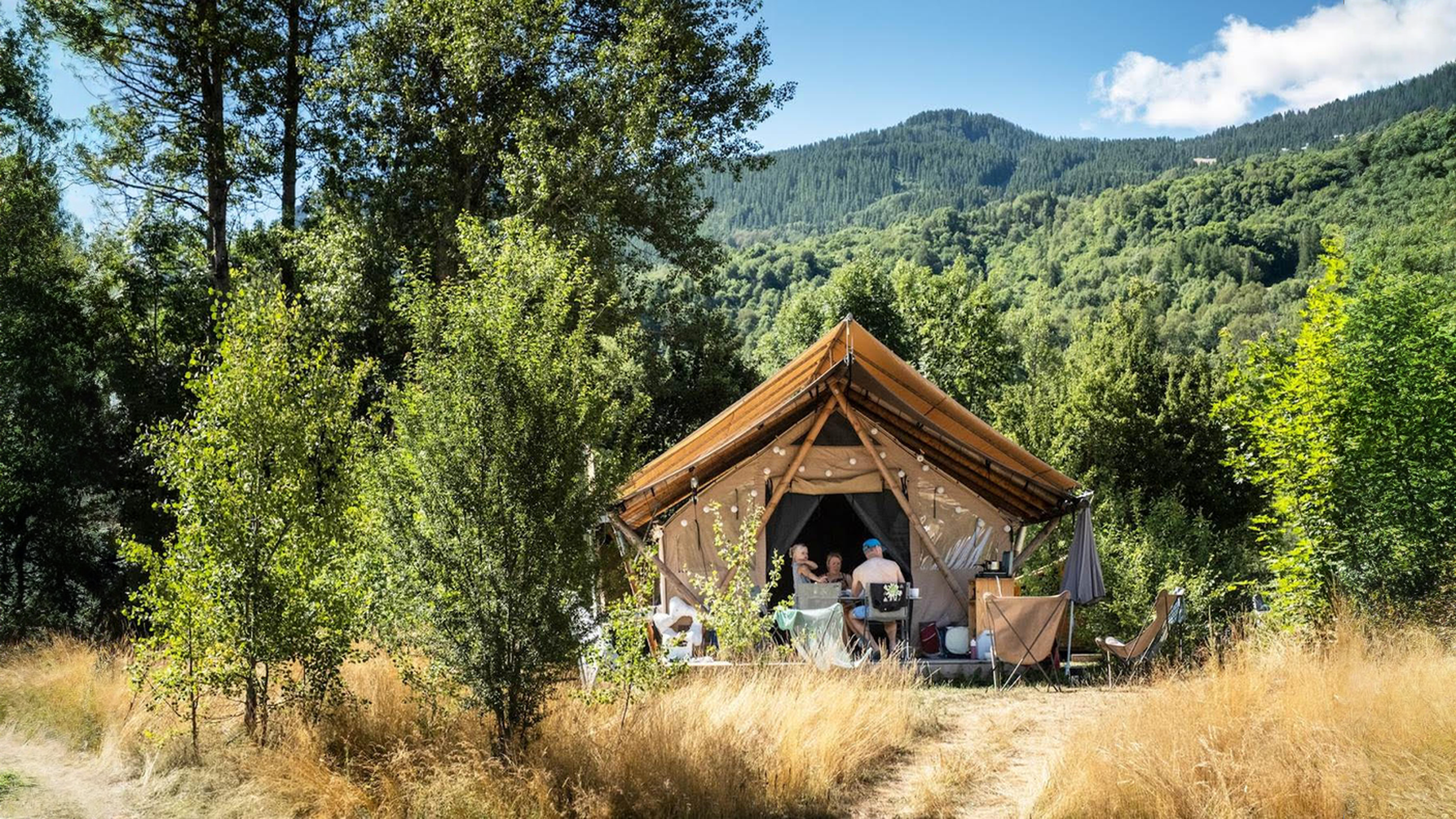
Huttopia has created the Huttopia Holidays Observatory, launching with a first major survey.  
This research and analysis body, developed with ObSoCo, aims to fill the lack of solid data on this topic.  
Here are a few figures: 
Although it is often said that 40% of French people do not take holidays, the survey shows that the actual rate of non-vacation is 28%. Situations vary: only 4% are truly and permanently excluded from holidays, 11% cannot afford to go this year, but hope to be able to do so soon, and 7% make a financial or time-related choice, preferring to use their money or their time for other things, such as renovations.  
Meanwhile, 6% choose not to travel by preference. However, the study reveals a strong democratization of holidays. Indeed, 74% of 18-24-year-olds used to go on holidays when they were children, compared with only 48% of those aged 65-75.  
 
Another important point of this survey: ecology. The environmental impact is the last criterion for choosing a destination, affecting only 8% of French people.  
Yet, 75% of them express strong interest in holidays centered on the outdoors and nature. Today, the term “ecological” is often seen as a constraint, whereas vacation time is linked to pleasure and freedom.


What is the aim of this survey?

The results of this first edition will be analyzed in the book “The Book of Holidays, and What They Tell Us” (co-authored by Guénaëlle Gault and Jean Viard), which will be published on June 5, 2026 by Éditions de l’Aube. 

 
This survey will be annual to track evolutions over time. All results will be freely available online to feed public debate. 

 
Through this Observatory, the Huttopia Foundation aims to provide a solid database to encourage public and economic actors to support universal access to holidays, through public policies for holiday camps, green classes, or affordable and locally available private offers. 


Italy Vacation: Must-Know Rules Before Dining Out

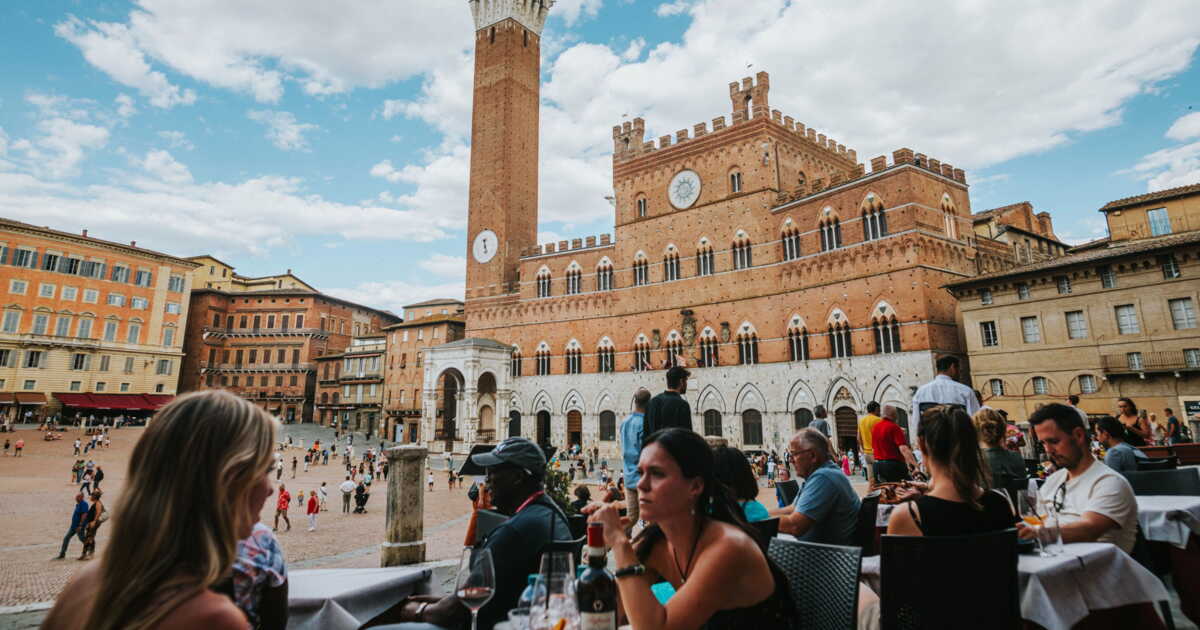
Dining at a restaurant in Italy is a serious business. Cutting your spaghetti, ordering a cappuccino at 2 p.m., asking for a carafe of water—these are French reflexes that risk betraying you to the Italians. Some rules may seem strict to foreign visitors, but they remind us that sampling an Italian specialty means also immersing yourself in a culture, adopting its codes, and accepting to disrupt your habits.

Coffee, a Whole Story

Do you dream of a delicious espresso? In Italy, a coffee is inherently an espresso. So there is no need to specify it, unless you want a ristretto. As for the moment you order your coffee, it also matters. No Italian waiter will agree to bring it to you before your meal is completely finished, as well as your glass of wine. The ultimate mistake is ordering a cappuccino after a meal. Don’t even think about it. Italians drink their cappuccino (which contains milk and sugar) in the morning, as breakfast. After 11 o’clock, cappuccino time has passed!

Shaking Up the Order of Courses

For a beginner, reading a menu in Italy can be unsettling. A traditional meal is composed of 4 courses: antipasti (starters), primi piatti (first courses), secondi piatti (second courses), dolci/frutta (desserts or fruit).

And that plate of pasta or that risotto you crave so much is part of the “primi piatti.” Of course, restaurateurs will accept (perhaps with a sigh) serving you only spaghetti alle vongole, even if you forget to order a meat or fish dish that would normally come next.

Asking for a Carafe of Water

There is nothing stopping you from asking, but it is very unlikely you’ll get your way. Even when ordering still water (Acqua naturale) rather than sparkling (Acqua frizzante), a bottle of mineral water typically appears on your table. A tip? Don’t bother fighting it.

Adding Parmesan to Seafood Pasta

Imagine you’re in Venice and order Spaghettoni al nero di seppia at the Do Farai (Calle del Cappeller, Dorsoduro 3278). When the plate arrives, you’ll have to resist the urge to ask for parmesan at all costs. In Italy, mare and monti do not mix. This applies to parmesan on pasta, as well as to the secondo piatto, which would then be… only fish.

Cutting the Spaghetti

Here is a rule you must never break, or you might see the carabinieri appear behind you. We’re hardly exaggerating! The shape of the pasta is its very essence, and cutting it deprives it of its identity. And don’t even think about using a spoon to make life easier. Again, this is a gesture considered particularly ineloquent.

Good to know. For the same reason, spaghetti should never be broken before cooking.

This New Scam That Threatens to Ruin Your Vacation

When you travel, scanning a QR code has become a routine gesture… one that delights cybercriminals. According to a recent report from the antivirus company McAfee, 62% of travelers take risks by scanning QR codes in train stations, airports, hotels, or restaurants. But the danger does not come from the code itself. Explanations.

For Nacho González, a QR code expert, tourists are particularly vulnerable. “They scan codes they do not know, in places they are discovering, often in a hurry and with an unstable Internet connection”, he told Travel Leisure on Wednesday, July 1. He adds that “the danger begins when the page asks for permissions, personal data, a payment, a connection or the installation of an application”.

Fake QR codes affixed to real ones

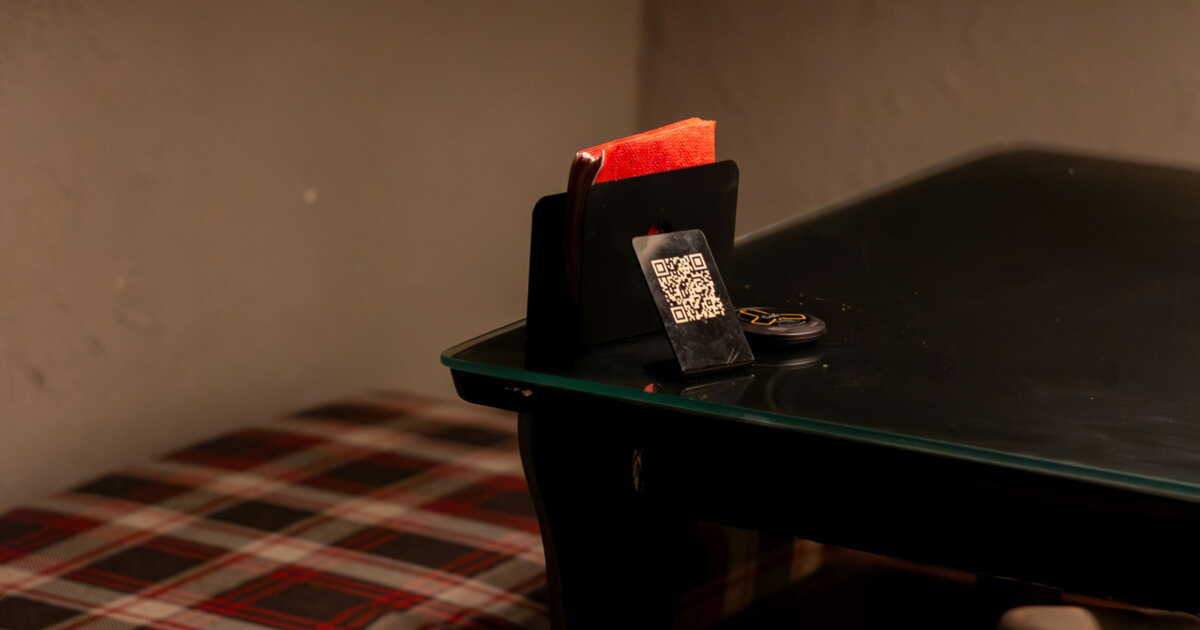
The most common fraud is known as “quishing”, or QR code phishing. The principle is simple. Scammers place a fake QR code over a genuine one, for example on a parking meter, a bike rental stand, a restaurant table or the counter of a hotel. That code redirects travelers to a counterfeit site to harvest their credentials, their banking details, or to install malware on their smartphone. And the trap closes around them.

“The situation becomes risky when three conditions come together: the code is displayed in a public place without surveillance, it has been sent to you by SMS, email, or a flyer without your having requested it, and/or it urges you to make a payment or verification in a hurry”, adds Harry Maugans, cybersecurity expert and CEO of Privacy Bee.

Techniques to avoid falling for it

Experts recommend taking a few seconds before scanning a code. It is advised to check that it is not a sticker placed over an original surface, with possible raised edges, to inspect the print quality and layout, and to seek confirmation from staff if in doubt. It is also best to use directly the camera on your phone to display the site address before opening it.

“Read the web address and verify the absence of spelling mistakes, shortened links masking the final URL, or sites using the HTTP protocol instead of HTTPS, and make sure the full URL matches the real name of the company”, suggests Nacho González. A menu, a hotel registration page or a payment service will never ask for your password or your full card number.

If a traveler suspects they have been trapped, the recommended course of action is to immediately stop browsing, disconnect from public Wi‑Fi, and avoid downloading anything. Experts then advise promptly changing passwords for sensitive accounts, informing their bank if a payment was made, and monitoring transactions for several days.

6 Breathtaking Scenic Hiking Trails for Your Summer Vacation

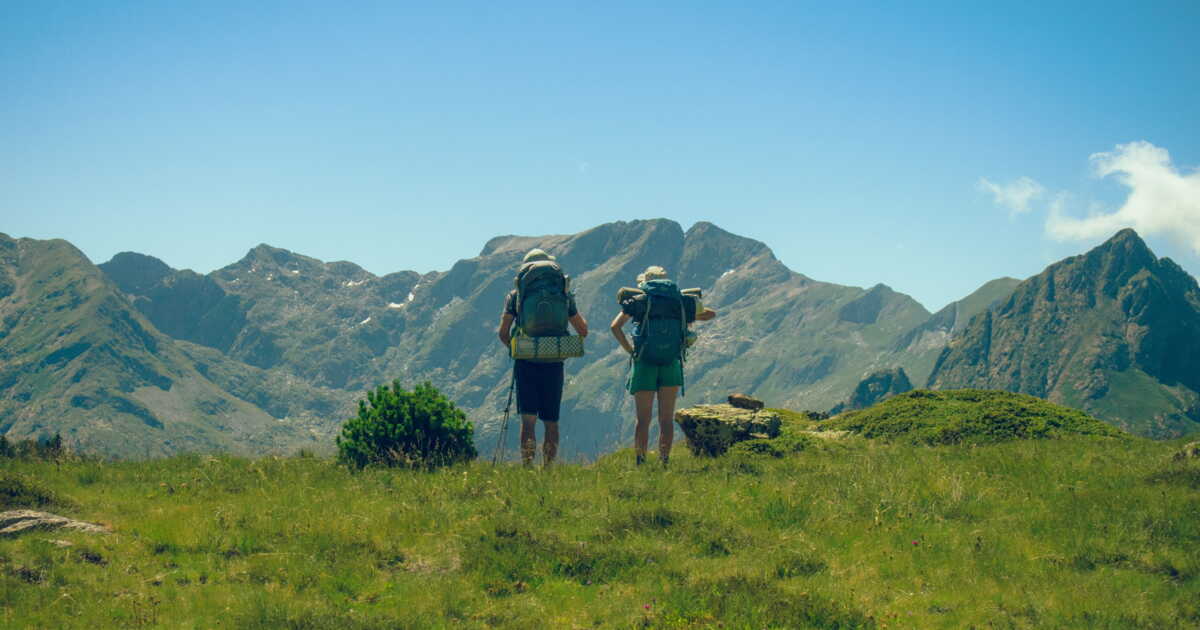
Summer often means vacation. While some prefer soaking up the sun by the pool, others choose to use their free time to recharge by reconnecting with nature through hiking. These active holidays are appealing to more travelers, but you still need to find the ideal place to indulge in this small pleasure. Fortunately for you, The Guardian recently highlighted six hiking trails across Europe that are worth a detour. All that remains is to pick your favourite.

Jungfrau, a mythical summit of the Swiss Alps

If you decide to tackle this hike, plan between 3 and 9 days to cover up to 119 km. Along the way you will encounter sparkling lakes, waterfalls cascading from fairy-tale valleys, and picturesque villages perched at dizzying heights. Another advantage: the entire route is served by an efficient network of postal buses, cable cars, mountain trains, and of course clearly marked trails, making progress stress-free and free to roam.

Summer is the best season to embark on a hike there, especially since trails are snow-free, huts are open, and the weather is typically stable. The new Cicerone hiking guide, The Bernese Oberland, recommends a 119 km circuit (in nine stages in the Jungfrau region, a stunning intermediate-level loop starting from the village of Grindelwald). Lodging is plentiful, and it is even possible to reserve hut spaces in advance.

Alpe Adria, a perfect blend of the Austrian Alps and Italian charm

To complete this hike of over 725 kilometers, plan between 7 and 9 days, or more. It begins at the foot of Grossglockner, Austria’s highest peak, and stretches to the Adriatic shores. If you don’t have enough time to finish it in full, a week in the Slovenian Julian Alps is an excellent alternative.

Despite breathtaking landscapes and more affordable prices than those in Switzerland or France, the Slovenian mountains tend to be quieter than other summer hotspots. It’s time to lace up your hiking boots and discover these marvelous vistas.

The Portuguese Way, ideal for reaching Santiago de Compostela

It’s wise to budget around two weeks to complete this trek and fully savor it. This coastal route leads all the way to Santiago de Compostela. The Portuguese Way to the tomb of Saint James is the third most frequented, offering a friendly atmosphere among pilgrims while remaining less crowded than the French Way. Atlantic breezes keep the air fresh, and there are plenty of chances to swim.

It crosses fishing villages and expansive stretches of golden sand, all the way to Caminha, where a boat can cross the Minho River to reach Spain. However, pilgrim inns in town cannot be booked in advance, so it’s wise to reserve hostels and private hotels ahead of time, especially in summer.

Along the Lech, a wild Alpine river between Austria and Germany

Plan between 7 and 10 days to complete this hike. This trail, rated easy to moderate, is the first to have earned the Leading Quality Trail label from the European Ramblers Association, guaranteeing the quality of its infrastructure and waymarking.

It follows the Lech from its source in the mountains, at 1,793 meters above sea level, near the Formarinsee lake in Austria, to the Lechfall waterfall in Füssen, in the Bavarian Alps of Germany, and is fully accessible from mid-June to early October. Along the way, numerous facilities line the route, including mountain villages offering comfortable accommodations, as well as historic churches and local artisans who keep traditions alive, from beer to cheese.

The Beara Way, a particularly immersive Irish hiking route

If the heat is hard to take, this hike is for you. The Beara Peninsula, in the southwest of Ireland, offers a true refuge from summer temperatures, softened by Atlantic breezes that bring a welcome natural coolness. Moreover, located below the more famous Dingle and Iveragh peninsulas, Beara partly escapes the crowds. The full Beara Way, starting and ending in Glengarriff, can be completed in about ten days.

You can also dedicate a few days to exploring a selection of the 15 circular hikes that make up the route. Among them, Ireland’s only cable car that crosses the sea to Dursey Island, for a 14.5 km loop around this largely desolate island, or the ferry crossing from Castletownbere to Bere Island, an open-air museum island housing Martello towers, cannon batteries, a lighthouse and a Viking-fortified harbor.

The impressive Kuststigen coastal trail in Sweden

A hike that will reveal Sweden like never before. The Kuststigen isn’t a continuous route along Bohuslän’s coast in western Sweden, but a collection of 44 well-marked stages, some linked together, others not, and most are easily reachable by ferry or bus.

The route highlights sapphire waters, pink granite outcrops, fishing villages with colorful façades, and part of the roughly 8,000 islands and reefs that make up this exceptional coastline. To enjoy a touch more serenity, it’s best to visit at the end of August or the beginning of September, or even in June, when temperatures stay mild and the coast is less crowded.

Where Do the French Go on Vacation? Tourism Trends Decoded by Petit Futé

“Petit Futé” is doing well, and has many bright years ahead. On the occasion of the fifty-year anniversary of the travel guide created in 1976, its co-founder Jean-Paul Labourdette remains optimistic. French travel has evolved, and so has Petit Futé. From a small guide for students in the city of Nancy, the publication has become a reference for travelers, with guides available for 192 destinations. The digital turning point occurred in the 2000s, and by 2025 the site counted 80 million visitors.

France Is Riding the Wave