

Pour le passager, tout paraît simple. Le bateau accoste, un autocar attend sur le quai et, quelques minutes plus tard, le groupe prend la direction d’un domaine viticole, d’un village ou d’un grand site touristique.
Derrière cette apparente fluidité se cache pourtant une organisation complexe.
Guides, transporteurs, restaurateurs, musées, domaines viticoles, hôtels : une croisière fluviale mobilise à chaque escale de nombreux prestataires.
C’est précisément le rôle d’une agence réceptive comme Un Monde Bleu, qui fête cette année ses trente ans. Son métier : prendre en charge toute la partie terrestre des programmes proposés en France par ses clients, principalement des tour-opérateurs étrangers.
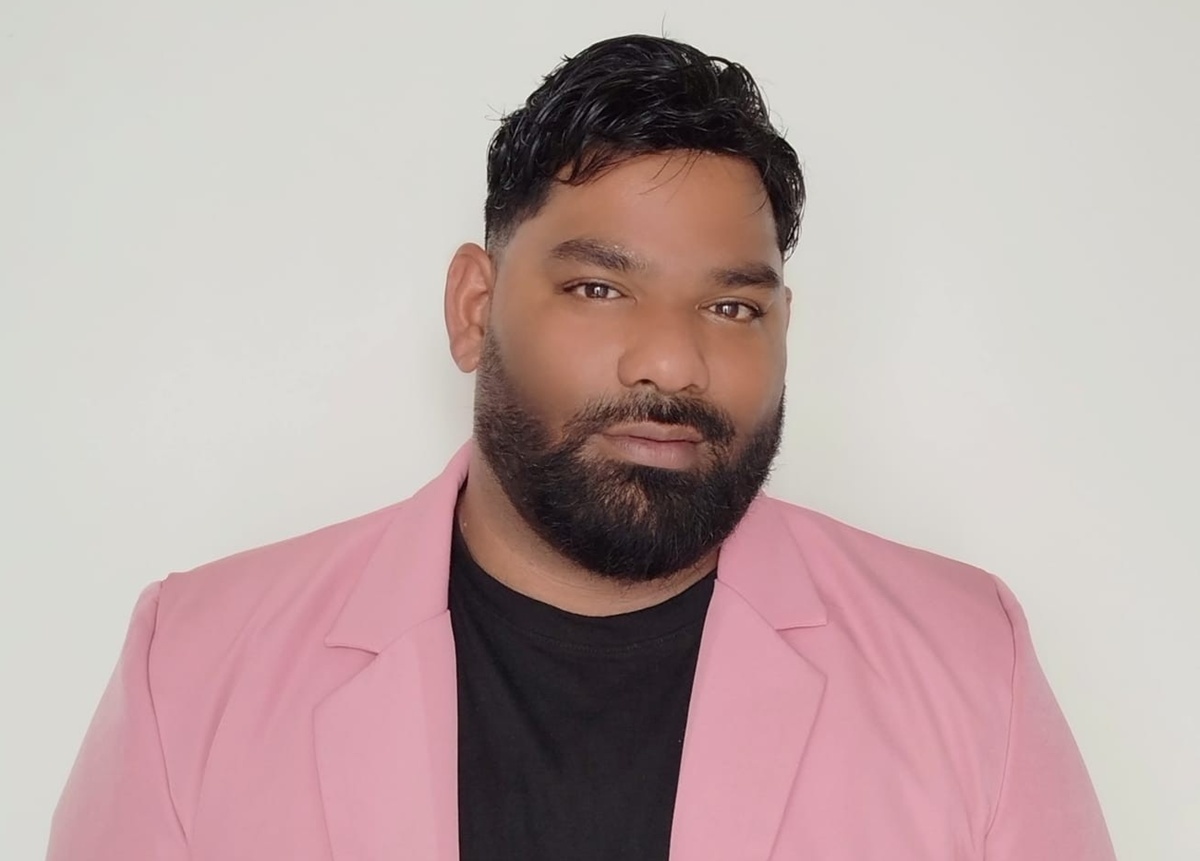
« Nous pouvons nous occuper de toute la gestion touristique à partir du moment où le client pose le pied sur le territoire français », résume Loïck Andamaye, directeur produits et développements du DMC.
Derrière cette apparente fluidité se cache pourtant une organisation complexe.
Guides, transporteurs, restaurateurs, musées, domaines viticoles, hôtels : une croisière fluviale mobilise à chaque escale de nombreux prestataires.
C’est précisément le rôle d’une agence réceptive comme Un Monde Bleu, qui fête cette année ses trente ans. Son métier : prendre en charge toute la partie terrestre des programmes proposés en France par ses clients, principalement des tour-opérateurs étrangers.
« Nous pouvons nous occuper de toute la gestion touristique à partir du moment où le client pose le pied sur le territoire français », résume Loïck Andamaye, directeur produits et développements du DMC.
From the airport to the ship
 The agency’s history is closely linked to the development of river cruising in France.
In its early days, under the name Route Marine, the organization accompanied the first operations of a German-speaking shipping company that aimed to position a vessel on the Rhône.
Its role already consisted of organizing the land portion: excursions, transportation, seeking sightseeing sites or wine estates capable of welcoming passengers.
Thirty years later, the principle remains the same, but the scope has expanded considerably. Today the agency operates across the various French river basins and can also organize pre- or post-cruise stays. Paris, Geneva, Champagne, Brittany or the Côte d’Azur can thus be integrated into multi-day programs.
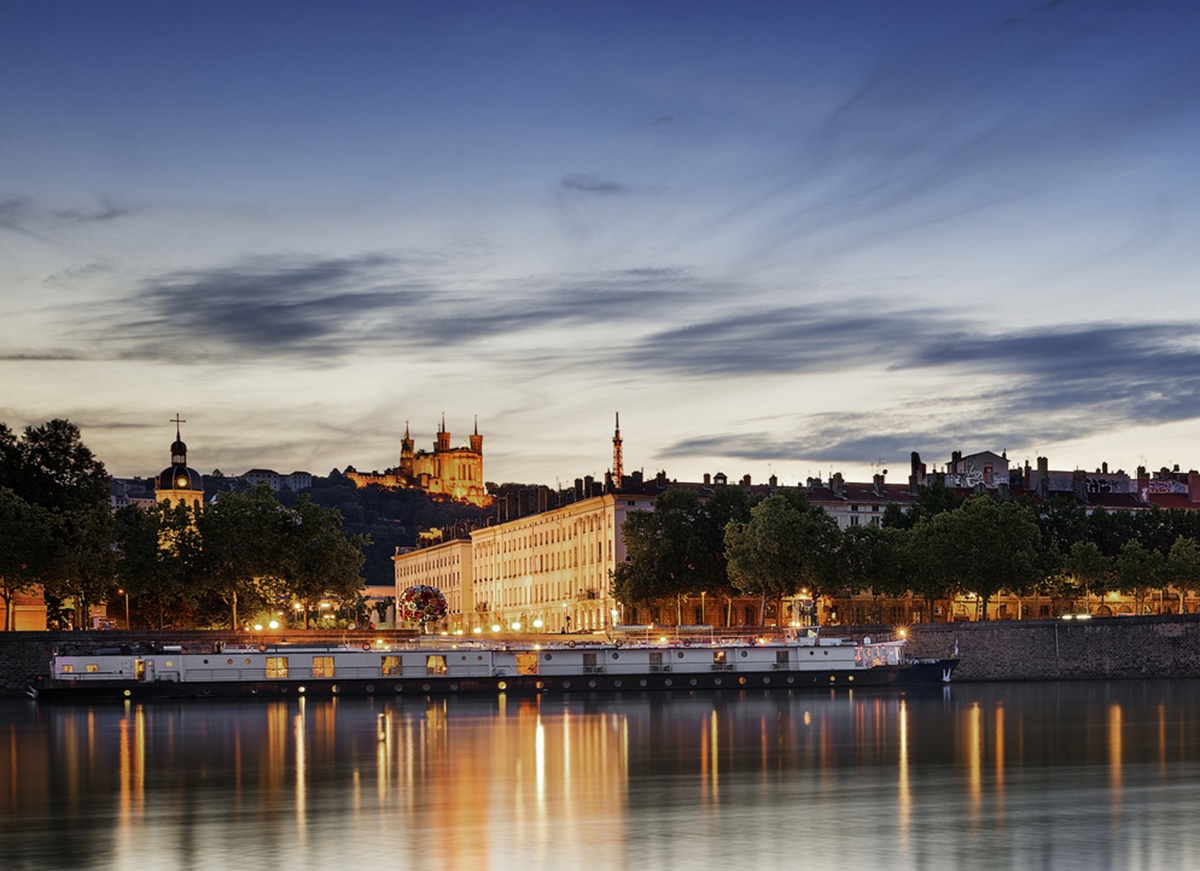
For a cruise on the Rhône, for example, American passengers can begin their journey with three days in Paris. Un Monde Bleu then arranges airport reception, transfers, the hotel and excursions, before guiding the group to Lyon by TGV.
The agency can even handle luggage separately to the ship and organize an activity between the train’s arrival and embarkation time.
A single point of contact for foreign tour operators
Une fois la croisière commencée, elle est en mesure d’orchestrer les excursions à chaque escale, mais également certaines animations à bord : démonstrations, spectacles ou interventions d’artistes locaux.
Pour les tour-opérateurs, l’intérêt est de disposer d’un interlocuteur unique capable d’organiser les prestations sur l’ensemble du territoire français.
Cette position fait également de l’agence une porte d’entrée pour les acteurs locaux souhaitant travailler avec la croisière fluviale.
« Une petite cave du Beaujolais peut difficilement entrer directement en contact avec une grande compagnie internationale. Son message risque de se perdre. Notre rôle est justement de faire l’interface entre le local et le tour-opérateur », explique Loïck Andamaye.
Encore faut-il pouvoir répondre aux contraintes de l’accueil des groupes. Capacité, sanitaires, horaires d’ouverture, accessibilité des autocars ou capacité à réagir à une modification d’itinéraire : l’agence accompagne également les prestataires dans leur adaptation aux exigences de cette clientèle.
Pour les tour-opérateurs, l’intérêt est de disposer d’un interlocuteur unique capable d’organiser les prestations sur l’ensemble du territoire français.
Cette position fait également de l’agence une porte d’entrée pour les acteurs locaux souhaitant travailler avec la croisière fluviale.
« Une petite cave du Beaujolais peut difficilement entrer directement en contact avec une grande compagnie internationale. Son message risque de se perdre. Notre rôle est justement de faire l’interface entre le local et le tour-opérateur », explique Loïck Andamaye.
Encore faut-il pouvoir répondre aux contraintes de l’accueil des groupes. Capacité, sanitaires, horaires d’ouverture, accessibilité des autocars ou capacité à réagir à une modification d’itinéraire : l’agence accompagne également les prestataires dans leur adaptation aux exigences de cette clientèle.
The advisory role is growing
Car les imprévus font partie du quotidien. Une écluse en panne ou une modification de navigation peut décaler une escale de plusieurs jours. Le tour-opérateur prévient alors son agence réceptive, qui réorganise l’ensemble de la chaîne : guides, autocars, restaurants et sites de visite.
Le métier évolue cependant. Pendant longtemps, les compagnies demandaient essentiellement des excursions classiques : visite de Lyon, découverte du Beaujolais ou grands incontournables parisiens. La concurrence entre les opérateurs et la volonté de rajeunir la clientèle changent désormais la donne.
« Les compagnies nous demandent davantage de produits actifs, des excursions à vélo ou des randonnées. Certaines réfléchissent aussi aux croisières familiales », souligne Loïck Andamaye.
Cette évolution a conduit Un Monde Bleu à créer un département Produits et Développements. Son travail commence désormais très en amont de l’exploitation. L’agence travaille déjà sur des programmes pour 2028.
Elle doit aussi éviter que les compagnies, pourtant concurrentes, ne proposent toutes les mêmes visites au même moment.
Le métier évolue cependant. Pendant longtemps, les compagnies demandaient essentiellement des excursions classiques : visite de Lyon, découverte du Beaujolais ou grands incontournables parisiens. La concurrence entre les opérateurs et la volonté de rajeunir la clientèle changent désormais la donne.
« Les compagnies nous demandent davantage de produits actifs, des excursions à vélo ou des randonnées. Certaines réfléchissent aussi aux croisières familiales », souligne Loïck Andamaye.
Cette évolution a conduit Un Monde Bleu à créer un département Produits et Développements. Son travail commence désormais très en amont de l’exploitation. L’agence travaille déjà sur des programmes pour 2028.
Elle doit aussi éviter que les compagnies, pourtant concurrentes, ne proposent toutes les mêmes visites au même moment.
Lorsqu’une dizaine de bateaux sont présents simultanément dans une destination, il faut répartir les départs des autocars, décaler les horaires et diversifier les excursions. Une manière de préserver l’expérience des passagers, mais aussi de limiter la pression sur les territoires et leurs habitants.
Lire aussi : Responsable d’escale fluviale : ce métier de l’ombre qui fait toute la différence
Climat, nouvelles destinations et saisons plus longues
A strong demand for France
For Loïck Andamaye, the French potential remains substantial. If the Rhine and the Danube still concentrate most of the European fleet, demand for France remains strong.
The main constraint today would be less commercial than capacity-related: tour operators sometimes struggle to find available ships, and transferring a ship from one river basin to another represents a significant investment.
But prospects remain favorable. « Clients love France and want to include it in their programs. There are ships leaving the market, especially when they are replaced, but there are more arrivals than departures », estimates Loïck Andamaye.
These prospects should further strengthen the role of these discreet intermediaries.
The main constraint today would be less commercial than capacity-related: tour operators sometimes struggle to find available ships, and transferring a ship from one river basin to another represents a significant investment.
But prospects remain favorable. « Clients love France and want to include it in their programs. There are ships leaving the market, especially when they are replaced, but there are more arrivals than departures », estimates Loïck Andamaye.
These prospects should further strengthen the role of these discreet intermediaries.
 Published by Laurent Guéna Journalist – TourMaG.com
 See all articles by Laurent Guéna


Add TourMaG to your Google News feed 


 Published by Amelia Brille