What to Do in Boston: 10 Top Outings and Activities

Summary


  • 1. Discover the Freedom Trail


  • 2. Explore Boston neighborhoods like the North End


  • 3. Visit world-renowned museums including the Museum of Fine Arts, the Isabella Stewart Gardner Museum and the Tea Party Ships & Museum


  • 4. Enjoy parks and green spaces like Boston Common and the Public Garden


  • 5. Sample the local gastronomy


  • 6. Attend a sporting event at Fenway Park


  • 7. Walk the Charles River paths


  • 8. Discover the surroundings of Boston


  • 9. Visit university campuses


  • 10. Explore local cultural experiences


  • How many days should you plan for a successful Boston stay?


  • What to do in Boston with family, with or without children?


  • Which places to visit in Boston in winter, when it rains or when the cold sets in?


  • What are the free activities to do in Boston?

In Boston, traces of American history sit alongside a dynamic cultural scene and neighborhoods full of character. From its cobbled streets to its waterfront, the city invites a discovery as rich as it is varied.

1. Discover the Freedom Trail

Starting a stay in Boston with the discovery of the Freedom Trail constitutes an essential introduction for anyone who wishes to understand the history of Boston and that of the United States. This path of liberty, marked by a red line on the ground, runs through downtown for nearly 4 km and links 16 emblematic sites tied to the American Revolution, including the Faneuil Hall and the Old State House.

By following this route, you traverse the heart of Boston, between must-see places and symbols of the Declaration of Independence, often accessible thanks to guided tours. It is a culturally rich stroll that can be enjoyed in the afternoon, alone or with family, to uncover the history of Boston through 17th- and 18th-century buildings.

2. Explore Boston neighborhoods like the North End

Exploring the Boston neighborhoods helps to better understand the urban and social richness of this New England city. The North End, with its cobbled lanes and Italian local specialties, embodies a living heritage, ideal for wandering between two visits. The Fenway – Kenmore area, known for its sports and cultural institutions, also houses many green spaces.

By reaching Back Bay or Beacon Hill, you enter historic zones where the 19th century still speaks through the architecture. Further north, Cambridge draws you in with the presence of the Massachusetts Institute of Technology and Harvard, often accessible in a few stops from downtown thanks to the subway, to enrich your Boston stay with an academic and cultural dimension.

3. Visit world-renowned museums including the Museum of Fine Arts, the Isabella Stewart Gardner Museum and the Tea Party Ships & Museum

Boston’s museums rank among the richest in the United States and are an essential component of any culturally oriented stay. The Museum of Fine Arts, a true international benchmark, houses major works from all eras.

The Isabella Stewart Gardner Museum, located not far from the Fenway – Kenmore area, offers a private collection in a Venetian-inspired architectural setting. The Boston Tea Party Ships & Museum, situated near the waterfront, provides an educational immersion into the American Revolution, ideal for a family with children or to introduce children to Boston’s history through an interactive reconstruction. These institutions, often accessible in the afternoon, complement a structured approach to the city.

4. Enjoy parks and green spaces such as Boston Common and the Public Garden

Boston’s green spaces, such as Boston Common and the Public Garden, are among the oldest public parks in the United States and provide a peaceful counterpoint to the downtown bustle. Great for relaxation or a stroll, they are also accessible from most subway stations, allowing visitors to enjoy a quiet afternoon.

Crossed by the Freedom Trail, these parks are also connected to Boston’s history. The Rose Kennedy Greenway, a contemporary green ribbon in the heart of Boston, provides a modern landscaped route linking several cultural and architectural points in the city. These places suit solo travelers as well as families with children who are curious about nature and heritage.

5. Sample the local gastronomy

Exploring Boston’s local gastronomy is a must for any stay in Boston. The North End is the neighborhood to go for savoring Italian-inspired local specialties, while Quincy Market, near Faneuil Hall, offers a variety of food stalls in a convivial atmosphere.

Iconic dishes like clam chowder or lobster roll can be enjoyed at any time. These food spots are also meeting points between locals and visitors, at the crossroads of Boston’s history and its culinary traditions, situated close to the waterfront or downtown and easily reachable from subway stations.

6. Attend a sporting event at Fenway Park

Attending a sporting event at Fenway Park provides an authentic immersion into local culture. This century-old stadium is the stage for the Red Sox exploits and also a historic reference for sports enthusiasts in the United States. Even on non-game days, the venue is accessible through guided tours that include backstage areas.

For basketball fans, the Boston Celtics embody a legend, with figures like Larry Bird, and they contribute to the city’s athletic prestige. These events offer opportunities to discover another facet of the history of Boston, between local pride and collective passion, in an atmosphere that brings together generations.

7. Traverse the Charles River paths

The Charles River borders Boston and provides a setting for outdoor activities, on foot or by bike, ideal for exploring the heart of Boston from a different perspective. The paved path along the river offers expansive views of downtown’s skyscrapers and allows linking several green spaces while enjoying the calm.

Kayak rentals are also offered to discover the city from the water. This route, accessible year-round, lends itself to an active, relaxing afternoon, solo or with a child, while staying connected to Boston’s history and its iconic New England landscapes.

8. Discover the surroundings of Boston

For those with a few extra days during their stay in Boston, the surrounding area offers several worthwhile excursions. A short train ride or drive away, Salem captivates with its unique history linked to witchcraft, while Cape Cod presents a quintessential New England coastline, with beaches and small fishing ports.

These destinations enrich a stay in the United States by stepping outside the urban frame to better understand regional diversity. These getaways can easily be integrated into a stay program, complementing a thorough exploration of downtown Boston and its must-see sites.

9. Visit the university sites

The region’s university campuses, notably Massachusetts Institute of Technology and Harvard, attract thousands of visitors each year drawn by their reputation and history. Located in Cambridge, just across the Charles River, these campuses are open to visitors or offer guided tours, allowing insights into their scientific, literary and political contributions.

Libraries, museums and gardens on site extend this intellectual experience, suitable for enthusiasts as well as a family with a child wishing to introduce them to academic excellence from an early age. It is a formative step in any stay in Boston, blending tradition and innovation.

10. Explore local cultural experiences

Boston’s local cultural scene also manifests in its alternative venues, concert halls and independent galleries. The Paradise Rock Club regularly hosts emerging artists in an accessible and welcoming atmosphere. Through temporary exhibitions, workshops or festivals, the neighborhoods around Fenway – Kenmore or Back Bay become spaces for contemporary artistic expression.

This facet of the city, often less known by the classic tourist circuits, offers a complementary reading of Boston’s history, highlighting its current dynamism. It is an interesting approach to enrich a stay in Boston or the United States in search of cultural diversity.

In conclusion, Boston offers a wealth of activities that will satisfy all types of travelers. Whether you are a history, culture, nature, or gastronomy enthusiast, this city is sure to surprise you. To extend your discovery, consider exploring the outskirts of Boston, which are also worth a visit.

How many days should you plan for a successful Boston stay?

A stay in Boston requires careful planning to capture the essence of this iconic American city, a crossroads of intellect, a melting pot of history, and a vibrant metropolis.

Three to four days provide a balanced timeframe to cover the essentials: walk the Freedom Trail, or the Path of Liberty, from downtown to Charlestown, admire the 19th-century façades, discover the North End with its local specialties, or climb the 50 floors of the Prudential Tower for a panoramic view of the skyscrapers and the Charles River.

This time also allows for guided tours, a stop at the Faneuil Hall, or a stroll along the Rose Kennedy Greenway. In four days, a stay in Boston fully immerses you in the history of Boston, from the Declaration of Independence to the modernity of Fan Pier Park, without rushing.

What to do in Boston with family, with or without children?

Boston offers a rich and structured range for families, combining cultural discoveries, green spaces and child-friendly content. The New England Aquarium, located on the waterfront, amazes both young and old with its diversity of marine species, while the Museum of Science, near Massachusetts Institute of Technology, offers interactive exhibits ideal for children.

For an afternoon outdoors, Boston Common or the Public Garden offer playful breaks. The Old State House, a historic hub of the American Revolution, offers guided tours with narration accessible to younger visitors. Sports enthusiasts can also explore the world of the Boston Celtics or learn about Larry Bird‘s legacy. Boston thus stands out as a family-friendly city, blending Boston history, leisure and education.

Which places to visit in Boston in winter, when it rains or when the cold sets in?

Exploring Boston in winter or on rainy days invites prioritizing its numerous cultural institutions and indoor activities. The Boston Public Library, one of the oldest in the United States, makes for an ideal refuge, combining calm, remarkable architecture and exhibitions. Faneuil Hall, with its sheltered food stalls, remains attractive even in the rain.

The Freedom Trail, though outdoors, can be punctuated by stops in indoor museums or historic places such as the Old State House. The Fenway – Kenmore district hosts the Museum of Fine Arts and the home of the Red Sox, some areas of which are accessible via guided tours. For a spectacular view of the snowy city, the 50th floor of the Prudential Tower, View Boston, remains accessible. Boston thus retains all its charm in winter, between the American Revolution, Boston history and sheltered modernity.

What are the free activities to do in Boston?

Boston is full of experiences accessible free of charge, ideal for budget-conscious visitors or last-minute travelers. The Freedom Trail, a marked historical route, runs through downtown Boston and lets you relive the great moments of the Declaration of Independence through iconic buildings such as the Old State House. The Rose Kennedy Greenway, in the city center, offers artistic installations and relaxation areas.

The banks of the Charles River, reachable on foot or by bike, offer urban breathing with views of the skyline and MIT. Finally, well-distributed subway stations make access to these places easy. Fan Pier Park, on the waterfront, completes these activities with its free-to-access panorama of New England. In Boston, cultural richness isn’t always measured by entry price.

This article was drafted with the help of artificial intelligence, then corrected, expanded, and validated by the editors.
What to Do in India: 10 Top Outings and Activities to Discover

Summary


  • 1. Visiting Delhi: between history and modernity


  • 2. Admiring the Taj Mahal in Agra


  • 3. Discovering Rajasthan and the Pink City Jaipur


  • 4. Attending ceremonies on the shores of the Ganges in Varanasi


  • 5. Exploring the backwaters of Kerala


  • 6. Relaxing on the beaches of Goa


  • 7. Discovering the archaeological sites of Hampi


  • 8. Trekking in the Indian Himalayas


  • 9. Participating in a local festival


  • 10. Savoring authentic Indian cuisine


  • What to do in India in 10 days?


  • What are the do’s and don’ts in India?


  • What to do in North India?


  • What to do in South India?


  • When to visit India?


  • What to do before heading to India?

India, a vast land with many facets, draws travelers with its cultural diversity, varied landscapes, and exceptional heritage. This South Asian country, rich in ancient histories and traditions, stirs both fascination and curiosity. Through this article, we offer a detailed guide to exploring India, whether for a short or an extended stay. The aim of this guide is to provide a list of must-see highlights while addressing regional specifics and cultural experiences.

1. Visiting Delhi: between history and modernity

Visiting Delhi offers a gateway to India through one of its most complete entrances, balancing imperial heritage, colonial urban planning, and a contemporary metropolis. In Old Delhi, Chandni Chowk nearly reads as an open-air museum, where narrow lanes, spice markets, ancient facades, and specialized stalls reveal centuries of urban history.

The Jama Masjid and the Red Fort recall Mughal might, while New Delhi, with the India Gate, Connaught Place and grand avenues inherited from the British era, illuminates another historical sequence marked by colonial presence and the heyday of the British Raj in the early 20th century.

This stop often serves as the starting point of an India trip, before heading to Rajasthan, the Pondicherry route, the northern Himalayas, or the country’s major sacred sites.

2. Admiring the Taj Mahal in Agra

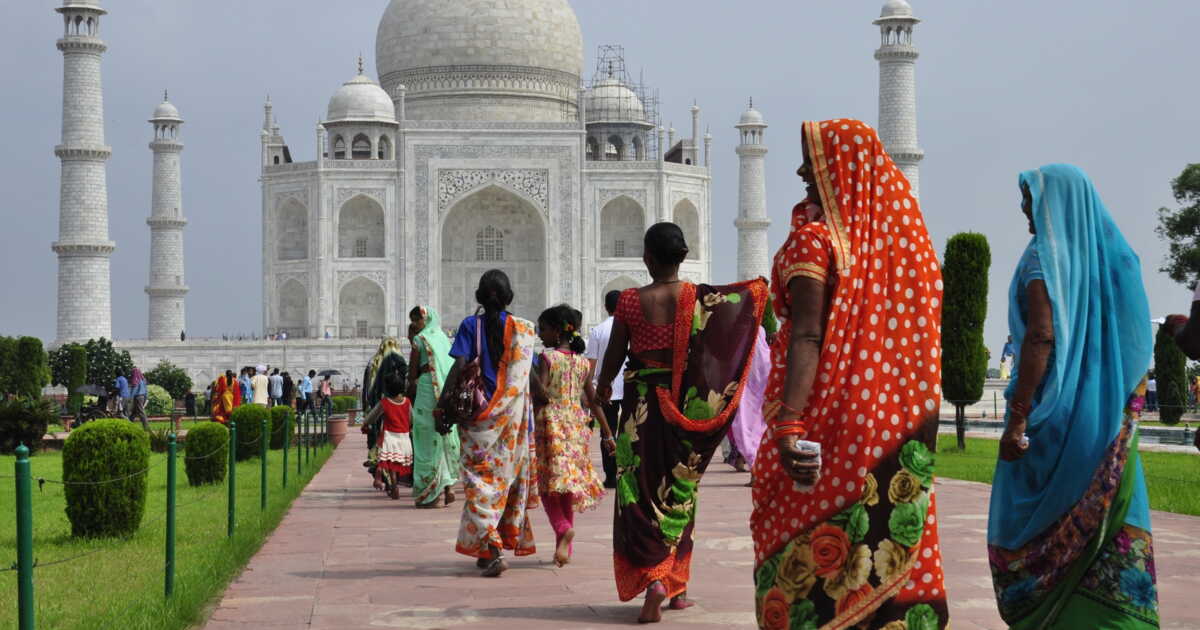
In Agra, admiring the Taj Mahal means discovering one of India’s most iconic monuments, as well as understanding the central role of funerary architecture in Mughal history. Built in the 17th century by Shah Jahan, this white marble mausoleum captivates with the symmetry of its gardens, the delicacy of its inlays, and the mastery of its proportions, especially visible at sunrise or sunset.

The visit can be complemented by the Agra Fort and Fatehpur Sikri, two essential sites to place the Taj Mahal in a broader political and artistic context. For a deeper cultural itinerary, Agra can also fit into a route linking Delhi, Jaipur, the Ajanta Caves, or major Hindu shrines, to measure the patrimonial diversity of the subcontinent.

3. Discovering Rajasthan and the Pink City Jaipur

Rajasthan offers one of the most striking images of North India, with palaces, fortresses, markets, and historic cities with strong identities. In Jaipur, the “Pink City” groups several major sites, including the Hawa Mahal, the City Palace, the Amber Fort, and the Jantar Mantar, a remarkable astronomical observatory listed as a world heritage site.

This discovery can be extended toward Jodhpur, the Blue City, whose indigo houses dominated by the Mehrangarh Fort illustrate another facet of princely architecture, or toward the Thar Desert, where villages, dunes, and ancient caravan routes remind us of the importance of cross-border exchanges in regional history.

Thus, Rajasthan stands as a foundational stage for understanding the continuity between royal traditions, crafts, ancient urban planning, and cultural tourism.

4. Attending ceremonies on the banks of the Ganges in Varanasi

In Varanasi, attending ceremonies on the banks of the Ganges offers a glimpse into one of the deepest spiritual dimensions of India. Each evening, the Aarti gathers priests, devotees, and visitors on the ghats in a codified choreography where lamps, chants, offerings, and ritual gestures convey the strength of the Hindu faith in daily life. A dawn boat ride allows observers to witness ablutions, prayers, and activity along the river, while appreciating the antiquity of this sacred city.

Varanasi is not only a place for contemplation: it is a cultural hub, where music, textiles, funeral rites, and urban life form a complex whole that is essential for any traveler seeking to understand India beyond its monuments.

5. Exploring the Kerala backwaters

In Kerala, exploring the backwaters reveals a slower India, organized around water, canals, rice paddies, and lake villages. A houseboat cruise offers views of the southern landscape, between coconut groves, traditional houses, and everyday life, far from the intensity of the large metropolises.

The journey can continue in Kochi, a port shaped by Portuguese, Dutch, and British influences, and then toward the plantations of Munnar, where tea curves the hills and contrasts with other notable producing regions like Darjeeling.

For travelers curious about material culture, a detour through Ahmedabad via an internal flight can complete this view thanks to the Calico Textile Museum, a major reference for understanding Indian know-how related to fabrics, dyes, and traditional crafts.

6. Relaxing on the beaches of Goa

Relaxing on the coastal beaches of Goa offers a glimpse of an India shaped by the Arabian Sea, where Portuguese heritage, seaside culture, and religious heritage mingle. The beaches of Anjuna, Palolem, and Calangute attract with their laid-back atmosphere, but Goa is more than mere sun and sea: its colonial churches, old houses, markets, and local cuisine recount centuries of exchanges between Europe and India.

The cuisine, flavored by spices, coconut, seafood, and some Catholic influences, provides a valuable entry point to understanding this region. In a broader itinerary, Goa can serve as a transition between the archaeological sites of the Deccan, southern beaches, and the historic towns along the western coast.

7. Discovering the archaeological sites of Hampi

In Hampi, exploring the archaeological sites feels like wandering through a vast open-air museum, where temples, pavilions, pools, colonnades, and granite blocks form one of the most spectacular historic landscapes in India.

Former capital of the Vijayanagara empire, the site reflects considerable political, religious, and commercial power, evident in the richness of sculptures and the layout of sacred spaces. The visit gains an extra dimension when linking Hampi with other major rock-cut or monumental ensembles, such as the Ajanta Caves, famed for their Buddhist paintings and rock-cut architecture.

These places help illuminate the deep historical layers of India, where dynasties, beliefs, and arts produced culturally coherent landscapes.

8. Trekking in the Indian Himalayas

Going on a trek in the Indian Himalayas offers a more physical and contemplative way to approach the country, especially in the Ladakh, often nicknamed Little Tibet for its high-altitude landscapes, monasteries, and Buddhist heritage. Itineraries wind through mineral valleys, high passes, isolated villages, and plateaus where light continually reshapes the reliefs.

The Thiksey Monastery, near Leh, stands out as one of the most memorable visits for understanding local spirituality, religious architecture, and the organization of monastic life. This region contrasts sharply with the Ganges plains, Rajasthan, or Kerala, illustrating how a single country can unite high mountains, Tibetan cultures, pastoral traditions, and vast near-desert spaces in one journey.

9. Participating in a local festival

Joining a local festival in India allows you to observe the vitality of traditional practices, whether it is Holi, Diwali, Durga Puja, Pushkar Fair, or temple- and village-based celebrations. Holi, often described as the festival of colors, turns streets into spaces of sharing and movement, while Diwali lights up homes, markets, and temples with a family and religious atmosphere.

This immersion can be complemented by visiting the Golden Temple in Amritsar, a central site of Sikhism, where welcoming visitors and community meals provide a tangible reading of Indian spirituality. In a broader cultural approach, these celebrations show how India blends rites, music, cuisine, crafts, and sociability, while preserving strong regional identities.

10. Savoring authentic Indian cuisine

To savor the authentic Indian cuisine is to travel the country through its spices, cooking methods, cereals, breads, curries, chutneys, and traditional beverages. Each region has its benchmarks: biryani in Hyderabad, dosa in the South, thali in Gujarat or Rajasthan, spicy fish along the Goa coast, vegetarian dishes tied to religious traditions, not to mention Darjeeling tea, whose international reputation makes it a symbol of the Himalayan foothills.

After a stay in this region, enjoying a Darjeeling tea can become a simple way to extend the journey, bringing the plantation landscapes and the tea’s colonial history back to the cup. To deepen this discovery, nature lovers can head to the Jim Corbett National Park, famed for its forests, safaris, and Bengal tigers, before continuing south by plane, from Pondicherry to Tanjore, along the Pondicherry Route, between colonial outposts, Dravidian temples, and Tamil culinary traditions.

In conclusion, whether you are passionate about history, culture, or adventure, India offers an endless array of experiences. Its majestic sites, diverse landscapes, and incredible cultural variety make it a unique destination. To deepen your journey, consider exploring other themes such as local festivals, traditional crafts, or culinary routes.

What to do in India in 10 days?

A 10-day stay in India can be enough to enjoy a authentic glimpse of the country, by combining city visits, cultural discoveries, and immersion in the World Heritage. You might start in New Delhi to feel the pulse of the Indian capital, then head to a region rich in history to behold the Taj Mahal—that iconic white marble mausoleum—and then explore a few fortresses or ancient forts.

Passing through historic cities or old urban quarters allows you to observe the diversity of Indian cities. This quick yet intense visit provides a vivid glimpse of the blend of traditions, architecture, and contemporary life, ideal for a first contact with India.

What are the do’s and don’ts in India?

Before departure, it is essential to learn the local rules to respect customs and avoid misunderstandings. In India, some practices considered ordinary elsewhere may be frowned upon: for example, modest dress is often requested, especially at sacred sites.

Respect for beliefs, religious traditions, and social codes is paramount. It is therefore advisable to research before visiting temples or monuments and to follow the advice of local authorities. Respect for local customs contributes to a harmonious, mindful, and culturally sensitive journey in India.

What to do in North India?

North India contains historical and spiritual treasures. Between ancient monuments, royal cities, and high Himalayan plateaus, the North offers a diverse palette. From New Delhi, you can visit the Red Fort, a symbol of the imperial past, or set off toward cities with rich architectural heritage, sometimes dominated by a palace or a fortress, or by royal ruins.

Going north, one reaches regions like Ladakh, which evokes a kinship with Tibetan Buddhism, offering mountainous landscapes and Buddhist culture—a striking contrast with the northern plains. This region blends heritage, spirituality, and nature, ideal for those seeking grandiose landscapes and a deep connection with the soul of India.

What to do in South India?

The South of India captivates with its beaches, tropical climate, and lush landscapes. You can enjoy the Goa beaches, lined by the sea, for moments of relaxation and natural beauty. In more rural or mountainous areas, tea plantations provide a tranquil, green and refreshing setting—a stark contrast to the bustle of the big cities.

Exploring this southern region reveals a different India: less urban, more tranquil, oriented toward nature, well-being, and a relaxed pace of life. It invites rest and contemplation away from crowds, while unveiling a calmer, more contemplative face of the country.

When to visit India?

The choice of travel period strongly shapes the experience. India experiences varied climates across regions: some places endure very humid seasons, others extreme heat. To make the most of a visit, plan your trip outside climate extremes when the weather is milder. Participating in the Festival of Colors or other local celebrations can enrich the experience—but also be mindful of crowds and weather conditions. Thoughtful timing ensures a comfortable, respectful, and memorable visit, aligned with India’s geographic and cultural diversity.

What to do before leaving for India?

Before departure, it is advisable to check formalities: visa, vaccines, insurance, readings on customs, and a list of places to explore. Well planning your itinerary—identifying the cities, monuments, and regions to visit—helps optimize time and avoid surprises. For a first stay, it is useful to assemble a few invaluable places: famous monuments, historical sites, natural zones, and traditional neighborhoods. This preparation ensures a calm and enriching journey, allowing you to make the most of India’s cultural, historical, and scenic riches.

This article was written with the help of artificial intelligence, then corrected, enhanced and validated by the editorial team.

What to Do in Tallinn: 7 Top Activities and Outings in Estonia’s Capital

Nestled on the shores of the Baltic Sea, Tallinn, the capital of Estonia, is a place where medieval charm meets modern innovation. The Old Town, a UNESCO World Heritage site, draws visitors with its architectural beauty, while rapidly evolving neighborhoods entice with their creativity. For a traveler eager to discover what Tallinn has to offer, here is a guide to the activities to explore, whatever the length of your stay.

1. Explore Tallinn’s Medieval Old Town

The historic heart of Tallinn, known as Vanalinn, is a journey through time with its cobbled streets and centuries-old buildings. Begin your exploration at the Town Hall Square, with its striking architecture and lively energy from seasonal markets. Head up to the Toompea Hill to visit the Toompea Castle and the Alexandre Nevsky Cathedral. Then descend and stroll along the old city walls, where towers such as Kiek in de Kök and Paks Margareeta await you.

2. Discover Tallinn’s Museums

For those interested in art and history, Tallinn offers a diverse range of museums. The Maritime Museum (Lennusadam Seaplane Harbour) presents engaging interactive exhibits, including a historic submarine. The Kumu Art Museum showcases Estonian art, while the Museum of Occupations and Freedom (Vabamu) provides a poignant look at Estonia’s recent history.

3. Stroll through the Kalamaja District

Kalamaja, known for its charming colorful wooden houses, is Tallinn’s creative quarter. Here, the Telliskivi Creative City serves as a contemporary hub gathering artistic experiments, art galleries, and craft shops. Street art is omnipresent and reflects the city’s vibrant, ever-evolving culture.

4. Savor Tallinn’s Local Gastronomy

Tasting Estonian cuisine is an experience in itself. For a true glimpse of local flavors, visit the Balti Jaama Turg Market, where a multitude of stalls offer a variety of traditional and modern dishes. In the evening, explore the nightlife in the historic bars of the Old Town or the modern cafés of the newer neighborhoods.

5. Enjoy the Nature Around Tallinn

For those looking to escape the city, several options await. A day-trip to Helsinki by fast ferry is a popular choice. For nature lovers, the Lahemaa National Park, about an hour’s drive away, is ideal for hiking and wildlife watching.

6. Kadriorg Park and the Kadriorg Palace: A Cultural Breathing Space East of the Center

The Kadriorg Park, commissioned by Peter the Great, is one of the most beautiful green spaces in the Estonian capital. It houses the Kadriorg Palace, a Baroque masterpiece, and several art museums housed in its historic buildings. Summer or winter, this park is an ideal place for a stroll around its fountains, ponds, and sculptures.

Here you can visit the Kumu Museum, the main building of the Estonian National Art Museum, or simply enjoy a moment of calm away from the bustle of Tallinn’s city centre. The site is also well served from Tallinn Railway Station, with affordable rates for visitors.

7. Tallinn’s Walls: Discovering the Medieval Fortifications

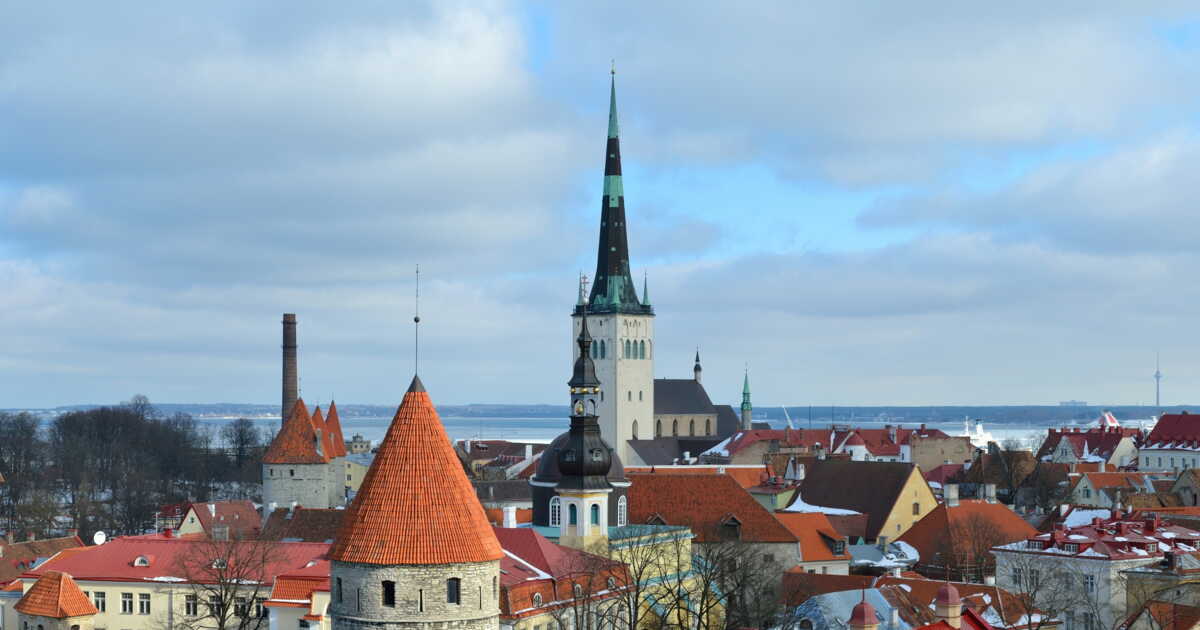
The Tallinn Walls, 13th-century defensive remnants, still surround a large portion of the Old Town. Some sections are accessible via a tower entrance, offering a unique view of the red roofs, the church spires, and the seafront.

These fortifications help illuminate the military architecture of the era, and several routes include a guided visit combined with the Tallinn Card. From watchtowers to spiral staircases, the route is as informative as it is panoramic. Below, the buildings of the Tallinn Centre reveal the influence of the various powers that occupied the city, notably the Russian Empire and the Soviet Union.

In conclusion, Tallinn is a city that offers a range of activities suited to every season and every desire. Whether you are a history buff, an art lover, a culinary explorer, or a nature enthusiast, Tallinn will captivate you. Its unique charm lies in its ability to blend tradition and modernity, delivering a stay rich in discoveries and memorable experiences.

How long does it take to visit Tallinn for the first time?

A stay in Tallinn can ideally be planned over two to three days to discover in a structured way the best things to see in the Estonian capital. This time frame allows you to visit the Old Town of Tallinn, enjoy a view over the church spires, stroll along the Vene streets, stop at St. Olaf’s Church, and explore the remnants of the Russian Empire at the Kadriorg Palace.

Between art museums, seaside strolls, a discovery of the old European pharmacies, and a guided tour of the Tallinn Centre, the program suits a curious audience, even on a first visit to Estonia. For those who want to take their time, an extra day allows for including the Patarei Prison, the port buildings, or a boat trip across the bay.

Is Tallinn an expensive city? Focus on prices and value for money

The Estonian capital offers a competitive price-to-value ratio compared with other European cities. While some establishments located on the Town Hall Square or around the Tallinn city centre may show higher prices, the average cost of meals, Museum entries, or a Tallinn Card remains reasonable.

The main building of the museum Kumu, for example, offers an entry with workshops depending on the season. In terms of accommodation, the options range from standard hotels to local guesthouses, providing good accessibility from the Tallinn Railway Station. Visitors generally note a good balance between amenities and budget, especially outside the summer months.

What to do in Tallinn in winter? A season to explore despite the cold

Winter in Tallinn turns the city into a medieval tableau, where the exteriors and the domes of Tallinn glaze with frost. It is an ideal time to visit the art museums, enter the city’s churches, climb the spiral stairs of the towers, or discover the craft workshops housed in the St. Catherine’s Passage.

The winter schedule also includes Christmas markets, concerts, and visits to the photography museum. The early sunset allows you to enjoy the soft glow of the cobblestone streets, making Tallinn’s Old Town especially photogenic during this season.

What to do in Tallinn with kids? Family-friendly and accessible culture

A stay in Tallinn with children allows a blend of culture, relaxation, and playful exploration. The Kadriorg Park — a true ideal place for a stroll — also hosts the principal children’s museum Miiamilla, where activities are offered year-round. You’ll also find picnic-friendly spaces.

A guided tour of the Old Town of Tallinn, with its spiral stairs and walls, can engage younger visitors. The Tallinn Card also enables many free or reduced admissions for families. Activities run from Monday to Saturday, providing flexibility in planning.

What to do in Tallinn in the evening? Cultural experiences and nighttime strolls

In the evening, Tallinn reveals a cozy mood where church spires and historic buildings glow softly. After a stroll along the seafront or through the St. Catherine’s Passage, it’s pleasant to settle into a medieval tavern like Olde Hansa, where period cuisine is served in an authentic ambiance.

Several museums and galleries stay open late on certain days, and concerts are regularly offered in the city’s churches. For a night-time view of the rooftops, the Toompea Hill observation deck remains accessible in the evening. Night walkers will also appreciate the proximity of the Tallinn Centre to the bay’s shores.

What to do in Tallinn when it rains? Indoor culture, heritage and visits

When rain arrives, Tallinn offers numerous indoor options. The Kumu Art Museum, in the Kadriorg district, is ideal for a rainy afternoon while exploring Estonian artistic history. Other alternatives include the historic buildings of the city centre, the churches, or a indulgent break in tea rooms around the Town Hall Square. The old European pharmacies, accessible even without a reservation, provide a unique perspective on Estonia’s medical history.

This article was written with the help of artificial intelligence, then edited, expanded, and validated by the newsroom’s journalists.

What to Do in Glasgow: 7 Top Outings and Activities

Nestled on the banks of the Clyde, Glasgow is one of Scotland’s most dynamic cities. Known for its vibrant arts scene and rich history, it’s a must-visit for culture and architecture lovers. But with so many options, what to do in Glasgow to make the most of your visit, whether for a short stay or a longer stopover?

1. Discover the Kelvingrove Art Gallery and Museum

The Kelvingrove Art Gallery and Museum is an iconic free museum in Glasgow, located in the lively West End near the Glasgow Botanic Gardens. This city-building, featuring imposing Victorian architecture, houses a permanent collection that spans from dinosaur skeletons to works by masters such as Salvador Dalí.

Across its indoor exhibitions, it is a feast for the eyes and provides a genuine glimpse into the artistic and historical evolution of Great Britain and the world. Visiting this museum helps reveal the artistic heritage passed down by the Glasgow School of Art, while also letting visitors experience the daily life of Glaswegians who frequent the venue. Ideal for a cultural weekend, it embodies the city’s museum wealth at the heart of the United Kingdom.

2. Explore Glasgow Cathedral and The Necropolis

St. Mungo’s Cathedral, Glasgow’s Gothic jewel, embodies the religious and architectural history of the city. Located near Glasgow Green, it stands as a major landmark just a short walk from the historic center. Continuing towards the Necropolis, a vast Victorian cemetery perched on a hillside, reveals a breathtaking panorama and an atmosphere of quiet contemplation.

Each statue, such as that of John Knox, underscores the importance of spirituality and the influential figures in the city’s history. These ancient buildings, at the heart of the downtown, offer a wonderful vantage point to admire the splendid view over Glasgow while exploring a landmark of Scottish heritage.

3. Stroll through Pollok Country Park

Pollok Country Park provides a tranquil interlude a few miles from Glasgow’s city center. A great place to reconnect with nature, this park is home to the famous Highland cows and wooded trails suitable for all ages. Within its grounds, the Burrell Collection Museum showcases world art treasures in a modern building seamlessly integrated into the landscape. Whether you’re picnicking with family, taking a walk, or engaging in an artistic exploration, this park is an occasion to breathe away from urban bustle while accessing one of the most relaxing spots in the British Isles.

4. Admire the Modernist Architecture of Charles Rennie Mackintosh

Charles Rennie Mackintosh is inextricably linked with Glasgow’s architectural genius in the early 1900s. The Glasgow School of Art, though heavily damaged, remains a strong symbol of Scottish modernism, and its building continues to attract guided tours and in-depth studies. Among other sites to explore are The Lighthouse, Mackintosh’s first major project, and the House for an Art Lover tucked away in a leafy park.

These places, designed to elevate daily life through aesthetics, perfectly illustrate the link between architecture, design, and Glasgow’s identity. Each building reflects a key moment in Glasgow’s artistic journey within a broader cultural context, placing the city within Britain’s artistic heritage.

5. Explore the West End neighborhood including the Botanic Gardens

The West End of Glasgow is a vibrant area where culture, cuisine, and nature thrive in harmony. Strolling along Byres Road, visitors discover a mix of tea rooms, independent galleries, and bookshops, reflecting the diversity of Glaswegians.

The Glasgow Botanic Garden, with its famous Kibble Palace, is one of the city’s most soothing sites, where exotic plants can be admired beneath Victorian glasshouses. Just nearby, students from the University of Glasgow bring a youthful energy to the area, aligning with the city’s intellectual history within the United Kingdom. This district, often recommended for a weekend, blends nature and urban vibes in an authentic atmosphere.

6. Delve into the City’s Musical World

Recognized as a UNESCO City of Music, Glasgow has a thriving music scene where tradition and modernity meet. Iconic venues like the Barrowland Ballroom and King Tut’s Wah Wah Hut have nurtured bands that went on to worldwide fame, making the city an excellent starting point for understanding the evolution of British music.

These venues, often modest in appearance, are true cultural temples rooted in Glaswegian identity. They embody the city’s alternative spirit, once industrial, now deeply creative. A concert here becomes a rare chance to capture the sonic essence of a Glasgow street.

7. Shop on Buchanan Street

Glasgow is a city with many facets, blending history, culture, and modernity. Whether your stay is short or long, these activities and places are sure to be the highlight of your trip. Explore, discover, and be inspired by all that Glasgow has to offer. For future travels, why not continue your Scottish journey with a visit to Edinburgh, offering an interesting contrast with its lively, dynamic neighbor?

Exploring Glasgow with Children: Family-Friendly Activities in the Scottish City

Visiting Glasgow with children is an excellent opportunity to combine learning and fun. Several family-friendly venues allow for a weekend that is both educational and engaging. The Riverside Museum, designed by architect Zaha Hadid, is one of the UK’s most innovative free museums. It houses the original Riverside building on the Clyde and offers indoor exhibits on trams, vintage cars, bicycles, and even a suspended Spitfire aircraft.

Right next to it, kids can climb aboard the Tall Ship Glenlee, a restored sailing ship illustrating life at sea in the 19th century. The Glasgow Botanic Garden offers an outdoor alternative, with its Victorian glasshouses, perfect for marveling in all seasons. Finally, a stroll along the Mural Trail in the city center adds a playful and colorful dimension to discovering the city.

What to Do in Glasgow at Night: Cultural and Local Evening Ideas

As night falls, Glasgow reveals another face, balancing a welcoming atmosphere with cultural richness. For an immersive evening, Ashton Lane, tucked in the city’s west, stands out as a lively and warm spot. Its tea rooms, arthouse cinemas, and independent restaurants make it a popular hangout for Glaswegians. The statue of the Duke of Wellington, famous for the traffic cone perched on its head, symbolizes the city’s humor and rebellious spirit.

For a musical night out, guided tours of repurposed old industrial buildings highlight Glasgow’s late-20th-century creative buzz, especially around the Glasgow School of Art. Sports enthusiasts can catch a match at Celtic Park, the city’s iconic stadium. The University of Glasgow, meanwhile, offers permanent galleries and occasional late-night events, often free, appealing to both curious visitors and Harry Potter fans seeking a nice view of the neo-Gothic campus.

What to Do in Glasgow When It Rains: Museums, Cafés, and Indoor Discoveries

Another must-see free museum, the Riverside Museum, delights the eye with immersive recreations and period vehicles. A stop at Barras Market or Royal Exchange Square also makes for a sheltered stroll among antiques, shops, and cafés. For a typically Scottish pause, the traditional tea rooms in the center offer a cozy ambience to escape the rain. Finally, a visit to St. Mungo Cathedral or a pause at the John Knox statue overlooking Glasgow Green lets you embrace spirituality, history, and heritage, without fearing the whims of the weather.

This article was drafted with the help of artificial intelligence, then corrected, completed, and validated by the newsroom editors.

Things to Do in the Faroe Islands: 9 Top Outings and Activities

The Faroe Islands, a little-known Nordic archipelago, offer breathtaking landscapes and an immersion in pristine nature. Between raging seas and steep mountains, this destination captivates with its isolation and unique culture. If you’re wondering what to do in the Faroe Islands, here is a selection of activities that will make your stay a memorable experience.

1. Discover Gásadalur and the Múlafossur waterfall

The village of Gásadalur, on Vágar island, is a must-see highlight when traveling to the Faroe Islands, especially for the Múlafossur waterfall, which plunges powerfully into the North Atlantic, creating an impressive natural spectacle. Access was eased from 2004 thanks to a road tunnel, increasing the appeal of this isolated site. This ideal starting point for a full day of exploration is distinguished by a wild landscape, framed by cliffs and dotted with wandering sheep.

Not far away, the village of Bøur, or bour in the Faroe Islands, completes this excursion by offering a favorable vantage for photography and contemplation. If the weather in the Faroe Islands remains variable, particularly in October, it can occasionally give way to sunshine on the island, elevating the beauty of the place. A visit here fits neatly into a well-planned Faroe Islands budget, despite the high costs tied to driving on the islands and the price of fuel.

2. Explore the historic village of Saksun

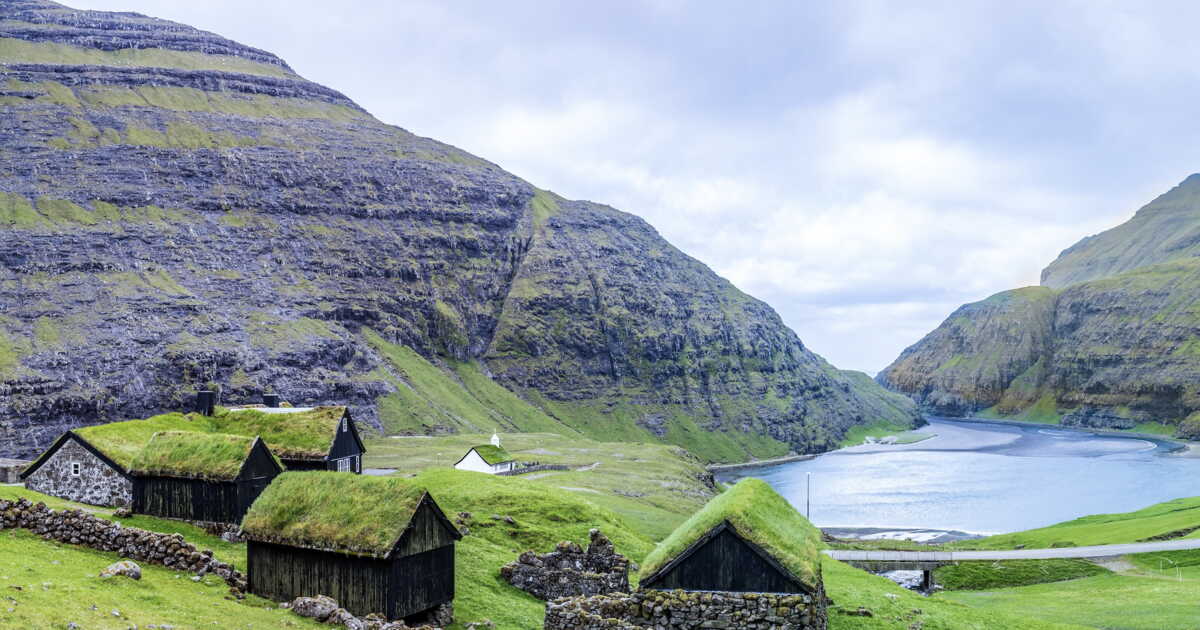
The village of Saksun, situated on Streymoy, stands out for its colorful turf-roofed houses and its 19th-century church, nestled in a setting of raw, breathtaking landscapes. Accessible by a narrow winding road, this place offers a unique experience of returning to origins, between nature and culture.

The landscape, especially at low tide, invites a walk to the lagoon and reveals a palette of colors that contrast with the North Atlantic sky. The time in this suspended village invites contemplation, and despite the weather some days, the visit is a strong moment of travel in the Faroe Islands. Integrated into a budget for a reasonable trip, this detour is recommended for travelers seeking preserved places off the beaten path.

3. Hike to the Kallur Lighthouse on Kalsoy

The island of Kalsoy, often nicknamed the “flute of the Faroe Islands” for its elongated shape, houses the Kallur Lighthouse, accessible by a ferry crossing to Syðradalur and then a panoramic hike from the village of Trøllanes. This excursion offers a spectacular view of the neighboring islands, up to the Drangarnir arch, visible on a clear day.

Seabirds, notably puffins, nest along the cliffs, making the hike even more rewarding. Due to isolation, the site is sparsely visited, and the weather in this village can feel motionless. The budget for this activity on the Faroe Islands includes car rental, the ferry passage, and weather-appropriate gear for Kalsoy’s climate, which can be harsh at times. The effort is well rewarded by the beauty of the place, making it a perfect destination for nature lovers and wild landscapes.

4. Admire Sørvágsvatn Lake and its optical illusions

The Sørvágsvatn Lake, also known as Trælanípa, is one of the most astonishing sites in the Faroe Islands. From certain viewpoints, an optical illusion makes the lake appear to float above the ocean. This geological curiosity is accessible after a moderately challenging hike, offering a dramatic backdrop of sea, cliffs and changing light.

The road to the starting village traverses maritime zones ripe for observing seabirds. The water, seemingly suspended, recalls the icy waters of Lapland or the April waters in the Nordic fjords. Including this excursion in a Faroe Islands budget remains reasonable, despite fuel costs and the need for a vehicle. On clear days, sunset turns the scene into a living painting, reinforcing its reputation as a true visual paradise.

5. Puffin watching at Mykines

The island of Mykines, to the west of the archipelago, is a major destination for watching Atlantic puffins. These iconic seabirds nest on the steep cliffs during the summer. Accessible by boat, and depending on the Faroe Islands weather, the island also offers a hike to an isolated lighthouse overlooking the North Atlantic.

A full day is required for this visit, demanding good organization, including ferry rates, again fuel prices, and sometimes midday sandwiches to avoid costly options. The unique experience Mykines offers justifies its inclusion in any trip to the Faroe Islands. The sea crossing, the sheep, and the wild landscape complete the picture of a nature encounter in its most original form.

6. Boat excursion to Vestmanna

The Vestmanna site, on the west coast of Streymoy, offers a boat trip to discover cliffs and sea caves in a highly immersive setting. This unique experience includes passages close to cavities where seabirds nest, as well as natural arches shaped by centuries.

Against the backdrop, the beauty of the place remains constant, reinforced by the frequent presence of wandering sheep visible from the road to the harbor. The activity, albeit subject to high prices, can be incorporated into a balanced travel budget. The contrasts between the water at bøsdalafossur, the black cliffs, and the bright sun on a clear day give this sea outing a distinctive relief within the broader context of a trip to the Faroe Islands.

7. Immerse yourself in history at Kirkjubour

Kirkjubøur, on the southern coast of Streymoy, represents one of the oldest historic centers of the Faroe Islands, with exceptional patrimonial richness. The site houses the ancient village of Kirkjubøur, the Roykstovan farm, continuously occupied since the Viking era, as well as the ruins of the St. Magnus Cathedral.

Accessible via a small road from Tórshavn, the visit fits easily into a full day of cultural discovery. The presence of local products and the authenticity of the place offer a strong contrast with the vibrancy of Tórshavn. The prices for this visit remain moderate and compatible with a measured budget in the Faroe Islands. The richness of the surrounding landscape and the view of the North Atlantic give Kirkjubøur a major cultural and geographical value.

8. Stroll through the streets of Tórshavn

Tórshavn, the capital of the Faroe Islands, is a mid-sized city with a distinct charm, balancing modernity and tradition. The Tinganes district, with its red wooden houses, forms the heart of the old town of Tórshavn. The heights of Tórshavn offer a view over the port and the island of Streymoy, while the Tórshavn Hilton Garden Inn represents an attractive accommodation option for travelers seeking comfort.

The city is best discovered on foot, exploring its museums, its restaurants where you can taste local products, and its cafes where you can have a midday sandwich. Driving in the Faroe Islands makes Tórshavn easily accessible from Vágar Airport, despite the relatively notable price of fuel. For those seeking an urban rendezvous in a natural setting, this discreet capital is a strategic starting point.

9. Venture to Gjógv

Located on Eysturoy island, the village of Gjógv derives its name from the natural gorge that forms its harbor. This singular geological site, known as the “Cleft of Gjógv”, is part of a network of hikes offering spectacular landscapes on neighboring islands and the North Atlantic. Gjógv’s isolation and the small road leading there make it an ideal spot for travelers seeking calm.

Despite high overall prices across the territory, the village remains accessible with careful budgeting for a trip. Wandering sheep, seabirds, and weather that is sometimes sunny or foggy shape the unique atmosphere of this place. The gorge, windswept, provides an ideal backdrop for photographing the wild landscape of this part of the Faroe Islands.

The Faroe Islands offer a varied range of activities for travelers seeking authenticity and preserved nature. Whether through hikes, maritime explorations, or cultural encounters, this archipelago manages to surprise at every turn. To maximize your experience, consider a multi-day trip to fully live each facet of Faroese life.

How many days does it take to visit the Faroe Islands?

For a truly enriching trip to the Faroe Islands, a duration of 5 to 7 days is ideal. This period allows you to explore the spectacular landscapes of Streymoy, to head to Mykines to observe the Atlantic puffins, and to wander the heights of Tórshavn, the capital, with its colored houses and its perfectly preserved old town.

This format also offers the opportunity to reach iconic places like the Drangarnir arch or the Múlafossur waterfall, visible from the village of Bøur. A full day can be dedicated to Kalsoy, famous for its wild atmosphere and steep trails. With a rental car, you can organize each starting point flexibly, enjoying the beauty of the place, the sun on the island when the weather allows, and the road to the villages that outline a true natural paradise.

Is life expensive in the Faroe Islands?

Budgeting for a trip to the Faroe Islands deserves careful consideration. High costs are a reality, especially for accommodation, food, and fuel. The Tórshavn Hilton Garden Inn or accommodations around the village of Bøur offer good value for money depending on the season, but overall costs remain significant.

A midday sandwich can cost the price of a full meal elsewhere in Europe, and driving in the Faroe Islands, while convenient, involves tolls on certain bridges or ferries. Plan a Faroe Islands budget adjusted to these constraints, without neglecting the countless sheep and landscapes of raw beauty that give this territory its unique character. Budget-conscious travelers can optimize by cooking locally with local products or choosing off-season itineraries, where prices may be more favorable.

What is the best time to visit the Faroe Islands?

The weather in the Faroe Islands, known for its variability, plays a central role in planning a stay. The period from May to September is generally considered the most favorable. Sunny days with clear skies offer an incomparable light on the landscapes, revealing the full majesty of the North Atlantic, from the village of Trøllanes to the heights of Tórshavn.

On the other hand, traveling in October exposes you to capricious weather, with frequent showers and reduced visibility. Yet, some autumn days can reveal a raw beauty, heightened by the solitude on the roads and the endless time spent indoors warming up. It’s also the season when seabirds remain prominent, and wandering sheep freely cross the roadside.

What to bring back from a trip to the Faroe Islands? The choice of lasting souvenirs

Bringing back a souvenir from the Faroe Islands means extending the experience of this journey to the far reaches of the North Atlantic. Local products take a prime place: sheep wool — outnumbering the inhabitants —, Viking-inspired crafts, or canned fish, typical of the region.

In Tórshavn, the mid-sized city retains traditional shops where time seems to stand still. In this context, the ideal gift is often modest but meaningful: a handmade scarf, a book on traveling in the Faroe Islands, or a framed photograph of the Múlafossur waterfall seen from Bøur. Each object then becomes a backdrop for telling the perfect place discovered between sea, rock and sky.

This article was written with the help of artificial intelligence, then corrected, expanded and validated by the editors of the desk.

Things to Do in Ethiopia: 10 Top Activities

Ethiopia, located in the Horn of Africa, is a country steeped in history and boasting a variety of landscapes. From the historic sites of Addis-Ababa to the rugged heights of the Simien Mountains, this destination never ceases to spark the curiosity of travelers. Yet many still wonder what to do in Ethiopia to make the most of their stay. Here is a detailed guide to exploring this fascinating land, with a flexible 10-day itinerary between Addis Ababa and Lalibela.

1. Exploring Addis Ababa

Addis Ababa, the vibrant capital of Ethiopia, is an ideal starting point for your journey. Visit the National Museum, where you can encounter Lucy, the famous australopithecine. Continue to the St. George’s Cathedral, an outstanding Ethiopian Orthodox structure noted for its architecture. For an immersion into local life, the Merkato is one of Africa’s largest open-air markets, offering a sensory experience like no other. End your day with a panoramic view from Mount Entoto to discover the city’s expanse.

2. Discover Lalibela’s Wonders: Its Rock-Hewn Churches

Lalibela is often regarded as Ethiopia’s Jerusalem due to its rock-cut churches. Carved into the rock in the XIIth century, these religious structures are UNESCO World Heritage Sites. A visit to the churches of Bet Giyorgis and Bet Medhane Alem offers a spiritual and architectural experience like no other. Be sure to explore these sites at sunrise to take advantage of the soft light that bathes the ancient façades.

3. Delving into Gondar’s History

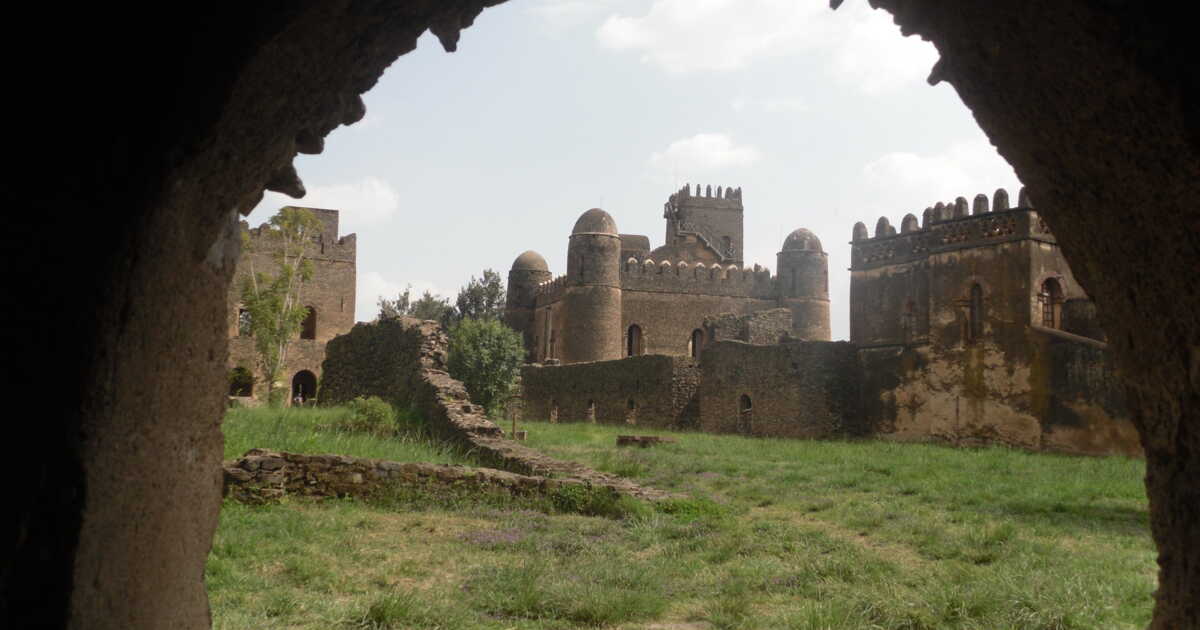
Heading toward Gondar, you will encounter the Fasil Ghebbi royal palaces. Built in the 17th century, these fortresses bear witness to the former glory of Ethiopian emperors. Not far away, the church of Debre Berhan Selassie is renowned for its well-preserved murals, depicting religious scenes and angels with bright eyes.

4. Trekking in the Simien Mountains

For hiking enthusiasts, the Simien Mountains offer spectacular trails, ideal for observing endemic wildlife. The landscapes include craggy plateaus and deep valleys where gelada baboons, a species unique to this region, reside. A trek through this mountain range is not only a physical adventure but also an opportunity to appreciate a one-of-a-kind biodiversity.

5. An Extreme Adventure in the Danakil Depression and a View of Erta Ale

Located in northeastern Ethiopia, the Danakil Depression is one of the harshest environments on earth. It is famous for its volcanic landscapes, notably Erta Ale, an active volcano, and the Lake Assale, known for its saline formations. The site of Dallol enchants with its vivid colors and geological formations. Prepare for extreme temperatures and travel with an experienced guide.

6. Meeting the Tribes in the Omo Valley

The Omo Valley is renowned for its cultural diversity, hosting several tribes such as the Mursi and the Hamer. This region offers a unique chance to discover age-old traditions and ancestral ways of life. In particular, bead-making and ritual ceremonies are standout cultural experiences.

7. Savoring Local Flavors

Ethiopian cuisine is an attraction in its own right. Dive into a plate of injera, a teff-based flatbread often served with a variety of spicy stews such as Doro Wat. Ethiopian coffee is a tradition to be savored, renowned for its rich flavors and unique preparation method.

8. Visiting Historic Sites in Axum

Axum is often considered the cradle of the ancient Ethiopian civilization. This archaeological site is famous for its massive obelisks and fields of stelae. It also houses the Church of Saint Mary of Zion, which tradition says shelters the Ark of the Covenant. This place is a fascinating blend of legends and millennia-old histories.

9. Immersion in Addis Ababa’s Nightlife

For those seeking to explore urban life, Addis Ababa offers a lively nightlife scene. Between restaurants, bars, and clubs, the city resonates with vibrant music blending traditional and modern influences. Try popular spots to feel the nocturnal buzz.

10. Travel Safely and Responsibly

Before traveling to Ethiopia, educate yourself on the current safety guidelines. It is advisable to travel with a local guide and monitor updates about the political situation. Respect local traditions and minimize environmental impact to reinforce an ethical adventure. Consider practical aspects, such as required vaccines and information on local transport, to ensure a smooth trip.

Ethiopia is a destination that impresses with its natural and cultural diversity. From Addis Ababa to Lalibela, via the Simien Mountains and the Danakil Depression, every leg of this 10-day itinerary will lead you to discover the wonders of this country. With careful preparation, both logistical and cultural, your journey will be rewarding and safe.

Is It Safe to Travel to Ethiopia for a Cultural and Natural Trip?

Questioning the safety of a trip to Ethiopia is legitimate, given the country’s wealth of heritage and the diversity of its regional contexts. Certain areas carry specific recommendations, while other regions, such as Bahir Dar or Gondar, can remain accessible under conditions and welcome visitors.

On the Danakil camel caravan route, hot springs and intense volcanic activity attract researchers as well as curious travelers, but require professional guidance. The north of the country, with the Lalibela churches or the palace ruins of the ancient kingdom, shows relative stability, while the south of Ethiopia, marked by endemic species and winding roads, offers spectacular landscapes to those ready to adapt to local conditions. It is recommended to carefully plan your itinerary, regularly check safety updates, and work with experienced operators. Ethiopia, cradle of humanity, remains a land of exceptional wonder, at the crossroads of people, cultures, and ancient cities.

Is Life Expensive in Ethiopia for a Well-Planned Stay?

Evaluating the cost of living during a trip to Ethiopia involves weighing the contrasts between urban centers and rural areas. In the city of Addis Ababa, nicknamed the New Flower, accommodations, dining, and transportation offer an affordable price-quality ratio, though there are notable disparities depending on neighborhoods and services.

Just minutes from the center, the city markets offer fresh and artisanal goods at modest prices. In historic towns such as Harar, where the narrow streets still harbor the memory of the mythic Arthur Rimbaud, or near the Lake Tana, hot springs and the baths of Fasilidas exist with manageable costs. At higher elevations, on the high plateaus, or in the Simien National Park, reached via winding roads, logistical costs can rise due to remoteness and transfer complexity.

For nature lovers, tracing the paths of the Abyssinian wolf or the mountain nyala requires specialized guidance, but remains accessible. A well-planned stay, incorporating car rental, cultural stops, and immersion in the Ethiopians’ cities, allows you to manage the budget while discovering a true paradise shaped by unique geological features and the memory of the early humans.

This article was drafted with the help of artificial intelligence, then corrected, expanded, and validated by the editors of the newsroom.

What to Do in Belize: 7 Top Activities to Try

Nestled between Mexico and Guatemala, the small English-speaking nation of Belize captivates with its natural and cultural diversity. Known for its reef barrier, the second largest in the world, and its Maya archaeological sites, this destination attracts travelers in search of adventure and discovery.

1. Dive into the Great Blue Hole

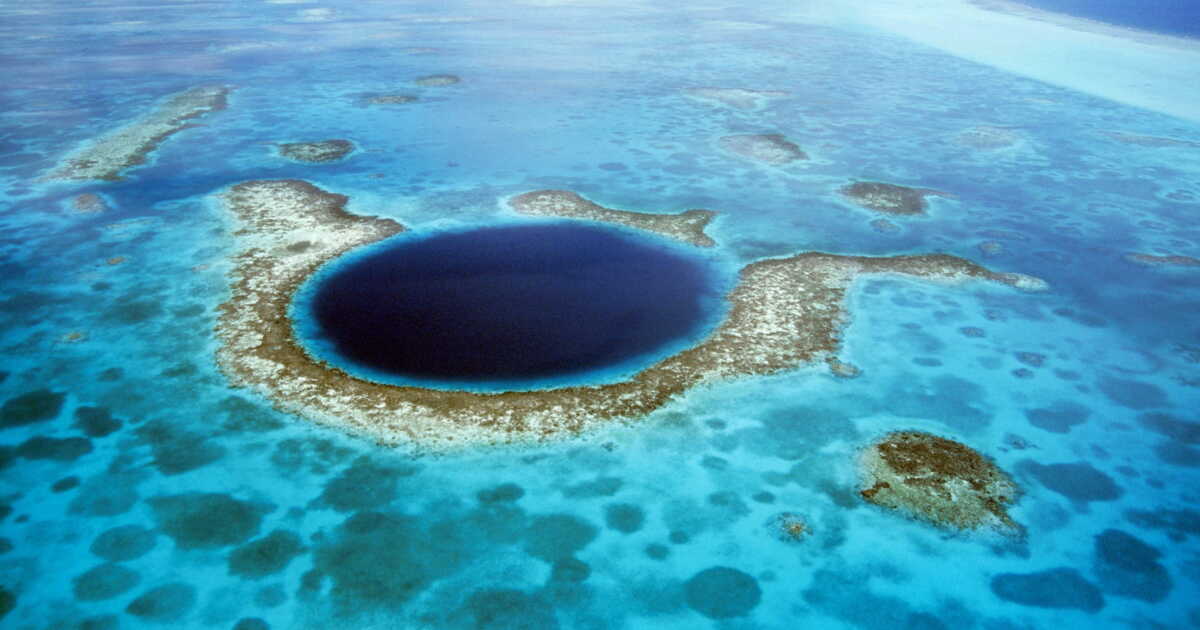
Diving into the Blue Hole, or Great Blue Hole, stands as one of the most emblematic experiences of a Belize trip. Located in the Lighthouse Reef Atoll, this circular marine sinkhole with a diameter exceeding 300 meters, a remnant of an ancient submerged limestone cave, fascinates snorkeling enthusiasts and divers from around the world. Its exploration, starting from Ambergris Caye, from San Pedro or from Caye Caulker, offers the chance to move through crystal-clear waters in deep expanses, with sheer walls lined with fossilized stalactites.

A UNESCO World Heritage Site, this natural landmark is impressive for its sky-high view, reinforcing Belize as a premier destination in Central America. An unforgettable experience that blends technical challenge with immersion in a preserved ecosystem at the heart of Belize’s coastline.

2. Explore the Maya sites of Xunantunich and Caracol

The archaeological sites of Xunantunich and Caracol illustrate the significance of Belize’s pre-Columbian past in its identity. Located in the southern portion of the country’s central region, these ancient Maya ceremonial centers rival each other with their impressive architecture and their natural surroundings. Xunantunich, reachable by ferry from San Ignacio, offers a panorama over the nearby valleys from its El Castillo pyramid.

Caracol, more secluded within the Chiquibul forest reserve, preserves massive temples, inscribed stelae, and traces of Maya urban planning. Their proximity to other sites like Altun Ha or the Maya site of Lamanai adds depth to a thorough reading of Belize’s travel history. These places are prized for the richness of their architectural details and the way ancient culture is integrated into the heart of wild forests.

3. Enjoy the beaches and laid-back vibe of Caye Caulker

Caye Caulker embodies the Go Slow spirit, the unofficial motto of this Belize island where time stretches between sea and sand. Over a few kilometers, this fishing village turned tourist haven attracts with its crystal-clear waters and a car-free lifestyle, where getting around is on foot or by bicycle. Visitors can explore the Hol Chan Marine Reserve, venture to Shark Ray Alley, or savor snorkeling-friendly dive sites.

The traditional cuisine is served with your feet in the sand, in a relaxed atmosphere facing a Caribbean sunset. Renowned for its authenticity, Caye Caulker offers a calmer alternative to Ambergris Caye, while still providing privileged access to Belize’s underwater wonders.

4. Discover Garifuna culture in Hopkins

South of the Belize coastline, the village of Hopkins stands as one of the liveliest hubs of Garifuna culture, an Afro-Caribbean community famed for its oral and musical heritage. In this small, multi-faceted country, Hopkins stands out for its intergenerational transmission of songs, ritual dances, and percussion, whose performances’ titles evoke stories of resistance and cultural pride.

Travelers are invited to join drum workshops or take traditional cooking classes for an immersion into local practices. The village, fringed by beautiful beaches and near the southern forest reserves, also serves as a launch point to the surrounding mountains and wild forests. Through this stop, Belize reveals a human and cultural dimension that complements its marine landscapes and archaeological sites.

5. Admire Belize Zoo’s wildlife

The Belize Zoo, located not far from Belize City, offers an educational and responsible approach to local fauna, recreating the country’s natural ecosystems for animals that mostly could not be reintroduced into the wild.

This ethical zoo, well integrated into the neighboring terrestrial reserves, houses more than 150 animals, including jaguars, tapirs, and toucans. Its value lies in highlighting Belize’s biodiversity, often overlooked by visitors focused on the islands or diving spots.

Easily accessible by car from the administrative capital, this site is particularly recommended for families, schools and travelers worldwide seeking a deeper understanding of the delicate balance between development and conservation in this small Central American country.

6. Hike in Mountain Pine Ridge Reserve

The Mountain Pine Ridge Reserve, in Belize’s western region, stands out for its unique geology and high-altitude landscapes that contrast with Belize’s coastline. Renowned for its dramatic waterfalls such as Big Rock Falls and the Thousand Foot Falls, among the tallest in Central America, this area draws travelers seeking placencia treks, wildlife watching, and sustained hiking.

Trails also lead to the Rio Frio Cave, a vast limestone cave with impressive dimensions, and to the natural pool of Rio On Pools, perfect for a refreshing dip. At the crossroads of adventure and contemplation, this region presents another facet of Belize, distant from the beaches yet rich in a natural, fragile UNESCO World Heritage site.

Wildlife and flora enthusiasts will appreciate the variety of bird species observable in this preserved environment, away from the usual tourist circuits.

7. Explore Belize City

Often seen as a mere waypoint, Belize City deserves a more nuanced look for any journey to Belize. As a former colonial capital, it retains major historical traces and serves as the country’s cultural crossroads. While it isn’t the coastal beat of the Belize littoral, it remains the logistical hub for reaching iconic sites such as Altun Ha, Lamanai, or islands like Ambergris Caye. The imposing scale of its old administrative buildings contrasts with more modest neighborhoods, illustrating the country’s multiple faces – a diversity echoed in the city’s cultural representations on offer.

With caution advised in certain areas, especially after dark, Belize City offers access to cave excursions, forest reserves, and the Lamanai archaeological site, rich in Belizean history. A breathtaking view of the Caribbean Sea from certain quays or charming hotels adds to the appeal of this stop, where colonial memory and modern dynamics coexist.

Belize is a destination with many faces, where every traveler can find joy. Whether you’re a history buff, a diving enthusiast, curious about authentic cultures, or seeking relaxation on dream beaches, this Central American country is sure to surprise you. To enrich your experience, be sure to savor the local cuisine and soak up the unique atmospheres as you traverse this captivating territory.

Travel Belize with confidence: what to watch out for without sacrificing the experience?

Despite its relaxed vibe and reputation as a welcoming small country, Belize, located in Central America, requires a few precautions for a fully successful stay. As with any tropical destination, basic vigilance against mosquitoes is essential, especially in wild forest areas and forest reserves like the Cock’s Comb Basin, famed for its birdlife.

In towns, particularly Belize City, it’s advisable to avoid certain neighborhoods after dark and to favor secured tourist zones. Visitors from around the world are encouraged to respect Belize’s delicate coastal ecosystems, especially when venturing to diving spots or the Lighthouse Reef atolls, true marine sanctuaries.

It’s also wise to follow local recommendations for excursions into limestone caves such as Actun Tunichil Muknal, where certified guides ensure a respectful approach to sacred sites. Traveling to Belize remains an authentic and rewarding experience, provided curiosity is paired with responsibility.

Is Belize expensive? Understanding the cost of a stay in this Caribbean paradise

Belize, while perceived as an exclusive destination in Central America, shows a variable cost of living depending on the region visited. On the Belizean islands, such as Ambergris Caye or San Pedro, some tourist services carry higher price tags, notably beachfront accommodations, boat trips to the Blue Hole (with its 300-meter diameter), or meals at establishments specializing in traditional cuisine.

The name Belize remains associated with a high-quality offering, accessible with proper planning. In rural or southern areas, around the Placencia Peninsula, travelers will discover more affordable options, notably through local Placencia agencies or Placencia trek itineraries.

The local currency, the Belize dollar, is pegged to the US dollar, which makes budgeting straightforward. Traveling to Belize means choosing a balance between authenticity, comfort, and immersion in nature, suitable for different budgets.

What to do in San Pedro, Belize? Discover the Isla Bonita and its marine treasures

In San Pedro, on the island of Ambergris Caye, nicknamed the legendary Isla Bonita, the travel experience is centered on the sea, relaxation, and discovering the unique marine ecosystems along the Belize coast. Snorkelers flock to Shark Ray Alley, famous for encounters with rays and nurse sharks, in the crystal-clear waters that fringe the Caribbean Sea.

The town, lively yet human-scale, preserves a fisher-village charm where golf carts ply a few kilometers of streets. The local motto, “Go slow,” is embodied in every moment spent feet in the sand, be it a sunset on the shore or a meal of traditional fare.

For visitors seeking to blend nature with culture, San Pedro also serves as a base for excursions to the Blue Hole and Lighthouse Reef. Far from mass tourism, San Pedro remains one of the best places to enjoy a Belizean journey in harmony with the environment.

Which Belize island to choose? Between beaches, diving, and local immersion

Choosing a Belize island means directing your Belize trip toward a direct relationship with the Caribbean Sea, its beautiful beaches, its crystal-clear waters, and its island culture. Ambergris Caye, the best known, combines accessibility, developed tourist offerings, and proximity to sites like Shark Ray Alley or Hol Chan, thus attracting snorkeling and diving enthusiasts from around the globe.

Other islands, more tranquil, offer a different approach: Caye Caulker, for instance, perfectly embodies the Go Slow philosophy, with a fisherman-village vibe, ideal for a sunset with feet in the sand. Each Belize island carries a name steeped in culture and history, and lets visitors alternate between relaxation and adventure.

Where to go will depend on your desires: total immersion, spotting sea turtles, exploring limestone caves, or spotting bird species on remote islets. In all cases, these islands extend the essential bond between land, sea, and culture that defines Belize, the Belize.

This article was written with the help of artificial intelligence, then revised, supplemented, and validated by the newsroom’s journalists.

What to Do in Hawaii: 5 Top Outings and Activities on the Big Island

Hawaii, this enchanting archipelago in the Pacific Ocean, is one of the fifty states of the United States. Made up of several volcanic islands, Hawaii is known for its tropical climate, its rich blend of Polynesian and American cultures, and its diverse landscapes ranging from powdery white-sand beaches to active volcanoes. For those planning a trip to Hawaii, the central question is often: what to do once you arrive? This article offers a detailed panorama of the must-see activities to discover at the heart of this archipelago.

1. Explore Oahu and Its Iconic Attractions

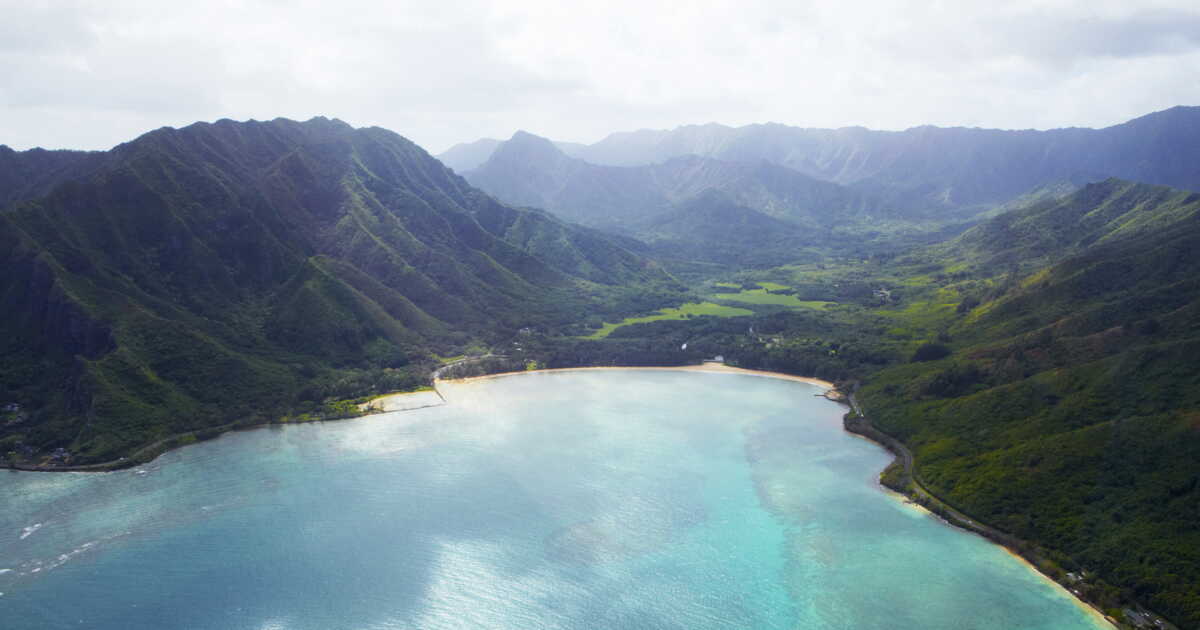
Oahu, often considered Hawaii’s gateway, presents a unique blend of urban life and idyllic beaches. Begin your day in Honolulu, the lively capital, by visiting the historic site of Pearl Harbor. Then head to Waikiki Beach for a surfing session or simply to soak up the sun. Do not miss the ascent of Diamond Head, a volcanic crater that offers a panoramic view of the island. For surfing enthusiasts, the North Shore is famed for its impressive waves, especially during the winter season.

2. Discover the Natural Beauty of Maui

The island of Maui, nicknamed the “Valley Isle,” is renowned for its breathtaking scenery. A must-see is the Hana Highway, winding along the island’s eastern coast and offering spectacular views of the ocean, waterfalls, and tropical forests. The sunrise from the summit of Haleakalā, a dormant volcano rising over 3,000 meters, is an unforgettable experience. Maui’s beaches are ideal for snorkeling, especially at Molokini Crater, a crescent-shaped diving site. During the winter months, don’t miss whale watching as humpback whales migrate through these waters.

3. Trek Kauai’s Trails

Kauai, often called the “Garden Isle,” dazzles with lush vegetation and preserved landscapes. Hiking enthusiasts will appreciate the trails along the Na Pali Coast, accessible only by foot, boat, or helicopter, offering jaw-dropping views of the towering cliffs. The Waimea Canyon, nicknamed the “Grand Canyon of the Pacific,” is another must for its striking panoramas. For a full immersion in nature, explore the island’s dense forests and hidden waterfalls.

4. Discover Hawaii Island’s Volcanoes and Diverse Landscapes

Big Island, or the Island of Hawaii, is famous for its active volcanoes. Visit the Hawaii Volcanoes National Park to observe Kilauea, one of the most active volcanoes in the world. Mauna Kea, a dormant volcano, is the island’s highest point and offers a unique opportunity to observe the stars thanks to the numerous observatories perched at its summit. For a different experience, explore the black-sand or green-sand beaches born from volcanic activity. Also enjoy the Kona region to taste the local coffee, renowned for its exceptional quality.

5. Immerse Yourself in Hawaiian Culture and History

Hawaii is not limited to its stunning landscapes; the archipelago also boasts a rich culture and history. Join a Luau, a traditional Hawaiian celebration, to discover local customs through dance, music, and cuisine. Visit traditional villages to better understand the Polynesian way of life. In Honolulu, the Bishop Museum and the Iolani Palace offer fascinating insights into the state’s history. Finally, take time to sample local specialties such as poke, a marinated raw fish dish, or tropical fruits.

In conclusion, Hawaii offers a multitude of varied activities that will satisfy all types of travelers, whether they are adventurers, beach lovers, culture enthusiasts, or nature lovers. Each island of the archipelago has its own identity and deserves to be explored. For visitors, it is an invitation to discover a place where the diversity of landscapes and experiences forms a harmonious and rich tableau.

Is Hawaii an Expensive Destination? Understanding the Cost of a Hawaii Stay

Hawaii is often perceived as a luxury destination, but with smart planning it is possible to fully enjoy its Waikiki beaches, sailing excursions, or hiking trails on Kauai’s stunning landscapes without breaking the bank. Key tips include booking in advance helicopter flights, accommodations in Hawaii, and boat excursions to explore the Napali Coast.

Fans of hiking and refreshing swimming can discover waterfalls, verdant cliffs, and protected areas such as the Honaunau National Historical Park at lower costs. Even incredible experiences like meeting a green sea turtle or discovering marine flora are accessible with a well-planned road trip in Hawaii. By following these budgeting tips and travel-smart advice, it is possible to enjoy the must-see places of Oahu and the Big Island without overspending.

Is Hawaii Worth It? An Unforgettable Experience in the Heart of the Pacific

Visiting Hawaii proves worthwhile at every moment thanks to its rich Hawaiian culture and its breathtaking landscapes. Between the Waikiki Beach, the green cliffs of the Napali Coast, and the Ho‘omaluhia Botanical Gardens on Oahu, travelers can combine trail hikes, short day trips, and half-day water activities.

The hula dance, flower leis, and visits to the official sites of the Hawaiian Island provide a total immersion in the local culture. Protected areas, viewpoints, and waterfalls guarantee an incredible experience, while hikers can enjoy accessible and safe trails. Hawaii blends perfect relaxation with adventure, making this American destination a place where every moment becomes memorable.

What is the Best Time to Visit Hawaii? Enjoy Ideal Weather for Your Activities

For an optimal stay in Hawaii, the best period depends on the activities you choose. The dry season, from April to October, is perfect for swimming, windsurfing, and sailing trips along the Napali Coast. The hiking areas on Kauai or Oahu are especially pleasant, and the marine life and green cliffs reveal themselves in all their splendor. Even during the rainy season, waterfalls and viewpoints remain accessible, and activities such as the hula dance or a visit to the Ho‘omaluhia Botanical Gardens offer rich experiences sheltered from the rain. Planning your road trip in Hawaii according to the weather conditions helps maximize the incredible experience of this island of Hawaii and enjoy all the must-see areas.

How Long Does It Take to Visit Hawaii? Optimize Your Stay to See It All

A stay in Hawaii can range from a few days to several weeks, depending on your pace and interests. To explore Oahu with the possibility of discovering Waikiki Beach, the Ho‘omaluhia Botanical Gardens, and the Honaunau National Historical Park, it is recommended to set aside at least five to seven days. Adding Kauai for its green cliffs and the Napali Coast, or the Big Island for its volcanic and cultural zones, requires several more days. Boat excursions, Hawaii road trips, and refreshing swimming activities should be planned to fully enjoy viewpoints, waterfalls, and marine life. Following these recommendations allows you to experience an incredible trip without rushing and to visit all the must-see spots of Oahu, Kauai, and the Big Island.

What to Do in Hawaii with Family? Activities for All Ages

Hawaii is ideal for a family getaway, offering activities for all ages. Children and adults can enjoy the refreshing swim at Waikiki Beach, the hiking trails across Kauai’s fascinating landscapes, or boat excursions along the Napali Coast.

The waterfalls, protected areas, and encounters with the green sea turtle are perfect for sparking the curiosity of younger travelers. Hawaiian culture unfolds through hula dancing, making flower leis, and visiting sites like the Honaunau National Historical Park. Even sailing excursions and helicopter tours are family-friendly, ensuring a safe and memorable road trip in Hawaii for everyone.

What to Do in Hawaii When It Rains? Indoor Activities and Rainy-Day Discoveries

Even in the rain, Hawaii offers numerous activities to make the most of your stay. The Ho‘omaluhia Botanical Gardens on Oahu allow you to explore tropical flora indoors, while cultural zones and museums provide a glimpse into Hawaiian culture. Short excursions to protected areas or visits to historic sites such as the Honaunau National Historical Park remain possible despite the weather. The hula dance, flower leis, and viewpoints accessible even in rain guarantee an incredible experience. By following essential tips and adapting activities, the rain in Hawaii becomes an opportunity to discover the Island of Hawaii from a different angle.

This article was drafted with the help of artificial intelligence, then corrected, expanded and validated by the journalists of the editorial staff.

Top 10 Must-Visit Places in Arles

Table of Contents


  • Discover the Arles Arenas

  • Stroll through the historic center

  • Explore the Réattu Museum

  • Discover the Camargue Natural Park

  • Visit the Ancient Theatre of Arles

  • Discover the Alyscamps district

  • Marvel at the Van Gogh Space

  • Taste Gardianne de Taureau

  • Visit Montmajour Abbey

  • Discover the Arles Antique Departmental Museum

Located in the Bouches-du-Rhône department, in the Provence-Alpes-Côte-d’Azur region, Arles is the largest commune in France by area, spanning over more than 75,893 hectares. A city of history, culture and natural landscapes, Arles has no shortage of assets to charm its visitors.

Discover the Arles Arenas

Situated in the heart of Arles’ city center, the arenas are the city’s must-see attraction. Built around 80 CE, these arenas now host numerous performances throughout the year, including Easter ferias. Surrounding shops and restaurants know how to delight visitors.

> Discover the artisanal activities of our partner in Montpellier

Stroll through the historic center

In Arles, enjoy the historic center and don’t hesitate to wander the cobbled streets. Shops and restaurants enliven the downtown area where life is pleasant and where Camargue specialties are to be tasted.

> If you want to discover in pictures the 10 things to do in Arles, head to our slideshow!

Explore the Réattu Museum

As the Fine Arts Museum of the city of Arles, the Réattu Museum will appeal to lovers of architecture and artworks. Built along the bend of the Grand Rhône, the Réattu Museum offers a unique view to contemplate. The museum houses a beautiful collection by painter Jacques Réattu, but also works by Vincent van Gogh, as well as various photography and sculpture exhibitions.

Discover the Camargue Natural Park

Created on September 25, 1970, the Camargue Natural Park is a site of European importance where one can discover nearly 276 species of birds. A natural space welcoming migratory birds, the park sees around 122,000 birds each year. Within the Camargue Natural Park, visitors can also discover the numerous pink flamingos, the Camargue salt flats, not to mention the Vaccarès pond, covering 13,117 hectares and classified as a protected area.

Visit the Ancient Theatre of Arles

Built under the reign of Emperor Augustus, the Ancient Theatre of Arles is among the earliest theatres of the Roman world. Classified as a historical monument since 1840, the Ancient Theatre of Arles draws visitors, though only two columns have survived out of the initial hundred, not to mention the splendor of the cavea ruins. Today, the theatre is open for visits and hosts numerous festivities during the summer.

Discover the Alyscamps district

Meaning Champs-Elysées in Provençal, the Alyscamps district is full of Gallo-Roman remains including Saint-Honorat Church and the Chapel of the Porcelets. The Alyscamps stroll is equally pleasant. The district has even been immortalized several times by painters Vincent van Gogh and Paul Gauguin.

Marvel at the Van Gogh Space

This expansive quadrilateral, formerly the Hôtel-Dieu, will become one of your favorite places in Arles. You will especially enjoy its flowering gardens and its cultural space that hosts exhibitions and other events through the Vincent Van Gogh Foundation. The Van Gogh Space also welcomes students from Aix-Marseille University and hosts numerous exhibitions, particularly during the Rencontres de la Photographie held this year from July 4 to September 26.

Taste Gardianne de Taureau

While visiting Arles, don’t miss sampling the local specialties. Take advantage of the many restaurants in the historic center to savor the famous Gardianne de Taureau. Among other Arles culinary specialties are fougasse, the Arlesian soup, Camargue rice, and raïto sauce.

Visit Montmajour Abbey

On the outskirts of the city of Arles, Montmajour Abbey bears nearly eight centuries of history and Provençal architecture thanks to its monuments from various eras. Visitors appreciate the charms of Hermitage Saint-Pierre, the Chapel Sainte-Croix in a clover shape, the Pons de l’Orme tower from the 14th century, not forgetting the Saint-Maur Monastery, dating from the 18th century.

Discover the Arles Antique Departmental Museum

Founded in 1995, the Arles Antique Departmental Museum aims to bring together all of Arles’ archaeological collections. From Prehistory to late Antiquity, this museum holds a diverse and history-rich collection. At the heart of the museum, also discover the Hortus garden, Roman-inspired, which delights children. A perfect family outing.

Discover the activities of our partner :

Excluding Non-IATA Agencies, Tensions in the Gulf: AERTiCKET Makes Group Bookings and Assistance Its Top Priority


© AERTiCKET

Dream Yacht


The decision by Air France to reserve TIGRE Web, its group booking platform, access for IATA-accredited agencies starting from July 1, 2026, further underscores the need for non-IATA agencies to rely on a solid partner capable of ensuring continuity and operational control.

A dedicated team and comprehensive management for all agencies

The AERTiCKET Groups service remains open to all agencies, IATA or non-IATA. Requests are submitted via the “Groups” tab, then handled by a dedicated team, expert in multi‑airline negotiations and operational follow-up.


AERTiCKET handles the entire dossier lifecycle:

• Tariff research and optimization,

• Tracking of options,

• Management of passenger lists,

• Early issuance to secure rates,

• Coordination with airlines in case of adjustments.

This organization enables agencies to maintain total commercial control, while relying on a reliable partner for the technical and operational aspects.


A market in flux that demands a solid partner

The restriction of access to TIGRE Web sits within a broader sector evolution: NDC, dynamic availabilities, price volatility, shorter option windows… Agencies must navigate a more complex environment where responsiveness and operational control become essential.

AERTiCKET responds to these challenges by providing a stable framework, harmonized processes and consolidated expertise, enabling agencies to secure their files while optimizing their margins.


Support that goes beyond pricing alone

In a market subject to rapid evolution, agencies need a partner capable of providing constant monitoring, including when international events disrupt airline operations. It is in these sensitive situations that the unified AERTiCKET France / CMS Vacances organization proves its full value.


Continuity of assistance: constant dossier tracking during tensions in the Persian Gulf

Recent tensions in the Persian Gulf have led to reroutings, flight plan adjustments and increased price volatility. For agencies, this implies a heightened need for visibility, anticipation and coordination.

AERTiCKET ensures total continuity of assistance, with constant dossier tracking and continuous operational vigilance at all times.


Specific monitoring for sensitive zones


Regular training to optimize the use of Cockpit and AER360

To facilitate the daily work of agencies and to allow them to fully exploit the tools at their disposal, AERTiCKET offers regular training sessions dedicated to Cockpit and AER360. These webinars help teams become more efficient and better anticipate complex situations.

The trainings offer the possibility to:

Discover the advanced features of both platforms,

Master the best practices for submitting, tracking and adjusting group requests,

Streamline operational management thanks to modules dedicated to passenger lists, options and issuances,

Use the integrated tracking tools to anticipate disruptions,

Simplify daily work through a more intuitive and more complete use of the interfaces.

These sessions, offered throughout the year, are suitable for both new users and teams wishing to perfect their mastery of the tools.


A clear ambition: to be the most reliable and closest partner for agencies

With its Groups service open to all, its unified organization, its ability to ensure continuous assistance and its tools that are constantly evolving, AERTiCKET France and CMS Vacances reaffirm their ambition: to offer agencies strong support, genuine proximity and top-tier expertise, whatever the market conditions.


Exclusion des agences non-IATA, tensions dans le Golfe : AERTiCKET fait des Groupes et de l'assistance sa priorité absolue
Websites:

– www.aerticket.fr

– www.cmsvacances.fr

Email: [email protected]

Phone: +33 (0)5 56 55 48 62/48 57

Follow us :
linkedin