Purple Gold Takes Over the World: Can It Dethrone Matcha?

In the Philippines, ube, the country’s emblematic yam, has become a highly strategic product. Highly valued for its softly vanilla-sweet flavor, its beautiful purple color, and its myriad virtues, it enchants consumers around the world, even supplanting the trend for matcha. In 2025, exports surpassed three million euros, more than twice the previous year, yet this clear success hides a serious problem. Production no longer keeps pace with demand as enthusiasm continues to rise.

“Our harvest is no longer enough. We are asked for two tons per month. How could we supply such volumes?”, summarizes producer Esmeraldo Maligsa to the South China Morning Post, Tuesday, June 30.

A lack of resources and development assistance

Rich in fiber and antioxidants, this root is found in smoothies, coffees, jams, pastries, or even ice creams in many countries. The main export markets are Canada, the Middle East and several Asian countries, but the United States, South Korea and Europe are accelerating orders. Starbucks, among others, has launched its own ube drink in several outlets across the Atlantic as well as in the Old Continent. Gradually, this local specialty is turning into a high value-added agricultural product, while Philippine producers are not oblivious to the difficulties on the ground.

There, farming remains largely manual and processing infrastructure is still insufficient. “We need machines, backhoes”, explains Esmeraldo Maligsa, who notes that the hilly lands of the island of Bohol complicate their work. “We were given a motor cultivator, but it cannot climb the steep terrains… We turn the soil by hand, which takes time”, he adds, exhausted.

On Saturday, June 27, the Philippine government announced a plan to structure the sector, with common standards, investments and tools adapted to exports. “Supply and organization struggle to keep pace”, concedes Undersecretary for Agriculture, Philip Young.

A food product soon to be protected

The authorities also want to better protect the origin of ube from Bohol. This month, Manila filed a request for registration of a geographical indication (GI) for its production. This measure would allow to “officially recognize the qualities, the reputation and the cultural heritage of the ube ubi kinampay of Bohol, intrinsically linked to the geography, the soil, the climate and the province’s traditional agricultural practices”, according to the Philippine Intellectual Property Office, which notes a “purple gold rush”.

This recognition would also help protect this variety against imitations from abroad. Esmeraldo Maligsa asserts that “many try to imitate our ube, but no one manages to reproduce its aroma”.

Researchers, however, remind that the future of the sector will also depend on its ability to sustainably boost production. Ube remains vulnerable to diseases, to climate fluctuations and cannot be harvested year-round. For expert Marlon Tambis, it will be essential to develop other varieties and new cultivation methods. “Relying solely on kinampay will not be enough to solve shortages”, he says.

What to Do in Edinburgh: 10 Must-Do Activities and Outings

1. Discover Edinburgh Castle

Edinburgh Castle is arguably the premier attraction in Edinburgh, looming over the old town from the summit of Castle Rock. This iconic site gathers centuries of Scottish history and guards treasures such as the Crown Jewels and the Stone of Destiny, emblematic symbols of royal authority. Guided tours let visitors explore the ancient royal apartments, military exhibitions, and, at designated times, witness the solemn firing of the noon gun, a sonic punctuation that lends meaning to a visit imbued with significance. With its high popularity, online ticketing is advisable to avoid the queues. It forms part of a genuine journey through Scotland’s world heritage.

2. Stroll along the Royal Mile

The Royal Mile, the central artery of the Old Town, connects two major historic landmarks: Edinburgh Castle and Holyrood Palace. This iconic cobbled street, flanked by medieval architecture, is an ideal place to discover independent shops, historic pubs, street performances, and several must-see attractions such as the St Giles’ Cathedral or the Real Mary King’s Close, a subterranean immersion into the city’s history. As a symbolic spine of the Scottish capital, the Royal Mile embodies Edinburgh’s cultural and tourist richness and serves as a hub for a variety of guided tours.

3. Explore Holyrood Palace, the royal residence

At the far end of the Royal Mile, the Holyrood Palace stands as Edinburgh’s royal heritage flagship. Official residence of the monarch in Scotland, this palace traces the history of the Scottish monarchy through its state apartments, artistic masterpieces, gardens, and the remnants of the medieval abbey. Entry grants access to a complete experience, enhanced by structured guided tours. Its proximity to other Edinburgh attractions, including the Castle, makes it easy to weave Holyrood into a packed cultural itinerary. This royal venue is a must for understanding the connections between power, land, and memory within the United Kingdom.

4. Admire the views from Arthur’s Seat

Climbing to Arthur’s Seat, an extinct volcanic hill just a stone’s throw from the city centre, affords unbeatable vistas of Edinburgh and its surroundings. This walk, listed among the top attractions, provides an ideal spot to watch sunrise or simply take in the city as a whole. The route is well marked, offering a moderate level of difficulty suitable for most visitors. Integrated within Holyrood Park, this natural ascent complements the visit to the Holyrood Palace and broadens the exploration of Edinburgh through the city’s distinctive topography.

5. Explore the National Museum of Scotland

The National Museum of Scotland, situated in the historic heart of Edinburgh, is a premier tourist draw offering free admission. It presents a broad panorama of Scottish past and present, combining historic masterpieces, scientific innovations, global cultures, and peculiar objects. The museum features interactive exhibits that make exploration accessible for all, including art enthusiasts and families. The building’s architecture, blending old and contemporary styles, harmonizes with the Old Town aesthetic, enhancing the site’s heritage appeal. Booking online is recommended for certain popular temporary exhibitions.

6. Visit Dean Village

Located a short walk from the Old Town, Dean Village is the perfect spot for a peaceful stroll away from the well-trodden tourist routes. This former milling village on the banks of the Leith River charms with medieval architecture, stone bridges, and narrow lanes. A favorite with photographers and visitors seeking a quiet moment near Edinburgh’s attractions, Dean Village offers a tranquil atmosphere and a heritage value tied directly to the industrial history of Scotland’s capital. It’s easily accessible on foot from the Stockbridge area.

7. Dive into the Harry Potter universe

Edinburgh has a strong connection to the world of Harry Potter, and many locations linked to the saga remain visible today. Guided tours offer routes through the places that inspired J.K. Rowling, such as the St Giles’ Cathedral, the Greyfriars Cemetery entrance, and Victoria Street, frequently cited as the model for Diagon Alley. Strolling the lanes of the Old Town, literature fans can trace the author’s footsteps, visit the hotel room where she finished her manuscript, and even climb stairs reminiscent of those to Hogwarts. To deepen the immersion, a stop at the Camera Obscura or the World of Illusions offers optical tricks and interactive effects in a playful setting related, in spirit, to magical imagination. This blend of urban exploration and playful activities creates a genuine journey into the Harry Potter world while weaving in Edinburgh’s must-see sights.

8. Enjoy the Princes Street Gardens

The Princes Street Gardens, set at the foot of Edinburgh Castle, provide a wonderful place to rest while enjoying breathtaking views of the city’s historic monuments. These public gardens, arranged in a former glacial valley, are a popular tourist draw, especially during the Christmas market that transforms the park into a festive village. You’ll also find the Scott Monument, a Gothic tower dedicated to writer Walter Scott, accessible to visitors with a ticket to ascend to the summit. The gardens integrate seamlessly into a day of sightseeing blending medieval architecture, culture, and nature in the heart of Edinburgh.

9. Sample the local cuisine

Edinburgh’s dining scene is marked by breadth and creativity, pairing high-quality local produce with contemporary flair. Traditional pubs serve iconic dishes like haggis, while several fine-dining establishments reinterpret local fare with innovative twists. Farmers’ markets in the Stockbridge district and seasonal stalls at the Christmas market offer Scottish specialties for tasting on the go. This culinary richness naturally pairs with a selection of regional whiskies, ideally complemented by a visit to the Scotch Whisky Experience for a deeper dive into the capital’s gastronomic heritage.

The Scotch Whisky Experience: tasting and heritage around whisky

Located on the Royal Mile, the Scotch Whisky Experience is a must-see for anyone wishing to understand the origins and production of Scottish whisky. The journey begins with a sensory, interactive introduction, followed by a gallery exploring distillation processes. The tour culminates in a guided tasting of several regional varieties, with the option to purchase on site. Accessible with an admission ticket, this activity gathers lovers of lifestyle, curious travelers, and aficionados of gastronomic heritage. It naturally fits into an itinerary that blends culture, medieval architecture, and local products, right at the heart of Scotland’s capital.

10. Attend a cultural event

Edinburgh is globally renowned for its dense cultural programming, anchored by numerous festivals throughout the year. The most famous remains the Edinburgh Festival Fringe, widely regarded as the world’s largest arts festival, hosting thousands of theatre, music, dance and visual arts performances every summer. This cultural rendezvous transforms each neighborhood into a temporary stage, weaving Edinburgh’s attractions into a living, participatory route. In addition, other events such as the International Book Festival or Hogmanay winter celebrations reinforce the city’s artistic identity, establishing Edinburgh as a true creative hub of the United Kingdom.

In short, whether you’re a history buff, a nature lover, a Harry Potter enthusiast, or a culture aficionado, Edinburgh has something for everyone. You’ll leave with memorable memories from your visit to this captivating Scottish city. So pack your bags and set off to discover its wonders.

How many days to visit Edinburgh in the United Kingdom?

To truly enjoy the Scottish capital of the United Kingdom, it is advisable to dedicate at least three to four days. This allows you to explore the Old Town, stroll down the famous Royal Mile to Holyrood Palace, visit Edinburgh Castle, and leave time for wandering the Princes Street Gardens. With three days, you can also scale Calton Hill for a sweeping panorama of the city. Naturally, a longer stay opens opportunities to explore nearby districts, the National Museum of Scotland, or undertake half‑day excursions.

What to do in Edinburgh when it rains?

Rain is common in this corner of the United Kingdom, but it should not spoil the experience. You can begin with the National Museum of Scotland, whose entry is free and which houses historic masterpieces. Then opt for an indoor guided tour at the The Scotch Whisky Experience to discover how Scottish whisky is made. The independent shops along the Royal Mile provide shelter and a pleasant shopping dimension. Finally, catch a show at a city-center venue or spend time at the Camera Obscura to extend your afternoon indoors with optical illusions and entertaining effects.

What to do in Edinburgh with kids? Fun and cultural activities for the whole family

The Camera Obscura & World of Illusions, located just a short walk from Edinburgh Castle, is a playful start to the day with optical games, special effects, and interactive exhibits. A few minutes away, the National Museum of Scotland, whose admission is free, offers galleries suited to younger visitors, mixing dinosaurs, science, and curious objects. A stop at Princes Street Gardens then lets families relax outdoors while admiring the Scott Monument. For a unique experience, the Scotch Whisky Experience also offers a child-friendly version focused on culture and production, without tastings. Finally, families seeking Harry Potter-related spots can join a themed guided tour passing by Edinburgh’s iconic landmarks.

What to visit in Edinburgh in a two- or three-day weekend to cover the essentials?

In two days, you can cover the Royal Mile, the Edinburgh Castle and its Crown Jewels, admire St Giles’ Cathedral, and finish the day with a sunset panorama from Calton Hill. The third day could be spent exploring the city’s free museums, such as the National Museum of Scotland, or enjoying an immersive experience at the Scotch Whisky Experience. A stroll through Princes Street Gardens, a taste of Stockbridge, or a wander down Circus Lane further enriches the itinerary.

This article was produced with the help of artificial intelligence, then corrected, expanded and validated by the newsroom journalists.

6 Breathtaking Scenic Hiking Trails for Your Summer Vacation

Summer often means vacation. While some prefer soaking up the sun by the pool, others choose to use their free time to recharge by reconnecting with nature through hiking. These active holidays are appealing to more travelers, but you still need to find the ideal place to indulge in this small pleasure. Fortunately for you, The Guardian recently highlighted six hiking trails across Europe that are worth a detour. All that remains is to pick your favourite.

Jungfrau, a mythical summit of the Swiss Alps

If you decide to tackle this hike, plan between 3 and 9 days to cover up to 119 km. Along the way you will encounter sparkling lakes, waterfalls cascading from fairy-tale valleys, and picturesque villages perched at dizzying heights. Another advantage: the entire route is served by an efficient network of postal buses, cable cars, mountain trains, and of course clearly marked trails, making progress stress-free and free to roam.

Summer is the best season to embark on a hike there, especially since trails are snow-free, huts are open, and the weather is typically stable. The new Cicerone hiking guide, The Bernese Oberland, recommends a 119 km circuit (in nine stages in the Jungfrau region, a stunning intermediate-level loop starting from the village of Grindelwald). Lodging is plentiful, and it is even possible to reserve hut spaces in advance.

Alpe Adria, a perfect blend of the Austrian Alps and Italian charm

To complete this hike of over 725 kilometers, plan between 7 and 9 days, or more. It begins at the foot of Grossglockner, Austria’s highest peak, and stretches to the Adriatic shores. If you don’t have enough time to finish it in full, a week in the Slovenian Julian Alps is an excellent alternative.

Despite breathtaking landscapes and more affordable prices than those in Switzerland or France, the Slovenian mountains tend to be quieter than other summer hotspots. It’s time to lace up your hiking boots and discover these marvelous vistas.

The Portuguese Way, ideal for reaching Santiago de Compostela

It’s wise to budget around two weeks to complete this trek and fully savor it. This coastal route leads all the way to Santiago de Compostela. The Portuguese Way to the tomb of Saint James is the third most frequented, offering a friendly atmosphere among pilgrims while remaining less crowded than the French Way. Atlantic breezes keep the air fresh, and there are plenty of chances to swim.

It crosses fishing villages and expansive stretches of golden sand, all the way to Caminha, where a boat can cross the Minho River to reach Spain. However, pilgrim inns in town cannot be booked in advance, so it’s wise to reserve hostels and private hotels ahead of time, especially in summer.

Along the Lech, a wild Alpine river between Austria and Germany

Plan between 7 and 10 days to complete this hike. This trail, rated easy to moderate, is the first to have earned the Leading Quality Trail label from the European Ramblers Association, guaranteeing the quality of its infrastructure and waymarking.

It follows the Lech from its source in the mountains, at 1,793 meters above sea level, near the Formarinsee lake in Austria, to the Lechfall waterfall in Füssen, in the Bavarian Alps of Germany, and is fully accessible from mid-June to early October. Along the way, numerous facilities line the route, including mountain villages offering comfortable accommodations, as well as historic churches and local artisans who keep traditions alive, from beer to cheese.

The Beara Way, a particularly immersive Irish hiking route

If the heat is hard to take, this hike is for you. The Beara Peninsula, in the southwest of Ireland, offers a true refuge from summer temperatures, softened by Atlantic breezes that bring a welcome natural coolness. Moreover, located below the more famous Dingle and Iveragh peninsulas, Beara partly escapes the crowds. The full Beara Way, starting and ending in Glengarriff, can be completed in about ten days.

You can also dedicate a few days to exploring a selection of the 15 circular hikes that make up the route. Among them, Ireland’s only cable car that crosses the sea to Dursey Island, for a 14.5 km loop around this largely desolate island, or the ferry crossing from Castletownbere to Bere Island, an open-air museum island housing Martello towers, cannon batteries, a lighthouse and a Viking-fortified harbor.

The impressive Kuststigen coastal trail in Sweden

A hike that will reveal Sweden like never before. The Kuststigen isn’t a continuous route along Bohuslän’s coast in western Sweden, but a collection of 44 well-marked stages, some linked together, others not, and most are easily reachable by ferry or bus.

The route highlights sapphire waters, pink granite outcrops, fishing villages with colorful façades, and part of the roughly 8,000 islands and reefs that make up this exceptional coastline. To enjoy a touch more serenity, it’s best to visit at the end of August or the beginning of September, or even in June, when temperatures stay mild and the coast is less crowded.

What to Do in California: 6 Outings and Activities in the Golden State

Whether you dream of cruising the Pacific Coast Highway, exploring the national parks, strolling in San Francisco, or enjoying the beaches along the Pacific coast, California offers a diversity of activities and landscapes that make it one of the most iconic destinations in the United States.

1. San Francisco, Los Angeles… Exploring California’s major cities

California, a vast land with many faces, stands as a major North American destination for any trip in the state seeking breathtaking landscapes and cultural diversity. In San Francisco, a city iconic both historically and technologically, the must-see Golden Gate Bridge towers over the bay while the Alcatraz Island offers a striking glimpse into the country’s prison past. Nearby, the Fisherman’s Wharf reveals a lively harbor world, ideal for sampling local specialties, before a dive into Chinatown, one of the oldest Chinese quarters in the United States.

Further south, Los Angeles unveils its icons: the Walk of Fame, the green hills of Beverly Hills, the street artists of Venice Beach, or the vintage shops of Melrose Avenue, blending glamour with urban buzz. Not far away, Santa Monica and its palm-lined beaches invite relaxation.

Continuing southeast, San Diego captivates with its Balboa Park, a true cultural and botanical hub, as well as its world-renowned zoo. Further off the coast, the Channel Islands archipelago and Santa Catalina reveal an intact natural beauty, cherished by nature lovers for its wild trails and protected wildlife.

Finally, to the north of the region, Sonoma Valley, the heart of California’s wine country, completes this journey with a touch of elegance and authenticity, confirming that every stop on a California trip promises an experience as enriching as it is diverse.

2. Roaming the National Parks

California stands out for the richness of its wild nature and the extraordinary diversity of its national parks, true jewels of North America. Yosemite National Park, a world heritage site, draws nature lovers with its grand panoramas, spectacular waterfalls, legendary granite cliffs, and giant sequoias.

At the far southeast of the state, Death Valley National Park reveals another facet of California’s natural beauty: vast aridity, gold dunes, and time-worn reliefs, in an atmosphere both rugged and fascinating. Not far away, Joshua Tree National Park captivates with its twisted trees, desert symbols, and distinctive rock formations that attract hikers and photographers alike.

These sites, among the region’s most spectacular, offer an unforgettable California journey, a blend of breathtaking landscapes and immersion in a preserved natural heritage where you can truly feel the spirit of wild California.

3. Traveling along the Pacific Coast

To take the Pacific Coast Highway is to offer oneself a California journey at the pace of the ocean, between rugged cliffs and exceptional panoramas, along one of the North American coastlines that’s among the most spectacular. The route from Los Angeles to San Francisco via Highway 1 is an essential experience, especially in the Big Sur region, where the breathtaking coast landscapes reveal themselves in all their natural beauty. There are numerous viewpoints, perfect for nature lovers seeking calm and wide open spaces.

Along the way, a stop in Monterey is worth it: its world-renowned aquarium captivates young and old, while the piers provide great spots to savor freshly caught seafood. Not far away, the beaches of Santa Catalina or the lively promenades of Venice Beach, with their street artists and vintage shops, further enrich the Californian coastal experience.

4. Discover Culture and History

California, beyond its breathtaking landscapes, stands out for the richness of its cultural heritage, embodied by a multitude of museums and major historical sites that dot the entire state. In Los Angeles, the Getty Center is an essential reference: its bold architecture and collections of European art offer a fascinating dive into the history of art, set on a site overlooking the city.

Further north, San Francisco celebrates innovation and contemporary creation through major institutions such as the Museum of Technology and Innovation or the Museum of Modern Art, which position the city as a leading intellectual and artistic hub in North America.

Close to the coast, the Mission San Juan Capistrano, located southeast of Los Angeles, recalls the Spanish colonial era, with adobe buildings and carefully kept gardens. This emblematic building, nestled in a setting of natural beauty, makes for a rewarding stop for any nature and history enthusiast traveling in California. These places, combining culture, memory and innovation, confirm California’s ability to blend modernity and heritage with balance.

5. Sample California Flavors

In the heart of California, the Napa Valley wine region stands out as a premier destination for wine tourism, worldwide for its picturesque vineyards and exceptional estates. A day trip into this valley lets you discover the elegance of Californian grape varieties while enjoying breathtaking landscapes where green hills and natural beauty blend harmoniously.

Not far away, Sonoma Valley, less crowded but equally high-quality, offers an authentic alternative to traditional circuits, ideal for a California journey focused on terroir. For gastronomy enthusiasts, the farmers markets of San Francisco are prime discovery spots, pairing fresh produce with a local vibe, while Los Angeles reveals the wealth of its cultural heritage through its Mexican neighborhoods, where one can savor traditional, characterful cuisine. These experiences, balancing refined tastings and tasty street food, reflect the culinary diversity of a city or state where every plate tells a story, enriching the California adventure in all its forms.

6. Go on Outdoor Adventures

California stands out as a vast playground for nature lovers and outdoor enthusiasts, offering a diversity of sports activities tied to its natural beauty and breathtaking landscapes. Along the Pacific coast, the beaches of Malibu and La Jolla are popular spots to learn or improve surfing, a quintessential regional activity.

Further north, the Tahoe mountains, straddling the California–Nevada border, provide wooded trails for summer hikers and renowned slopes for winter skiers, in a preserved alpine setting.

For those seeking thrills, paragliding at Torrey Pines, overlooking the coastal cliffs near San Diego, offers a view of the coastline from a unique angle.

These activities, spread across sea, mountains, and sky, illustrate the breadth of possibilities offered during a California trip, where each city, each park, and every corner from the southeast to the central coast becomes the setting for an accessible and memorable outdoor adventure in the heart of North America.

In conclusion, California offers a multitude of activities that will satisfy all travelers. Whether you are fascinated by natural landscapes, the dynamic culture of cities, or culinary experiences, this state has something to offer. The options are endless and depend only on your travel style and interests. Make your stay in California an unforgettable and enriching journey.

What budget should you plan for 15 days in California?

Planning a two-week trip to California requires a precise estimate of major expense items. For a 15-day stay, the average budget can vary between 2,500 and 4,500 euros per person depending on the season, accommodation choices, and the pace of activities. Between major cities like San Francisco, Los Angeles, or San Diego, distances are substantial, which implies renting a car or using internal flights. Accommodation can range from affordable hostels to charming hotels, including quirky lodgings in national parks or along the coast. You should also budget for must-do activities: a visit to Venice Beach, exploring Sonoma Valley, a crossing to Santa Catalina, or excursions to the Channel Islands archipelago. Gas, meals, park and museum entry fees add to the total. Costs can vary significantly if you explore Southern California or the wilder Southeast.

What to do in California with kids for an enriching and fun trip?

California is full of family-friendly activities. Theme parks like Universal Studios Hollywood or the San Diego Zoo offer full days of entertainment, blending education and spectacle. Balboa Park in San Diego presents a unique combination of museums, gardens, and playgrounds. Beaches like Venice Beach allow younger visitors to ride the waves in a relaxed atmosphere, while street artists captivate attention. Nature lovers will enjoy walks in coastal reserves or boat trips to Santa Catalina. With its breathtaking landscapes and diversity, California is an ideal destination for family vacations, combining natural beauty, discovery, and relaxation.

What to do in California when it rains without losing the essence of the trip?

Even in the rain, California offers a wealth of sheltered activities. Major museums like the Getty Center in Los Angeles or the Exploratorium in San Francisco allow hours of exploring art, science, or history. In Hollywood, families and cinema enthusiasts can discover behind-the-scenes aspects of the 7th art through studios and covered exhibits. For culture lovers, historic neighborhoods also offer vintage shops and cozy cafés to take shelter in. Finally, in northern cities like Sacramento, the capital of California, galleries and museums provide a rewarding alternative for rainy days.

What to do in California in the evening to extend the experience?

California evenings are as rich as they are varied. In Los Angeles, the Hollywood Walk of Fame comes alive after dark, as do cultural districts offering concerts, performances, or outdoor cinema. In San Francisco, the Griffith Observatory provides a striking view of the city and its lights. For a relaxed evening, seaside strolls along Venice Beach let you enjoy a bohemian vibe fueled by street artists. Finally, in the Sonoma Valley, evening wine tastings appeal to terroir enthusiasts. Whether one is fond of culture, nature, or nightlife, California meets all nocturnal desires.

Explore Southern California: what not to miss?

Southern California is full of iconic sites, balancing natural beauty with urban buzz. From Venice Beach to Santa Catalina, coastal landscapes provide an ideal playground for outdoor enthusiasts. Los Angeles, a sprawling city, offers immersion in cinema and alternative culture, while San Diego blends beaches, historic neighborhoods, and family attractions. The southeastern part of California, drier, reveals striking deserts and national parks, perfect for nature lovers.

What is the capital of California and what can be discovered there?

The capital of California, Sacramento, often sits off the usual itineraries, yet it deserves a visit for its historical and cultural richness. The city is notable for its Gold Rush heritage, its renovated downtown, and its museums, such as the California State Railroad Museum. Located between Napa Valley and the Sierra Nevada, it also serves as an excellent gateway to the stunning interior landscapes of California.

This article was written with the help of artificial intelligence, then corrected, expanded, and validated by the editors.

What to Do in Lebanon: 10 Exciting Outings and Activities to Discover

Cradle of ancient civilizations, the Lebanon offers a wide range of activities to explore, from its breathtaking natural landscapes to its rich cultural heritage. Every corner of this country hides unique experiences to be lived. When planning a trip, questions of safety and the best seasons to visit can also prove crucial. Thus, here is a guide to unmissable activities, while taking into account common traveler concerns.

First and foremost when traveling abroad, we remind you that it is useful to consult the Travel Advice provided by the Ministry of Foreign Affairs to know the security and health risks specific to certain areas, and the administrative steps to take before your trip.

1. Explore Beirut and its heritage

The capital, Beirut, is a dynamic starting point for a trip to Lebanon. Treat yourself to a stroll along the Corniche, wander through the districts of Gemmayze and Mar Mikhaël for a day rich in discoveries. These neighborhoods are worth a visit for their cafés and varied architecture, bearing witness to the city’s urban evolution. In the afternoon, the Beirut National Museum offers a glimpse into the country’s ancient history, from Phoenician times through the Ottoman era.

Beirut National Museum: a time voyage at the heart of Lebanese heritage

The Beirut National Museum is a must-stop for any stay in Lebanon. Its collections span the dawn of civilization and trace the country’s history from the Roman era to the present day. The significant archaeological remains are presented with rigor and clarity: sarcophagi, mosaics, statues and cult objects testify to the richness of Lebanon’s World Heritage. Located near the city center, this museum offers a didactic visit, accessible even to children, to understand the diversity of the Lebanese territory. An essential memory site, reflecting the country: rooted in its past, oriented toward the future.

Hamra Street: the beating heart of modern Beirut

The Hamra Street district, often described as a central and lively neighborhood of Beirut, reflects the vitality of contemporary Lebanon. Between shops, bookstores, galleries and little restaurants, the street comes alive from morning to night. It’s the ideal place to soak up the rhythm of a city with contagious energy. In the evening, the area attracts travelers curious about authentic Lebanese cuisine and a moment of relaxation away from the usual tourist circuits.

Raouche Rocks: a natural emblem of Beirut

The Raouché Rocks, or Pigeon Rocks, form a set of limestone islets sculpted by the sea, iconic to Beirut’s waterfront. Located north of Beirut, they are particularly appreciated at sunset. This site, a real postcard of the Lebanese territory, draws visitors seeking a moment of relaxation outdoors. Many terrace restaurants, including fish restaurants, allow you to enjoy the view in a unique atmosphere. A must-stop for any trip to Beirut, balancing nature and urbanity.

2. Travel through time in Byblos (Jbeil)

Byblos, one of the oldest continuously inhabited cities in the world, overflows with historical narratives. Visit its ancient port, Phoenician and Roman ruins, and wander the lanes of the souk. The atmosphere is steeped in history, transporting visitors across the ages. For a deeper immersion, plan your visit during the summer cultural festival, where local heritage meets contemporary artistic expressions.

3. Marvel at the Baalbek ruins

Nestled in the Bekaa Valley, the ruins of Baalbek host some of the grandest Roman temples ever built. The temples of Jupiter and Bacchus impress not only by their scale but also by the meticulous craftsmanship. Setting aside half a day to explore allows you to fully appreciate the splendor and mysteries of these ancient sites.

4. Discover the natural splendor of Jeita Grotto

The caves of Jeita, located a few kilometers from Beirut, are a natural wonder to explore. Their limestone formations and the underground river captivate visitors of all ages. The caves are divided into two sections accessible by a cable car, a boat and a small train, creating a diverse experience for explorers.

5. Hike in the Kadisha Valley

For a nature escape, the Kadisha Valley is an ideal destination. It houses ancient monasteries tucked into the rock and offers panoramic hiking trails. Travelers seeking peace and contemplation find refuge in this valley, known for its biblical landscapes and spiritual retreat sites.

6. Stroll among the Cedars of Lebanon

Also known as the Cedars of God, these majestic trees symbolize Lebanon. A hike in this ancient forest allows you to appreciate the richness of the local ecosystem. Depending on the season, the cedar landscape transforms, sometimes donning a breathtaking snowy gown in winter, or a carpet of golden leaves in autumn.

7. Visit Sidon (Saida) and its rich past

In Sidon, dive into a blend of cultures and explore the Sea Castle. This maritime fortress dates back to the Crusader era and has dominated the Mediterranean for centuries. Sidon’s souks are also worth a detour for their authenticity, offering spices, textiles and traditional craftsmanship.

8. Discover the Umayyad ruins of Anjar

To the east of the Bekaa valley, Anjar offers a different perspective on Lebanon’s rich past. This site, the ruins of an Umayyad city, presents valuable urban planning insights for understanding ancient Islamic architecture.

9. Explore the Chouf region

The Chouf is dotted with green landscapes and picturesque villages such as Deir el Qamar and Beiteddine. The Beiteddine Palace, in particular, is a splendid example of 19th-century Lebanese architecture. The Chouf is also an ideal area for nature activities such as hiking and birdwatching.

10. Zaitunay Bay: the modern showcase of today’s Beirut

Located in Downtown Beirut, Zaitunay Bay is a seaside leisure and dining complex. This marina lined with restaurants, cafés and promenades stretches along the waterfront, offering a relaxing moment after a visit to the historic districts. Practical information points to restaurant prices ranging from budget to more upscale addresses. The place attracts families, travelers and locals seeking a unique atmosphere, especially at sunset, when the light reflects on the yachts and the modern façades. Just steps away, the Martyrs’ Square and the Dame du Liban remind us of the delicate balance between memory and modernity in the Lebanese territory.

In conclusion, Lebanon is a land of contrasts and diversity, combining modernity with ancient traditions. Each region offers a different facet to explore, making every visit unique. Visitors are invited to immerse themselves in the country’s history, nature and culture, while taking into account local safety guidelines.

Is it possible to visit Lebanon today?

Yes, it is possible to visit Lebanon, but the political and economic context requires good preparation before departure.

The practical information provided by the Quai d’Orsay or by embassies helps tailor a stay in Lebanon with caution. Entry formalities require a valid passport: if the passport is expired, entry to Lebanese territory will be refused, so you should verify its validity before buying your plane tickets.

Despite regional tensions, Lebanon continues to attract travelers curious about its ancient cities, its World Heritage and its millennial culture.

Is it prudent to go to Lebanon right now? Understanding the situation before you depart

Whether it is prudent to go to Lebanon at this moment depends on the area you plan to visit and the geopolitical context. Regions in southern Lebanon or the Bekaa plain may be discouraged, while Beirut, Byblos or the Chouf mountains remain accessible under certain conditions.

It is therefore essential to consult up-to-date practical information before any departure. The Lebanese territory, though tested, remains a country with intense energy, remarkable places of worship and sincere hospitality. By adopting a respectful and informed attitude, discovering the country remains possible and enriching, in a spirit of informed prudence.

What is the best time to go to Lebanon? Between the Mediterranean climate and mountain coolness

The best time to visit Lebanon runs from May to October, when the temperate climate makes it easy to explore the coast and the heights of Mount Lebanon, avoiding the intense heat of July and August.

This period offers ideal conditions to enjoy the seaside, the fish restaurants in Byblos or walks in the Cedar Forest, the emblem of Lebanon. In summer, the Chouf mountains or the Barouk Biosphere Reserve provide a natural summer residence, while autumn invites discovering the important archaeological remains of the city with Assyrian influences, Baalbek. Each season reveals a different face of the country, between a northern port city, a city of modern energy and preserved nature.

Where is Lebanon? A crossroads of civilizations between the Mediterranean and the Middle East

Lebanon sits on the eastern shore of the Mediterranean, between Syria to the north and east and Israel to the south. This Lebanese territory, modest in size, stretches between sea and mountains, forming a geographic and cultural link between Europe and the Middle East. The Mount Lebanon, which runs through the country from north to south, dominates the great plains and shelters historic villages. The capital, Beirut, lies on the coast, to the north of Beirut extends the region of Tripoli, while the south of Lebanon reveals another, more rural facet. This position, off the coast of Tripoli and near Asia, fostered the early stages of civilization and makes the country a mosaic of influences, between Roman era, Byzantine heritage and Mediterranean modernity.

What to do in Lebanon with kids? A mix of nature, culture and easy living

Traveling to Lebanon with children allows for a blend of cultural discovery and moments of relaxation. Cities like Byblos, a World Heritage site, offer lively lanes perfect for family strolls, while the Cedars forest or the Pigeon Cave awaken their natural curiosity. Young children will enjoy visiting the Beirut National Museum, which presents important archaeological remains in a playful way. As a family, a fish restaurant or a casual dining spot along the coast, from Beirut’s city center to Zaitunay Bay, lets you taste Lebanese cuisine while enjoying a sunset over the Maritime Sea. A welcoming experience, blending heritage and simple pleasure.

This article was written with the help of artificial intelligence, then corrected, expanded and validated by the newsroom journalists.

Taiwan: Seaweed Harvesters Await the Next Generation as Youth Flee to the Cities

At 72, Wu Feng-chiao, one of the last people in Taiwan who harvests seaweed to transform it into jelly, remains unfazed by the waves crashing over her. “It can be painful and dangerous”, acknowledges the septuagenarian who has spent more than half a century gathering seaweed along the rocky Pacific shoreline.

When this generation of “hainu”, or “sea women”, can no longer continue, this activity risks fading away. Young Taiwanese prefer to live in the city rather than in the island’s remote northeast. A choice that astonishes Wu Feng-chiao. “When you have that in your blood, you naturally want to learn, don’t you?”, she wonders in her Magang village.

At the eastern edge of the coastline, the “sea women” pile up the “stone flowers” — the name given to this alga in Taiwanese and Mandarin — in nets. They then return home carrying heavy sacks, spread the seaweed on the ground, and remove impurities.

Under the sun, they take nearly four days to dry completely, before being washed several times and boiled to extract the gelled substance known as agar-agar.

Once dried, 300 grams of algae of the Gelidium genus can yield about fifty bottles of a refreshing agar-agar-based drink, sold for around $1.30 (1.14 euros) apiece. Floating near the shore with a mask and a wetsuit, Ms. Wu enthusiastically shares the lessons drawn from decades of practice. Her father passed this knowledge on to her when she was a teenager. “Seaweed grows around the big rocks — when there are big waves, you have to move away quickly” to avoid them, she explains.

Resisting Real Estate Developers

“If a wave hits you, you can be injured”, she warns. She carries her bag of about 20 to 25 kilograms on her narrow shoulders, as she walks on steep and slippery rocks. “It’s a hard job (…) the toughest part is bringing the seaweed back. They’re very heavy and the shoulders hurt afterward”.

Their activity, a relic of Japanese colonial rule, is similar to that of the “haenyeo,” free divers from South Korea, though Taiwanese women do not venture as far underwater. Today, only four women still regularly harvest the “stone flowers” in Magang village, according to Ms. Wu, and all are over 70 years old.

“How many more years can we go on? We really hope that young people will return and take up the torch”, she worries. “We do not want this tradition to disappear”.

Beyond social shifts, the seaweed itself is becoming scarce, “especially this year”, notes Ms. Wu without offering a cause. Real estate developers have begun to build in this peaceful coastal village, but “we continue to resist them”, she asserts. “If we are all forced to leave, there will be only a handful of people left”.

In 2018, the inhabitants founded the Sandiaojiao Cultural Development Association to preserve Magang’s stone houses and keep the hainu tradition alive. Despite the obstacles, Ms. Wu is far from giving up. “Sometimes, I simply can’t resist. Like yesterday, I hadn’t planned to go, but when I saw how calm the sea was, I couldn’t help myself”.

Things to Do in Ethiopia: 10 Top Activities

Ethiopia, located in the Horn of Africa, is a country steeped in history and boasting a variety of landscapes. From the historic sites of Addis-Ababa to the rugged heights of the Simien Mountains, this destination never ceases to spark the curiosity of travelers. Yet many still wonder what to do in Ethiopia to make the most of their stay. Here is a detailed guide to exploring this fascinating land, with a flexible 10-day itinerary between Addis Ababa and Lalibela.

1. Exploring Addis Ababa

Addis Ababa, the vibrant capital of Ethiopia, is an ideal starting point for your journey. Visit the National Museum, where you can encounter Lucy, the famous australopithecine. Continue to the St. George’s Cathedral, an outstanding Ethiopian Orthodox structure noted for its architecture. For an immersion into local life, the Merkato is one of Africa’s largest open-air markets, offering a sensory experience like no other. End your day with a panoramic view from Mount Entoto to discover the city’s expanse.

2. Discover Lalibela’s Wonders: Its Rock-Hewn Churches

Lalibela is often regarded as Ethiopia’s Jerusalem due to its rock-cut churches. Carved into the rock in the XIIth century, these religious structures are UNESCO World Heritage Sites. A visit to the churches of Bet Giyorgis and Bet Medhane Alem offers a spiritual and architectural experience like no other. Be sure to explore these sites at sunrise to take advantage of the soft light that bathes the ancient façades.

3. Delving into Gondar’s History

Heading toward Gondar, you will encounter the Fasil Ghebbi royal palaces. Built in the 17th century, these fortresses bear witness to the former glory of Ethiopian emperors. Not far away, the church of Debre Berhan Selassie is renowned for its well-preserved murals, depicting religious scenes and angels with bright eyes.

4. Trekking in the Simien Mountains

For hiking enthusiasts, the Simien Mountains offer spectacular trails, ideal for observing endemic wildlife. The landscapes include craggy plateaus and deep valleys where gelada baboons, a species unique to this region, reside. A trek through this mountain range is not only a physical adventure but also an opportunity to appreciate a one-of-a-kind biodiversity.

5. An Extreme Adventure in the Danakil Depression and a View of Erta Ale

Located in northeastern Ethiopia, the Danakil Depression is one of the harshest environments on earth. It is famous for its volcanic landscapes, notably Erta Ale, an active volcano, and the Lake Assale, known for its saline formations. The site of Dallol enchants with its vivid colors and geological formations. Prepare for extreme temperatures and travel with an experienced guide.

6. Meeting the Tribes in the Omo Valley

The Omo Valley is renowned for its cultural diversity, hosting several tribes such as the Mursi and the Hamer. This region offers a unique chance to discover age-old traditions and ancestral ways of life. In particular, bead-making and ritual ceremonies are standout cultural experiences.

7. Savoring Local Flavors

Ethiopian cuisine is an attraction in its own right. Dive into a plate of injera, a teff-based flatbread often served with a variety of spicy stews such as Doro Wat. Ethiopian coffee is a tradition to be savored, renowned for its rich flavors and unique preparation method.

8. Visiting Historic Sites in Axum

Axum is often considered the cradle of the ancient Ethiopian civilization. This archaeological site is famous for its massive obelisks and fields of stelae. It also houses the Church of Saint Mary of Zion, which tradition says shelters the Ark of the Covenant. This place is a fascinating blend of legends and millennia-old histories.

9. Immersion in Addis Ababa’s Nightlife

For those seeking to explore urban life, Addis Ababa offers a lively nightlife scene. Between restaurants, bars, and clubs, the city resonates with vibrant music blending traditional and modern influences. Try popular spots to feel the nocturnal buzz.

10. Travel Safely and Responsibly

Before traveling to Ethiopia, educate yourself on the current safety guidelines. It is advisable to travel with a local guide and monitor updates about the political situation. Respect local traditions and minimize environmental impact to reinforce an ethical adventure. Consider practical aspects, such as required vaccines and information on local transport, to ensure a smooth trip.

Ethiopia is a destination that impresses with its natural and cultural diversity. From Addis Ababa to Lalibela, via the Simien Mountains and the Danakil Depression, every leg of this 10-day itinerary will lead you to discover the wonders of this country. With careful preparation, both logistical and cultural, your journey will be rewarding and safe.

Is It Safe to Travel to Ethiopia for a Cultural and Natural Trip?

Questioning the safety of a trip to Ethiopia is legitimate, given the country’s wealth of heritage and the diversity of its regional contexts. Certain areas carry specific recommendations, while other regions, such as Bahir Dar or Gondar, can remain accessible under conditions and welcome visitors.

On the Danakil camel caravan route, hot springs and intense volcanic activity attract researchers as well as curious travelers, but require professional guidance. The north of the country, with the Lalibela churches or the palace ruins of the ancient kingdom, shows relative stability, while the south of Ethiopia, marked by endemic species and winding roads, offers spectacular landscapes to those ready to adapt to local conditions. It is recommended to carefully plan your itinerary, regularly check safety updates, and work with experienced operators. Ethiopia, cradle of humanity, remains a land of exceptional wonder, at the crossroads of people, cultures, and ancient cities.

Is Life Expensive in Ethiopia for a Well-Planned Stay?

Evaluating the cost of living during a trip to Ethiopia involves weighing the contrasts between urban centers and rural areas. In the city of Addis Ababa, nicknamed the New Flower, accommodations, dining, and transportation offer an affordable price-quality ratio, though there are notable disparities depending on neighborhoods and services.

Just minutes from the center, the city markets offer fresh and artisanal goods at modest prices. In historic towns such as Harar, where the narrow streets still harbor the memory of the mythic Arthur Rimbaud, or near the Lake Tana, hot springs and the baths of Fasilidas exist with manageable costs. At higher elevations, on the high plateaus, or in the Simien National Park, reached via winding roads, logistical costs can rise due to remoteness and transfer complexity.

For nature lovers, tracing the paths of the Abyssinian wolf or the mountain nyala requires specialized guidance, but remains accessible. A well-planned stay, incorporating car rental, cultural stops, and immersion in the Ethiopians’ cities, allows you to manage the budget while discovering a true paradise shaped by unique geological features and the memory of the early humans.

This article was drafted with the help of artificial intelligence, then corrected, expanded, and validated by the editors of the newsroom.
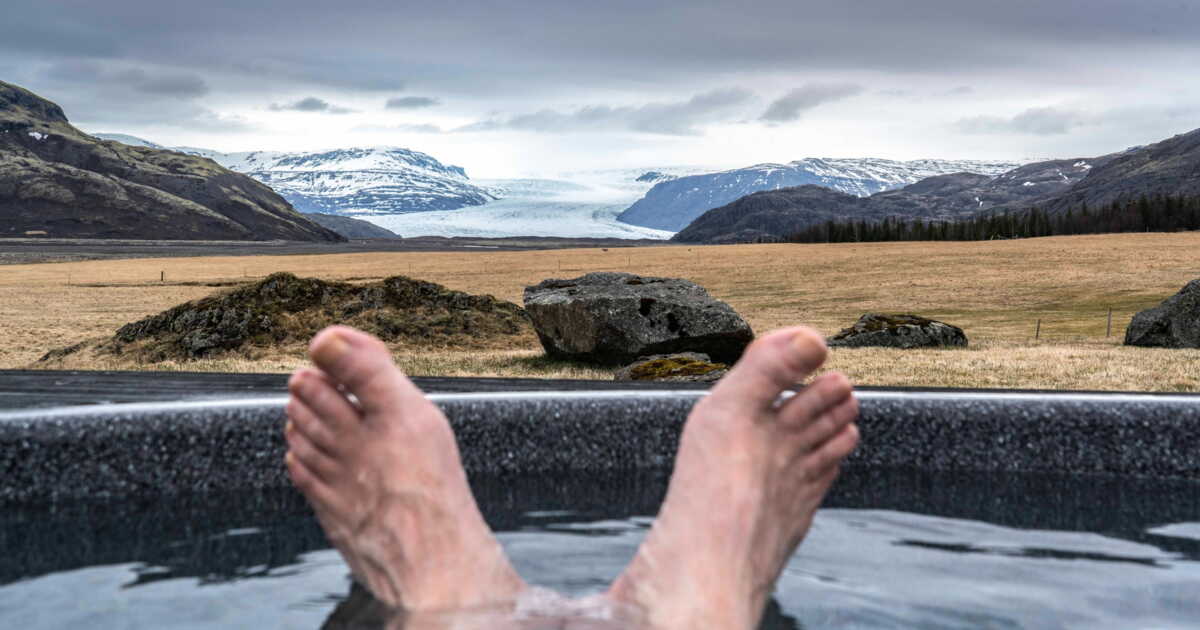
An Extraordinary Garden Beneath the Antarctic Ice

Summary


  • A World Full of Mysteries


  • An Unknown Ecosystem Beneath the Surface


  • Without Assistance, the Smallest Incident Can Be Fatal


  • In the Storm, the Sailboat Begins to Take on Water


  • The Click of Crustaceans


  • A 50-Branch Starfish!


  • Under the Ice, a High-Risk Mission


  • All Hands on Deck: Diver in Danger!


  • Keeping Krill Fishermen at Bay


  • Double Threat to the South

That may be a small step for Ghislain Bardout, but a giant leap for science. Clad like an astronaut in a heavy, thick yellow suit, the explorer leaps from the deck of the schooner Why to dive into the icy waters along the stark and pristine edges of the Antarctic peninsula. Accompanied by Italian biologist Lorenzo Bramanti, the 45-year-old Frenchman slowly sinks, with every kick of his fins, into the twilight glow of the Southern Ocean. The first meters are obscured by clouds of algae that blur the view.

Then the waters thin out, and at about a hundred meters depth, under the beam of the projectors, a magnificent reef gradually comes into view, multicolored as if painted by a child: bright orange sponges rising like crenellated towers on the rocks; lemon-yellow corals and pale pink gorgonians swaying with the current; shrimp and fish weaving through the countless crevices of these underwater thickets; clearings dotted with stars and sea snails, and a profusion of shells… The two divers have just discovered an underwater forest “richer in form and color than anything I could have imagined, recounts Ghislain Bardout, returning to the ship. Like a tropical coral reef, but buried under the ice.

A World Full of Mysteries

To study this unsuspected world, hidden in the chill of the Southern Ocean, fifteen adventurers set out in December 2025 from Ushuaïa (Argentina) and steered toward the Antarctic Peninsula, where the Why cruised for nearly three months. This expedition is part of Under The Pole, an initiative serving science and nature preservation launched in 2008 by engineer and explorer Ghislain Bardout and his wife Emmanuelle, a former crewmate of Jean-Louis Étienne. The two French have already dived in the Arctic and as far as the reaches of Polynesia, but this Antarctic odyssey is likely among their most extreme and ambitious ventures: to venture into icy underwater realms that no human has ever beheld, down to 130 meters depth, with no possibility of rescue…

An Unknown Ecosystem Beneath the Surface

What to Do in France: 5 Must-Do Outings and Activities

France, a country of a thousand faces, is a premium destination for travelers seeking a harmonious blend of culture, history, and nature. With its varied landscapes and rich heritage, it offers a multitude of unforgettable experiences. Here are some suggestions to enrich your stay in France.

1. Explore the natural wonders of Auvergne-Rhône-Alpes

Exploring the natural wonders of Auvergne-Rhône-Alpes presents a unique opportunity to grasp the diversity of the French territory through remarkable excursion spots, ranging from breathtaking panoramas to hiking trails suited for all levels. From the striking silhouette of Mont Aiguille to the heights of the Mont Blanc, the Alpine ranges provide a grand, nature-immersive experience in a preserved environment.

Further south, the Ardèche Gorges invite you to discover a beautiful region shaped by erosion, suitable for water activities and contemplation. Auvergne-Rhône-Alpes is also a favored stop for slow tourism enthusiasts.

2. Dive into history in Brittany

Diving into Brittany’s history allows you to blend patrimonial richness with immersion in a varied natural setting. From the corsair city of Saint-Malo, with its formidable ramparts and tales of pirates, to the fascinating Côte de Granit Rose, the region offers a succession of excursion spots where geology becomes spectacle.

Further south, the Golfe du Morbihan unfolds its calm waters and archipelago, ideal for gentle sailing. This southwest region, though Atlantic-facing, shares with the Baie de Somme and the Camargue a wonderful discovery of natural heritage, a commitment to showcasing miles of coastline dotted with hiking paths and stunning viewpoints.

3. Discover Provence-Alpes-Côte d’Azur

The Provence-Alpes-Côte d’Azur region stands out for its ability to bring together on a single territory breathtaking panoramas, prestigious vineyards, and iconic excursion spots. From the Verdon Gorge to the Calanques of Cassis, the rugged landscapes offer a variety of hiking trails ideal for exploring the Mediterranean ecosystems, accompanied by the chirping of cicadas in the background.

The Camargue, emblematic delta region of the Rhône, is a striking destination for any traveler seeking a memorable discovery. Nearby, the lavender landscapes of the Valensole plateau are a must-see.

4. Admire the emblematic sites of Normandy

To admire Normandy’s iconic sites is to traverse France’s history through a spectacular geography, ranging from the village of Rocamadour to Roman bridges and natural marvels. The Mont-Saint-Michel, a spiritual and architectural landmark, towers at the heart of a bay stretching for kilometers, offering an essential stop on any heritage itinerary.

Further north, the Étretat cliffs bear witness to a remarkable geological excursion site, where the heights are appreciated from the white chalk cliffs that loom over the English Channel. In this panorama, Normandy echoes with sites of the Loire Valley or the Orgues d’Ille, through its inclusion in a landscape reading of the national memory.

5. Absorb art and culture in Paris

Paris, the vibrant heart of French culture, condenses, within a few kilometers, an impressive array of historic and artistic excursion spots, where one passes seamlessly from the Sacré-Cœur to the Arc de Triomphe, crossing centuries and styles.

As a true world capital of heritage, the city sits within a historical continuity embodied by the Château de Versailles, whose 17th-century splendor still resonates in the salons and classical gardens. In a slow-tourism-inspired approach, the capital also lends itself to gentle experiences, such as strolls along the banks of the Seine or river itineraries.

Where to go in France with a small budget? Discover the country differently, between heritage and simplicity

Traveling in France on a tight budget does not mean sacrificing quality or discovery. The country offers a variety of accessible destinations where tourism in France blends authenticity with cost control. Rural regions, such as inland Brittany, Auvergne, or Périgord, allow exploring areas rich in culture and gastronomy without excessive expenses. Well-located inns, gîtes, and campsites provide simple yet inviting comfort. Regional transport, local markets, and hiking routes facilitate a slower and more economical approach to travel. Traveling on a small budget in France also means rediscovering the value of nearby heritage, far from overly touristed circuits.

What is France’s most beautiful place to visit? A country of plural beauties

Seeking the most beautiful place to visit in France means confronting the diversity of a territory with many faces. France cannot be reduced to a single image: it is a mosaic of landscapes and cultures. From the cliffs of Normandy to the Calanques of Provence, from the perched villages of the Lubéron to the snowy peaks of the Alps, each region expresses a unique beauty. Paris seduces with its universal heritage, yet the Atlantic coasts, the Dordogne, or Corsica embody other forms of elegance and authenticity. The most beautiful place in France therefore depends on the relationship each person has with nature, history, or gastronomy.

Where to vacation in France? Between coast, mountains, and the art of living

Knowing where to spend your holidays in France depends on each traveler’s desires. The coastline offers contrasting experiences: the Atlantic with family-friendly resorts, the Mediterranean with historic ports, and the Channel with soothing landscapes. The mountains, from the Pyrenees to the Alps, welcome hikers, nature enthusiasts, and fans of high-altitude sports, while the wine regions — Burgundy, Alsace, or Bordeaux — allure with their way of life. France stands out for the density of its tourism offerings, able to combine culture, cuisine and relaxation.

This article was written with the help of artificial intelligence, then corrected, expanded, and validated by the editors of the desk.

French Families’ Holidays Have Significantly Changed, Survey Finds

Family vacations are evolving, even though certain common beliefs stubbornly persist. This is demonstrated by the 2026 Family Travel Barometer, conducted with 1,100 respondents by Voyage Family. The study paints a portrait of French families who are more demanding, more connected, and willing to make compromises to keep traveling, despite a challenging economic context, with very clear gaps between generations, social categories, and income levels, particularly in the face of artificial intelligence and destination choices.