At the extreme northeast of Norway, trails allow walkers to approach the Russian border as closely as possible. But behind the landscapes of boreal forests and tundra, hikers discover a territory where cameras, lookout posts, and military patrols remind how sensitive the place is. For several years now, this 198-kilometer border has drawn more visitors, notably cruise ship passengers. A tourist curiosity that takes on a very particular dimension here.
A border turned into a tourist attraction
In Kirkenes, a small town near the meeting point of Norway, Finland, and Russia, the border has become one of the curiosities offered to travelers. Several operators run guided walking excursions in the area, notably along the Pasvik River. One route lasts about three hours and leads to Russehøgda, a summit overlooking the Storskog border post, the only land crossing allowed between the two countries.
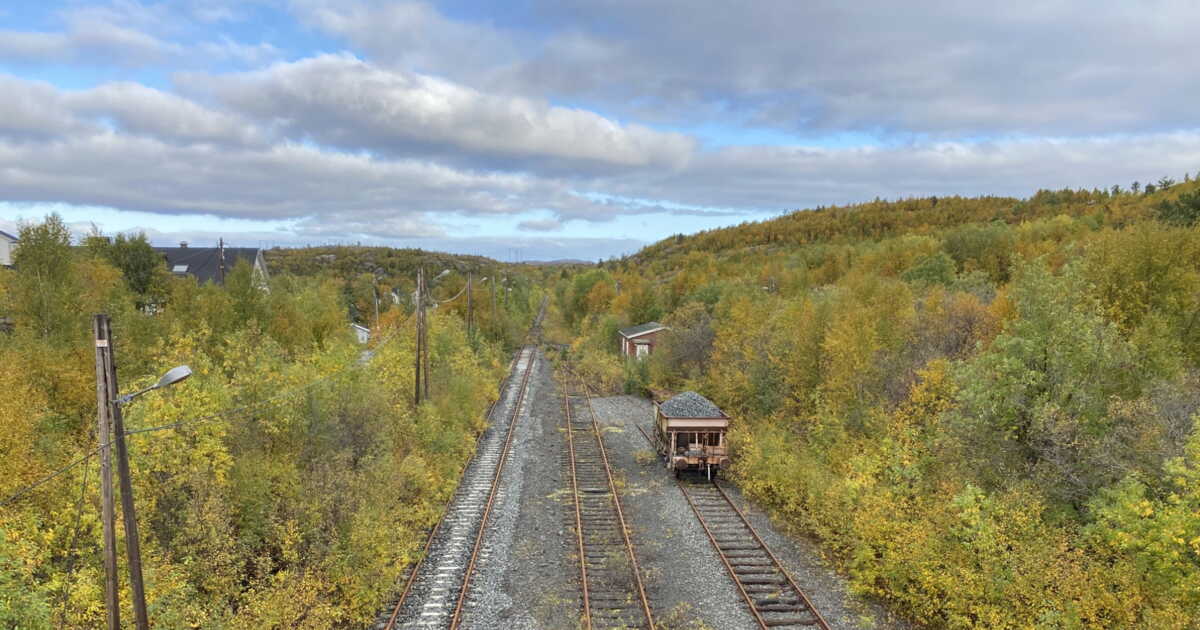
The hike first passes through a birch and conifer forest before reaching a cleared forest belt eight meters wide. This strip marks the border area and visitors are not allowed to venture into it. Yellow boundary posts on the Norwegian side and red ones on the Russian side mark the international boundary.
Security has tightened since Russia invaded Ukraine in 2022. Visitors may notice cameras installed in trees, observation posts, and military patrols. Some rules are particularly strict: it is notably forbidden to photograph soldiers, to touch or climb the border posts, or to throw objects toward Russia. Hikers must also carry their passports with them.
For Henrik Hoffmann, a guide stationed in Kirkenes since 2021, this particular atmosphere is part of what makes the excursion appealing. “Many older travelers are especially interested because they remember the Cold War and have followed the relations between Europe and Russia for decades,” he told the BBC. According to him, the hike also helps visitors grasp concretely what it means to live near this border.
The interest of visitors, in fact, has grown in recent years, after an initial decline in tourism following Russia’s invasion of Ukraine. Havila Voyages has offered excursions in this region since 2000, while Hurtigruten also organizes a border visit, which includes, among other things, a World War II-era anti-aircraft shelter.
In the Footsteps of a Turbulent History
Yet this border is not limited to its present surveillance measures. Across the Kirkenes region, traces of a long-shared history among Norwegians, Finns, and Russians remain visible.
In the town, some streets indeed bear signs in both Norwegian and Russian. A monument also commemorates the liberation of Kirkenes by the Red Army in 1944, after the Nazi occupation. At the Borderland Museum, visitors can discover the relations that have shaped this border region over generations.
Further on, the Pasvik River winds a sinuous course before skirting the Boris Gleb Orthodox Church. Dating from the 12th century, the building played a role in defining the modern border, established about two centuries ago.
From the heights of Russehøgda, the contrast is striking. Tundra and forests spread around the hiker, while the facilities of the Storskog post appear in the distance. A few vehicles continue to cross the border daily, even if recreational crossings have diminished.
And despite the increasing crowd of visitors, fewer locals seem to take these paths. “You don’t see many Norwegians here,” notes Henrik Hoffmann, before suggesting that this might be a classic case of a population that explores less of its own surroundings.
The hike therefore offers much more than a stroll through Arctic landscapes. Just meters from the posts that separate Norway and Russia, the scenery constantly reminds us that this part of Europe is also a space where history and geopolitical tensions remain very concretely visible.
When you book a flight, you may be tempted to choose Paris-Beauvais Airport instead of Orly or Charles de Gaulle because of a more attractive price. Yet, Paris-Beauvais Airport is located about one hundred kilometers from the capital, roughly a 1 hour 30 minute drive. While many French people know the quirk of this airport in the Oise region, there are several airports in Europe that are not situated in the immediate vicinity of the city they serve, as noted by the Daily Mail.
When booking your tickets for a trip to London, Stockholm or Barcelona, you may face the unpleasant surprise of having to spend a few extra hours of travel before reaching your final destination. So even if the price of the plane ticket seems cheaper, this saving can quickly be erased by a long, unforeseen shuttle or taxi ride. Consider estimating the cost of the additional journey against the savings from the flight to see if it is really worth it.
The Frankfurt-Hahn Airport
If you plan to visit Frankfurt like millions of fellow travelers, beware of being misled by the Frankfurt-Hahn Airport. Despite its name, it is far from the German economic capital, as it is located in Lautzenhausen, about 124 kilometers from Frankfurt, roughly a 1 hour 30 minute drive. To reach the city directly, it’s better to choose Frankfurt International Airport. You should allow roughly twenty minutes to reach the city center.
View this post on Instagram
Düsseldorf-Weeze Airport
Still in Germany, be careful when booking your upcoming trip to Düsseldorf. If Düsseldorf-Weeze Airport is offered, know that it is located about 80 kilometers from the city. To avoid a long extra journey, favor Düsseldorf International Airport. It will take you only about fifteen minutes to reach the city center.
View this post on Instagram
Stockholm Västerås Airport
The name may still be misleading. Stockholm Västerås Airport is actually located about 100 kilometers from Stockholm, more than an hour by car. For travelers who want to reach the Swedish capital quickly, Stockholm Arlanda Airport presents a more convenient option.
View this post on Instagram
Barcelona–Reus Airport
The capital of Catalonia also has its own “trap airport.” Despite its name, Barcelona–Reus Airport is located about one hundred kilometers from Barcelona. It officially bears the name Reus Airport. To land as close as possible to the city, it is wiser to choose Barcelona–El Prat Airport, located about a 20-minute drive from the city center.
Italy is not limited to its star destinations: here are five places to head out to sea, far from the most traveled routes.
Camogli, serenity a stone’s throw from Portofino
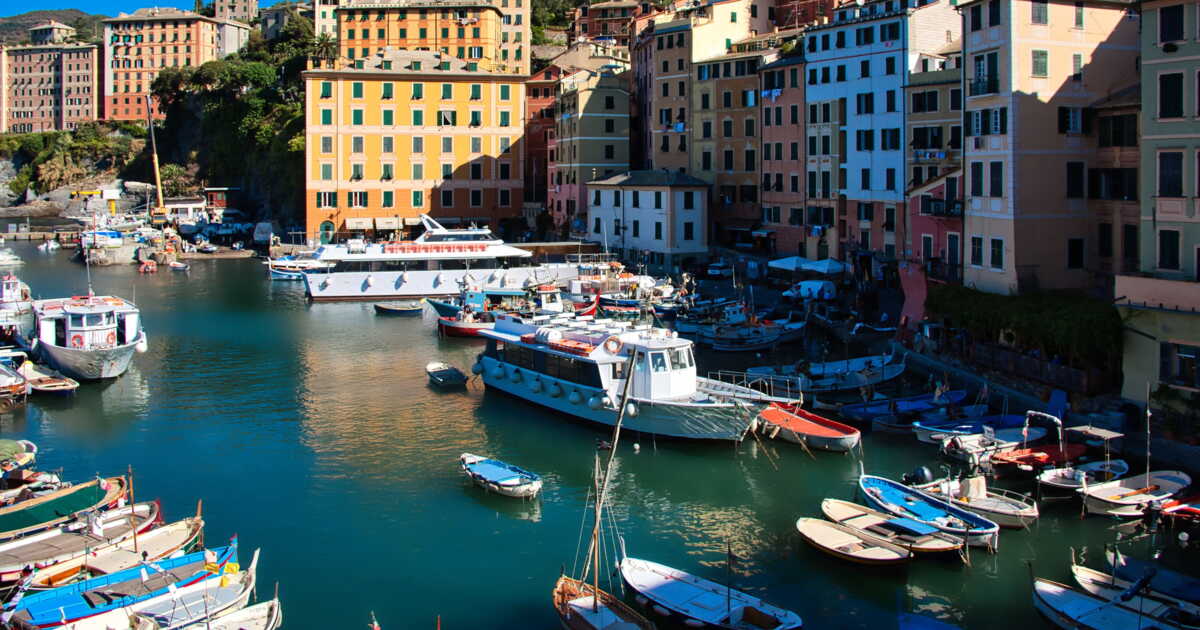
Life with your feet in the water. On the Ligurian coast, at the edge of the Gulf of Paradise, the town of Camogli unfurls its trompe-l’oeil façades, brightly painted, along a pebble beach bathed by the Ligurian Sea. It’s hard to believe that this haven sits fifteen kilometers northwest of the bustling Portofino, the area’s most frequented destination, with jet-set vibes and luxury yachts. Camogli, for its part, preserves a calmer atmosphere, animated by the ballet of its small community of artisanal fishermen.
Herculaneum, the other Pompeii
The site of Pompeii impresses with its enormity, but Herculaneum, a little farther north, also swallowed by the Vesuvian eruption in 79 CE, strikes visitors with its exceptionally well-preserved state. This is evidenced by the monumental fresco in the College of the Augustales (the priests of the Imperial cult), which depicts the duel between Hercules and Acheloüs to win the hand of the beautiful Deianira. A seaside town, it sheltered wealthy patrician houses, many of which, along with refined objects and mosaics, survived the catastrophe.
Orta, the Cinderella of the great lakes
In the shadow of its famous elder siblings, Lake Como and Lake Maggiore, which are grand and cosmopolitan, Lake Orta is small, modest, discreet… yet it possesses breathtaking beauty. This is why it is nicknamed Cenerentola, the Cinderella of the lakes. Just 400 meters from the shore of this Piedmont jewel rises the San Giulio Island (isola San Giulio), a rocky islet crowned with a millennial basilica and a Benedictine abbey. A path, the Via del Silenzio (“the Way of Silence”), winds across the island, lined with signs inviting meditation.
Porto Pino, Sardinia, but on the southern side
Forget the crowds of Costa Smeralda in northern Sardinia. Point your compass instead to the island’s southwest, where, about an hour and a half drive from Cagliari, Porto Pino reveals an astonishing tableau: wind-sculpted, monumental dunes of white sand, pale as powdered sugar, rising up to 20 meters, and drifting into turquoise waters. Here there is no flashy hotel complex, but ancient junipers and unspoiled wild nature. The Sardinian version of the edge of the world.
Abruzzo, a giant in the shadow of the Dolomites
The landscapes, spectacular, evoke those of the Dolomites’ hiking trails… minus the crowds. In the wild Abruzzo region (central Italy), flocks graze peacefully on vast high-altitude plateaus, dominated by the colossal silhouette of Gran Sasso, a massif of the Apennines with sheer limestone faces rising to 2,912 meters. The ultimate frontier of a mountainous and pastoral Italy.
➤ Article published in GEO magazine no. 571, “Hidden Italy, from Marche to Calabria”, September 2026.
➤ Do you love GEO? Then, to miss nothing, discover our subscription plans to receive GEO every month at your home with ease.
4. The Unique Experience of the Desert Train from Zouérat to Nouadhibou
5. Hikes and Desert Excursions
6. Encounter with Local Culture
7. Terjit Oasis: A Must-Stop in the Mauritanian Desert
8. Practical Tips and Safety
Is it Safe to Travel in Mauritania Right Now? Understanding Safety Before Planning Your Trip
What is the Best Time to Visit Mauritania? Understanding the Climate to Better Choose Your Departure
What to Do in Atar, Mauritania? Discovering the Cultural and Saharan Heart of the Adrar
Located in West Africa, bordered by the Atlantic Ocean to the west and embraced by the vast Sahara, Mauritania is a land of contrasts and cultural riches.
Before any international travel, we remind you to consult the travel advice from the Ministry of Foreign Affairs to understand the security and health risks specific to certain areas and the administrative steps to take beforehand.
1. Discovering Nouakchott and Its Beach
Nouakchott, the capital of the country, often serves as the main entry point into Mauritania for many travelers. The camel market offers a glimpse of a traditional trade still very much alive. The Saudi mosque, meanwhile, highlights the importance of religious architecture in this regional city.
As evening falls, the atmosphere at the fishing harbor—with its iodine scent and sailors’ songs—composes a singular spectacle against the backdrop of sunset. A land of contrasts, Nouakchott blends administrative modernity with Saharan legacies, while remaining a strategic hub for organizing travel deeper into the country.
2. Exploration of the Ancient Caravan Cities
The ancient Adrar towns, such as Chinguetti and Ouadane, as well as the towns of Tichitt (in Tagant) and Oualata (in the East), constitute major stops on the country’s caravanist history. Each ruined city, from the Tagant to the Adrar desert, bears urban forms adapted to winds and sands, with its narrow lanes, traditional houses, and conservation efforts led by institutions like the French Development Agency.
. Exploring the ruins of these cities means tracing the footsteps of trans-Saharan caravans and desert scholars, in constant partnership with a local guide familiar with the nuances of these sometimes sensitive lands.
3. Immersion in Banc d’Arguin National Park
The Banc d’Arguin National Park, located on the Atlantic coast between Nouakchott and Nouadhibou, is an internationally renowned nature reserve, inscribed on the world heritage list for its biodiversity. Between the sea grass beds and the sands, this site hosts a remarkable fauna, notably the pink flamingo, visible during certain migratory periods.
By joining the Imraguen fishermen at the village of Iwik, visitors can observe their traditional fishing technique performed with the help of dolphins. Respect for marine ecosystems, organized pirogue trips, and the warm reception from the locals make it an educational and contemplative experience. The area remains protected, but guidance from a local guide is strongly recommended due to distance and road conditions.
4. The Desert Train Experience from Zouérat to Nouadhibou
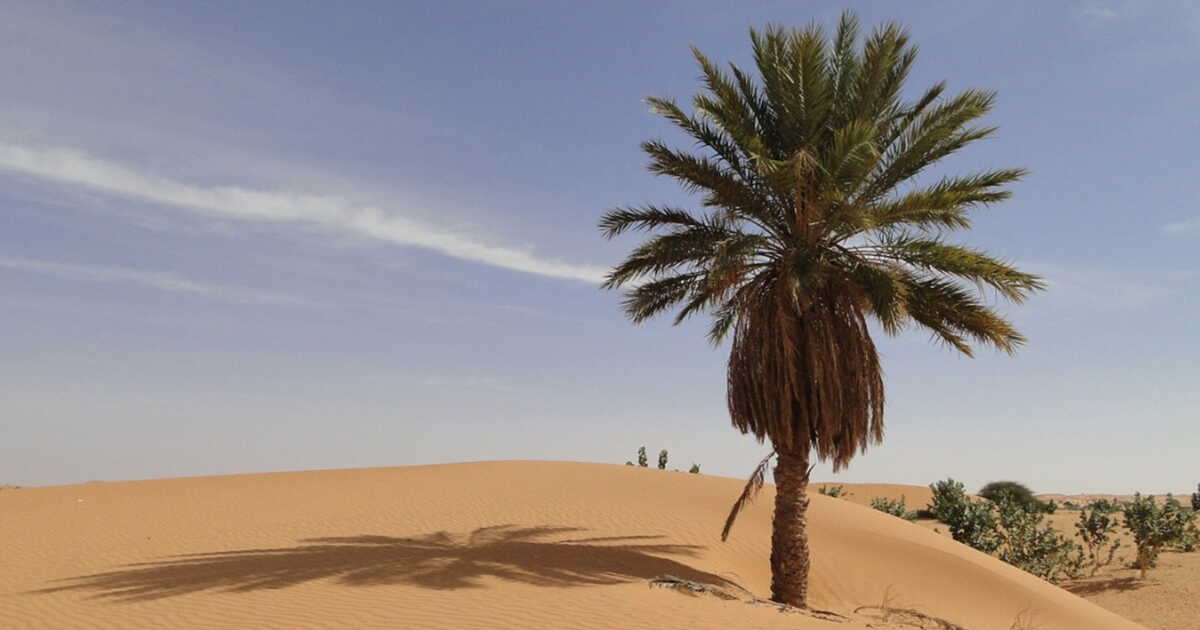
Boarding the Desert Train, linking Zouérat to Nouadhibou, offers a singular experience at the heart of Mauritania’s mineral landscape. Stretching over many kilometers, this train primarily carries iron ore, but also welcomes adventurous travelers who settle in open goods wagons or, more rarely, in a passenger wagon.
The crossing of the Adrar desert, with its and horizon-to-horizon vistas, involves exposure to the elements that requires careful preparation and precautions. A valid passport and meticulously planned steps are essential. This adventure remains a unique immersion into one of the continent’s most arid and spectacular landscapes, highlighting the desert’s vastness and the resilience of its inhabitants.
5. Hikes and Desert Excursions
Hikes and excursions into the Tagant regions and the Adrar enable visitors to grasp the Saharan nature in its most authentic form. On foot, in a 4×4, or on a camel’s back, routes lead to iconic sites such as the Erg Amatlich, the White Valley, or the outskirts of the Guelb er-Richat, the enigmatic Eye of Africa with a diameter of over 40km.
Spending a night under the stars in a traditional bivouac, sharing mint tea around a fire, or climbing a dune at sunset are among the most memorable moments. These excursions require the companionship of a local guide and precise logistics, particularly regarding road conditions and water supplies. They are suited to travelers seeking space, silence, and an understanding of the desert’s most structuring aspects for nomadic peoples.
6. Encounter with Local Culture
The discovery of Mauritanian culture often begins with taking part in a tea ceremony, a central moment of hospitality across all regions of Mauritania. Served slowly, in three pours, this mint tea reflects values of respect, sharing, and listening inherent to local traditions.
In the markets, the scents of coriander, fresh date, or tanned leather also tell another facet of this land. Enjoying a méchoui or a couscous in a traditional house allows for an authentic meeting with the locals, far beyond classic itineraries. Curious travelers can learn the language, observe artisans at work, or discuss the traces of the French explorer Theodore Monod, a respected figure in Sahara exploration.
7. The Terjit Oasis: A Key Stop in the Mauritanian Desert
The Terjit Oasis stands out as one of the most appreciated spots in the Adrar, thanks to its hot spring, dense palm trees, and a narrow canyon that contrasts with the surrounding aridity. Located not far from Atar, this oasis represents a strategic resting place after traversing the Adrar desert, often punctuated by visits to ruined towns leading to ancient ksour.
Its natural freshness and the shade offered by the rock walls make it a major stop for any traveler seeking a haven in the Tagant or Adrar regions. The site lends itself to a cultural as well as natural pause, revealing a unique spectacle created by water in a mineral environment.
8. Practical Advice and Safety
To plan a trip to Mauritania, several practical tips should be followed. A valid passport, a biometric visa (often on entry to Mauritania), and information on health recommendations are essential, with yellow fever vaccination being strongly advised and sometimes mandatory depending on your country of origin.
In the remote regions, infrastructure is limited, and medical costs can be high: a first-aid kit and good protection against mosquito bites are essential. The state of the roads varies greatly by area, so hiring a local guide is recommended, especially to reach the ruined towns, the historic ksour, or the desert zones. Finally, it is advisable to consult updates from diplomatic authorities and check border access through Senegal or the Nouakchott airport.
Mauritania opens up to travelers seeking authentic and enriching experiences. Whether you are drawn to its desert landscapes, its ancient cities, or its culture, each stage of your journey promises discoveries. With practical and safety aspects well prepared, your stay in Mauritania can be both an adventure and a plunge into enduring traditions.
Is It Safe to Travel to Mauritania Right Now? Understanding Safety Before Planning Your Trip
Traveling to Mauritania requires careful preparation, particularly due to the diversity of the country’s regions, the condition of the roads, and the large distances between towns. While some areas remain not recommended, tourist circuits around the Adrar, Chinguetti, Atar in the Adrar, or the Amogjar Pass are undertaken with the support of a local guide, a crucial safeguard for moving confidently in this desert environment. Travelers should have a valid passport, a biometric visa, and consider yellow fever, mosquito bites, and potential medical costs.
In authorized zones, notably around the Adrar Desert, the country remains generally accessible, especially for those who strictly follow safety rules and take into account local specifics, such as entry through the Senegal border or access to remote regions of the Tagant.
What is the Best Time to Visit Mauritania? A Climate to Understand for Better Planning
The best period to discover Mauritania spans from October to March, when temperatures in the Adrar Desert become milder, making it feasible to traverse dunes, rocky plateaus, and sandy banks in good conditions. This season offers remarkable light over the Erg Amatlich, the White Valley, or the Guelb er-Richat, sometimes called the Eye of Africa, a circular structure nearly 50km in diameter. Bivouac evenings under the beautiful starry sky are especially suited for stargazing in the Sahara.
Travelers also find a great time to walk along Nouakchott’s broad beach, explore the marine meadows of the village of Iwik, or watch the pink flamingo at the Diawling National Park, near the southern border. This dry season enhances road travel and makes exploration smoother across all regions of Mauritania.
What to Do in Atar, Mauritania? Discovering the Cultural and Saharan Heart of the Adrar
The town of Atar, a true crossroads of the Saharan road trip, sits in the heart of the Adrar and serves as a central gateway to the ancient ksour of Chinguetti and Ouadane, the surrounding plateaus and mineral landscapes. Known for its heritage, its traditional houses, and its lively market, Atar is also the ideal base to reach the Amogjar Pass, the ruins of old villages, and routes leading to the infinite dunes of the region.
Visitors appreciate the contact with locals, the tasting of mint tea, and exchanges about the adventures of the famous French explorer Theodore Monod, a key figure in Sahara exploration. Atar thus remains an essential regional town for understanding life in a desert environment and structuring an itinerary toward Chinguetti, Ouadane, or the Terjit Oasis.
This article was written with the help of artificial intelligence and then revised, expanded, and validated by the editors.
In the hills of Veneto, an astonishing archaeological site drew visitors with its tiered seating, its columns, and its basin. Presented as an ancient Greek theater discovered after a landslide, it seemed too good to be true. For this setting, supposedly more than 2,000 years old, it had in fact been built… in the twenty-first century. After a long legal battle, its owner has just been sentenced to prison.
An Entirely Manufactured Ancient Theater
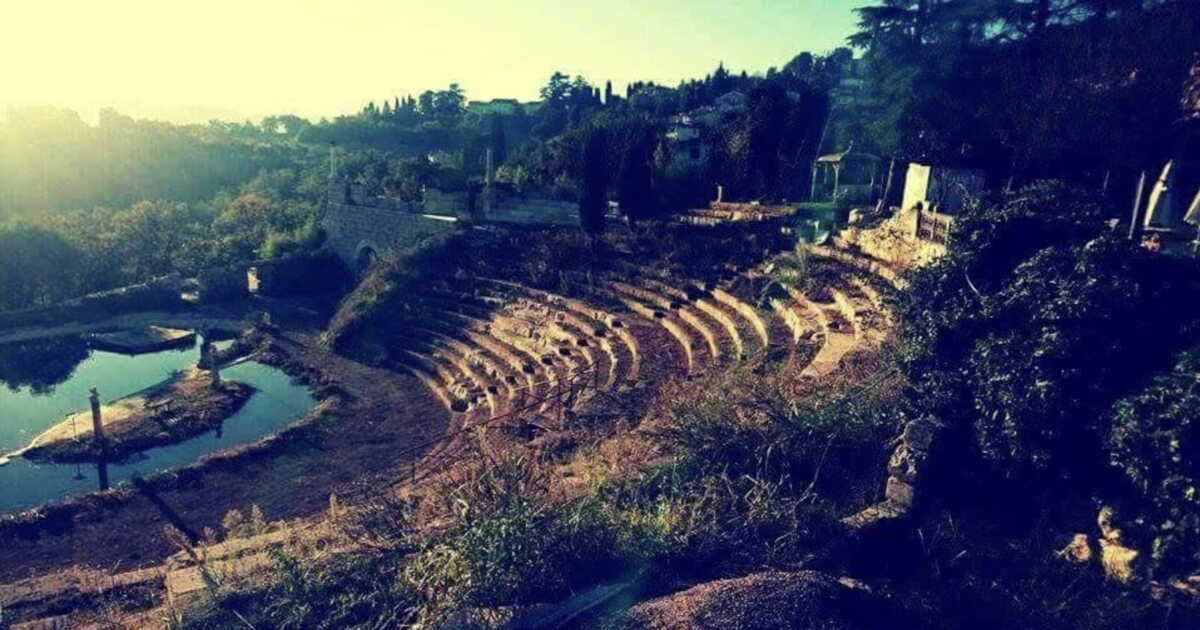
A few kilometers south of Vicenza, the site perched on a wooded slope in the municipality of Arcugnano seemed straight out of Antiquity. Since 2014, visitors could walk along fan-shaped seating, observe columns and statues, and even admire a small water feature dug at the center of the complex. The owner, Franco Malosso, claimed to have discovered the remains after a landslide on this site, for which he claimed legal ownership through a company based in the British Virgin Islands. Since then, he presented the place as the remains of a Greek theater more than two millennia old.
Franco Malosso organized guided tours and gave the site several names, including “Anfiteatro Berico” and “Anfiteatro Marittimo Berico”. Tickets were sold to visitors, with prices reaching up to 40 euros. Private tours were also offered for 600 euros for 45 minutes. The site even hosted concerts and performances. Yet several details should have raised suspicions. The site initially bore little resemblance to an amphitheater.
While an amphitheater is oval or elliptical in shape, the seating of the “Anfiteatro Berico” was arranged in a half-circle, which corresponds to a theater. The hypothesis of a Greek edifice was also unlikely in this region, as Greek colonies of antiquity did not extend to northern Italy. And above all, the materials used betrayed a recent construction: the seating had been built with stone recently quarried in the Apulia (Puglia) region and cement, while a retaining wall had even been coated with polystyrene.
The investigators did not need lengthy inquiries. During an inspection conducted in October 2016, the specialists immediately understood they were dealing with an imitation. Lieutenant Colonel Giuseppe Marseglia, head of the Carabinieri’s Art Protection Unit in Lombardy, described the attempt as “truly obscene”, in remarks reported by CNN. According to him, in 25 years of service, he had never seen an entire archaeological site manufactured in this way.
Visitors Convinced by the Tale
Perhaps the most surprising aspect was the reception of the faux theater. All eight TripAdvisor reviews gave it five stars. Some visitors described it as “an enchanting place” or as “a world beyond space and time”. This apparent credulity could be partly explained by the staging imagined by Franco Malosso. He claimed, for instance, that the site had been frequented by Julius Caesar, Cleopatra, and even… Juliet Capulet, the fictional character from Romeo and Juliet created by William Shakespeare.
The workers hired to carry out the work had, according to reports, been instructed to give the new constructions an aged appearance. For archaeologist Darius Arya, director of Ancient Rome Live, the affair is particularly hard to understand. “The very idea is insane”, he told CNN, describing the project as “diabolical” and “terrible”. He also notes that genuine archaeological digging cannot be carried out on the fly: “You do not have the right to dig up antiquities in your garden. They must be declared, they are the subject of an inquiry, then they are excavated.”
Italian justice ultimately convicted Franco Malosso in 2019 for several offenses, including the falsification of works of art, construction without permits, and the destruction of a protected landscape. After several appeals, the Court of Cassation confirmed the conviction this year. He is now serving a sentence of 28 months in prison, along with a 3,000-euro fine and 3,500 euros in legal fees. As for the faux theater, built on land within the protected Berici Hills landscape, it must be demolished. An especially ironic situation: to erase this vestige that was not one, a genuine excavation will have to be carried out first.
5. Encounters with the San cultures of the Kalahari
What is the best time to visit Botswana?
What to do and see in Botswana?
Is Botswana expensive?
Is Botswana a safe country?
Botswana landscape: natural grandeur and diversity
Botswana: a country in Africa to discover
Botswana tourism: practical tips to prepare well
Traveling to Botswana: a well-organized adventure
Botswana on a 15-day circuit: an in-depth itinerary
From the vast arid stretches of the Kalahari to the dazzling Okavango Delta, Botswana offers an impressive range of experiences to discover. Located at the heart of Southern Africa, this country is a favored destination for its iconic wildlife and diverse landscapes.
Before any international travel, we remind you that it is helpful to consult the Foreign Affairs Ministry’s Travel Advisories to learn about safety and health risks specific to certain areas, and the administrative steps to undertake before your trip.
1. Explore the Okavango Delta
The Okavango Delta, a UNESCO World Heritage Site, is a true oasis set in the heart of a semi-arid landscape. Here, travelers can hop aboard a mokoro, a traditional dugout canoe, to glide silently along its winding channels.
This activity allows for close-up wildlife viewing in their natural habitat, from elephants to hippos, while enjoying an almost unreal tranquility. With its flooded landscapes and aquatic routes, the Delta is ideal for water safaris that offer a unique perspective on the local flora and fauna.
2. Safari in Chobe National Park
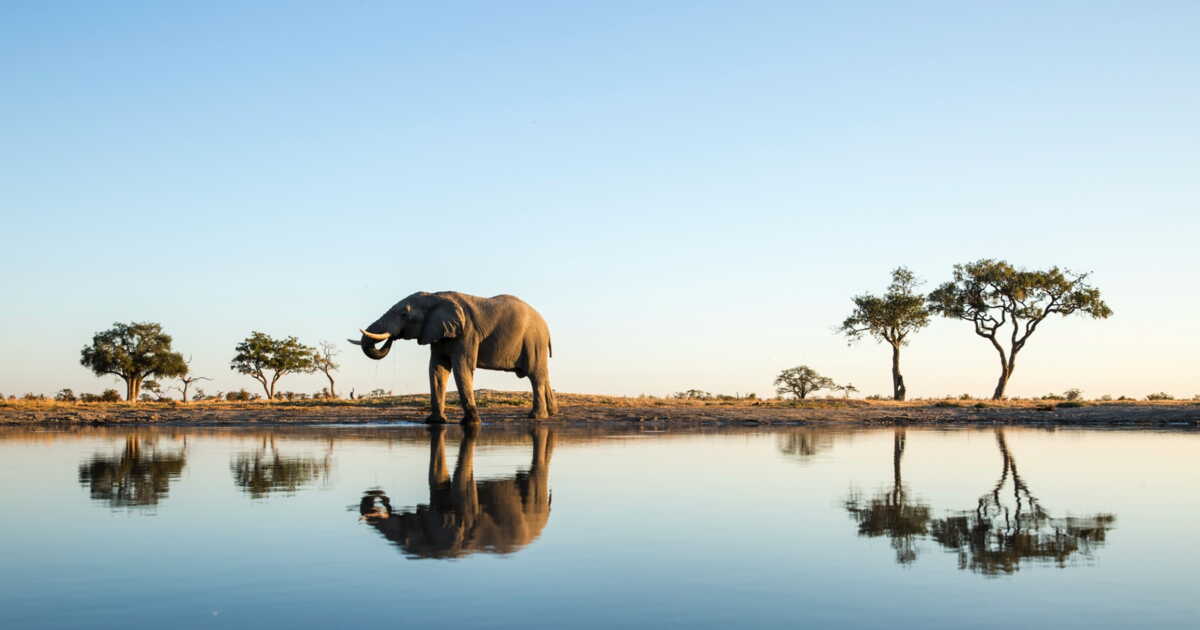
Chobe National Park is renowned for its high concentration of elephants. A 4×4 safari will take you through savannas and riverine plains while discovering many other animals, such as buffalo, lions and giraffes. Opting for a boat safari on the Chobe River provides a different perspective on the wildlife, particularly at sunset, for unforgettable moments. The park is also a birdwatcher’s paradise with an incredible variety of birds to observe.
3. Discover the Moremi Reserve
Integrated into the Okavango Delta, the Moremi Reserve offers one of Africa’s richest and most varied ecosystems. It is home to a profusion of wildlife, including rare species such as the African wild dog or the sitatunga. Photography enthusiasts will appreciate the park’s changing landscapes and the opportunity to capture wildlife in breathtaking natural settings. Off-road excursions allow visitors to venture into the heart of this preserved reserve.
4. Venture onto the Makgadikgadi Pans
The surreal landscape of the Makgadikgadi Pans presents a stark contrast to the Delta’s lush biodiversity. These vast salt pans, almost desert-like, stretch to the horizon and convey a sense of solitude and serenity. It is a perfect place to observe meerkats and the majestic baobabs. In the rainy season, the pans transform, attracting a large number of pink flamingos and pelicans. For those seeking off-the-beaten-path adventures, Makgadikgadi is a perfect choice.
5. Encounters with the San cultures of the Kalahari
Immerse yourself in the rich culture of the San, one of Africa’s oldest populations living in the Kalahari. Organized visits allow you to meet these ancestral inhabitants and discover their unique heritage. You can learn more about their survival techniques, stories told around the fire, and even join expeditions to identify medicinal plants. These interactions, though touristic, are often conducted with deep respect for traditions and offer an ethical and informative approach to their culture.
The Botswana, with its abundant fauna and diverse landscapes, offers a multitude of activities for every traveler. Whether drawn to the vast herds of elephants in Chobe National Park, the aquatic serenity of the Okavango Delta, or the peaceful vastness of the Makgadikgadi Pans, this country is sure to provide unforgettable memories. Exploring Botswana’s cultural and natural treasures reveals a corner of Africa that, though preserved, awaits further discovery.
What is the best time to visit Botswana?
For an optimal stay in the heart of this Southern African country, aim for the dry season, between May and October: during this season, the Kalahari Desert and the riverbanks in northern Botswana are more accessible, water sources recede, and wildlife watching is facilitated.
On the other hand, a visit from November to March, during the rainy season, offers a lush atmosphere but requires navigating muddy terrain and sometimes difficult roads. Therefore, for a well-structured Botswana trip that balances comfort with nature’s richness, prioritizing the dry season maximizes safaris, lodges within private concessions, and boat excursions while minimizing weather-related surprises.
What to do and see in Botswana?
Botswana, a sparsely populated yet wildlife-rich country, offers travelers a range of experiences: photo safaris in Moremi or the Okavango Delta, boat or mokoro trips along flooded channels, and exploration of the Kalahari Desert to meet the first inhabitants or spot rare bird species.
You can also stay in one of Botswana’s lodges located within private concessions, by waterholes, watching hyenas or hunting lions, taking 4x4s along sandy tracks, and enjoying the grandeur of the intact natural setting. This immersive approach allows turning a Botswana trip into a full immersion among wildlife, territories, and local culture.
Is Botswana expensive?
Traveling to Botswana involves a higher budget than in many other African countries, particularly if you opt for upscale lodges or private concessions. According to available data, daily safari-area rates can be significantly higher than in other destinations.
However, it remains possible to adjust your budget by choosing more modest accommodations, booking in advance, and targeting off-peak periods. The higher cost is explained by limited infrastructures, a relatively small number of visitors, the need for 4×4 vehicles, and the country’s geographic remoteness. This context justifies considering Botswana a “premium” travel destination, without excluding travelers who are mindful of budget management.
Is Botswana a safe country?
Botswana is regarded as one of the most stable and democratic countries on the African continent, but this does not eliminate a basic level of vigilance for travelers. The current democratic regime, the existence of large nature reserves, and a welcoming local population contribute to a serene travel experience.
However, secondary roads, night driving, and the isolation of certain wild areas can present risks: awareness should remain high, particularly in terms of transport and safety. In short, yes, Botswana is a relatively safe country for travelers, provided you plan a careful itinerary and follow local advice.
Botswana landscape: natural grandeur and diversity
The Botswana landscape blends the Kalahari Desert, the Okavango Delta, flooded savannas, and still less explored areas. This vast, sparsely populated country offers travelers an immersion in pristine nature, where riverbanks or sandy tracks lead to large gatherings of wildlife.
Boat or mokoro excursions allow you to reach the heart of these landscapes, while the presence of hyenas, lions, hippos or rare bird species testifies to the ecological richness of this territory. It is indeed a country for travelers who want to go beyond the beaten paths.
Botswana: a country in Africa to discover
Botswana presents itself as an African country with a stable regime, a functioning democracy, and exceptional natural heritage. Travelers from Europe find an extraordinary setting: a local population that coexists with wild nature, vast spaces, and measured interaction with wildlife. The country highlights lodges, private concessions and nature reserves serving a respectful model. For travelers, this country offers the possibility to combine comfort, adventure and discovery.
Tourism in Botswana: practical tips for thorough preparation
Travel in Botswana requires particular planning: booking a lodge within a private concession, suitable transportation (often a 4×4), compliance with health regulations (yellow fever based on origin), and understanding the infrastructure. The budget should account for the high costs associated with safari services and geographic isolation. Structured tourism helps optimize the experience while respecting local rules for wildlife observation and fragile ecosystems.
Travel to Botswana: a well-organized adventure
A trip to Botswana sits within a more demanding logistical framework than many other African destinations. It is essential to plan entry into the country, transport to the lodge, choose the right season, and ensure you are supported by an experienced guide or operator. Mokoro trips, safaris in private concessions, and staying in a lodge at the heart of nature enable you to fully exploit the country’s promise while reducing logistical surprises.
Botswana on a 15-day circuit: an in-depth itinerary
A 15-day circuit in Botswana allows covering several zones: from lodges within the private concession of the Okavango Delta to the Nxai Pan salt pans, via the Kalahari Desert and the banks of the Chobe River. This duration lets you enjoy wildlife viewing, boat excursions, 4×4 tracks, and a more relaxed travel pace. For travelers coming from Europe, this type of itinerary requires meticulous organization and a tuned budget.
This article was written with the help of artificial intelligence, then corrected, expanded, and validated by the editors.
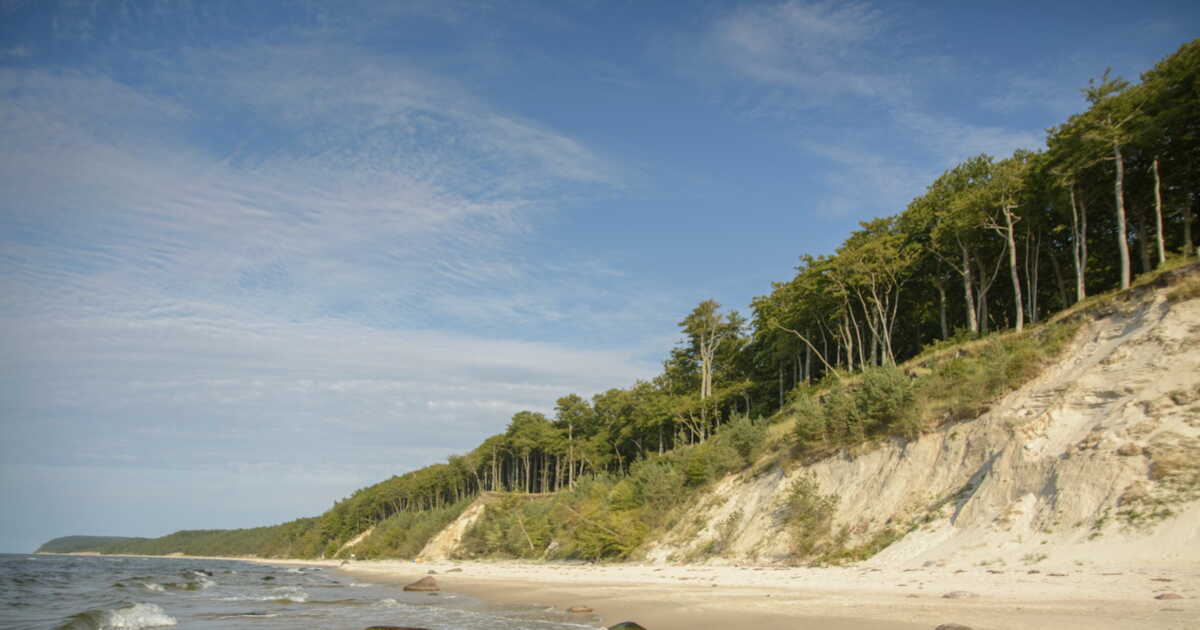
At first glance, Wolin Island, along the Polish Baltic coast, seems like a peaceful holiday destination. Its white-sand beaches, dunes, and beech and pine forests draw numerous visitors each summer who come to enjoy the coastline.
But beneath this preserved nature lies a vast military complex built during the Nazi era, later transformed during the Cold War into a command center for the Polish Army. Today open to the public, it reveals itself through an underground tour that lets visitors enter an old military town almost frozen in time.
Bunkers Secretly Built by the Nazis
To reach Wolin Underground City, you must penetrate the forest on Wolin Island. A few military vehicles and missile components displayed among the trees announce the site’s singular character. But the essence lies underground. The complex was built between 1936 and 1939, at a time when Nazi Germany was strengthening its military defenses. It was part of two coastal batteries named Goeben and Vineta. The latter consisted of four bunkers equipped with rotating cannons, to which were added command facilities, ammunition storage, and support installations.
Construction proceeded secretly, at a time when the Treaty of Versailles prohibited Germany from rearming after World War I. Despite the resources devoted to its construction, the fortress did not witness the battles for which it had been designed. “As the front of World War II advanced rapidly, this region remained very calm during the war, and the Nazis transformed the entire complex into a naval school”, explains Kacper Stachula, the site’s guide, to CNN.
In 1945, German troops tried to destroy the installations before retreating. They blew up the munitions, but a large part of the bunkers remained intact. After the war, the Soviets recovered some of the equipment and metal components, while locals subsequently looted the abandoned facilities. “No one knew what to do with this place after the war”, says Kacper Stachula.
The Cold War changed the situation. After the Warsaw Pact’s formation in 1955, Poland prepared, among other things, a scenario for invading Denmark in case of conflict with NATO. The former German bunkers, isolated in the forest and protected by their subterranean position, made an ideal site for a command center. The Polish army modernized them in 1955, then again in 1965, linking the five bunkers with new tunnels.
A Dive into the Cold War Beneath the Forest
The result is today particularly spectacular to visit. The complex comprises nearly 1.6 kilometers of tunnels and was divided into five security zones. It could function as a fully autonomous base, with dormitories, a kitchen, a canteen, an infirmary, water reserves, and technical rooms. The guided tour allows visitors to traverse these largely preserved spaces. Inside, it stays around 10 °C year-round. The old telephone standards, radios, communication networks, typewriters, and military equipment are all still in place.
In some rooms, mannequins placed in front of the equipment recreate the atmosphere of the command center. The itinerary notably leads to the war room, one of the most impressive areas of the complex. Tactical maps and computer equipment remain visible there, as well as a red telephone. This setting mainly helps to understand the strategic importance the site held during the Cold War, pitting the United States against the USSR.
Since these bunkers were contemplated for plans that could have radically altered the conflict in Europe, “The idea was to deploy tactical nuclear warheads in Danish ports and in western Germany to breach NATO defenses, then to proceed with a larger-scale offensive”, explains Kacper Stachula. The scenario thus envisaged the use of tactical nuclear weapons against NATO forces before a broader offensive into Western Europe.
The red telephone was never used to signal such an attack. The complex nonetheless holds another part of its mystery: when the Germans left in 1945, some tunnels were sealed behind thick concrete walls. Some underground sections remain unexplored.
With around 3,000 visitors per month according to the Polish Tourism Organization, Wolin Underground City has become a genuine tourist curiosity. Its proximity to the island’s beaches makes the outing particularly unusual: after enjoying the Baltic shoreline, one simply steps into the forest to discover, beneath your feet, a military site where Nazi Germany, the Polish Army, and Cold War nuclear strategies have followed one another.
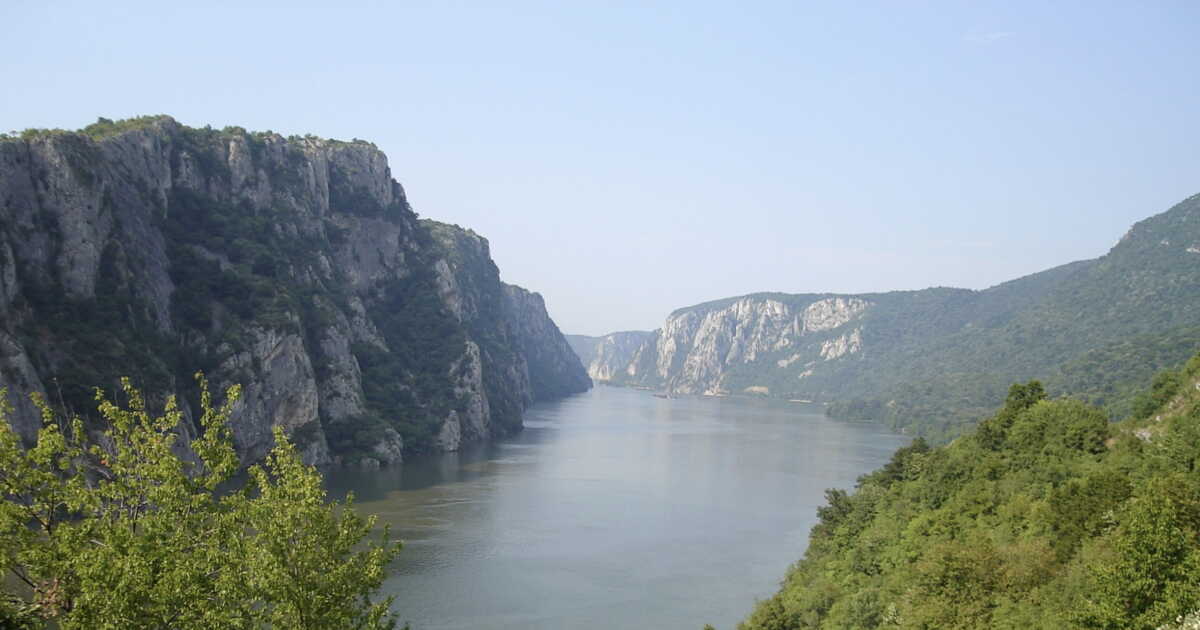
The Danube apparently has not yet given up all of its secrets. This summer, the exceptional drop in its level revealed remnants that the waters usually conceal, offering locals as well as travelers a spectacle that is as fascinating as it is unsettling. On the Serbian banks, silhouettes of ships evoke, in particular, a particularly dark episode of World War II. But the wrecks are not the only vestiges that the river reveals today.
German ships scuttled since 1944
Near Prahovo, in eastern Serbia, at least 20 wrecks of German ships are currently visible from the banks. Some still bear rusted hulls and broken masts. They belonged to the German Black Sea fleet, part of which was deliberately scuttled at the end of World War II.
In the summer of 1944, as the Red Army advanced westward, around 200 German vessels became trapped in this region. The Danube then represented a possible route of retreat, but the Iron Gates sector, a narrow and difficult-to-navigate passage, formed a major obstacle. In September 1944, Rear Admiral Paul-Willy Zieb ordered the scuttling of more than 200 ships to prevent their capture and slow the Soviet advance.
Most have remained underwater for more than eight decades. And their presence poses a danger. Some wrecks may still contain weapons or explosives, which further complicates navigation. Serbia has thus initiated a program valued at 30 million euros to remove some of these remnants, but operations are complex due to munitions hazards.
For Kenneth Reece, who recently navigated the Danube, these wrecks add a new dimension to a journey already marked by the footprints of 20th-century conflicts. “History isn’t just in museums or monuments. A part of it is literally beneath our feet,” he explains to the BBC.
The drop in the river’s level, however, does not merely resurrect memories of the war.
Ancient remains and unexpected objects also appear
In Bulgaria, the retreat of the waters has allowed the exposure of the remains of an ancient bridge dating from the time of Emperor Constantine, near Gigen. Farther away, near Ryahovo, specialists recovered bones and mammoth tusks dating back several thousand years. The remains must be studied and could eventually join the collections of the Ruse Regional History Museum, located about 30 kilometers from where they were found.
Other discoveries are much more recent. In Budapest, a Wehrmacht motorcycle was revealed by the ebbing waters. In Slovakia, near Virt, a British bomb weighing about 700 kg was discovered before being neutralized by a controlled explosion.
For archaeologists, these periods of low water provide a rare opportunity to observe vestiges normally inaccessible. “This gives us a rare chance to observe them, document them and study them in their real environment,” says Pavel Popov, from the Pleven Regional History Museum, cited by Reuters.
A phenomenon increasingly frequent?
These discoveries, however, have another consequence, more immediate for travelers. The low flow has forced some cruise lines to alter their itineraries, move passengers between several ships, or even end certain trips by bus when the river was no longer deep enough.
The phenomenon could also become more frequent. According to the European Copernicus service on climate change, Europe is warming at a rate more than twice the global average. The rise in temperatures and the alteration of precipitation patterns particularly foster episodes of very low water levels.
For passengers navigating the Danube, the spectacle is thus as striking as it is unexpected. Suzanna Fulton, who recently traveled aboard the Viking Honir, sums up her experience as: “It was a humbling and, to be honest, pretty awesome,” she told the BBC. A tourist river can thus become, when its waters recede, a true window opened onto the buried traces of European history.
2. Admire the waterfalls of the Kpalimé region and the Womé waterfall
3. Explore Mount Agou
4. Visit the Tamberma villages
5. Enjoy Togolese beaches
6. Dive into Togoville’s history
7. Discover local crafts in Kpalimé
8. Observe wildlife at Fazao-Malfakassa National Park
9. Explore Aného and its colonial heritage
10. Immerse yourself in Togolese cuisine
Is Togo a safe country to visit to plan your trip with peace of mind?
What are the 7 wonders of Togo and how to discover them?
What to bring back from Togo to keep a part of the local culture?
The Togo, nestled between Ghana and the Benin, is a country rich in cultural diversity and varied landscapes. Often overlooked by travelers, it abounds with activities for nature lovers, history enthusiasts, and culture aficionados.
Before any international travel, we remind you that it is useful to consult the Travel Advice from the Ministry of Foreign Affairs to understand safety and health risks specific to certain zones, and the administrative steps to complete before your trip.
1. Discover the capital Lomé and its markets
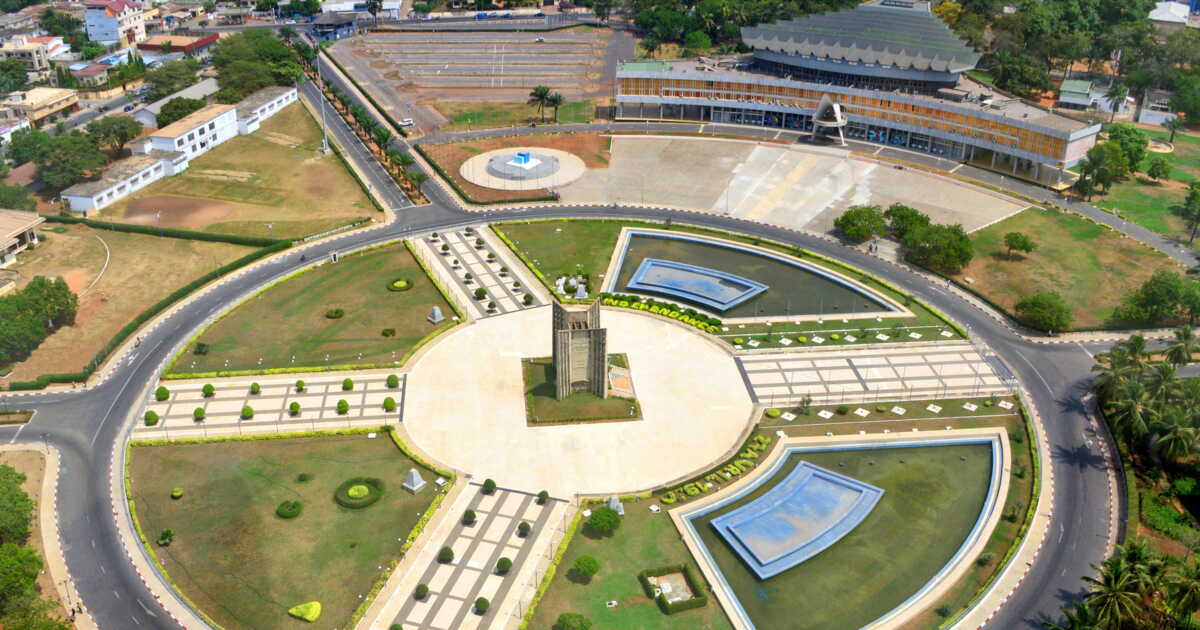
Lomé, the capital, is an essential starting point. The Fetish Market at Akodéwa is a unique site where tradition and local spiritual culture mingle. There you can find ingredients used in traditional medicine. Not far from this market, the Grand Market of Lomé (Assigamé) is a burst of colors and flavors. Stalls overflow with fabrics, crafts, and local products.
2. Admire the waterfalls of the Kpalimé region and the Womé waterfall
The Kpalimé region, located in the southwest of the country, is a mountainous area famous for its waterfalls. The Kpimé waterfall and that of Womé offer enjoyable moments in nature, ideal for a hike. The trails leading there wind through lush vegetation, offering breathtaking scenery.
3. Explore Mount Agou
The Mount Agou, at 986 meters above sea level, is the country’s highest peak and a worthwhile ascent. The trek to the summit rewards you with a panoramic view of the surrounding landscapes. Along the way, you can discover nearby villages and learn more about the local economy rooted in coffee and cocoa farming.
4. Visit the Tamberma villages
The Koutammakou region, listed as a UNESCO World Heritage Site, lies in the northeast of Togo. The traditional tower-houses known as Tata Somba illustrate typical regional architecture. This site offers a chance to discover centuries-old traditions and the way of life of local communities.
5. Enjoy Togolese beaches
The beaches of Lomé are ideal for relaxation. From public beaches to hotel private beaches, they provide a peaceful welcome conducive to swimming and rest. You can also engage in activities such as surfing or fishing with locals.
6. Dive into Togoville’s history
The Lake Togo and the town of Togoville are steeped in history. Togoville is known for being the site where the treaty of 1884 placed Togo under German protection. It is also a major center of Vaudou culture. A boat trip across the lake allows you to relive that historic era while discovering traditions that remain vibrant today.
7. Discover local crafts in Kpalimé
The Kpalimé Craft Center is a place to observe local know-how. Artisans there create wooden objects, batik fabrics, and sculptures. For art lovers and souvenir collectors, it’s the ideal place to understand the work behind Togolese crafts and to acquire a few pieces.
8. Observe wildlife at Fazao-Malfakassa National Park
The Fazao-Malfakassa National Park, though less frequented than the big East African parks, offers an authentic experience. You may spot antelopes, buffalo, and a variety of birds. Local guides offer tours to explore this corner of preserved nature.
9. Explore Aného and its colonial heritage
Aného, a former colonial capital, represents a chapter in Togolese history. This coastal town, founded in the 17th century, hides buildings with colonial architecture. A stroll through its streets lets you travel back in time and understand the diverse cultural influences that have shaped the country.
10. Immerse yourself in Togolese gastronomy
Togo will delight gourmets with its varied cuisine. Iconic dishes such as fufu and akoumé, often accompanied by meat- or fish-based sauces, are to be savored during your stay. Local markets abound with fresh produce, spices, and ingredients that give Togolese dishes their distinctive flavor.
To conclude, Togo is a country with many faces, ready to offer curious travelers a variety of enriching experiences. Whether in nature, culture, or history, every visitor can find something to satisfy their desire to discover. Whether your stay is short or long, these activities will help you appreciate the richness of this West African nation.
Is Togo a safe country to visit to plan your trip with peace of mind?
Questioning the safety of a trip to Togo is an essential consideration before departure, and the approach should remain nuanced: while some areas require heightened vigilance, many regions, including Lomé, the Gulf of Guinea coast, and central Togo, are regularly frequented by travelers.
The period from November to March, corresponding to the dry season, is often considered favorable for a stay in Togo, both for ease of travel and for stable climatic conditions. Plan your airplane tickets in advance, consult local authorities, and choose reputable accommodations—these remain essential steps.
Once on the ground, the warm welcome, the relaxed atmosphere, and the richness of Togolese culture provide a structured framework for discovery, whether you’re staying for a long time or just a weekend. The country thus combines prudent planning with a strong potential for discovery, particularly for nature lovers, who will find in its coastal landscapes and hills a rare balance between authenticity and accessibility.
What are the 7 wonders of Togo and how can you discover them?
The “7 Wonders of Togo” refer to the country’s can’t-miss, emblematic sites. Among these places, the Mount Agou, the national highest point, rises above the green hills and provides a fascinating spot to understand the local geography. The National Museum of Togo in Lomé offers a structured overview of traditions and ancient objects, while the artisan village allows close observation of wood, fabric, and metalwork.
The Togo Lake, appreciated for its relaxed atmosphere, is among the essential stops, just like the Koutammakou, territory of the Tamberma people, famous for its fortress houses listed as a UNESCO World Heritage Site. Finally, a safari in northern reserves will particularly appeal to nature lovers. These sites, exploitable from April to October or during the dry season, form a coherent set for a rich and well-structured stay in Togo.
What to bring back from Togo to preserve a part of the local culture?
Choosing what to bring from your stay in Togo depends on personal travel style, but several items effectively reflect Togolese culture. Markets and the Lomé artisan village offer sculptures, traditional textiles, beaded objects, and accessories crafted according to longstanding know-how. Some travelers also favor pieces that illustrate local history, in connection with the national museum.
Coffee, spices, and textile craftsmanship remain easy to transport, especially for travelers who travel with limited luggage on flights. These keepsakes, chosen with discernment, allow you to extend your understanding of the country beyond a weekend or an on-site stay and form a durable bridge between the traveler and the land.
This article was drafted with the help of artificial intelligence, then corrected, supplemented, and validated by the editors of the desk.
From workshops where ancestral know-how is handed down to tables that reinvent Khmer cuisine without betraying its soul, Siem Reap, located in the northwest of Cambodia (about 315 km from Phnom Penh, the capital), reveals a creative and indulgent face. Between artist homes, engaged school-restaurants, iconic addresses and new culinary gems, the city offers an immersion into Cambodian culture, through those who keep it alive day in and day out.
Craftsmanship and Museums for Aesthetes
The Satcha Handicraft Workshops with the Masters of Craft
In a lush oasis, under bamboo rooftops, the elite masters of crafts ply their trade. Thanks to the Satcha Handicraft workshops, ancestral know-how is kept alive. One wanders along a shaded little path, moving from one specialty to another: sandstone carving (the stone of Angkor temples) and wood (acacia, teak, tamarind), weaving (cotton, bamboo, silk), basketry (rattan, water hyacinth), painting (lacquer, printing)… If there is a beloved discipline, there is of course a shop… satcha-handicraft.com
An Artist’s House-Museum and Refugee
In a lush garden, lies a bustling place, at once an ethnographic museum, a home and a gallery of Lim Muy Theam. A refugee in France during the Pol Pot regime, trained at the Beaux-Arts de Paris, who returned to the country in 1995, this painter displays his personal collection of musical instruments, pottery and tools bearing witness to rural life before the Khmer Rouge tragedy. At the end of the journey, discover his own monumental paintings, which explore the theme of resilience… theamsgallery.com
Restaurants for Gourmets
Sala Baï, Cuisine Formed by Strong Training
Two good reasons to dine at Sala Baï, the restaurant of a hotel-management school founded by a French NGO: the meal helps finance the schooling of about 150 young people (70% of whom are girls) from poor families, and the food is truly excellent! Blending Asian and Western influences, the full menu for under $15 is served with meticulous care. Bonus: the venue also features a spa. Open only Monday to Friday, from 12:00 to 14:00, from November to mid-July. salabai.com
The Sugar Palm, the Gourmets’ Address in Siem Reap
It is the go-to spot for Siem Reap’s gourmets. At The Sugar Palm, Cambodian chef Kethana Dunnet has set a rule to offer family Khmer recipes without altering them or sugar-coating them for Western palates. In a superb house with teak-panelled walls, you can revel in pomelo salad, crab fritters and the traditional amok (steam-poached fish curry). thesugarpalm.com
Cuisine Wat Damnak, the Sanctuary of Khmer Haute Cuisine
No fixed menu. At Cuisine Wat Damnak (“the temple of the palace”), the country’s most famous dining room, the menu follows the rhythm of the seasons, the markets, the harvests, and highlights rare ingredients, such as Mekong prawns and fish from Tonlé Sap. Special mention for the braised beef with wild mushrooms and basil, served with a sesame pancake. For dessert, the tomato sorbet with Kampot pepper is a journey in itself. Surrounded by a tropical garden, this house was the first in the country to be included in the Asia’s 50 Best Restaurants list. Menu at $45. cuisinewatdamnak.com
Shen Kitchen, a Gentle Scent of China
Just opened and already on everyone’s lips! Shen Kitchen, tucked away on a narrow street in the city center, makes a splash with its bold red décor, evoking a blend of Maoist nostalgia and Tintin’s Blue Lotus. In the bowl, dumpling soups, knife-edged spicy noodles, a multitude of juicy dumplings, sweet-salty baos, and garlic-soft eggplants… In short, a fine Chinese table, worthy of 1930s Shanghai. On Instagram: shenkitchen
➤ Article appeared in GEO magazine no. 570, “Cambodia”, August 2026.
➤ Do you love GEO? Then to miss nothing, discover our subscription plans to receive GEO at home every month with ease.