Vedettes de Paris Opens a Bar Without Cans or Bottles


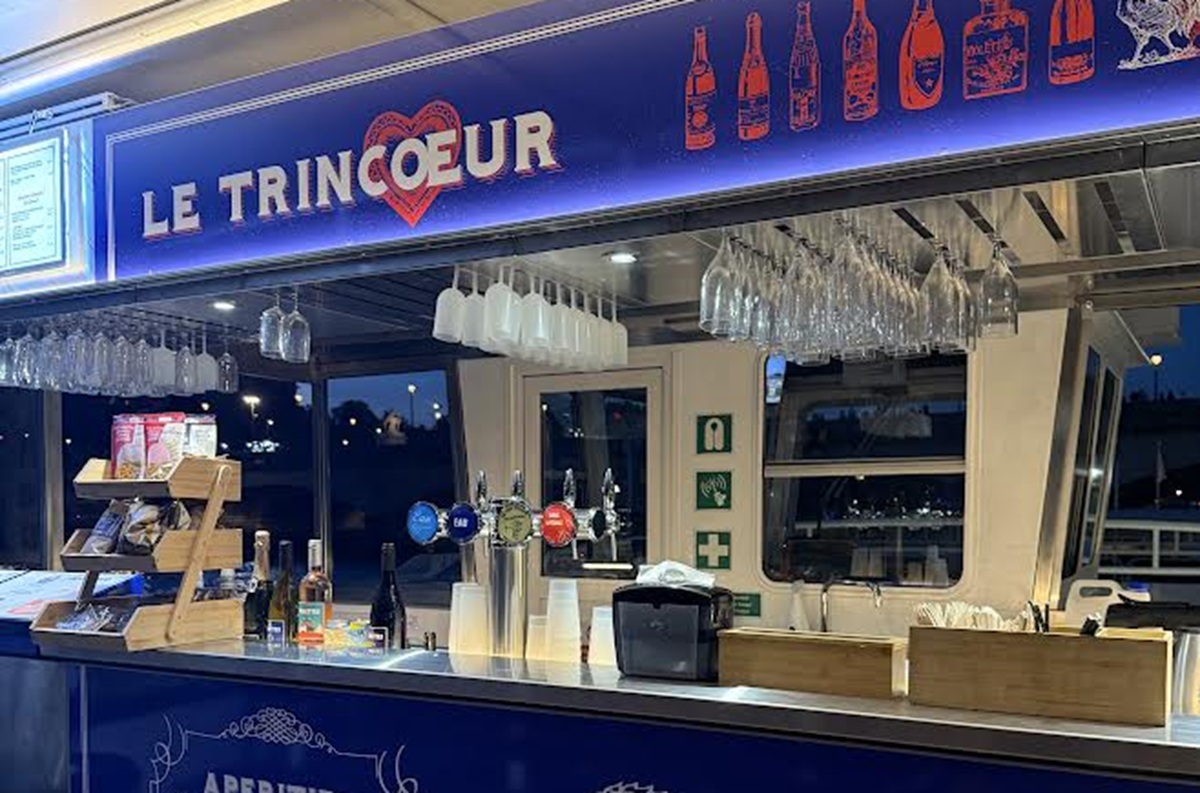
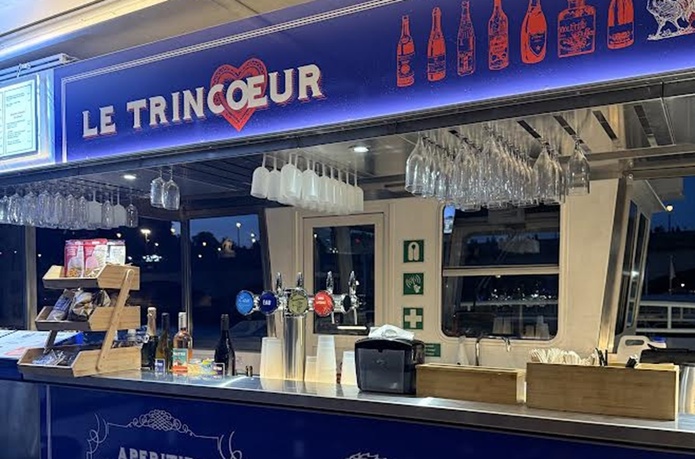
L'innovation repose sur un système de distribution à la tireuse pour les bières, cocktails, eaux et boissons sans alcool @Vedettes de Paris

CroisiEurope


Two years after electrifying its boats, Vedettes de Paris takes a new step in its environmental strategy.

The company, which is marking its 50th anniversary this year, has just inaugurated “Le Trincoeur”, a new bar concept installed aboard its open-top vessel Le Montparnasse.

The innovation rests on a draught-distribution system for beers, cocktails, waters and non-alcoholic beverages. The aim is to eliminate cans and reduce packaging, while simplifying logistics on board.


A 90-kg Saving Over the Season

Thanks to an integrated potable water tank, the boat can carry up to 500 liters of beverages. For its non-alcoholic offering, Vedettes de Paris teamed up with Necense, a Parisian company specializing in artisanal infused drinks.

Iced tea, lemonade or ginger beer are prepared directly on board, with a sugar content advertised as 30% lower than that of traditional sodas.

The company estimates that this setup will save, over a seven-month season, nearly 90 kg of cans and 80 kg of cardboard. The crew should also gain about an hour per day on bar setup and restocking operations.

Vedettes de Paris also highlights a menu favoring French references, in a décor inspired by Parisian bistros. Rolled out experimentally on Le Montparnasse, the concept could subsequently be extended to the entire fleet.

Find our special dossier : River Cruises
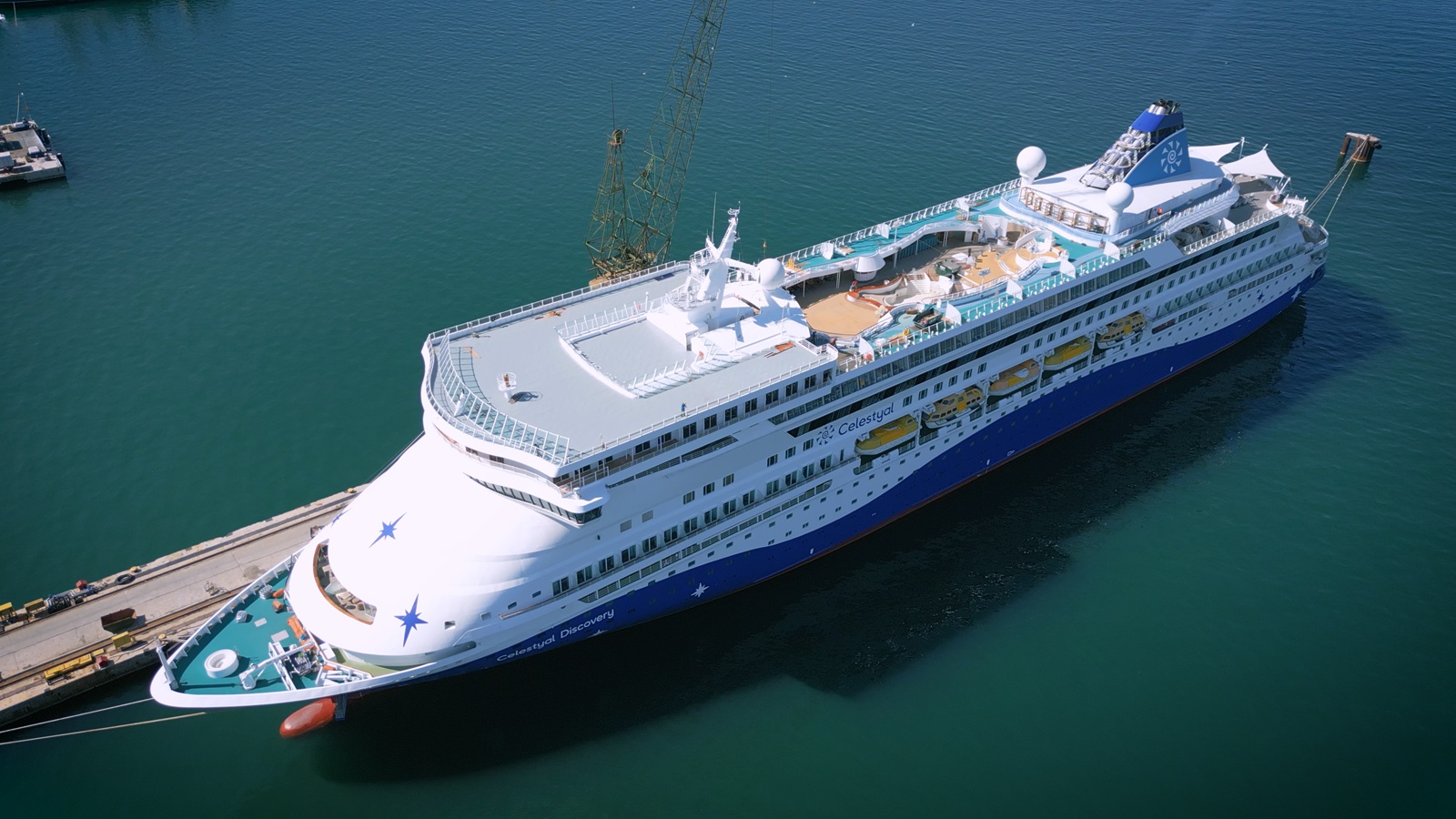
Celestyal Sets Course for the Western Mediterranean


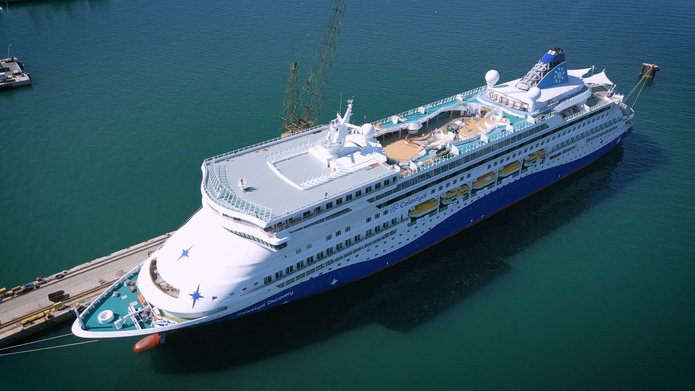
Les croisières auront lieu à bord du Celestyal Discovery, navire de 1 360 passagers, avec pas moins de 14 nouvelles escales dans cette région - Photo : Celestyal Discovery

CroisiEurope


Après avoir construit sa réputation autour des îles grecques et de la Méditerranée orientale, Celestyal poursuit son expansion vers l’ouest du bassin méditerranéen.

La compagnie annonce une programmation inédite opérée à bord du Celestyal Discovery, son navire de 1 360 passagers, avec pas moins de 14 nouvelles escales dans cette région.

Le point fort de cette offre est l’itinéraire « Odyssée Méditerranéenne : Espagne, Portugal, Maroc », une croisière de 14 nuits qui alternera grandes capitales touristiques et destinations moins fréquentées.

Le programme prévoit notamment des nuitées à Barcelone (Tarragone) et Lisbonne, ainsi que des escales prolongées à Malaga et Casablanca.

Le navire fera également escale à Gibraltar, Cadix, Tanger, Valence, Palma de Majorque et Sète avant de revenir à Barcelone (Tarragone).

Les prix débutent à 1 069 euros par personne.


A Seven-Night Version

L’itinéraire sera également proposé en two seven-night versions between Barcelona (Tarragona) et Lisbonne dans les deux sens, à partir de 639 euros par personne.

En complément, Celestyal lance two eight-night repositioning cruises named « The Mediterranean Rivieras », reliant Athènes à Barcelone (Tarragone).

Elles feront escale à Kusadasi (Turquie), Messine, Naples, Civitavecchia, Nice et Barcelone, avec des départs dans les deux sens à partir de 729 euros.

Les voyageurs pourront enfin combiner ces différents itinéraires pour composer des voyages de 22 ou même 26 nuits reliant la Méditerranée orientale et occidentale.

Comme sur l’ensemble de la programmation Celestyal, les tarifs comprennent les repas, les boissons sans alcool, le Wi-Fi, les frais portuaires et les pourboires.

Why Transport & Environment Says Floating Hotels Are Under-Taxed


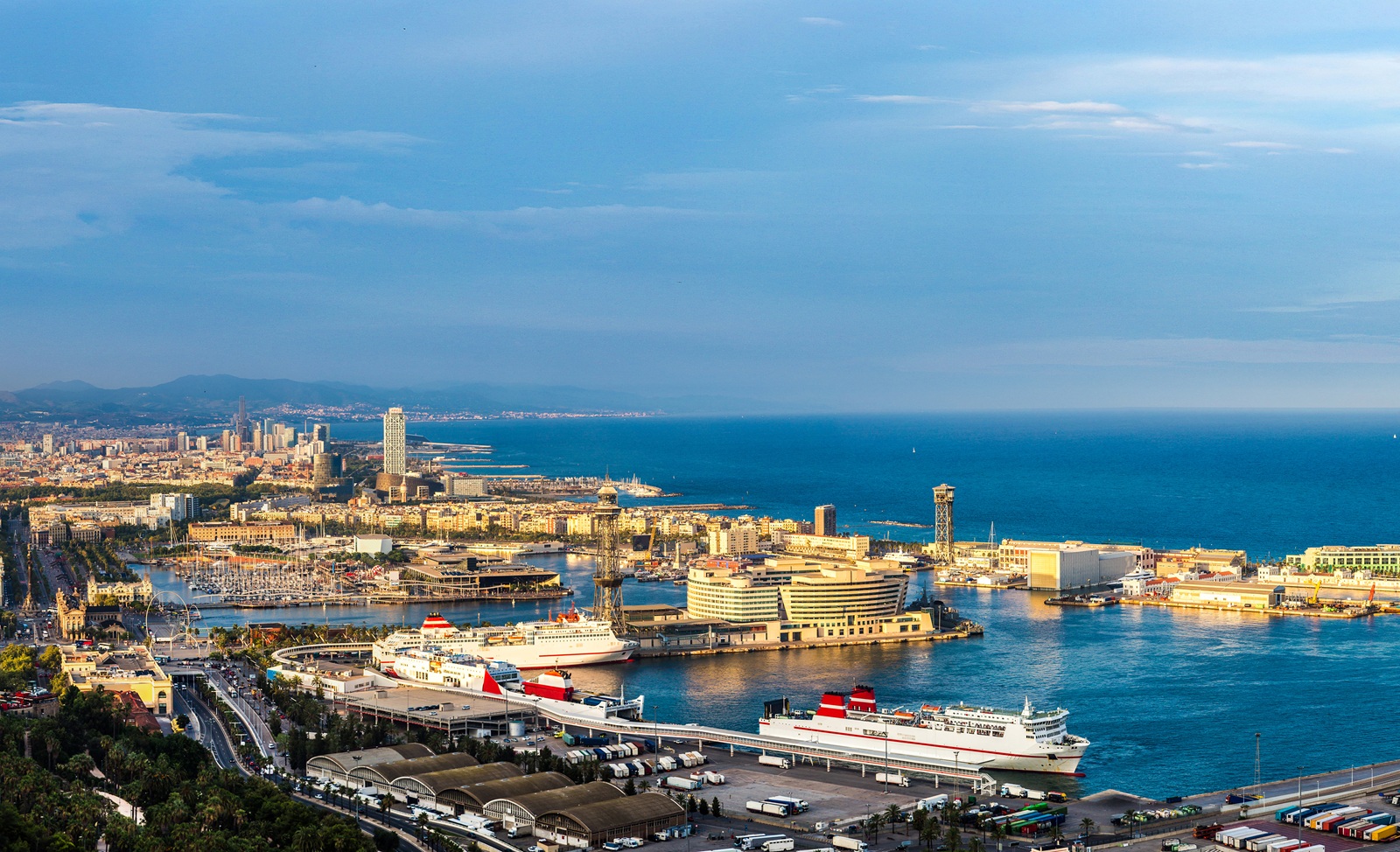
À l’heure actuelle, souligne T&E, au sein de l’UE, seule la Grèce applique une taxe au niveau national, dont le montant varie de 5 à 20 € selon la saison. Néanmoins des villes comme Barcelone appliquent leur propre fiscalité. @DepositPhotos-  Photo by ursula1964

CroisiEurope


In a study published on July 3, 2026, Transport & Environment (T&E) compares for the first time the taxation applied to cruises and hotel stays in France, Spain and Italy.

Its conclusion: on average, taxes would represent 23% of the price of a hotel night versus only 12% of the price of a cruise night. That is, according to T&E, a 40% lower tax burden for ships.

Behind this average, the gaps vary notably by country. They would be particularly large in France, where the tax share would reach 24% for a hotel night versus 9% for a cruise.

The gap would be 21% versus 13% in Spain and 25% versus 15% in Italy. The calculations are based on a daily cost of 100 euros for the two types of vacations and on international cruises.


A regime designed for maritime transport

The study takes into account seven components: VAT, local taxation, port dues, tourist taxes, energy taxation, carbon pricing, and corporate taxation.

T&E estimates that firms benefit from regimes historically designed for international maritime transport, whereas cruising today would be more in competition with land-based tourist activities.

The organization notes in particular that international cruises are exempt from direct VAT, that marine fuels are not subject to energy taxes, and that companies can benefit from the tonnage tax regime, calculated on fleet capacity rather than profits.


The gap would be even more striking at the high end. According to T&E’s calculations, taxes would amount to about 20% of the price of a night in a luxury hotel, but less than 3% of the price of a night aboard a cruise ship of a comparable category.

The NGO explains this difference notably by the fixed nature of many charges applied to cruises: their relative weight decreases as the price of the trip increases.

The study does not stop at the hotel comparison. T&E estimates between 792 million and 1.3 billion euros the value of environmental and health damages attributed to cruise ship emissions in France, Spain and Italy in 2025. This monetizes in particular the effects of greenhouse gases on the climate and those of air pollution on health.

Specifically, France would account for a cost between 117 and 186 million euros, compared with 301 to 502 million for Italy and 374 to 617 million for Spain.


A €15 tax per passenger per port of call proposed

To reduce this gap, the organization advocates instituting a national tax of €15 per passenger disembarking and per port of call.

According to its calculations, the measure would raise €55 million per year in France, €134 million in Spain and €145 million in Italy, i.e., nearly €335 million in total.

T&E proposes to earmark these revenues for protecting coastal ecosystems, electrifying docks and developing decarbonization technologies for maritime transport.

In France, the proposal is not new. In December 2025, the Senate had adopted, as part of examining the 2026 Finance Bill, an amendment to introduce a 15-euro tax per cruise passenger and per port call.

CLIA had then reacted strongly, warning against an accumulation of levies borne by the companies.

The professional organization reminded the entry of maritime transport into the European ETS and argued that adding a flat tax at each French port could risk “taxing the same emissions twice, with no obvious environmental benefit.”

Beyond the environmental debate, T&E thus opens a new front for the cruise sector: that of comparing with hotels. A comparison that the companies could themselves challenge, given that the business and tax model of a ship operating in several countries differs from that of a facility located on a single territory.


Laurent Guéna Published by Laurent Guéna Journalist – TourMaG.com
See all articles by Laurent Guéna
  • picto Linkedin
  • picto email
Add TourMaG to your Google News feed Google Actualités icône

Ponant Opens Bookings Through November 2028


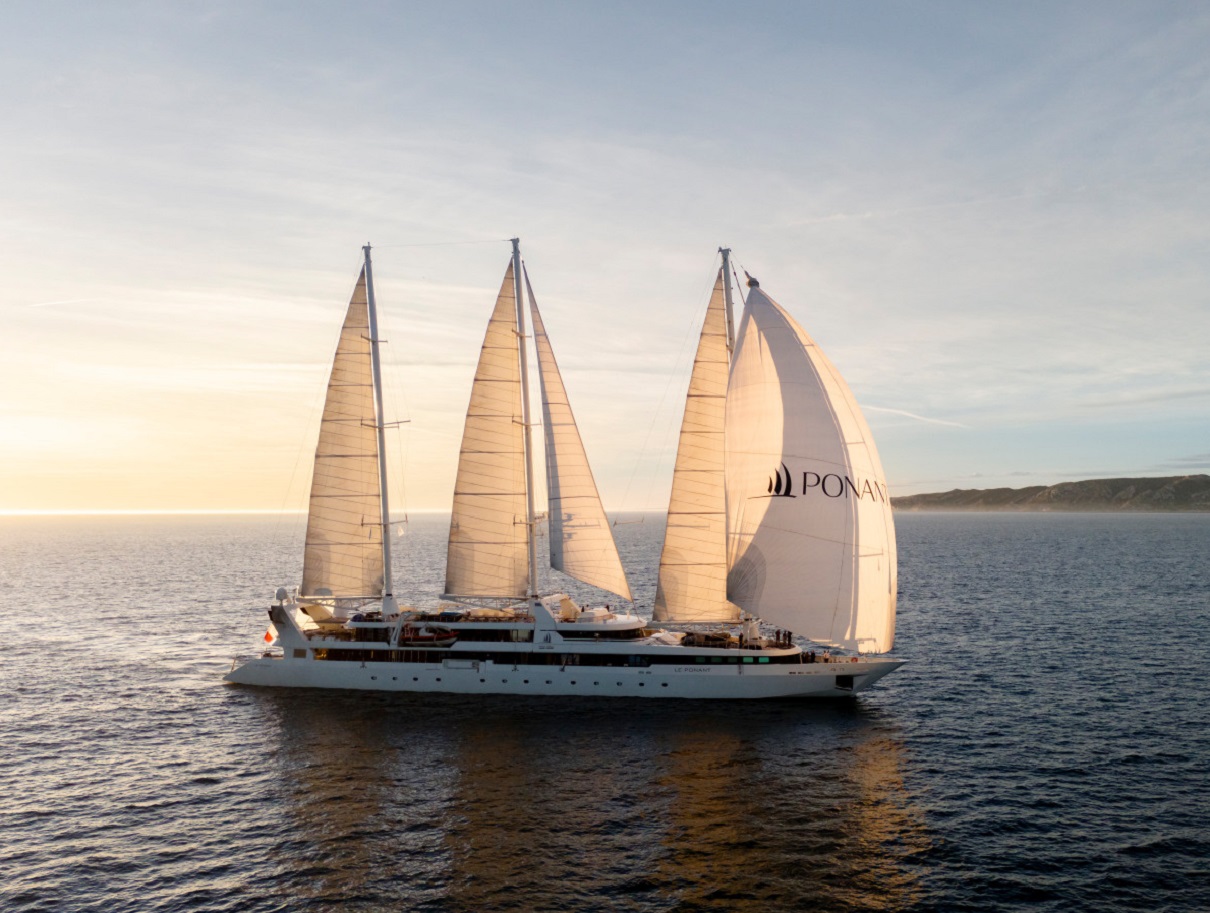
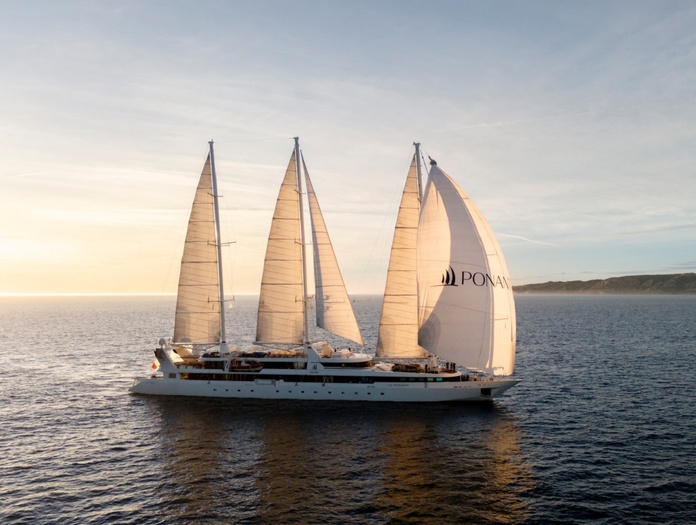
Quatre croisières sont entièrement consacrées au Cap Vert, à bord du voilier Le Ponant, en octobre et novembre 2027 - Photo : PONANT, Julien Fabro

CroisiEurope


Ponant Explorations opens to sale over 120 departures scheduled between October 2027 and November 2028, in the Mediterranean, in Northern Europe and in the Atlantic islands.

A new step in the strategy presented to travel agencies during its at-sea seminar in February.

Ponant had then announced its intention to progressively extend its sales openings from 21 to 30 months before departures, in order to respond to the surge in highly anticipatory bookings and to offer greater visibility to distribution.


The Mediterranean Takes Center Stage

The Mediterranean represents the heart of this new program, with more than 70 departures between March and November 2028.

Fourteen “Kid Explorers” cruises are notably planned for families, as well as about ten short formats of six days and five nights.

In Northern Europe, the company schedules trips to the British Isles, the Norwegian fjords and the Baltic Sea, notably two itineraries passing through the Faroe Islands.

In the Atlantic, Ponant will offer two 100% Azores itineraries in July 2028 and four cruises entirely dedicated to the Cape Verde Islands, aboard the sailing vessel Le Ponant, in October and November 2027.

A cruise dedicated to oenology will also connect Lisbon to Bordeaux in May 2028.

Finally, the company maintains its “Serenity Policy” : for any new booking made up to August 31, 2026, passengers may modify or reschedule their cruise at no cost for a departure scheduled in the same year or for an earlier date, according to the terms set by the company.

We Tested the Legend of the Seas: Videos


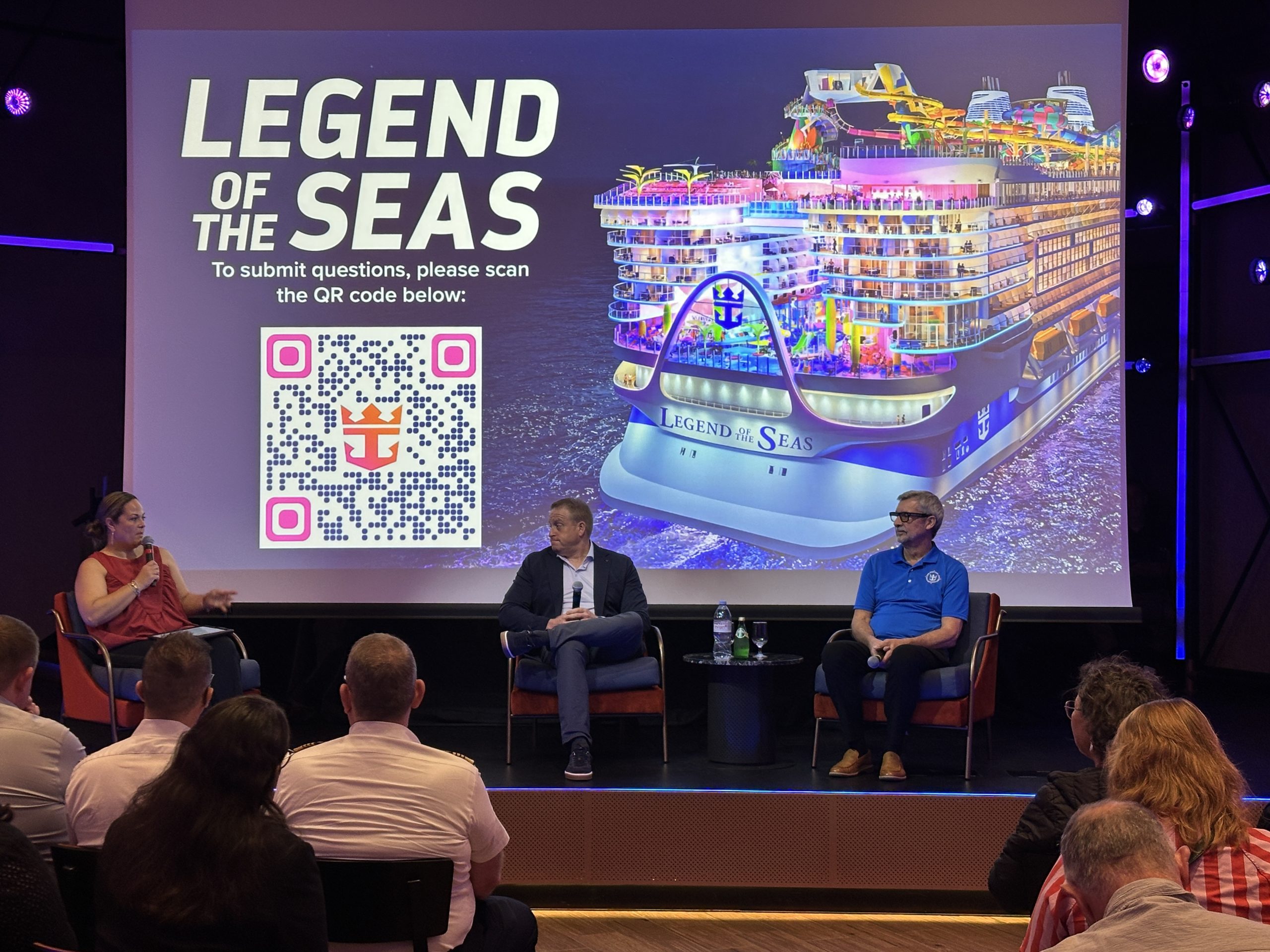
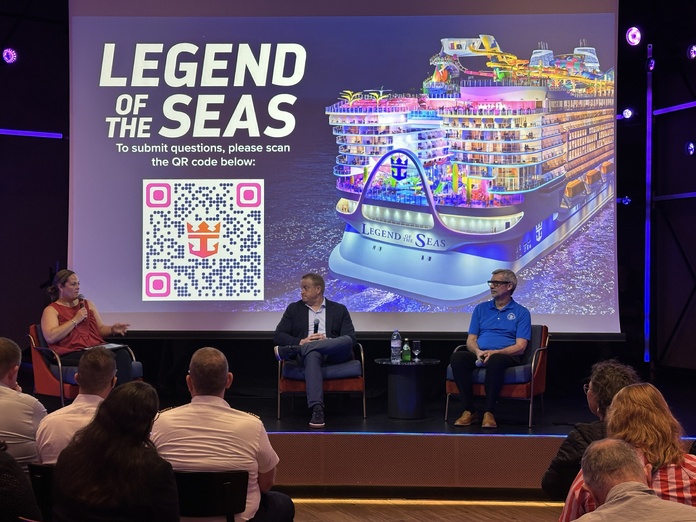
Jason Liberty, président-directeur général de Royal Caribbean Group et Michael Bayley Président- CEO de la compagnie en conférence de presse lors de l'inauguration du bateau le 29 juin 2026, à Malaga - Photo : RS

CroisiEurope


In Malaga, on June 29, the mood had all the trappings of a Hollywood-style launch.

Fireworks, performances on every deck, hundreds of journalists from around the world, influencers…

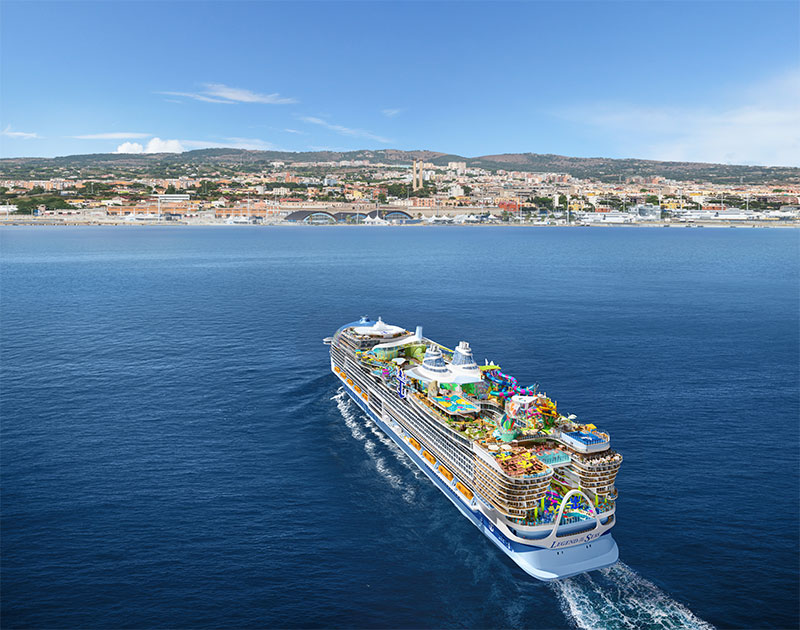
Royal Caribbean spared no expense and all eyes were on the Legend of the Seas, the third ship of the Icon class.

But behind the spectacle, the message is far more strategic. “Europe is a very important market for us,” declared Jason Liberty, Chief Executive Officer of Royal Caribbean Group.

“The Legend of the Seas’ arrival in the Mediterranean is not simply a new fleet deployment. It signifies the world’s second-largest cruise company’s intent to deepen its presence in a European market where demand continues to grow.”, he added.


Une inauguration européenne

For Michael Bayley, President of Royal Caribbean International, this decision reflects an obvious truth, since until now, ships of this new generation had been reserved for the North American market.

Indeed, the calendar speaks for itself. After a first nearly fully booked summer season this year, the Legend of the Seas will, in 2027, operate a full Mediterranean season from April to late October.

Royal Caribbean also plans to gradually expand its European offering, with a second Icon-class ship also positioned in the Mediterranean. “The second ship will have more embarkation ports, notably Lisbon, with itineraries including Morocco, the Canary Islands and a large part of the Western Mediterranean,” the president, Michael Bayley, confirmed at a press conference.

“France clearly features among the targeted markets, however our product is not intended for a single nationality. We are seeking international guests. Wherever you are in the world, you can probably board a Royal Caribbean ship within five hours’ flight,” added Gianni Rotondo, head of the EMEA markets.

This global strategy remains one of the group’s main strengths, now present in North America, Europe, Asia, Australia, and South America.


L’Icon comme vitrine du modèle Royal Caribbean

The Legend of the Seas naturally impresses with its size. Among the largest cruise ships in the world, its capacity can reach nearly 7,600 passengers.

But Royal Caribbean stresses another point: size is not a goal in itself.

“It’s a ship capable of delivering an excellent vacation experience, both extraordinary and intimate in the quality of its offerings, for a solo traveler, a couple, a family or a multigenerational family.” insists Jason Liberty.

To achieve this, the company started from a clean slate.

The Icon class does not merely reuse the codes of Oasis or Quantum.

It introduces an entirely new organization around eight themed neighborhoods, designed for different customer profiles… even though the emphasis here is clearly on families.

“80% of Icon-class cabins can accommodate three or four people, compared with only 30 to 35% on other classes of the company.” recalls Gianni Rotondo.

Surfside, a district entirely dedicated to young families, the new Ultimate Family Townhouse on three levels, and the proliferation of shared living spaces illustrate this orientation.

Teenagers themselves also influenced the ship’s design. Studies by Royal Caribbean show that they are now seeking more social spaces than clubs reserved for their age group.


L’expérience comme moteur économique

According to Royal Caribbean, up to 20 to 30% of guests now choose to stay onboard during certain port calls. This trend has led the company to rethink its ships, designed as genuine destinations in their own right.

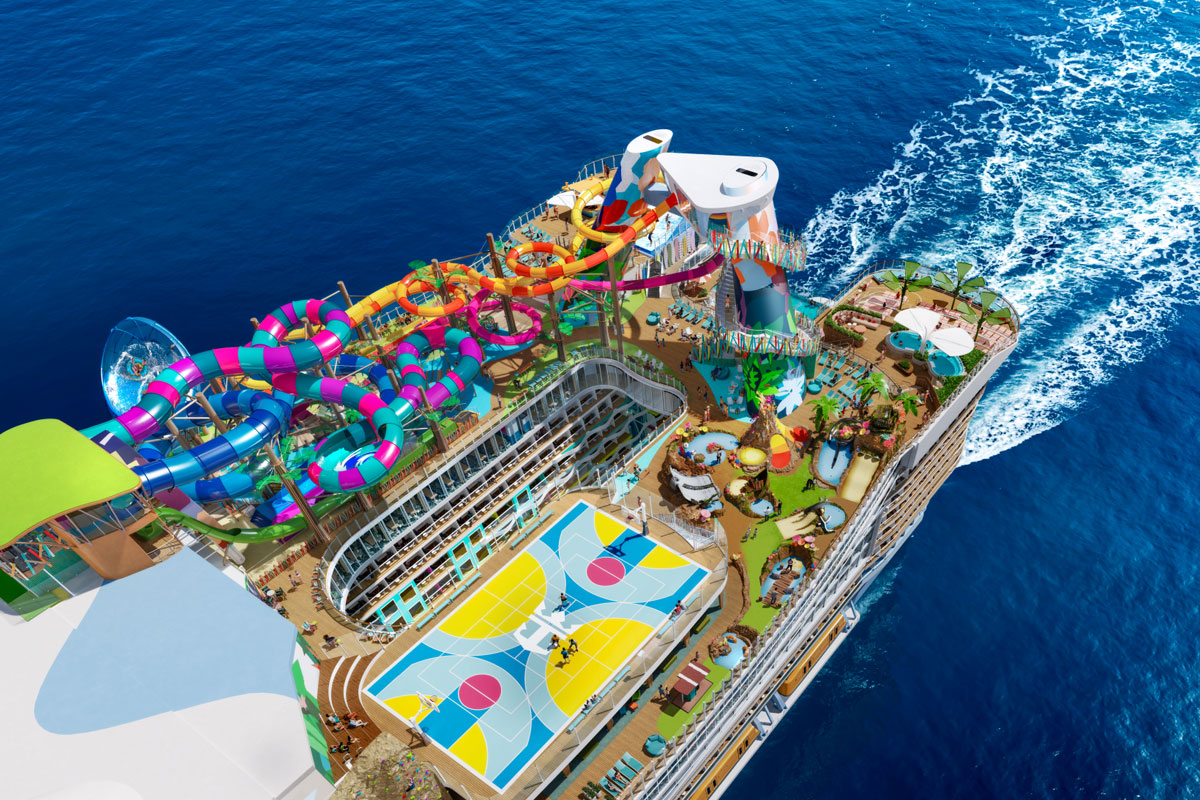
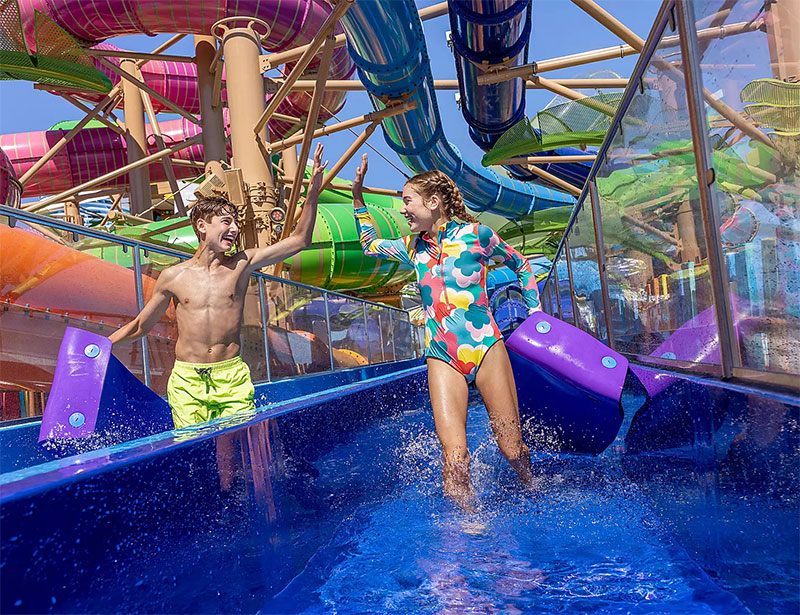
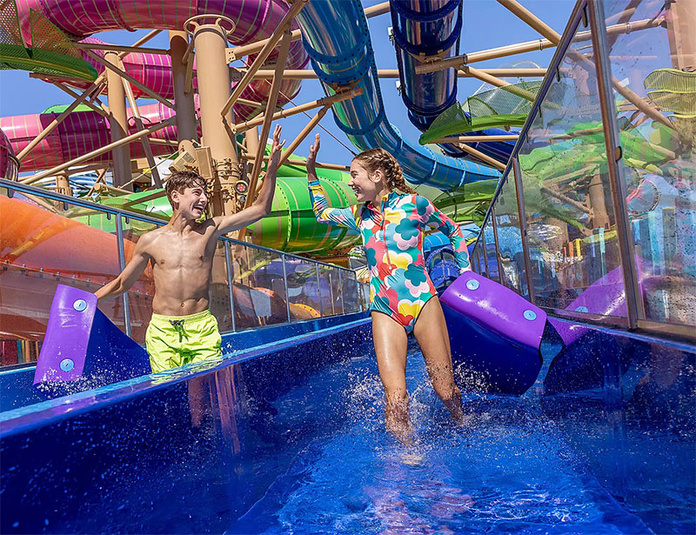
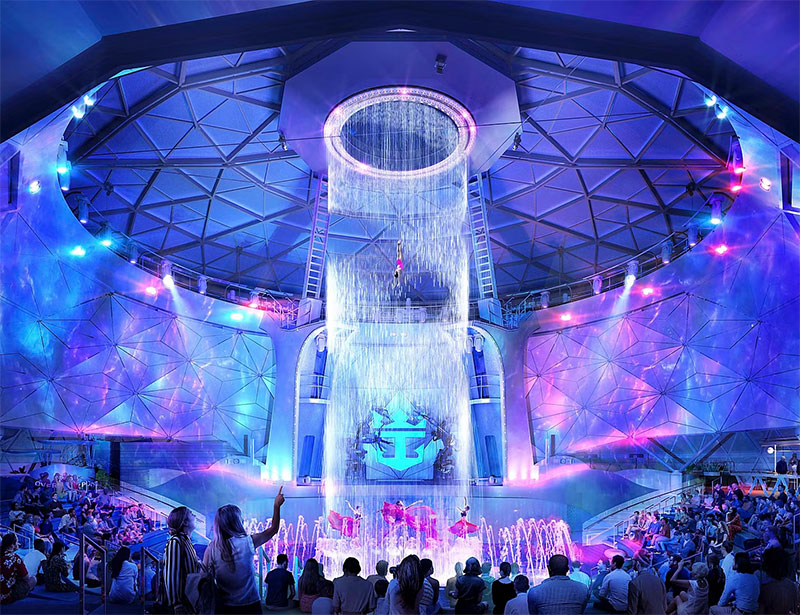
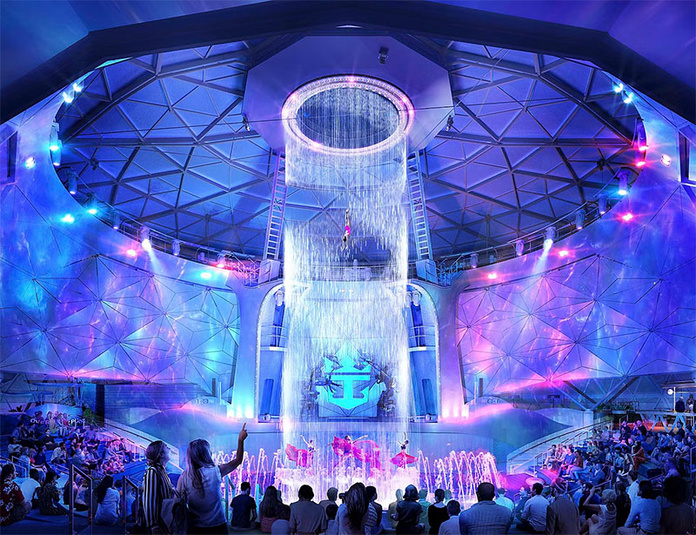
The Legend of the Seas offers 28 food and beverage options, including about ten complimentary, more than 40 culinary and entertainment experiences, seven swimming pools, the largest water park ever built at sea with Category 6, Crown’s Edge or the Aqua Dome, now one of the ship’s architectural signatures.

Social networks now directly influence design. “They changed everything.” acknowledges Michael Bayley.

Jason Liberty adds: “We deliberately create places where guests will want to take photos and share them.”

The Pearl, an immense sphere at the heart of the ship, perfectly illustrates this logic.

For Jason Liberty, the real challenge today “is no longer to promote cruising, but to persuade those who think it isn’t for them.” According to the group, a guest who discovers cruising is five times more likely to sail again.


Royal Caribbean prépare déjà l’avenir, entre technologie et développement durable

If the spectacular draws the eyes, the most significant investments are often invisible.

The Legend of the Seas carries thousands of sensors capable of continuously analyzing the ship’s operations. “We consider artificial intelligence a superpower,” states Jason Liberty.

AI now enables a vessel to optimize energy consumption, air conditioning, predictive maintenance or even supply management.

“We have reduced food waste by more than half thanks to AI, and when we realize savings, we reinvest them into product improvement,” explains Jason Liberty.

In terms of product improvements, the leader emphasizes environmental impact, a topic that can still deter some potential customers.

Propelled by LNG, the Legend of the Seas also incorporates heat recovery systems, shore power connections and technologies designed to prepare for the eventual use of synthetic fuels. “Our ultimate mission is to offer the best vacation experiences in a responsible way,” he adds.

These innovations enable Royal Caribbean to prepare the future Discovery Class, develop new Royal Beach Clubs, continue expanding Perfect Day and even prepare its entry into the river cruise market.

Cruise Tourism: Marseille Aims to Better Manage Passenger Flows


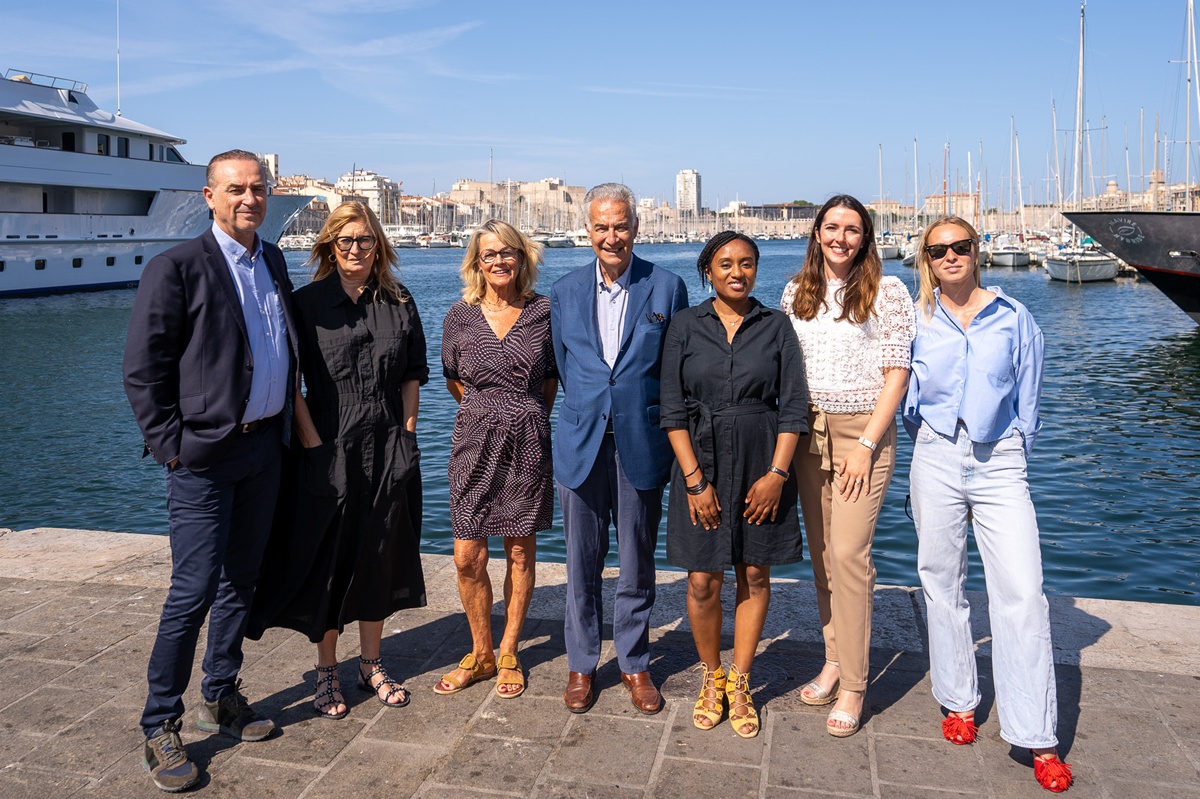
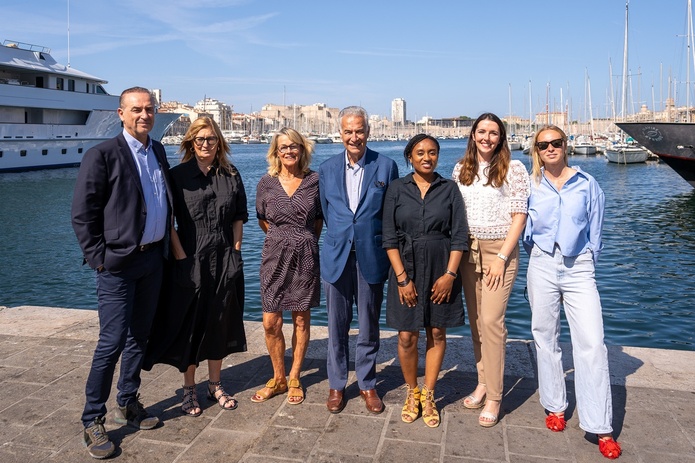
L'équipe de Marseille Provence Croisière fêtera les 30 ans de l'association à la fin de l'année - Photo : MPC

CroisiEurope


“Our aim is not to run more cruises, but to do better.”

One year after his election as president of Marseille Provence Croisière (MPC), Jacques Hardelay reiterates the direction he intends to give the association: to better integrate cruise activity into the region and maximize its local economic impact.

This strategy notably involves a better understanding of the passengers.

MPC has strengthened its statistical observatory to analyze nationalities, maritime and riverine flows as well as the itineraries of cruise passengers in the city.

The objective is in particular to anticipate saturation risks in certain neighborhoods.


Targeting the Mainline Passengers

These data should also feed a joint strategy with Marseille Provence Airport to develop direct air links and attract more passengers boarding or disembarking in Marseille.

A clientele known as the ‘head of line’, deemed more beneficial for the local economy since they are likely to stay in the city before or after their cruise.

In the same spirit, Marseille Provence Croisière is preparing the promotion of the future J4 maritime terminal, which should allow the destination to strengthen its positioning in the luxury small-cruise market.

On the environmental front, the on-quay electrical power supply installations, officially inaugurated in April 2026, are now operational. A commissioning phase is nonetheless necessary: each vessel must carry out its own tests and adjustments before regularly using the equipment.

According to MPC, several shipowners are choosing Marseille to carry out these technical tests.


Marseille Provence Croisière Will Celebrate Its 30th Anniversary

The association is also working on developing short provisioning circuits for ships, with initial direct contracts between inland shipowners and regional wine producers, and similar efforts undertaken for maritime cruising as well.

The association also plans to strengthen dialogue with local stakeholders. Working groups bringing together hoteliers, merchants and tourist sites have been created, while a strengthening of territorial governance is scheduled for July.

This new phase comes a few months before Marseille Provence Croisière’s 30th anniversary. Created in 1996 under the name Club de la Croisière Marseille Provence, the association adopted its current name in 2023.

Royal Caribbean’s Legend of the Seas Completes Its Maiden Mediterranean Cruise, Impressing Industry Professionals


© Royal Caribbean

CroisiEurope


Parlons chiffres pour commencer. Fruit d’un investissement de 2 milliards de dollars, le Legend of the Seas mesure 364 mètres de long, compte 20 ponts et dispose de 2 805 cabines réparties en 28 catégories, dont certaines comme les suites donnent accès à des restaurants réservés exclusivement à leurs occupants. Mais le « Legend of the Seas » c’est bien plus que cela…

Ce n’est pas un hasard si le troisième navire de la classe Icon de Royal Caribbean a conçu ses espaces comme les quartiers d’une ville, huit au total. À l’image de Central Park, un véritable parc urbain avec plus de 30.000 plantes naturelles entourant les bars et restaurants qui s’y trouvent, et où l’on recherche une plus grande tranquillité avec le chant des oiseaux pour bruit de fond. Tout en contraste avec le Category 6, la zone qui abrite le plus grand parc aquatique jamais construit sur un paquebot de croisière et où vous trouverez des toboggans à couper le souffle. Parce que sur le « Legend of the Seas » il y a une croisière, des installations et des moments pour tous les types de clients. Les plus petits ont même un quartier de plus de 1.500m2, l’Adventure Ocean où des moniteurs spécialisés les accueillent pour des activités réparties par groupes d’âge. Sans oublier les clients des Suites qui peuvent profiter d’un quartier qui leur est exclusivement réservé, sur 3 étages et avec des vues époustouflantes. Avec leur restaurant, leur lounge, leur solarium et leurs macro-jacuzzis, tout cela en exclusivité pour les clients qui voyagent en Suites.


© Royal Caribbean

Ce qui est certain aussi, c’est que Royal Caribbean maîtrise parfaitement l’art de la logistique en mer, gérant les flux comme personne, évitant les attroupements dans les zones les plus prisées comme les buffets, les restaurants, les salles de spectacles ou les ponts supérieurs. La zone des ascenseurs du « Legend of the Seas » nous transporte dans le futur, un futur où prendre l’ascenseur est un jeu d’enfant et une master-class d’efficacité.

Au-delà des principales caractéristiques qui définissent le nouveau navire de la compagnie, les dirigeants de Royal Caribbean ont présenté les messages clés pour le secteur lors d’une conférence de presse organisée à bord lors de la traversée inaugurale.


Design and Vacation Ecosystem

L’idée n’est plus de rivaliser dans la construction des plus grands navires, mais de concevoir et de développer un véritable écosystème complet de vacances, en mettant l’accent sur l’innovation technologique, l’intelligence artificielle appliquée à une gestion efficace, les destinations privées et des itinéraires comprenant différents ports d’escale. À cette fin, Royal Caribbean a annoncé la nouvelle génération de navires appartenant à la classe Discovery, dont le premier est prévu pour 2029 et le second pour 2032, tous deux de taille inférieure à leurs prédécesseurs et prêts à traverser le canal de Panama, mais aussi à voguer sur les eaux en Alaska et en Europe.

De même, les dirigeants ont souligné l’importance stratégique de l’Europe dans leurs opérations, où les dépenses moyennes de leurs passagers sur les destinations sont plus élevées qu’ailleurs, et où l’offre culturelle est unique, tout en respectant les réglementations environnementales exigées par les ports européens. Une excellente nouvelle pour continuer à voir de plus en plus de navires de Royal Caribbean programmés dans le futur pour une saison en Europe.

A cet effet, Barcelone s’impose comme le port d’embarquement du « Legend of the Seas » sur 2026 et 2027 pour les itinéraires en Méditerranée occidentale, aux côtés de Civitavecchia (Rome), juste avant le début de la saison des Caraïbes et leurs escales sur l’île privée de Royal Caribbean aux Bahamas, Perfect Day at CocoCay.

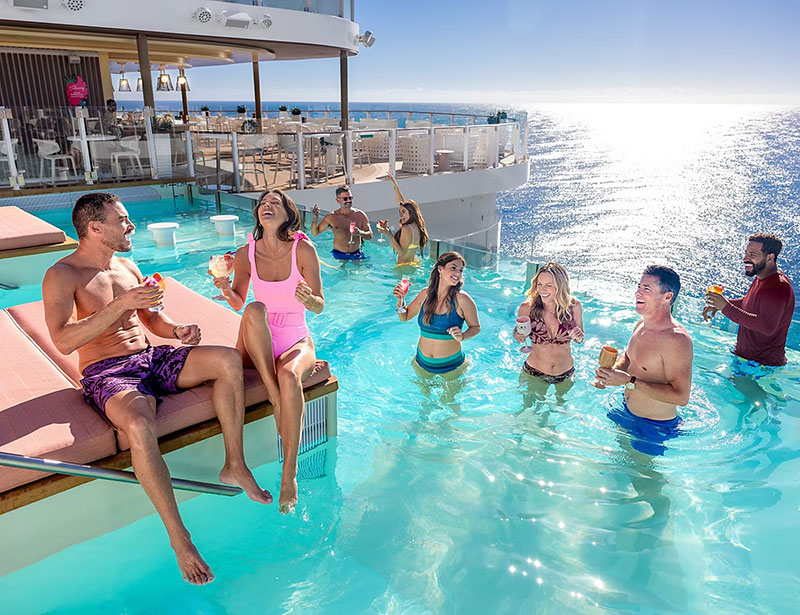
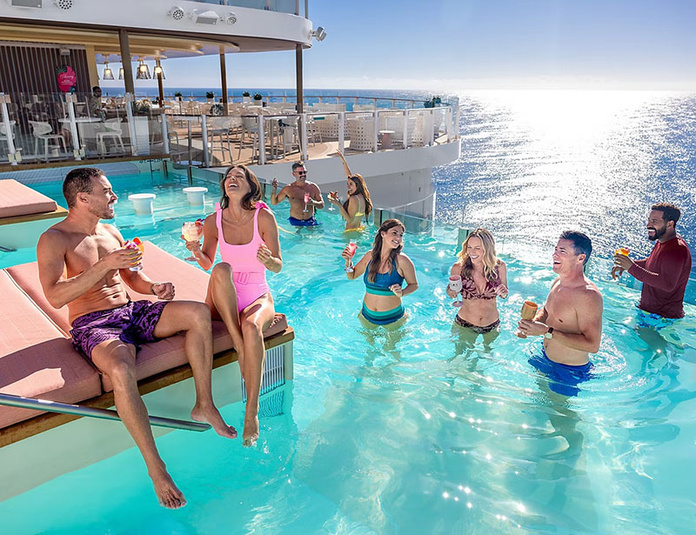
Au-delà des 28 options gastronomiques, des sept piscines et des expériences aquatiques des plus variées, des espaces réservés aux adultes à The Hideaway et du bar aquatique Swim & Tonic, de la tyrolienne et de la passerelle suspendue à 47 mètres au-dessus de la mer à Crown’s Edge, les vues panoramiques sur l’océan depuis la Royal Promenade et le Pearl, ainsi que le Central Park mentionné précédemment, en passant par le quartier des Suites jusqu’à l’Ultimate Family Townhouse de trois étages, réaménagée avec des espaces pour toute la famille, il y a un domaine dans lequel Royal Caribbean n’a pas de concurrence : les spectacles.


© Royal Caribbean


Music, Shows and Exceptional Performances

Des spectacles tels que Charlie and the Chocolate Factory de Roald Dahl et America’s Got Talent LIVE à bord du Legend of the Seas, ainsi que les acrobaties époustouflantes de Shockwave dans l’AquaTheater, où des plongeurs s’élancent depuis le plafond, et les spectacles de patinage sur glace de Fusion à l’Absolute Zero, font de Royal Caribbean le roi incontesté du divertissement en mer, avec un déploiement de moyens et de professionnels dignes des meilleurs spectacles du monde. Et tout cela est inclus dans le prix de votre cabine, une valeur incontestable qu’il convient de mettre en avant.


© Royal Caribbean


A Benchmark for ‘New Generation’ Cruises

Le « Legend of the Seas » est une véritable déclaration d’intentions. Il traduit avant tout comment Royal Caribbean sait satisfaire les différents goûts et attentes des passagers. L’œil expert des professionnels embarqués pendant la croisière inaugurale a aussi été impressionné par un navire qui nous avance le fonctionnement de l’industrie des croisières dans le futur, ses tendances, et l’art de gérer la logistique en donnant l’impression que sa complexité absolue est un jeu d’enfant. Et tout cela au départ de Barcelone, à moins d’1h30 de Paris… Alors qu’attendons-nous pour découvrir les meilleures vacances en mer ?


© Royal Caribbean


Carnival Destiny: Carnival’s First Ace-Class Ship


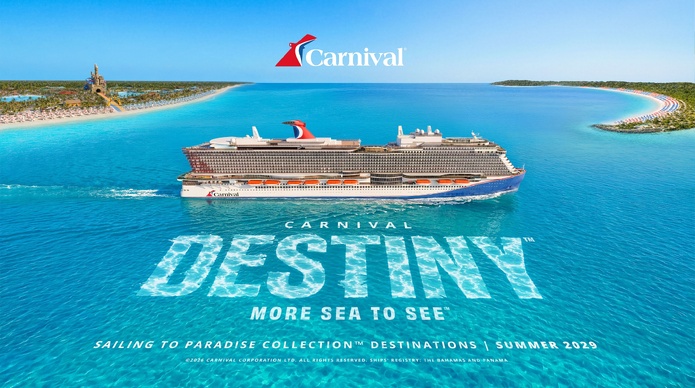
Le Carnival Destiny sera déployé sur les destinations de la Paradise Collection by Carnival, dans les Caraïbes, aux Bahamas et au Mexique - Illustration Carnival Cruise Line

CroisiEurope


Carnival Cruise Line has unveiled the initial features of the Carnival Destiny, the first vessel of its new Ace-Class generation, with delivery scheduled for summer 2029 by the Italian shipyard Fincantieri.

Presenté comme le navire le plus ouvert sur l’océan jamais conçu par la compagnie, le Carnival Destiny proposera un nombre record de cabines avec balcon, un pont promenade entièrement repensé et plus de 4,5 acres (environ 1,8 hectare) de surfaces vitrées afin d’offrir des vues sur la mer depuis un maximum d’espaces à bord.

« Le Carnival Destiny repense l’expérience que les passagers peuvent vivre en mer, a déclaré Christine Duffy, présidente de Carnival Cruise Line.

With this ship, we are taking the onboard experience to a new level by creating a vessel that offers a greater sense of space, brings guests closer to the ocean and simply allows them to enjoy their cruise even more.»


Deploying across the Caribbean, the Bahamas and Mexico

Carnival also announces that more than 70% of public spaces and attractions will be new, featuring new concepts for dining, bars, entertainment and outdoor spaces.

The ship will be deployed on the Paradise Collection by Carnival destinations, in the Caribbean, the Bahamas and Mexico.

Two additional Ace-class units are already planned for 2031 and 2033.

Star Clippers Appoints Leo Chang as CEO


Leo Chang est nommé directeur général de Star Clippers afin d'accompagner le développement international de la compagnie.   Photo: Star Clippers

CroisiEurope


Star Clippers opens a new chapter in its development with the arrival of Leo Chang to the position of Chief Executive Officer.

The new leader succeeds Eric Krafft in the company’s operational functions, while the latter retains a role as executive chairman and shareholder.

With more than thirty years of leadership experience in senior roles, Leo Chang will be tasked with piloting the operations, growth, and international development of Star Clippers.

Before joining the company, he held the role of Director of Development at Lindblad Expeditions, after having held executive positions at Frontida BioPharm and Jefferies.


A leadership transition at the helm of the company

« Leo fully shares our vision of an authentic journey. His deep knowledge of the market for small-ship cruises, his expertise in strategic development, and his management approach make him the ideal leader to guide Star Clippers through this new phase, » declares Eric Krafft, owner and executive chairman of Star Clippers.

Founded in 1989 by Mikael Krafft, Star Clippers currently operates three sailing vessels: the Star Flyer, the Star Clipper, and the Royal Clipper.

« My priority will be to continue the international development of the company, enrich the experience offered to guests, and keep evolving the offering while remaining faithful to the timeless spirit of sailing that defines Star Clippers’ identity », affirms Leo Chang.

Oceania Cruises: Discover the Caribbean in a New Way


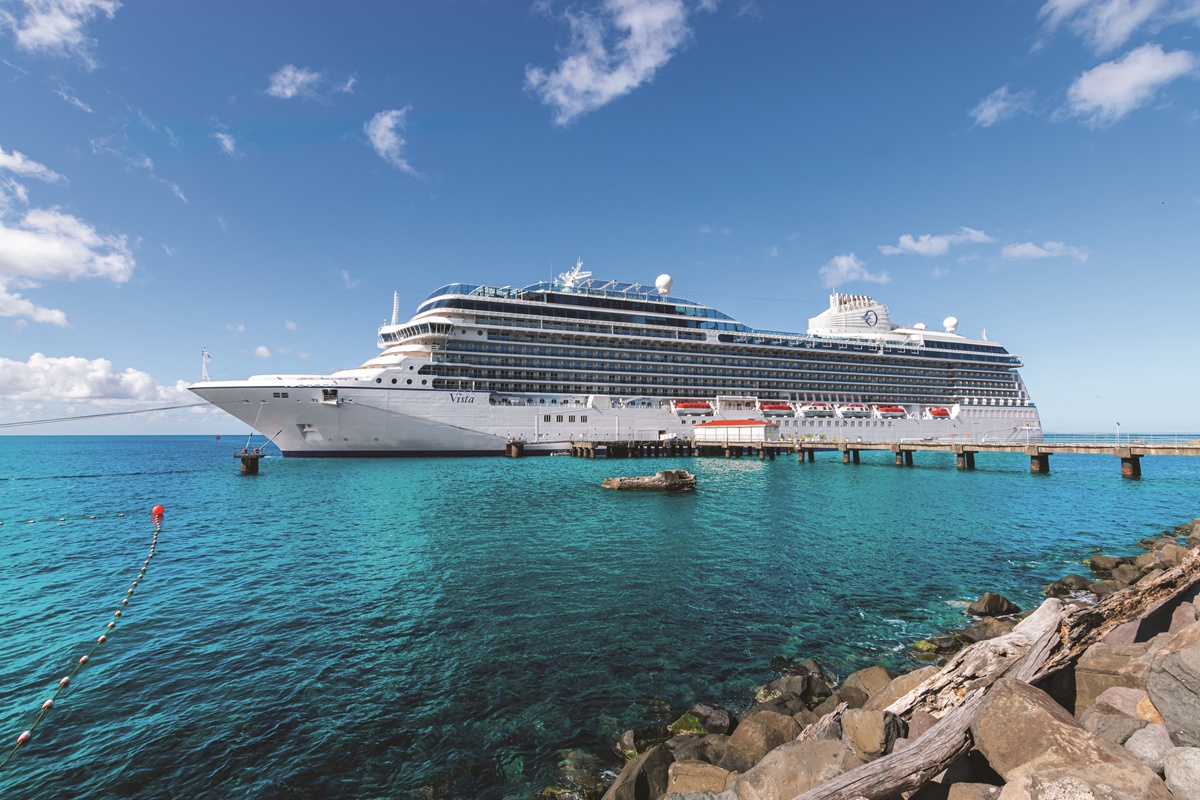
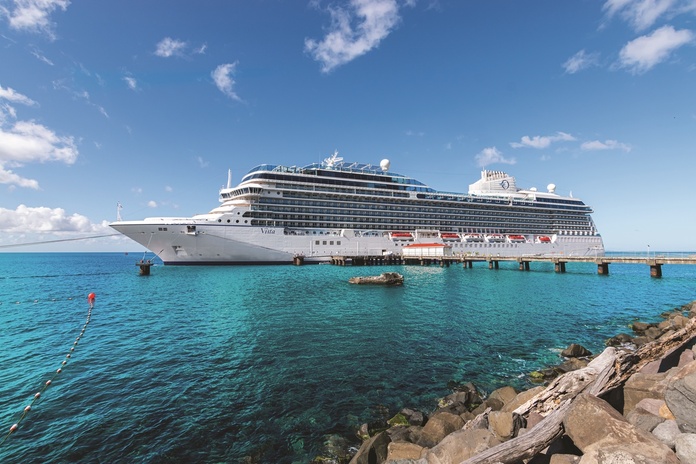
La programmation comprend notamment Dutchman's Caribbean, une croisière de 14 jours au départ de Miami le 11 novembre 2026 à bord d'Oceania Vista - Photo : Oceania Cruises

CroisiEurope


On its ships Oceania Vista, Oceania Allura and the recently renovated Oceania Marina, Oceania Cruises will offer in the Caribbean this winter itineraries of seven to fourteen days, blending major regional ports with more intimate harbors.

The stated aim is to foster immersion through small-group excursions focused on local culture, heritage and cuisine.

Among the highlighted experiences are a visit to a beekeepers cooperative in Saint Lucia, an immersion in banana plantations in Martinique, a discovery of artisan markets of Sainte-Anne in Guadeloupe or even a lunch on a Tortola beach after visiting an organic farm.

In Curaçao, passengers will also have the chance to partake in a cheese and wine tasting in Willemstad’s UNESCO-listed historic center.


Gastronomy at the Heart of the Experience

This approach continues aboard. Oceania Cruises highlights Chef’s Market Dinners, during which the Terrace Café revisits the flavors of the visited ports, as well as the Culinary Center workshops, inspired by local ingredients and culinary traditions.

LYNC photography workshops also complete the activity program.

“Our Caribbean cruises reveal the richness and diversity of this region, blending iconic islands with more intimate ports,” states Jason Montague, Chief Luxury Officer of Oceania Cruises, in a press release.

“Thanks to a curated selection of immersive excursions, even the most seasoned travelers gain a new perspective on destinations they thought they already knew.”


Five itineraries in the spotlight

The program includes notably Dutchman’s Caribbean, a 14-day cruise departing from Miami on November 11, 2026 aboard Oceania Vista, as well as Caribbean Island Bliss, a ten-day itinerary aboard Oceania Allura starting December 2.

The company will also offer Collector’s Caribbean (December 10, aboard Oceania Marina), Tropical Retreats, a seven-day Christmas cruise departing from Miami on December 21 aboard Oceania Allura, and Caribbean Celebration, a 14-day itinerary allowing guests to celebrate New Year’s Eve in Martinique before continuing to Saint Kitts and Saint Martin.

Finally, Oceania Cruises accompanies this programming with a promotional offer valid until September 8, 2026 on a selection of departures from the United Kingdom and several European cities, including round-trip flights and one night hotel before embarkation.