

Travel and Literature: The Great Replacement [ABO]


Voyages et littérature : le grand remplacement - Depositphotos.com  Auteur sensay

CroisiEurope


… Since antiquity up to Hergé and Corto Maltese, passing through Marco Polo or Ibn Battuta, literature and comic books offer a wealth of narratives inviting readers to drift toward real destinations or partly fictional ones.

 
For many of us, Tintin stands as the prototype of the globe-trotting reporter, detective, and avenger that Joseph Kessel, for example, embodied in reality.

 
As for the immense Cervantes and his hero Don Quixote, he never stops embodying those adventurers who throughout history have hoped to discover in distant lands an ideal world.

 
Don Quixote is akin to Vasco da Gama, Christopher Columbus or Jacques Cartier… and Tartarin de Tarascon, in Alphonse Daudet’s pen, is a satirical novel interwoven with a travel narrative in Africa, completely imagined by the hero.

 
… Apparently invented from scratch, these characters actually draw their roots from the reality of the era that was theirs. An era when books circulated among the educated elites and carried their flood of narratives.


When Travel Becomes a Book

In fact, the story of the world as it has been understood since antiquity gave rise to a widely circulated and still vibrant body of literature, drawing its originality from personal experiences.

 
For evidence:

 
– The Festival “Etonnants voyageurs” in Saint-Malo has existed for 36 years and continues to draw crowds: 50,000 visitors over a few days. An achievement that each year welcomes regulars and newcomers to an event defined as that of “world literature.”

 
– The success of nineteenth-century great writers such as Lamartine, Flaubert, Nerval, Chateaubriand… who still populate bookshelves and recount their voyages in the East or in Italy, is another proof of the genre’s vitality.

 
– As for Sylvain Tesson and his superhuman journeys, he achieves exceptional sales, up to 500,000 copies for “La Panthère des neiges” or “Dans les forêts de Sibérie”… while Jack London’s “Martin Eden” remains a bestseller. Yet, alas, pamphlets against tourism are multiplying.


“I Hate Travel”

Overtourism and its heavy media coverage have left their mark, doing real damage to the world of essays and pamphlets: Leave Before It’s Too Late, The Anti-Tourist Handbook, Travel Was It Better Before?… and long before: Murielle Cerf’s The Anti-Travel, which chronicles the adventures of a young woman in Asia.

 
But above all: Claude Lévi-Strauss’s Tristes Tropiques, which opens with the profoundly unsettling line: I hate travel and explorers. While Paul Morand, Georges Simenon, Henry Miller and many others tempered their moments of ecstasy with sharp criticisms.

 
To read on TourMaG: The traveling writers.


When the Book Replaces Travel

Attention, however: while this observation about the harmony between literature and travel is well known and remains as firm as ever, let us not overlook the function of travel being replaced by the book.

 
Despite its decline, the book remains an extraordinary instrument of escape. Our entire collective imagery is built from the numerous reading experiences lived by children who retreat from the outside world to devour novels such as Tom Sawyer (Mark Twain), Harry Potter, through Little Nicholas or The Hobbit by Tolkien, or The Little Prince…

 
It opens to a non-material “elsewhere”; the book has the ability to become travel insofar as it absorbs both attention, and also the time and the imagination of readers young and old.

 
It is all the more capable of “replacing” a journey as it offers the reader several advantages:

 
– The immense freedom to interpret characters and settings with one’s imagination and personal culture.

– it can be read and reread and can transform itself depending on when it is read and especially the setting in which it is read.

 
– It provides a way to create insulating bubbles allowing the reader to flee others and focus on themselves.

 
– It is also a tool for well-being insofar as it provides mobility to a traveler who can stay “immobile.”

 
– It is finally a tool of knowledge on par with travel.

 
… Far from airports, train stations, the constant changes from one hotel to another, from one museum to another, literature offers an extraordinary means of leaping into another universe without leaving one’s couch.

 
An advantage that could, in the short term, threaten mobility. Especially when the reader becomes compulsive, as in Alan Bennett’s novel The Queen of the Bookworms, which depicts a Queen Elizabeth utterly passionate about her reading to the point of forgetting to govern her kingdom.

 
With her head perpetually elsewhere, the queen travels in her books and feels so at home there that she sees the world differently.

 
The emotion that can strike a reader during and after reading certain novels can indeed transform a person. Especially among young readers? And transform a life. Who doesn’t remember a cult book that enchanted or moved their existence?

 
One more push…



Josette Sicsic - DR

Josette Sicsic, a journalist, consultant, and speaker, has been observing the world’s changes for more than 25 years to analyse their consequences for the tourism sector.

 
After having developed Touriscopie for over 20 years, she remains at the frontline of current events where she decodes the present to forecast the future. On the site www.tourmag.com, in the Futuroscopie section, she publishes several times per week forward-looking and analytical articles.

 
Contact: 06 14 47 99 04

Email: [email protected]

Is Homo-Festivus a Pilgrim in the Making? [ABO]


Foot, musique, religion... l’homo-festivus est-il un pèlerin en puissance ? - Depositphotos.com halfpoint Auteur halfpoint

CroisiEurope


Between Céline Dion concerts, the pope’s visit to France, and the numerous climate marches that have swept through the streets of the Hexagon, Heritage Days and other garden festivals no longer struggle to find space on the French calendar.

It must be said that these events are already to be classified among traditional festivities. The Garden Festival held its first edition 29 years ago! As for Heritage Days, they have existed since the 1980s.

Almost as old as the Fête de la Musique, created in 1982 at the initiative of the Ministry of Culture, these appointments have become our postmodern milestones, as important as the great historical and religious commemorations such as Christmas and Bastille Day.


The New Homo-Festivus

To be precise: it has been nearly half a century since a new homo-festivus was born in Western societies.

In an atmosphere of “quiet force,” of freedom and confidence in the future, the children of the baby-boom generation, then their offspring and grandchildren, claimed the streets for events other than political demonstrations, and it would be fair to say they made the most of it.

After tossing paving stones and building barricades, the habit of reclaiming urban space to entertain oneself, preferably with family, became a kind of privileged modus vivendi for local officials and their delighted populations who could blow off steam without constraints.

Remember the enthusiasm for roller-parades, for example. And note that astronomical phenomena, among other things, are today part of the celebrations.

It only takes a well-publicized eclipse or northern lights to get some people to adjust their vacation choices and cluster with their peers to enjoy an exceptional spectacle and be “where it’s at”!

What about the last Football World Cup, which brought together nearly 7 million spectators across 104 matches, with an average of 65,000 people per match?

Or these marathons that bring together thousands of runners (about 0.01% of the world population) around the world?


Emotions at the Heart of Togetherness

In fact, such practices, whose rise has been undeniable for a little over half a century, were identified very early by sociologists like Michel Maffesoli.

According to him, we have entered a society centered on the present moment and shared pleasure in crowd manifestations that offer both communion and clandestine violence.

This helps define communities that the sociologist, among the first to do so, labeled tribes, reinforcing the notion of social bonds and togetherness to which we are becoming increasingly attached. And this, due to the inability to mobilize around ideologies and grand causes.

In a world that is falling apart where the myth of progress has failed, what holds society together today is what links people to one another. And, at the same time, it is what evokes exceptional emotions which, however fleeting, are necessary for our well-being.


Music on a Grand Scale to Merge People

So what about tourism: when the Quebec diva Céline Dion not only drew 30,000 spectators per show at La Plénitude Arena in Paris but also sparked mini demonstrations at each of her appearances, it’s hardly surprising.

For further proof: did you know Madonna drew 1.5 million free spectators at Copacabana in 2024? And that it is Jean-Michel Jarre’s concert that holds the record for attendance with 3.5 million spectators!

Much more than Jul at the Stade de France on May 15, 2026, who nevertheless gathered 100,000 fans, whereas Indochine in 2022 drew 97,000 and Coldplay: 318,000 but across four concerts! A demonstration of music’s gigantic capacity to bring people together.

And perhaps even more durable, music represents a lucrative “business” for entrepreneurs who are increasingly voracious, chasing economic gains at any price.


Lourdes: A Return to Favor


Jesus Christ Superstar?

What can we draw from such signals emitted by our society, unsettled by wars, an ailing economy, and intelligences ready to steal its work, its hopes, and its income?

For the moment, the conclusion is not yet sufficiently backed to chart definitive courses. But it seems that religion combined with mega spectacles headlined by mega stars could well constitute the extra ingredient capable of satisfying at least part of the population.

Could this be the return of Jesus Christ Superstar? No doubt. Because Jesus Christ, after all, is indeed still back…


Lourdes indeed attracts between 3 and 3.5 million visitors from 160 countries, led by France (42%), followed by Italy and Spain.

Among them, 60,000 sick people rely on volunteers to help them reach the Grotto of Bernadette Soubirous and perhaps a miracle!

Sufficient to run its tourist engine which lists about 22,000 hotel beds and around 7,000 more in camping sites, gîtes, communities…


Josette Sicsic - DR

Journalist, consultant, speaker, Josette Sicsic has been observing the shifts in the world for more than 25 years to analyze their impact on the tourism sector.

After having developed for more than 20 years the Touriscopie journal, she remains on the front lines of current events where she decodes the present to forecast the future. On the site www.tourmag.com, in the Futuroscopie section, she publishes predictive and analytical articles several times a week.

Contact : 06 14 47 99 04

Email : [email protected]

Dubai, Sustainable Tourism, Atacama, Emirates: Weekly Tourism News Roundup [ABO]


La revue de presse internationale de la semaine - Depositphotos.com Auteur serezniy

CroisiEurope


Au sommaire de la revue de presse de la semaine du 21 septembre 2026 :

Royal Caribbean et Sandals : les agences de voyages saluent un partenariat prometteur

Surtourisme : cinq destinations passent leurs mesures au crible

Airbnb lancera son propre agent IA en 2027

Emirates : Dubaï retrouve 93 % de sa capacité aérienne

Tourisme durable : 89 % des destinations améliorent leurs performances

Dubaï : les hôtels retrouvent leurs clients, mais les prix restent sous pression

Insolite ! El Niño: le désert d’Atacama se transforme en tapis de fleurs


Royal Caribbean and Sandals: Travel Agencies Welcome a Promising Partnership


Jason Liberty, PDG de Royal Caribbean Group (à gauche), et Adam Stewart, président exécutif de Sandals et Beaches Resorts, lors de la signature de leur accord à Miami @RCCL

American travel professionals warmly welcome the partnership between Royal Caribbean Group and Sandals Resorts, which is expected to strengthen the synergies between ocean cruises and land-based stays.

They see new opportunities for travel advisors, notably thanks to an expanded Caribbean offering, pre- and post-cruise stays, and a deeper knowledge of destinations.

An alliance that confirms Royal Caribbean’s ambition to position itself as a holiday-experiences group, beyond the cruise sector alone.

More to read on travelweekly.com


Overtourism: Five Destinations Put Their Measures to the Test


L'accès au Machu Picchu est limité à 4 500 visiteurs par jour la majeure partie de l'année, avec des hausses possibles jusqu'à 5 600 personnes par jour en haute saison touristique. @depositphotos/luq1

Amsterdam, Copenhagen, Venice, the Cinque Terre, and Machu Picchu are testing different approaches to limit the effects of overtourism.

While some measures, such as traffic restrictions in the Cinque Terre or quotas at Machu Picchu, improve the management of crowds, others simply relocate the problem without reducing overall visitation.

Travel Weekly analyzes the effectiveness of these initiatives, weighing incentives for responsible behavior, access limits, and regulation of accommodations.

An analysis to read on travelweekly.com


Airbnb to Launch Its Own AI Agent in 2027


Airbnb lancera son propre agent d’intelligence artificielle en 2027.@depositphotos/mariakray

Le PDG d’Airbnb, Brian Chesky, a confirmé le lancement d’un agent d’intelligence artificielle en 2027.

Plus avancé qu’un simple chatbot, cet outil doit permettre aux voyageurs de formuler des demandes globales, comme organiser un séjour en famille en Europe, puis de les accompagner dans la préparation de leur voyage.

Le dirigeant ambitionne de transformer Airbnb en une véritable plateforme d’assistance au voyage, capable de proposer une expérience personnalisée.

Plus à lire sur skift.com


Sustainable Tourism: 89% of Destinations Improve Their Performance


Dubai: Hotels Welcome Back Guests, but Prices Remain Under Pressure


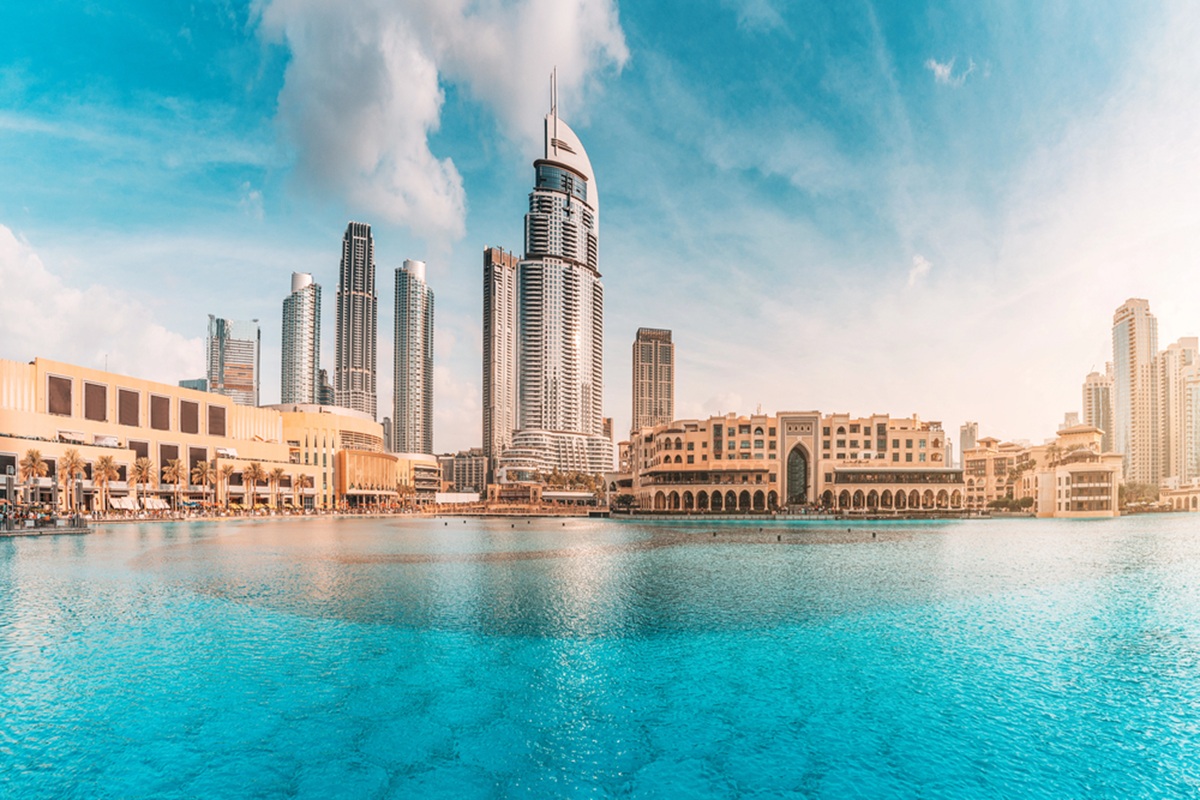
Le taux d’occupation hôtelier à Dubaï progresse, il est remonté à 66 % en août 2026. @depositphotos/frantic00

Le taux d’occupation hôtelier à Dubaï est remonté à 66 % en août, contre 36 % en mars, retrouvant 89 % de son niveau d’août 2025.

Malgré cette reprise, les tarifs restent inférieurs de 10 à 15 % à ceux de l’an dernier et le revenu par chambre disponible a reculé de 31 % au premier semestre. Les clientèles indienne, russe et régionale compensent en partie le recul des visiteurs européens et américains.

Un article à consulter sur economictimes.indiatimes.com


Unusual! El Niño: The Atacama Desert Turns Into a Carpet of Flowers


@depositphotos/abriendomundo

The Atacama Desert, one of the driest places on Earth, has blossomed after exceptional rains linked to El Niño.

Nearly 200 species of plants are emerging from the sand, transforming the Chilean landscapes into a true flowering garden.

The phenomenon is expected to peak in October, spanning around 15,000 hectares. Enough to entice tourists to swap dunes for a flower-filled photo session!

Read on lefigaro.fr

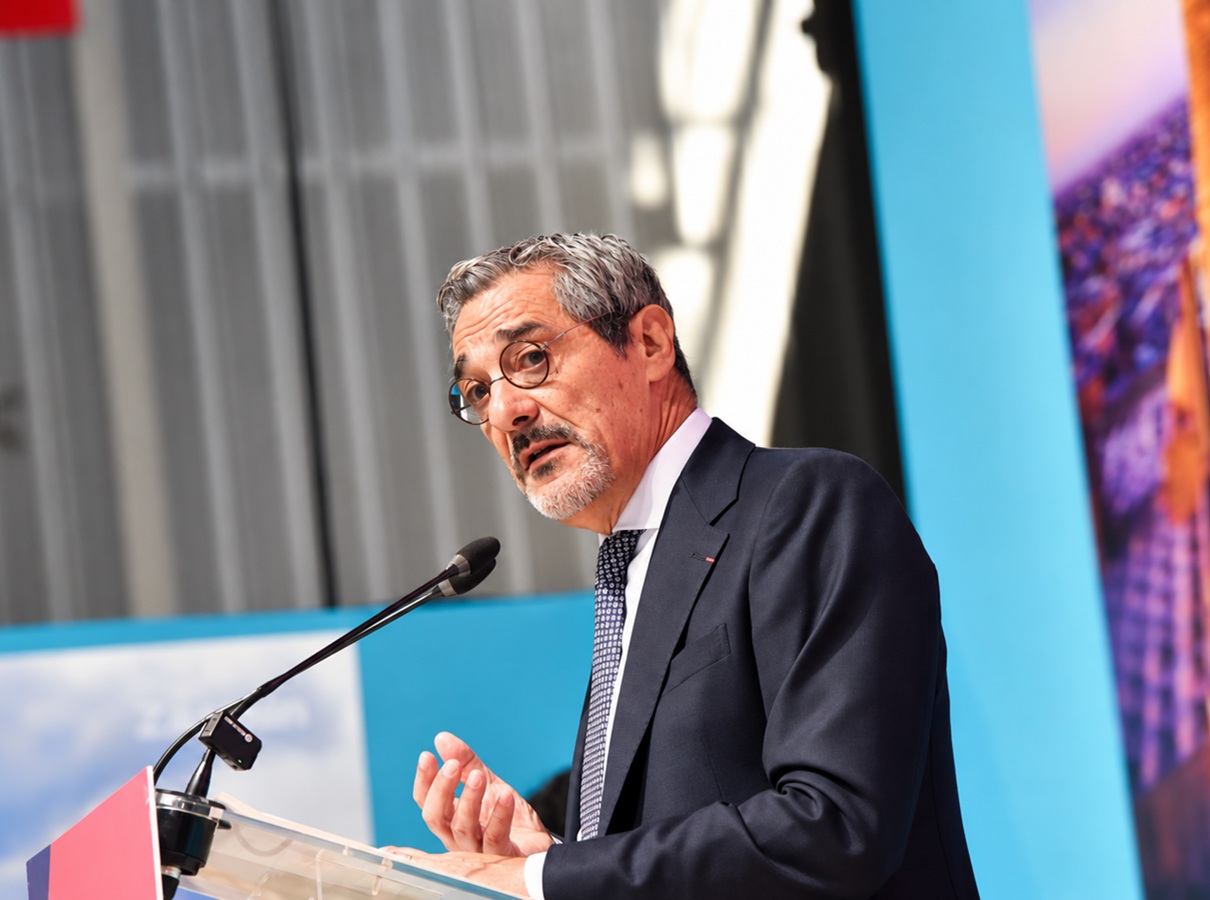
Tourism: Maintaining an Affordable Offer Is a Key Economic Issue, Says Serge Papin [ABO]


La fréquentation des voyageurs français est "en légère régression dans le cœur de saison juillet-août" - Crédit photo @ Alexandre Lescure

CroisiEurope


Being the Tourism Minister for the world’s leading tourist destination carries a very particular aura.

So, when Serge Papin strolls through the aisles of the IFTM, the sensation of being George Clooney at a film festival is not far off, far from it.

“I felt like a rock star (laughs, editor’s note).

Not only are 180 countries represented, but we also had the opportunity to meet a good number of foreign ministers. France is regarded as a global leader in tourism. What may surprise is that we feel there are expectations placed on us, a desire to share and to take advantage of our know‑how.

I received a lot of inquiries
“, confides a tourism minister pleased with this rush of oxygen in a national and international environment terribly degraded.

The Paris meeting was an opportunity to take stock of the summer of 2026, marked by the solid performance of foreign clientele, but a bit more uncertain for French tourists.

Without jumping for joy or shouting victory, in the race against Spain, the minister judges the high season “adequate”.


The French: “a slight regression in the heart of the July-August peak”

“It’s better than the previous year, but not by much.

We started from a 2025 that was already very good, because we had crossed a hurdle thanks to France and Paris promotion, thanks to the Olympic Games.

International clientèle had jumped by 9% in 2025 compared to 2024.

This same clientele is up 3.7% in the figures from January to July. We are almost at 15% in two years, we can be proud
“, states the minister of Small and Medium Enterprises, Trade, Crafts, Tourism and Purchasing Power.

Positive numbers that must, however, be viewed in perspective. In 2024, the Olympic Games had led to a drop in international travelers, according to INSEE, notably during the events.

A lull that has since been filled by the strong growth of international markets. If the event’s effect remains hard to measure, its image and success have, at the very least, not harmed the destination, quite the opposite.

And this clientele, highly lucrative, seems to have become a government priority. Which leaves many observers puzzled, particularly regarding the president’s aim to make France the world’s first sustainable destination.


The two challenges are not at odds, according to the minister.

“We have an infrastructure challenge, tourist facilities, water management, but also pesticide use in green spaces, etc. We truly have a commitment to sustainable development on site.

The organizers of the 2030 Winter Games have pledged to make them the most sustainable winter Games in history. I genuinely want us to be the champions of sustainable tourism by 2030.

After that, if travelers come by air, if they come from far away, they cannot come otherwise. On the other hand, once they are on site, they operate within an ecosystem that is very attentive to sustainable development
“, tries to justify Serge Papin.

And even if the minister does not wish to pit any particular clientele against another, climate warming reminded the industry of itself throughout the summer.


“The French weighed choices for budgetary and climate reasons”

The summer of 2026 was the hottest on record in our country, since the beginning of meteorological measurements in 1900.

“The heat waves affected the places of stay and consumption.

French tourists, in particular, chose destinations with more bearable temperatures, hence the regions north of the Loire, including Brittany, Normandy and the Channel, as well as the Northern Alps.

These destinations progressed quite spectacularly.

In the middle of the heat wave, places of entertainment and restaurants endured a bit of the impact. The French likely hedged for budgetary and climatic reasons
“, estimates Serge Papin.

A finding that aligns with the view of UM IH.

The union stated in early September that travelers had decided to watch their spending, particularly in bars and restaurants.

Another casualty of the summer: Gironde.


The department, which experienced one of the most destructive fires in its history, will host the next Tourism Sector Committee in October 2026.

The occasion, for the minister, to show residents that the government stands by them, but also to monitor the end of the tourist season in the region and the rollout of aid.

“Acting players benefit from payroll tax exemptions on salaries, social security charges, property tax and partial unemployment, for three months.

Then, in the PLF, we proposed that the companies most affected by these fires and their consequences be exempt from the fields I have just outlined.
”

And this is not the only tourism-specific issue to appear in the forthcoming finance bill.


PLF 2027: “Everyone must make efforts, Atout France included”

The sector is expected, by implication, to contribute in the coming budget.

“Tourism is a thriving activity. It contributes to the trade balance by around 20 billion euros and to the country’s growth, even if modest.

There is a topic that will be addressed by the text: the tourist tax. We are in discussion with professionals and elected officials on reform since May 2026.

Arbitrations are not yet set, but they will align with the desires of professionals,
” reveals the occupant of Bercy.

In addition, the government is working on a simplification plan, as it has done in the past.

According to the cabinet, the new definition of the word “tent” (decree No. 2026-14 of January 14, 2026 simplifying and securing provisions of the tourism code relating to the definition and classification of certain merchant tourist accommodations) generated an additional 60 million euros in turnover. The simplification project has not yet been unveiled, but remember that in April last year, Nathalie Delattre, the former Tourism Minister, filed a bill in that sense. At any rate, in the next PLF, there could also be a reference… to Atout France.

“Atout France has a solid legitimacy and real recognition, especially internationally.

After all, this does not oppose a transformation, which is already underway and which we have begun a year ago. We are custodians of public funds and, in a period of budgetary austerity, everyone must make efforts, Atout France included
“, the minister confided.

According to our information, the austerity plan is already a reality, since several posts have been eliminated abroad and offices rationalized.

Moreover, a reorganization is also announced at the Paris headquarters, without the teams truly understanding, for the moment, where the institution is heading.

In the meantime, Serge Papin does not question the legitimacy or even the existence of Atout France.


Mass tourism: “This offering is a challenge for our economy”


Romain Pommier Published by Romain Pommier Journalist – TourMaG.com
See all articles by Romain Pommier

  • picto Facebook
  • picto Linkedin
  • picto email
Add TourMaG to your Google News feed Google Actualités icône

Rising Kerosene Prices: Could They Trigger a Domino Effect?


Depositphotos.com Auteur msavoia

CroisiEurope


When will the emotional rollercoaster stop?

After the bright prospects at the start of the year, disaster struck! The American and Israeli strikes on Iran on February 28 last put a halt to activity. A very sluggish spring followed, marked by fears of a kerosene shortage, compounded by a stagnant travel market hampered by the geopolitical backdrop and fare prices that keep climbing…

The professionals soldier on against the odds and muddle through the summer, with a season marked by last-minute sales. Then activity brightened again in August and early September.

A breath of fresh air. We want to believe. It will restart, despite a recovery that feels fragile, the professionals want to believe and move forward. This was at least the predominant sentiment at IFTM. The aisles were busy, the momentum seemed positive once more.

Alas, behind the smiles, other concerns emerged, including the surge in kerosene prices that raises fears of difficult days for the airlines.


Fuel could account for between 40 and 45% of operating costs for these carriers, versus 25% last year. That could jeopardize the business models of carriers, especially the low-cost ones.

If some airlines have fuel hedges, there will still be far from fifty solutions to cope with the rise if one excludes the slashbacks in flight schedules, cancellations, or further price increases.

Volotea illustrates the situation well. The Spanish low-cost carrier trimmed its winter program, announcing numerous route suspensions. But as one train can hide another, it is the tour operators and agencies, but also the customers who pay the price.

Re-protection, searching for a Plan B: travel operators know how to do it. But at what cost? Mobilizing teams, advancing incidental costs, taking charge, even though the plane ticket has been paid long ago… As Patrice Caradec said in our pages: “I am worried about Volotea, but I am also worried about air transport.” That is why the industry is condemned to pilotage by sight.

Which company to book, which routes will be adjusted? Are there risks of bankruptcy? Whatever happens, we know that operators will have to foot the bill…


That is troubling, especially since professionals had bet on the rise of low cost carriers to push dynamic packaging and other “flex” offers.

In the face of this business model under severe strain, one wonders whether the good old charters should make a comeback… A broad debate that we won’t open here!

And then there is the question of prices. If airlines pass part of the fuel increase onto ticket prices, it creates a domino effect, with the entire chain at risk of paying the price.

Indeed, purchasing power remains a central concern, and the last-minute sales seen this summer testify to it: people compare, wait, monitor prices… and book at the last moment.

With an average diesel price at the pump of €2.23 per liter in Europe (a record!), and petrol following the same curve, we can easily understand that going on vacation may not be the main concern of our dear fellow citizens.

Not to mention that this is not the only expense category that is rising… When the barrel climbs, everything climbs!

Vigilance remains essential. After the greetings in the aisles at IFTM, returning to the office feels somewhat dull knowing that other issues loom, with the 2027 Finance Bill and the presidential elections… Not to mention potential strikes and more structural transformations: the sector’s attractiveness or even artificial intelligence.

Come on, let’s keep our spirits up!

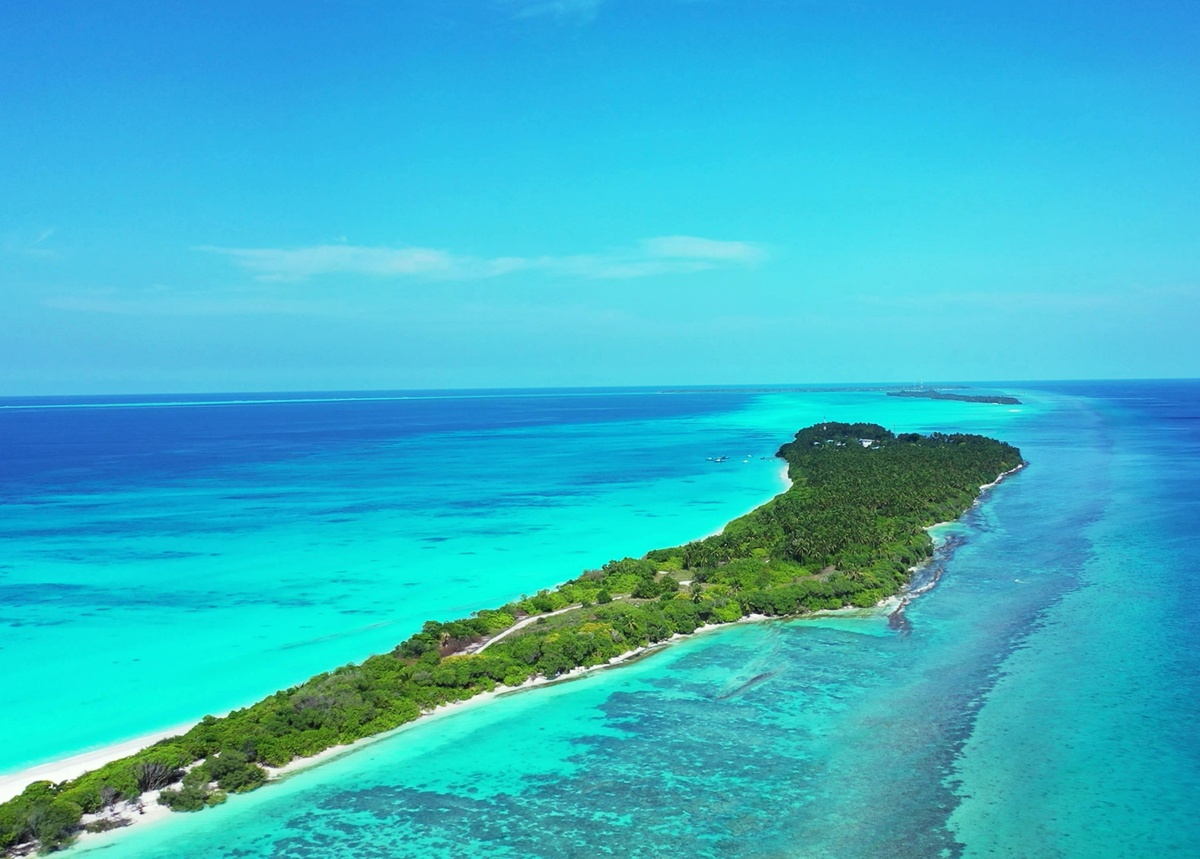
“It’s Absurd, Unreal”: Tour Operators Rally Against Maldives’ 17% Tax [ABO]


"C'est aberrant, irréel" : les voyagistes vent debout contre la taxe de 17 % aux Maldives - Depositphotos.com wirestock_creators

CroisiEurope


It’s another dossier for SETO, EDV and ECTAA that has come to the forefront in August.

The Maldivian government announced last month an expansion of the Tourism Goods and Services Tax (TGST) to foreign travel operators.

The Maldivian tax administration, the Maldives Inland Revenue Authority (MIRA), has indeed drafted a new measure that has provoked a global uproar among tour operators worldwide.

It provides for taxing at 17% the producers, agencies, OTAs or other foreign companies that assemble accommodation, transfers and other land-based services.

However, the TGST will not be levied on the entire price of the stay. The taxable base roughly corresponds to what remains for the tour operator after deducting the amounts paid to Maldivian suppliers. In other words, the tax effectively targets the margin that professionals make on the package.


It’s Completely Unreal, It Makes No Sense

A move that set off a wave of indignation among tour operators and travel operators alike.

“They are asking us to fold into our prices a tax equal to 17% of the margin earned on the land-based services sold to the Maldives for a given file. In other words, it’s incomprehensible, because we don’t know our margins before selling. Moreover, our margins do not apply only to the land portion, but also to the air component,” explains Patrice Caradec, president of SETO, a touch irate.

“It’s absurd, continues Hélion de Villeneuve, chief executive of Austral Lagons. They could have raised entry fees, the e-visa, or the local taxes on hotels and services. That would have been passed on to us automatically, and it would have been much simpler. If they need money, we can understand that.

But now they’re asking us to register on a site, to declare the margins we make on the destination and, on those margins, they will take 17%. This is utterly unreal, it makes no sense.
”


SETO, EDV and ECTAA Have Written to Maldivian Tax Authorities

SETO, along with the Voyage Companies (Entreprise du Voyage) and ECTAA, thus penned a letter to the Maldivian authorities, and to the tax services handling this file. A letter that essentially went unanswered.

«  We explained to them that their regulation is unintelligible and cannot be implemented in these terms. This cannot be done overnight.

We asked for a meeting to try to imagine an alternative arrangement.» details Patrice Caradec, who adds: «  It’s utterly crazy: they’re asking us to provide the purchase prices of hotels and the selling prices of hotels. But we don’t sell hotels; we sell packages. We could pretend we don’t margin on hotels, only on the flight ticket. That would be ridiculous. »

Tour operators and Maldivian producers must therefore register on an online platform before September 30, something that French tour operators as a whole have rejected, according to Patrice Caradec.

«  We asked our members what their position was and who intended to register on the platform. It is clear that, across Europe, not a single operator is registering.  » specifies the SETO president.


The Protest Extends Beyond European Tour Operators

Activated on the dossier since the end of August, ECTAA continues to press the Maldivian finance and tourism ministers to demand an urgent postponement of the October 1 deadline.

The association laments a deficient preparation by local authorities, unable to provide clear answers to industry questions.

For Eric Drésin, secretary-general of ECTAA: “Faced with a tax reform of such complexity imposed within untenable deadlines, we are maintaining pressure on the Maldivian authorities, while ensuring active coordination with our members and the WTAAA international association.

All tour operators and distributors working with the Maldives denounce an undue administrative burden and clear risks of double taxation. We could not be clearer.
”

Indeed, the challenge is not confined to French tour operators. In India, for instance, the Outbound Tour Operators Association of India (OTOAI) has also urged the Maldivian government to review and withdraw this provision, according to Travel Trade Journal.

In Germany, the Deutscher Reiseverband (DRV) is calling for a postponement of the measure. The organization notes that the legal basis was adopted only on August 31, with an effective date planned for October 1, even though operators market and price their programs several months in advance.

In the United Kingdom, the Association of British Travel Agents (ABTA) has also stepped forward. The professional association has written directly to the president of the Maldives to request at least a six-month postponement of the application of the new tax, in order to allow for genuine consultation.


Fuel Prices: Airlines Face the Moment of Truth [ABO]


Le carburant provoque rarement, à lui seul, la faillite d’une compagnie. Il agit plutôt comme un révélateur et parfois comme le détonateur final - Depositphotos.com, svedoliver

CroisiEurope


In my column published on April 22, “Aviation in the Face of the Great Slowdown,” I was already analyzing the surge in jet fuel following the outbreak, on February 28, 2026, of the conflict in Iran.

This shock now imposes concrete decisions: which routes to keep, at what price, and with which aircraft?

For an industry whose margins remain structurally thin, a sustained rise in fuel can quickly undermine the profitability of a single route, then the network, and in the most fragile cases, even threaten the survival of a company.


An Immediate Shock to Margins That Are Razor-Thin

Fuel, alongside staff, constitutes one of the main expenditure items for an airline.

Its weight varies with the fleet, the business model, and the price of fuel.

But with margins often limited to just a few euros per passenger, a sustained rise can quickly erase the anticipated profit.

Filling the aircraft is no longer enough. A route with a load factor of 95% can easily lose money if it mainly carries passengers who bought low-cost tickets.


Fuel Hedging Only Delays the Hit

Fuel hedges temporarily shield margins. They allow certain carriers to keep their fares while competing players already bear the higher costs.

But they do not eliminate either the risk on uncovered volumes or the risk of renewing contracts at higher prices.

The dollar adds a currency risk: a company whose revenues are collected in a weaker currency can simultaneously face the rise of jet fuel and that of its invoicing currency.

Ryanair illustrates the advantage, but also the limits, of this protection. For its fiscal year from April 2026 to March 2027, the group hedged 80% of its jet fuel needs at around $67 per barrel. In the first quarter, the 20% uncovered cost nearly $150 per barrel, more than double year over year, while the average fare fell by 6%. Despite hedging, the fuel bill rose by 16% and net income fell by 34%.

Qatar Airways illustrates another trade-off. Its chief executive, Hamad Al-Khater, calls the current crisis the most significant in the airline’s history. In an interview with Bloomberg TV reported on September 20, he mentions jet fuel around $182 per barrel, about 90% above its level at the end of February 2026. Qatar is not yet passing this extra cost directly to passengers: it is prioritizing the most profitable routes and temporarily suspending less performing services.

Fuel no longer weighs solely on margins; it also shapes capacity and the network.


Medium-Haul: Reducing Without Undermining the Network

On the medium-haul, airlines have a degree of flexibility. They can cut a frequency, suspend a route during the winter, close a base, or redeploy an aircraft to a more profitable destination.

The first casualties will be the marginal routes: those kept to fill a slot, defend a market position, or deter a competitor from entering, but whose profitability remains insufficient.

Moving from three daily flights to two more-filled rotations reduces overall consumption. But this saving can make the offering less attractive to business travelers and reduce the chances for connections.

The major low-cost carriers, with their low unit costs and their ability to redeploy aircraft, can profit from the withdrawal of weaker players.

Traditional carriers have other advantages: premium customers, cargo and connections. Yet their cost structure and the interdependence of routes complicate capacity reductions.


Will We Need to “Break Up the Schedules”?

During the IFTM 2026 trade show, last week, one of France’s leading aviation experts told me: “To get out of this, we’ll have to break up the schedules.” It may no longer be enough to simply suspend a few underperforming routes.

For the most exposed airlines, it will be necessary to reconsider the very architecture of their network, abandon certain historic positions, and concentrate resources on the routes that can preserve cash flow.

The task is particularly difficult. Routes do not operate independently. Some feed a hub or enable a profitable long-haul connection.

Removing a seemingly loss-making service can therefore weaken other routes that seemed profitable. Modifying a program already marketed also incurs costs: rerouting passengers, refunding tickets, reorganizing crews, losing connections, and tarnishing the airline’s image.


Who Will Trim Capacity First?

A reduction in capacity can improve load factors and support fares. But no airline necessarily wants to be the first to act.

Each may hope that a competitor will drop frequencies or abandon a route before them. They could then maintain their offering, win back some passengers, and benefit from price increases triggered by capacity reductions.

We are witnessing a form of poker game. The carrier that cuts its schedule first risks giving up slots and market share. Those that wait too long may continue to operate flights that drain their cash flow.

Capacity discipline is gaining ground: Lufthansa has already announced short-haul reductions, while Air France-KLM is curbing growth and redeploying aircraft toward the most promising markets. Reducing a network can be decided quickly. Rebuilding it may take years.


The Passenger Will Ultimately Pay

The rise in fuel costs will not be immediately passed on to tickets.

On a highly competitive route, an airline cannot raise fares alone without losing customers. It will probably start by reducing promotions, limiting the cheapest fare classes, and increasing ancillary revenues: baggage, seats, priority boarding, or onboard services.

The reduction in capacity can also help sustain prices: when a service disappears or a competitor pulls out, seats become scarcer. The passenger may then face higher-priced tickets, less choice, and less convenient schedules.


Can Fuel Trigger Bankruptcies?

Fuel rarely causes the bankruptcy of an airline on its own. It acts more as a revealer and sometimes as the final detonator.

The most threatened carriers will be those with insufficient cash reserves, high indebtedness, expensive aircraft leases, an aging fleet, weak fuel hedging, and unprofitable routes.

Independent carriers without a major shareholder, some regional operators, and long-haul models that rely primarily on very low fares appear particularly vulnerable.

Therefore, the first airline to fail will not necessarily be the one that consumes the most fuel, but the one with the least time to react and not enough money to hold on.


The Hour of Decisions

In the short term, airlines must protect their cash, adjust their fares to demand, and shrink capacity that no longer covers costs.

In the medium term, they must continue to refresh fleets and develop partnerships, despite financing and delivery constraints.

The question is no longer whether airlines will raise prices or cut programs. They will probably do both.

The remaining question is who will be willing to move first and who can afford to wait. In air transport, bankruptcies are rarely caused by a single event. But for some carriers, the surge in jet fuel could well be the last drop in the tank.


Eric Didier - DR

A passionate entrepreneur and specialist in air transport, with more than three decades of experience, Eric Didier coordinated the launch of the Oneworld alliance before creating and developing Qatar Airways in France and on several European markets, where he held key leadership positions, ensuring the growth and success of the airline.

An expert in team management and in commercial strategies, alliances and distribution, he has worked with several major airlines, contributing to their international expansion.

He now leads the consulting firm TED Advisory Services.

Exchange Rates: Where Is Travel Most Expensive? [ABO]


Economic Situation

Taux de change : où les voyages coûtent-ils le plus cher ? - Depositphotos.com Auteur chrupka

CroisiEurope


Exporting Gulf oil is picking up again, but it is steering clear of Europe. The Middle East shipped 12.8 million barrels per day in September, hailed as a record since February, but this is mistaken: there is still a shortfall of six million barrels compared to that month, and transit through Hormuz has fallen to 7.4 million barrels per day, versus roughly a dozen to fifteen a year ago.

Yet Saudi Arabia has more than doubled its September loadings to 5.4 million barrels per day after 2.4 in August. However, they exit via Ras Tanura and head for Asia.

The pipeline linking the kingdom to the Red Sea was damaged on September 10 and 11. It has only been back in operation since the 23rd, at a reduced throughput. Aramco has even informed at least two European refiners that no cargo would reach them in October.

These missing barrels are being replaced at a high price. Norwegian crude Johan Sverdrup fetched as much as $35 more per barrel than the Brent benchmark, a gap that had stood at just 60 cents on September 8. The disruption mainly affects refined fuel: the Gulf is shipping only a quarter of the diesel sold before the war, and every barrel converted into Europe yields more than $85 for refiners, like never before.

At the pump, the diesel price stood at €2.399 per liter on September 25, a level that the March 2022 peak of €2.1407 had not reached. In one out of ten stations, at least one type of fuel was out of stock.

The €450 million in targeted subsidies announced by the state will not lead to lower displayed prices. In our view, this European disadvantage will persist as long as Gulf barrels head toward Asia: transfers, coaches, and winter travel are therefore budgeted on fuel that remains durably expensive.


Exchange Rates: The Technical Update

The euro closed Friday at 1.1391 dollars, down 0.81% on the week, marking its third consecutive decline. A floor is emerging between 1.1323 and 1.1353; if it yields, the path could open toward 1.09, which we do not expect. Our short-term range stands from 1.13 to 1.15.

Services priced in dollars, including North American hotel stays and cruises, are therefore a bit more expensive than in August, with no break in sight.

The Canadian dollar had everything going for it to benefit from the crisis, since Canada sells oil. It did not benefit: one euro was still worth 1.6111 Canadian dollars on Friday. Its central bank did not tweak its rate, kept at 2.25%, and Alberta ships its crude by pipeline to its American neighbor at a discounted price.


The yen, however, deserves attention.


Japan and the United States had jointly bought yen in August to support the Japanese currency, and Tokyo reminded on September 24 that this arrangement remains in force. A yen buyer thus faces two risks: the market, and a political decision capable of sending the currency surging. It took 179.17 yen to buy one euro on Friday evening.

Morocco, for its part, offers unusual visibility. The dirham’s value is pegged to a basket consisting of 60% euros and 40% dollars, within a fluctuation margin of 5%, so it never strays far from the euro.

The dirham is slowly retreating for four weeks, down 0.3% between September 17 and 23, to around 10.945 dirhams per euro. A Marrakech-traded circuit therefore settles at the same price as in August on the exchange, when fuel nonetheless weighs on it.


WEEKLY SUPPORTS WEEKLY RESISTANCES
S2 S1 R1 R2
EUR/USD 1.1323 1.1359 1.1450 1.1495
EUR/GBP 0.8520 0.8560 0.8635 0.8680
EUR/CHF 0.9355 0.9400 0.9475 0.9520
EUR/CAD 1.5960 1.6040 1.6190 1.6270
EUR/JPY 176.60 178.00 180.50 181.90


The supports and resistances shown below indicate, respectively, the lower and upper bounds within which prices are expected to move during the course of the week.


The information presented in this publication is provided for purely informational purposes and does not constitute investment advice, nor an offer to sell, nor a solicitation to buy, and should in no way be used as a basis or be taken into account as an incentive to engage in any investment.


Mondial Change is a French financial institution, founded in 2015, specializing in international payments management and foreign exchange risk.

Mondial Change also supports numerous players in tourism, travel agencies, group organizers, tour operators, and incoming operators…

www.mondialchange.com

Contact : [email protected]


Coach Operators: “This Is the Final Straw!”


Les autocaristes font face à une vague de liquidations inédite, selon la FNTV - Depositphotos

CroisiEurope


Cameras and grandiloquent statements are not really the habits of coach operators.

So, when Christophe and Arnaud Seyfritz decide to speak up to express their “anger” at a situation that has grown difficult, it is the entire profession that sounds the alarm. And, more broadly, an entire sector that must look at what is happening.

The two leaders of Voyages Seyfritz, based in eastern France, lament that, despite alerts from the entire ecosystem, the government’s responses are not enough. They feel they are not being heard.

Yet the situation already appears critical. “It’s very complicated. Because, in addition to rising costs tied to fuel, we are facing an economic activity that is slowing down, notably in tourism and casual services,” deplores Ingrid Mareschal, general delegate of the FNTV.

To this, there are increasingly many employees who say they can no longer fill their tank to come to work. As a result, sick leave is on the rise.

We are in a period where crises succeed one another. The fuel crisis is the crisis of the tipping point
.


Autocaristes : “The situation is already critical”

The tableau is so dark it could have inspired a Pierre Soulages painting.

“For some companies, the situation is already critical. They are suffering a lot. One company is currently under judicial liquidation. This is a conjunction of factors, continues Ingrid Mareschal.

In addition to the fuel crisis, there is the stoppage of BlaBlaBus and the Covid-era state-guaranteed loans (PGE) to repay.

Márgins have melted, cash flows too. What worries leaders is that at the start of the Iran war, they thought it would last three to six months at most. Except that we do not see the end.

Now that the crisis is prolonged, future prospects are closing and pessimism is significant in the sector. We have statements about activity prospects that fall notably between March and today
“, she shares.

To read: Ingrid Mareschal (FNTV): “We feel economic difficulties approaching”

Faced with rising pump prices and inflation in general, but also a highly volatile political context, in France as abroad, the French tend to save in anticipation of difficult months.

This drop in household spending thus affects tourism, starting with coach operators. As in aviation, when oil soars, the impact on margins is immediate, since fuel represents the first expense item for these tourism players. It weighs around 20% of the cost structure.

And that is not the only problem keeping companies head above water.


Des autocaristes incapables d’augmenter leurs revenus

With costs skyrocketing, why don’t coach operators raise their prices?

Simply because, as we have seen in air travel and tourism, any fare increase leads to a drop in demand. But that’s not all.

“We are facing difficulties in passing on costs that are more significant than in goods transport.

We are either on DSPs (public service delegation) or on public markets, thus bound by a contract and the way it is indexed to fuel. Often we have renewal clauses every six months or every year to pass on cost increases
, explains the FNTV head.

In tourism, if the coach operator was prudent and planned for this in the general terms of sale, he can update the invoice. Otherwise, it is difficult, especially for occasional activities with sports clubs, schools, etc. Moreover, there are many cancellations.

Inability, or almost, to raise their revenues, coach operators are trying to diversify, albeit poorly.

However, they no longer expect government solutions. So far, those proposed have not lived up to expectations or needs.


“Des entreprises liquidées de la sorte, c’est du jamais vu”

“State aid is not tailored to our sector. They are more suitable for road transport. The eligibility criteria do not suit us.

We received 5,000 euros per company for April, then for May, then again for July and August. To benefit, the ratio between current profit before tax and turnover must not exceed 1%. Yet, for coach operators, this rate is closer to 4%.

In addition to not being able to benefit, our costs have risen astronomically. This amounts to several tens, even hundreds of thousands of euros per company.

Those 5,000 euros are a drop in the bucket, sighs Ingrid Mareschal.

To read: Because of kerosene, cascading cancellations and bankruptcies?

Would the eligibility criteria have been knowingly set to prevent broadening the beneficiary pool?

In any case, when the FNTV goes knocking at the door of Philippe Tabarot’s office, the Transport Minister, requests for broader aid clash with France’s budget deficit and thus with the government’s limited room for maneuver.

“The aid renewed for fishermen, after their protests, was granted at the expense of road transport operators, because they can pass on increases to their customers. We do not have the possibility to pass them on to the exact euro.

The state must allow us to pass on these increases
“, demands the FNTV’s general delegate.


Réaction du ministre des Transports :


Romain Pommier Published by Romain Pommier Journalist – TourMaG.com
See all articles by Romain Pommier
  • picto Facebook
  • picto Linkedin
  • picto email
Ajoutez TourMaG à votre flux Google Actualités Google Actualités icône

LATAM: From Chapter 11 to Record Profitability [ABO]


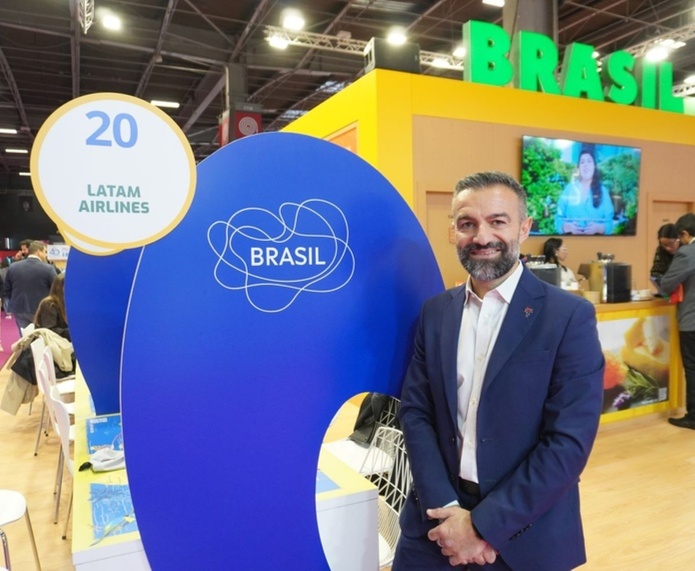
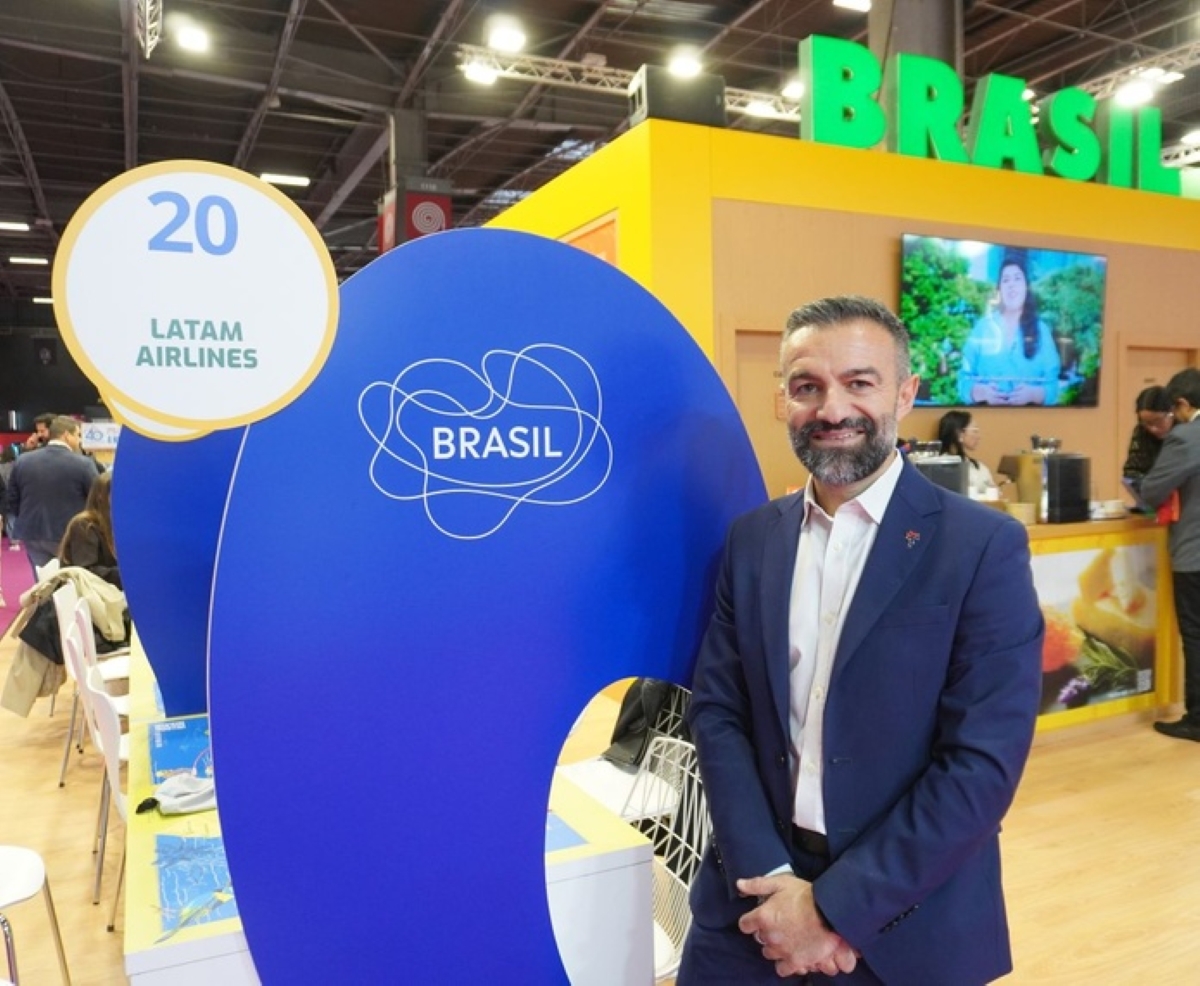
Davide Ioppolo,  directeur commercial de LATAM Airlines pour le Royaume-Uni, la France, l'Allemagne et l'Italie. Photo : C.Hardin

CroisiEurope


Things had a very rough start back in 2020 when Roberto Alvo, the new LATAM CEO, the leading South American carrier born from the merger of Chilean LAN Chile and Brazilian TAM, took the helm.

Two months later, the company had to file for Chapter 11 protection under the U.S. bankruptcy code.

Due to the pandemic, traffic collapsed with aircraft grounded and borders closed. Six years on, in July last year, Roberto Alvo was elected “Executive Leadership” for the Latin America and Caribbean region in London, at the Airline Strategy Awards ceremony.

Furthermore, at the moment we were handing the microphone to Davide Ioppolo at the IFTM fair on September 16, Roberto Alvo was honored with the BRAVO CEO of the Year 2026 award, a distinction awarded by the Council of the Americas (COA) as part of the 31st edition of the BRAVO Business Awards.

The prize will be presented to him on November 19 in Miami, United States. These honors celebrate the LATAM CEO’s actions over the past six years, during which he steered the airline to profitability returning, reduced debts, a modernized fleet, and strengthened strategic partnerships, notably with Delta, which became a shareholder.

As of this September, LATAM has once again become the leading airline group in Latin America with very strong growth in Brazil, Chile and Peru.


Massive product investments: in 2027 LATAM will offer a Premium Economy

TourMaG – LATAM is currently in good shape, with very solid results.

Davide Ioppolo : Yes, we closed 2025 with 87 million passengers carried and net income about 50% higher than the previous year.

So it has been a spectacular year. And looking at 2026, it was almost the same. In the first quarter, we posted record revenue and profitability.

For the first six months, results were positive. The situation remains healthy, but we saw the second quarter hit results hard.

We remain with positive results, but not as strong as in the first quarter. And this is, of course, due to higher fuel prices.

TourMaG – Your profits have allowed you to invest more than $400 million in new cabins. What will be new on board?

Davide Ioppolo : We are indeed investing heavily in our cabins. We had already invested $360 million in business cabins, and we will have business suites with a door providing better privacy.

We will continue to make strong investments, not only in cabins but overall, and in the premium segments. They’re the ones that can best absorb price increases.

For example, we renovated our São Paulo lounge. We are doing the same in Lima and in Santiago de Chile. And for the first time in LATAM’s history, in 2027, we will have Premium Economy, because we are seeing very strong growth in this segment.

Investments also to outfit aircraft with Wi‑Fi. Currently, nearly our entire domestic fleet is Wi‑Fi equipped and we are starting to outfit long-haul aircraft.


Travel agencies are LATAM’s primary sales channel

TourMaG – Is the Europe–South America flow currently very dynamic?

Davide Ioppolo : Absolutely, South America is even more on European corporate agendas since the Mercosur agreement was signed, and that’s why we want to keep delivering an even better service.

We are currently seeing many Italian and French companies investing in South America, acquiring Brazilian, Chilean, and Peruvian companies. We observe this phenomenon and want to be there to capture the demand.

TourMaG – Besides the cabins, you have also invested to improve the quality of the relationship between the airline and travel agents, the sellers, through a program: Global Sales Support.

Davide Ioppolo : Yes indeed, and the idea is to offer them facilities to sell LATAM. I first want to reiterate the importance of travel agencies for us. They are the primary sales and distribution channel.

Two important points also tied to the French market that really please me.

This year we have seen airline revenues rise, often due to price increases.

What we have observed in France is also a source of satisfaction. If we look only at travel agencies and tour operators, excluding direct sales and Online Travel Agencies, we see, for example on a key axis for us, the France–Brazil axis, a very strong growth, and it’s not just a growth in the average fare, it’s an increase in passenger volume.

If we zoom in on the summer season, the same pattern appears on the France–Peru axis.

And returning to our Global Sales Support, these solid results are also due to this program that provides excellent support for travel agencies with a charter on our website dedicated to them.

To ensure an immediate response with real people and also with artificial intelligence.

Regarding the AI we launched a month ago, the early feedback has been very positive. And in any case, there will always be a person available to help solve problems. I am particularly pleased with this implementation for the French market; it was and remains one of my main objectives.

TourMaG – Far from the French market, but with the French, you have developed a collaboration with the cruise line “Ponant” to operate flights between Chile and Argentina. Could this become a regular arrangement?

Davide Ioppolo : I can’t share public information, but I can say that we have been working together for several years. We are good partners, I believe, and there’s no reason not to run more operations with this major company that Ponant is.

And what gave me pleasure is that for these flights to Antarctica, we reached an agreement to use SAF. Sustainability is important at LATAM and it isn’t easy for us because most SAF is produced in Europe and the United States.

It is still a very expensive fuel and in South America, unfortunately, we do not have large-scale SAF production.

TourMaG – So a particular effort then?

Davide Ioppolo : Yes, but also shared with Ponant. We appreciated it.


LATAM: a domestic network that is expanding and gaining agility

TourMaG – To return to the dynamic French market, will there be any new developments?

Davide Ioppolo : We don’t have true new offerings per se, but we have opened new destinations that could interest the French market.

We opened Amsterdam in April, Brussels in June. The Hauts-de-France region and the Benelux are very important for LATAM.

We held workshops in Lille and all travel agencies were of course interested.

I’d also like to add, on the novelty side, what we are doing in South America. New destinations we will open or have already opened.

The idea is to offer the largest possible domestic and regional network. To this end, we signed an order with the Embraer aircraft manufacturer that will supply smaller airplanes with capacities of 150 or even 100 seats.

We will operate from São Paulo, Brasilia, Curitiba, Porto Alegre. We will build an even stronger mesh, offering the largest possible domestic network.

We operate almost 60 destinations in Brazil and over the next two years we will reach nearly 100 destinations in Brazil.

And this will be possible thanks to these well-adapted modules that will also allow us to optimize frequencies, by scheduling a flight in the morning and one in the evening. More agility therefore, and this is also very interesting for the French market.

*This opening to Amsterdam along with the strengthened partnership with Delta reinforces the idea that LATAM, which left the OneWorld alliance, could join SkyTeam