
Dominican Republic Improves Air Connectivity to Europe


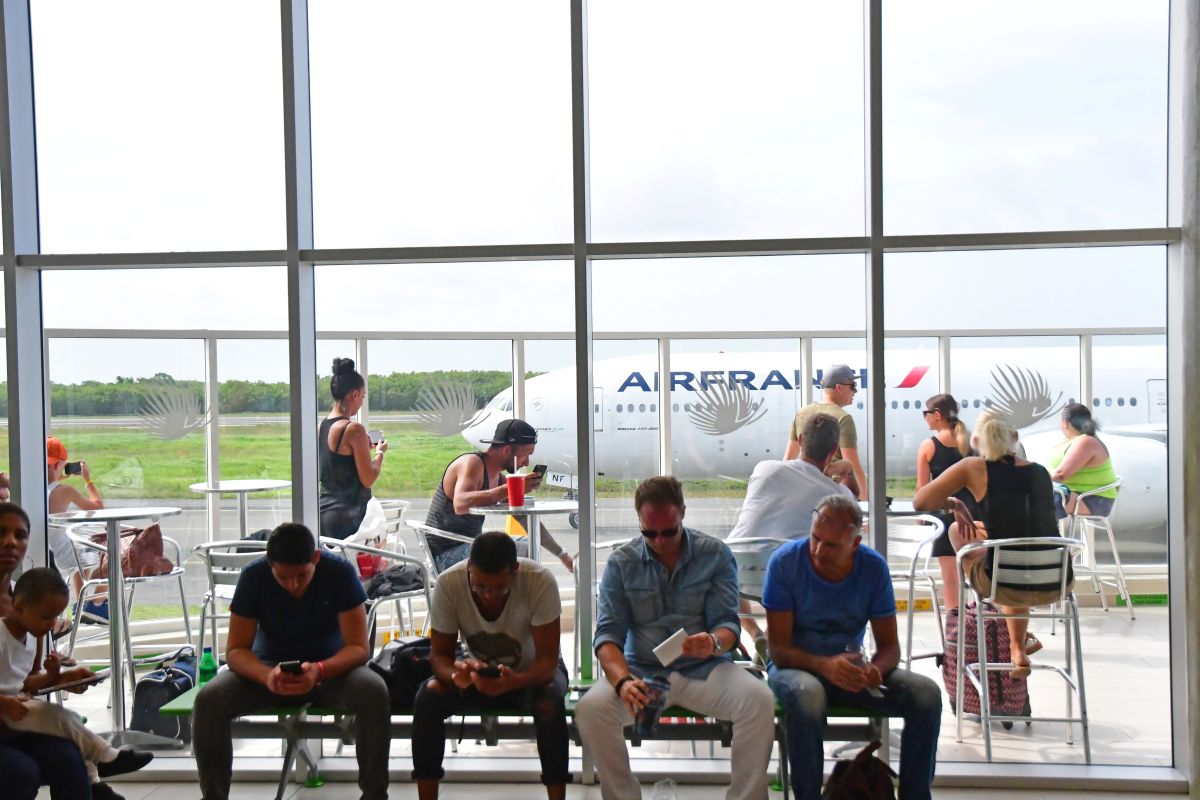
Un avion d'Air France à l'aéroport de Punta Cana.La compagnie fait son grand retour en République Dominicaine à partir du 30 novembre prochain. Credit : Depositphotos. Packshot

CroisiEurope


It wasn’t the country of honor this year, but it once again did honor to the IFTM fair with an impressive stand, a tangible sign of a substantial investment to win over an even wider audience of European travel professionals.

The Dominican Republic went all out. A multi-level stand, if you please, paired with the traditional gala dinner for tourism players in one of Paris’s most beautiful hotels.

It is David Collado, the Minister of Tourism himself, who, during this dinner, and as in previous years, hosted the evening with vibrant energy and the power of blue sea imagery and sunsets projected on a large screen and set to music.

The minister has finely honed his narrative of the country’s story, a tale somewhat romanticized, of this small nation that believed in its resources and gradually built a success, a solid tourism industry.

The images roll by, in pastel, faded tones of the first propeller-driven twin engine at Punta Cana airport, as well as a few small hotels, up to the large carriers arriving from around the world to let travelers enjoy the colorful landscapes and the most modern hotel infrastructures.

For several years, David Collado has ridden this flamboyant dynamic, this success of which he is one of the architects, turning him into a popular figure in his country and beyond.

The idea that, buoyed by this popularity, he could run in the next presidential elections in 2028 is increasingly taking shape.

When, in the course of a sentence in his speech during the dinner, he seemed to say that it was one of his final “performances,” some in the audience saw the beginning of a new adventure for this 50-year-old politician.


Dominican Republic: Air France Returns, ITA Arrives

For now, the minister and the Dominican tourism officials are campaigning to further strengthen the country’s positioning on the European market.

France, which remains among the top 10 source countries of visitors, plays a strategic role. In 2025, the Dominican Republic welcomed 132,747 foreign tourists residing in France.

In 2026, the market shows positive growth: from January to August, the country recorded 112,056 tourists from France, a rise of 14.3% compared with the same period in 2025, representing 14,039 additional visitors.

One of the main axes of the Dominican Republic’s participation in IFTM is the presentation of major innovations in air connectivity, which ease European travelers’ access to the country’s various destinations.

Air Caraïbes continues to strengthen its commitment by serving three Dominican airports: Punta Cana, Santo Domingo, and Samaná.

Added to this offering is Air France, which will reinforce the direct link between Paris-Charles de Gaulle and Punta Cana starting November 30, 2026, at a rate of three flights per week.

Air France’s return, confirmed last year at this same IFTM fair, is crucial for the country and resulted from intense negotiations between the French carrier, the Dominican government, and a private Dominican business conglomerate “ Grupo Puntacana S.A ”, represented by its CEO Frank Elias Rainieri.

Significant concessions on fuel prices were reportedly offered to enable this return, allowing an effective reconnection of the island with Northern European markets.

To the south, Italy will also reconnect, enabling another significant step forward in the diversification strategy and strengthening the destination’s connectivity with Europe.

ITA Airways will launch on November 30, 2026 its new direct Rome-Fiumicino–Santo Domingo route, marking the arrival of the Italian carrier in the Caribbean.

The service will begin with a weekly flight, then increase to two flights per week from mid-December. These connections represent a meaningful advance in the strategy to diversify and strengthen the destination’s connectivity with Europe.

“We are also well connected in Spain to Madrid thanks to Iberia and Air Europa as well as in Germany to Frankfurt with Condor,” explained Jennifer Elias Franjul, Director of International Marketing at the Ministry of Tourism, who was at the fair.


Unblocking and Decentralizing Tourism


A Santiago de los Caballeros : la danse, le centre culturel León et les montagnes avoisinantes - Photo : C.Hardin

Beyond solid air connections, another challenge for “La Isla Bonita” is to diversify its tourism offerings and decentralize them.

Punta Cana, at the eastern tip of the Dominican Republic, initially powered the destination’s success and has become one of the world’s most powerful beach hubs, with its stunning beaches and large resorts.

“The goal now is to value other parts of the island and other forms of tourism,” explains Jennifer Elias Franjul.

By establishing a presence in Santo Domingo and on the northern coast in Samaná, Air Caraïbes promotes a tourism focused on culture, gastronomy, and nature, with unique experiences such as whale watching in Samaná Bay.

Air Europa, which launched in 2024 service from Madrid to Santiago de los Caballeros, the country’s second city, renowned for its cultural identity, local life, and, among other things, the remarkable León Cultural Center, the largest in the Dominican Republic.

From this charming city, one can then access the slopes of the island’s northern range of mountains with lush greenery, agricultural lands offering numerous ecotourism opportunities and outdoor activities, and on the sea side, magnificent beaches with colorful and authentic seaside towns.


Roads, Airports: Major Works

To facilitate travel and land connectivity, the government has launched a massive program to develop road networks.

Unblocking, for example, the Southwest to open up the long-isolated region is one of the national goals. Thus, at the island’s opposite end, the beautiful Cabo Rojo region is getting a port that, in time, could accommodate 1 million cruise passengers per year. Roads are being improved and by 2027 a brand-new airport is expected to rise in Oviedo, located 15 minutes from the port.

Another diversification project that Jennifer Elias Franjul presented: to valorize the Miches region on the eastern coast, north of Punta Cana, and close to the airport, facing Samaná Bay.

A zone with enormous natural potential, beaches, mountains, and lagoons. A strategic region that will undoubtedly benefit from the arrival of the Air France flight in November and where Dominican authorities are investing heavily.

In December, they invited the tourism journalists association to discover Miches.


Christophe Hardin Published by Christophe Hardin Journalist AirMaG – TourMaG.com
See all articles by Christophe Hardin

  • picto Twitter
  • picto Linkedin
  • picto email
Add TourMaG to your Google News feed Google Actualités icône

Strike: Flight Delays and Cancellations Expected at Airports


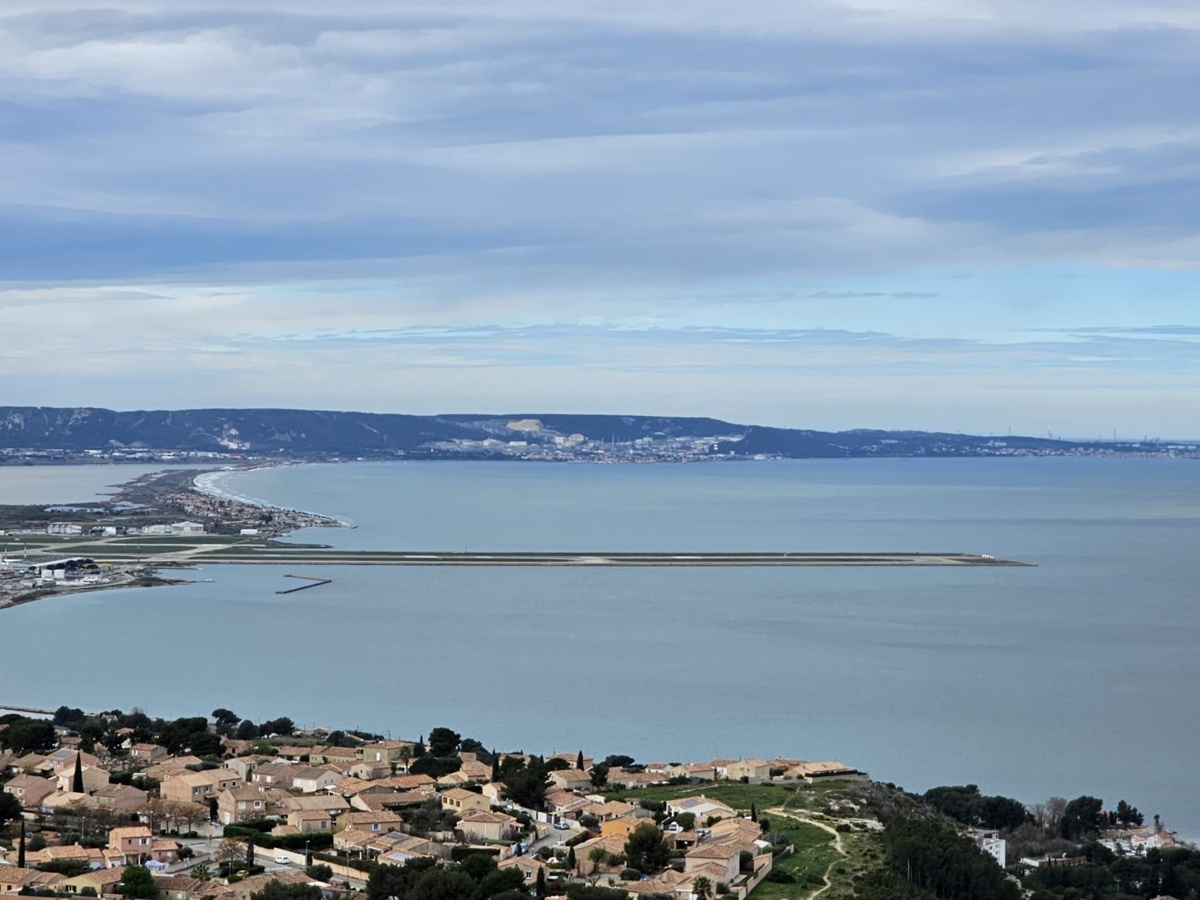
La Direction générale de l'Aviation civile (DGAC) a demandé aux compagnies aériennes de réduire leur programme de vols à Paris - CDG et Marseille - Photo piste de l'aéroport de Marseille - Provence CE

CroisiEurope


The mobilization announced in the public sector this Tuesday, September 29, 2026, will lead to disruptions in air transport.

Some representative unions of the aviation sector have indeed echoed the call for strike launched by the public service inter-union.

In order to limit disruptions and ensure the safety of air operations, the DGAC has asked airlines to reduce their flight schedules across several hubs.


5 % of flights canceled at Paris-CDG

At Paris-Charles-de-Gaulle, airlines will have to reduce their flight schedules by 5% between 7:00 a.m. and 8:00 p.m.

The Paris hub is thus expected to see some schedule adjustments throughout the day, with cancellations or changes that could affect some passengers.

In Marseille-Provence, the restrictions will be more substantial. The DGAC is requesting a 25% reduction in the flight program between 4:00 p.m. and midnight.

Other disruptions are also expected during the day at several regional airports.

The DGAC specifically cites Nantes-Atlantique, Strasbourg-Entzheim, Limoges, Tarbes-Lourdes-Pyrénées and Pau-Pyrénées, where disruptions could occur in certain time slots.

Conversely, traffic is expected to be normal at the other French airports.

The DGAC recommends that passengers contact their airline directly to check the status of their flight before heading to the airport.


Strike: in trains, what disruptions?

SNCF Voyageurs has indicated that train traffic will be “normal on TGV and Intercités services” and “almost normal on TER.”

By contrast, it will be disrupted on TER services and on Transilien trains in the Île-de-France region. (See box). Note that RATP traffic in Paris is expected to be only sporadically affected.


Forecasts for RER and Île-de-France trains for Tuesday, September 29, 2026

In the context of a national interprofessional social movement on Tuesday, September 29, 2026, the movement of trains and RER services operated by Transilien SNCF Voyageurs for Île-de-France Mobilités will be normal on the RER lines A and B as well as on lines H, J, K, L, N, P and U.

On the other lines, the circulation forecasts are as follows:

• RER C and E: 3 trains out of 4 ;

• Line V: 2 trains out of 3 ;

• RER D: between 1 out of 2 and 1 out of 3 depending on the branches ;

• Line R: 1 train out of 3, only during peak hours (schedules vary by branch).

Detailed, line-by-line forecasts are available at 5 p.m. on mobility sites and apps: Île-de-France Mobilités, transilien.com and SNCF Connect.

Transilien SNCF Voyageurs and Île-de-France Mobilités urge travelers on the affected lines who can to limit planned travel on Tuesday, September 29, 2026 and to favor teleworking.

Contrails: The New Challenge for the Aviation Industry


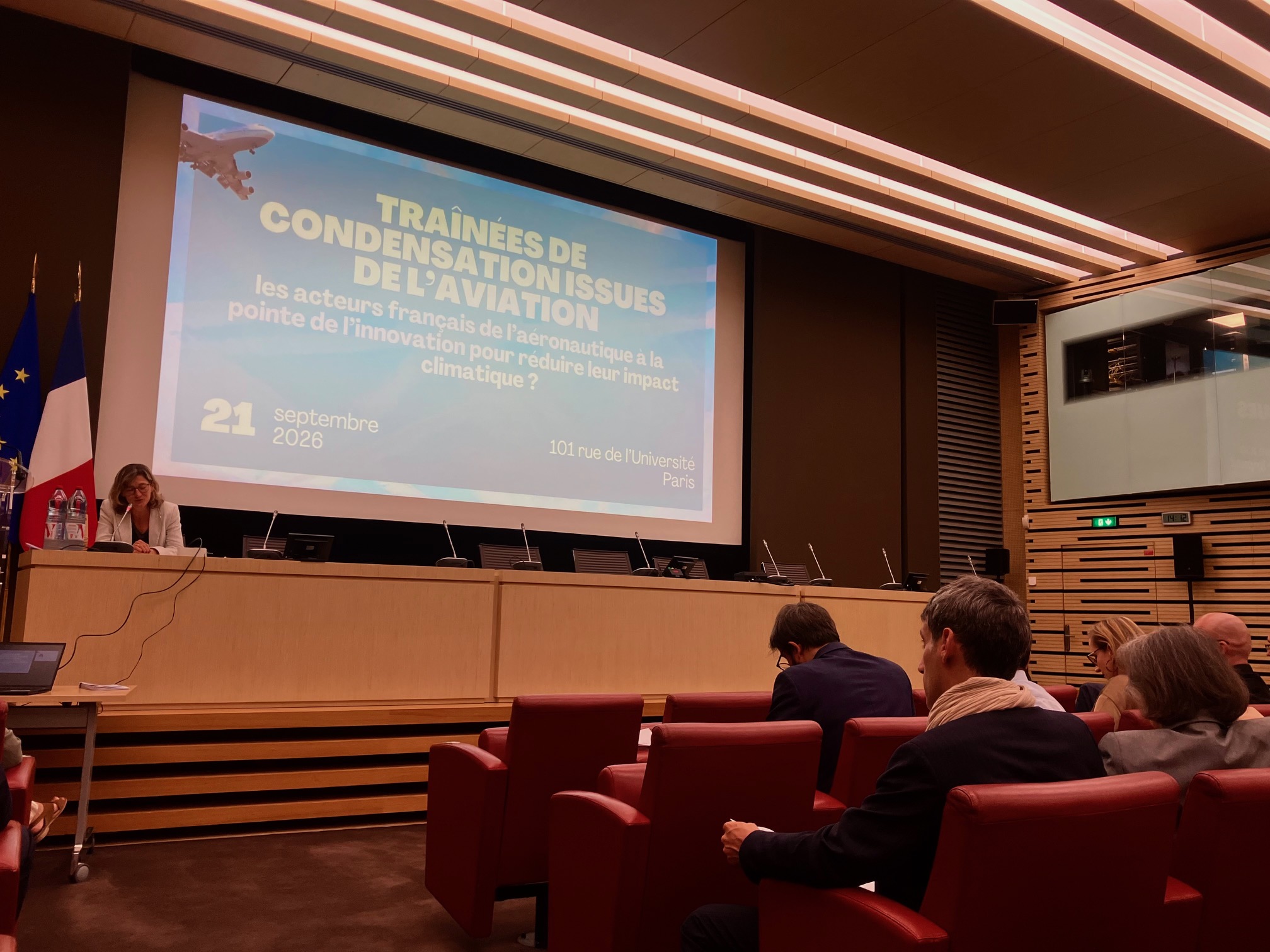
Un colloque s'est déroulé le 21 septembre, à l'Assemblée Nationale. Photo: TB

CroisiEurope


We were already aware of aviation’s CO2 emissions and their impact on global warming. We must now reckon with condensation trails, those white lines left by airplanes in the sky.

The topic was at the heart of a second symposium held at the National Assembly on September 21, bringing together elected officials, experts and professionals, notably from Airbus, Thales or Air France.

“This issue remains relatively unknown but is beginning to come to light,” recalled Christine Arrighi, Green Party deputy for Haute-Garonne and co-chair of the Aeronautics and Space Study Group, during a press conference held on the margins of the symposium.

While regretting that it had long been swept under the rug even though scientists were aware of it. “We can be pioneers on the subject. Last year, the focus was on the assessment. We must now move to practice, at a European level and then globally. We need a collective commitment, with the State taking the lead,” she adds.


Delaying aviation-related climate warming by ten years

Concretely, the water vapor and combustion soot from aircraft form droplets that freeze, creating trails that persist in the atmosphere and would contribute to climate warming at a level similar to aviation’s CO2 emissions.

To raise public awareness and advance the sector, Christine Arrighi can rely on a new Klima Consulting report, commissioned by the NGO T&E (Transport & Environment).

“It concludes that the scientific evidence is now sufficiently robust. By partially avoiding the formation of these trails, one could delay aviation-related warming by ten years,” says Jérôme du Boucher, Deputy Director of Aviation for the Brussels-based NGO.

Read also: Why the increase in taxes on air transport is necessary for its decarbonization


T&E calls for rapid implementation of measures

“Starting avoidance in 2030, aviation’s contribution to warming could reach 0.08° C in 2025 rather than 2040,” he adds, urging the swift adoption of measures.

They could be incorporated within the framework of the ongoing revision of the European carbon market by the European Commission, through free quotas for airlines that commit to the issue.

He notes, however, that these avoidance measures would not by themselves reduce the sector’s climate impact. Other measures are “necessary, such as the development of the synthetic fuels sector and the moderation of traffic.”


Trails that form in cold, humid zones

On paper, intervening seems relatively straightforward and inexpensive. For these trails appear mainly in cold and humid regions.

They form most often in winter, at night and at high altitude. This is especially the case for transatlantic flights. It still requires more precise weather forecasting to accurately identify the affected zones.

“3% of flights generate 80% of the warming from condensation trails. This greatly helps us. It is difficult to implement blanket avoidance, but we can do it gradually, focusing on flights with the highest impact, particularly in winter when air traffic is lower,” adds Jérôme du Boucher.


Coordinated efforts between airlines and air traffic control

A change in routes (notably their altitude) or flight times to avoid zones that promote these trails requires sustained and coordinated efforts between Eurocontrol, which harmonizes European air navigation, the air traffic control bodies, and the airlines.

Airlines, for example, need to integrate a forecast tool for condensation trails into their flight planning software and train dispatchers who draw up flight plans and the pilots.

The network manager, for its part, must establish rules and procedures for a harmonized organization and to prevent airspace congestion. Moreover, current geopolitical problems can complicate the reorganization of flight schedules.


Volotea Launches Preventive Restructuring Proceedings in Spain


Volotea ouvre une procédure de pré-insolvabilité en Espagne - Depositphotos.com Auteur alexanderon

CroisiEurope


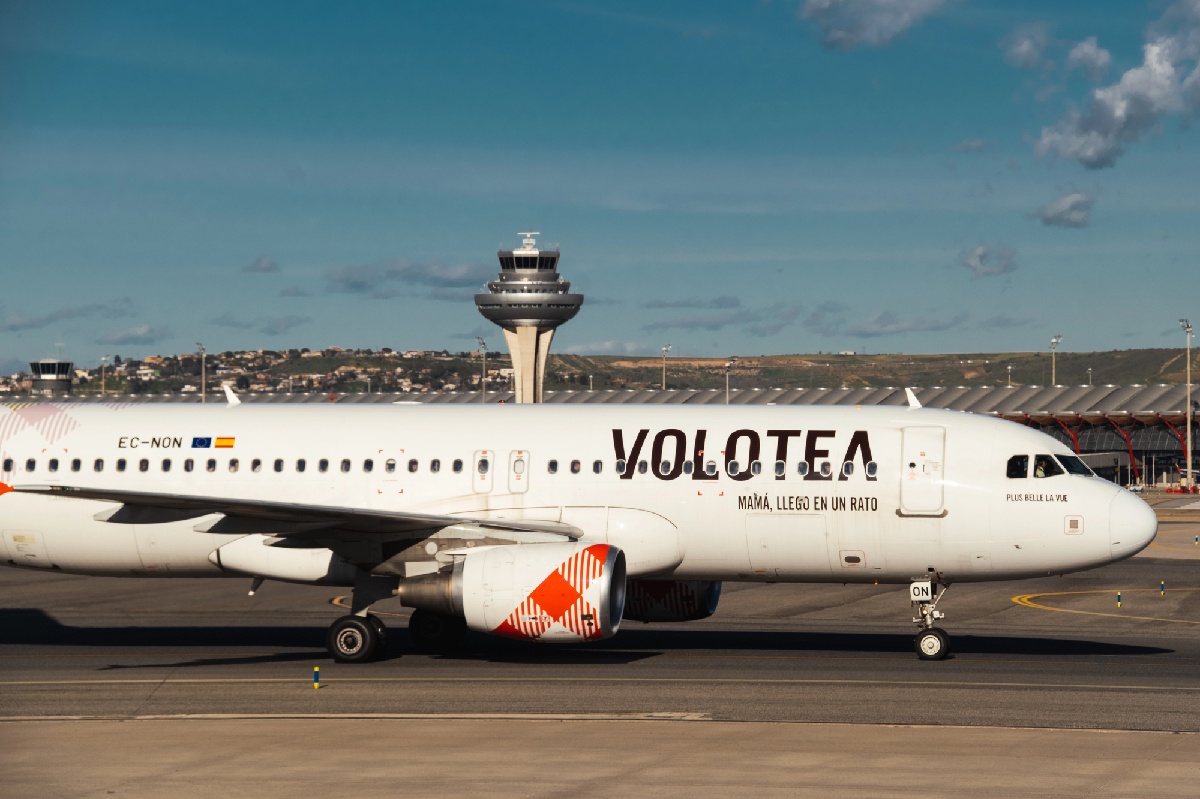
Volotea has activated the pre-insolvency mechanism in Spain in order to gain time in restructuring its debt, according to Hosteltur.

This is a preventive procedure prior to a potential collective proceeding. The goal is to reorganize the company before reaching the insolvency proceedings, which more closely resembles in France a collective procedure.

The company notified the Barcelona Commercial Court No. 9 of the opening of negotiations with its creditors. Its debt would amount to about €356 million, of which €200 million corresponds to a participating loan granted by SEPI in 2022.

The SEPI (Sociedad Estatal de Participaciones Industriales) is the Spanish public body that manages the state’s stakes in various companies.


Volotea is notably working on rescheduling its maturities, exploring new financing solutions, and a capital increase. In parallel, the company plans to cut its fleet from 44 to 30-35 aircraft and adjust its staffing, with around 50 positions affected in certain roles at the Barcelona offices.

According to Hosteltur, Volotea attributes the deterioration of its situation mainly to rising fuel costs and energy price volatility, whose cumulative impact would amount to €150 million since March.

The company says it will maintain its operational activity and hopes to reach an agreement with its creditors by December.

Alaska Airlines and Hawaiian Airlines Unveil Their New Premium Offers


Alaska Airlines et Hawaiian Airlines dévoilent leurs nouvelles expériences premium Aurora et Leihōkū.   DepositPhotos.com/RLGUESSAZ

CroisiEurope


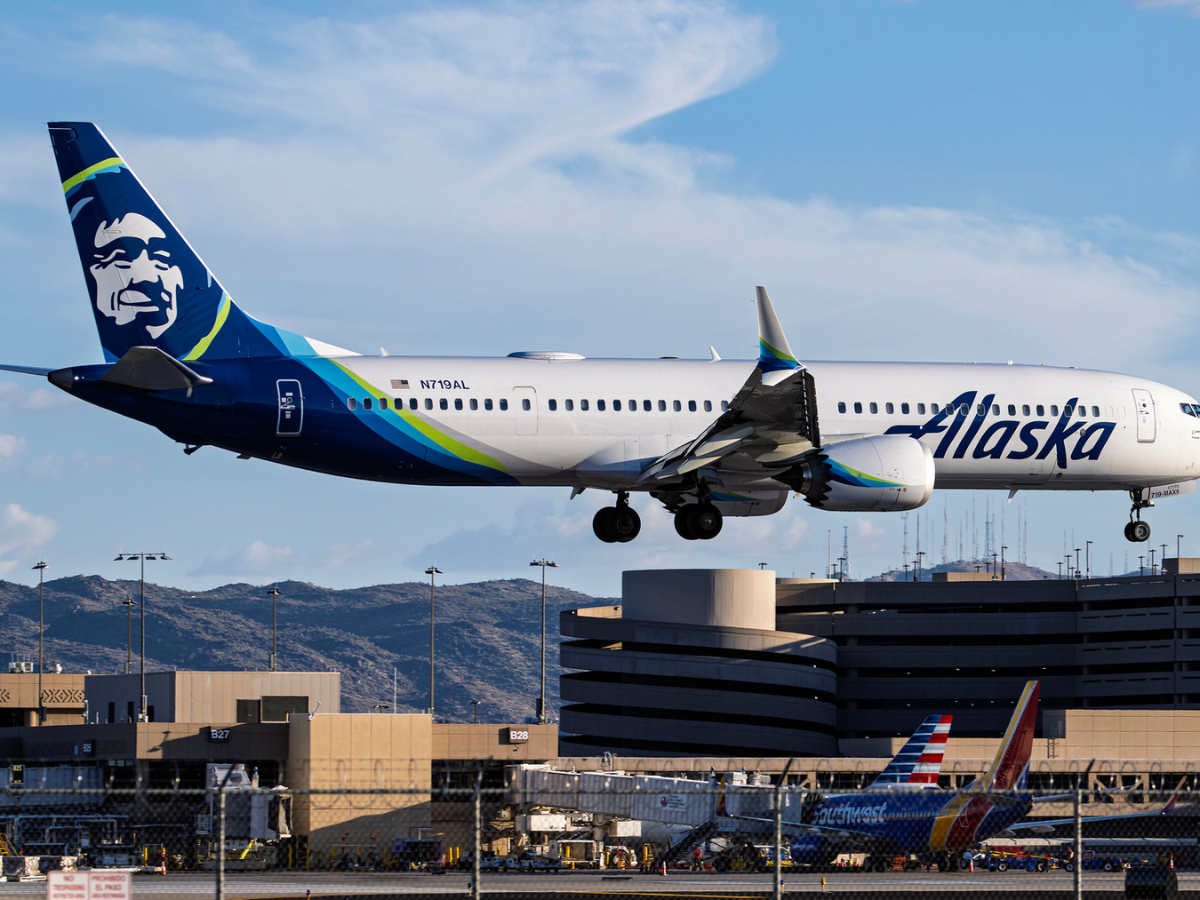
Alaska Airlines et Hawaiian Airlines vont faire évoluer leur offre premium avec deux nouvelles expériences.

Alaska Airlines déploiera Aurora sur ses Boeing 787 et certains Boeing 737-10 MAX.

L’offre comprendra notamment des suites avec fauteuil-lit, un enregistrement dédié et un nouveau salon à Seattle. Sur les Boeing 787-9 modernisés, la part de sièges premium atteindra environ 46 %, contre 38 % actuellement.

Hawaiian Airlines introduira de son côté Leihōkū sur ses 24 Airbus A330. Les appareils bénéficieront d’intérieurs repensés et de 22 suites avec fauteuil-lit. La part de sièges premium passera à environ 40 %, contre 30 % actuellement.


A New Premium Economy Cabin

The new Premium Reserve cabin will be offered on the Boeing 787-9 and 787-10, the Airbus A330s and some Boeing 737-10 MAX. Reservations will open in the summer of 2027, with deployment starting in 2028.

It will notably offer 38 inches of seat pitch, a wider seat, a leg rest and a 16-inch 4K OLED screen.

The airlines also plan to evolve their catering, with menus crafted with local chefs. Alaska Airlines also plans a new lounge complex of nearly 3,800 m² in Seattle by late 2027, while Hawaiian Airlines will open a lounge of around 1,200 m² in Honolulu in early 2028.

French Airports Oppose Proposed Tax Increase in the 2027 Finance Bill


Les aéroports français dénoncent le projet de hausse de taxe du PLF 2027 - Depositphotos.com Auteur info.cineberg.com

CroisiEurope


The government plans to strengthen the tax on the operation of long-distance transport infrastructure (TEITLD) as part of the 2027 Finance Bill.

The scheme, which concerns notably large highway concession companies and several airport operators, could see its rate gradually rise to 12.2%. The Union of French Airports (UAF) denounces a measure announced without consultation and warns about its consequences for investments and the competitiveness of French aviation hubs.

TEITLD is not a new tax for airport operators. Created by the 2024 Finance Law, it targets companies whose revenues from operating a transport infrastructure exceed 120 million euros and whose average profitability exceeds 10% over seven financial years.

Initially presented as a contribution aimed notably at highway concession companies, the tax also applies to large airport operators. According to BFM Business, sont notamment concernés ADP, les Aéroports de Lyon, Marseille-Provence et les Aéroports de la Côte d’Azur, qui exploitent notamment Nice.

With a rate currently set at 4.6%, the TEITLD brought in 549 million euros in 2024, according to data from the Ministry of Transport. Its proceeds are allocated to the France Transport Infrastructure Financing Agency (AFIT France).


The 4.6% rate could become progressive and reach up to 12.2%

For the 2027 PL, the government plans to modify the mechanism. The 4.6% rate could become progressive and reach up to 12.2% for operators showing the highest profitability levels.

The yield from the tax would thus rise from around 600 million euros to nearly 1.4 billion euros per year.

The measure would therefore affect both highway concession companies and major airport operators meeting the scheme’s criteria.

The announcement triggers a strong reaction from the Union of French Airports. In a statement, the organization denounces a decision “revealed by the press and taken without consultation” and says that this increase would directly weigh on the competitiveness of French airports and their ability to invest.


The UAF denounces a “new fiscal shock”

The UAF intervenes as French air traffic remains behind the European momentum. In the first half of 2026, French airports welcomed 98.3 million passengers, a decrease of 0.8% year on year and still 2.6% below the 2019 level.

The organization also highlights the parliamentary debates of December 2025.

During the examination by the Senate of the 2026 Finance Bill, David Amiel, then the minister delegated to the Minister of Public Action and the Accounts, had defended maintaining the TEITLD rate. He had notably warned against the risk of weakening regional airports.

The UAF believes that the proposed plan for 2027 now contradicts that position.

Chalair to Operate Regular Flights from Andorra


Chalair a remporté l’appel d’offres de la principauté d’Andorre - Depositphotos

CroisiEurope


While the FNAM reiterates in its conferences its messages urging the government to address the ongoing decline of the French flag, Chalair demonstrates that it is not completely outdated.

Indeed, the airline founded by Alain Battisti has just won the tender issued by the Principality of Andorra.

It dethrones a Spanish carrier, since it will replace Iberia, which had been handling the routes until now.

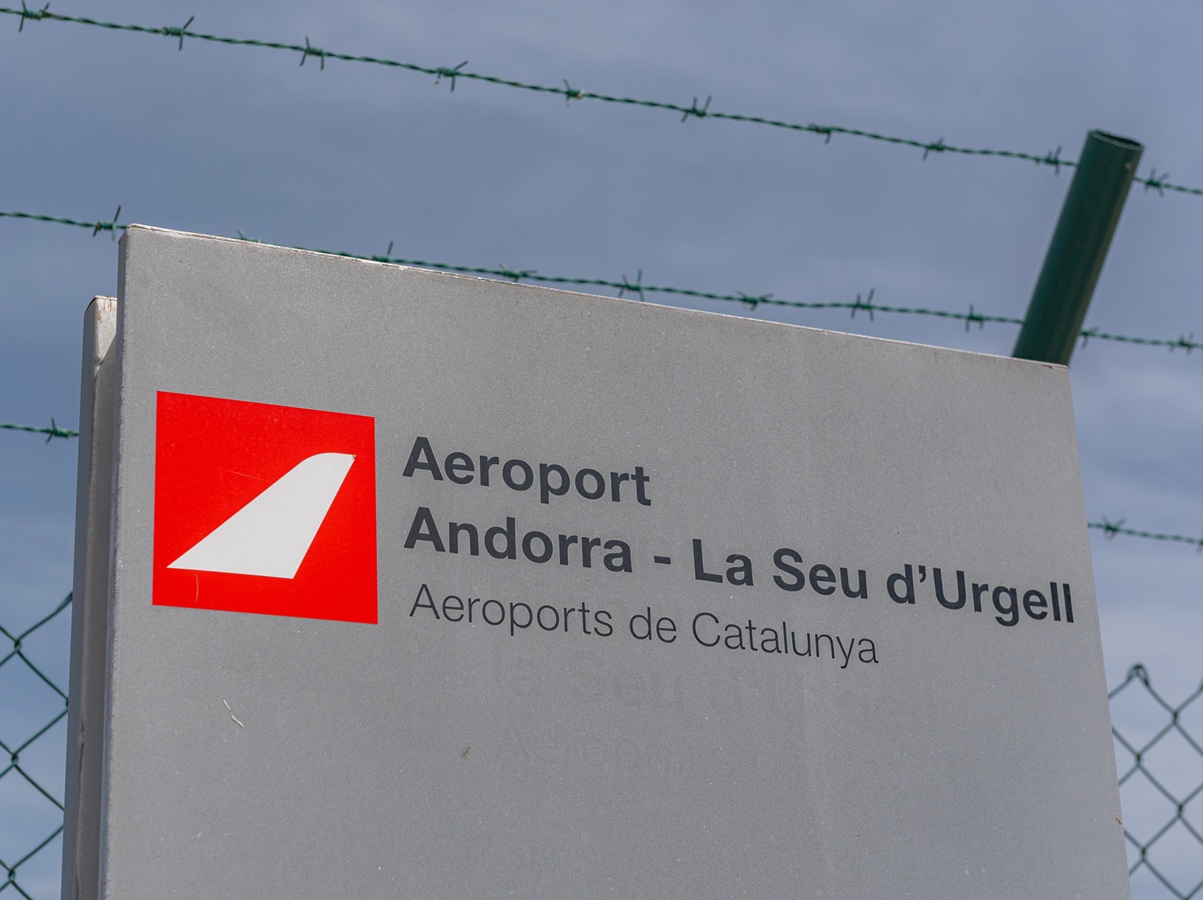
Thus, from January 1, 2027, Chalair will serve the airports of Madrid, Palma de Mallorca, Paris, Nice, Lyon, and Nantes from Andorra-La Seu d’Urgell.


Andorra: routes to Paris-Orly, Nantes, Nice and Lyon

“This is very good news for Chalair. We will base an ATR 42 in Andorra, which means a large volume of activity for us.

This isn’t our first time abroad, as we have worked in Africa, and later ran several regular routes, notably in Antwerp. However, this is our first time abroad with an ATR.

We will now be able to expand the fleet. We currently have five ATRs and five Beechcraft 1900Ds, and we plan to acquire a sixth ATR
“, quotes Alain Battisti.

Thus, three routes will be year-round, namely Palma de Mallorca, Madrid (two to three flights per week), and Paris (two flights per week).

In seasonal service, we will see Nantes with two flights per week in winter, then, each summer, Lyon with one flight per week, and Nice with two flights per week.

Fares start at 55 euros and include a 10 kg carry-on baggage allowance as well as free seat selection.

Chalair will operate these routes from Andorre-La Seu d’Urgell Airport from January 2027 through 2030.


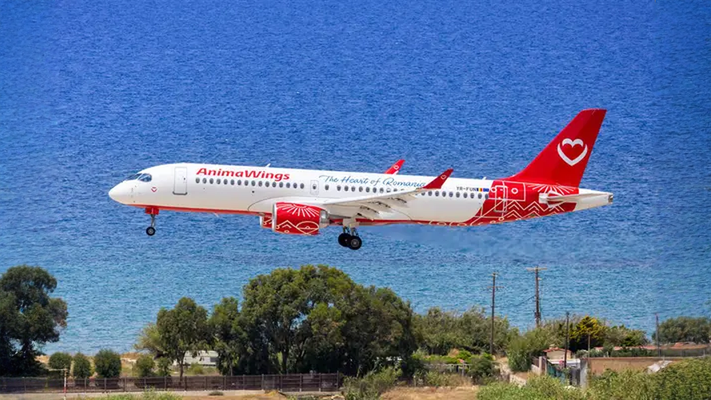
AnimaWings Suspends All Operations from October 2 to 24, 2026


AnimaWings engage une procédure de restructuration judiciaire - Despositphotos.com, Photo by Boarding2Now

CroisiEurope


AnimaWings, the airline owned by brothers Cristian and Marius Pandel, founders of Christian Tour in Romania, filed a petition with the Bucharest court to initiate insolvency proceedings, according to Romanian press.

The dossier was registered on September 30, 2026 with the 7th Civil Chamber of the Bucharest Court.

In a press release, the company announced that it had launched a judicial reorganization procedure to protect its activities, stabilize its operations and restructure its financial obligations.

Although initially the company had stated it would continue operating with only two A320s, it has ultimately temporarily suspended all of its operations from October 2 to 24, 2026, according to a letter sent to its partners.

“ This period will be used to reorganize our activity and recalibrate the flight schedule. Beginning on October 25, with the start of the winter season, AnimaWings will operate according to a new flight program, which will be updated and announced in the coming days. ”

“ Financial restructuring does not mean that AnimaWings is ceasing its activity. The objective of this procedure is to reorganize the airline’s operations and to create the necessary conditions for the durable continuation of its operations. ” adds the company in its letter.


The Priority: “Maintaining as Many Flights as Possible”

On Tuesday, September 29, the airline announced the grounding of six of its eight aircraft, citing technical issues with the A220-300, according to Romanian press.

AnimaWings explains this decision by the recurring technical problems affecting its fleet, which have weighed on its operational, commercial, and financial activities. The company also cites a difficult economic backdrop, the decline in purchasing power, political instability, and rising oil costs.

“This is a difficult decision, but necessary to protect what we have built in recent years and, above all, to ensure our durability. (…) We have chosen to act proactively and responsibly by using the legal framework that allows us to safeguard the company, our operations, and AnimaWings’ long-term prospects. Our immediate priority is the well-being of our passengers and the maintenance of as many flights as possible. AnimaWings will continue to operate in an adapted form. This is a delicate step we must navigate to build the company’s future on solid and sustainable foundations,” said Marius Pandel, CEO of AnimaWings in the press release published on the airline’s website.

The airline operates from France, with departures notably from Paris and Nice, as well as from Geneva in Switzerland.


AnimaWings is progressively handling the cancellations of flights from October 2 to 24, with confirmation by e-mail followed by refunds, it states.

The airline asks partner travel agencies and corporate clients to please wait before submitting any new requests, and not to send duplicate inquiries by email and/or phone.

Finance Bill: Government to Indirectly Tax Kerosene


PLF 2027 : une contribution sur le kérosène  - crédit photo : depositphotos

CroisiEurope


If the mood was grim at IFTM, airline leaders seemed relieved at the idea that the sector would be spared from the PLF 2027.

The carriers are not truly targeted by the measures unveiled by the government, last Thursday.

For reminder, as warning signs multiply around the French debt, the executive seemed to want to reassure financial markets. It planned a 54‑billion‑euro effort and a halving of the Social Security budget deficit.

The government’s aim is to bring the deficit below 5% of GDP, a rate still far from the 3% required by European rules, while the debt stands at 119% of GDP, a first since the end of World War II.

And to achieve this, Sébastien Lecornu and his team decided to put a little more on the airline ecosystem’s shoulders.

Thus, two measures will impact the industry.


PLF 2027: a kerosene contribution!

The text provides for the creation of a mechanism to enable and support the emergence of a synthetic aviation fuel production chain.


For this, the government thus plans a levy on kerosene consumption, so as not to affect public finances.

Concretely, this tax will apply to suppliers of kerosene derived from petroleum, based in metropolitan France, and will depend on the volumes circulated.

This measure is thus intended to ease the finances of French airlines, as the price of SAF is far higher than that of conventional kerosene.

In addition, an agency created or designated by the State will be responsible for contracting with suppliers of more durable fuels, in order to provide carriers with visibility on the availability of these essential resources to decarbonize aviation.

To read: Train more expensive than plane: “a matter of political will”

As a reminder, Europe requires airlines to carry 2% SAF, a rate that must rise gradually to 6% by 2030, then 70% by 2050. However, this obligation clashes with the availability of these more sustainable fuels and their economic cost.

Note that kerosene is not taxed worldwide as diesel or other everyday fuels are.

Due to the Chicago Convention, adopted in 1944, the convention provides that an aircraft’s fuel cannot be taxed on arrival. Moreover, an amendment filed last autumn by ecologist MPs proposed imposing a tax for domestic flights.

“If the Chicago Convention of 1944 exempts aviation fuel for international flights from any tax, it does not prevent taxation for domestic flights, which is in effect in countries like the United States or Japan.

Yet kerosene continues to escape any taxation, remaining one of the few fuels benefiting from such an exemption, even as it powers one of the most polluting modes of transport,” explained the lawmakers.


A tax targeting toll concessionaires and airports will triple

That’s not all, because the government wants to triple once again a tax.

Don’t worry, this will not concern the TSBA, the Chirac tax, but the Tax on the Exploitation of Long-Distance Transport Infrastructure, the TEITLD.

This latter targets all long-distance transport infrastructures, whether rail, air, or road transport.

But the main target of this tax is none other than toll concessionaires. To be eligible for this measure, the company must show an average profitability rate above 10%.

We are far from the margins of the tourism industry.

Thus, the bill provides for raising the TEITLD from 4.6% to 12.2%. A rise announced as gradual by the government.

This reform is expected to generate an additional 800 million euros and aims to finance the “Ambition Transports” fund, whose purpose is to “regenerate, modernize and adapt to climate change the current transport networks.”

A decision that sparked uproar, even though infrastructures with profitability below 10% would not be affected.

Moreover, nearly 8 billion euros are planned to be invested to enlarge Roissy-Charles-de-Gaulle, to raise its capacity to nearly 90 million passengers per year.

IFTM 2026: Recap of Topics Discussed with Travel Agencies


A New Order Tracking System That Has Everyone in Agreement

Resaneo était présent sur l'IFTM 2026 © Sacha Lenormand

CroisiEurope


Jean-Pol Leclercq, Sales Director of Resaneo, explains: “This is primarily a graphical overhaul, and that matters. It gives the interface a more contemporary feel with smoother, more intuitive navigation that makes users’ lives easier. A menu has been created via a side banner, consolidating all the features useful to the agency in its post-sale management. The rest of the services remain the same, with the exception of a new development on the group side. Agencies will now be able to download an Excel file, fill it with all passenger information, and then upload it to the tracking of their file. This was a request from our agencies, as it will simplify their tasks and also secure them. The rollout is complete and we are continuing with a few adjustments to fully meet the agencies’ expectations.”


RESANEO Training Sessions Grow in Popularity


Giacomo Filardo et Marion Strino © Sacha Lenormand

Marion, Head of Resaneo Account Managers, and her team invite you to discover all the secrets of Resaneo through 45-minute sessions. She explains: “We host four sessions per week, from Tuesday to Friday, to train our agencies in all the services offered and to answer any questions regarding users’ needs. Most often, Giacomo will take care of you.”

Each new agency registered on Resaneo automatically benefits from this training, and those who are already clients can, of course, participate. With staff changes and new entrants into the profession, Resaneo’s trainings are more useful than ever.

We have also chosen to prioritize individual trainings, which work better than webinars, as they allow us to have the agencies’ full attention and to foster constructive exchanges. To sign up, it’s easy: just click HERE »


Rail Travel Is Finally Getting the Attention It Deserves


© Canva Resaneo

Jean-Pol: “The train is a topic that is particularly close to my heart, and I must admit I have been pressing for it for some time now. What better way than to travel across France and Europe by train to take the time to discover the autumn colors of our regions, to reach city centers directly, all while feeling that you are doing something meaningful, in short, to treat yourself while rediscovering travel. Resaneo aims to meet the desires of a new, more demanding and virtuous clientele. This is why our rail offering is very substantial, with, among others, the TGV InOui, Ouigo Grande Vitesse, Ouigo Classique, TER, Eurostar, and Lyria. The range of destinations has greatly expanded and enables agencies to package with hotels or direct access to theme parks.

That is already very good, but we want to offer even more. This is why we launched, on certain segments, bookings up to a year in advance.

We put our recognized aviation expertise at the service of rail travel. Concretely, we host high-traffic connections on our platform and enable agencies to reserve journeys up to a year in advance.

Given that today reservations open only about three months ahead, this gives agencies a tremendous edge and significantly increases their added value.


© Canva Resaneo


For the time being, the lines covered are:

Lyon – Paris / Marseille – Paris / Bordeaux – Paris / Nantes – Paris / Lille – Paris.

We can also enable the clearance of allotments that agencies find hard to sell. In short, the broker and charter principle applied to rail travel.

The final advantage of the solution is the creation of train + hotel packages without the time constraint to market them. »