

Accor announces the launch of the HERA Challenge, an international contest aimed at travel agents who are members of its HERA platform. This initiative seeks to highlight the performance and dedication of industry professionals by offering a tangible reward: a stay in Colombia in March 2026.
The 33 top advisors will be selected based on multiple criteria, including sales volumes, destinations booked, or preferred brands.
This initiative continues the HERA platform, launched a year earlier, which aims to assist travel agents with their hotel bookings via dedicated digital tools.
The 33 top advisors will be selected based on multiple criteria, including sales volumes, destinations booked, or preferred brands.
This initiative continues the HERA platform, launched a year earlier, which aims to assist travel agents with their hotel bookings via dedicated digital tools.
An Accor competition structured around 11 categories
The HERA Challenge is open exclusively to users of the HERA.Accor.com platform. The 33 winners will be distributed across 11 distinct categories. Three of them will reward the “Champions of Performance” based on either the overall sales revenue generated or the largest single sale completed on the platform. Three other categories will recognize the “Regional Stars” according to performance in the following regions: the Americas; Europe, Africa and Turkey; the Middle East, Asia and the Pacific.
In addition, five “Brand Experts” categories will honor sales made for the Orient Express, Fairmont, Raffles, Sofitel/Sofitel Legend/MGallery, and Ennismore’s lifestyle brands.
Finally, the last category, “Champions of Destinations“, will spotlight the three agents who booked trips to the largest number of different countries. The competition covers all bookings made between November 15, 2024, and November 15, 2025. Winners will be announced in December 2025.
In addition, five “Brand Experts” categories will honor sales made for the Orient Express, Fairmont, Raffles, Sofitel/Sofitel Legend/MGallery, and Ennismore’s lifestyle brands.
Finally, the last category, “Champions of Destinations“, will spotlight the three agents who booked trips to the largest number of different countries. The competition covers all bookings made between November 15, 2024, and November 15, 2025. Winners will be announced in December 2025.
A Colombia experience for the winners
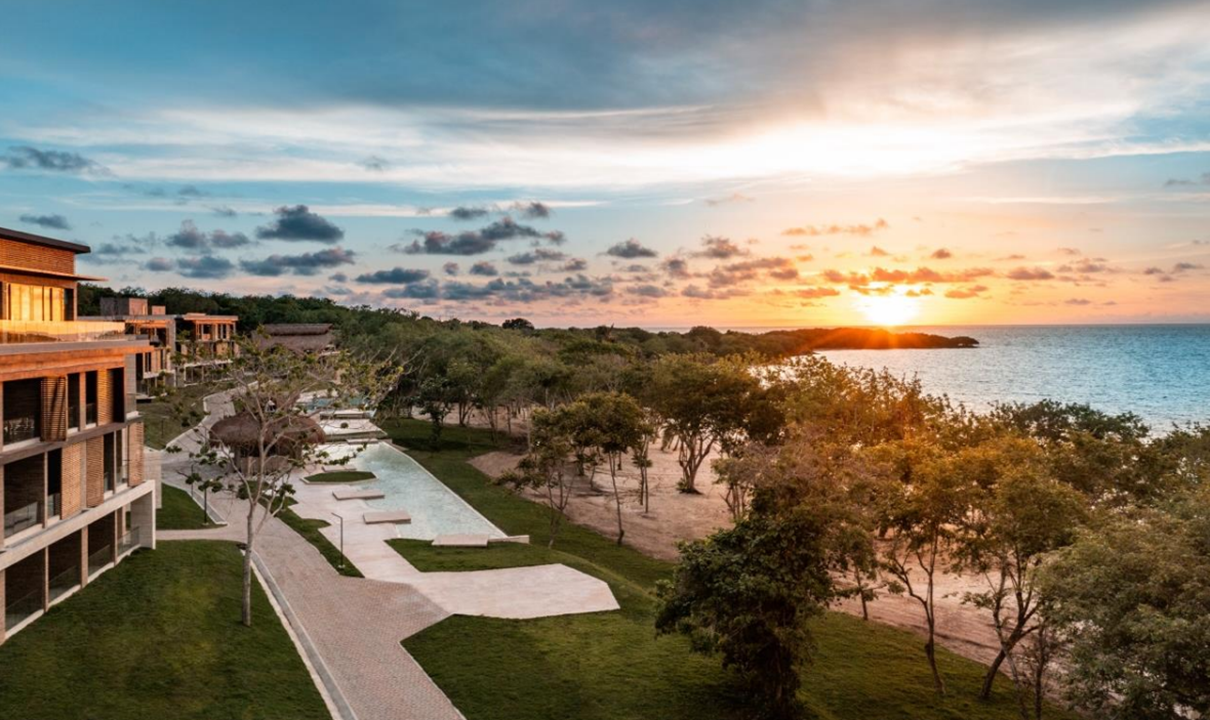
The 33 rewarded agents will undertake a four-day experience, from March 9 to March 12, 2026, spread across two Colombian properties within the group. They will spend one night at the Sofitel Legend Santa Clara Cartagena, located in a 17th-century convent in the heart of Cartagena, and two nights at the Sofitel Barú Calablanca Beach Resort, LEED-certified and situated about 40 minutes by boat from the city.
The program includes meetings with local communities, in line with the group’s commitment to responsible travel. The Barú complex features 187 rooms and suites, several infinity pools, a spa, a gym, and restaurants, including Bahía by the sea and Humo, which blends Asian and Latin American cuisines. According to Pascal Visintainer, “the HERA Challenge is our way of highlighting and rewarding travel agents who bring our brands to life for customers around the world.”
The program includes meetings with local communities, in line with the group’s commitment to responsible travel. The Barú complex features 187 rooms and suites, several infinity pools, a spa, a gym, and restaurants, including Bahía by the sea and Humo, which blends Asian and Latin American cuisines. According to Pascal Visintainer, “the HERA Challenge is our way of highlighting and rewarding travel agents who bring our brands to life for customers around the world.”
 Publié par Manon Morelli Rédactrice web – TourMaG.com
 Voir tous les articles de Manon Morelli


Ajoutez TourMaG à votre flux Google Actualités