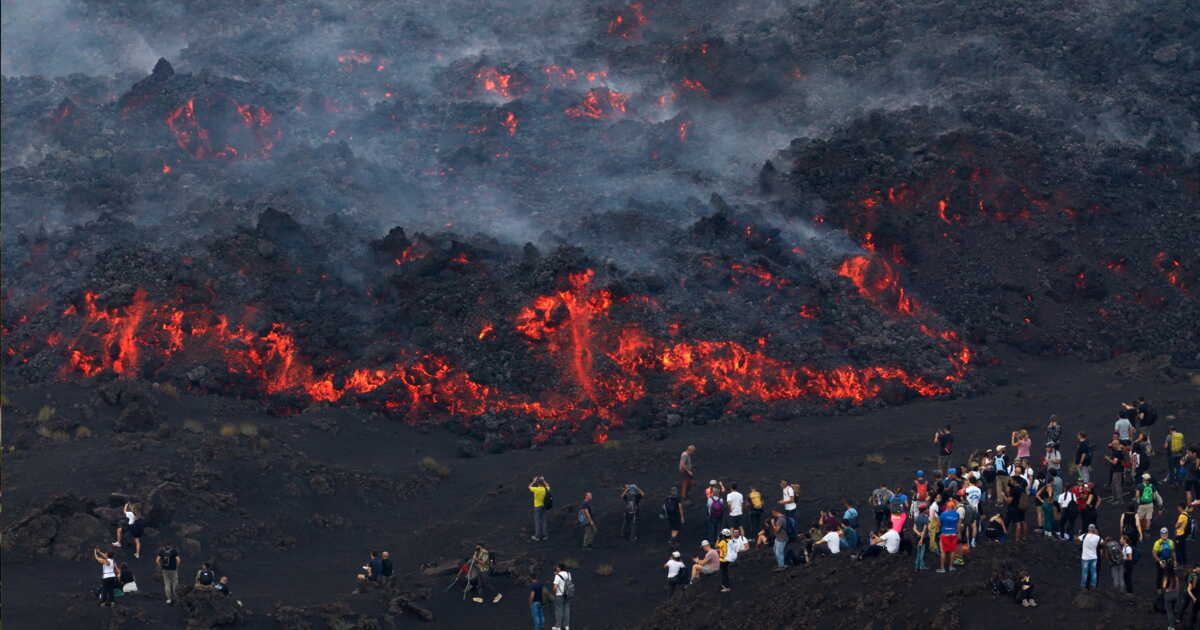
Spectacular images of lava flows racing down the slopes of Mount Etna during an eruption have drawn crowds of tourists to the Italian volcano, much to the dismay of local guides. As Europe’s highest active volcano, Etna has been spewing ash and lava for several days, forcing the closure of the nearby Catania airport, a major entry point for visitors to Sicily.
An ascent that cannot be improvised
The companies organizing nighttime hikes to allow participants to observe the eruption up close say they are overwhelmed with calls. “Everyone wants to come see”, Daniele Perricelli, 41, a local guide, told AFP on Wednesday.
Perricelli’s group, “Etna Guide,” leads a few dozen visitors onto the volcano each evening, but is currently receiving about 300 requests per day, three times as many as a typical summer day, he said.
Ernesto Maria Magri, another local guide, dubbed the event a “tourist eruption”, noting that many residents of the region were also climbing to see the lava “sometimes in an unruly fashion”.
For lack of being able or willing to hire a guide, many attempt the ascent on their own. A risky practice, according to Mr. Perricelli, who explains that the volcano is unstable. “Up to 2,000 people make the ascent each evening: the trails are crowded”, he lamented. “Yesterday, we even saw some in flip-flops”, he added, calling on authorities for greater vigilance.
Certain hikers, including Italian television presenter Diletta Leotta, were criticized on social media for taking photos while seeming too close to the incandescent lava.
Nevertheless, guides emphasize that it is possible to approach within a few meters of the lava flow in the lower-altitude zones where the lava has already cooled.
Under current rules, visitors may ascend by themselves up to around 2,400 meters, but must be accompanied by a guide to go higher.
The summit reaches 3,324 meters. Italy’s Civil Protection Agency issued a yellow alert for Etna — the second level on a four-tier scale ranging from green to red — signaling frequent eruptions and potential explosions.
7. Participate in workshops and interactive activities
8. Saint Vincent de Paul Cathedral
Exploring Tunis with the family: what to do for kids and adults in the capital of Tunisia ?
Evening in Tunis: what to do in the evening in the Tunisian capital ?
What to do in Tunis when it rains? Cultural discoveries and indoor visits
Exploring Tunis’ souks: which souk to visit for an authentic experience ?
What to do in Tunis to make the most of your visit? This is the question we will answer, offering you a range of must-see activities.
1. Explore the Medina of Tunis
The Medina of Tunis, listed as a UNESCO World Heritage site, stands as one of the capital’s most emblematic places. This magical spot, with its tangled alleyways, preserves a dense medieval urban fabric animated by a multitude of specialized souks, such as the Ech-Chaouachine souk, and punctuated by places of worship like the Great Mosque of Zitouna.
You encounter art galleries tucked behind discreet gates, and monuments such as Dar Othman or the Tourbet El Bey, revealing a rich historical stratification. The Medina of Tunis is a perfect place to discover local products, sip a mint tea in a courtyard, or stroll through the oldest parts of the city on foot, enjoying a pace conducive to observation and contemplation.
2. Visit the National Bardo Museum
Located a few kilometers from Tunis, the Bardo National Museum, housed in a former Beylical palace, offers a structured immersion into the artistic history of Tunisia. This museum, renowned worldwide, is celebrated for housing one of the most important collections of Roman mosaics from various sites across Tunisia.
Temporary and permanent exhibitions also address the Punic, Byzantine, and Islamic periods, providing a complete journey through the region’s cultural evolution. In the afternoon, a combined visit to the Bardo can be paired with other Tunisian sights, especially in the city center.
3. Discover the Carthage archaeological site
The Carthage archaeological site, a premier destination for antiquity lovers, stretches between the sea and the hills along the Tunis Bay. Classified as a UNESCO World Heritage site, it reveals the ruins of Carthage, dominated by the Antonine Baths, the Byrsa hill, and the ancient Punic harbors.
This magical place also offers a breathtaking view of the Mediterranean and is located right next to Sidi Bou Said, making it a must-see stop for visitors wishing to explore the capital’s historic monuments of Tunisia.
4. Stroll through the village of Sidi Bou Said
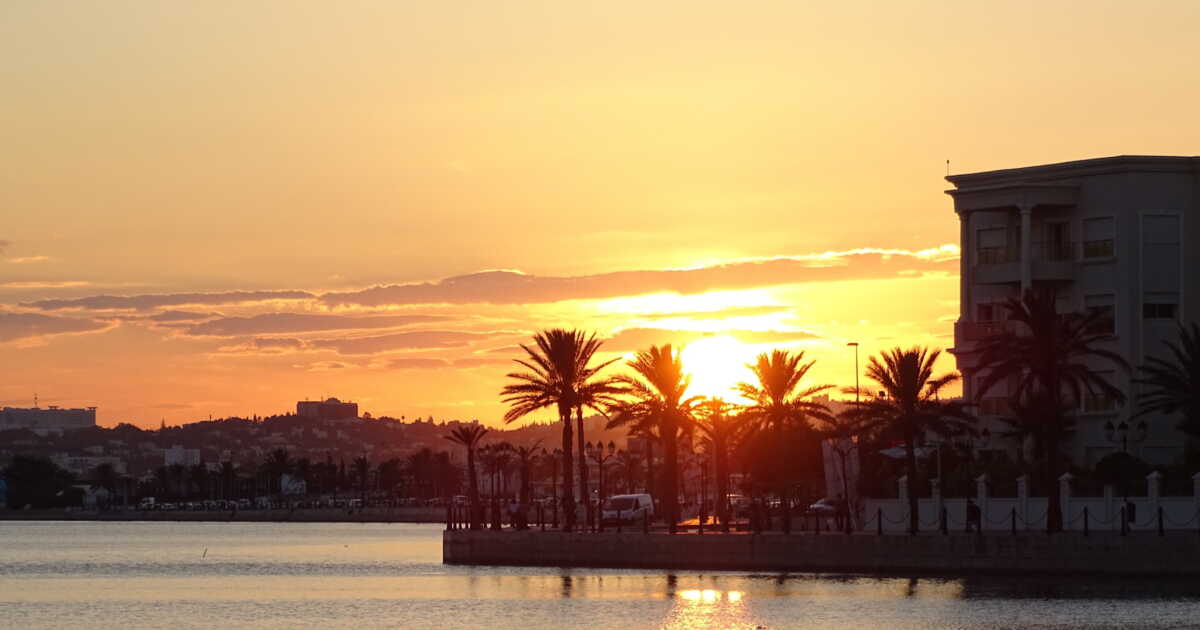
With its blue doors, white facades, and a network of cobbled lanes, Sidi Bou Said embodies Andalusian aesthetics along the Mediterranean. This coastal village attracts visitors from around the world each year, drawn to the unique play of light offered by sunsets over the Gulf of Tunis.
Flâner à Sidi Bou Said permet de visiter des galeries d’art, de savourer un thé à la menthe au Café des Délices ou au Café des Nattes, et de profiter d’un cadre apaisant, loin des foules de touristes du centre-ville. Situé sur la route de Tunis La Goulette, ce lieu magique constitue un endroit intéressant à intégrer à toute visite de la capitale tunisienne.
5. Enjoy Habib Bourguiba Avenue
Habib Bourguiba Avenue, often compared to the Champs-Élysées, embodies the heart of the modern city. Running through the new town of Tunis, it connects Independence Square to the sea gate, and allows you to discover emblematic buildings such as the Municipal Theater or the Saint-Vincent-de-Paul Cathedral, a relic of the French colonial era.
The interior of the cathedral fascinates with its mix of architectural styles. Strolling along this lively avenue is also an opportunity to pause at one of the many cafés, observe the curiosity of visitors, or soak up the urban atmosphere of a North African capital undergoing change.
6. Shop at the Central Market
The Central Market of Tunis, located in the heart of downtown, stands as one of the best places to immerse yourself in Tunisian culinary culture. Here you will find a variety of local products: vegetables, fish, dairy products, spices, and dried fruits. It is a lively place frequented by locals and visitors alike, perfect for discovering aromas and country traditions. This historic market remains an ideal spot to meet Tunisians, taste specialties, and bring back authentic souvenirs, just steps from the shopping streets and the medina’s souks.
7. Participate in workshops and interactive activities
To complement a more interactive discovery of the city, Tunis offers several activities suited for families or rainy days. Workshops in mosaic, pottery, or Tunisian cuisine allow deeper knowledge of local crafts. saf-saf, cultural venues, and community centers also offer educational programs for children. These places foster a thoughtful approach to the capital of Tunisia, while respecting the rhythms of visitors, especially on weekends or short stays, and give a tangible touch to a city that also reveals itself through experience.
8. Saint Vincent de Paul Cathedral
The Saint-Vincent de Paul Cathedral, located in the heart of downtown Tunis, on Independence Square, is a remarkable testament to religious architecture from the French colonial era. Erected at the end of the 19th century, it blends Roman, Gothic, and Byzantine styles, and stands out with its imposing façade and colorful stained glass. The interior of the cathedral offers a striking contrast with the bustle of Bourguiba Avenue.
It remains a historic monument frequented by worshippers but also by tourists seeking places of worship and cultural landmarks in the capital of Tunisia. Its easy access and central position make it a logical stop on a circuit mixing religious heritage, colonial urbanism, and the curiosity of visitors. A few minutes’ walk from the Clock Tower or the Sea Gate, it fits into a coherent cultural itinerary in North Africa.
In conclusion, Tunis is a city that unfolds itself through its multiple historical, cultural, and modern facets. Whether you are passionate about history, a culinary enthusiast, or simply curious about new urban discoveries, the city of Tunis will surely meet your travel aspirations. For your next step, why not explore the surrounding beaches or the country’s still little-known natural gems?
Exploring Tunis with the family: what to do for kids and adults in the capital of Tunisia?
Discovering Tunis with family allows combining cultural discovery, relaxation, and fun activities suitable for all ages. A walk through the Medina of Tunis, with its maze of alleys, colorful souks, and artisans, provides an immersive introduction to local history and traditions.
The Belvédère Park, the city’s main green space, is a recommended stop for families, offering both a view of downtown Tunis and activities for children. A trip to Carthage, just a few kilometers away, allows combining outdoor strolls with the discovery of the ruins of Carthage.
In Sidi Bou Said, the blue doors, art galleries, and traditional mint tea provide a tranquil and friendly setting. Finally, a detour to the port of La Goulette or the La Marsa beach lets you end the day in a seaside vibe, with fish restaurants highly valued by visitors.
Evening in Tunis: what to do in the evening in the Tunisian capital?
Asking what to do in Tunis at night reveals a city that takes on a different atmosphere after dark. In the city center, between Independence Square and Kasbah Street, traditional cafés fill up and terraces come alive. For a more cultural evening, the Carthage International Festival, in summer, offers concerts and performances in an ancient, history-laden setting.
The La Goulette district, on the Tunis-Goulette route, draws visitors for its seaside fish restaurants, popular with both tourists and locals. In Sidi Bou Said, the streets take on a calm mood, ideal for a nighttime stroll punctuated by a mint tea. The diversity of Tunis’ nocturnal atmospheres, between cultural happenings, culinary traditions, and views of the Gulf of Tunis, makes it one of the best places to savor the sweetness of North African evenings.
What to do in Tunis when it rains? Cultural discoveries and indoor visits
When the weather is rainy, Tunis offers a varied cultural scene that allows discoveries to continue indoors. In the old town, the Great Mosque, the Dar Othman palace, or the old prayer rooms provide enriched historical exploration. The city center, rooted in the French colonial era, also houses art galleries, bookstores, and cafés conducive to a break.
Among the historical monuments such as the Saint-Vincent de Paul Cathedral, located on Habib Bourguiba Avenue, one can approach European architectural and religious heritage in the heart of the capital of Tunisia, especially thanks to access to the cathedral interior. Even in the rain, Tunis retains its charm thanks to the richness of its heritage.
Exploring Tunis’ souks: which souk to visit for an authentic experience?
Among the souks of the Medina of Tunis, the Ech-Chaouachine souk stands out as a must-stop. Specializing in chechias (traditional red felt hats), it embodies one of Tunisia’s emblematic crafts on its own.
Located not far from the Great Mosque, this souk maintains a strong artisanal activity and offers visitors a living glimpse of traditional commerce, with narrow stalls and a lively atmosphere. Going there early in the morning or outside peak tourist crowds helps to better enjoy the local ambiance.
A few steps away, other areas of the old town reveal spices, leather, jewelry, or fabrics, forming a tangle of lanes ideal for wandering and discovery. The souks provide a complete sensory and heritage experience, revealing an essential facet of Tunisian identity.
This article was drafted with the help of an artificial intelligence, then corrected, expanded, and validated by the newsroom’s journalists.
For nearly twenty years, travelers have had to limit the contents of their liquids to 100 ml when passing through security checks at airports. A constraint so familiar that it now seems inseparable from air travel. Yet a security expert argues that this rule is not truly based on safety logic. And the advent of new scanners at several major airports could well render this rule obsolete.
A measure born after a foiled attack plot
To understand the origin of this limit, one must go back to the summer of 2006. In the United Kingdom, authorities uncovered a planned attack involving liquid explosives that those behind it allegedly intended to conceal in beverage bottles and transport in carry-on luggage. The operation was fortunately thwarted before it could be carried out.
Following this discovery, British authorities initially prohibited passengers from carrying liquids beyond security checks. A few months later, in November 2006, the ban was eased: travelers were allowed to carry liquids, but only in containers with a maximum capacity of 100 ml.
This rule, later adopted at many airports worldwide, has since required passengers to remove their bottles from their luggage or present them according to the applicable procedures. Shampoo, cream, perfume or toothpaste must thus comply with this limit, or they will be discarded at security.
But for Bruce Schneier, a security technology expert and member of the Harvard Kennedy School, this logic is problematic. Interviewed on The Telegraph’s The Travel Expert podcast, he argues that the measure is primarily what he calls a “security theatre”.
“It is 100% security theatre. They do not do this with safety in mind; they do it as a compromise, which would make no sense if it were a real security issue”, he stated
New scanners are gradually making the limit obsolete
The expert points to a notable difference between how dangerous items are treated and how liquids are handled. In his view, a passenger who tries to pass through security with a weapon and is detected clearly cannot continue their journey as if nothing had happened. Meanwhile, for an illegal liquid, the situation is entirely different.
“If I go through airport security with a weapon and they find it… they ruin my day. If I go through security with a bottle of liquid and they find it, they throw it away and let me pass”, he explains.
Bruce Schneier also notes that this difference in handling makes the restriction peculiar: the liquid is deemed problematic enough to be banned on the plane, yet eliminating it at the checkpoint is sufficient to resolve the issue. “Here is something so dangerous that you cannot take it on a plane, but so harmless that security officers will throw it into a trash can next to them”, the expert states in the same podcast.
In practice, technology is starting to shift the balance. Next-generation scanners allow officers to analyze the contents of luggage more precisely, without passengers necessarily having to remove their liquids or electronic devices.
In the United Kingdom, several airports have already scrapped the 100 ml limit. In January, Heathrow became the largest airport in the world to abandon it completely after completing the deployment of the new scanners, as part of a £1 billion investment (approximately €1.17 billion). Birmingham, Bristol, Gatwick, and Edinburgh have also completed the installation of these devices.
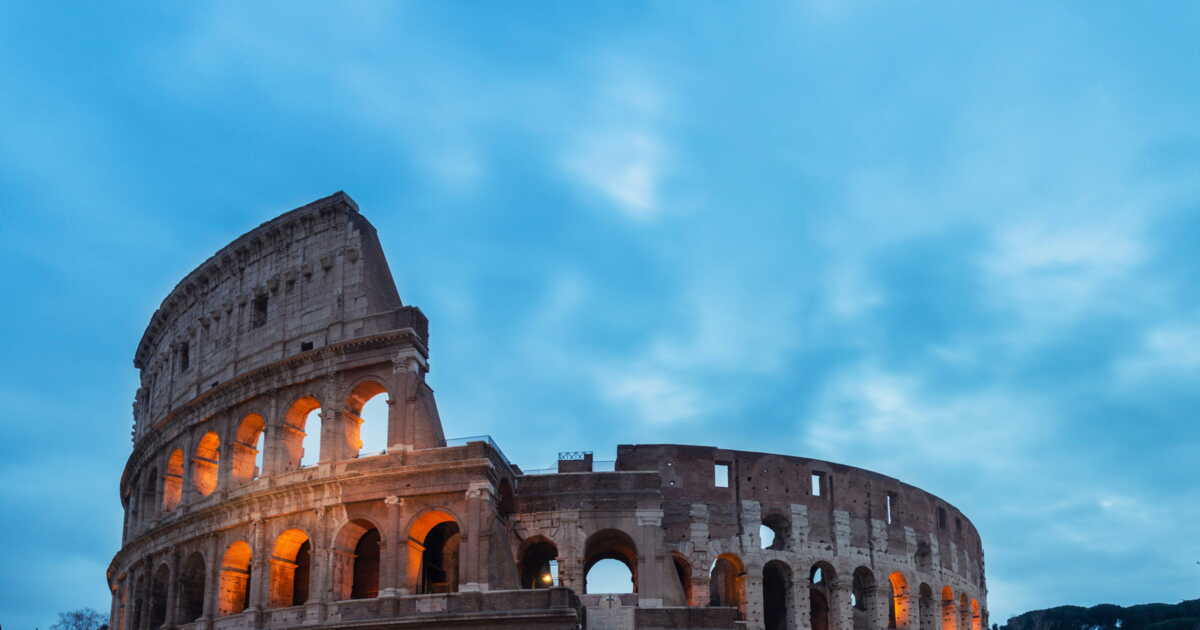
A curling under a bright sun and just a few meters from the Colosseum? It’s an activity that has drawn some Italians in for several months. A curling rink has indeed been installed on the Oppian Hill, amid Rome’s ancient monuments. “Everything happened in a completely spontaneous way and we had a lot of fun”, tells the New York Times Luca Puzziferri, a 37-year-old doctor who came to try the sport with his wife and two friends.
Since the Milano-Cortina Winter Games held in February, curling has generated a certain enthusiasm among Italians. The Italian team notably won a bronze medal in mixed doubles, sparking unprecedented interest in the discipline in the Bel Paese.
A curling rink in an exceptional location
This curling rink in the unique setting was installed last June by Sport e Salute, the public body responsible for promoting sport in Italy. “After the Olympic Games, everyone had a dream: to discover curling,” explains to our colleagues Diego Nepi Molineris, the organization’s chief executive. The institute wished to take advantage of the curling spotlight to encourage Italians to discover the sport even more.
To create an outdoor rink that can withstand the heat, its surface is made of plastic. It measures about 12 meters long by nearly 3 meters wide, compared with roughly 45 meters by 5 for a regulation rink. The stones are also much lighter and the brooms are mainly used to retrieve them rather than to modify their trajectory.
The idea is therefore not to turn participants into Olympic athletes, but simply to introduce the rules and the sensations of curling. “It’s the spirit of the game that counts”, says Andrea Gios, president of the Italian Ice Sports Federation.
What is the popularity of curling in Italy?
If the country hopes to attract new players, curling facilities in Italy are few. The country currently has only seven dedicated rinks, all located in the north, for just 425 licensed players. The north of the boot is indeed the cradle of the discipline since it was introduced there in the 1950s in the Alps, at Cortina d’Ampezzo.
The sports officials now hope to capitalize on the momentum created by the Olympic Games to develop the sport. If demand is sufficient, the rink installed opposite the Colosseum could be rebuilt with real ice as early as November. It would not be of international dimensions, but would at least allow Romans to get an introduction to curling. This would thus help sustain interest in the discipline.
4. A Glimpse into Antiquity at the Perge Archaeological Site
5. Adventure and History at Termessos National Park
6. Dive into the Sea of Activities at Lara Beach
7. Cultural Immersion at the Antalya Archaeological Museum
What to do in Antalya at night? Exploring the city between illuminated heritage and lively local life
What to do in Antalya as a couple? A destination conducive to relaxation and shared discoveries
What to do in Antalya with family? A welcoming city between playful activities, history and nature
What to do in Antalya when it rains? Cultural and urban alternatives to explore indoors
Is Antalya a dangerous city? Safety, stability, and a well‑managed tourist frame
Beyond its renowned coastline, Antalya reveals a rich historical heritage and landscapes that invite escape. Here is a survey of places and activities to include on your itinerary.
1. Get Lost in Kaleiçi’s Old Town
Antalya is a must‑visit destination, and starting with the Kaleiçi district makes the city’s wealth of history immediately tangible. Wandering the narrow lanes of Kaleiçi, the downtown area feels like a crossroads where the past and present meet: elegantly restored Ottoman houses, handcrafted stalls, art galleries, and traditional cafés.
The World Heritage‑listed old quarter, protected by ancient walls, is exemplified by the Hadrian’s Gate, built to honor the Roman emperor, a symbol of the Roman era. Nearby, the Clock Tower and the Yivli Minare Mosque illustrate the region’s rich cultural and religious layers.
2. Marvel at the Düden Falls
Just a few kilometers from downtown Antalya, the Düden Falls stand as a striking example of the region’s natural scenery. This formation, where the rushing water carves through rock before plunging into the Mediterranean, perfectly embodies the greenery of the Antalya region.
Whether you take the designed trails or enjoy the view from a boat cruise around Antalya, the experience is both serene and spectacular. The surrounding parks add a refreshing touch to Antalya’s Mediterranean climate. Exploring this site is among the essential excursions in Antalya, offering accessibility and immersion in a stunning natural setting.
3. Serene Break on Konyaaltı and Lara Beach
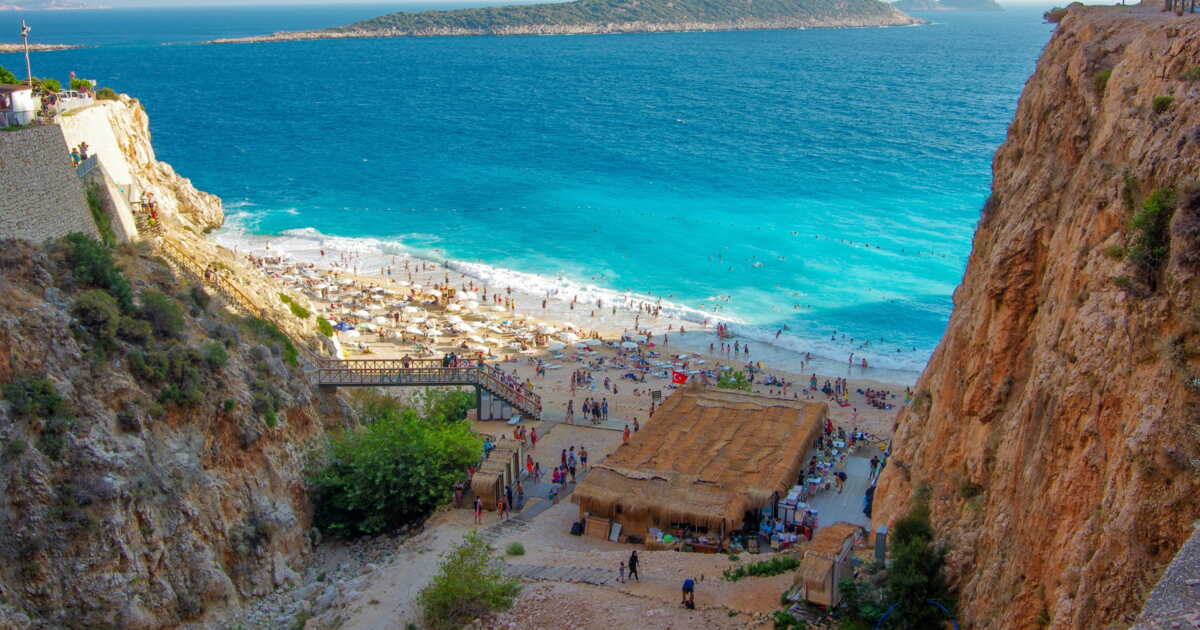
On this coastal destination, enjoying the beaches is part of the experience. Konyaaltı Beach, close to the city center, stands out for its lively atmosphere, modern facilities, and seafront promenade. In parallel, Lara Beach offers a calmer alternative, a bit farther from the bustle, ideal for relaxation and water activities.
These leisure spaces illustrate Antalya’s ability to combine tourism, the Mediterranean Sea, and comfort. The resort setting is ideal for a stay in Antalya, balancing relaxation with organized activities. Note that turquoise waters, pine forests along the coast, and the mountainous hinterland amplify the appeal of this coastal area.
4. A Glimpse into Antiquity at the Perge Archaeological Site
For history enthusiasts, this town offers a major asset: the nearby ancient site of Perge. Former capital of Pamphylia, Perge reveals an exceptional heritage: theaters, stadiums, baths, and colonnades bear witness to Roman urban planning. Visiting the site allows you to link the seaside experience with Antiquity.
The Roman era is visible here, and wandering among the ruins helps appreciate the region’s cultural depth. Including this excursion in your Antalya trip adds a richer dimension to the stay, turning this destination into more than just a beach town.
5. Adventure and History at Termessos National Park
The Antalya region also offers excursions into nature. Located over a thousand meters above sea level in the Güllük Dağı mountains, Termessos combines historical remains with breathtaking panoramas, far from the tourist hustle. This ancient Pisidian city, never conquered by Alexander the Great, provides visitors with another face of Antalya: pristine nature, ancient heritage, and a mountainous setting. The experience includes hiking, exploring ruins, and admiring the lush greenery.
6. Dive into Lara Beach’s Ocean of Activities
At Lara Beach, the expansive city beach, water sports such as jet-skiing or boat excursions await visitors. This range of activities highlights Antalya’s richness; not only for a passive visit, but also for an athletic or family‑oriented stay. The beachside offerings blend with the hinterland, the Mediterranean Sea, and the surrounding buzz. For those seeking a more active detour, this city beach provides a perfectly suited backdrop.
7. Cultural Immersion at the Antalya Archaeological Museum
To round out your exploration of Antalya, the Antalya Archaeological Museum stands as a major stop. It showcases the civilizations that have marked this city, from prehistory through the Byzantine era. Easily accessible from the city’s arrival, this museum firmly anchors the cultural experience.
What to Do in Antalya at Night? Exploring the City Between Illuminated Heritage and Lively Local Life
The evening ambiance in Antalya presents a unique mood, blending Ottoman heritage, Mediterranean influences, and modern life. The old quarter of Kaleiçi, lit by lanterns and dotted with restored wooden houses, invites wandering. You’ll find restaurants housed in former caravanserais, tranquil cafés, or terraces with harbor views. The marina itself comes alive after dark, as do the pedestrian streets of the city center.
For those seeking cultural experiences, certain museums and heritage sites offer nocturnal openings, and concerts are sometimes held outdoors in summer. Antalya at night reveals a peaceful face, well suited to a gentle discovery of its plural identity.
What to Do in Antalya as a Couple? A Destination Suited for Relaxation and Shared Discoveries
Antalya for couples lends itself to romantic escapes as well as cultural explorations. A sunset walk along the cliffs overlooking the Gulf of Antalya provides a breathtaking natural setting. The city’s numerous Turkish baths offer a moment of relaxation together, rooted in local traditions.
The historic Kaleiçi district, with its narrow lanes and flowering courtyards, invites hand‑in‑hand wandering, with frequent stops at artisan galleries or tea rooms. Day trips to Düden Falls or Konyaaltı Beach provide easy respites in nature. Antalya appeals to couples seeking a balance between serenity and cultural richness.
What to Do in Antalya with Family? A Welcoming City Between Playful Activities, History, and Nature
Antalya with children or as a family is a particularly suitable destination. The Antalya Archaeological Museum offers an approachable way to explore regional history, with well‑staged collections. The Aqualand water park, the well‑organized Lara and Konyaaltı beaches, and numerous public playgrounds provide ample options to structure the days. Excursions to the Roman ruins at Perge or Aspendos, easily reachable from the city, add an educational dimension to the stay.
Finally, boat trips departing from the marina let you observe the coastline from a different angle, often a favorite with the youngest travelers. Antalya blends easy logistics, a mild climate, and a wide range of activities for a well‑orchestrated family trip.
What to Do in Antalya When It rains? Cultural and Urban Alternatives for Indoors Exploration
When the weather turns capricious, Antalya does not lose its appeal. The city offers many indoor options, starting with the archaeological museum, one of Turkey’s richest, or the Atatürk Museum for fans of modern history.
Modern shopping centers, such as TerraCity or MarkAntalya, provide practical alternatives with playgrounds, dining, and shopping galleries. Some hotels also feature spas or indoor pools accessible to visitors. Even in the rain, Antalya remains a welcoming city, structured to deliver a complete stay experience.
Is Antalya a Dangerous City? Safety, Stability, and a Well‑Managed Tourist Environment
The question of whether Antalya is a dangerous city often comes up among travelers unfamiliar with Turkey. Yet Antalya ranks among the safest destinations in the country. A seaside city built around tourism, it benefits from reliable public services, a visible police presence in busy zones, and relative political stability.
As in any tourist city, it is wise to adopt standard precautions (watching belongings, staying vigilant in crowded places), but the level of insecurity remains low. The hotel sector, transport agencies, and local guides are professional and well established. In short, Antalya can be regarded as a safe destination for families, couples, or solo travelers alike.
This article was written with the help of artificial intelligence, then corrected, expanded, and validated by the reporting team.
Harry Potter fans had the last word! A 200-kilometer electrical cable is to connect the United Kingdom to Ireland, but its planned route sparked a mobilization that was anything but expected. The issue was its passage planned near Freshwater West, a Welsh beach made famous among fans of the wizard. The project risked crossing the site associated with the tomb of Dobby, the house-elf killed in “Harry Potter and the Deathly Hallows”. Facing hundreds of reactions, the project leaders ultimately altered their itinerary.
A fictional tomb turned into a pilgrimage site
At Freshwater West, in Pembrokeshire, the memory of Dobby regularly draws fans of the Harry Potter saga. It is on this beach that the scenes of the death and burial of this beloved character were filmed for the movie “Harry Potter and the Deathly Hallows”. Since then, visitors come to lay pebbles on which they inscribe “Here Lies Dobby”, transforming the place into an improvised memorial. The phenomenon, however, is not encouraged by the National Trust, owner of the site. The organization thus asks visitors not to leave stones on the beach, considered an ecologically sensitive area.
It was in this setting that a large energy project was initially supposed to lay its cable. Named Greenlink, the interconnector is meant to enable the exchange of electricity between the British grid and Ireland. With a cost of 430 million pounds sterling, about 500 million euros, it would connect the British national grid to County Wexford, Ireland, over a distance of roughly 200 kilometers.
The problem became public when Simon Ludlam, the project manager, showed the BBC the spot where the cable would join the underground at Freshwater West. After the broadcast of the report, the company received hundreds of calls. “We did the filming, we finished, I went back to London, and then they aired it a few weeks later. And we received hundreds of calls, literally, hundreds of calls”, Ludlam recounted in the podcast Energy Revolution.
Archaeologists preferred Bronze Age remains
At first, the site supervisor did not understand the reason for this outcry. He then discovered that the calls concerned the character created by J.K. Rowling. A colleague explained to him: “Apparently, we are going to pass directly over Dobby’s tomb.” Simon Ludlam admits to having been puzzled: “Dobby, who is Dobby? I don’t know Dobby.” Before adding: “He’s a fictional character in a fictional book, everything is fictional, what are you talking about?”. But the scale of the reactions eventually convinced the project leaders to rethink their plan. “No, this is very, very serious”, a colleague reportedly told him.
The company therefore asked its planning teams to study another route to spare the place associated with Dobby. “Many people were very happy about that, and the project is moving forward now and Dobby is happy”, explained Simon Ludlam. The new route, however, does not mean the cable will avoid all trace of the past. Quite the opposite: according to the project manager, it will now pass near real Bronze Age archaeological remains. These include, notably, urns linked to human funeral practices.
“Nous sommes finalement passés assez près de véritables vestiges de l’âge du bronze, mais nous avons évité la tombe de Dobby”, a confirmé Simon Ludlam. Le paradoxe n’a pas échappé au responsable du projet : un chantier d’infrastructure de plusieurs centaines de millions de livres a été réorienté pour préserver un lieu associé à un personnage qui n’a jamais existé, tandis que son nouveau parcours se rapproche de sépultures humaines bien réelles…
From Gargantua to Dragon Ball? Discussions are underway between French authorities and a Saudi investment company to install in Val-d’Oise a Dragon Ball theme park on the site of the former Mirapolis, which closed 35 years ago.
On the grounds, where at the end of the 1980s stood a colossal statue of Gargantua, the hero of François Rabelais, there remain only a few remnants of one of France’s first theme parks: a concrete block at the entrance, in memory of the old ticket office, and a little further, a fixed orange marquee, faded, almost swallowed by the surrounding vegetation.
A Dragon Ball project still secret, already very advanced
This multi-hectare site located in Courdimanche, one of the towns within the Cergy-Pontoise urban area, could host a new amusement park inspired by the famous Japanese manga Dragon Ball, according to a source close to the dossier confirming information from the news outlet Politico.
Several meetings have taken place since April between the Élysée, the Île-de-France region, the concerned municipalities, the French and Île-de-France attractiveness agencies, and the main investor, Qiddiya Investment Company, a subsidiary of the Saudi Public Investment Fund (PIF) dedicated to entertainment, sport, and culture. The project is “very well advanced”, according to this source, even though no official announcement has yet been made.
These high-level negotiations are worrying the families of travelers living on the site for more than nine years, among whom about twenty children “are enrolled in nearby municipalities”, AFP reported Alfred Duvaux, 66. “We know nothing”, added his brother Gilles, 75, “even the landowner wasn’t informed”.
If the leisure project were to come to fruition, “we would be really in trouble”, they lament. Because around a hundred households now live on the site, they say: white caravans, wooden huts, garden furniture, and inflatable pools for the children have found their home there. “Before you make us leave, you must find us another place”, notes the septuagenarian.
At this stage, contacted by AFP, the Élysée has not confirmed any information, just as the Courdimanche town hall or the Cergy-Pontoise metropolis have not. The prefectures of Val-d’Oise and Île-de-France have not responded to AFP’s inquiries.
The amount of the investment is also not known, but it could exceed one billion euros according to Politico, which claims that several ministers also participated in the meetings.
Residents and local officials demand guarantees
The LFI deputy for Val-d’Oise, Aurélien Taché, asked the regional prefect for “real consultation” with the elected representatives, associations and residents of the territory.
Maryeme Bouslam, opposition municipal councilor in Courdimanche, also laments “the method” of the project, which, in her view, “comes from the Élysée (…) without the prior consultation of residents, neighbouring towns and their representatives”.
She would rather favor turning the site into a cultural hub, a university hub or a research hub, “a realistic, durable and sustainable project for the population”.
A observer from the Communist group on the regional council, who did not wish to be named, warns of the need for an “appreciable improvement of the site’s accessibility”, recalling that “the park’s economic difficulties (Mirapolis, NDLR) stemmed from low attendance (…) and poor access”.
“Such an investment can present an opportunity in terms of employment” but “urgent guarantees must be provided regarding consultation and environmental protection”, the group also stated in a Monday press release.
Mirapolis, one of the first amusement parks in France built around the theme of French legends and tales, opened its doors in 1987. In its first year, it drew only 800,000 visitors, far fewer than the more than 2 million anticipated.
Then, challenged by the opening of Parc Astérix, it ultimately closed its doors in 1991, after just four years in operation.
4. Dive into the Heart of Ranomafana National Park
5. Venture into the Bemaraha Tsingy Strict Nature Reserve
6. Experience a Cultural Immersion in Antananarivo
7. Discover Nosy Sakatia Island
8. Visit Lemurs’ Park
9. Hike in Mantadia National Park
10. Marvel at Tsingy Rouge Park
Is Madagascar Worth Visiting? A Destination with Unique Biodiversity to Discover with Preparation
What Budget to Plan for 15 Days in Madagascar? Between Local Realities and Logistical Costs
How Much Time Does It Take to Visit Madagascar? The Scope of a Trip on an Island Continent
What to Do in Madagascar with Children? A Pedagogical Adventure at the Heart of Accessible Nature
Off the African coast, Madagascar unfolds as a land where each region reveals a different face. From hikes in spectacular ranges, to paradisiacal islands and encounters with wildlife found nowhere else, the island offers a multitude of experiences that captivate both nature enthusiasts and travelers in search of authenticity.
1. Lose Yourself in Isalo National Park
Located in the southwest of Madagascar, the Isalo National Park is one of the island’s most iconic natural sites, renowned for its spectacular rock formations, its deep canyons and its semi-desert landscapes with western-style scenery.
Spanning over more than 80,000 hectares, this eroded sandstone massif houses a remarkable biodiversity, at the crossroads of , offering a privileged viewing framework for numerous endemic species, notably lemurs, chameleons or rare birds.
By combining geological advantages, ecological richness and accessibility, the Isalo Park meets the expectations of travelers keen to discover the diversity of Malagasy landscapes while engaging in responsible and guided tourism.
2. Walk the Fine White Sands of Nosy Be
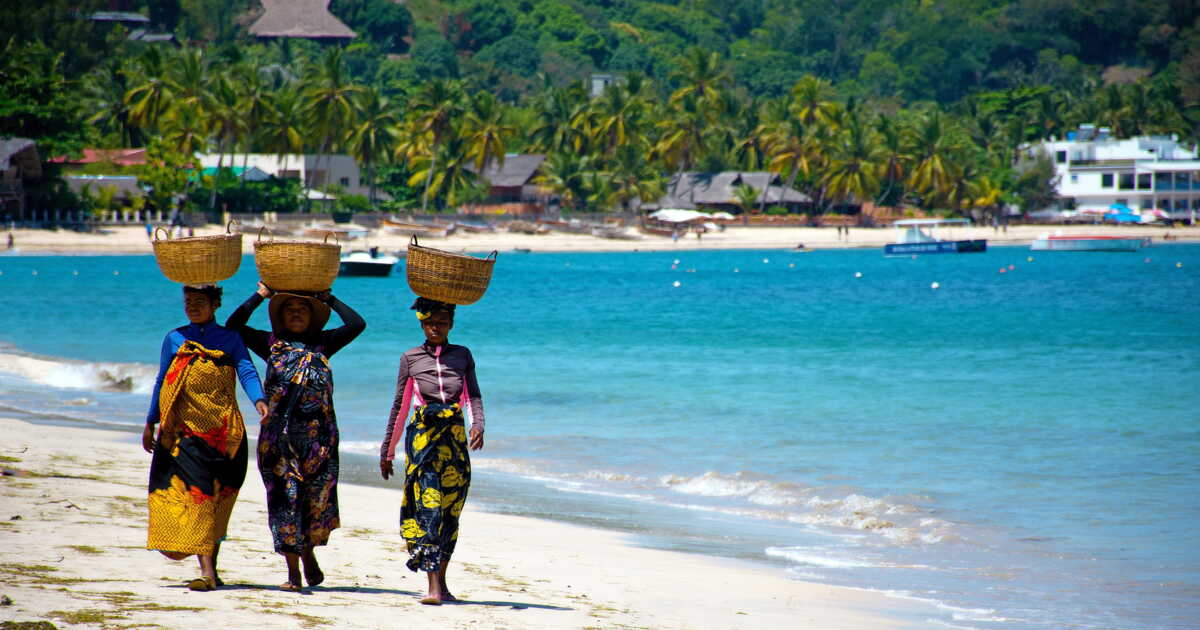
Nosy Be, an island located northwest of Madagascar, stands as one of the major seaside destinations in the Indian Ocean, famed for its white-sand beaches, its turquoise waters and its atmosphere conducive to relaxation as well as marine exploration.
The conditions are ideal for snorkeling or scuba diving, with pristine coral bottoms hosting a diverse fauna, ranging from tropical fish to sea turtles. The island, however, is not limited to its coast: a trip to the Lokobe Nature Reserve allows observing endemic species in a protected forest ecosystem.
This site complements the experience by offering a broader view of Malagasy biodiversity, accessible from a territory that is welcoming, preserved and well-structured for nature tourism. Nosy Be thus meets the expectations of travelers seeking a balance between seaside leisure, wildlife observation and ecological discovery in a safe setting.
3. Be Enchanted by the Avenue of the Baobabs
Near Morondava, on Madagascar’s west coast, the Avenue of the Baobabs stands as one of the island’s most iconic natural sites, designated a natural monument. Lined along a red dirt track, these Grandidier’s baobabs, reaching up to 30 meters tall, form a striking perspective, especially at sunset, when the tall trunks cast oversized shadows on an almost motionless landscape.
True place of contemplation, this avenue is loved by photographers and nature lovers, for both its aesthetics and symbolic significance. These trees, remnants of a once-dense forest now vanished, form Madagascar’s living heritage, carrying myths, oral traditions and major ecological concerns. A visit there offers more than a visual moment: it is a silent encounter with the island’s natural and cultural history, a must for those seeking to understand the soul of Malagasy scenery.
4. Dive into the Heart of Ranomafana National Park
Listed as a UNESCO World Heritage site, the Ranomafana National Park, located in the central-eastern region of Madagascar, represents one of the island’s green lungs richest in biodiversity. Its humid tropical forest, typical of the eastern region, hosts an exceptional concentration of endemic species, including several lemur species. The marked trails, winding between waterfalls, tree ferns and giant bamboos, offer a full sensory immersion at the heart of an ecosystem still largely preserved.
The rare birds, the chameleons and the lush tropical flora compose an ecological environment of great complexity, conducive to naturalist observation as well as scientific research. By combining biological richness, scenic beauty and educational dimension, the Ranomafana Park stands out as an essential destination for travelers seeking ecotourism, enabling a direct connection with Madagascar’s wild and authentic nature.
5. Venture into the Bemaraha Tsingy Strict Nature Reserve
Listed as a UNESCO World Heritage site, the Bemaraha Tsingy National Park, located in western Madagascar, hosts an exceptional karst relief shaped by limestone erosion over millions of years. These sharp formations, known as “tsingy”, draw a spectacular mineral landscape, characterized by jagged peaks, deep crevasses and suspended bridges offering dizzying viewpoints.
Accessible via marked and guided circuits, the site is particularly enjoyed by fans of technical hiking and light climbing, within a safe yet demanding setting. This geological labyrinth also houses remarkable endemic biodiversity, with lemurs, bats, and numerous nesting bird species that have adapted to this inhospitable environment. By blending geomorphological interest, athletic challenge and ecological richness, the Bemaraha Tsingy become a top destination for travelers curious about rare landscapes, where nature expresses itself with a raw and unique force.
6. Experience a Cultural Immersion in Antananarivo
Antananarivo, Madagascar’s capital, concentrates the historical, cultural and social layers of a country with many faces. Built on a series of hills, the city unfolds through its steep alleys, its red-brick traditional houses and its colonial buildings, witness to a plural past.
A visit to the Queen’s Palace, an iconic monument perched on the heights, helps illuminate the Malagasy monarchy’s organization and its role in national history. Local markets, such as Analakely, offer a sensory immersion, between fragrant spices, colorful crafts and lively urban life.
On the flavor side, Malagasy cuisine blends African, Asian and European influences, and is discovered through lively street food and more traditional establishments. By combining historical heritage, bustling everyday life and access to local culture, Antananarivo stands as an essential gateway to understanding Madagascar, which as a whole is a complete destination, rich in diverse landscapes, unique ecosystems and authentic encounters.
7. Discover Nosy Sakatia Island
Nosy Sakatia, a small confidential island off Nosy Be, presents itself as a perfect spot for travelers seeking authenticity. Far from the tourist bustle, this charming place hosts wild beaches, intact coral reefs and exceptional underwater biodiversity.
Accommodations on Madagascar’s island are few but carefully chosen, some boasting the comfort of a chic hotel facing the lagoon. It’s a paradise for lovers, ideal for a rendezvous with the sea, sea turtles, or peaceful sunsets. With a hotel comparison tool, organizing a stay on this large island becomes easy, where understated luxury blends with pristine nature, in one of the favorite spots for couples seeking tranquility.
8. Visit Lemurs’ Park
Lemurs’ Park, located about 22–25 km southwest of Antananarivo on the RN1 toward Imerintsiatosika, is an accessible and educational place, perfect for travelers wishing to discover Madagascar’s flora and emblematic species in a semi-natural setting. This private park, home to several lemur varieties, including the Coquerel’s sifaka, offers an easy stroll through a wooded area where species roam freely.
The site, well equipped, provides an excellent introduction to Madagascar’s biodiversity for young and old. It also offers an opportunity to raise awareness about species preservation, while enjoying the warm hospitality of the surrounding hotels.
9. Hike in Mantadia National Park
The Mantadia National Park, not far from Andasibe, is a preferred hiking spot at the heart of Malagasy flora, where humid and dense forests shelter endangered endemic species. This wild territory attracts naturalists, photographers and hikers seeking an immersion in an environment evoking a tropical Jurassic Park.
The richness of the ecosystems there is striking, from crystal-clear rivers to shaded trails dotted with rare orchids, chameleons and the mythical crowned ibis. The park is known for housing the largest living lemur: the indri indri. Away from the standard circuits, it is an ideal place to combine beautiful natural discoveries with an immersion in Madagascar’s unique landscapes.
10. Marvel at Tsingy Rouge Park
The Tsingy Rouge Park, located near Diego-Suarez, stands out for its spectacular geological formations: red clay peaks sculpted by erosion, in a canyon with Martian-like scenery. This place steeped in natural history makes a great discovery for fans of unusual landscapes. The park fits well into a route connecting the Amber Mountain, the northern beaches and traditional villages. It is also a perfect spot for photographers seeking striking contrasts, especially at dawn.
Is Madagascar Worth Visiting? A Destination with Unique Biodiversity to Discover with Preparation
Asking whether it is advisable to go to Madagascar essentially asks about the conditions for traveling in a country that is both fascinating and demanding. The island offers exceptional biodiversity, contrasting landscapes and a distinctive culture, but it requires careful planning. Tourism infrastructure varies by region, and travel can be long. However, well-visited areas such as Nosy Be, Sainte-Marie or the highlands remain accessible and relatively well supervised.
Regarding whether visiting Madagascar is dangerous, the answer is nuanced: the country is generally safe for informed travelers, provided health advice is followed, certain isolated night routes are avoided, and travel is conducted with reputable operators. Travel there becomes a rare, meaningful and authentic experience.
What Budget to Plan for 15 Days in Madagascar? Between Local Realities and Logistical Costs
The budget for 15 days in Madagascar largely depends on the level of comfort sought and the chosen itinerary. For an independent traveler combining mid-range accommodations, internal transfers and a few organized excursions, a budget of roughly 1,500 to 2,200 euros per person (excluding flights) provides a realistic baseline. Domestic flights, needed to connect major regions (such as Antananarivo, Nosy Be or Sainte-Marie), weigh on the overall budget.
Food, ground transport and mid-range accommodations remain affordable. It is advisable to book certain services in advance, especially in peak season, and to allow a margin for logistical surprises, common on the island. Madagascar remains a destination with a favorable cost-to-discovery ratio, if its particularities are anticipated.
How Much Time Does It Take to Visit Madagascar? The Scope of a Trip on an Island Continent
For a first structured discovery, combining the highlands, a coastal zone (East or Northwest) and one or two nature reserves, it is advisable to plan at least three weeks. In two weeks, a more targeted itinerary can be considered, notably by focusing on the northwest (Nosy Be, Nosy Sakatia) or the east (Sainte-Marie, Canal des Pangalanes). Traveling in Madagascar means accepting long travel times, logistical hiccups, but also the reward of access to exceptionally pristine natural environments.
What to Do in Madagascar with Children? A Pedagogical Adventure at the Heart of Accessible Nature
Exploring Madagascar with children can be an enriching yet demanding experience. Some regions, well served and safe, are suitable for family tourism. The Lemurs’ Park, about thirty kilometers from Antananarivo, allows discovering several lemur species in a semi-natural environment, with trails suitable for the younger ones.
On the coast, the tranquil beaches of Nosy Be or Sainte-Marie offer safe settings for relaxation. Many guided excursions let children discover wildlife, botany and local ways of life. Traveling with children in Madagascar requires preparation, but yields concrete and formative discoveries in a living, immersive and often welcoming environment.
This article was written with the aid of artificial intelligence, then corrected, expanded and validated by the editors of the editorial team.
Holidays, and a fortiori travel, are among the moments when we take the most photographs. If you’re lucky enough to own a real camera to capture moments beyond your smartphone, you may be looking for tips to take care of it during the summer. MPB, the platform specializing in buying and selling used photographic gear, offers advice to prevent damaging your camera.
Keeping the Camera Safe
Whether you’re hiking, driving, cycling, or even on the beach, there are times when you need to snap a shot on the spur of the moment, without pulling the camera from a pouch. If it seems easier to let your gear roam in a bag without a case, that is actually the worst idea for preserving its lifespan and quality. Dust and sand can slip into the grooves of the lens and scratch it! Without a case, you also risk finding your camera switched on, with the lens extended and blocked by another item in your bag.
Sand is a real foe to photographic equipment. Even outside of your bag, it can sneak into several parts of the device and cause damage. If you plan to shoot in the sand, make sure to adjust your settings beforehand so you won’t have to touch dials or open compartments once you’re on site – thereby limiting entry points for sand. After the moment has passed, you can also use a soft brush to remove grains from the lens. But do not blow on it! That would introduce moisture as well.
Keep it in the shade and dry
In addition to giving it a prime place in a dedicated pouch, you’d better avoid exposing your camera too much to direct sunlight. It’s fine to take beach shots, but don’t let the case heat up in full sun afterward. The sensors would take a hit. The battery as well. Lithium-based ones can even swell, or leak.
Be mindful of water as well. The camera hates it. It isn’t fond of humidity in the air either, especially when it’s salty. Too much moisture can lead to connectivity problems, charging issues, or even mold inside the lens. To prevent this, professionals recommend silica gel sachets to absorb moisture. Also wipe the lens daily with a soft cloth.
Air conditioning can also be your foe due to abrupt temperature changes. Always allow time for the temperature to acclimate before going outside and turning your device on in a new location.
Want to share your view on climate change in France?Join the Climate Eye photo contest!
Is it safe to travel to Kenya? Safety, precautions and a guided framework for a confident discovery
What budget should you plan for 10 days in Kenya? Safaris, beaches and the logistics of a balanced trip
Kenya, nestled in East Africa, is a land of striking contrasts and captivating natural wonders. Its vast savannas, teeming wildlife, and breathtaking landscapes render this country a coveted stop for nature lovers and lovers of adventurous experiences alike.
1. Safari in the Masai Mara
Iconic among Kenya’s national reserves, the Masai Mara stands as one of Africa’s most renowned safari realms, notably hosting every year between July and October the great wildebeest migration, a spectacular natural phenomenon where millions of herbivores cross the savanna in search of grazing, facing predators along the way. This awe-inspiring event offers a privileged moment to observe the Big Five (lions, leopards, elephants, rhinos and buffalo) in their natural habitat during 4×4 safaris guided by experienced guides.
But beyond its iconic wildlife, the Masai Mara also offers a precious glimpse into the culture of the Maasai, a semi-nomadic people whose rites, traditional attire, and pastoral practices reflect an ancient relationship with the land. Between major ecological experiences and cultural immersion, a visit to the Masai Mara reveals the complexity and richness of a living territory where biodiversity conservation, local traditions, and the contemporary challenges of responsible tourism coexist.
2. Climbing Mount Kenya
The Mount Kenya, the second-highest summit on the African continent after Kilimanjaro, is a top-tier high-altitude destination for hikers, climbers and naturalists seeking physical challenges and scenic exploration. A UNESCO World Heritage site, this extinct volcanic massif offers several ascent routes, including the Sirimon and Chogoria routes, known for their varied profiles and accessible to different levels of experience, from approach treks to technical high-altitude climbs.
Throughout the trek, travelers pass through a succession of contrasting ecological zones, ranging from humid tropical forest to afro-alpine vegetation, sheltering a remarkable endemic fauna. Reaching the summits, notably Point Lenana, rewards the effort with a dramatic panoramic view over the central Kenyan highlands. Between ecological richness, geological complexity, and sporting interest, Mount Kenya emerges as an authentic high-altitude alternative that combines guided adventure, preserved biodiversity, and the value of East Africa’s natural heritage.
3. Diving and relaxation at Diani Beach
Located on the southern coast of Kenya, Diani Beach stands out as one of Africa’s premier seaside destinations on the East African coast, offering a pristine white-sand shoreline lined with turquoise waters of the Indian Ocean. This coastal setting, pairing tranquil lagoons with tropical vegetation, provides an ideal backdrop for beach relaxation while offering a wide range of water activities, with diving and snorkeling at the forefront.
The coral reefs preserved here host a remarkable marine biodiversity, including colorful fish, turtles, and occasionally dolphins, offering an immersive experience in a living marine ecosystem. In addition to its natural attractions, Diani Beach features well-developed tourist infrastructure, allowing visitors to enjoy a stay that blends comfort, leisure, and ecological discovery. As the day ends, a sunset over the sea completes the experience with a soothing visual moment, underscoring the aesthetic and sensory dimension of this Kenyan coastal destination.
4. Discovering Swahili culture in Lamu
Situated north of the Kenyan coast, Lamu is one of the most emblematic historic centers of Swahili culture, whose old town, a UNESCO World Heritage site, offers an exceptional testimony to East Africa’s coastal urbanism and architecture. Its maze of narrow lanes, lined with coral-stone houses and finely carved doors, reflects a preserved traditional lifestyle, marked by the absence of motorized traffic and the maintenance of centuries-old artisanal practices.
The island atmosphere, imbued with spirituality, slowness and hospitality, gives Lamu a distinctive identity at the crossroads of Arab, African, and Indian influences. Visitors discover a lively artisanal scene, especially in woodwork and textiles, as well as a subtly spiced local cuisine, revealing the richness of a blended culinary heritage. Between historical value, cultural authenticity and coastal charm, Lamu stands as a major heritage destination, committed to preserving and promoting Swahili heritage.
5. Visit Amboseli National Park
Located in southern Kenya, near the border with Tanzania, Amboseli National Park is renowned for offering one of the most iconic views of Mount Kilimanjaro, its snow-capped summit dominating the horizon beyond the savanna. This dramatic landscape, often photographed at dawn or dusk, provides a prime setting for photographic safaris. The park also stands out for its high concentration of African elephants, which have become the symbol of Amboseli, visible up close in their natural habitat.
Thanks to the presence of permanent marshes fed by subterranean waters from Kilimanjaro, the site attracts a diverse birdlife, making Amboseli a major focal point for ornithology. Between wildlife watching, spectacular panoramas, and contrasting ecosystems, this park embodies an ideal entry point to grasp the ecological richness of Kenya. More broadly, the country enchants with its geographic and cultural diversity, offering every visitor a complete travel experience—from safaris and mountains to coast and living traditions.
6. Observing wildlife at Lake Nakuru
Situated in the heart of the Rift Valley, Lake Nakuru is a key stop for any wildlife-focused itinerary in Kenya. Renowned for its vast gatherings of pink flamingos, the park offers a living spectacle along its shallow shores, where herds of buffalo, white rhinos, plains zebras and a range of felines share the protected environment.
The region is rich in migratory and nomadic birds of striking scale, illustrating Kenya’s rich biodiversity. From the green hills that overlook the lake, visitors gain a broad view of the expansive surrounding plains. The dry season, January–March or June–September, remains the best time to observe animals from the park, with wildlife congregating around water points. Lake Nakuru thus stands as a premier wildlife destination, offering an unforgettable memory to any nature enthusiast.
7. Relax at Watamu Beach
Watamu Beach, on the northern coast of Kenya, captivates with its white-sand beaches, crystal-clear lagoons and preserved coral reefs, true refuges for an exceptional marine wildlife. Renowned for its proximity to the Watamu Marine Reserve, this seaside resort is ideal for divers, snorkelers or enjoying freshly caught seafood.
In the background, the green hills and coastal villages form a peaceful canvas, perfect for seaside breakfasts and pirogue excursions. Accessible year-round, Watamu reveals its beauty outside the rainy season, notably from January to March and from June to September. This coastal destination also provides a natural counterpoint to the circuit of national parks such as Tsavo East or Hell’s Gate, offering a complementary experience amid Kenya’s rich biodiversity.
8. Approaching giraffes at the Giraffe Centre
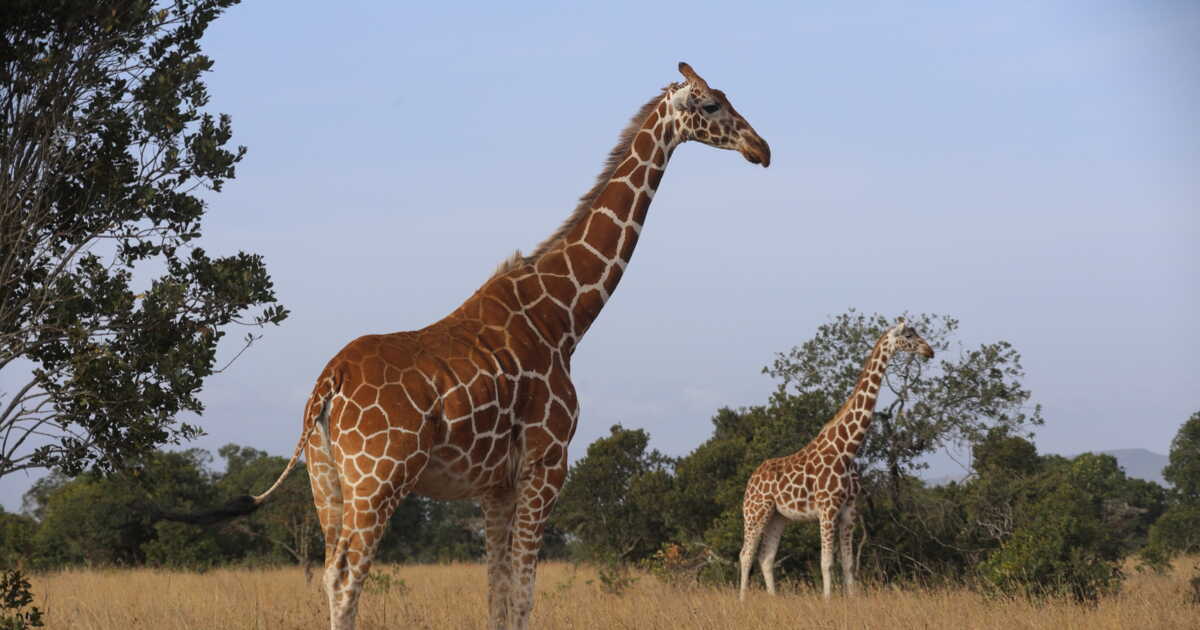
A few kilometres from Nairobi, the Giraffe Centre offers the opportunity to observe and interact with the Rothschild’s giraffe, a threatened subspecies, in an educational and safe setting. This center, designed for conservation, lets visitors feed these magnificent animals from elevated platforms, while receiving precise information delivered by experienced local guides.
Against this backdrop, the green hills of southern Nairobi remind us that wildlife sits at the city’s edge. This experience, though brief, fits easily into a circuit that includes the Karen Blixen Museum, the Sheldrick Wildlife Trust, or a trip to the Kakamega Forest, offering a comprehensive view of Kenya’s biological and cultural diversity. The Giraffe Centre provides an accessible and responsible glimpse into Kenya’s animal kingdom.
9. Reliving history at the Karen Blixen Museum
The former home of the famed Danish author Karen Blixen, the Karen Blixen Museum offers an immersion into her life as a coffee planter in Kenya and her literary legacy, notably recalling the early 20th-century colonial era and the author of Out of Africa. Nestled at the foot of the green hills, the house, preserved in its original state, is surrounded by lush gardens and offers guided tours punctuated with literary anecdotes.
This cultural stop contrasts with the natural treasures of nearby reserves, providing a narrative pause in a wildlife-focused itinerary. It naturally fits into a day combined with the Giraffe Centre or a visit to the Sheldrick Wildlife Trust, forming a dense but accessible itinerary from Nairobi. The house underscores the richness of Kenyan cultural heritage as well as the beauty of its landscapes, between plains and gardens, personal history and collective memory.
10. Discover the Sheldrick Wildlife Trust
The Sheldrick Wildlife Trust, in Nairobi, is a rehabilitation center dedicated to orphaned elephant calves rescued in Kenya. This site, open at specific hours, offers a rare encounter with recovering animals, cared for by dedicated teams. Local guides explain how the center operates and the conservation challenges posed by poaching.
Through this visit, visitors explore the complexity of animal protection, from weaning to reintegration into the wild. The visit can be extended with stops in national parks or on forest hiking trails. The Sheldrick Wildlife Trust is part of a network of local initiatives where education, close contact with remarkable animals, and respect for Kenya’s rich biodiversity form the foundation of a durable commitment to preserving life.
Is it safe to travel to Kenya? Safety, precautions and a framework for a confident discovery
Asking whether it is prudent to travel to Kenya is a legitimate concern for any traveler planning a trip to East Africa. The country is generally safe for visitors, provided you observe basic precautions: avoid certain unstable border zones, follow local authorities’ advice, and favor certified tour operators.
Tourist zones, national parks, the coast, and Nairobi are well-regulated and accustomed to hosting international travelers. The Giraffe Centre, near the capital, illustrates this intent to welcome in a pedagogical and secure way. Vigilance should not obscure the reality: Kenya offers a remarkable natural and cultural setting that is accessible to those who approach it with preparation and discernment.
What budget should you plan for 10 days in Kenya? Safaris, beaches and the logistics of a balanced trip
Estimating a budget for 10 days in Kenya means anticipating costs for travel between destinations, national parks, and accommodations. For a trip combining a Masai Mara safari, a visit to Lake Nakuru and a stay at Watamu Beach, the average budget ranges from 2,000 to 3,500 euros per person, not including international flights (which should be planned separately).
Privately organized safaris and high-end lodges can raise expenses, while more affordable options exist by choosing tented camps or shared circuits. Access to national parks is regulated and paid, but the experiences offered (wildlifeMigration, birdwatching, and Indian Ocean beaches) fully justify the investment. Kenya remains a destination where the grandeur of nature meets structured service, accessible to travelers of different profiles.
This article was written with the aid of artificial intelligence, then edited, expanded, and validated by the newsroom journalists.