Thailand: France’s Foreign Ministry Advises Against Visiting Certain Provinces


Thaïlande : le Quai d’Orsay déconseille plusieurs provinces du sud - Depositphotos @tom.griger

Hurtigruten


The year 2025 was marked by a renewed conflict between Cambodia and Thailand.

Violent clashes occurred along the border between the two countries, resulting in several dozen deaths and nearly 800,000 displaced people.

For seven months now, the conflict has been at a standstill and Thailand has begun erecting a concrete wall to seal off the route of a disputed border.

The situation seems to be easing at this level, but a new zone of tension has opened up, this time farther south.

And this time, at the border with Malaysia, incidents have occurred, not directly with the Malaysian neighbor, but in provinces where the Malay language is predominant.

Thus, on the night of August 22–23, 2026, around fifty incidents were recorded.


Thaïlande : le Quai d’Orsay déconseille plusieurs provinces du sud

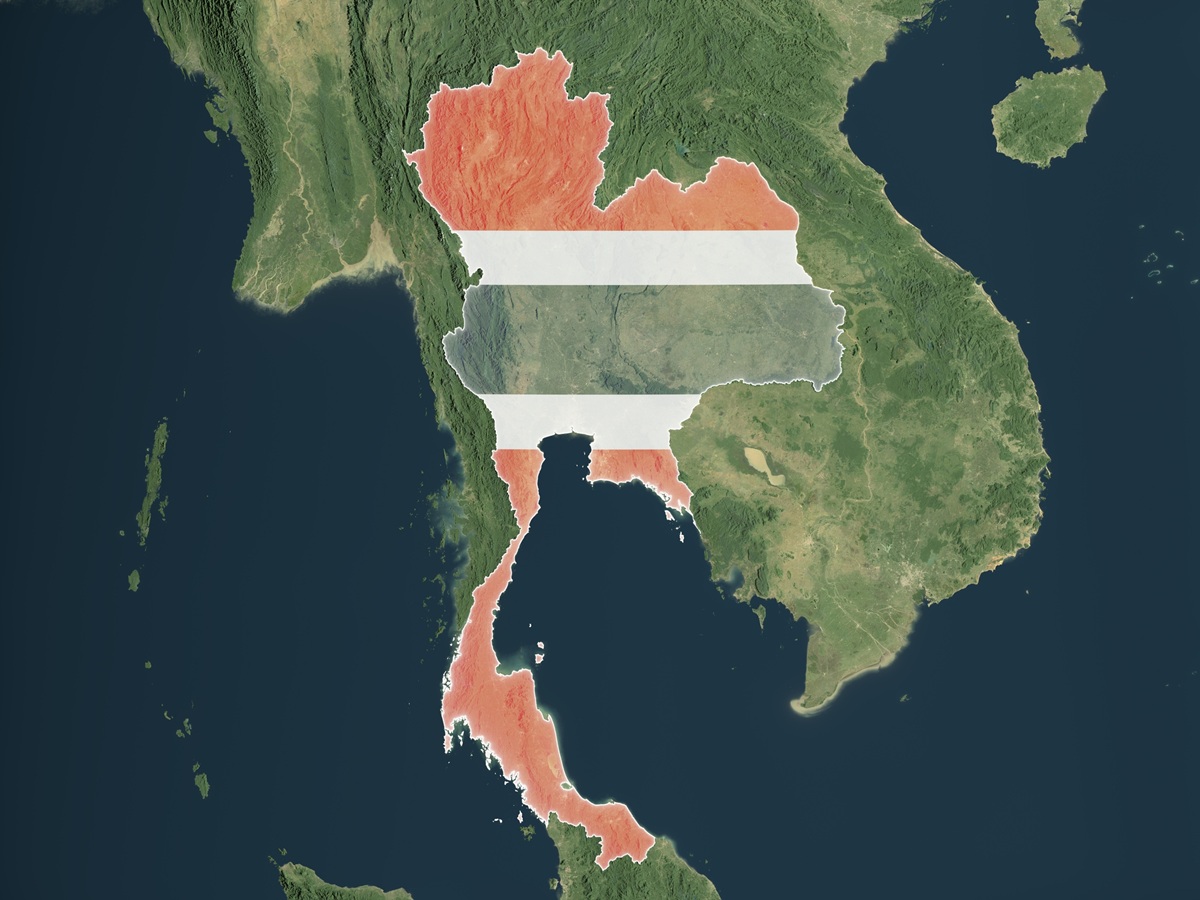
As reported by Courrier International, these attacks take the form of shootings, arson and explosions, aimed at creating chaos in the Muslim-majority regions of Narathiwat, Pattani and Yala.

The attacks have not been claimed, although the Quai d’Orsay notes that armed separatist movements are active in these provinces. Since 2004, in southern Thailand, these movements have carried out several attacks.

Thus, the French Ministry of Foreign Affairs formally advises against traveling to the southern provinces of Narathiwat, Pattani, Yala and Songkhla.

Going forward, the eastern, western and southern borders of the country have been placed in red, the highest vigilance level of France Diplomatie.


Thaïlande : les raisons de l’insurrection ?

The insurgent groups are demanding new rights and greater autonomy, or even the creation of an independent Muslim-majority state, according to Amnesty International in an article devoted to this little-known conflict.

These regions are also marked by economic underdevelopment.

To trace the origins of the tensions, one must go back to 1909, when Bangkok annexed an independent sultanate. The kingdom then imposes forced linguistic, religious and cultural assimilation on its inhabitants.

In response to this, opposition rose and organized itself in the 1960s. In 2004, the conflict entered a new phase, with attacks against police stations, resulting in several dozen deaths.

Over the past twenty years, the conflict has claimed more than 7,700 lives and left 15,000 injured.
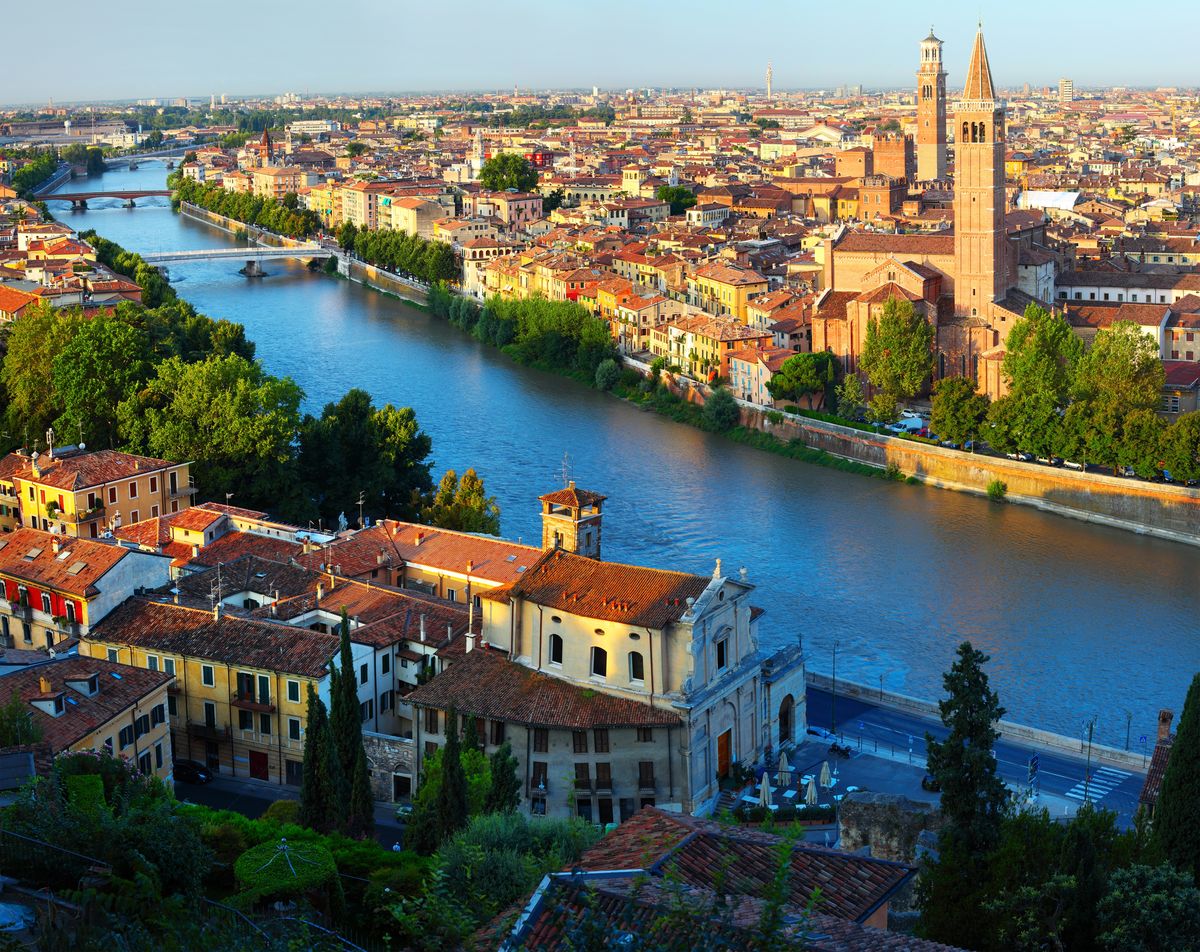
Italy: Verona Is Worth More Than the Romeo and Juliet Legend


Vue générale de Vérone. © Deposit Photos.

Hurtigruten


No. 23, Via Cappello is never quiet.

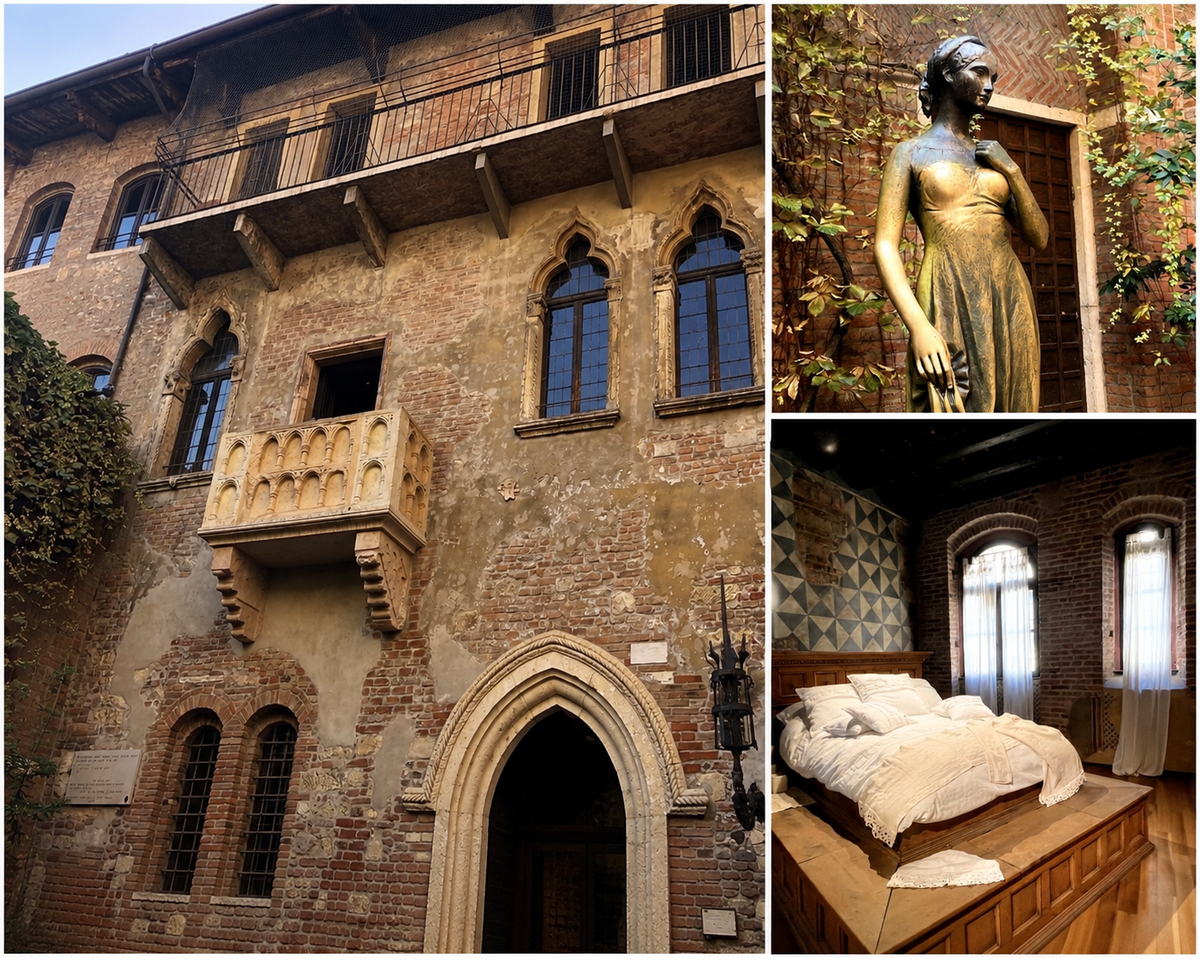
It is here that Juliet Capulet, Romeo Montague’s passionate lover, is believed to have lived, two Verona youths whose story ends in tragedy due to the hatred between their two families.

Poignant, this tragic love story is nevertheless fictional. The “Juliet’s House” is not much more authentic. Indeed, it is a 14th‑century Gothic dwelling, but the balcony Roméo is said to have climbed was added in the 20th century, as is the bronze statue of Juliet in the courtyard.

This does not stop tourists from flocking there, as the “Lovers of Verona” have been captivating figures since, in 1596—a couple of centuries after the alleged events—the English playwright William Shakespeare made them the heroes of one of his most famous plays.


A Legend in Solid Gold


La maison et son balcon rajouté au XXe siècle; la statue de Juliette ; dans le petit musée installé dans les étages, le lit des "amants de Vérone" utilisé en 1969 par Franco Zeffirelli pour son film Roméo et Juliette. Photos PB. Composition générée par IA.

This drama did not originate from Shakespeare’s imagination: the story reached him after nearly a century’s journey, across Italy, France, and England, and through the hands of at least five different writers.

It was a certain Luigi da Porto who, first (the date is 1531), placed the plot in Verona. Reading Dante’s Divine Comedy, he learned that the Renaissance poet explicitly cited the Montecchi (Montagues) and the Cappelletti (Capulets) to illustrate the political struggles between rival families that stained medieval Italy, Verona in particular.

It is from these history-laden names that Da Porto and, in his wake, Shakespeare wove this story which, after them, inspired numerous books, films and performances. As for the city of Verona, it leans into this legend to boost its tourist appeal…


Two thousand years of history


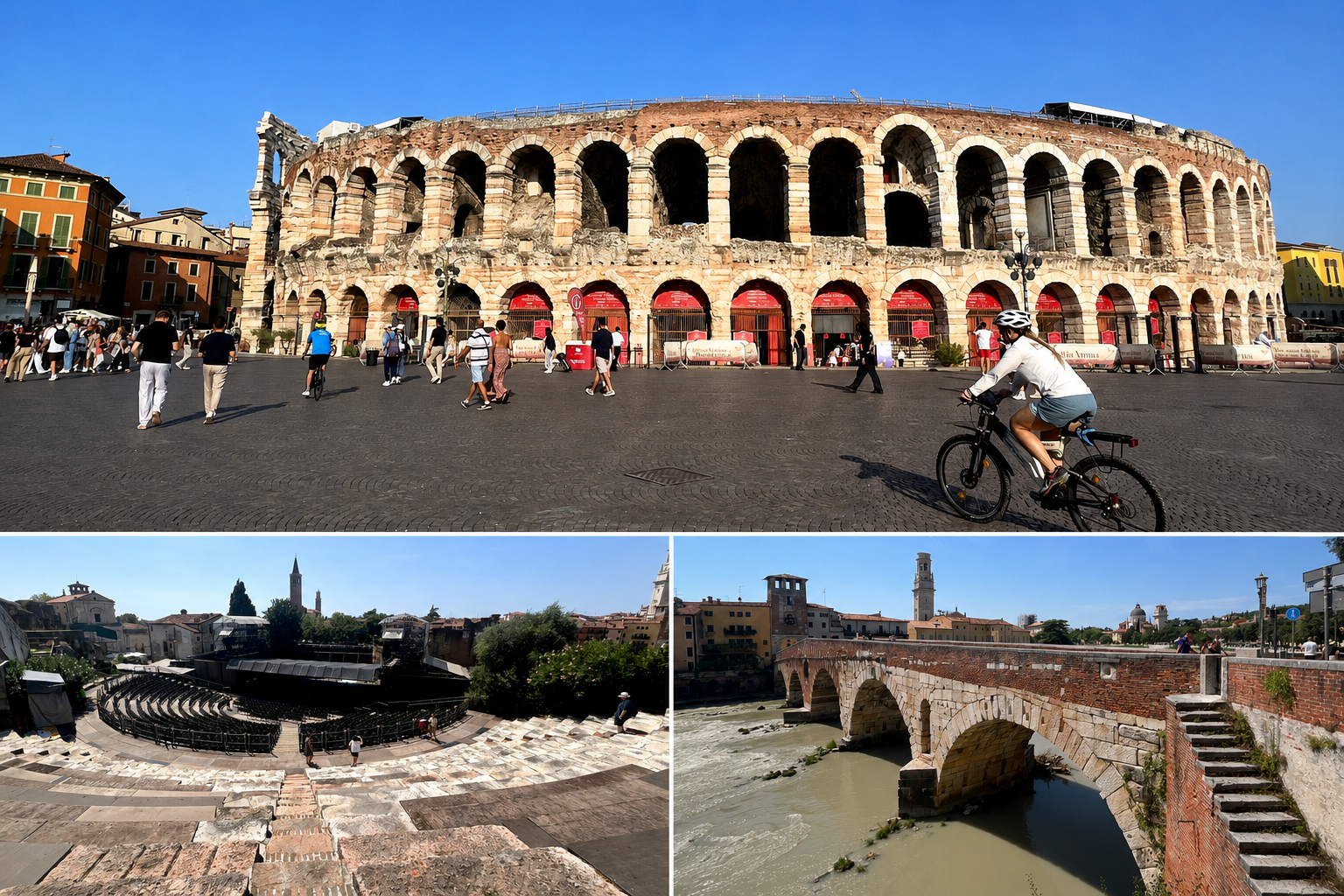
Les arènes de Verone. Le théâtre antique. Le pont romain qui enjambe l'Adige. Seules ses premières arches sont d'origine. Photos PB. Composition générée par IA.

Although Juliet’s House is almost obligatory on the itinerary (15 € entry, all the same), Verona deserves to be explored for many other reasons that make one regret the myth’s heavy prominence.

Indeed, in this Northern Italian city founded by the Romans over 2000 years ago, everything is beautiful: pink marble (sourced from Valpolicella, a region best known for its wines) and the bricks used for so many palaces, the colorful façades, the carved window and door frames, the ornate balconies, the fountains, the squares, the courtyards, the countless churches…

From its origins, Verona preserves many Roman remains, two gates, part of the ancient ramparts, its Ponte Pietra spanning the Adige river, and of course its ancient open-air theater perched against San Pietro hill: rediscovered in the 19th century after centuries of neglect, it hosts a Shakespeare Festival every July, while the contiguously located former monastery San Girolamo houses a rather interesting archaeological museum.

And then, on the imposing Piazza Bra, there are the Arenas which, every summer, draw in lyric artists and opera lovers from around the world.


Verona: the jewels of Piazza delle Erbe


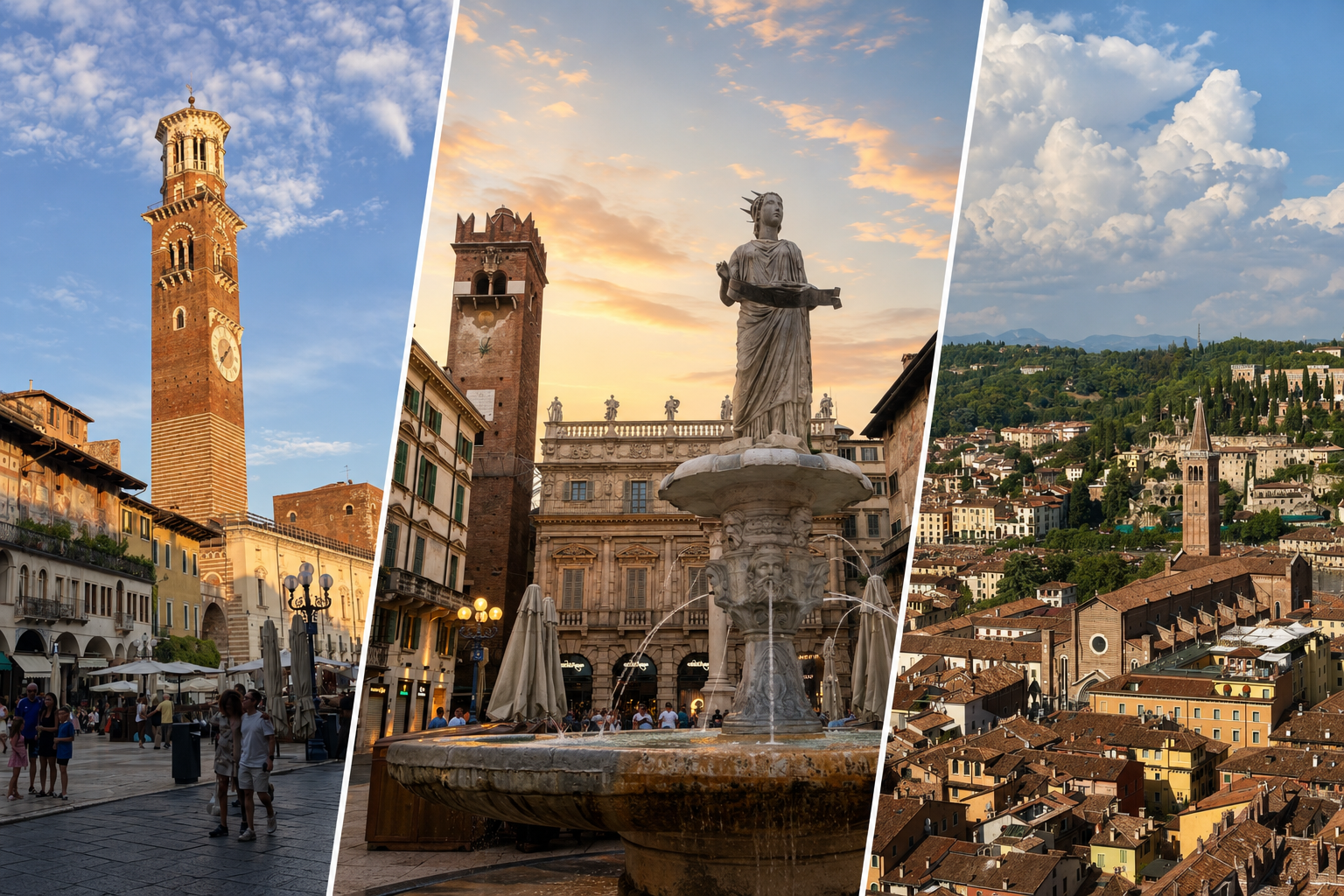
La tour des Lamberti. La place aux herbes, la fontaine Madonna et au fond, le palais Maffei. Vue des toits de Vérone depuis la tour des Lamberti. Photos PB. Composition générée par IA.

Verona today blends historic charm, cultural energy and the Italian art of living to perfection.

If, on Piazza Bra where the Arenas stand, you can admire a few palaces (Barbieri Palace, Gran Guardia Palace) before sitting under the arcades, on the prestigious Piazza delle Erbe you are spoilt for views, even though souvenir and ice cream vendors and fresh fruit stalls slightly spoil the perspective.

This square sits at the site of the ancient Roman forum and right at the intersection of the two main arteries that formed the grid of the ancient city: one axis, running east-west, connected Venice, Milan and France; the other, north-south, linked England to Rome and was long used by merchants from northern Europe.

A major commercial crossroads of northern Italy since antiquity, Verona remained so in the Middle Ages: witness the red-brick Domus Mercatorum, also called Casa dei Mercanti (House of Merchants), built in 1301 at a corner of Piazza delle Erbe.

This square is surrounded by so many magnificent historic buildings that you can almost get dizzy: Gardello Tower, completed in 1370, housing one of Europe’s oldest public clocks; right next to it, Maffei Palace, with a Baroque façade and a balustrade adorned with statues of Greek gods; then, the Mazzanti Houses decorated with splendid 16th-century frescoes; finally, Palazzo della Ragione (Palace of Reason, seat of medieval justice).

Adjacent to this palace rises the Tower erected by Verona’s wealthy noble family, the Lamberti. About 300 steps lead to its panoramic terrace (84 meters) from which the view over Verona’s rooftops is sublime. Don’t worry—the elevator is available!

In the middle of the square, the Madonna Verona fountain has displayed since 1368 its elegant red marble and its Roman statue.


At the Heart of the Medieval Struggles


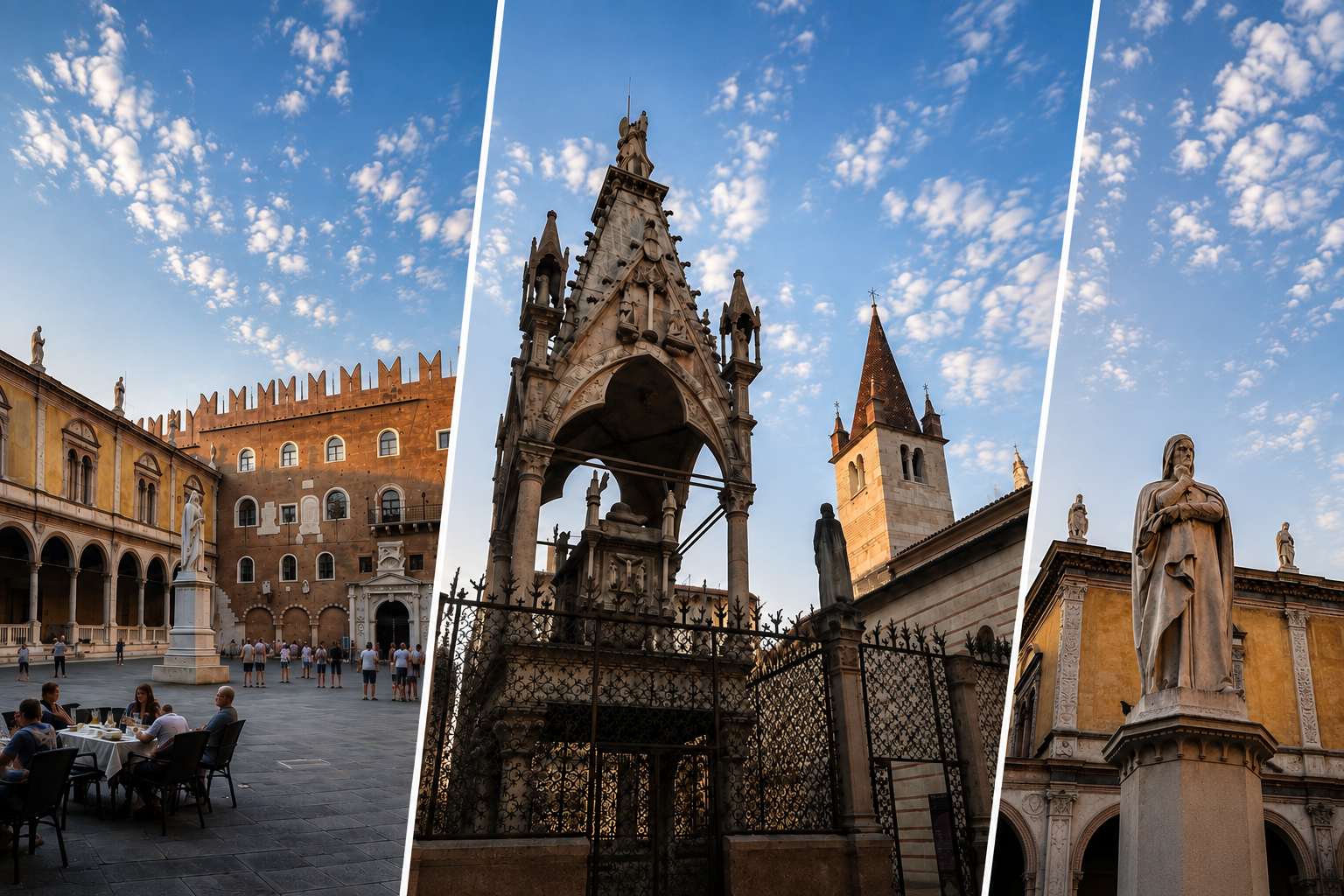
Place de la Seigneurie. Complexe funéraire gothique de la dynastie des Scaglieri. Statue de Dante Alighieri sur la place de la Seigneurie. Photos PB, composition générée par IA

Two steps from the Piazza delle Erbe, the Piazza della Signoria — the political heart of the medieval city — houses a statue of the poet Dante, who took refuge in Verona after his exile from Florence.

All around, elegant palaces — linked together by arcaded galleries and loggias — speak of the splendor of the past. Among them, the former Residence of Cangrande I della Scala, the most prestigious figure of the powerful Scaligeri family, who, after a merciless struggle, seized power in Verona in 1262 and made it a prosperous city.

After the Scaligeri lost power in 1387, Verona lived under other dominations, notably that of the Republic of Venice (hence the column bearing the Lion of Saint Mark on Piazza delle Erbe): begun in 1405, this period ended in 1797 with Napoleon Bonaparte’s occupation during his Italian Campaign, which led to Verona’s… alignment with Austria.

Just a few steps from the Piazza della Signoria, right beside Santa Maria Antica, a Gothic funeral complex leaves one astonished: lay in marble sarcophagi the principal figures of the Scaligeri dynasty. That of Cangrande I is topped by a magnificent equestrian statue!


Four churches not to miss


The Capitular Library, a genuine treasure


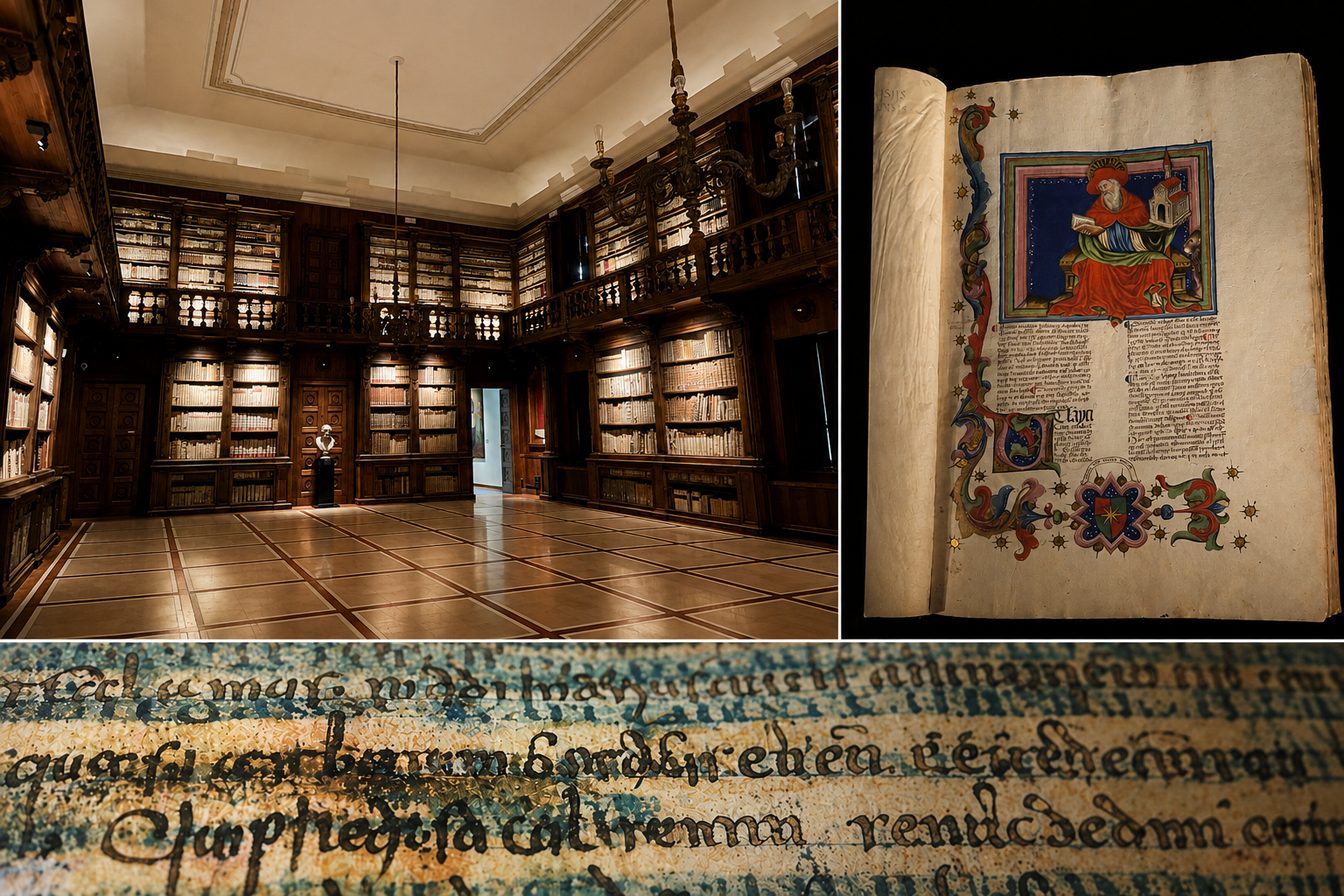
La salle principale de la Bibliothèque capitulaire. Liniature de Saint-Jérôme illustrant un manuscrit du XIVe. Détail (reproduction) du Palimpseste de Gaius. Photos PB. Composition générée par IA.

The most extraordinary jewel, nonetheless, is the Capitular Library, housed in the canonical palace just to the left of the Duomo!

Now managed by a Foundation, it was originally the study library of the Cathedral’s Chapter of canons.

“Founded 1600 years ago, it is, insists Valeria Nicolis, the conservator, the oldest library still in operation in the world”. It houses 700 rare works of art, 1200 manuscripts and 100,000 printed books, ancient and modern, spanning disciplines from theology and history to philosophy, literature, law, medicine, botany and astronomy. The main hall, with shelves from floor to ceiling, holds no fewer than 15,000 volumes.

Its most precious treasures are manuscripts, including major and unique pieces, notes Valeria Nicolis.

The oldest (the Codex Ursicinus) dates from 517! The Indovinello veronese is, itself, the oldest testimony of the transition between Latin and the vernacular Italian language. Finally, the Palimpsest of Gaius is the only text we have that attests to the foundations of classical Roman law.

No wonder scholars from around the world come to study there on site (possible since 2023)!

The general public, meanwhile, swoons over manuscripts adorned with delicate illuminations: some are displayed for a few weeks in hermetically sealed cases (temperature and humidity controlled), before a long return to the depths of the archives. Seeing originals is such a rarity!


A city terrifically alive


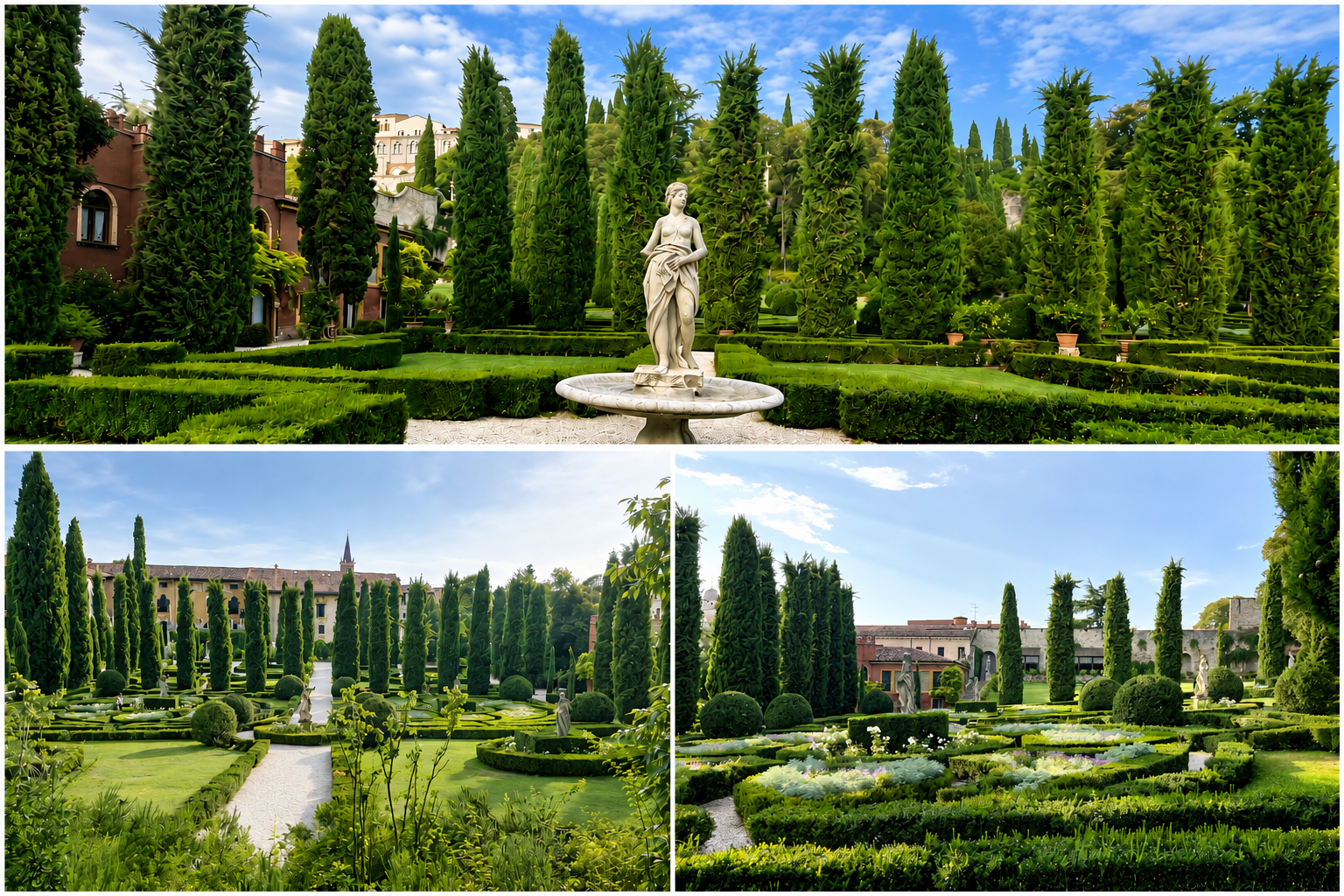
Créés au XVIe pour la famille Giusti, ces jardins en terrasse constituent l’un des exemples les plus aboutis de l’influence de la Renaissance italienne. Photos PB. Composition générée par IA.

Although all these marvels leave little room for doubt, Verona is above all a city where life is good, to stroll, to savor specialties (risotto all’Amarone soaked in wine, gnocchi, sweet Pandoro…), or simply to sip an espresso or a spritz on the numerous terraces of Piazza Bra and Piazza delle Erbe! Even shopping in the charming shops of Via Mazzini, Corso Porta Borsari or Via Rosa.

It is also pleasant to cross the Adige to explore, on its left bank, the Giusti Palace garden — one of the finest Renaissance-era parks — and the Veronetta student district, peaceful in the summer when the city center is buzzing.

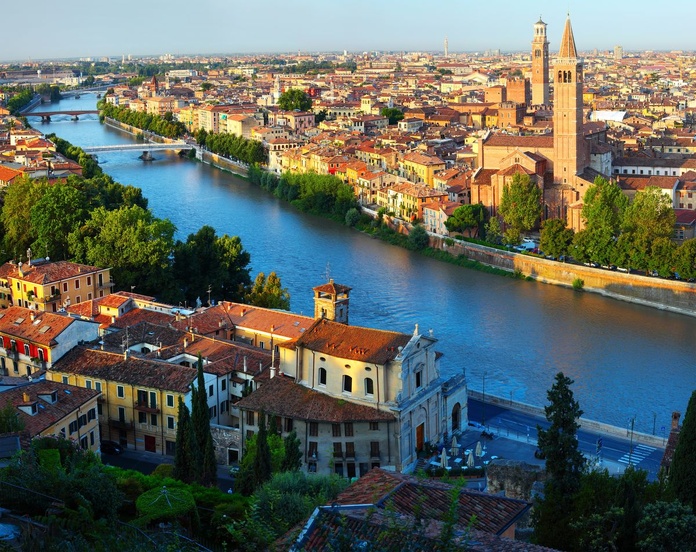
This Verona escape ends on a high note if you ascend—though you can take the funicular!—to Castel San Pietro’s belvedere. Perched on a hill, this former fortress offers an unforgettable view of Verona, especially at sunset. It is also an ideal starting point for strolling along the old ramparts or across the surrounding hills.


PAULA BOYER Publié par Paula Boyer Responsable rubrique LuxuryTravelMaG – TourMaG.com
Voir tous les articles de Paula Boyer
  • picto Twitter

  • picto Linkedin
  • picto email
Ajoutez TourMaG à votre flux Google Actualités Google Actualités icône


Towards a Tourist Tax in Thailand?


Vers une taxe touristique en Thaïlande ? - Depositphotos.com ViktoriiaDyachenko

Hurtigruten


The tourism tax proposal, discussed for several years, takes a new step forward in Thailand. The National Tourism Policy Committee (NTPC) convened on August 14, 2026 to examine the principles of the scheme and the draft regulation, ahead of its public consultation, according to the Thai Ministry of Tourism and Sports.
In a statement published on August 17, the Thai government specifies that the proposed amount is now set at 450 baht per person (about 12 euros), regardless of arrival mode: by air, land, or sea (Thailand.go.th).

The implementation of the tax would be phased in. For travelers arriving by plane, it would begin 180 days after the text is published in the Royal Gazette. Land and sea arrivals would be affected roughly 360 days after the launch of the first phase, according to the Thai government.

This timeline aims, in particular, to avoid difficulties at the most frequented border crossings, especially at the border with Malaysia.


Thailand: the tourist tax could be introduced early 2027 for air travel

Several payment options are currently being considered: integration into the airline ticket, online payment, mobile app, or self-service kiosks.

The Thailand Digital Arrival Card (TDAC) could also be linked to the system. VisaNews notes, however, that the modalities of this potential integration remain to be defined: the TDAC is currently a free formality, and its possible connection to the payment system does not necessarily mean it would itself become payable.

At this stage, travelers do not yet have to pay the 450 baht to enter Thailand. The project must still pass several steps before its final adoption.

According to VisaNews, the start of 2027 is now the horizon envisaged for the first charges levied on travelers arriving by plane, but no firm effective date has yet been set.

Verona, Italy: The World Capital of Opera


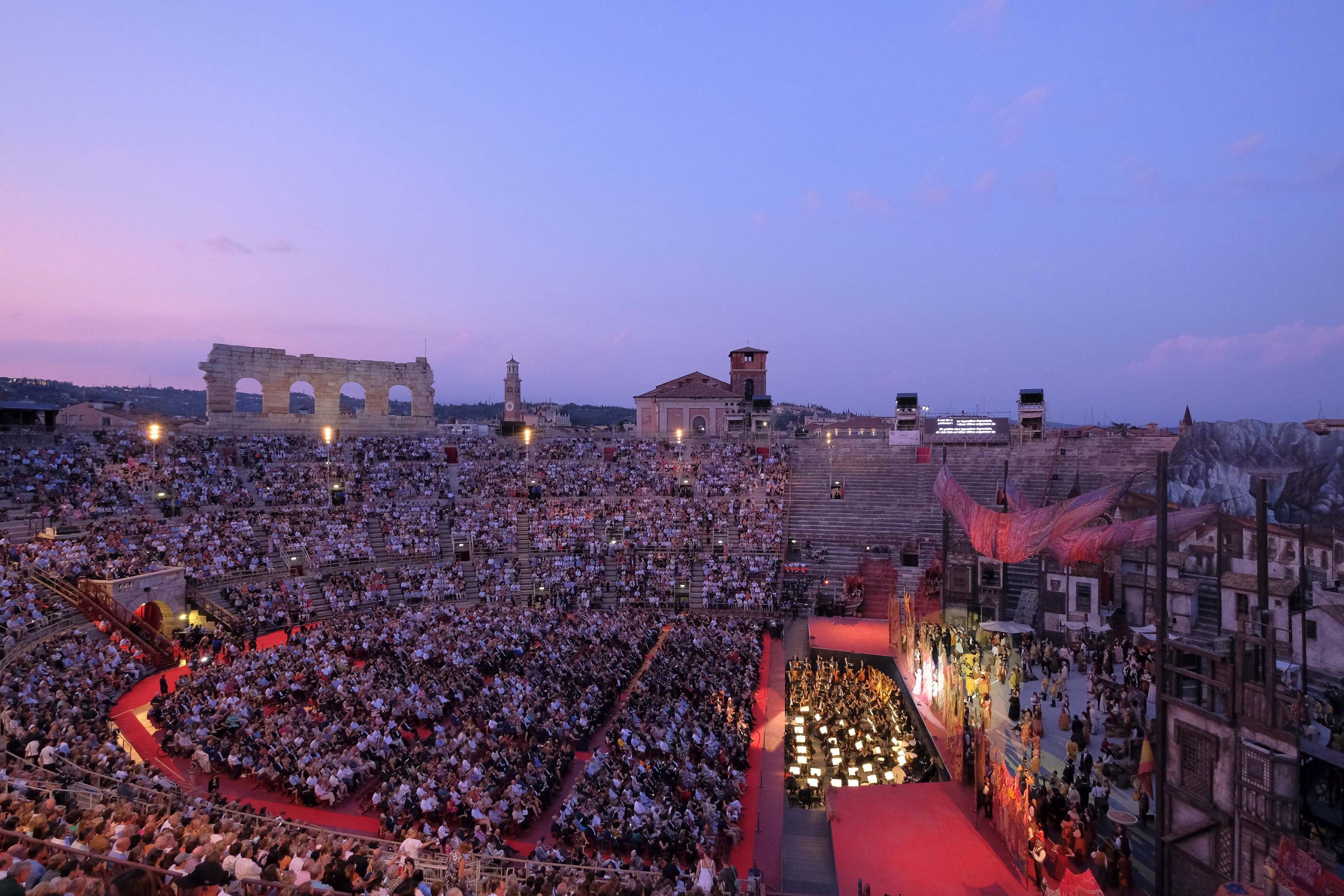
Représentation de Carmen aux Arènes de Vérone © EnneviFoto

Hurtigruten


At the Verona Arena, opera enthusiasts often come seeking spectacular stagings and grand international voices. This year again, for the 103rd edition of the Festival of Lyric Art, they were well served!

At first glance, the contemporary staging of Nabucco (Verdi’s opera) conceived by the Italian Stefano Poda sometimes raised concerns: thus on August 8th, not all the seats were taken, while the following evening they were packed for Aïda (also Verdi) presented through Franco Zeffirelli’s monumental and historical staging, with luminaries of the lyric art such as the Franco-Italian tenor Roberto Alagna.

Nevertheless, this Nabucco ultimately won over the audience. Beyond its bold staging, Foda handled the sets (pared-down), the costumes and the lighting. A holistic approach.


Verona: a Nabucco full of surprises


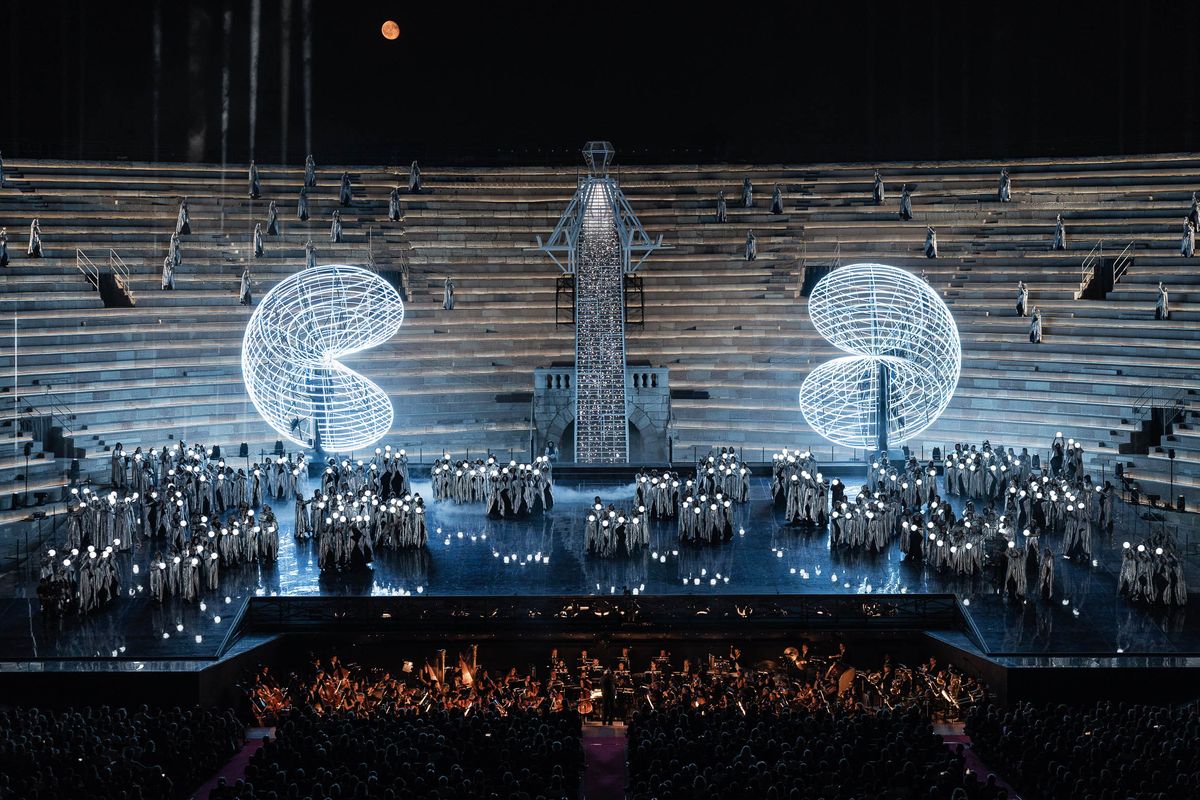
Un décor plein de lumière pour le Nabucco de Foda © EnneviFoto

Far from the classic historical recreations of the clash between the Hebrews and the Assyrians that underpin Nabucco, Foda’s staging was rich with symbols, surprises, and special effects.

In terms of scenery, two mobile luminous half-spheres; and also a structure imitating an ancient water clock dominated by the word “Vanitas” from which descended a grand staircase. The staircase periodically gave way to a light cascade, a symbol of the hubris that leads humanity to its downfall.

The audience’s reactions (shouts and applause) were sometimes startling. In particular when a spectacular nuclear explosion, with a mushroom cloud, sounded just as the Babylonian king Nabucco, struck by lightning, plunged into madness after proclaiming himself a god.

Throughout the evening, the choreography of the extras and dancers (in sometimes fluorescent costumes), clocked to the millimeter, perfectly matched the music.

Regarding the famous slave chorus (“Va, pensiero”), impressive in its cohesion and power, it faithfully captured the Hebrews’ longing for freedom.

The principal performers were also of exceptional quality, especially the Italian soprano Marta Torbidoni (as Abigaïlle), the Russian bass Alexandre Vinogradov (as the High Priest of the Hebrews) as well as the German mezzo-soprano Anna Werle who sang Fenena. By contrast, despite his vocal gifts, the South Korean baritone Youngjun Park did not always render the Babylonian king convincingly.


An exceptional setting


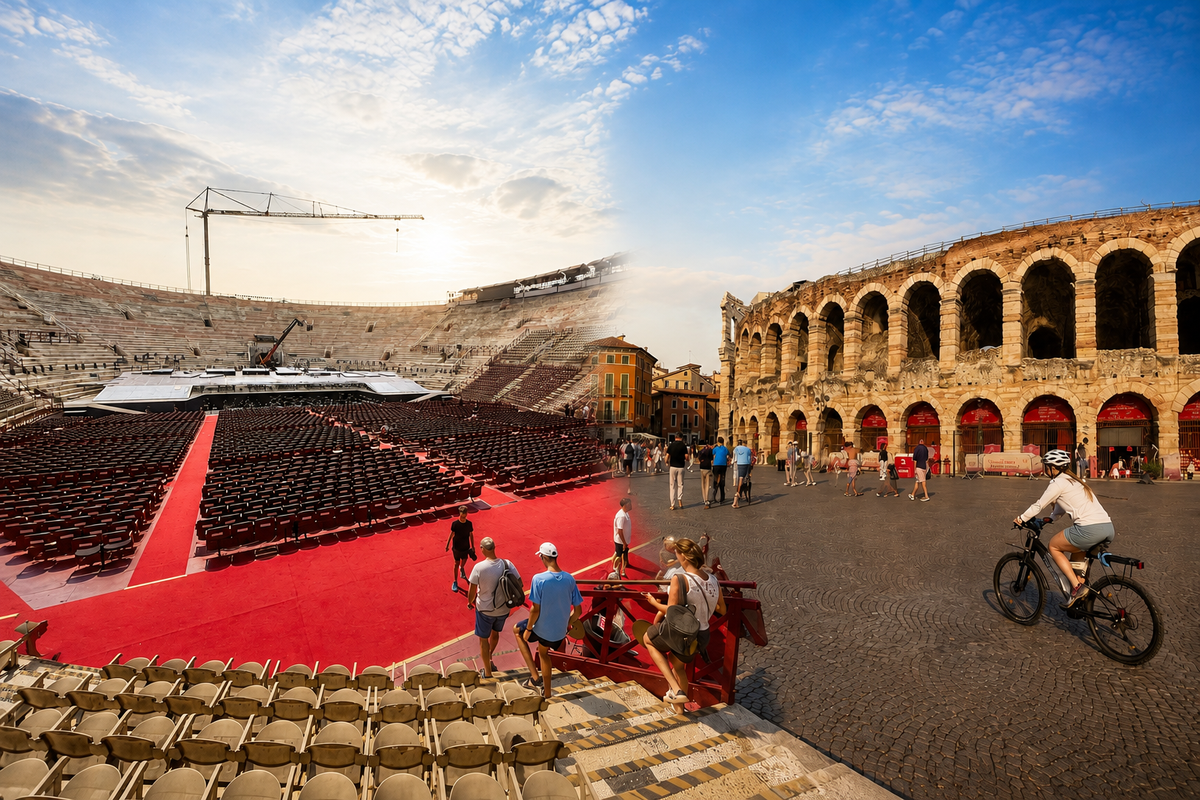
Vue intérieure et extérieure des Arènes de Vérone © PB

In any case, this Nabucco reaffirmed Verona’s status as a must-visit for opera lovers.

Its antique Arènes, extraordinary in scale, aim to serve this ambition: completed in 30 CE, originally equipped with three concentric walls, they are the third-largest in the world after the Colosseum in Rome and the Amphitheatre in Capua.

Located on Praça Brà, in the city center, they are among Italy’s best-preserved ancient edifices.

True, the violent 1117 earthquake did cause significant damage, notably destroying much of their outer third wall. But since the 16th century, they have benefited from several restorations.


Since 1913, they have hosted the Lyric Art Festival in the summer, and the rest of the year host concerts and events such as the arrival of the final stage of the Giro d’Italia.


During the day, they are open for visits (12 €, excluding reduced rates). A chance not to miss to appreciate the expanse of the cavea, the height of the upper tiers, and the breadth of the internal galleries. Be aware, in summer, book in advance!


Past as a circus, today as an opera stage


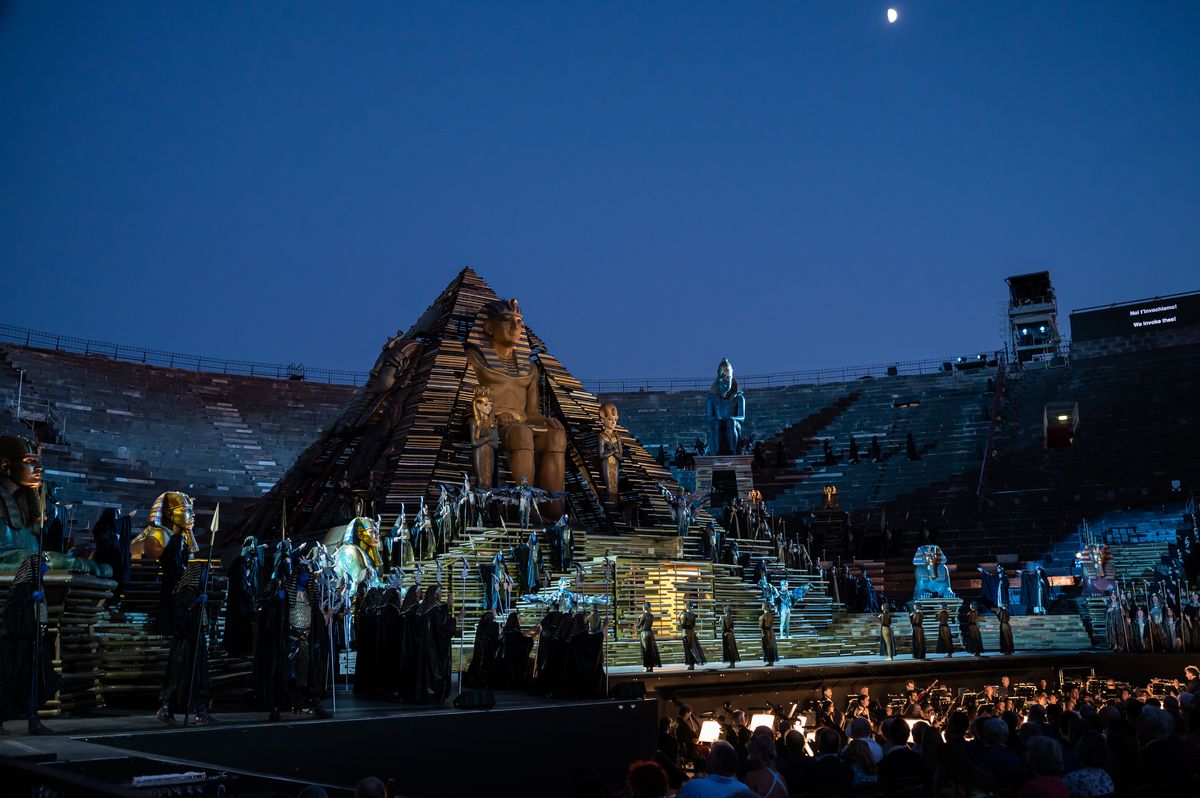
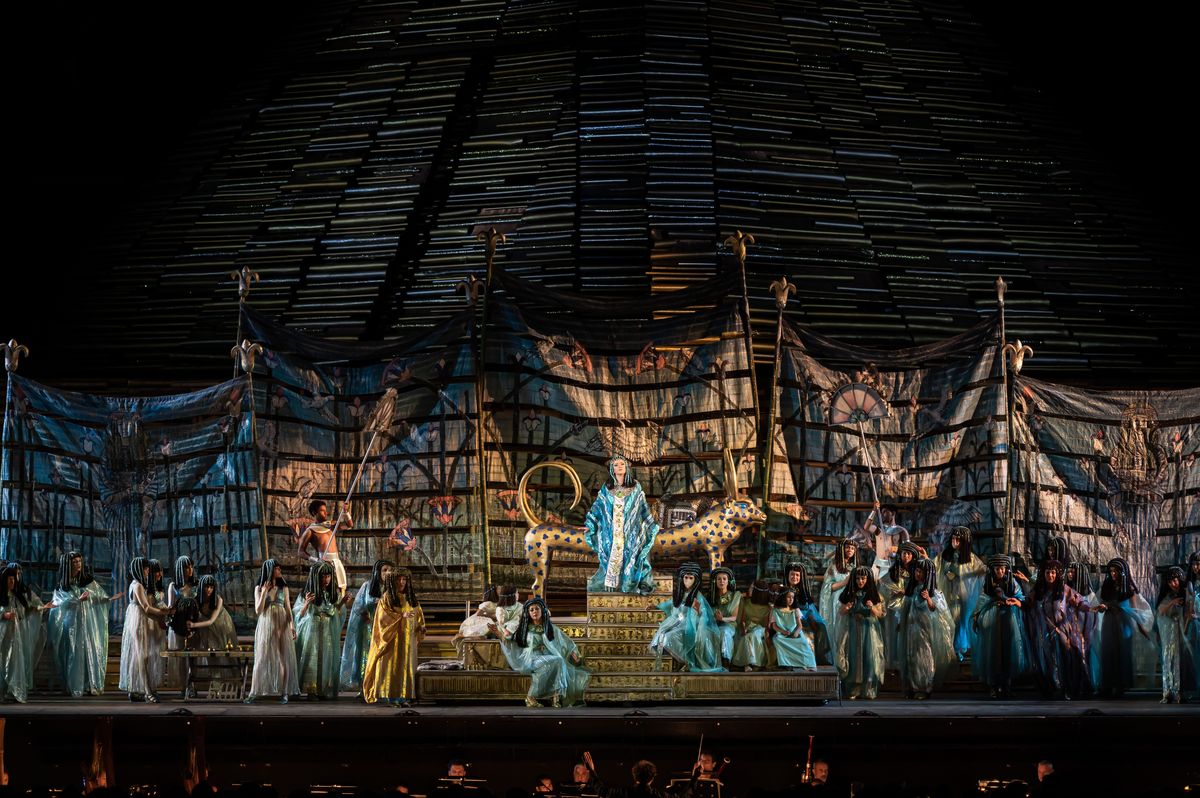
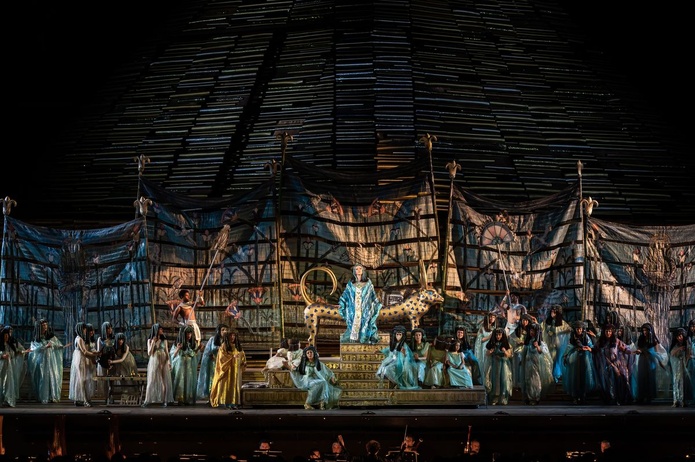
Pour Aida, une reconstituon grandiose de l'Egypte des Pharaons © Heads Collective

In the past, these Arenas could welcome all of Verona’s inhabitants. Circus games and gladiator combats also drew crowds from across Veneto.

Now, these Arenas enjoy incredible prestige with a knowledgeable audience eager to hear the world’s greatest voices: in the past Maria Callas and Luciano Pavarotti; today Anna Netrebko, Jonas Kaufmann, Ludovic Tézier, Roberto Alagna and many others… Yet the vast space (over 20,000 seats), its distinctive acoustics, and the requirement to sing outdoors pose a demanding vocal challenge.

Paradoxically, the renowned Franco-Italian tenor Roberto Alagna did not sing there for the first time until July 2022 (as Don José in Carmen), but since then he has returned regularly. This summer, he embodied Radamès, the hero of Aida, Verdi’s opera, for two evenings.

Created in 1871, this work is one of Verona’s fetish titles: has it not been revived for 63 seasons, totaling 749 performances?


An Aida that succeeds, though a touch grandiloquent


Toujours pour Aida, des costumes chatoyants © Heads Collective

For this 2026 edition, Aïda was presented in Franco Zeffirelli’s staging. The contrast was at least striking with Foda’s more minimalist approach for Nabucco! Yet Verona’s genius lies in drawing in directors with very different styles and in pleasing audiences just as varied.

In any case, this production once again stood out for its grandiose reconstructions of ancient Egypt, its pharaonic sets (so large that they had to be stored outside the Arenas and a crane used to install them!), its golden pyramids, its shimmering costumes, and its expansive crowd scenes…

On August 9, despite the oppressive heat not doing it any favors, Roberto Alagna performed Radamès, the victorious commander of the Egyptian army, with fervor, alongside his wife, Polish soprano Aleksandra Kurzak, who portrayed the Ethiopian princess Aida, enslaved by Egypt.

The generosity and on-stage chemistry of this couple shone through their portrayal of the impossible and tragic love at the heart of their characters. They delivered memorable emotional moments—vigorous applause—along with Alagna’s courage and mature performance, notably in the first act with the aria Celeste Aida (long applause), which helped mask some minor fatigue in the higher registers.


Nepal Floods: 644 Missing Travelers, Including 4 French Nationals


Crues au Népal : 644 voyageurs portés disparus dont 4 Français - Depositphotos.com Auteur Steve_Allen

Hurtigruten


Images of the mudflow that struck Nepal have left a deep mark on French tourism professionals. Contacted by TourMaG, they indicate for now that they have not received any alert concerning their clients.

I have received no alert from SETO-affiliated tour operators,” says Patrice Cadarec, chairman of the union.

The same assessment at Voyageurs du Monde. Lionel Habasque, CEO, confirms that no client is currently present in the affected area. “This is not at all the season,” he notes. Travel to Nepal concentrates more in spring and autumn. Winter is marked by snowfall, while the current period corresponds to the monsoon.

At Nomade Aventure, five clients are currently in Tibet. Their itinerary was to pass not far from the affected area, but they had not yet arrived on site. The agency has therefore adjusted their route to avoid the zone in question, informs us Fabrice Del Taglia, CEO of the tour operator, who has just learned that a portion of the local team of its DMC, Nepal Authentic Trek, in charge of ascents, is among the missing.


Floods in Nepal: four French nationals among the missing

However, these elements do not provide a complete picture of the presence of French travelers in the country, some may have travelled to Nepal on their own or through agencies not affiliated with SETO.

The Nepal Tourism Board published on Thursday, August 27, a third update on the floods in the Bhotekoshi. According to an initial census transmitted by trekking companies and travel agencies, 644 travelers, including 127 Nepali nationals, have been reported as missing in the affected areas.

The organization notes, however, that this information is still being verified and cross-checked with agencies, guides, local authorities and security services.

The table released by the Nepal Tourism Board at 12:00 on August 27 lists notably four French nationals among the missing, as well as 65 Americans, 53 Ukrainians, 51 Malaysians, 35 Australians and 33 Britons.

According to the Quai d’Orsay, 80 French nationals are currently reported on the Ariane platform as being present in Nepal. The Ariane platform, run by the French Ministry of Europe and Foreign Affairs, allows French travelers to signal their presence abroad in order to receive safety alerts and directions from the authorities in case of crisis. However, other French travelers may also be present on site.


Rescue and search operations continue

The Nepal Tourism Board notes that the riverbank areas of the four districts crossed by the Bhotekoshi and Trishuli rivers have been severely damaged, while other parts of the country have not been affected.

A sudden flood of exceptional magnitude struck northern Nepal on Wednesday, August 26, after the collapse of part of a glacier in the Himalayas. The event triggered a major surge of ice, rocks and debris into the Lhende Khola river, before unleashing devastating floods in the bhotekoshi and Trishuli valleys. Several villages, roads and infrastructures were destroyed in the districts of Rasuwa, Nuwakot, Dhading and Gorkha.

Rescue and search operations continue.

Nepal welcomes around 1.15 million international visitors each year. In 2025, the country recorded 1.158 million arrivals, according to the Nepal Tourism Board, compared with 1.148 million in 2024. About 24,500 French people traveled to Nepal in 2025, according to the Nepal Tourism Board’s statistics. The country had hosted 25,118 French visitors in 2024.

PortAventura World Prepares for Halloween 2026


PortAventura World proposera cinq labyrinthes hantés lors de sa saison Halloween 2026 - DepositPhotos.com, YuliyaGusyeva

Hurtigruten


PortAventura World dévoilera plusieurs nouveautés pour sa saison Halloween 2026, avec notamment l’arrivée d’El Carnicero de Penitence dans la zone Far West de PortAventura Park.

Ce nouveau labyrinthe hanté portera à cinq le nombre d’expériences de ce type proposées durant l’événement.

Les visiteurs pourront également retrouver La Isla Maldita, La Muerte Viva, REC Experience et Angkor : La leyenda del Rey Caníbal.

El Carnicero de Penitence will propose a journey through the heart of the town of Penitence, in the late 19th-century Far West universe, around the story of a butcher whose shop hides a dark secret.


Des animations pour toute la famille

The 2026 program will also include a new show at the Saloon and new characters wandering through the park’s avenues. The animations will be distributed between Mediterrània, SésamoAventura, México and Far West.

PortAventura World will offer experiences tailored to different audiences, including Trick or Treat, Día de los Muertos and the Halloween Parade for families.

Fans of thrills can notably find the Scare Zone La Maldición del Emperador.

For nearly 60 days, the park will be decorated in Halloween colors and will also offer a dedicated food service as well as exclusive products.

Also read: PortAventura World opens “Makamanu Jungle”

Tunisia: Water and Electricity Outages Amid Extreme Heat


Tunisie affronte aussi des pénuries de bouteilles d'eau - Depositphotos

Hurtigruten


Summer of 2026 will be remembered across the Mediterranean basin.

Just like in France, Spain, and several other countries, Tunisia experienced an exceptionally hot summer season, with temperatures dangerously flirting with 50 degrees.

Already, the country logged July as the second hottest month since 1950.

Unfortunately, this summer is a harbinger of more episodes like this, a consequence of climate warming, as heat waves sweep across the other side of the Mediterranean.

Indeed, the thermometer is once again on an upward trend. Temperatures were expected on Thursday, August 7, to range between 45 and 48 °C. In Kairouan and Beja, the mercury again approached the 50-degree mark.

While these temperatures spell trouble for bodies, they also pose significant challenges for infrastructure.


Tunisia: drinking water and electricity outages

Numerous media outlets report rolling electricity blackouts across the country.

The objective, for the operator, the Tunisian Electricity and Gas Company (STEG), with these outages, is to “preserve the safety and continuity of the electrical system,” as explained in a post picked up by Webdo.

For the moment, STEG has not issued any statement to announce further load shedding.

Moreover, these outages have become a political issue, as the Tunisian president denounced “premeditated” disruptions intended to inflame the already high tensions in the country.

b[To read: Is climate tourism a thing?

A message that was not well received by the General Union of Tunisian workers in Sfax, a union denouncing Kaïs Saïed’s conspiratorial rhetoric, as reported by RFI.]

In response to this situation, anger is rising across the country, but protests and demonstrations remain poorly attended.

In these circumstances, the French Ministry for Europe and Foreign Affairs has updated its travel recommendations for those traveling to Tunisia.


Tunisia: a drop in temperatures coming

It is stated that, in order to protect a heavily strained electrical network due to the extreme heat, “the Tunisian Electricity and Gas Company may carry out temporary electricity cuts (load shedding).

The supply of potable water, whether from the tap or in bottled form, may also experience temporary disruptions.


It is therefore advised for travelers heading there to check their accommodation conditions and take precautions. A crisis that is compounded by shortages of bottled mineral water.

A situation that should fortunately not last.

According to Samir Khalfaoui, Director of Competition and Economic Investigations at the Ministry of Trade and Export Development, “the expected drop in temperatures in the coming days will allow production to resume its normal pace to meet the entire national demand.

The situation worsened quickly during July due to a scorching heat wave combined with disruptions to the bottling chain caused by power outages.

This situation led to the total depletion of stock reserves with wholesalers and factories, forcing the market to rely solely on daily production. The latter itself also slowed due to network faults, which explains the tensions and shortages now seen on shelves.

Indeed, the thermometer is expected to fall and hover around 30 degrees by the end of next week.

Edinburgh and Glasgow: Culture and Nature Showdown


Édimbourg et Glasgow dévoilent deux visions complémentaires de l'Écosse - Photo : J.-F.R.

Hurtigruten


From the banks of the Leith, in Edinburgh, stairs ascend into the Murrayfield area (and its famous rugby stadium) toward two buildings housing the modern art museum, free for permanent collections.

In the first, Modern One, the second floor is reserved for stars of pop art, of cubism, of the Nabi painters…

It spans all styles of the 20th and the early 21st centuries. One can thus admire Picasso, Cézanne (« Baigneurs »), Magritte, Derain, a painting by the tapestry designer Jean Lurçat, works by the brilliant performer Bruce McLean and the colorist John Duncan Fergusson, both Scottish, or American photographers Diane Arbus and Robert Mapplethorpe.

On the other side of an artistic garden and the road, Modern Two, a former orphanage, hosts contemporary works donated by a Scottish patron (including a striking multi-meter-tall reproduction of Vulcan in the cafe) and high-quality temporary exhibitions.


The Burrell Collection

In Glasgow, this is arguably the most important art collection arising from a private bequest in Scotland.

Sir William Burrell, a Glasgow industrialist, made his fortune in shipbuilding and spent his life gathering artworks.

More than 10,000, so they say. His eclectic passion led him to own Impressionist paintings, ceramics, sculptures, and antique objects… all brighter than the next.

Upon his death, in 1958, he donated them to his city, which has displayed them since the 1980s in this renovated and design-forward museum, situated south of the Clyde River in Pollock Park.

Nurtured by this natural setting, the public is invited to discover Asian statuettes, remarkable Chinese and Iranian ceramics and a superb series of Impressionist paintings by Degas, Manet, Courbet (the splendid “Charity at Ornans”), Pissarro, Renoir, Corot, Daumier… as well as sculptures by Rodin and Camille Claudel.

If there is one museum to see in Glasgow, this is it!


Leith Valley

It is a curious impression that you feel while strolling along the banks of this Edinburgh urban valley.

You sometimes have to pinch yourself to believe it, as this pedestrian stroll along the small coastal river feels more like a countryside plunge. A tunnel of vegetation.

A damp, shaded riverside path. Here and there, herons. The sound of the city fades away… It’s hard to believe you are in Edinburgh.

Only the occasional bridges force the walker to step out of the riverbed to rediscover buildings and car traffic, and to convince themselves that they are indeed in the Scottish capital.

From the Haymarket district, you can walk 5 miles (8 km) to the mouth, along the Firth of Forth. The green corridor crosses Dean Village, now a boho neighborhood, offering water-front cottages with gardens, reaches the trendy residential district of Stockbridge, skirts the Royal Botanic Garden, and ends in Leith, the redeveloped former port quarter.

A breath of fresh air.


Kelvingrove Park

People come to visit the vast Kelvingrove Art Gallery and Museum and then stay to enjoy the greenery of the park that borders it.

Indeed, Kelvingrove Park is something of Glasgow’s green lung, right next to the city center. It is, without a doubt, the heart of the West End, the arts and university district.

On more than 30 hectares, this space crossed by the Kelvin River, a tributary of the Clyde, offers its tall trees, its lawns and its shaded avenues to walkers and joggers.

Children love teasing the gray squirrels, not very shy, that haunt this park. Very popular, Kelvingrove Park is also the “green campus” for students of the nearby university, who simply descend from their scholarly lecture rooms to lounge on the grass when the weather is nice.

At the end of September, the park hosts Big Feed, on Kelvin Way. A musical and culinary event, with concerts and a street-food offering.

Guadeloupe Islands: Preservation and a Renewed Visitor Experience


© Guillaume Aricique/ HappyMan

Hurtigruten


Incomparable, the Guadeloupe Islands offer agencies a straightforward answer to their clients: a French archipelago, a season driven by the Route du Rhum – Destination Guadeloupe, and experiences that are easy to arrange, on land or at sea, alongside a warm, welcoming population.


A SAFE BET

At the moment when your clients scan international news before booking, the Guadeloupe Islands offer a clear answer: French identity card or passport, the euro, reimbursed healthcare, a secure yet exotic setting that feels both unfamiliar and familiar. For clients who hesitate, it’s a decisive argument. For you at the counter, it’s a sale with no objections.

This reliable value also proves itself when you return from the field.

“We’ve moved from discoveries to discoveries. I already knew the Guadeloupe Islands, but now it will be a real pleasure to sell them.”

Kamel, Hôtels & Lagons, Lyon, educational tour Secrets des Îles de Guadeloupe, June 2026


THE ROUTE DU RHUM – DESTINATION GUADELOUPE


© Guillaume Aricique/ HappyMan

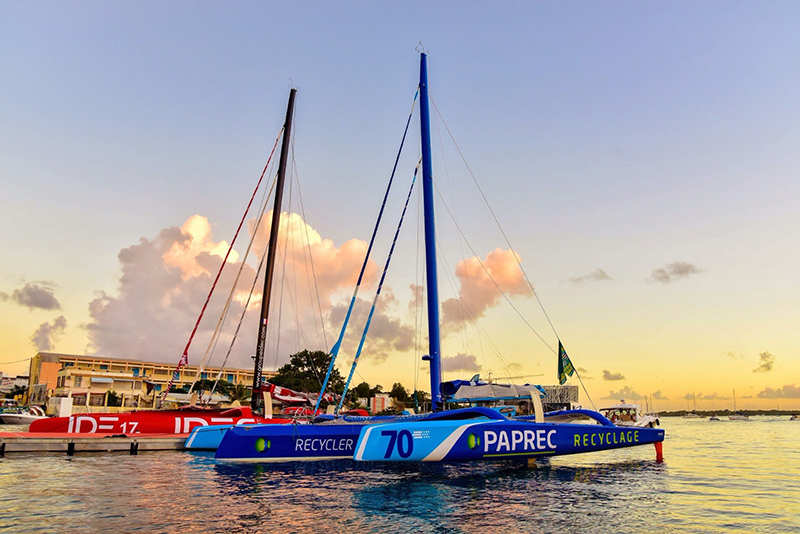
The year’s flagship event is taking shape right now. On November 1st, the 13th edition of the Route du Rhum – Destination Guadeloupe will begin from Saint-Malo with 118 skippers. Charles Caudrelier, Armel Le Cléac’h, Thomas Coville, Jérémie Beyou, Élodie Bonafous, and Francis Joyon form a line-up that gives the race immediate visibility to sailing enthusiasts as well as to the general public.

In Pointe-à-Pitre, the finish village will be set up from November 6 to 20 at the ACTe Memorial and the Bas-du-Fort marina. It will extend the experience with concerts, activities, tastings and prize ceremonies. The 2022 edition drew 305,000 visitors to the Guadeloupe Islands and gathered nearly 2 million TV viewers on the day of the arrival: solid benchmarks to position November as a peak travel period.

Before the start, CTIG will be present at the Saint-Malo village from October 20 to November 1. For the occasion, the Celtéa de Sélectour network, the official partner of the race, teams up with CTIG to turn the excitement of the race into concrete purchases.

Exotismes, Havas Voyages and Voyamar also offer turnkey stays around the event to make November your best-selling month.

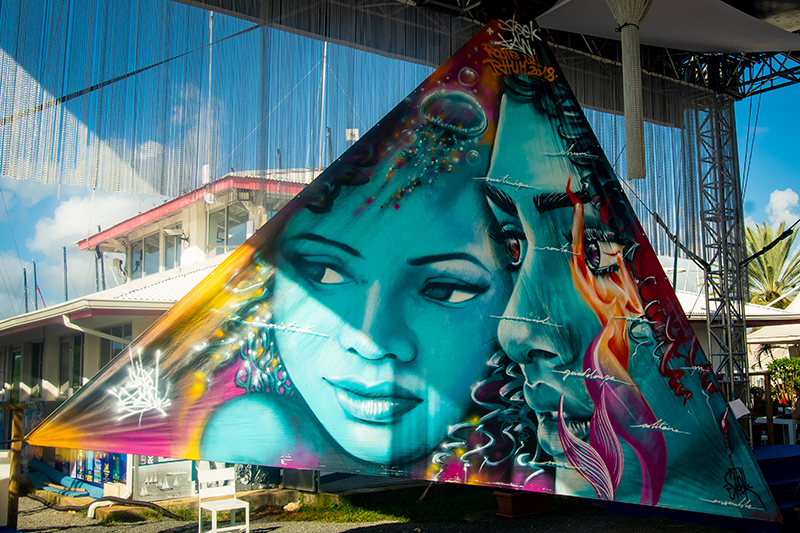
Knowing that public fervor peaks when Guadeloupean skippers such as Kenny Piperol, Luc Coquelin, Damien Seguin, and Thibaut Vauchel-Camus arrive, flagship events like the 5th edition of the “World Kréyol Art Festival,” dedicated to street art in Pointe-à-Pitre, provide additional reasons to stay in Guadeloupe during the month.


© Guillaume Aricique/ HappyMan


EXTEND THE SEA ADVENTURE

In the Guadeloupe archipelago, the sea becomes a guiding thread for building stays that ride the waves. From Marie-Galante, My Sail offers day-long or half-day sea trips aboard an innovative craft, the very first monomaran (or monocat) that blends the spaciousness and comfort of a catamaran with the performance and sensations of a monohull. Up to ten guests can board the Padishah for cruises to the Saintes archipelago and to Dominica.

The seabed still holds wonderful surprises: multicolored fish, stingrays and lobsters populate seagrass beds and coral formations at depths reachable from the surface. Crystal Boat in Pointe-Noire takes travelers aboard a 100% transparent boat: from the glass deck, you can watch the ballet of species beneath your feet, as if suspended between two waters. An ideal experience for families, non-swimmers and clients who are still hesitant to dive.


© Ggpiks


BETWEEN LIVING MEMORY AND PRESERVED NATURE


MORE FACILITIES FOR ISLAND COMBINATIONS

In addition to existing connections, FRS l’Express des Îles now links Trois-Rivières to Terre-de-Haut from €23 return and to Terre-de-Bas from €21 return.

Starting October 26, 2026, Air Inter Îles will also connect Pointe-à-Pitre to Terre-de-Haut by air, after Marie-Galante. In collaboration with Corsair and Air Caraïbes, these links enable premium, tailor-made itineraries across the Guadeloupe archipelago.

The simplicity of these crossings makes selling island combinations easier.


AN ARCHIPELAGO EVEN MORE ACCESSIBLE

Access from metropolitan France reinforces the promise of an easy-to-market stay. Air Caraïbes offers up to 21 weekly flights from Paris Orly in an A350-1000. Since March 28, 2026, Air France connects Paris CDG to Pointe-à-Pitre with up to 17 weekly frequencies in high season on a Boeing 777.

Corsair complements the offering with 13 frequencies in the A330neo and creates a concrete opportunity for the provinces: Nantes from December 2025, Marseille from December 15, 2026, and Toulouse from December 16, 2026, with round trips starting at €760. For agencies in the Greater South, these departures simplify recommendations and reduce the travel hurdle.

As of December 11, 2026, Air France also opens a direct, seasonal link between Pointe-à-Pitre and Panama City with two weekly flights, opening possibilities for combos to Central and South America.


BE THE EXPERT YOUR CLIENTS ARE LOOKING FOR

The certification program “Secrets of the Guadeloupe Islands” supports professionals who want to move from inspiration to mastery-level recommendations. Free to access at www.secretsdesilesdeguadeloupe.com, it combines e-learning, webinars, a sales challenge and an experiential eductour. Goal: equip agents with practical references to build the right stay, from the initial advice to on-site activities to book.

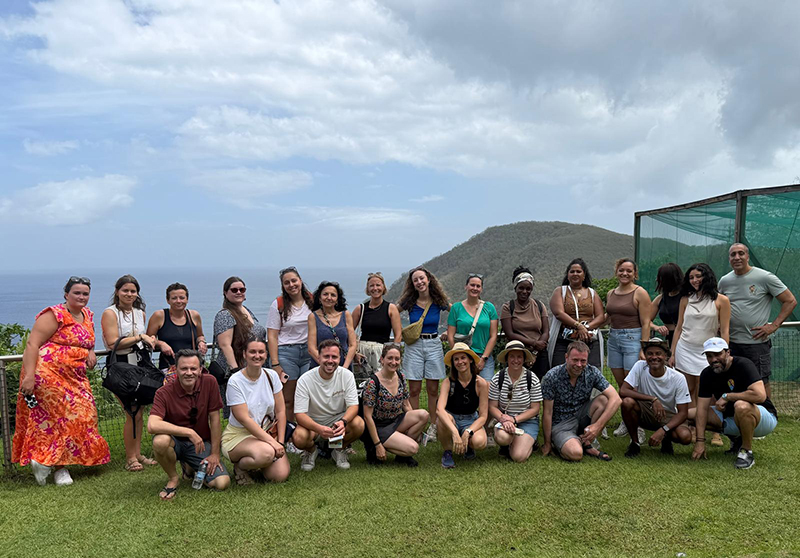
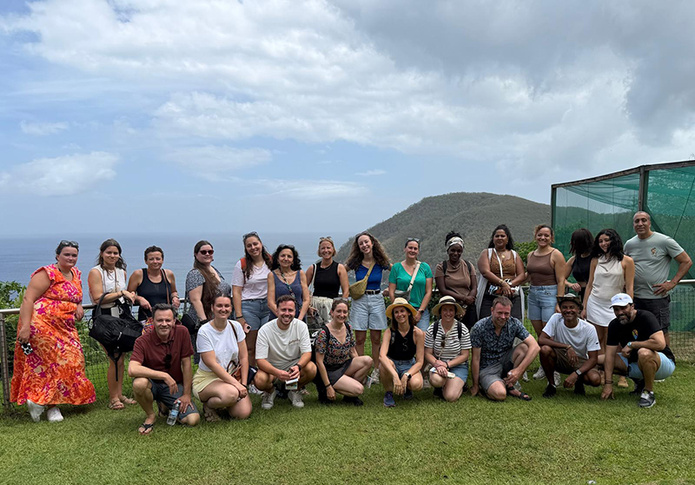
The June 2026 eductour perfectly illustrates this: the top 20 salespeople from France, Belgium and Switzerland traveled across four islands over five days. The program included scuba diving, a trek through the tropical forest, and a visit to an art gallery in Basse-Terre, a tour of the Saintes archipelago, a rhum tasting in Marie-Galante, and culinary stops in Grande-Terre. During this eductour, organized in collaboration with Air Caraïbes and the Des Hôtels et Des Îles group, each step of the journey provided concrete examples to relay to clients, from suitable accommodation to pacing the itinerary and activities to book on-site.


© Comité du Tourisme des Îles de Guadeloupe


Join the “Secrets of the Guadeloupe Islands” community. Among the concrete benefits: a privileged card at 70 local partners, and priority access to eductours and dedicated events.

Find the CTIG at IFTM, stand G024, with 18 partners, and at the Travel Agents Cup on www.iftm.fr.


Les Îles de Guadeloupe : entre préservation et expérience renouvelée

Patrick GALIN (Promotion Officer)

Comité du Tourisme des Îles de Guadeloupe

[email protected]

www.secretsdesilesdeguadeloupe.com

app store google play


EDV Convention in Benin: This Trip Will Truly Be Exceptional


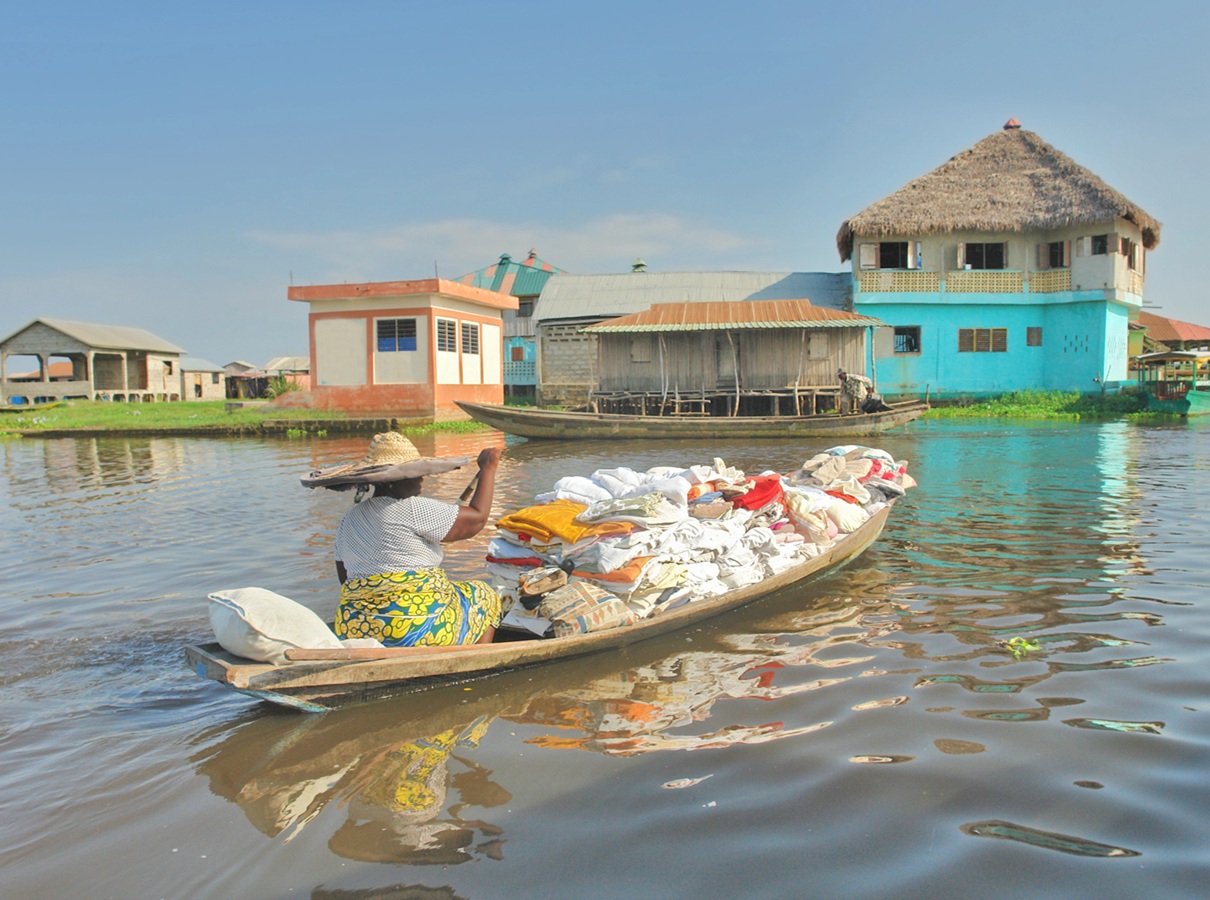
Le vodou, cité lacustre, la nature... les atouts du Bénin - Depositphotos

Hurtigruten


The IFTM Top Resa will open its doors in a few days, signaling the return of the season for tourism professionals.

October will kick off the regional congresses of Travel Companies. It will begin in the Southwest, from October 2 to 5, to conclude with the event organized by Lionel Rabiet, from November 12 to 16, 2026… in Benin.

A choice that aligns with the desire of the Île-de-France branch of Travel Companies to showcase destinations still relatively unknown to the general public.

Besides being a destination that very few people know about, it is an incredibly welcoming country.

Regarding the convention, everything will be easy. The hotel is five minutes from the airport, the places we will visit are not far, and it’s fabulous.


It’s Black Africa, a country with a rich culture
“, we are told by Lionel Rabiet.


Voodoo, Lake City, and Nature… Benin’s Strengths

A president who was able to discover the country during a reconnaissance trip.

One must know that Benin has truly been a hub of the slave trade, part of its painful history. We will visit places connected to this past.

We will also discover voodoo, this religion which is an animist cult based on reverence for the forces of nature and for ancestors. It should be noted that Benin is its cradle.

Then the country offers unique natural scenery.

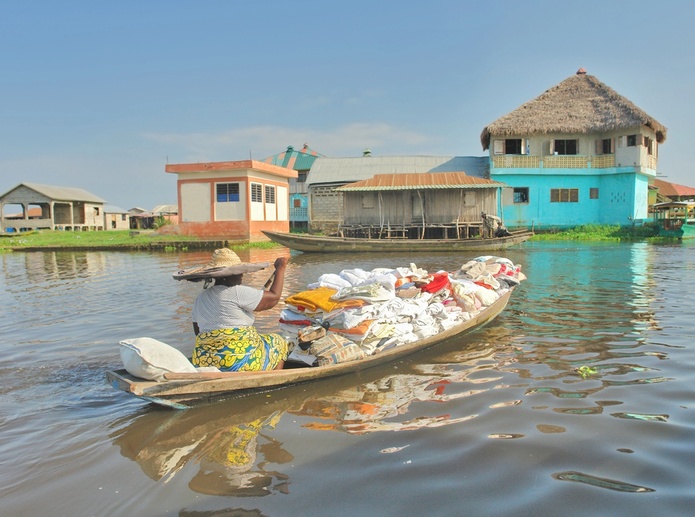
Right beside, by the way, the capital city Cotonou, where we will stay, there exists the largest lakeside city in Africa (Ganvié, ed.) and surely in the world, which we will visit.

In addition, there are very few tourists. I calculated that in a single day, in France, we welcome more travelers than Benin does in a year
“, the president reveals.

It must be said that the country has only recently begun opening up to tourism.

As we revealed to you in a previous article, under the leadership of President Patrice Talon, who has been in office since 2017, significant investments have been made to move the number of international visitors from 300,000–400,000 today to nearly 2 million per year by 2030.


AI, Creativity and Corporate Restructuring… discover the program

We have a very gradual three-year plan. At first, we move to conquer adventure tourism, then cultural tourism.

General tour operators won’t open up before 2026, with the opening of Club Med
“, we were told by Claude Blanc, commercial manager of Benin’s Office of Tourism.

The opening of the future resort of the brand with the trident should rather take place next year.

The convention, for its part, will take place at the Sofitel Cotonou Marina Hotel & Spa. Located in Cotonou, the 174-room and 19-suite property opened in September 2024. It was, at the time, the country’s first five-star hotel.

During the few days we will be together, we will address two themes with people who think outside the box. The first concerns AI. The aim is to ensure that this tool enhances us, increases our capabilities, and does not lobotomize us.

Nicolas François will speak on the second AI revolution, through the creation of tools and programming.

Another person will be present to question creativity and AI. We use AI at every turn for any creation, and I think that’s dangerous, because we lose our voice and our identity. There will be a surprise in this regard.

The second theme will be corporate restructuring. We are living through a challenging period, and it is during these times that difficult decisions must be made and restructurings undertaken.
Jacques Masson, who has served as a transition manager in many companies, will discuss how to restructure, rethink a business, and cut costs…

Then, beyond these moments of reflection, from a destination discovery perspective, this trip is going to be truly exceptional
“, we explain by Lionel Rabiet.

There are still a few places left to participate in the convention.