Our eyes will have been turned skyward for much of the summer. After the solar eclipse visible from parts of western Europe on August 12, the visitors and residents of Greece will have reason to rejoice on Friday, August 28. The Ministry of Culture is organizing, for the 27th consecutive year, several events during the full Moon. For the occasion, 126 monuments, architectural sites, and museums will be open from 7:30 p.m. to midnight across the country.
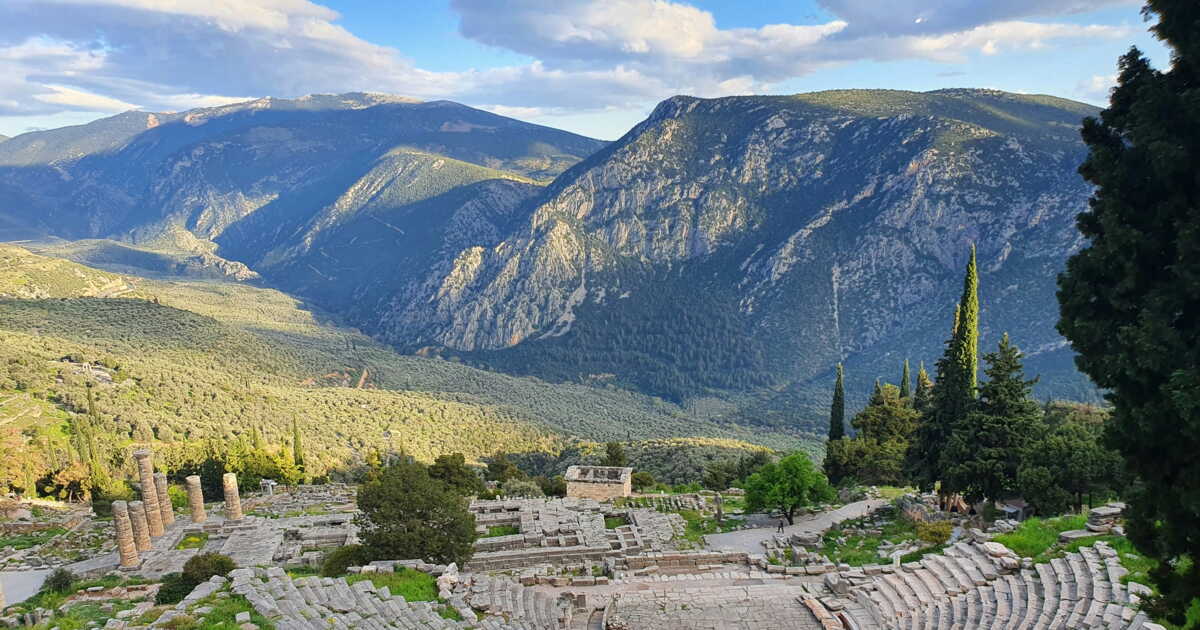
If you happen to be in Greece at that time, it’s the perfect opportunity to discover majestic places bathed in opal light. Some of the sites open at night are famous. For example, Delphi, a city on Mount Parnassus and a sanctuary where the oracle of Apollo once bellowed its predictions. A UNESCO World Heritage archaeological site. On August 28, entry there will be free from 7:30 p.m.
Discover Ancient Sites Under the Moonlight in Greece
Some of these Greek moonlit encounters will include guided tours with specialists. This will be the case in the ancient city of Olympia, in the Peloponnese, birthplace of the Olympic Games, or in the town of Mystras, near the ancient city of Sparta. In Athens, several sites are also involved, of course. The Acropolis Museum will stay open until midnight, free of charge. The night-guided tours are all already sold out.
Among the 126 sites open to the public under the full Moon this year, many are lesser-known as well. Euronews specifically mentions the Nekromanteion of the Acheron, a sanctuary dedicated to Hades and Persephone, rulers of the Underworld in Greek mythology, in Epirus. “This site was built around darkness and rites, so visiting it at night under the full Moon is a new experience — probably closer to what it was meant to look like at the origin,” says Yahya Dawood, interviewed by Euronews.
The Nekromanteion of the Acheron, the oldest oracle site in Greece, will also be open to the public on the night of August 28. Some locations in Crete are also expected to open their doors during these few hours of the full Moon. The full list of affected sites is available on the Culture Ministry’s website. Some will even extend the festivities on August 29 and 30, 2026.
August Nights Full of Treasures in the Sky
The August full Moon is commonly called the Sturgeon Moon. The Republic of the Pyrenees explains that this name comes from the Algonquin people, who link each full Moon to a seasonal natural phenomenon. Yet at the end of August, sturgeons are easier to catch than usual.
This full Moon will be all the more notable this year because it coincides with a partially visible lunar eclipse in Europe (notably in its southwest). On the morning of August 28, the Earth will pass between the Moon and the Sun, casting a shadow on its natural satellite – observable safely without glasses!
Want to share your view on climate change in France?Enter the Climate Eye photo contest!
What to do in Montenegro with family? Activities and tips for a trip suitable for all ages
What to do in Montenegro when it rains? Exploring cultural riches sheltered from the weather
Which towns to visit in Montenegro? Between lively coasts, wild mountains and preserved heritage
Is Montenegro part of Europe? A European destination at the doorstep of the Balkans
Montenegro is a small Balkan country that has been growing in popularity in recent years. Between mountains and the sea, it is indeed full of beautiful landscapes to admire and spots to visit that offer a glimpse of its history and culture. Here’s a spotlight on the most beautiful places in Montenegro not to miss during a trip.
1. Explore the old town of Kotor
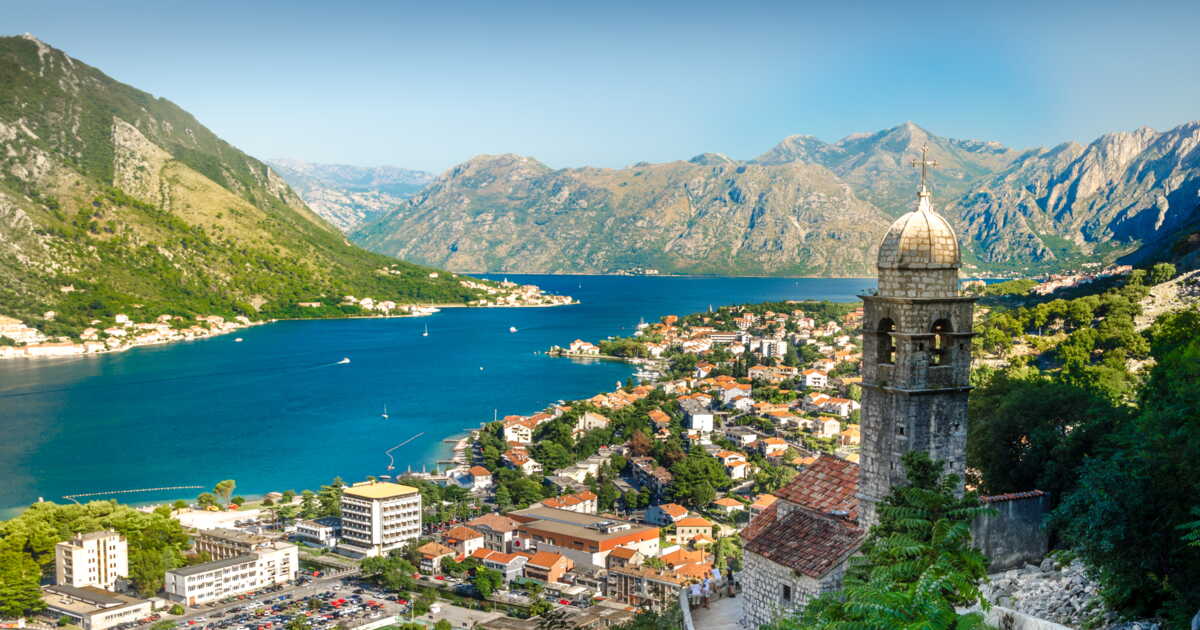
The town of Kotor, a UNESCO World Heritage Site, is a must-see. Wander through its medieval lanes and admire Venetian-era architecture. For a panoramic view of the bay, climb the steps that lead to St. John’s Fort. In the morning or at sunset, the light is especially beautiful there, creating ideal conditions for photography.
2. Rafting in the Tara Canyon
The Tara Canyon is the deepest in Europe and provides a dramatic setting for rafting. The river’s rapids are accessible for beginners as well as seasoned paddlers. Several local agencies offer full-day trips, often including a lunch break featuring local produce.
3. Discover the Durmitor National Park
Durmitor National Park is a paradise for outdoor enthusiasts. Numerous hiking trails let you explore the local fauna and flora, while the Black Lake is ideal for a peaceful stroll. In winter, the park becomes a ski destination, attracting winter sports lovers.
4. Relax on the Budva Riviera
The Budva Riviera is famed for its beautiful beaches, perfect for swimming and water activities. The old town of Budva, wrapped by its walls, is worth a visit. In the evening, enjoy the lively scene in its bars and restaurants to discover local cuisine.
5. Go hiking in the Lovćen National Park
The Lovćen National Park offers varied landscapes and stunning viewpoints. The Njegoš Mausoleum, perched at the summit of Mount Lovćen, is reachable via a staircase of 461 steps and rewards visitors with an exceptional panoramic view of the region. Remember to bring water and good hiking shoes.
6. Discover the Ostrog Monastery
Clinging to a cliff, the Ostrog Monastery is one of the most visited religious sites in the Balkans. This pilgrimage site impresses with its dramatic setting and unique history. Access is mainly by road, though part of the journey can also be walked for the more adventurous.
7. Birdwatch at the Skadar Lake
The Skadar Lake, straddling Montenegro and Albania, is a perfect stop for bird enthusiasts. The national park surrounding the lake shelters numerous bird species, including pelicans, visible on boat cruises. Nearby villages also offer opportunities to sample wine.
8. Stroll through the capital Podgorica
Often overlooked by travelers, Podgorica offers several worthwhile attractions. Visit the Millennium Bridge, the Cathedral of the Resurrection of Christ, and explore the historic district of Stara Varoš. The city is also a great base for day trips to other sites.
9. Discover Perast and the surrounding islets
Not far from Kotor, the village of Perast stands out with its Baroque architecture and its view of the bay. From the harbor, boats can take you to Our Lady of the Rocks, an artificial islet with a museum, as well as Saint George, which is open for exterior visits.
10. Enjoy the beaches and nightlife in Budva
The Budva coast is dotted with beaches suitable for swimming and water sports. Sveti Stefan is one of the most famous, along with Mogren and Jaz. In the evening, the city comes alive with many bars and clubs, perfect for a lively night out.
In summary, Montenegro captivates with the diversity of its landscapes and the authenticity of its cultural sites. Whether you come for nature, history, or the beach, you will find your happiness in this small country where everything is accessible. Remember to check weather conditions depending on the season to optimize your visit. Make the most of your discovery of Montenegro and don’t hesitate to explore beyond the beaten paths to uncover its hidden treasures.
What to do in Montenegro with family? Activities and tips for a trip suitable for all ages
Along the shores of the Boka Kotorska in Herceg Novi, or farther south at Petrovac on the Budva Riviera, these towns offer safe, easy-to-access swimming breaks in crystal-clear water for children. Visits to old towns like Stari Grad in Kotor or Budva spark curiosity with their narrow alleyways and rich history, while providing a pleasant setting for families.
In northern Montenegro, easy hikes around the Crno Jezero, or Black Lake, in Durmitor National Park, allow for an alpine experience in the Dinaric Alps without technical difficulty.
What to do in Montenegro when it rains? Exploring cultural wealth sheltered from the weather
When the weather turns sour, Montenegro still holds great appeal, notably thanks to its cultural and historical heritage. The old town of Kotor, a UNESCO World Heritage site, is easily explored even in the rain by wandering its sheltered narrow lanes. From Budva to Herceg Novi, museums and galleries deepen the country’s history, while traditional cafés offer an authentic experience sheltered from the showers.
During the coastal drive toward Herceg Novi, the Adriatic highway that hugs the sea provides another perspective of the landscape, even in bad weather. For those arriving via Croatia, renting a car in Croatia allows for a flexible route depending on conditions. Montenegro, at any rate, even in the rain, offers a variety of experiences to value with the right tips shown further along the itinerary.
Which towns to visit in Montenegro? Between lively coasts, wild mountains and preserved heritage
Along the coast, the mouths of Kotor, also known as the Boka Kotorska, shelter fortified towns like Kotor, with its picturesque Stari Grad, or Herceg Novi, a practical entry point when arriving from Dubrovnik Airport. Farther south, Petrovac, a former fishing village, charms with its laid-back atmosphere and proximity to beaches.
Inland, the town of Cetinje reflects the royal history of the country, while Žabljak in the north draws travelers toward the Durmitor park. Each town is a key stop on a road trip across the country, with narrow yet scenic mountain roads, notably the route between Durmitor and the coast, dotted with switchbacks.
Is Montenegro part of Europe? A European destination at the Balkans’ doorstep
Yes, Montenegro is part of Europe in several respects, even though it is not yet a member of the European Union. Located at the heart of the Balkans, it shares borders with Croatia, Bosnia and Herzegovina, Serbia, Kosovo, and Albania. Its geographic placement on the continent makes it an increasingly popular choice for European travelers, aided by competitive flight prices to nearby airports and convenient access from capitals like Paris or Rome.
The price of flights, along with ferry prices from certain Italian cities, makes Montenegro very attractive for short or extended stays. Additionally, the use of the euro as the national currency simplifies exchanges. With practical tips tailored to you, an authentic experience in the Dinaric Alps or along the mouths of Kotor becomes accessible to all travelers, whether seeking a cultural spark or a seaside escape.
This article was written with the help of artificial intelligence, then corrected, expanded, and validated by the newsroom’s journalists.
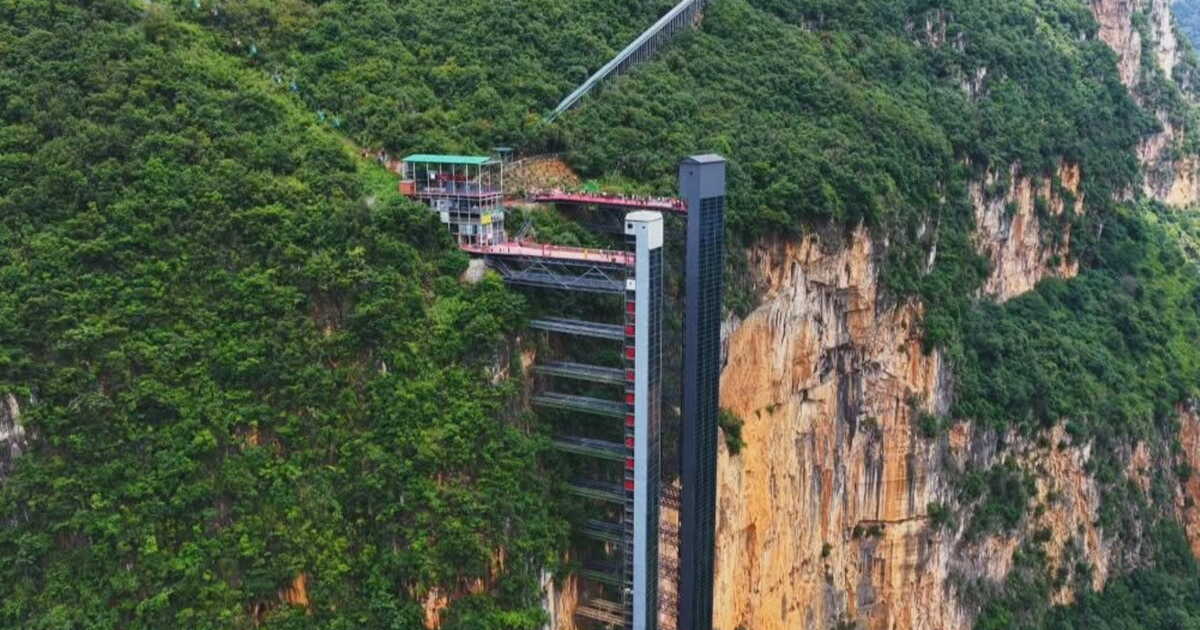
No longer needing to rise at dawn. The lives of about twenty Chinese children have become much simpler thanks to a simple elevator. Until now, these inhabitants of Yunnan province in the southwest of the country had to plan for a three-hour trek to reach their school, perched at the top of the Nizhuhe Grand Canyon. With the installation of an elevator called Fuyao and built by the Chinese company Ningbo Hongda Elevator, the journey now takes only half an hour, according to Interesting Engineering.
This glass cabin, which can accommodate up to 81 people at a time, makes it possible to ascend the roughly 288 meters separating the village of Nizhuhe from the other communities in the city of Xuanwei, at the canyon’s edge, in just 50 seconds. To reach Guanzhai School, at an altitude of 1,650 meters, residents must, after exiting the elevator, ride a cable car for 30 minutes.
A 288-meter-high cliff elevator has begun operation at the Nizhuhe Grand Canyon in Xuanwei City, southwest China’s Yunnan Province, making it easier and safer for students living at the bottom of the canyon to reach their school on top of the cliff. Children living more than 500… pic.twitter.com/nOE5PDKZfP
— People’s Daily, China (@PDChina) August 5, 2026
Tourists also greatly benefit from the new elevator
In 2022, already, a steel elevator named Qingyun had been erected along the canyon’s rock to facilitate journeys. Building a second one was not easy, particularly due to the logistical constraints of installing an elevator in the middle of a canyon that is heavily affected by humidity and fog. But it is now fully functional and complementary to the previous one.
The opening of Fuyao was not only designed to accommodate the handful of exhausted schoolchildren who faced six hours of walking each day to study. It is also a way to attract tourists. Since its inauguration, authorities estimate welcoming up to 15,000 visitors per day.
In China, altitude is no joke
The Chinese are no strangers to elevator feats. In Zhangjiajie National Forest Park sits the Bailong Elevator. It is regarded as the tallest outdoor elevator in the world, capable of climbing up to 326 meters amid the mountains that served as the backdrop for the film Avatar.
To draw in tourists, Chinese authorities are also rolling out even more spectacular attractions: glass bridges and suspended ladders have proliferated in recent years across the country. A way to scare oneself and make a splash on social media… to entice others to visit.
Every summer, millions of visitors savor an ice cream in Italy, unaware that its modern story owes much to American ingenuity. Before becoming a staple of beaches, cafes, and summer strolls, gelato was a delicate preparation, produced in small quantities and difficult to preserve. In the postwar era, a Tuscan family would transform this constraint into an opportunity. Their idea: repurpose abandoned American military equipment to allow gelato to move beyond the boundaries of its neighborhood.
Before mechanization, gelato remained a local affair
The Italians did not discover frozen desserts only after the war. Since Antiquity, the Romans cooled wine and fruit preparations with snow. In Sicily, the Arabs later used the snow from Mount Etna to craft sweet, scented mixtures, laying the groundwork for the granita tradition.
During the Renaissance, the preparations continued to evolve. In Florence, the architect Bernardo Buontalenti devised in the 16th century a frozen cream enriched with milk and eggs, bearing a texture close to today’s gelato. Yet for a long time, making a frozen dessert remained a complex endeavor. The mixture was cooled in a blend of natural ice and salt, while the churn was done by hand. This method demanded time and constant attention, limiting production and complicating long-term preservation of the product.
Production thus remained limited and essentially local. Even the arrival of electric refrigeration gear, at the end of the 1920s, did not suffice to turn gelato into a product easy to produce and distribute on a large scale. There was still a need to produce regularly, preserve the dessert, and above all transport it without it losing its texture.
Cruically, this is the challenge the Bagnoli family would face in Empoli. In 1946, Renzo Bagnoli transformed the family dairy into a bar-ice cream shop called Sammontana, and began producing its own gelato. Two years later, his brothers Sergio and Loriano joined, and production took on a new dimension. They started selling their gelato beyond Empoli.
American equipment recovered after the war
That is where Sammontana’s story intersects with the American army. After World War II, they headed to Genoa, where a scrap yard held discarded ice-making machine parts left by the U.S. Army. With limited means, they bought whatever could be useful and adapted it themselves to mechanize production. The shift was significant: it was no longer just about making gelato in small batches behind a bar, but about having a tool capable of increasing production while preserving an artisanal touch.
This evolution, however, solved only part of the problem. Once gelato could be produced in larger quantities, distribution remained a hurdle. The Bagnoli brothers then devised their own solutions. They designed a six-liter metal container, practical enough to transport the gelato and allow bars and cafés to serve it directly from the canister. This innovation appeared in 1955, as sales began to rise outside Empoli.
“The Bagnoli brothers designed a six-liter can that integrated seamlessly into their improvised supply chain. Bars and cafés could serve the ice directly from the can,” explains Luca Cesari, an Italian food historian, to the BBC. “When they began lending their freezers to bar owners, the model was complete.”
The strategy works. Gelato could now be produced in Empoli and then sold to other establishments.
Gelato accompanies the Italian economic miracle
From the 1950s onward, Italy entered a period of rapid growth known as the “Italian economic miracle.” Between 1950 and 1963, wages rose, many families left rural areas for cities, and living standards improved. Italians spent more on leisure, while seaside holidays and evening strolls became new habits. Gelato found an ideal setting to become popular: it was inexpensive, easy to enjoy, and associated with these new leisure moments.
Sammontana took advantage of this shift to continue expanding. After starting to distribute its gelato beyond Empoli, the company rode the rising demand and gradually expanded its network. In 1960, the Bagnoli brothers opened a factory in Empoli to cope with growth. Their gelato was no longer just the product of a Tuscan bar‑ice cream shop; it became a product available in numerous establishments across Italy.
The success of this new approach to producing and distributing ice creams soon inspired other companies. Manufacturers such as Algida, Motta, or Spica developed larger-scale production as well. Yet this industrialization did not erase artisanal gelaterias; it helped two models cohabit: that of the large brands and that of the artisans.
“Industrial gelato forced artisanal gelato to evolve, and ultimately Italy developed both a powerful industrial sector and a vast network of independent and artisanal gelaterias,” explains Eduardo Zucchini, spokesman for the Gelato Museum Carpigiani, to the BBC. Competition particularly pushed artisans to improve their hygiene, equipment, and organization.
Delay, cancellations, passengers disembarking… Intense heat can disrupt air travel as unexpectedly as a storm or a snow event. The culprit is a physical phenomenon that makes the takeoff phase especially tricky. And when the thermometer climbs too high, airlines can be compelled to rethink their plans… sometimes at the last moment.
To take off, an aircraft needs its engines and wings to have access to a sufficient amount of air. But as temperature rises, the air expands and becomes less dense. Engines and wings then have less air to generate the thrust and lift required for liftoff.
Air that is too hot makes takeoffs harder for airplanes
“That’s why a hot summer day can disrupt operations as much as snow or ice,” explains Cary Grant, a professor at the Embry-Riddle Aeronautical University and a former United Airlines pilot, cited by CNN. This constraint becomes particularly significant when temperatures are very high. For an aircraft to be able to take off in these conditions, it must reach a sufficient airspeed. A longer runway can then help compensate for the performance loss linked to the lower air density.
Mais tous les aéroports ne disposent pas de pistes suffisamment longues. Les compagnies peuvent donc être amenées à réduire la masse de l’appareil. “Dans certains cas, les compagnies aériennes peuvent réduire le poids de l’avion pour décoller en toute sécurité en déchargeant du fret ou des passagers. Elles peuvent également réduire la quantité de carburant embarquée pour accueillir tous les passagers, auquel cas elles devront peut-être ajouter une escale pour atteindre leur destination”, a ainsi indiqué la Federal Aviation Administration (FAA).
Passengers disembarked due to extreme heat
Lorsque les températures deviennent exceptionnellement élevées, même une réduction du poids de l’avion ne suffit toutefois plus nécessairement. Les appareils sont alors soumis à des essais permettant de déterminer les conditions dans lesquelles ils peuvent être exploités en toute sécurité. Au-delà de certaines températures, les procédures prévues par le constructeur peuvent ne plus autoriser le vol.
“Bien que réduire le poids puisse être une solution, les températures dépassent parfois les températures maximales auxquelles l’avion a été soumis pendant les essais. Lorsque cela se produit, le manuel d’exploitation ne contient aucune donnée permettant de faire voler l’avion”, a confirmé la FAA. Cette situation n’est pas seulement théorique. En juillet 2026, American Airlines a ainsi dû retirer 32 passagers d’un vol au départ de l’aéroport international Harry Reid, à Las Vegas, alors qu’une vague de chaleur frappait la ville.
Mais les effets de la chaleur ne concernent d’ailleurs pas uniquement les avions. Les personnels travaillant sur les pistes sont, eux aussi, exposés à des températures difficiles, tandis que les compagnies doivent maintenir des conditions acceptables à bord. “Nous avons mis en place un solide plan de gestion de la chaleur pour nos employés afin de garantir qu’ils disposent d’une hydratation suffisante et de lieux où se rafraîchir”, a ainsi détaillé Southwest Airlines à CNN.
A phenomenon set to become more common?
In the cabins, heat can also become uncomfortable when the aircraft is waiting on the ground. Southwest Airlines explains that crew members may ask passengers to close the window shades to limit the rise of the interior temperature. The phenomenon could also become more frequent. According to the Environmental Protection Agency, heat waves are getting hotter and more frequent.
For travelers, this means that high temperatures can now be an additional factor to consider before taking to the air. “It’s either 32 people who decide to change their plans, or we’re all going to change ours, because the airplane literally cannot take off”, recounted Jared Guynes, one of the affected passengers, according to CNN.
Pour autant, Cary Grant recommande aux voyageurs de ne pas s’alarmer lorsqu’une compagnie modifie les conditions d’un vol en raison de la chaleur. “Je dirais de ne jamais s’en inquiéter, car la compagnie aérienne veille toujours à la sécurité. C’est sa priorité numéro un”, affirme-t-il. Selon lui, les passagers ont donc surtout intérêt à faire preuve de souplesse lorsque les températures extrêmes perturbent leur programme.
Whether you pursue dreams of spirituality, are drawn by nature, or are captivated by history, Kyoto stands as a promise, ready to answer your calls for escape.
1. Explore Kinkaku-ji, the Golden Pavilion
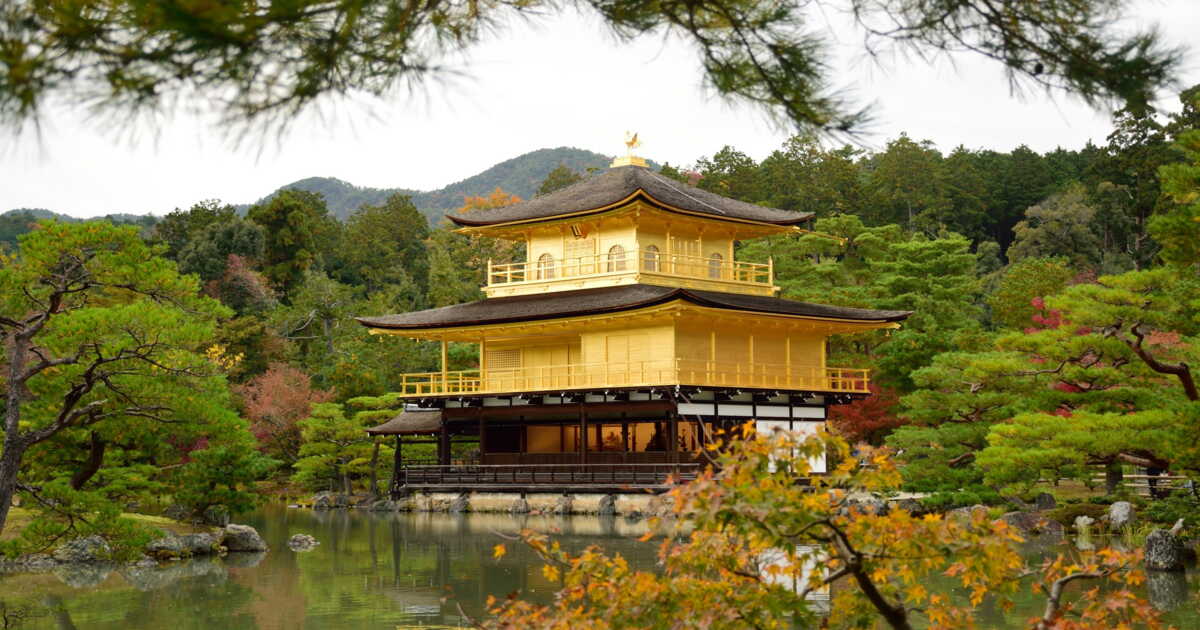
Located in the north of Kyoto, the Kinkaku-ji, or Golden Pavilion, ranks among the must-see sites of Japanese heritage. This Buddhist temple, clad in sheets of pure gold, is distinguished by its refined architecture and its harmonious integration into a traditional landscape garden designed according to the principles of contemplation. Beside a mirror-like pond, the pavilion reflects its lines with striking accuracy in the water, producing a remarkable visual effect in every season, whether the autumn red maples, the cherry blossoms in spring, or the winter snow.
The stroll around the site allows appreciation of the overall spiritual and visual journey, punctuated by symbolic rocks, discreet bridges, and carefully orchestrated viewpoints. The Kinkaku-ji thus stands as a consummate example of aristocratic retreat architecture in medieval Japan, combining visual harmony, Buddhist spirituality, and universal cultural value, offering visitors a moment of pause in a setting that is both structured and soothing.
2. Discover the historic district of Gion
Gion, Kyoto’s iconic district, remains one of the last living strongholds of the oldest Japanese traditions, particularly those connected with the refined world of geishas. At the crossroads of intangible cultural heritage and preserved architecture, its cobbled lanes, lined with machiya, traditional wooden houses, form an authentic backdrop where time seems suspended. You may occasionally encounter maiko (apprentice geishas) in sumptuous kimono, between tea houses where subtle arts such as traditional dance, the shamisen music, or the tea ceremony endure.
At nightfall, red lanterns and soft lighting transform the atmosphere into a discreet theater, conducive to respectful observation of these age-old rituals. More than a mere tourist spot, Gion embodies Kyoto’s living memory, a window onto preserved Japan, where every detail, from the curve of a roof to the echo of a step on the stones, tells a heritage that is continually in motion.
3. Visit the Fushimi Inari-taisha and its thousands of torii
The Fushimi Inari-taisha, one of Kyoto’s most iconic Shinto shrines, is distinguished by its thousands of vermillion torii forming a sacred corridor through the forest of Mount Inari. Dedicated to Inari, the deity of rice, fertility, and commerce, this site draws pilgrims as well as travelers seeking spiritual immersion and striking photography. Each torii gate, often donated by individuals or companies, bears witness to a devotion—either personal or collective—creating a symbolic progression as you ascend.
The winding path, punctuated by small shrines, fox statues, and panoramic pauses, stretches for several kilometers and offers a sweeping view of Kyoto from higher vantage points. Between silent sacrality and a contemplative walking experience, the Fushimi Inari-taisha emerges as a rite of passage—an intersection of nature, belief, and aesthetics—inviting a sensitive reading of the Japanese landscape in all its depth.
4. Admire the Zen gardens of Ryoan-ji
The Ryoan-ji, a Zen temple located in the northwest of Kyoto, is globally renowned for its dry garden (karesansui), an exemplary expression of Japanese sobriety in aesthetics and of mastered emptiness. Composed of fifteen rocks arranged on a bed of carefully raked white gravel, this garden does not reveal its keys to reading immediately: it invites a prolonged observation, a silent contemplation of impermanence, simplicity, and balance.
Situated before the wooden veranda, the visitor faces an open work, whose meaning is not dictated but left to individual interpretation. The temple’s surroundings, surrounded by green moss, a calm pond, and austere buildings, reinforce this impression of detachment and contemplation.
5. Participate in a traditional tea ceremony
To begin the tea ceremony in Japan is to enter one of the most purified expressions of the traditional Japanese culture, and Kyoto, the historic cradle of this art, remains the perfect place to grasp its significance. In the ancient tea houses, nestled in preserved districts like Gion or Uji, each gesture, from placing the bowl to preparing the matcha, adheres to codified rules handed down for centuries.
More than a moment of tasting, it is an esthetic and spiritual experience, founded on the principles of simplicity (wabi), tranquility (sabi), and respect and harmony. The silence, posture, and objects used all contribute to creating a time-space suspended where one savors much more than just tea.
How many days does it take to visit Kyoto? Finding the right rhythm for exploring Japan’s cultural capital
A three-to-five-day stay allows a balanced discovery of its major sites, such as Kyoto’s temples, the Gion district, and the zen gardens, while taking the time to immerse oneself in the contemplative atmosphere that defines the city. Less oriented toward speed than Tokyo, Kyoto requires a slower itinerary, suited to walking, the season, and the succession of ritual and natural spaces. For those wanting to go beyond the emblematic sites and venture toward Arashiyama or Fushimi, extending the stay is recommended.
What to do around Kyoto? Explore landscapes and villages of Kyoto Prefecture, traditional Japan
Two hours by train away, the village of Miyama preserves thatched-roof houses set in a landscape of rice paddies. Further south, Uji offers immersion in tea culture, with its designated heritage and plantations. To the north, Amanohashidate, one of the “three most beautiful landscapes of Japan,” makes for a remarkable coastal excursion. These surroundings reveal a lesser-known face of the region, full of living traditions, less-visited temples, and harmonious scenery. All of these are opportunities to broaden your understanding of Japan beyond the classic circuits.
What to do in Kyoto in the evening? A city that extends its refinement beyond dusk
Evening strolls in Gion, the geisha district, immerse you in old Japan, while Ponto-chō’s street hosts traditional restaurants tucked into wooden, riverfront houses. Kyoto’s temples, like Kiyomizu-dera, on certain autumn or spring evenings, offer exceptional illuminations, extending the spiritual experience into a nocturnal setting. For a more contemporary angle, the art galleries, bars, and literary cafés of Kawaramachi allow exploration of another facet of the city, distinctly creative yet still anchored in elegance.
What to do in Kyoto when it rains?
When rain visits Kyoto, it becomes an opportunity to discover the city differently. Museums, such as the Kyoto National Museum or the Kyoto International Manga Museum, provide ideal cultural shelter. The covered galleries of temples like Sanjūsangen-dō allow you to explore sacred art without getting wet. For a local immersion, Nishiki Market overflows with flavors to sample under a roof, while a tea ceremony in a traditional parlor offers a typically Japanese moment, dry and serene.
What to do in Kyoto with children?
Kyoto is a family-friendly city, with many activities suited for kids. The Kyoto Railway Museum, with its locomotives, simulators, and interactive spaces, makes for a captivating visit. Kyoto Aquarium offers a discovery of marine life that will please younger visitors. For an outdoor moment, the gardens of the Imperial Palace provide space to relax and play. Finally, workshops such as making Japanese pastries or handcrafted paper offer a creative introduction to local culture.
What to do in Kyoto when it’s hot?
On hot days, Kyoto offers refreshing alternatives. A stroll along the Kamogawa River or through Arashiyama’s bamboo groves lets you enjoy shade and a bit of coolness. The Zen gardens, such as Ryoan-ji, provide calm, cool spaces. To quench your thirst, traditional cafés serve kakigōri (shaved ice) and iced matcha drinks, perfect for recharging out of the heat.
This article was drafted with the help of artificial intelligence, then corrected, completed, and validated by the editors of the editorial team.
Nestled in the heart of Indonesia, Java is a vibrant island that blends tradition and modernity. It is a popular destination for travelers seeking history, adventure, and a sense of novelty.
1. Discover the Borobudur Temple
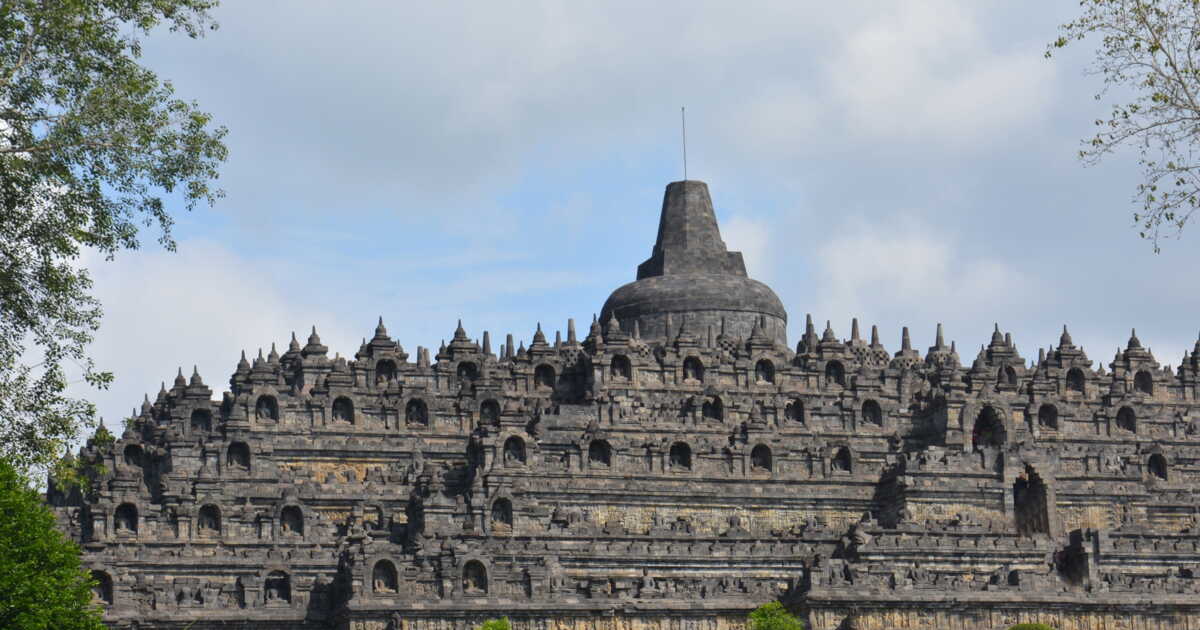
The Borobudur Temple, located on the Island of Java, stands as one of the most emblematic Buddhist heritage sites in Indonesia. Classified as a World Heritage Site, this monument is a perfect starting point for a stay on Java. The sunrise over the stupas, during the dry season, offers a rare moment of quiet contemplation.
The spiral ascent to the summit allows visitors to behold a series of bas-reliefs recounting the life of the Buddha, revealing the architectural ingenuity of the era. For a traveler in search of culture, this visit is essential on Java, combining spirituality, scenery and deep historical significance.
2. Explore the Prambanan Temple
The Prambanan Temple, another jewel of the Island of Java, illustrates the influence of Hinduism within the region. This 9th-century complex, a World Heritage site, perfectly complements the visit to the Borobudur Temple, offering a double reading of the religious influences on the island. Notable cultural activities at the site include classical dance performances that bring to life the stories carved in stone.
It is advisable to arrange this visit with a guide, allowing for a better understanding of architectural and mythological details. The journey between Borobudur and Prambanan can be organized in a day, but requires good time management. Prambanan is a key piece of Java’s cultural puzzle, revealing the tensions and harmonies between the island’s various spiritualities.
3. Stroll through Yogyakarta
Yogyakarta stands as the cultural capital of the Island of Java, blending living heritage, traditional urban planning, and a thriving artistic scene. A stroll through its streets means diving into immersion in Javanese culture, with playful market activities, street food, batik workshops, and historical museums. The Sultan’s Palace and the Taman Sari complex are major landmarks, and the surrounding neighborhoods provide a glimpse into the old urban planning that shaped the city.
The bustling markets and the historic lanes of the old town extend this authentic urban experience. Easily accessible by train, Yogyakarta is an ideal starting point to reach the major sites of Java, while enjoying a human-scale urban atmosphere.
4. Hike Mount Bromo
Mount Bromo, in the eastern part of the Island of Java, remains a flagship stop for travelers seeking spectacular landscapes and outdoor activities. A nighttime ascent is a common practice to reach a vantage point at sunrise. From the ridge, the view of the sea of sand and Mount Semeru, Java’s highest peak, creates a breathtaking panorama.
Local guides provide effective supervision during this hike, which can be chilly depending on the season. The journey to Bromo often takes several hours from Malang or Yogyakarta, but the experience justifies the effort. For a traveler seeking to combine nature, physical activity, and visible seismic activity, this excursion stands as a reference.
5. Awe at Kawah Ijen
Kawah Ijen, located to the east of Mount Bromo, is famous for its rare phenomenon: blue flames produced by sulfurous gas. A nighttime ascent is necessary to observe this natural spectacle before dawn. Once at the summit, a viewpoint overlooks a turquoise acidic lake at the heart of the crater, an impressive testament to the volcanic activity in the region.
Beyond the natural aspect, meeting sulfur miners who work under extreme conditions provides a strong human perspective. Kawah Ijen is among Java’s must-see experiences, blending geological discovery, visual emotion, and social awareness.
6. Stay on the Dieng Plateau on Java
The Dieng volcanic complex, perched at 2,000 meters above sea level on the Dieng Plateau, offers a striking contrast to the wetter zones of the Island of Java. This region, marked by its cool climate and rugged topography, provides a palette of varied activities: colorful lakes, fumaroles, and ancient Hindu temples.
Time spent here is synonymous with rest, gentle hikes, and landscape observation. From the city of Yogyakarta, it is possible to arrange a trip to this remote area. For travelers wishing to get away from the crowds, Dieng represents a perfect spot, often absent from standard itineraries but rich in interesting cultural activities and natural wonders.
7. Enjoy the Tumpak Sewu waterfalls
The Tumpak Sewu Falls, located near Malang, illustrate the diversity of Java’s national parks and natural areas. Access to this site often requires a long journey, followed by a steep descent into the gorge, but the arrival spectacle justifies the effort. The water bursts forth in multiple curtains along the rock faces, creating a lush natural amphitheater.
The rugged terrain demands sturdy footwear, constant caution, and sometimes the assistance of a local guide. For those combining urban sightseeing with nature, Tumpak Sewu offers a strong contrast to volcanic landscapes or the colorful villages of Malang. This site deserves its place among the must-see spots for nature enthusiasts.
8. Visit Solo (Surakarta)
The city of Solo (Surakarta) stands out as a discreet yet valuable alternative to Yogyakarta for exploring the culture of the Island of Java. Less crowded, it allows for in-depth discovery of local historic centers, with traditional markets, royal palaces, and batik workshops.
The city is also involved in several social initiatives, such as slum upgrading and the enhancement of historic districts. Solo makes an excellent base for travelers wishing to avoid the crowds, benefit from local specialist guides, and immerse themselves in a living cultural fabric.
9. Discover Bandung
Around Bandung, the itinerary offers exploration between geology, lush landscapes, and rural culture. Located in western Java, this city is a practical starting point for various cultural sites and national parks, along routes connecting well-served towns. The exploration often combines stops at tea plantations, volcanic areas, and hot springs — an ideal opportunity to combine engaging cultural activities with natural discovery.
Bandung, despite its urban character, provides quick access to the mountains, with a mild climate suitable for gentle hikes during the dry season. It thus fits into a broader travel logic, coherent for those wishing to traverse Java in a thematic and progressive manner.
10. Savor Javanese Cuisine
Javanese cuisine is an essential component of the local experience. In cities such as Yogyakarta, Malang, or Solo, markets are often opportunities to sample a multitude of traditional dishes: nasi goreng, satay, fried tempeh, and sticky rice desserts. Traditional markets are hubs of life, commerce, and transmission, where a local guide can be invaluable in explaining recipes, ingredients, and their symbolism.
For many travelers, gastronomy becomes a through-line, linking Malang’s villages to Bandung’s streets or the rice terraces of the Dieng Plateau. Eating in these places is also a form of immersion in culture, discovering eating habits and the culinary ingenuity of Java’s inhabitants.
In conclusion, Java is a versatile island that will captivate travelers seeking adventure, culture, or rest. The opportunities for exploration are endless, whether you are traversing volcanoes, meditating in ancient temples, or simply wandering the lively streets of its iconic cities.
How long does it take to visit Java?
To discover the many facets of the island of Java, a stay of 10 days is most common. This duration allows combining visits to major cultural sites, such as the Borobudur temples, with exploring iconic cities such as Yogyakarta, known as Java’s cultural capital. Nature lovers can also plan trips to spectacular sites like the Tumpak Sewu waterfall or the region’s active volcanoes.
With less than a week, internal travel can be challenging, limiting immersion in the Javanese culture. For a balanced trip between heritage and nature, two weeks allow for an in-depth visit, from the island’s center to the far east at Kawah Ijen with its blue flames, or to peaceful villages in the west.
What to do in Java in 5 days?
In 5 days on the Isle of Java, the ideal is to concentrate your visit on one emblematic region. Yogyakarta makes for a perfect base: this vibrant city is rich in historical treasures, including the sultan’s palace and the Taman Sari site. Nearby, the Borobudur temples, World Heritage-listed, offer a fascinating plunge into Java’s Buddhist past.
To complete this cultural route, a side trip to the hills of Prambanan or the slopes of the Merapi Volcano, reachable in under an hour, allows you to discover the diversity of Javanese landscapes.
Towards the end of the trip, a excursion to Mount Bromo can be considered to experience the unique sunrise over a volcanic landscape, before catching a return flight. This itinerary, dense yet doable, offers an initial glimpse into the diversity of Java in Indonesia.
How to go from Java to Bali?
Reaching Bali from Java is a frequent step in an itinerary across Southeast Asia. Several options are available depending on your starting point on the Island of Java. The most common method is to take a ferry from Banyuwangi, at the eastern tip, after a possible visit to Kawah Ijen, famous for its blue flames. This voyage links Java to Gilimanuk on Bali’s western coast. Domestic flights are also possible from the cities of Yogyakarta, Surabaya, or Jakarta.
This crossing between two major islands allows for varying atmospheres: after exploring the cradle of Javanese civilization with its temples, volcanoes, and inland landscapes, Bali offers a more coastal and spiritual continuation. The Mount Bromo volcano, located in the eastern part of the island, can also be included for a spectacular pause between Java and Bali, reinforcing the itinerant and comprehensive nature of the circuit.
Visiting Java with family, what to do?
Family travel on the Island of Java offers a good balance between education, gentle adventure, and wonder. A visit to Yogyakarta, a lively and accessible hub, lets children discover Javanese history through landmarks such as the sultan’s palace, the Taman Sari complex, and shadow theater performances.
Approximately an hour by road, the Borobudur Temple, a grand Buddhist World Heritage monument, impresses with its scale and finely carved bas-reliefs. For families who love nature, the Tumpak Sewu waterfalls offer a striking spectacle in a preserved environment.
More adventurous souls may consider spending a night around the volcano Mount Bromo or the Kawah Ijen, provided children are properly supervised. These experiences, though more intense, leave a lasting imprint on young travelers. Visiting Java with family amounts to combining cultural discovery with gentle thrills, in an environment where hospitality and diversity prevail.
This article was written with the help of artificial intelligence, then revised, expanded, and validated by the editors of the newsroom.
Will tomorrow’s airplanes soon be electric? Heart Aerospace has taken a significant step toward that future by successfully flying what it calls the world’s largest all‑electric jet for the first time. In a press release issued Thursday, August 13, the Los Angeles–based company disclosed that its X1 completed its inaugural 27‑minute test flight the day before from a regional airport north of the state of New York.
The aircraft measures 23 meters in length with a wingspan of 32 meters and weighs over 11,340 kg. This makes it the largest aircraft ever to fly powered entirely by batteries. The flight was piloted by a single pilot and carried no passengers on board. The vehicle climbed to an altitude of 1,100 feet (about 335 m), and its all‑electric propulsion system delivered more than one megawatt of power.
The Heart Aerospace X1 electric aircraft measures 23 meters in length with a wingspan of 32 meters and weighs over 11,340 kg.
A first demonstration in service of a commercial ambition
Even with that power, the entire flight reportedly cost only about $5 in electricity (excluding operating costs, maintenance and battery degradation), according to Heart Aerospace. “With the first flight of the X1, Heart Aerospace has demonstrated that electric flight at the scale of a commercial airliner is possible”, said Anders Forslund, founder and CEO of the company.
Si ce vol d’essai représente une avancée dans le milieu des avions électriques, le X1 n’est pas destiné à transporter des passagers. Il s’agit d’un prototype de démonstration grandeur nature conçu pour valider les technologies, l’aérodynamique et les performances de vol en vue du développement d’un autre appareil développé par Heart Aerospace : l’ES-30.
Ce dernier vise une réduction de plus de 40 % des coûts d’exploitation par rapport aux avions régionaux conventionnels. L’entreprise mise sur la réduction des coûts énergétiques, une baisse du nombre de pièces mécaniques à entretenir et une dépendance amoindrie aux prix du kérosène.
Ces derniers temps, les coûts du carburant d’aviation ont bondi en raison des tensions au Moyen-Orient. Selon un communiqué daté du mois de juin du Bureau des statistiques des transports, les coûts du carburant d’aviation des compagnies aériennes américaines ont augmenté de 26,2 % en avril par rapport à mars. L’ES-30 a déjà suscité l’intérêt de grandes compagnies comme United Airlines, Air Canada et JSX.
The ES-30 aircraft is a hybrid model under development by Heart Aerospace.
What are the limits of 100% electric aviation?
While this initial flight is encouraging news, the technological constraints of a fully electric aircraft also exist, as Popular Science notes. In all‑electric mode, the X1 can fly only roughly 200 km. That range is insufficient for most regional commercial routes. That is why the ES‑30 will, in turn, be a hybrid.
It will rely on a supplementary internal combustion engine to extend its range to more than 800 km. Another reality? Unlike conventional airplanes that shed weight by burning fuel, the batteries of an electric aircraft weigh the same at takeoff and landing. Other companies such as Rolls‑Royce, Harbour Air or Joby Aviation are also pursuing hybrid aircraft.
1. Explore the natural wonders of Brazil, immersed in nature
2. Discover Brazil’s paradise beaches, surfing, relaxation and coastal scenery
3. Immerse yourself in Brazilian culture: a trip to Brazil and cultural diversity
4. Visit Brazil’s cities and their famous monuments
5. Participate in traditional festivals and local events in Brazil
Where should I go for my first trip to Brazil to discover the best of the country?
What budget should I plan for 15 days in Brazil based on the experiences chosen?
Where to go in Brazil in December to fully enjoy the seasons?
Where to go in Brazil as a family for a trip suitable for everyone?
The Brazil, a vast and diverse country, attracts travelers with landscapes ranging from golden beaches to lush rainforests and vibrant cities. Renowned for its rich culture and cuisine, Brazil offers a wide variety of activities to satisfy all kinds of travelers.
1. Explore the natural wonders of Brazil in an immersion into nature
Brazil is an exceptional land for a trip to Brazil to discover the planet’s greatest natural wonders. Among these treasures, the Iguazu Falls lead the list, with dozens of thunderous cascades cutting the border between Brazil and Argentina, a UNESCO World Heritage site that every explorer should witness up close. Nearby, boat excursions let you sense the raw power of these falls.
Further on, the Amazon invites you to traverse its network of canoe routes and trails on treks to observe breathtaking biodiversity. Finally, the Pantanal, the largest wetland in the world, offers a unique opportunity to spot jaguars, capybaras, and a multitude of birds in their natural habitat, thus enhancing the appeal of your Brazil stay.
2. Discover the paradise beaches of Brazil, surfing, relaxation and coastal landscapes
The Brazilian coastline is among the longest in the world, ideal for a Brazil trip focused on sea, sun, and sea-framed adventures on islands. The Fernando de Noronha archipelago, a World Heritage Site, enchants with its crystal-clear waters, perfect for diving and observing marine life.
Along the continental coast, Jericoacoara, known to surfers and kite-surfers, offers vast beaches ideal for water sports or sun-drenched relaxation. The beaches of the Bahia state, with their laid-back vibe, complete this coastal tableau, while iconic beaches such as Copacabana and Ipanema in Rio de Janeiro remain must-sees for anyone seeking to combine beach, urban life, and local culture during a Brazil stay.
3. Immerse yourself in Brazilian culture : a journey through Brazil and cultural diversity
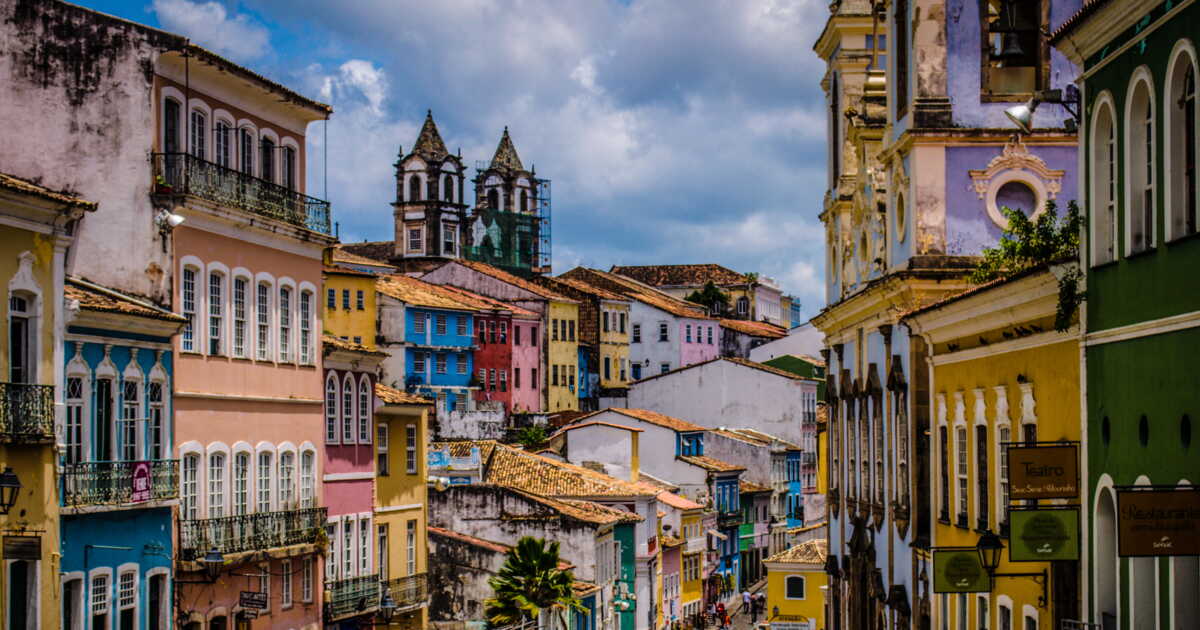
A trip to Brazil is also a deep immersion into a vibrant culture shaped by African, European, and Indigenous influences. In historic cities, you will discover the Portuguese colonial architecture that structures many old centers, making every urban stroll enriching and memorable. Salvador de Bahia, for example, blends historic settings with lively festivals where music and dance invite you to understand the Brazilian soul.
In Rio de Janeiro, the music scene pulses to the rhythm of samba while the local cuisine (feijoada, moqueca or caipirinha) reveals the convivial spirit of Brazil. From São Paulo to other metropolises, museums and galleries complement this cultural panorama, making your stay in Brazil rich and complete.
4. Visit Brazil’s cities and their famous monuments
Brazil’s major cities are essential stops on a journey through the country, blending culture, history, and spectacular viewpoints. In Rio de Janeiro, don’t miss the famous Sugarloaf Mountain, an iconic promontory overlooking Guanabara Bay, as well as the statue of Christ the Redeemer watching over the city from the summit of Corcovado.
These urban visits offer breathtaking views of the contrasts between natural spaces and metropolitan zones. Continue your discovery in towns like Ouro Preto or Olinda, where Portuguese colonial architecture is beautifully preserved, recalling the country’s deep history. Each city in Brazil adds another essential facet to your understanding of this vast territory.
5. Participate in traditional festivals and local events in Brazil
Attending local festivities is an incomparable way to experience an authentic Brazilian journey, paced by unique celebrations. Carnival, especially in Rio de Janeiro or Salvador, is renowned worldwide for its colorful parades, energetic music, and spectacular costumes. Other traditional holidays, such as São João in the Northeast, demonstrate communities’ attachment to regional customs.
In summary, Brazil is a country of contrasts where the diversity of activities suits every traveler. From spectacular beaches to the Amazon rainforest, through vibrant cities and rich culture, each region offers fascinating discoveries. By exploring these activities, you will gain a comprehensive overview of what Brazil can offer, while planning your trip in an informed and practical way.
Where should I go for my first trip to Brazil to discover the best of the country?
For a first immersion in Brazil, it is advisable to combine iconic and complementary stops. Rio de Janeiro remains an essential entry point, with its famous Sugarloaf Mountain and urban beaches that embody the Brazilian spirit. Next, exploring the Amazon allows you to discover primeval forests listed as a World Heritage Site and a unique biodiversity.
For coastal scenery lovers, destinations like Jericoacoara entice with their dunes and sunsets. This varied itinerary guarantees a rich and balanced discovery of Brazil, between lively metropolises, preserved nature, and breathtaking panoramas.
What budget should I plan for 15 days in Brazil based on the experiences chosen?
Estimating the budget for 15 days in Brazil largely depends on itinerary choices and activities. A mixed stay including visits to Rio de Janeiro, explorations in the Amazon, and a stop at the Pantanal will require careful planning. International flights to Brazil often constitute the largest portion of the budget, followed by domestic travel, especially if one combines cities and distant natural areas.
For a 15-day trip to Brazil, it is reasonable to budget overall for accommodation, meals, guided excursions, particularly in natural areas like the Amazon and the Pantanal, as well as transfers: typically around €1,500 to €2,200 per person for an economical and autonomous option, €2,500 to €4,000 for a mid-range stay with internal flights and charming hotels, and €4,500 to €6,500 or more for a high-end immersive experience with private guides.
Incorporating World Heritage sites can also influence costs, but it enriches the cultural experience. Structuring your budget accordingly helps maximize discoveries with no financial surprises.
Where to go in Brazil in December to fully enjoy the seasons?
December in Brazil marks the start of summer in the southern hemisphere, with high temperatures and a rainy season gradually beginning in some regions. It is an ideal time to join Rio de Janeiro, where beaches come alive and festivals are in full swing. The Northeast offers a hot and dry climate suitable for paradise beaches, while areas such as Jericoacoara, known for its desert-like landscapes, shine particularly under December sun.
Exploring the Amazon can be impressive in this season, even though humidity increases; the lush vegetation and wildlife remain on the scene. Those wishing to venture into the Pantanal in December should plan their itinerary considering the seasonal rainfall. Thus, December destination choices allow you to discover Brazil’s varied faces, from vibrant cities to vast natural expanses.
Where to go in Brazil with family for a family-friendly trip?
A family-friendly trip to Brazil requires a balance between safety, a diverse range of activities, and accessibility. Rio de Janeiro is among the favored destinations with its beaches like Copacabana and Ipanema, perfect for relaxation and seaside strolls. Parks, museums, and green spaces are also integral to a successful family stay.
For nature lovers, stops in World Heritage-listed areas or in the Pantanal appeal to both young and old with wildlife safaris and expansive horizons. By planning an itinerary that combines culture, beach, tropical nature, and gentle adventures, a family trip to Brazil becomes a rewarding and memorable experience.
This article was written with the help of artificial intelligence, then corrected, expanded, and validated by the editors of the newsroom.
1. Visits to dazzling temples such as the Reclining Buddha Temple (Wat Pho) or the Emerald Buddha Temple (Wat Phra Kaew)
2. Bangkok’s floating market
3. Cruises on the Chao Phraya River
4. Urban tuk-tuk exploration
5. Relaxation in Lumpini Park
6. Siam Paragon: a showcase of modern Bangkok and the hub of Asian luxury
7. One-day excursions
8. The Grand Palace
9. Exploring Bangkok differently
How many days does it take to visit Bangkok and grasp its multiple facets?
Is Bangkok worth visiting? Between urban energy and ancient heritage
What to do in Bangkok at night? Explore the capital from another perspective
3 days in Bangkok: a cultural itinerary and urban exploration at the heart of Thailand
Bangkok, the pulsating capital of Thailand, enthralls travelers from Southeast Asia with its electrifying fusion of centuries-old traditions and bold modernity. This city brims with energy and activities, continually captivating travelers from all horizons.
1. Visits to dazzling temples such as the Reclining Buddha Temple (Wat Pho) or the Emerald Buddha Temple (Wat Phra Kaew)
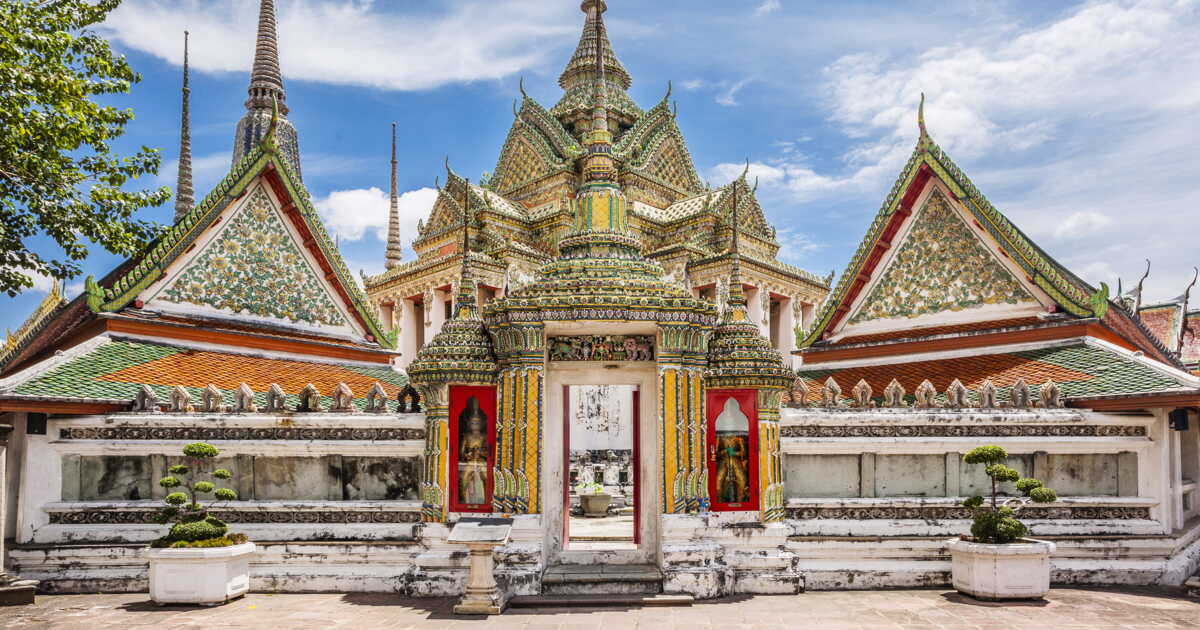
Exploring the dazzling temples of the city of Bangkok helps grasp the spiritual and architectural scale of the Thai capital. From the old town of Phra Nakhon along the river, the Wat Pho with its 45 meters in length enchants with its architectural details and its peaceful atmosphere, contrasting with the lively vibe of the nearby Khao San Road. Crossing the Chao Phraya River by a river ferry leads to Wat Arun, an emblematic site of the vastness of this city, especially beautiful at sunset.
These buildings, often crowded, sometimes require advance ticketing to avoid queues, especially during peak hours. The Grand Palace, a must-see site for any trip to Thailand, imposes strict opening hours and a dress code. Booking a private driver or using taxi and tuk-tuk drivers makes getting between these remarkable buildings easier, while allowing visits to be tailored to the best moments of the day.
2. Bangkok’s Floating Market
The Bangkok floating market, especially those at Taling Chan or Amphawa, offers a traditional, bustling ambience starting from the early morning, where locals sell from their boats typical dishes like pad thai or exotic fruits. A long-tail boat ride, preferably reserved in advance to secure a better rate, provides a unique experience in a setting ideal for absorbing a lifestyle tied to waterways.
For visitors, these markets are more than picturesque spots: they illustrate social organization, commercial practices, and the daily link Bangkok residents have with their river environment. By avoiding the peak tourist hours, one discovers a Bangkok less choreographed, where authenticity prevails, while benefiting from affordable prices for culinary specialties.
3. Cruises on the Chao Phraya River
A cruise on the Chao Phraya River provides an efficient way to appreciate the contrast between Thailand’s traditional buildings and the modern silhouettes of the capital. From a boat, you can observe temples, the Royal House, the Rama VIII Bridge, or the shores of Chinatown in Bangkok, while sunset turns the cityscape into a changing painting.
Opting for an evening cruise with dinner aboard helps avoid peak hours and enjoy a relaxed lounge atmosphere. Packages with meals, sometimes at a modest price, often include a long-tail boat ride, prized for its slow pace and unique perspectives. This kind of activity, bookable in advance, blends comfort, culture and urban observation.
4. Urban tuk-tuk exploration
An urban tuk-tuk excursion offers a quick, sensory immersion into the city of Bangkok, especially in the old town, in the lively neighborhoods of Khao San Road, Chinatown, or around Pak Khlong Talat. By hiring tuk-tuk drivers directly on site or through apps offering upfront pricing, visitors avoid bargaining.
This approach allows you to connect several sites in a short time, often in the evening when street life peaks. A tasty break between street food stalls and local scenes enriches the experience. The tuk-tuk becomes a mobile anchor for observing the city’s vastness, while being carried along by its rhythm and scents.
5. Relaxation in Lumpini Park
The Lumpini Park, Bangkok’s true green lung, stands out as the ideal spot for those seeking a peaceful ambience after a day in the urban frenzy. In the afternoon, the park’s paths welcome walkers, runners, and tai chi enthusiasts, in a setting organized around a large lake and shaded zones. It is one of the rare places in Bangkok where nature can express itself in the heart of the metropolis.
Monitor lizards, often spotted, are part of Bangkok’s urban wildlife. Well served by the aerial metro, this park sits close to many business districts and offers a true refuge between two visits, especially late in the day when the sun sinks and the atmosphere grows gentler.
6. Siam Paragon: a showcase of modern Bangkok and the hub of Asian luxury
Siam Paragon embodies Bangkok’s confident modernity. A true showcase of Asian commerce, this mall brings together high-end boutiques, international dining and cultural activities within a building characterized by contemporary lines. Located in the Siam district and accessible by public transport, it attracts both locals and tourists. The complex also houses a renowned aquarium, an educational as well as entertaining space.
Just a few stops from the historic old town, Siam Paragon captures the city’s economic and social shift. It’s a place where comfort, variable pricing and quality services coexist with the ongoing buzz of a young, connected district, often appreciated during a long Bangkok weekend.
7. One-day excursions
Heading out on one-day excursions from Bangkok broadens the perspective on Thai culture and geography. Destinations like Ayutthaya, the ancient capital, or Kanchanaburi offer major historical sites. For nature lovers, Erawan National Park and its waterfalls draw visitors seeking refreshment.
These trips often require a private driver, depending on the destination. Plan the opening hours, check the reasonable entry prices and the options for public transport to optimize the day. This type of excursion reveals Thailand’s diversity and strengthens a broader understanding of its heritage.
8. Grand Palace
The Grand Palace remains the must-see site for any Bangkok visit. Located in the heart of Bangkok, this building with exceptional ornamental wealth houses temples, royal interiors and the famous Wat Phra Kaew, home to the Emerald Buddha. Very busy, especially on weekends, it is advised to book tickets in advance to avoid long queues.
Exploring this historic anchor gives insight into the close ties between monarchy, religion and national identity. The site imposes a strict dress code and prices vary depending on options chosen (guide, audio guide, etc.). A genuine symbol of the country’s history, it better than any other monument illustrates the cultural continuity of the Thai kingdom.
9. Exploring Bangkok differently
Jim Thompson House
Visiting the Jim Thompson House offers a glimpse of another facet of the city of Bangkok, balancing architectural refinement with the memory of a pivotal figure in Thailand’s textile industry. Nestled in an ideal spot on the edge of the Phra Nakhon district, just a few minutes by skytrain from Lumpini Park, this traditional teak house embodies the elegance of Thai architecture and provides a tranquil moment amid the vastness of the city.
Through its architectural details, its artworks and lush gardens, it offers a peaceful ambiance, in marked contrast with the bustling atmosphere of the nearby streets. Accessible by public transport or with a private driver, the house is an essential cultural stop often overlooked during a trip to Thailand.
Chatuchak Weekend Market
The Chatuchak Market, also known as the weekend market, unfolds like a true city within a city, drawing thousands of visitors every weekend to explore its countless stalls. Divided into themed sections, it’s renowned for its affordable prices and the immense variety of products on offer: local crafts, textiles, plants, animals, decorative items, and street-food stalls where you can savor a pad thai or artisanal ice cream.
To fully enjoy this essential locale, it’s best to visit in the afternoon or early morning, avoiding peak hours, and to prefer access via the air rail to dodge traffic. A visit to Chatuchak offers an authentic immersion into Bangkok’s daily life, remaining a reference for backpackers as well as seasoned wanderers seeking rare finds at low prices.
MBK Center (Ma Boon Khrong Center)
The MBK Center (Ma Boon Khrong Center) stands as a major commercial symbol in the heart of Bangkok, bridging modernity and accessibility. This vast building, located near the Siam district and connected by air rail, offers a consistently lively atmosphere and is a popular option for visitors seeking electronics, souvenirs, clothing or phones at reasonable prices.
Less touristy than some neighboring malls, MBK maintains a strong local footprint, notably thanks to its indoor street-food, where you can sample a classic Thai dish between purchases. Easy to reach and ideal for an afternoon indoors, it makes for a practical and cultural rendezvous to better grasp Bangkok’s commercial energy, without neglecting the unique atmosphere of its large urban complexes.
How many days does it take to visit Bangkok and grasp its multiple faces?
Deciding how many days to spend in Bangkok depends on the desired pace. A short weekend of two to three days is enough to explore the notable buildings of the old town, enjoy the street food, and wander through Chinatown in Bangkok. A longer stay, five to seven days, allows adding one-day excursions, lively nightlife discoveries such as the Moon Bar, or calmer visits to places like Lumpini Park or the floating markets.
Is Bangkok worth visiting? Between a vibrant urban energy and ancestral heritage, the question invites a reflection on the city’s appeal. A Southeast Asian capital, it blends sacred heritage, renowned street cuisine, an energetic atmosphere that lasts until late, and easy access to historical destinations.
What to do in Bangkok at night? Exploring the capital from a different perspective
As dusk settles, night markets, such as ASIATIQUE The Riverfront or Pak Khlong Talat, come alive around street-food stalls, offering an animated atmosphere where Bangkok residents mingle with travelers. At the same time, rooftops like the Moon Bar let you enjoy a view of Bangkok from over 200 meters, in a lounge atmosphere.
Public transportation wraps up at midnight, so for nocturnal travel you’ll need taxis, ride-hailing apps (Grab, Bolt), or tuk-tuks. This moment is ideal for immersing yourself in another facet of the city: more sensory, less formal, but just as rich in discoveries.
3 days in Bangkok: a cultural itinerary and urban discovery at the heart of Thailand
Spending 3 days in Bangkok allows you to condense an urban discovery structured around the notable buildings, lively neighborhoods and local traditions. Day one can focus on the old town, with its major temples and the Grand Palace. Day two highlights the Siam district, its air rail, art galleries and high-end boutiques.
The final day offers the chance to explore Chinatown in Bangkok or unwind in Lumpini Park. To keep things smooth, it’s wise to book tickets in advance, avoid peak hours, and use private drivers or public transport to optimize travel. In three days, Bangkok reveals the essence of its diversity, balancing memory, modernity and a vibrant daily life.
This article was drafted with the help of artificial intelligence, then corrected, expanded and validated by the editors of the publication.