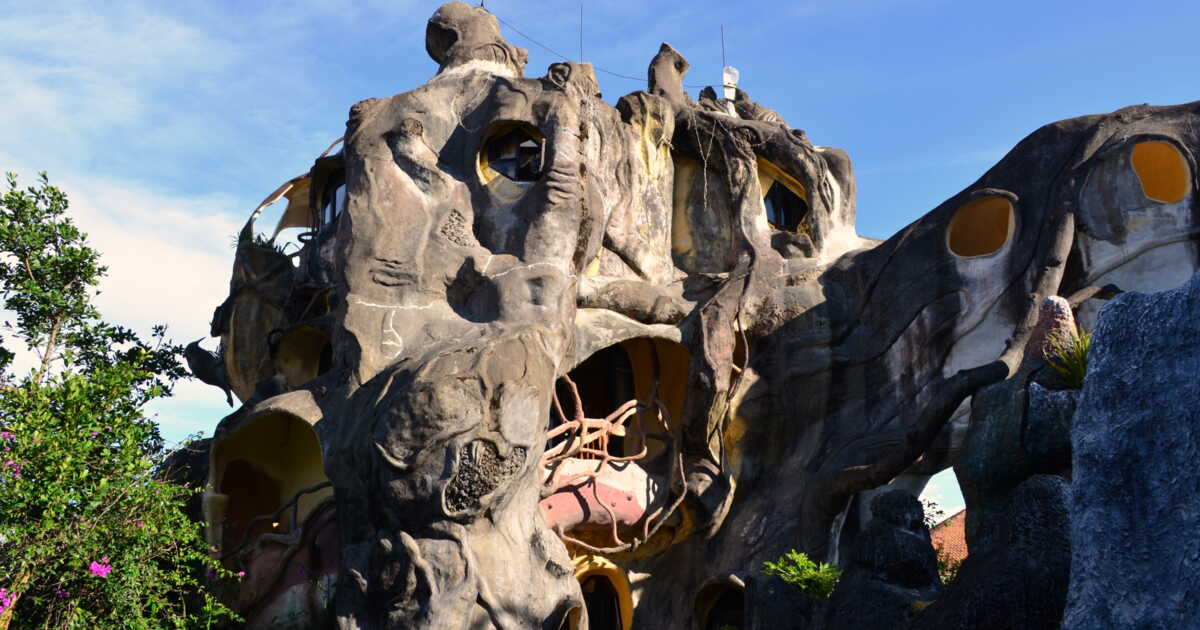
“Nature is the greatest teacher I have ever had.” With these words full of conviction, Dang Viet Nga, now 86, speaks of the work of her life: the Crazy House, whose construction began in the 1990s in Da Lat, in the southern region of Vietnam. Part guesthouse, part attraction, and a living architectural masterpiece, this place welcomes between 200,000 and 300,000 visitors each year and invites people to reconnect with nature and to respect it.
The adventure begins in the garden where colossal mushrooms loom beneath a giant canopy, then continues with an underwater immersion in the “water palace.” “Long before the emergence of modern cities, our ancestors sought refuge in caves and within forests, living in close harmony with the natural world. I wanted to recreate this bond“, explains the architect who graduated from the Moscow Institute. The buildings are conceived as enormous tree trunks and the communal spaces inspired by mountains. From chimneys shaped like bamboo stalks to animals that intrude into the rooms, the architectural details celebrating life are countless.
The fusion of a living space and a tourist site
In the Crazy House, the house becomes a tree and the tree becomes a house. Inside the trunks lie winding rooms. “I wanted people not only to admire nature, but to live within it,” explains the daughter of Hành Thiện, a small village in Nam Định province in northern Vietnam, a peaceful countryside where the air remains pure. Outside traditional hotel standards, this experience attracts an international clientele from Russia, Europe, the United States, or Asia. By merging a place to stay with a tourist site, Dang Viet Nga created an unprecedented hybrid concept that ensures the longevity of her work. “In the beginning, I funded the project myself, through loans from my family, friends, and banks. When the Crazy House began welcoming visitors and overnight guests, the revenues generated were directly reinvested into the project.”
Behind the “water palace” unfolds a darker outdoor space. Walkways crisscross, from which one can glimpse a façade bearing giant hands smeared with blood. “They symbolize violence and remind us that humanity must continue to overcome hatred and destruction.” A quest requiring perseverance that Dang Viet Nga, daughter of Trường Chinh — former general secretary of the Vietnamese Communist Party — knows well. Construction on the Crazy House began in February 1990, the site opened in April, and it welcomed its first guests in January 1991. “One day, the Ministry of Tourism informed me I had only one month to complete ten rooms”, the artist recalls. Without hesitation, she hires sixty workers. “We worked day and night to meet the deadline.”
A journey filled with obstacles
Not to mention the challenge of getting such an unusual architecture approved. “When I submitted the idea, the plans showed only a trunk-shaped structure. It was interpreted as only a landscaping element and was approved.” But as the project progressed, the work grew into a five-story building. It took the rising enthusiasm of international tourists to overcome reservations and to win over the local community. “From then on, I felt encouraged to continue my work in line with my vision”, she confides.
At the summit stands the “Villa of the Sky,” crowning a path that moves from struggle to peace. A sense of fullness that Dang Viet Nga finally achieved. The final spaces of the Crazy House were completed in 2020, and her son is today in charge of her life’s work. More than a family succession, it is a life philosophy that the architect leaves as a legacy: “It is only by respecting and protecting nature that we can lead a peaceful and balanced life. I am glad that more and more people understand that it must be preserved for future generations.”
Four years ago, they dropped everything: the apartment, the steady job, the car. They headed to Australia for what was meant to be the first big journey of their lives. Thibaut and Pauline, 25 and 26, didn’t know each other yet when they left France. A few weeks later, they fell in love and began traveling together.
At first, they stayed because they loved Australia and wanted to keep exploring the country. But when their visa could no longer be renewed, the return became unavoidable: “We told ourselves, it’s the end of Australia, a page is turning. We are going to travel for six months in Southeast Asia before returning to France.”
But as the deadline drew closer, concerns emerged: “What scares us is re-acclimating to the French system, explains Pauline. We are bilingual, we don’t want to lose our English and we are used to the Anglophone system, with a great openness in companies. Here, we focus more on our experience and our personality than on our diplomas. And I earn a better living.”
Finalement, au lieu de rentrer, le couple a postulé à un Programme Vacances-Travail (PVT) en Nouvelle-Zélande.
“Nous n’évitons pas à 100 % de rentrer en France, mais nous n’essayons pas d’y retourner non plus. Si nous ne trouvons pas de sponsor pour obtenir un visa en Nouvelle-Zélande, nous pensons déjà au Canada”, raconte le couple. Avec la distance, les aspects qui leur plaisent moins en France se sont accentués. Ils s’inquiètent du coût des loyers, de la qualité de vie, mais aussi du sentiment d’insécurité. Malgré les atouts qu’ils reconnaissent au pays, une part d’eux appréhende toujours l’idée d’y revenir.
Travel, Identity Change and Acclimatization
Pour de nombreux voyageurs, le retour est loin d’être une simple formalité. Après plusieurs années à l’étranger, retrouver sa vie d’avant peut s’avérer plus difficile qu’on ne l’imagine. Floriane, 32 ans, en a fait l’expérience.
Après plusieurs séjours à l’étranger pendant ses études, puis près de deux ans en Australie et un PVT en Nouvelle-Zélande, Floriane décide de rentrer en France en juin 2025 : “Je me suis dit : j’ai 31 ans, ça fait trois ans que je ne vis plus en France, je ne cotise pas pour la retraite, mon CV ressemble un peu à n’importe quoi… ce sont toutes ces questions qui m’ont fait revenir.” Pourtant, une fois en France, les doutes s’intensifient. Lorsqu’elle retrouve ses amis, le décalage est brutal : “Certains de mes proches me disaient : “On vient d’acheter l’appart” ou “On attend le bébé”. J’étais contente pour eux, mais je me prenais un coup de poignard à chaque fois, à me dire : “Mais merde, qu’est-ce que j’ai foutu ?”.
Peu à peu, elle remet en question ses choix, à commencer par son métier de journaliste. Mais ses doutes dépassent le cadre professionnel : ai-je bien fait de rentrer ? Dois-je repartir ? Mais où, et pourquoi ? Des interrogations qu’elle traverse seule, son expérience étant difficile à partager avec son entourage.
Bien vivre son retour en France est possible, à condition de l’anticiper. Le piège est de penser que revenir dans son pays d’origine ne nécessite aucun ajustement. Pour Matthieu Fouché, il faut anticiper ce changement sur le plan mental : « n arrive dans un nouveau pays, l’environnement est tellement différent qu’il y a forcément des modifications identitaires, explique-t-il. Cela entraîne souvent le sentiment d’évoluer positivement : apprendre de nouvelles choses, devenir quelqu’un que l’on apprécie à ce moment-là.”
Le retour implique alors un nouveau bouleversement, parfois appelé en psychologie « choc culturel inversé » : le fait de revenir dans un lieu censé être familier, mais qui semble soudain étranger. “Souvent, de retour d’ expatriation, on ne se rend pas compte de ce qu’il va se passer, explique Pascale Chazelle, coach certifiée dans l’accompagnement des conjoints expatriés. Il y a souvent une période de questionnement et une nécessité de se réinventer : les valeurs ont changé, la relation avec la famille ou les amis aussi, et se pose la question de qui je suis et quels sont mes projets.”
Living Well Upon Returning to France
Living well upon returning to France is possible, provided it is anticipated. The trap is to think that returning to one’s homeland requires no adjustment. For Matthieu Fouché, one must anticipate this mental shift: “When you’re preparing to go to a new country, you expect it to be difficult, that you’ll have to make an effort to meet people. And, well, you should have a bit of that same mental preparation before returning to France.”
This work can also involve introspection. Pascale Chazelle particularly recommends listing the skills gained abroad, to become aware of the evolutions you’ve undergone and to integrate this new identity.
After several years in Australia and Asia, Damien and Fanny, 31, decide to return. After a month of happiness at seeing their loved ones again, the blues arrive: “We were looking forward to our return to France, and yet after a month, ouch. Small depression,” recounts Damien. It’s the first time I’ve ever experienced this in my life. It hurts, I hadn’t seen it coming.
Alors, le couple prend une décision : faire les saisons en France. “C’était une manière pour nous de garder un peu ce côté backpacker, ajoute le jeune homme. Nous avons enchaîné les saisons dans le Sud-Ouest, puis fait une saison en Savoie et actuellement nous sommes du côté de Saint-Malo. Après cet été, je pense que nous allons essayer de nous poser définitivement.”
Si Damien et Fanny ont pu compter l’un sur l’autre, et sont aujourd’hui heureux d’être rentrés, certains voyageurs se retrouvent confrontés à l’incompréhension de leur entourage, renforçant leur sentiment d’isolement. Matthieu Fouché et Pascale Chazelle conseillent alors de se rapprocher de personnes ayant vécu des expériences similaires.
Cependant si le coup de blues s’installe dans le temps avec un réel impact sur la vie quotidienne, une difficulté à établir des liens avec les autres, une tristesse qui se rapproche des symptômes dépressifs, il convient de se faire accompagner par un psychologue.
Le retour en France n’est donc pas forcément un renoncement, mais peut devenir une nouvelle étape. Et si, malgré tout, l’envie de repartir se fait sentir, l’aéroport ne sera jamais bien loin.
Under the Canopies, We Talk Pepper Varieties and Aging
Large Crystals and Floral Flavor
For many Cambodians, a successful stay on the coast must inevitably include a seafood feast in Kep, the dilapidated little port located about twenty kilometers from the city of Kampot. Some even make the trip just for that. But, according to those in the know, the best table isn’t the one you’d expect. Forget the row of pretty restaurants facing the bay! Head to Psah Kdam, the crab market, just nearby. Zero view of the sea, stifling heat under rickety fans, the smells of frying and tide, you dine among the stalls, perched on plastic stools. In the dim light, sheltered from the corrugated sheets, you first must buy yourself the ingredients that will make your menu.
Then you wait with your purchases in front of the two woks behind which Khim Makara, 28, the master of cooking, works. The insiders insist: no one can prepare the blue crab with green pepper better than him, the local specialty.
Lips on Fire, We Feast
“My secret is these clusters of fresh berries I add at the very end, by the handful,” explains him. On the palate, it’s a flare. The resinous and fruity bite of the peppercorn magnifies the saline notes of the crustacean. With sticky fingers and lips on fire, we feast.
In Kampot Province, a southern region that is both maritime and rural, home to 700,000 inhabitants, something endures that is rarely found elsewhere: a scent of eternal Asia, the sweetness of another era, the melancholic poetry of a fantasized Indochina, as if sprung from the pages of Pierre Loti. Geography matters here. On the edge of the Gulf of Thailand, the coast alternates between thin sandy strands, windswept mangroves, and salt marshes crisscrossed with canals. Inland, the flatlands host plantations, protected by the Elephant Mountain range, which ensures a microclimate conducive to growing one of the world’s finest peppers, but also durian, the spiked fruit sacred to Asians, and thnot, the sugar palm, the tree from which in Cambodia one makes juice, sugar, wine…
Kampot, the Preserved
At the heart of this pastoral tableau, Kampot slumbers, languid along the banks of the Tuek Chhou River, the peaceful town with 40,000 inhabitants. “The excavators forgot it and it has kept its human scale,” notes Meng Mia, guide and historian of the town. Built largely during the French colonization (1863-1953), the small town seems just waking from a long nap. For years, up to 2020, it was overshadowed by the frenetic development of Sihanoukville, the region’s main seaside resort, with skyscrapers, bars and casinos. “Today, by contrast, Kampot’s charm leaps out at you”, continues Meng.
Around the old market, houses and shops display ochre-yellow, Indian red, pistachio green façades. Along the quays, the old bank and the town hall have kept their neo-baroque architecture, making them resemble large pastry cakes. By the river, a hippocampus statue spouts water jets since 2024, and a small sandy beach has been laid out, with a few loungers under lanterns, to admire the sunset at the hour when boats go out to fish. Even the old colonial Entanou Bridge (“rainbow” in Khmer), whose arches of steel and concrete span the river, is still there. Miraculously spared from the destruction inflicted by the Khmer Rouge and nicknamed Frankenstein because of its many repairs, the structure is now only open to motorcycles, tuk-tuks, bicycles, and pedestrians. Crossing it reveals stilt fishing villages before reaching Wat Treuy Koh, a Buddhist temple forgotten away from the town.
Plants Saved from Khmer Rouge Suppression
Overall, nothing truly spectacular, just the sense of a flavorful stopover for both palate and mind. For Kampot’s preserved architecture also tells the story of the era when the small round grain became a windfall. “The pepper cultivation in the region was first mentioned by a Chinese explorer in the 13th century, explains Meng Mia. But it was only from the second half of the 19th century that producers knew a golden age, inspired by the French. These latter produced as much as 8,000 tons per year of what they sold under the name “Indochine Pepper.”
The reputation for excellence of this spice, largely destined for export, endured until 1975, when the Khmer Rouge regime ordered the uprooting of all pepper plants, seen as a symbol of colonialism, and replaced them with collective rice paddies. The growers were reduced to forced labor. Seven centuries of agricultural know-how disappeared.
The Pepper’s Comeback
Forever, or so it seemed. But they underestimated the Kampotians’ attachment to the queen of spices. At the beginning of the 2000s, farmers returning from refugee camps in neighboring countries, who had kept plants safe, revived cultivation. First cautiously in their own corner, then with the help of European investors, mainly French, and development-support organizations. A revival that led in 2010 to the attainment of a Protected Geographical Indication (PGI), the first label awarded to a Cambodian product.
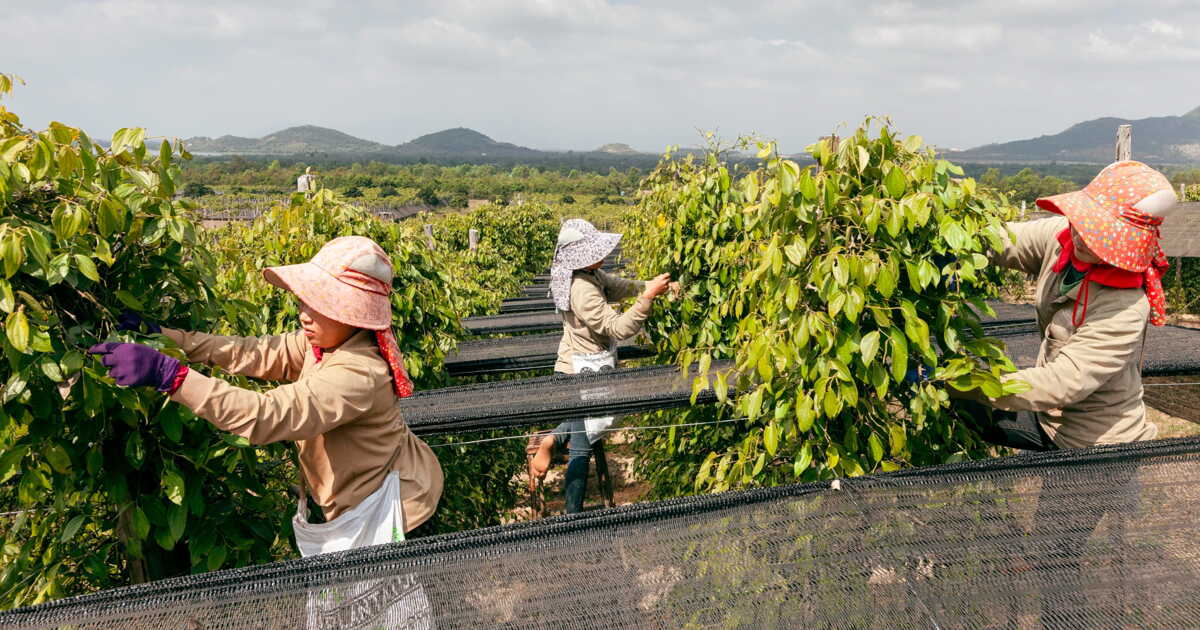
Today, the leafy vines curl around thousands of three-meter-high trellises again. In the countryside, harvesters have resumed the vocation of acrobats, perched on wooden ladders to pick one by one, with gloved fingers, the ripe clusters. And this is only the beginning of a meticulous, hands-on process that includes threshing, washing, drying, scalding, and then sorting grain by grain. The PGI Kampot accounts for less than 140 tons per year, barely 1% of Cambodia’s total pepper production. But here, they pride themselves on growing the most desirable variety, the one extolled by top chefs around the world.
Récolte du poivre à Kampot.
“By starting with a strict set of specifications, which notably requires organic farming, the sector had the good intuition: to offer high quality for discerning gourmets,” sums up Nathalie Chaboche, 62. In 2013, this Frenchwoman and her Belgian husband, Guy Porré, abruptly left their office lives to plant 20 hectares of Piper nigrum on a derelict plot. Their first harvest arrived three years later.
Under the Canopies, We Talk Pepper Varieties and Aging
Verdict? An exceptional terroir, grains that are to peppers what Petrus is to wine. Today, their estate, named The Plantation, employs 150 people, and a portion of the profits funds education programs. It has also become a model of agro-tourism development, welcoming 150,000 visitors per year, including 90,000 Cambodians – “our greatest pride”, say the owners. Walks under the pepper trees and tasting sessions attract as much as the site itself, splendid with its Khmer-style buildings, one of which is suspended several meters above the ground to enjoy the panorama over a sea of vines.
This success sparked ideas in others. In this revived terroir, “pepper itineraries” are multiplying, as some tour operators phrase it, drawing inspiration from wine regions. The Pepper Route thus passes through the best producers, Chamkar Damnak, Sothy Farm, or Bo Tree Farm. Under the canopies, they talk pepper varieties, harvest at maturity, and aging techniques to achieve grains of different colors and flavors.
The Four Colors of Pepper
The same plant yields four berries with very different hues and flavors. Here’s why.
GREEN This is fresh pepper, not very strong but highly aromatic, with notes of resin, grass, and mint. In Cambodia, almost all of it is consumed. Abroad, it is hard to find because it oxidizes quickly.
BLACK The classic for chefs. The berry is harvested later, as it shifts from green to yellow. It is scalded and then dried in the sun. With a sharp bite, it pairs perfectly with red meat.
RED This suave jewel is fruitier than spicy. Harvested at full ripeness, the berries are dried under shaded greenhouses. They pair with white meats, fatty fish, and desserts.
WHITE Delicate and subtle, it is obtained by soaking red berries in warm water for a few days. With citrus and anise notes, it pairs wonderfully with sauces, shellfish, and fresh cheeses.
After that, all that remains is to seek the pepper’s dining companion: salt. Nature, well made, provides the other specialty of the area! Between Kampot and Kep, 4,700 hectares of salt flats form a lattice of blinding white by day, salmon color at dawn and at dusk. The kind of place that recalls the stark descriptions of Marguerite Duras. The writer, born near Saigon in French Indochina, spent part of her adolescence in the Kampot region, where her mother had squandered herself buying a barren concession at Prey Nop. Her novel The Sea Wall, published in 1950, places the area between Ram and Kam (Ream and Kampot). The coastal territory appears with dark features, with salt plains and waters where the ocean rises twice a year to destroy everything.
Large Crystals and Floral Flavor
Today, the sea, better channeled, lays down a precious lace of iodized flavor. About fifty artisans work here to harvest it. “A draining job but one that pays,” explains Meas Sovanny, 65. During the dry season, from April to May, his shoulders bear each day, in wicker baskets, hundreds of kilos of salt harvested with a rake. The region thus provides almost the entire national consumption. The coarse salt is especially used to prepare prahok, a pungent salted and fermented fish paste, the aromatic base of Khmer dishes. As for Kampot’s fleur de sel, which also earned an PGI in 2023, it aspires to follow peppers onto the world’s finest tables. Its large crystals and floral flavor work wonders on seafood. By the Kep market, the star chef Khim Makara ends up admitting it in front of his wok-blackened flames:
“That’s my other secret, this salt that still crunches on the palate after cooking… “
In the paradise of gourmets, the finest ingredients are always at hand.
They helped us produce this report
Specialists on Cambodia, Les Maisons du Voyage invite you to follow in the footsteps of our reporters with a thirteen-day, ten-night circuit, starting from 2835 euros (airfare, accommodations, visits, and a French-speaking guide included). From Kampot to Siem Reap, well away from the beaten paths, this journey traces the glorious hours of the gods-kings of Angkor. Program includes: lesser-known archaeological sites, isolated villages with ancient traditions, and encounters with the Khmer people, who reconnect with their priceless heritage. Committed to responsible tourism, the local partner ensures that each trip benefits Cambodian communities and the preservation of the heritage. maisonsduvoyage.com
➤ Article published in GEO magazine no. 570, “Cambodia”, August 2026.
➤ Do you love GEO? Then to miss nothing, discover our subscription plans to receive GEO at home every month with ease.
Off the coast of Africa, the Cape Verde attracts visitors with the diversity of its landscapes, its cultural richness blending Portuguese and African influences, and its golden-sand beaches. For travelers seeking adventure, cultural discoveries, or relaxation, the archipelago offers a multitude of activities and places to explore. Whether you’re traveling as a couple, with family, or solo, this article guides you through the experiences that Cape Verde can offer. So, what to do in Cape Verde to make the most of your stay? Here are ideas of activities not to miss.
1. Discover the beaches of Sal and water sports
Sal is an emblematic destination in Cape Verde, highly sought after for its long white-sand beaches and turquoise waters. In Santa Maria, on Sal, the steady wind conditions make this spot a hub for kitesurfing and windsurfing, especially during the dry season. The Ponta Preta wave also draws surfers from around the world in search of thrills.
The beaches of Sal stretch out into vast expanses ideal for swimming and relaxing, while the regular wind enhances the appeal of water sports on this island of the Cape Verde archipelago. Visitors can unwind after their workouts beneath the sun’s warmth and the island’s natural beauty, which perfectly embodies the maritime spirit of Cape Verde and the wind’s generous energy blowing across this unique island, suited to a variety of nautical activities.
2. Explore the dunes of Boa Vista and observe sea turtles
On the Boa Vista island, within the Cape Verde archipelago, the expansive dunes of the Viana Desert offer a spectacular setting for 4×4 or quad excursions. Boa Vista stands out for its arid landscapes and wide dunes to explore, where you can feel the breath of the wind unique to this region of Cape Verde. Santa Monica Beach on Boa Vista is renowned for its kilometers of fine sand and pristine natural beauty.
From June to October, peaking in August, Boa Vista’s beaches host the nesting of hawksbill turtles, an impressive experience for environmentally conscious visitors. The island also lends itself to road trips or simple strolls to admire the brilliant light and endless horizons, highlighting the authenticity and diversity of Cape Verde‘s landscapes. The dunes of Boa Vista embody a wild nature, where encounters with turtles or desert scenery remain memorable moments of the journey.
3. Hiking in the valleys of Santo Antão
The Santo Antão island, in the Cape Verde archipelago, is renowned for its spectacular hiking trails. The Paúl and Ribeira Grande valleys reveal lush landscapes that contrast with the drier expanses of other Cape Verde islands. Trekking on Santo Antão attracts trekking enthusiasts from around the world who wish to traverse winding paths offering exceptional panoramas.
During these excursions, villages reveal themselves and the authenticity of Cape Verdean rural life, while offering breathtaking views of Santo Antão’s rugged terrain. These hikes also allow a glimpse of endemic flora and terraced cultures that have made this island famous, often cited as a top destination for nature lovers and walkers, a true immersion in the archipelago’s landscape diversity of Cape Verde.
4. Cultural immersion in Mindelo on São Vicente Island
Mindelo, regarded as the cultural capital of Cape Verde, is a vibrant city located on the island of São Vicente. This port city is renowned for its dynamic music scene, where the rhythms of Morna and Coladeira embody the cultural soul of Cape Verde. Festivals, notably the famous Mindelo Carnival, animate the city each year, attracting artists and visitors passionate about Cape Verdean culture.
Exploring the streets of Mindelo reveals colorful markets, art galleries, and historic buildings that tell the rich history of Cape Verde. Mindelo is also an ideal base for exploring other neighboring islands of the Cape Verde archipelago, while benefiting from the cosmopolitan and creative atmosphere of this essential city in understanding Cape Verdean identity.
5. Ascension of Pico do Fogo on the island of Fogo
For adventure enthusiasts, the ascent of Pico do Fogo, an active volcano towering at 2,829 meters, remains an unforgettable experience in Cape Verde. Located on Fogo Island, this summit offers a spectacular view of arid landscapes shaped by lava flows and unique rock formations. The trek to Pico do Fogo requires good physical preparation, but it is accessible with a local guide who knows the trails well.
At the volcano’s base, the village of Chã das Caldeiras is famous for its vineyards nestled on the volcanic slopes, where visitors can sample local Cape Verdean wines after a challenging ascent. This experience combines the physical effort of the climb with the discovery of an astonishing wine culture, typical of Fogo Island in Cape Verde, offering a unique perspective on the archipelago’s natural and human richness.
6. Visit Cidade Velha on Santiago Island
The Cidade Velha, on Santiago Island, is listed as a UNESCO World Heritage site, bearing witness to the Cape Verdean history and its role in exchanges between Europe, Africa, and the Americas. Founded in 1462, this former city is the cradle of European presence in the tropical Atlantic region.
As you explore the Cidade Velha, you discover major historical sites such as the Real de São Filipe fort or the famous Banana Street, illustrating colonial architecture and the traces of slavery. Santiago Island is also a privileged entry point for travelers arriving in Praia, the modern capital of Cape Verde, where traditions and contemporary life blend. A visit to the Cidade Velha helps to better understand the historical evolution of Cape Verde over the centuries, enriching any cultural exploration of this archipelago.
7. Local gastronomy and colorful markets
The cuisine of Cape Verde is a sensory journey in itself, reflecting the archipelago’s history and cultural diversity. Dishes like Cachupa, the iconic Cape Verdean stew, and freshly caught seafood along the coasts of Boa Vista or Sal, make Cape Verdean cooking appealing with its rich and authentic flavors.
In Praia, the lively capital of Cape Verde, the Sucupira market is a must for discovering local products, colorful spices, and ingredients typical of Cape Verdean cuisine. The markets of Praia embody the living and festive spirit of daily life in Cape Verde, where people trade, taste, and soak up culinary traditions. Wandering these markets also offers a view of the diverse African, European, and Creole influences that characterize Cape Verdean gastronomy, delivering a memorable culinary experience for every visitor.
In conclusion, Cape Verde is a destination that promises a rich and diverse experience, where nature and culture meet to offer travelers an unforgettable stay. Whether through awe-inspiring landscapes, encounters with a welcoming population, or the multitude of activities on offer, each island of the archipelago has something unique to share. Whether you seek adventure, relaxation, or cultural discovery, Cape Verde has everything to captivate travelers in search of authenticity.
Is Cape Verde worth it? A trip that deserves every moment
Cape Verde proves to be a complete destination for travelers seeking authenticity, diverse landscapes, and pleasant weather year-round. In the heart of the Atlantic, the Cape Verde archipelago blends wild beaches, volcanic mountains, and lively villages, offering total immersion after just a few hours of flight.
Whether you want to unwind on golden stretches or explore local culture, Cape Verde captivates with its unique blend of African and Portuguese influences. Traveling to Cape Verde also means discovering contrasting islands, moving musical traditions, and a warm hospitality that leaves a lasting impression. Ultimately, Cape Verde is well worth it if you’re seeking a rich and varied travel experience.
What to visit in Cape Verde? Must-see places in Cape Verde
During a stay in Cape Verde, several sites deserve particular attention. The capital Praia, on Santiago, is a great starting point to understand the country’s history and contemporary life, between colorful markets and museums. Further north, Mindelo, on São Vicente, shines with its cultural scene, lively cafes, and the traditional music that pulses through the streets at night. For paradise beaches, Boa Vista offers miles of white sand and turquoise waters ideal for swimming and sunbathing. Visit these stops to grasp the very essence of Cape Verde.
Where is Cape Verde? Its geographic location explained
Cape Verde is a volcanic archipelago located in the Atlantic Ocean, about 570 kilometers off the coast of Senegal in West Africa. Composed of ten main islands and several islets, Cape Verde spans a wide maritime area offering spectacular seascapes and a great variety of ecosystems.
Each island has its own identity, from the seaside softness of Boa Vista to the rugged interior landscapes of Santiago. This unique location off the African coast gives Cape Verde a distinctive light and climate that attract travelers from around the world, in search of sun, culture, and adventure.
How to go to Cape Verde? Tips for organizing your trip
To reach Cape Verde, most travelers opt for a direct flight from several European capitals, providing convenient access to the archipelago. The main international gateways include airports serving Praia and Boa Vista, facilitating connections with other islands by domestic flights or ferries.
Once on site, it’s possible to explore the different islands by combining air and sea transport to enrich your itinerary. Planning in advance helps optimize transfers between islands and fully enjoy the Cape Verdean multiple facets, whether for beach relaxation or hiking through volcanic landscapes.
When to kiteboard in Cape Verde? The best conditions
Cape Verde is renowned for its exceptional kitesurfing conditions, especially at spots around Boa Vista, a world-renowned destination. The trade winds blow regularly, especially during the dry season, offering steady winds ideal for riders of all levels. Whether you’re a beginner or an expert, these reliable winds make Cape Verde a top destination for wind sports. In addition to the adrenaline on the water, the scenery around the kitesurfing zones blends dunes, lagoons, and expansive marine horizons, reinforcing Cape Verde’s appeal to water sports enthusiasts and nature lovers.
This article was written with the help of artificial intelligence, then corrected, expanded and validated by the editors of the newsroom.
Nestled in the heart of Central Europe, Slovenia is a true jewel that blends Alpine landscapes, lakes of serene beauty, and history‑rich cities. This small country offers an impressive diversity of activities that appeal to both nature lovers and culture enthusiasts. Whether you’re seeking adventure or relaxation, the question “what to do in Slovenia” opens up a multitude of possibilities that we will explore together.
1. Discovering Ljubljana and Its Castle
Ljubljana, the Slovenian capital, embodies a harmonious blend of heritage, modernity, and nature. Its historic heart, dominated by the Ljubljana Castle, reachable on foot or by funicular, offers a view over the city rooftops and the Ljubljanica River. As you wander through the old town, you’ll encounter the Prešeren Square, the Triple Bridge, and other symbols of the Central European country. A human‑scaled city, Ljubljana serves as a strategic starting point for any personal itinerary in Slovenia, whether urban or nature‑oriented. Ljubljana sits within a Slovenia of human scale, balancing a friendly atmosphere with the culturally rich heritage of the Slovenians with their tranquil soul.
2. A Stop at Lake Bled and Its Castle
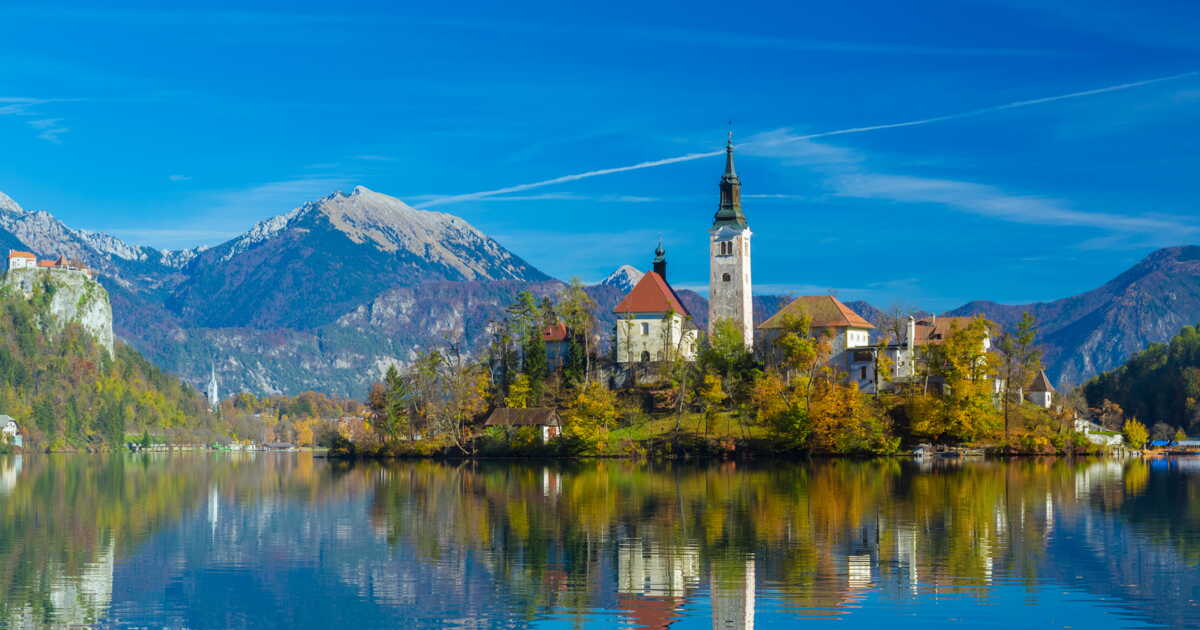
A stay in Slovenia would not be complete without a stop at Lake Bled, the country’s postcard‑perfect site, famed for its emerald‑green natural lake and its iconic church‑topped islet reachable by a pletna. Perched on a cliff, the Bled Castle offers a view of the Alpine rooftops and the surrounding forests. This spot harmoniously blends nature and culture, and it easily fits into any short or longer road trip across Slovenia in the great outdoors. Its central location also makes it a quick link to Ljubljana, the Slovenian coast, or the Pokljuka Plateau.
3. Hiking Around Lake Bohinj
Less crowded than Bled, Bohinj Lake, located in the Triglav National Park, offers a more immersive experience in the heart of Slovenia. Surrounded by alpine peaks, it enchants with its tranquility, purity, and crystal-clear waters, perfect for swimming or kayaking. Hikers, equipped with sturdy footwear, can reach the Bohinj Savica Waterfall, one of the country’s best known. By taking the Vogel cable car, visitors access trails offering panoramic views. This place naturally fits into a personal itinerary seeking off‑the‑beaten‑path locations.
4. Exploration of the Vintgar Gorges
The Vintgar Gorges, carved by the Radovna River, constitute one of the most iconic stops for discovering family‑friendly hiking trails. This wooden‑boarded stroll along crystal waters reveals a perfect place to understand the natural richness of this Central European country. Immediately beside Lake Bled, the site lends itself well to a short and efficient road‑trip itinerary. The visual experience it provides also makes it a popular subject for those seeking breathtaking landscapes.
5. Immersion in the Postojna Caves and Škocjanske Jame
Among Slovenia’s World Heritage jewels, the Postojna Caves and Škocjanske Jame illustrate the geological power of the karst region. While Postojna is partly explored aboard an underground train, Škocjanske Jame offers a more immersive visit, highlighting an UNESCO‑listed underground canyon.
These two sites fit perfectly into an itinerary, especially in case of bad weather. Nearby, the Predjama Castle, perched in the rock, extends the discovery of the country from a medieval angle. All together, it makes a perfect destination for travelers eager to encounter raw nature and Slovenian heritage.
6. Adventure in the Triglav National Park
Triglav National Park, the country’s only national park, covers a vast territory of mountains and forests in the northwest. It concentrates a multitude of hiking trails, hidden spots, waterfalls, and remarkable panoramas. From the Vršič Pass to the summits of the Julian Alps, and along rivers such as the Soča, every trail reveals Slovenia in its pure, natural form. A road trip through this area requires thorough preparation and practical advice, especially regarding weather and gear.
7. Stay in Piran on the Slovenian Coast
A port town with Venetian influence, Piran stands as an iconic stop along the Slovenian coast. Its old town, dominated by Tartini Square and bordered by the sea, offers a strong cultural and historical immersion near the Italian border. From its ramparts, the view over the rooftops and the Adriatic provides a striking glimpse of this human‑scaled Slovenia, ideal for a stay in Slovenia that combines nature and heritage.
8. Sport and Relaxation in the Soča Valley
The Soča Valley, carved by a river with crystal‑clear waters, lends itself to active outdoor sports. Rafting, kayaking, or canyoning allow you to explore exceptional natural areas while enjoying hiking trails and stunning Alpine landscapes. It is a perfect place for a road trip that blends adventure and contemplation. Nestled between the Italian border to the west and the peaks of the Triglav to the east, this valley also bears witness to notable World War I events, giving the experience a historical dimension to weave into an itinerary.
9. Getaway to Maribor and Its Vineyards
Slovenia’s second largest city, Maribor, captivates with its gently sloping vineyards, cultural festivals, and its centuries‑old wine, inscribed as living heritage of this Central European country. Located in the Štajerska region, it is a popular destination for wine tourism and road trips through Slovenian rural landscapes. Its relaxed vibe and easy distances make it a recommended stop on any Slovenia trip. It’s also an opportunity to discover the Slovenian character in local conversations, warm and rooted in regional traditions.
10. Stay in Kranjska Gora, a Winter Sports Paradise
Kranjska Gora, in the northwest of Slovenia, is a mountain destination renowned for both its winter sports and summer trails. In summer, its alpine lakes like Jasna become popular spots for relaxation, with swimming or hiking on the agenda. In winter, the ski slopes cater to beginners as well as to the more experienced. This human‑scaled country allows you to vary pleasures in every season, in a preserved setting. Accessibility from Ljubljana or nearby Italy, via well‑maintained Slovenian roads, makes it an easily integrable stop into a structured itinerary.
In summary, Slovenia, with its varied landscapes and rich cultural offering, provides a multitude of activities for all types of travelers. Whether you are drawn to natural spaces, adventure, or urban exploration, every corner of this small European country promises an enriching discovery. Take advantage of its proximity to make it a destination of choice for your next trip.
What is the Best Time to Visit Slovenia?
The best time to come and discover Slovenia lies between late spring and early autumn: from May to September, conditions are ideal for a stay combining nature, hiking, and culture. Indeed, this human‑scaled country offers alpine panoramas, lakes such as Lakes Bled, and access to the Adriatic Sea at Piran, allowing a wonderful diversity of experiences.
During these months, days in Slovenia are generally longer, the weather milder, which makes it easier to explore mountain trails, deep forests, cities like the capital Ljubljana, and even detour to the coast. For a well‑balanced road trip itinerary that blends wild nature and urban heritage, favor June or September: the crowds are smaller than in midsummer, and you enjoy nearly optimal conditions to visit this Central European country perched between the Alps to the north and the Italian border to the west.
What to Do in Slovenia When It Rains?
Even when rain arrives, Slovenia does not lose any of its allure: on the contrary, it is an opportunity to explore its riches in “off‑the‑beaten‑path” or indoor mode. For example, you can head to the Karst region and discover attractions such as Škocjanske Jame, a group of caves listed as World Heritage. In Ljubljana’s old town, a stroll under the arcades will lead you to the Ljubljana Castle, offering a protected view over the rooftops.
On the nature side, rain enhances the beauty of waterfalls such as the Peričnik Waterfall or the Savica Waterfall near Bohinj Lake: trails may be wet, but with proper equipment you will experience an immersive journey into a Slovenia that is renewed in nature. Finally, opt for a wellness break in the Rogaška Slatina Spa or other Slovenian spa centers and enjoy a warm, calm, and comfortable atmosphere.
How Long Does It Take to Visit Slovenia?
A stay of 5 to 7 days makes an excellent compromise to discover the essentials of a country like Slovenia. In a week you can build a road‑trip itinerary that starts in the capital Ljubljana, traverses the alpine and green landscapes, passes by Lake Bled and the Soča Valley, then heads down to the Adriatic coast at Piran.
For those with 10 to 14 days, the plan becomes even richer: it allows for excursions to off‑the‑beaten‑path places, longer strolls in a region such as Slovenian Styria, or a moment of relaxation at the thermal baths.
Preparing a trip to Slovenia should take distances, the sometimes winding Slovenian roads (notably toward the Vršič Pass), and the desire to enjoy at a relaxed pace into account. In any case, Slovenia lends itself perfectly to slow, structured tourism, and its modest size makes it easy to cross, enabling a good overview even in a short time.
What to Do in Slovenia with Children?
For a family stay, Slovenia proves particularly suitable thanks to its accessible and varied destinations. Start in Ljubljana, where the pedestrian old town allows for a stress‑free family stroll. Then head toward child‑friendly nature sites: Lake Bled, easy walks in the Pokljuka Valley, or viewing accessible waterfalls. Children can enjoy the crystal‑clear water, the natural spaces, and the fresh air, all while discovering Slovenian culture.
Playful activities such as a traditional boat ride on the lake, a visit to a castle like Predjama, or a national park will round out the experience. Finally, the Slovenian coast offers a calmer setting, and you can choose accommodation in Piran or nearby to combine sea and nature without long driving distances. Thus, a stay in Slovenia becomes an educational, enriching, and relaxed experience for the whole family.
Slovenia Tourism Safety: What Should You Know?
Slovenia is broadly a very safe country for tourism: few safety concerns are reported, which explains why a visit to Slovenia is often recommended for families as well as solo travelers. The country’s human scale, with only a few million inhabitants, offers an environment where Slovenian roads, hiking trails, and urban areas enjoy a high level of safety.
However, as always, a few precautions are recommended: in bad weather, mountain trails can become slippery, especially after rainfall in ranges like the Vršič Pass or in the Gozd Martuljek region. It is also advisable to have appropriate gear and to check the weather conditions before setting out on a hike. Keeping these practical tips in mind, you will avoid major risks and fully enjoy this Slovenia in its multifaceted nature.
This article was written with the help of artificial intelligence, then edited, expanded, and validated by the editorial team.
Vancouver, located on the West Coast of Canada, is a dynamic city offering a fascinating blend of nature, culture, and urban activities. Bordered by the Pacific Ocean and the mountains, it provides an ideal setting for a variety of explorations. Whether you’re planning a short layover or a longer stay, the city has something to satisfy every type of traveler. So, what to do in Vancouver? Here is a guide to the must‑do activities.
1. Stanley Park: a green haven in the heart of the city
Stanley Park, located at the northern edge of the city, stands as a major symbol of greenery within an urban setting. This expansive green space offers a shoreline promenade, notably along the Seawall, a renowned coastal cycling route. Visitors can explore the park tower on foot or by bicycle, enjoy a picnic among the pines, or admire ancient cedars.
Access to the Vancouver Aquarium also offers a rich aquatic experience, featuring local marine species. Stanley Park thus blends nature and recreational infrastructures within the city. This direct contact with nature, so close to the center, makes it a unique place to recharge, stroll, exercise, or simply gaze at the horizon—ideal for visitors as well as locals seeking a green escape.
2. Strolling through Gastown and Chinatown
The historic district of Gastown emerges as a must for those curious about history and architecture. Wandering through the cobbled streets and boutiques, one encounters a vibrant atmosphere punctuated by restaurants and cafés. The iconic steam clock bears testament to the old‑world charm of this area.
Not far away, the Chinatown district invites daytime immersion, notably around the traditional garden or fine gourmet markets. This urban stroll offers a sensory experience at the heart of the old town center and downtown, blending heritage, multiculturalism, and daily life in an authentic setting.
3. Granville Island: culinary delights and local crafts
Granville Island, a small artistic and culinary island, embodies a friendly and authentic facet of the city. Its public market offers fresh produce, local crafts, and a variety of stalls to suit the most discerning tastes. Strolling between stalls, tasting specialties, or watching craft demonstrations plunge you into a flavorful and cultural experience.
The art galleries and artisan workshops highlight the city’s creative vitality. Granville Island remains an aesthetic gem within the city, easily reachable in minutes from downtown. The atmosphere is relaxed, making it ideal for families, couples, or solo travelers looking to discover the local scene away from the typical tourist trails.
4. Crossing the Capilano Suspension Bridge for an adrenaline rush
A few kilometers from the center, the Capilano Suspension Bridge offers a memorable adrenaline boost. This 137‑meter long bridge spans a deep gorge, towering above ancient forests and sheer cliffs. The approach of the treetops in a natural setting, among cedars and moss, heightens the intensity of the experience.
For thrill‑seekers, this crossing provides a striking contrast to the city center’s comforts. The invigorating forest air enhances the sense of connection with nature while staying close to an urban environment. The activity can be combined with a nearby hike, making it a perfect half‑day escape that blends adventure, nature, and a sense of travel far from the usual tourist routes.
5. Winter sports and mountain on Grouse Mountain
Conveniently reachable from the city, Grouse Mountain makes for a mountain getaway that’s ideal for varying your pleasures. In winter, the slopes welcome skiers and snowboarders; in summer, hiking trails and bay views invite adventure. A cable car ascent, the Skyride, or a guided hike ensures a sporty and panoramic experience.
Visitors find a balance between physical exertion and contemplative moments. You can spot local species, enjoy panoramic platforms, or simply breathe in mountain air after the urban bustle. Grouse Mountain completes the range of urban and natural leisure offerings in the metropolis, delivering a sense of escape and a spectacular view in a short time.
6. Discovering urban beaches
When days grow longer, urban beaches like Kitsilano Beach become popular relaxation spots within the city. You can have a picnic against the mountain backdrop, enjoy a refreshing swim, or simply soak up the sun.
The blend of sea, sand, and skyline creates a unique ambiance, ideal for rest after a day of sightseeing. A stroll along the shore offers a scenic view of the horizon and the calm water. For locals and travelers alike, this coastal stretch represents a relaxing and accessible experience without leaving the city center, combining beach, nature, and urban life in perfect harmony.
7. Exploring museums and local culture
During bad weather or to enrich cultural knowledge of the city, museums and art spaces hold an important place. Science World offers interactive exhibits suitable for all ages, blending science, technology, and curiosity.
Arts enthusiasts can wander through art galleries to discover local or international works, while the Vancouver Aquarium reveals the marine richness of the coastline with dedicated tanks and aquariums. This diversity provides a balanced experience between learning, entertainment, and cultural immersion. One can spend several hours there, mixing education, contemplation, and discovery, a great complement to the city’s outdoor activities.
8. Hikes and nature on the city’s doorstep
At the city’s doorstep, numerous trails and forest paths invite exploration of the surrounding nature. Whether you head to Lynn Canyon Park or the nearby woods, these trips offer a peaceful experience in a wooded setting. There are hiking options for all levels, with opportunities to observe birds, regional plants, and occasionally tranquil streams.
These getaways bring visitors closer to the natural landscape while staying near the city’s urban energy. Whether for a family outing, a relaxed walk, or an immersion in the forest, this proximity between city and nature enhances Vancouver’s appeal as a versatile destination.
9. Immersion in culinary diversity
The city of Vancouver is also distinguished by its varied culinary experience, a reflection of its cosmopolitan population. Gourmet restaurants, food trucks, and multicultural markets offer menus ranging from fresh seafood to refined Asian recipes. Wandering through alleyways or near popular neighborhoods, flavors abound and delight curious palates.
You can sample traditional Indigenous dishes, taste fusion creations, or simply grab a street snack after a day of exploring. Cooking locally or trying a new address becomes a gastronomic adventure full of contrasts, illustrating the city’s cultural richness and the openness of its people to global influences.
10. Enjoy seasonal events
Throughout the year, the city hosts seasonal events that enrich the tourist offer. Fireworks festivals, Christmas markets, cultural performances, or artistic manifestations punctuate the calendar. Participating in these events makes for a memorable experience, blending urban festivities with a convivial atmosphere. Whether visited in summer or winter, these occasions provide a vibrant glimpse into the diversity of local life. Vancouver remains a metropolis that knows how to combine modernity, nature, and culture in a world‑open city, a destination where each moment can offer a new discovery.
In conclusion, Vancouver is a city that lends itself to a multitude of experiences, whether cultural, natural, or urban. With such a variety of activities, every visitor can tailor a stay to their interests and preferences. Whether you seek cultural discoveries, nature walks, or a culinary immersion, Vancouver has something to satisfy your expectations year‑round.
What to do in Vancouver with family?
Hitting Stanley Park is a must for a family visiting Vancouver: this vast green space, one of the largest urban parks in North America, provides an ideal playground between nature, fresh air, and walks. The Vancouver Aquarium, located in the heart of Stanley Park, offers a fun and educational outing for both kids and adults: watching sea otters, tropical fish, and other marine species will delight all ages.
Next, visiting Granville Island offers a perfect mix of local culture, crafts, a public market, and a friendly vibe, ideal for a relaxed family outing with occasionally kid‑friendly activities. Finally, for a moment of relaxation or a stroll, take the Seawall that runs along the coast, accessible, enjoyable, and safe, allowing you to enjoy a natural and urban setting at once, perfect for a family ramble.
What to do in Vancouver in winter?
Even in winter, Vancouver has plenty to offer: for families or curious travelers, sheltering in indoors venues like the Vancouver Aquarium or museums remains an excellent option. For those who want to combine nature and scenery, a climb up Grouse Mountain, easily accessible from downtown, offers spectacular views of the city and, depending on snow, mountain activities: a striking contrast between urban life and surrounding mountains. Finally, a stroll along the Seawall or in some neighborhoods, such as the heart of Vancouver, allows enjoying a quieter off‑season vibe with soft winter landscapes by the sea and mountains in the distance.
What to do in Vancouver when it rains?
When the weather isn’t favorable, certain indoor venues are perfect refuges: the Vancouver Aquarium remains a must for its marine exhibits, indoor spaces, and activities, blending discovery with shelter. Likewise, cultural venues or urban neighborhoods invite browsing from the indoors: exploring art galleries, museums, or Granville Island’s sheltered markets can turn a rainy day into an interesting cultural or gastronomic experience. Finally, to enjoy nature without getting soaked, a sheltered or partially covered stroll in the downtown area or nearby, paired with breaks in cafes or local shops, can offer a glimpse of Vancouver’s urban atmosphere even in the rain.
What to visit in Vancouver in 2 or 3 days?
With 2 to 3 days, you can see Vancouver’s essentials. Start with Stanley Park—a blend of walks, nature, and possibly an Aquarium—for a strong first contact with the city. Then dedicate half a day to Granville Island exploration: market, crafts, gastronomy, and local vibe make it a perfect place to feel Vancouver’s cultural heart.
Also plan to walk the Seawall to connect these places while enjoying sea and mountain views and the fresh air. Finally, for an exceptional panorama (especially if weather permits), head up to Grouse Mountain: the view of the city, the ocean, and the surrounding mountains makes a perfect culmination to your stay. This itinerary (nature, city, culture, and panorama) offers a wonderful snapshot of Vancouver’s best in a short visit.
What to do in Vancouver for free?
Among the budget‑friendly options, walking through Stanley Park and along the Seawall is a must: this large urban green space lets you enjoy nature, sea air, and stunning views of the ocean and mountains at no entry cost.
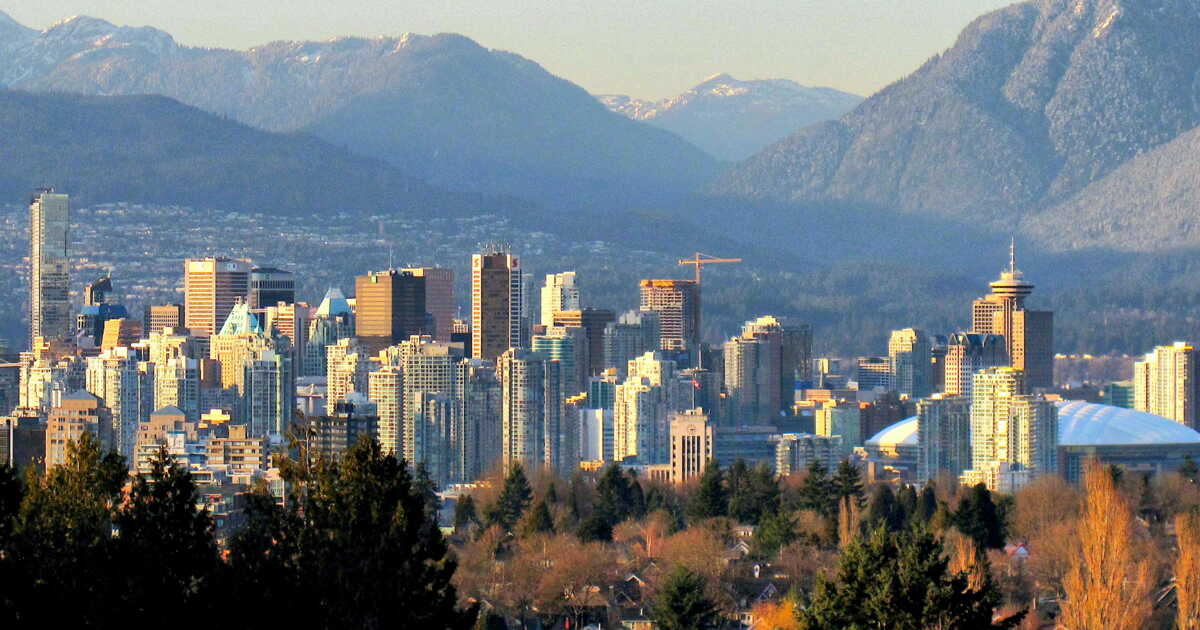
Strolling through downtown or certain pleasant neighborhoods, wandering the streets, admiring Gastown’s historic architecture or Vancouver’s spectacular glass skyscrapers, breathing in the city’s atmosphere and watching the waterfront provide a genuine free urban experience. For families, some public spaces, like beaches or seaside zones, also allow enjoying the coast without spending: perfect for a relaxing moment or a picnic when weather allows.
This article was written with the help of artificial intelligence, then corrected, expanded, and validated by the newsroom’s journalists.
For a long time considered a constraint to manage when traveling, the family pet is now at the heart of vacation choices for many Europeans. Hotels, restaurants, transportation, beaches and activities are gradually tailoring their offerings to welcome dogs and, to a lesser extent, cats. According to Agria pet insurance, 37% of dog owners say they choose only destinations that are suitable for their animal, compared with 23% of cat owners. In response to this demand, several European cities and regions are turning pet-friendly tourism with a four-legged companion into a real draw.
Europe Adapts to Travelers With Pets
Some destinations have taken the lead by integrating animals into daily tourist life. In Amsterdam, dogs can notably accompany their owners in many cafes, shops and public transport. The lodging sector has also adapted, offering options ranging from hotels to canal-side accommodations. For walks, large green spaces like Vondelpark serve as preferred meeting points.
In Italy, dog-friendly hospitality even extends to the coastline. Some private beaches provide facilities specifically designed for dogs, such as water stations, shaded areas, showers, or play zones. Near Rome, the “Bau Beach” has established itself as a reference in this field. The country also offers options for traveling with a pet on certain regional trains and local transports.
Croatia, for its part, focuses on outdoor activities. Several beaches along the Dalmatian coast allow dogs, notably around Split and Dubrovnik, while the island of Krk also has areas accessible to animals. Travelers can also bring them along on certain boat excursions, along coastal trails or on ferries.
In Stockholm, pet-friendly policies extend far beyond vacations. Dogs are allowed in many establishments and some everyday life venues. The capital’s vast natural spaces, notably Djurgården and Hagaparken, also allow for more frequent walks. The ferries serving part of the archipelago offer another way to discover the region without leaving your companion behind.
France Also Speeds Up Its Dog-Friendly Tourism
France is also developing an increasingly substantial offering for travelers accompanied by their animals. According to the 2026 Barometer of dog travel published by DodoDog, more than 63,000 French accommodations now accept dogs, roughly one in three establishments.
The Provence-Alpes-Côte d’Azur region leads with more than 10,000 pet-friendly accommodations. From the Côte d’Azur to the outskirts of Marseille, the coastline thus provides an extra selling point to attract owners who want to travel with their companion. The possibilities for walks and outdoor activities also strengthen the region’s appeal.
Auvergne-Rhône-Alpes ranks second, with more than 9,000 accommodations welcoming dogs. Mountain destinations, including Chamonix, Tignes and Les Menuires, particularly benefit from this shift: hiking and outdoor activities allow owners not to give up their travel habits when they travel with their pet.
However, this trend requires ahead-of-time preparation. Since 2026, to travel within the European Union with a dog or a cat, the European Pet Passport is mandatory. Issued by a veterinarian, this official document allows you to attest the animal’s identification and its rabies vaccination. The health record, on the other hand, does not suffice to replace it during European travel.
Here is a vacation concept that is, to say the least, surprising. China claims an exceptional heritage, yet much of its original monuments have disappeared through fires, wars, or political upheavals. In response to this loss, the country has multiplied spectacular reconstructions of ancient cities, where every street, every façade, and every detail are designed to plunge visitors into another century. These sets, sometimes more real than life, attract millions of Chinese and foreign tourists, despite a question that continues to divide: how far can history be recreated?
Historical sets designed to transport visitors through time
In China, these sites are known as “fanggu”, which can be translated as “historical imitation”. Unlike a simple museum or a restoration of a monument, they are often entire cities built recently to reproduce the atmosphere of a bygone era. The buildings display deliberately aged tiles, façades are covered with climbing plants to give the impression that the structures have traversed the centuries, and visitors can rent traditional outfits to complete the experience.
This formula responds to a growing demand for immersive tourism. “Modern consumers are increasingly willing to pay for emotional value, seeking a deeper engagement and cultural meaning through immersive experiences”, said Yang Jinsong, director of the International Institute of the Chinese Academy of Tourism, in the People’s Daily.
Among the most emblematic examples is Gubei Water Town, near Beijing. Opened in 2014 after a $600 million investment (about €520 million), this town combines a water village inspired by the Jiangnan region… with the immediate vicinity of the Great Wall. A geographic mash-up that would be impossible in reality, since the famous Jiangnan villages lie roughly 1,300 kilometers further south.
The concept, however, works remarkably well. Booking platforms offer excursions that combine the Great Wall and Gubei Water Town. By July 2026, the site showed more than 10,000 bookings and 2,200 reviews on Klook, with an average rating of 4.9 out of 5. Visitors can also stay overnight in establishments run by state-owned enterprises, some rooms reaching $500 per night (about €433).
Between tourist success and authenticity criticisms
In Xi’an, the ancient imperial capital of China for more than a millennium, the reconstruction takes another form. Datang Everbright City recreates the Tang dynasty vibe on a 2,100-meter pedestrian avenue, illuminated by red pagodas and animated every evening by shows. The site welcomes nearly 75 million visitors a year. One of the most popular attractions involves arranging “time-travel” weddings.
Couples wear several outfits representing different eras, while filming crews, makeup artists, extras, and even performers performing the lion dance stage their love stories. Some posts on the Xiaohongshu social network mention a cost equivalent to a full month’s salary, but these arrangements continue to attract many young couples.
“The feeling of having been deceived”
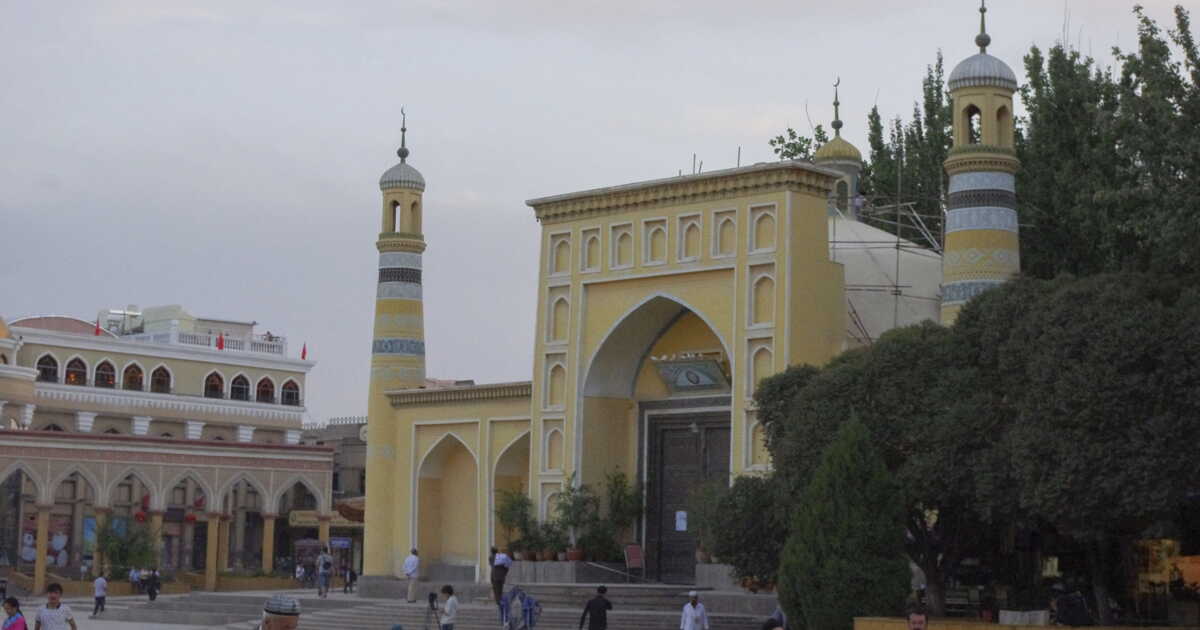
Further west, in the Xinjiang region, Kashgar is an ancient oasis on the Silk Road whose history dates back nearly 2,000 years. But the old town that today attracts visitors is no longer the one that withstood the centuries, as a large part of the historic center was demolished and rebuilt more than ten years ago. While its maze of alleys has been preserved, the buildings have been largely recreated and modernized, turning what was once the heart of Uyghur culture into a smoother and tourism-oriented version.
Yet not all visitors appreciate this staging of the past. After discovering that Gubei Water Town was not a real ancient village, Thai student Minyada “Minnie” Chotichaicharin shared her disappointment. “I wouldn’t mind if it were rebuilt, but it’s hard not to feel like I’ve been deceived”, she told CNN.
Conversely, Edward Zhou, a student from Washington, describes Kashgar as a place that is “surreal.” Despite this “theme park” façade, he believes the city offers a glimpse of a history that he, like many other travelers, had never encountered in other destinations.
These reconstructions thus illustrate a new way of valorizing heritage in China. Between spectacular immersion, deliberate staging, and a search for authenticity, they attract tens of millions of visitors each year, fueled by their immense popularity on social media.
Chicago, the third-largest city in the United States, is renowned for its striking architecture, world-class museums, and a vibrant music scene. Whether you’re a history buff, an art enthusiast, or a foodie, Chicago offers a wide range of activities to meet every expectation. Where to start during your stay in this dynamic metropolis? Let’s explore together the best things to do in Chicago to ensure you don’t miss a thing.
1. Explore Willis Tower and 360 Chicago
Chicago reveals itself in all its verticality from two of the city’s tallest skyscrapers: the Willis Tower, with its SkyDeck perched over 400 meters high, and 360 Chicago, located atop 875 North Michigan Avenue (formerly known as the John Hancock Center), famous for its TILT! attraction that literally tilts visitors into the void.
These two skyscrapers, anchored in downtown Chicago, are major stops on a structured visit to the United States. From their observation decks, you can take in at a single glance the urban layout of the Loop, the architectural density of Chicago, and the expansive horizon of Lake Michigan. When planning your visit, be sure to book in advance: these iconic sites attract large numbers of visitors and leave a lasting imprint on your trip to Chicago.
2. Experience art along the Chicago River
Deepening your Chicago experience comes alive when you include a cruise on the Chicago River. This route helps you understand the city’s urban and architectural evolution, through its striking skyscrapers and historic drawbridges. In this context, downtown Chicago emerges as a laboratory of modern and contemporary architecture, where each façade tells a story of a bygone era.
This guided sightseeing experience strengthens appreciation of Chicago not only as a tourist destination but also as a testament to major urban transformations in the United States. Don’t hesitate to opt for a guided cruise to enrich your understanding of Chicago.
3. Unwind at Millennium Park and Cloud Gate
At the heart of the downtown Chicago lies Millennium Park, a vast urban green space offering a generous visual and cultural breath. It houses the iconic Cloud Gate installation (nicknamed The Bean) and the Crown Fountain, two major public artworks dedicated to interaction and shared space.
This expansive park stands as a central Chicago attraction and is a must-see on any visit. Thanks to its strategic location and easy access from the Loop, Millennium Park allows for a blend of relaxation, architectural discovery, and immersion in the city’s ambiance. Even if the weather varies, the site remains a stable landmark in your itinerary.
4. Discover the history at the Art Institute of Chicago
To enrich your Chicago visit, the Art Institute of Chicago is a premier cultural stop. Located just steps from Millennium Park, this museum houses impressive collections spanning European classical art to American modern art. The city of Chicago thus presents its museum and educational dimension, essential for any visit aiming to go beyond simple sightseeing. This visit helps understand how Chicago established itself among the major American cities in terms of culture, and it enhances its image as a destination of exceptional quality.
5. Marvel at the Field Museum and the Shedd Aquarium
Museum and scientific institutions enrich Chicago’s tourist offerings: the Field Museum features, among others, “Sue,” one of the largest Tyrannosaurus rex skeletons ever discovered, while the Shedd Aquarium, on the shores of Lake Michigan, invites exploration of aquatic biodiversity. This visit aligns with a Chicago itinerary that blends culture, science, and urban nature. It shows that Chicago isn’t just known for its skyscrapers or its vibrant downtown, but also offers varied options for museum and natural history enthusiasts in the United States.
6. Share a fun moment at Navy Pier
The Navy Pier, emblem of family entertainment in Chicago, stretches along the Lake Michigan and houses numerous recreational activities: a Ferris wheel, performances, restaurants, and lake views. It’s a favored place for families or groups seeking a mix of relaxation and discovery. The site illustrates how the city of Chicago can combine leisure, urban nature, and a lakeside setting. During your stay, set aside half a day for this iconic US site to diversify your Chicago experience.
7. Stroll along The Magnificent Mile
Finally, wandering along the Magnificent Mile provides an ideal finale to a Chicago visit. This major shopping boulevard runs through the downtown area and brings together luxury boutiques, art galleries, and international brands. This stroll through Chicago’s core lets you gauge the city’s elegant and cosmopolitan dimension. Whether you’re a shopping aficionado or a casual walker attentive to the surrounding urban design, this stop completes your Chicago itinerary by blending architecture, commerce, and urban ambiance.
Chicago is a multifaceted city whose richness is also found in its less-visited neighborhoods, such as Logan Square, valued for its residential and creative vibe, or the Loop, a nerve center that is economically, artistically, and institutionally vibrant. Whether for a few days or a longer stay, Chicago offers a diversity of cultural, architectural, and human experiences. To further enrich your exploration, treat yourself to a jazz or blues concert, musical genres that have helped shape the city’s sonic identity as a metropolis of the United States.
How many days to visit Chicago? Finding the right tempo to explore the city
A 3 to 5-day stay in Chicago is the optimal duration to explore the many facets of this iconic North American metropolis. In a few days, you can combine visits to major sites such as Skydeck Chicago, located on the 103rd floor of the Willis Tower, a stroll to Navy Pier, or a Shoreline Sightseeing Architecture River cruise on the Chicago River, with more local experiences in neighborhoods like Logan Square.
To mix things up, plan time to sample deep-dish pizza, an indispensable specialty with thick tomato sauce, adding a gastronomic and urban dimension to the trip. With well-organized transport companies and the distinctive elevated rail, Chicago is easy to navigate in a few days, following a balanced tempo between architecture, culture, nature and gastronomy.
In which state is Chicago located? A metropolis at the heart of Illinois
Located in the state of Illinois, Chicago is the largest city in this northern region of the United States and a major urban hub of the Midwest. The city’s history is closely tied to the Illinois Central Railroad, which contributed to its industrial rise. Its strategic position on the shores of Lake Michigan makes it a convergence point for commerce, the arts, and transportation.
Today, it attracts travelers for its rich architectural heritage, North American-style cuisine, and prestigious temporary exhibitions. From its past associated with Al Capone to its contemporary cultural dynamism, Chicago is a fascinating destination for anyone looking to explore the multiple faces of urban America.
What to do in Chicago with kids? A family-friendly city between parks and discoveries
For a family trip, Chicago offers a wide range of playful and educational activities. The Museum of Science and Industry, which ranks among the largest science museums in the world, offers 3D films and immersive exhibits. The Adler Planetarium and the Shedd Aquarium enrich the educational offering. The Navy Pier, with its rides and fireworks in summer, is also among the favored spots.
A boat cruise on the Chicago River is also accessible and captivating for younger visitors. Added to this are well-located accommodations and child-friendly places in the neighborhoods of Chicago, making the city welcoming for all ages. Chicago with kids means a balance of relaxation, learning, and wonder.
What to do in Chicago when it rains? Indoor activities in the city of museums
When the weather in Chicago turns capricious, the city reveals a more indoorsy face, yet equally stimulating. The weather forecast predicting rain can be the perfect opportunity to explore the city’s many museums, starting with the Art Institute of Chicago, or the Museum of Science and Industry, whose temporary exhibitions captivate both adults and children.
Some also choose to discover the city center’s unusual places, or to take a break in a cultural café in the neighborhoods of Chicago. Thus, even in the rain, Chicago remains an exciting place, blending culture, gastronomy and architecture to be explored at your own pace.
This article was drafted with the help of artificial intelligence, then revised, expanded, and validated by the editorial team.
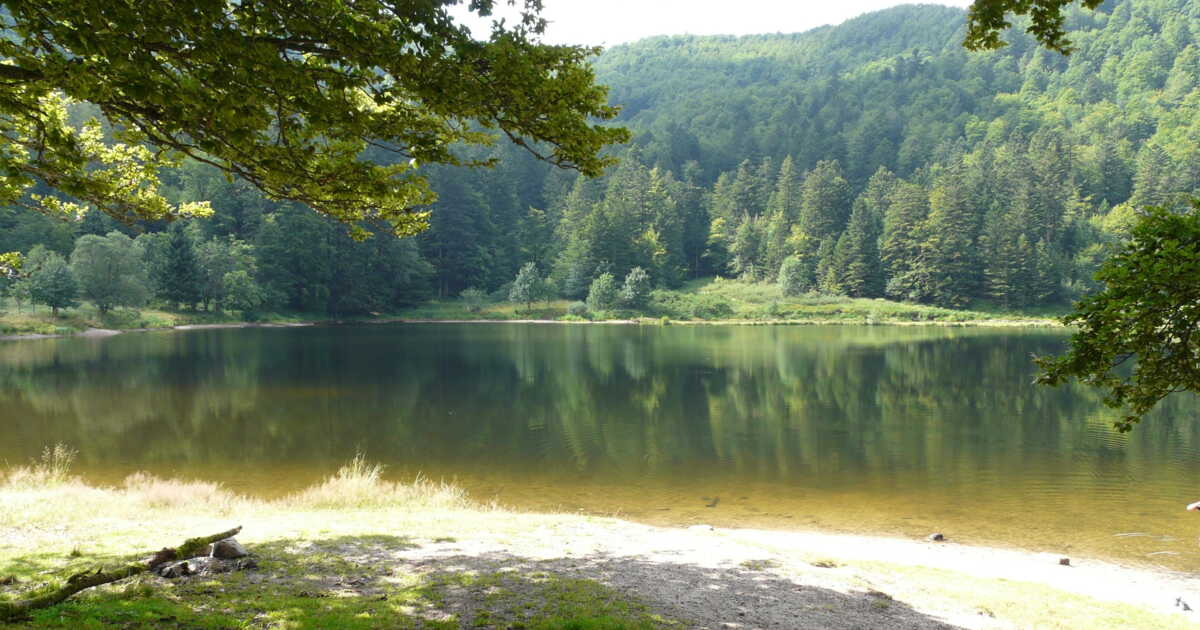
“The massif is gradually being transformed into an amusement park!” On the summits of the Vosges, the influx of tourists worries environmental NGOs and threatens in places the quiet of protected wildlife, even if their visits are also a boon for the region. On this Sunday at the end of July, atop the Markstein massif swept by a cool wind, Dominique Humbert-Beretti points to the object of her ire: the large rail-mounted toboggan installed at more than 1,200 metres altitude.
This kind of equipment robs the Vosges of their naturalness, of their biodiversity and of their beauty, simply put, according to the head of the SOS Massif des Vosges association. Especially since the end of the Covid pandemic, the region has seen a rush of vacationers seeking nature destinations, mainly from the Grand Est, Île-de-France and Hauts-de-France, as well as from Germany, Belgium and the Netherlands.
Mass Tourism: Iconic Sites Under Pressure
“We host more than four million overnight stays each year, and when you add family or friends visiting, we approach ten million overnight stays; it’s a major lever at the economic level,” stressed last June the president of the Vosges Department Council, François Vannson. Tourism revenue represents nearly one billion euros. “In these times, one does not spit it out.”
But success has its downsides, when the famous Route des Crêtes is overwhelmed by sports cars, motorcycles, or lined with long queues of motor homes, and sites struggle to channel the flow of visitors. As for the Tendon waterfalls, which attract 120,000 to 130,000 visitors per year, i.e. almost twice as many as before Covid, the mayor Gérard Clément assures. Since 2024, the tourist offices have removed this site from their brochures to curb the influx.
When you are part of the instagrammable sites, that means you have little control, notes the mayor of the Hautes-Vosges commune of about 500 inhabitants. Besides the parking near the waterfall, he cites damage from foot traffic on the trails and by crowding. A visitation that is further amplified “by periods of intense heat”, when city-dwellers from Strasbourg, Colmar or Mulhouse come to breathe for the weekend.
Animals, collateral damage?
Wildlife also suffers. Not far away, in front of the Housseramont state forest, Louis-Michel Nageleisen speaks of a “continuous disturbance” of fauna. The culprits? “Blueberry and mushroom pickers, trail runners, or guides leading mountain excursions”, who do not always respect quiet zones for owls, lynx and other great capercaillies, laments the vice-president of the NGO Oiseaux-Nature.
The award-winning documentary “Le chant des forêts” by Vincent Munier, an ode to the Vosges’ wild nature, has also inspired image-hunting vocations, he tells AFP. These goings and comings can hinder the reproduction of species, in spring for birds, then in autumn for the deer, he warns.
New Solutions to Limit Tourism’s Impact
With the lack of snow linked to climate warming, ski resorts are turning to summer facilities – sleds, mountain-bike trails, or other group activities. The sector must develop a “quality tourism,” aimed at families, analyzes the president of the departmental council.
“We have a lot of people in the summer, it’s normal and fortunately because it’s what also keeps the territory alive,” notes Blandine Jonard, deputy director of the Gérardmer tourism office. And thanks to visitor counters installed since 2022 at the sites favored, the office can advise tourists in real time and offer an alternative when the place they aim for is saturated, she points out.
At Tendon’s little waterfall, things are going to change: from 2027, visitors will be able to park only in parking areas outside the site, from which they can reach it after a short hike. No more “two or three selfies or photos, then back into the car, and off”, says the mayor. All that is sought is “a somewhat gentler tourism, a bit more discovery, a quieter experience.”