Dizziness, nausea and vomiting, sweating, excessive salivation, headaches — motion sickness can turn a vacation road trip into a real nightmare. More common in children, though it also affects some adults quite severely, motion sickness can strike in a car, on a boat (the famous seasickness), but also on a plane and, though rarer, on a train or even in the subway.
Motion sickness is thought to stem from an inadequate brain response to two conflicting cues: the eyes perceive a stationary environment, while the vestibular system, located in the inner ear, detects the vehicle’s movements. A range of techniques, more or less effective, can help lessen the symptoms. But a solution might lie deep within your iPhone.
Make the body believe it is in motion
Homeopathy, acupressure bracelets, antihistamine medications, choosing the right seat, or simply keeping your gaze fixed on the horizon — all of these tips can help limit motion sickness, provided you avoid reading or watching a moving screen. And yet, as the BBC details, the lead may lie in the little-known functionality of your smartphone that could help you better cope with travel.
Called “Vehicle Motion Indicators”, it displays animated dots along the edges of the screen that move in sync with the vehicle’s movements in which you are traveling. All of this, without interfering with using the phone.
“If you can send signals to your body about how you move through space, this can alleviate motion sickness,” explains to the BBC Kristen Steenerson, a professor at Stanford University in the United States. The vestibular system expert herself uses this feature, praising its effectiveness. “Everyone thinks there’s a problem with my screen, but these dots are really brilliant,” she says enthusiastically.
How to enable this feature on your smartphone?
To test this option, go to the Settings on your iPhone, then choose Accessibility > Movement > Vehicle Motion Indicators. You can opt to keep it enabled permanently or in Automatic mode. In this case, small animated dots appear along the edges of the screen when the phone detects that you are in motion, and disappear when the movement stops. If this feature is currently only available on iPhone, it is possible to download an app that offers a similar result on Android phones.
The BBC journalist collected numerous very positive testimonials, although all pointed to the same paradox: this feature is only useful when you have motion sickness because you’re looking at your phone! Nevertheless, nothing prevents you from turning it on just to try to relieve your motion sickness, even if you hadn’t planned to use your phone during the trip. Or you can also put your phone down… and look at the horizon!
In mid-July, as every year in the West African country, thousands of young people from the Kabye ethnic group, aged 18 to 20, subjected themselves to this ancient tradition practiced in the Kara region, hundreds of kilometers from the capital Lomé. They first took part in a ceremony during which they ate dog meat “for the first time” in their lives, according to AFP, explained Samah Achille Bidiwana, the head of the Tchitchao canton. Then three small scars were made using blades near each of the Evalo’s ears, the term used for the young participants.
With that completed, they joined a rite in which they danced with a dog until it collapsed from exhaustion. “The dog is a strong, enduring, and cunning animal. By consuming its meat, the initiate assimilates these qualities. On the field, the one who defeats his opponent is the winner,” details Samah Achille Bidiwana, dressed in ceremonial black-and-white attire and wearing a matching traditional cap. The battles begin. Each young man watches for the moves of his opponent, often someone from another village, then takes advantage of a moment of weakness to furtively grab an arm, a leg, and try to bring him to ground.
The clashes are fierce and the falls sometimes spectacular. Injured wrestlers receive first aid from the rescue teams deployed on site, and some are evacuated to nearby hospitals. Around the arena, each camp urges its fighters on. “Hold tight, don’t let go,” shouts a member of the crowd. “Keep your legs tight and push him forward,” advises another. “We are great warriors!” chant supporters in the Kabye language. “Our encouragement helps the wrestlers stay brave until the end of the fight,” one of them notes.
Social Pressure
In Kabye tradition, participating in the Evala is not compulsory, but it is the subject of social pressure. “We do not force a young Kabye to wrestle, but if he does not wrestle—especially if he is in good shape—he brings shame to the community,” notes Tchaa Tidiyé, supervisor of the wrestlers in the Pya canton. And according to “the standards of our grandparents, you cannot have a wife before becoming an Evalo,” recalls Samah Achille Bidiwana. Nabédé Kpatcha came to watch his son wrestle. “I am very proud,” he says.
“What my parents showed me, I must pass on to my child, and he will pass it on to his children.” Several high-ranking figures, including ministers and Togolese army officers from the Kara region, have gone through the Evala. Beginning with the leader Faure Gnassingbé, in power since 2005, who attended the fights as every year and spoke to the wrestlers in Kabye. He had carried out this rite of passage just like his father, Gnassingbé Eyadéma (1967–2005), whom he succeeded as head of the country.
“Faure Gnassingbé is considered one of the best wrestlers of his generation,” says Mr. Tidiyé. The Togolese state has begun steps to inscribe the Evala on the UNESCO list of intangible cultural heritage, Isaac Tchiakpè, minister of Tourism, Culture and Arts, told AFP.
“The Togolese government hopes to see the Evala recognized for their true value on the international stage,” he added. These fights are already drawing the curiosity of tourists, both domestic and foreign. “It’s a wonderful discovery,” exclaimed Sandrine Plathey, who came from France for the occasion. But for several years, the violence of jihadist groups active in the Sahel neighboring region has reached the extreme north of Togo and threatens tourism, drawn to areas with lush landscapes. ek/bam/mba
Liverpool, located in the northwest England, is renowned for its rich cultural and musical heritage, notably as the birthplace of the Beatles. This city, pulsing to the rhythm of its industrial and maritime history, offers visitors a wide range of activities and sights to discover. Whether you’re a music fan, a history buff, or simply seeking new discoveries, a stay in Liverpool promises to be enriching. So, what to do in Liverpool during your visit? Here are nine must-do activities for a complete immersion in the unique atmosphere of this dynamic city.
1. Explore the Royal Albert Dock
The Royal Albert Dock, located in the city centre of Liverpool, is one of the UK’s most iconic architectural ensembles, celebrated for its historical value. This 19th-century dock building, once a hub of international maritime trade, has been fully rehabilitated to become a cultural hub, bringing together museums, restaurants and exhibition spaces within lively neighborhoods.
A guided tour of the site allows for in-depth exploration of major institutions such as the Merseyside Maritime Museum, which meticulously documents the evolution of Liverpool’s port and its role in the British economy, or the International Slavery Museum, dedicated to the history of the transatlantic slave trade and the complex links the city maintains with that past.
These establishments offer free entry to most permanent exhibitions and present a rich collection of documents, objects and testimonies, providing an informative and contextual visit. To extend the downtown experience, a stop on Mathew Street is a must to discover the legendary Cavern Club, a cornerstone of Beatles memory.
2. Delve into the Beatles universe at the The Beatles Story Museum »
For music enthusiasts, the Beatles Story Museum is an essential stop on a guided tour of Liverpool. Located in the heart of the Royal Albert Dock, this iconic building in the city centre houses an exceptional collection tracing the Beatles’ history, from their modest beginnings in local clubs to their meteoric rise to worldwide fame. The museum offers interactive exhibits, period objects, instruments, costumes and rare documents, providing a comprehensive immersion into the world of the famous Liverpool quartet.
Among the highlights of the visit is the faithful reconstruction of the Cavern Club, the mythical venue where the Beatles played their earliest concerts, allowing visitors to relive the musical atmosphere of the 1960s. Each space of the museum, carefully staged, illustrates the group’s cultural impact on music and on the city, while highlighting the heritage of the United Kingdom. Available at different price points depending on the chosen options, the The Beatles Story Museum is an essential experience to understand the artistic and historical reach of this worldwide phenomenon.
3. Stroll through the Sefton Park
For a peaceful interlude in the heart of Liverpool, a guided or self-guided visit to the Sefton Park is a preferred stop. Located outside the city centre, this Victorian park of more than 90 hectares stands as one of the largest urban green spaces in the United Kingdom, blending natural beauty with meticulously maintained landscaping.
Ideal for walking or cycling, it captivates with the diversity of its tree-lined districts, the presence of tranquil lakes and flowering gardens, and its emblematic Palm House, a beautifully restored Victorian greenhouse that regularly hosts cultural events and exhibitions. A family-friendly spot, Sefton Park offers playgrounds for children, picnic areas and facilities accessible to all, in a setting blending leisure, heritage and nature.
4. Attend a match at the Anfield Stadium
Football holds a central place in Liverpool’s cultural identity, and a guided tour of Anfield Stadium, the iconic home of Liverpool FC, is a must for any sports fan visiting the United Kingdom. Located not far from the city centre, this historic building hosts one of Europe’s most decorated clubs and embodies the city’s deep attachment to its team.
The stadium museum traces, through a rich collection of trophies, archives and stories, the club’s evolution and its influence in the world of global football. The tour allows access to behind-the-scenes areas: changing rooms, the players’ tunnel, the press room and the touchline, offering a full immersion in the match-day atmosphere, marked by the fervour of the fans. Accessible at different price points, these tours nicely complement Liverpool’s tourist offering by combining heritage, collective passion and international reach.
5. Admire the grandeur of Liverpool Cathedral
Liverpool Cathedral, the largest Anglican cathedral in the United Kingdom, stands as a major architectural landmark in the city centre, powerfully embodying the Neo-Gothic style within a cityscape marked by rich heritage. This monumental building captivates with the vastness of its nave, the elegance of its stained glass, and the acoustic power of its organ, one of the largest in Europe.
A guided or self-guided tour allows exploring the different components of the edifice, while tracing its spiritual and symbolic role in Liverpool’s recent history. Access to the top of the tower offers a panoramic view over the surrounding districts, reaching to the banks of the Mersey, providing a complementary experience to discovering the city’s cultural sites, such as those devoted to music or to the Beatles’ history.
6. Immerse in history at the World Museum
The World Museum of Liverpool, located in the city centre, is one of the UK’s most comprehensive cultural institutions, offering a guided or self-guided visit across a range of themes from astronomy to natural history, and including ancient civilizations. This building houses a substantial collection, including Egyptian antiquities, rare zoological specimens, and a planetarium appreciated for its educational dimension.
Designed to engage a broad audience, the museum includes interactive sections particularly suitable for children. The entry is generally free, strengthening its accessibility for visitors. Integrated into Liverpool’s cultural circuits alongside sites related to music, the Beatles’ history, or the city’s major architectural landmarks, the World Museum offers an educational and captivating alternative that complements exploring the historic districts.
7. Venture into the trendy Baltic Triangle
The Baltic Triangle, a former post-industrial area on the immediate outskirts of Liverpool’s city centre, illustrates the successful redevelopment of an urban space into a genuine hub of contemporary creation. Today recognised as a major creative center of the United Kingdom, it hosts numerous independent art galleries, creator studios, music production facilities, as well as lively cultural venues.
The Baltic Market, housed in a former warehouse, is one of the district’s attractions: it offers a varied range of street food, blending local cuisine with international influences in a friendly atmosphere. This district is also a prime space to observe emerging trends in design and music. With dynamic programming, events at various price points, and an atmosphere conducive to urban exploration, the Baltic Triangle stands as a must-visit for travelers eager to grasp Liverpool’s current cultural expressions in an alternative and stimulating setting.
8. Discover the architecture of the Pier Head
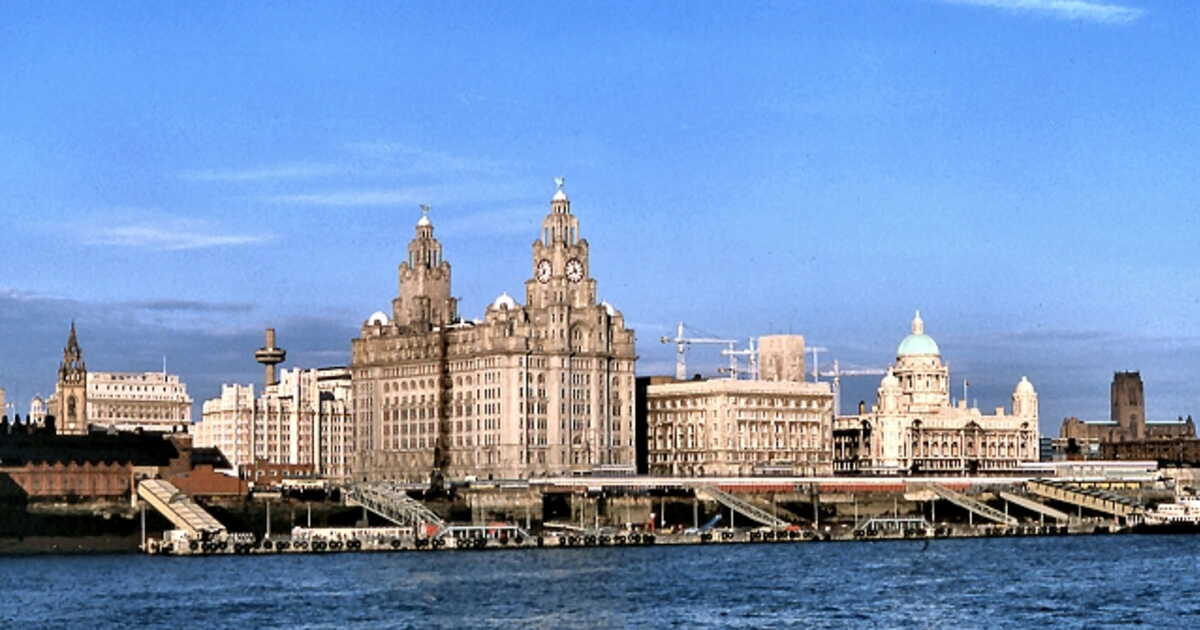
The Pier Head, located on the waterfront of Liverpool’s city centre, constitutes a monumental ensemble iconic to the United Kingdom, which long bore UNESCO status and remains the city’s historical and architectural heart, famed for its Three Graces. This area is dominated by the famous “Three Graces”: the Royal Liver Building, the Cunard Building, and the Port of Liverpool Building, three major buildings that reflect the city’s economic might at the height of its maritime prominence. Erected between the late 19th and early 20th centuries, these edifices illustrate the stylistic transition from classicism to modernity and form a striking backdrop facing the Mersey.
9. Stroll and shop at Liverpool ONE
For visitors interested in urban leisure and shopping experiences, Liverpool ONE stands as one of the UK’s premier outdoor shopping centers, located in the heart of Liverpool. This expansive modern complex houses a wide range of shops, from major international brands to specialty labels, alongside numerous restaurants and leisure spaces.
Designed to offer a versatile experience, Liverpool ONE also includes entertainment facilities such as cinemas, playgrounds and occasional events at various price points, making this venue a hub for locals and visitors alike. Whether you want to shop, enjoy a meal or catch a screening, Liverpool ONE represents a practical and pleasant stop in any trip to Liverpool, combining shopping and urban activity in a setting that is accessible and well integrated into the city’s dynamics.
In conclusion, Liverpool offers a range of activities that will engage travelers eager to discover this historic and cultural city. Whether you are an art aficionado, a music enthusiast or simply curious, Liverpool promises memorable experiences. When planning your visit, don’t forget to include these must-do activities to fully experience all that Liverpool has to offer.
What to do in Liverpool in one day? Essentials for a quick stay
Visiting Liverpool in a day requires strategic choices. Start with a stroll in the city centre, where streets buzz with history and modern energy. A visit to the Museum of Liverpool is essential to understand the wealth of this port city in a few moments. Continue to the mythical Cavern Club, a landmark of British music, then admire the imposing architecture of the Liver Building on the quays. At the end of the day, stroll through the Albert Dock district to enjoy the local atmosphere. Even with limited time, Liverpool reveals its essentials with intensity.
Why visit Liverpool? A dive into a unique English city
Visiting Liverpool is much more than discovering a city: it’s an immersion into the soul of the United Kingdom. Once a maritime capital, it blends historic heritage with cultural vitality. Its heritage is carried by iconic places like the Museum of Liverpool or the Cavern Club, birthplace of the Beatles. The city also appeals with its contrasting neighbourhoods, between working-class tradition and artistic renewal. With a varied offering of museums, guided tours and local experiences, Liverpool attracts history, art and music enthusiasts. An essential destination to understand England differently.
What to do around Liverpool? Ideas for cultural and local getaways
Around Liverpool, many enriching excursions await you. Discover the Merseyside coastal villages for an escape between local culture and nature. Heritage lovers can also visit historic buildings in the surrounding area, while music enthusiasts will find festivals and memory sites around the Beatles. A few kilometres away, Chester offers a beautiful medieval town centre. Liverpool is thus an excellent starting point to explore the North West of England.
What to do for free in Liverpool? Discover the city’s accessible richness
Liverpool is full of free activities, ideal for curious travelers on a budget. The Museum of Liverpool, the World Museum or the Walker Art Gallery offer free entry, allowing you to explore diverse collections ranging from local history to international art. Wander through the historic districts, such as the Georgian Quarter, or stroll along the Albert Dock quays to admire the remarkable architecture. A city that proves culture and accessibility can go hand in hand.
What to do in Liverpool at night? Dive into a musical and lively atmosphere
Evening in Liverpool reveals another side: a vibrant and artistic city. Attend a live concert at the Cavern Club, where the Beatles’ history continues to resonate in the bricks. Other alternative venues, like the Quirky Quarter, offer immersive experiences blending art, illusion and creativity. For football fans, the atmosphere in the pubs around Anfield or the unveiling of the new Everton stadium at Bramley-Moore Dock fuel match nights. The bars and restaurants in the city centre enliven evenings with a typically English ambiance, balancing tradition and modernity. In Liverpool, the night is an experience in itself.
This article was produced with the assistance of artificial intelligence, then corrected, expanded and validated by the editors of the newsroom.
Meeting in Busan, South Korea, the UNESCO World Heritage Committee has approved the inscription of 25 new sites on the World Heritage List, Time Out reports on Monday, July 27. Nineteen of these are cultural properties, five are natural sites, and a single one is classified as “mixed,” celebrated here for its significance both historically and environmentally. The organization notes that these places now enjoy a “permanent recognition of their importance,” a status designed to safeguard them over the long term. France gains two additional inscriptions with the Normandy D-Day beaches, which include Utah, Omaha, Gold, Juno, Sword, Pointe du Hoc, the Atlantic Wall, and the American Cemetery at Colleville-sur-Mer. The Capetian fortresses of Languedoc also join the renowned roster.
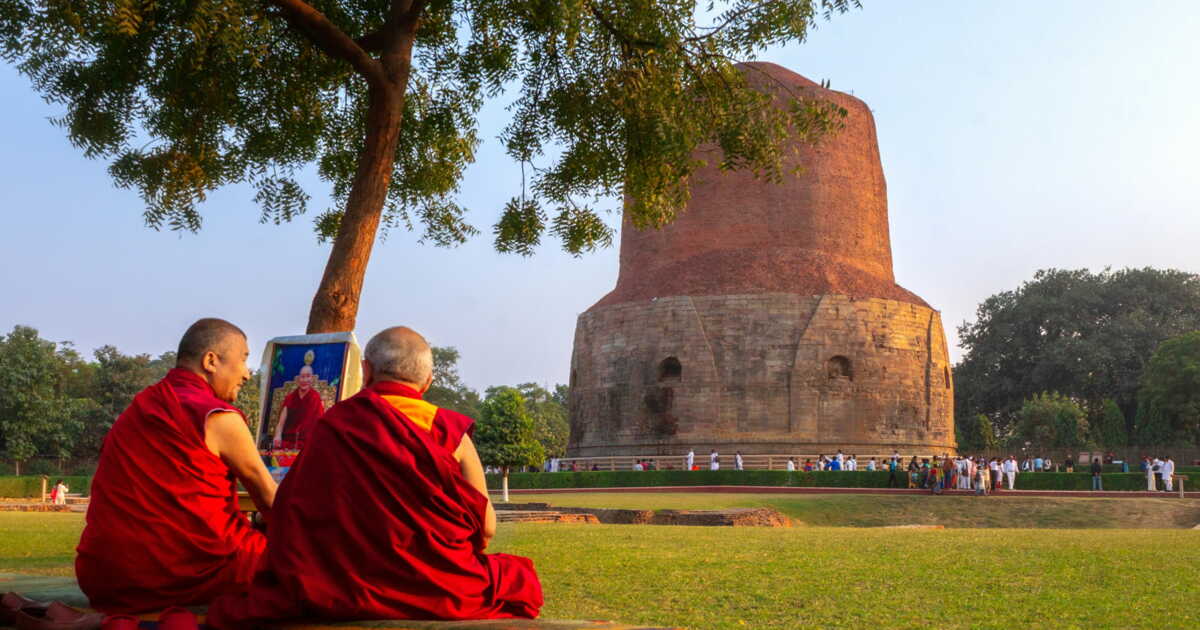
The French inscription is complemented by other cultural sites, such as Alamut Fortress in Iran, the Buddhist site of Sarnath in India, the ancient capitals of Asuka and Fujiwara in Japan, the modernist hub of Gdynia in Poland, the Jingdezhen porcelain workshops in China, the modernist architecture of Tashkent in Uzbekistan, the troglodyte mosques of Mangystau in Kazakhstan, and the theatres en condominio in Italy.
The medinas of the former sultanates of the Comoros, the former plantations of São Tomé and Príncipe, the village of Sidi Bou Said in Tunisia, the Thai temple Wat Phra Mahathat, the theatres of the Brazilian Amazon (La Paz and Amazonas), and the cemeteries of the Xiongnu nobility in Mongolia also figure among the newly recognized sites.
Italian Theatres, a Turkish Village…
Among the other distinguished cultural sites are Alamüt Fortress in Iran, the Buddhist site of Sarnath in India, the ancient capitals of Asuka and Fujiwara in Japan, the modernist center of Gdynia in Poland, the Jingdezhen porcelain workshops in China, the modernist architecture of Tashkent in Uzbekistan, the troglodyte mosques of Mangystau in Kazakhstan, and the theatres in condominium settings in Italy.
The medinas of the former sultanates of the Comoros, the former plantations of São Tomé and Príncipe, the village of Sidi Bou Said in Tunisia, the Thai temple Wat Phra Mahathat, the theatres of the Brazilian Amazon (La Paz and Amazonas) and the cemeteries of the Xiongnu nobility in Mongolia.
Three Emergency Listings
The only mixed site in this edition is Mount Olympus in Greece. Known in myth as the home of Zeus and the twelve gods, the country’s highest peak is also recognized by UNESCO for its biodiversity. “Olympus is the mountain that, through Homer’s epics and ancient Greek literature, carried Greek mythology and Greek civilization into the world,” commented the Greek government after the announcement.
The five newly inscribed natural sites are the Aqaba Marine Reserve in Jordan, the Okefenokee National Wildlife Refuge in the United States, the western Limfjord fish fossils in Denmark, and the Wadi Wurayah National Park in the United Arab Emirates.
Moreover, this 2026 batch is marked by several emergency listings. Directly threatened by ongoing conflicts around the world, the castles of Mount Amel in Lebanon, Sebastia in Palestine, and the Boma-Badingilo migratory landscape in South Sudan underwent an extraordinary procedure that led to their inscription.
Forest peoples who have preserved their singularity
The preservation of two important Cambodian ecosystems
A forest still inhabited and vibrant
Poaching, trafficking, rubber, jewels… threaten cultures and wildlife
Watching the nocturnal dance of phosphorescent butterflies
It is a volcanic lake 700,000 years old, 800 meters in diameter and perfectly circular. The sky reflects in it like a mirror. Although located only ten minutes by road from the small town of Banlung, capital of Ratanakiri, the water body is circled by a thick crown of jungle. Around 5 p.m., as the light begins to fade, the young Tampuans living in nearby hamlets come to bathe. This evening, purple clouds dance on the water’s surface before vanishing in splashes: the children literally leap into a fiery sunset!
Seated on the shore with a few elders, Ven Churk, in his sixties, one of the community’s wise men, watches all this with a careful eye. “Here, everyone knows it’s a sacred place”, he whispers. It’s no accident that the lake is called Yeak Laom, “the circle of giants” in Khmer. A fairy tale among others holds that it was dug by an army of giants on the orders of the king of ogres. But another tale says the basin was born from a shooting star that fell from the sky. Or that its depths harbor a kind of Asian Loch Ness monster, a white crocodile of extraordinary size wounded in the eye by a hunter’s arrow… Which story to favor? “They all have a place in our beliefs”, Ven Churk simply replies in his soft voice.
Timeless Cultures and a “Living” Nature
Timeless cultures and a “living” nature: Ratanakiri, for Cambodians themselves, is the ultimate frontier, a guaranteed change of scenery. A corner of the world that is part of the current Khmer kingdom, yet obeys a very different geography, and even more so different mindsets and ways of life.
From Phnom Penh, the capital, one must first endure about eight solid hours on a bumpy road to reach this province in the far northeast, bordered by Laos and Vietnam. Once there, meeting the Tampuans by the lake shore is only a small part of the singular experiences that lovers of off-the-beaten-path trails can have here.
Spread over 11,000 km2 (the equivalent of Île-de-France), populated by only 210,000 inhabitants (1% of Cambodia’s population), this highland plateau region forms the realm of laterite, red earth that sticks to shoes, repaints everything at the slightest gust and provides a perfect color base to make the greens of the forests pop. Here, there are no ancient temples, very few modern pagodas with their procession of saffron-robed monks. The treasures of Ratanakiri lie elsewhere. And they are accessible only by navigating muddy rivers and venturing on roads that exist only in name, as vegetation inevitably turns them into tangled, thriving cul-de-sacs.
Forest Peoples Who Have Preserved Their Distinctiveness
This situation has allowed various forest peoples to preserve their distinctiveness. The Tampuan (the most numerous, with 36,000 people), but also the Jaraï, the Kreungs, the Kavets, the Braus, the Katchoks, the Luns and the Phnongs: eight ethnic minorities, whom Cambodian authorities often group under the label Khmers Loeu (“High Khmers”), a clever way to mask regional particularism: in Ratanakiri, unlike other provinces where the population is 95% Khmer and mostly Buddhist, more than half of the inhabitants belong to these animist communities. Scattered across about one hundred villages, they have kept their languages and much of their traditions, despite the forced assimilation policy pursued during the Khmer Rouge era, starting in the late 1960s.
Today, the main struggle of these peoples is mainly to preserve the forest plots on which they have settled, sometimes for more than a thousand years. That is the case for the Tampuan. In the 2000s they mobilized to thwart various tourist complex projects along the shores of their sacred lake. They ultimately obtained the right to protect and manage the site themselves, but “threats return, alas, regularly”, laments Ven Churk, who leads the Yeak Laom defense committee.
A little further north, in the Andoung Meas district, the track leads to the Jaraï territory, a tribe that arrived from Borneo two millennia ago (they are today 20,000 living here, and 300,000 on the Vietnamese side). For them too, nature is closely linked to what ethnologists call “the rite of abandoning the tomb”. “Without the forest, our funeral practices would simply no longer be possible, and it would be the death of our culture”, explains Kalan Fin, 30, with onyx hair and a solemn gaze. This mother, who has just lost her father, is about to demonstrate the very particular tomb where she vigilantly watches over for several hours each day, in silence. Away from dwellings, at the edge of the woods, the deceased was buried in a fenced enclosure with dozens of objects that filled his daily life: his transistor radio, his machete, the last opened cigarette pack… Relics guarded by stern wooden statues placed at the four corners of the burial. In a few months, when they deem the time right, Kalan Fin and her family will stop coming to pay their respects here and will gradually let nature swallow it all: a return to the forest!
The Preservation of Two Important Cambodian Ecosystems
The minorities are the unwavering guardians of Ratanakiri’s wild beauty. They are largely responsible for the preservation of two of Cambodia’s most important ecosystems.
In the northeast, straddling Laos and Vietnam, the Virachey National Park forms one of the largest protected areas in Southeast Asia (3,300 square kilometers), home to the clouded leopard (Neofelis nebulosa), the gaur (Bos gaurus, a wild buffalo), and the Malayan sun bear (Helarctos malayanus).
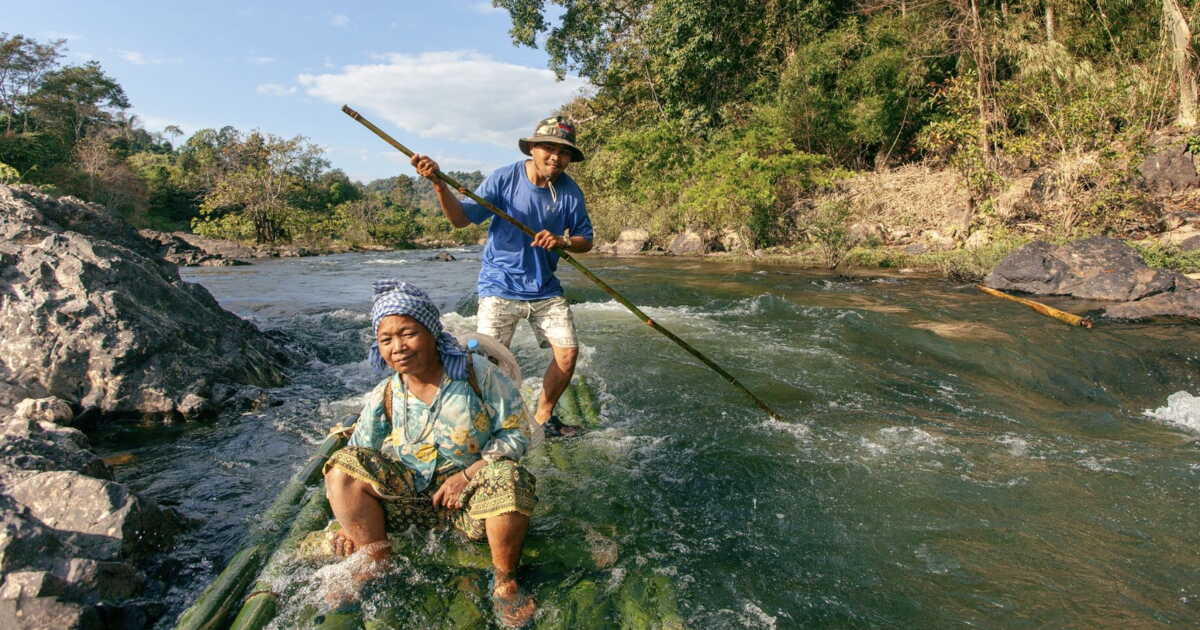
In the northwest, Veun Sai-Siem Pang National Park unfolds across nearly 600 square kilometers a staggering mosaic of forests threaded with countless waterways navigable by bamboo rafts. For an extraordinary two-, three-, or four-day trek, this is the place to go. With the chance to perhaps spot the furtive muntjac (Muntiacus, a small barking deer), the hornbill (Buceros bicornis, a helmeted toucan), and the yellow-cheeked gibbon of the North (Nomascus annamensis), a species formally identified only in 2010 by German primatologists.
So, depart from Banlung by Jeep at dawn. Destination: Veun Sai, a river village perched on the Tonlé San, whose green waters glide slowly toward the Mekong. From there, a boat ride to cross to the opposite bank – essentially another world. The crossing lasts less than five minutes but is followed by about an hour of driving aboard a koyun, a “mechanical cow,” as they say here, before reaching the heart of the forest. The average speed of this strange agricultural all-terrain vehicle is ten kilometers per hour. At the front, a sort of rattling cultivator with a long curved handle and cogged wheels to pass mud and shallows. At the rear, an old-fashioned hitch, planks forming a platform where passengers and provisions are stacked. At the edge of the woods, a forest guard appears from nowhere, keeping a register of hikers — barely half a dozen entries per day.
A Forest Still Inhabited and Very Much Alive
From there, the journey continues on foot, across the Kreung country, bold jungle wanderers. One of them has taken the lead of the expedition: Sakal Ngaem, 30, shaved temples and high cheekbones, clearing vines with a machete, spotting insects and rare birds, pausing at a medicinal plant…
The Ratanakiri is exceptional in that its forest is still inhabited and very much alive. Proof of this are the “love huts,” also called bachelor houses, that can still be seen here and there in the heart of Kreung villages. These stilted huts above ten meters offer teenage daughters a place to “try” their suitors before marriage, under the watchful eyes of their parents…
Further on, in a clearing, a camp where only a dozen people live. It’s a day of celebration: a baby was born the day before. The men prepare to roast a wild pig. The young mother sleeps in a “birth house“, a small shed where, as tradition dictates, she will stay alone with her newborn for several weeks…
Poaching, Trafficking, Latex, Jewels… Endanger Cultures and Wildlife
How long will all this continue to exist? Poaching and illegal trafficking of precious woods are already wreaking havoc in some areas. To this is added the uncontrolled spread of rubber plantations. Stretching into the distance, neat rows of tapped trunks ooze a sticky latex with a pungent odor, and these rubber tree fields gradually replace the region’s broad-leaved forests.
To the north of Banlung, another activity also causes damage. The area has long been known for its blue zircons, plain stones that, when heated to very high temperatures, take on the brilliance of diamonds and the hues of distant seas. Rubies and sapphires are also found. The name of Ratanakiri, meaning “mountain of jewels”, comes from there. For at least a century and a half, Jaraï miners have prospected here. But in recent years, everything has accelerated: bands of Khmers from the plains, poor farmers from central Cambodia, have joined in. The scene is somewhere between a tropical Germinal and a great gold rush…
Also emblematic of the retreat of the forests is the elephants. “They find less and less space to feed”, explains Pierre-Yves Clais, 57. A Francophile who arrived in Cambodia in the 1990s, when the country was emerging from the Khmer Rouge nightmare, he never left and settled in the region most remote with his Cambodian wife and their three children. Ten years ago he founded the Airavata Foundation – named after the mythical white celestial elephant with three heads, the mount of the Hindu god Indra. Its aim: to save about a hundred hectares of pristine nature a few kilometers from Banlung, to enable a family of elephants to live and feed there. The area now serves as a retreat and pantry for Bokva, Kamsen and Ikeo – weighing 5, 3.8 and 3.6 tons respectively – and for Noëlle, a 4-year-old calf weighing one ton, “These animals are the heirs of a long history that blends with the very identity of Cambodia,” emphasizes Pierre-Yves. In fact, at the height of the Khmer Empire, in the 12th century, King Suryavarman II possessed more than 100,000 elephants, used both for military campaigns and for the construction of Angkor Wat.
Today, there are barely 400 left in the wild, and fewer than 100 born in captivity or long domesticated. The latter are often the shared property of several families from the highlands, who use them in turn for forest work. Sadly, it is becoming increasingly difficult for them to find areas around villages that are wild and vast enough to feed these herbivores who spend up to eighteen hours a day chewing foliage – up to 150 kilograms for an adult.
Observing the Nocturnal Dance of Phosphorescent Butterflies
After several hours of trekking through Veun Sai-Siem Pang National Park, these threats seem almost to belong to another world. Far from civilization, the campsite where one arrives tonight has something of an everlasting Eden. The bags are placed near a crystal waterfall to bathe in ice-cold water. On the riverbank, porters prepare dinner. They cut meat, vegetables and fresh herbs with machetes to prepare the prom, a stew cooked in a wide bamboo tube set over embers.
Night falls; the guide Sakal Ngaem lights headlamps to observe the nocturnal dance of insects: giant ants, spiders with formidable bites, fireflies and phosphorescent butterflies parade under the beam. When it is time to sleep in a hammock suspended about one meter above the ground, you double-check that the mosquito net is properly closed. Lying there, eyes turned to the starry sky, sleep is hard to come by. Under the almost-full moon, the tree crowns create silhouettes like Chinese shadows. One recalls the popular saying heard earlier at Banlung Market: “In Ratanakiri, the red earth clings to your feet by day, and enters your dreams at night.”
Field return
Sébastien Desurmont, journalist: “I left my pair of shoes there, the GEO photographer did too!”
“Ratanakiri is pure adventure!, testifies our journalist Sébastien Desurmont. Proof: I left my shoes there, and the photographer did too! Between the red dirt tracks, bamboo rafts that take on water and the jungle’s tall grasses, they couldn’t withstand the journey.”
Our reporters were lucky to be joined on their expedition by a colorful character, Pierre-Yves Clais: “This Frenchman touched me with his love for this province, and his attachment to the local minorities, says Sébastien. And by the bond he has woven with the elephants. It’s the first time I’ve seen humans cuddle them and then bathe with them!”
➤ Article published in GEO magazine no. 570, “Cambodia”, August 2026.
➤ Do you love GEO? Then to miss nothing, discover our subscription options to receive GEO monthly at home with ease.
Do you dream of seeing sharks up close? For that, you don’t need to travel to the other side of the world. Each year, an astonishing spectacle unfolds off the coast of Ireland. In a few bays, one of the planet’s largest fish ventures so close to shore that it can be observed from a boat or from the cliffs, offering a rare—and safe—experience for nature lovers.
Why Ireland has become a refuge for basking sharks
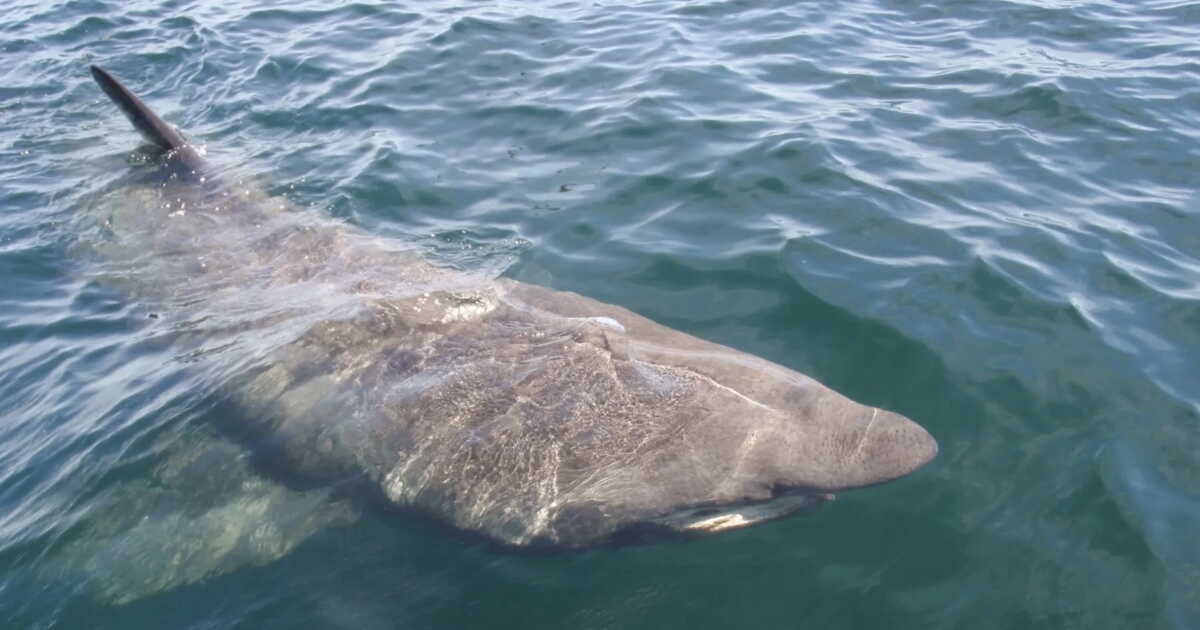
With a length of up to 10 meters, the basking shark is the second-largest fish in the world, behind the whale shark. And, despite its impressive appearance, it poses no danger to humans. Like the whale shark and the big-mouthed shark, it feeds solely on plankton and tiny copepods that it filters by swimming with its mouth open at the surface.
Between April and early July, then again in August and September, hundreds of basking sharks move to the west and southwest coasts of Ireland. The plankton blooms there are particularly abundant, favored by the shallow continental shelf. This concentration of food draws the animals into bays near the beaches, a phenomenon unprecedented on a global scale.
For biologist Chelsea Gray, a researcher with the Irish Basking Shark Group (IBSG), this proximity is what makes the country’s situation so unique. “Basking sharks are global citizens”, she told the BBC, adding that “Ireland is really unique, because they come so close to the shore”. A feature that allows them to be spotted both from the cliffs and during sea excursions.
Cette situation contraste fortement avec leur histoire. Dans les années 1950 et 1960, Achill Island – la plus grande île du pays, située à l’ouest – était le principal centre mondial de pêche et de transformation du requin pèlerin. Son immense foie, pouvant peser jusqu’à une tonne, était exploité pour produire de l’huile utilisée dans les cosmétiques, les lubrifiants industriels ou encore certains traitements médicaux. Ses nageoires étaient également recherchées pour la soupe d’ailerons de requin. La surpêche pratiquée en Irlande, mais aussi en Norvège, au Japon ou au Canada, a conduit l’espèce au bord de l’effondrement à la fin du XXe siècle.
A highly supervised encounter to protect an endangered species
Globally, the species remains threatened and has been listed on the International Union for Conservation of Nature (IUCN) Red List since 2018. But since the last basking shark caught in Ireland in 1984, the situation has gradually improved in Irish waters. Protection was further strengthened in 2022, when the basking shark was included in Irish wildlife legislation. It is now illegal to hunt, injure, or disturb its feeding and breeding areas.
Scientists now aim to turn the recommendations given to tour operators into a real legal framework. Concretely, boats should not speed toward the animals. When a shark is spotted within 50 meters, the engines must be put in neutral to let it decide how close it wishes to approach.
“Our priority is not to interfere too much with the animals. We typically stay well back and let them come to us. If we can intercept their path at a safe distance, they sometimes take a look and then move away”, explains Paddy Byrne, owner and captain of Sliabh Liag Boat Trips, to the BBC. He also notes that “they are wild animals, and we are privileged to see them”.
Exceptional Encounters
Observations are never guaranteed. Yet, outings regularly offer glimpses of seals, dolphins, seabirds, and sometimes small whales. But when basking sharks appear, the memory tends to be unforgettable. “We saw a baby basking shark even before leaving the first bay,” recounts Izzy Sharpe to the BBC, before adding: “On the way back, suddenly hundreds of basking sharks appeared. Wherever you looked, they were surfacing. It was incredibly special”.
Hazel Keegan, a regular on Achill Island, also recalls an extraordinary encounter. “They ended up swimming all around the boat. We could clearly see the white of the inside of their mouths. They kept passing under the boat! It was only then that I truly realized how long they are,” she tells the British media. Even when luck isn’t in your favor at sea, surprises can come from the shore. Laura Brown recalls finishing her stay without spotting a single shark during her excursion.
“On the last day, the weather was perfect and we decided to head back to Keem Bay one final time. We looked into the bay and there were about six to eight basking sharks! My son, his friend, and I ran to grab the paddleboard. They swam beneath us and around us. It was truly magical”, she tells the BBC. A reason to consider Ireland a top destination for those dreaming of observing one of the planet’s largest fish in its natural habitat.
The Louisiana sits at the crossroads of American, French, and Spanish influences, presenting a unique mosaic of traditions and landscapes. This southern state of the United States is renowned for its rich history, lively festivals, and distinctive cuisine. Whether you are drawn to culture, nature, or music, Louisiana has something to offer every visitor. As you arrive, a pressing question often comes to mind: which activities should you prioritize? Let’s explore together some of the most captivating experiences this state has to offer.
1. Discover the French Quarter of New Orleans
The French Quarter, the historic heart of the city of New Orleans, is a must-visit stop for any Louisiana journey, both for its heritage value and for the diversity of outdoor activities it allows you to observe or engage in. This iconic district enchants visitors with its colonial architecture, featuring wrought-iron balconies, colorful façades, and a density of streets that testifies to the French and Spanish influences. As you stroll along its bustling avenues, you will encounter Jackson Square, a central gathering place where musicians, street performers, and passersby mingle in a lively atmosphere that perpetuates the region’s cultural legacy.
Nearby, Frenchmen Street provides an authentic glimpse into the local jazz scene, with intimate clubs and live performances embedded in the African American Heritage Trail. This historic neighborhood also offers a culinary scene defined by regional specialties such as gumbo and beignets, emblematic of Creole cuisine.
Extending the exploration toward the bayous or the surrounding natural areas, you can deepen this immersion with a nature trail or a wildlife-focused visit, especially within institutions like the House of Cultures or the National Museum. This territory thus blends cultural richness, social memory, and natural environment into a coherent and structured discovery.
2. Visit the Historic Plantations
The Louisiana hosts a remarkable collection of historic plantations, whose preservation today helps illuminate the economic, social, and human dynamics that shaped the region. Among them, , famed for its centuries-old rows of towering oaks, embodies the Southern architectural aesthetic, while Laura Plantation stands out for its documentary approach, focusing on daily life and the histories of the enslaved people who built these estates. Guided tours, spread across rural parish neighborhoods often situated near the bayous, go beyond mere architectural exploration to present a critical reading of plantation narratives—linking memory, testimonies, and historical interpretation.
For travelers deeply engaged in a Louisiana journey, these sites also fit within heritage-enrichment routes such as the African American Heritage Trail, contributing to a deeper understanding of slavery’s past and the region’s cultural legacies. In addition, some estates incorporate nature trails that reveal local wildlife, adding an environmental dimension to the outdoor activities offered.
3. Explore the Bayous and Swamps
The bayous and swamps of Louisiana stand as emblematic ecosystems of the southern United States’ wild nature, forming an essential component of any Louisiana trip aimed at environmental and cultural discovery. These wetlands, accessible via boat tours, give visitors chances to observe local wildlife, with particular attention to alligators, herons, turtles, and a host of other species that define these habitats. Exploring these landscapes is often accompanied by commentary on Cajun culture, conveyed through guides’ tales, traditional ways of life, and visits to isolated villages.
For those seeking a more immersive approach, an airboat ride offers a dynamic option that blends speed with access to more remote areas, while still providing a structured reading of these environments. Some excursions also include nature trails, linking ecological discovery to outdoor activities in an organized setting. This enhanced experience can be extended by visits to museums or the House of Cultures, enriching understanding of these spaces—natural and human—situated often between New Orleans and Baton Rouge, where biodiversity meets living memory in the Louisiana landscape.
4. Immerse Yourself in Baton Rouge’s Atmosphere
Baton Rouge, the administrative capital of Louisiana, offers visitors a structured array of cultural and patrimonial attractions illustrating the state’s political and military evolution. The State Capitol, an iconic building and the tallest capitol in the United States, provides a striking vantage point via its panoramic platform for grasping the city’s layout and its surroundings.
Nearby, the USS Kidd, a World War II destroyer turned naval museum, offers an immersive guided tour that highlights the region’s strategic role in 20th-century conflicts. The Old State Capitol, repurposed as a museum dedicated to Louisiana’s political history, rounds out this ensemble by providing a thorough reading of local institutions through a collection of documents, artifacts, and multimedia installations.
These sites, accessible at different price points, anchor a Louisiana trip in a rigorous historical approach, which can be enriched through complementary routes such as the African American Heritage Trail, or excursions to the nearby bayous and surrounding nature trails. Taken together, these visits contribute to a comprehensive understanding of Louisiana’s identity, balancing institutional memory, military heritage, and territorial rooting.
5. Discover Cajun Culture in Lafayette
Lafayette and the Acadian region form a major cultural hub for visitors seeking to deepen their understanding of Cajun culture, at the heart of any Louisiana journey focused on regional identities. The zydeco music, emblematic of this Francophone heritage, sets the rhythm of local evenings and testifies to a living legacy transmitted through dances, festivals, and musical performances across various neighborhoods in the region.
Venues like Vermilionville, an ecogarden museum dedicated to Acadian and Creole traditions, allow a tangible approach to 19th-century daily life through reenactments, craft demonstrations, and guided tours. The Acadian Cultural Center completes this immersion with detailed exhibits on the Acadian deportation, their migration to Louisiana’s bayous, and the adaptation of their culture to Southern realities.
These experiences, enhanced by outdoor activities and nature trails around the bayous, offer a nuanced reading of the land where local fauna, oral traditions, and vernacular architecture resonate with one another. Located between New Orleans and Baton Rouge, this region stands out for its central role in the African American Heritage Trail and the promotion of a Francophone memory rooted in Louisiana’s complex history.
6. Attend a Local Festival
Louisiana shines with a dense festival calendar that reflects the vitality of its traditions and the diversity of its cultural influences, making these events a structural complement to any Louisiana journey. The Mardi Gras in New Orleans is perhaps the most iconic, featuring spectacular parades, elaborately decorated floats, and ornate costumes that mobilize the city’s neighborhoods in a collective celebration with strong symbolic resonance.
Another major rendezvous is the Jazz Fest, which gathers globally renowned musicians each year and highlights the local musical heritage—jazz, blues, zydeco, and Afro-Caribbean sounds—within the framework of the broader African American Heritage Trail. Farther west, the Louisiana International Festival, held in Lafayette, provides a platform for Francophone artistic expressions and global cultures, featuring live performances, workshops, and outdoor activities.
These events, spread across the state from Baton Rouge to rural bayous, also offer opportunities to discover local wildlife, culinary arts, and regional crafts in affordable settings. They fit squarely within a cultural-promotion strategy that links museums, nature trails, and heritage sites such as the House of Cultures, underscoring how festivals are deeply woven into Louisiana’s identity.
7. Relish Local Culinary Delights
Louisiana cuisine, a reflection of a complex history and a fusion of cultures, forms a core component of any Louisiana journey, weaving together Creole traditions and Cajun influences into a rich, structured gastronomic landscape. Among the iconic dishes, jambalaya stands out as a quintessential preparation: a spicy rice dish with smoked sausage and shrimp, showcasing the region’s diverse flavors and emphasis on ecosystem-derived ingredients. Seafood, abundant in coastal areas and bayous, also occupies a central place, appearing in a wide array of recipes across establishments—from upscale restaurants in New Orleans to family-style tables in Baton Rouge or small inland towns.
For visitors seeking authenticity, local markets provide direct access to fresh produce—spices, fish, vegetables—representative of local wildlife and regional culinary know-how. These venues are often integrated into broader cultural circuits, in connection with the African American Heritage Trail, nature trails, or cultural houses, linking the food experience to a broader understanding of the Louisiana landscape—its environment, memory, and identity.
In conclusion, Louisiana offers a diverse array of landscapes, histories, and cultures to explore. Whether you are drawn to historical exploration, nature immersion, or culinary experiences, this southern state is sure to captivate travelers seeking authenticity. For those who wish to deepen their experience, delving into the details of each city and activity can reveal even more hidden riches that Louisiana has to offer.
What Budget to Plan for a Louisiana Trip: An Accessible Immersion into the Bayou World
Planning a budget for a Louisiana trip depends on several factors, including trip duration, type of lodging, and the variety of activities chosen. On average, a daily budget of $100 to $150 per person affords a comfortable experience, covering accommodation, meals, and admissions. Cities like Baton Rouge or New Orleans offer a wide range of prices—from historic inns to contemporary hotels. Free or low-cost cultural activities, such as visiting the House of Cultures or certain local museums, can enrich the experience without straining the wallet. For travelers who love nature, a nature trail or wildlife watching in the bayous often requires only a modest entry fee.
How Long to Spend in Louisiana: A Balance of City Exploration and Preserved Nature
Ideally, exploring Louisiana requires about 7 to 10 days to truly embrace the richness of this Southern state. This window allows you to combine stops in major cities such as Baton Rouge, New Orleans, and Lafayette with excursions into the heart of the bayous or natural parks. A week also provides the chance to visit iconic sites like the World War II National Museum, Creole houses, or to follow a stretch of the African American Heritage Trail, while leaving room for leisure and immersion in local culture. For travelers with tighter schedules, an itinerary focused on one big city and its immediate surroundings remains meaningful.
What to Do in Louisiana with Kids: A Family-Friendly Destination Blending Culture and Nature
Louisiana lends itself well to family trips thanks to a wide range of activities suitable for children. The houses of cultures, educational farms, and interactive museums provide playful yet educational experiences that illuminate local history and traditions. Boat tours through the bayous let younger visitors spot local wildlife, including alligators and migratory birds. In towns, well-designed parks and nature trails offer safe, engaging spaces for families.
What to Do in Louisiana in the Evening: Living Culture and Musical Heritage
Louisiana’s nightlife is distinctive, emphasizing culture over conventional entertainment. Evenings typically begin with jazz or blues concerts in the historic neighborhoods of major cities. In Baton Rouge and New Orleans, many venues celebrate Afro-American musical traditions, a natural extension of the African American Heritage Trail. Some museums or historic houses host nocturnal tours, offering a different perspective on the heritage. Finally, Mississippi River cruises provide a serene way to admire the city lights after dark.
What to Do in Louisiana When It’s Raining: Museums, Heritage, and Indoor Discoveries
Even in rainy weather, Louisiana offers a wealth of enriching activities. Museums, including those dedicated to wars or local history, serve as superb cultural refuges. Touring historic houses, some of which form part of the House of Cultures, allows exploration of architecture and past narratives without worrying about the weather. In Baton Rouge, interactive exhibitions captivate both adults and children. Cultural centers, especially those tied to the African American Heritage Trail, invite a deeper understanding of the multiple identities that compose this state.
This article was written with the help of artificial intelligence, then corrected, supplemented, and validated by the newsroom’s journalists.
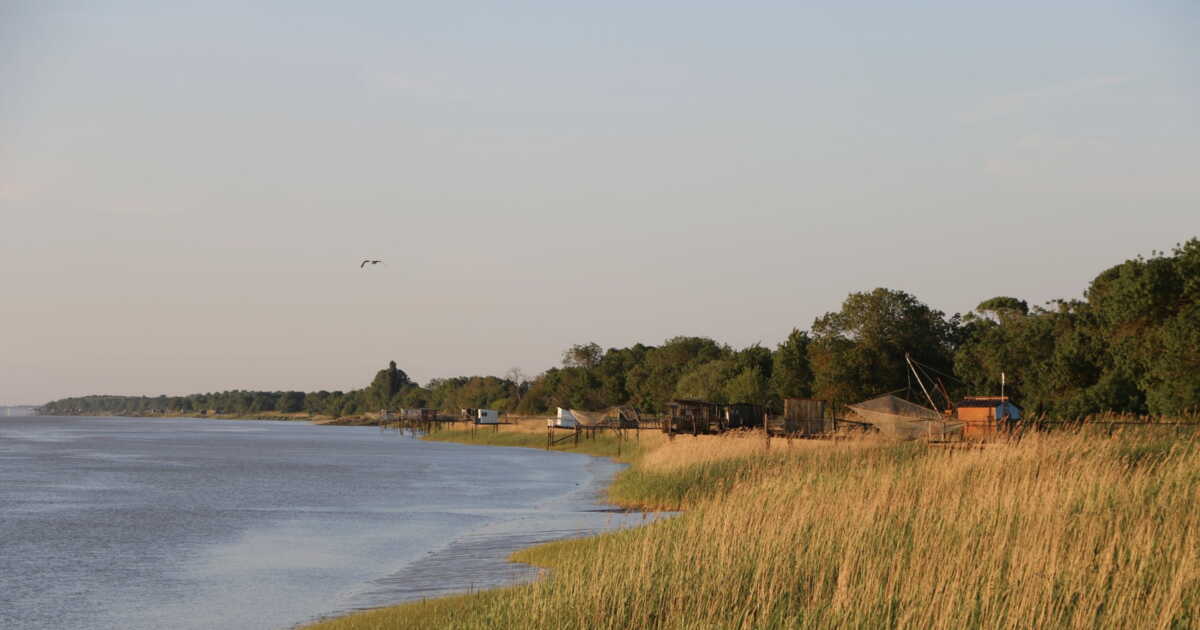
“The Gironde is big, very big” : as mass evacuations and cancellations of bookings due to the fires unfold, tourism professionals hope to salvage the rest of the season in this vast department, where the forest does not burn everywhere.
“I urge tourists not to come, not to join the Gironde”, said on Sunday the department’s prefect Sophie Brocas, also inviting “the tourists present to consider another destination”.
Major losses for tourism
About 220,000 people, including holidaymakers, have already been evacuated in recent days from several Gironde towns, especially popular seaside resorts at this time of year such as Lège-Cac-Ferret. “It’s a crushing blow to a large part of the department that is mainly touristic; tourism is completely halted, it’s the end of the season”, says Patrick Seguin, president of the Gironde Chamber of Commerce and Industry (CCI).
Nevertheless, “The Gironde is big, very big”, reminds AFP the president of the Union of Trades and Industries of the Hotel Industry (UMIH) Gironde, Franck Chaumès. “This comes from a good intention”, the prefect made this announcement “to give road routes easily accessible to firefighters and authorities” but “we hope it will be rectified” to “try to save the month of August”, he adds.
Claire Bigat, who lives in Lille and had planned two weeks of vacation in Andernos, between Biscarrosse and Lège-Cap-Ferret, “given the circumstances”, “does not want to go”. “Access seems uncertain, we have seen the authorities’ instructions and we do not want to clog the roads. Besides, our son is asthmatic, we cannot be in the smoke, and if it is to spend a vacation of desolation because everything has burned, it’s not worth it”, she tells AFP.
At Bordeaux train station, Francine Chauvirey, 76, who was spending holidays at her son’s, anticipated her return to Paris. “I had trouble breathing because of the smoke, so we changed my train ticket”, she confides to the AFP, her face protected by an FFP2 mask. Vila, a 32-year-old painter, likewise shortened his trip to Bordeaux to return home to Finland, “because of the fires”.
Tourism accounts for 7% of the department’s GDP, more than 40,000 jobs and 3.2 billion euros in direct spillovers, according to the department’s site.
“On the Cap Ferret peninsula, there are 100% losses since everyone has been evacuated”, according to Franck Chaumès. This concerns “around a hundred establishments: hotels, bars, restaurants, nightclubs” and “two campsites out of ten have burned”.
In the 22 other evacuated municipalities, commerce “is at a standstill” as well. “And there are also the Landes“, he adds. Nearly 40,000 holidaymakers, staying in 45 campsites in Gironde and Landes, have been evacuated so far, said Sunday to AFP Nicolas Dayot, president of the National Federation of Outdoor Hospitality (FNHPA).
Cancellations far beyond the areas affected by the fires
The evacuated zones are not the only ones seeing departures. “We have cancellations at the other end of Gironde: in Médoc, Libournais which is 70 km from Cap Ferret… It’s a catastrophe”, laments Franck Chaumès of UMIH Gironde.
A view shared by the co-chair of the Saint-Émilion tourism office, Jean-Daniel Debart, who says, “of course we must clear the roads but we must adopt more nuanced statements because not all of Gironde is affected”. “In Saint-Émilion, we are more than 80 km from the fires, this is not the Arcachon Basin”, he tells AFP. He laments that there are already “dozens of cancellations” including for August and beyond, with, for example, an “cancellation of a group that was due to come in September”, and dozens of refund requests.
One can “do oenotourism in the vineyards”, acknowledges Patrick Seguin of the CCI, “but given what French and foreign tourists see in the media, it does not tempt them to come”.
These hikes, sometimes demanding, are guided by seasoned leaders and often include overnight camping. Embark on a journey in search of cultural immersion and varied adventures. World-renowned for its Mayan heritage, its breathtaking volcanic landscapes, and its exceptional biodiversity, Guatemala offers a myriad of activities and must-see sites. Whether you’re a history enthusiast, a nature lover, or a seeker of thrills, Guatemala is sure to captivate you. If you’re wondering which activities to prioritize during your stay, here is a detailed guide to help you plan an unforgettable itinerary.
1. Explore the colonial town of Antigua Guatemala
Antigua Guatemala is a must-see stop on any trip. This former colonial capital, a UNESCO World Heritage site, charms with its cobbled streets, its historic churches, and its breathtaking views of the surrounding volcanoes. You can lose yourself in its lanes and admire the Baroque architecture of the buildings, visit the local markets to discover Guatemalan craftsmanship, or enjoy a coffee in one of its many cafes.
2. Discover the archeological site of Tikal
Hidden in the jungle of the Petén department, the legendary site of Tikal stands as one of the greatest Maya archaeological sites and urban centers. Renowned for colossal temples like the Temple of the Great Jaguar and the Temple of the Masks, Tikal’s ruins offer a spectacular panorama of the surrounding rainforest, especially at sunrise or sunset. Don’t miss the chance to observe local wildlife, such as howler monkeys and numerous bird species, while wandering this ancient complex.
3. Cruising on Lake Atitlán
Lake Atitlán, encircled by three imposing volcanoes and a string of indigenous villages, is another Guatemala treasure. You can take boat excursions to visit villages like San Pedro La Laguna and Santiago Atitlán, where you can immerse yourself in the local culture and its traditions. The region offers a wealth of activities ranging from hiking to kayaking or yoga by the lakeside.
4. Swim at Semuc Champey
Semuc Champey is a series of turquoise pools tucked into a lush forest valley. It’s the perfect spot to unwind and recharge in nature. A hike will lead you to an overlook offering a spectacular view of this natural formation. Exploring the Kan’ba caves, shrouded in darkness, is also an experience for the more adventurous.
5. Climb the Pacaya volcano
The ascent of the Pacaya volcano is an adventure offering sweeping views of the surrounding valley. The volcanic activity here is captivating: you can even toast marshmallows over rocks heated by the volcano’s intense geothermal activity. This excursion is typically a day or a half-day from the city of Antigua.
6. Wander through Chichicastenango market
Head to Chichicastenango to discover one of the most lively and colorful markets in Guatemala. Open on Thursdays and Sundays, this market is famous for its handwoven textiles, traditional masks, and artisanal objects. It is also a place of religious syncretism where Mayan spiritual rites and Catholic traditions mingle.
As you travel through Guatemala, you’ll have the opportunity to explore fascinating historic sites, venture into breathtaking natural landscapes, and immerse yourself in a rich and vibrant culture. Whether you choose to climb a volcano, relax by a lake, or converse with local artisans, your Guatemalan journey will be filled with discoveries and emotions. To extend your adventure, let yourself be inspired by the many other unique experiences this country has to offer.
Where is Guatemala located and why does this Central American destination deserve renewed attention?
Situated in Central America, between Mexico, Belize, Honduras, and El Salvador, Guatemala stretches from volcanic highlands to the Pacific coast, passing through the core of the jungle in the northern Guatemala. This country, with its lush vegetation and deeply rooted traditions, captivates by its ability to fuse raw nature with Guatemalan culture.
In a few kilometers you can move from a tiny paradise like Lake Atitlán, listed among the most beautiful lakes in the world, to wild black-sand beaches or to Maya temples buried in the tropical forest. This geographic setting makes it a land of contrasts, and explains why Guatemala attracts an increasingly curious audience seeking authenticity.
What is the capital of Guatemala and what does it reveal about the modern country?
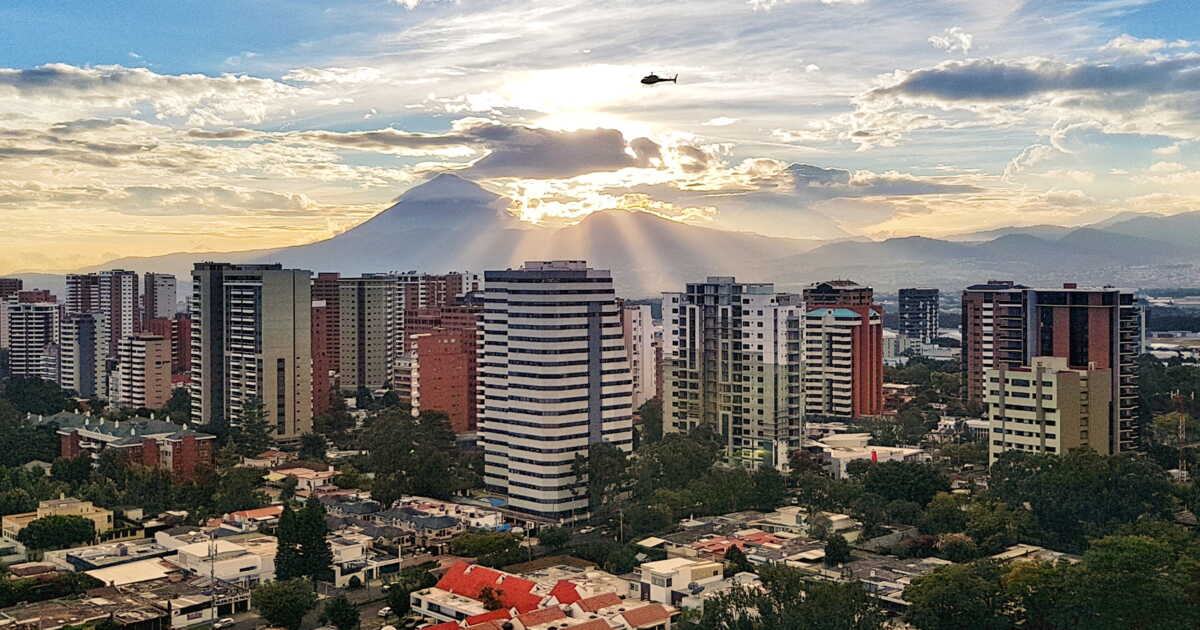
Guatemala City, also known as Ciudad de Guatemala, this sprawling metropolis reflects the urban tensions and dynamics of Central America. Located not far from the old capital of Guatemala, Antigua, Guatemala City hosts the major institutions, including the National Museum of Archaeology and Ethnology (MUNAE), a fascinating guardian of pre-Columbian memory and Indigenous cultures. It’s almost a required stop during a Guatemala stay, especially for those who wish to explore the rest of the country.
How long does it take to visit Guatemala and explore its major sites?
A full week can be enough to explore a few unmissable sites such as Antigua, Lake Atitlán, and the Chichicastenango Market, but for a deeper immersion into the country’s diversity, two to three weeks are recommended. This allows time for a visit to Antigua, the exploration of the tropical rainforest toward Semuc Champey, a river excursion on the Rio Dulce to Livingston, or a trek across volcanoes. Splitting your days in Guatemala by region (highlands, jungle, beaches) helps you grasp cultural and geographic variations. The ideal plan is a balanced stay in Guatemala between nature, heritage, and encounters, taking into account the best season, typically from November to April, outside the rainy season.
How to get around Guatemala and which options suit travelers?
The network largely relies on repurposed American school buses known as “chicken buses,” cheap but often uncomfortable for long trips. For more comfort, many travelers opt for private or shared shuttle drivers, ensuring efficient connections between Guatemala City, Antigua, Lake Atitlán, or Semuc Champey.
Major roads are passable, but some rural areas require a suitable vehicle. Boat links complement the offering, especially on the Rio Dulce or toward villages like San Juan La Laguna. To guarantee a smooth stay in Guatemala, it’s wise to avoid overnight trips and to check schedules in advance, particularly in the northern Guatemala, which is more isolated.
Discover which volcanoes can be climbed in Guatemala and how to incorporate them into your itinerary?
Guatemala counts more than 30volcanoes, with several accessible to hikers. The most famous remains the Acatenango summit, whose ascent offers a face-to-face view of the spectacular activity of the Fuego volcano. Around the city of Antigua, one can also undertake the Pacaya trek, more approachable, renowned for its fields of volcanic rocks and intense fumarolic activity.
These hikes, sometimes demanding, are guided by experienced guides and often include overnight camping. Trekking in the Guatemala volcanoes also means crossing a lush vegetation, observing lunar-like landscapes and immersing yourself in the Guatemalan culture, where volcanoes play a major spiritual and mythological role.
Dangers in Guatemala: what guidelines to travel safely?
While some urban areas, notably Guatemala City, carry risks linked to crime, the vast majority of tourist regions, such as Antigua, Lake Atitlán, Semuc Champey, or Livingston, are safer when basic precautions are followed. Do not display valuables, avoid unaccompanied night travel, and opt for reliable shuttle drivers as simple rules to observe.
The Guatemalan culture values hospitality and exchange, and travelers are often warmly received. Traveling in Guatemala requires prudent awareness, but it should not obscure the richness of a country still largely untouched by mass tourism, where every encounter matters.
The landscapes of Guatemala: an exceptional geographic diversity to explore
Exploring Guatemala’s landscapes means opening a living atlas of reliefs, lakes, forests, and volcanoes. The country is marked by rare geographic diversity: green highlands around Antigua, spectacular lakes like Lake Atitlán, black-sand beaches on the Pacific coast, and dense tropical rainforest in the northern region.
This natural wealth is reflected in places like Semuc Champey, known for its turquoise pools at the bottom of a gorge, or the Rio Dulce, a waterway cutting through the heart of the jungle. The best period to admire this nature runs from November to April, outside the rainy season. Each region offers a palette of colors, sounds, and ambiances, reinforcing the image of Guatemala as a little paradise for lovers of untouched and powerful landscapes.
Languages in Guatemala: which tongues are spoken and why this matters for travelers?
While Spanish is the official language, Guatemala stands out for its presence of more than twenty Mayan languages spoken in rural areas. Communities such as those in San Juan La Laguna, around Lake Atitlán, preserve and teach their mother tongue, thereby strengthening the Guatemalan culture in all its complexity.
During a stay in Guatemala, it is useful to master a few basics of Spanish, especially to communicate outside the tourist zones. This linguistic richness testifies to the survival of ancient civilizations, far beyond museums, in the daily life of residents. It also represents a strong element of a respectful and enriching journey, beyond the must-see sights.
This article was written with the help of artificial intelligence, then corrected, completed, and validated by the editorial team.
In Athens, far from the crowds, a small community continues, millennia later, to devote worship to the gods of ancient Greece. Zeus, Athena, Poseidon, or Dionysus do not represent, for the members of the Labrys movement, characters from myths and legends. They do not venerate them out of attachment to cultural heritage, nor from a desire to reconstruct history. It is a religious practice in its own right and very much alive… in the twenty-first century.
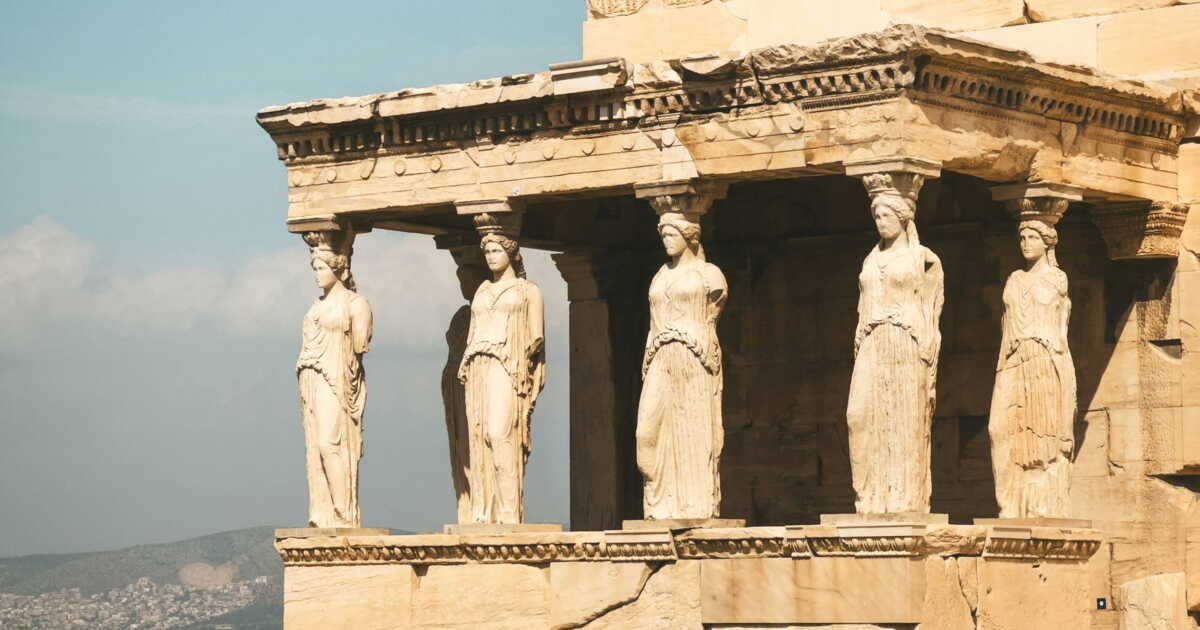
On Sunday, July 19, CNN witnessed a purification festival called Plynteria (or Pynterie), one of the stages of the Panathenaea, this multi-day series of festivities in honor of Athena. Men and women of all ages, dressed in white, gathered around a stone altar to cleanse the sacred statue of the goddess of wisdom.
Connecting with the Divine
Labrys is a group of Greek polytheists who organize collective events and encourage domestic worship of these ancient gods, notably celebrated thanks to works such as Homer’s Odyssey. Its cofounder, Christos Panopoulos, laments that popular culture has appropriated the Greek heritage internationally. “There isn’t a single Greek actor”, he denounces on American television regarding Christopher Nolan’s latest Hollywood adaptation.
The man, who has adopted the religious name Pandion in reference to two mythical kings of Athens, believes that his country is distancing itself from its ancient past while these narratives continue to nourish the identity and spirituality of many Greeks. “Myths and religious acts are like a symbolic language that allows us to act, to accomplish something. And what we seek to achieve is a connection with the divine. That is the whole point”, he sums up.
The Path Toward eudaimonia
Christos Panopoulos humorously notes that he has never received an order from Zeus, but he has gradually felt as if he is “in harmony with something” by devoting himself to polytheism, better understanding the world and his place within it. This quest attracts a diverse range of people. Panagiotis Koutalos, an English professor in Athens, grew up in a strict Christian environment before turning to Buddhism, and then to Greek polytheism. He appreciates a spirituality in which “no deity judges” its followers.
“In a monotheistic culture, the more human and animal facets of our nature are often perceived as things to be rejected. Here, nothing is judged”, explains the practitioner.
Anna Sinan, a native of Brazil, discovered the movement almost by chance, during a public ceremony in the Greek capital. There she found an atmosphere that reminded her of the carnival of her childhood. “Here, it’s a small community. The atmosphere is very special. It’s not just a simple festival. Before and after, a prayer is truly spoken. The very essence of the celebration has been preserved”, she explains.
These ceremonies regularly attract tourists, intrigued by this surprising return of the gods of Olympus, but for Labrys members, the essential lies not in folklore, but in a philosophy of life. Christos Panopoulos encourages toward the pursuit of eudaimonia while keeping at heart the virtues of these ancient deities, such as “the justice of Zeus” or “the wisdom of Athena.” These serve as valuable anchors in a contemporary society that he regards as lacking meaning.