Top 10 Used Cars for a Summer Road Trip

We have selected the ten used cars that fit these criteria, cross-checking reliability data from J.D. Power and ADAC with BPM Cars’ insights, a multi-brand dealership group that partnered with this ranking.

What Makes a Real Road-Trip Car

Four criteria separate the contenders. First, trunk space: below 450 litres and a family’s suitcases spill over onto the rear seat. Next, fuel consumption, measured at 130 km/h, which can vary widely between models of similar size. Comfort for long distances—seats, soundproofing, adaptive cruise control—makes the difference between arriving fresh or drained. Finally, reliability: a breakdown 800 km from home can ruin a holiday more reliably than poor weather. Our selection, focused on the brands distributed by BPM Cars’ network, the partner in this ranking, does not tell you how to plan the departure; the mandatory preparation steps, including maintenance, tires and equipment, are detailed in BPM Cars’ road-trip preparation guide. It indicates which car to put into the equation, and road safety recalls the non-negotiable rule: a break every two hours.

The Top 10 Road-Trip-Ready Used Cars for Your Vacation Drive

1. Volvo V60 (2018-2022)

The wagon that looks after its crew. Volvo’s seats are a benchmark that ten hours on the road confirm, and its safety equipment ranks among the most complete on the market. The 529-litre boot is square and swallows the vacation logistics. The D3 and D4 diesels, followed by the B4 mild-hybrids, cover the distance while calling for about 5.5–6.5 L/100 km on the highway. Price ranges from €22,000 to €32,000 depending on the year. Network maintenance isn’t cheap: a full history and a solid warranty are welcome at purchase.

2. Suzuki Swace Hybrid (2021-2024)

The wisest hybrid wagon of the moment, and the most overlooked: the Swace is the technical twin of the Toyota Corolla Touring Sports, produced on the same British assembly lines with the same 1.8 122 hp hybrid powertrain, reputed among the most durable on the market. About 5 to 5.5 L/100 km on long journeys, enough to link Paris to the Basque coast with a single tank, and the Crit’Air 1 badge to cross metropolitan areas. Its 596-litre boot swallows family luggage, and its conspicuity on the used market makes it a bargain, around €17,000 to €22,000. Discover the Suzuki universe at BPM Cars.

3. Alfa Romeo Stelvio (2020-2023)

The SUV that loves the road as much as you do. The sharpest chassis in its class, a responsive steering feel, and a sedan-like balance: the Stelvio turns winding national roads into driving pleasure, without sacrificing its 525 litres of boot. The 2.2-litre diesel from 160 to 210 hp stays thrifty over long stretches, around 6–7 L/100 km. Prices range from €28,000 to €40,000 for facelifted years from 2020 onward, the best finished and most reliable phase of the model’s career. A well-documented history is essential, as electronics can be finicky at times. Our used Stelvio guide details the versions to target.

4. Hyundai Santa Fe Hybrid (2021-2023)

The XL format for the family road trip: up to seven seats, a boot over 630 litres in five-seat configuration, and a 230 hp hybrid powertrain that remains smooth on long stretches, from the outskirts to the hairpins of the Cevennes. Like the Tucson, it comes with Hyundai’s five-year unlimited-mileage warranty, transferable to the second owner, a genuine safety net far from home. Expect to pay €30,000 to €40,000 depending on year and trim. Its size—about 4.80 metres—requires a little care in village parking, the only real bottleneck of all this space. Discover the Hyundai universe at BPM Cars.

5. Mercedes-Benz E-Class Estate (2018-2022)

The rolling palace of the ranking: 640 litres of boot space, reference-level sound insulation and a suspension tuned for long legs. The 220d diesel, powered by the reliable OM654 four-cylinder, runs down to around 5.5–6 L/100 km at a steady legal speed—an economical long-distance performer. Expect to pay between €28,000 and €42,000 depending on year and mileage. It’s the choice of travelling families and heavy-mile drivers; in town, its 4.93-metre length requires broad maneuvering. See the E-Class Estate at BPM Cars.

Good to know. Several models in this ranking regularly pass through BPM Cars’ guaranteed stock: a 200-point check, 12 to 36 months of warranty, and a complete maintenance history, so you can head off with peace of mind. Discover the used stock.

6. Hyundai Tucson (2021-2024)

The compact SUV that heads off on vacation with its warranty: five years of unlimited mileage, transferable to the second owner, ensuring travel coverage. Its boot ranges from 546 litres to 620 litres depending on engine, and its spacious cabin makes it a true family car, with hybrid versions showing smooth and economical behavior on long stints. Expect to pay €20,000 to €28,000. See our used Tucson guide to pick the right version.

7. Jeep Compass (2021-2023)

The road-trip spirit par excellence: generous ground clearance, rugged look, roomy interior and a 438-litre boot. The 1.3 turbo petrol with 130 or 150 hp gets the job done without fuss, and the plug-in hybrid 4xe adds all-wheel drive for steep forays. Prices range from €18,000 to €26,000 for recent years, with higher figures for 4xe. For the latter, check the charging history; the simple petrol remains the rational choice. See the Compass at BPM Cars.

8. Mercedes GLC (2020-2022)

The highway is its realm. Attentive soundproofing, long-haul seating and effective adaptive cruise: the GLC makes 1,000 kilometres down to the south a routine trip. ADAC places it at the top of its reliability class, and the OM654 diesels, the 200d and 220d, are frugal around 6.5 L/100 km at legal speed and among the brand’s most enduring. Expect to pay €32,000 to €45,000, avoiding the plug-in hybrid 350e from this period, which is less reliable. See the GLCs at BPM Cars.

9. Volvo XC60 (2018-2022)

The raised driving position of the SUV, plus extra Volvo comfort. The XC60 inherits the long-haul seats and safety repertoire of the V60 in a taller, more accessible package for children and grandparents alike, with a 505-litre boot. The D4 diesels and mild-hybrids B4 hold the distance, priced between €25,000 and €38,000 depending on year. The same recommendation as for its wagon cousin applies: a complete history and a solid warranty make a difference at purchase. Discover the Volvo universe at BPM Cars.

10. Suzuki Vitara (2019-2023)

The entry ticket for the road trip, between €14,000 and €22,000. Lightweight and frugal thanks to mild hybridization, available with AllGrip all-wheel drive for the Pyrenees’ tracks or Cévennes’ lanes, the Vitara offers high reliability and steady ADAC praise, inherited from a straightforward engine. Its 375-litre boot requires smart packing—soft bags rather than rigid suitcases—and highway noise isolation remains modest. For couples and small families who prioritize the itinerary over luxury, it’s freedom at the best price.

Our selection is made in partnership with BPM Cars. Family SUVs, wagons and recent hybrids pass weekly through the group’s guaranteed stock: 200-point check, 12 to 36 months warranty and a complete history delivered to the buyer. See the available vehicles.

Estate or SUV: Which Should You Pick for the Vacation Road?

For similar overall size, the estate retains the rational advantage: a lower center of gravity, better behavior when loaded, and highway fuel consumption about 0.5 to 1 L/100 km lower than a comparable SUV, thanks to aerodynamics at 130 km/h. The SUV answers with a higher driving position, more relaxed for many drivers, usable ground clearance off the pavement, and easier boarding for children and grandparents. Both schools have their champions in this ranking; to delve deeper, our used estate guide and our guide to 7-seat SUVs detail the best family profiles.

Also read on GEO: all our travel ideas.

Frequently Asked Questions

Which used car should you choose for a road trip?

Reliable choices combine large boot space, fuel efficiency and reliability: Volvo V60, Suzuki Swace Hybrid and Mercedes E-Class Estate on the wagon side; Alfa Romeo Stelvio, Hyundai Tucson or Santa Fe on the SUV side. For a tight budget, the Suzuki Vitara remains unbeatable from €14,000.

Which car uses the least fuel on the vacation road?

The Suzuki Swace Hybrid is the most economical in our lineup: around 5–5.5 L/100 km on long trips thanks to its proven hybrid chain. For diesels, a E-Class 220d or a GLC 220d drops to about 5.5–6.5 L/100 km at a steady, legal pace.

Should you service an used car before a road trip?

Yes, systematically: levels, tires, brakes, air conditioning and the timing belt/chain should all be checked before a long journey. A car purchased from a dealership, serviced and guaranteed like BPM Cars, leaves with these checks already done, making departure preparation simpler.

The ideal road-trip car isn’t the most expensive; it’s the one that arrives with no suspicious noises, all luggage aboard and passengers rested. A proven mechanical, a roomy boot and a transparent history: BPM Cars’ stock brings all three together.


See all BPM Cars opportunities

For short trips, prefer walking or cycling. #MoveLessPolluting

Sponsored article by BPM Cars. The editorial team did not participate in the production of this article.
Top European Beaches for Golden Hour Photography This Summer

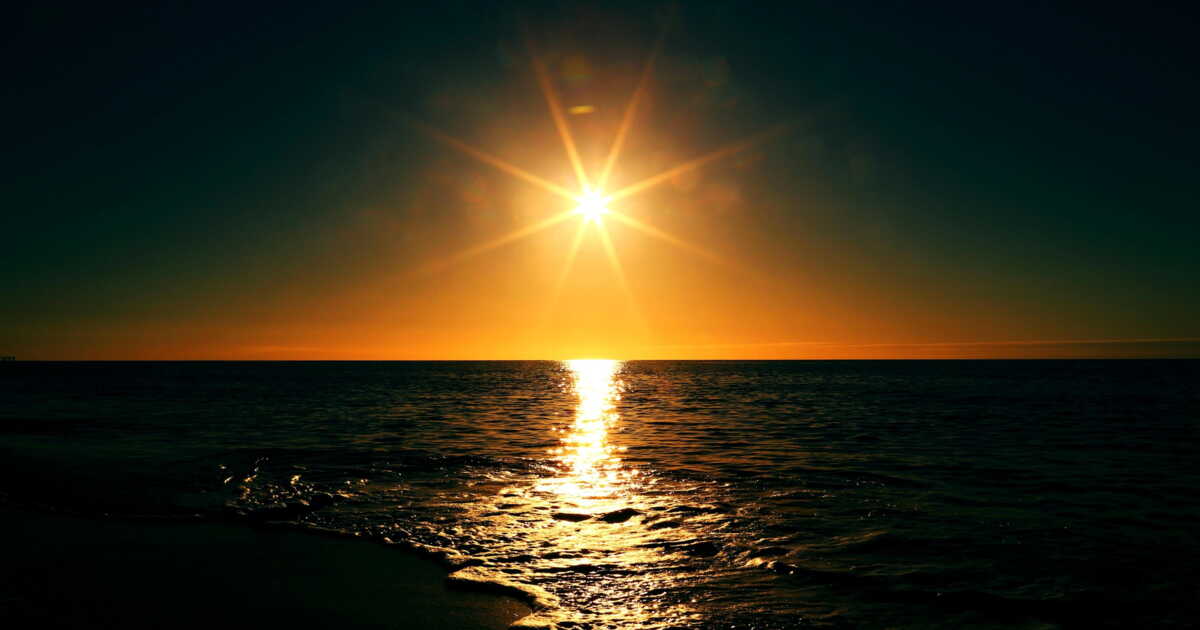
Each summer, thousands of travelers seek the perfect moment to capture coastal landscapes. Among them, the “golden hour”, that brief period after sunrise or before sunset when light is soft and warm, turns beaches into particularly photogenic settings. A study conducted by photography specialists reveals which European beaches offer the best conditions to capture these moments between July and August. And several French sites are among the destinations listed in this ranking.

Germany Dominates the Rankings

To establish this ranking, MPB experts, a platform specializing in second-hand photo and video equipment, analyzed 40 renowned European beaches. They relied on data from the National Oceanic and Atmospheric Administration (NOAA) regarding the sun’s position during July and August, examining in particular the average duration of the golden hour, the orientation of the beaches relative to sunrise and sunset, and the variation of the sun’s position over the summer.

The beach of Timmendorfer Strand, located in Lübeck Bay in Germany, takes first place with an overall score of 63.7 out of 100. It offers an average golden hour of 53.1 minutes and stands out especially for its exceptional sunrise alignment, rated at 87.5 out of 100. The sun thus appears almost in line with the axis of the beach, an ideal setup for photographers who want to shoot facing the sea.

Continuing in Germany, Warnemünde Beach near Rostock ranks second in the ranking. It shows the longest golden hour in the study, with an average of 53.4 minutes. Unlike Timmendorfer Strand, it does not stand out for an exceptionally well-aligned sunrise, but rather for a more balanced profile, with identical scores of 42.7 out of 100 for sunrise and sunset. Its wide sandy beach and its lighthouse thus offer shooting opportunities at various times of the day.

Mediterranean Beaches Do Not Fall Behind

The Italian beach of La Pelosa, in Sardinia, completes the podium with a score of 60 out of 100. Although it has a shorter golden hour, estimated at 39.1 minutes, it benefits from a low variation in the sun’s position during the summer (19.7 degrees). This stability makes it easier to plan shoots and allows photographers to reproduce similar light from one day to the next.

Other beaches also feature among the study’s top-ranked. La Concha, in San Sebastián, Spain, places fourth thanks in particular to a good alignment of the sunset (65.4 out of 100). In Spain as well, Playa de las Canteras, in the Canary Islands, and Playa de Muro, in Mallorca, appear in the top 10. Several Greek beaches also stand out, such as Navagio in Zakynthos and Paleokastritsa in Corfu, particularly favorable for sunsets with respective alignment scores of 81.8 and 81.1 out of 100.

Fig Tree Bay in Cyprus, as well as Cala Goloritzé in Sardinia, complete this group of well-positioned Mediterranean destinations. In the Netherlands, Scheveningen and Zandvoort offer some of the longest golden hours in the ranking, with averages of 50.2 and 50.5 minutes respectively, and prove especially suitable for late-afternoon photography.

Three French Beaches Among the Top-Ranked

In France, conditions vary significantly across the coastlines. Étretat Beach, in Normandy, ranks fifth in the European standings with an overall score of 52 out of 100. It notably has the best sunset alignment of the entire study, with a score of 90.1 out of 100. The famous Norman cliffs thus provide a setting particularly well-suited for images taken as the sun sinks toward the horizon.

With an average golden hour of 47 minutes, photographers also have a relatively long window to play with contrasts between the rocks, the sea, and light variations. This kind of landscape enables images where the relief gradually turns into silhouettes while the final glimmers of the day color the sky. On the Mediterranean coast, Palombaggia Beach in Corsica ranks twelfth ex aequo with a score of 49.5 out of 100. It stands out for its sunrise alignment, rated at 75.4 out of 100, but is not suitable for sunset photographs according to the study’s criteria.

The Pampelonne Beach, near Saint-Tropez, shows a similar profile with a sunrise score of 74.6 but a zero for sunset. It ties for fourteenth ex aequo with a score of 48.9 out of 100. Stretching about 4.5 kilometers, this famed beach in the Var department is known for its vast expanse of fine sand and turquoise waters. Its golden hour lasts on average 40.8 minutes, allowing photographers to enjoy morning light that enhances both the coastline and the renowned beach clubs and the pine trees that line part of the shore.

A Few Tips for Capturing Great Photos

MPB specialists also remind a few simple rules to succeed with your shots during this period. They especially recommend using a tripod to stabilize the camera when light drops quickly, as well as paying close attention to exposure to avoid losing the details of the sky around the sun. They finally suggest choosing an aperture between f/8 and f/11. This setting helps keep the foreground and the horizon sharp and can produce a starburst effect when the sun is partially hidden by an element of the landscape.

What to Do in Sydney: 10 Fun Activities and Outings in Australia’s Largest City

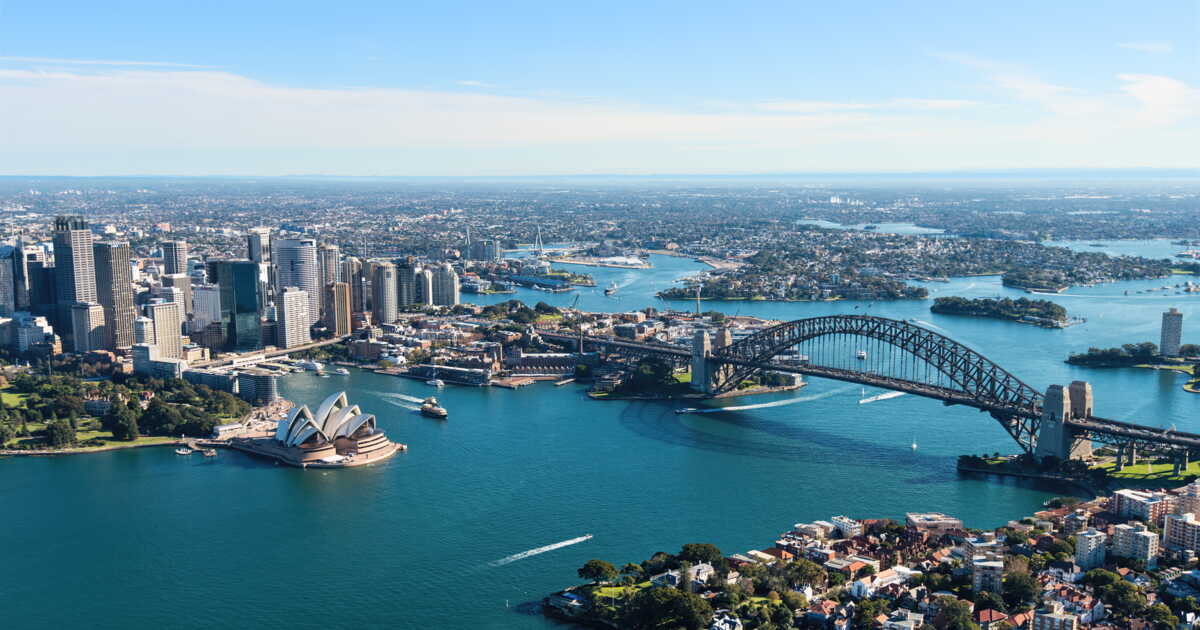
Nestled on the eastern coast of Australia, Sydney is a vibrant and dynamic city, seamlessly blending modernity with a rich historical heritage. World-renowned for its opera house and the Harbour Bridge, it also welcomes a culturally diverse tapestry and a multitude of unique experiences for visitors. Whether your stay is brief or extended, planning the best possible activities to fit your timeframe and budget is essential. What to do in Sydney? Let’s explore together, through a variety of ideas, the treasures this Australian metropolis holds.

1. Visit the Sydney Opera House

Beyond its iconic status, the Sydney Opera House stands as a cornerstone of any visit to Australia’s principal city and a major cultural landmark for the entire Oceania. A UNESCO World Heritage site, this emblematic 20th‑century structure embodies architectural innovation in its complex design and the bold silhouette shaped like sails. For travelers interested in architectural history or the performing arts, a guided interior tour reveals the technical challenges of its construction and opens access to the performance spaces, the backstage areas, and the technical galleries.

The experience can be extended by attending one of the numerous music, theatre, or dance performances offered throughout the year, making it a true hub where aesthetics, engineering, and contemporary creation converge. The Sydney Opera House integrates into a broader discovery itinerary of the city, alongside the Harbour Bridge, the botanical gardens, and iconic coastal sites like Bondi Beach, illustrating the balance between cultural heritage and natural surroundings in Australia’s tourism landscape.

2. Discover the Harbour Bridge

For travelers in search of a structured yet immersive urban experience, climbing to the summit of the Harbour Bridge in Sydney, via the guided BridgeClimb route, is an iconic activity offering sweeping panoramic views of the city, its bay, and major architectural landmarks such as the Sydney Opera House. This secured route is available in multiple formats, enabling visitors to understand the bridge’s technical features and its role in urban development.

For those who prefer a less physically intensive or logistically integrated approach to a walking itinerary, crossing the bridge on foot remains a relevant option. It allows admiring the bridge’s imposing architecture while gaining expansive views over the harbor, quays, and surrounding urban silhouettes. This site, now a symbol of national identity for Australia, sits at the heart of Sydney’s cultural and landscape infrastructures, bridging industrial heritage, active tourism, and contemporary urban space valorization.

3. Explore the Rocks

The historic district The Rocks, perched at the foot of the Harbour Bridge in the old heart of Sydney, is an essential stop for travelers looking to grasp the colonial origins of Australia. With its cobbled lanes, 19th‑century sandstone buildings, and ancient pubs, this area preserves an urban fabric that bears witness to the region’s earliest European settlements.

The Rocks is a preferred promenade, offering structured access to several cultural institutions, including museums that recount the social and urban history of the city, as well as guided heritage routes. Weekend artisan markets showcase a diverse array of local products, from textile crafts to contemporary design objects, all within a lively ambiance. This pedestrian environment, dotted with cafés, galleries, and quirky shops, embodies living heritage by balancing historical memory with cultural dynamism.

4. Relax at Bondi Beach

Bondi Beach, one of Sydney and Australia’s most iconic beaches, is a must for travelers seeking seaside activities within a structured and accessible setting. Its waves are renowned for consistency and power, attracting seasoned surfers and beginners alike, who can join local surf schools. Beyond surfing, Bondi is defined by a relaxed, friendly vibe, a strong local presence, and a thriving commercial fabric of cafés, restaurants, galleries, and community spaces.

Bondi is also the starting point for one of the region’s most beloved coastal walks, the Bondi to Coogee Walk, which traces clifflines and offers panoramic coastal views while linking several beaches and coves. This natural, safe, well-equipped environment provides diverse possibilities: swimming, sunbathing, sea‑view observation, or participation in sporting and cultural events. Integrated into an urban itinerary that includes major sites like the Sydney Opera House, the Harbour Bridge, or the neighborhood of The Rocks, Bondi Beach completes Sydney’s tourist offering by combining leisure, accessibility, and coastal promotion within a framework of urban and environmental quality.

5. Stroll through Darling Harbour

Darling Harbour, located along the edge of central Sydney, stands as a major hub of urban tourism and culture, designed as a true centre of entertainment with a wide range of offerings for a broad public. This redeveloped district features a cluster of modern attractions, including the Sea Life Sydney Aquarium, which delivers a structured exploration of Australian marine life through immersive installations. The lineup also includes several museums, cultural institutions, shopping complexes, and green spaces, forming a cohesive leisure and services ecosystem.

On the quays, restaurateurs contribute actively to the site’s vibrancy, offering a diversity of cuisines in an open waterfront setting. In the evening, Darling Harbour comes alive with light shows projected on the water and occasional events, boosting its nocturnal appeal within a strategy of enhancing the urban nocturnal landscape. This district, easily reachable on foot from the city centre, naturally fits into an itinerary that includes city landmarks such as the Sydney Opera House, Harbour Bridge, The Rocks, or Bondi Beach, adding a playful and family-friendly dimension to exploring Sydney, by connecting culture, entertainment, and urban energy.

6. Explore museums and galleries

Culture enthusiasts will find Sydney rich in museum offerings, centered around institutions that allow exploration of both artistic heritage and natural history of Australia. The Art Gallery of New South Wales, one of the country’s leading public galleries, houses a permanent collection spanning Australian, European, Asian, and Aboriginal art, while regularly hosting international temporary exhibitions.

Nearby, the Australian Museum, the oldest museum on the continent, focuses on natural sciences, anthropology, and regional biodiversity, with educational displays suited to all ages. These institutions, set in the city centre, blend seamlessly into an itinerary that highlights major Sydney landmarks such as the Opera, the Harbour Bridge, The Rocks, Darling Harbour, or Bondi Beach, adding an intellectual and heritage dimension to the tourist experience, structured around celebrating local cultures, visual arts, and scientific research.

7. Enjoy free activities in Sydney

For travelers looking to discover Sydney while keeping to a budget, the city offers a suite of accessible and varied free activities set within a high-quality tourist offering. A stroll through the Royal Botanic Garden, a vast bayside landscape, lets you appreciate the region’s botanical diversity while enjoying sweeping views of the Sydney Opera House and Harbour Bridge. The coastline invites walking along several routes, notably between Bondi Beach and Coogee, where cliffs, coves, and marine panoramas unfold.

For those interested in urban culture and architectural heritage, the Newtown and Paddington districts offer immersive experiences in contrasting atmospheres: street art murals, independent shops, Victorian houses, and local markets create a lively, accessible tapestry. These free options fit into a broader itinerary that pairs major cultural and natural highlights of Sydney, providing independence, participation, and inclusive discovery through observation, wandering, and authentic city exposure.

8. Navigate Sydney Harbour

Taking a ferry across the Sydney Harbour offers a structured, accessible way to approach the city from a scenic angle, while fitting into maritime transport infrastructure connecting the main coastal locales. The trip to Manly Beach, particularly beloved by travelers, blends efficiency with visual appeal, delivering a succession of iconic viewpoints on the Sydney Opera House, the Harbour Bridge, Circular Quay quays, and nearby coastal neighborhoods. This crossing also aids in understanding Sydney’s urban geography, organized around its natural harbor, while linking to a renowned promenade, shops, and coastal trails. The ferry thus becomes a standalone discovery tool, complementing land and pedestrian circuits that structure the city’s tourism offer. Integrated into an itinerary that includes other destinations such as Bondi Beach, The Rocks, Darling Harbour, and cultural institutions like the Art Gallery of New South Wales, this mode of transport provides a practical, contemplative, and economically accessible experience for a comprehensive exploration of Sydney’s urban and maritime landscape.

9. Take a day trip to the Blue Mountains

For a day trip outside of Sydney, the Blue Mountains offer a premier retreat for travelers seeking nature, altitude, and scenic heritage within a UNESCO World Heritage framework. Located about two hours away by rail or car, this region of New South Wales naturally extends the urban itinerary toward outdoor activities. The Blue Mountains National Park distinguishes itself with a variety of hiking trails winding through eucalyptus forests, dramatic gorges, and steep cliffs.

Key highlights include the iconic Three Sisters rock formations, panoramic lookouts like Echo Point, and altitude botanical gardens showcasing endemic flora. On-site facilities include interpretive centers and marked routes suitable for different fitness levels. This immersion into nature, complementary to city visits (such as the Sydney Opera House, the Harbour Bridge, or The Rocks), enriches the traveler’s overall experience by offering an ecological and geographical reading of the Australian landscape, structured around conservation, accessibility, and scenic observation.

10. Savor the local cuisine

Ending a day in Sydney with a culinary exploration adds a sensory and contemporary reading of the city, anchored in cultural diversity and the quality of local products. Renowned for its seafood freshness, particularly in coastal or bayside districts, Sydney also offers a wide range of international cuisines reflecting its cosmopolitan population. For a thematic gastronomic immersion, the Chinatown district offers a collection of restaurants, stalls, and markets dedicated to East Asian culinary traditions, while Tramsheds in Glebe presents a producer market model in an indoor setting, highlighting short supply chains and artisanal know-how.

These places, woven into the city’s vibrant neighborhoods, help shape a day’s end itinerary that blends tasting, local discovery, and social animation. In addition to daytime activities—whether cultural (at the Sydney Opera House or the New South Wales Art Gallery) or scenic (at Bondi Beach, Darling Harbour, or the Blue Mountains)—these gastronomic experiences contribute fully to Sydney’s plural identity, anchoring the traveler in the daily life of a dynamic metropolis, open and committed to culinary excellence.

Sydney is a city with many facets, ready to be explored at any time of year. From the iconic Opera House to the historic lanes of The Rocks, through the sun-kissed beaches of Bondi, each neighborhood reveals its own set of activities and experiences. Whether you seek relaxation or adventure, this Australian metropolis is sure to meet your expectations, offering a precious memory at every turn. Whether you choose a grand activity or an intimate discovery, Sydney promises a rich and varied exploration, ready to satisfy every visitor’s requirements.

How long does it take to visit Sydney? Building an itinerary tailored to urban and coastal diversity

The city of Sydney can be explored in several formats depending on the ambition of the trip. A stay of 3 to 5 days allows you to discover the essentials: the Opera House, the Harbour Bridge, the Royal Botanic Garden Sydney, and iconic beaches like Manly Beach. For a more immersive experience, a week enables deeper exploration of cultural neighborhoods, museums, markets, and even a few coastal excursions. The density of experiences on offer requires structuring your itinerary around priorities: nature, heritage, art, or gastronomy.

Is Sydney worth it? A metropolis where culture, nature, and architecture constantly converse

Asking whether Sydney is worth it is to assess a city’s ability to balance urban dynamism with access to natural spaces. As Australia’s economic capital, Sydney stands out for the quality of its infrastructure, the richness of its cultural programming, and the immediate proximity to maritime landscapes. Places like Manly Beach, reachable by ferry, or the Royal Botanic Garden Sydney by the port, illustrate this rare coexistence. For architecture and heritage enthusiasts, the Queen Victoria Building (QVB), carefully restored, embodies the city’s history within a living framework. Sydney thus presents itself as a complete destination—clear, varied, and coherent.

What unusual activities to do in Sydney: exploring the city differently, off the beaten path

Beyond the tourist icons, Sydney hides a wealth of unusual activities to weave into a Sydney guide. For example, you can take a surf lesson at Manly Beach, opt for a guided underground tour of the city’s historic tunnel network, or kayak at sunrise in the bay. Some contemporary art galleries tucked away in repurposed warehouses or urban farms set right in the city center offer a fresh perspective on the city of Sydney. These experiences invite you to step off the usual routes while remaining rooted in the local cultural reality.

What to do in Sydney when it rains: indoor itineraries and sheltered cultural discoveries

Even in the rain, Sydney presents a rich set of activities well suited to shelter and exploration. The Queen Victoria Building (QVB), a historic shopping arcade, pairs architectural exploration with covered browsing. Art, history, or natural science museums welcome visitors inside spaces suitable for all ages. The Royal Botanic Garden Sydney, while still accessible, takes on a different, calmer dimension under inclement weather, offering a serene space for contemplation. These places show that rain does not hinder discovery; it simply guides you toward another facet of the city.

What to do in Sydney in 2 days: a concise essentials for a short but dense stay

A 2-day stay in Sydney requires targeted choices. Day one could focus on exploring the Opera House, the Royal Botanic Garden Sydney, and a ferry crossing to Manly Beach, combining heritage, nature, and iconic viewpoints. Day two could be oriented toward museums, the Queen Victoria Building, or a stroll through The Rocks. Even in a brief timeframe, it’s possible to gain a coherent sense of this Australian city’s identity by adopting an efficient itinerary.

What to do in Sydney for free: accessible experiences in an open city

Sydney offers a range of free activities, including visits to the Royal Botanic Garden Sydney, public beaches like Manly Beach, and coastal walks such as the Bondi to Coogee Walk. Access to national galleries, artisan markets, and occasional cultural events also allows for city discovery without charge. These opportunities outline a generous and accessible destination, even without a large budget.

What to do in Sydney in the evening: urban lights and a dynamic cultural scene

When night falls, Sydney reveals a unique atmosphere where public spaces, cultural venues, and lively districts come alive. Evening strolls around Circular Quay or Darling Harbour offer iconic nocturnal panoramas. Numerous theatres, open-air cinemas, and concerts enrich the nights, while the illuminated Queen Victoria Building (QVB) remains a powerful visual landmark. As night deepens, the city does not slow down: it morphs into a more intimate and animated environment, inviting travelers to extend their discoveries with a vibrant urban energy.

This article was written with the help of artificial intelligence, then corrected, expanded, and validated by the editorial team.

This Tiny Spanish Village Is the Best Viewing Spot for August’s Solar Eclipse

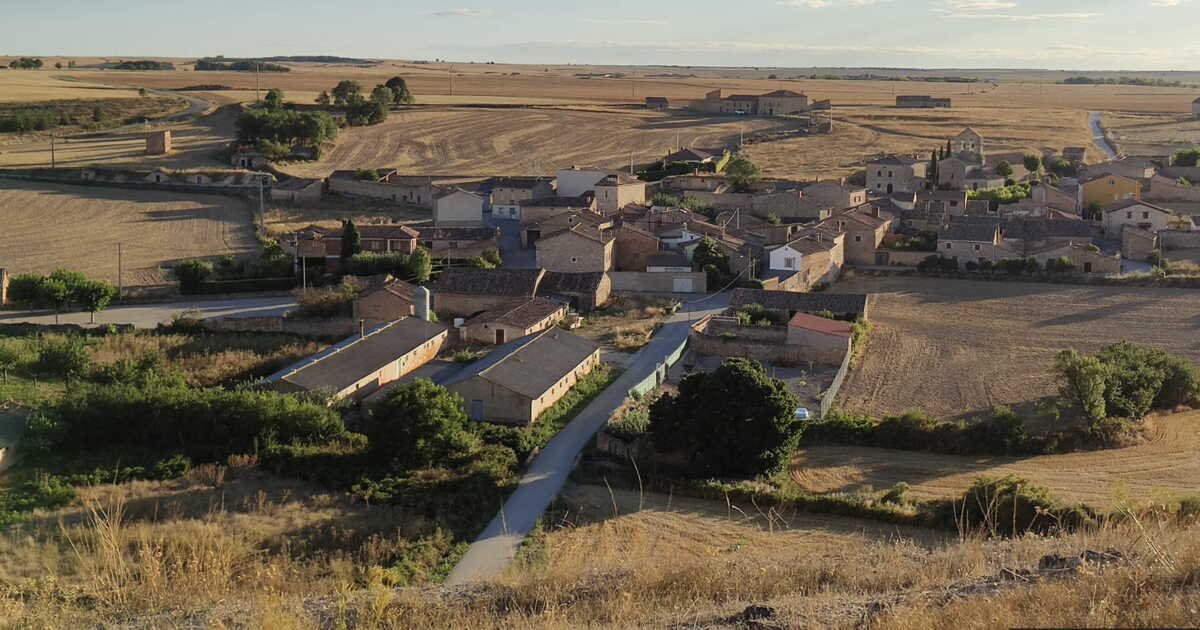
The small village of Avellanosa de Muñó, located in the province of Burgos in northern Spain, is about to break its usual calm to welcome a large number of visitors for an exceptional event. Usually, this hamlet has only a few inhabitants and lacks restaurants or shops. The silence is such that you can hear carpenter bees buzzing around the lavender bushes or hear the songs of the black-and-white swallows weaving between the stone roofs of the nearly deserted streets.

The only notable gathering of the week occurs when a white van, belonging to a neighboring bakery, arrives to deliver bread to the residents. Yet, in a few days, this ordinarily peaceful place will become a must-attend meeting point for astronomy enthusiasts coming to observe the total solar eclipse that will cross the Atlantic on August 12. An exceptional event that has not occurred since 1999.

Avellanosa de Muñó, an ideal place to observe the solar eclipse

Physicist María Teresa López Sánchez told the BBC that it will be the first total solar eclipse visible from continental Spain since 1912. It will only be observable along a narrow band crossing the continent, and Avellanosa de Muñó lies precisely on that trajectory. Added to this is a particularly favorable observing environment with its golden wheat fields, gentle hills, and a wide western horizon that provides an ideal setting, with few buildings and low light pollution.

This small village could thus allow astronomy enthusiasts to enjoy the eclipse in a setting calmer than the usual popular viewing sites. It will occur just before sunset and create a double dusk effect. “It will be like living two sunsets in a few minutes”, the expert explained, who then advised climbing into the caves to gain “a breathtaking view”. Born in Avellanosa de Muñó in 1937, María Teresa López Álvarez has never lived anywhere else. In almost nine decades spent in this village, she has watched it transform over the years.

For generations, the hamlet has lived off dry farming, kitchen gardens, vineyards, and livestock. But with the mechanization of agriculture and the lack of nearby jobs, many residents gradually left the village to join large cities such as Madrid, Bilbao or Barcelona. Raúl Grande Revilla, born here 73 years ago before moving to Madrid during his childhood, will return for the eclipse. He will be accompanied by some family members, forming a group of around twenty people and doubling the village’s population for an evening.

Bookings made years in advance of the solar eclipse

This August will thus mark the return of several former residents of Avellanosa de Muñó. According to the physicist, some of his neighbors will host friends and relatives coming from all over Spain, but also from the United Kingdom, France, or Venezuela. For Lucrezia López, a professor in the geography department at the University of Santiago de Compostela, such occasional events can encourage people to “rediscover a place to which they are already attached”.

The Parador de Lerma hotel, located nearby and housed in the former palace of the Duke of Lerma, has been fully booked for the event since 2022, and Alberto Bosque Coello, from Castile and León’s tourism office, says that the same pattern is happening across the region. “Most of our accommodations are full. In fact, they were booked well in advance” he notes, adding that eclipse specialists were seeking “the best place, not the best known”, because they wanted optimal observing conditions.

When the moment arrives, locals and visitors will head to the caves that overlook the village. With the sun at only eight degrees above the horizon during totality, a clear view to the west will be essential, making the perched caves a privileged place to admire this exceptional celestial spectacle. But the caves are not merely a viewpoint. For generations, this dwindling community has gathered there to watch the sunset, and one former resident even chose to have his ashes scattered there. A place of great sentimental value for the village.

Spain Heat Wave: Why You Should Stay Vigilant Before Your Summer Vacation

Barcelona, Marbella, Granada… Spain ranks among the most popular summer destinations for travelers each year. But this summer, vacationers will need to exercise extra vigilance. Indeed, a fresh heatwave is set to strike the country, bringing extreme temperatures and several associated risks. Spain’s national meteorological agency, AEMET, foresees the heat wave intensifying, with temperatures expected to climb to a peak on Thursday, July 30, 2026. This comes after a summer that has already been exceptionally hot, with average temperatures from early June to mid-July about 3.3°C above the seasonal norm, making it one of the hottest starts to summer ever recorded in Spain.

According to forecasts, southern regions are expected to be the most affected, notably Andalusia and popular tourist destinations such as Seville. Forecast models indicate temperatures could reach 47°C or 48°C in parts of the region, approaching or surpassing the all-time Spanish record of 47.6°C recorded in Córdoba province in August 2021. Some parts of Catalonia are also expected to see temperatures well above 40°C in the coming days, and popular tourist hubs like Malaga could experience peaks around 45°C. It is therefore strongly advised to check the weather regularly, especially if you are traveling to one of the affected areas, so you can take precautions.

Is it reasonable to travel to Spain this summer?

In addition to the heatwave, several wildfires have also ravaged various regions of southern Europe, notably in Spain. In Almería, Andalusia, a fast-spreading blaze has claimed at least 12 lives and destroyed more than 6,600 hectares. It ranks among the deadliest fires the region has seen in recent years. Another fire broke out in Aragon, near Zaragoza, burning about 15,400 hectares since it began on July 15. In the province of Guadalajara, the La Mierla fire has already consumed over 32,000 hectares. In total, these fires forced the evacuation of 34 municipalities.

The European Commission has deployed this year what it describes as its most substantial wildfire-fighting arrangement, mobilizing 777 firefighters from 14 countries, along with 22 water-bombing planes and 5 helicopters, in high-risk areas, notably in Spain, France, Portugal, Italy, Greece, and Cyprus. For the moment, the Foreign, Commonwealth & Development Office (FCDO) has issued no travel advisories against heatwaves or wildfires in Spain, and no major disruption to air traffic has been reported in connection with the current fires.

However, conditions can change rapidly during a heat wave; it is therefore advised to check your airline’s website before departure and to follow local news once on site, especially if you are headed to Andalusia, Aragon or Castilla-La Mancha. If you are traveling during the hottest parts of the day, take precautions by avoiding sun exposure from around 11 a.m. to 3 p.m., staying hydrated, applying sunscreen, and wearing light clothing.

Cancelling Your Trip to Spain: What Are Your Rights?

Facing the current situation, you might decide to opt for another destination for your summer holidays after all? Here is what you need to know before canceling your stay, along with the rights you have. Refunds and cancellations are generally possible only if the government officially advises against travel to the region, in cases of a nearby wildfire near your accommodation, or if your flight or transport is canceled due to a fire.

Moreover, if you booked your vacation through a travel agency, don’t hesitate to contact them to explore the options available to you. Some agencies may offer flexible solutions even without a formal cancellation, especially if your destination is near a fire. However, remember that canceling as a precaution, in the absence of an official travel advisory against travel, makes obtaining a refund unlikely.

What to Do in Belfast: 13 Ideas for Outings and Activities in Northern Ireland’s Capital

Nestled in the heart of the Northern Ireland, Belfast is a city that blends rich history with contemporary vitality. Known for its industrial roots and its central role during the Troubles, it now attracts visitors and locals alike with its emerging art scene, lively neighbourhoods, and surprising urban landscapes. If you are wondering what to do in Belfast, there is a multitude of activities to suit every kind of visit, whether for a day or longer. Let us explore together the attractions to prioritize to make the most of your stay.

1. Discover Titanic Belfast

Located in the Titanic Quarter, Titanic Belfast stands as one of the United Kingdom’s most iconic museums, both for its bold building, designed in homage to the legendary liner, and for the quality of its interactive exhibitions. Built on the historic Harland & Wolff shipyard site, it traces the birth, construction, and the centenary of the Titanic’s sinking.

The visit continues with admission to the SS Nomadic, the original tender docked nearby, another witness to the city’s maritime past. This immersive journey sits within the momentum of revalorising Belfast’s historic buildings, and constitutes an essential introduction to the local industrial history. Titanic Belfast is today a must-see stop on any itinerary in the city centre.

2. Explore the Cathedral Quarter

The Cathedral Quarter, in the heart of Belfast’s city centre, reflects the cultural buzz of the northern Irish capital. Around the St Anne’s Cathedral, a major edifice among Belfast’s historic buildings, unfolds an urban fabric of art galleries, pubs with traditional atmospheres, and concert venues.

This area is also a strategic hub for navigating the city. In the evening, visitors can attend a play or discover the recent mural frescoes that testify to an engaged contemporary art scene. The Cathedral Quarter represents a perfect synthesis of religious heritage, cultural vitality, and urban regeneration.

3. Stroll through the Botanic Gardens of Belfast

The Botanic Gardens, located south of the city centre, offer a moment of relaxation in the heart of the city. This public park, enjoyed for its outdoor activities, is built around the Palm House, a Victorian-era building designed by Sir Charles Lanyon, and the Tropical Ravine, housing a rich diversity of exotic plants.

This natural site, frequented by both locals and visitors, fits into urban itineraries for those seeking to escape the city bustle. It is also a link to culture, as it adjoins the Ulster Museum and provides a pleasant starting point to explore south Belfast. Ideal for a pause between two visits.

4. Discover the history at the Ulster Museum

The Ulster Museum, the largest museum in Northern Ireland, offers a structured reading of history and the arts in a building adjacent to the Botanic Gardens. Its permanent exhibition covers a wide spectrum, from prehistory to the Northern Ireland conflict, with a particular focus on urban memory and social evolutions.

The richness of its interactive exhibits draws both art lovers and visitors wishing to understand the region’s historical foundations. The museum is free, a strong argument for travellers mindful of their budget. It sits within a logical sequence of stops including Belfast Castle, Tudor-style buildings, and other downtown institutions.

5. Plunge into history with the Murals and Black Taxi Tours

Belfast’s mural frescoes, visible in several city districts, bear witness to the socio-political tensions that marked Northern Ireland’s recent history. To better understand their meaning, the Black Taxi Tours allow exploring this visual heritage in a documented context, often narrated by former witnesses of the events.

These guided tours traverse areas where history has been etched on the walls, notably around the Peace Wall, near the city centre. The role of Stormont Palace, the workings of the institutions, or stories connected to historical figures are addressed clearly. This itinerary is essential for anyone wishing to move beyond clichés and grasp the complexities of a city continually reconfiguring.

6. Stroll through St. George’s Market

St George’s Market, one of the oldest covered markets in the United Kingdom, is a must-visit to discover Belfast’s authentic atmosphere. Open on weekends, it hosts local producers, artisans, and restaurateurs in a Victorian landmark in the city centre. The stalls teem with fresh produce, handmade items, and specialties such as the Ulster Fry, a traditional dish.

This lively place is part of a broader effort to celebrate culinary and cultural heritage. With its central location, it makes an excellent starting point to explore the surrounding area, notably the city hall and the main Belfast historic buildings. Ideal for a break during a weekend, or to meet the city’s artisans.

7. Visit the Crumlin Road Gaol

The Crumlin Road Gaol, Belfast’s historic prison, offers immersion into a lesser-known chapter of local history. This Victorian-era building, still marked by past tensions, can be toured with or without a guide, through a structured route through the old cells, corridors, and the execution room.

Its role during the Troubles and earlier conflicts is explained in a factual manner, with integrated educational devices. Located a short distance from the city centre, the prison is a key stop to understand the social and political dimensions of Belfast’s history. It is also an example of successful heritage repurposing.

8. Admire Belfast City Hall

Belfast City Hall, or City Hall, stands out with its remarkable baroque revival architecture in the city centre. This building, whose construction was overseen by Sir Alfred Brumwell Thomas, houses exhibitions on municipal history and the city’s urban evolution. Free guided tours offer access to its ceremonial rooms, stained glass, and historic galleries.

Outside, the building is surrounded by open lawns often used for outdoor activities. A place for orientation and gathering, it makes an ideal introduction to Belfast for any visitor, near St George’s Market, the Crown Liquor Saloon, and other major institutions.

9. Enjoy a day trip to the Giant’s Causeway

A day trip to the Antrim Coast from Belfast lets you discover the Giant’s Causeway, a unique volcanic formation listed as a World Heritage site. Reachable in under two hours from the capital, this natural site impresses with its hexagonal columns perfectly formed.

The visit can be integrated into a broader circuit including coastal castles or locations used for TV series filmed in the region. For geology, photography, or hiking enthusiasts, this excursion represents a natural extension of a Belfast weekend, combining nature, culture, and heritage.

10. Relax at the Grand Opera House

The Grand Opera House embodies the elegance of live performance in Belfast, with a program that blends opera, theatre, and musicals. Its building, recently restored, offers a complete experience for stage enthusiasts in a historic setting. Its proximity to other iconic sites such as Titanic Belfast or the Crown Liquor Saloon makes it easy to include in a sightseeing itinerary, especially for short stays. Attending a show in this history-laden venue complements the city’s cultural discovery.

11. SS Nomadic: a ship-museum brimming with history

The SS Nomadic, the last ship of the White Star Line still intact, provides a natural extension to Titanic Belfast. This small tender, which once served to board first-class passengers at Cherbourg, is now moored in the city’s historic port. Recently restored, it welcomes the public for tours of its decks, cabins, and period spaces, recreated with precision.

This floating vessel, rich in personal stories and anecdotes, helps to better understand the social context of the early 20th century. It is recommended to couple the visit with Titanic Belfast for a complete reading of the city’s industrial past. The SS Nomadic is also a point of interest for sailing enthusiasts, naval design, and maritime World Heritage heritage, at the crossroads of workers’ memory and cultural tourism.

12. Belfast Castle: between city panoramas and Celtic legends

Overlooking the city from the heights of the Cave Hill Country Park, Belfast Castle offers an immersion into Northern Ireland’s architectural history. Built in the 19th century in the Scottish Baronial style, this building stands out for its romantic charm and its integration into preserved natural surroundings.

The surrounding park, rich in Celtic legends and hiking trails, leads to the famous Napoleon’s Nose, offering a breathtaking view of Belfast City Hall and the bay. Free to access, Belfast Castle is a place for relaxation as well as a cultural highlight, with its gardens and a café housed in the former cellars. It is one of the recommended stops for those wanting to combine outdoor activities with heritage during a weekend or a day trip.

13. Peace Walls of Belfast: a striking testimony of contemporary history

The Peace Walls, Belfast’s peace walls, remain one of the most powerful symbols of the political and religious division that marked Belfast in the 20th century. These historic walls in Belfast, transformed into open-air galleries, are today covered with mural frescoes recounting conflicts, but also the hopes of reconciliation.

Visiting the Peace Walls means stepping into a still-sensitive chapter of the United Kingdom’s history. This memorial route sits within a broader exploration of the city centre, between the Stormont Palace, the Belfast City Hall, and the cultural institutions that participate in the effort of collective memory. A must-see step to understand the complexities of Northern Ireland’s identity.

In conclusion, Belfast is a destination brimming with historical, cultural, and urban treasures that will captivate any curious visitor. Whether you are a music aficionado, a history buff, or simply seeking a picturesque setting to unwind, Belfast offers much to discover and reveals itself through multiple dimensions across its contrasting neighbourhoods and landscapes. Before concluding your stay, consider excursions around the city and seize the opportunity to capture the full cultural diversity of this capital in full renaissance.

What is Belfast’s most famous thing? A maritime heritage turned into a global emblem

The most famous thing about Belfast is probably Titanic Belfast, an iconic museum in the United Kingdom erected on the old White Star Line shipyards, where the legendary liner was built. Opened on the centenary of the sinking, this contemporary building, with angular shapes inspired by the ship’s bow, houses exhibitions tracing the Titanic’s history from its design to its tragic fate.

Located in the city centre, close to the SS Nomadic, the only surviving ship of the company, it forms with the latter a coherent heritage complex, accessible via a combined entry to the SS Nomadic. Titanic Belfast is not merely a museum: it embodies the city’s industrial identity, pays tribute to its workers, and stands as a major cultural heritage site within the city’s patrimony.

What to do in Belfast with children? A city suited for young explorers

Visiting Belfast with children allows for a mix of cultural discovery and outdoor activities. The Belfast Zoo, perched on the slopes of the Cave Hill Country Park, offers a spectacular view of the city and hosts over 130 animal species. The park itself, with its marked trails, enables families to reach the Napoleon’s Nose, a famous rock formation overlooking the Belfast Castle, a Victorian-era building nestled in a park ideal for a picnic.

For a more urban moment, children enjoy the exhibits at Titanic Belfast, as well as a visit to the SS Nomadic, which allows them to discover Belfast’s maritime world in a playful way. Finally, the murals and kid-friendly guided tours in the old districts mark an introduction to the city’s contemporary history.

What to do in Belfast on weekends? Culture, nature and gastronomy on the agenda

Spending a weekend in Belfast offers an excellent opportunity to explore the richness of this Northern Irish capital. Start at St George’s Market, famous for its fresh produce and authentic atmosphere, where visitors can sample a traditional Ulster Fry.

The city centre, dominated by the Belfast City Hall, invites strolls among Belfast’s historic buildings, such as the Crown Liquor Saloon, a pub listed as a historic monument, lit by its original gas lamps. Heritage enthusiasts will continue with Titanic Belfast and the SS Nomadic, to better understand the city’s maritime history. In the evening, attend a play or opt for a day trip to the Antrim coast, easily accessible.

This article was written with the help of artificial intelligence, then corrected, augmented and validated by the newsroom’s journalists.

Countries With the Biggest Tourism Growth Since 2019: The Surprising Ranking

The rebound of global tourism is not benefiting all countries equally. Between 2019 and 2025, some destinations have recorded a dramatic rise in international visitor arrivals, while others continue to struggle to return to their pre-crisis levels from the COVID-19 health emergency. New OECD data, compiled by the Visual Capitalist data-visualization platform, highlight the big winners… and the “laggards” of this rebound.

The Middle East, North Africa and South America Lead the Recovery

Taro: The Millennia-Old Tuber That Could Grow in Space

Taro first spread across the world in prehistory, notably aboard Polynesian canoes. Today, from Pacific islands to African savannas, it is the staple food for millions. It is best eaten well cooked, because raw it is toxic. With a flavor reminiscent of sweet potato, it is so nutritious that NASA even envisions growing it hydroponically… in its future space colonies.

Dry Skin, Bloating, and Blocked Ears: What Air Travel Does to Your Body

You may be about to board a plane for vacation. If this isn’t your first flight, you know that flying at several kilometers of altitude has direct effects on our bodies. And it usually starts as soon as takeoff. When the plane climbs, you may already have felt a strong pressure in your ears, or the sensation that they are blocked. This is a direct consequence of rapid changes in altitude and air pressure.

In an article published in The Conversation, Adam Taylor, a professor of anatomy at Lancaster University, explains: “As cabin pressure falls, the volume of oxygen available also decreases.” Instead of the usual 21% of oxygen in normal air, the body has only about 15%. This drives you to breathe more and your heart to beat faster. These are factors to monitor in patients with heart or lung conditions, but perfectly harmless for others. However, these changes in pressure and air also affect the intestines.

Is airplane food really bad, or is it our bodies trapping us?

“As the plane gains altitude, cabin air pressure changes and all the air that was in the intestines expands. This is what causes bloating and discomfort”, explains Dr. Megan Rossi in Boots. This actually operates on the same principle as the air in the ears. But while swallowing saliva or chewing a gum can relieve the sensation in the auditory tubes, the intestines have more difficulty recovering. The doctor recommends not eating too much in the lead-up to the flight to avoid this sensation.

If you eat during the flight, however, you may find the food bland. It isn’t necessarily because what you’re served isn’t seasoned or well cooked; it’s your taste buds that are being deceived. The cabin air is very dry and it reduces the ability of the taste buds to function properly, says Dr. Roger Henderson to the Daily Mail. Sweet tastes are particularly affected.

Our bodies run short on moisture in the air

It is also because of the lack of humidity in the cabin that our skin often becomes very dry on the plane. So don’t hesitate to apply moisturizing cream before and after the trip. It’s also best to drink plenty of water and avoid alcohol.

Avoiding alcoholic beverages will also help reduce the risk of fainting on board. About a third of in-flight medical emergencies involve a passenger fainting. Don’t panic if it happens to you: the cabin crew is trained to handle such situations and symptoms typically disappear by landing!

Want to share your view on climate change in France? Enter the L’Oeil du climat photo contest!

What to Do in Hong Kong: 10 Essential Outings and Activities

Nestled between sea and mountains, Hong Kong is not only one of the most dynamic cities in China and Asia, it is also a unique cultural and historical crossroads. When visiting Hong Kong, you will discover a mosaic of experiences ranging from futuristic skyscrapers to bustling traditional markets. Whether you crave immersion in its bubbling culture or to admire its breathtaking vistas, there are countless activities to explore. So, what to do in Hong Kong during your stay? Let’s dive into these must-do activity ideas.

1. Victoria Peak and the Peak Tram

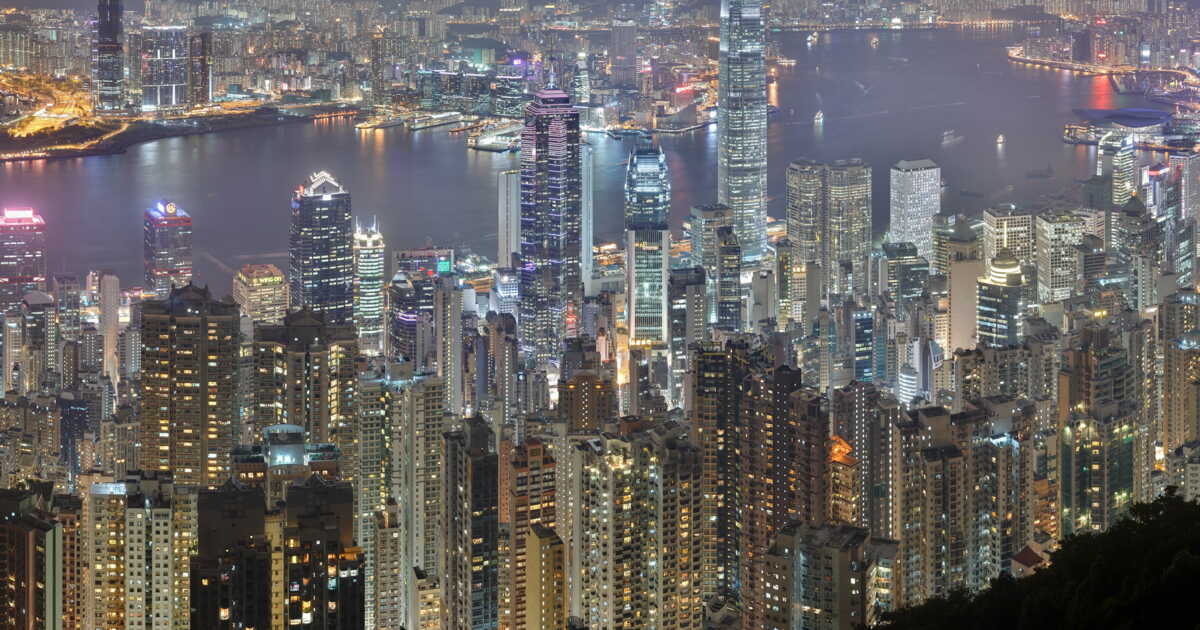
The Victoria Peak, the highest point on the Hong Kong Island, is a must for any visit. Board the legendary Peak Tram for a climb offering exceptional views over the Victoria Harbour. Once at the summit, stroll along the Peak Circle Walk for a comprehensive panoramic view. Practical tip: to avoid the crowds, it is wise to visit early in the morning or late afternoon.

2. Symphony of Lights on the Star Ferry

Each evening, the famous light show Symphony of Lights illuminates the Victoria Harbour. For an optimal experience, position yourself on the Tsim Sha Tsui Promenade or hop aboard the Star Ferry for a crossing at the heart of the show. This artistic spectacle blends music and beams of light for a vibrant celebration of the Hong Kong skyline.

3. Explore the bustling markets

Hong Kong is famous for its quirky markets. Dive into the energy of the Temple Street Night Market, where food stalls, astrologers, and craft stalls await. The Ladies’ Market in Mong Kok is a shopper’s paradise. Don’t miss the bird, flower, and goldfish markets for a glimpse into local passions.

4. Visit the historic temples

For an immersion into local spirituality, visit the Wong Tai Sin Temple and the Man Mo Temple. The Po Lin Monastery on Lantau Island houses the majestic Grand Buddha. Each of these sites offers a moment of serenity and historical depth, perfect for those seeking mysticism.

5. Culinary discovery: dim sum tasting

The dining scene in Hong Kong is legendary. Dim Sum, these bite-sized dishes, is an essential gastronomic experience. Head to renowned restaurants like Tim Ho Wan for a memorable tasting. Don’t miss sampling other street-food gems and savor wonton noodles or a roast duck.

6. Hiking the Dragon’s Back

Escape the urban bustle with a hike along the Dragon’s Back. This trail is renowned for delivering a perfect balance between coastal views and natural immersion. The hike ends at Shek O Beach, ideal for a refreshing swim.

7. Ocean Park and Hong Kong Disneyland: family-friendly delights

If you are traveling with family, Ocean Park and Hong Kong Disneyland are exciting destinations. While Ocean Park combines marine attractions and rides, Disneyland promises magical encounters with iconic characters.

8. Victoria Harbour: The visual and maritime heartbeat of Hong Kong

Victoria Harbour is the living symbol of the city. This bay separates Hong Kong Island from the mainland, offering an exceptional panorama of skyscrapers and mountains. Take the Star Ferry at sunset, admire the skyline from the seafront, or join a cruise, and you experience the fragrant port as it captures the collective imagination. It is also the venue for major events, fireworks, and celebrations.

9. The Grand Buddha: a spiritual rendezvous at height

Located on Lantau Island, the Grand Buddha statue embodies a place of contemplation and spirituality. Accessible via the Ngong Ping cable car, it overlooks a sacred space, bordered by monasteries and trails. This statue of local fame fascinates as much by its size as by the mystic atmosphere of the site. This historic monument draws many worshippers but also travelers seeking meaning and a break from routine in an exceptional natural setting.

10. Nan Lian Garden: serene landscaping in the heart of the city

The Nan Lian Garden is a calm haven amid the city’s bustle. Inspired by Tang dynasty landscaping, this meticulously maintained park offers an immersion into a refined and symbolic aesthetic. You will find red bridges, pavilions, and a rare vegetal harmony. It is the perfect place to regain tranquility, far from Central’s urban atmosphere, while discovering an iconic corner of Hong Kong.

In summary, Hong Kong overflows with activities and sites to explore, regardless of how long you stay. Whether for its cultural icons, its natural panoramas or its culinary delights, this fascinating city will enrich your travel experience in numerous ways. For those seeking even more inspiration, remember that every corner of Hong Kong can reveal a new surprise, ready to be discovered.

Hong Kong: Is it an expensive destination? Understanding costs before you go

Hong Kong is renowned as one of the most dynamic and cosmopolitan cities in Asia, but this reputation is often accompanied by a stereotype about the cost of living. It is true that certain expense categories, such as accommodation or airfare, can weigh on the budget, especially during peak season.

Nevertheless, many alternatives let you discover the city without breaking the bank: meals at local stalls, public transport such as the historic tramways or the Star Ferry, and even free guided tours at some museums. Thanks to this diversity, it is entirely possible to enjoy thrilling days in Hong Kong without blowing your budget.

What is the best time to go to Hong Kong? Climate and key moments

The best period to visit Hong Kong spans from October to December, when the climate is mild, dry, and pleasant. Winter, though cooler, offers another face of the city, with a mystical atmosphere at places like the Nan Lian Garden or Ngong Ping and its Grand Buddha. Avoid the typhoon season from May to September, when rains can be heavy. Each season nonetheless brings its share of exceptional panoramas, especially at sunset over Victoria Harbour.

How long does it take to visit Hong Kong? Ideal duration and itineraries

For a first immersion, 3 to 5 days are enough to grasp the essence of Hong Kong, notably by exploring Hong Kong Island, its emblematic neighborhoods such as Sheung Wan or the Central district, and its temples. If you have more time, a week allows you to reach the New Territories, make a detour to the Hong Kong Geopark or the Shek O beaches, and enjoy the local ambiance without rushing. The city, well served by the Airport Express and the ding ding trams, lends itself to efficient exploration, even on a weekend.

What to do in Hong Kong when it rains? Indoor activities and alternatives

The weather in Hong Kong can be capricious, especially during the monsoon periods. Fortunately, the city is full of options for rainy days. You can explore the many shopping malls such as those in or Tsim Sha Tsui, visit museums such as the Hong Kong Museum of Art, or take the ding ding tram for a dry tour of the urban ambience of Central. Covered temples, like the Man Mo Temple, also offer a spiritual experience protected, with the temple statues and a unique atmosphere of the places.

What to do in Hong Kong with kids? Fun activities and cultural discoveries

Hong Kong is also captivating for the youngest travelers. The Ngong Ping 360, the spectacular cable car taking you to the Grand Buddha, never fails to impress. Beaches like Big Wave Bay offer relaxation, and the fishing villages with stilt houses, such as Tai O, spark curiosity. Parks and museums are often free or inexpensive for children, with kid-friendly opening hours. Finally, the Star Ferry or the historic trams present a unique adventure in this city with many facets.

What to do in Hong Kong at night? Evening atmosphere and must-visit places

Hong Kong’s nightlife is bustling. The Lan Kwai Fong district, the city’s festive hub, is home to some of Asia’s top bars for a unique experience. Those seeking spectacular views should head up to the Peak for an unobstructed view of the illuminated Victoria Harbour. For a calmer outing, a stroll along the waterfront in Tsim Sha Tsui or a night cruise on the fragrant harbor invites you into a lively atmosphere, without necessarily chasing the club buzz.

This article was drafted with the help of artificial intelligence, then corrected, enriched, and validated by the newsroom’s journalists.