APST Reports Record Equity, but Prudence Remains for 2026 [ABO]


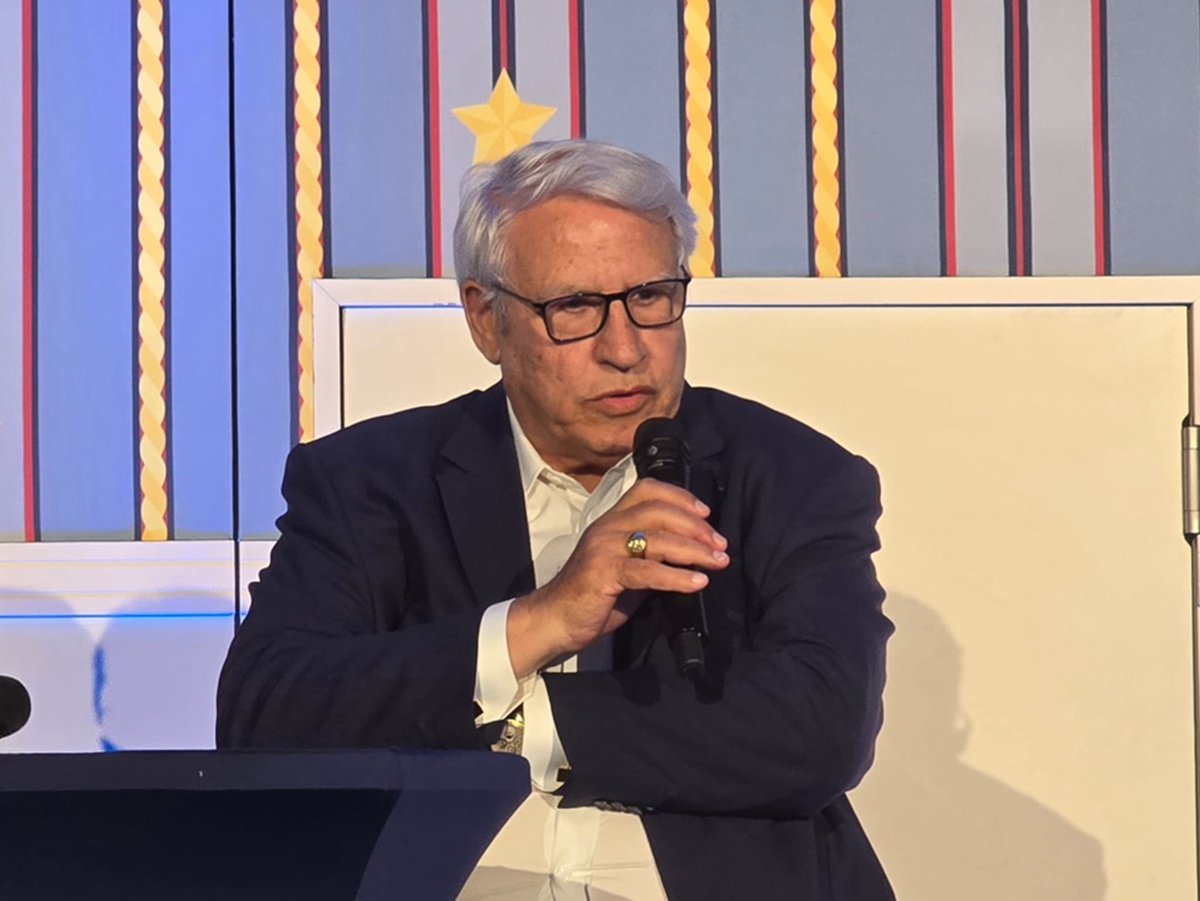
Présent au congrès annuel des EDV 2026 à Disneyland Paris, Mumtaz Teker, le président de l'APST a indiqué que le fonds de garantie était "en très bonne santé financière, avec un niveau de fonds inédit de 40 M€, et environ 70 M€ de trésorerie" - Photo : CE

CroisiEurope


With more than sixty years on the clock, APST is now leaning into financial security.

Indeed, nearly seven years after the collapse of Thomas Cook—and its 42 million euros in claims—the association has managed to replenish its equity.

By the end of 2025, they reached €39.7 million, up from €31.3 million a year earlier, according to the latest 2025 moral and financial report, which will be presented to members on June 24 at the 61st Ordinary General Assembly at the Salons Hoche in Paris.

In 2026, there is little doubt that the symbolic 40 million mark will be reached, as confirmed by the APST president, Mumtaz Teker, during a speech at the annual congress of the Travel Companies (EDV), referring to “an unprecedented fund level of 40 million euros, and around 70 million euros in treasury“.

“The results achieved exceed budget forecasts“, he enthuses in this regard, in the introduction to the moral report, attributing this performance notably to “the growth in activity volumes” realized by members and to “a stringent management of our charges“.

He also notes that the association “has reinforced its leadership position in the financial guarantee market for travel and stay operators, with about 52% of market share in the number of guaranteed operators, accounting for nearly 70% of the sector’s business volume.”

As of December 31, 2025, the guarantee fund thus counted 3,413 members, versus 3,454 in 2024 (-1.2%), while the number of guaranteed establishments rose sharply to 6,590 from 5,648 in 2024 (+14.2%).

This trend reflects both sector consolidation and a broader footprint of its players.


306 new memberships in 2025

In parallel, the APST president highlights in the report the “steady dynamism in business creations” in tourism, with 396 membership requests examined in 2025 and 306 accepted.

As for resignations and removals, they were also up in 2025, at 162 and 83 respectively, “reflecting a portfolio adjustment dynamic within a stricter management framework“, comments the association.

The guarantor’s teams also had a busy time with guarantee renewals – 576 decisions versus 161 in 2024 and 18 in 2023. An increase due to the approaching expiry of a large volume of memberships granted in previous years.

Note that 19 companies left the APST to go to another guarantor last year; a figure that balances with the 17 companies already registered who requested membership with the guarantor.

Thus, between the rise in its own funds and tighter risk management by its members, the association emerges stronger from the last decade and the trials it has faced.

With nearly €2 billion in theoretical gross commitments as of 31 December 2025 (1,988,840,300 € exactly), it holds a total of counter-guarantees (of all kinds) of €1,184,417,183, including €93,095,324 in bank counter-guarantees.

“Included in this amount are the letters of comfort given by companies guaranteeing a theoretical commitments amount of €402,484,863“, adds the report.


27 claims in 2025, including Jacqueson Tourisme

This tighter management does not prevent the fund from being exposed to the default of some of its members. And this despite a general 12.8% drop in sector failures compared with 2024.

Thus, of the 123 failures that occurred in 2025, 27 cases involve APST.

The most significant, according to the report, is Jacqueson Tourisme, for which the fund handled in service nearly 500 files for a little over 2,000 clients.

Globally, the service-based handling system applied by APST has, in their words, “enabled savings of more than 1 million euros compared to refunds that would have had to be issued“, the association notes with pride.

As for cash reimbursements for client files, the fund carried out 625 reimbursements during the 2025 financial year, of which 539 concerned Jacqueson Tourisme (516,752.41 €) and 10 Yam’s (84,647.62 €), for a total amount of 761,643.83 €.

Nevertheless, “the defaults of APST member companies are down 30.7% in 2025 compared to 2024“, notes the treasurer Michèle Laget Herbaut. In total, they account for 22% of sector defaults.

Result for APST: while the amount of contributions collected in 2025 exceeded forecasts by 11.3%, it remained 2.9% below those received in 2024.

“Because contribution scales were not modified, this slight decrease is explained 90% by a lower business volume realized by our members than in 2024, and by an increase in bonuses granted, with 2025 including a new bonus awarded to members with small business volumes“, analyzes the treasurer.

Thus, the guarantee fund generated a net positive result of €8.3 million (and €15 million excluding costs of claims and exceptional charges amounting to €6.7 million). This represents the “third best result achieved since 2019“, emphasizes Michèle Laget Herbaut.


Projects in the pipeline

Among other important measures or projects implemented by APST in 2025 are “the modernization of our operations, notably through the dematerialization of exchanges via the member space (declarations of business volume, online memberships)“, notes Mumtaz Teker.

These IT advances also concern the digitization of membership requests – prospects can now complete their file online and track its progress; as well as the signing of warranty deeds via Docusign; or the initiation of a reflection on artificial intelligence.

In the same vein, projects will be deployed this year, such as the dematerialization of invoices by the second quarter.

Furthermore, to facilitate the settlement of service providers in tourism within the framework of releasing APST guarantees in services, an interface must be created to automate banking flows.

Finally, a “AI project focused on evaluating and proactively managing members’ risk“, aimed at providing “concrete tools available in 2026” is in the works.


A recurring result of €14.5 million expected for 2026


Anaïs Borios Published by Anaïs Borios Journalist – TourMaG.com
See all articles by Anaïs Borios

  • picto Facebook
  • picto Linkedin
  • picto email
Add TourMaG to your Google News feed Google Actualités icône

Global News You Can’t Miss: Ebola, Airbnb, ESTA


La revue de presse internationale de la semaine - Depositphotos.com Auteur serezniy

CroisiEurope


Au sommaire de la revue de presse de la semaine du 18 mai 2026 :

Ebola : the United States tightens border controls

Riyadh Air opens its first commercial flights to London

The United States aims to ease its traveler social media screening project

Thailand: visa-free stays reduced to 30 days to curb abuses

American airlines oppose airport security privatization

Cruises: demand remains strong despite health alerts

Airbnb expands into car rentals and encroaches on Expedia and Booking

Toward a single European train ticket and strengthened passenger rights

Did you know? The “grief tourism,” when travel helps you grieve


Ebola: the United States tightens border controls


Les États-Unis durcissent les contrôles sanitaires pour les voyageurs en provenance d’Ouganda, de République démocratique du Congo et du Soudan du Sud, touchés par le virus Ebola. @depositphotos/motortion

The United States has announced a tightening of health screenings for travelers arriving from Uganda, the Democratic Republic of the Congo, and South Sudan, countries affected by an Ebola outbreak.

Authorities also plan to temporarily restrict certain visas for people who have stayed in these countries within the last 21 days.

This decision comes after the infection of an American citizen in the DRC and the World Health Organization’s declaration of a public health emergency of international concern.

According to U.S. officials, the risk to the general population remains “low” at this stage.

An info from france24.com


Riyadh Air opens its first commercial flights to London


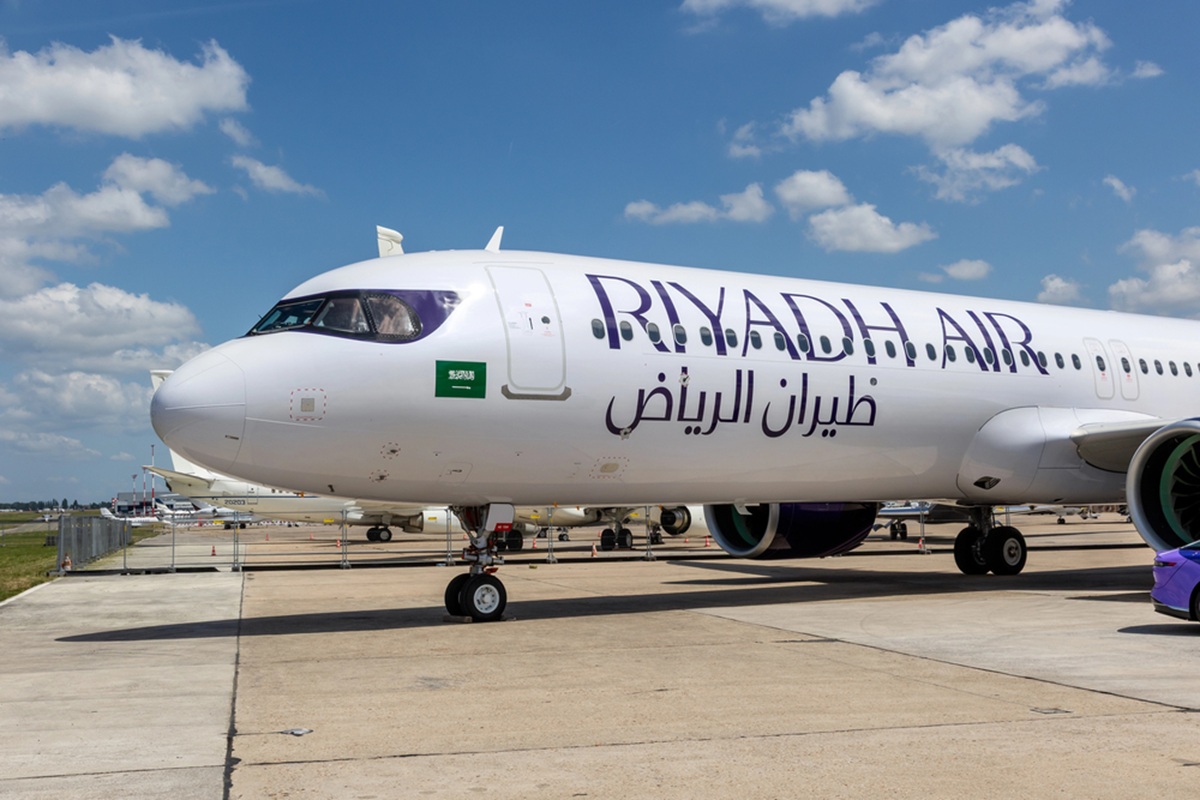
La compagnie Riyadh Air reliera officiellement Riyad et Londres-Heathrow au 1er juillet 2026. @depositphotos/VanderWolf Images

The airline Riyadh Air officially launches its commercial services on July 1, 2026, between Riyadh and London Heathrow, after a staff-only testing phase.

It then plans connections to Manchester, Madrid and several major cities in the Middle East, with the ambition of reaching more than 100 destinations by 2030.

Positioned in the premium segment, the airline aims to compete with operators like Emirates and Qatar Airways, while developing codeshare agreements with major international carriers.

Source: euronews.com


The United States wants to ease its traveler social media screening project


Les États-Unis envisagent d’alléger leur projet de contrôle des réseaux sociaux des voyageurs. @depositphotos/brainpencil1

The Customs and Border Protection are considering a more targeted version of their project requiring foreign travelers to provide several years of social media history to enter the United States via ESTA.

Facing criticism from the travel industry and the public, the agency is now studying a “cascade approach”: the amount of information requested would depend on the answers given on the travel authorization application.

No implementation is expected before the end of 2026 at the earliest.

Read more on travelweekly.com


American airlines oppose the privatization of airport security


Cruises: demand remains strong despite health alerts


La demande mondiale de croisières continue de progresser en 2026. @depositphotos/ml12nan

Despite several recent outbreaks of norovirus and hantavirus aboard ships, global cruise demand continues to rise in 2026. Industry professionals say these incidents have only a limited impact on bookings, as passengers remain relatively insensitive to current health news.

The Cruise Lines International Association projects around 38.3 million passengers this year, setting a new record.

Bookings, often placed well in advance, limit the effect of health alerts on demand. Industry insiders also emphasize that case numbers remain a tiny fraction relative to the total number of passengers.

See the full article on euronews.com


Airbnb enters car rental and encroaches on Expedia and Booking


Airbnb propose désormais la location de voitures sur son application. @depositphotos/Primako

Airbnb markedly expands its business by now integrating car rental directly into its app.

The company also extends its services to other travel segments, such as airport transfers, experiences, grocery delivery, and baggage storage.

With these developments, Airbnb moves closer to the model of major OTAs like Expedia and Booking, which already offer comprehensive packages to keep travelers within their ecosystems.

The aim is notably to capture a portion of travelers, given that about a quarter of Airbnb guests already rent a car during their stay through other platforms.

See it on skift.com


Towards a single European rail ticket and strengthened passenger rights


La Commission européenne souhaite simplifier l’achat de billets de train entre les différents opérateurs. @depositphotos/rabbit75_dep

The European Commission proposes a major reform to simplify rail travel across the European Union. The goal is to allow the purchase of a single ticket that covers multiple rail operators, including cross-border journeys.

Travelers will be able to compare and book their trips more easily via a single platform, while benefiting from better protection in case of missed connections (assistance, refunds, rerouting).

The reform also imposes greater transparency on booking platforms and a neutral presentation of offers, notably by considering their environmental impact.

More information at rance.representation.ec.europa.eu


Did you know? The “grief tourism,” when traveling helps you grieve


Selon des études récentes, le marché du “tourisme de deuil”est en forte croissance. @depositphotos/CITAlliance

Travel is no longer solely about escaping; it can also help with bereavement. Grief tourism is a new wellness travel trend where people who have lost someone close to them undertake dedicated retreats to better manage their emotions.

These stays take various forms: therapeutic retreats, group sharing circles, healing experiences, and cruises focused on emotional support. The aim is to experience grieving within a structured, communal setting, far from everyday life.

According to recent studies, this market is growing strongly, driven by greater awareness of mental health issues and the need for psychological support.

Specialized organizations now offer these trips as spaces for rebuilding and emotional resilience.

Read on euronews.com

Failures: Should We Expect an Air Pocket?


Défaillance : faut-il s'attendre à un trou d'air ? Depositphotos.com

CroisiEurope


The APST today presents solid finances.

Record equity, strengthened liquidity, and controlled claims: nearly seven years after the Thomas Cook shock, the tourism guarantor appears to have regained some color.

Encouraging indicators are reinforced by the vitality of business startups and the arrival of 306 new members in 2025.

That said, zero risk does not exist in tourism. Despite tighter management and stronger control tools, the APST had to deal with 27 failures last year, including Jacqueson Tourisme, which required handling close to 500 cases, representing more than 2,000 clients.

2026 is no exception, with the failure of Dogan Voyages, considered one of the year’s major cases. Despite the guarantor’s solid financial results, the sector remains exposed.

Beyond this failure, concern is indeed present.

“If 2025 has been another very positive year, caution remains for 2026. The outlook for international tourism is moving downward, driven by an uncertain international context that strongly impacts our sector,” recalls Mumtaz Teker, president of the APST.

Indeed, American and Israeli strikes against Iran have plunged global tourism into a new phase of uncertainty.

After having urgently managed the repatriation of travelers—as well as substantial costs for professionals—the sector now faces a form of consumer reluctance.

Bookings are slowing down: as with Selectour, whose tourism sales show a 24% decline in March, April and May…


“Each month, it slips a little further. This is not an economic crisis, but a psychological one,” notes Laurent Abitbol, chair of the executive board of Selectour, who invites its members to “weather the downturn” while awaiting a potential rebound.


With persistent inflation, geopolitical tensions, rising fuel costs, and a gloomy climate, many people are delaying their travel decisions.

And this is probably where the main concern for the coming months lies.

If the summer is far from guaranteed, last-minute bookings could help limit part of the damage… unless the French ultimately favor nearby holidays, or make budget choices that disadvantage travel agencies.

Because while all observers agree that the crisis will not erase the desire to travel, consumers could temporarily adopt a more wait-and-see attitude, preferring to secure their budgets in a tense international context.


Will they ease off the brake as the sunny days approach?

It remains to be seen whether last-minute bookings will be enough to rescue a summer season that still looks highly uncertain.

Because the main worry centers on the return.

In tourism, many operators collect payments today… but settle their suppliers after customers depart. When bookings slow down abruptly, the machinery can quickly seize up and weaken some players.

Social charges, rents, loan repayments, and supplier payments continue to fall due each month, regardless of the level of bookings.

Thierry Millon, Director of Studies at Altarès, had not he urged to remain especially vigilant in the coming months? He believes that “the sector is clearly in difficulty,” even though activity remains relatively resilient compared with other service sectors.

The risk is therefore to see financially strained companies emerge, facing major deadlines with weakened cash flow.

Announcements surrounding the Iranian conflict are now constantly evolving, with threats of escalation, temporary ceasefires, tensions in the Hormuz Strait, and contradictory statements from the various parties.

A fragile, oscillating situation that fuels uncertainty and prevents travelers from projecting themselves with confidence. And without confidence, there is no visibility… precisely what the sector needs most today.


Céline Eymery Published by Céline Eymery Editor-in-Chief – TourMaG.com
See all articles by Céline Eymery

  • picto Facebook
  • picto Twitter
  • picto Linkedin
  • picto email
Add TourMaG to your Google News feed Google Actualités icône

Local Tourism: How to Attract Customers Within 100 Kilometers


Tourisme local : comment attirer les clients à moins de 100 km ? - Depositphotos.com Studiostock

CroisiEurope


Before selling travel, one must first establish its brand in the local landscape. For Fatima Faivre, regional director of Ready to Go, the priority remains physical visibility.

« The first reflexes will be communication: 4×3 signs, communication supports in the surroundings to highlight this new agency, » she explains.

The regional director explains adapting the communication radius to the territory: « In some areas, we communicate within a 10 to 20 km radius. In cities that draw several valleys, that can go up to 30 km. »


The same logic applies to Pierre Doucet, who bets on regular, multichannel communication to anchor his agencies locally.

« We run radio campaigns, bus-stop advertising, and we participate in all the trade fairs in the towns where we have shops, » he details.

For the head of the Terre D’Ailleurs network, the stakes are simple: staying visible so as not to be forgotten.

« Today, creating a travel agency is a very risky move. Customers will only come to you if they need you. You have to offer something relevant », recalls the founder who opened his Blois agency in January 2020 before having to close it during the Covid period.


The social networks: building closeness before the visit

Social networks have become essential for creating a relationship with locals before they even push open the agency door.

At Ready to Go, teams notably work on teaser videos before an opening.

« The team starts communicating about a great new thing coming to the city, in order to grab the shoppers’ attention and make them want to come see us, » explains Fatima Faivre.

Contests are also part of the tools used to create engagement.

« For a trip purchased, customers can take part in a game that will allow them to win their trip », cites the regional director of the Ready to Go network.

For Léa Joulia, founder of the online Naïa Journey agency, social networks and digital tools remain essential to tell a brand identity.

« Social networks, the website, or the newsletter are indispensable to present offers and tell the travel universe », says Léa Joulia, who is very active on Instagram.

But one must still choose the right channels. Pierre Doucet reminds that the strategy depends above all on the target clientele: « Our 60-year-old clients are on Facebook . We need to be where our customers are. »

The head of the network also uses YouTube to work on local notoriety.


Events to foster local connections

Event marketing remains a powerful lever to attract locals into a physical agency and create a tangible travel experience.

Jessica Sorin, for example, organized her agency’s inauguration on May 14 around a Polynesian immersion in her concept store Maison Manaventura.

Read also: Maison Manaventura: from Tahiti to Vendée, Jessica Sorin paves her way

Pierre Doucet, for his part, continues to rely on local trade fairs and exhibitions.

« Trade fairs are my hallmark for 30 years. It takes presence, but they create ties and a network », he explains.

To refresh the experience, the professional multiplies activities: virtual reality headsets, scratch games, or immediate discounts.

« Today, people want to win something. Even a small discount can build a relationship and trigger a booking. »

At Ready to Go, games and rewards also help to drive foot traffic to the agency.

« For example, you can reward clients who booked the most significant file. It can be valuable goodies, like a bottle of rum, a quality suitcase… or even plane tickets for a future trip. People who win talk about it to others, and that’s wonderful as well, » confirms Fatima Faivre.

Some formats, however, are losing steam. Pierre Doucet believes that traditional client evenings no longer suffice. « If it’s just offering a drink and giving a presentation, that’s no longer enough. People come if they have a real reason to come », notes the Terre d’Ailleurs founder.


Word of mouth, still king

Despite the rise of the digital world, all the professionals interviewed agree on one point: nothing replaces local recommendations.

« The network, the network, the network: network culture is essential, » sums up Pierre Doucet.

Based in Châteauroux for 30 years, he relies on daily presence in local life. « People have been seeing me around the local landscape for 30 years. This presence builds trust », he confirms.

The same sentiment for Léa Joulia, especially on experiential travel: « Word of mouth remains incredibly strong for this type of trip where the human experience matters a lot. »

The founder adds: « A satisfied traveler is your best advertisement. »

In the end, attracting clients within a 100 km radius relies less on a miracle recipe than on steady visibility, proximity, and human connection.

As Pierre Doucet summarizes: « We must stay true to ourselves, keep our values, and make sure people feel the need to come to us. »


Find all articles in our series “Very Special Agent – The Practical Guide for the Pro” by clicking this link.

Currencies: The Euro Under Pressure in a Stressed Market [ABO]


Economic Situation

Devises : l’euro sous pression dans un marché sous tension  - Depositphotos.com,  Andy Dean Photography

CroisiEurope


The word “stagflation” is on the lips of analysts everywhere, but let us be clear: we have not reached that point yet, and panic is not warranted as long as vigilance remains.

German inflation expected at +2.4% in May remains barely above the ECB target, and Germany’s GDP even surprised on the upside in Q1 with +0.3% quarter-on-quarter. It is hard to call this stagnation under such conditions.

Yet three signals deserve attention. Budget deficits are widening, with France at 5.1% of GDP and Germany at 3.7% according to the European Commission, which reduces governments’ capacity to absorb a fresh shock.

The US-Iran confrontation keeps Brent around $105 a barrel, up 25% since January, an energy pressure that is gradually seeping into production chains. And British industrial order books, a solid leading indicator for Europe, are at their weakest since 2020.

The ECB finds itself in a bind. A rate hike in June seems likely, but it would probably be the last one of the cycle. The real question then becomes: when will the first easing occur, in the autumn or later?

For the euro, this uncertainty already weighs on it. EUR/USD has moved from 1.2019 to 1.1617 over four months, supported by a real rate differential that continues to favor the dollar. If the eurozone indeed slides into stagflation this summer, the ECB would have little real room to maneuver, and the single currency would keep retreating.


Exchange Rates: The Technical Snapshot

EUR/USD hovers around 1.1625 this Monday after a 1.4% pullback over the week, well off the peak of 1.1784 touched ten days ago. The 1.15–1.17 zone should cap trading this week.

To breakout above 1.18, a clear signal of de-escalation in Hormuz would be required. To slip below 1.15, hawkish FOMC minutes or another acceleration in inflation would be needed. Both scenarios remain plausible.

The Swiss franc continues to defy gravity even as the dollar recovers. EUR/CHF trades between 0.9150 and 0.9200. The CHF is no longer just a cyclical safe haven; it has become a structurally strong currency. As long as Hormuz remains tense, betting against the Swiss franc looks risky.

The yen, meanwhile, stays under pressure. EUR/JPY sits around 186, and the weekend underscored the central issue: Prime Minister Takaichi publicly praised the benefits of a weak yen while her Finance Ministry attempts to curb depreciation. This internal contradiction prevents a durable rebound. The risk of BoJ intervention is rising again, making this pair one to watch closely.

The pound stays trapped in a vise. EUR/GBP ranges between 0.8580 and 0.8620. The Bank of England should hold rates steady, and Wednesday’s UK inflation will be the real catalyst. With a forecast rise to 3.4% year-on-year, the pound suffers from a paralyzed central bank and a cooling economy, a combination that leaves little room for maneuver.


WEEKLY SUPPORTS WEEKLY RESISTANCES
S2 S1 R1 R2
EUR/USD 1.1480 1.1550 1.1700 1.1780
EUR/GBP 0.8560 0.8600 0.8680 0.8720
EUR/CHF 0.9050 0.9080 0.9150 0.9200
EUR/CAD 1.5850 1.5950 1.6080 1.6180
EUR/JPY 182.50 183.80 185.80 187.00


The supports and resistances shown below indicate, respectively, the lower and upper points within which prices are expected to move during the course of the week.


The information presented in this publication is provided for informational purposes only and does not constitute investment advice, nor a sell offer, nor a solicitation to purchase, and should in no way serve as a basis or be considered as an incentive to engage in any investment.


Mondial Change is a French financial institution, founded in 2015, specializing in managing international payments and currency risk.

Mondial Change also supports numerous players in tourism: travel agencies, group organizers, tour operators, receptive units…

www.mondialchange.com

Contact: [email protected]


Can the Aviation Industry Still Move Forward in Silos?


L’aérien peut-il encore avancer en silos ? - Depositphotos.com, Chalabala

CroisiEurope


Air transport can no longer be steered solely by a cost logic. Its future competitiveness will depend on its ability to create, share, and reinvest value.

It is in this spirit that I spoke on May 21 at ENAC, as part of the UTA module dedicated to the stakeholder ecosystem.

Created by Francis Massé, this European program brings together professionals from across the entire aviation value chain.

Its ambition is simple yet powerful: to break down barriers, build a shared understanding of air transport, and help sector players think in terms of an ecosystem rather than isolated functions.

The round table, titled “Airline-Airports relations : cooperation or tension in a new era ?”*, was moderated by Didier Bréchemier of Roland Berger. I spoke there alongside Jean-Louis Baroux, Nicolas Duthilleul and Franck Goldnadel.

A clear finding emerged from the exchanges: aviation can no longer be understood solely through costs, fees, infrastructure or capacity.

These variables remain essential, but they no longer fully explain the scale of the transformations underway.

The real question now is the creation of value: where is it created, who captures it, how is it shared, and under what conditions can it be reinvested in connectivity, resilience, decarbonization and the customer experience?

* Relations compagnies aériennes-aéroports : coopération ou tension dans une nouvelle ère ?


Compagnies et aéroports : dépasser la logique tarifaire

La relation entre compagnies aériennes et aéroports reste structurée par une tension bien connue : les compagnies cherchent à réduire les redevances, tandis que les aéroports doivent financer des investissements lourds, de long terme et souvent très contraints par la régulation.

Cette tension est compréhensible, mais elle ne suffit plus. L’enjeu n’est plus seulement de négocier quelques euros par passager. Il est de créer davantage de valeur par passager. Cela suppose de travailler ensemble sur le développement des routes, les revenus annexes, la donnée, la fidélisation, le cargo, les services digitaux et l’ensemble du parcours client.

Le prochain gisement de valeur ne viendra pas d’une source unique. Il viendra de la capacité à orchestrer le parcours passager : avant le voyage, à l’aéroport, pendant les perturbations, et même après l’arrivée.


IA : sans données connectées, pas de valeur durable

L’intelligence artificielle a naturellement occupé une place importante dans les échanges. Le programme UTA lui consacrait d’ailleurs une séquence spécifique, centrée sur ses applications pour les compagnies, l’ATM, les aéroports et la supply chain.

Dans l’aérien, on pense d’abord aux usages les plus visibles : revenue management, pricing dynamique, personnalisation client, conversion retail, gestion des perturbations ou fidélisation. Ces applications sont majeures, mais elles ne représentent qu’une partie du potentiel.

L’IA peut aussi transformer des domaines moins visibles mais tout aussi décisifs : maintenance, MRO, dossiers techniques, prévision des pièces, conformité, achats, planification opérationnelle ou stratégie. Dans un secteur aux marges faibles, mieux anticiper une panne, améliorer la disponibilité d’un avion, éviter un retard ou optimiser un contrat fournisseur a un effet direct sur la rentabilité.

Mais l’enjeu central n’est pas la seule puissance de l’algorithme. C’est sa capacité à s’appuyer sur une vision suffisamment complète du réel.

OAG le résume bien avec l’idée de « partial in, partial out » : même exacte, une donnée peut produire une mauvaise décision si elle reste incomplète ou isolée. Un outil d’IA peut ainsi proposer une correspondance attractive en théorie ; s’il ignore les temps minimums de connexion, les terminaux, les contraintes de transit, les règles bagages ou les réalités opérationnelles de l’aéroport, il recommandera en pratique un itinéraire irréaliste.

Le même raisonnement vaut côté opérations. Une IA peut détecter une perturbation météo et proposer un réacheminement ; si elle n’intègre pas les temps de service équipage, la disponibilité réelle des avions, les contraintes de maintenance, les ressources au sol ou les capacités bagages, elle risque de créer une seconde perturbation en voulant résoudre la première.

C’est l’un des paradoxes du secteur : peu d’industries produisent autant de données, mais peu les fragmentent autant. Elles existent chez les compagnies, les aéroports, le contrôle aérien, les assistants en escale, les mainteneurs, les distributeurs, les autorités et les prestataires technologiques, mais restent trop souvent dispersées entre systèmes, métiers et organisations.

Cette fragmentation existe aussi côté client. Le voyageur ne consulte plus seulement le site d’une compagnie ou une agence en ligne : il compare sur Google Flights, Skyscanner, Kayak ou les OTA, interroge des assistants IA, vérifie les avis, les temps de correspondance, les conditions bagages, les retards, les remboursements ou les alternatives multimodales.

Cela change profondément la donne. Le client utilise déjà des outils qui agrègent, comparent et recommandent ; mais si ces outils reposent sur des données partielles, obsolètes ou mal reliées, ils peuvent conduire à de mauvaises décisions : un tarif inexistant, une correspondance trop courte, une offre bagage mal comprise ou une promesse de service impossible à tenir.

L’enjeu de l’IA dans l’aérien n’est donc pas de savoir qui aura le meilleur chatbot ou le meilleur moteur de recommandation. Il est de connecter les données : horaires, disponibilités, tarifs, règles de correspondance, état des vols, contraintes opérationnelles, informations passagers, fidélité, retail, maintenance et ressources au sol.

Le potentiel réel de l’IA apparaîtra lorsque ces données pourront être croisées dans un cadre de confiance, avec des règles claires de gouvernance, de sécurité, d’anonymisation et de partage de la valeur.

L’IA ne servira pas seulement à vendre plus. Elle permettra de mieux voler, mieux maintenir, mieux acheter, mieux orienter le client et mieux gérer les perturbations. Mais à une condition : que l’écosystème aérien accepte enfin de connecter ses données et de sortir des silos.


Decarbonize Without Detaching

The environmental transition was another central topic. SAF, e-SAF, taxes, European regulation: everyone now recognizes that decarbonization will not be simple, nor economically neutral.

Europe is right to want to accelerate. But it must also ensure that it does not create a cost differential that would permanently weaken its airlines and platforms compared with other regions of the world. Passengers compare prices, not regulatory frameworks.

The question is therefore not to reduce environmental ambition. It is to support it with a genuine industrial policy: production of SAF, support for innovation, regulatory stability, international coordination and clear targeting of environmental contributions.

A tax that feeds a general budget mostly increases the ticket price. A contribution reinvested in transforming the sector, on the other hand, can truly accelerate the transition.


Transformer le flux en expérience

Customer experience has long been conceived as a sequence of procedures: check-in, security, boarding, and baggage. This processing logic remains necessary, but it must now evolve toward a hospitality mindset.

A relaxed, informed, and reassured passenger is more predisposed to spend, to purchase an ancillary service, to engage with a brand or to remain loyal. Conversely, stress destroys value: it lowers retail, weakens loyalty, and taints the travel image.

The objective is not to maximize time spent at the airport, but to create useful, smooth, and predictable time. Dwell time has value only if experienced positively.


L’humain, nouvel actif rare du secteur

Finally, the question of skills traverses the entire aviation chain: security, ramp assistance, maintenance, operations, cargo, sales, and customer service. The labor shortage is not only an HR or operational issue. It becomes a commercial issue.

If an airport cannot absorb more flights, if queues become unpredictable, if bag handling deteriorates or if customer teams are overwhelmed, growth becomes theoretical.

Automation and AI will help, especially on repetitive or predictable tasks. But aviation will remain deeply human in critical moments: disruption, assistance, security, crisis, operational arbitration or passenger reassurance.

The more the journey is automated, the rarer the human contact. Yet when it does occur, it will be all the more valuable, especially with better-trained and more empowered teams.


Penser l’aviation comme un écosystème de valeur

This ENAC round table, organized within the UTA module, strengthened in me a belief: air transport is entering a new phase.

Debates about costs, charges, capacities and infrastructures will remain necessary. But the sector’s future will depend mainly on its ability to create value collectively.

This is the essence of the UTA: to bring together professionals from the different components of the aviation ecosystem, to help them better understand the constraints of others, and to foster a shared culture of cooperation.

In a sector where challenges are increasingly transversal – decarbonization, connectivity, customer experience, AI, operational resilience, competitiveness – this logic is essential.

Aviation can no longer advance in silos. Airlines, airports, industries, distributors, public authorities, schools, regions, tourism actors, and service providers will need to learn to create more value together.

The future will belong to those who can go beyond isolated optimization: no longer managing the passenger as a mere flow, the airport as a cost center, or the route as a simple timetable.

The true competitive edge will belong to those who can think of aviation as a value ecosystem, not merely an addition of silos to optimize.


Eric Didier - DR

An accomplished entrepreneur and specialist in air transport, with more than three decades of experience, Eric Didier coordinated the launch of the Oneworld alliance before creating and developing Qatar Airways in France and on several European markets, where he held key leadership roles, ensuring the growth and success of the airline.

An expert in team management and in commercial strategies, alliances and distribution, he has worked with several major airlines, contributing to their international expansion.

He now leads the consulting firm TED Advisory Services.

Fixed-Term Contract for Career Change: A Milestone in the Labor Code [ABO]


Le CDD de reconversion permet aux salariés d'avoir l'opportunité de réaliser une reconversion professionnelle en suspendant simplement temporairement leur contrat de travail initial - Depositphotos.com, zagandesign

CroisiEurope


2026 brings its share of surprises, notably regarding the reconversion fixed-term contract!

At a time when skills assessments are in vogue (in 2024, more than 80,000 assessments were funded through the CPF), this arrangement also adds flexibility to potentially test another occupation.

Also read: The skills assessment for whom? Why?

In this regard, Article L.1242-3, 5th of the French Labour Code provides that a CDD can be concluded “for the reconversion period mentioned in Article L.6324-1 […] for a duration of at least six months.”

The article has been in force since January 1, 2026.


Reconversion CDD: What is it for?

But what is the point of this CDD?

Simply put, the employee can try out a new job or a different professional environment within a host company without breaking immediately and directly with their original employer.

Consider the case of a recruitment officer at a renowned company who has always wanted to work with children: she became a camp counselor.

A successful transition and the sense of having fulfilled a long-held wish.

This mechanism therefore allows employees already on permanent contracts (CDI) or fixed-term contracts (CDD) to have the opportunity to undertake a professional reconversion in another company by temporarily suspending their initial contract.


Find all of Julia Rousseau’s chronicles by clicking here.


For the hosting company, a way to recruit an already experienced profile

France Travail also presents this mechanism as a means for the host company to recruit a profile that is already experienced, by supporting them with training and potentially offering a permanent contract (CDI) at the end, if the reconversion proves successful.

But how does it work if the original contract is suspended during the reconversion CDD period?

A written agreement must specify the terms of organization, the suspension period, the conditions for an early return, and the consequences in case of termination of the probation period. Everything must be legally formalized just as with the end of a “classic” contract.

Thus, at the end of this CDD, there are two options available to the employee: either rejoin their initial position or a similar role, or continue with the host company, with a defined exit from the initial contract.

This new mechanism could become a reliable tool to safeguard professional career paths, provided it is, of course, properly regulated.

In my view, it represents a meaningful step forward to support mobility, reconversions, and professional transitions within a more secure framework. The aim is to test a new occupation while being “protected.”


Tourism: After a Difficult May, Operators Turn to the Government for Support [ABO]


Laurent Abitbol : "Nous sommes plongés dans une crise psychologique" - Depositphotos @yellow_man

CroisiEurope


The months come and go, closely resembling one another for the tourism sector, or nearly so.

After turning red in March, the situation hardly improved in April and seems to continue its downward slide in May. Indicators are not favorable for a large portion of the industry, and even players who seemed to be navigating fairly well are starting to struggle.

It must be said that the month just ending was not particularly favorable for travel agencies.

“There were many long weekends this year and, to be honest, there weren’t many bookings in travel agencies.

After that, it should be noted that we now work on a 12-month basis rather than four months. July and August no longer really count as peak season in distribution.

The worry is there, always, but as long as the financial year isn’t over, no one can draw conclusions. We risk a strong rebound in June, because travel remains an imperative for the French,
” explains, optimistically, Richard Vainopoulos.

In terms of departures, Tourcom will post a slight -2% compared to May 2025. It’s a not-too-bad outcome.

And while the network head concedes that there wasn’t much of a crowd in the agencies and that the training helped keep the staff busy, the profession appears, at least in part, to gaze with concern at a backorder that isn’t taking off and jeopardizes, or even erases outright, the head start gained at the beginning of the year.


Laurent Abitbol: “We are in the midst of a psychological crisis”

On Laurent Abitbol’s side, the slowdown in activity intensified again in May.

“The situation is even worse in May than in April. We are seeing a sales trend around -25%.

Unfortunately, there is no improvement. I am not worried because we are resilient, but it must not last too long.

We are in a real psychological crisis.


This war and its impacts don’t encourage consumption, due to the news and the rise in fuel prices. So imagine travel, it’s double trouble… people don’t want to leave,
explains the head of the Marietton group.

Last week, the businessman explained observing a 24% drop in orders between March and May. A drop that nearly erases all the gains recorded by Selectour agencies since the start of the year.

And the situation does not seem much better elsewhere. Because when the leader of French distribution grimaces, usually the industry isn’t in a better position, with one exception…

“The month of May is always complicated, it looks to be worse than 2025.

After that, we have a cushion compared to the rest of France, because our companies are often on the border with Germany or Luxembourg. The impact is therefore smaller.


We have clients who work in these countries, with higher salaries. Moreover, we also work with tour operators such as Luxair, which decided not to implement a fuel surcharge, but also with German and Belgian players.


To tell you the truth, Fensch Voyages has been at -6% since March. It’s a bit the trend in the Grand Est, we are far from the figures of our peers,


“I think the summer is dead unfortunately”

A little further north, Abou Fall, owner of three franchised TUI agencies, also slightly stands out from the market.

“It’s not catastrophic, but the momentum isn’t great either.

I still have one agency growing and two others in the red. There is, of course, a bit of worry, because the decline has been steady since March at my points of sale in negative territory.

At the end of February, we were +12% ahead for my group and, to date, we have moved into the negative,
he tempers, having previously served as France sales director for the TUI network of franchised agencies before opening his own agencies.

And here closes the rather optimistic parenthetical of this article. For the other messages sent and calls made have yielded responses that contrast with these last two testimonies.

“One boss explains that the figures of the next EDV barometer should be very poorly oriented compared with April, already unfavourable. Another major executive tells us that his numbers are very bad, while a third estimates that this crisis is even worse than the Covid one.”

The anxiety is palpable, without giving in to panic.

“There is growing concern within the profession.

For us, we had quickly taken precautions, so we are limiting the damage. But, like everyone, we would like this not to last too long.

Personally, and I hope to be mistaken, I think the summer is dead unfortunately. Unless there is a rapid improvement in the situation, but at this moment there are too many threats weighing on consumers,
” estimates Grégory Monna, director of travel activities at Chauchard Évasion – Voyages Triangle.

This assessment is shared by other leaders, with a few nuances, except for Laurent Abitbol.


“Beaucoup d’acteurs sont en difficulté” et “l’activité partielle est refusée”… par l’État

Enfin, with one caveat, the Lyonnais believes that unblocking the Hormuz Strait might unlock everything.

“Leisure is in crisis, fortunately groups and business travel are holding up. As long as the strait remains closed and the war continues, it will be difficult to restart the engine.

We must wait for this to pass. We keep the back straight, it’s a long process.


We keep the teams occupied with training and other initiatives. For the moment, I am not overly worried about the profession. However, this could hurt the industry if it lasts over time.

And to restart activity, I oppose price cuts. Do not slash prices, nor advertise with such promotions, because that sends a bad message to customers. Then, we simply cannot sell at a loss,
” argues the chair of the board of Selectour.

The solution lies in Donald Trump’s hands.

And while the American president seems to no longer know how to disentangle himself from this conflict, the Soccer World Cup is approaching rapidly. There is no doubt that a war between two participants in this very World Cup would be poorly viewed by the world press and could spoil the festivities.

Will this timing be favorable to a lasting peace between the United States and Iran? The days to come will tell us.

In the meantime, as sales begin to recover, professionals knock on the State’s door, which does not seem more concerned about the situation of travel agents.

“From what I hear in the sector, many players are in difficulty and some are extremely worried.”

And we are among them, because with such a May, we will not be able to cover the salaries of our employees. We are in a deep anxiety crisis, fueled by media coverage. There was the conflict in the Middle East, then the spike in oil prices, the fear of a kerosene shortage, the hantavirus on the cruise ship… and now, we are facing a heatwave.

Regarding partial unemployment, which is becoming a major topic of discussion, requests are refused within the industry, with only a few rare exceptions“, laments a business owner who preferred to remain anonymous.


Passport Without a Given Name: Why This Passenger Was Denied Boarding [ABO]


Passeport sans prénom : pourquoi ce passager a été refusé à l’embarquement -  Depositphotos.com Auteur LP2tudio

CroisiEurope


A passenger filed a complaint with Mediation following a boarding denial on a flight from Paris to the United Arab Emirates, the first leg of a journey aimed at reaching Chennai. He sought reimbursement for the costs incurred to modify his trip, as well as compensation for a service he lost at the destination.

The travelers held a confirmed booking for two successive flights operated by the same airline. They planned to spend four days in the Emirates to celebrate a family event and had even booked a table at a restaurant.

On the day of departure, the passenger’s boarding was refused because the prenom on his passport was “ Xxx ” and his passport contained no other given names, but only a surname.

Forced to adjust his itinerary, the passenger incurred costs to reserve a direct new flight to his final destination. He also had to pay cancellation fees related to the booking made in the Emirates.


What the texts say:

Legally, the airline’s General Conditions of Carriage remind that it is the passenger’s responsibility to verify entry requirements for the countries visited and to ensure the compliance of their travel documents.

Moreover, information published by French authorities indicates that since December 2023, the United Arab Emirates have been denying entry to travelers whose passports contain incomplete or atypical information, notably when entries such as “X” replace a name, a given name, or a date of birth.

UAE authorities’ guidance also confirms that travelers whose passport contains only a surname, with no given name, are not allowed to enter the territory.


What the Tourism and Travel Mediation recommends:

In this context, the boarding denial appears justified, as the passenger did not possess documents that conform to the local authorities’ requirements.

Consequently, the costs incurred to modify the ticket cannot be reimbursed. Similarly, the loss of the restaurant reservation does not constitute compensable harm, as it did not correspond to a damage foreseeable at the time the contract was formed, in accordance with Article 1231-3 of the Civil Code.

In light of these elements, the Tourism and Travel Mediation concluded that there was no legal basis to require the airline to reimburse the claimed sums.


Find all the practical cases of the Tourism and Travel Mediation by clicking HERE.


Spain, Amadeus, Sri Lanka: This Week’s Travel News


La revue de presse internationale de la semaine - Depositphotos.com Auteur serezniy

CroisiEurope


In the week’s press review for May 25, 2026:

Alpitour delays its IPO while WeRoad attracts Airbnb

The hotels along the German coast slash prices despite strong demand

Sri Lanka waives visa fees for 40 countries

YouTrip launches a travel card for children and adolescents

International flights to Spain surge for the summer of 2026

HomeToGo unveils an index of destinations accessible with a single tank of fuel

Universal Kids Resort: an amusement park entirely dedicated to children opens in Texas

Amadeus hit with a record €18 million fine in Spain

Did you know? Amid a heatwave, not all French hotels are air-conditioned


Alpitour delays its IPO while WeRoad attracts Airbnb


Le groupe italien Alpitour retarde son entrée en bourse, quand la startup milanaise WeRoad lève 58 millions de dollars auprès d’Airbnb. @depositphotos/Ai825

The Italian group Alpitour has pushed back its initial public offering to 2027 due to ongoing uncertainties in the travel market. Despite solid financial results, its main shareholder believes the current climate is not conducive to a listing.

Conversely, the Milan-based startup WeRoad, focused on community-based travel for Millennials and Gen Z, has just raised $58 million from Airbnb. Its model, built around small group trips sharing common interests, continues to attract investors even though profitability remains uncertain.

This situation illustrates how the tourism sector is evolving, with digital and community-driven models gaining ground against traditional tourism.

An article to be found on ttgitalia.com


Hotels along the German coast cut prices despite strong demand


Malgré un contexte favorable, de nombreux hôtels de la mer du Nord et de la mer Baltique réduisent leurs tarifs. @depositphotos/aldorado

Despite a promising summer season and healthy occupancy rates, many hotels along the North Sea and Baltic Sea are cutting their prices.

According to a Kohl + Partner study, these establishments, particularly on the Baltic coast, are reacting to later and more unpredictable bookings by adopting defensive pricing strategies.

Experts caution, however, about the risks of such a policy, which could undermine long-term profitability and the positioning of hotels. In the face of a more volatile market, professionals are encouraged to adopt more flexible pricing strategies.

Read more on reisevor9.de


Sri Lanka waives visa fees for 40 countries


Depuis le 25 mai, les visas pour 40 pays, dont la France, sont gratuits. @depositphotos/fits21

Since May 25, Sri Lanka offers 30-day free visas to tourists from more than 40 countries, including France, Belgium, Germany, Spain, the United Kingdom and the United States.

This measure aims to attract more visitors to a destination known for its beaches, UNESCO-listed sites and rich wildlife. Travellers must still obtain an electronic travel authorization before arrival.

Source: euronews.com


YouTrip launches a travel card for children and adolescents

The Singapore-based fintech YouTrip unveiled « YouTrip Family », a card and multi-currency mobile wallet geared toward young travelers aged 7 to 18. The service is free, with no conversion fees, and offers real-time exchange rates for international use.

Parents can manage top-ups, set spending limits and monitor their children’s transactions through the app.

According to YouTrip, this under-18 segment remains largely overlooked by Asian fintechs, despite a strong potential to foster financial education from an early age.

Read more on skift.com


HomeToGo reveals an index of destinations reachable with a single tank of fuel


Universal Kids Resort: a park fully dedicated to children opens in Texas

The Universal Kids Resort amusement park will open on July 1 in Frisco, Texas.

Designed specifically for children, this eight-hectare park will feature seven themed universes drawing on popular franchises such as Shrek, Jurassic World, SpongeBob SquarePants, Minions, Trolls, Puss in Boots and Gabby’s Dollhouse.

Tickets, hotel packages and annual passes are already on sale, with prices starting at $54.99. Visitors will also have the option to stay at the park’s hotel, which offers 300 rooms and family suites, plus a restaurant and an outdoor pool.

An article from travelweekly.com


Amadeus fined a record €18 million in Spain


L’autorité espagnole de protection des données (AEPD) a infligé une amende de 18 millions d’euros à Amadeus pour deux violations du RGPD. @depositphotos/modesto3

The Spanish data protection authority (AEPD) has levied an €18 million fine against Amadeus for using the personal data of millions of travelers in an internal pilot project without a valid legal basis or user consent.

The project aimed to create detailed traveler profiles from booking data to develop personalized offers for airlines, hotels and travel agencies. The AEPD accuses the company of two GDPR violations: lack of legal consent and insufficient transparency to customers.

Amadeus contests the decision and plans to appeal, arguing that the project did not involve any personal data and was limited to aggregated statistical analyses.

A report from reisevor9.de


Did you know? In the middle of a heatwave, not all French hotels are air-conditioned


Souvent considérée comme un standard du confort hôtelier, tous les établissements français ne sont pas équipés de climatisation. @depositphotos/OlezzoSimona

While France basks in a spell of extreme heat, many travelers are discovering that air conditioning is not mandatory in French hotels, even during heatwaves.

Some standards align with star ratings, but a number of establishments, particularly independents or those pursuing eco-friendly practices, choose to operate without air conditioning.

Yet with increasingly hotter summers, the lack of air conditioning is becoming a more important consideration for guests when booking.

Read more on lefigaro.fr