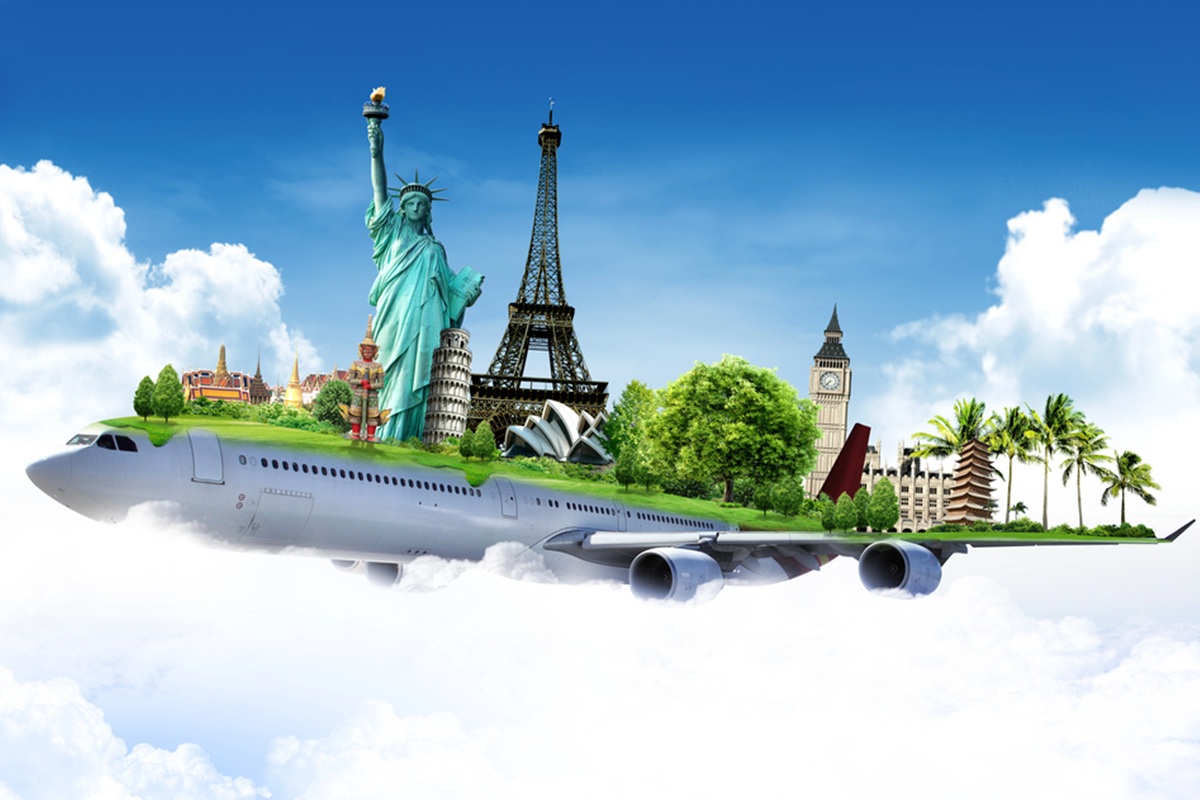


Should We Hire Talent From Outside the Tourism Industry? [ABO]


Faut-il recruter des profils hors tourisme ? - Depositphotos.com studiostock

CroisiEurope


Profiles from retail, education, events, or tech… the gateways to tourism are multiplying. An evolution first driven by shortages.

“We sometimes recruit profiles from outside tourism when we can’t find anyone.”, summarizes Céline Gleizes, HR manager at Eden Tour.

Valérie Dufour, head of the employment section at TourMaG, notes, however, that recruiters remain attached to specialized training: “I still have a majority of recruitment staff in travel agencies who favor tourism training among candidates, with the BTS Tourism minimum and experienced professionals for tailor-made trips.”

But she also observes “a small revolution” in HR practices within the sector. The Covid crisis deeply weakened tourism attractiveness. Demanding hours, salaries sometimes deemed insufficient, high operational pressure: many professionals left the sector without necessarily returning.

“Tourism companies do not hire from outside out of sheer resignation, analyses Valérie Dufour. They must respond to an historic talent shortage, but also to a profound transformation of professions.”

Tourism has become digital, client expectations have evolved, and the sought-after skills are now sometimes found outside the sector.

Yet this openness does not mean that “everyone can do tourism”. “Many candidates think that organizing their own vacations is enough, notes Céline Gleizes. But when they discover the complexity of agency work, some realize it isn’t for them.”

Valérie Dufour recalls that some jobs remain highly technical. “Knowledge of destinations, insurance, air tariff pricing or tools like Amadeus cannot be improvised.” she emphasizes.


Travel as a Common DNA

At Prêt à Partir, Fatima Faivre fully embraces recruiting atypical profiles, with one essential condition: « The person must have a traveler’s profile. Be passionate about travel. »

For the regional director, the decisive criterion isn’t so much the diploma as the travel culture.

« A person outside tourism who has never traveled is very difficult. On the other hand, seasoned travelers know what they are talking about. »

Some tour operators specializing in tailor-made travel now prefer to train enthusiasts rather than recruit only travel technicians.

Valérie Dufour cites notably the example of Voyageurs du Monde, which has taken a bold gamble: « It is easier to learn the technique of selling trips to someone who knows a country by heart than to learn the passion for a destination to a tourism technician. »

The group thus hires former expatriates, journalists, historians or avid travelers before training them in professional tools and sector rules.

At Flash Voyages, Ghislaine Homond recounts hiring a former Russian primary schoolteacher. « I rely a lot on intuition. In two weeks, I saw that she had potential, » she recalls.

Seven years later, this employee is still with the company.


Soft Skills Have Become Priorities

What recruiters look for today goes far beyond mastering a GDS or fare strategies.

“What interests me is character, insists Fatima Faivre. Whether she can do B2B or not isn’t important. She’ll learn it very quickly with us.”

The most sought-after qualities now are adaptability, listening, stress management, and a sense of service.

Valérie Dufour even speaks of a shift in HR priorities: “In a sector where technique is learned more and more quickly, behavioural skills make the difference.”

She emphasizes the importance of emotional intelligence, the ability to handle the unexpected, and the “spirit of hospitality.” “That natural generosity, that ‘care,’ is probably the most difficult skill to teach.”

At Eden Tour, the primary criterion being sought remains often commercial.

“When the candidate does not come from tourism, we primarily look for a good seller.”

The rise of generative artificial intelligence is accelerating this evolution.

“The travel advisor becomes an augmented profile, AI handles part of the repetitive tasks, but the human added value becomes central: listening, personalization, the ability to reassure and to narrate the journey.”

According to her, the job is evolving toward a role of “trusted expert” rather than a simple reservation agent.


Find all articles in our series “Very Special Agent – The Practical Guide for the Pro” by clicking this link.


Experienced Profiles Are Not Always the Easiest to Integrate


Caroline Lelievre Published by Caroline Lelievre Journalist – TourMaG.com
See all articles by Caroline Lelievre

  • picto Twitter
  • picto Linkedin
  • picto email
Ajoutez TourMaG à votre flux Google Actualités Google Actualités icône

Tourism in the Face of Climate Change: Adapt or Endure? [ABO]


Tourisme : des destinations best sellers seront invivables... - crédit photo : visuel généré à l'aide de l'IA

CroisiEurope


In 2014, to raise awareness about climate change, TF1 attempted a projection exercise during a weather bulletin.

We are August 17, 2050. France is smothered under an oppressive sun, barely veiled.

“Tomorrow morning, temperatures will already be very high, notably in Paris, Perpignan or Nice, with 26 degrees. In the afternoon, we will reach or exceed 40°C: 41 in Strasbourg, 40 in the capital, 42 in Lyon and up to 43 degrees forecast in Nîmes,” announced Evelyne Dhéliat, during a weather bulletin aired after the evening news.

Science fiction? Not at all. Just twelve years earlier, one could see that there was no need to project so far. These temperatures, which used to belong to forecasting, have become reality, even before summer has begun.

As economist Maxime Combes notes, Evelyne Dhéliat made three errors in her forecasts: no, Brittany and the Cotentin will not be spared; no, you won’t have to wait until August to burn on the spot; and no, you shouldn’t wait until 2050 either.

Indeed, by the end of 2026, France is already beating records one after another. It had already reached 37.8 °C at La Couronne in Charente, 37.4 °C in Perpignan and 37.6 °C in Narbonne.

While travel agencies struggle, France burns. And some still prefer to avert their eyes, when they don’t choose to laugh.


Tourism: Best-Selling Destinations Will Become Unlivable…

On his side, Daniel Riolo, a journalist whose humor is increasingly lacking, urged the French to stop “whining“, while asserting “it’s hot, enough already!”

A few hours later, in a classroom in Soustons, in the Landes, the thermometer surged and reached 53 degrees.

We are at the end of May, the students are suffocating, but all it will take is to slip on a T-shirt and open the windows. Seriously? Two very bad pieces of advice in such a situation.

Let us be clear: our industry cannot avoid a reflection on its future, even as crises follow one another, whether for travel agencies or for institutional actors.

To read: Greenhouse gas emissions: tourism must (quickly) act or die?

Because if we do nothing, an entire swath of destinations marketed by distribution, but also countries heavily dependent on tourism, will become unvisitable during the summer period.

“If we do nothing, the South and the Mediterranean basin will be regions comparable to the desert of Africa. In short, this region will no longer be attractive for summer vacations. The sand will be so hot that no one will be able to walk there.

Tourists will not want to stay in their hotel room all day, when there are other places to go out.

If we do nothing, I am not optimistic for this region
“, explained a few years ago Wouter Vanneuville, climate adaptation expert at the European Environment Agency.

The clock is ticking. And even if adaptation in Europe is very costly, doing nothing will cost more, economically and in human terms.


… infrastructures will become obsolete

This episode of historical precocity reminds us that destinations are not the only things that are not adapted: our infrastructures are not in a better position.

Last week, SNCF had no choice but to cancel trains.

The carrier explained that this decision was necessary due to the risk of air conditioning failures, because equipment is too old and not robust enough to withstand extreme temperatures.

At the last EDV conference, Jean Castex, the former prime minister, underscored the urgency of the situation.

“I often say that climate-skeptics would be stunned by the evolution observed in just 15 years if they visited the SNCF.

This impact is now considerable. The consequences are not limited to more pronounced climatic phenomena.


We are particularly witnessing a rise in forest fires. Yet, our lines traverse numerous wooded areas, which can have a very significant impact on rail traffic.

There is also a disruption of wildlife and a sharp increase in trees falling onto the network. In ten years, they have multiplied by fourteen“, confided the CEO of SNCF.

The carrier also keeps a close watch on problems with catenaries, power supply, or the overheating of rails. When it is 37 °C, the temperature of the rail can reach 55 °C. At that level, it can warp.

In 2025 already, the new Nantes station had to be closed due to the heat. It has again made headlines last week.

Air travel will not be spared either.


Tourism is not the climate’s arch-enemy, but it must question itself!

In 2017, the city of Phoenix, United States, turned into a true furnace. The thermometer exceeded 50 degrees.

“The hotter the air, the less dense it is. Therefore, one must reach a higher takeoff speed. The length of the runway can be a determining factor in achieving that speed. In Phoenix, with this heat wave, air density made takeoffs impossible“, explained Clément Mallet, project manager for mobility and adaptation at Carbone 4, in a previous article.

Global warming will also intensify turbulence.

According to a study by researchers at the University of Reading, these phenomena are becoming more frequent due to warmer air. Today, on a Paris–New York flight, passengers experience an average of 10 minutes of turbulence.

By 2050, that will be more like 20 to 30 minutes.

Here are as many examples as there are to show that our industry is not ready to face this phenomenon that we, humanity, have created. And we have not even spoken about rising sea levels or the dwindling of snow in the mountains… nor about the regulatory risk that could be imposed on companies…

Good news, we still have our fate in our own hands.

And contrary to what a recently posted LinkedIn message by a captain suggested, it is clear that taxing French aviation will not change everything. But it is not either by shifting blame onto others or by minimizing one’s own impact on global warming that we will advance the debate.

With such reasoning, we could have allowed people to keep smoking in restaurants, bars or cafes. After all, one cigarette cannot hurt anyone. Likewise, it would be easier to avoid picking up after Fido’s poop or to refrain from throwing a bottle in the trash…

Of course, it is the sum of individual behaviors that is at stake. Only a broad, global awareness will keep our old Earth breathable.

So no, we should not stop traveling, nor flying. But we must all, collectively, adopt a reasoned behavior, so that this industry remains the powerful lever of emancipation and inclusion, whether in 2050 or beyond.


Three Cyberattacks in Three Days: Why Tourism Will Have to Prove Its Security [ABO]


Christophe Mazzola revient sur la cyberattaque qui touché 3 opérateurs du tourisme : Belambra, Maeva et Gîtes de France -  Depositphotos.com Auteur denrud

CroisiEurope


Mi-mid May, as families finalize their summer bookings and the sector enters its peak period, a single attacker reminded vacation accommodation of a truth they would rather not face. In seventy-two hours, three major players acknowledged a data breach.

On Friday, Pierre & Vacances-Center Parcs, via its platform “La France du Nord au Sud,” a subsidiary of the Maeva brand. On Saturday, Belambra and its forty-four clubs. On Sunday, the Gîtes de France network.

Three business models that were previously separated, brought together in a single weekend by the same weakness and the same method of operation.


What Was Leaked, and What No One Looks At

Each press release insisted on the same point: no banking data.

Pierre & Vacances even specifies that no e-mail address would have been collected on their side. This phrasing has become a crisis-communication reflex, and that is precisely where the misjudgment lies.

It reassures about the only risk that the general public can name, the credit card, and it distracts attention from what was actually stolen.

The loot lies elsewhere. At Gîtes de France, nearly 389,000 customers are affected, with reservations dating back to 1995, and the batch would include around 360,000 records related to minors and children registered in stay files.

Names, dates of overnight stays, e-mails, phone numbers, postal addresses. No card numbers, certainly, but enough information to craft a phishing message with perfect credibility. When the fake email cites the real date, the real place, and the child’s real first name, the victim’s vigilance weighs little.

In a sector where personal data is inherently family-oriented and spread over time, the absence of banking details is not good news; it’s a mirage.


A Sector Designed to Demonstrate

The most troubling element isn’t technical; it’s political. The hacker didn’t seek to quietly monetize their breach. They publicly claimed their action, explaining in their own words that they acted to demonstrate how porous France is in terms of cybersecurity.

In other words, these three companies did not face a sophisticated criminal operation. They served as a vehicle for a demonstration. And the choice of tourism is hardly a coincidence.

The sector accumulates the risk factors I’ve observed in the field for years. Foundations that have stacked up for three decades without anyone asking why a reservation from 1995 still exists.

A shared IT subcontracting model, where several departmental structures rely on the same provider, hence the same vulnerability. A seasonality that concentrates activity, pressure, and the lowering of vigilance on the same weeks.

And a culture where security is still seen as a technical cost line rather than as a condition of the customer relationship.


The Real Scandal Is the Data We Should Never Have Kept

What strikes me is not that these attacks were possible, but that they were predictable. The risk had been identified, sector-specific, documented for months. The missing half of the equation was the decision to act.

I call this the decision gap, the structural delta between the moment we know and the moment we decide.

A data from 1995 still exploitable in 2026 is not a technical accident. It is a retention decision that was never made, thus never arbitrated, thus renewed by default year after year. The sector has confused commercial memory with passive accumulation.

Or the data that is best protected is the one you no longer hold. Minimization and limited retention durations are not regulatory constraints to endure; they are levers to reduce the attack surface: what no longer exists in the system cannot leak.

Three decades of reservations kept “just in case” became, in a single weekend, three decades of exposed responsibility.


Digital Trust, the New Asset of Tourism


Who Is Christophe Mazzola?


Photo : Christophe Mazzola

Christophe Mazzola is a cybersecurity expert, founder of the Cyber Academy and head of the GRC practice at Cresco Cybersecurity.

His objective: to make cybersecurity accessible to everyone.

A speaker, author, and CISO, he supports companies and institutions in a pragmatic approach to digital security, at the crossroads of leadership, pedagogy, and digital sovereignty.

Why Falling Oil Prices Could Change the Game in the Currency Markets [ABO]


Economic Situation

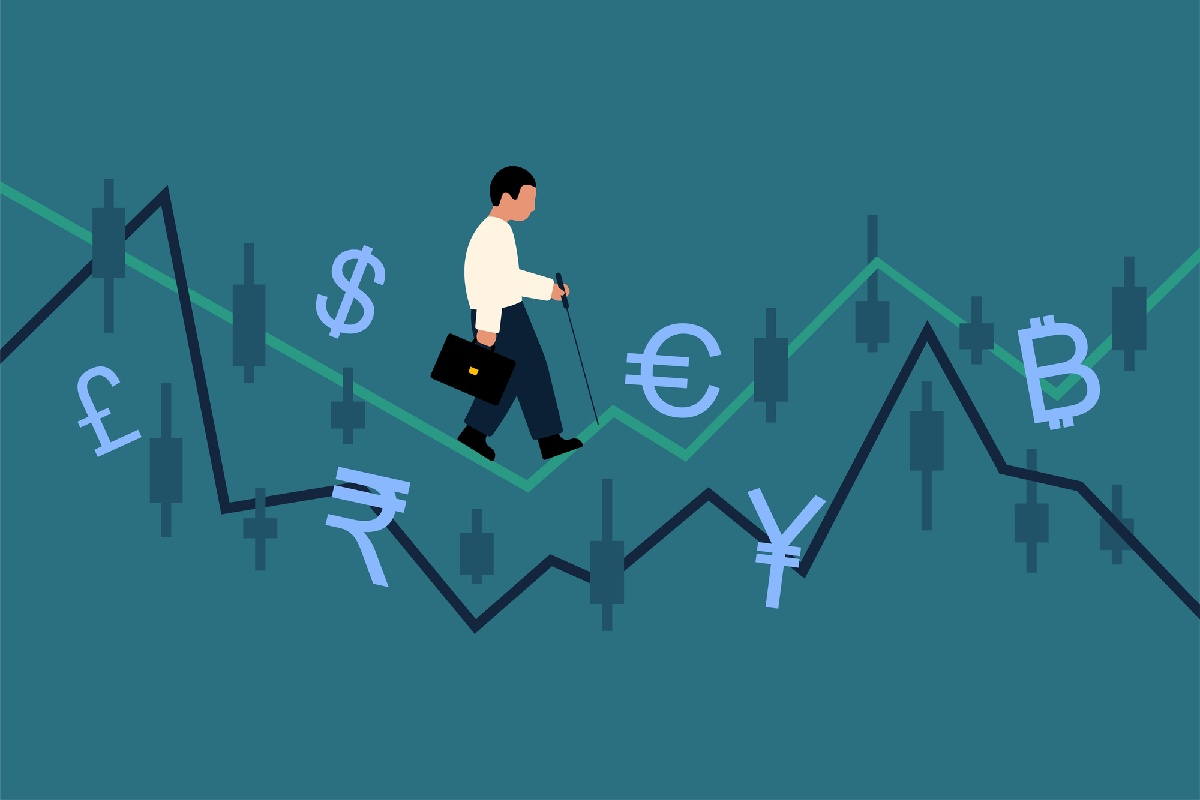
Pourquoi la baisse du pétrole pourrait changer la donne sur le marché des devises - Depositphotos.com, Auteur yellow_man

CroisiEurope


May will be remembered for an historic move in oil. Brent fell by roughly 19% over the month, dipping back to around $92, marking its worst monthly performance since March 2020.

The engine behind this retreat is diplomatic: Washington and Tehran reportedly reached a preliminary agreement to extend their 60-day ceasefire and reopen the Strait of Hormuz, through which about a fifth of global oil and LNG passes. Tehran would commit to clearing the passage of mines within 30 days. An important caveat: Trump has not yet endorsed the terms, and JD Vance tempered the prevailing optimism. Nothing has been signed.

This pullback changes the inflation equation. Energy had been fueling the price spiral since the outbreak of the conflict at the end of February. If the price of crude stabilizes at a lower level for a sustained period, inflationary pressures should mechanically ease in the coming months.

And yet, the ECB is preparing to tighten on June 11, with a market-implied 90% probability. A 25 basis-point rise would lift the deposit rate from 2.00% to 2.25%, the first tightening since 2023. Why tighten when the energy shock is receding? Because the ECB does not react to yesterday’s oil, but to today’s inflation.

In April, harmonized inflation rose to 3.0% across the euro area, and May flash estimates show a persistent acceleration in France, Italy and Spain. The figures are in, and some governors would have argued for a hike as early as April.

And the euro, meanwhile, remains stuck below 1.17, caught between diplomatic optimism and Frankfurt’s monetary resolve.


Exchange Rates: The Technical View

When oil plunges, safe-haven currencies give up their gains first. The Swiss franc is the clearest example: EUR/CHF has risen to around 0.9105 after peaking near 0.90 during the crisis. The flight-to-safety pressure is easing, and the SNB, with its policy rate at zero, allows it to stand by.

EUR/USD remains stuck around 1.1654, near a six-week low. As long as the Fed keeps its range at 3.50%-3.75% with no hint of easing, the dollar maintains a yield advantage that outstrips every other factor. Technically, the 1.1550-1.1600 area acts as support: below it, the path to 1.1500 opens.

Above this, the 100-day moving average near 1.1720 caps any rebound. EUR/GBP hovers around 0.8650, with no significant underlying movement. EUR/CAD sits near 1.5980: the Canadian dollar is naturally exposed to oil, and a persistently lower oil price would weaken it, thereby mechanically supporting the pair. Finally, EUR/JPY around 185.5 is the issue to watch this week.

The Governor of the Bank of Japan is due to speak soon, and any signal about the continuation of Japan’s monetary normalization could wake a yen that has notably lagged.


WEEKLY SUPPORTS WEEKLY RESISTANCES
S2 S1 R1 R2
EUR/USD 1.1500 1.1580 1.1720 1.1800
EUR/GBP 0.8560 0.8610 0.8700 0.8750
EUR/CHF 0.9020 0.9060 0.9150 0.9200
EUR/CAD 1.5850 1.5920 1.6050 1.6130
EUR/JPY 183.50 184.50 186.50 188.00


The supports and resistances shown below indicate, respectively, the low and high points within which prices are expected to move over the course of the week.


The information presented in this publication is provided for informational purposes only and does not constitute investment advice, an offer to buy or sell, or a solicitation to engage in any investment activity.


Mondial Change is a French financial institution, founded in 2015, specializing in the management of international payments and foreign exchange risk.

Mondial Change also supports many players in the tourism sector: travel agencies, group organizers, tour operators, inbound operators…

www.mondialchange.com

Contact: [email protected]


Bali, Cuba, USA, Egypt: Tourism News Roundup [ABO]


La revue de presse internationale de la semaine - Depositphotos.com Auteur serezniy

CroisiEurope


In the May 2026 press review overview for the week starting June 1, 2026:

Global tourism continues to grow despite geopolitical tensions

Bali: the “taxi war” makes life harder for tourists

Egypt: tourism keeps advancing strongly in 2026

Madrid bets on tourism intelligence to manage its growth

United States: international flight prices are starting to come down

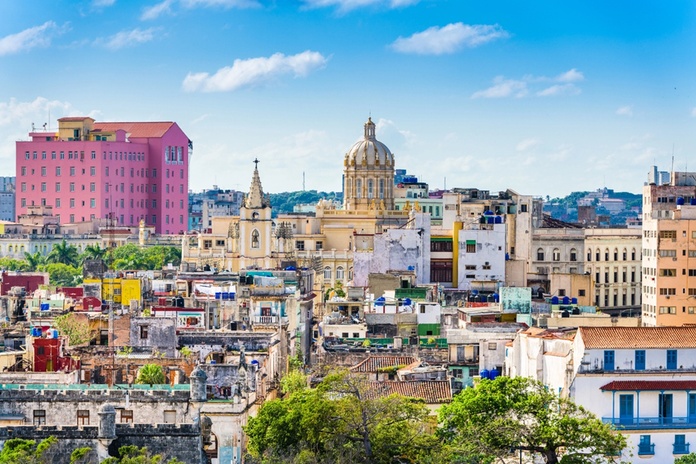
Cuba: major Spanish hotel groups retreat under American pressure

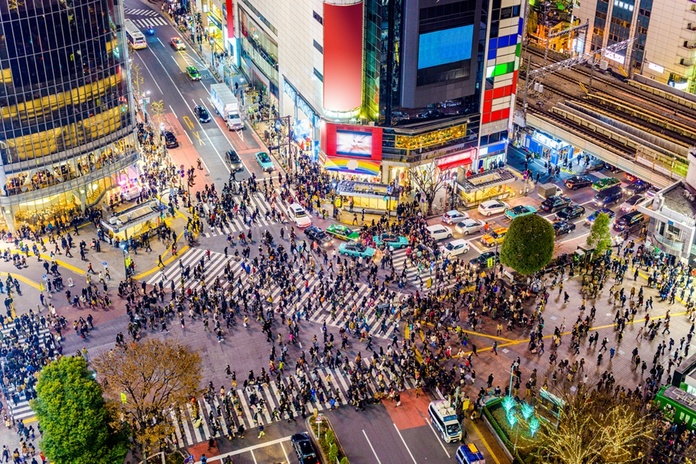
Tokyo: Shibuya now fines for street littering

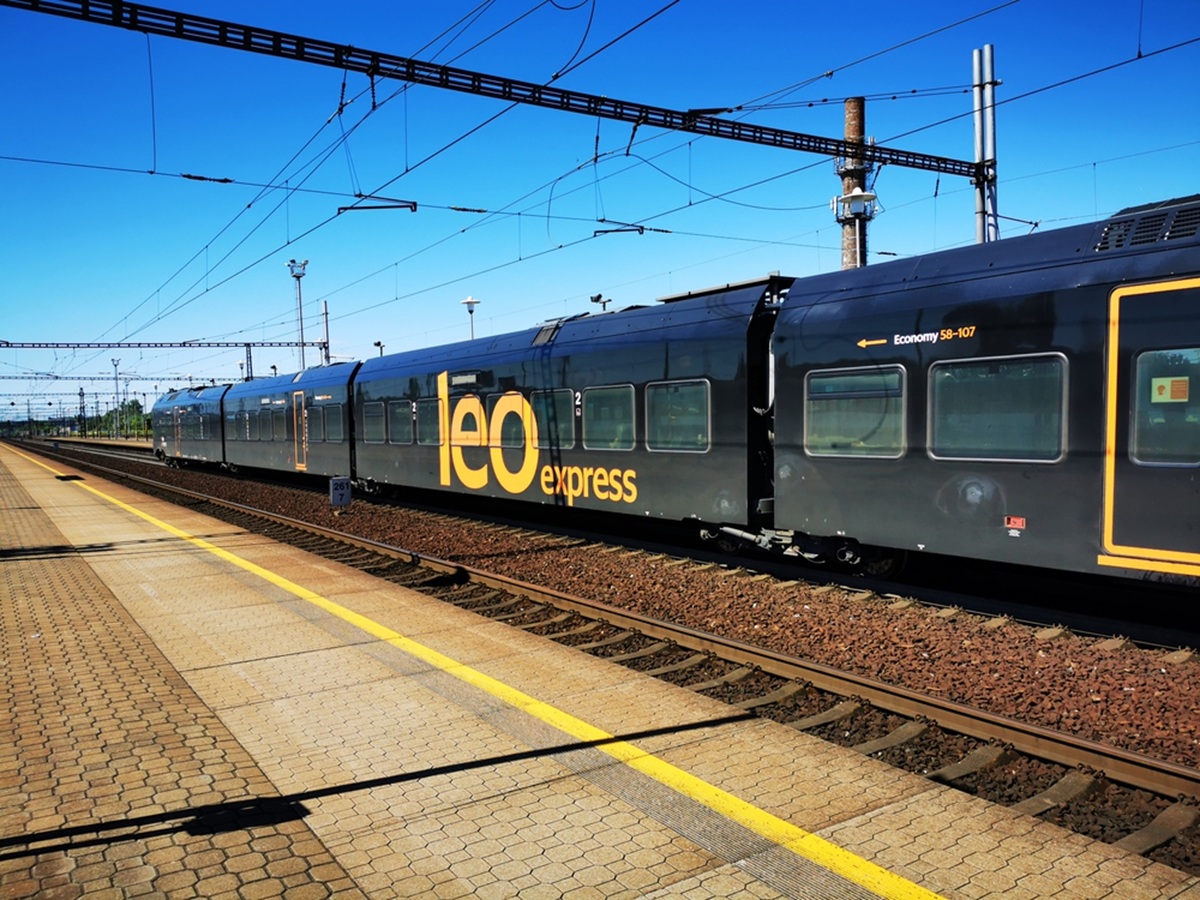
A new 1,300 km railway line will connect Germany to the Ukrainian border

Hotels see an edge over booking platforms thanks to AI

Oddity! Off to “hell”: the 666 bus to Hel makes a grand return to Poland


Global tourism remains on the rise despite geopolitical tensions


Le tourisme international a progressé de 2 % au premier trimestre 2026, avec environ 307 millions de voyageurs dans le monde, selon ONU Tourisme. @depositphotos/potowizard

International travel grew by 2% in the first quarter of 2026, totaling around 307 million travelers worldwide, according to UNWTO.

Although the year began with solid momentum, the conflict in the Middle East slowed growth in March, triggering flight disruptions, higher oil prices and increased transport costs.

Europe and Africa posted the strongest results, while the Middle East saw a steep drop in arrivals (-14%).

Facing geopolitical uncertainty and rising travel costs, experts suggest tourists may favor closer destinations and seek better value for money. Despite these challenges, the industry continues to show global resilience.

Read more on untourism.int


Bali: the “taxi war” complicates life for tourists


Une bataille invisible entre VTC et conseils de village traditionnels fait gonfler les prix des courses des taxis. @depositphotos/OlgaGauri

In Bali, a long-standing conflict pits ride-hailing drivers using apps like Grab against the banjar, village councils that regulate traditional taxi activity. As a result, in some areas, VTC drivers refuse to pick up customers for fear of intimidation or assault.

Tourists are left with no option but to use local taxis, which are often much more expensive, with fares set by the banjar. According to the South China Morning Post, a large portion of the fare goes to these village councils. This situation also reflects growing economic tensions on the island as tourism slows in 2026.

More to read on the South China Morning Post site


Egypt: tourism continues its strong growth in 2026


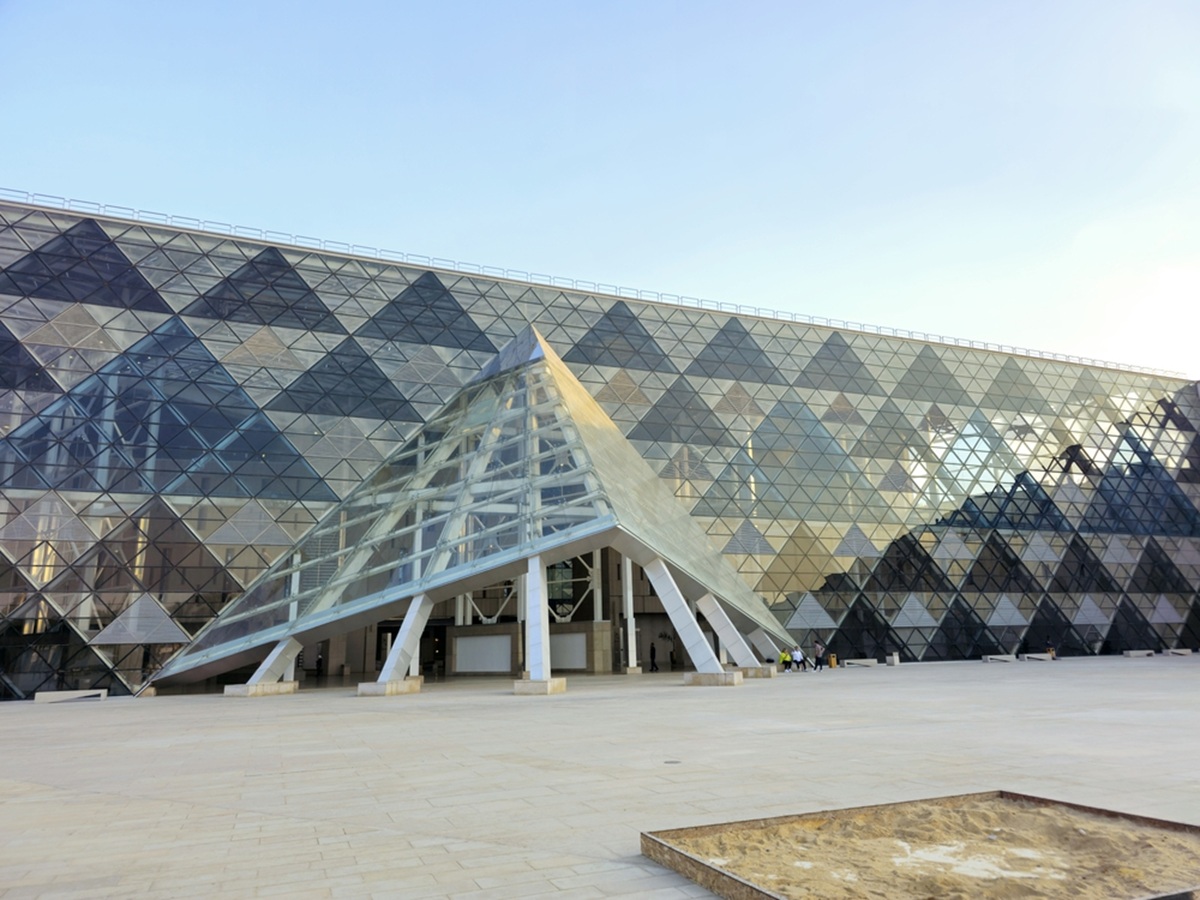
L’ouverture du Grand Musée Égyptien au Caire a boosté l’activité touristique du pays. @depositphotos/Tamer_Soliman

Egypt welcomed 6.1 million tourists from January to April 2026, a 7% increase compared with the same period in 2025.

The country’s success is partly explained by the opening of the Grand Egyptian Museum in Cairo, the appeal of the Red Sea coastal resorts, and prices deemed competitive by international travelers.

Backed by substantial international promotion, Egypt now targets an ambitious goal: to reach 30 million visitors per year by 2030.

An article from traveldailynews.com


United States: international flight prices are starting to come down


Cuba: major Spanish hotel groups retreat under American pressure


Les groupes espagnols Meliá et Iberostar ont annoncé l’arrêt d’une partie importante de leurs activités hôtelières à Cuba.@depositphotos/sepavone

The Spanish groups Meliá and Iberostar have announced the closure of a large portion of their hotel activities in Cuba, in response to the sanctions imposed by the Trump administration.

This withdrawal comes amid a grave tourism crisis in Cuba. The country recorded nearly a 56% drop in tourist arrivals at the start of 2026, while several airlines have reduced or suspended flights to the island.

An article from euronews.com


Tokyo: Shibuya now fines for street littering


L’arrondissement de Shibuya, au cœur de Tokyo, verbalise les personnes qui jettent des déchets dans les espaces publics.@depositphotos/sepavone

The Shibuya ward, at the heart of Tokyo, has begun imposing fines on people who discard waste in public spaces. Since June 1, 2026, offenders face a 2,000-yen fine (about $12.50) as part of a campaign to curb illegal dumping.

Authorities say the problem has worsened with rising tourist numbers and street-level consumption around Shibuya’s busy railway hubs. Around fifty officers will patrol to issue fines. Meanwhile, take-away food and beverage shops must now provide trash bins for customers.

Read on nhk.or.jp


A new 1,300 km railway line will connect Germany to the Ukrainian border


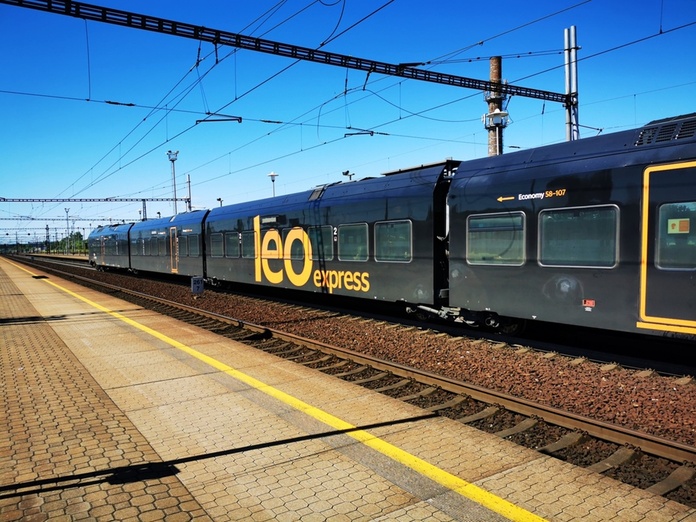
La compagnie tchèque Leo Express lancera le 25 juin 2026 une nouvelle liaison ferroviaire directe de plus de 1 300 kilomètres, qui reliera la ville polonaise de Przemyśl, à la frontière ukrainienne, à Francfort et son aéroport.@depositphotos/jonnysek

The Czech company Leo Express will launch on June 25, 2026 a new direct rail link of more than 1,300 kilometers, one of the longest in Europe.

The train will connect the Polish city of Przemyśl, near the Ukrainian border, with Frankfurt and its airport, passing through Krakow, Prague, Dresden and Leipzig.

This daily line aims to strengthen links between Western and Eastern Europe while facilitating access to Ukraine.

Passengers will have on board Wi‑Fi, power outlets, air conditioning and dining services on this nearly 19‑hour night ride.

An article from euronews.com


Hotels see an edge over booking platforms thanks to AI


Selon des experts, les groupes hôteliers pourraient mieux tirer parti de l’intelligence artificielle que les agences de voyages en ligne (OTA).@depositphotos/Jirsak

At the IHIF hotel conference in New York, several analysts highlighted that hotel groups could leverage artificial intelligence more effectively than online travel agencies (OTAs).

According to Barclays, hotels enjoy a major advantage thanks to their loyalty programs, their customer data, and the strength of their brands — areas where AI could boost personalization and customer relations.

Even though excitement around AI remains measured in the hotel industry, professionals already see significant potential to improve operational efficiency and commercial performance. Analysts, however, caution that the real impact of AI on traveler spending and the hotel sector is still in its early stages.

A Skift.com briefing


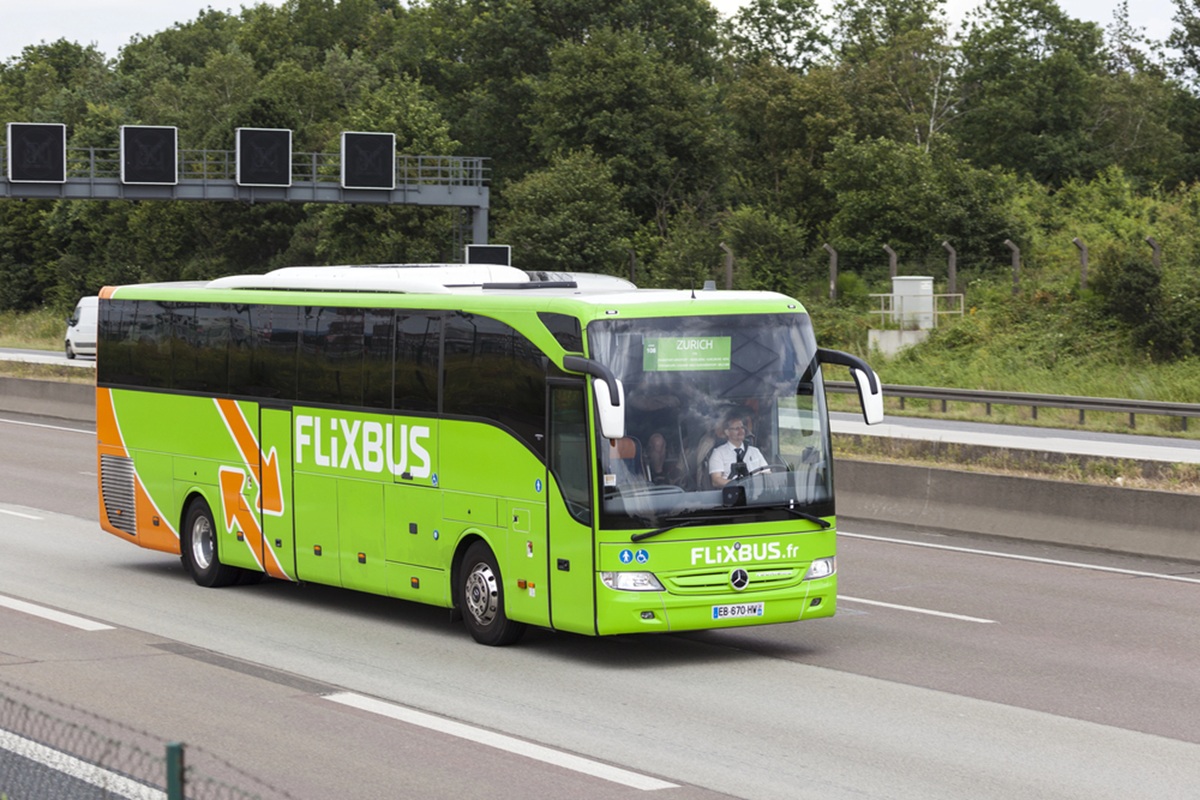
Insolite ! Off to “hell”: FlixBus brings back the 666 bus to Hel, Poland


FlixBus relance la mythique ligne de bus 666 vers la station balnéaire de Hel, en Pologne. @depositphotos/philipus

Good news for travelers who enjoy dark humor and unusual selfies: the legendary bus route 666 to the seaside town of Hel, Poland returns this summer thanks to FlixBus. This link of more than 1,300 km will connect Krakow to the Hel Peninsula on the Baltic coast, passing through Warsaw and several popular vacation stops.

Known for years as “the bus to hell” due to the wordplay between Hel and hell, the route had become a real tourist and social media magnet.

Discontinued in 2023 after religious protests, bus 666 is revived today with an explicit wink from FlixBus, which bets on humor as much as on the appeal of this highly popular summer destination.

Read on euronews.com

Hurtigruten Expands Signature Cruises with Three New Itineraries in Norway


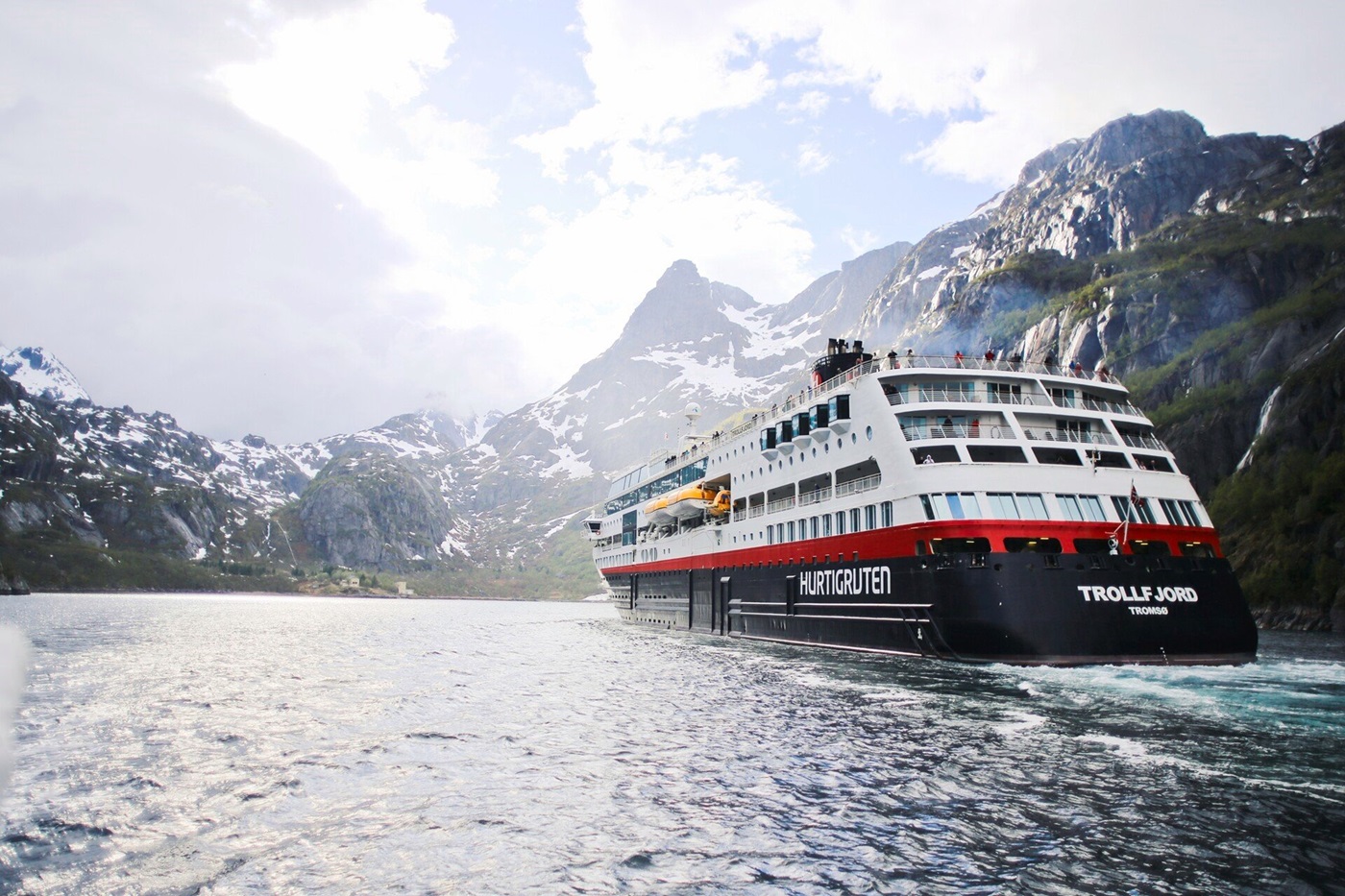
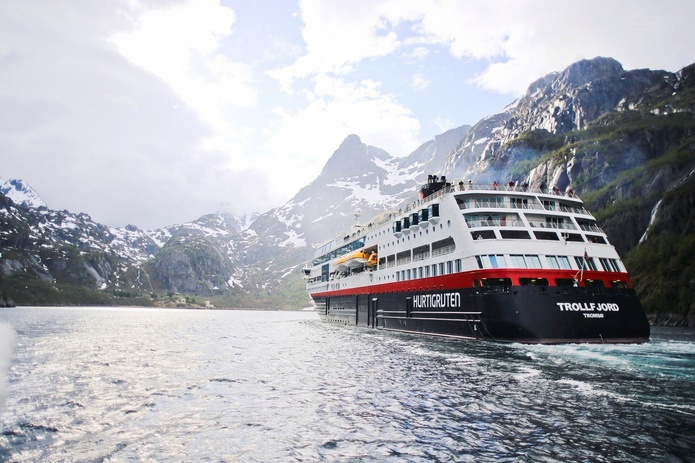
Le MS Trollfjord est le vaisseau amiral des croisières Signature @Hurtigruten

CroisiEurope


Hurtigruten strengthens its premium offering in Norway for the 2027-2028 seasons. The company has just unveiled its new brochure featuring several novelties on its Signature cruises, including three “Limited Edition” itineraries designed to deepen immersion along the Norwegian coast.

These new voyages will be offered in an all-inclusive package with beverages included and French-speaking staff.

Among the main novelties is “The Odyssey at the Heart of the Fjords”, an eight-day itinerary between Bergen and Ålesund offered in spring and autumn 2027-2028.

Hurtigruten promises here a “slower and more immersive” approach to the fjords of western Norway, with sailings through the heart of the Sognefjord, the Hardangerfjord or Lysefjord, in areas difficult for large ships to access.


Launch of the Arctic Line

Another novelty : “The Boreal Odyssey”, an eight-day winter cruise departing from Tromsø to Honningsvåg. The itinerary emphasizes Norway’s Arctic landscapes, the Lofoten Islands, Finnmark and the Lyngen Alps, with several panoramic sailings beyond the Arctic Circle.

The company is also launching “The Arctic Line”, a crossing between Copenhagen and Tromsø, offered in both directions. Hurtigruten notes that the itinerary will pass the Arctic Circle twice to maximize chances of seeing the aurora borealis, with overnight stays in Alta and Tromsø.

Hurtigruten also reiterates its two flagship Signature cruises: “The Spitsbergen Line”, between Bergen and Longyearbyen, and “The North Cape Line”, between Oslo and Honningsvåg.

These premium itineraries rely on longer port calls, all-inclusive dining, and deeper exploration of the Norwegian landscapes.


Coastal Express and the Promise of the Northern Lights

In parallel, the company continues to highlight its iconic Coastal Express connecting Bergen to Kirkenes for more than 130 years. Hurtigruten also plans several departures with French-speaking guides on its themed cruises around the fjords, the Lofoten Islands, the North Cape or the Northern Lights.

The 2027-2028 brochure also emphasizes land extensions, scenic trains and more than 70 seasonal optional excursions.

Finally, Hurtigruten extends from September 20 its “Aurora Promise”, a commercial guarantee that has become one of the company’s hallmarks. If no aurora borealis is observed during certain eligible winter itineraries of 11 days or more, Hurtigruten offers its clients a new classic cruise the following year.

Barcelona No Longer Welcomes Cruise Passengers in Transit


Barcelone souhaite relever dès 2027 la taxe touristique appliquée aux croisiéristes de transit afin d’atteindre un total de 14 euros par passager @Deposit-Photios - Photo by fotoall

CroisiEurope


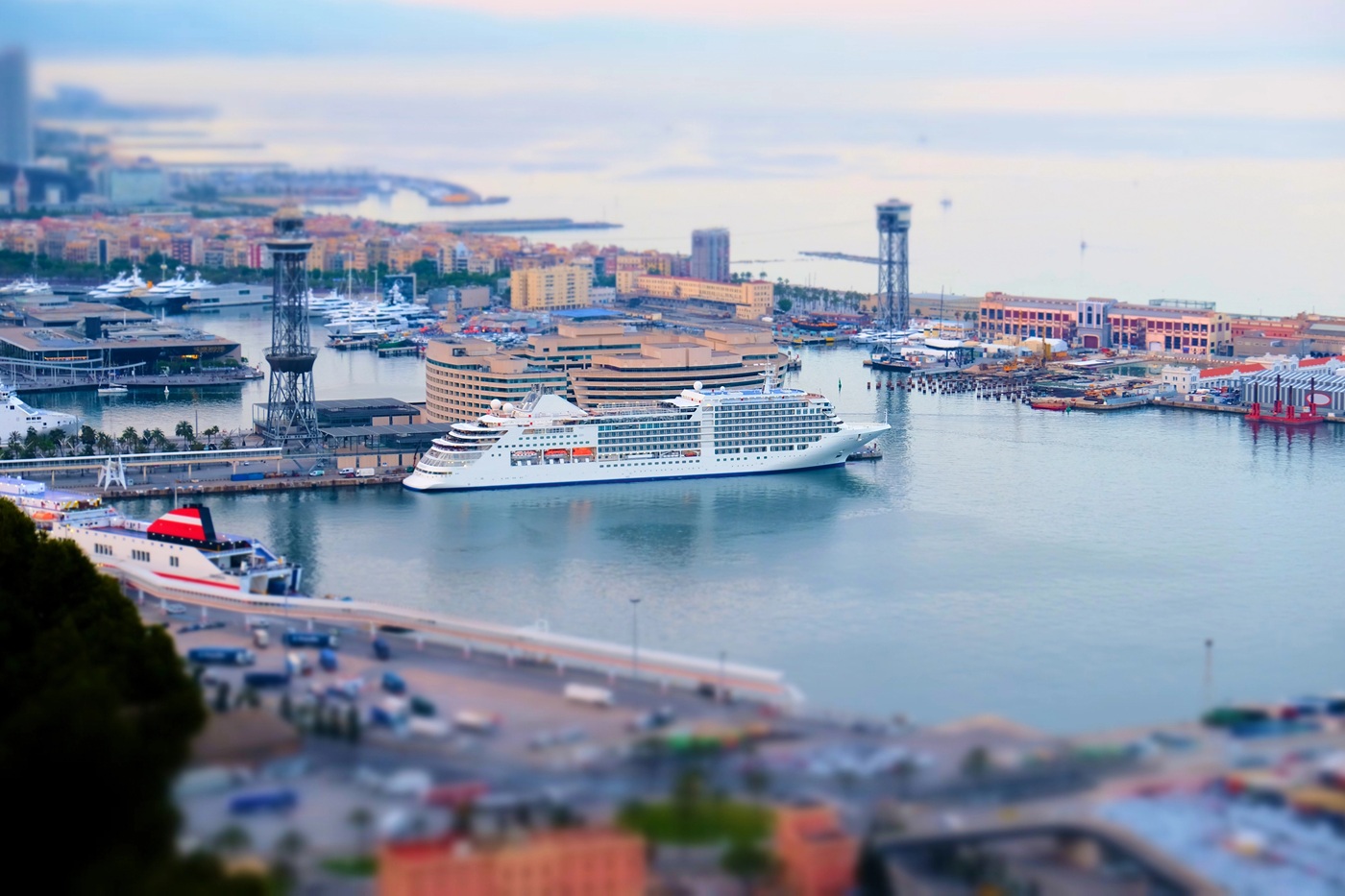
Barcelona presses its strategy against overtourism… and now clearly targets transit cruises. In an interview granted to the local channel betevé, Mayor Jaume Collboni stated his aim to reduce to zero the number of cruise passengers who spend only a few hours in the city before returning to sea.

The socialist mayor now distinguishes two modelss: cruises that use Barcelona as the home port—with passengers who stay in hotels, fly in, or spend more on site, something Marseille hopes to develop—and ships making a simple port of call, accused of crowding public spaces without generating enough local economic benefits.

« Transit cruises make intensive use of public space without generating revenue », he said. To discourage this traffic, the municipality plans to sharply increase the taxation applied to short-stop passengers.


1.7 million transit cruise passengers in 2025

According to details provided by betevé, Barcelona aims to raise from 2027 the tourist tax levied on transit cruise passengers to a total of 14 euros per passenger. This amount would include the Catalan regional tax and the municipal surcharge. The additional revenue would be used in particular to fund public services and infrastructure used by visitors.

This new push fits into a broader strategy pursued by Barcelona to curb overtourism. The city and the port had already announced an agreement to reduce the number of cruise terminals from seven to five. The municipality also plans to phase out tourist apartments by 2028.

The issue remains particularly sensitive in Spain, where cruises represent a major economic engine. According to figures cited recently by the municipality, Barcelona hosted nearly four million cruise passengers in 2025, including about 1.7 million transit cruise passengers.

HX Recruits 350 Travel Advisors to Promote Expedition Cruises


Les participants ont pu découvrir l'ensemble de l'offre à bord : détente dans le sauna panoramique, jacuzzis et piscine, ou encore dégustation de gaufres  préparées sur le pont supérieur, avec vue sur la mer du Nord - Photo : HX, Timo Hein

CroisiEurope


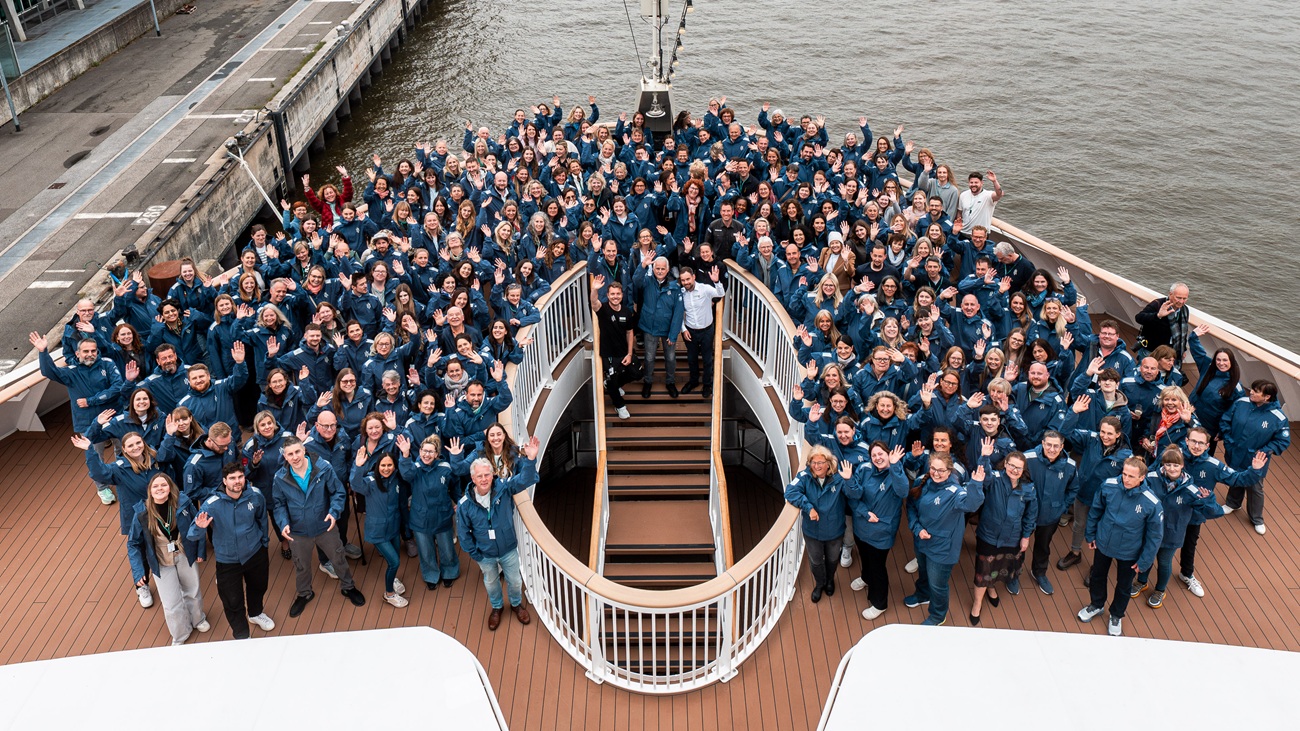
HX Expeditions a accueilli, du 5 au 7 mai 2026, plus de 350 conseillers en voyages à bord du MS Fridtjof Nansen, à l’occasion d’un voyage de familiarisation d’ampleur.

Objectif : immerger les partenaires commerciaux dans l’expérience HX de l’intérieur, afin qu’ils puissent mieux la raconter et la vendre à leurs clients.

L’itinéraire a conduit les participants vers Helgoland, en mer du Nord allemande, avec des débarquements sur l’île principale et l’îlot de Düne, des rencontres avec la faune locale et plusieurs activités encadrées par les équipes d’expédition.

À bord, les conseillers ont aussi pu tester l’offre du navire, entre sauna panoramique, jacuzzis, piscine et dégustation de gaufres sur le pont supérieur.


A Recreated 19th-Century Cabin

Également, dans le centre scientifique du navire, les participants ont échangé avec les scientifiques et l’équipe d’expédition, tout en découvrant les initiatives de science citoyenne proposées aux passagers : analyse du plancton, paysages sonores océaniques, météorologie ou observation des nuages, en lien avec l’initiative NASA GLOBE Observer.

Durant ce voyage, HX Expeditions a également dévoilé la « Cabine 1896 », une expérience immersive proposée à bord du MS Fridtjof Nansen.

Inspirée des premières expéditions de la fin du XIXᵉ siècle
, elle permet aux passagers de passer une nuit dans un espace reconstitué avec décors d’époque et ambiance historique.

L’expérience est proposée au tarif de 100 euros par personne, pour trois personnes maximum. La moitié des bénéfices est reversée à la Fondation HX, qui soutient des projets environnementaux, scientifiques et communautaires dans les destinations visitées.


Anniversary Offers

La compagnie a aussi dévoilé plusieurs offres commerciales liées à son 130e anniversaire, dont un incentive de 130 euros par réservation pour les conseillers en voyages, valable du 1er mai au 31 juillet 2026, ainsi qu’un crédit aérien pouvant atteindre 1 000 euros par personne sur certains départs en Antarctique 2026-2027.

HX propose également une offre anniversaire avec jusqu’à 25% de réduction ou des surclassements en suite offerts sur une sélection de voyages, pour des réservations effectuées entre le 1er mai et le 31 août 2026.

Costa Guarantees Mediterranean Fuel Prices All Summer


© Costa Croisières

CroisiEurope


Fuel Guarantee: Transparency and Commitment

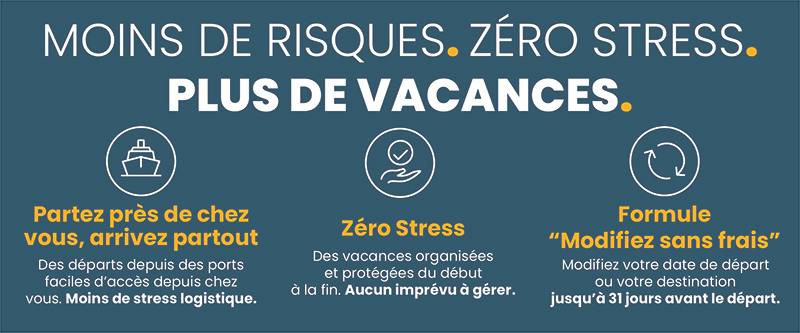
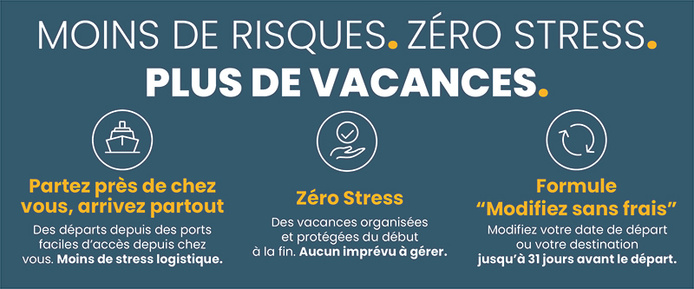
First differentiating element, and probably the most impactful today in the customer journey: the guarantee of no fuel-related price increase after booking on the maritime portion. In a context where energy fluctuations remain on everyone’s minds, Costa chooses transparency and commitment. Specifically, for Mediterranean departures this summer, the price displayed at the time of booking is final for departures through September 30, 2026. No surcharge will be added as departure approaches. For travel agents, this promise radically changes the commercial dialogue. It immediately removes a frequent objection and builds a climate of trust. The customer knows where they are going, and, most importantly, how much it will cost, with no surprises. In a competitive market, this price stability becomes a strong competitive advantage capable of tipping the decision.


Flexibility: Free Changes Before Departure

Alongside this price control, there is a direct answer to another key traveler need: flexibility. Costa thus offers free changes up to 31 days before departure. A flexibility that fits perfectly with current expectations, especially among hesitant clients or those planning ahead. Booking no longer means rigid commitment, but securing an opportunity while keeping the ability to adjust the plan. For sellers, this approach greatly facilitates conversion: it helps encourage immediate decision-making by reducing the sense of risk.


Modifiez sans frais © Costa Croisières


“Today, the true value when choosing a vacation lies in the ability to plan it with complete serenity. Travelers who book in advance seek both simple solutions and the freedom to adapt their plans if circumstances evolve. This is what our ‘Modify without fees’ offer makes possible,” says Aurélie SOULAT, France Commercial Director of Costa Croisières. “This flexibility is part of a broader approach of transparency and reassurance, with notably our guarantee of a locked-in price, with no fuel-related increases after booking. In a context where budget control is essential, it is fundamental to be able to offer our clients a clear view of the final price of their holidays, with no surprises.”

But beyond price and flexibility, Costa also provides a concrete answer to a very operational constraint: access to the departure port. On this point, the cruise line enriches its offering with simple and attractive solutions, notably around the Costa Pacifica. For certain departures from La Seyne-sur-Mer, a free train option is offered from Paris and Lyon. An initiative particularly relevant to broaden the catchment area, attract an urban clientele or meet the expectations of travelers who want to avoid driving. This ease of transportation fits into a seamless customer journey mindset, where every step of the trip is designed to be simple.


Train gratuit au départ de Paris & Lyon © Costa Croisières


Enhanced Accessibility: Train, Car, and Alternatives to Flying

Simultaneously, departures from Marseille also enjoy excellent accessibility. The port is easily reachable by train, with direct connections from many French cities, and also by car, providing great scheduling freedom. This plurality of options lets agents tailor their messaging to the client profiles, highlighting the most relevant solution according to their travel habits.

Ultimately, Costa builds a coherent and especially effective proposition: a secured price, flexible booking, and simplified access. Three elements that directly meet market expectations and give travel agents tangible, immediately actionable arguments at the point of sale. In a context where reassurance has become a key conversion factor, this approach not only facilitates the sale but also positions cruising as a clear, calm, and controlled choice.


A Clear, Readable, and Accessible Pricing Policy

Beyond the fuel guarantee, Costa also strengthens its appeal with a powerful promotional offer: -50% off the second passenger until June 8, 2026.

This promotion helps reposition cruising as a product that is both competitive and transparent. The client perceives real value: a fair and controlled price.

By combining a guaranteed price on the cruise portion, an immediate discount, and flexibility, Costa offers a pricing narrative that is clear, reassuring, and engaging. A strategy that perfectly meets current market expectations and makes the act of purchasing easier than ever.


How Ponant Brings Science to the Heart of Expeditions


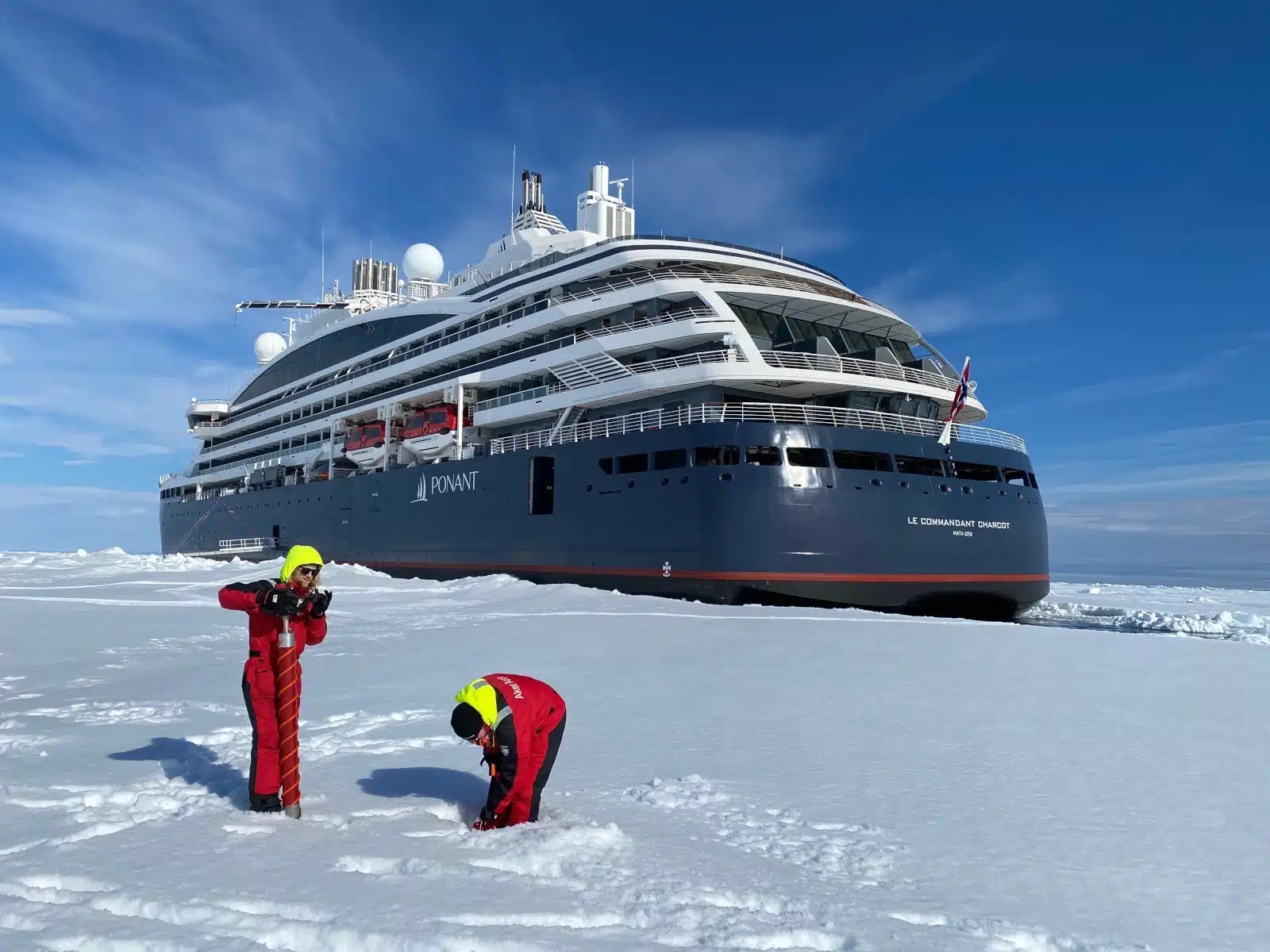
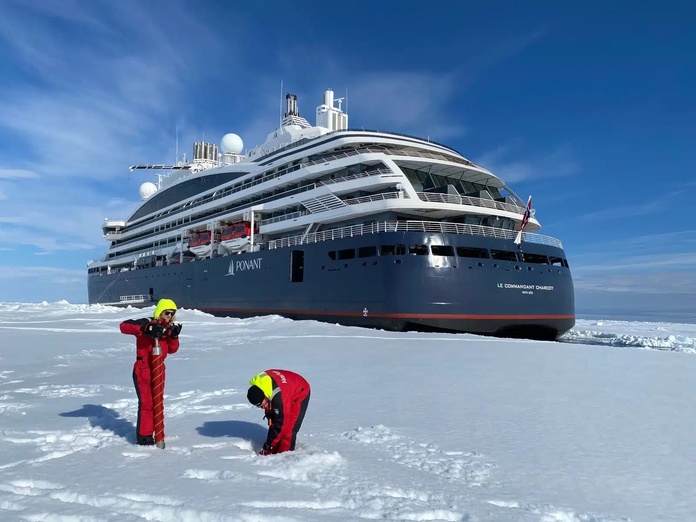
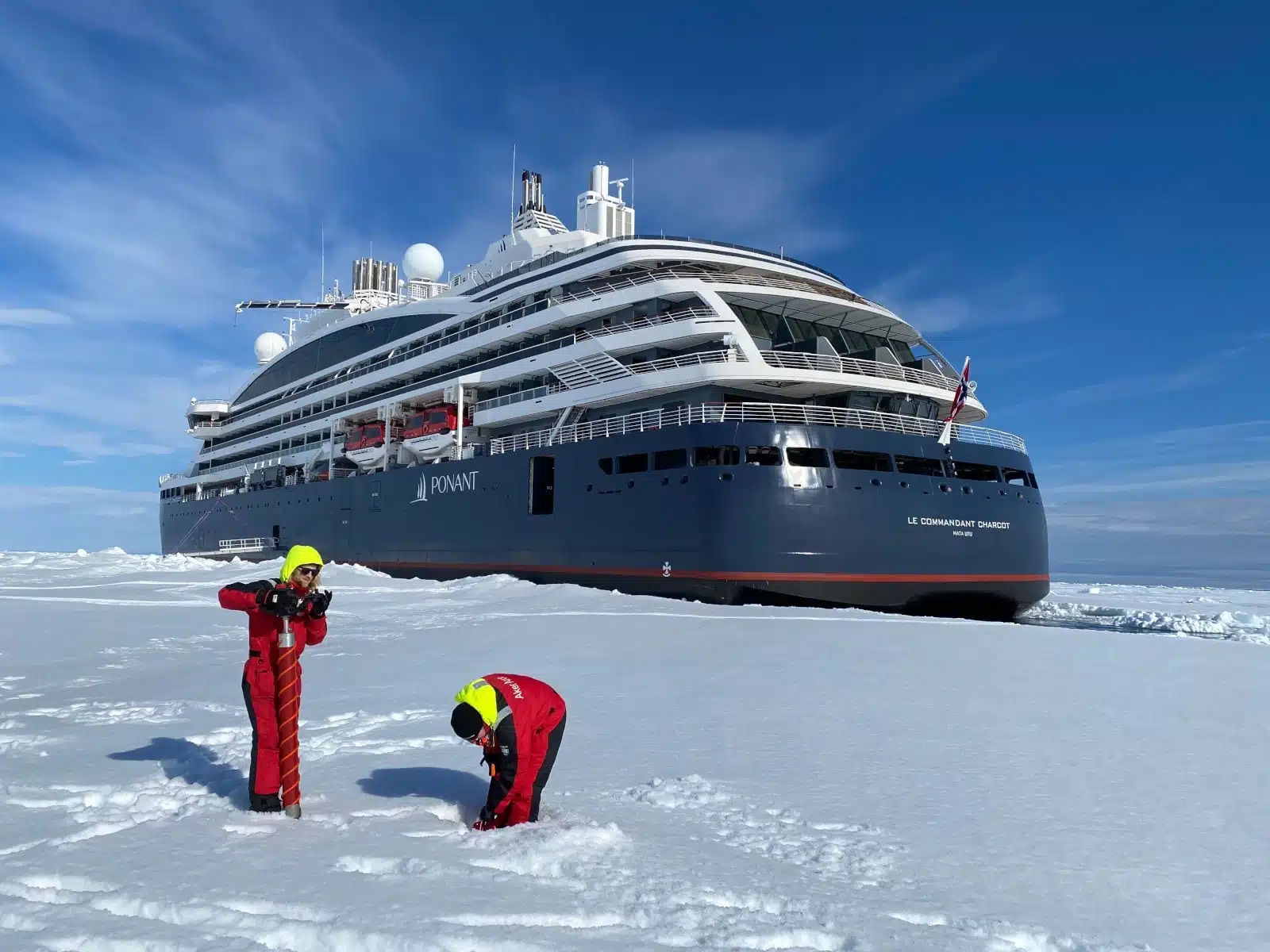
C'est en 2021 que le programme Ponant Science a été lancé à bord du Commandant Charcot @Ponant-Nicolas Dubreuil

CroisiEurope


On board the Commandant Charcot, exploration goes beyond landscapes. At the start of May, during a crossing from Brest to Reykjavik, passengers witnessed a series of scientific talks held in the ship’s theater. Climate, biodiversity, plastic pollution, marine mammals, or Arctic sea-ice dynamics: a range of topics that complemented the field experience.

Among the speakers were notably François Galgani, a specialist in plastic pollution, Olive Andrews, an expert on marine mammals, Aymeric Houstin, a conservation ecology researcher, or Vito Vitale, associate research director at the Institute of Polar Sciences.

The stated ambition is clear: to make the expedition not only an observational journey but also a tool for understanding the territories traversed.


A floating laboratory at the heart of polar regions

Launched in 2021 under the leadership of Megan Clampitt, the Ponant Sciences program relies primarily on the Commandant Charcot, described as the first luxury polar exploration ship designed from the outset to host scientific activities.

Behind the talks offered to passengers, the Commandant Charcot operates as a genuine scientific platform.

On board, several laboratories host researchers. It is up to the scientists to obtain the necessary permits to carry out their work.

Among the equipment deployed is an oceanographic rosette equipped with Niskin bottles, enabling water sampling at different depths – up to 1,000 meters depending on missions – while recording parameters such as temperature, salinity, or depth.

The data collected are then shared by the scientific community. More than one hundred projects have already been hosted since the program’s launch, yielding around ten scientific publications.


The ‘Science Officers’, New Knowledge Facilitators


Gwenaël Trividic, science officer,  a pour mission de faciliter la vie des cherchercheurs enmbarqués à bord @LG

Selon Ponant, plus de 150 chercheurs ont déjà participé à une soixantaine de projets scientifiques depuis le lancement du programme. Les données récoltées alimentent ensuite des travaux partagés avec la communauté scientifique internationale.

Pour faire le lien entre recherche et expérience client, la compagnie a créé un rôle spécifique : celui de science officer.

À mi-chemin entre coordinateur scientifique et médiateur, ce professionnel accompagne les protocoles de recherche, supervise les équipements embarqués et traduit les travaux menés à bord en contenus accessibles aux voyageurs : conférences, présentations ou échanges informels.


The Swap2Zero project on the 2030 horizon

Cette logique dépasse aujourd’hui le seul Commandant Charcot. Sur d’autres navires d’expédition de la flotte, des naturalistes, glaciologues ou spécialistes de la biodiversité interviennent régulièrement lors des itinéraires polaires ou tropicaux.

En Polynésie française, le Paul Gauguin participe également à plusieurs initiatives de sensibilisation autour des écosystèmes marins et des récifs coralliens.

Ponant prépare enfin l’étape suivante avec son projet Swap2Zero, un futur voilier transocéanique à propulsion vélique et piles à combustible, annoncé pour l’horizon 2030 et pensé comme une plateforme ouverte aux travaux sur la décarbonation maritime.

Dans un marché de l’expédition où l’accès aux destinations reculées tend à se banaliser, la science devient progressivement un argument de différenciation.


Laurent Guéna Published by Laurent Guéna Journalist – TourMaG.com
See all articles by Laurent Guéna

  • picto Linkedin
  • picto email
Ajouter TourMaG à votre flux Google Actualités Google Actualités icône