
Fixed-Term Contract for Career Change: A Milestone in the Labor Code [ABO]


Le CDD de reconversion permet aux salariés d'avoir l'opportunité de réaliser une reconversion professionnelle en suspendant simplement temporairement leur contrat de travail initial - Depositphotos.com, zagandesign

CroisiEurope


2026 brings its share of surprises, notably regarding the reconversion fixed-term contract!

At a time when skills assessments are in vogue (in 2024, more than 80,000 assessments were funded through the CPF), this arrangement also adds flexibility to potentially test another occupation.

Also read: The skills assessment for whom? Why?

In this regard, Article L.1242-3, 5th of the French Labour Code provides that a CDD can be concluded “for the reconversion period mentioned in Article L.6324-1 […] for a duration of at least six months.”

The article has been in force since January 1, 2026.


Reconversion CDD: What is it for?

But what is the point of this CDD?
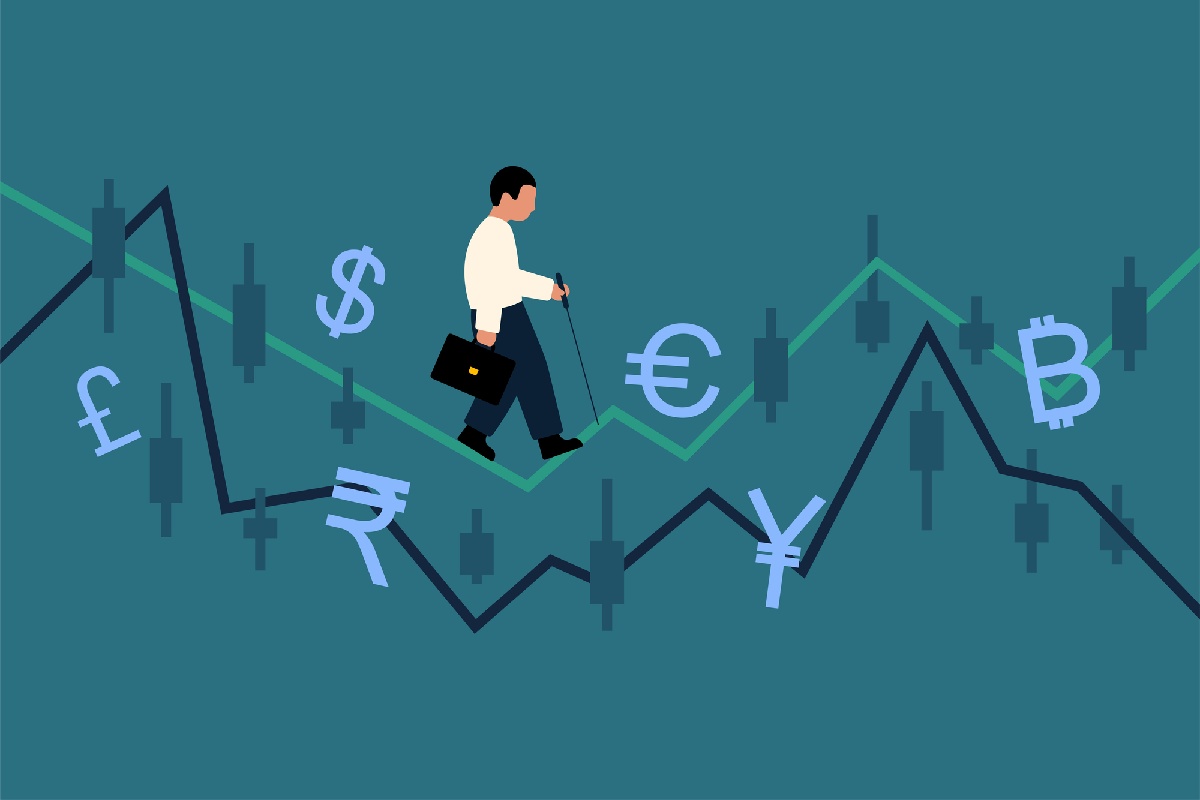
Simply put, the employee can try out a new job or a different professional environment within a host company without breaking immediately and directly with their original employer.

Consider the case of a recruitment officer at a renowned company who has always wanted to work with children: she became a camp counselor.

A successful transition and the sense of having fulfilled a long-held wish.

This mechanism therefore allows employees already on permanent contracts (CDI) or fixed-term contracts (CDD) to have the opportunity to undertake a professional reconversion in another company by temporarily suspending their initial contract.


Find all of Julia Rousseau’s chronicles by clicking here.


For the hosting company, a way to recruit an already experienced profile

France Travail also presents this mechanism as a means for the host company to recruit a profile that is already experienced, by supporting them with training and potentially offering a permanent contract (CDI) at the end, if the reconversion proves successful.

But how does it work if the original contract is suspended during the reconversion CDD period?

A written agreement must specify the terms of organization, the suspension period, the conditions for an early return, and the consequences in case of termination of the probation period. Everything must be legally formalized just as with the end of a “classic” contract.

Thus, at the end of this CDD, there are two options available to the employee: either rejoin their initial position or a similar role, or continue with the host company, with a defined exit from the initial contract.

This new mechanism could become a reliable tool to safeguard professional career paths, provided it is, of course, properly regulated.

In my view, it represents a meaningful step forward to support mobility, reconversions, and professional transitions within a more secure framework. The aim is to test a new occupation while being “protected.”


Tourism in the Face of Climate Change: Adapt or Endure? [ABO]


Tourisme : des destinations best sellers seront invivables... - crédit photo : visuel généré à l'aide de l'IA

CroisiEurope


In 2014, to raise awareness about climate change, TF1 attempted a projection exercise during a weather bulletin.

We are August 17, 2050. France is smothered under an oppressive sun, barely veiled.

“Tomorrow morning, temperatures will already be very high, notably in Paris, Perpignan or Nice, with 26 degrees. In the afternoon, we will reach or exceed 40°C: 41 in Strasbourg, 40 in the capital, 42 in Lyon and up to 43 degrees forecast in Nîmes,” announced Evelyne Dhéliat, during a weather bulletin aired after the evening news.

Science fiction? Not at all. Just twelve years earlier, one could see that there was no need to project so far. These temperatures, which used to belong to forecasting, have become reality, even before summer has begun.

As economist Maxime Combes notes, Evelyne Dhéliat made three errors in her forecasts: no, Brittany and the Cotentin will not be spared; no, you won’t have to wait until August to burn on the spot; and no, you shouldn’t wait until 2050 either.

Indeed, by the end of 2026, France is already beating records one after another. It had already reached 37.8 °C at La Couronne in Charente, 37.4 °C in Perpignan and 37.6 °C in Narbonne.

While travel agencies struggle, France burns. And some still prefer to avert their eyes, when they don’t choose to laugh.


Tourism: Best-Selling Destinations Will Become Unlivable…

On his side, Daniel Riolo, a journalist whose humor is increasingly lacking, urged the French to stop “whining“, while asserting “it’s hot, enough already!

A few hours later, in a classroom in Soustons, in the Landes, the thermometer surged and reached 53 degrees.

We are at the end of May, the students are suffocating, but all it will take is to slip on a T-shirt and open the windows. Seriously? Two very bad pieces of advice in such a situation.

Let us be clear: our industry cannot avoid a reflection on its future, even as crises follow one another, whether for travel agencies or for institutional actors.

To read: Greenhouse gas emissions: tourism must (quickly) act or die?

Because if we do nothing, an entire swath of destinations marketed by distribution, but also countries heavily dependent on tourism, will become unvisitable during the summer period.

If we do nothing, the South and the Mediterranean basin will be regions comparable to the desert of Africa. In short, this region will no longer be attractive for summer vacations. The sand will be so hot that no one will be able to walk there.

Tourists will not want to stay in their hotel room all day, when there are other places to go out.

If we do nothing, I am not optimistic for this region
“, explained a few years ago Wouter Vanneuville, climate adaptation expert at the European Environment Agency.

The clock is ticking. And even if adaptation in Europe is very costly, doing nothing will cost more, economically and in human terms.


… infrastructures will become obsolete

This episode of historical precocity reminds us that destinations are not the only things that are not adapted: our infrastructures are not in a better position.

Last week, SNCF had no choice but to cancel trains.

The carrier explained that this decision was necessary due to the risk of air conditioning failures, because equipment is too old and not robust enough to withstand extreme temperatures.

At the last EDV conference, Jean Castex, the former prime minister, underscored the urgency of the situation.

I often say that climate-skeptics would be stunned by the evolution observed in just 15 years if they visited the SNCF.

This impact is now considerable. The consequences are not limited to more pronounced climatic phenomena.


We are particularly witnessing a rise in forest fires. Yet, our lines traverse numerous wooded areas, which can have a very significant impact on rail traffic.

There is also a disruption of wildlife and a sharp increase in trees falling onto the network. In ten years, they have multiplied by fourteen“, confided the CEO of SNCF.

The carrier also keeps a close watch on problems with catenaries, power supply, or the overheating of rails. When it is 37 °C, the temperature of the rail can reach 55 °C. At that level, it can warp.

In 2025 already, the new Nantes station had to be closed due to the heat. It has again made headlines last week.

Air travel will not be spared either.


Tourism is not the climate’s arch-enemy, but it must question itself!

In 2017, the city of Phoenix, United States, turned into a true furnace. The thermometer exceeded 50 degrees.

The hotter the air, the less dense it is. Therefore, one must reach a higher takeoff speed. The length of the runway can be a determining factor in achieving that speed. In Phoenix, with this heat wave, air density made takeoffs impossible“, explained Clément Mallet, project manager for mobility and adaptation at Carbone 4, in a previous article.

Global warming will also intensify turbulence.

According to a study by researchers at the University of Reading, these phenomena are becoming more frequent due to warmer air. Today, on a Paris–New York flight, passengers experience an average of 10 minutes of turbulence.

By 2050, that will be more like 20 to 30 minutes.

Here are as many examples as there are to show that our industry is not ready to face this phenomenon that we, humanity, have created. And we have not even spoken about rising sea levels or the dwindling of snow in the mountains… nor about the regulatory risk that could be imposed on companies…

Good news, we still have our fate in our own hands.

And contrary to what a recently posted LinkedIn message by a captain suggested, it is clear that taxing French aviation will not change everything. But it is not either by shifting blame onto others or by minimizing one’s own impact on global warming that we will advance the debate.

With such reasoning, we could have allowed people to keep smoking in restaurants, bars or cafes. After all, one cigarette cannot hurt anyone. Likewise, it would be easier to avoid picking up after Fido’s poop or to refrain from throwing a bottle in the trash…

Of course, it is the sum of individual behaviors that is at stake. Only a broad, global awareness will keep our old Earth breathable.

So no, we should not stop traveling, nor flying. But we must all, collectively, adopt a reasoned behavior, so that this industry remains the powerful lever of emancipation and inclusion, whether in 2050 or beyond.


Why Falling Oil Prices Could Change the Game in the Currency Markets [ABO]


Economic Situation

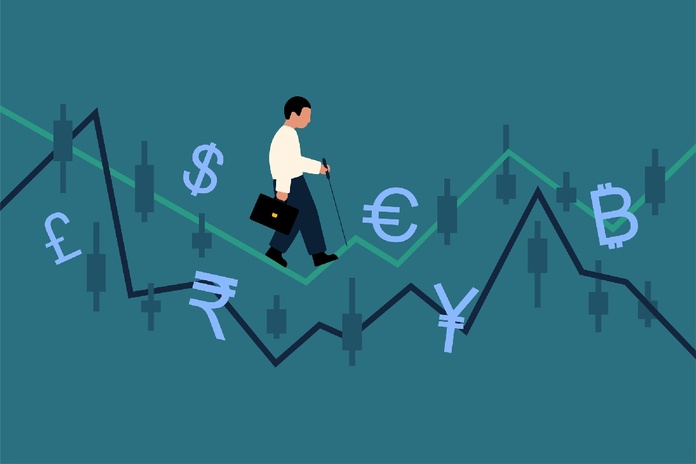
Pourquoi la baisse du pétrole pourrait changer la donne sur le marché des devises - Depositphotos.com, Auteur yellow_man

CroisiEurope


May will be remembered for an historic move in oil. Brent fell by roughly 19% over the month, dipping back to around $92, marking its worst monthly performance since March 2020.

The engine behind this retreat is diplomatic: Washington and Tehran reportedly reached a preliminary agreement to extend their 60-day ceasefire and reopen the Strait of Hormuz, through which about a fifth of global oil and LNG passes. Tehran would commit to clearing the passage of mines within 30 days. An important caveat: Trump has not yet endorsed the terms, and JD Vance tempered the prevailing optimism. Nothing has been signed.

This pullback changes the inflation equation. Energy had been fueling the price spiral since the outbreak of the conflict at the end of February. If the price of crude stabilizes at a lower level for a sustained period, inflationary pressures should mechanically ease in the coming months.

And yet, the ECB is preparing to tighten on June 11, with a market-implied 90% probability. A 25 basis-point rise would lift the deposit rate from 2.00% to 2.25%, the first tightening since 2023. Why tighten when the energy shock is receding? Because the ECB does not react to yesterday’s oil, but to today’s inflation.

In April, harmonized inflation rose to 3.0% across the euro area, and May flash estimates show a persistent acceleration in France, Italy and Spain. The figures are in, and some governors would have argued for a hike as early as April.

And the euro, meanwhile, remains stuck below 1.17, caught between diplomatic optimism and Frankfurt’s monetary resolve.


Exchange Rates: The Technical View

When oil plunges, safe-haven currencies give up their gains first. The Swiss franc is the clearest example: EUR/CHF has risen to around 0.9105 after peaking near 0.90 during the crisis. The flight-to-safety pressure is easing, and the SNB, with its policy rate at zero, allows it to stand by.

EUR/USD remains stuck around 1.1654, near a six-week low. As long as the Fed keeps its range at 3.50%-3.75% with no hint of easing, the dollar maintains a yield advantage that outstrips every other factor. Technically, the 1.1550-1.1600 area acts as support: below it, the path to 1.1500 opens.

Above this, the 100-day moving average near 1.1720 caps any rebound. EUR/GBP hovers around 0.8650, with no significant underlying movement. EUR/CAD sits near 1.5980: the Canadian dollar is naturally exposed to oil, and a persistently lower oil price would weaken it, thereby mechanically supporting the pair. Finally, EUR/JPY around 185.5 is the issue to watch this week.

The Governor of the Bank of Japan is due to speak soon, and any signal about the continuation of Japan’s monetary normalization could wake a yen that has notably lagged.


WEEKLY SUPPORTS WEEKLY RESISTANCES
S2 S1 R1 R2
EUR/USD 1.1500 1.1580 1.1720 1.1800
EUR/GBP 0.8560 0.8610 0.8700 0.8750
EUR/CHF 0.9020 0.9060 0.9150 0.9200
EUR/CAD 1.5850 1.5920 1.6050 1.6130
EUR/JPY 183.50 184.50 186.50 188.00


The supports and resistances shown below indicate, respectively, the low and high points within which prices are expected to move over the course of the week.


The information presented in this publication is provided for informational purposes only and does not constitute investment advice, an offer to buy or sell, or a solicitation to engage in any investment activity.


Mondial Change is a French financial institution, founded in 2015, specializing in the management of international payments and foreign exchange risk.

Mondial Change also supports many players in the tourism sector: travel agencies, group organizers, tour operators, inbound operators…

www.mondialchange.com

Contact: [email protected]


Group Travel Reclaims Its Value in an Uncertain Global Context as Calafell Evasión Takes Charge to Drive Change


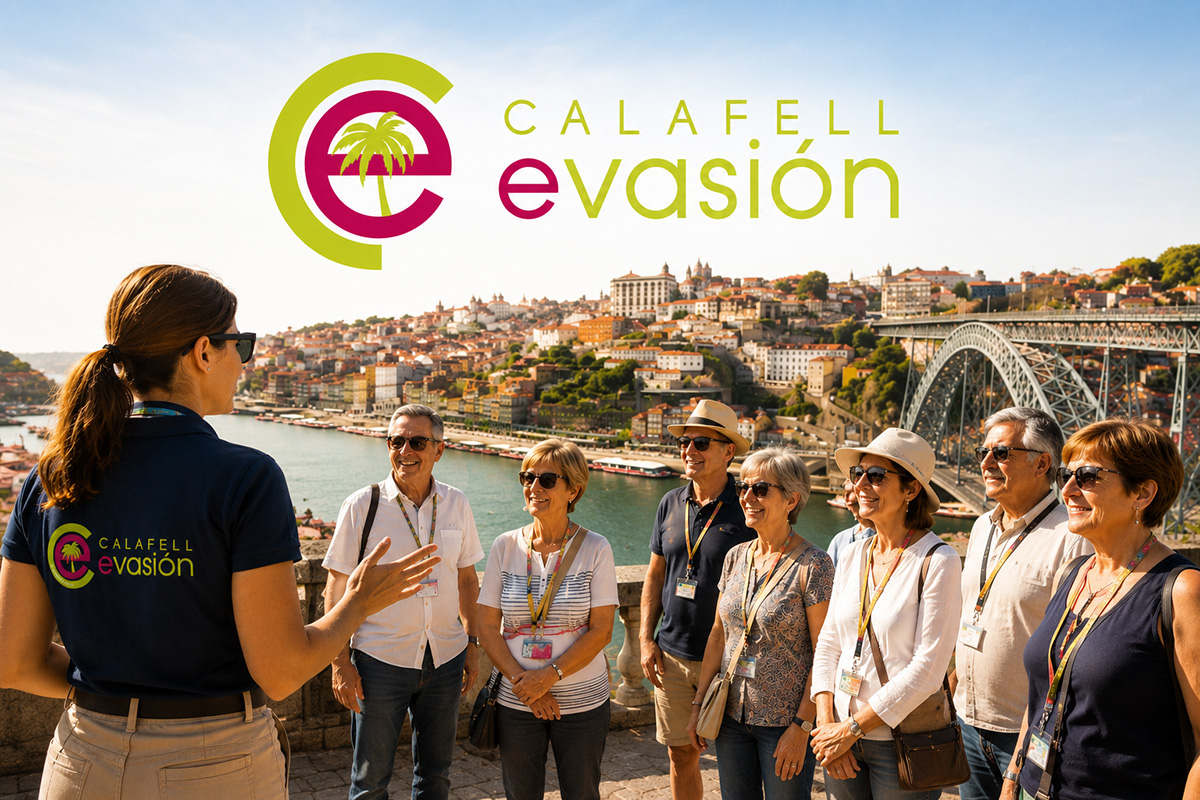
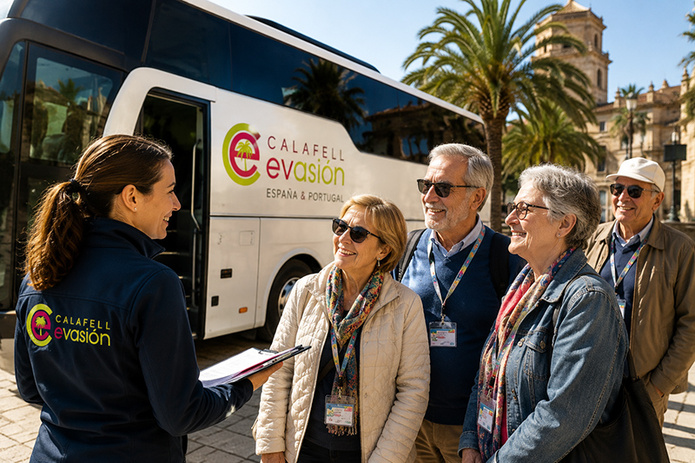
Le groupe en voyage sur la péninsule Ibérique © Calafell Evasión / Image générée par IA pour illustration promotionnelle

CroisiEurope


Today, travelers place greater emphasis on safety, the proximity of services, and the reliability of the organizations they rely on for their trips.

In this new context, group travel regains its full relevance. More structured, more reassuring and easier to organize, it meets a genuine need for serenity. For agencies and organizers, choosing an experienced local partner also becomes essential to ensure smooth stays that align with clients’ evolving expectations.


Le voyage de groupe : une réponse aux nouvelles attentes des voyageurs

For several years, traveler behavior has evolved. Where some once sought distant destinations or very rapid trips, many now favor experiences that are more accessible, more human, and better organized.

The current international context accelerates this trend. Groups want to travel to stable destinations, easily reachable and equipped with solid infrastructure. They also seek more active guidance, capable of securing every phase of the stay and responding quickly in case of unforeseen events.


© Calafell Evasión / Image générée par IA pour illustration promotionnelle

In this dynamic, group travel emerges as a reassuring solution. It helps pool costs, simplify planning, and above all, provides genuine peace of mind for both participants and organizers.

This shift also highlights the importance of human connection in tourism. Travelers no longer seek merely to “see” a destination, but to experience a collective, convivial, and authentic moment together.


Espagne et Portugal : des destinations adaptées aux réalités actuelles


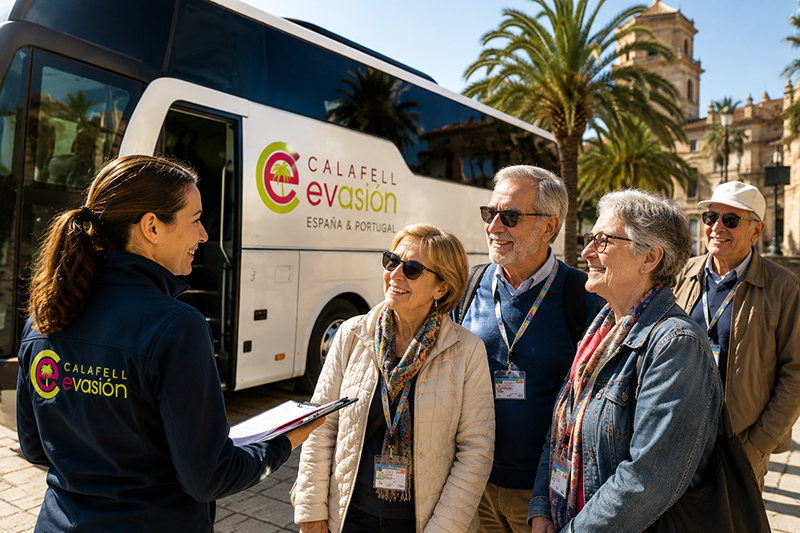
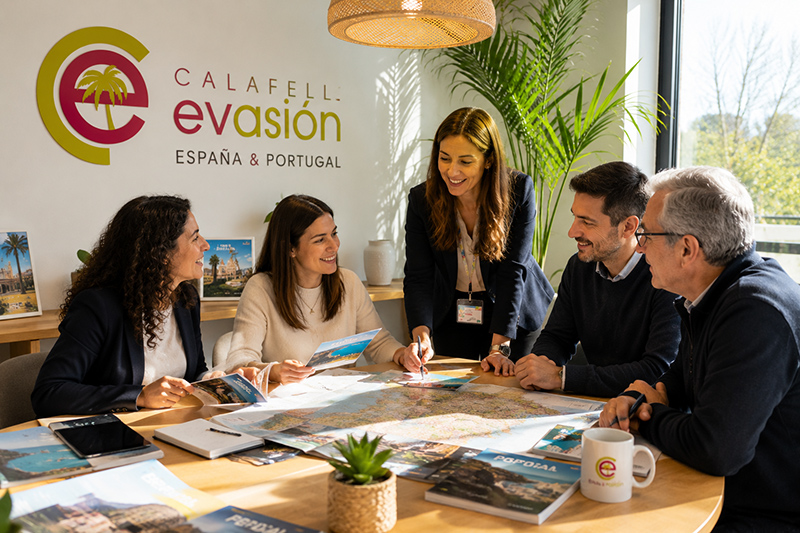
© Calafell Evasión / Image générée pour illustration promotionnelle

In this context, the Iberian Peninsula naturally emerges as a particularly relevant destination for groups.

Spain and Portugal offer a rare balance between accessibility, safety, cultural diversity, and high-quality tourism infrastructure. Their geographic proximity helps limit travel times and the impact of rising fuel costs, while ensuring a genuine sense of change of scenery.

Another major advantage is the variety of possible experiences. Cultural stays, tours, hiking, gastronomy, traditional or seaside events… the Iberian Peninsula meets a wide range of expectations, with the possibility to travel almost year-round thanks to a particularly favorable climate.

In a world where uncertainty increasingly shapes travel decisions, Spain and Portugal appear as destinations that are both reassuring and inspiring.


Le rôle essentiel du réceptif local

More than ever, agencies and organizers need strong local partners who can anticipate difficulties and guarantee reliable execution.

The role of the DMC is no longer limited to mere logistics. It becomes a trusted ally, capable of securing operations, ensuring on-site responsiveness, and guiding groups through a tourism landscape that is continually evolving.

At Calafell Evasión, this close proximity to on-site realities has been one of the company’s cornerstones for over 30 years. The teams collaborate daily with carefully selected local partners to ensure the quality and stability of the services offered.

The integration of Promenade in Portugal now strengthens this presence across the entire Iberian Peninsula and enables agencies to obtain even more comprehensive coverage of the destination.


Et demain ?


Dans un contexte mondial incertain, le voyage de groupe reprend toute sa valeur. Calafell Evasión décide de prendre les choses en main et d’initier le changement…
Calafell Evasion, Espagne et Portugal

[email protected]

(+34) 977 37 30 15

Website

facebook linkedin


Carry-On Luggage, Delays, Refunds: What Could Potentially Change for Air Travelers

“Only 38% of eligible passengers currently exercise their rights.” That is what the association Que Choisir Ensemble, which defends consumers and users, asserts. But traveling by air in Europe could soon take place under new rules. After more than thirteen years of discussions, the European Union is preparing to amend Regulation (EC) No 261/2004, the reference text governing passenger rights in cases of delay, cancellation, or denied boarding since 2004. On Monday, June 15, 2026, negotiators from the European Parliament and the Council reached a provisional agreement on this long-awaited revision.

A compromise presented by Brussels as a major advance, although several consumer-advocacy groups strongly nuance this enthusiasm. The President of the European Parliament, Roberta Metsola, welcomed an agreement she deemed balanced: “The Parliament has always been the staunchest defender of air passengers’ rights. This agreement will strengthen air passenger rights across Europe. It will bring more transparency and predictability for both consumers and airlines, without imposing unnecessary administrative burdens on our industry. Parliament fought hard to make travel fairer and procedures clearer, and this is what we have managed to achieve.”

A Framework for Travelers Long Threatened

Since 2005, and except in exceptional circumstances, airlines operating in Europe have been required to compensate passengers in the event of cancellations or delays exceeding three hours. This regime is regularly challenged by the European aviation sector, which argues that the regulation costs them about €8 billion per year. For many passenger advocates, the principal merit of the new compromise is thus primarily to prevent a weakening of existing protections. The APRA, the Association of Passenger Rights Advocates, established in 2017 to defend travelers’ interests, shares a similar sentiment.

“Europe came perilously close to the harshest rollback in the history of European consumer rights. The Parliament deserves praise for stopping that,” stated Tomasz Pawliszyn, president of APRA, in a press release. He added, “We are relieved that the European Parliament stood firm. Given how these negotiations unfolded, especially in recent weeks, preserving the status quo became the best possible outcome.”

What Should Change for Travelers in Practical Terms?

Among the most visible changes is the handling of cabin baggage. Airlines will now have to display at the start of the booking process a fare that includes a carry-on bag. The initial price shown can no longer correspond solely to a ticket that allows only a bag to be placed under the seat. Travelers will also retain the right to a free personal item, namely a handbag, a laptop bag, or a small backpack, provided it adheres to the maximum dimensions of 40 × 30 × 15 cm. Moreover, in the event of a prolonged wait on the tarmac, passengers will receive stronger guarantees. After two hours with doors closed on the aircraft, they must be able to disembark. While waiting, the airline must provide water, access to toilets, and a comfortable temperature.

Indemnities Unchanged Despite Inflation and a Major Cut in Claim Deadlines

The amounts of financial compensation remain the same: €250 for flights up to 1,500 km, €400 for routes between 1,500 and 3,500 km, and €600 for distances beyond 3,500 km. Airlines, however, may reduce compensation by half on long-haul journeys if a rapid re-routing is offered or if the final delay does not exceed four hours. These sums have not been adjusted for inflation, a point criticized by the associations. Nevertheless, carriers will be exempt from compensation when the disruption results from extraordinary circumstances such as natural disasters, war, extreme weather, air-traffic-control strikes, or dangerous passenger behavior.

The reform’s main sticking point concerns the claim deadline. Passengers will have only nine months after their flight to file a compensation claim directly with the airline, whereas under French law, the period could extend up to five years. Airlines will, however, be required to send within four days, electronically, clear explanations of the procedure to follow after a cancellation or delay.

Better Protection for Families and Vulnerable People

The text also strengthens the rights of families and vulnerable travelers. Airlines must ensure that anyone accompanying a child under 14 can sit next to them at no extra charge. This rule also applies to passengers with reduced mobility, to people with disabilities, and to pregnant women. Passengers with reduced mobility will also have a right to compensation if an airport malfunction prevents them from reaching their boarding gate in time. The compromise is not yet finally adopted; the European Parliament and the Council must separately approve the text within six weeks following a legal review. A plenary vote is already scheduled for July.

The APRA nevertheless notes that the work is far from finished… “This result shows that passenger rights are among the most valuable consumer protections in Europe. The strength of public and political reaction to the proposed changes shows that Europeans are not willing to see these rights weakened, and certainly not in the name of convenience or cost reductions for airlines in the event of flight disruptions,” the association stated in its press release. “This message should guide future discussions on passenger rights policy. Yet the structural difficulties facing travelers have not vanished. If policymakers preserve the current framework after thirteen years of negotiations, we would have hoped for more significant improvements for passengers. These issues will need to be addressed.” Thus, while the reform brings several useful clarifications for travelers, it does not revolutionize a system many had hoped would be strengthened further…

Tourism Careers in the AI Era: Technological Change or the New Hospitality? [ABO]


L’IA ne transforme pas seulement les métiers du tourisme existants, elle fait apparaître de nouvelles fonctions - DepositPhotos.com, BiancoBlue

Dream Yacht


Artificial intelligence is no longer a speculative topic in French tourism.

In under three years, it has established itself within travel agencies, tourism offices, hotels, booking platforms, airlines, and even the professions of cultural mediation.

Behind the trend, a tangible reality is taking shape: AI already reshapes professional practices, the skills expected, and the relationship between travelers and destinations.

The phenomenon is all the more significant because tourism is a sector characterized by abundant human interactions, data, and personalization. AI therefore acts simultaneously on three dimensions: automating repetitive tasks, augmenting human capacities, and creating new services.

Moreover, according to a study by OPCO Mobilités dedicated to “Artificial Intelligence in Travel Jobs in 2025,” usages are spreading rapidly across sector companies, even though maturity levels remain highly uneven.

The study highlights that AI is now seen less as a peripheral innovation and more as a structural transformation of travel professions.


A transformation comparable to the arrival of the Internet

For many professionals, AI represents a disruption on a scale comparable to the web’s emergence in the 2000s or the smartphone revolution of the 2010s.

In the tourism trades, the earliest uses developed around chatbots, recommendation engines, or hotel revenue management.

Today, generative AI enables the production of content, the construction of personalized itineraries, the automation of a portion of customer relations, and assistance to staff in their daily tasks.

Also read: Artificial Intelligence: How to Use It Daily in Travel Agencies?

This evolution touches nearly the entire travel chain: inspiration and search for stays, booking, customer relations, hotel operations, flow management, territorial marketing, heritage mediation, data analysis, HR management and training.

The challenge is no longer purely technological. It becomes organizational, human, and strategic.


The jobs most affected

TRAVEL AGENTS: from seller to “augmented travel designer”

The role of a travel agent is among the most exposed to generative AI. Long focused on booking and information access, it is shifting toward advisory duties, expertise, and emotional support. Travelers already use ChatGPT, Gemini, or Claude to prepare itineraries, compare destinations or generate customized programs.

The added value of the professional thus lies not in access to raw information, but in the reliability of recommendations, the safety of itineraries, deep destination knowledge, the ability to create bespoke experiences, and human guidance.

AI thus becomes an assistance tool. It helps draft commercial proposals, create complex itineraries, produce quotes, respond quickly to requests, and personalize offers.

French platforms such as Galdeo are developing automated quotation and travel notebook solutions for bespoke travel professionals. The profession gradually shifts toward the role of an “augmented travel designer,” where humans retain roles of arbitration, creativity, and relationship.

HOTEL INDUSTRY: automate without dehumanizing

Hospitality is another major testing ground. AI is used for dynamic pricing, demand forecasting, energy optimization, automated check-ins, conversational assistants, review management, satisfaction analysis, and predictive maintenance.

New API-first PMS like those developed by Mews or Cloudbeds facilitate the integration of automation and predictive analytics.

But hospitality remains a sector where human warmth remains central. Several groups now emphasize an “AI + human” logic rather than a wholesale replacement of staff.

Industry leaders remind that automation should free time to strengthen high-value interactions: front desk, concierge, guest experiences, and handling delicate situations.

In other words, fewer repetitive tasks, more attention paid to the guest.

TOURISM OFFICES AND DESTINATIONS: toward “conversational destinations”

Destination management organizations (DMOs) are entering a new phase as well. Generative AI profoundly reshapes content production, multilingual translation, social media dissemination, visitor relations, data qualification, flow and behavior analysis.

Tourism offices are already piloting conversational assistants capable of replying to visitors 24/7 in several languages.

The emergence of “conversational destinations” is likely to be one of the major shifts to come: tomorrow, visitors will converse directly with territorial AIs able to recommend experiences, manage mobility, book activities, or tailor suggestions in real time.

Actors such as Ask Mona or Moovtoo are already working on conversational experiences applied to heritage, museums, and cultural territories. This evolution changes the roles of communications officers, community managers, and tourism promotion managers.

The skills expected evolve toward editorial leadership, supervision of AI content, conversational strategy, data management, and the analysis of user behavior.


The new roles that are emerging

AI is not only transforming existing professions: it is creating new roles.

Among emerging profiles in tourism:

AI Content Manager: a professional responsible for supervising AI-produced content (texts, images, videos, translation, editorial coherence, search engine optimization).

Tourism Prompt Designer: a specialist in crafting AI prompts tailored to tourism uses (creating itineraries, client responses, mediation scenarios, marketing production).

Head of AI & Customer Experience: a hybrid role spanning marketing, customer relations, and innovation, tasked with steering conversational tools and personalisation.

Territorial Data Analyst: a profile increasingly sought to analyze attendance, mobilities, visitor behaviors, tourism consumption, e-reputation, and campaign performance.

Tourism AI Trainer: the surge in needs for cultural acclimation is creating a substantial training market. Many organizations now offer modules dedicated to AI applied to travel, hospitality, or destinations.


L’IA agentique : prochaine révolution ?


Vers une nouvelle hospitalité ?

The real challenge of artificial intelligence in tourism is likely not solely technological, but profoundly cultural.

AI pushes the sector to redefine what makes its human value: the attention given to visitors, the personalization of experiences, the quality of guidance, mediation, emotion, and the relationship.

Professionals who extract the most benefit from these tools will probably not be those who attempt to replace humans, but those able to use technology to strengthen the quality of hospitality and free up time for high-value interactions.

Tourism thus enters a paradoxical phase: the more services become automated, the more human authenticity becomes precious.

AI does not herald the disappearance of tourism jobs; it accelerates their transformation and forces destinations, businesses, and schools to rethink the training of professionals.

The question becomes strategic: how can we master technologies while preserving the very essence of welcome and human connection?


Brice Duthion - Photo : BD

Brice Duthion is the president and founder of the agency “Les nouveaux voyages extraordinaires” (LNVE), specializing in consultancy, conferences, and communication.

He engages with numerous public and private actors in his areas of expertise: tourism and hospitality, culture and heritage, territories and public policy.

[email protected]