
Le maire du treizième arrondissement à Paris ne cache pas ses ambitions. Son arrondissement déjà largement touristique avec une foultitude d’hôtels, brasseries, lieux culturels… doit continuer à attirer des touristes. Comment ?
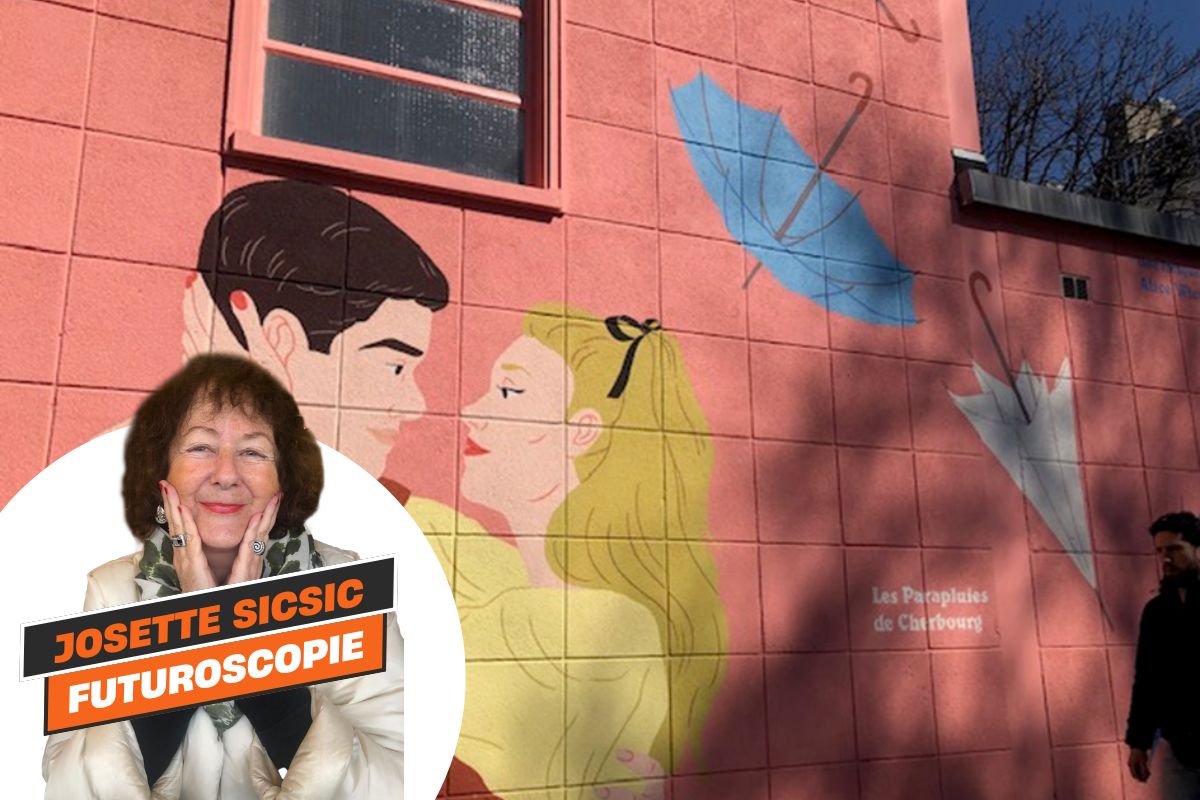
Pour atteindre ses objectifs, le maire a choisi de positionner son arrondissement sur le street-art.
Moins élitiste, très créatif, le développement de cette forme d’art constitue l’un des moyens de séduire sur un mode interactif un public de jeunes et des artistes souhaitant démontrer leurs talents.
Synonyme de tourisme urbain, la diversité et la qualité culturelles ne sont pourtant que l’un des chantiers auxquels doit s’atteler une ville aux ambitions touristiques affirmées. Pour exister aujourd’hui, celles-ci doivent en effet plus que jamais investir, innover, communiquer, étonner, se renouveler…
Tourism with a Heavy Footprint
 With hundreds of millions of individuals of all nationalities on its books, it is true that urban tourism remains an unrivaled historical practice in the spectrum of tourist activities.
It may be challenged by the growth of urbanization, population, and the ups and downs of the economy, but which leisure tourists would deprive themselves of a heritage visit, a shopping day, a show, and an exceptional nighttime activity? And which business traveler would resist the lure of a fine meal, a museum outing, or a drink at a nightlife bar?
Who else would resist the temptation of using city airport and rail facilities that allow these places to be reached quickly and dwell there for very short, particularly immersive and culturally enriching stays?
As core components of leisure tourism, all these activities have been promoted and developed over centuries of history during which the city asserted many other strengths: those generated by medical research, the university, politics, justice, science, commerce…
Crossroads and international or regional showcases, they have become so indispensable that some are tempted by this new craze called demarketization. They try to make themselves “a little” forgetful by tourists who are too numerous.
These famous “over-tourists” often caricatured and vilified by a poorly informed or outright misinformed public, who are most often not so numerous outside peak periods.
Destinations in urban areas account for 75% of global tourism. The major cities themselves account for half of that share. In France, urban tourism captures 42% of business overnight stays, i.e. in 2024, a rise of +5.5%, and 64% of the French hotel capacity (in number of rooms), including 25% for Paris and the Île-de-France region.
Sources : Atout France
Sources : Atout France
Investments in “Sustainable” Strategies
But beware, none of the great and mid-sized universally known cities waited for tourist windfall with arms folded. To stay in the race, strategy and investment were necessary.
A task all the more difficult as the city must satisfy two publics who do not share the same expectations. Building a convention center is equivalent to also making this facility a venue for performances.
Renovating a monument or a museum should allow local residents to frequent it without pushing through crowds. Implementing a public transport service must first address the needs of locals, etc.
All of it within a sustainably preserved environment. An imperative that all cities have now incorporated and seek to respect by implementing, with more or less shared methods: greening, soft mobilities, management of road traffic, development of pedestrian zones, accessibility for all (notably the disabled), a balanced climate policy, and the use of eco-friendly materials for buildings (including tourist facilities), all equally eco-responsible… At the head of these exemplary cities: Copenhagen, Oslo, Barcelona, Amsterdam, Berlin…
In France, according to the GDS Index, these cities are Lyon, Bordeaux, Grenoble, Paris, Strasbourg, Nantes… A number of cities that, trailblazers on the subject, have all proposed programs including the development of their environmental actions.
The Intelligence of Cities
The Ten Most Visited Cities by International Tourism
This ranking relies mainly on data published by Euromonitor International, through its Top 100 City Destinations Index 2025, today the global reference for measuring international city tourism traffic. It is obviously influenced by current events but remains representative of the volumes that cities face.
1. Bangkok, Thailand – 30.3 million visitors
2. Hong Kong – 23.2 million
3. London, United Kingdom – 22.7 million
4. Macau – 20.4 million
5. Istanbul, Turkey – 19.7 million
6. Dubai, United Arab Emirates – 19.5 million
7. Mecca, Saudi Arabia – 18.7 million
8. Antalya, Turkey – 18.6 million
9. Paris, France – 18.3 million
Balancing the Needs of Local and Visiting Populations
Finally, the new orthodoxy (for over a decade now) is to reconcile the interests and practices of tourist populations and resident populations. A colossal task that all players in territorial tourism have taken up, without possessing foolproof recipes or the means to implement them.
Indeed, for a long time, the appearance of the “Greeters” has enabled tourists to visit a territory in a personalized way. Competing with a few other associations, this movement has been a success.
Another welcome practice, easing contact with locals, is the exploration of a neighborhood around a specific theme: cinema, song, Art Nouveau, industrial art, “street art,” chocolate shops, locally brewed beers…
This inexhaustible and innovative way of bringing places to life is all the more successful because it involves resident populations traditionally distant from tourists. Welcoming school groups in exchange programs is another tool not to neglect, as well as all sports or cultural associative exchanges.
Dances, balls, “ephemeral beaches,” open-air cinema and other street animations and festivals are also excellent means of letting two kinds of audiences coexist. Marathons, rallies, night walks, on foot or by bike, also meet the playful, festive, and participatory demands of urbanites and their visitors…
In short: to be perfect, the “urban comedy” must indeed be human first and foremost. And tourism must be the link enabling two worlds to live together in peace. A digital link, yes, but also and above all: a human link!
And let us stop describing the tourist as a “over-tourist” just to ease the mood.


Journalist, consultant, lecturer, Josette Sicsic has been observing the shifts in the world for over 25 years to analyze their consequences for the tourism sector.
After developing the Touriscopie journal for more than 20 years, she continues to be on the front line of current events where she decodes the present to forecast the future. On the site www.tourmag.com, Futuroscopie section, she publishes several times a week forward-looking and analytical articles.
Contact: 06 14 47 99 04
Email: [email protected]