
Jobs, Wages and Tourism Attractiveness: Where Does Tourism Stand After COVID-19?


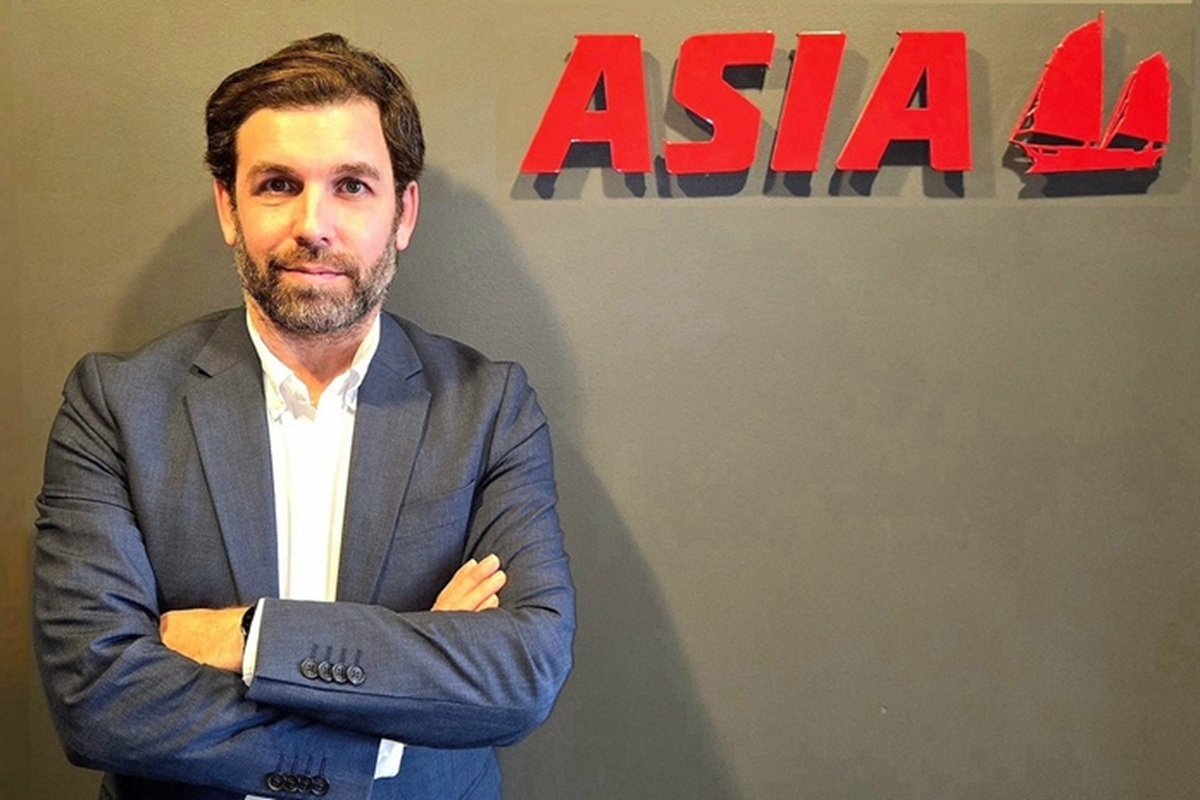
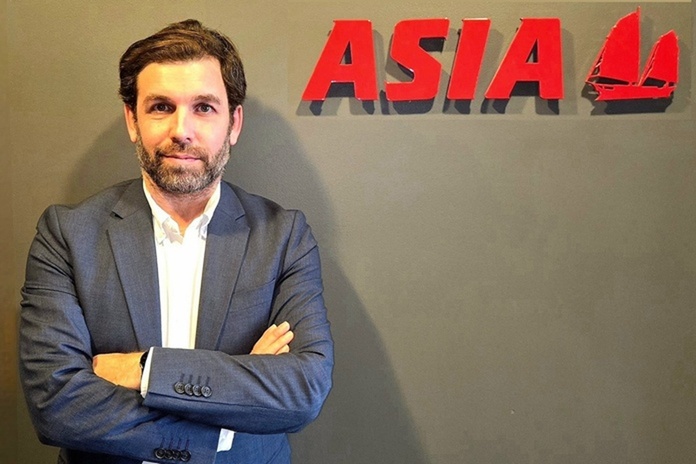
Emploi, salaires, attractivité : où en est le tourisme depuis le Covid ? - Photo ASIA

CroisiEurope


TourMaG.com – How is the employment market in tourism performing today?

Julien Beaufreton : The situation has clearly improved since the end of Covid. Hiring hasn’t become easy, but there are more candidates available. The market is more fluid than it was during the two years that followed the health crisis.

TourMaG.com – How do you explain this evolution?

Julien Beaufreton :
It should be noted that there was a significant wage inflation between 2019 and the end of the Covid period, largely linked to the rise in the minimum wage.

In 2018-2019, the gross monthly minimum wage was around 1,500 euros. It is now around 1,820 euros. Employers have integrated this inflation into mid- to long-term planning, which has notably manifested as upward adjustments to the minimum wage scales within the sector.

Furthermore, the post-Covid recruitment difficulties were also explained by the fact that many people were still in long-term unemployment, with no immediate pressure to return to work.


Still more progress to be made on gender equality

TourMaG.com – À votre arrivée à la tête de la CPPNI, vous aviez identifié trois priorités : l’ajustement des salaires minimums, l’égalité femmes-hommes et l’attractivité des métiers du tourisme. Où en êtes-vous aujourd’hui ?

Julien Beaufreton :
On gender equality, we are still in a phase of reflection at the branch level. The main difficulty lies in accessing consolidated data. Companies have their own indicators, but aggregating them at the branch level is challenging.

We know, nonetheless, that tourism is a highly feminized sector, with about 75 % women. The challenge is therefore to promote their access to leadership positions, because imbalances persist, even if they are difficult to quantify precisely.

The question of pay equality also remains a priority area.

TourMaG.com – And regarding the attractiveness of tourism jobs ?

Julien Beaufreton : We participate in the Tourism Careers Week, but this scheme mainly concerns inbound tourism: hotels, amusement parks, outdoor hospitality.

In tour-operating and travel agencies, i.e., outbound tourism, recruitment difficulties are generally less pronounced.


Reopening of the Annual Mandatory Negotiations (NAO)

TourMaG.com – Quels seront vos principaux dossiers pour 2026 ?

Julien Beaufreton :
We are opening the 2026 NAOs, which mainly focus on branch-level compensation: the hierarchical minimum wages, but also ancillary elements such as the seniority bonus, teleworking, or other peripheral benefits.

The NAOs occur every two years in our branch. We are currently in the first phase, that of listening to representative employee organizations. The goal is to move forward quickly and maintain constructive social dialogue.

TourMaG.com – What assessment do you make of your first year at the head of the commission?

Julien Beaufreton :
The exchanges have been generally calm and constructive. In 2025, we held six CPPNI meetings, with a co-construction approach: shared diagnosis, listening to stakeholders, and seeking common solutions.

We have specifically worked on aligning the national collective agreement with regulations, on the implementation and monitoring of the new health and provident mutual, as well as on a branch-wide agreement relating to caregivers.

This agreement aims to support employees who care for a sick relative or someone nearing the end of life. It is particularly relevant in a branch with many seniors and a majority of women, who are statistically more likely to be affected by these situations. We hope for a signature in the first half of 2026.

TourMaG.com – Is the rejuvenation of employees and entrepreneurs also a challenge for the branch?

Julien Beaufreton :
Yes, clearly. Many workers will retire in the next five to ten years, raising questions about the transmission of skills.

These challenges are, however, very company-specific. Large organizations can implement tutoring or bridging programs, which is much more complex for small agencies.

At the branch level, it is therefore difficult to set frameworks that apply to all company sizes.

See also : Young, female and on a permanent contract: the typical profile of tourism employees (Infographic)


Caroline Lelievre Publié par Caroline Lelievre Journaliste – TourMaG.com
Voir tous les articles de Caroline Lelievre

  • picto Twitter
  • picto Linkedin
  • picto email
Ajoutez TourMaG à votre flux Google Actualités Google Actualités icône

OPCO Mobilités Takes On AI and the Tourism BTS


« Le marché du travail reste volatil, et les financements se raréfient. Maintenir une dynamique d’apprentissage et d’innovation est indispensable pour sécuriser l’avenir de la branche », affirme Isabelle Maimbourg, directrice générale de l’OPCO Mobilités. @opco mobilités

CroisiEurope


TourMaG – In 2023, you launched with the Voyages Enterprises (EDV) a national support plan for travel operators. Where do you stand today?

Isabelle Maimbourg : The first plan, carried out in 2023-2024, focused on CSR, ecological and energy transition.

The new plan, for 2025-2026, concentrates on artificial intelligence (AI).

In 2025, we published a white paper on AI, and this year we completed by unveiling a social panorama of companies.

Read also: Young, female and on permanent contracts: the portrait of tourism workers (Infographic)

From February 2026, we will roll out AI training actions, notably aimed at agencies and tour guides, via our M-Campus tool. A broader support with consultants will be carried out regionally. It will begin in the Grand Est.

TourMaG – What are the expectations of tourism companies regarding AI?

Isabelle Maimbourg :
Companies have varied profiles; some are highly engaged but sometimes disappointed by AI promises, others hesitate but end up getting involved, especially to improve customer relations.

We are testing AI platforms such as a Travel Companion, which offers clients an interactive travel journal, enabling photo sharing and comments, while facilitating travel management for agencies.

We supported funding for the pedagogical experimentation phase.

In the future, we could accompany training actions.

Subsequently, the Voyages Enterprises chose to rely on Cediv as a laboratory, to launch AI-related actions and facilitate access to a complete solution for travel agencies.

Read also: EDV, CEDIV: the AI chatbot dedicated to agencies will be launched in November!


The Redesign of BTS Tourism Under Study

TourMaG – Does AI have an impact on recruitment and attractiveness in tourism?

Isabelle Maimbourg : Absolutely. Innovation draws a younger audience and represents an additional lever for recruitment.

Since 2022, we have rolled out substantial promotion of the professions, notably with a media campaign in 2025 in three waves.

We have increased activities promoting tourism careers at the events we participate in: activities, quizzes, geography contests…

Our apprenticeship and training officers visit middle schools and high schools to promote all mobility professions.

Another important outcome is the creation of the mobility network of CFAs, i.e., 130 CFAs across France and its overseas territories.

TourMaG.com – What do you propose during Tourism Careers Week?

Isabelle Maimbourg :
For Tourism Careers Week, this year again we have invested truly and in a coordinated manner with all companies, CFAs and training organizations.

We will run daily actions across all territories, coordinated with the Voyages Enterprises and Seto.

TourMaG: What are the results in terms of recruitment in the sector?

Isabelle Maimbourg :
In 2025, it was harder to find employers than candidates.

Entry-level roles in the profession, such as travel agent, remain in tension because the audience is young and frequently changes direction. Nevertheless, the 2025 agency performance was solid and broadly positive.

We are also working on aligning the BTS Tourism, professional titles, and the real needs of companies.

Since early 2026, we are attempting to set up tailored training, integrable into apprenticeships, work-study, or professionalization contracts.


A Market Still Volatile

TourMaG – What are your priorities for 2026?

Isabelle Maimbourg :
Two major items: support for AI and the alignment of training offerings with the needs of businesses.

Concurrently, we continue our usual missions: securing funding, supporting career paths, and maintaining recruitment and training to prevent a skills shortage.

TourMaG – Can you remind us of your main mechanisms?

Isabelle Maimbourg :
We have four main mechanisms via the skills operator: apprenticeship through professionalization contracts and traditional apprenticeships, followed by the skills development plan for companies with fewer than 50 employees.

Conventional contributions are, in tourism, little used.

Finally, voluntary contributions by companies allow co-financing of training paths.

We have secured a European Social Fund (FSE) of €7.5 million to cover 50% of the cost of the training paths. We currently have a little under €1.6 million remaining until March-April 2026.

The skills development plan, meanwhile, amounts to about €40 million for all companies, not only agencies.

TourMaG – One final word on concrete projects and actions?

Isabelle Maimbourg :
It is crucial for agencies to continue investing in recruitment and training.

The job market remains volatile, and funding is dwindling. Maintaining a momentum of learning and innovation is essential to secure the future of the sector.

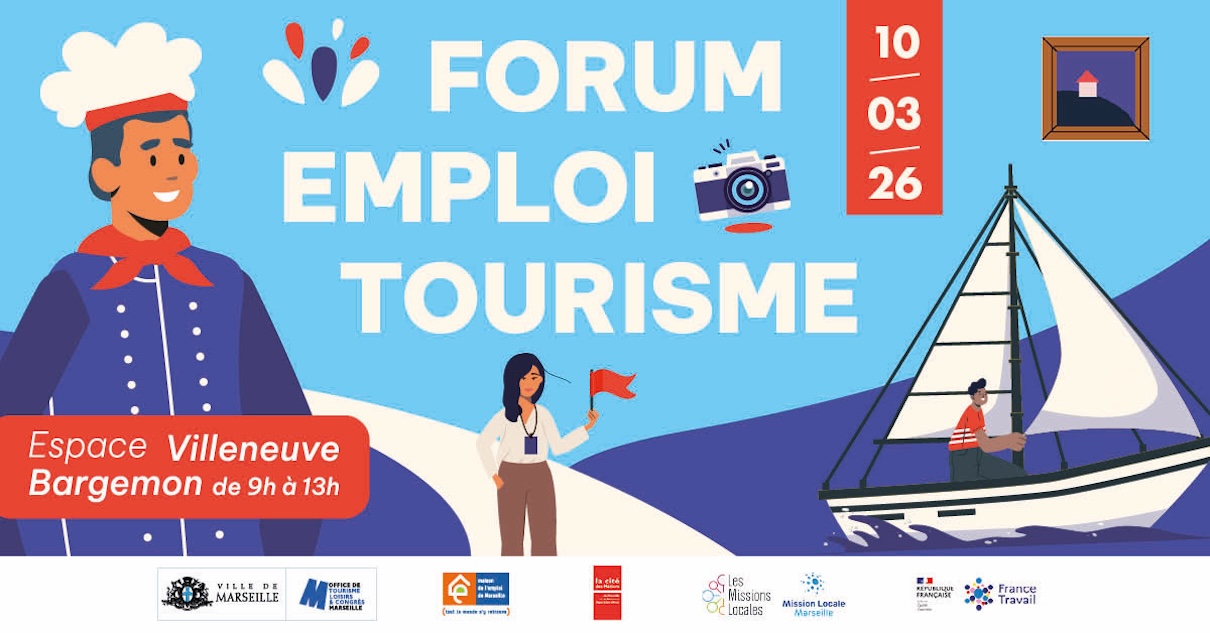
Marseille Tourism Jobs Forum Returns March 10, 2026


Marseille organise la 4e édition de son Forum Emploi Tourisme - Illustration : Ville de Marseille

CroisiEurope


Marseille s’apprête à accueillir la 4e édition du Forum Emploi Tourisme qui se tiendra le mardi 10 mars 2026 à l’Espace Villeneuve-Bargemon.

Organisé par l’Office de Tourisme, des Loisirs et des Congrès et la Ville de Marseille, l’événement est entièrement gratuit, tant pour les professionnels que pour les candidats.

Avec plus de 23 600 emplois directs (source : AGAM), le tourisme constitue l’un des piliers économiques de la Cité phocéenne.

La perspective d’un été 2026 soutenu accentue les besoins en personnel, notamment dans l’hôtellerie-restauration et les activités de loisirs.

Fort du succès des précédentes éditions, le forum entend faciliter la mise en relation directe entre recruteurs et candidats, sans prise de rendez-vous préalable.

L’événement est co-porté par plusieurs acteurs majeurs de l’emploi à Marseille, la Maison de l’Emploi de Marseille, la Cité des Métiers, la Mission Locale de Marseille et France Travail.


A broad range of professions

Des centaines de postes seront proposés. En hôtellerie, les recruteurs recherchent notamment des gouvernants d’étages, réceptionnistes ou bagagistes.

Côté restauration, les besoins concernent des cuisiniers, commis, serveurs, barmans, chefs de rang et plongeurs.

Enfin, dans le champ des activités touristiques, les offres couvrent des fonctions variées telles que guide de kayak, chargé d’accueil pour la location de vélos électriques, guide-conducteur de Tuk Tuk, agent d’accueil en boutique ou encore moniteur de voile.

L’Office de Tourisme sera également présent , avec une quinzaine de postes saisonniers de conseillers en séjour “Hors les Murs”, chargés d’informer les visiteurs dans les lieux emblématiques de la destination durant l’été.

De son côté, la Ville de Marseille proposera une cinquantaine de postes dans des secteurs variés.

Les offres sont ouvertes avec ou sans expérience. Les candidats seront orientés vers les opportunités les plus adaptées à leur profil et à leurs compétences.


Amelia Brille Published by Amelia Brille Staff writer at TourMaG.com
See all articles by Amelia Brille

  • picto Linkedin
  • picto email
Add TourMaG to your Google News feed Google Actualités icône  

Marseille Employment and Tourism Forum: Over 330 Job Offers (Video)


La quatrième édition du Forum emploi et tourisme de Marseille a réuni recruteurs et candidats - Illustration : Ville de Marseille

CroisiEurope


“Tourism in Marseille is thriving, and recruitment needs are steady“, a souligné Stéphane Boumendil, responsable de l’organisation du Forum emploi et tourisme à l’Office de tourisme, des loisirs et des congrès de Marseille.

Cette quatrième édition, organisée en co-production avec la ville de Marseille et en partenariat avec des organismes de l’emploi tels que la mission locale, France Travail, la Maison de l’Emploi, ou encore l’UMI, EPIS et l’école La Deuxième Chance, s’est déroulée le 10 mars 2026.

Comme chaque année, l’événement a attiré de nombreux candidats et recruteurs.


Un rendez-vous pour tous les profils

Le forum a accueilli des centaines de candidats, certains orientés par les organismes de l’emploi, d’autres venus spontanément après avoir entendu parler de l’événement dans les médias.

Les employeurs, au nombre de 25 cette année, proposaient plus de 330 offres d’emploi, en progression par rapport aux éditions précédentes.

Pourquoi le tourisme ? “Le tourisme grandit depuis plusieurs années à Marseille et figure aujourd’hui parmi les quatre à cinq secteurs les plus importants en termes d’emploi dans la ville“, a expliqué Stéphane Boumendil.

Les besoins concernent aussi bien les postes en CDI que les CDD et les alternances, notamment pour répondre aux besoins de la saison estivale.

“Nous sommes là pour accueillir, orienter et aider les candidats dans leur parcours, en espérant que le maximum d’entre eux puissent trouver un emploi aujourd’hui“, a conclu Stéphane Boumendi.


Amelia Brille Publié par Amelia Brille Rédactrice TourMaG.com
Voir tous les articles d’Amélia Brille

  • picto Linkedin
  • picto email
Ajoutez TourMaG à votre flux Google Actualités Google Actualités icône  

Countries With the Biggest Tourism Growth Since 2019: The Surprising Ranking

The rebound of global tourism is not benefiting all countries equally. Between 2019 and 2025, some destinations have recorded a dramatic rise in international visitor arrivals, while others continue to struggle to return to their pre-crisis levels from the COVID-19 health emergency. New OECD data, compiled by the Visual Capitalist data-visualization platform, highlight the big winners… and the “laggards” of this rebound.

The Middle East, North Africa and South America Lead the Recovery

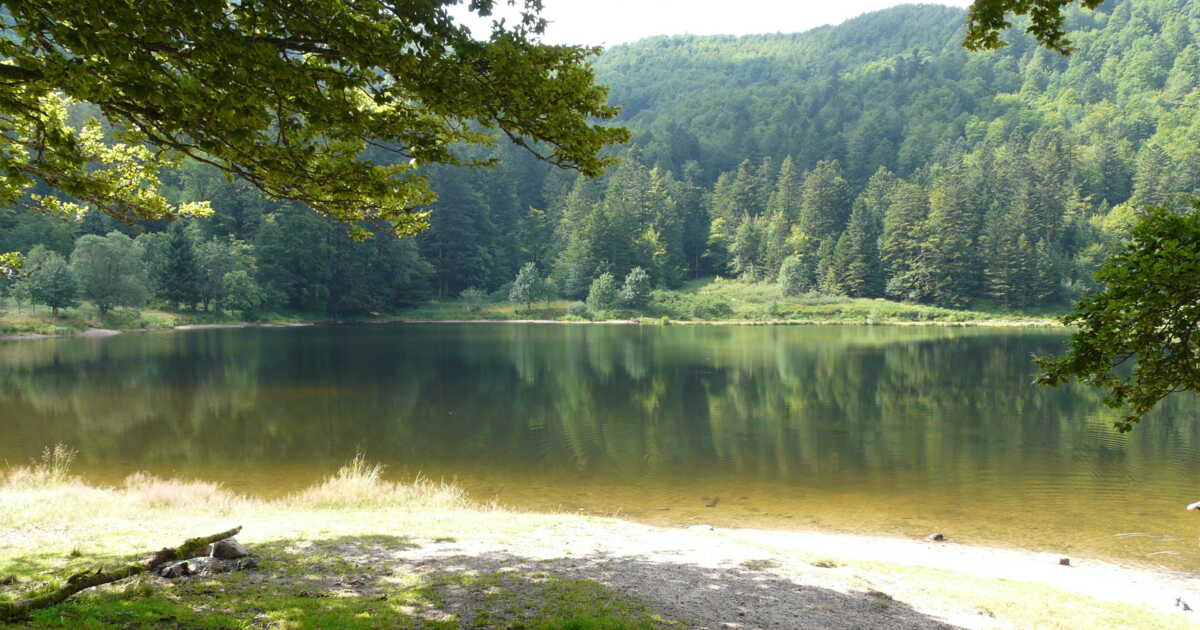
Why Is the Vosges Tourism Boom Starting to Harm Nature?

“The massif is gradually being transformed into an amusement park!” On the summits of the Vosges, the influx of tourists worries environmental NGOs and threatens in places the quiet of protected wildlife, even if their visits are also a boon for the region. On this Sunday at the end of July, atop the Markstein massif swept by a cool wind, Dominique Humbert-Beretti points to the object of her ire: the large rail-mounted toboggan installed at more than 1,200 metres altitude.

This kind of equipment robs the Vosges of their naturalness, of their biodiversity and of their beauty, simply put, according to the head of the SOS Massif des Vosges association. Especially since the end of the Covid pandemic, the region has seen a rush of vacationers seeking nature destinations, mainly from the Grand Est, Île-de-France and Hauts-de-France, as well as from Germany, Belgium and the Netherlands.

Mass Tourism: Iconic Sites Under Pressure

“We host more than four million overnight stays each year, and when you add family or friends visiting, we approach ten million overnight stays; it’s a major lever at the economic level,” stressed last June the president of the Vosges Department Council, François Vannson. Tourism revenue represents nearly one billion euros. “In these times, one does not spit it out.”

But success has its downsides, when the famous Route des Crêtes is overwhelmed by sports cars, motorcycles, or lined with long queues of motor homes, and sites struggle to channel the flow of visitors. As for the Tendon waterfalls, which attract 120,000 to 130,000 visitors per year, i.e. almost twice as many as before Covid, the mayor Gérard Clément assures. Since 2024, the tourist offices have removed this site from their brochures to curb the influx.

When you are part of the instagrammable sites, that means you have little control, notes the mayor of the Hautes-Vosges commune of about 500 inhabitants. Besides the parking near the waterfall, he cites damage from foot traffic on the trails and by crowding. A visitation that is further amplified “by periods of intense heat”, when city-dwellers from Strasbourg, Colmar or Mulhouse come to breathe for the weekend.

Animals, collateral damage?

Wildlife also suffers. Not far away, in front of the Housseramont state forest, Louis-Michel Nageleisen speaks of a “continuous disturbance” of fauna. The culprits? “Blueberry and mushroom pickers, trail runners, or guides leading mountain excursions”, who do not always respect quiet zones for owls, lynx and other great capercaillies, laments the vice-president of the NGO Oiseaux-Nature.

The award-winning documentary “Le chant des forêts” by Vincent Munier, an ode to the Vosges’ wild nature, has also inspired image-hunting vocations, he tells AFP. These goings and comings can hinder the reproduction of species, in spring for birds, then in autumn for the deer, he warns.

New Solutions to Limit Tourism’s Impact

With the lack of snow linked to climate warming, ski resorts are turning to summer facilities – sleds, mountain-bike trails, or other group activities. The sector must develop a “quality tourism,” aimed at families, analyzes the president of the departmental council.

“We have a lot of people in the summer, it’s normal and fortunately because it’s what also keeps the territory alive,” notes Blandine Jonard, deputy director of the Gérardmer tourism office. And thanks to visitor counters installed since 2022 at the sites favored, the office can advise tourists in real time and offer an alternative when the place they aim for is saturated, she points out.

At Tendon’s little waterfall, things are going to change: from 2027, visitors will be able to park only in parking areas outside the site, from which they can reach it after a short hike. No more “two or three selfies or photos, then back into the car, and off”, says the mayor. All that is sought is “a somewhat gentler tourism, a bit more discovery, a quieter experience.”

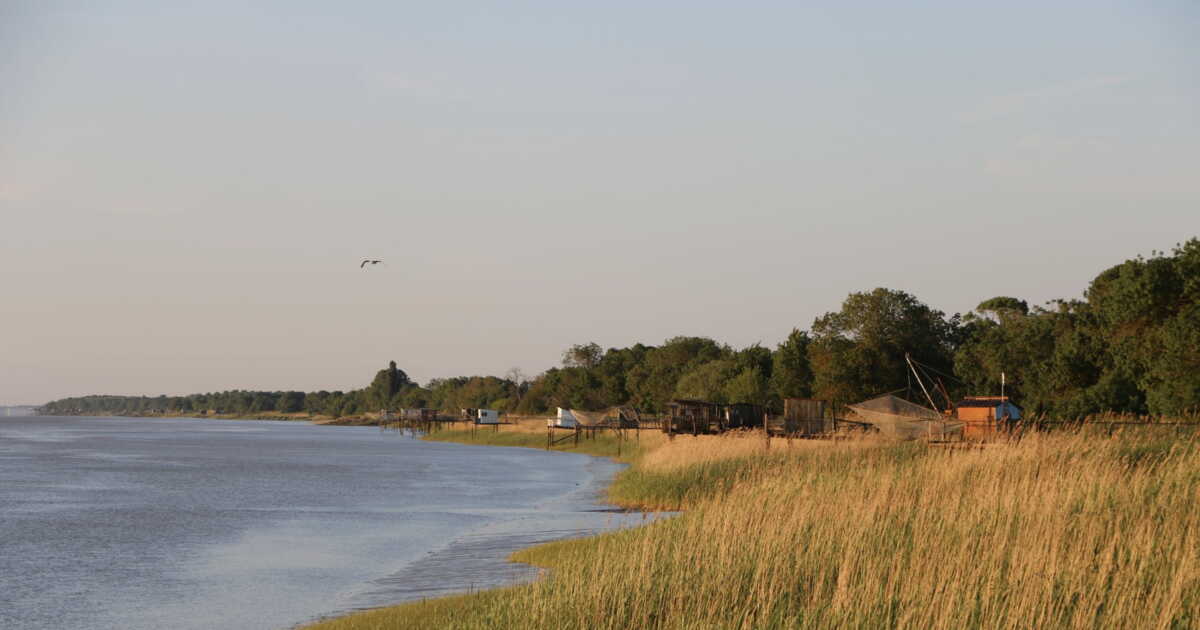
Holidays in Gironde: Tourism Professionals Reassure Tourists Despite Fires

“The Gironde is big, very big” : as mass evacuations and cancellations of bookings due to the fires unfold, tourism professionals hope to salvage the rest of the season in this vast department, where the forest does not burn everywhere.

“I urge tourists not to come, not to join the Gironde”, said on Sunday the department’s prefect Sophie Brocas, also inviting “the tourists present to consider another destination”.

Major losses for tourism

About 220,000 people, including holidaymakers, have already been evacuated in recent days from several Gironde towns, especially popular seaside resorts at this time of year such as Lège-Cac-Ferret. “It’s a crushing blow to a large part of the department that is mainly touristic; tourism is completely halted, it’s the end of the season”, says Patrick Seguin, president of the Gironde Chamber of Commerce and Industry (CCI).

Nevertheless, “The Gironde is big, very big”, reminds AFP the president of the Union of Trades and Industries of the Hotel Industry (UMIH) Gironde, Franck Chaumès. “This comes from a good intention”, the prefect made this announcement “to give road routes easily accessible to firefighters and authorities” but “we hope it will be rectified” to “try to save the month of August”, he adds.

Claire Bigat, who lives in Lille and had planned two weeks of vacation in Andernos, between Biscarrosse and Lège-Cap-Ferret, “given the circumstances”, “does not want to go”. “Access seems uncertain, we have seen the authorities’ instructions and we do not want to clog the roads. Besides, our son is asthmatic, we cannot be in the smoke, and if it is to spend a vacation of desolation because everything has burned, it’s not worth it”, she tells AFP.

At Bordeaux train station, Francine Chauvirey, 76, who was spending holidays at her son’s, anticipated her return to Paris. “I had trouble breathing because of the smoke, so we changed my train ticket”, she confides to the AFP, her face protected by an FFP2 mask. Vila, a 32-year-old painter, likewise shortened his trip to Bordeaux to return home to Finland, “because of the fires”.

Tourism accounts for 7% of the department’s GDP, more than 40,000 jobs and 3.2 billion euros in direct spillovers, according to the department’s site.

“On the Cap Ferret peninsula, there are 100% losses since everyone has been evacuated”, according to Franck Chaumès. This concerns “around a hundred establishments: hotels, bars, restaurants, nightclubs” and “two campsites out of ten have burned”.

In the 22 other evacuated municipalities, commerce “is at a standstill” as well. “And there are also the Landes“, he adds. Nearly 40,000 holidaymakers, staying in 45 campsites in Gironde and Landes, have been evacuated so far, said Sunday to AFP Nicolas Dayot, president of the National Federation of Outdoor Hospitality (FNHPA).

Cancellations far beyond the areas affected by the fires

The evacuated zones are not the only ones seeing departures. “We have cancellations at the other end of Gironde: in Médoc, Libournais which is 70 km from Cap Ferret… It’s a catastrophe”, laments Franck Chaumès of UMIH Gironde.

A view shared by the co-chair of the Saint-Émilion tourism office, Jean-Daniel Debart, who says, “of course we must clear the roads but we must adopt more nuanced statements because not all of Gironde is affected”. “In Saint-Émilion, we are more than 80 km from the fires, this is not the Arcachon Basin”, he tells AFP. He laments that there are already “dozens of cancellations” including for August and beyond, with, for example, an “cancellation of a group that was due to come in September”, and dozens of refund requests.

One can “do oenotourism in the vineyards”, acknowledges Patrick Seguin of the CCI, “but given what French and foreign tourists see in the media, it does not tempt them to come”.

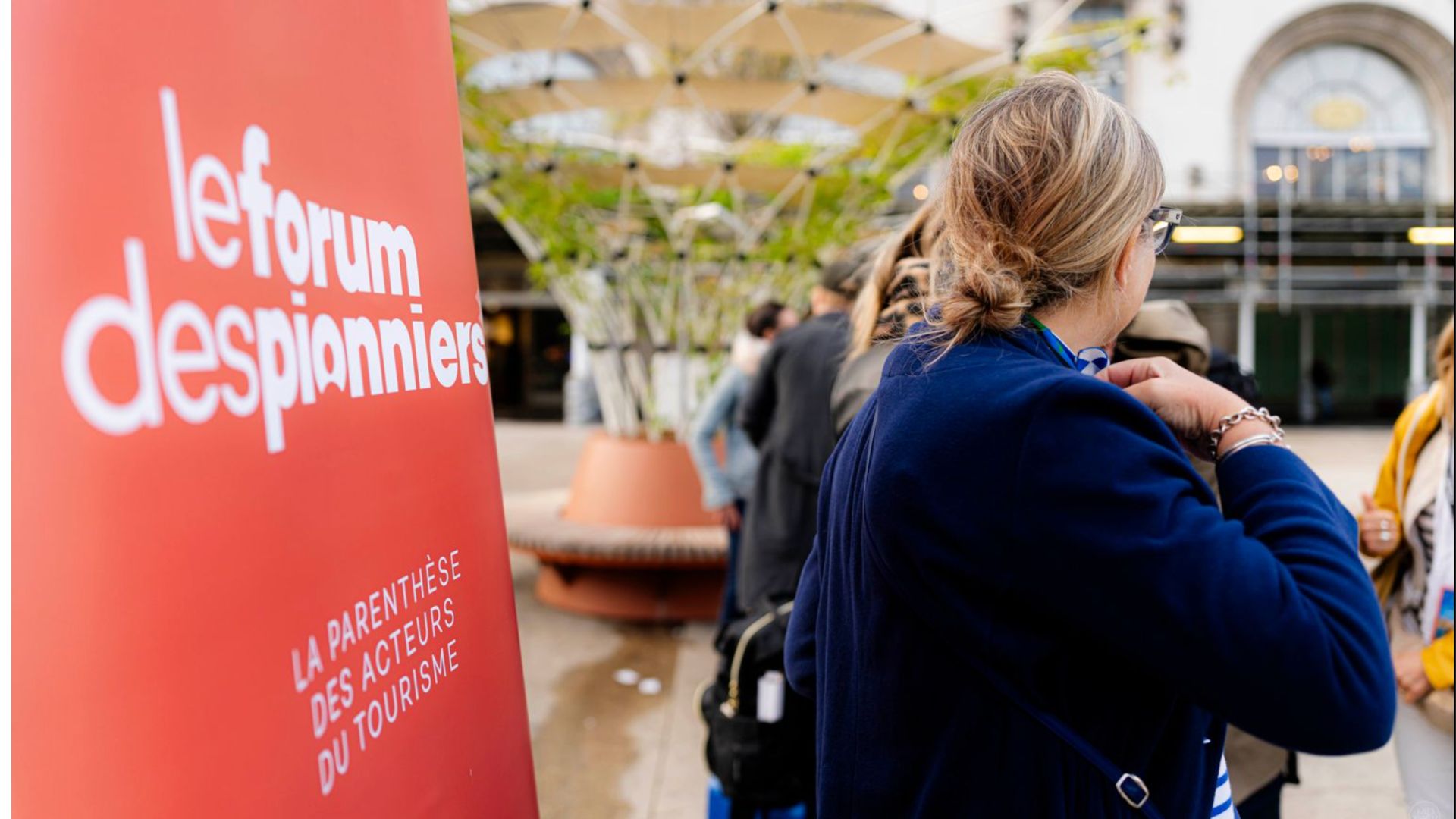
Pioneers Forum 2026: Navigating Uncertainty in Tourism Transformations


Forum des pionniers 2025 © Jules Despretz -

CroisiEurope


Travelers’ behaviors have never seemed so fluid.

Between late bookings, the search for security, new expectations regarding the experience, and evolving digital practices, tourism players must learn to cope with demand that is increasingly unpredictable.

In the face of this growing instability, the Forum des Pionniers 2026 aims to “steer the uncertain”.

A theme that signals the shift from a reactive logic to a forward-looking one, and the construction of scenarios for sector professionals.


Understanding the market through diverse perspectives

For Bruno Abenin, Commercial Director at Travel Evasion and co-organizer of the event, the main challenge is not a single reading of this uncertainty, but the confrontation of viewpoints.

“The theme is one thing, but what’s truly valuable are the exchanges and how each person perceives the market,” he explains. “A tech player, a tour operator, an incoming operator or a carrier don’t read the same issues in the same way. And it is precisely this diversity that makes the Forum so rich.”

In a sector where crises are not felt at the same pace across professions, he emphasizes the importance of dialogue among varied experiences: “Some are facing their first crisis, others their tenth. The point is to pool all of this and understand what everyone actually does with the uncertainty.”


Artificial intelligence, a new driver of decision-making

AI is now present in risk monitoring, customer relations, offer production, and corporate management, and it is no longer merely a tool for automation.

It gradually influences how organizations analyze their environment, make decisions, and anticipate market evolutions.

For tourism leaders, the challenge goes well beyond technology. What place should AI-generated recommendations have? How can human judgment be preserved in a context where predictive tools are becoming more precise?

And how can teams be guided through these transformations? All these questions will feed the discussions among the 130 decision-makers gathered in Egypt, in workshops and experience-sharing sessions.


An immersive experience to fuel strategic thinking

The Forum des Pionniers goes beyond theoretical content. It relies on an immersive format designed to foster exchanges and to encourage reflection.

The Nile cruise, from Luxor to Aswan, provides the event’s through-line, with key stops such as the Valley of the Kings, Kom Ombo and Philae temples.

The program concludes in Cairo with visits to the pyramids of Giza, the Sphinx, and the Grand Egyptian Museum.

Working sessions alternate with workshops, round tables, and informal moments crafted to enhance the quality of dialogue among decision-makers. This relational dimension lies at the heart of the setup.


Egypt, a mirror of global tourism transformations

Choosing Egypt as the hosting destination gives a special resonance to this edition.

The country now concentrates a large portion of international tourism dynamics: a strong post-crisis rebound with almost 19 million visitors in 2025, accelerated modernization of infrastructure, upgrading of offerings, and major projects like the Grand Egyptian Museum.

Yet this growth takes place in a demanding environment. Egypt must contend with intense regional competition, sensitivity to geopolitical contexts, and a heavy dependence on air connectivity. It thus illustrates a model in perpetual transformation, where performance depends as much on attractiveness as on adaptability.

For Bruno Abenin, the gap between perception and reality remains significant. “I think people will be surprised by the world that exists in Egypt today,” he notes. “In Cairo, on the Nile, at the sites, there are crowds. Many tourists, from all nationalities.”

The Egypt expert adds: “Hotels are full, boats are sailing, sites are functioning normally. If you listen to some media, we sometimes have a distorted image of the destination.”

Beyond the exchanges among decision-makers and reflections on the sector’s major shifts, this 24th edition of the Pioneer Forum also carries a simpler ambition: to present a destination in its real context.

What Is Last-Chance Tourism and Why It’s Changing Asia

A heatwave has settled over Europe since the end of May 2026. It strikes populations in suffocating waves as the summer holidays begin. A new vacation trend is already emerging—the “coolcation.” The idea: travel to places where the heat does not crush the mind and body. And this tourism reality in the midst of climate change has also reached Asia, which, according to the World Economic Forum, is warming twice as fast as the rest of the world.

In Japan—where temperature records had already been broken in the summer of 2025—CNN reports that this new reality has even given rise to a new word: kokusho-bi or “cruelly hot day.” But beyond the semantics, it is the whole range of tourism practices that is evolving in Asia. More and more travelers are willing to engage in activities very early in the morning or in the evening to avoid the daytime heat, for example. The company Get Your Guide has already noted a 70% surge in these time slots, CNN reports.

Last-Chance Tourism Is Taking Shape

It is hard to give up certain activities or outings because of the heat when you have come from very far—and paid a lot—to discover a region of the world. Especially since some destinations are widely threatened by climate change and are certainly in their last years as tourist destinations. This is the case for the Maldives, or the Pacific islands, for example.

To remain competitive and attractive despite heat waves, floods, or storms, all induced by global warming, destinations must redouble their ingenuity. In some countries, tourists are redirected from one region to another, milder between June and August—a period during which most of the Northern Hemisphere is on vacation. This is how, for example, the Hokkaido region in Japan has seen an increase in visitation in recent years.

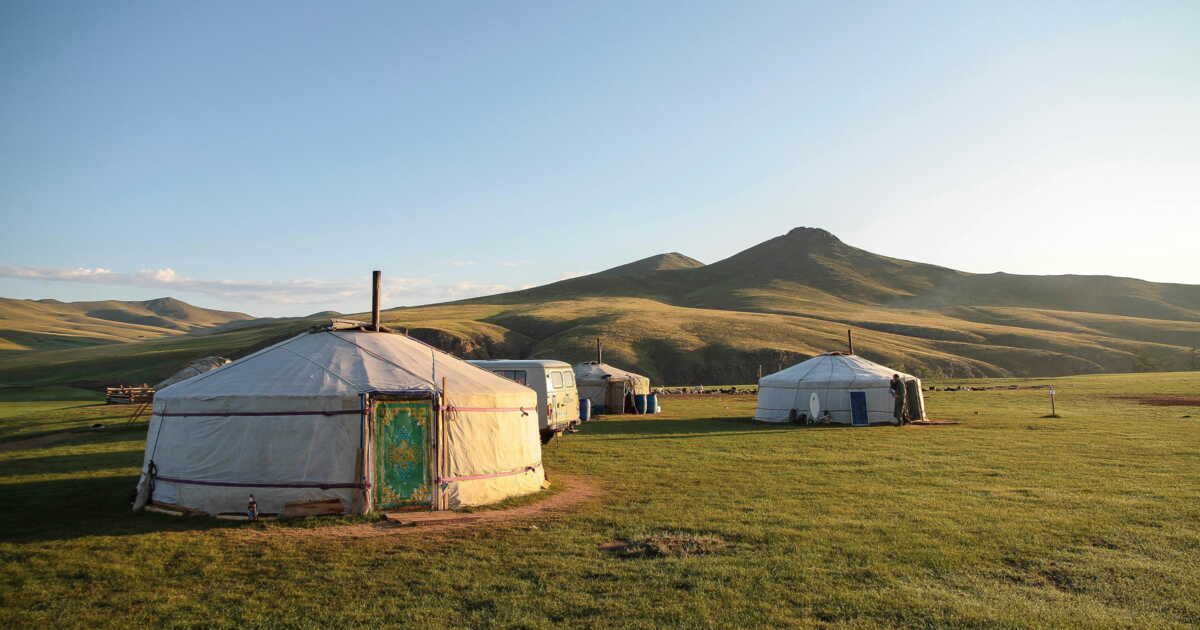
Mongolia: A New Leading Asian Destination?

Tourist sites face another problem: the lack of regularity in the seasons and the difficulty of forecasting variations in climate and temperature. In Nepal, hotels have hired staff responsible for assessing climate risks year-round. Some hiking routes are thus closed for long months.

Other Asian countries are benefiting from this search for coolness. In the first half of 2026, the number of tourists rose by 33% in Mongolia. And authorities expect this rate to grow exponentially in the years to come. They are investing heavily in the construction of hotels and leisure activities in the capital, Ulaanbaatar.

Want to share your view on climate change in France? Participate in the photo contest The Climate Eye!

Hyper-regionalization: Evaneos to Redistribute Tourism Flows Across Europe


Hyper-régionalisation : Evaneos veut redistribuer les flux touristiques en Europe - Photo Evaneos

CroisiEurope


Evaneos poursuit sa stratégie de décarbonation à horizon 2030 et accélère sa transformation de l’offre européenne. L’entreprise ambitionne de passer d’une trentaine de pays référencés à 150 sous-régions afin de sortir des itinéraires classiques concentrés sur quelques grandes destinations touristiques.

« Depuis le démarrage d’Evaneos, nous avons un objectif de lutte contre le surtourisme, notamment à travers une meilleure répartition des flux, explique Aurélie Sandler, co-CEO d’Evaneos. Notre conviction, c’est qu’il y a matière à créer du désir pour des régions qui ne sont pas forcément top of mind. »

L’Italie illustre cette stratégie. Alors que Florence accueille près de 13 millions de visiteurs par an, Evaneos souhaite davantage valoriser des régions comme l’Ombrie ou l’Émilie-Romagne.

« Juste à côté de la Toscane, il y a l’Ombrie, qui est une région sublime mais encore assez méconnue », souligne Aurélie Sandler.

Pour la plateforme, le défi consiste à encourager les voyages en Europe sans renforcer les phénomènes de saturation déjà observés dans certaines destinations.


Recréer le désir autour des destinations proches

Au-delà du référencement de nouvelles régions, Evaneos veut aussi transformer les imaginaires du voyage. La plateforme estime que les voyageurs associent encore trop souvent le dépaysement aux destinations lointaines.

« On a tendance à imaginer la découverte et la surprise dans le voyage uniquement sur du lointain. Pourtant, les expériences totalement inattendues près de chez soi », estime Aurélie Sandler.

L’entreprise mise donc sur des itinéraires plus immersifs. Le slow travel devient un axe fort de développement, avec des séjours plus longs et une exploration plus approfondie des territoires.

« On a souvent tendance à vouloir voir beaucoup de choses. Mais en réalité, les expériences les plus fortes naissent quand on reste plus longtemps dans un même endroit », poursuit-elle.

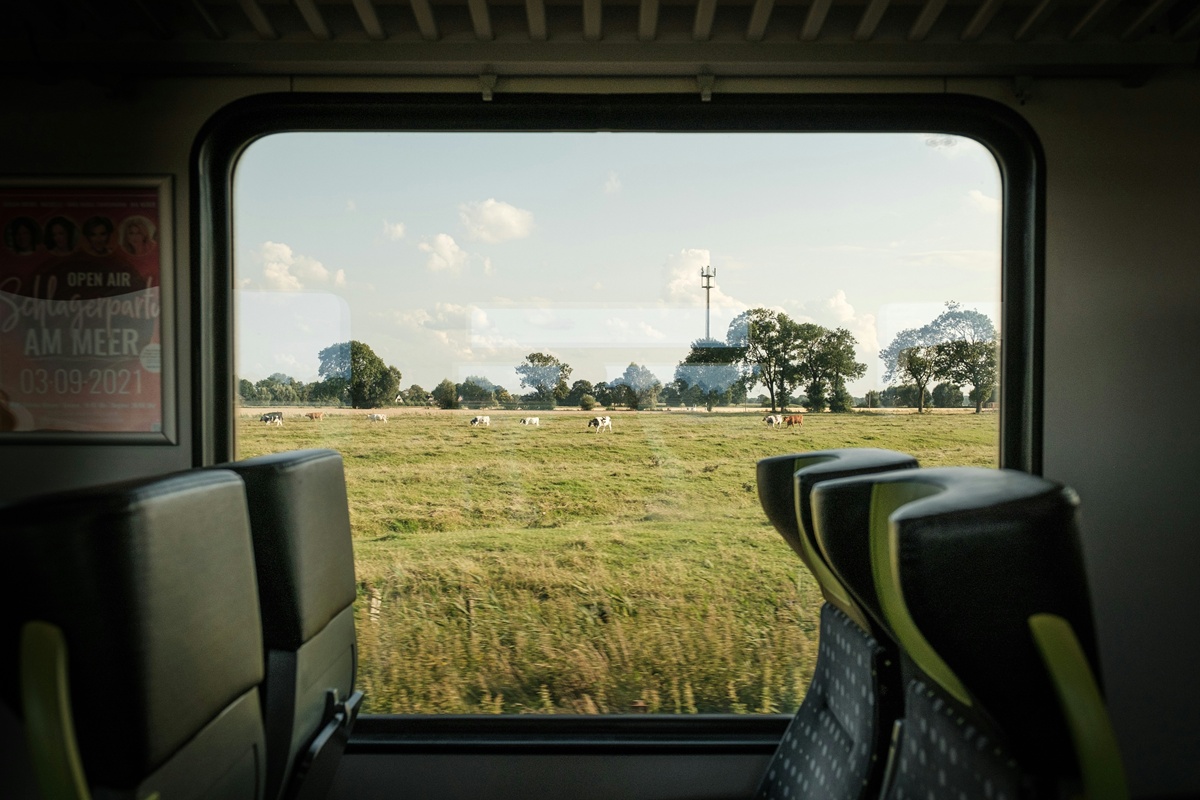
Parmi les exemples mis en avant par Evaneos figurent des itinéraires en train dans les pays nordiques ou encore des séjours dans des régions moins fréquentées comme les Asturies en Espagne ou l’Alentejo au Portugal.


Une stratégie alignée avec les objectifs carbone

Cette hyper-régionalisation s’inscrit dans la stratégie de décarbonation d’Evaneos à horizon 2030. La plateforme travaille sur plusieurs leviers : développer les voyages de proximité, favoriser les mobilités douces et encourager l’allongement des séjours.

Le train prend déjà une place croissante dans l’offre du groupe. « Les voyages ferroviaires représentent aujourd’hui près de 10 % des ventes européennes et ont triplé en moins de trois ans », souligne Aurélie Sandler.

L’entreprise a également décidé d’arrêter les city breaks.

« On ne prend pas l’avion pour moins de cinq jours, ajoute-t-elle. Quand on fait un voyage lointain, il doit y avoir une cohérence entre le trajet effectué et le temps passé sur place. »

A lire : Evaneos impose des durées minimales de séjour pour les voyages en avion


Un important chantier opérationnel

Cette évolution implique aussi une transformation du réseau de partenaires de la plateforme. Evaneos compte aujourd’hui plus de 600 agences locales partenaires et souhaite renforcer la place d’acteurs très spécialisés sur certaines régions.

« L’idée, c’est aussi d’aller chercher de petites agences ultra-locales, capables de raconter leur région autrement et de créer des expériences plus immersives », explique Aurélie Sandler.

Le projet de référencement des 150 régions est déjà en cours. Une première phase doit être visible en France d’ici la fin de l’année avant un déploiement progressif sur d’autres marchés européens comme l’Allemagne, l’Italie ou l’Espagne.

À terme, Evaneos prévoit de développer près de 300 itinéraires régionalisés à travers l’Europe.


Caroline Lelievre Publié par Caroline Lelievre Journaliste – TourMaG.com
Voir tous les articles de Caroline Lelievre

  • picto Twitter
  • picto Linkedin
  • picto email
Ajoutez TourMaG à votre flux Google Actualités Google Actualités icône