

Meliá, Kenya, World Cup: This Week’s Must-Read Tourism News [ABO]


La revue de presse internationale de la semaine - Depositphotos.com, serezniy

CroisiEurope


In the weekly press review for the week of July 20, 2026:

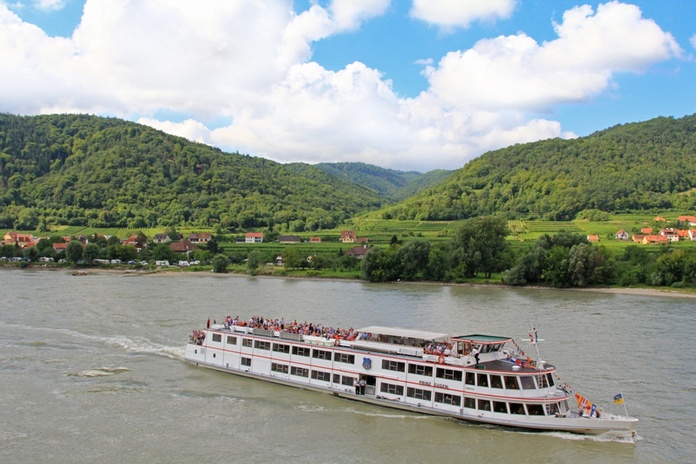
River cruises: low waters in Europe force companies to adapt

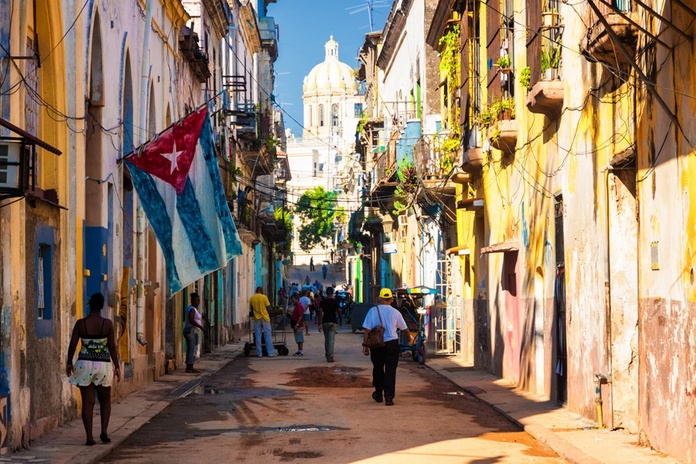
Cuba: Meliá withdraws permanently from the island

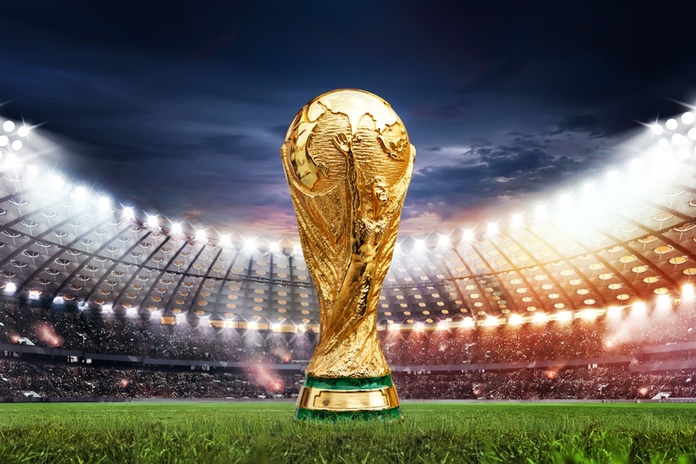
World Cup 2026: a mixed tourism outlook for North America

The United States reopen the way for commercial flights to Lebanon

The EU seeks to tighten the ownership rules for airlines

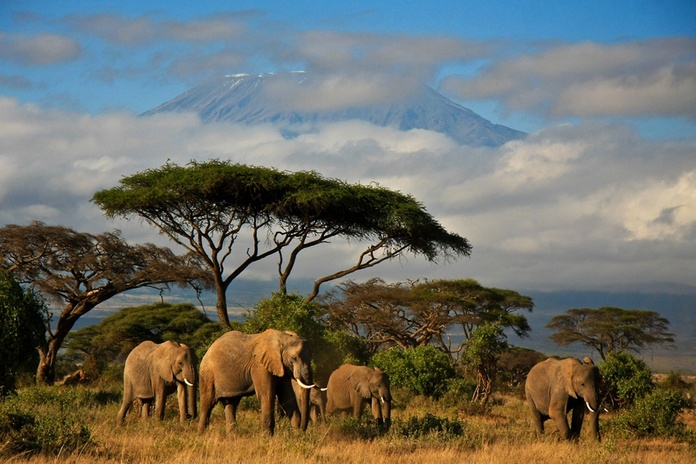
Kenya aims for 5 million international tourists per year

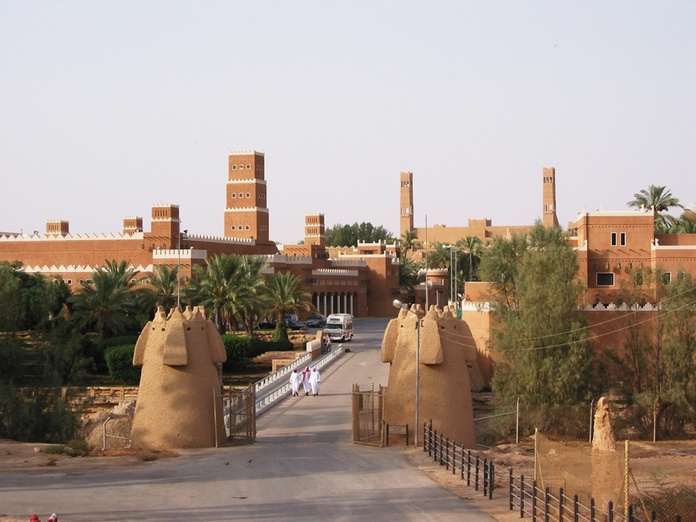
Tourism: Saudi Arabia and Morocco at the forefront of the global rebound

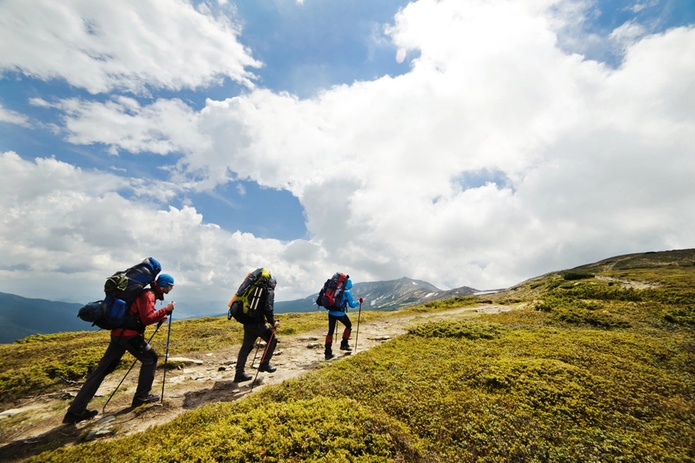
The “Wolf Trail” connects six European countries over nearly 3,500 km

Odd: an airplane for sale… for the price of two coffees!


Croisières fluviales : les basses eaux en Europe obligent les compagnies à s’adapter
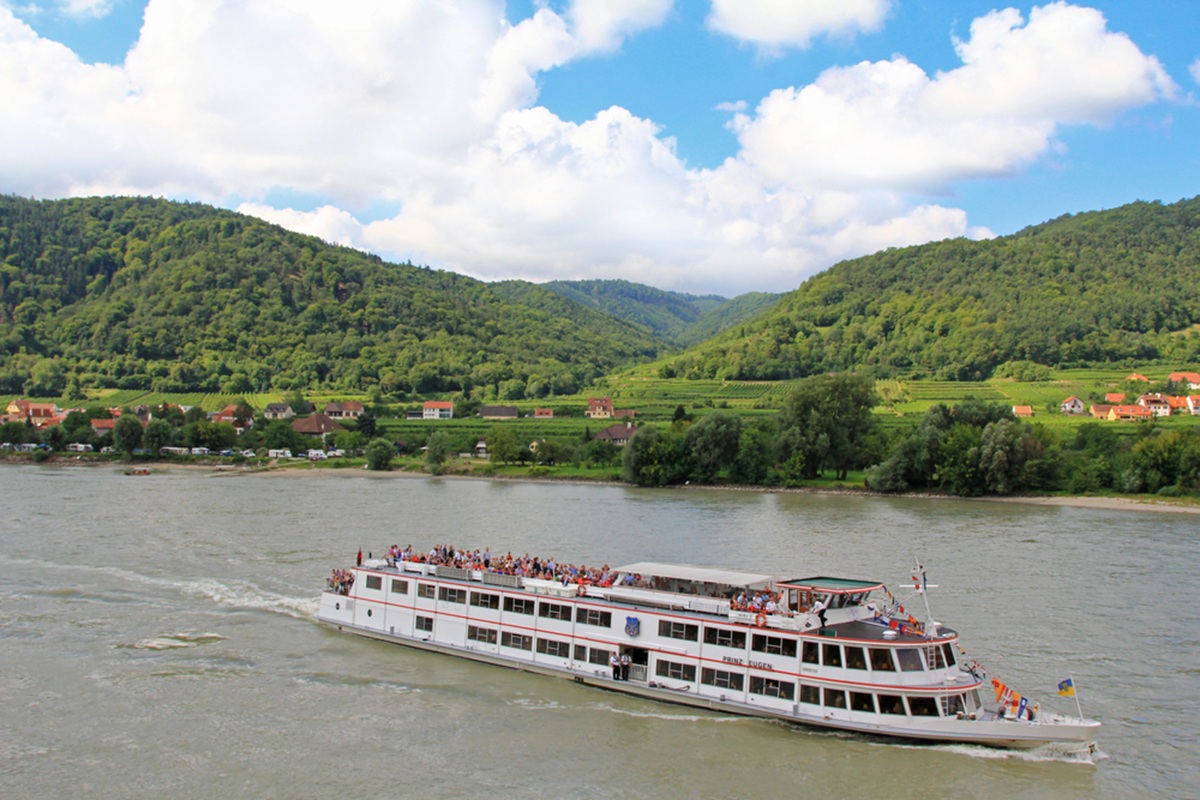

La baisse du niveau du Danube et du Rhin, conséquence de la sécheresse et des fortes chaleurs qui touchent l’Europe, perturbent les croisières fluviales - Depositphotos.com, sasimoto

The drought and heatwaves affecting Europe are driving down the water levels of the Danube and Rhine, disrupting certain river cruises.

Rather than canceling their trips, several operators (AmaWaterways, Scenic, Tauck, Viking, Riviera Travel) are prioritizing alternative solutions: ship exchanges, changes to embarkation ports, coach transfers or itinerary adjustments.

Thanks to these measures and daily monitoring of navigational conditions, disruptions remain limited and operators strive to maintain the travelers’ experience.

More to read on travelweekly.com


Cuba : Meliá se retire définitivement de l’île
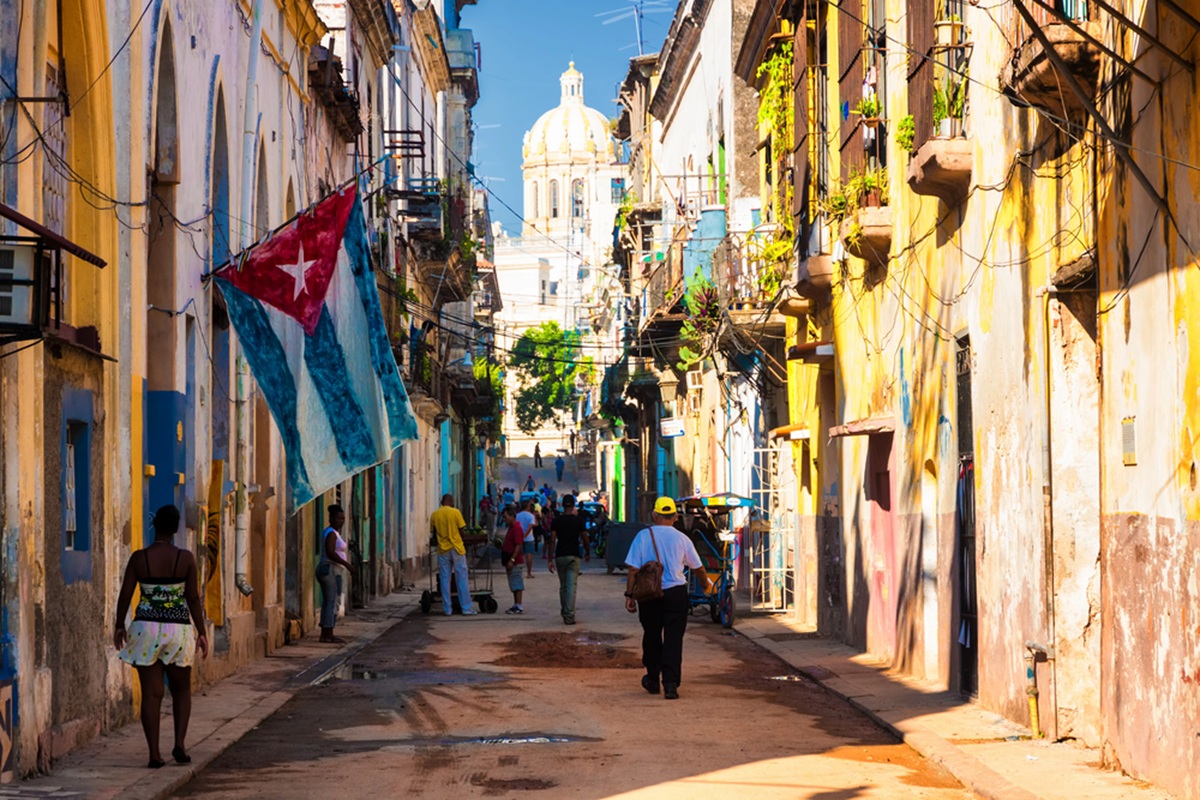

Le groupe hôtelier espagnol Meliá a annoncé mettre fin à l’ensemble de ses activités à Cuba à partir du vendredi 24 juillet 2026 - Depositphotos.com, kmiragaya

Meliá Hotels International mettra fin, le 24 juillet, à l’ensemble de ses activités de gestion hôtelière à Cuba.

Le groupe espagnol invoque un environnement devenu intenable sur les plans opérationnel, juridique, économique et financier.

Cette décision intervient dans un contexte de durcissement des sanctions américaines visant le secteur touristique cubain et alors que la destination traverse une crise profonde, marquée par une chute de près de 56% des arrivées internationales sur les quatre premiers mois de 2026.

Meliá promet d’assurer une transition progressive afin de limiter les conséquences pour ses salariés, ses clients et ses partenaires.

Une info hosteltur.com


Mondial 2026 : un bilan touristique contrasté pour l’Amérique du Nord
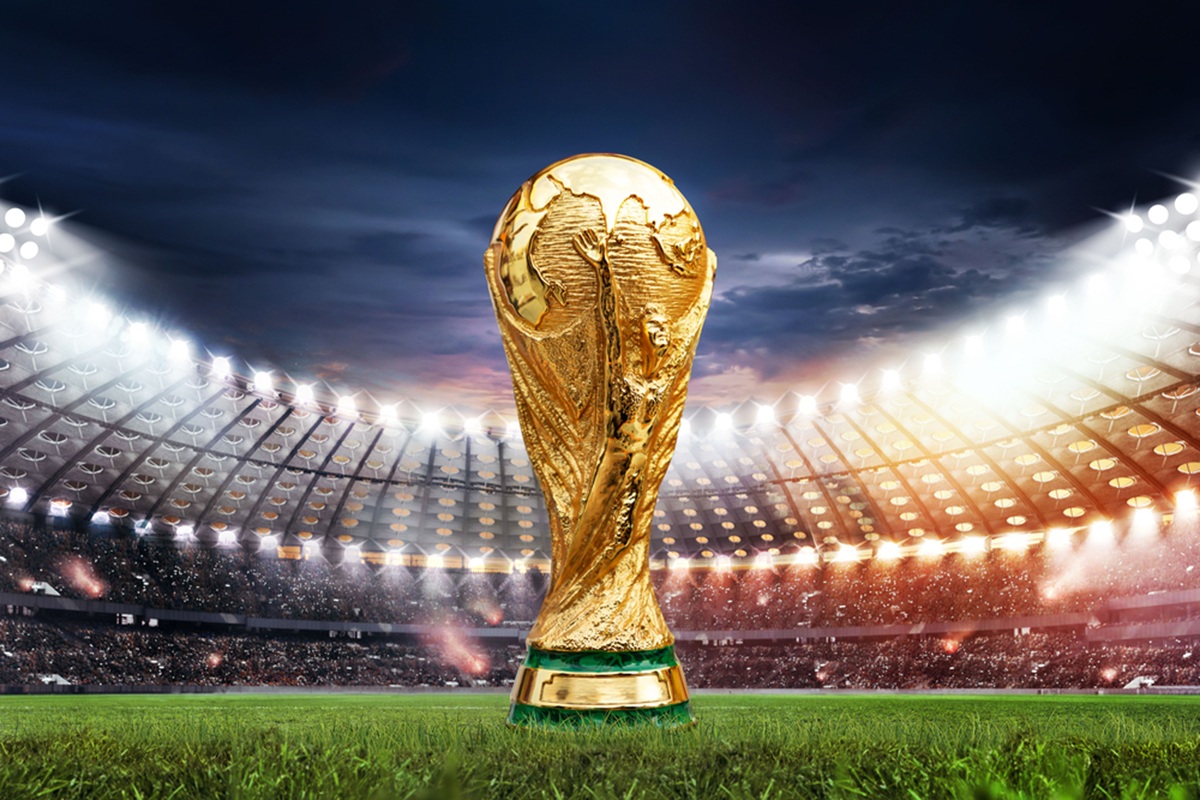

Bilan touristique contrasté pour la Coupe du Monde de football 2026 en Amérique du Nord - Depositphotos.com, kashesn

If the 2026 World Cup allowed hotels and short-term rentals in host cities to raise their rates, the tourism fallout is more limited than expected.

American airlines did not see a significant uptick in activity and the number of international visitors remained below expectations.

After eight years of preparation and substantial investments, the tournament therefore yields a mixed result: local benefits for lodging, but a more modest impact on the broader travel industry.

An article to read on skift.com


L’UE veut renforcer les règles de propriété des compagnies aériennes


Le Kenya vise 5 millions de touristes internationaux par an
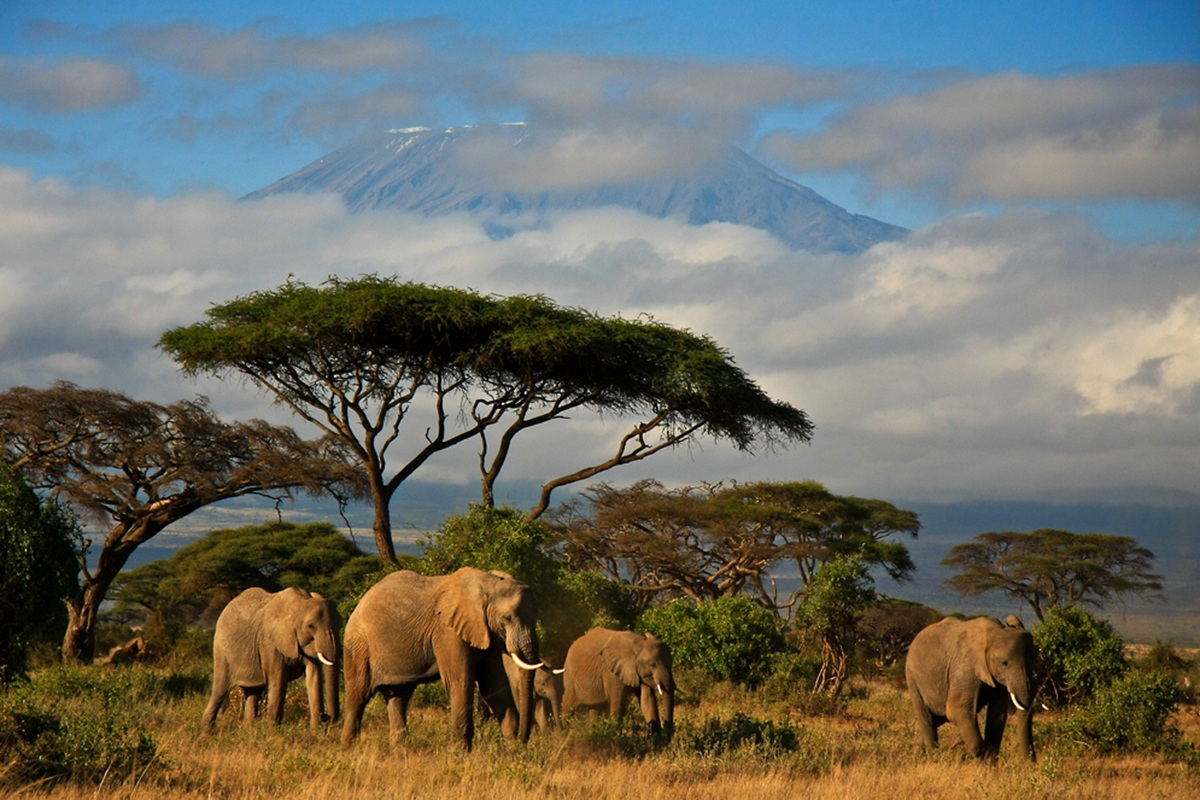

Le Kenya ambitionne d’accueillir quasiment le double de visiteurs internationaux par an, en passant de 2,7 à 5 millions de visiteurs internationaux - Depositphotos.com, dmussman

The Kenya aims to almost double its tourist traffic, rising from 2.7 to 5 million international visitors per year.

The government is counting on tourism to increase foreign exchange earnings, create jobs and support local SMEs.

According to authorities, each visitor spends on average $3,000 and generates about ten jobs, making tourism one of the main drivers of the country’s economic development strategy.

Read on traveldailynews.com


Tourisme : l’Arabie saoudite et le Maroc en tête du rebond mondial
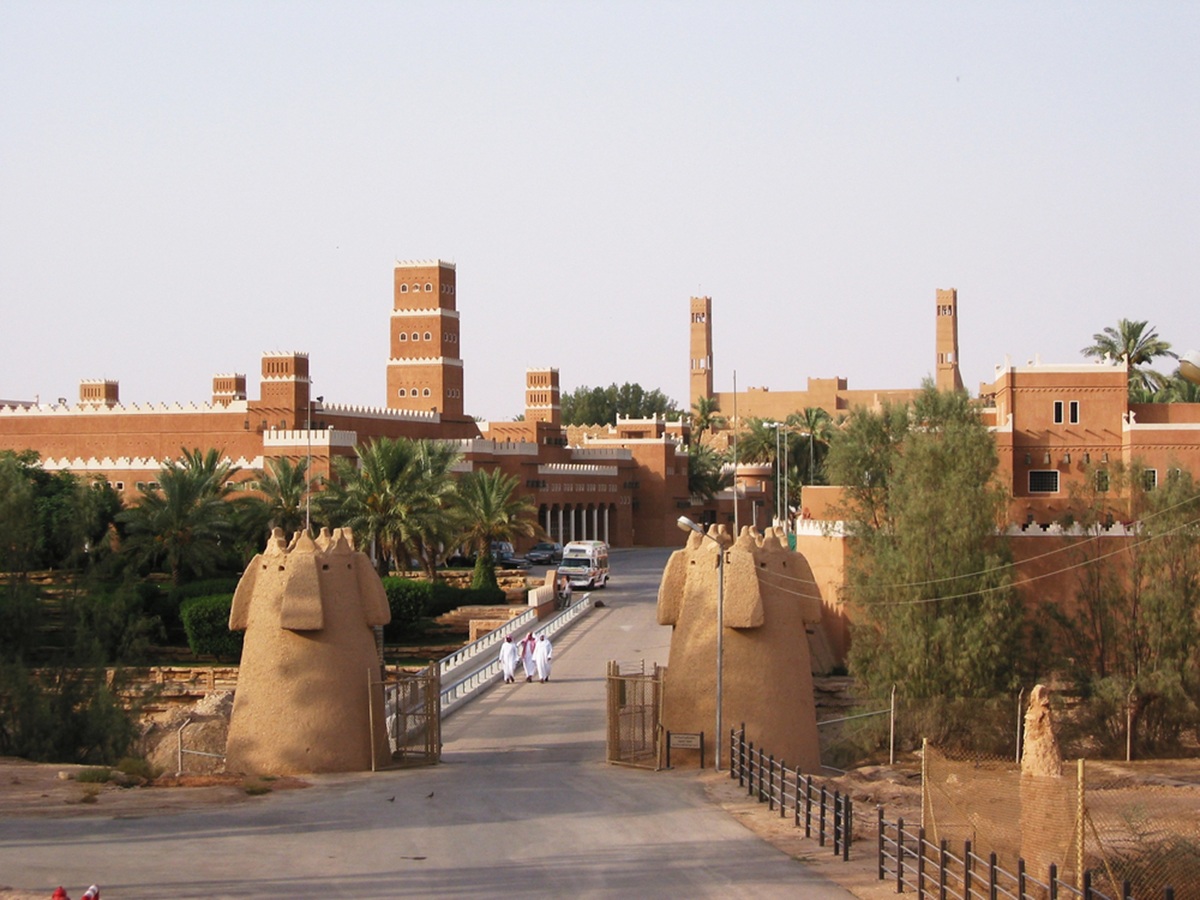

L’Arabie saoudite affiche la plus forte progression des arrivées internationales entre 2019 et 2025 (+67%), devant le Maroc (+53%) et l'Égypte (+47%) - Depositphotos.com, happyalex

According to an analysis by Visual Capitalist based on OECD data, Saudi Arabia shows the strongest growth in international arrivals between 2019 and 2025 (+67%), ahead of Morocco (+53%) and Egypt (+47%).

In Europe, Norway signs the best rebound (+28%), while the Portugal, the Spain and the France also exceed pre-pandemic levels.

Conversely, several destinations remain lagging, notably Israel (-71%), Ireland (-32%), the United States (-14%) and Italy (-5%).

Source : euronews.com


Le « Wolf Trail » relie six pays européens sur près de 3 500 km


Le Wolf Trail, un parcours de 3 493 km reliant la Pologne à l'Italie via l'Allemagne, l'Autriche, la Suisse et la Slovénie - Depositphotos.com, Artish

Long-distance hikers have a new route: the Wolf Trail, a 3,493 km journey linking Poland to Italy via Germany, Austria, Switzerland and Slovenia.

Imagined by Jack Wolfskin from existing trails, this route requires between four and six months of walking and is aimed at experienced hikers.

Accessible free of charge, it is recommended between April and September and represents an estimated budget of 8,000 to 12,000 euros for a full crossing.

A lire sur lefigaro.fr


Insolite : un avion à vendre… pour le prix de deux cafés !

Avis aux collectionneurs : l’aéroport de Séville met aux enchères un ancien Piper PA-23 Apache abandonné depuis au moins 2018, avec une mise à prix de… 10 euros.

Avant de rêver à un vol à petit prix, mieux vaut savoir que l’appareil, officiellement déclaré abandonné après plusieurs années sans nouvelles de son propriétaire, est en trop mauvais état pour reprendre les airs.

Une occasion originale d’acquérir un morceau d’histoire aéronautique… à défaut d’un moyen de transport.

A retrouver sur euronews.com
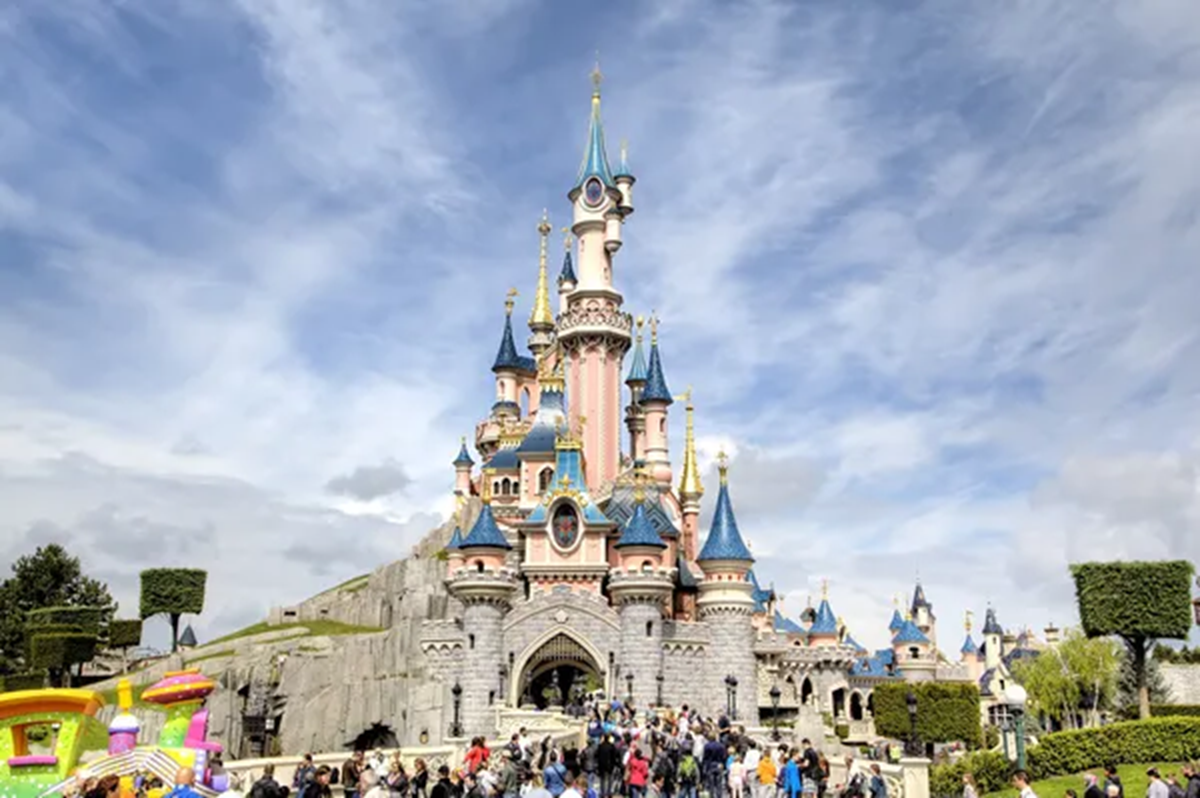
Disney Adventure World: The Disney Princess Cavalcade Arrives


Disney Adventure World annonce l'arrivée de La Cavalcade des Princesses Disney, Depositphotos.com Photo by ivan_varyukhin

CroisiEurope


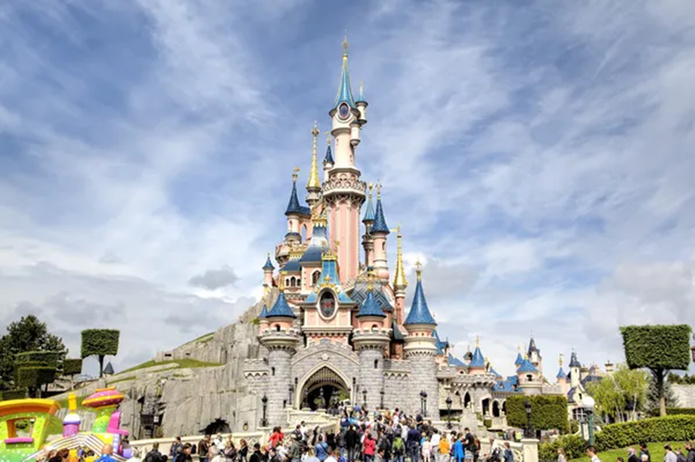
The Disney Princesses are taking up residence along the shores of Adventure Bay.

Proposed several times daily throughout the year, starting this Friday, July 24, 2026, this show brings together Moana, Raya, Tiana, and Rapunzel on bespoke floats, for an immersive interactive moment with guests.

The parade route stretches along the lake, winding from the future space dedicated to The Lion King to The Regal View Restaurant & Lounge.

Halfway along, the procession makes a stop to invite the audience to an interactive sequence.

The heroines and their companions step down to meet spectators and teach them choreographed moves, ranging from the traditional Pacific Island dance for Moana to martial arts gestures for Raya.


Disney Princess Cavalcade: A Year of Development

To design this show, which required a year and a half of development and 287 hours of rehearsals, the creative teams turned to French craftsmanship.

The costumes were crafted by the workshops of Disneyland Paris, while the floats representing the original worlds—the Motunui village, the Heart Palace, New Orleans, or the Drunken Duck Tavern—were produced by a Nice-based specialized company.

Read: Disneyland Paris enters a new era with Disney Adventure World (video)

The animation is accompanied by two original musical compositions, recorded between Nashville and Paris by an orchestra of about fifty musicians.

Moreover, the launch of this cavalcade marks the end of The Disney Fanfare led by Minnie, who now wears a Victorian outfit to greet visitors at the West Pavilion.

D-Day Beaches and Mount Olympus: 25 New UNESCO World Heritage Sites

Meeting in Busan, South Korea, the UNESCO World Heritage Committee has approved the inscription of 25 new sites on the World Heritage List, Time Out reports on Monday, July 27. Nineteen of these are cultural properties, five are natural sites, and a single one is classified as “mixed,” celebrated here for its significance both historically and environmentally. The organization notes that these places now enjoy a “permanent recognition of their importance,” a status designed to safeguard them over the long term. France gains two additional inscriptions with the Normandy D-Day beaches, which include Utah, Omaha, Gold, Juno, Sword, Pointe du Hoc, the Atlantic Wall, and the American Cemetery at Colleville-sur-Mer. The Capetian fortresses of Languedoc also join the renowned roster.

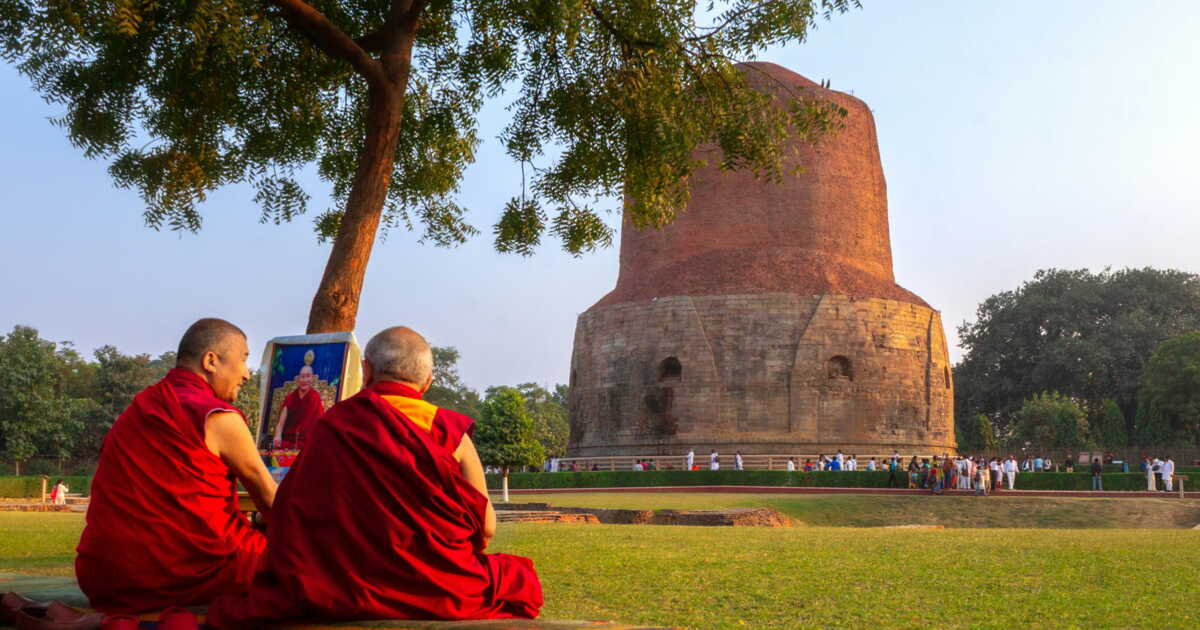
The French inscription is complemented by other cultural sites, such as Alamut Fortress in Iran, the Buddhist site of Sarnath in India, the ancient capitals of Asuka and Fujiwara in Japan, the modernist hub of Gdynia in Poland, the Jingdezhen porcelain workshops in China, the modernist architecture of Tashkent in Uzbekistan, the troglodyte mosques of Mangystau in Kazakhstan, and the theatres en condominio in Italy.

The medinas of the former sultanates of the Comoros, the former plantations of São Tomé and Príncipe, the village of Sidi Bou Said in Tunisia, the Thai temple Wat Phra Mahathat, the theatres of the Brazilian Amazon (La Paz and Amazonas), and the cemeteries of the Xiongnu nobility in Mongolia also figure among the newly recognized sites.

Italian Theatres, a Turkish Village…

Among the other distinguished cultural sites are Alamüt Fortress in Iran, the Buddhist site of Sarnath in India, the ancient capitals of Asuka and Fujiwara in Japan, the modernist center of Gdynia in Poland, the Jingdezhen porcelain workshops in China, the modernist architecture of Tashkent in Uzbekistan, the troglodyte mosques of Mangystau in Kazakhstan, and the theatres in condominium settings in Italy.

The medinas of the former sultanates of the Comoros, the former plantations of São Tomé and Príncipe, the village of Sidi Bou Said in Tunisia, the Thai temple Wat Phra Mahathat, the theatres of the Brazilian Amazon (La Paz and Amazonas) and the cemeteries of the Xiongnu nobility in Mongolia.

Three Emergency Listings

The only mixed site in this edition is Mount Olympus in Greece. Known in myth as the home of Zeus and the twelve gods, the country’s highest peak is also recognized by UNESCO for its biodiversity. “Olympus is the mountain that, through Homer’s epics and ancient Greek literature, carried Greek mythology and Greek civilization into the world,” commented the Greek government after the announcement.

The five newly inscribed natural sites are the Aqaba Marine Reserve in Jordan, the Okefenokee National Wildlife Refuge in the United States, the western Limfjord fish fossils in Denmark, and the Wadi Wurayah National Park in the United Arab Emirates.

Moreover, this 2026 batch is marked by several emergency listings. Directly threatened by ongoing conflicts around the world, the castles of Mount Amel in Lebanon, Sebastia in Palestine, and the Boma-Badingilo migratory landscape in South Sudan underwent an extraordinary procedure that led to their inscription.

Why the D-Day Beaches and Cathar Castles Were Inscribed on the UNESCO World Heritage List

The Normandy D-Day beaches and the Royal Fortresses of Languedoc in the south of France, better known by their former name ‘Cathar Castles’, were inscribed on Sunday as UNESCO World Heritage.

Across just over 80 km of coastline, between the Manche and Calvados departments in the northwest of France, the Allied D-Day beaches of June 6, 1944 were the scene of a decisive battle to liberate Europe from Nazism and bring World War II to an end.

These beaches “are directly and physically associated with the Landing (…) which played a decisive role in the liberation of Western Europe from Nazi occupation”, recalled a representative of UNESCO’s International Council on Monuments and Sites (Icomos) at the session in Busan, South Korea. This ensemble of sites “symbolically commemorates the immense human sacrifice that was made to overturn an authoritarian occupation deeply rooted in Europe”, she continued.

The nomination concerned the five D-Day beaches known by their code names Utah, Omaha, Gold, Juno and Sword, but also Pointe du Hoc, site of decisive fighting, the German Longues-sur-Mer artillery battery, and the artificial port of Arromanches-les-Bains, known as Port Mulberry, made up of enormous concrete caissons built in England to facilitate Allied logistics.

Numerous military cemeteries and commemorative monuments are associated. “We’re super happy, because we didn’t believe it would happen”, said AFP to the president of the Normandy Region, Hervé Morin, who was present in Busan for this bid launched in 2006. “There is no more prestigious label than this” he praised, estimating that it could bring 20% more tourists to the sites. “An immense pride for Normandy and for France!” rejoiced the Minister of the Armed Forces, Alice Rufo, on X.

Two inscriptions, two histories that marked France

The president of the Aude department, Hélène Sandragné, also welcomed UNESCO’s listing of the Royal Fortresses of Languedoc, calling it a “lever” for tourism and economic development. “It will increase our attractiveness and Aude needs it”, she told AFP.

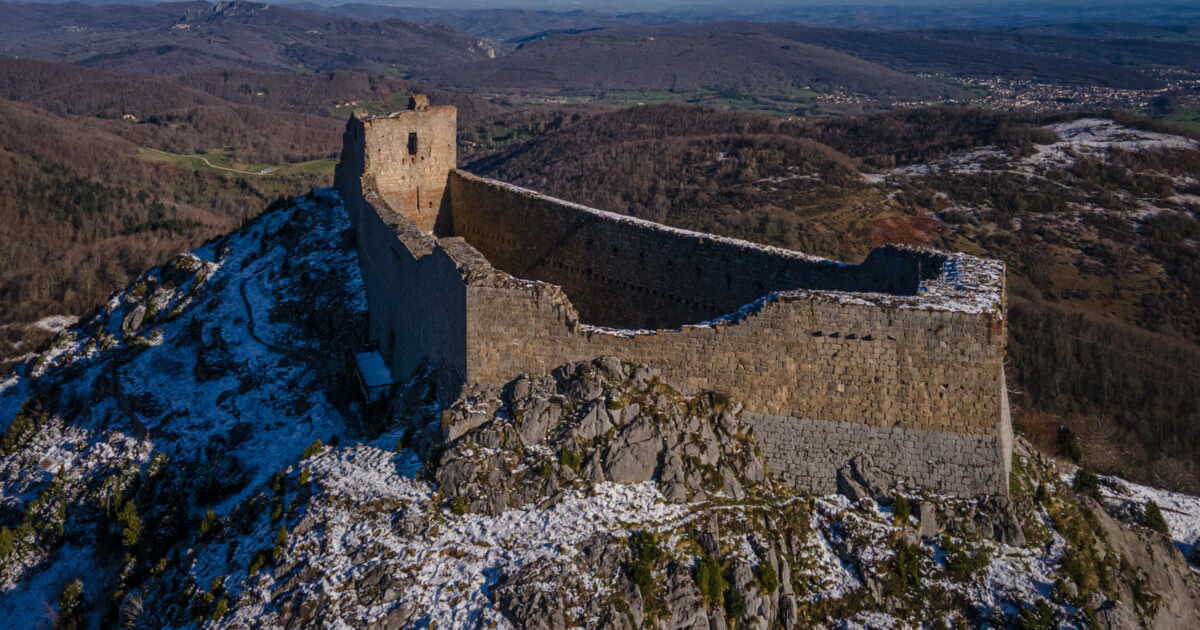
Often perched atop steep rocky crags, the eight fortresses, including Montségur in Ariège and Peyrepertuse or Quéribus in Aude, were built after the Albigensian Crusade (1209-1229), when part of Languedoc fell under royal domain.

Some of these sites had previously served as refuges for the Cathars accused of heresy. With these fortresses, the King of France aimed to keep an eye on the local population still deemed dissident and to monitor the Kingdom of Aragon, located just a few tens of kilometers from Quéribus or Peyrepertuse.

The fortresses were administered by a seneschal based in the Cité of Carcassonne, itself rebuilt at the same time and already inscribed on the World Heritage list in 1997. Considered as an “central element of the defensive system”, its castle and ramparts are also part of these eight monuments now on UNESCO’s list.

“These fortresses attest to the exceptional adaptation of military architecture to topographical constraints and the emergence of new forms of territorial organization by the French monarchy”, UNESCO said.

“Irony of history, these fortresses which yesterday broke the rebellious ardor of the people of Languedoc will give them a new momentum tomorrow” also declared Mrs. Sandragné, who sees in this distinction an asset for the “preservation and restoration” of these citadels.

For Fabrice Chambon, a guide at Montségur castle, where more than 200 “heretics” were burned in 1244 before the fortress we visit today, the erasure of the word “Cathar” has “moved quite a few people”. A petition by opponents to this renaming was signed by nearly 9,400 people.

With these two new sites inscribed on the World Heritage list, “France now has 56 UNESCO-listed properties. It is a pride, but also a responsibility”, said the Culture Minister Catherine Pégard to AFP.

Maisons du Voyage Launches a Collection Dedicated to Gardens of the World


Les Maisons du Voyage présenteront leur nouvelle collection lors du salon Jardins, Jardin organisé à Paris du 27 au 31 mai 2026 - Photo : Les Maisons du Voyage

CroisiEurope


Les Maisons du Voyage enrichissent leur catalogue avec une nouvelle collection de voyages consacrés aux jardins du monde.

À travers cette nouvelle gamme, le tour-opérateur souhaite mettre en avant les jardins comme porte d’entrée culturelle des destinations.

Les circuits incluent notamment des rencontres avec des conservateurs, horticulteurs, jardiniers ou producteurs locaux afin de découvrir les savoir-faire et traditions liés à ces espaces.

Les Maisons du Voyage seront également présentes lors de la 20e édition du salon Jardins, Jardin organisée à Paris du 27 au 31 mai 2026.


Des circuits accompagnés par des spécialistes

Among the proposed itineraries is a trip to South Africa dedicated to the country’s private and botanical gardens, notably Kirstenbosch and Walter Sisulu.

The Japan is also among the highlighted destinations with a guided tour led by Denis-Marie Lahellec around the Japanese gardens in autumn, spanning Tokyo, Kyoto, Kanazawa or the island of Shikoku.

In Brazil, another trip will notably allow visitors to discover the gardens of Roberto Burle Marx and the Inhotim park in the company of landscape architect Alain Jounon.

Northern Italy completes this new collection with an itinerary around the gardens of Lake Maggiore and Lake Como, punctuated by visits to historic villas and palaces.

Fez Zellige: A Dive into the Fascinating World of a Moroccan Workshop

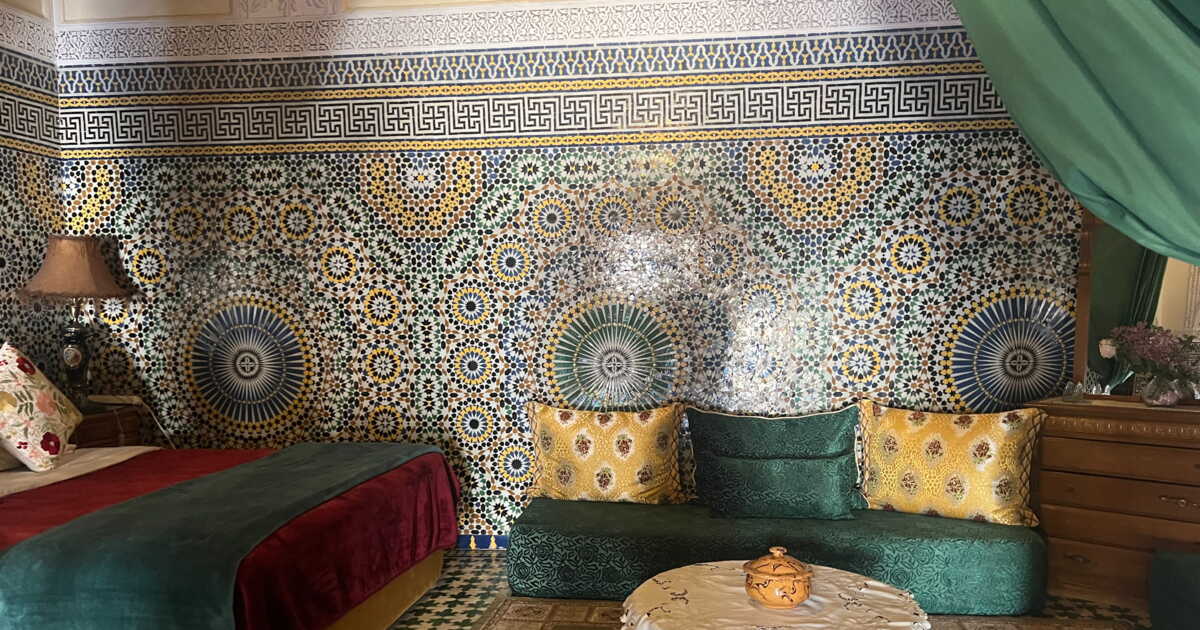
With each hard strike, a shard of enamel erupts before falling back onto the floor already covered by a fine white dust. The workshop resounds to the rhythm of hammer blows. Several Moroccan artisans, called maâlems, lean over dozens of small pieces of colored faience. “Everything is made by hand. We never use machines”, explains Mohammed Thifa, president of a Fez-based Craft Cooperative.

Clay, Earthenware and Kiln: The Stages of Building Moroccan Zellige

To create these faïences, the raw material lies a few meters away. In a corner of the workshop, blocks of gray clay wait to be transformed. This earth comes from Mount Zalagh, which overlooks Fez. No chemical products, the artisan assures. Only a natural clay renowned for its solidity.

Purple Gold Takes Over the World: Can It Dethrone Matcha?

In the Philippines, ube, the country’s emblematic yam, has become a highly strategic product. Highly valued for its softly vanilla-sweet flavor, its beautiful purple color, and its myriad virtues, it enchants consumers around the world, even supplanting the trend for matcha. In 2025, exports surpassed three million euros, more than twice the previous year, yet this clear success hides a serious problem. Production no longer keeps pace with demand as enthusiasm continues to rise.

“Our harvest is no longer enough. We are asked for two tons per month. How could we supply such volumes?”, summarizes producer Esmeraldo Maligsa to the South China Morning Post, Tuesday, June 30.

A lack of resources and development assistance

Rich in fiber and antioxidants, this root is found in smoothies, coffees, jams, pastries, or even ice creams in many countries. The main export markets are Canada, the Middle East and several Asian countries, but the United States, South Korea and Europe are accelerating orders. Starbucks, among others, has launched its own ube drink in several outlets across the Atlantic as well as in the Old Continent. Gradually, this local specialty is turning into a high value-added agricultural product, while Philippine producers are not oblivious to the difficulties on the ground.

There, farming remains largely manual and processing infrastructure is still insufficient. “We need machines, backhoes”, explains Esmeraldo Maligsa, who notes that the hilly lands of the island of Bohol complicate their work. “We were given a motor cultivator, but it cannot climb the steep terrains… We turn the soil by hand, which takes time”, he adds, exhausted.

On Saturday, June 27, the Philippine government announced a plan to structure the sector, with common standards, investments and tools adapted to exports. “Supply and organization struggle to keep pace”, concedes Undersecretary for Agriculture, Philip Young.

A food product soon to be protected

The authorities also want to better protect the origin of ube from Bohol. This month, Manila filed a request for registration of a geographical indication (GI) for its production. This measure would allow to “officially recognize the qualities, the reputation and the cultural heritage of the ube ubi kinampay of Bohol, intrinsically linked to the geography, the soil, the climate and the province’s traditional agricultural practices”, according to the Philippine Intellectual Property Office, which notes a “purple gold rush”.

This recognition would also help protect this variety against imitations from abroad. Esmeraldo Maligsa asserts that “many try to imitate our ube, but no one manages to reproduce its aroma”.

Researchers, however, remind that the future of the sector will also depend on its ability to sustainably boost production. Ube remains vulnerable to diseases, to climate fluctuations and cannot be harvested year-round. For expert Marlon Tambis, it will be essential to develop other varieties and new cultivation methods. “Relying solely on kinampay will not be enough to solve shortages”, he says.

MSC World Asia Countdown Begins Ahead of Le Havre Christening


MSC World Asia, nouveau fleuron de MSC Croisières, entre dans sa phase finale de préparation - Depositphotos.com @DonyaNedomam

CroisiEurope


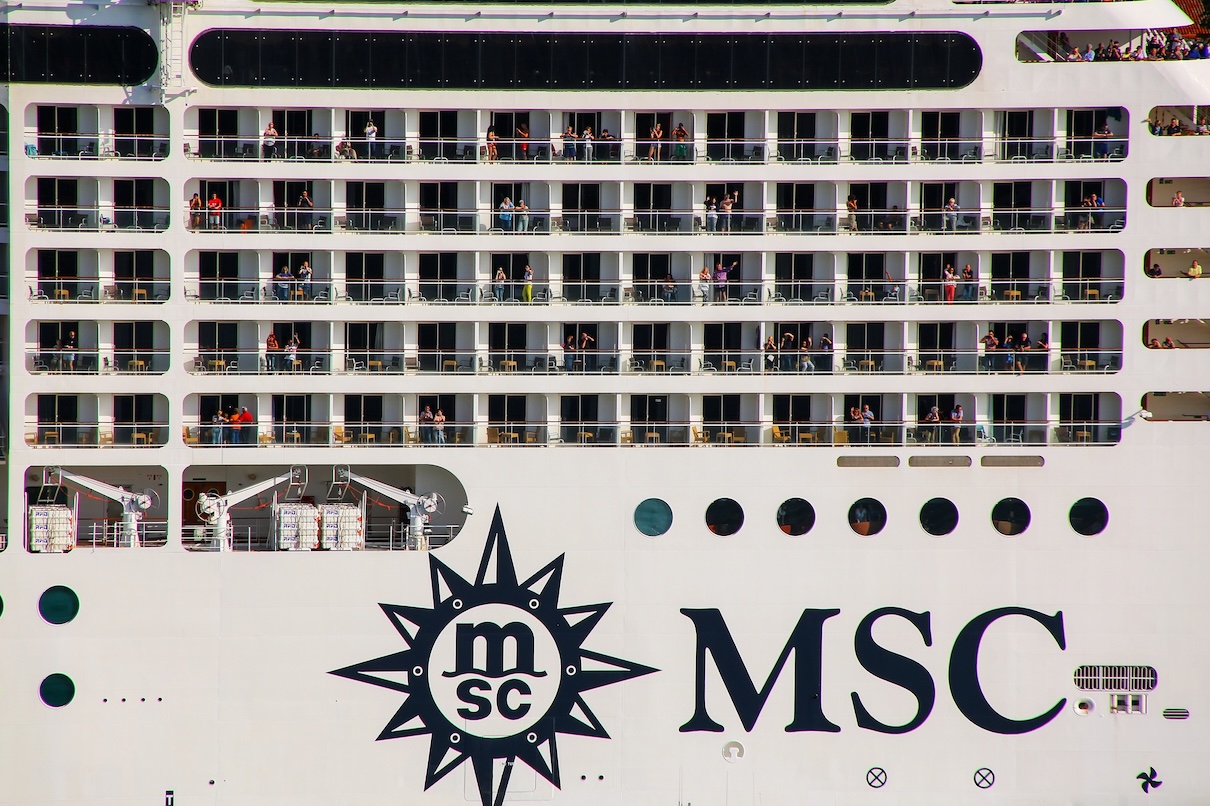
Six months before its inaugural voyage, MSC Cruises is stepping up its communications around its new flagship, the MSC World Asia.

The liner will be officially christened on November 28, 2026 in Le Havre, before kicking off its inaugural Mediterranean season on December 4. As the third unit of the World Class lineup, this next‑generation vessel underlines the company’s innovation strategy.

Inspired by Asian cultures in its design and ambience, it promises an experience blending entertainment, gastronomy and family leisure, while serving several major Mediterranean ports: Barcelona, Marseille, Messina, Civitavecchia (Rome), Naples and Valletta.

The christening in Le Havre will bring together international tourism players, the company’s partners and media for an evening that will be both traditional and modern. This choice also underscores the strategic importance of the French market for MSC Cruises.

Gianni Onorato, CEO of MSC Cruises, highlights the momentum of the World Class range: “Our ships are enjoying remarkable success… MSC World Asia marks a new milestone in this journey“, emphasizing continuous innovation and the enhancement of the passenger experience.

The ship’s command has been entrusted to Captain Paolo Benini, praised for his recent experience aboard the MSC Euribia and his leadership abilities.


Six flagship experiences

As its entry into service approaches, the company reveals six major attractions that will structure the onboard leisure offering:

The ship will notably offer Cliffhanger, a swing suspended 50 meters above the sea, a first in Europe for the line.

It will also feature The Spiral @ Tree of Life, an 81.3-meter dry slide spanning 11 decks, designed as the ship’s signature attraction.

Thrill‑seekers will also enjoy Twin Racer and U Drop Waterslides, crafted for competition and spectacular drops.

The experience continues with Adventure Trail High Ropes Course, a two‑level aerial course incorporating zip lines and balance challenges.

For immersive entertainment, the MSC Formula Racer simulator will allow guests to experience the Formula 1 world in virtual settings.

Finally, the MSC Luna Park Arena will offer a digital interactive space where the floor becomes an evolving playground for varied challenges and activities.


A strengthened dining and leisure offering

Beyond these novelties, the ship will position itself as a true floating resort. It will boast more than 40 bars, lounges and restaurants, seven swimming pools, thirteen hot tubs, as well as an entertainment lineup designed for all ages.

The design will also feature a collection of artworks inspired by Asia and the largest range of suites ever offered within the MSC Yacht Club concept.


Amelia Brille Published by Amelia Brille TourMaG.com Editor
See all articles by Amelia Brille

  • picto Linkedin
  • picto email
Add TourMaG to your Google News feed Google Actualités icône  

World Cup 2026: The Ultra-Rich’s Extravagant Spending

As millions of fans scramble to secure tickets for the 2026 FIFA World Cup through lottery systems and ever-changing price structures, a handful of privileged travelers live a reality that is radically different. For these ultra-wealthy wanderers, attending football’s grandest event isn’t just about a single match: it’s a tailor-made experience blending luxury hotels, private aviation, and exclusive access. Trips that can run into hundreds of thousands, or even millions, of dollars are already booked. A spectacular showcase of the widening gap surrounding the world’s major international sporting events.

Trips worth several hundred thousand dollars around the matches

For the wealthiest clients of luxury-focused agencies, the World Cup is often merely a pretext for a much broader journey. Football matches are woven into itineraries that combine sightseeing, high-end stays, and personalized experiences.

Jack Ezon, founder of Embark Beyond, explains in the Washington Post that the most requested itinerary is to chain several host cities of the tournament. “The most common is what I call the ‘triple threat’: go to Mexico for the opening, to Vancouver for the knockout stages, and finally to the July 19 final in New York,” he said.

According to Nicole Janoff, head of the leisure division at Magma Global, some clients dedicate between $250,000 and $500,000 (roughly €217,000 to €433,000) to their trip when traveling with family. The matches then become “the centerpiece, but not the sole reason for the journey”, she explained.

Hotels are also riding this wave of interest. In Miami, the St. Regis Bal Harbour offers a package priced at $187,000 (about €162,000) that includes two presidential suites, a private driver, massages, yacht excursions, and streamlined access to a World Cup match. By comparison, even without this exceptional offer, nightly rates start at $3,500 (roughly €3,000) for a premium room.

A British client of Scott Dunn has planned a 22-day United States trip around a match played in Dallas. Private tours, whale watching, national parks with dedicated guides, luxury ranches, and premium accommodations are on the agenda. The cost of hotels and excursions, excluding transport, already reaches about $130,000 (around €113,000).

Helicopters, private security and multi-million-dollar tickets

Beyond lodging, the ultra-wealthy primarily seek to avoid the constraints faced by other fans. Overcrowded airports, traffic jams, and long lines are among the inconveniences they prefer to sidestep. Jackie DeAntonis, head of private relations at Scott Dunn, sums up this philosophy: “They know that at their level, they can obtain the most prestigious tickets, a private helicopter transfer, and all-access VIP passes.”

Private-aviation firms anticipate a strong uptick in demand as well. Paul Malicki, CEO of Flapper, estimates activity could be tenfold around the final. At Amalfi Jets, a long-haul private flight between Europe and the United States costs on average $165,000 (about €143,000).

Once on the ground, some clients continue their pursuit of comfort with chauffeurs available around the clock. Others opt directly for helicopter transfers to dodge stadium-area traffic. In Boston, the Raffles hotel, for example, is marketing a package at $75,000 (about €65,000) that includes a private aerial transfer to Gillette Stadium.

Yet it is around the final, scheduled to take place in New Jersey on July 19, 2026, that spending reaches its zenith. Stuart McNeill, founder of Knightsbridge Circle, markets a package that includes front-row midfield seats and access to the trophy ceremony. The price listed for six people is $4 million (about €3.5 million).

Another extravagant example, the Mark hotel in Manhattan offers a package that lives up to its name, dubbed the “World Cup Extravaganza.” It includes four nights in a penthouse, additional rooms for staff, premium seats on the sideline for the final, and helicopter transfers. The bill comes to $1 million (about €867,000).

For some clients, football isn’t the sole motivation. As Erica Jackowitz, cofounder of Roman & Erica, notes, attending the World Cup has become “a true symbol of social status.” A trend that is gradually turning the world’s most-followed sporting event into a showcase of extreme luxury.

Thousands of Football Fans Denied U.S. Visas for World Cup

Who is the FIFA World Cup for? The question may seem surprising, yet it appears utterly legitimate just days before the launch of the 23rd edition of this flagship event in world football. This year, the matches will take place across three countries: Mexico, Canada and the United States. Millions of fans typically travel to watch the games in stadiums – in 2022, in Qatar, 3.4 million people attended the matches, according to FIFA. This year, Donald Trump’s immigration policy deprives thousands of people of the event.

BBC journalists gathered testimonies from several football supporters who did not obtain visas to the United States. As the World Cup kickoff on Thursday, June 11, 2026 approaches, thousands are barred from entering American soil. In many cases, it is the visa issuance restrictions set by Donald Trump that are to blame.

Citizens of these countries have no chance of attending the World Cup live

For supporters of the Haiti, Iran, Senegal, and Ivory Coast teams, all represented in this World Cup, a trip to the United States is almost impossible. Since his re-election, Donald Trump has issued travel bans or pushed for a reduction in the number of visas issued to these countries. “It’s a form of segregation that does not name itself,” says Julien Kouadio Adonis, a member of the Ivorian fans’ association.

European fans, meanwhile, will probably have no problem entering the territory. If they are nationals of one of the 42 countries worldwide that have an agreement with Washington to enter the United States without a visa, they only need to pay the 40-dollar ESTA travel authorization. No African country is on this list. And only three Middle Eastern countries are on it: Brunei, Israel and Qatar.

A World Cup among nationals from wealthy countries?

In countries where it is possible to apply for a visa to the United States, the criteria are particularly restrictive. Applicants are usually required to prove they have thousands of euros in their bank accounts and a return ticket to their country of origin. In May, the administration announced that a simple ticket to attend the matches would be enough to apply for a visa — instead of the usual cash deposits. But the announcement arrived far too late to meet the processing times of local embassies, and this despite the FIFA Pass principle, intended to speed up the process.

Finally, some foreign nationals have faced another problem: the absence of U.S. consulates or embassies in their country. Since they must undergo a prior interview to obtain a visa, this lack of diplomatic representation effectively prevents them from setting foot in the United States. This particularly affects Iraqi fans. Washington is usually represented in Baghdad, but it has suspended its consular activities since the beginning of the conflict with Iran, rendering it impossible to grant visas to local football fans. The Iranian team is nonetheless qualified for the competition for the second time in its history and the first time since 1986.

In some cases, foreign supporters can turn to matches held in Canada or Mexico, which are less restrictive. But even there, a portion of visas is refused and the issue of consular representation also arises. And that’s without mentioning the price of tickets for this World Cup. Due to dynamic pricing and resales, prices reach record highs. According to RMC Sport, the current record stands at 17,199 euros for the group-stage match between Spain and Uruguay.