What to Do in Dakar: 13 Activities and Outings to Discover

Table of Contents


  • 1. Visit Gorée Island and the House of Slaves


  • 2. Discover the African Renaissance Monument


  • 3. Explore the Museum of Black Civilizations


  • 4. Relax on the beaches of Ngor Island and Yoff


  • 5. Stroll around Rose Lake (Lac Retba)


  • 6. Immerse yourself in the atmosphere at Kermel Market and Sandaga Market


  • 7. Explore the Mamelles Lighthouse


  • 8. Observe the biodiversity of the Madeleines Islands


  • 9. Discover the Soumbédioune Artisan Village


  • 10. Join an organized excursion


  • 11. HLM Market: an authentic immersion in the heart of local life


  • 12. Village des Arts: a haven of contemporary creation


  • 13. Explore the Lompoul Desert from Dakar: a natural escape within easy reach by road

In Dakar, each day can take on a different hue: cultural in the morning, seaside in the afternoon, festive as night falls. Between iconic sites, natural getaways, and immersion in local life, the Senegalese capital offers a multitude of experiences to discover Senegal in a different way.

1. Visit Gorée Island and the House of Slaves

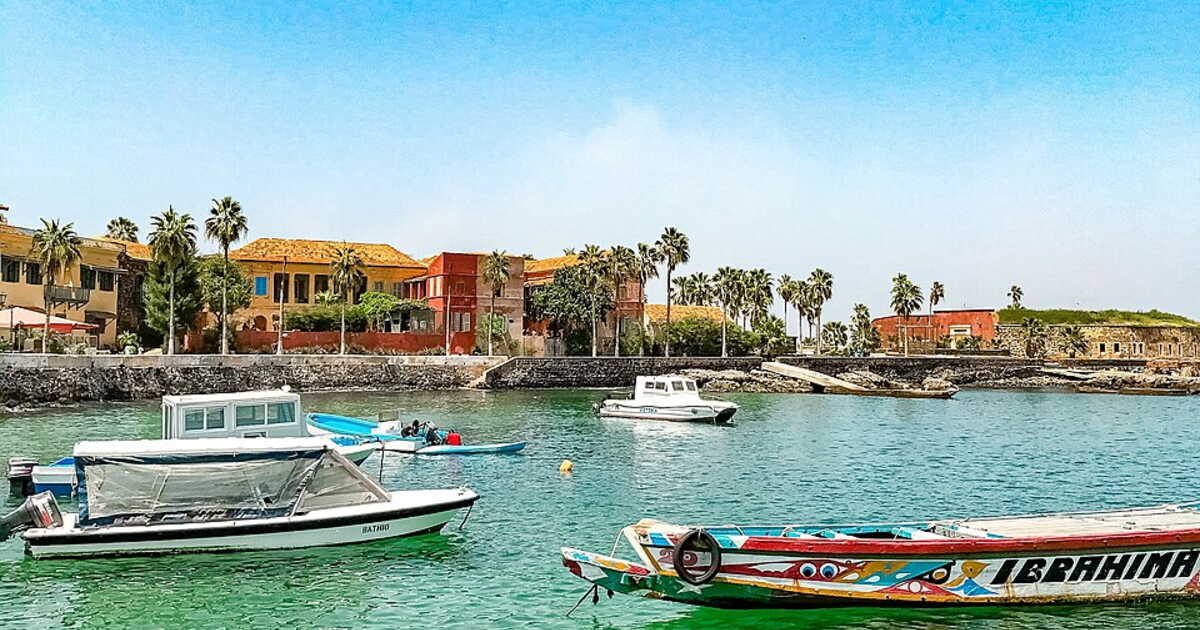
Classified as a UNESCO World Heritage Site, Gorée Island is a crucial stop to understand the history of the slave trade in Africa. Accessible by a short ferry ride from the Port of Dakar, the island houses the famous House of Slaves, a poignant museum that recounts the suffering and resilience of a dark era. Beyond its historical past, Gorée captivates with cobbled streets, colorful houses, and panoramic views of the Atlantic Ocean.

2. Discover the African Renaissance Monument

The African Renaissance Monument is one of the most striking sculptures on the African continent. Standing 49 meters tall, it overlooks the city and offers a breathtaking panorama over Dakar and its surroundings. Inaugurated in 2010, this modern monument symbolizes Africa’s renewal, and the ascent to the summit includes a small exhibition about Senegal and its future aspirations.

3. Explore the Museum of Black Civilizations

Inaugurated in 2018, the Museum of Black Civilizations marks a turning point in the preservation and diffusion of African culture. This museum offers a range of permanent and temporary exhibitions, illustrating African heritage in all its forms. It is essential for anyone wishing to understand the richness and diversity of African civilizations throughout history.

4. Relax on the beaches of Ngor and Yoff

Dakar is home to several beaches ideal for relaxing or water activities. The Ngor and Yoff beaches are among the locals’ and visitors’ favorites. Whether you simply want to soak up the sun, go surfing, or enjoy a fresh seafood meal with an ocean view, these beaches offer multiple possibilities.

5. Stroll around the Rose Lake (Lac Retba)

The Rose Lake, officially named Lac Retba, is famous for its spectacular pink color, caused by microalgae that produce a red pigment. This natural phenomenon draws many tourists and is particularly photogenic at sunset. Pair your visit with a tour to discover traditional salt-extraction methods, a pillar of the region’s economy.

6. Immerse yourself in the atmosphere at the Kermel Market and the Sandaga Market

For a total immersion into Dakar life, a visit to the local markets is a must. The Kermel Market, renowned for its colonial architecture, offers a wide range of local products, from spices to seafood. The Sandaga Market, meanwhile, is the ideal place to find artisanal souvenirs and admire Senegalese crafts.

7. Explore the Mamelles Lighthouse

Located on the second of the two twin hills that form the Mamelles, the Dakar Lighthouse is an iconic spot to admire the sunset. Once at the summit, you’ll have a breathtaking view of the city, the ocean, and the surrounding area. It is also a good spot for hikers of easy to moderate difficulty.

8. Observe the biodiversity of the Madeleines Islands

Just a short boat ride from Dakar, the Madeleines Islands is a national park where nature reigns. You’ll find spectacular rocky landscapes and diverse birdlife. It’s an ideal day trip for nature lovers looking to explore a still-wild and pristine environment.

9. Discover the Soumbédioune Artisan Village

For a plunge into Senegalese craftsmanship, head to the Soumbédioune Artisan Village. You can watch artisans at work and discover a wide range of handcrafted creations, from jewelry to wooden sculptures. Interacting with the artisans will also offer a deeper glimpse into local culture and know-how.

10. Join an organized excursion

To visit distant sites or combine several activities in a day, consider booking an excursion with a local guide. There are many options to explore the Rose Lake, Gorée Island, and other attractions, while easing logistical travel around the region.

11. HLM Market: an authentic immersion in the heart of local life

The HLM Market is one of the most iconic places to understand Dakar’s daily life. Located in a lively district of Dakar, it stands out for the variety of its stalls, colorful fabrics, and its organized vibe. This market is a perfect spot for crafts and direct exchanges with vendors, often recommended by any comprehensive travel guide. Easily reachable by yellow taxis, it complements an urban exploration focused on authenticity and the experiences of this journey.

12. Village des Arts: a haven of contemporary creation

The Village des Arts stands as a haven for peace dedicated to contemporary creation in Dakar. This site brings together studios, exhibitions, and artist residencies, offering a current view of Senegal’s cultural scene. Located away from the busiest routes, it allows a more intimate experience, often included in recommendations from any travel guide. This visit nicely complements the more institutional circuits of the city center, revealing another facet of the capital.

13. Explore the Lompoul Desert from Dakar: a natural escape within easy reach by road

About 140 km from Dakar (a little over two hours by car), the Lompoul Desert offers a striking contrast to urban bustle. Accessible via the Dakar road, this natural site features dunes, campsites, and quiet, making it an ideal extension to an urban stay. Often included in the experiences of this trip, Lompoul charms with its isolated character and immersive ambiance. This excursion, frequently mentioned in any comprehensive travel guide, helps broaden Senegal’s discovery beyond the capital.

In conclusion, Dakar is a city with many facets that offers visitors a compelling blend of historical, cultural, and natural discoveries. Whether you have one day, a weekend, or several days to spend there, there is always something to explore. To deepen your experience, consider related topics such as Senegalese cuisine or the local music scene, which add yet another unique dimension to this unforgettable destination.

Is Dakar an expensive city? Understanding prices and the cost of living in the Senegalese capital

Asking whether Dakar is an expensive city comes down to analyzing a contrasted reality common to any major metropolis in West Africa. Prices vary widely depending on the district of the city of Dakar, the type of accommodation chosen — hotel room, guesthouse room, or room in a house — and the time of stay.

The city center and the Plateau, near the presidential residence, generally show higher prices than other Dakar districts. The best rates are often found by booking in advance or by venturing away from the most frequented Dakar road.

On transport, yellow taxis remain affordable for short trips across a few kilometers of Dakar, while the air travel options, notably via Air France on the Paris-Dakar route, help plan the overall budget. Dakar thus offers an experience adaptable to different spending levels, without compromising the richness of the experiences of this journey.

What to do in Dakar at night? Restaurants, the Corniche, and nightlife experiences

In the evening, Dakar reveals a lively and welcoming atmosphere, especially along Dakar’s Western Corniche, now a must-visit gathering spot. Here you’ll find numerous seaside restaurants, seafood joints, and restaurant-bars offering views of the Dakar skyline.

The Pointe des Almadies, loved by surf enthusiasts, hosts a vibrant nightlife, while the Mamelles Lighthouse is a popular vantage point at sunset. Getting around is easy with taxis, typically yellow taxis, quickly linking the different centers of the downtown. These evenings contribute to a colorful experience, perfectly integrated with the experiences on this page, blending relaxation, gastronomy, and urban discovery.

What to do in Dakar this weekend? Must-see itineraries and experiences

A weekend in Dakar allows you to combine heritage, nature, and culture within a compact area. On Saturday, exploring the IFAN Museum, the Independence Square, and the Notre-Dame Cathedral provides an essential introduction to the city’s history, marked by the slave trade and the legacy of Léopold Sédar Senghor.

On Sunday, a trip to the Western Corniche or the Pointe des Almadies provides a breath of sea air, while nearby nature reserves offer a tranquil haven. These routes, outlined in any comprehensive travel guide, let you fully experience the trip’s highlights in a concise but rich timeframe.

What to do in Dakar with family or children? Accessible and educational activities

Traveling to Dakar with children is particularly fitting thanks to a varied range of cultural and outdoor activities. Walks along the Western Corniche, the beaches at the Pointe des Almadies, or spaces set up for outdoor fitness trails provide relaxing moments accessible to all.

Educational visits such as the IFAN Museum or the Dakar Cathedral of the African Memorial allow for a structured approach to the country’s history. Getting around by yellow taxis makes short trips easy, and the availability of family rooms in guesthouses or in hotel rooms ensures a comfortable stay.

Dakar thus stands as a perfect destination for a rewarding multi-generational trip.

What to do in Dakar in the Plateau neighborhood? Exploring the institutional and historical heart

The Plateau, located in the very heart of the downtown, concentrates Dakar’s institutional and historical symbols. Here you’ll find the presidential residence, buildings related to the Governor of Dakar, and Independence Square, the city’s nerve center.

The stroll continues toward the Notre-Dame Cathedral, the colonial-era buildings, and the major administrative arteries. This neighborhood, easily reachable by taxis, is a key stop in any travel guide, offering a clear understanding of Dakar’s political and urban organization.

What to do in Dakar when it rains? Museums, markets, and culture indoors

When weather limits outdoor activities, Dakar still offers a wide range of cultural options. Museums, notably the IFAN Museum, allow you to discover West African art and history indoors. The HLM Market also provides a sheltered immersion into the local experience, ideal for purchasing crafts. Cafés, restaurants, and restaurant-bars in the city center offer warm venues to extend the discovery. These alternatives are an integral part of the experiences on this page, illustrating Dakar’s versatility in any weather.

This article was written with the help of artificial intelligence, then corrected, expanded, and validated by the editors of the desk.

Slope Point: All You Need to Know About New Zealand’s Southernmost Point

Stepping over the gate of the private farm that leads to the Slope Point trail, the untamed character of these lands draws visitors into an enigmatic realm. Amidst sheep and trees bent by the wind, the spray of waves crashing violently at the foot of the cliffs lashed the face. Twenty minutes of walking are enough to reach the photogenic yellow sign marking the southernmost point of New Zealand (excluding Stewart Island): 5,140 km from the equator and 4,803 km from the South Pole, the sign states.

Slope Point is located in the tranquil Catlins region, home to about 1,500 inhabitants. “You mainly find small coastal villages, a few farms and two or three schools”, details Lloyd Esler, a teacher, tour guide and former city councilor of Invercargill, the largest nearby town. 75 kilometers away. In the Catlins, proximity is relative.

Southern Lights, Dolphins and Penguins

“Each year, around 30,000 people stop here. It’s an estimate; we don’t have precise tracking,” notes the teacher. Beyond this unique feeling of being at the edge of the world, as author Mélissa Da Costa so well describes in her book The Women at the End of the World, visitors come to this site for its dramatic scenery. “It’s a place highly appreciated by photographers, much like the Catlins as a whole”, explains Lloyd Esler. From the top of the cliff, with eyes fixed to the south, at dusk one can glimpse the aurora australis in the sky.

“It’s regular, but you have to be patient and lucky. The sky must be clear and you sometimes have to stay up late. Just last week, a very beautiful aurora was seen at Slope Point.” The southernmost point of New Zealand is also an ideal observatory for rare species: albatrosses, Antipodean penguins, Hector’s dolphins or more commonly fur seals and giant petrels glide around the unsteady waters of Foveaux Strait, which stretches from the Southland region to Stewart Island.

But they are not the only ones. Near the gate leading to the trail lies a commemorative plaque. Subtle, almost imperceptible, it pays tribute to men who fell at sea. “Every year there are accidents”, recounts the former councilor. The most infamous wreck is that of the Tararua in 1881: 131 lives lost and 20 survivors. It is the second-deadliest in the history of New Zealand. The SS Tararua wrecked on Otara Reef, at the foot of Slope Point and Waipapa Point.

Extreme Weather Conditions

All you have to do is look at the twisted trees leaning over the cliff to imagine the conditions under which sailors take to the sea below. Foveaux Strait is “renowned for its extreme weather and strong currents. It has long been a place both dangerous and of deep cultural importance. The Māori have navigated these waters for generations, and European seal and whaling hunters followed them in the early 19th century”, one can read on the region’s website.

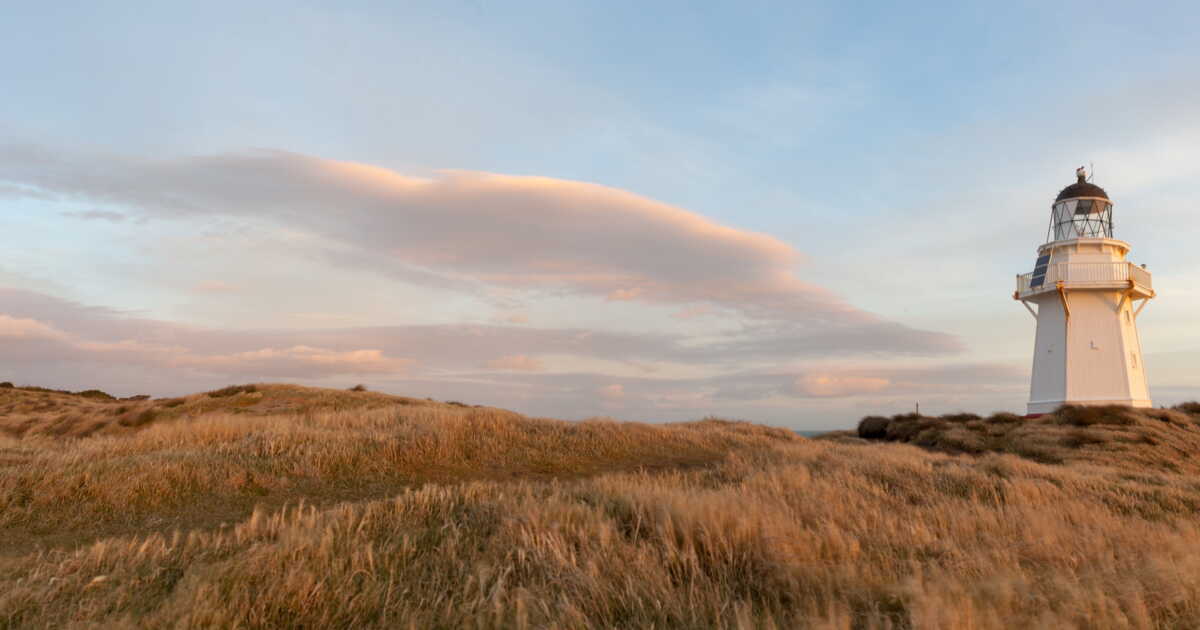
In response to the tragic wreck of 1881, a string of lighthouses was built along the Southland coast, including the famed Waipapa Lighthouse, located about 20 kilometers from Slope Point. “Today, sailors are more vigilant. There is better communication at sea and they know how to situate themselves”, says Lloyd Esler with satisfaction. More than just a postcard backdrop, this majestic site reminds us of a truth we often prefer to ignore. Nature, as beautiful as it may be in its wild and uncontrollable aspect, can also be a source of suffering if its power is underestimated.

How to Make the Most of Long-Haul Flights: Secrets from a Flight Attendant

Twelve hours cooped up in an airplane, meals served in the middle of the night, and the sense of arriving exhausted before one’s vacation has even begun: long-haul flights remain a challenge for many travelers. Yet, certain habits can reduce fatigue and help cope better with these endless journeys. After 25 years spent in the skies, British flight attendant Kris Major shared with CNN his tips for traveling in better conditions. From seat selection to mistakes to avoid before boarding, he outlines the practices that truly make a difference.

Sleeping first and foremost, even if that means turning down a meal

For travelers boarding a night flight, Kris Major believes the priority should be to get some sleep. He says that eating before boarding helps prevent losing valuable rest once in the cabin. The issue is particularly significant on the comparatively “short” legs of long-haul journeys, such as a New York–London route, where passengers sometimes have only five or six hours to actually sleep.

In his interview with CNN, the cabin crew member explains that regulars in business travel have already embraced this logic. “Experienced travelers, after takeoff, when you walk through the cabin, you see they’ve disappeared: they’ve pulled the covers up and they’re sleeping”, he says.

The flight staff also advises not forcing yourself to eat when meals are served amid a large time shift. “Most airlines do not plan their meal service particularly around the passenger, the acclimatization and the time zones crossed”, he explains. In short, if the body wants sleep rather than a dinner served at roughly 3 a.m., it’s better to close your eyes.

The steward also recommends bringing your own comfort accessories, even when the airline provides cushions and blankets. An eye mask, a travel pillow, or a personal throw can markedly improve cabin rest. Especially since some gear can be missing on very crowded flights. “That happens, he admits. So I’d say: do as much as possible to ensure your own comfort and your own needs.”

When sleep simply won’t come, it’s nevertheless pointless to push it. Kris Major notes that the body may just not be ready to sleep due to jet lag. However, if a long journey or a meeting awaits the passenger on arrival, he nevertheless recommends trying to rest as much as possible during the flight.

Move around, choose the right seat, and don’t hesitate to take off your shoes

Staying immobile for more than ten hours isn’t harmless for the body. To limit discomfort and promote blood circulation, the steward advises moving regularly, even without leaving your seat. “Move around in your seat, move your legs, do whatever comes naturally: wiggle, move, get the blood circulating if that’s what you need”, he explains.

Regarding comfort, Kris Major also defends a practice that often divides passengers: removing your shoes during the flight. According to him, it helps circulation and improves well-being during long journeys. “We do it ourselves. I think most people do it. It’s the right thing to do if you’re on a long-haul flight”, he asserts. The steward does caution, however, that a minimum of courtesy remains essential, particularly with clean socks.

The seat selection also plays a significant role. For travelers sensitive to turbulence, Kris Major recommends seats toward the front of the aircraft, where movements are less noticeable. Taller passengers may prefer seats near the emergency exits to gain more legroom.

He himself always favors the window. “It’s purely a personal preference; I can lean against the wall, drop my head, and sleep”, he explains. Conversely, he believes the middle seat remains the worst possible choice on a long flight, especially for those hoping to sleep a few hours.

Finally, the steward advises always to plan entertainment and snacks for the journey. A tablet, noise-cancelling headphones, a power bank, and snacks help avoid many annoyances when the in-flight screen offering films and series malfunctions or when the first meal is late.

In the same series “Our Travel Tips”:

Travel scams: traps that could cost you thousands of euros

Here’s why you should never recharge your phone in an airport

Where and what are the dirtiest places in a hotel room

Miyazaki-Inspired House in China Attracted Tourists, Authorities Demolished It

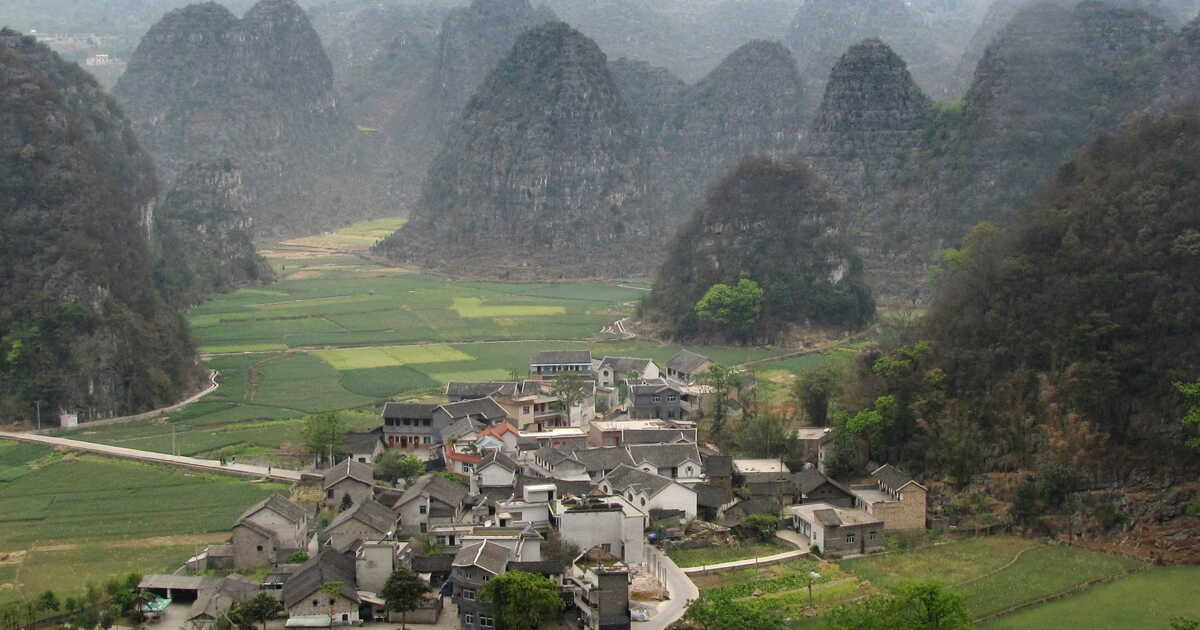
Pendant des années, elle a intrigué les voyageurs de passage dans la province chinoise du Guizhou. Avec ses étages empilés de manière improbable, ses structures en bois et ses échafaudages de bambou, cette habitation hors normes évoquait pour beaucoup les décors fantastiques des films du studio Ghibli, fondé par Hayao Miyazaki et Isao Takahata. Mais cette maison devenue attraction touristique dans le village de Xingyi a finalement été détruite par les autorités chinoises. Une démolition spectaculaire qui met fin à un long bras de fer entre son propriétaire et l’administration locale.

A Structure That Became a Symbol of Resistance

À l’origine, la maison de Chen Tianming n’était qu’un simple bungalow en pierre situé dans le village de Xingyi, dans le sud-ouest de la Chine. Mais à partir de 2018, cet habitant de 43 ans a commencé à transformer progressivement l’habitation familiale en une construction verticale atypique, composée de petites pièces en contreplaqué empilées les unes sur les autres.

Selon l’AFP, Chen Tianming a investi environ 200 000 yuans, soit plus de 25 000 euros, sur une période de huit ans pour donner forme à ce projet. Au fil du temps, la bâtisse a gagné des étages jusqu’à atteindre une dizaine de niveaux. Et sa silhouette pyramidale et désordonnée a rapidement attiré l’attention des touristes et des internautes chinois.

De nombreux visiteurs se sont alors mis à comparer cette maison aux univers imaginés par Hayao Miyazaki, célèbre réalisateur japonais et cofondateur du Studio Ghibli. De “Princesse Mononoké” au “Voyage de Chihiro” en passant par “Totoro” et “Le Château Ambulant”, le studio Ghibli est connu pour ses films d’animation aux décors très détaillés, souvent composés de villages anciens, de bâtiments immenses aux formes irrégulières et d’univers mêlant nature, poésie et fantastique.

De quoi, donc, faire penser aux assemblages de bois, les détails bricolés et l’aspect presque irréel de la maison de Chen Tianming. Plusieurs internautes chinois ont notamment fait le parallèle avec “Le Château ambulant”, un film mettant en scène une immense construction mobile composée d’extensions métalliques et d’éléments assemblés de manière chaotique. Comme dans ce long-métrage, la maison de Xingyi semblait s’être construite progressivement, presque sans logique architecturale classique, au fil des ajouts réalisés par son propriétaire.

Mais derrière cette apparence poétique se cachait un contexte beaucoup plus conflictuel. En 2018, une grande partie du village de Xingyi avait été détruite dans le cadre d’un projet touristique porté par les autorités locales. La région est connue pour ses paysages montagneux spectaculaires, très prisés des visiteurs. Alors que de nombreuses familles ont quitté les lieux, celle de Chen Tianming a refusé de partir.

Le projet de complexe touristique ayant ensuite pris du retard, l’homme a poursuivi la transformation de sa maison, malgré les avertissements répétés des autorités. Ces dernières considéraient l’édifice comme dangereux et dépourvu des autorisations nécessaires.

View this post on Instagram

A Swift Demolition Under Police Supervision

Le conflit a pris une tournure décisive en août 2024, lorsque les autorités locales ont officiellement qualifié la maison de “construction illégale”. Chen Tianming a alors reçu l’ordre de détruire tous les ajouts réalisés au fil des années et de ne conserver que le bungalow d’origine.

Le 18 mai dernier, les autorités de Xingyi ont adressé un dernier avis à la famille, exigeant qu’elle quitte les lieux avant 9h du matin le mercredi suivant. Après l’expiration du délai, des agents des forces de l’ordre et du bureau de la sécurité publique sont intervenus sur place. Selon l’AFP, Chen Tianming et ses parents ont été escortés hors de la propriété avant le début de la démolition. Son téléphone aurait également été confisqué et il aurait été placé en détention pendant l’opération.

Quelques heures seulement ont suffi pour réduire la construction à son état initial. Sur les images filmées après les faits, on distingue des amas de matériaux éparpillés là où se dressait auparavant cette étrange tour devenue célèbre sur les réseaux sociaux.

Malgré la disparition de sa maison, Chen Tianming affirme ne pas éprouver de regrets. “Je ne ressens pas de regret, parce que regretter ne sert à rien”, a-t-il déclaré à l’AFP. Il a également ajouté : “Je ne me blâme pas non plus de ne pas avoir réussi à la protéger : c’est simplement que la force qui a conduit à sa destruction était trop puissante”. L’homme espère désormais obtenir une reconnaissance juridique du caractère illégal de cette démolition forcée. “Alors j’aurai une chance de la restaurer“, a-t-il conclu.

These Coastal Trains Offer Europe’s Most Stunning Panoramic Views

Between sheer cliffs, isolated villages and waves that seem to brush the rails, certain railway lines turn a simple trip into a true travel experience. All across Europe, coastal routes let travelers admire spectacular scenery without leaving their seats. From Scotland to the Spanish fjords, and along the Italian coast, these lines attract both slow-travel enthusiasts and lovers of maritime panoramas. And France has its own railway journey capable of rivaling the finest European itineraries.

Trains that skim the ocean as closely as possible

In Scotland, the line linking Inverness to Kyle of Lochalsh threads through some of the UK’s wildest landscapes. Stretching 133 km, it offers glimpses of both the country’s eastern and western shores. After leaving Inverness, the train first follows the Cromarty Firth before venturing into the Highlands. The final twenty minutes of the journey provide a particularly spectacular view of Loch Carron and the Applecross Peninsula.

Further south, Ireland also offers a celebrated coastal route. The line from Dublin Connolly to Arklow tracks the country’s east coast for around 80 miles. The most striking stretch is at Bray Head, where the rail line climbs along a sea cliff. This segment was designed by Isambard Kingdom Brunel, the renowned engineer of the Industrial Revolution. The journey then glides past beaches and the Murrough Wetlands, with the Wicklow Mountains forming a backdrop.

Germany also has a singular line: the connection to the island of Sylt. To reach this North Sea island, trains traverse the Hindenburg Dike, built in 1927 above the Wadden Sea. Since April 2026, high-speed ICE trains have for the first time been able to run on this stretch. The route becomes particularly awe-inspiring at high tide, when the waters envelop the tracks.

Spanish fjords and Italian coastlines

In northern Spain, the line from Ribadeo to Ferrol runs along part of the broad coastline of narrow-gauge railways that skirts the Cantabrian coast. Over nearly 150 km, the train snakes between cliffs, eucalyptus forests and the Galician rías, these large estuaries typical of the region. The route remains relatively little known despite its spectacular landscapes, notably around Ortigueira and Cape Ortegal. The journalist Nicky Gardner describes this journey in The Guardian as “a slow-travel adventure.” He also notes that “the waves crash on the right while a dense eucalyptus forest stretches to the left.”

In Italy, the Calabrian Ionian line offers another striking setting. Between Reggio di Calabria and Soverato, the rails almost continuously hug the coastline for about 160 km. On one side appear the dark peaks of the Aspromonte, on the other the Ionian Sea extending toward the Libyan coasts. According to Nicky Gardner, “no other railway line in Europe hugs the coast with such constancy.” The journey passes through a succession of capes, coves and Mediterranean villages, far from Italy’s major tourist routes.

The Train of Wonders, France’s route that rivals Europe’s finest rail journeys

France also has its own spectacular itinerary with the Train des Merveilles, which links Nice to Tende in the Alpes-Maritimes. Reopened in December 2025 after a year of works, this line climbs about 1,000 meters in elevation over roughly 100 km, spanning the Mediterranean and the Mercantour mountains.

The journey begins just a short distance from Nice’s beaches before quickly delving into the Alpine relief. Built from 1883 onward, the line crosses more than 100 bridges and viaducts and traverses nearly as many tunnels. Some of these are spiral tunnels that allow the train to gain altitude inside the mountain itself.

In The Guardian, journalist Annabelle Thorpe describes “one of Europe’s most spectacular rail journeys.” She also notes “jagged peaks that give the valley road the appearance of a slender ribbon.”

The train serves several perched villages such as Sospel and La Brigue, before arriving in Tende, perched at nearly 800 meters above sea level. The contrast between the azure coastline and the Alpine landscapes is one of the journey’s highlights. Annabelle Thorpe also notes that “it’s amazing to think we’re barely an hour from Nice—we feel as if we’ve been transported to a wholly different region of France.” All that remains is to book!

Messiness and Rudeness: Behaviors French People Find Unacceptable on Planes

Costa Rica, Thailand, Greece, Croatia… Chaque année, de nombreux Français partent en vacances à l’étranger, mais non sans une certaine appréhension à l’idée de tomber sur un voisin de siège désagréable dans l’avion, capable de transformer le trajet en véritable épreuve.

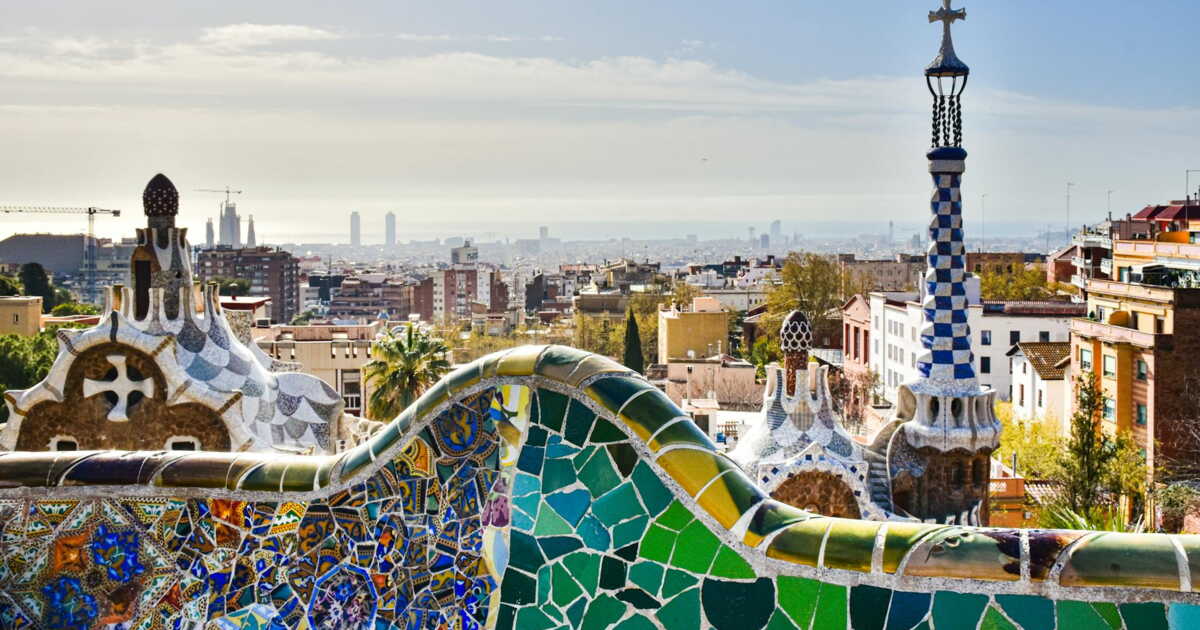
Barcelona: Antoni Gaudí’s World of Stone and Light

Summary


  • The Sagrada Família: between lost heritage and global triumph

  • An architect on the path to beatification

  • Gaudí’s spiritual turning point

  • “With him, nothing was left to chance”

  • Mosaic salamander

  • Fascinated by dragons

  • The art of experimentation

  • The spirit of the “Architect of God” lingers nearby


He could almost touch it by stretching out his arm. Ferran Tomàs, 65, lives in one of the buildings surrounding the Sagrada Família construction site, the Basilica of the Holy Family. The film producer, whose latest movie premiered on Netflix in February, climbs the stairs of the jointly owned building and makes his way to the roof terrace now and then to observe the progress of the work. Jovial, he opens a double-locked metal door, steps over the final step. Straight ahead, the monument rises, casting a heavy shadow over Ferran’s building on this sunny morning. From here, the four-armed monumental cross raised at the end of winter 2026 at the top of the church’s tallest tower, the Jesus Christ Tower, looks gigantic. Its balance seems precarious, above the luminous star crowning the Virgin Mary’s tower, the neighboring smaller one. When Ferran was born, the site had already begun in 1882 and was funded by donations. “When I was little, I used to come and play in the sand piles on the site,” he recalls. There was only the northeast façade, the Nativity, and the first little turrets symbolizing four of the twelve apostles.

Instead of following the builders’ usual sequence—foundations first, then walls, and finally the roof—the flamboyant modernist architect Antoni Gaudí opted to raise an entire façade first, in order to quickly give Barcelona residents a sense of the project he had in mind. A “teasing” aimed at attracting donations and securing financial support to continue this edifice commissioned by a devout Catholic bookseller, Josep Maria Bocabella i Verdaguer, who wanted it to be a “temple of expiation,” where believers could wipe away their sins in exchange for hard cash. “It was like a vertical film set, all flat, that left the Barcelonans utterly indifferent” says Ferran, who, for his part, finds these early structures of the religious building magnificent. The master designer did not see further. On June 10, 1926, Gaudí died after being struck by a tram, at almost 74 years old. The remainder of the basilica, largely built later after the 1992 Olympic Games hosted by the Catalan capital, leaves Ferran Tomàs doubtful: “The church that hordes of tourists come to photograph is very recent. It is not the work of Gaudí.”

The Sagrada Família: between lost heritage and global triumph

Indeed, a large portion of the architect’s plans, drawings and models disappeared in 1936, ten years after his demise, at the onset of the Spanish Civil War, when anti-clerical groups burned his workshop located in a small house adjoining the Holy Family. It is from fragments of models and especially photographs of these models, published earlier in various books, that plans interpreting Gaudí’s logic were redrawn in the 1940s. Today, the question still haunts Barcelonans: is the basilica, as it appears to us, in line with what its creator had imagined? No one dares to decide…

Casa Milà (La Pedrera) in Barcelona: Living in a Gaudí Masterpiece

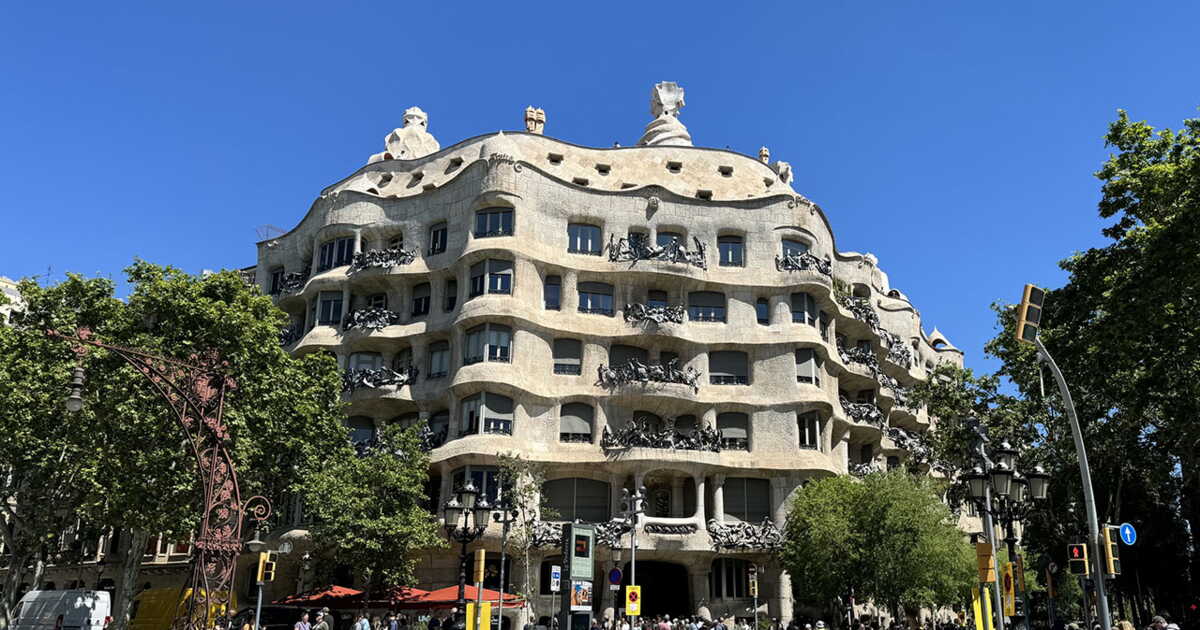
To enter her apartment, Ana Viladomiu, 71, must regularly push her way through, arms full of groceries, among a crowd of tourists queuing at the entrance of her building. Each year, more than a million people flock to 92 Passeig de Gràcia in Barcelona to visit Casa Milà. Referred to as La Pedrera (“the quarry”), because of its austere limestone façade, this structure is a masterpiece of the Catalan Modernism conceived by Antoni Gaudí between 1906 and 1912.

Ana, a writer who has lived here for forty years, has written novels set at La Pedrera and shares her daily life in this unusual place on Instagram; she would not move for anything in the world.

The Privilege of Living in Gaudí’s Pedrera, a Masterpiece of the Catalan Modernism

GEO magazine: How did you end up living in such a monument?

This Green Sand Beach Is One of Only Four in the World: Here’s Where to Find It

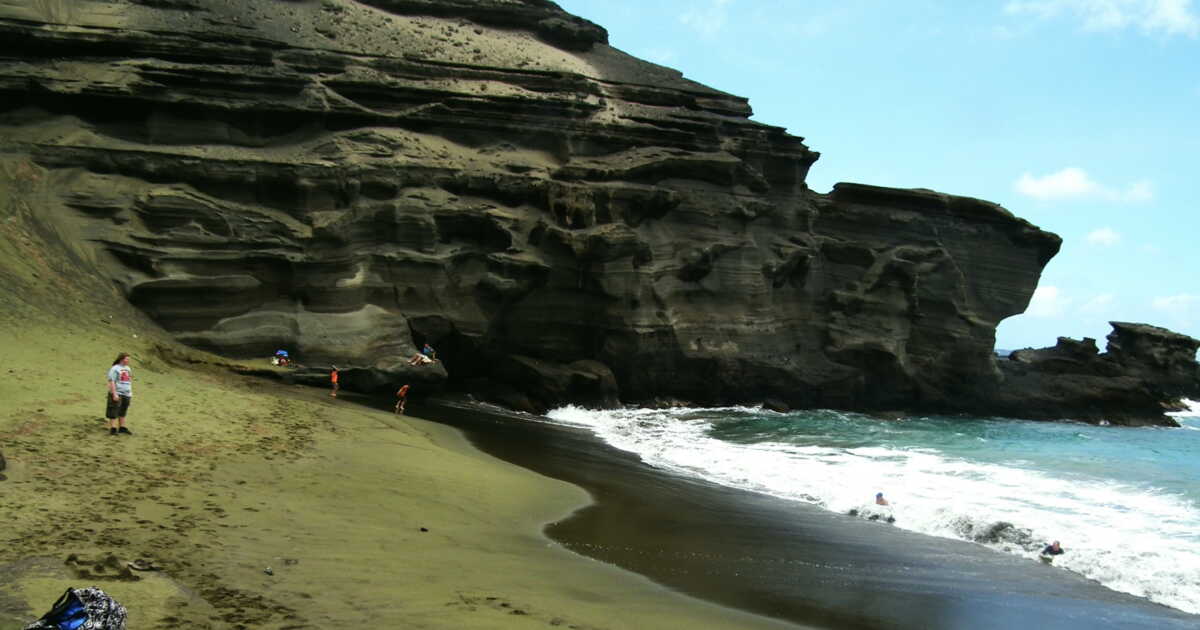
On the island of Hawaii, a beach captivates both geologists and travelers seeking extraordinary landscapes. The reason, its color… green! At first glance, its sand seems artificially dyed by its striking hue. Yet this spectacular setting is entirely natural. Located in the southern part of the Big Island, Papakōlea Beach is among the very few green-sand beaches known on the planet, an exceptional geological phenomenon that draws visitors from around the world each year.

Hiking: 5 Must-See Itineraries to Discover Italy on Foot

They say all roads lead to Rome, and for these five, that’s precisely true. At a moment when hiking is gaining popularity — nearly 30 million French people report having practiced it in the last 12 months, making it the most widespread physical activity — here are five itineraries rich in history and culture, to walk in order to discover Italy differently. From nature trails to villages, the “Antichi cammini d’Italia” (Ancient Paths of Italy) unfold several hundred kilometers across the country, and even beyond to the heart of Europe. All converge on Latium and Rome, and all share the common aim of revealing a preserved Italy.

1/ The Via Francigena, one of the oldest medieval pilgrimage routes

A thousand kilometers through some of the most beautiful landscapes in Italy: a dream come true! The Via Francigena is one of Europe’s most attractive cultural routes. While it links Canterbury to Rome, it is its Italian section that enchants walkers from all over the world the most. From the Grand-St-Bernard Pass to the Eternal City, the Italian stretch, about 1,000 kilometers long in 45 stages, reaches its experiential heart in Latium, through the Tuscia of Viterbo. In Bolsena, on the shores of the eponymous lake, the Eucharistic miracle of 1263 inspired the feast of Corpus Domini; Montefiascone houses the Rocca dei Papi, the papal fortress; Viterbo, an ancient papal city, preserves one of the largest medieval districts in Italy; Sutri offers its Roman amphitheater entirely carved in tuff. At the end of the path, La Storta, the final stop before Saint Peter.

Basilica di Santa Margherita a Montefiascone

2/ The Saint Francis Way: between forests, villages and sanctuaries

This route, both athletic and spiritually infused, connects the most emblematic places of Saint Francis of Assisi’s life. It consists of two branches that converge on Assisi: the North Way, about 190 kilometers from La Verna where Francis received the stigmata in 1224, and the South Way, about 300 kilometers in 13 stages, which traverses Latium entirely from Rome to Assisi. In the heart of Latium, in the Valle Santa of Rieti, four Franciscan sanctuaries concentrate the memory of decisive moments in the Saint’s life: Greccio, where in 1223 Francis made the first crib in history; Fonte Colombo, where the Rule of the Order was dictated; La Foresta, the site of the grape miracle; and Poggio Bustone, where he received the revelation of the forgiveness of sins. Upon arrival in Assisi, pilgrims receive the Testimonium.

3/ The Benedictine Way: on foot, by horse or by bike through the villages of Umbria and Latium

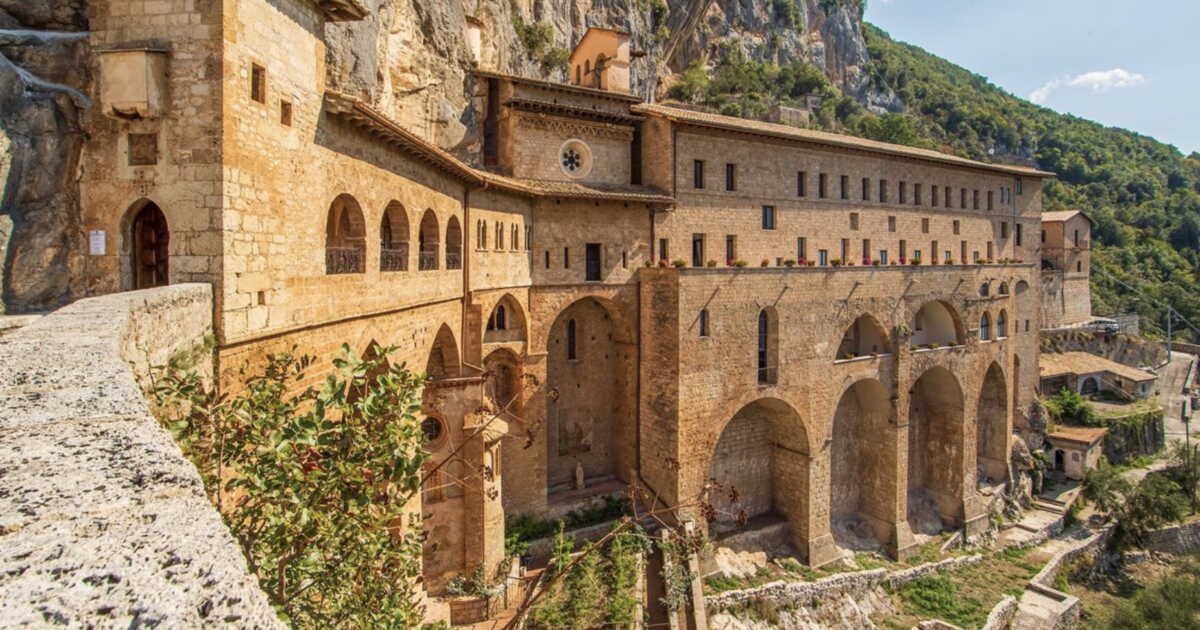
From Norcia in Umbria to Montecassino in Latium, this route exudes a singular spiritual and cultural depth. The itinerary runs about 300 kilometers in 16 stages — and it is in Latium that the longest stretch unfolds, across the Aniene Valley and the central valleys of the Apennines. In Subiaco, the Sacro Speco houses the cave where Saint Benedict lived as a hermit for more than thirty years, while the Abbey of Santa Scolastica hosted in 1465 the first active printing press in Italy. From there the path continues via Trevi nel Lazio, Casamari with its Cistercian abbey, Arpino (birthplace of Cicero), Roccasecca (linked to Thomas Aquinas) and the Melfa Gorges, before culminating at Montecassino, where around 529 Benedict founded the abbey that remains the heart of the Order. Patron of Europe since 1964.

Ponte di San Francesco,Subiaco

4/ The Romea Strata: on the traces of pilgrims from Central and Eastern Europe

The complete route follows the tracks of medieval pilgrims for over 4,700 kilometers across seven countries, from the Baltic and Central-Eastern Europe to Rome. Recognized as a Council of Europe Cultural Route on June 17, 2025, the Romea Strata comprises 245 stages and more than fifty UNESCO sites along its journey. Its Italian section spans about 1,000 kilometers in 47 stages and touches, in Latium, Bolsena, Montefiascone, Viterbo and San Martino al Cimino before reaching Rome as the culmination of the voyage. Since 2024, thanks to mapping work by a network of volunteers, the final stretch no longer joins the Via Francigena: the Romea Strata now has an autonomous entry into Rome, which defines its identity.

5/ The Via Romea Germanica: from Germany to Saint Peter in Rome, following the path of a 13th-century abbot

The Via Romea Germanica retraces the route of Abbot Albert of Stade, who walked in the 13th century from Lower Saxony to Rome. The Italian section measures about 1,050 kilometers from the Brenner Pass to Rome and joins, in Latium, the Via Francigena at Montefiascone. From that point, the two paths merge and together cross the Tuscia of Viterbo: Bolsena, Viterbo — where every September 3 the Macchina di Santa Rosa takes place, recognized by UNESCO as intangible cultural heritage of humanity —, Vetralla, Sutri and the Veio Regional Park, up to La Storta. A northern variant in Latium also passes through Civita di Bagnoregio, the famous “dying city” perched on a tufaceous spur in the heart of the Tuscia.

Along the Antichi Cammini d’Italia, each stage offers a plunge into an Italy still preserved, where history, nature and contemplation blend harmoniously. At the end of these long marches, in Rome and in Latium, it is the living heart of the country that speaks.

Mausoleo di Romolo, Roma

To learn more

Projet financé par l’Union européenne – Next Generation EU « Antichi cammini d’Italia »,
PNRR – Mission M1C3 Investissement 4.3 Intervention 274 – maître d’ouvrage MINISTÈRE DU TOURISME ITALIEN, Agence d’exécution ENIT SpA

Sponsored article by ENIT S.p.A.