

Reykjavik, Sal, Sao Luis, Caracas: New International Routes for TAP Air Portugal


TAP a inauguré sa nouvelle liaison entre Lisbonne et São Luís, au Brésil - DepositPhotos.com, T.Schneider

Attitude Hotels


TAP Air Portugal continues to develop its international network.

The Portuguese carrier is expanding openings and reinstatements of routes from Lisbon and Porto.

From April 1, 2027, it will connect Lisbon to Reykjavík three times a week.

It has also just inaugurated a service to São Luís, in the northeast of Brazil, and has resumed its direct flights to Caracas on October 27.

From Porto, a new service to Sal Island, Cape Verde is now offered twice weekly. These changes strengthen TAP’s connections to several tourist and economic markets.


Four routes to strengthen TAP’s network

The new link between Lisbon and Reykjavík will commence on April 1, 2027 and will be operated three times weekly, on Tuesdays, Thursdays and Saturdays from Portugal. It will run until October and will notably allow French travelers to reach Iceland via the Lisbon hub.

In Brazil, TAP has inaugurated a São Luís service, the capital of Maranhão state, with two weekly flights. The route is operated with an Airbus A321LR of 171 seats, with a layover in Fortaleza on the return. It brings the number of Brazilian cities served by the airline to 15. Round-trip tickets from Paris to São Luís via Lisbon are advertised from 901.69 euros, taxes included.

The airline has also resumed its direct flights between Lisbon and Caracas since October 27. Two weekly rotations are scheduled, on Tuesdays and Sundays. This restart restores an important link for Portuguese- and Portuguese-descendant communities living in Venezuela. Round-trip tickets are offered from 669 euros.

TAP Air Portugal also inaugurated, at the beginning of November, its service between Lisbon and Orlando, Florida. The new direct service operates three times a week on Mondays, Thursdays and Saturdays. Passengers can choose between 34 seats in Business Class, 12 seats in Economy Prime, or 240 seats in Economy.

Finally, departing from Porto, TAP now serves Sal Island, Cape Verde, with two weekly flights. The service is operated with an Airbus A320neo. Travelers departing from Paris can reach the island via Porto starting at 235 euros round trip, taxes included.

The airline also notes that it was honored at the World Travel Awards 2026 as the best European airline to Africa and to South America. It currently offers more than 130 direct weekly flights from Porto.
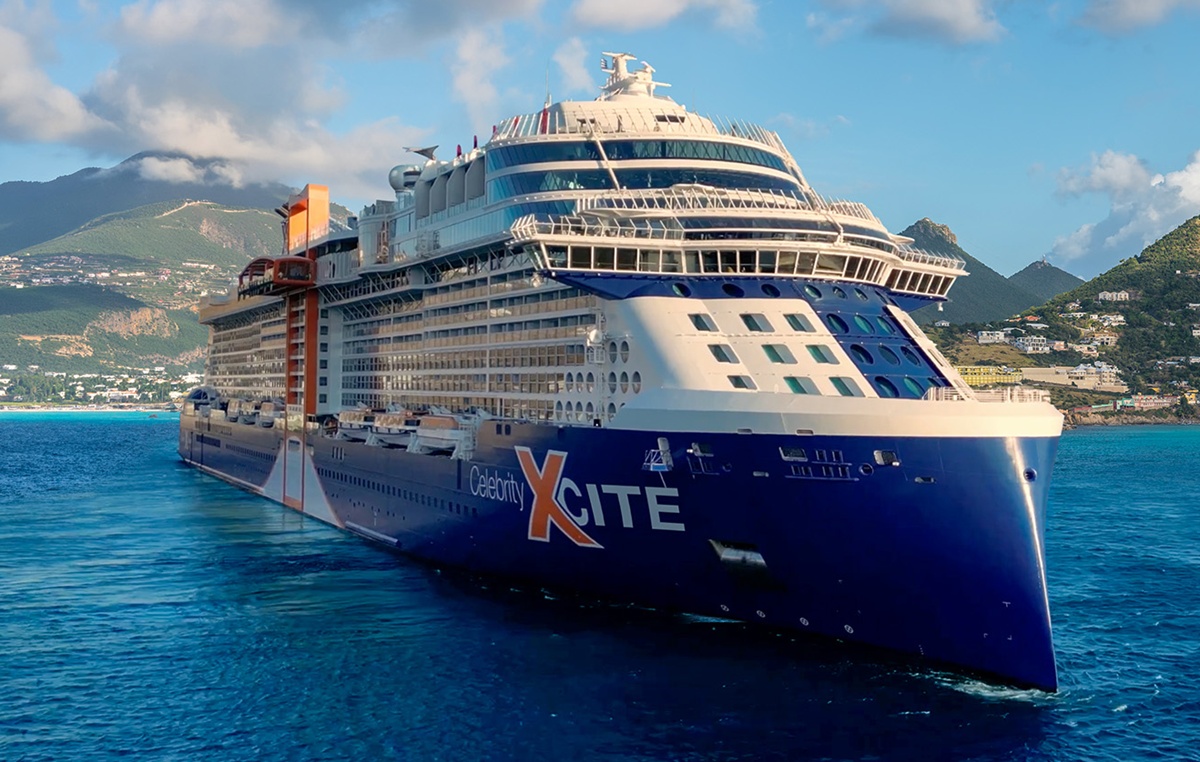
Celebrity Cruises Opens Bookings for the First Season of Celebrity Xcite


Celebrity Xcite, sixième navire de la série Edge - Photo Celebrity Cruises

Attitude Hotels


Celebrity Cruises strengthens its Caribbean presence.

The company has opened bookings for the inaugural season of Celebrity Xcite, the sixth ship in the Edge class, in 2028, according to a press release.

The ship will offer seven-night cruises departing from Miami, with itineraries depending on calls at Saint Thomas, Antigua, Saint Martin or the Dominican Republic. It will join nine other ships of the company, based out of four Florida ports: Miami, Fort Lauderdale, Cape Canaveral and Tampa.


Celebrity Beyond: 3-Night Mini-Cruises on an Edge Ship

For the first time, an Edge-class ship will offer short cruises. From November 2028 to March 2029, Celebrity Beyond will operate nine 3-night mini-cruises to the Bahamas from Fort Lauderdale, as well as six cruises to the Panama Canal.

The Celebrity Eclipse will also offer weekend getaways from Fort Lauderdale, while the Celebrity Summit will run 4- to 5-night cruises from Miami

The Celebrity Silhouette will undertake its first full summer season in the Southern Caribbean (8 to 12 nights), followed by 7-night cruises departing from San Juan (Puerto Rico) starting in October.

The Celebrity Ascent, the Celebrity Xcel and the Celebrity Eclipse will depart from Fort Lauderdale, the Celebrity Summit from Miami, the Celebrity Apex from Cape Canaveral and the Celebrity Constellation from Tampa. The Celebrity Reflection, which is to be renovated in March 2027, will sail year-round from Fort Lauderdale.

The sales for the 2028-2029 winter cruises have been open since November 3, 2026. Those for the summer 2028 will open from December 9, 2026.

“This program also demonstrates our commitment to further developing the brand in the French market in close collaboration with our travel agency partners,” said Emmanuel Joly, director of Cruisepro, in the press release.

Saudi Arabia’s Dream of the Desert Opens Reservations for Its Luxury Train


Arabie saoudite : Dream of the Desert ouvre les réservations de son train de luxe. Un voyage consacré à AlUla doit suivre - Depositphotos.com  Auteur ambeon

Attitude Hotels


Saudi Arabia will host its luxury train across the desert.

Dream of the Desert opened on November 4, 2026 bookings for its first trips in the northern part of the country, according to a press release published at the World Travel Market (WTM) in London. The first departures are scheduled for October 2027 from Riyadh.

The train was developed by the Italian hotel group Arsenale, in partnership with Saudi Arabia Railways. In its first phase, it will comprise 24 cabin-suites, a dining car and a Majlis car.


Dream of the Desert: Two itineraries from Riyadh

The Desert Kingdoms lasts four days and three nights. It traverses the regions of Al Jawf and Ha’il, with a dinner-show at the castle of Dumat Al-Jandal and a stop in the Ajā Mountains. Shadows of Aja lasts three days and two nights.

It connects Ha’il and Al Qassim, with an astronomy evening in the desert and, depending on the season, an extension to the salt flats of Al-Awshaziyah.

A trip dedicated to AlUla must follow. Private formats are also offered: The Signature Escape, for a day, and The Desert Odyssey, over two days in the Ajā Mountains. The departures of the two regular itineraries can be privatized.

Prices start at 86,250 Saudi riyals, or about €19,700, per couple and per suite for a two-night journey. This price includes VAT, meals on board and at stops, as well as the experiences.

Booking is open to travelers as well as travel advisors. “ We invite our international partners in the travel sector to be among the first to discover this offer and to present it to travelers worldwide,” said Ageel Al-Shaibani, Chief Executive of the Saudi Tourism Authority (STA), in the press release.

Bahia Principe: Two Explore Hotels Reopen in Tenerife and Jamaica on December 1


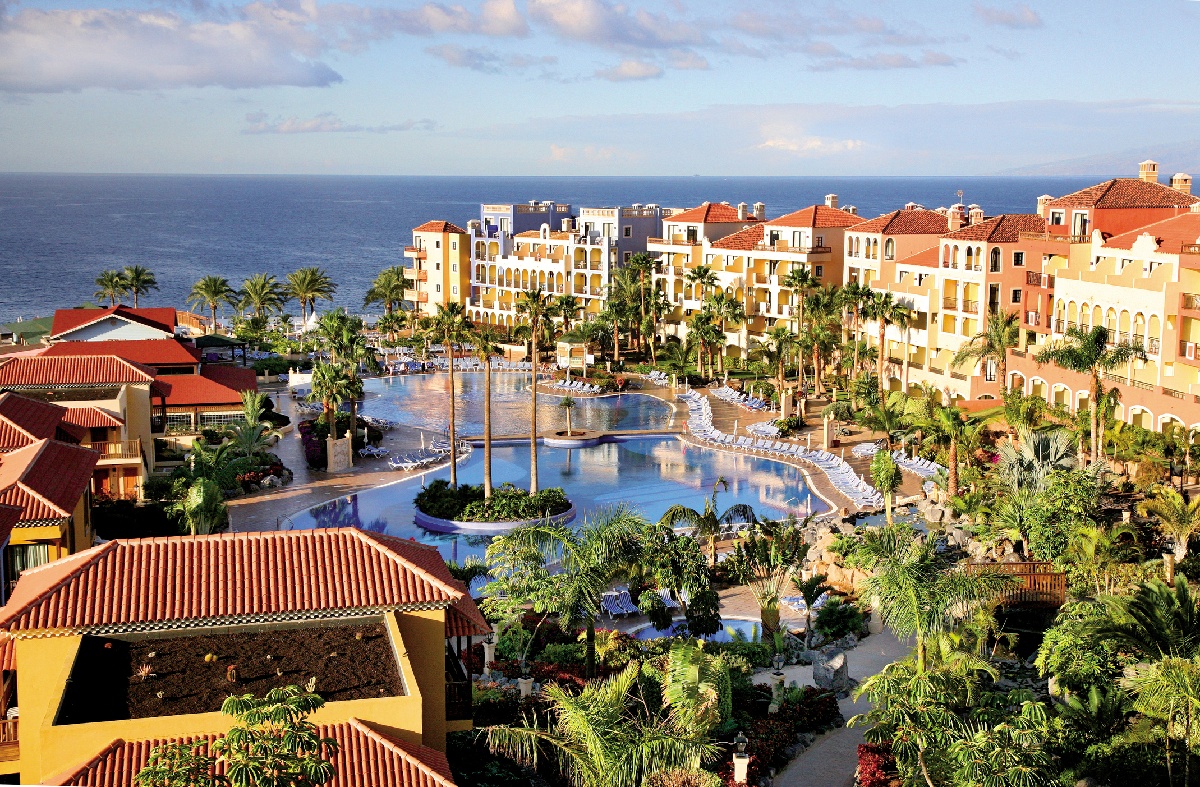
Tenerife : Le Bahia Principe Explore Costa Adeje compte 471 chambres - Photo Bahia Principe Hotels & Resorts

Attitude Hotels


Bahia Principe Hotels & Resorts has relaunched two renovated properties.

On December 1, the group will reopen the Bahia Principe Explore Costa Adeje in Tenerife, and the Bahia Principe Explore Jamaica in Runaway Bay, according to a press release.

The renovations, executed over roughly a year, focused on guestrooms, common areas, dining facilities, and the leisure and activities spaces.

The two hotels belong to the Explore brand, designed for families and groups.


Bahia Principe Explore: 471 rooms in Tenerife, 647 in Jamaica


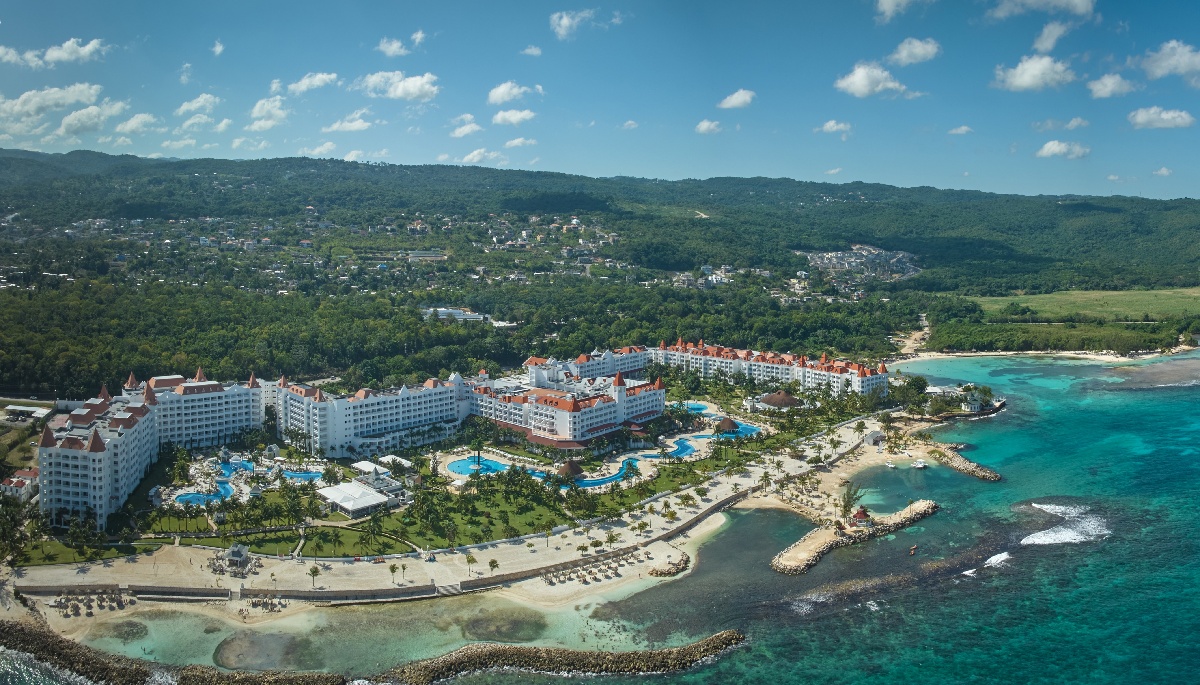
Le Bahia Principe Explore Jamaica dispose de 647 chambres - Photo Bahia Principe Hotels & Resorts

The Bahia Principe Explore Costa Adeje has 471 rooms, three swimming pools, including an infinity pool facing the Atlantic, and four restaurants offering international, Italian, and Mongolian cuisines, with an additional poolside dining option. A Kids Club welcomes children aged 4 to 12.

The Bahia Principe Explore Jamaica features 647 rooms, three pools, and seven restaurants, including a Route 66 concept.

It offers a Kids Club, a water park, patois lessons, and the show “Xaymaca The Show“, dedicated to the island’s history.

For these reopenings, the brand is launching a discount campaign offering up to 50% off at both hotels.

Bahia Principe, which operates 22 properties in Mexico, the Caribbean, and Spain, is owned and managed by a 50/50 joint venture between Hyatt and Piñero. Its resorts are part of Hyatt’s Inclusive Collection.

Thailand: After a 7.23% Drop in Arrivals in 2025, TAT Bets on Value


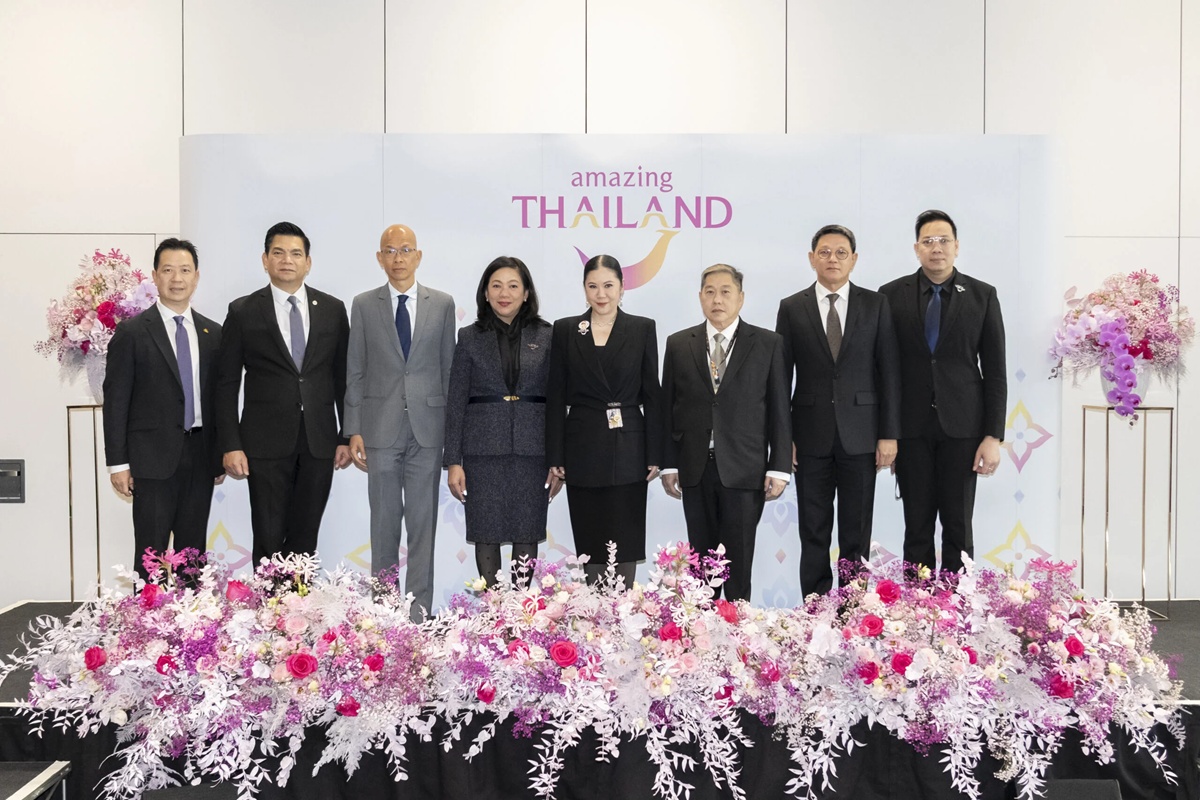
Conférence de presse Amazing Thailand au WTM 2026 - Photo TAT

Attitude Hotels


Thailand revises its tourism strategy.

The Tourism Authority of Thailand (TAT) unveiled its 2027 orientation, “Prioritize value over volume”, during the Amazing Thailand press conference, on the sidelines of WTM London 2026.

It should be noted that the country is coming off a year of decline in tourist arrivals.

In 2025, it welcomed 32.97 million international visitors, down 7.23% from 2024. These visitors generated 1,540 billion baht (40.6 billion euros) in receipts (-4.71%), according to the report published in January 2026 by the Thai Ministry of Tourism and Sports. The Chinese market fell by 33.55%, to 4,473,992 visitors.

Several European markets, however, reached records. The United Kingdom sent 1,083,162 visitors, Germany 965,898 and France 816,935.

For 2026, the Thailand Tourism Authority (TAT) projects more than 31 million international arrivals and tourism receipts above 1,560 billion baht (41.2 billion euros), i.e., an amount higher than 2025 despite a lower number of arrivals.


Links to Secondary Destinations

In 2027, it aims for at least a 5% increase in total revenue and a visitor distribution of 60/40 between major destinations and lesser-known ones.

To this end, Thailand intends to focus on several themes including wellness and luxury travel, as well as regional flights.

The Link Plus program thus connects international markets to lesser-known destinations, such as Takua Pa in Phang-nga, Nakhon Si Thammarat, and the Mekong cruises to Ubon Ratchathani. The TAT aims for a 10% increase in international arrivals to these destinations.

The Thai tourism offering will also be enriched with future luxury hotels such as the Fairmont Bangkok Sukhumvit and the Langham Custom House Bangkok.

The Thailand Tourism Authority has also highlighted Ultra Thailand 2027, which will take place from 20 to 24 June 2027 at the Four Seasons Hotel Bangkok, by the Chao Phraya River. This event will bring together Thai luxury tourism companies and travel professionals from international markets.

Air Europa Celebrates 40th Anniversary in Paris


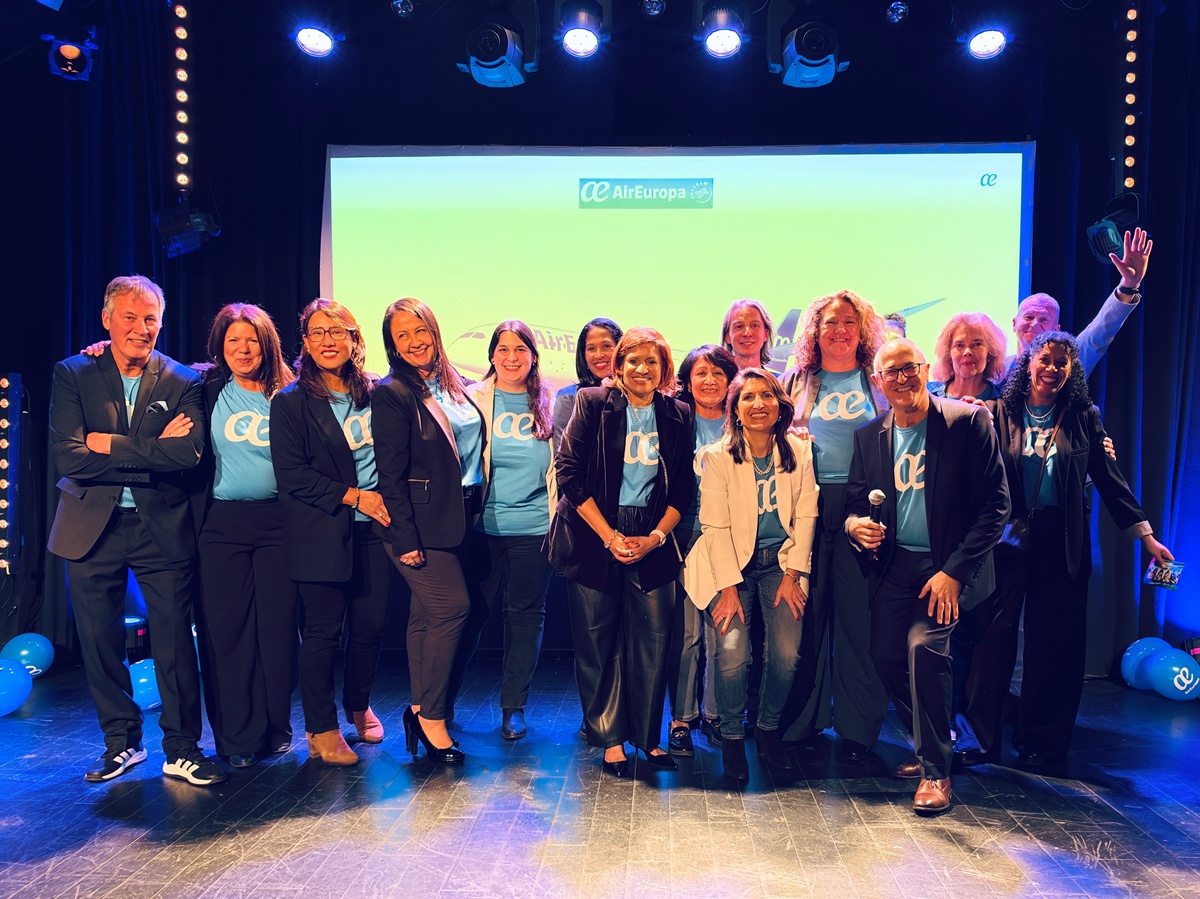
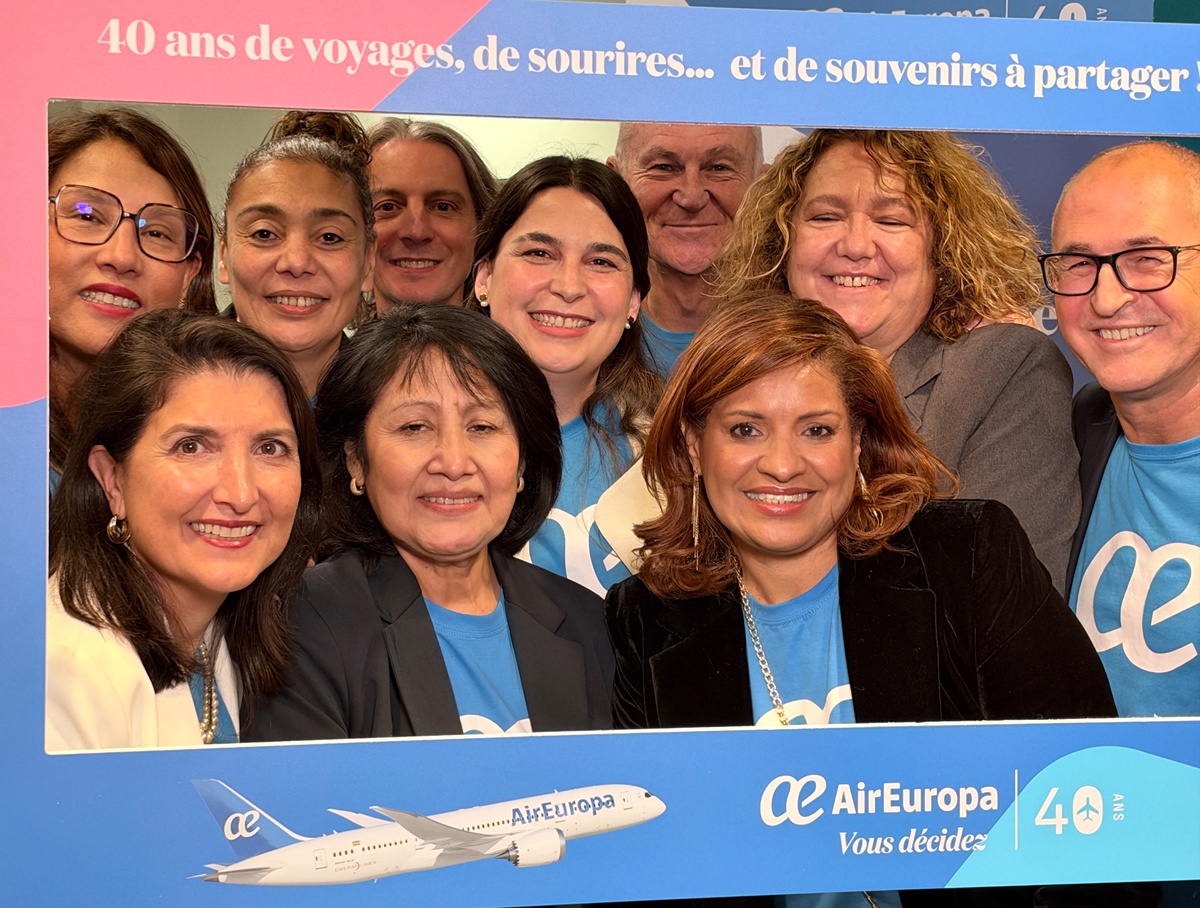
Air Europa a fêté ses 40 ans à Paris - Photo FDL

Attitude Hotels


Air Europa celebrated its 40th anniversary in Paris.

The airline invited a hundred travel agents, tour operators and partners on Tuesday, November 3, 2026 at the Pan Piper in Paris (11th arrondissement), for an anniversary evening with a cocktail reception and surprises!

« Beyond the birthday you’re celebrating tonight, it’s about celebrating a beautiful adventure, because that is the DNA of Air Europa », said Alcino Ribeiro, Chief Executive Officer France and Benelux of Air Europa during the evening.

This journey began 40 years ago with a first flight between Tenerife and London, under the name Air Europe. Today, the path traveled seems immense, as Air Europa operates a fleet of more than 60 aircraft and serves 60 destinations.


Air Europa has been operating from Paris for 30 years


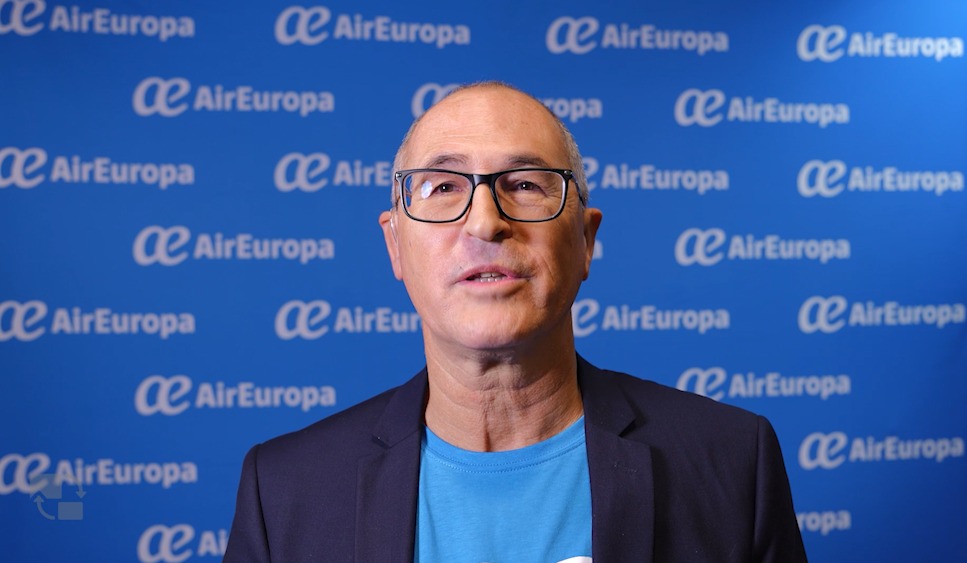
Alcino Ribeiro, directeur général France et Benelux d'Air Europa - photo NC

France holds for the airline a special position: it has operated there since 1996, with departures from Paris.

Alcino Ribeiro expressed thanks to travel agents and tour operators who promote its tickets to their clients, as well as to ambassadors, tourism offices and promotional agencies. You have played, and you continue to play, a crucial role in our development and our success , he emphasized, adding: thank you for your loyalty, thank you for all that you do for us.

Two travel agents had the chance to win the prizes. David Durpest of the Plus Voyages Selectour agency won two Paris–Johannesburg plane tickets, while Angélique Rodríguez of Globeo Travel will fly to the Dominican Republic to discover Punta Cana, Santo Domingo and Santiago de Caballeros.


Air Europa opère depuis 1996 au départ de Paris - Photo FDL

November 5 Strike: SNCF, Airlines, and RATP Disruptions in Transportation


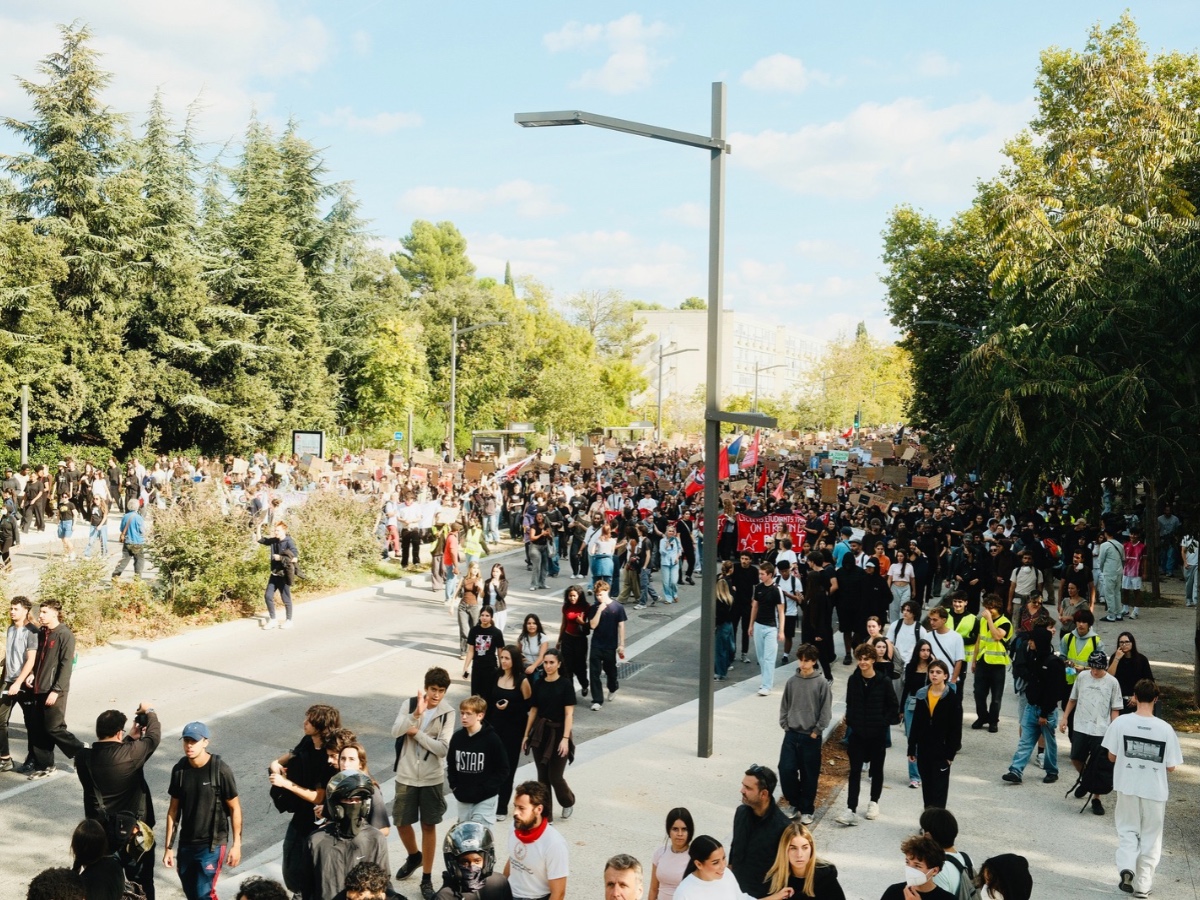
Après les manifestations du 17 octobre (photo ci-dessus), La CFDT, la CGT, Force ouvrière (FO), l’Unsa et la FSU appellent à une grève interprofessionnelle le jeudi 5 novembre - Photo NP

Attitude Hotels


Transportation workers are bracing for a day of mobilization.

The CFDT, the CGT, Force Ouvrière (FO), UNSA and the FSU are calling for an inter-professional strike on Thursday, November 5.

The unions demand a general increase in wages, the reversal of the civil service pay scale index (the point d’indice), the revaluation of pensions and the minimum wage, as well as resources for public services.

At the SNCF, the CGT-Cheminots, the UNSA-Ferroviary, SUD-Rail and the CFDT-Cheminots are calling on railway workers to strike.

At the heart of the four federations’ demands: open negotiations on living and working conditions; the implementation of a Employment policy ensuring that on every worksite staffing levels are sufficient; the preservation of the group’s social unity and of the rights and guarantees of railway workers, and the opening of real wage negotiations.


SNCF: disruptions to be expected on the rails?

Will the call be followed? A first indication of the impact on train traffic was published by SNCF on Tuesday, November 3 in the afternoon.

“As part of the national inter-professional social movement, SNCF Voyageurs train traffic on Thursday, November 5 will be slightly disrupted on TGV routes, and disrupted on Intercités, TER, and on the trains and RER in Île-de-France,” the company stated in a press release.

Line-by-line forecasts will be detailed on Wednesday, November 4. All customers of TGV and Intercités whose train is cancelled will be contacted again and will be able to benefit from exchanges or refunds without any charge for their ticket, the SNCF specified.

For reference, the movement takes place the day before the official TGV M journey between Paris-Gare de Lyon and Marseille Saint-Charles, on November 6.


In aviation, what impact?

The aviation sector is not immune to disruptions.

FO filed on October 29 a notice targeting the DGAC, ENAC, and BEA.

The USAC-CGT, the leading union of the DGAC, calls on the agents of the Direction Générale de l’Aviation Civile (DGAC) to join the mobilization. The same goes for SUD Aérien Solidaires and UNSA Aérien, who are calling for a strike on Thursday, November 5, 2026. Air traffic controllers taking part in the strike must declare themselves 48 hours before the movement.

Contacted by us, the DGAC specified that it has not requested any adjustment to flight programs from airlines for tomorrow.


RATP, RTM… what about the metro, buses and public transports?

In Paris, RATP has not filed any specific pre-notice for the metro, buses, or trams. Nevertheless, Île-de-France Mobilités announces disruptions on certain trains and RER services operated by Transilien SNCF on behalf of Île-de-France Mobilités.

If the service will be normal on the RER A and the K and V lines, only one train out of two will run north of the RER B line and two trains out of three in the southern part (no train changes at Gare du Nord).

One also expects one train out of two for the RER C and one train out of three between Creil and Corbeil-Essonnes; Goussainville and Melun;

Corbeil-Essonnes and Melun via Ris Orangis from 6:15 to 9:30 and then from 16:30 to 20:30 and Juvisy and Malesherbes.

Two trains out of three are planned on lines E, J, L and P (between Meaux and La Ferté-Milon; normal service on the rest of the line).

Finally, expect one train out of two on lines H, N, U and R (between Paris Gare de Lyon and Montargis; Paris Gare de Lyon and Montereau from 5:40 to 9:45 then 16:15 to 22:15; Melun and Montereau via Héricy from 6:00 to 9:30 then 16:30 to 20:00).

In Marseille, CGT-RTM called tram workers to strike for November 5.

RTM announces disruptions (slight in the Marseille metro, 70% of tramway service and 50% for buses) and an ordinary service for school transport, and invites travelers to anticipate their trips.

2026 International Travel Journal Rendezvous: View the Program


For its 26th edition, the International Rendez-vous of the Travel Notebook will bring together nearly a hundred travel notebook artists from France, Europe, and even from farther corners such as India, Malaysia, and the United States.

In addition, other narrative and artistic forms related to travel will be developed: graphic novels, audio diaries, travel narratives, etc.

Nine screenings, forty drawing workshops offered at the heart of the Festival, meetings with traveling writers, round tables, live-sketches (live drawings), exhibitions will animate the weekend while 20 000 visitors are expected.

Alongside the general programming, the Association Il Faut Aller Voir will offer a series of activities specifically dedicated to school audiences (meetings with festival artists or workshops with travel notebook artists, screenings, etc.). This day attracts each year nearly 2 500 schoolchildren, middle school pupils, high school students and university students.


Navigators and prominent figures


L'affiche 2026 du Rendez-vous international du Carnet de voyage - Illustration : Joël Alessandra

In addition to two leading figures in ecological advocacy, the yachtswoman Isabelle Autissier, honorary president of WWF, and Paul Watson, founder of the ocean-conservation NGO Sea Shepherd, the Rendez-vous will welcome other renowned personalities.

Read about this: Paul Watson and Isabelle Autissier brought together in Clermont-Ferrand to talk about nature in danger

A round-table entitled The Middle East, between history and a particularly rich current events, will bring together the war correspondent, writer and diplomat Olivier Weber, the writer and Franco-Iranian journalist Delphine Minoui and the illustrator Jacques Ferrandez, creator of travel notebooks, whose series Carnets d’Orient was republished in 2026 under the title Carnets désorientés (Ed. Casterman).

Together they will attempt to provide perspective on the numerous pieces of information that reach us.

The writer Jérôme Ferrari, Goncourt Prize 2012, will be invited to share his view on mass tourism, a topic that his ongoing trilogy, “Contes de l’indigène et du voyageur” (Ed. Actes Sud) questions.

Jean-Claude Raspiengeas with his work France à la carte (Ed. des Equateurs) and Philippe Vasset with Dans les grandes lignes (Ed. Flammarion) will both propose new ways of reading the French landscape, the former tracing the history of maps and Michelin guides, the latter following the high-tension lines.

The Belgian poet and actress Laurence Vielle will be the guest of honor of Jean-Pierre Siméon for a poetic conversation allowing travel to be approached from literary, spiritual and geographical angles.

At the crossroads of the Travel Notebook and the comic book, graphic novels will have a more important place this year within the festival, as evidenced by the 2026 poster for the Rendez-vous du carnet de voyage created by graphic novelist Joël Alessandra.

A prize will also be dedicated to them and several graphic novel authors will present their works during public meetings followed by autograph sessions.


Meetings with Authors

Also on the program, author meetings :

– Aurel « Méditerranée » (Ed. Futuropolis) ;

– Lucas Landais « Je reviens dans six mois » (Ed. Albin Michel) ;

– Reza Sahibdad « Hazara Blues » (Ed. Sarbacane) ;

– MarieMo « Pied à terre, expédition à bord de l’Océan Viking » (Ed. Antipodes) ;

– Joël Alessandra « Je est un autre » (Ed. Daniel Maghen) ;

– Matthias Bourdelier « Les sourires du vin, Corse immortelle (TTC éditions) ;

– and Zoé Rivière « Pavé de bonnes intentions » (Ed. Cambourakis) will also be present to exchange with visitors about their graphic novels.

On the projection side, the festival will present 9 traveler films such as Marianne Chaud, Jérémy Bigé or Cédric Tassan. It will also highlight other talents such as Zoé Lemaître part of “In the footsteps of pioneers” or Thomas Julienne who seeks to question our relationship with the living.

In addition to the audio diaries, the event aims to open up to the genre of the “Vlog” and will therefore this year welcome the creators of the series “Malle au Q” Hugo and Mathilde.

Key details: Salle Polydôme, Place du 1er mai in Clermont-Ferrand. From Friday the 13th (9am to 7pm) to Sunday November 15 until 6pm.

Mômes Trotteurs: 10 Years of Making School Trips Accessible for All


TourMaG – Could you tell us about your background and how you came up with the idea to launch Mômes Trotteurs ?

Frédérique Lapeyre-Gariglio: In 1994, I was fortunate to join the Air Littoral company, where I worked as a check-in agent at Marseille airport. That was my first encounter with tourism and it felt immediately right. The atmosphere and the vibe matched all my expectations.

Subsequently, I joined Air France at Avignon airport. The organization was quite smaller, but it allowed me to gain a broader view of what air transport entailed and the various services associated with it. I then joined a traditional, independent agency, where I marketed pre-packaged products.

I quickly realized that this was not at all what I was looking for. At that time, the Internet was emerging, so I tried to unpack as much as possible and build the trips as requested. This proved to be a real revelation and the starting point for the creation of Mômes Trotteurs.


Mômes Trotteurs spans the entire world

TourMaG – How did you come to school travel, since it is indeed the specialty of your company ?

Frédérique Lapeyre-Gariglio: I chose school travel because it is what we can sow as a small seed in young children who will be the adults of tomorrow.

It is deeply what motivates me about choosing students rather than adults.

TourMaG – How do you operate?

Frédérique Lapeyre-Gariglio: We mainly work with educational institutions, public as well as private, notably middle schools and high schools.

For the public sector, we respond to tender calls published on a dedicated platform. In the private sector, we rely more on a loyal clientele that reaches out to us again each year.


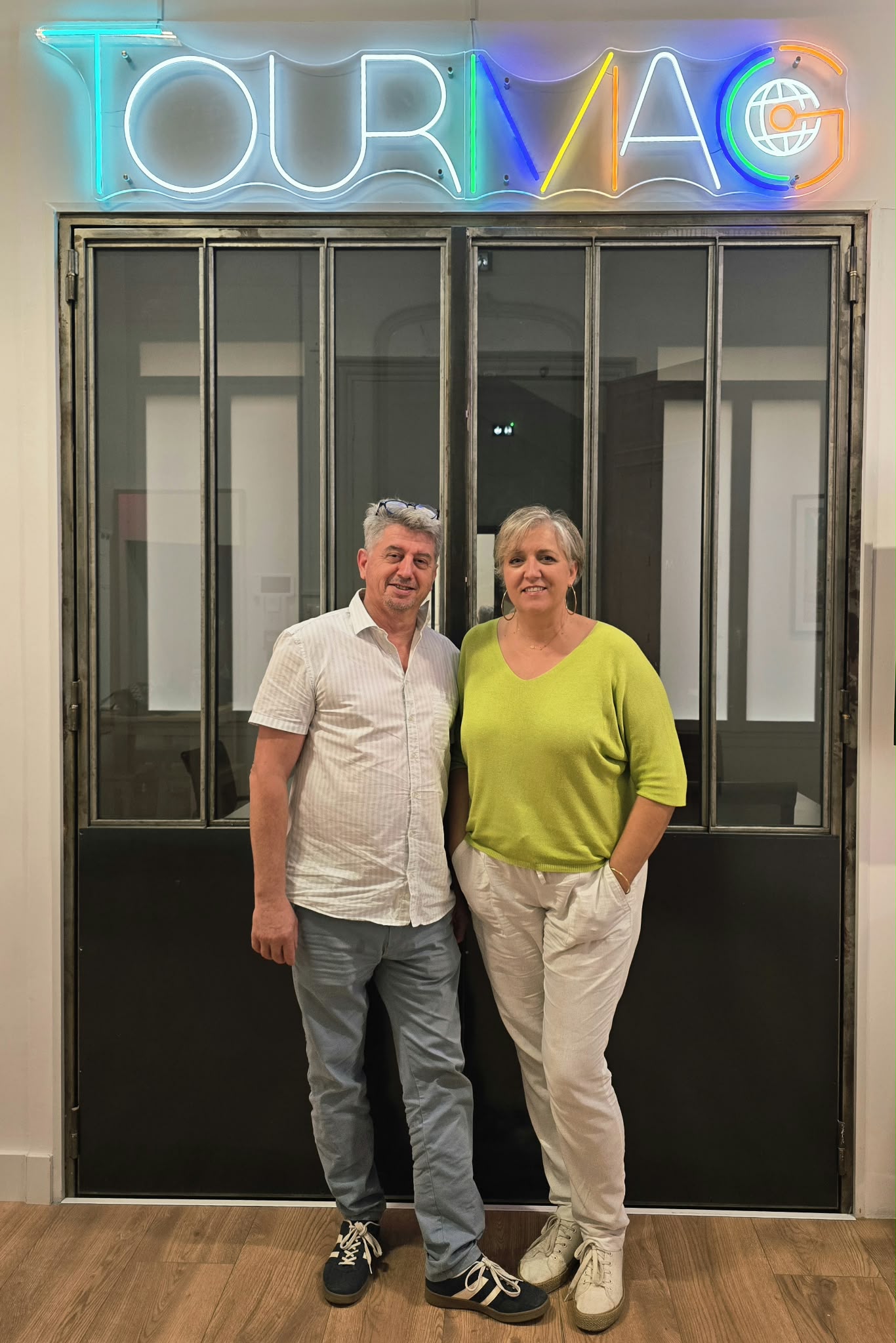
Christophe Gariglio et Frédérique Lapeyre-Gariglio, respectivement directeur général et présidente de Mômes Trotteurs dans les locaux de TourMaG à Marseille - Photo CE

TourMaG – In school travel, we may have the image of children visiting Paris, but there are long-haul trips as well. What destinations do you offer?

Frédérique Lapeyre-Gariglio: School travel is no longer what it used to be when we were younger, i.e. a fairly restricted geographic scope, but it has extended far beyond France and Europe, becoming global.

We send young people to Japan, to South America, to Iceland… All across the world.

TourMaG – Do the teachers choose? Do they set up an educational program around these trips?

Frédérique Lapeyre-Gariglio: Yes, absolutely. At the origin of the demand is an educational project. And from that project, they pair a destination and we work jointly to build this program and implement the trip.

TourMaG – Taking young people to the other side of the world is not trivial. I imagine it carries responsibilities for parents and schools. How do you establish trust?

Frédérique Lapeyre-Gariglio: The responsibility is the same whether I send a group to Italy, Spain, Iceland or to the other side of the world. I apply the same rigor to every element that builds the trip.

The quality will be the same for a trip to Japan or for a trip to Italy. I work with partners who are reliable throughout the entire chain.


Mômes Trotteurs has Erasmus+ accreditation

TourMaG – What destinations are trending? Are there destinations that are emerging?

Frédérique Lapeyre-Gariglio: There is always a very strong demand for classic countries like Spain, Germany and England. One of Mômes Trotteurs’ specialties is to move beyond these destinations.

We tend to offer more atypical destinations. We have new requests that perfectly match what we are capable of delivering, such as Morocco, Turkey and Egypt. These are destinations that currently stand out a bit from the crowd.

These destinations bring a mindset shift that is completely different because they confront cultures that can be very different, a religion entirely different, and a different way of life. Facing difference is the most beautiful thing we can offer to students.

TourMaG – You also offer Erasmus+ stays. What is that about?

Frédérique Lapeyre-Gariglio: Indeed, we have received Erasmus+ accreditation to organize this type of trip. It is highly requested at the moment. It allows schools to connect with another school in the country.

It is either a simple exchange of coursework, or it can go further when students are hosted by their counterparts.

The advantage is that Erasmus+, through Europe, awards a grant that can be quite substantial to schools. They can then allocate this funding according to destinations. There are two possibilities: either schools use this funding and do not ask families for any participation, which puts everyone on an equal footing and lets all students travel. Or they request a small contribution, which allows us to offer slightly more comprehensive projects with somewhat higher-end services.

TourMaG – You also work with the system of host schools.

Frédérique Lapeyre-Gariglio: Yes, this is what we call pairing arrangements. This is becoming increasingly common, notably in the United States or even in Asia.

Schools have to find other schools abroad themselves. They locate a partner and, before arriving there, they will do a supplementary visit; for instance, across the Atlantic, they might spend three or four days in New York. Mômes Trotteurs’ role is to handle this logistical portion.

We handle the visits and accommodation in New York. After that, the children join the stay with their host counterparts.


From standalone transport to tailor-made travel

TourMaG – You offer bespoke trips to educational establishments, but you also offer stand-alone transport.

Frédérique Lapeyre-Gariglio: Yes, indeed, because especially in the context of exchanges, institutions may request simply an airline ticket, but also a train ticket, whether in France or Europe. We offer a truly à la carte service: either the client asks for a transport package, including visits and lodging, or just part of it, or only visits, or solely lodging. We are truly attentive to bespoke requests.

TourMaG – In the industry, we talk a lot about artificial intelligence. Have you adopted it and how?

Frédérique Lapeyre-Gariglio: Well, adopting it yes, because I believe we are at least required to have some knowledge. For us, AI helps us only in our daily work to save time, but not at all for constructing the trips and even less for the exchanges we have with the teachers, because we truly work in the human dimension.

What matters for us is to have a direct relationship with the teachers.

TourMaG – So, in back-office, yes, but in the relationship, no.

Frédérique Lapeyre-Gariglio: Exactly. And as you mentioned earlier about responsibility, that is where our responsibility ends in the use of AI.

Regenerative Tourism: How to Apply Its Principles to Your 2027 Strategy


Le tourisme régénératif invite à changer de perspective : on mesure ici ce que l’on contribue à préserver, à restaurer et à renforcer - DepositPhotos.com, doidam10

Attitude Hotels


Tic-tac, tic-tac… The year-end is softly approaching, and you’ll surely start gearing up for your 2027 strategy.

So, I feel like playing fortune-teller and offering a small prediction: in 2027, tourism companies that want to stay ahead will take a close interest in regenerative tourism!

The idea? Rather than merely limiting the negative impacts of tourism, they will actively contribute to restoring and strengthening the territories that sustain it. This is the core ambition of regenerative tourism.

Behind this concept that is gaining visibility lies a very concrete question for professionals: how can we move from good intentions to a real strategy?


Preserving biodiversity, reducing CO₂ emissions, promoting local supply chains, and raising traveler awareness… These actions are essential, but can they be enough to make tourism truly beneficial for regions?

Regenerative economy invites us to broaden the reflection: going beyond impact reduction and actively contributing to the vitality of ecosystems, local communities, and the territory’s economy.

So, to prepare your 2027 strategy, here are 5 levers to move from concept to action, without falling into the trap of a new marketing argument!


From Regenerative Economy to Tourism: Changing the Model

What exactly is the regenerative economy?

The regenerative economy proposes rethinking how we create value by placing living systems at the heart of economic decisions. While traditional approaches mainly aim to generate financial value, and while the circular economy seeks to limit waste and preserve resources, regenerative thinking aims to help restore ecosystems and strengthen social equilibria.

In other words, it’s not about simply doing less harm, but creating conditions for living systems to regenerate. This approach draws inspiration from agroecology, which strives to restore soil health and natural balances rather than exploiting resources without considering their renewal capacity.

When applied to tourism, this logic invites us to question the very purpose of the activity: what value will it create for travelers (of course!) but also for residents, local economic players and ecosystems?

Tourism sustainable and regenerative: what’s the difference?

• Sustainable tourism aims to reduce the sector’s negative impacts and preserve resources for future generations.

• Regenerative tourism goes further in its ambition: it seeks to actively contribute to the restoration of living beings and the vitality of territories.

The distinction is important. An accommodation that reduces its water and energy use improves its practices, and that’s already great! But if it also collaborates with local actors to restore a fragile natural milieu, while ensuring its activity does not degrade other resources, it can contribute to a regenerative dynamic. And that’s even better!

A small warning, however : regenerative tourism does not replace sustainable tourism. Reducing emissions, waste and resource use remains essential. No greenwashing here: a positive action will not make the negative impacts of the activity disappear.

Why is tourism particularly concerned?

Tourism directly depends on the quality of landscapes, biodiversity, water, heritage and the welcome of local populations. But its activities can also amplify pressure on resources, natural spaces, housing and residents’ living conditions.


Strategy 2027: 5 levers to move from concept to action

Lever 1: Start from the territory’s needs

The first step is to understand the territory’s challenges and engage with those who bring it to life. So we step out of the office and meet its stakeholders! Threatened biodiversity, tensions over water, recruitment difficulties, struggling shops, loss of know-how, or tourism pressure on certain sites — every territory has its own priorities. To identify them, you can hold conversations with residents, associations, local authorities, natural-space managers and local businesses. The aim is to build projects that meet real needs, rather than simply adding a responsible initiative to a to-do list as long as your arm.

An example : before launching a new nature-based activity, a tour operator can consult site managers and local players to identify sensitive zones, periods to avoid and expected benefits for the territory. This approach may also require accepting that the initial project be adjusted, or even abandoned if its consequences could be detrimental…

Lever 2: Restore living

Biodiversity is a cornerstone of regenerative tourism. Yet, we should strive to go beyond symbolic gestures. Planting trees or organizing a beach cleanup is wonderful, but here again the goal isn’t to stop there. Options depend on the territory and available capabilities: wetland restoration, protection of natural habitats, support for conservation projects, reducing pressure on water resources or rehabilitating existing buildings rather than building new spaces.

A concrete example : a lodging located in a sensitive natural area can collaborate with a specialty association to restore a degraded habitat, while reducing its water use, adapting its facilities and informing guests about the fragility of the environment. The key is to rely on appropriate expertise and to monitor results over time. A restored area alone does not guarantee biodiversity return. It’s essential to assess the actual evolution of the environment. And remember, ecological restoration must never become a pretext to symbolically compensate for degradations that could have been avoided. The priority will always be to reduce impacts at the source!

Lever 3: Benefit the local economy from tourism revenues

A territory comprises landscapes, but also its inhabitants, businesses, artisans, producers and know-how. A regenerative approach must also integrate social and economic dimensions. This can include purchasing from local suppliers, fair compensation of partners, using guides from the territory, passing on know-how, and developing sustainable partnerships with local actors.

A quick example : a tour operator can build an offer with independent hoteliers, local guides, artisans and producers. And beyond their inclusion in the program, they will ensure that partners participate in designing the stay, are fairly compensated, and benefit from durable business relations. This logic aligns with the principles of fair tourism, which emphasize local population participation, sharing economic benefits and building balanced partnerships (source: ATES – Association for Fair and Solidarity Tourism).

Lever 4: Rethink the traveler’s experience

In a regenerative approach, travelers can participate in a local dynamic without bearing sole responsibility for the transformation. It’s up to you to offer experiences that foster understanding of ecosystems, encounters with locals, and discovery of local know-how. This can include guided tours by naturalists, meetings with local producers, artisanal workshops or awareness-raising activities designed with local associations. The visitor will thus better understand the landscape, not merely gaze at it. Some stays can also offer participation in ecological restoration projects, as long as these activities are useful, supervised by specialists and desired by local actors! Here, be mindful of the tourist “savior” trap: locals did not wait for travelers to care for their territory. The professional’s role is to support existing or co-created local projects. Avoid instrumentalizing communities to make the experience more appealing.

Lever 5: Evolve your business model

You’ve understood that integrating regenerative tourism principles isn’t about adding responsible activities to an existing offer. It will inevitably lead you to question your business model, how your company grows and creates value. Should you systematically increase capacity? Is developing a new activity relevant given available resources? How can you better distribute tourist flows without shifting pressures to other places or times? What portion of the value created remains on the territory? These questions apply to hoteliers, travel agencies, tour operators, leisure activities and destinations! In some cases, a regenerative strategy may lead to limiting site visitation, as already done in the Calanques National Park or in Thailand, or to giving up a new infrastructure or rethinking an offer that is not compatible with the territory’s capacity.


How to build your 2027 roadmap?

Now that we’ve said all this, how do we structure our approach?

As usual, there’s no need to overhaul everything overnight. You don’t have a magic wand, so we’ll take it step by step and be transparent with your stakeholders.

1. Take stock: what are the main impacts of your activity? What are the territory’s vulnerabilities and priorities?

2. Engage with stakeholders: residents, employees, suppliers, associations and local authorities can help identify needs and potential actions.

3. Choose one or two priorities: better to have a single, relevant, co-built and followed project than a hundred dispersed initiatives.

4. Define objectives and good indicators: the number of volunteer days or the amount paid to an association does not by itself prove that a territory is regenerating. You should aim to measure real changes, taking into account the local context and, when possible, with expert support. Depending on the project, you could track water consumption, the state of a restored habitat, the share of local purchases, partner remuneration, or the territorial economic impact.

5. Evaluate and adjust: results should be observed over time. If the expected effects are not achieved, you must be able to revise the actions taken.


2027 in sight! So, what contribution do you want your company to make?


Key takeaways for tourism pros

– Start from the territory’s needs : talk with residents, associations and local players before defining your priorities.

– Go beyond reducing impacts : protecting resources remains essential, but also ask how you can contribute to restoring ecosystems and strengthening local vitality.

– Benefit the local economy from your activity : prioritize local partners, local jobs and fair compensation for providers.

– Don’t turn regenerative into a marketing argument : the coherence of your approach and its real effects are what count.


To go further

– Understand regenerative economy : discover the Regenerative Economy Fresque, a collaborative workshop to understand the principles of the regenerative economy and identify action paths at the scale of your company or territory.

– Take stock of biodiversity impacts : consult the biodiversity self-diagnostic tool designed for tourism businesses, created to evaluate pressures, impacts, risks and dependencies related to biodiversity.

– Find tools to take action : explore France Tourisme Durable, the public platform that gathers resources, guides and tools to support professionals in their transition.

– Rethink the management of tourist flows : download the vade-mecum from the Directorate General for Enterprises, which offers ideas to better preserve resources, improve the visitor experience and distribute economic benefits.


Find all articles by Camille Le Guilloux here.


Camille Le Guilloux - DR

An expert in Responsible Marketing, Camille Le Guilloux has set herself the mission to inspire, equip and guide companies toward more ethical and sustainable marketing practices.

Having become an impact-driven info-preneur and facilitator of various CSR awareness workshops (Climate Fresk, 2 Tonnes Workshop, Ocean Fresk, Fresque des Nouveaux Récits), she now supports companies and business students in implementing effective and responsible strategies!

Website: www.kerezenn.com