6 European Beaches That Now Require Reservations

Listening to the sound of the waves while soaking up the sun on your towel is your favorite vacation activity? Be aware that it is now mandatory to reserve certain beaches in Europe in order to hope to access them. Indeed, faced with a constantly growing number of tourists, some highly popular beaches have had to implement visitor quotas and reservation systems to allow everyone to fully enjoy the place.

This is notably the case in Italy, where about twenty beaches now limit the number of people allowed to visit. Some are already showing as full for the summer season. For vacationers who like to follow their impulses, especially during their holidays, this new setup can therefore feel somewhat disconcerting.

Moreover, some beaches go a step further by charging for access via reservation. “This is the first time I’m visiting Italy, and honestly, I hadn’t even thought about the possibility that you might have to pay to access the beach”, a holidaymaker quoted by the Daily Mail said. Meanwhile, another tourist lamented: “it’s heartbreaking to have to book a spot online just to stand on a beach”. Here are six European beaches where you will need to reserve in advance to enjoy their idyllic settings.

Cala Goloritzé Beach in Italy

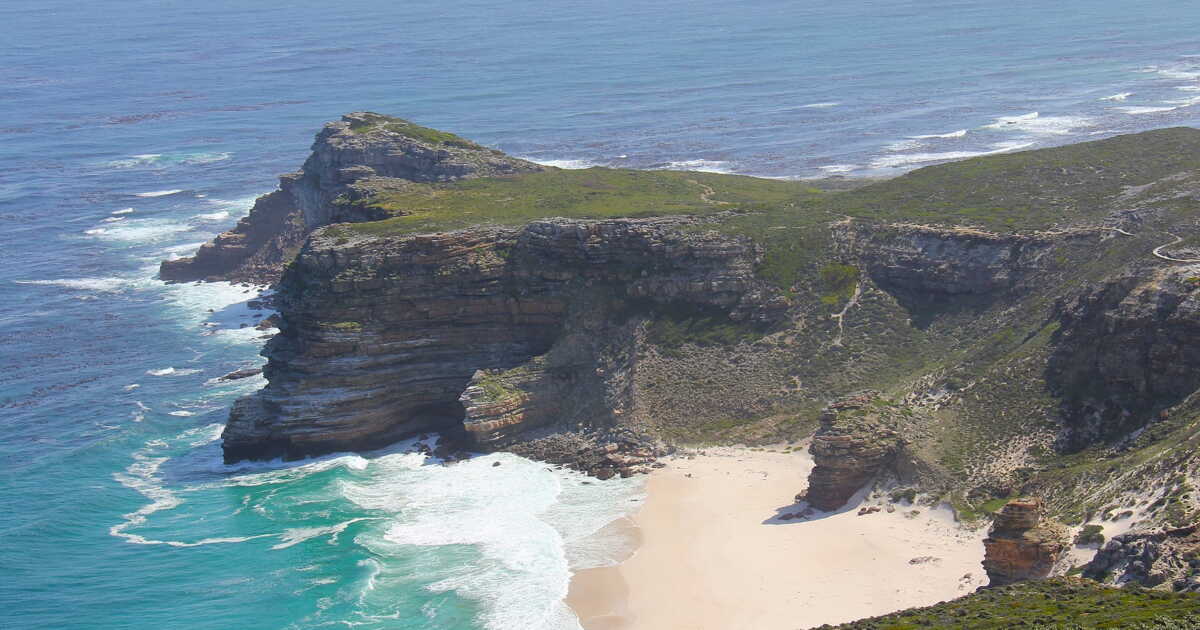
It is a cove in the Gulf of Orosei, located at the foot of the Supramonte di Baunei, on the eastern coast of Sardinia. This beach of white pebbles, 150 meters long and 30 meters wide, is bathed in turquoise water renowned for its high transparency. It also offers a remarkable rocky backdrop, with sandstone cliffs, karst pinnacles rising from the sea, and a stone arch shaped by erosion. Its attendance is limited to 250 people. Reservations open three days in advance and cost 7 €. Children aged 5 and under, as well as local residents, can reserve for free.

It is an aerial view of Cala Goloritzé Beach.

Praia das Catedrais Beach in Spain

It is located in Galicia, at the far northwest of Spain, at the seaside resort of Aguas Santas. Its arches and monumental caves give it a unique landscape, earning it the nickname “Cathedrals Beach.” Indeed, its cliffs form vast natural arches reminiscent of medieval cathedrals. During the months of July, August and September, it is necessary to reserve entry to be able to access it. This is also the case during Holy Week, which typically takes place between March and April. Access remains free, however.

Cette photo illustre les célèbres formations rocheuses visibles sur la plage Praia das Catedrais.
This photo illustrates the famous rock formations visible on Praia das Catedrais Beach.

Tuerredda Beach in Italy

It is one of the most beautiful beaches in Sardinia. It sits in the heart of a cove, between Capo Malfatano and Capo Spartivento, in the territory of Teulada, at the island’s southwestern tip. Renowned for its turquoise waters and fine sand, it is accessible only by reservation from June 2 to October 11. Attendance is limited to 1,100 visitors and tickets cost 3 € per person. Visitors then receive a QR code that they must present to gain access to the beach.

The Sugiton Calanque in France

It’s a true little paradise! It sits within the Calanques massif, in the south of the Marseille metropolitan area, near the Luminy university site. “The Sugiton Calanque and the Pierres Tombées are suffering from pronounced erosion due to overcrowding. To protect the sites, the National Park limits the number of visitors by making access subject to a mandatory and free reservation during the peak season,” one reads on the reservation site, which is open on June 20 and 21, every day from June 27 to August 30, on September 5 and 6, and on September 12 and 13. The reservation is free.

Il s'agit de calanque de Sugiton située dans le parc national des Calanques.
It is the Sugiton Calanque located in the Calanques National Park.

The Cala Brandinchi and Lu Impostu Beaches in Italy

The two stunning Sardinian bays of Cala Brandinchi and Lu Impostu both require reservations from June 1 to September 30. Visitors can book their access one or two days in advance only, depending on the period, at a price of 2 € per person. They are renowned for their exceptional natural beauty and crystal-clear waters.

The Sandwich Bay in the United Kingdom

Sandwich Bay is a long sea inlet between Ramsgate and Deal, on the east coast of Kent, England. The coastal area consists of sandy flats with their salt marshes and coastal sand dunes. Public access to the site is blocked by a barrier; there is no mandatory booking system for visitors, but entry is paid. Visitors can purchase seasonal memberships from April 2026 to March 2027 or pay on-site. Prices range from £5 to £16, depending on the vehicle parked.

Il s'agit d'une plage du Royaume-Uni.
It is a beach in the United Kingdom.

Europe’s Coast Nicknamed Cold Hawaii Draws More Visitors

At first glance, there is nothing about this coast that sets it apart from any other North Sea shoreline battered by wind. Yet, for about thirty years, it has built a solid reputation among surfing enthusiasts. Today, this region is undergoing a new metamorphosis: alongside wind-surfing schools and wild beaches, there are now Michelin-starred restaurants, contemporary art galleries, and even an outpost of the National Gallery of Denmark.

An evolution that makes “Cold Hawaii,” in Denmark’s Jutland, one of the most remarkable destinations in Northern Europe.

Waves That Changed the Destiny of This Danish Coast

What to Do in Bora Bora: 7 Ideas for Activities and Outings

Nestled in the heart of the South Pacific, Bora Bora is a sought-after destination famed for its turquoise lagoon, white-sand beaches, and lush green mountains. This island of the Society Islands captivates travelers in search of idyllic scenery and unique experiences. Whether it’s diving into its crystal-clear waters, exploring its mysterious lands, or embracing its rich culture, the question remains: what to do in Bora Bora to fully enjoy this slice of paradise?

1. Exploring Bora Bora’s Lagoon

The Bora Bora lagoon represents one of the most remarkable marine ecosystems in French Polynesia, combining aquatic biodiversity, tourist accessibility, and exceptional scenic value. Protected by a coral barrier, this expansive lagoon space lends itself to a variety of supervised activities, ranging from snorkeling to scuba diving, allowing direct observation of coral gardens, as well as emblematic species such as blacktip reef sharks and manta rays.

These underwater outings are designed to be educational, safe, and suitable for different levels of experience. In parallel, excursions by traditional pirogue (outrigger canoe), by catamaran, or by glass-bottom boat offer a complementary reading of the Bora Bora lagoon, focusing on the color variations of the waters and viewpoints on the island’s relief. All of these activities position the lagoon as a central asset of local tourism, structuring the marine ecotourism offer and meeting visitors’ expectations for a guided discovery of the Polynesian natural environment.

2. Discover the Peaks on a Hike of Mount Otemanu

Bora Bora, with its pronounced relief, is built around two major volcanic summits: Mount Otemanu, the island’s highest point, and its immediate neighbor Mount Pahia. These geological formations, remnants of an ancient extinct volcano, offer a spectacular natural panorama that dominates the entire Polynesian lagoon. If the ascent to the Otemanu cave remains reserved for seasoned hikers, organized tours in four-wheel-drive vehicles (4×4) allow guided exploration of the surrounding hills, making strategic viewpoints over the island, its motus, and its turquoise waters accessible.

These excursions, often guided, also provide illumination on geology, endemic flora, and local history. The contrast between volcanic reliefs and the coral lagoon makes this area a privileged landscape observation site, prized for photography, naturalist documentation, or simply contemplation. Taken together, they position Bora Bora as a destination where geography, tourism, and conservation coexist in a sustainable approach to valuing the territory.

3. Enjoy Matira Beach

The Matira Beach, regarded as Bora Bora’s most emblematic public beach, is a central site in the island’s seaside offering, both for its ease of access and for the quality of its natural surroundings. Its fine white sand, its calm, shallow waters, and its low exposure to currents make it a space particularly suited to open-water swimming, gentle activities like paddle or kayaking, and relaxation.

Unlike other beaches often privatized by hotel complexes, Matira is accessible to all, making it a hub of local social life as well as tourism. In the late afternoon, it becomes a privileged sunset-viewing point, enhancing its appeal as a relaxation hotspot. All of these characteristics position Matira Beach as a key element of the beachfront experience in Bora Bora, combining accessibility, preserved natural surroundings, and versatility of recreational uses.

4. Dive into Polynesian Culture

The cultural experience in Bora Bora forms an essential complement to discovering its landscapes, allowing visitors to access a fuller understanding of the Polynesian identity. Among the core activities, an introduction to local cuisine plays a central role, whether through tasting emblematic dishes such as raw fish in coconut milk, or through culinary workshops that foster the transmission of traditional know-how.

Furthermore, visiting a pearl farm helps understand the production steps of Tahitian black pearls, a craft with high cultural and economic value, from oyster farming to final selection. Finally, some establishments offer a contextualized gastronomic experience, blending Polynesian ambiance, local products, and structured hospitality, reinforcing the link between tourism, gastronomy, and island culture. This immersive approach helps valorize local practices while strengthening the diversity of experiences in Bora Bora, beyond its purely seaside dimension.

5. Engage in a Range of Water Activities

For visitors seeking an active experience in Bora Bora, the island offers a diverse nautical lineup allowing exploration of its lagoon from a dynamic angle. Jet-ski excursions, guided by local guides, provide a quick and panoramic look at the motus and the turquoise waters, while gentler activities like kayaking or stand-up paddleboarding enable autonomous navigation in the lagoon’s calmer zones, fostering landscape and wildlife observation.

More experienced practitioners can head toward kitesurfing, a weather-dependent activity highly valued for the sense of freedom it provides. Finally, big-game fishing, supervised by local professionals, offers a complementary option for those wishing to combine sporting adventure with Polynesian maritime tradition. This variety of activities positions Bora Bora as a destination suited for supervised water sports, integrated into a framework of guided discovery of the island environment.

6. Delve into the island’s history

While Bora Bora is widely recognized for the beauty of its natural environment, it also hosts a lesser-known yet meaningful historic heritage, notably connected to World War II. Guided terrestrial tours, often done in 4x4s, allow you to explore the island’s highlands while recounting the key events of that period, when the island served as a rear base for American forces in the Pacific. Military remnants such as American cannons, still visible on some promontories, testify to this strategic presence and form accessible heritage points of interest.

These structured circuits provide a contextualized historical reading of Bora Bora, enriching the overall understanding of the island beyond its tourist and natural dimensions. Integrating this aspect into your stay helps to grasp how geopolitical issues, on their scale, helped shape local development and left a lasting imprint on the territory.

7. Relaxation and Well-Being

Vacation in Bora Bora is also an opportunity to prioritize rest and physical regeneration, thanks to a well-structured network of spas and wellness centers distributed across the island. These establishments offer treatments inspired by traditional Polynesian practices, incorporating the use of local oils, notably monoï, renowned for its soothing and moisturizing properties. Massage sessions, often performed outdoors or in over-water bungalows, fully benefit from Bora Bora’s exceptional natural setting, fostering complete sensory relaxation.

This approach to island well-being fits into a balanced tourism logic, combining body care, immersive landscapes, and local know-how. More broadly, the diversity of experiences offered on the island—whether focused on nautical adventure, cultural discovery, landscape exploration, or relaxation—enables building a modular stay, tailored to the varied profiles of travelers. By exploring Bora Bora’s different dimensions, everyone can access a complete and coherent experience, revealing why the island ranks among the most sought-after destinations in luxury tourism.

What to do in Bora Bora in 3 days? A balanced itinerary between lagoon, culture, and relaxation

Having three days in Bora Bora offers a concise yet rich immersion into this Pacific jewel. The first day can be devoted to an exploration of the famous lagoon: snorkeling, a pirogue ride, or a trip with a sighting of manta rays and blacktip reef sharks.

The second day allows you to explore the island’s interior, with a hike to Mount Pahia or a 4×4 excursion to explore the American military remnants.

Finally, a half-day of rest on a motu beach or in a Polynesian spa can close the stay. In three days, Bora Bora offers a balance of nature, culture, and rest, provided you optimize every moment.

How many days are needed to visit Bora Bora? Adapting your stay to the diversity of experiences

Visiting Bora Bora requires at least three days to discover the island’s main natural and cultural attractions. However, a five- to seven-day stay allows you to enjoy the island’s rhythm without rushing. Water activities, cultural visits, and simply admiring the lagoon deserve time. Extending your stay is also about giving yourself the luxury of slowing down, in tune with the Polynesian environment.

Those considering Bora Bora as a stop on a broader journey through French Polynesia can approach it in two to three days, but those making it a main destination will benefit from longer stays.

What to do in Bora Bora with family? Accessible activities and shared memories at the heart of the Pacific

Traveling to Bora Bora with family allows discovering a calm and educational facet of Polynesia. The lagoon, calm and shallow in many spots, is conducive to swimming and snorkeling with children.

Boat trips with glass bottoms or motorized pirogues enable wildlife observation with ease. On land, some pearl farms welcome visitors to explain the culture of the black pearl.

Finally, hotels often offer suitable activities: weaving workshops, Polynesian storytelling, or local cuisine. Bora Bora proves accessible to families, provided you choose your accommodation wisely and adjust transportation times.

What to do in Bora Bora when it rains? Exploring the island differently through local crafts and cultural discoveries

Even in the rain, Bora Bora retains its appeal. If nautical activities are limited, other options are available. The craft centers of Vaitape offer insights into wood, fabric, and pearl work within covered spaces. The spas, numerous across the island, provide traditional treatments inspired by Polynesian knowledge.

Some cultural excursions, such as visits to archaeological sites or dance and music workshops, can take place indoors. Rain in Bora Bora invites slowing down and turning toward more introspective or educational aspects of travel, often overlooked in clear weather.

This article was drafted with the help of artificial intelligence, then corrected, expanded, and validated by the editors of the staff.

Air Turbulence: Why Flight Turbulence Is Increasing

The seatbelt sign blinking repeatedly, sudden jolts, and objects sliding around the cabin: many travelers feel flights are bumpier today than in the past. And this impression is far from unfounded. Several scientific studies show that certain forms of turbulence are increasing noticeably, a phenomenon that experts partly attribute to climate change. However, experts remind that these episodes are rarely dangerous for travelers who follow safety guidelines.

Climate Change Fuels Certain Turbulences

Recent data indicate a measurable shift in atmospheric conditions. A study from the University of Reading finds that wind shear in the jet stream — the fast-moving high-altitude air current circling the globe from west to east, a factor that fosters turbulence — has risen 15% since 1979. At the same time, clear-air turbulence (CAT), which is particularly difficult to detect — and especially dangerous — has grown by 55% across major airways.

For Emma Henderson, a former captain, the main cause is clearly identified. “Whether we like it or not, the main reason is climate change”, she tells the Daily Mail. According to her, warming in the atmosphere strengthens, in certain regions, the temperature differences between air masses, which intensifies the jet streams.

The pilot also notes that “a stronger wind shear in the jet stream and around it creates more turbulence in clear air, which is particularly difficult to manage because they cannot be seen on weather radar”.

These clear-air turbulences occur mainly at cruising altitude and occur without thunderstorm clouds, which makes them hard to anticipate. The former pilot notes, however, that not all forms of turbulence increase at the same pace. She also observes a recent rise in storms in the United Kingdom, a phenomenon that also contributes to making some flights bumpier.

Climate models suggest that this trend could continue. “Models indicate that if global temperatures keep rising, clear-air turbulence could become more frequent and intense on certain major routes, particularly over the North Atlantic and North America”, says the former captain to the British media.

Why Passengers Should Not Give In To Worry

Despite this rising trend, airlines today have far more powerful tools than a few years ago. Pilots benefit from more precise forecasts and real-time information about turbulence zones, which allows them to adjust their course.

“Pilots have today access to many more pieces of information than we had fifteen years ago,” notes Emma Henderson. When possible, they can slightly modify their route or altitude. “Sometimes climbing or descending by as little as 2,000 feet can yield much calmer air,” she tells the same outlet.

Thunderstorms, on the other hand, are generally avoided. “Thunderstorms are normally completely circumvented because they contain strong turbulence, hail, lightning and powerful vertical currents. Pilots do not hesitate to make a long detour to avoid them” explains the former captain. Clear-air turbulence, however, remains harder to dodge since it is invisible.

Emma Henderson also emphasizes a key point: “The biggest risk linked to turbulence is not the airplane. It is the people inside the cabin who are not strapped in”, she notes. She adds: “Almost all serious injuries related to turbulence involve passengers or crew members being thrown around because they were not belted in”.

Her advice is simple: keep your seat belt fastened even when the sign is off. Modern aircraft are designed to withstand forces far beyond the turbulence typically encountered. In the end, she concludes, turbulence is mainly “uncomfortable” rather than “dangerous”.

Things to Do in England: 10 Must-See Outings and Activities

From the bustling streets of London to the landscapes of the Lake District, passing by Stonehenge, Bath, or the White Cliffs of Dover, England offers a rich diversity of discoveries. Here are 10 must-do ideas for activities to explore the country, whether for a weekend or a longer stay.

1. Explore London

No exploration of England would be complete without an immersion in London, the dynamic capital with unparalleled heritage, culture, and commercial vitality. The city concentrates an exceptional density of iconic monuments, among which the Tower of London, the British Museum, and Buckingham Palace, each offering a structured glimpse into the country’s political, artistic, and royal history. For a contemporary perspective, experiences such as ascending the Shard or a ride on the London Eye allow one to grasp London’s urban expanse as a whole.

The neighborhoods of Camden Market and Soho, meanwhile, embody the most eclectic and vibrant face of the city, mixing alternative music scenes, street food, and underground culture. Finally, shopping enthusiasts will find their anchor on Oxford Street, a major commercial artery, or in the galleries and boutiques of Covent Garden, where craft, fashion, and street performance come together.

2. Admire the Roman Baths of Bath

Just a few hours from the capital, the city of stands out as an essential destination for anyone wishing to explore outstanding historical and architectural heritage. Renowned for its remarkably well-preserved Roman baths, it offers an immersion into ancient Rome through accessible and well-documented ruins that testify to the ingenuity of the period’s thermal infrastructure.

The Georgian-era influence shines brightly in the residential ensemble of the Royal Crescent, whose arc-shaped layout embodies the canons of English Classical aesthetics, extended by the landscaped views of the Crescent Garden. In addition, the Jane Austen Centre offers a literary and biographical reading of the writer’s stay in the city, linking local history to 19th-century British culture. Bath thus stands as a well-realized example of the articulation between antique heritage, Georgian urbanism, and major cultural references, in a setting accessible for both study and strolls.

3. Uncover the Mystery of Stonehenge

The prehistoric site of Stonehenge, located at the heart of the Salisbury Plain, remains one of the most iconic and enigmatic archaeological ensembles of Britain’s prehistoric heritage. Comprising a circle of monumental standing stones erected more than 4,000 years ago, this place continues to fascinate researchers and visitors alike because of the mysteries surrounding its function, whether as a ceremonial center, an astronomical observatory, or a ritual site.

Listed as a UNESCO World Heritage Site, Stonehenge is a must for anyone curious about the Neolithic civilization and the evolution of ancient spiritual practices. The visitor center, modern and well documented, helps place the monument in its historical context with interactive exhibitions and immersive reconstructions.

4. Relax in the Lake District

The Lake District National Park, located in the northwest of England, is one of the country’s most cherished natural spaces, celebrated for the beauty of its glacial lakes, the majesty of its mountains, and the preserved charm of its traditional villages. A UNESCO World Heritage Site, the park provides a structured setting for many outdoor activities, including hiking, cycling, and canoeing, appealing to casual visitors as well as seasoned athletes.

The Lake District is also linked to a rich literary and artistic heritage, having inspired major figures such as William Wordsworth. A stop in the village of Grasmere offers not only the chance to explore this cultural link but also to discover the gingerbread, a local iconic specialty.

5. Discover the Countryside of the Cotswolds

The Cotswolds are one of England’s most iconic rural regions, renowned for their rolling landscapes, golden-hued limestone villages, and well-preserved architecture dating mainly from medieval and Georgian times.

Designated an Area of Outstanding Natural Beauty (AONB), this region provides a structured setting for pedestrian discovery, with a dense network of marked trails enabling a methodical exploration of its built heritage and traditional agricultural spaces. Places such as Bourton-on-the-Water or Stow-on-the-Wold perfectly illustrate the region’s picturesque charm, with quaint bridges, half-timbered houses, and flowery lanes.

6. Sail along the Jurassic Coast

The Jurassic Coast, a UNESCO World Heritage Site, stretches for over 150 kilometers between Dorset and the eastern edge of Devon, and stands as a premier geological site in Europe. This fossil-rich coastline reveals, through its spectacular cliffs, a succession of rock strata spanning 185 million years of Earth’s history, making it a reference point for lovers of paleontology, geomorphology, and landscape reading.

The southwest coastal path, perfectly laid out, offers a structured walking route, delivering both breathtaking sea views and access to beaches where you can observe, or even collect, fossils in compliance with local regulations.

7. Experience the English Pub

No stay in England would be fully representative without a stop at a traditional pub, a true institution at the heart of British social life. Far from being merely a place to drink, the pub serves an essential community function as a space for intergenerational encounters, everyday conviviality, and informal cultural transmission.

Here you will discover a broad selection of , local ciders, and emblematic dishes of English cuisine such as fish and chips or pie and mash, served in an atmosphere often punctuated by weekly quizzes, lively discussions, and sometimes live music. Visiting an English pub not only helps you grasp a fundamental aspect of local life but also invites you to participate in a lively social experience, set within an architectural and cultural framework that centuries of tradition have shaped.

8. Take Part in an Afternoon Tea

Afternoon Tea, an iconic institution of the British lifestyle, embodies a codified culinary tradition that blends refinement, hospitality, and gastronomic heritage. Served typically between 3:00 p.m. and 5:00 p.m., this sipping moment centers around a structured assortment of savory sandwiches, warm scones with clotted cream and jam, and a variety of pastries, all accompanied by a carefully selected English black tea.

Whether in a prestigious hotel like the Ritz in London or in a regional tea room in the Kent, Bath, or the Cotswolds, Afternoon Tea follows the core principles of the Victorian tradition while allowing for local nuances.

9. Discover the Beatles’ History in Liverpool

Liverpool, renowned worldwide as the birthplace of the Beatles, is a must-visit for fans of popular music and contemporary cultural history. The The Beatles Story museum, located at Albert Dock, offers an immersive journey tracing the band’s career through original artifacts, recreations of iconic spaces, and archival sound. A stroll through Mathew Street reveals the places associated with their beginnings, notably the Cavern Club, contributing to an urban narrative of their ascent.

Beyond this musical heritage, Liverpool also distinguishes itself by its artistic dynamism, illustrated by major institutions such as Tate Liverpool, dedicated to modern and contemporary art, or the Museum of Liverpool, which contextualizes the city’s social and maritime development.

10. Hiking the Cliffs of Dover

The White Cliffs of Dover, recognizable by their calcite whiteness, stand as one of the most emblematic natural landmarks of England’s southern coast, both geographically and symbolically. Overlooking the Channel, they offer, via well-maintained trails, expansive seascapes with the possibility, on clear days, of catching sight of the French coast.

This protected area, managed by the National Trust, provides an accessible experience thanks to a network of marked trails suitable for varying levels of practice. The Visitor Centre offers educational resources on the local biodiversity, including seabird species and coastal vegetation. In short, this site embodies the fusion of natural heritage, tourism accessibility, and scenic value.

Which is England’s most beautiful region? Between natural charm and cultural heritage

For landscape lovers, the Lake District, a UNESCO World Heritage Site, stands out with its peaceful lakes, green mountains, and stone villages. For those seeking literary and architectural elegance, the Cotswolds reveal a refined and preserved rural lifestyle.

The Jurassic coastline of Dorset, with its chalk cliffs and fossil beaches, appeals to geology and nature enthusiasts. Each of these regions embodies a distinct facet of English identity, between history, scenery, and restrained emotion.

Why the British Museum remains essential to understanding world history

Among London’s major cultural institutions, the British Museum stands as a global reference for the preservation and transmission of heritage. Founded in 1753, it houses over eight million objects tracing the arcs of civilizations—from Mesopotamia to Egypt, from ancient Greece to Asia, and not forgetting African and Indigenous American cultures.

Its impressive collection, including the Rosetta Stone or the Parthenon sculptures, makes it a unique educational tool for understanding humanity’s evolution. Beyond its historical importance, the museum also embodies the United Kingdom’s central role in the story of global exchanges. Free to visit, it reflects a commitment to cultural openness, while raising contemporary questions about the provenance of artworks.

Which city to visit first in England?

England offers remarkable urban diversity, and choosing a city to visit depends first on your interests. London remains an obvious choice for a first immersion: a cultural, economic, and historical capital, it concentrates world-renowned museums, contrasting architectures, and a gastronomy scene constantly evolving.

For a less dense but equally rich alternative, York charms with its preserved medieval heritage and history-laden alleyways. Art lovers may prefer Manchester or Liverpool, cities undergoing a cultural revival. And Oxford and Cambridge offer a prestigious setting where university heritage meets tranquil elegance. Exploring a single English city is always stepping into a unique narrative, balancing tradition and modernity.

Family-friendly England: which destinations to prioritize for discovery and serenity?

Planning a family trip to England means balancing practicality, safety, and a rich array of activities. London offers numerous experiences suited for children: interactive museums like the Science Museum, urban parks such as Hyde Park, or playful exploration of the Harry Potter studios.

For a slower pace, the Cotswolds region, with its picturesque villages and marked trails, offers an ideal alternative to reconnect with nature. Brighton, a friendly seaside resort, also attracts families with its coastlines and relaxed atmosphere. England is thus well-suited to family trips that are instructive, accessible, and enriching within a controlled and diverse setting.

Weekend in England: which cultural getaways provide a memorable immersive experience?

Heading to England for a weekend means selecting the essentials in a brief time. For a first discovery, London offers a density of experiences unmatched anywhere, with a fluid transport network and must-see places accessible within a few hours: the British Museum, Tower Bridge, Tate Modern.

But other English cities also lend themselves perfectly to a short stay. Bath, with its Roman heritage and Georgian architecture, offers a calming cultural pause. Bristol or Oxford likewise allow weekends rich in discoveries without leaving the south of England.

This article was written with the help of artificial intelligence, then edited, expanded, and validated by the newsroom journalists.

The Massif Central: A Pilgrimage Between Gévaudan and the Cévennes Along Medieval Paths

Summary


  • Shirtless and Pantless


  • A Common and Amusing Bird


  • Charity Well-Ordered…


  • Ah, the Little White Wine!


  • Infinity, and Beyond

“Clack, clack, clack!”: my wooden clogs hammer the pavement. Half an hour ago, I wore a hoodie and sneakers. Now I am dressed as a pilgrim, head to toe: linen cap, braies, boots, and these odd wooden sandals, which in the Middle Ages were slipped over shoes to protect them from cold and damp… But whose sole function at the moment, as dawn barely breaks over Aumont-Aubrac, appears to be to disturb the quiet of the small fog-wreathed town.

Shirtless, Pantless

It is here, in Lozère, in the former province of Gévaudan, that my adventure begins: a 270-kilometer trek in the skin of Guillaume Coutel, a fictional yet historically plausible character I invented for the occasion. The aim of the experience is neither playful nor folkloric: by donning the XIIIth-century pilgrim’s garb, I seek to understand history through action. To feel also what it meant to walk, at a time when the main means of locomotion was… the feet! I have pushed the sense of detail to the extreme. Take my wool cloak. This medieval mantle varied in length according to social status: to the waist for the humble, to the ankles for the wealthy. For my character, a well-off cutler by trade, I chose a flattering mid-calf length. First surprise: in the deserts of the Aubrac, where I now roam above 1000m in altitude, I love moving about in a robe! A light wind blowing between my stockings makes me feel far warmer than in pants!

Mount Lure: A Hike Through Giono’s Lands of Freedom

“Hill after hill, you rise on one side and descend on the other, but each time you descend less than you have climbed. Thus, little by little, the earth lifts you up without pretending.”

Thus, Giono describes a journey from Manosque heading north, in Regain, one of his early novels (1930). The mountain that fuels the writer’s heart is the Lure, a massif of the Southern Prealps rising to 1,825 m.

The land of free men

What to Do in Kuala Lumpur: 10 Outings and Activities

Kuala Lumpur, the vibrant capital of Malaysia, is a city that never sleeps, a place where culture meets modernity and where the old coexists harmoniously with the future. If you’re wondering what to do in Kuala Lumpur, this article aims to explore the many facets of this dynamic city to offer a variety of activities suitable for all types of travelers, whether traveling solo, with family, or with friends.

1. Explore the Petronas Towers and the KLCC Park

No stay in Kuala Lumpur would be complete without a visit to the Petronas Towers, which over the years have become the city’s undisputed symbols. Dominating the skyline at a height of 452 meters, these iconic twin towers offer from their observation deck a panoramic view of the Malaysian capital’s urban fabric.

Located at their base, the KLCC Park provides a natural counterpoint to the vertical surroundings, with its tree-lined avenues, rest areas, and musical fountains that punctuate the day. To avoid crowds, advance ticket booking is strongly advised, especially during peak tourist seasons. Together, the Petronas Towers and the KLCC Park illustrate Kuala Lumpur’s ability to combine architectural modernity with accessible relaxation spaces, offering visitors a balanced experience between urban contemplation and a nature break in the heart of the city.

2. Discover Batu Caves

About fifteen kilometers north of Kuala Lumpur, the Batu Caves form a major site that blends Hindu religious heritage with geological interest, attracting thousands of visitors and pilgrims each year. This complex of limestone caves, whose origins go back millions of years, houses one of the most important Hindu shrines outside India, dedicated to the god Murugan.

The 272 colorful steps leading to the main cave provide a physical and visual experience, punctuated by monumental statues, monkeys roaming freely, and spectacular rock formations. Easily accessible by public transport or taxi from the city center, Batu Caves stand out as a must-visit to better understand Malaysia’s spiritual diversity and to discover a place where the natural dimension strengthens the symbolic power of the site.

3. Visit Central Market and Chinatown

The Chinatown district in Kuala Lumpur is a flagship convergence of popular culture, local cuisine, and lively commerce, offering an immersive glimpse into one of the city’s most vibrant facets. The street-food stalls, presenting a wide range of traditional Chinese and Malaysian dishes, contribute to a striking olfactory and visual atmosphere, especially in the evening.

Nearby, the Central Market—an old covered market refurbished—presents itself as a must-visit for purchasing handicraft souvenirs, handmade items, and representative works of local craftsmanship.

This district, cherished by both visitors and locals, invites bargaining, a common and culturally accepted practice, while enabling a direct discovery of the social and economic dynamics of the historic center. Chinatown and the Central Market thus offer a complete urban experience, combining cultural diversity, artistic expression, and daily life in an accessible and dense environment.

4. Stroll through Bukit Bintang and Jalan Alor

The Bukit Bintang district stands out as one of Kuala Lumpur’s nerve centers for shopping, food, and nightlife, dense with modern shopping malls, international restaurants, specialized cafés, and trendy bars. Renowned for its accessibility and constant energy, it serves as a prime waypoint for travelers seeking a dynamic urban experience.

Just a short walk away, Jalan Alor completes this lively atmosphere by offering a comprehensive panorama of Malaysian street food, where one can savor, in an informal setting, a variety of signature dishes such as satay, stir-fried noodles, exotic fruits, and traditional desserts. This area represents a successful synthesis of commercial modernity and culinary tradition, making Bukit Bintang an essential stop for anyone looking to understand the multifaceted urban lifestyle of Kuala Lumpur.

5. Admire the arts at the Malaysian Islamic Arts Museum

The Malaysian Islamic Arts Museum, located in the heart of Kuala Lumpur, stands as a major reference for Islamic artistic heritage in Southeast Asia. Housing over 10,000 pieces, its permanent collection spans a broad spectrum, from religious architecture to ancient manuscripts, including jewelry, ceramics, textiles, and everyday objects, each illustrating the diversity and richness of artistic expressions within the Muslim world.

Displayed in thematic galleries with meticulous museography, these works help deepen understanding of cultural exchanges, regional influences, and the stylistic evolutions that marked Islamic history in Asia. Complementing the visit, the museum offers a peaceful cafe, appreciated for its bright setting and views of the surrounding gardens, providing a welcome moment of rest after exploration. Accessible, well-documented, and pedagogically organized, the Malaysian Islamic Arts Museum stands out as a key place to broaden one’s understanding of Islamic cultures in a high-quality museum context.

6. Relax at Perdana Botanical Gardens

The Perdana Botanical Gardens, located near Kuala Lumpur’s administrative heart, offer a structured green space conducive to outdoor relaxation, leisurely walking, and observing local biodiversity. Arranged around varied botanical themes, this expansive park includes landscaped gardens, decorative ponds, and shaded pathways ideal for a stroll.

Among its main attractions, the Kuala Lumpur Bird Park, integrated within the park, allows the observation of hundreds of exotic bird species roaming freely in a controlled environment. Suited for families, nature enthusiasts, or anyone seeking a green pause in the urban setting, this site stands as a successful example of integrating nature into the metropolitan fabric. The Perdana Botanical Gardens embody Kuala Lumpur’s commitment to environmental preservation and to providing high-quality spaces accessible to all audiences.

7. Step into Brickfields, Kuala Lumpur’s Little India

The district of Brickfields, also known as Little India, stands as one of Kuala Lumpur’s most striking cultural hubs, offering an immersive glimpse into the Indian world as it is expressed in Malaysia. This lively area features specialty spice shops, traditional textiles, artisan jewelry, and devotional articles, along with numerous richly decorated Hindu temples, which bear testimony to the neighborhood’s spiritual and community vitality.

A true commercial and cultural crossroads, Brickfields is especially well-suited to gastronomic discovery, particularly through its Indian restaurants offering authentic, spice-rich cuisine. Easily accessible from the city center, this district embodies Kuala Lumpur’s ethnic and religious diversity, offering visitors a living portrait of Malaysia’s cultural pluralism in a friendly, well-structured, and historically rooted environment.

8. Admire the Thean Hou Temple

The Thean Hou Temple, one of the largest Chinese temples in Southeast Asia, stands out for its elevated setting, offering a panoramic view of Kuala Lumpur and its surroundings. Dedicated to the goddess Mazu, protector of sailors, this place of worship blends traditional Chinese architecture, Taoist symbolism, Buddhist and Confucian elements, and a remarkable decorative richness, notably through its multi-tiered roofs, dragon sculptures, and colorful lanterns.

Beyond its spiritual function, the temple regularly hosts religious ceremonies, cultural festivities, and visitors seeking moments of contemplation or observation. Easily accessible, the Thean Hou Temple is a meaningful stop to understand Chinese religious practices in Malaysia and to appreciate a place where cultural heritage, urban panorama, and architectural serenity come together in a harmonious setting.

9. Visit the Masjid Jamek Sultan Abdul Samad

Situated at the confluence of the Klang and Gombak rivers, the Jamek Mosque is one of Kuala Lumpur’s oldest mosques, a major testimony to the city’s religious and urban history. Built in a Mughal-influenced style blending Indo-Saracenic and colonial elements, it is distinguished by its onion-shaped domes, tall minarets, and finely crafted arcades, forming a remarkable architectural ensemble that contrasts with the surrounding landscape.

Beyond its spiritual function, the mosque offers a tangible entry point to understanding Malaysia’s religious diversity and its multicultural heritage. Open to the public outside prayer times, it makes for a rewarding stop for any visitor aiming to grasp the historical and cultural dynamics shaping Kuala Lumpur’s city center, where traditions and modernity coexist in a structured balance.

10. Discover Aquaria KLCC

Located in the heart of downtown, Aquaria KLCC is a premier educational and family-friendly attraction in Kuala Lumpur, especially for rainy days. This modern aquarium houses more than 5,000 marine and freshwater specimens, spread across carefully recreated environments, offering an immersive experience through glass tunnels that allow close-up observation of sharks, rays, and other emblematic species.

Designed as a tool for raising awareness about aquatic biodiversity, Aquaria KLCC combines educational entertainment with accessibility, right in the KLCC complex. Extending the visit beyond the aquariums, Kuala Lumpur reveals itself through its contrasts—multicultural heritage, contemporary architecture, and lively historic districts. Each urban zone, from the colonial district to modern night markets, provides a unique lens on the country, reinforcing Kuala Lumpur’s image as a complete urban destination, both educational and engaging for every type of traveler.

How many days to visit Kuala Lumpur? Adjust your stay according to your priorities

Asking how many days to visit Kuala Lumpur comes down to defining the pace of the experience you seek. Two to three days are enough to cover the essentials: the Petronas Towers, Batu Caves, the colonial quarter, and Jalan Alor’s markets. But a four- to five-day stay allows for deeper exploration with excursions to Putrajaya or urban parks like Perdana Botanical Gardens.

The city, dense yet well-structured, lends itself to quick discoveries while offering a rich cultural tapestry that deserves a slower pace for those who wish to go beyond the tourist icons. Kuala Lumpur is a multifaceted capital, and its discovery can be tailored to the time available without losing meaning.

What to do in Kuala Lumpur at night? Discovering the city’s nocturnal dimension between gastronomy and urban panoramas

Kuala Lumpur by night reveals a vibrant face, blending architectural modernity with culinary traditions. Food courts such as Jalan Alor or Lot 10 Hutong become major attractors where you can sample Malay, Chinese, and Indian specialties. For an overall view of the illuminated city, skybars located in Bukit Bintang hotels or near the Petronas Towers offer an immersive experience.

Night markets, for their part, allow you to observe local life up close, between crafts and street food. Kuala Lumpur never truly sleeps: its nightlife unfolds through peaceful strolls, gastronomic discoveries, or unforgettable urban panoramas.

What to do in Kuala Lumpur with kids? A city well-suited for family exploration

Exploring Kuala Lumpur with children proves simple and rewarding thanks to a varied offering specially designed for families. The KLCC Park, at the foot of the Petronas Towers, features a large playground and interactive pools. The Petrosains Science Museum, located in the same complex, offers playful and educational exhibits.

The Aquaria KLCC aquarium or the Negara Zoo add a natural dimension to the visit. Outside the city center, the KL Bird Park, located within Perdana Lake Gardens, provides immersion in a semi‑open space, ideal for younger visitors. With a warm but steady climate and accessible logistics, the Malaysian capital is perfectly suited for a family trip, combining gentle learning with the pleasure of discovery.

This article was written with the help of artificial intelligence, then corrected, expanded, and validated by the editorial staff.

What to Do in Hamburg: 7 Essential Outings and Activities

Located in the north of Germany, Hamburg is a metropolis—the second largest in the country—cut by the Elbe, which links it to the North Sea. This city with a rich historical heritage is also a cultural and artistic hub that offers a thousand and one attractions. With so many possibilities available, it can sometimes be difficult to navigate.

1. A Jaunt to Hamburg’s Port

This gigantic maritime hub stands out for the intensity of its activity and the variety of ships that pass through daily, ranging from the imposing freight cargos to the elegant cruise ships. Embarking from this strategic port is to plunge into the bustling world of global maritime transport, to observe up close the logistical dynamics that drive world trade while enjoying a navigation experience like no other.

A cruise departing from a major port offers a privileged vantage point on this aquatic hive where technological modernity and maritime traditions mingle, forming a perpetual spectacle for fans of port industries, commercial geopolitics or simply grand journeys by sea.

2. Miniatur Wunderland, the Magic of the Small

Miniatur Wunderland, located in Hamburg, asserts itself as the world’s largest model rail network, offering an immersion in a miniature universe of remarkable precision. Each section faithfully reproduces landscapes, cities, and life scenes from various countries, animated by thousands of figurines, vehicles and automated trains moving in a day-night cycle.

Accessible to all audiences, this cultural attraction pleases families as much as enthusiasts of technical details, thanks to an interactive and evolving scenography. A visit to the Miniatur Wunderland is a pedagogical and playful experience, where attentive observation reveals the ingenuity of long-term work, celebrated for its ability to captivate visitors over time.

3. Strolling Through Planten un Blomen

Located in the heart of Hamburg, the Planten un Blomen park constitutes a real interlude of urban greenery, where nature coexists harmoniously with the city’s bustle. Renowned for its meticulously maintained botanical gardens, its water features and fountains, this historic park offers a setting ideal for relaxation, strolling, or discovery.

In summer, it becomes a cultural hotspot with outdoor concerts, activities for children and interactive installations, allowing visitors to enjoy a soothing environment without leaving the city center. The Planten un Blomen park thus embodies a form of neighborhood tourism, combining landscape heritage, accessibility and quality of experience in a city where nature is conceived as a public service in its own right.

4. A Time Travel to Speicherstadt

Listed on the UNESCO World Heritage List, the Speicherstadt stands as one of the world’s most notable port warehouses complexes, recognizable by its red-brick façades and its network of narrow canals spanned by many bridges. This emblematic Hamburg district, built between the late 19th and early 20th centuries, testifies to the city’s central role in international maritime commerce.

Today refurbished while retaining its historic character, it houses museums, galleries and cultural institutions, offering an ideal route for fans of industrial architecture, urban history or heritage strolls. Wandering through Speicherstadt is to explore a place where port memory blends with modernity, in a setting conducive to a rewarding and tranquil pedestrian discovery.

5. The Bustling Nights of Reeperbahn

The Reeperbahn district, located in Hamburg’s St. Pauli borough, asserts itself as the beating heart of Germany’s nightlife, renowned for its electric atmosphere and exceptionally dense entertainment options. Known for its clubs, lively bars, theatres and concert halls, it constitutes a magnet for night owls seeking a vibrant urban experience where popular culture, music and spectacle intertwine until the first light of day.

Far from the conventional routes, the Reeperbahn reflects the identity of a city where festivity is regarded as a vector of sociability and artistic expression. Whether you’re a fan of alternative scenes, a late-night wanderer, or simply curious to sense the pulse of a moving metropolis, this district stands as a must-see to experience Hamburg differently.

6. The Elbphilharmonie, an Architectural Boldness

Symbol of Hamburg’s architectural modernity, the Elbphilharmonie rises above the port like a cultural lighthouse, combining contemporary design, state-of-the-art acoustics and exceptional city and Elbe panoramas. Inaugurated in 2017 on the foundations of an old port warehouse, this iconic concert hall has become a reference venue for lovers of classical music and contemporary sound creation, attracting internationally renowned artists.

More than a venue for performances, the Elbphilharmonie embodies the aim of making Hamburg a center of artistic excellence accessible to all. Paired with a rich urban fabric that blends historic heritage, alternative scenes and relaxation spaces, it testifies to the dynamism of a metropolis clearly oriented toward the future. For travelers seeking meaningful cultural experiences, Hamburg stands out as a complete destination, combining urban adventure, a high-quality musical offering and a port city lifestyle.

What to Do in Hamburg in 3 Days? A Cultural and Urban Itinerary to Explore the City in Depth

Visiting Hamburg in three days allows one to grasp its cultural richness, the diversity of its districts, and its openness to water. The first day could be devoted to the Speicherstadt district, a UNESCO World Heritage site, and a boat tour of the port.

On the second day, the Sternschanze district, more alternative, invites immersion into local life, between galleries, thrift shops and independent cafés. Finally, a visit to the Elbphilharmonie and the International Maritime Museum closes the exploration. Three days are enough to grasp Hamburg’s complex identity, between Hanseatic rigor, architectural modernity and an emerging arts scene.

How Many Days to Visit Hamburg? Tailor Your Stay to Your Interests

Hamburg can be discovered in two to three days for travelers seeking an initial urban and cultural approach. This format allows visiting the essential sites: Speicherstadt, the Elbphilharmonie, the shores of the Alster and the St. Pauli district. However, for maritime history enthusiasts, specialized museums, or nightlife lovers, extending the stay to four or five days offers a steadier pace.

The richness of Hamburg’s neighborhoods, highly contrasted, invites a progressive discovery. Each area reveals a facet of the city, from the industrial port to the tranquil shores of the lakes. More than a fixed duration, it is the diversity of interests that should guide the time spent there.

What Is Hamburg’s Specialty? Between Northern Cuisine and Port Tradition

Hamburg’s gastronomy reflects its maritime roots and Nordic influences. Among local specialties, the Fischbrötchen, a small fish-filled sandwich (herring, mackerel, salmon), is enjoyed at markets or by the portside. Labskaus, a more rustic dish based on salted meat, beet and mashed potato, illustrates a culinary tradition linked to sailors’ lives. Historic breweries also offer craft beers paired with regional dishes. The city focuses on the quality of its local products, such as dark rye bread or seafood, and on the elegance of certain starred establishments. Eating in Hamburg means understanding its deep connection to the North Sea and its mercantile history.

What Unusual Activities to Do in Hamburg? Exploring the City Beyond the Classic Routes

For those wishing to get off the beaten path, Hamburg offers a range of unusual activities. A visit to the Miniatur Wunderland, the world’s largest miniature train network, lets you relive childhood memories in a spectacular setting. A canoe ride through the canals or a twilight cruise reveals another facet of the city.

Bunkers transformed into clubs, former warehouses turned into contemporary art spaces, or the Wilhelmsburg district’s alternative vibe offer quirky and immersive experiences. In Hamburg, the unusual often lies in the hybridization of industrial heritage and cultural innovation.

Tourism in Hamburg: Why the City Attracts Travelers in Search of Authenticity and Urban Culture

Tourism in Hamburg continues to grow, driven by a dense cultural offering, an open urban setting and a distinctive atmosphere. As Germany’s second-largest city, Hamburg blends economic dynamism and quality of life, inside a landscape shaped by water. The port, lakes, canals and parks provide a constant breath of relief within a varied urban fabric.

The city appeals to music lovers—thanks to its famous Elbphilharmonie—the architecture enthusiasts, or those who enjoy nightlife in the vibrant streets of Reeperbahn. It is also a destination prized for its confident identity, both rigorous and creative, where each neighborhood asserts its own style.

Which Hamburg Neighborhood Should You Explore First? A Panorama of the City’s Urban Vibes

Each Hamburg neighborhood has its own distinct personality. Speicherstadt impresses with its network of red-brick warehouses on stilts, a remnant of maritime commerce. Sternschanze attracts a young, creative crowd, with its cafés, independent galleries and its alternative atmosphere.

Eimsbüttel stands out for its quiet residential character, while St. Pauli preserves a legendary nightlife energy, between theatres, clubs and historic bars. HafenCity, currently undergoing transformation, embodies the city’s contemporary architectural ambitions. Exploring Hamburg means moving between these worlds which, each in their own way, contribute to the city’s plural identity in motion.

This article was written with the help of artificial intelligence, then corrected, completed and validated by the editors of the newsroom.

The Hills of Forcalquier: A Hike Through Giono’s Peasant Country

Approximately twenty kilometers north of Manosque, the country of Forcalquier plays a central role in Giono’s work. Not so much for the ancient county town, though splendid, which clings to its limestone spur like ivy to an old trunk. But rather for the surrounding countryside, which inspired him with numerous scenes of rural life.

The atmosphere of a rural Provence