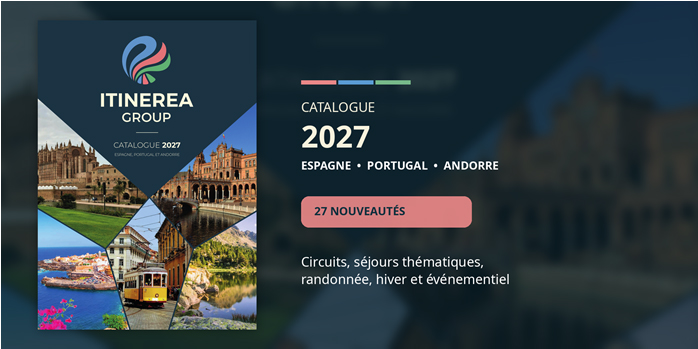

Itinerea Group Unveils Its 2027 Group Catalog


© itinerea group

CroisiEurope


A catalog that accompanies the group’s new identity

Since June 1, 2026, CALAFELL EVASION and PROMENADE have been brought together under a single identity: ITINEREA GROUP.

The 2027 catalog is the first edition to fully reflect this evolution. It combines the experience gained over the years in Spain and Portugal with an offering that is now clearer, more coherent, and easier to identify.

Professionals can find both must-see itineraries and more original routes. The catalog can thus be used to select a program ready for marketing, to prepare a brochure, or to build a trip tailored to a specific request.


A comprehensive program across the entire Iberian Peninsula

In Spain, the offering notably covers Andalusia, Catalonia, Barcelona, Madrid, Castile, the Costa Brava, the Costa Dorada, the Costa Blanca, the Costa del Azahar, Cantabria, the Basque Country, and the northern part of the country.

The Balearic Islands and the Canary Islands complete this program with seaside stays, discovery itineraries, hikes, and opportunities for departures outside the peak season. Andorra is also represented through mountain products, winter getaways, and active programs.

In Portugal, travelers can discover Lisbon, Porto, the central region, the Alentejo, the Algarve, the Minho, and the Douro Valley. Madeira and the Azores also feature prominently with itineraries focused on landscapes, hiking, and nature.

This diversity allows professionals to entrust several projects to a single interlocutor, whether it’s a grand cultural circuit, a base-to-base stay, an island discovery, or a thematic program.


27 new offerings to refresh the brochures

The novelties are easily identifiable in the index by the “N” pictogram. Twelve new programs pertain to Spain and Andorra, while fifteen are devoted to Portugal, Madeira, and the Azores.

In Spain, the 2027 program notably expands active travel and grand discovery itineraries with hiking in Andalusia, the Great Coastal Walk, the Grand Tour of Spain, or the Grand Tour of Tenerife.

New products are also offered in Minorca, Lloret de Mar, Aragon, and Andorra, as well as winter getaways in Torremolinos and Tenerife.

In Portugal, several novelties highlight the country’s heritage and grand landscapes: Hiking between Minho and Douro, Portugal Authentic, The Route of Wonders, The Land of the Navigators, The Jewels of Portugal, or Portugal Otherwise.

The archipelagos are particularly well represented with Madeiran Nature & Hiking, In the Heart of Madeira, Madeira: Sky and Sea, Hiking in the Azores, and Azores, the Nature Archipelago.

These novelties complement the products already valued by partners and allow them to progressively introduce new destinations or themes into their programs.


A tool designed for tourism professionals

The 2027 group catalog has been designed as a true B2B commercial support. It allows selecting a trip by destination, duration, season, budget, or the participants’ profile.

Each program can also serve as a basis for creating a customized project. Accommodation, transport, meals, excursions, guided tours, activities, and on-site assistance can be adapted to the group’s expectations.

The ITINEREA GROUP teams support professionals in choosing the destination, organizing the steps, and selecting the services. This on-the-ground knowledge relies on a network of local partners in Spain, Portugal, Andorra, and the archipelagos.

The group’s strengthened presence in Madeira and the Azores, notably through a local collaboration in Funchal, also enables more precise support for these developing destinations.


A new edition geared toward the future

With more than 100 products and 27 new offerings, the 2027 group catalog brings together must-see destinations, thematic experiences, and off-season journeys in a single resource.

It highlights ITINEREA GROUP’s ambition to become a reference partner for the design and organization of group trips in the Iberian Peninsula and its archipelagos, while maintaining a close, responsive, and personalized service.

The 2027 catalog is available from ITINEREA GROUP teams. Professionals can contact them to receive this new edition, obtain information about a program, or build a tailor-made group trip.

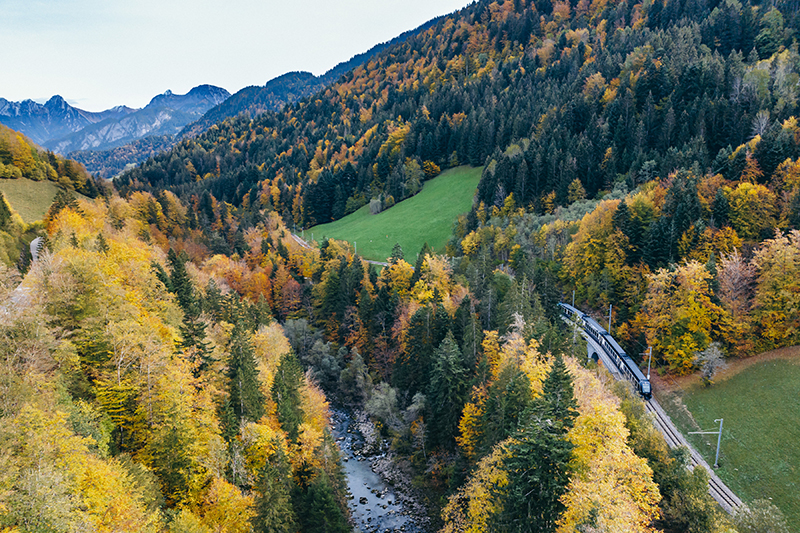
Journey Through Vineyards and Valleys


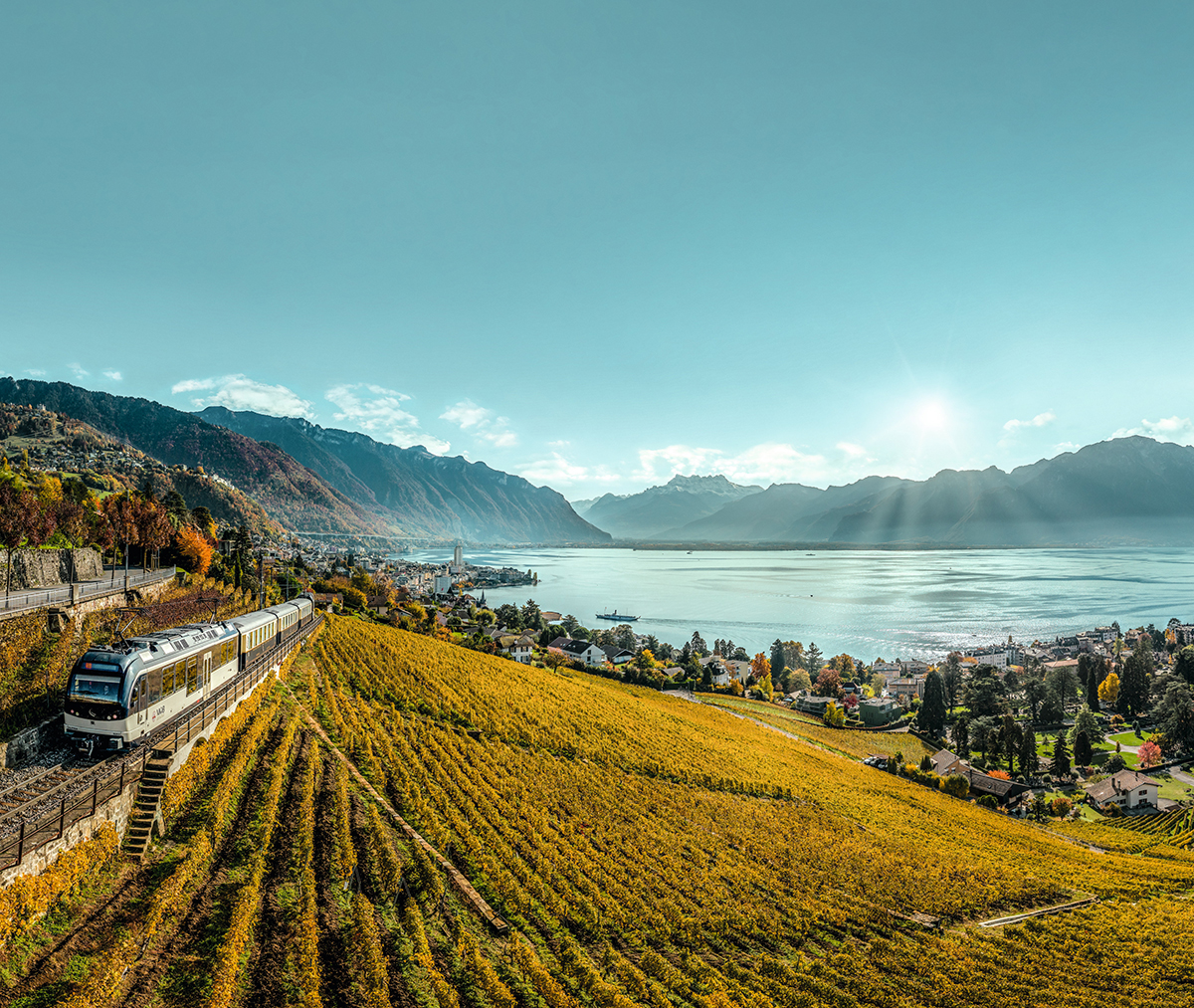
Un trajet panoramique à travers le Lavaux © Swiss Travel Systems AG / Tobias Ryser

CroisiEurope


Interlaken

Starting point of this Grand Train Tour, Interlaken sits in the Aare valley, between Lake Brienz and Lake Thun. The destination offers not only a spectacular view of the Jungfrau massif, with the Eiger, the Mönch and the Jungfrau, but also a multitude of activities on the lakes and in the mountains. A funicular takes you to Harder Kulm, which provides an exceptional panorama over the two lakes and the surrounding Alps.

If you want to get even closer to the peaks and discover the fascinating world of glaciers, you can easily reach Jungfraujoch – “Top of Europe” – which houses Europe’s highest railway station, at an altitude of 3,454 metres. To fully enjoy the Interlaken region, one or more extra nights are recommended.

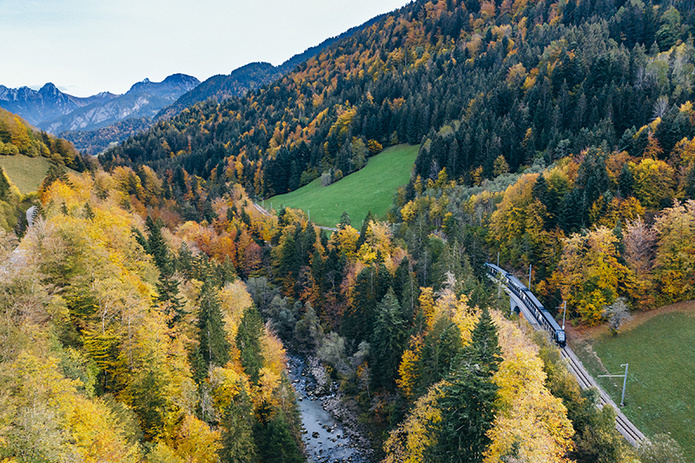
After exploring Interlaken at your own pace, the first leg begins aboard the GoldenPass Express. This panoramic train travels through the picturesque Simmental, then the Saanenland, passing the famous resort of Gstaad. The journey then continues through two other rolling landscapes, typically Swiss – Gruyère and the Pays-d’Enhaut – while quietly crossing the language border. After nearly three hours of travel, Lake Geneva appears in the distance in all its splendor. The train skirts the renowned Lavaux terraced vineyards before descending to Montreux, offering throughout the trip splendid views of the lake and the surrounding scenery.


À bord du GoldenPass Express au cœur des paysages aux couleurs de l’automne © MOB-GoldenPass / Jo Bersier Agence B


Montreux

Take time to explore the famous Lavaux terraced vineyards, UNESCO World Heritage sites, and their charming winegrowing villages. Easy strolls and hikes through the vineyards let you discover this unique region at your own pace. The harvest, which typically takes place from late September to early October, depending on weather conditions, is a particularly authentic experience. From mid-October, the vineyards adorn themselves with beautiful shades of yellow, orange and red, offering a spectacular backdrop and ideal conditions for taking stunning photos.

But Montreux isn’t only about wine. Stroll along its elegant promenade with a Mediterranean feel, or discover the city’s rich cultural scene. If the famous Montreux Jazz Festival animates the summer, many concerts, exhibitions and tours celebrating the region’s musical history are offered throughout the year.

A visit to Rochers-de-Naye is also highly recommended. At over 2,000 metres above sea level, an exceptional panorama awaits across Lake Geneva and the surrounding Alps. Don’t miss Chillon Castle, one of Switzerland’s most iconic monuments. This 12th-century medieval fortress, remarkably preserved, once protected an important trade route. Today, it plunges you into history with its towers, halls and its impressive vaulted cellars.


Les vignobles de Lavaux, près de Montreux © Switzerland Tourism / Lorenz Richard


Zermatt

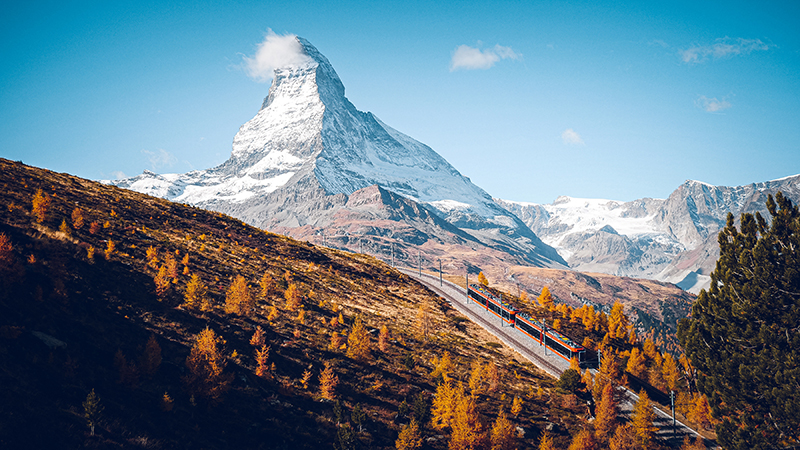
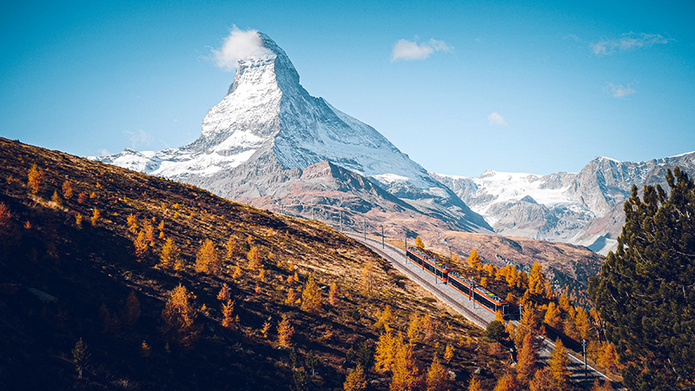
The journey continues aboard regional trains for about two and a half hours. You will first traverse the Rhône Valley to Visp, before climbing the Zermatt Valley to its terminus. This car-free town, nestled in the heart of the Alps, has drawn mountaineers from around the world for centuries thanks to the allure of the Matterhorn, which soars to 4,478 metres.

The mountain spirit is omnipresent in Zermatt. But the region also offers many activities accessible if you simply want to enjoy the Alpine scenery without being an accomplished mountaineer. The cog railway will comfortably take you up to the Gornergrat in about an hour, where a spectacular view of the Matterhorn, numerous peaks over 4,000 metres and the surrounding glaciers await you.

You can also reach the Matterhorn Glacier Paradise at 3,883 metres. From there, an exceptional panorama opens onto 38 summits over 4,000 metres, 14 glaciers and three countries. The viewpoints at Sunnegga and Rothorn also offer magnificent perspectives on the Matterhorn and the valley of Zermatt. The region also offers a wide range of hikes and activities suitable for all levels.

After your stay in the warm atmosphere of Zermatt, you will descend the valley to Visp again, then continue to Brig, the starting point of the final leg. The Lötschberg line, a historic route, carries you back into the Bernese Oberland. Regarded as one of the greatest feats of Swiss railway engineering, it impresses with its engineering structures, notably the old Lötschberg tunnel, the spectacular Kander Viaduct and its famous railway loops. Throughout the journey, magnificent panoramas accompany your trip.
The circuit ends in Spiez, where you have plenty of connections to Bern, Geneva, Basel or Zurich. You can also return to Interlaken, where your journey began.


Vue automnale sur le Cervin © Gornergratbahn


Plan and Book This Trip with Switzerland Travel Centre

Switzerland Travel Centre te propose le « Grand Train Tour of Switzerland – Vignes et Vallées » dans une formule entièrement personnalisable. Tu peux réserver l’itinéraire en ligne et l’adapter facilement selon tes envies. Le forfait comprend une nuit à Montreux et une nuit à Zermatt. Tu peux ajouter librement des nuits supplémentaires à Montreux, à Zermatt ou à Interlaken, au début ou à la fin de ton voyage. Selon les disponibilités, tu as le choix entre des auberges de jeunesse et des hôtels cinq étoiles.

Le forfait comprend les nuitées sélectionnées, les trajets en train en 2ᵉ classe, depuis et jusqu’à la frontière suisse ou un aéroport suisse, ainsi que la réservation de siège à bord du GoldenPass Express. Tu peux également opter pour un surclassement en 1ᵉʳ classe pour l’ensemble du voyage.

De nombreuses activités peuvent être ajoutées à chaque étape, comme les excursions au Gornergrat ou au Matterhorn Glacier Paradise, à Zermatt. Tu peux aussi réserver différentes prestations optionnelles, notamment une planche apéritive accompagnée de vin, de bière ou d’une boisson sans alcool à bord du GoldenPass Express, une option Flex permettant une annulation de dernière minute, ainsi qu’un surclassement en GoldenPass Prestige Class entre Interlaken et Montreux, disponible sur demande.

Pour en savoir plus sur ce voyage : Grand Train Tour of Switzerland – Vignes et Vallées

Les agences de voyage peuvent réserver directement en ligne et saisir le code de réduction STCTA10 lors du paiement :

✔ Une remise de 10 % correspondant à ta commission est ainsi directement déduite du prix affiché pour les clients.

✔ Aucun décompte supplémentaire de la commission n’est nécessaire – efficace, simple et idéal pour ton quotidien professionnel.

✔ Paiement par Visa ou Mastercard directement en ligne.

✔ Les documents de voyage te seront envoyés par e-mail.


Sustainable Tourism in Polynesia: The Rāhui, the Lesson Tour Operators Have Yet to Learn


© Tahiti Tourisme

CroisiEurope


The issue is no longer marginal: it has become a booking criterion in its own right, almost on par with price or the level of comfort. But between what travelers say and what they actually buy, the gap remains vast.

85 % of travelers say they are willing to choose accommodation committed to sustainable development. In practice, only 8 % actually do. This is not a lack of desire. It is a lack of readable, credible, and easy-to-sell options. (source: CSA / Prisma Media Solution, Tourism Observatory)

This paradox is not a fatality. In French Polynesia, there exists an answer to this gap, and to date it has almost never been told to French tour operators. It does not come from an imported label or a voluntary charter. It comes from a practice aged several centuries, now reactivated by law, by science, and by the communities themselves: rāhui.


Le rāhui : quand authenticité et écologie deviennent un seul geste


© Tahiti Tourisme

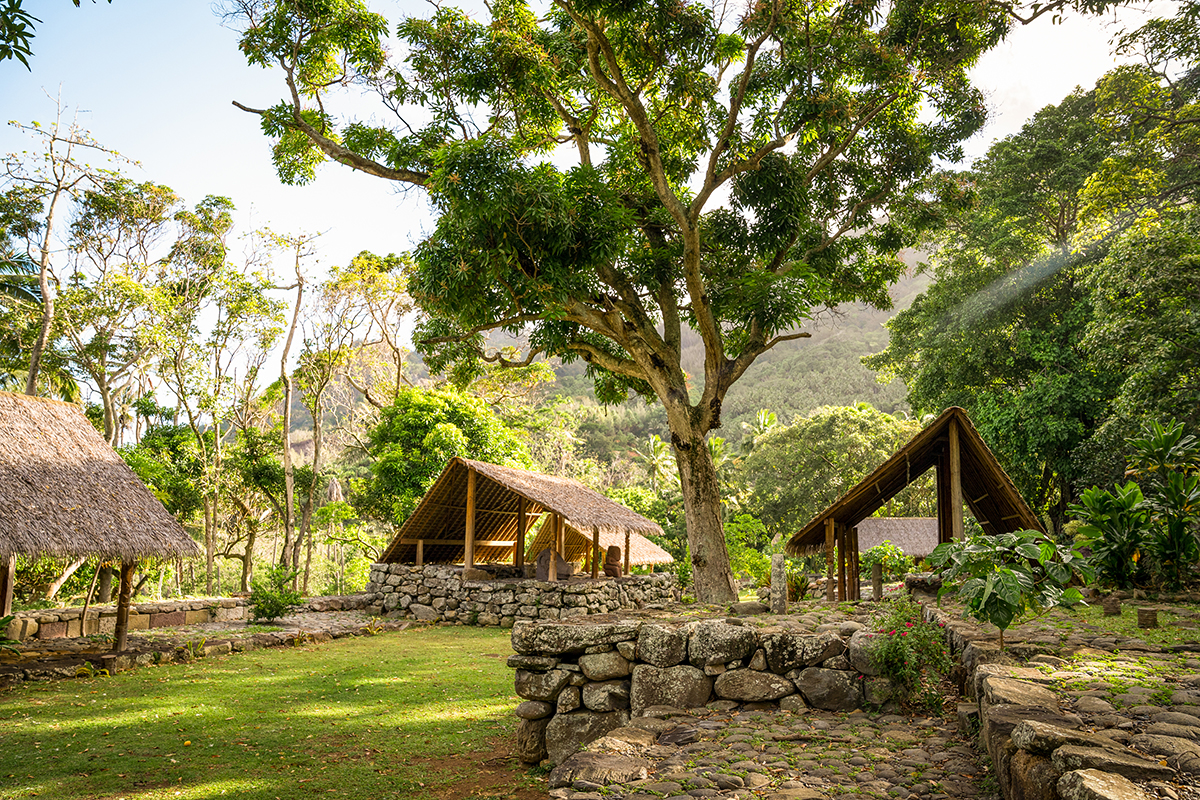
The rāhui is an ancestral management tool, practiced throughout the Polynesian triangle for centuries. Its principle is simple: temporarily ban access to a lagoon, a bay, a species, or a resource, to give it time to regenerate, for the benefit of the entire community. Formerly ordered by village chiefs, the rāhui has seen renewed interest since the 2000s, now carried by municipalities themselves, often in connection with NGOs such as Pew Bertarelli Ocean Legacy.

The most spectacular example is Bora Bora. Facing the gradual disappearance of sea urchins, bay scallops, and sea cucumbers, the municipality created in 2025 a rāhui covering 700 hectares at the heart of the lagoon, in front of the iconic Matira Beach: no boats, no jet-skis, no fishing. The decision was made after extensive consultation with fishermen, churches, neighborhoods, and tourism stakeholders. The first affected, fishermen who now face fines, accepted it themselves.

This level of buy-in is far from trivial: a study by the Biodiversity Research Foundation shows that 90% of the Polynesian population wants to see a rāhui established in every commune. The country nevertheless marked a major milestone in 2025 by making French Polynesia the largest marine protected area in the world, with 1.1 million km² already covered and 500,000 km² of additional strict protection planned for 2026. A rāhui project call, now supported by the Polynesian Ministry of Agriculture, Marine Resources and Environment, is already in its 9th edition.

This is the angle few programs still exploit: elsewhere in the world, “respect for local culture” and “environmental protection” are two separate approaches, which tour operators must build and justify separately. In Polynesia, it is the same. Enforcing a rāhui on your clients, in the same move, honors a legitimate cultural practice in the eyes of an entire community and very concretely protects a reef or a species. There are not two checkboxes. There is only one.


Une destination qui structure sa durabilité au plus haut niveau

This local dynamic is embedded in an overarching territorial strategy. Tahiti Tourisme built its Sustainable Tourism Plan, which lays out 110 concrete actions through 2030, and had the destination Tahiti and Its Islands evaluated by the Global Sustainable Tourism Council (GSTC) between 2023 and 2025. The FM27 strategy (Fāri’ira’a Manihini) explicitly aims to diversify geographical flows toward less-visited islands, to preserve the most exposed sites without sacrificing the high-end service level expected by the premium clientele.

This ambition is not a mere added-on.


GSTC : un langage commun pour rassurer sans greenwasher

The Global Sustainable Tourism Council (GSTC) is a nonprofit organization, born in 2010 from the merger of several initiatives supported by the United Nations Environment Programme (UNEP) and the World Tourism Organization (UNWTO).

Its role is not to issue labels itself: it establishes the global reference criteria for sustainable tourism and accredits organizations that certify hotels, tour operators, and destinations. These criteria revolve around four pillars: sustainable management, local socio-economic impacts, cultural preservation, and environmental protection.

Their relevance to you, as a tour operator, is precise: they provide a common vocabulary, internationally recognized (by groups like TUI or Four Seasons), which allows you to demonstrate real commitment without falling into vague promises or the greenwashing that clients increasingly fear. And because the GSTC criteria are designed to adapt to local cultural realities, a practice like rāhui can fully fit within them, which is not the case for most generic environmental labels.


© Sylvain Lefevre


Trois leviers concrets pour vos programmes


Le rôle de Tahiti Travel Services : facilitateur, pas simple exécutant

No tour operator is meant to become, on its own, an expert in rāhui, in GSTC criteria, or in the ecological balances of each archipelago.

This is precisely the role Tahiti Travel Services intends to play: a field partner, capable of translating this Polynesian richness into sale-ready programs, aligned with the destination’s FM27 strategy, credible to a demanding clientele, and faithful to what makes the true authenticity of the fenua.

Sustainable tourism is not, in Polynesia, an extra layer to add to the product. It is a way of telling what already exists, for a very long time, on these islands.

Mauruuru.

Tahiti Travel Services


Tourisme durable en Polynésie : le rāhui, la leçon que les tour-opérateurs n'ont pas encore reçue
[email protected]

www.tahititravelservices.pf

>> Tahiti Travel Services in the DESTIMAG Directory


Cervantino Festival 2026: Guanajuato Speaks French


When an entire city becomes a stage

© xploremexique

CroisiEurope


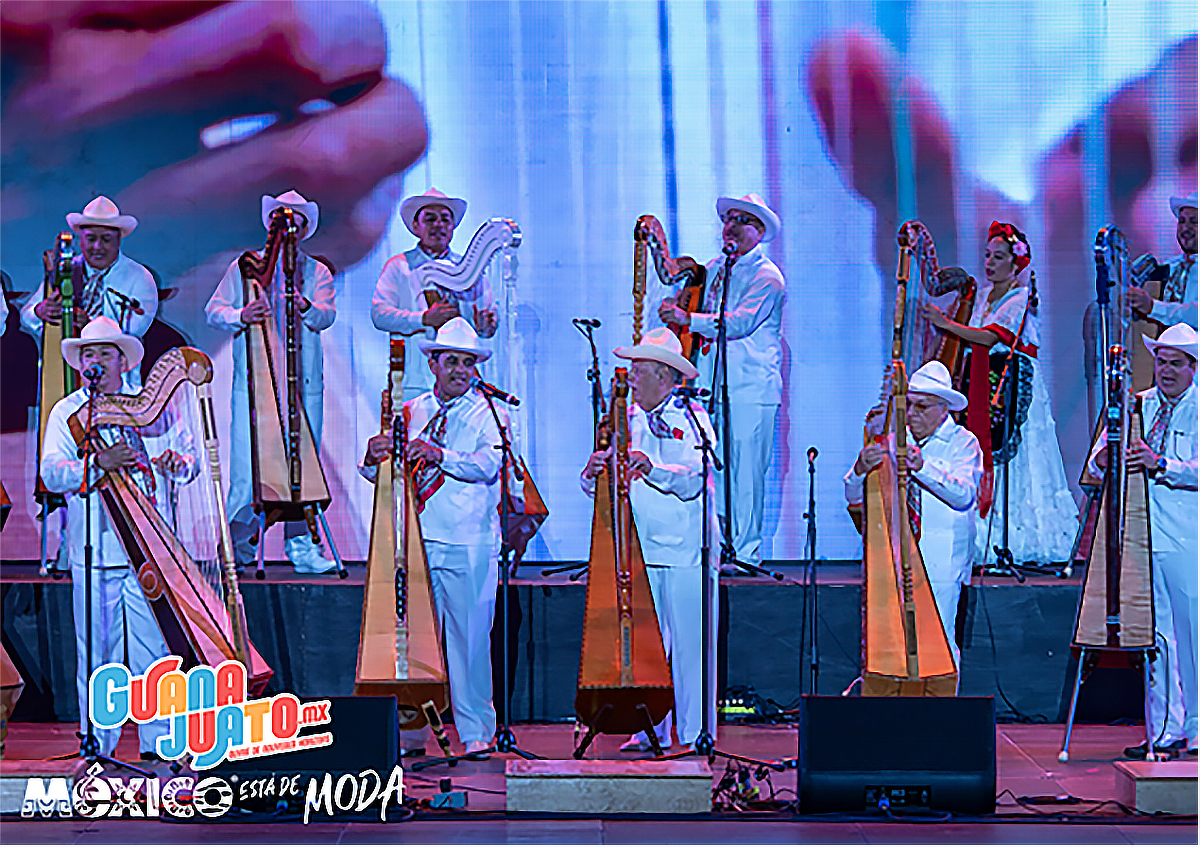
In Guanajuato, the Cervantino Festival is not merely experienced in a theater. It spills into the streets, slips under balconies, resounds in the squares, and often ends up around a table, late at night. Born from the spirit of the Entremeses Cervantinos, the Festival Internacional Cervantino has become one of Mexico’s major cultural milestones. The official Cervantino Festival site highlights this distinctive identity: in Guanajuato, the city becomes a stage, between music, theater, dance, visual arts, cinema, exhibitions, and encounters. For French travelers, that is precisely where its appeal lies: it’s not simply about “attending a festival,” but about living a city in full swing, wandering at random to discover colorful façades, history-filled alleyways, hidden cafés, art galleries, and viewpoints offering spectacular views. As night falls, the city changes tempo: music rises from the plazas, the lights showcase the colonial buildings, and every corner seems to be part of the scene.


France as Guest of Honor: a Rare Opportunity for French Agencies

The 54th edition of the Cervantino Festival will take place from October 3 to 18, 2026 in Guanajuato, with France as the guest of honor. For French agencies, the case is easy to advocate: it allows offering a cultural, lively Mexico that is different from more traditional seaside stays. The programming, already published on the official Festival Cervantino site and in the online calendar, provides material to build real stays around performances, concerts, dance, theater, exhibitions and artistic encounters. It is also a good pretext to discover Guanajuato differently, at the pace of its lively squares, its colorful alleyways, and its colonial heritage. The city thus becomes more than a mere stopover: it asserts itself as the highlight of a trip where French clients reconnect with a familiar link while discovering one of Mexico’s most unique destinations.


© xploremexique


Guanajuato and San Miguel de Allende: Two UNESCO Credentials

Another strength of Guanajuato lies in its surrounding region. The historic city of Guanajuato and its adjacent mines are inscribed on UNESCO’s World Heritage List. A few hours’ drive away, San Miguel de Allende complements the journey perfectly, with its cobbled lanes, ochre façades, galleries, and the Sanctuary of Atotonilco. TourMaG had already mentioned it in its piece on Mexican world heritage: Guanajuato and San Miguel form an attractive colonial axis for more contemplative and high-end itineraries. This is precisely the kind of stay that resonates with curious travelers seeking a more intimate journey.


Contacts


Festival Cervantino 2026 : Guanajuato parle français
Discover all offers, travel tips and inspirations here

Contact Benjamin, David and Aicha

[email protected],

[email protected],

[email protected]

06 25 89 28 44 / 04 13 41 93 53

https://mexique.xplore-voyages.com/

facebook linkedin instagram

> XPLORE MEXIQUE in the DESTIMAG Directory


Creative Tours: Cyprus Golf Destination – 5 Signature Courses


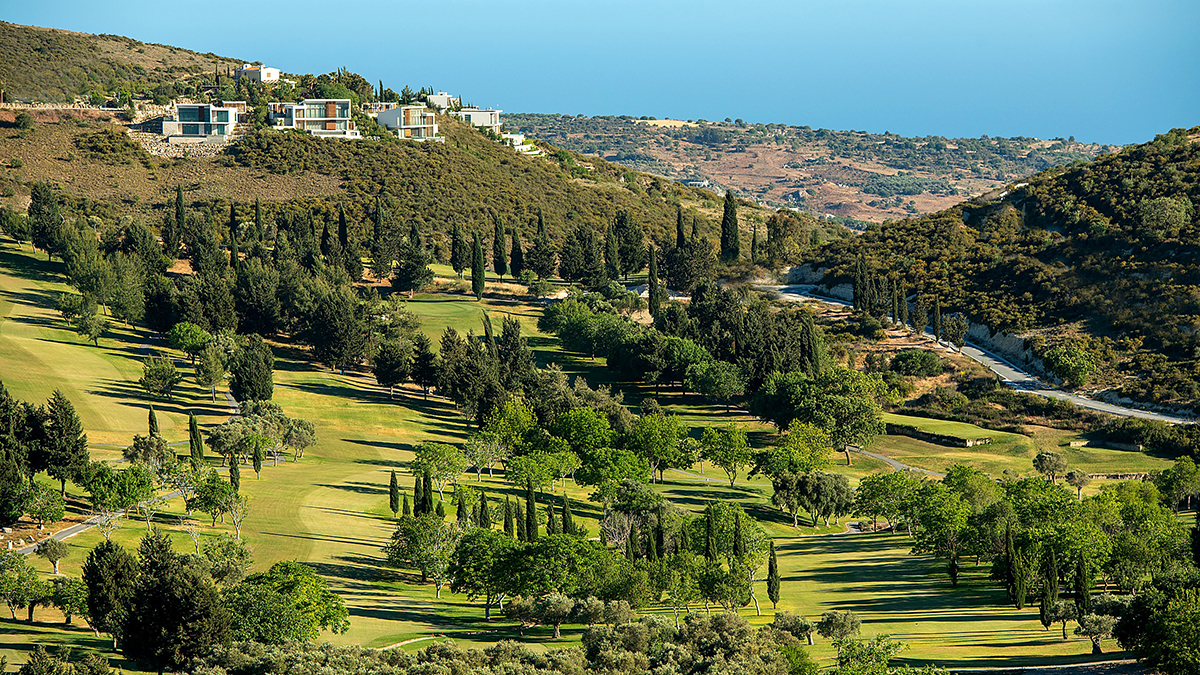
Golf à Chypre : le parcours Minthis, dans les collines de Tsada, ancien monastère du XIIᵉ siècle, avec vue sur la mer © Minthis / Creative Tours Cyprus

CroisiEurope


A temperate island for golf almost year-round

Cyprus’ climate is one of the major assets for golfers visiting the destination. With nearly 340 days of sunshine each year, a spring that begins as early as February, and an autumn that lasts until November, the island offers a playing season that is exceptionally long compared with major European golf destinations. In winter, daytime temperatures typically stay between 15 and 20 °C along the coast, allowing continued comfortable play while northern Europe endures the cold. The island’s five courses are concentrated in the southern half, within reasonable reach of Paphos International Airport (PFO) and Larnaca International Airport (LCA). Four courses lie in the Paphos region, less than a thirty-minute drive from the airport; the fifth, Limassol Greens, is located in Limassol. Creative Tours Cyprus supports its French-speaking partners in discovering these five golf destinations, offering a turnkey service that includes transfers, tee-time bookings, and guided excursions in French.


Paphos, the capital of Cypriot golf: four signature courses

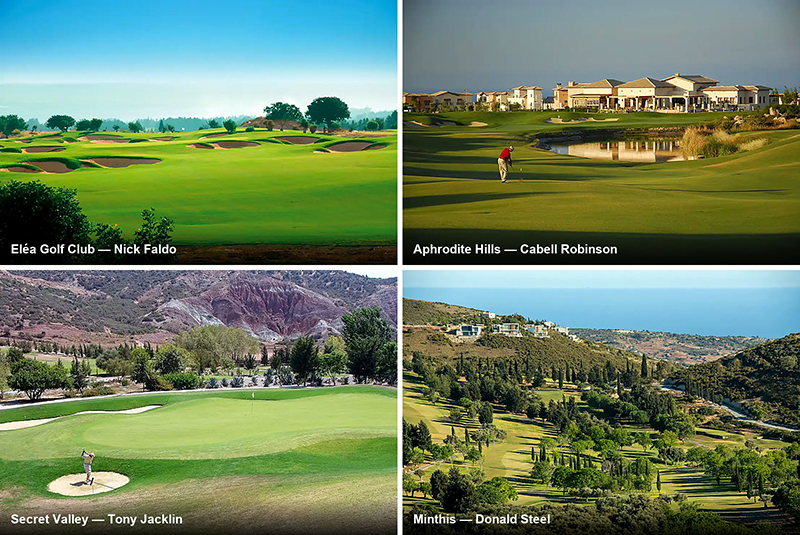
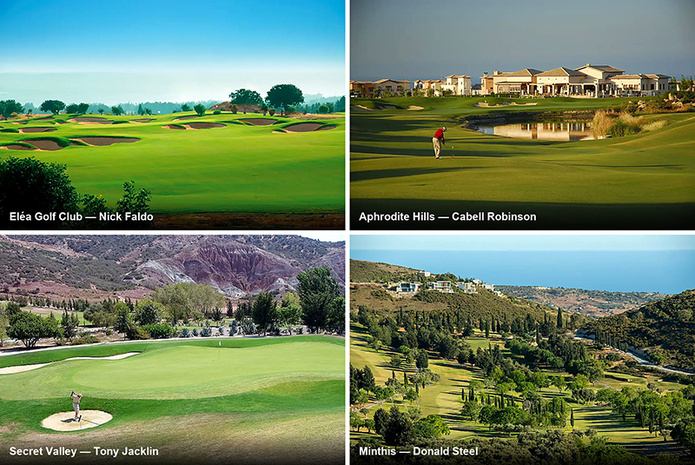
The Paphos region concentrates four of the island’s five courses, each designed by an internationally renowned architect. Eléa Golf Club, about five kilometres from downtown Paphos, was designed by Nick Faldo and opened in October 2010. This par-71 course features a 2,260 m² clubhouse and an academy with a 300-metre driving range, a facility geared toward both seasoned players and learners. Aphrodite Hills, in Kouklia, is probably the destination’s best-known signature: designed by Cabell Robinson and inaugurated in November 2002, this par-71/70 course spans 6,299 metres within a 234-hectare resort. Buggy use is mandatory there. Secret Valley, also located in Kouklia about 18 km east of Paphos, was designed by Tony Jacklin in collaboration with Erhardt/Vijhalmsson. This par-71 course with 419 Bermuda grass greens offers a feature sought by some clients: a three-hole illuminated loop, playable on summer evenings, as well as simulators. Finally Minthis, at Tsada, perched 550 metres above sea level on the site of a XIIth-century monastery: originally designed by Donald Steel in 1994, it has been fully renovated by the Mackenzie & Ebert firm. This par-72 course is the first in Cyprus to obtain GEO (Golf Environment Organization) certification and lies within a Natura 2000 zone.


Les quatre parcours de la région de Paphos : Eléa (Nick Faldo), Aphrodite Hills (Cabell Robinson), Secret Valley (Tony Jacklin), Minthis (Donald Steel) © Eléa Golf Club · Aphrodite Hills · Secret Valley Golf Club · Minthis — visuels fournis par les parcours partenaires


Limassol Greens: the island’s fifth course, on the southern coast

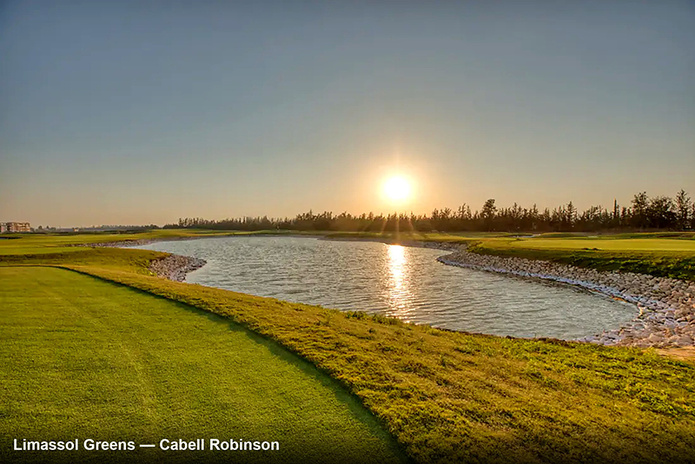
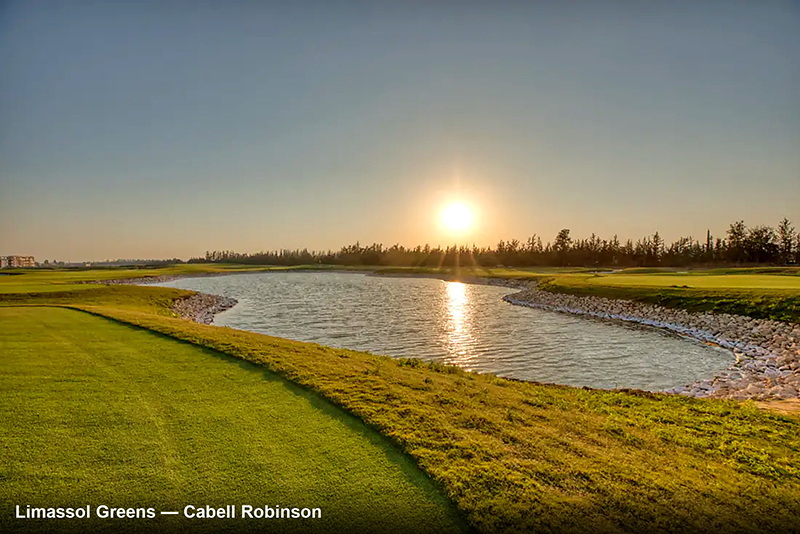
For a long time, Cyprus’ golf offer was centered on the Paphos region; it has recently expanded to Limassol with the opening of Limassol Greens, the island’s fifth course. Designed by Cabell Robinson, it spans roughly 6,300 metres, par 71, with five tee positions per hole to cover all playing abilities. The course blends two types of grass: Bermuda Tahoma 31 on the fairways and Bentgrass 007 on the greens, a combination recognized for delivering excellent playing quality even in hot weather. For Francophone partners, Limassol Greens is a strategic asset: it complements Cyprus’ golf portfolio by offering an alternative to Paphos, nearer to Limassol’s major five-star hotels, and rebalances the destination’s geography for a stay that combines golf with Mediterranean city life.


Limassol Greens, cinquième et plus récent parcours de l'île, signé Cabell Robinson © Limassol Greens — visuel fourni par le parcours partenaire


Required handicaps, transfers and golf practice in Cyprus

For agencies building golf holidays, here are a few practical points to know about the destination. The four Paphos courses require a handicap of Men 28 / Women 36 for access. Limassol Greens applies a somewhat more open rule, with a handicap of Men 36 / Women 45, making it an entry point for more intermediate players. The peak golf season runs mainly from March to November, with busy periods in spring and autumn — the European interseasons — and a winter season that remains playable, particularly sought after by Nordic and British clients. On the logistical side, Creative Tours offers dedicated transfers from the Paphos region, Aphrodite Hills Hotel, and Pissouri to each of the five courses, by car and air-conditioned coach with a Francophone welcome.


Our role: bookings, transfers, tailor-made packages

As a Francophone incoming operator in Cyprus, our golf expertise rests on a precise mastery of green-fee availabilities and rates, updated season after season. We negotiate conditions tailored to our partners and design tailor-made stays centered around golf: lodging in a golf resort (Aphrodite Hills, Elysium, Minthis) or in a 3- to 5-star hotel, in Paphos and Limassol; personalized transfers to the courses; and excursions to Cyprus’s highlights — Tombs of the Kings, Baths of Aphrodite, Akamas, wine tastings, Cypriot flavors — guided by our Francophone Cypriot guides certified by the Cyprus Tourism Office. Our take is simple: these five courses do not compete, they complement each other through architectural signatures, geography, and playing profiles. As highlighted in our latest press release published on TourMaG, Creative Tours remains the island’s only 100% Francophone receptive operator — a single point of contact for any golf stay in Cyprus. For any quote or inquiry about a golf stay combining one or more of these courses, our partners can reach us at [email protected] for individuals and [email protected] for groups.


Ski Resort Installs a Giant Swing at Over 2,000 Meters


Villars-Gryon-Diablerets inaugure une balançoire géante au Grand Chamossaire, Balanc’AIR, photo de Villars-Gryon-Diablerets

CroisiEurope


Swinging high above 2,000 meters in altitude, with an unobstructed view of Lake Geneva, is the new quirky experience awaiting visitors in the canton of Vaud.

By inaugurating Switzerland’s very first giant swing, the Villars-Gryon-Diablerets resort gives itself a fresh appeal to attract thrill-seekers, even in the height of summer.

Located at the top of the Grand Chamossaire chairlift, on the heights of the Villars-sur-Ollon area, this new attraction can accommodate up to three people at once.

The mechanism pulls the structure backward until it reaches a 90° angle before releasing it, delivering a natural tilting motion above the Chablais plain, with a panorama of Lake Geneva and the Alpine summits.


Suisse : la balançoire géante ouverte jusqu’au 25 octobre

Accessible with the Magic Pass or the ski lift pass, the experience lasts between two and three minutes and has already drawn 500 visitors during its opening weekend.

This infrastructure meets an economic need for the resort, which currently generates 95% of its revenue between December and March.

Facing the uncertainty of winter snowfall below 1,600 meters, management aims to raise the share of summer revenues to 20% in the coming years.

Balanc’AIR is accessible every day from 10:20 to 16:40 until October 25, with a valid ski-pass or a Magic Pass.

The choice of this infrastructure is part of a measured and thoughtful development approach.

The project leaders favored the swing for its simple technical operation, with a winch pulling the suspension, and its very low impact on the ground as well as on the surrounding landscape.

The attraction was installed in a mountain area already developed for tourism, which houses existing tourist infrastructures and a telecommunications antenna. This integration leverages already exploited sites without multiplying constructions at altitude.

PromPerú Trains Travel Agencies in Marseille


Louis Roche, PDG de ProDesti, a animé à Marseille une session de formation « Connaisseur du Pérou » organisée par PromPerú à destination des agences de voyages - DepositPhotos.com, pawopa3336

CroisiEurope


After obtaining the Qualiopi certification and strengthening its portfolio of specialized trainings, ProDesti continues its development in the tourist destinations segment. This time, PromPerú has called on the organization to train travel agencies in the Marseille region, with a clear objective: to improve their expertise of the destination.

A free training session for on-site travel agencies.

For almost four hours, participants alternated between presentations of the destination, exchanges of experience and technical questions.

An approach faithful to ProDesti’s philosophy, which prioritizes trainings led by active tourism professionals and centered on the commercial realities of agencies.

“PromPerú’s objective is really to showcase Peru in the Marseille region, to help travel agents better master the destination and thus sell it better.”, explains Luis Roche, CEO of ProDesti and trainer on Peru and Chile.


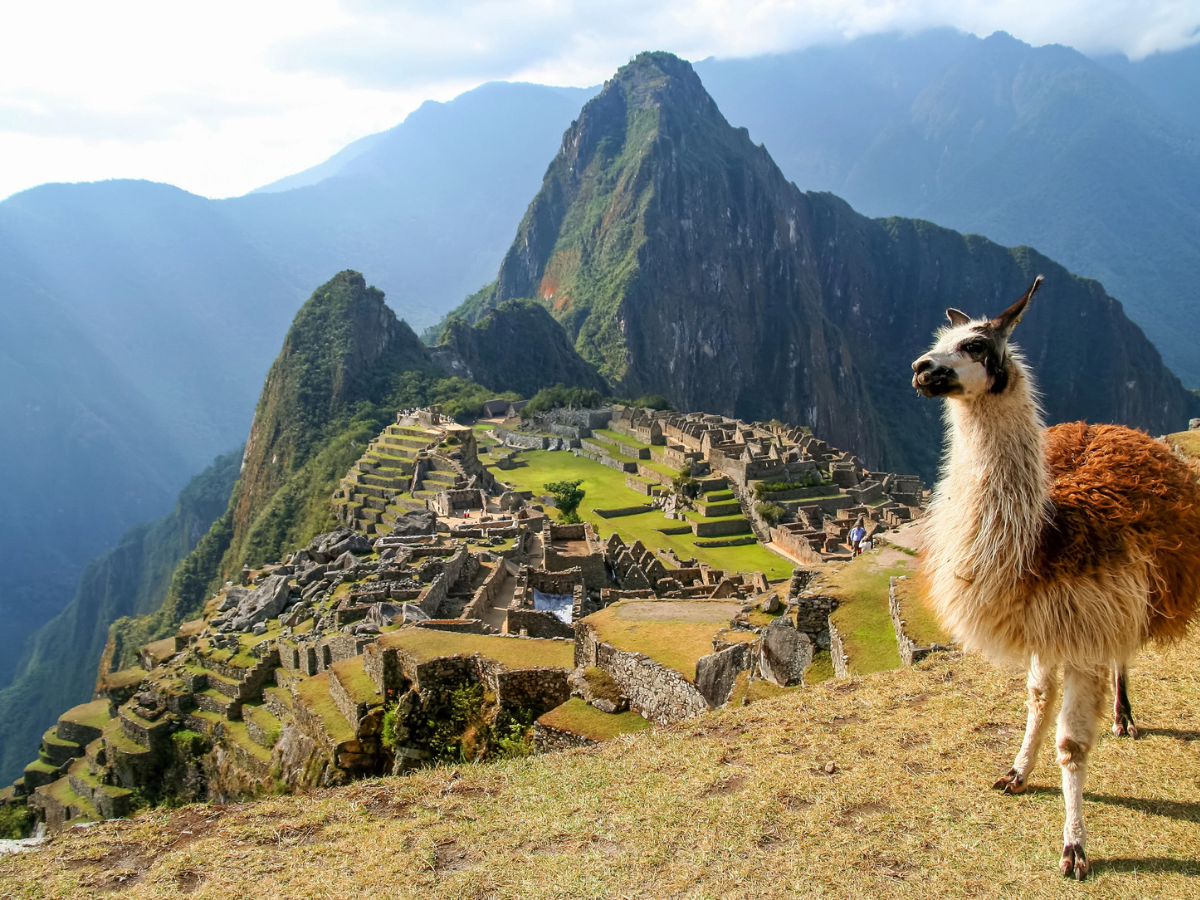
A Destination That Goes Beyond Machu Picchu

The program notably covered the country’s different regions, the circuits, the visits to Machu Picchu, the railway connections, the domestic flights, as well as possible extensions.

Throughout the training, Luis Roche sought to dispel the image of Peru being limited to Machu Picchu. “There are many things to explore beyond Machu Picchu. It should be noted that two-thirds of the country is jungle.”, he recalls, by highlighting the regions of Iquitos, Madre de Dios, Chachapoyas and also the sites of the Moche and Lambayeque civilizations.

The objective is also to give travel advisers concrete arguments to tailor their recommendations according to their clients’ profiles.

The questions, moreover, addressed very operational topics: the various circuits to Machu Picchu, the categories of trains, or the domestic air services.


A Highly Advanced Training

Present at this session, Barbara Roussel, director of Voyages Couture, believes that this type of training provides real added value. “We already know the destination, but this gives us access to all the information. Even when we are experienced, it remains valuable. It makes us much more confident and brings additional expertise.”, she explains.

The professional also underscores the quality of Luis Roche’s intervention: “It is an extremely advanced training. It is not generic; we go into the detail of the circuits. The instructor is passionate and engaging, and it makes you want to discover the destination.”

According to Luis Roche, Peru also possesses strong commercial arguments. “It is a destination that is sold almost all year round, between March and November. It has the best value-for-money in South America.”, he notes, before adding: “Peruvian gastronomy is clearly a major selling point for French travelers.”

Route 66 USA: Santa Monica to the Bagdad Café


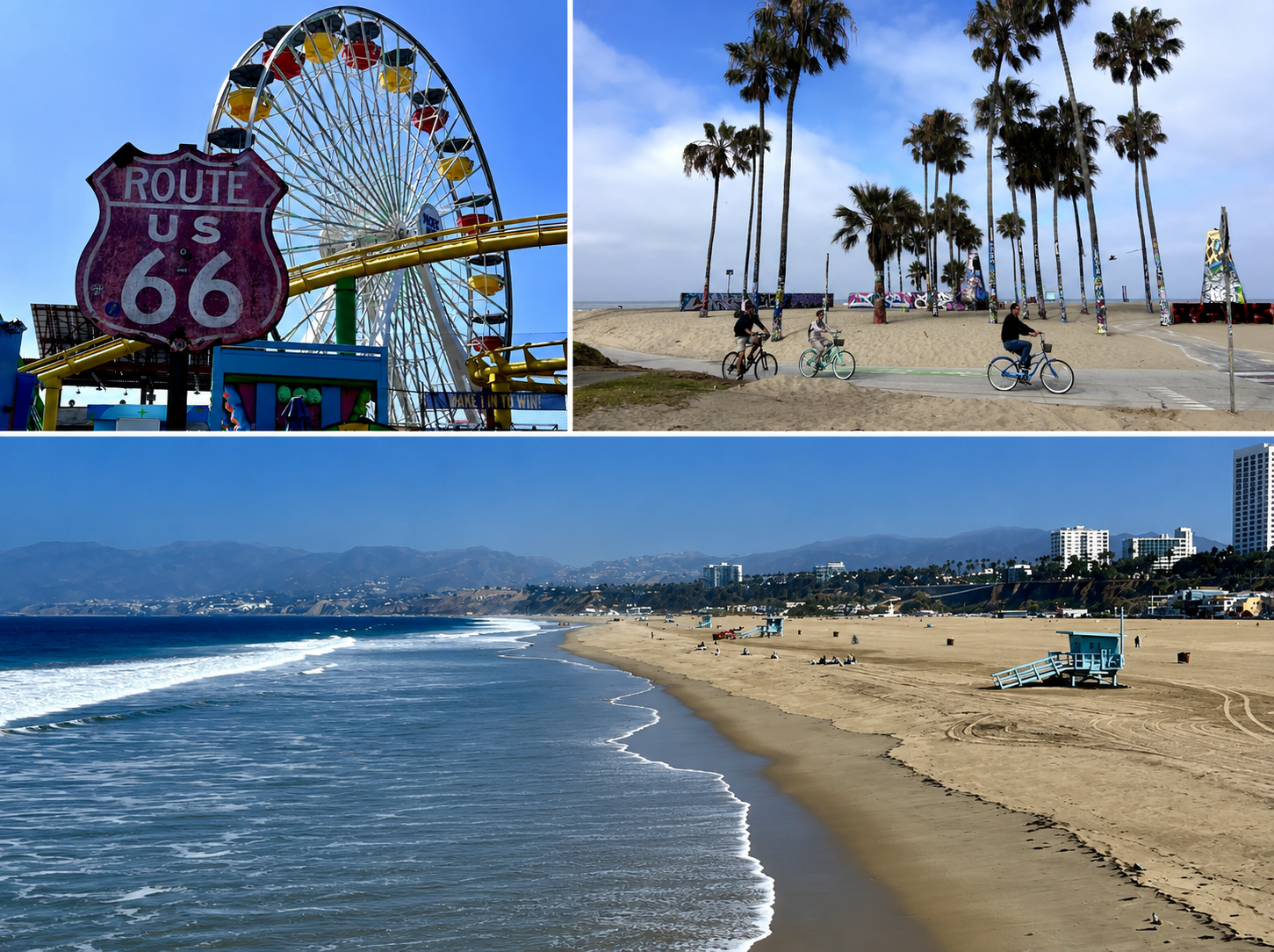
Santa Monica, station banéaire de rêve. Photos : PB, composition générée par IA

CroisiEurope


On the edge of the sprawling Los Angeles metropolitan area, Santa Monica (90,000 residents) is a dream seaside destination perched along the Pacific: sunlit beaches, surfing spots, a magnificent pier, an amusement park whose Ferris wheel runs on solar power, elegant residential districts, stylish hotels like the Pierside, and generous restaurants such as The Lobster serving delicious grilled lobsters.

To truly inhabit this California city that has served as a backdrop for countless films and TV shows—from Pacific Blue to Barbie, from The Sting to Forrest Gump and Iron Man—, there is nothing like pedaling between the beach and the sea along the South Bay Bicycle Trail, before heading to Venice of America where, for a century, canals imitate Venice in Italy.

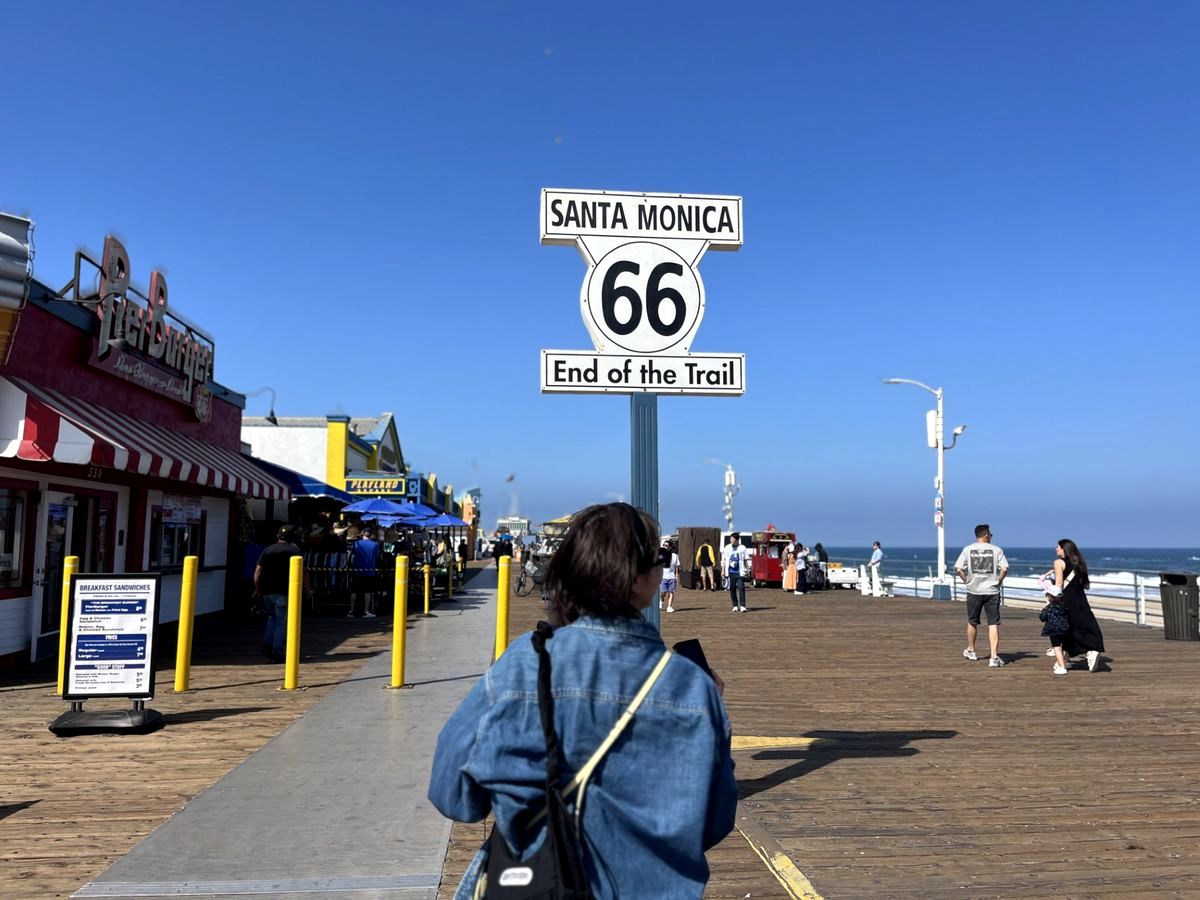
The other major attraction in Santa Monica is the “End of the Trail” sign planted on its pier.

It marks the end of the legendary Route 66. Tourists crowd at its base to photograph themselves there!


Yesterday, the “Mother Road”…


« End of the trail », un panneau qui aimante les touristes - Photo : PB

A legendary route that embodies the American dream in popular culture, Route 66 has linked, since 1926, the East to the West of the United States, from Chicago (Illinois) to Santa Monica (California), crossing three time zones and eight states, and covering nearly 4,000 kilometers.

Nicknamed “The Mother Road,” it was immortalized by John Steinbeck in his famous novel, The Grapes of Wrath: the writer depicts some of the small farmers who, ruined by the “Great Depression” of the 1930s and by repeated dust storms, fled to California hoping to find work, land, and a future.

This long ribbon of two-lane asphalt symbolizes both America’s golden age and the nostalgia of the 1950s–60s.

It was during those years that the Interstate Highways, powerful, safer, faster, and better suited to increasingly heavy traffic, began to substitute Route 66.

In the early 1980s, Interstate 40 effectively delivered the coup de grâce.

Following the downgrading of Route 66 in June 1985, its route completely disappeared from official maps.


…today, “Historic Route”


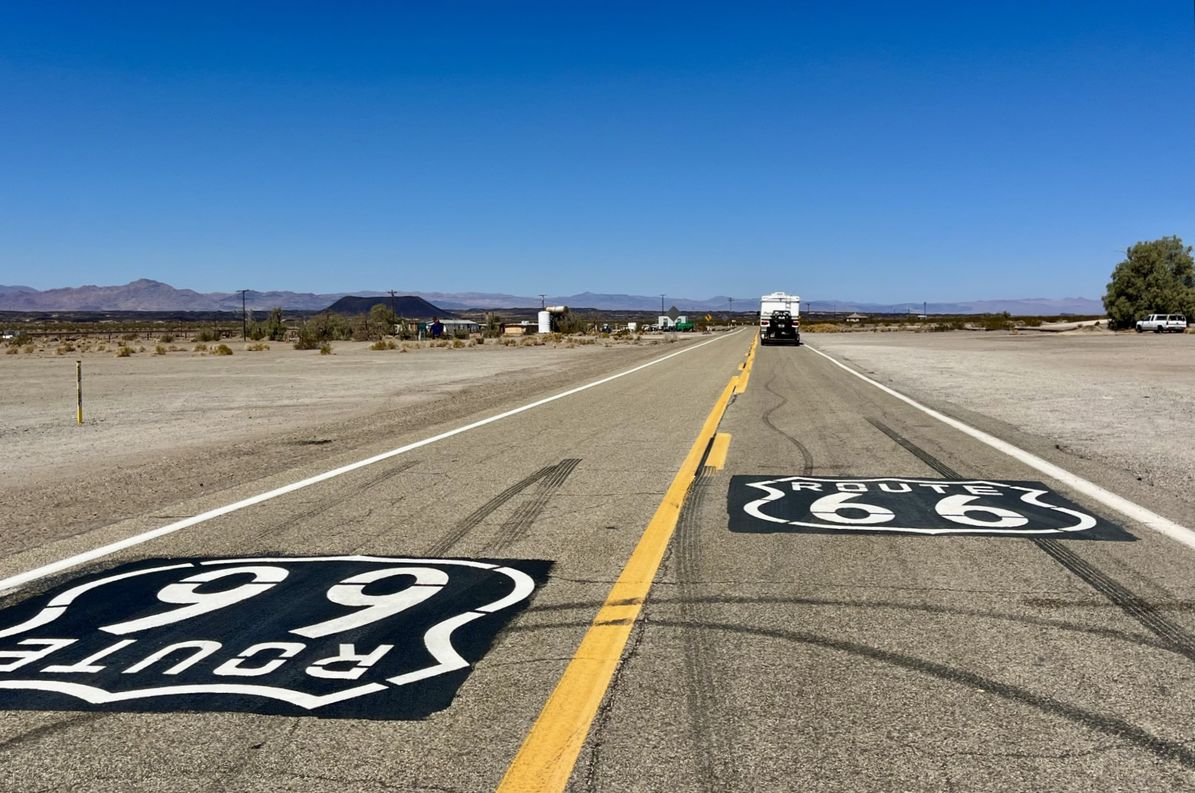
La Route 66, balisée de frais, dans le désert Mojave - Photo : PB

This downgrade proved a tragedy for the small towns traversed by Route 66.

Overnight, traffic collapsed and motels, restaurants, cafés, trading posts and gas stations struggled to survive.

In response, Angel Delgadillo, a barber in Seligman (Arizona), and a handful of stalwarts fought to achieve designation as “Historic Route 66.” Ultimately, by the late 1990s, the United States Congress established a preservation program for this legendary itinerary and the treasures it shelters.

Since then, signage and “Historic Route 66” plaques have been installed; motels, shops, and historic places along Route 66 have been restored. Since then, Route 66 has enjoyed a remarkable revival.

Its historic alignment could not be preserved in the highly urbanized zones around Los Angeles, full of bridges and interchanges.

To reach Barstow – our first stop, we thus left Santa Monica via Interstate 10 as part of a press trip organized by Brand USA with the help of Cercle des voyages, a French tailor-made travel specialist, ranked in 2023 among the 50 best travel agencies in the world for the United States by the Chairman’s Circle Honors.

The road trip program was developed with the involvement of Anthony Enault, head of North America Production, who joined us as well.


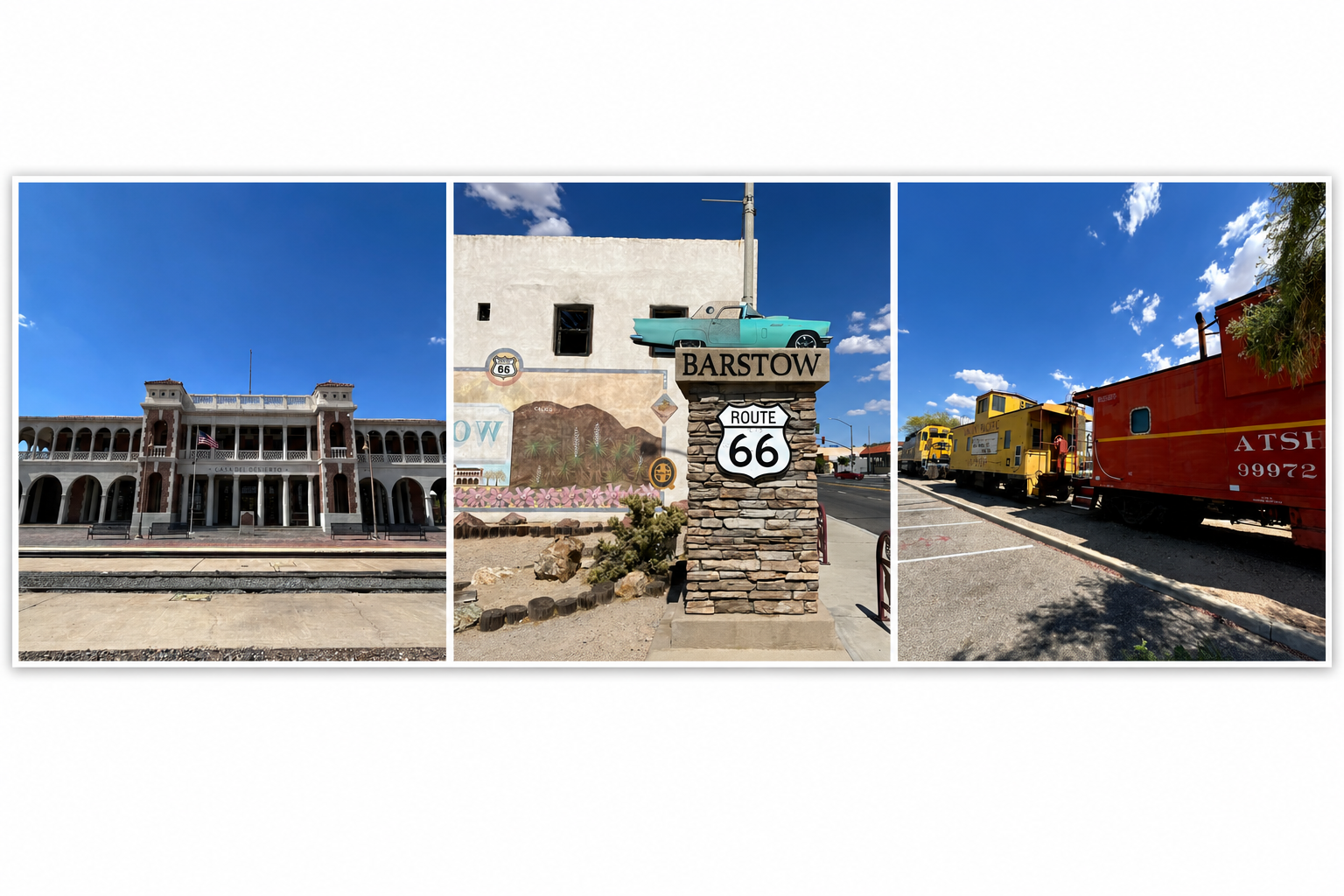
Barstow, a major rail hub


A Barstow, la Route 66 et le train sont l'alpha et l'omega de l'histoire locale - Photo : PB, composition générée par IA

Barstow (25 000 inhabitants) developed from 1860, after the discovery of silver mines : new rail lines had to be built to move the ore through the arid Mojave Desert.

At the time, steam locomotives needed coal but also enormous amounts of water. In Barstow there was water: rail convoys would stock up there and the railway workers would eat and sleep there.

Even if, thanks to its two classification yards, this town remains an important rail hub, that era is no more.

Nevertheless, the vast double-gallery buildings with colonnades of the old station named “Harvey House Casa del Desierto” still look fine.

Néanmoins, ses salles de restaurant ont été reconverties en salles de réception. Son pittoresque Musée de la Route 66 a rouvert voici peu grâce à de nouveaux volontaires, et son Western America Railroad Museum s’efforce de valoriser sa collection d’anciens wagons exposés en plein air.


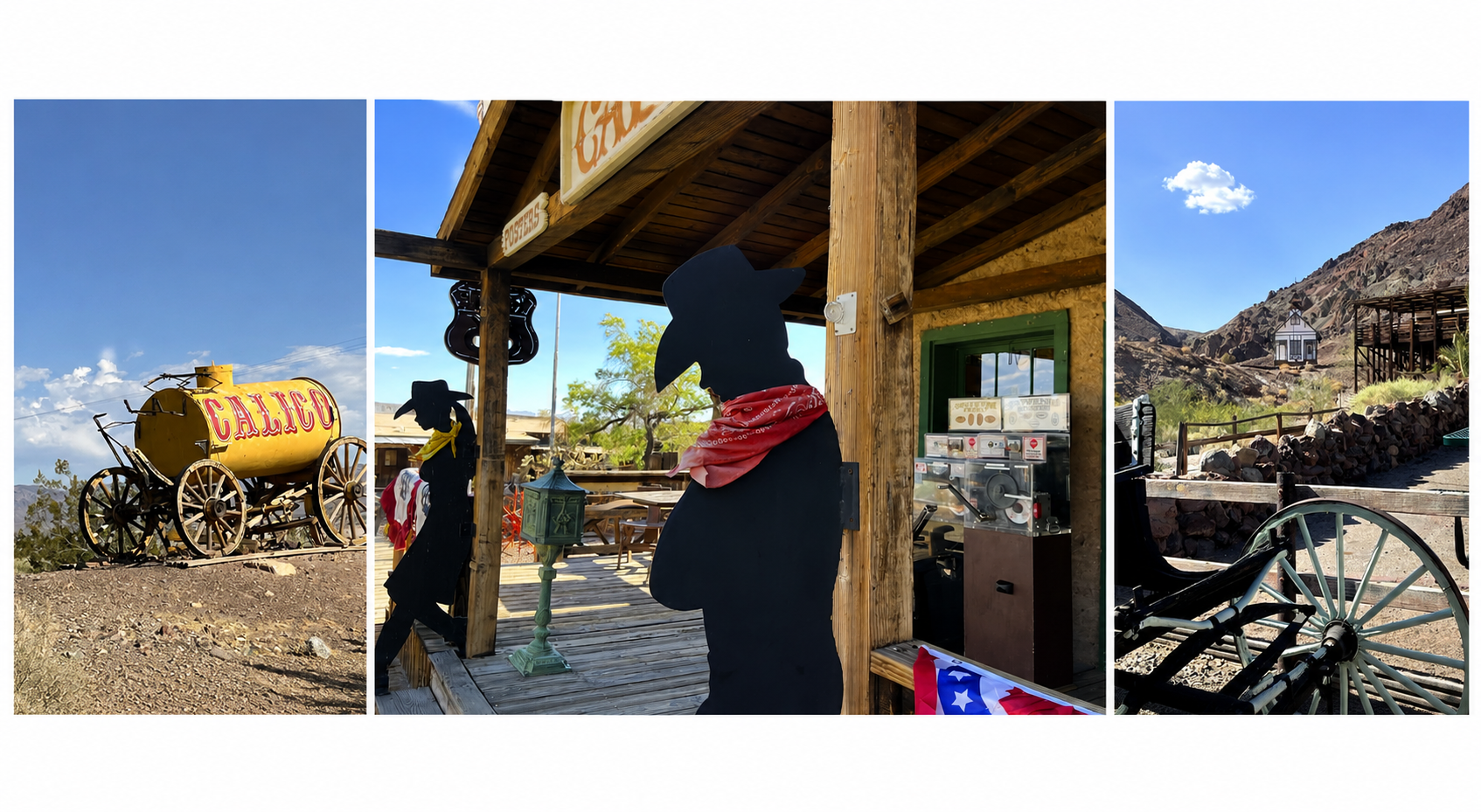
Calico, “Ghost Town”


A Calico, ville fantôme, on se croit encore au temps de la conquête de l'Ouest - Photo : PB, composition générée par IA

To relive the saga of the American West, nothing beats taking a detour through the arid landscapes where Calico lies hidden.

Founded in 1881, this small town reached its peak (with 3,500 inhabitants) at the end of the 19th century thanks to its silver mines. Alas, when the price of this metal collapsed, its mines declined. Calico was abandoned in 1907.

Re-purchased in the 1950s and restored by Walter Knott, this “Ghost Town” has become a paid tourist attraction (entrance: $8).

With its wooden houses, its church, its school, its hotel, its saloon, its blacksmith, its sheriff and judge, its prison, its coffin maker, one almost feels in a genuine Far West village.

Calico also hosts many souvenir shops, restaurants, cafes, a museum, a small tourist train and offers visits to Maggie Mine, gold-panning demonstrations and even Western shows with… shootouts. Folkloric? Exaggerated? Perhaps, but one gets drawn into the game…


Vintage gas stations and motels


Bagdad Café, a myth


Bagdad Café est devenu un lieu de culte et de pèlerinage - Photo PB, composition générée par IA

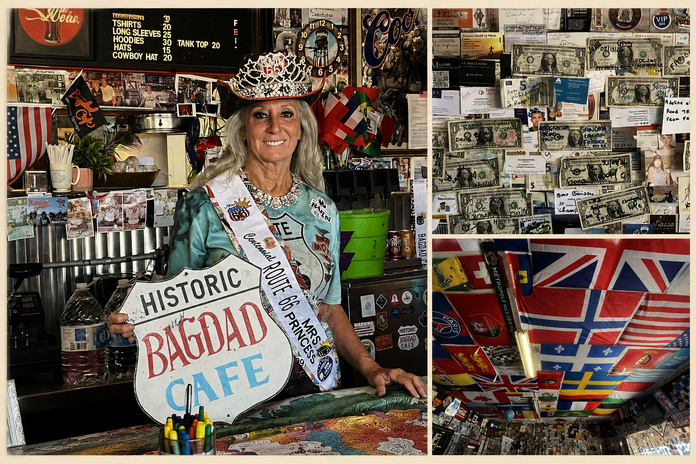
The most striking encounter on the California section of Route 66 remains Bagdad Café. Truly, a genuine myth, not just a café.

This somewhat dilapidated motel sits in Newsberry Springs, still in the Mojave Desert: it is where Percy Arlon’s film, awarded in 1989 with a César for Best Foreign Film, was shot.

As soon as you step inside, the film’s atmosphere — it tells the unlikely friendship between the café’s owner, jaded by life’s rough edges, and a German tourist who has lost everything — grips you again.

Bagdad Café offers ice cream, burgers, fries, sandwiches and souvenirs. It is also a place of pilgrimage with an unparalleled atmosphere. From floor to ceiling and across the walls, the room is filled with flags from around the world, one-dollar bills signed by visitors, police patches, postcards, stickers, and sweet notes…

On the wall, a poster “Make Bagdad Great Again” even invites visitors to contribute funds to save this place.

Andrée Pruett, the historic owner, died on January 13 of the previous year. Despite rumors of permanent closure, Bagdad Café still survives: an unusual couple seems to have taken over.

He is as taciturn as she is original, with glittering bell-bottoms and a Stetson in American colors topped by a dazzling diadem encrusted with jewels.

She was as welcoming as she was talkative. It was hard to leave. But how can one resist the lure of Route 66?

To be continued: Road Trip in the United States, along Route 66, from Oatman to Scottsdale


PAULA BOYER Publicado por Paula Boyer Jefe de la sección LuxuryTravelMaG – TourMaG.com
Voir tous les articles de Paula Boyer

  • picto Twitter
  • picto Linkedin
  • picto email
Ajoutez TourMaG à votre flux Google Actualités Google Actualités icône

PortAventura World Unveils Two Family-Friendly Attractions This Summer


La nouvelle zone aquatique de plus de 6 000 m², baptisée "Coral Bay, La Légende Perdue" - Photo : PortAventura World

CroisiEurope


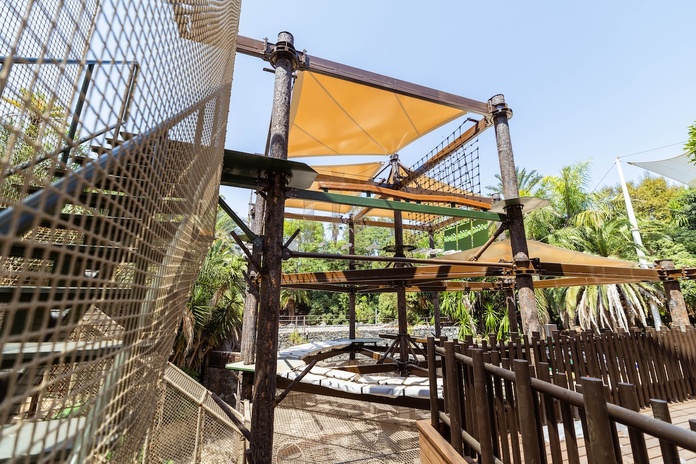
PortAventura World will open two new experiences this summer: “Coral Bay, The Lost Legend,” an expansion of the Caribe Aquatic Park, and “Makamanu Jungle, The Adventure Trek.”

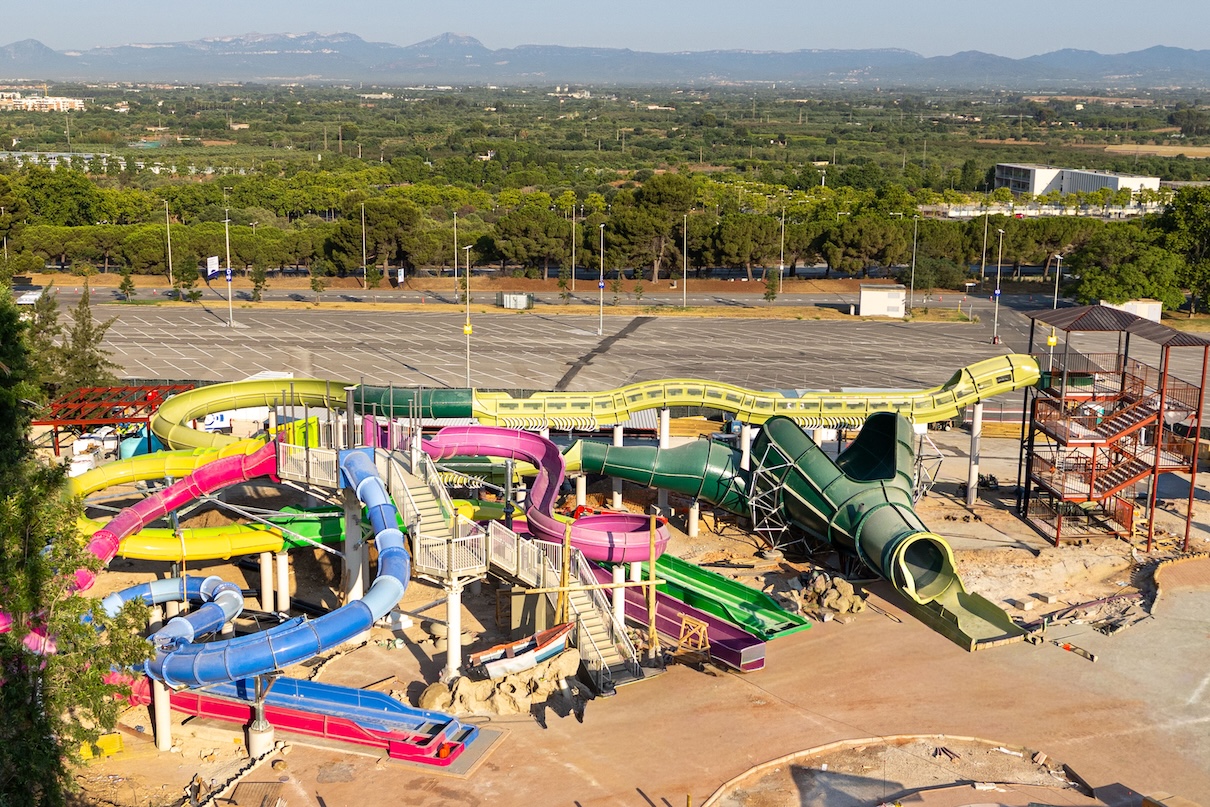
The new water zone of over 6,000 m², named “Coral Bay, The Lost Legend,” draws inspiration from an ancient sunken pirate cove that resurfaced from the depths of the ocean. Water, exploration and themed scenery will guide this extension of Caribe Aquatic Park, following the park’s best attendance year in its history, according to PortAventura World.

Among the new installations is Cyclone, described as the second family water coaster in the world and the first in Europe designed for a family audience.

Visitors will also be able to discover Pirate Bay, touted as the world’s first multi-adventure pool, as well as The Crab, a tower housing five different slide routes.

The youngest guests will have access to an interactive space named Splash Port. The whole complex will be complemented by a new dining venue, El Bucanero, together with several relaxation areas integrated into the theme of this underwater pirate city.


An Adventure Trail Through Polynesia’s Lush Vegetation


"Makamanu Jungle, The Adventure Trek" - Photo : PortAventura World

The second novelty will take place in PortAventura Park’s Polynesia zone with “Makamanu Jungle, The Adventure Trek.”

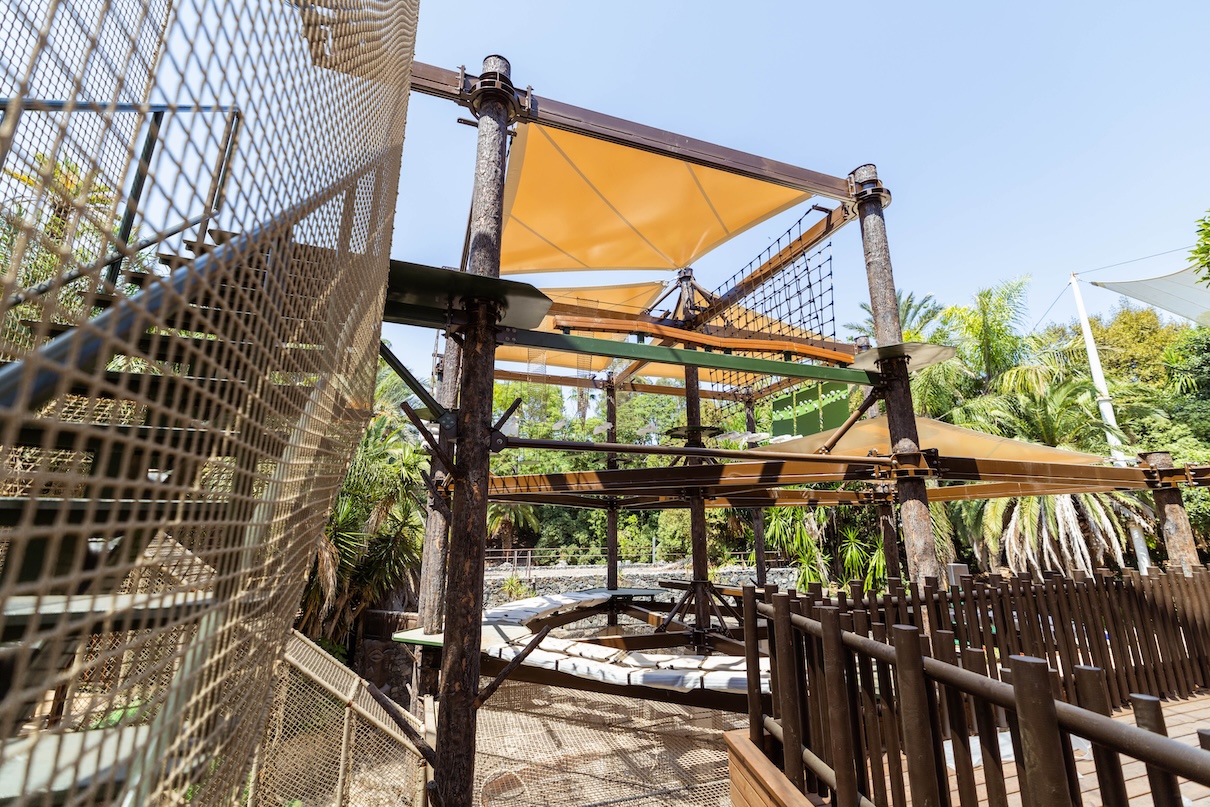
This 135-meter aerial course will wind through tropical vegetation using walkways, rope tunnels, suspended bridges and high structures. The scenery will evoke an ancient volcanic quarry hidden within the jungle.

Aimed at a family audience, the experience will offer several difficulty levels. It will notably include 18 elevated treehouses, 20 rope tunnels, three rope ladders, four slides and a central four-story structure providing varying degrees of adventure.

The new area will also benefit from direct access from the Far West zone, creating an additional link between the park’s two realms.


Strengthening its Position in Family Tourism

PortAventura World states that the new zone will include spaces accessible to people with reduced mobility. A harness-equipped rope course will also be offered to visitors seeking a more athletic experience.

Throughout the course, several visual elements will reference Makamanu, the iconic show that marked the resort’s history for many years.

With these two new experiences, PortAventura World continues to develop its offering for families and aims to renew its appeal to both returning visitors and new customers.

The resort believes that these investments will help strengthen its positioning among the leading family vacation destinations in Southern Europe, by further diversifying its summer leisure offerings.


Amelia Brille Published by Amelia Brille TourMaG.com Editor
See all articles by Amelia Brille

  • picto Linkedin
  • picto email
Add TourMaG to your Google News feed Google Actualités icône

Gastronomic Experience Aboard the Glacier Express


Meals Prepared in the Onboard Kitchen

© Glacier Express

CroisiEurope


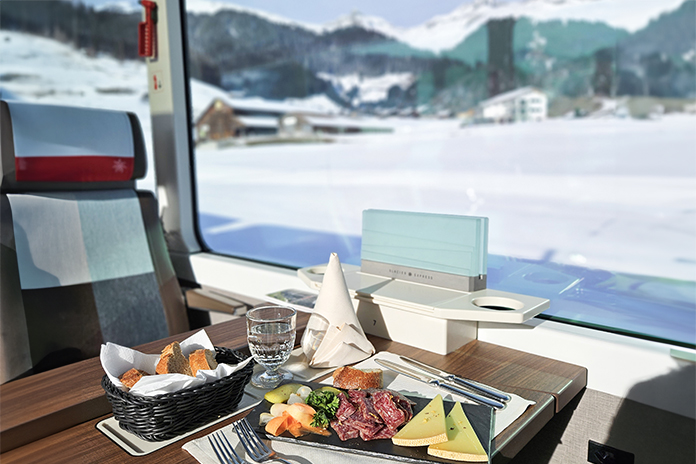
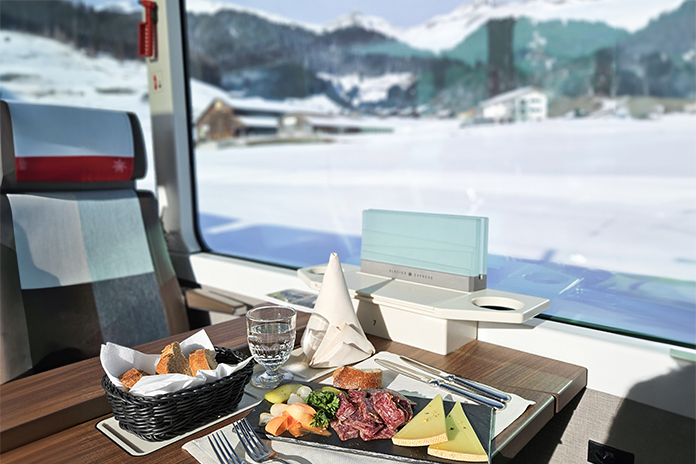
The hallmark of this legendary train lies in its organization: all meals are prepared daily in the onboard kitchen. To accommodate the needs of every traveler, the menu regularly offers lactose-free, gluten-free, vegetarian, or vegan options, ensuring a clear choice for everyone.

In First and Second Class, a bit of advance planning is all that is required. It is strongly recommended to reserve meals at least 48 hours before departure, ideally when buying the ticket and reserving your seat. For groups of 10 or more, this window extends to 10 days in advance (onboard meal reservations for groups are mandatory). Ordering meals once aboard remains possible, but selections may be more limited.

Cash payments are not accepted during the journey; all charges for beverages and meals are payable only by card, with the onboard staff delivering service to each passenger’s seat.


The Excellence Class Experience


© Glacier Express

For travelers seeking a fully integrated package, the Excellence Class offers a different approach. In this premium car, the complete culinary service is included directly in the seat reservation fee, removing the need to plan meals in advance.

Upon boarding, guests are greeted with an appetizer plate and a glass of champagne. Throughout the journey, a five-course menu is served, pairing the dishes with regionally produced wines for a comprehensive discovery of local specialties. The wines chosen to accompany each of the five courses are included in the package.

This travel class also provides exclusive access to the Glacier Bar. This space allows passengers to order a selection of cocktails and a variety of beverages, with or without alcohol, to enjoy at the bar and change their perspective during the day. Beverages ordered at the Glacier Bar, including cocktails, are not included in the trip price and are billed separately.

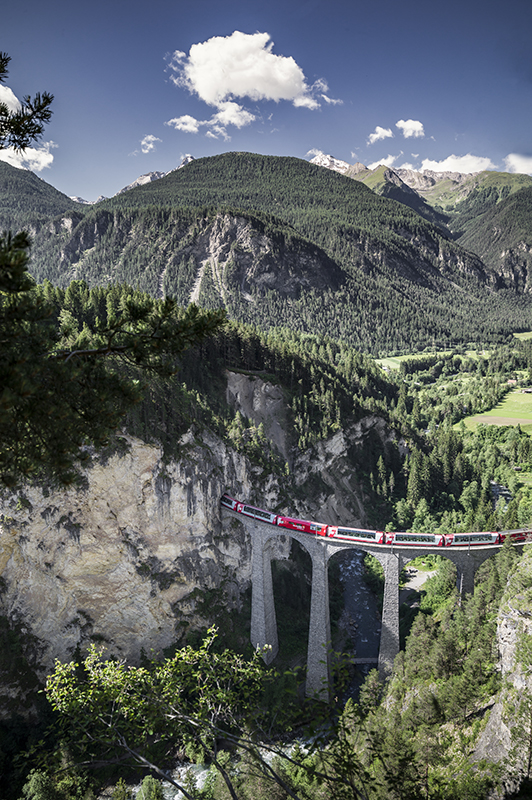
In the end, the Glacier Express turns a simple technical journey into a well-structured moment of relaxation. Between the Alpine landscapes racing by behind the large windows and the onboard culinary quality, the itinerary offers an efficient and pleasant transition between the different stages of a stay in Switzerland.


L'expérience gastronomique à bord du Glacier Express

https://glacierexpress.ch/fr/gastronomy

facebook instagram