
Rodolphe Costel (Transgallia): AI Boosts Productivity and Enhances the Value of Everyone’s Work [ABO]


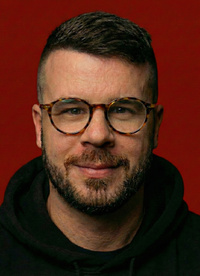
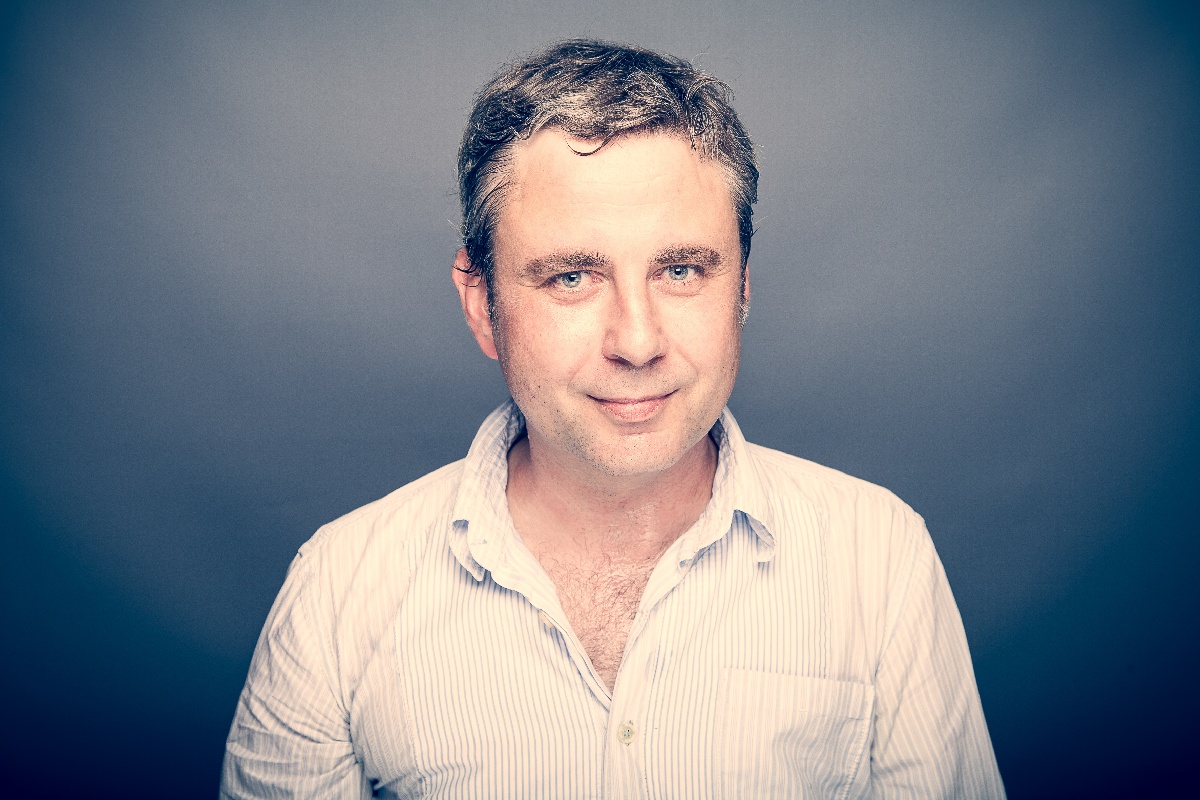
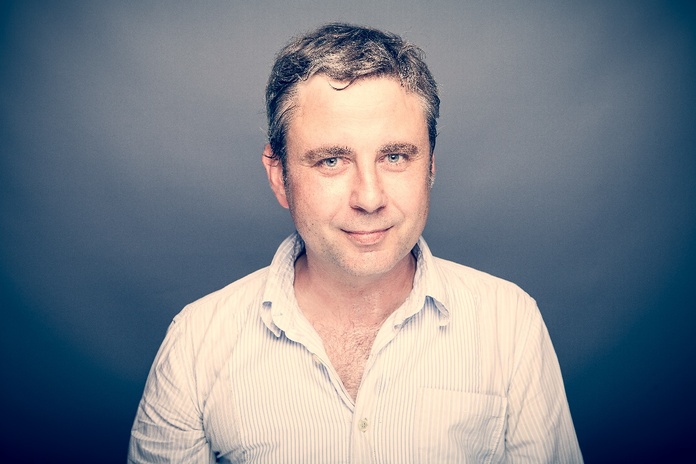
Rodolphe Costel (Transgallia) : "L'intelligence artificielle représente une évolution majeure pour notre métier. Chez Transgallia, nous ne la considérons pas uniquement comme un outil de productivité, mais comme un véritable levier d'amélioration de l'expérience client." - Photo Transgallia

CroisiEurope


TourMaG – Transgallia fête en 2026 ses 80 ans. Pouvez-vous nous faire un rappel de l’histoire de l’entreprise ?

Rodolphe Costel :
The travel agency was founded in 1946, then acquired and developed by my parents in 1991. Today, I run Transgallia alongside my sister, Eugénie Costel.
We specialize in group travel. We send around 750 travelers per year. We work directly with CSEs and associations. We also operate two individual agencies: one in La Chapelle-Saint-Luc (Aube) at the headquarters, and another in downtown Troyes.
Finally, we have a corporate travel activity that complements the whole. Today, Transgallia employs 20 staff for a turnover of €20 million.
TourMaG – You embarked on a major digital project by integrating artificial intelligence and automation at the heart of your organization. When did you trigger this project?
Rodolphe Costel : At the outset, we used artificial intelligence, as many do, for content creation, for dressing up detailed itineraries, helping us prepare quotes or even serving as a legal assistant.
The company truly ramped up on this topic starting in autumn 2025. Transgallia posted steady, double-digit growth year after year, except during Covid, and we struggled to recruit.
The only solution left for us was to automate part of the tasks, through AI.


AI, a true lever for improving the customer experience

TourMaG – How did you proceed? Were you supported along the way?

Rodolphe Costel :
I tried to think through the architecture and identify all business tasks, distinguishing those that could be automated from those that could not. Based on that, I developed a strategy that allowed me to progress.

My collaborators also offered suggestions. We held briefings and proposed various possibilities. For implementation, we work with an external development firm with whom we have long collaborated on other IT projects. We have invested in specialized software and benefited from guidance.

There is still a lot of development to be done. In any case, I have ideas; I have them every day.

TourMaG – Is the objective only productivity gain?

Rodolphe Costel :
AI represents a major evolution for our profession. At Transgallia, we do not see it solely as a productivity tool, but as a real lever to improve the customer experience.

Our ambition is to move from an organization that merely responds to requests to one capable of better anticipating expectations.

We want our clients to benefit from the full power of the new technologies, without ever losing what makes our profession valuable: proximity, advice, and human presence.

TourMaG – Have you quantified the productivity gains, anyway?

Rodolphe Costel :
We have achieved a 30% productivity improvement. But it is not primarily about productivity; it is about work quality. I reiterate: all repetitive tasks are handled by AI, which allows everyone’s work to be valued more and increases agility. With this tool, we not only improve productivity but also job satisfaction.


Concrete applications
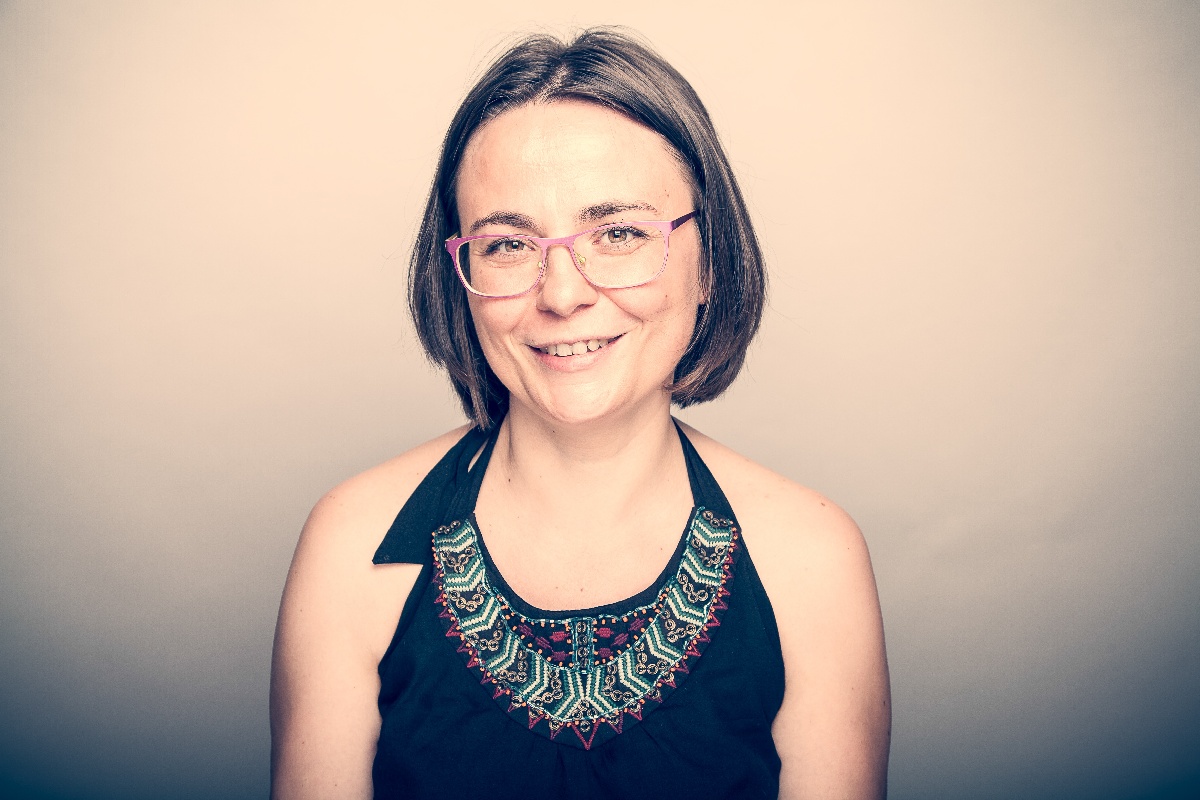

Eugénie Costel, dirige l'entreprise aux côtés de Rodolphe Costel, son frère - Photo Transgallia

TourMaG – Could you present a few concrete applications?

Rodolphe Costel : AI helps us better organize the processing of requests, streamline project follow-up, and automate certain administrative steps.

We receive many inquiries by email. We have a well-optimized group-dedicated website, but occasionally individuals reach out, assuming the prices offered apply to individual travel.

The tool automatically recognizes whether it is an individual request or a group one, then analyzes the type of request and the destination. We know, for example, that a staff member specializes in a given destination. The tool can then forward the request directly to the right person.

Automation also impacts the sales department, but especially the technical department, where it can be pushed very far. Once the file is confirmed, there are many repetitive tasks that can be automated.

Between contract signing and departure, a year can elapse. There are many steps that can be anticipated by automating certain processes.

The idea is to provide as much practical information as possible to the group leader, based on the destination and travel period, to assist with formalities and to offer practical advice tailored to the destination. Each traveler can receive relevant information at the right moment.

There are many such automations, being proactive and trying to anticipate questions to provide answers in advance.

For the client, this is very reassuring, as it gives a sense of ongoing monitoring. On our side, answering questions in advance also helps unclog the inboxes and reduces the number of incoming calls.

Even during the trip, we have the option to automatically send an email or a text message to verify that the arrival went smoothly, with a view to defusing any potential dispute as early as possible.

AI also contributes to improving the analysis of feedback and the tracking of satisfaction. We automatically send satisfaction surveys. The analysis of responses and the management of satisfaction are also orchestrated by AI. There are really many possibilities.


“The teams understood that their place is not in question”

TourMaG – Does this allow you to do things you wouldn’t have had time for before?

Rodolphe Costel :
Absolutely. Some things have even been implemented that didn’t exist before.

TourMaG – Let’s revisit the example of formalities: how do you handle changes?

Rodolphe Costel : For the formalities, we’ve set up a monitoring system with an AI agent that consults France Diplomatie and other sources. As soon as a change occurs, the client is automatically informed to reassure them and provide the necessary information.

The goal is to give the client more information, while easing the teams’ workload, improving productivity, and placing the human element at the core of the business.

TourMaG – Aren’t the teams frightened by the place AI has taken?

Rodolphe Costel : No, they understand that their place is not being questioned.

They also understand that if we manage to handle more dossiers, that means more work for them. It brings our profession back to the heart of the customer relationship. And the teams are still overwhelmed!


Transgallia: more than 2,800 products online on the group site


TourMaG – Which destinations do you offer?

Rodolphe Costel :
Our advantage is that we are generalists and not overly dependent on political crises in any given country.

We offer many itineraries in Europe and cultural stays, notably in Albania, Bosnia, or Greenland, with new offers we are launching for groups.

We produce our own itineraries and seaside stays, with the exception of requests related to clubs. We have more than 2,800 products online on our group-dedicated site.


Céline Eymery Published by Céline Eymery Editor-in-Chief – TourMaG.com
See all articles by Céline Eymery

  • picto Facebook
  • picto Twitter
  • picto Linkedin
  • picto email
Add TourMaG to your Google News feed Google Actualités icône

River Tourism: How to Keep Surprising Repeat Visitors? [ABO]


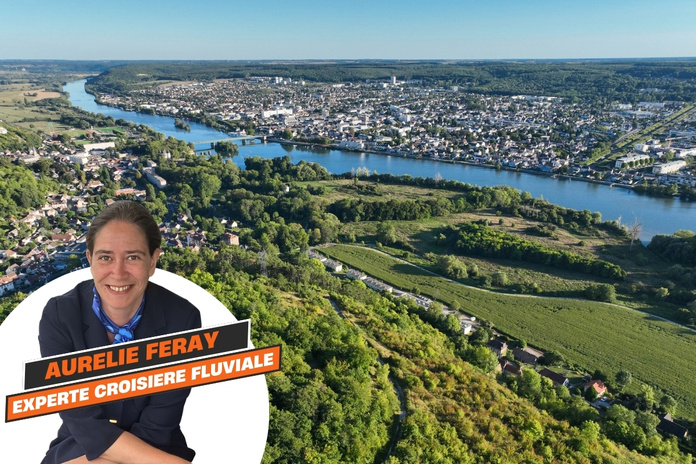
Tourisme fluvial : les repeaters, comment continuer à surprendre ceux qui reviennent ? - Depositphotos.com Auteur Totof27

CroisiEurope


For a long time, I believed the most beautiful moment of a port of call was when passengers first arrive and discover a territory: their gaze, their curiosity and their wonder.

Then, as the seasons passed, I realized there was another category of travelers, just as fascinating. Those who returned. I remember hearing these few words repeatedly on the quays: « We have been here before… ».

This phrase could be followed by « …with another company », « …three years ago » or even « …it was our first cruise on the Seine ».

If these travelers returned, it was because they had kept an excellent memory of their previous cruise. But this loyalty brought with it a new responsibility. Would we manage to give them a new experience, without denying what had attracted them the first time?

Also read : River port manager: this behind-the-scenes role that makes all the difference


A loyalty that goes beyond the destination

When we return to the same region multiple times, our way of traveling naturally evolves. The first time, we discover the musts.

The second time, we seek more confidential places, a different ambiance, encounters, and more authentic experiences. We no longer simply visit a destination; we aim to live it differently.

In river cruising, this logic is a little different. Of course, you reconnect with a ship, a crew, a level of service and that distinctive atmosphere that left its mark on your first journey.

But you also reconnect with a river, landscapes, towns, villages, a heritage and emotions that made you want to return.

Major companies now offer itineraries across several rivers, sometimes in several countries. If a client decides to sail again on the Seine rather than discover the Rhine, the Danube, the Douro or the Rhône, it is because they were seduced not only by the company… but also by the territory it allowed them to discover.

Their loyalty is thus not tied solely to the boat, nor solely to the destination. It arises from the meeting of the two. Between the experience lived aboard and the one lived ashore. It is precisely this alchemy that makes loyal travelers so distinctive.


A challenge that destinations do not always see

Each morning, a ship docks. On board, some passengers discover the Seine for the first time. Others are already on their third, fourth or fifth cruise on this same river. The company often knows this information. It knows which passengers are returning.

The destination, however, almost always ignores it. Yet it will have to satisfy everyone: the traveler who is discovering, just like the one who returns. Thus, the same excursion must persuade, on the same day, a first-time visitor awed by the discovery… and a loyal traveler who already knows the classics.

Some might be tempted to renew excursions systematically. However, the must-sees remain must-sees.

After all, the Seine would not truly be the Seine without the Eiffel Tower, Monet’s Giverny, or the beaches of the D-Day landings.

These sites form part of the very identity of this cruise. They are often the reason travelers chose this itinerary. Removing them in the name of novelty would be a mistake. Yet thinking that they alone suffice would be equally misguided. The loyal traveler does not necessarily seek a new destination. They seek a new way to live it.

The one who has already admired Giverny might enjoy returning there. But they will be just as happy to extend their day in Vernon, meet a craftsman, discover the banks of the Seine, participate in a local event or simply spend more time strolling.

Every territory has stories just waiting to be told.


A tremendous opportunity for the regions

For destinations, this evolution represents a genuine opportunity. Meeting the expectations of loyal travelers is not merely about enriching an excursion.

It is also a chance to distribute flows more evenly, to showcase lesser-known places, to highlight artisans, producers, guides or events that struggled to find their place in traditional itineraries.

Each new experience offered gradually broadens the discovery of a territory. And it widens the economic ripple effects of the cruise. This reflection obviously concerns destinations.

But it also speaks to cruise companies. Destinations know their territory. They know which new experiences can be proposed, which partners deserve to be promoted, and which events can enrich a port call.

The companies, for their part, know their travelers. They know who discovers the river for the first time, who returns regularly, which excursions have already been done and what their clients’ interests are.

It is in this complementarity that perhaps lies one of the major challenges for river tourism in the future. It remains to ensure that this knowledge circulates more.

Without going so far as to customize every excursion, better sharing this information would already allow us to imagine more scalable offerings and to better anticipate passengers’ expectations.


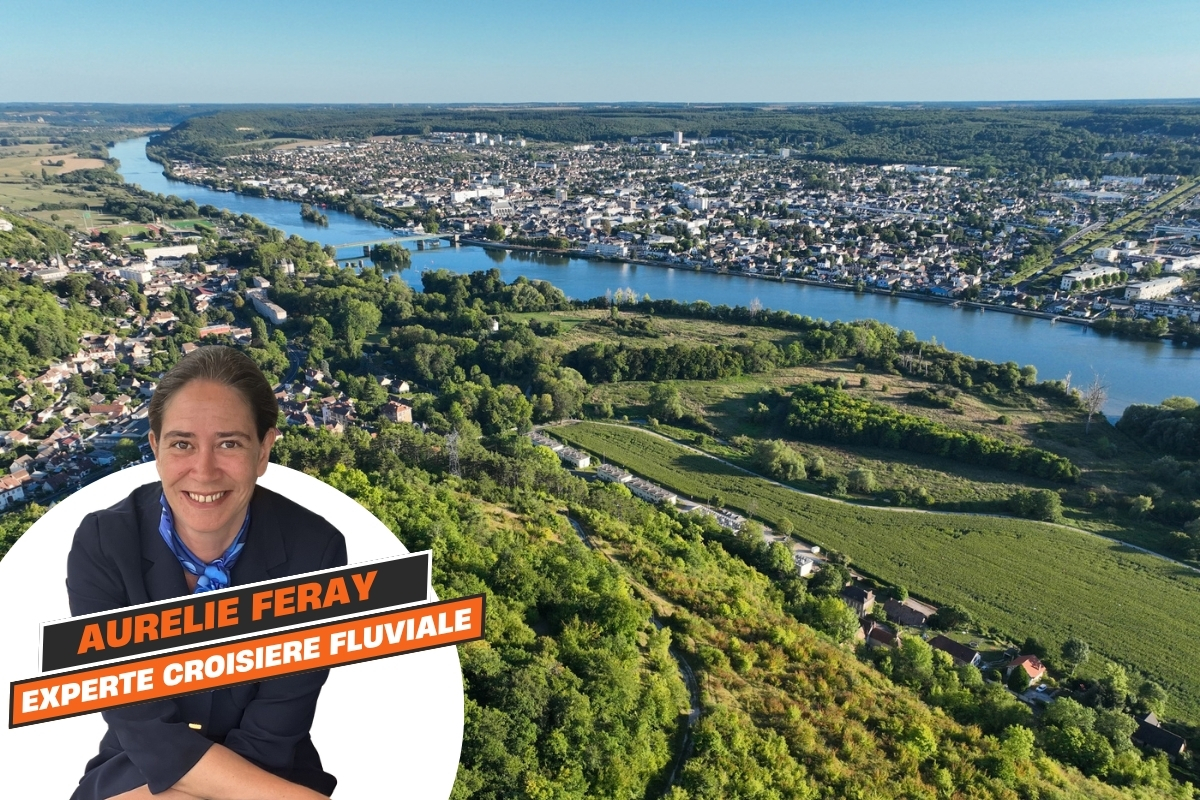
About Aurélie Feray

Manor: Bruno Le Maire and Franck Gervais Expected at Venice Conference


Manor : Bruno Le Maire et Franck Gervais attendus pour le congrès à Venise - photo RP

CroisiEurope


The 31st Manor Leaders Congress will be held in Venice from October 28 to 31, 2026. For this anniversary edition, the network has planned several working sessions.

The first day, Wednesday, October 28, will begin with the official opening of the congress and a speech by Gregory Mavoian, Manor’s president. Attendees will then discuss electronic invoicing, with Lionel Weingaertner of American Express GBT and Thierry Vialaneix, a tax attorney at Baker McKenzie.

Artificial intelligence will occupy a prominent place in the program, with a presentation by Nicolas François, digital director and founder of the IA Tech & Travel Café newsletter, on the challenges of this technology in tourism. Marie-Laure Tarragano, an associate at DTMV, will then present the regulatory framework applicable to AI.

Christian Sabbagh, CEO of Travelsoft, will address the topic “The SAAS Apocalypse”, followed by a conference focusing on cybersecurity risks and artificial intelligence by Clément Domingo, a hacker and speaker.


Bruno Le Maire Expected on October 29

On Thursday, October 29, the morning will be devoted to several presentations, including that of Franck Gervais, chief executive of the Pierre & Vacances group, who will revisit the company’s revival. Sébastien Mazé, International Grand Master of Chess, will also propose a talk titled “The Queen, the Bishop and the CEO.”

The former Minister of the Economy and Finance Bruno Le Maire is expected to deliver an address described as exceptional and exclusive, from 11:00 a.m. to 12:30 p.m.

A buffet lunch organized around a workshop with partners is then planned. At the end of the day, attendees will travel to Venice by boat and will have free time near St. Mark’s Square.

On Friday, October 30, the program includes a boat excursion to Murano and Burano. The general assembly of the Manor GIE will be scheduled in the afternoon.

Egypt: Jet Tours Builds Its Own Dahabiya on the Nile


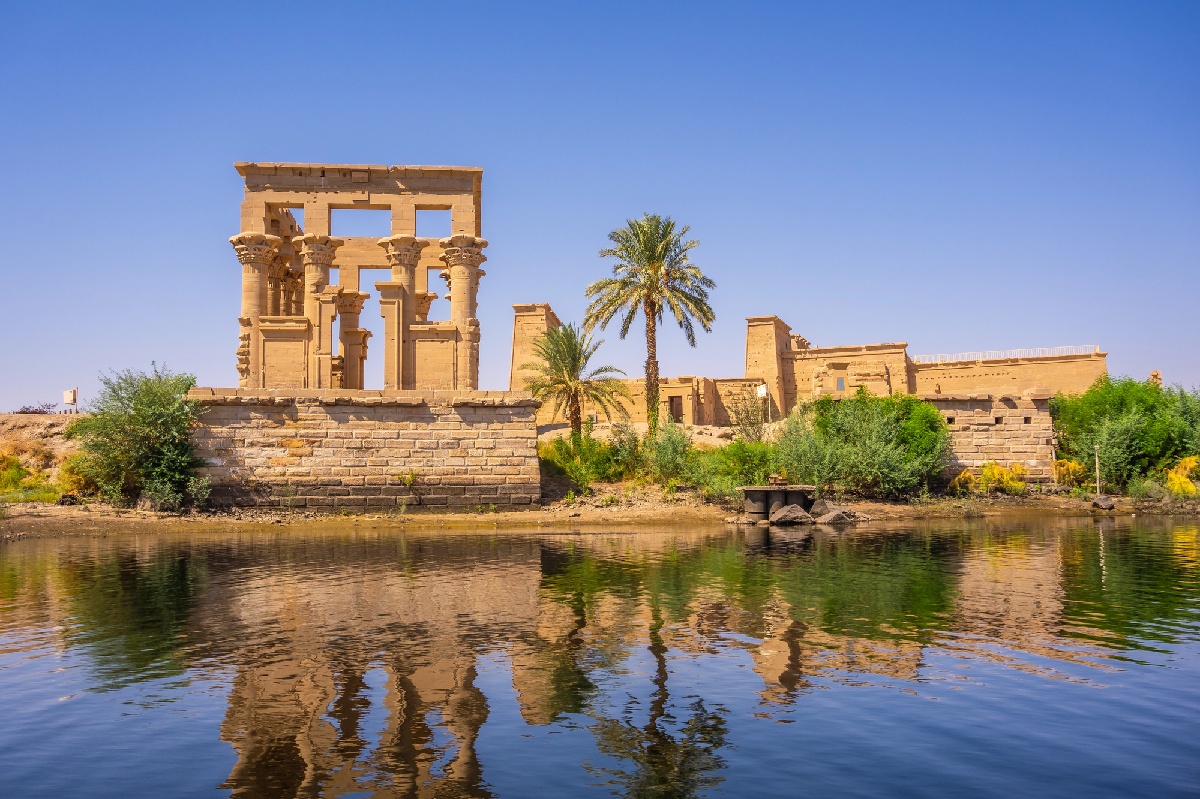
Egypte : Jet tours fait construire son propre dahabieh sur le Nil - Depositphotos.com unaihuizi@gmail.com

CroisiEurope


Jet tours launches “Along the Water – Elegance on the Nile“, a new five-star luxury cruise in Egypt.

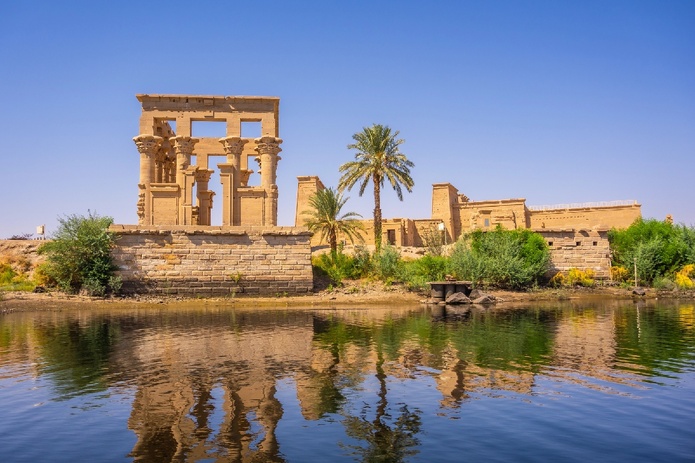
The tour operator has built its own dahabieh, the Lady Assiya, inaugurated in September 2026. With 12 cabins, this traditional sailing vessel focuses on an intimate experience, in the spirit of ‘slow travel’.

The cruise is offered on an all-inclusive basis, with a French-speaking Egyptologist guide.

The itinerary includes ten visits and calls, including the temples of Karnak, Luxor, Edfu, Kom Ombo and Philae, as well as the Valley of the Kings, the Colossi of Memnon and the Temple of Medinet Habu. The program also includes a visit to a papyrus factory and a stop on Al Ramady Island.


Jet tours reports a 60% increase in bookings for Egypt over the past month, compared with the same period the previous year. According to the operator’s figures, 65% of bookings are for couples and 25% for families.

The December-to-February period accounts for 50% of departures, while 15% of travelers plan to depart during the year-end holidays. One third of clients choose a Nile cruise.

Paris represents 40% of departures, ahead of Lyon (15%) and Nantes (10%).

To mark the launch, Jet tours offered a discount of 150 euros on trips to Egypt for purchases starting at 1,500 euros, including on partner products. The offer is valid for reservations made until October 23, 2026.

Travelski Night Express: New Benelux Line for Winter 2026-2027


Travelski Night Express : une nouvelle ligne au Benelux pour l’hiver 2026-2027 - Depositphotos.com Auteur sanddebeautheil

CroisiEurope


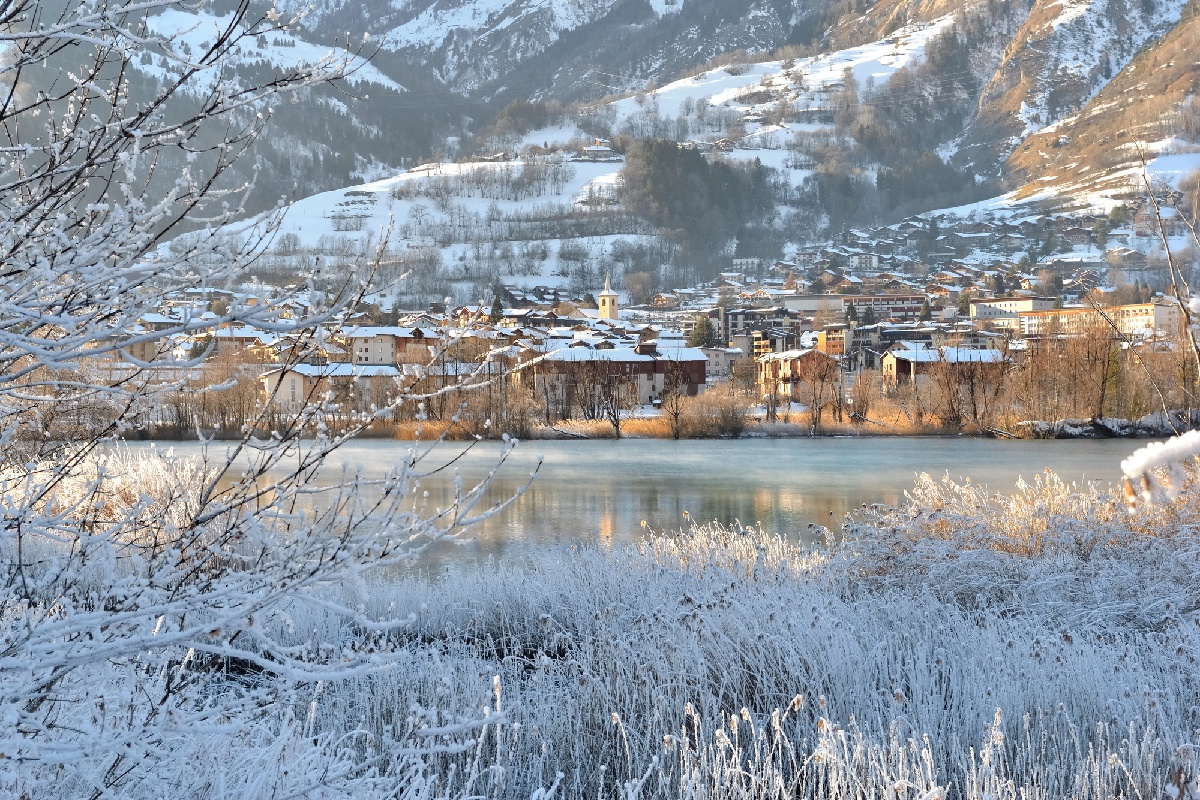
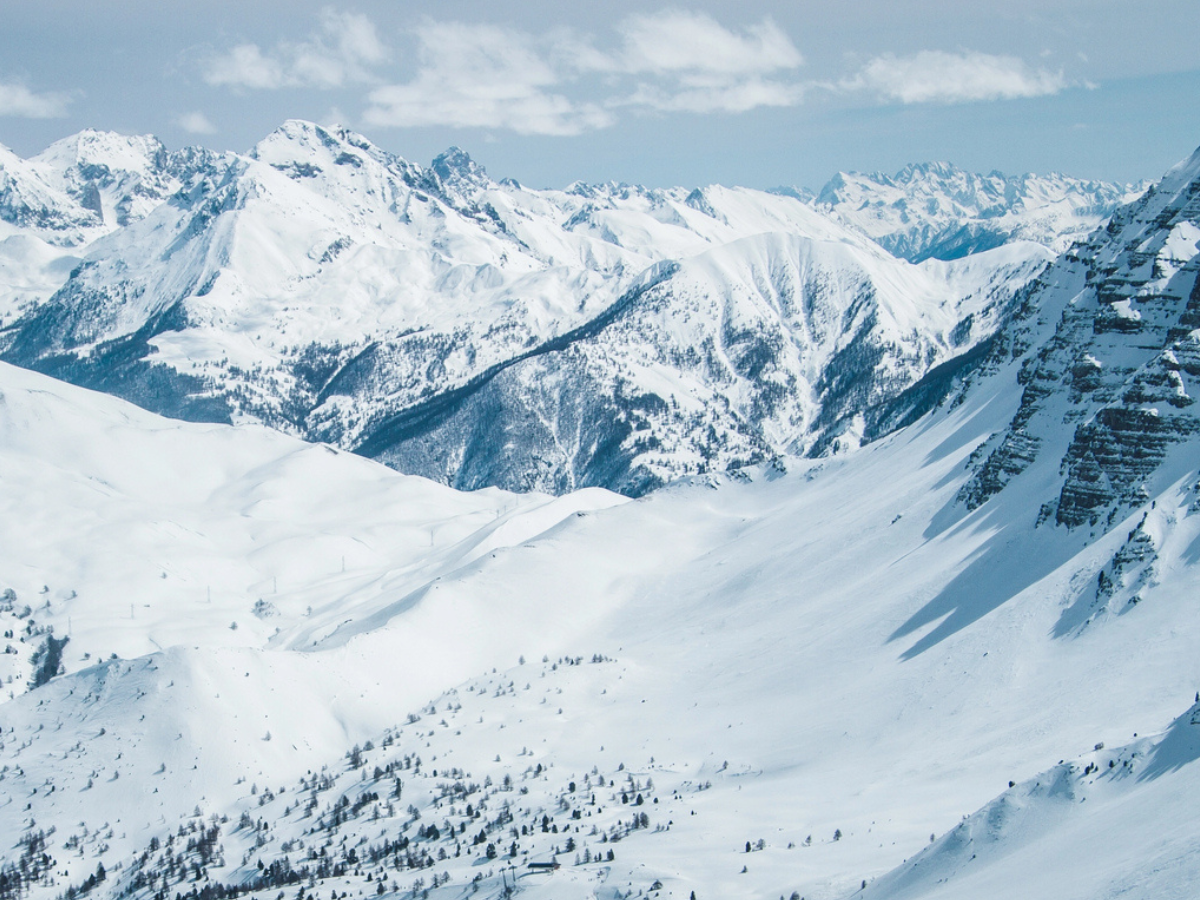
Travelski Night Express prepares its return for the 2026-2027 winter season. From December 18, 2026, the night train will connect Paris-Austerlitz to Bourg-Saint-Maurice, in the heart of Tarentaise, until March 20, 2027.

The objective: to allow vacationers to reach the alpine resorts overnight and enjoy the slopes from Saturday morning.

The season’s main novelty, Travelski Night Express expands its network with a new line departing from Amsterdam, Rotterdam, Antwerp and Brussels. It will enable Belgian and Dutch travelers to reach the French Alps by night train. The two lines will operate in parallel during the winter season.


Four levels of comfort and packaged stays

The service offers four options: seating, standard berth, standard berth plus with upgraded bedding, and a privatizable First compartment, featuring three berths and a private toilet.

Departing from Paris, tickets are offered from 65 euros per person for seating, 109 euros for a standard berth, and 135 euros for a standard berth plus, per trip. The First compartment is listed from 555 euros.

Packages combining round-trip transport, seven nights of accommodation, and ski-lift passes are also available.

The service is operated by Pegasus Trains. Travelski, a brand of the Travelfactory group, a subsidiary of the Compagnie des Alpes, reports carrying more than 140,000 passengers during the winter of 2024-2025.

Hoteliers: How to Reduce Your Dependence on OTAs with Google Ads [ABO]


Google Ads amplifie ce qui existe, mais lancer des campagnes sans avoir réglé les fondations revient à payer pour envoyer du trafic vers une expérience qui ne convertit pas - DepositPhotos.com, bigtunaonline

CroisiEurope


OTAs charges range from 15% to 25% per booking.

Booking.com typically bills between 15% and 18%, but the effective commission can reach 25 to 30% when promotional visibility tools are activated simultaneously.

On 100 euros of revenue, a hotel that relies exclusively on OTAs pays back between 15% and 30% to platforms that do not know its clients, do not retain them for the hotel, and whose ranking rules evolve independently of its will.

Yet one must be honest about what OTAs bring. For a property at its launch phase, lacking notoriety or seeking to fill rooms in low season, they remain indispensable visibility channels. For a hotel without internal marketing resources or the ability to nurture a client base, they do this work for the property, at a high but predictable cost.

In 2025, the share of bookings via OTAs reached 63.4% of the independent lodging market (Elloha, March 2026), and 71% for tourist furnishings in 2024 vs 53% in 2019 (Etourisme.info, September 2025).

Aiming for a 50/50 mix is an ambitious yet attainable objective for an independent who commits to it, and building this autonomy gradually is a much more solid strategic decision than a abrupt break with platformss that continue to fill a useful role.


The demand is there, on Google


Source: google.com

57% of travelers begin their search for accommodation on Google before finalizing on Booking (RoomRaccoon / Google, 2026).

These prospects have dates, a rough budget and a real purchase intent, and they represent exactly the demand that a well-structured Google Ads campaign can capture upstream.

Direct-booking customers also tend to show higher average cart values and longer stays than those who go through OTAs (Prostay, January 2026), and unlike a Booking guest whose data cannot be used to commercially approach them for a future direct reservation due to the platform’s terms, a direct customer joins the property’s customer base and can be retained over time.


Non-negotiable prerequisites

Google Ads amplifies what already exists, and launching campaigns without having set the foundations is like paying to drive traffic to an experience that does not convert. Four conditions must be met:

– a fast and mobile-friendly website with a smooth booking journey ;

– an online booking engine that works with real-time rates and availability ;

– direct rates at least equal to OTA rates, because showing a higher price does not encourage changing habits ;

– a complete and well-rated Google Business listing, from which Google pulls the facilities, photos and reviews shown in its results.

One missing point is enough for the advertising budget to generate clicks that do not convert into bookings.


How Google Ads works for a hotel

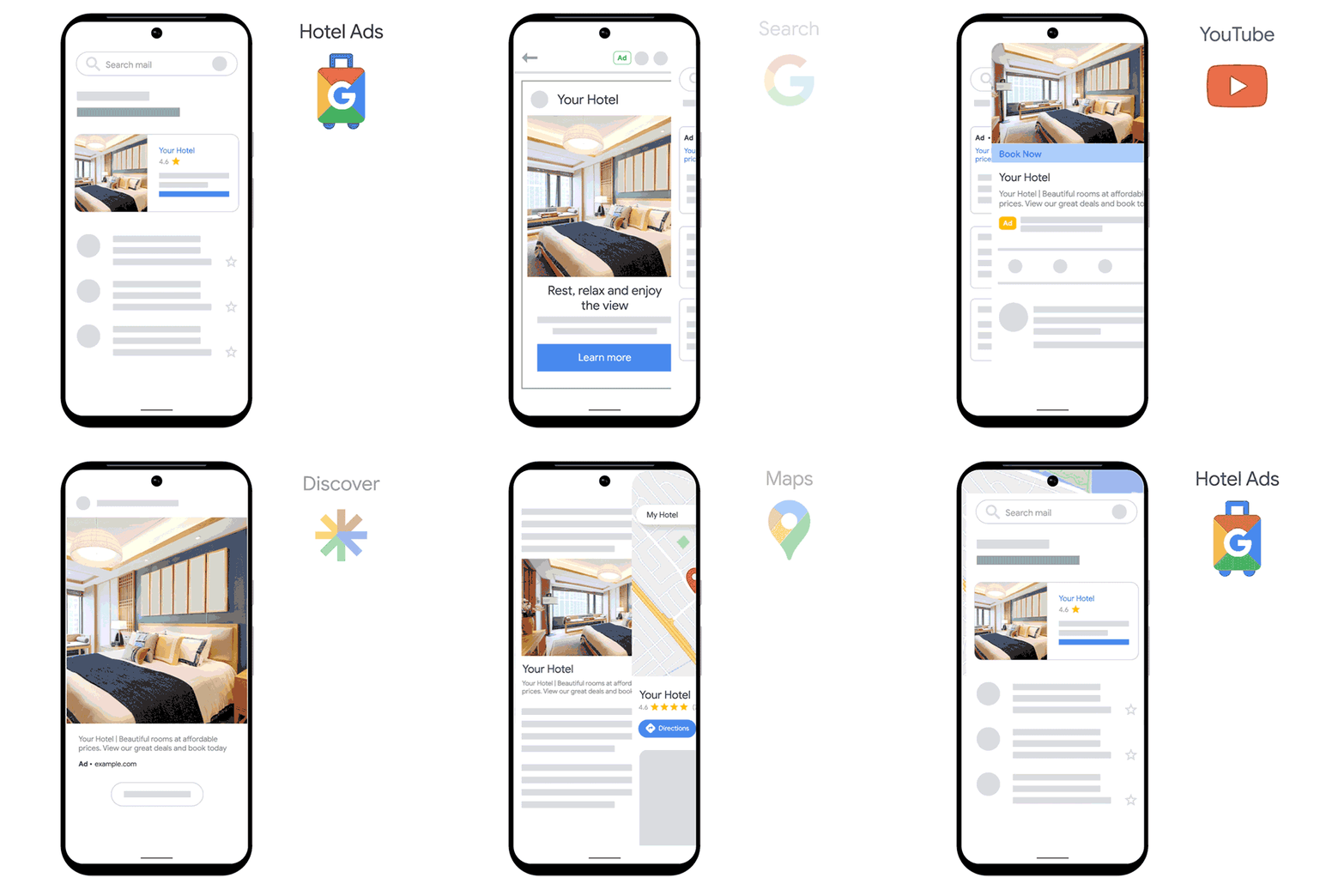
Two devices operate in parallel. Classic Search displays text ads when a traveler types “hotel [destination]” into Google, with a click that takes the prospect directly to the property’s site. This is the most direct lever to capture an intent to purchase as it occurs.

Google Hotel Ads displays your real-time rates and availability on Search, Maps and Google Travel, allowing the traveler to compare your price with OTAs before clicking to book on your site.

Google also offers free booking links, visible under paid ads, that generate additional traffic at no extra cost per click, provided you have a Hotel Center account, the interface that centralizes the property’s rates and availability, properly configured.

To activate this mechanism, the booking engine must be connected via a certified integration partner. The main compatible tools in France: D-EDGE, number 1 in Europe with more than 5,000 French hotels, SiteMinder, Mews, RoomRaccoon and Cloudbeds.

If you already work with one of them, the connection can in most cases be activated directly from your dashboard, without technical development.


The Budget and a Field Example


Meta or ChatGPT Ads in parallel: the brand-awareness lever

Google Search captures intent at the decision moment, Meta and ChatGPT Ads intervene upstream in the inspiration phase.

A well-crafted visual in retargeting of site visitors who did not book, or in prospecting audiences similar to existing clients, generates brand familiarity that directly improves the conversion rate of Search campaigns.

Both channels address different moments in the journey and reinforce each other rather than competing.


What a direct customer is really worth over time

The cost of acquiring a customer through Google Ads smooths out thanks to loyalty. A direct customer can be contacted again before their next season via email or newsletter and can rebook without additional advertising spend, as long as the establishment maintains this relationship over time.

Google Ads targets properties that have gathered the conditions to benefit from it: a high-performing site, a functional booking engine, competitive rates, a well-kept Google listing, and the ability to nurture a long-term customer relationship.

It is a lot of conditions, and it would be dishonest to deny it. But for those who meet them, every direct booking generated is a commission that stays with the establishment.


In Brief

– Between 15% and 30% commission per booking: this is what most independent hotels pay OTAs to fill their rooms.

– 57% of travelers begin their search for accommodation on Google before finalizing on Booking.

– Google Ads enables capturing this direct intent, at the exact moment it appears, and bringing the traveler back to your own booking engine.

– A Parisian property at €300 per night moved from 100% OTA to a mix of 60% Booking / 40% direct bookings in 6 months. This rebalancing has concrete prerequisites: a minimum of €2,000 per month, a performing site, competitive direct rates and a functional booking engine.


Sources

– Elloha.com – Dependency of independent accommodations on OTAs, March 2026

https://blog.elloha.com/2026/03/29/independants-pourquoi-votre-dependance-aux-otas-peut-encore-grimper-en-2026/

– Etourisme.info – Share of direct reservations for tourist furnished accommodations 2019-2024, September 2025

https://www.etourisme.info/se-dirige-t-on-vers-la-fin-de-la-reservation-directe-pour-les-hebergements-touristiques/

– Headsonpillows.com – OTA commissions: rates, costs and strategy 2026

https://headsonpillows.com/direct-booking-vs-ota/

– Prostay.com – Direct bookings vs OTAs: value per available room, January 2026

https://www.prostay.com/fr/blog/statistiques-sur-les-reservations-dhotels-2025-apercu-et-tendances-du-marche/

– RoomRaccoon.fr / Google – 57% of travelers start their search on Google

https://roomraccoon.fr/integrations/google-hotel-ads/


Photo : A. Houizot

Adrien Houizot is a Google Ads consultant who has specialized exclusively in the travel and tourism sector for eight years.

After having worked in several digital marketing agencies, he now supports B2C & B2B travel agencies, hoteliers and providers of tourist activities.

He is the founder of Monsieur Travel Marketing.


Havas Voyages: Leisure in Decline, Business Travel Holds Up [ABO]


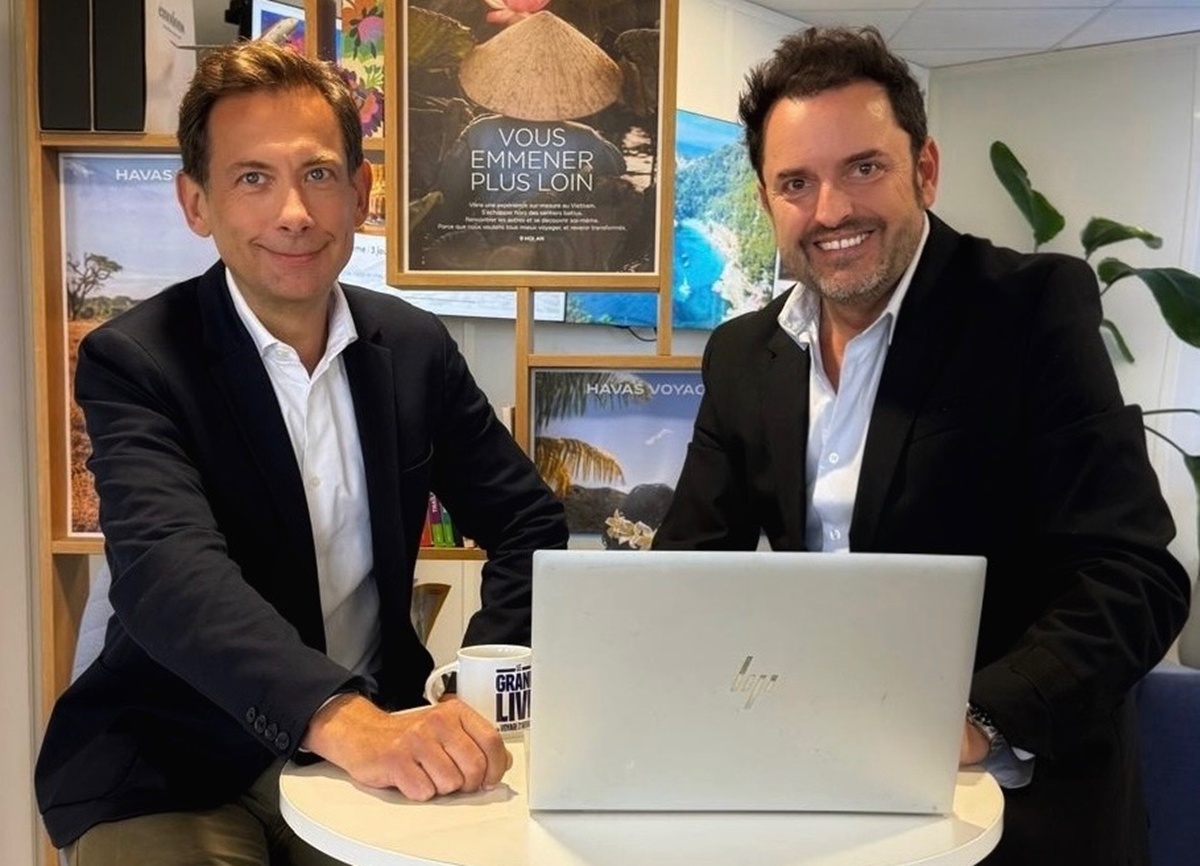
L'arrivée de Fabrice Allion (à droite sur la photo) a permis à Havas Voyages d'aller chercher les meilleures pratiques du retail. Il travaille en lien étroit avec Grégory Baumann (à gauche) - Photo : Havas Voyages

CroisiEurope


TourMaG – At the start of the year, the organizational chart of Marietton Développement was revised and you were promoted. Could you briefly remind us of the current organization?

Grégory Baumann: Indeed, I previously held the position of Deputy Chief Executive Officer of Havas Voyages. When Christophe Jacquet was named CEO of the Marietton group, which owns Havas Voyages, Laurent Abitbol entrusted me with the keys to the company.

This led to an internal reorganization. Among the main changes, we recruited Fabrice Allion as head of the leisure network, because he has extensive retail experience. He has worked for brands such as Zadig & Voltaire, Des Petits Hauts, Décathlon, Lacoste and Apple, and he is also a travel enthusiast.

His arrival enabled us to draw on the best retail practices.

Fabrice Allion: I joined Havas Voyages to energize a network of nearly 200 integrated agencies: 176 Havas and 13 Auchan Voyages.

TourMaG – What about the franchised network?

Grégory Baumann:
It is Arnaud Abitbol who keeps the leadership of the franchise, because the relationship is historic, the franchisees value it and it works very well. There is therefore no reason to change the organization. Overall, the network comprises 350 integrated and franchised agencies.

Alongside Fabrice’s arrival, we strengthened the leadership of the business travel division—business trips account for 50% of our activity—by recruiting two people: Cyril Pellegrin as Commercial and Marketing Director and Brice Nicolas who leads all operations as well as our 17 BTCs—our business desks—across France.


Supporting business travelers in an inflationary context

TourMaG – Why such a reorganization?

Grégory Baumann :
It aligns with our ambition and the growth we want to pursue.

On the business travel side, first of all, we want to continue to embed our DNA—service in a highly digitalized profession—and anchor this service offered to travelers and businesses.

Our creed is to take care of business travelers and corporate budgets. And for that, we need the best market experts and robust technologies. That is how we operate today.

TourMaG – How does that translate in practice?

Grégory Baumann :
Historically, we were well known in the SME market. Gradually, we are positioning ourselves for large accounts. We recently signed a deal on the French market worth 30 million euros.

Our ambition is to meet the expectations of our clients as the market evolves. To do that, we organize two to three times a year round-table discussions with them. We invite them to our headquarters and give them a voice. This allows us to set the roadmap for the coming months and years. We are launching this week our major client satisfaction survey.

TourMaG – What are the current concerns of your business clients?

Grégory Baumann :
The ability to maintain their budgets in an inflationary context. It is therefore up to us to assist them in their travel policy, but also to enable them to access the best content.

Today, we are the leading French network in terms of NDC fare sales: one out of two Air France tickets sold by Havas Voyages is an NDC ticket. Not everything is perfect yet, but the system works sufficiently well for us to offer it to all our clients.

We also offer them other services: we have updated our content with Amadeus Cars, expanded our rail offer with foreign companies; and we take care of all compensation requests in the event of flight delays.


The “Specialist” program facing clients who have become “know-it-alls”

TourMaG – What about the leisure segment?

Grégory Baumann :
Havas Voyages is a premium brand in the market, with an ADN, a reputation, 80 years of experience. The most important for us is that this reputation endures for years and years.

Our ambition is to offer our clients the finest possible experience in travel agencies, emphasizing “the art and the way” we conduct our trade.

The art lies in our teams, their expertise, their experience, their passion. But we cannot rely solely on art; it’s important to have the manner—the best methods to deploy in an agency to ensure the customer experience is perfect from start to finish.

We work with our teams on the entire customer relationship, from the first appointment to the signing of the travel project, to provide the response or travel plan that best meets the client’s criteria and requirements.

When I speak of method, I mean asking the right questions to understand what the client who walks into the agency wants. Also, understanding how the client has traveled in the past, what they liked, what they would like to experience again or not.

To determine what their ideal trip looks like, you must understand who you are dealing with and avoid pushing a costly product at all costs. This is not our way of working. We want to create moments, moments of experience.

Our second focus is specialization. Our clients have become “know-it-alls”; they want to be the drivers of their travel projects. They no longer walk into the agency saying: “I want to go to Indonesia.” They arrive saying: “I want to go to Bali. I’d like to spend two to three days in Ubud, but I also want to visit Seminyak and perhaps one of the Gili Islands, preferably Gili Trawangan.”

It is in these moments, because they have become know-it-alls, that they need even savvier experts who can tell them: “Rather than Trawangan, given your preferences, go to Gili Air, go to Lombok, two days in Ubud will be enough, but you should instead experience this other region, etc.”

For this, we must have the best market experts.

Of the 400 Travel Planners in the Havas Voyages network, 70 are trained on specific destinations as part of our “Specialist” program. We connect them in particular with clients who arrive via “leads,” i.e., people who search the web for how they could be assisted with their trip.

TourMaG – So this is a remote matchmaking?

Fabrice Allion :
Yes, the process occurs in two steps: the client contacts our call center or asks questions on the website chat for Havas Voyages, then they are redirected to the specialist who best masters the destination. If they have, for example, a travel project in Polynesia, they can schedule an appointment with one of our specialists.


An average basket above 4,000 euros

TourMaG – Won’t you refer the client directly to Austral Lagons, the group’s in-house tour operator?

Grégory Baumann :
No, we will send them to a Travel Planner at Havas Voyages.

But, speaking of synergies, we still benefit from the expertise of our tour operators to train our specialist teams. Conversely, our TOs adapt their products based on client requests, via the feedback from our Travel Planners.

I would also like to emphasize that our “Specialist” program has not seen a drop in activity. On the contrary, we plan to double our sales this year. It is truly a program that works, that is extremely dynamic.

We are still far from exploiting all the potential, but we feel that it is a market need and we want to respond to it with our brand.

TourMaG – What is the average basket at Havas Voyages?

Grégory Baumann :
For the leisure segment, it is over 4,000 euros. And over 8,000 euros within the scope of our “Specialist” program. Even though we sell everything—from packages, circuits, short breaks, cruises, etc.—and we are present across all market segments, the brand’s positioning remains premium.

TourMaG – Fabrice, you’ve been in the travel sector for just a few months…

Fabrice Allion :
I am still learning a lot: the names, the technical terms, between air and land.

I draw energy from the teams. Our 400 employees are all driven by a passion for travel. I have managed different networks, I have worked for Decathlon France, Zadig & Voltaire, Lacoste, I opened the first Apple Store in France.

Here, the difference is that instead of selling products that provide instant pleasure, we sell emotions, happiness, moments. It is a totally different philosophy and it takes a lot of time. Buying a jacket takes ten minutes. Buying a trip requires reflection, trust, and building a connection. Having people in your teams who are passionate is extraordinary.

TourMaG – What methods have you put in place since your arrival?

Fabrice Allion :
My job is to help our agencies travel better for our clients: longer, more often, farther in the spirit, with different experiences, travel details, lifestyle, discoveries off the beaten track.

It is really about helping agencies better serve our clients, because when the trip is successful, the client, in their mind, keeps coming back.

I’ll cite Nathalie, head of the Laval agency. She has been with us for 40 years, in the same agency. When I went to meet her, I also met a client. I asked him why he came to that agency. He replied: “I don’t go to this agency. I come to see Nathalie.” It is extremely important. Once you have made a client travel and they are happy, they come back to see the person because they trust them.

Grégory Baumann : I’ll pick up your example with another anecdote. In September, I was in Versailles. A lady entered the agency with a bouquet of flowers and offered it to Christine, who was surprised and said: “That isn’t my birthday.” The client replied: “No, but the trip I experienced was magical.”

Our clients entrust us with what they hold most precious: their time — they do not have much — and their money, to be with their family and friends. When a Travel Planner can understand them well and, each time, make them live wonderful experiences, the relationship becomes strong.


A new identity on social networks


Anaïs Borios Published by Anaïs Borios Journalist – TourMaG.com
See all articles by Anaïs Borios

  • picto Facebook
  • picto Linkedin
  • picto email
Add TourMaG to your Google News feed Google Actualités icône

Lu 1368 fois

Tags :
fabrice allion, gregory baumann, havas voyages, marietton developpement

Note

New comment :


All rude, insulting or defamatory comments will be removed by the moderator immediately.

Report abuse

In the same section :

<
>

Thursday, October 22, 2026 – 06:55 Destination singulière : les îles Fidji, paradis des mers du Sud [ABO]

Thursday, October 22, 2026 – 06:52 Edutours: what ROI for tour operators and destinations? [ABO]

Villages Clubs du Soleil Recruits 193 Seasonal Workers for Winter


Villages Clubs du Soleil recrute 193 saisonniers pour la saison d’hiver 2026-2027 dans ses établissements de montagne.   DepositPhotos.com/ kbarzycki

CroisiEurope


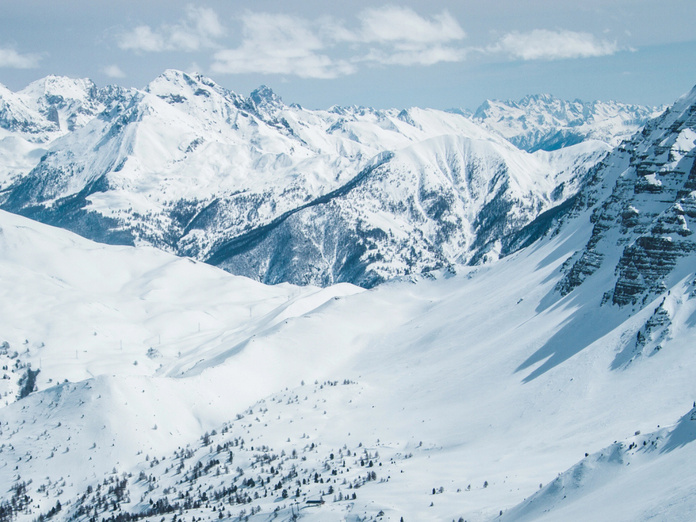
Villages Clubs du Soleil is recruiting 193 seasonal workers for the Winter 2026-2027 season. The positions are spread across 11 mountain establishments, with notably high demand in Les Menuires, Montgenèvre and Orcières-Merlette 1850. The profiles sought include servers, versatile staff for accommodation/food service, and dishwashers, but also animators and professionals in early childhood education.

The Savoie region is concentrating several recruitments, with 35 positions at Les Menuires, 25 at Les Arcs 1800, 18 at Karellis and 7 at Valmorel. In Haute-Savoie, 10 positions are to be filled in Morzine.


Des postes dans 11 stations

The operator is also seeking 3 people in Oz-en-Oisans and 9 at Les Deux Alpes, in Isère, as well as 38 positions in Montgenèvre, 5 in Vars and 39 at Orcières-Merlette 1850 in the Hautes-Alpes. In the Pyrenees, 4 positions are offered at Superbagnères.

Recruited employees notably benefit from accommodation and on-site meals, as well as access to certain services offered to holidaymakers, such as equipment lending and sports activities.

Villages Clubs du Soleil will also participate in several recruitment events in October and November, notably in Annecy, Marseille, Gap and Lille.

Also read: Summer 2026 — the mountains are standing out at Villages Clubs du Soleil

ESCAET: It’s Still Possible to Hire an Apprentice in October


Journée des Recruteurs du Travel : l'ESCAET accompagne entreprises et étudiants dans la recherche d'une alternance dans le tourisme © ESCAET

CroisiEurope


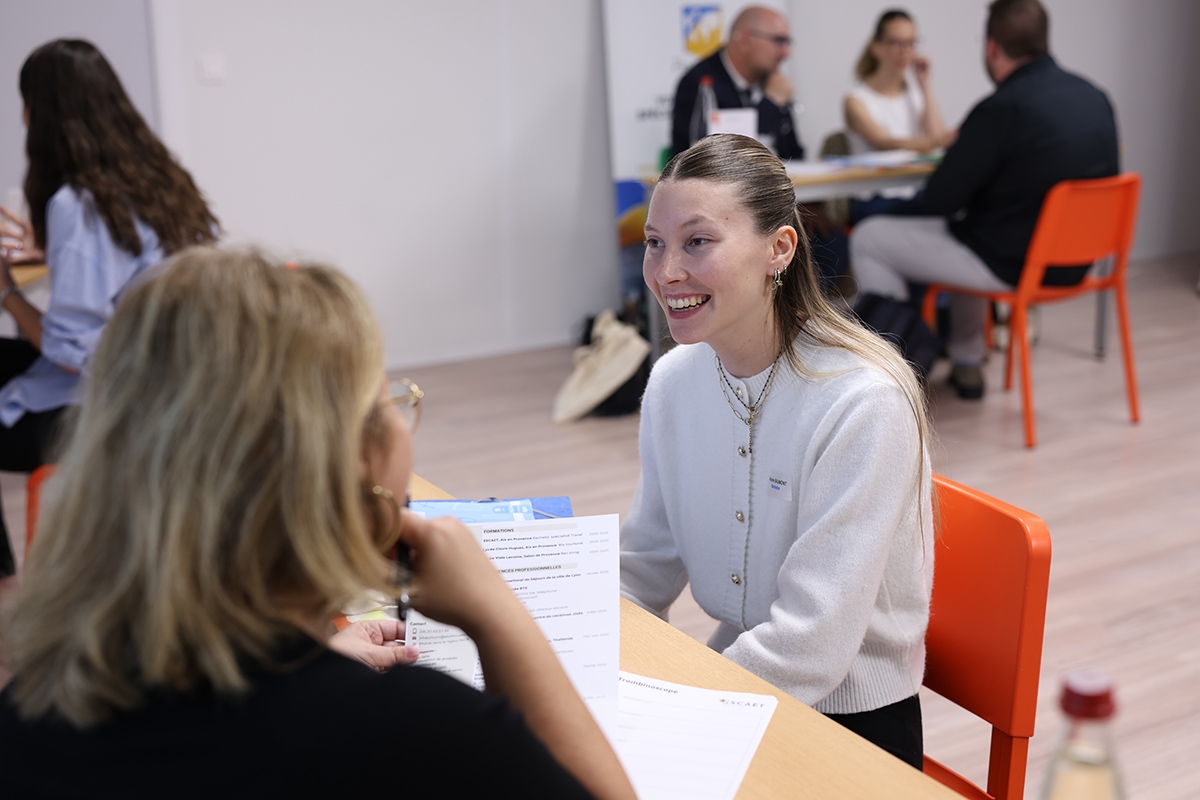
Business development needs to be accelerated, communications to be relaunched, an event to be organized, a new offering to be created… The start of the school year sometimes brings to light needs that were not anticipated a few months earlier. And contrary to a common belief, there is still time to recruit an apprentice: ESCAET students, in the Bachelor and MBA Tourism programs, are many who are still looking for the company that will guide them as they grow their skills. A topic all the more important as the sector questions how to prepare its next generation.


“Everything Happens Before Summer”: Really?

Every year, apprenticeship campaigns begin in the spring and a large portion of new hires are completed before the summer. Yet, at the start of the new academic year, not all meetings have taken place yet.

A need may have emerged later than expected. A recruitment may not have come to fruition. A job offer might fall through at the last moment. And some motivated students who are admitted later may start their courses without yet having found the company where they will grow. Autumn thus remains an active period, where candidates and recruiters can still meet.


Too late? No: three months to sign and aid up to 31 December 2026

Under certain conditions, an apprentice can start their training at a CFA such as ESCAET without an employer, for up to three months, before signing an apprenticeship contract. For a start in October, the window therefore runs until early January. A company that opens a position in October or November is still within the deadline, and reaches the moment when candidates are actively seeking.

On the funding side, the decree of 6 March 2026 renewed the exceptional hiring aid for apprentices for contracts that begin before 1 January 2027. For a diploma at Bac+3 to Bac+5 level, it amounts to 2,000 euros in the first year for companies with fewer than 250 employees (750 euros beyond that, subject to conditions). A contract that begins in December benefits from it; the same contract beginning in January does not.


Welcoming an apprentice means training a future professional

Apprenticeship should not be viewed as simply replacing a paid position with a student who becomes autonomous immediately. The logic is different: to integrate a young professional still in training, to impart a profession to them and to enable them to progressively build their skills.

This requires genuine on-site mentoring, tasks aligned with their level, and responsibilities that evolve as their apprenticeship progresses.

It is also what makes apprenticeship valuable for the company: for several months, it transmits its methods, its tools, its culture, and its knowledge of the sector to a student who, in parallel, continues to acquire new skills at school. The apprentice gradually gains autonomy, and the company actively contributes to training the tourism professionals of tomorrow.


Profiles trained for the realities of tourism

At ESCAET, apprenticeship students follow six training days per month, from November to April, and devote the rest of their time to their host company. From May to September, their presence in the company is nearly full-time. Across the year, they spend about 75% of their time in the company.

On the training side, the pedagogy relies notably on concrete projects, real-world company cases, and deep knowledge of the tourism ecosystem, to enable students to put their learning into practice quickly.

Two levels of apprentices can be recruited:

• The Travel Specialization Bachelor (Level 6) prepares students for operational roles in tourism and events: communications, marketing, sales, production, or project management.

• The MBA in International Travel Management (Level 7) develops skills more oriented toward strategy, leadership, and management: offer development, marketing, CRM, revenue management, project management, and events.

Another advantage: thanks to SAMII, its hybrid classroom, ESCAET enables its apprentices to attend live courses remotely. Only the start of the academic year, exams, and defenses take place in person in Aix-en-Provence. The host company can thus be located anywhere in France.


Do you have a recruitment need?


UMIH: Franck Chaumès and Valentin Prudon Unveil Their 14 Commitments


Franck Chaumès et Valentin Prudon articulent leur programme autour de trois axes - Depositphotos.com @rclassenlayouts

CroisiEurope


Candidates for the presidency and the confederal vice-presidency of UMIH, Franck Chaumès and Valentin Prudon frame their program around three pillars: defend, adapt, and unite.

Their plan includes 14 commitments aimed at supporting businesses in the face of economic difficulties and sector transformations.

The preservation of the traditional restaurant sector is their first commitment. According to the UMIH Economic Observatory of the Restaurant Sector and the Order of Chartered Accountants, the sector’s average turnover declined by 6.5% in the second quarter of 2026, year over year. The decline also stands at 6.5% for the first six months of the year.

Following a deterioration in profitability in 2025, the candidates propose, among other measures, a harmonized display of homemade dishes, the creation of a title “artisan restaurateur”, and a Permis d’entreprendre including 35 hours of training in management, law, and governance.

They also seek to enable local and temporary regulation of new openings in areas deemed saturated, in consultation with elected officials and professionals.


Transmission and Resources for the Territories

The project intends to raise from €500,000 to €1 million the relief on capital gains from sale and the relief on registration duties for the buyer. It also proposes amortizing the purchase of a business over seven to ten years.

Another axis: strengthening the economic tools available to professionals. The candidates want to extend to all hospitality trades the economic observatories developed with the Order of Chartered Accountants, with data by trade and by department.

They also propose increasing to 80% the share of APG HCR funds redistributed to representative organizations.


A Platform of Services for Members

Franck Chaumès and Valentin Prudon finally want to develop a national platform offering legal, tax, and social assistance, notably leveraging artificial intelligence.

The creation of UMIHLab, dedicated to innovation, should also enable testing and benchmarking of solutions for businesses.

The program also includes measures concerning tourist furnished accommodations and paracommercial activities, as well as housing for seasonal workers and support for rural establishments and tourist territories.

Until the vote on October 13, 2026, the two candidates plan to meet with professionals and elected officials of the departmental UMIH to present their 14 commitments.


Amelia Brille Published by Amelia Brille TourMaG.com Editor
View all articles by Amelia Brille

  • picto Linkedin
  • picto email
Add TourMaG to your Google News feed Google Actualités icône