Catalog, Collections, Capsules: How Copines de Voyage Is Reinventing Itself


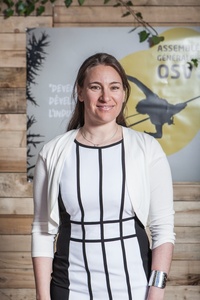
Alexiane Eymard est la directrice générale adjointe du groupe Hello Travel, qui détient les marques Copines de Voyage et Les Aventureurs. @Julien Fabro

Climats du Monde


TourMaG – You began your career in finance before moving into tourism. How did this transition happen?

Alexiane Eymard : I started with a year in a financial audit firm at PricewaterhouseCoopers (PwC). I quickly felt the need to move from analysis to action, and to lead projects.

This is what led me to join Genairgy, a family investment holding from the Leclercq family, the founders of Decathlon. For seven years, I worked on the tourism arm, notably around a vertical integration strategy in scuba diving. The objective was to master the entire value chain, from specialized media to local clubs, via travel agencies and receptive operators. I notably participated in the acquisition and integration of clubs in Egypt, the Maldives, Mexico, China or Bali.

TourMaG – You then joined Ponant, in 2016.

Alexiane Eymard :
I joined Ponant in revenue management, with the mission of developing activities ancillary to cruising: air travel, excursions, pre- and post-cruise stays, onboard services. The company wanted to become a tour operator.

I gradually left finance to move toward the commercial and product sides. I notably worked for two years on the launch of the Commandant Charcot, defining the promise, the markets to penetrate and the onboard experience. I then took on the teams, the concept, excursions and expeditions at the headquarters, in Marseille.


“… strong brands, an exciting project and a lot to build.”

TourMaG – In 2022, you created Collection Pointue with Flora Duyck. What did you take away from this experience?

Alexiane Eymard :
We aimed to offer travel experiences built around brands and affinity communities. We were convinced that travel is a powerful lever for brand activation. Beyond storytelling, it was about living the brand promise and enabling participants to become actors within it. We spoke of story living.

We notably organized photographic trips to Japan or to the great American parks with content creators and Canon ambassadors. Participants left with their favorite influencer, benefited from their advice and used gear loaned by the brand.

Commercially, it worked well, but we were in ultra-tailored customization. Each trip required significant work. We could not find a business model that was sufficiently scalable. This adventure taught us a lot about the travel agency profession, especially its operational dimension.

TourMaG – What convinced you to join Hello Travel in 2025?

Alexiane Eymard :
Nicolas Guérin offered me to take over the tour-operating activity for Copines de Voyage and Les Aventureurs. I wanted to reconnect with a team and a collective. Hello Travel brought together strong brands, an exciting project and a lot of things to build.

In my view, the promise of traveling among women, as relevant as it is, is no longer enough on its own. It is relatively easy to copy. If we want to take a leap forward, we must become a true player in travel, recognized as a fine travel agency, with a differentiated and strong offer.

Read also : Alexiane Eymard named deputy CEO of Hello Travel


“to make Copines de Voyage a lifestyle brand”

TourMaG – What was your priority when you arrived?

Alexiane Eymard :
We began by renewing about 40% of the catalog. Some products were fantastic, while others were more standard and could be found with other players.

Today, we have almost exclusively unique products, designed in meticulous detail. We conceive the trip from the outset for a group of women, rather than simply taking a general product and adding a female departure. The pace, activities and services are tailored. We notably offer twin beds, since we are not targeting couples sharing rooms.

“Girly Bali” is part of our best-sellers and is aimed at women who enjoy sharing their experience on social networks. We therefore integrate “instagrammable” moments into the program. Conversely, “Bali for the Adventurers” targets those who seek more adventure.

TourMaG – You have also redesigned the presentation of the offer with several collections. Why?

Alexiane Eymard :
I analyzed our knowledge of our clients. Our clients are between 25 and 60 years old, with an average age that has risen from 25 to 37 over ten years. Their profiles are very varied. We offer trips at 400 euros as well as stays at 10,000 euros, which all sell very well.

The portrait of the Copines de Voyage client, a 25-year-old single woman from the middle class, no longer matches reality. Potentially, all women can become our clients. But if we want to address everyone, we must learn to speak to each of them in a more specific way.

We decided to place more emphasis on the aspirations that our products correspond to. The Éclaireuses bring itinerant circuits with a cultural emphasis, the Solaires the hotel stays around sun and relaxation, the Côtières the voyages at sea, and the Urbaines the two- to three-night city-breaks in major European metropolises.

Each collection is built on a specific brief. The Éclaireuses, for example, are women who are “half‑adventurous, half‑precious.” They are ready to pack and unpack to discover a destination, but want to return in the evening to a charming ecolodge, possibly with a small pool.

TourMaG – You’re also developing capsules inspired by ready-to-wear. What is the objective?

Alexiane Eymard :
My aim is to turn Copines de Voyage into a lifestyle brand, integrated into a true ecosystem. We want to become a genuine affinity brand, around a strong community.

The capsules allow offering a product marketed for a limited time, with strong marketing moments, but also to test the market. Our first, “10”, was launched for the brand’s ten-year anniversary. It brought together ten premium and experiential programs, including a Buddhist-inspired retreat in Bhutan, a gorilla-tracking experience in Uganda and a polar expedition cruise. Most of them met with notable success. We found that part of our clientele was willing to purchase higher-end products.

Our second capsule, “The Cool Mom’s Club”, targets mothers who want to travel with their children. We dedicated a mini-site to it, with a dedicated artistic direction and a specific marketing setup.


2026, a contrasting year despite a solid start to the fiscal year

TourMaG – What initial assessment do you make of 2026?

Alexiane Eymard :
The year is mixed. We had an exceptional start at Copines de Voyage, with more than 20% growth in bookings in January and February. In February alone, the rise exceeded 30%. After a tougher spring, we also recorded more than 25% growth in June. But since early October, the situation has been very difficult.

Thanks to the advance taken at the start of the year and the rebound in June, we are not overall in trouble, but I remain cautious. Historically, year-end bookings are fairly weak for us, before a usually very strong rebound in January. We place a lot of hope in the first quarter of 2027, even if the economic and social context remains uncertain.

We are more in a relaunch mindset than in austerity. We want to continue investing in technology and marketing to be ready when activity resumes. But it would be presumptuous to claim that we are certain to succeed in 2027.

TourMaG – Does the entry of Intrepid Travel into the capital change your strategy?

Alexiane Eymard :
Nicolas Guérin, the founder and CEO, remains a shareholder and continues to be operational. Intrepid can bring us an interesting operational structure, notably thanks to its network of DMCs worldwide. We can work with these partners when opportunities exist, while maintaining our historical relationships where they work well.

We can also benefit from their purchasing power to develop new products, as well as their experience on topics such as regulatory compliance, GDPR or artificial intelligence.

Read also : Altaï starts a new adventure under Australian ownership

TourMaG – This evolution does not call into question Copines de Voyage’s identity?

Alexiane Eymard :
No. Copines de Voyage retains autonomy over its brand, its universe and its clients. We remain Copines de Voyage, with our specific brief. Our offer will not be replicated identically nor merged into Intrepid’s. We can pursue certain synergies when they offer real value, without compromising our identity.


Small groups, experiences and AI: the new travel trends

TourMaG – After several years in the sector, what do you see as the major transformation in tourism?

Alexiane Eymard :
For me, it’s the shift from destination-centered travel to experience-centered travel. In the past, people said: “I’m going to Italy” or “I’m going to the Acropolis.” Today, what matters is what the trip will make us live and discover.

Quality takes precedence over quantity. We want to do fewer things, but to live them better, in a more immersive way, with a real reconnection to the destination. We don’t just take a holiday anymore: we want to come back a little changed, having nourished something in ourselves. This search for meaning is linked to a need for belonging and social relationships, which directly aligns with the positioning of our brands.

TourMaG – How does this evolution manifest itself in group travel?

Alexiane Eymard :
Travel becomes a catalyst for social bonds, meaningful encounters and personal growth. Ten or twenty years ago, group travel often involved groups of fifty in a bus, with a guide visiting the main sites. Today, we see groups of about ten people gathered around shared affinities.

The group, once seen as a constraint, becomes an asset when it is small and based on affinities. Our clients first choose a trip for what they want to experience, then discover that the people they share the trip with enrich the experience.

TourMaG – What role does CSR play in this evolution?

Alexiane Eymard :
Not all markets progress at the same pace on corporate social responsibility (CSR). Our shareholder Intrepid, B Corp certified, makes it a real spearhead and a driver for changing the sector.

It is also this mindset that we want to preserve, notably in the trust relationships built over the years with our small local partners. These ties are precious and we are committed to maintaining them.
Zanzibar: Discover Anaya Club Jet Tours and Kappa Senses (Video)


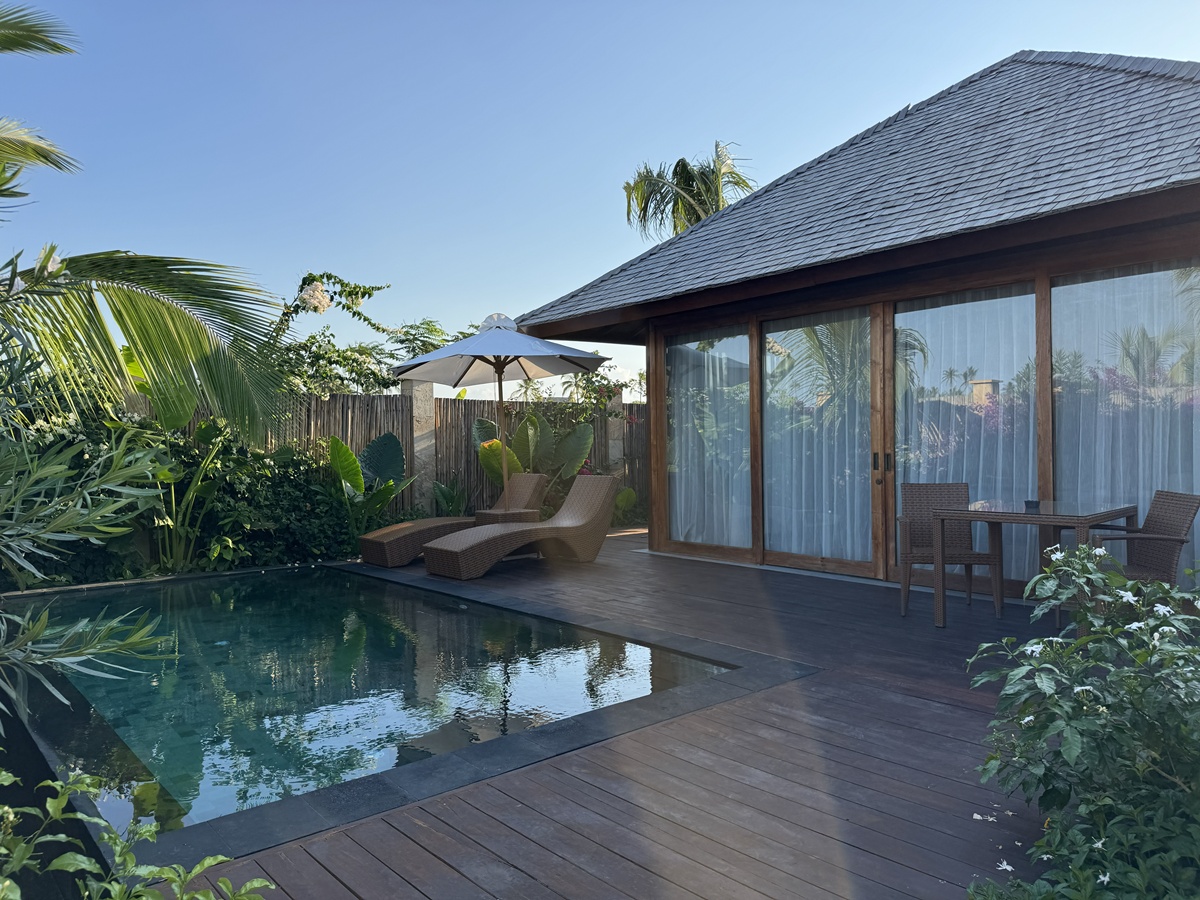
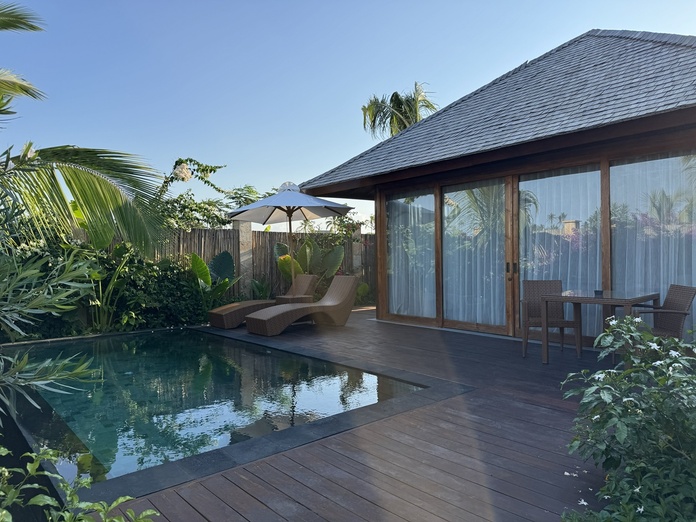
Le Kappa Senses Zanzibar dispose de 53 villas « 1 chambre », chacune dotée d’une piscine privée de 18 m², d’une terrasse aménagée de 30 m² et d’un jardin privatif de 120 m² - Photo : AB

Climats du Monde


Having been present in Zanzibar for about five years, NG Travel has decided to accelerate its growth.

After taking on leases at several properties on the island— notably for its Coralia clubs— the Group invested in and built, ten minutes from Pwani Mchangani, on the northeast coast, and about an hour’s drive from AbeidAmani Karume International Airport (ZNZ), two of its own hotels (following the Kappa Senses Ubud in Bali).

Although they share a common entrance, each property has its own reception, which opens onto a terrace overlooking the entire complex.

From there, one enjoys a sweeping view. On the left are the padel courts; below, a permaculture garden whose vegetables, fruits, aromatic herbs and edible flowers are used by the hotels, while beneath the reception you will find the gym and the 1,800 m² Spa.

To the right, a field of solar panels enables NG Travel to generate around 40% of the complex’s daily electricity needs.

Just beyond, the two hotels take shape, separated by a greenway. On one side, small buildings housing the Anaya Club Zanzibar 5* rooms; on the other, the wooden villas of the Kappa Senses Zanzibar 5*.

In the far distance, the ocean appears. Facing it, along a white-sand beach, lie the resort’s restaurants and pools. Several structures are shared by the two hotels, while others are accessible by reservation. Here are the details.


Focus on the Anaya Club Zanzibar 5*

The Anaya Club opened first, on the 16th of June. It offers 132 rooms of 41m2 with a 9m2 terrace or balcony, distributed across 18 two- or three-storey pavilions.

Each room is equipped with a king-size bed or two twin beds, with a sitting area and a sofa. All come with air conditioning, satellite television, a telephone, a minibar, a safe, WiFi and a coffee machine. In the bathroom, guests enjoy a walk-in shower and a hairdryer.

Maximum occupancy : 2 adults and 2 children up to 12 years, or 1 additional adult over 12 years. Interconnecting rooms are available subject to availability on arrival.


Several restaurants are available to guests, with some included in the All Inclusive package :

– The LADHA (main restaurant) in buffet form: international cuisine and local specialties. Breakfast served from 7:00 to 10:00; lunch from 12:30 to 14:30; dinner from 19:00 to 22:00;

– The NZURI, a refined snack restaurant, open from 11:00 to 18:00 ;

– The MAWIMBI, an à la carte restaurant and bar. Island tropical cuisine and local specialties. Included in the All Inclusive (once a week). Dinner 19:00 to 22:00 (by reservation). A 3-course menu is included in the “All Inclusive” offer;

– Two outdoor bars: the POA Pool Bar (10:00 – 18:00) and the UPEPO Beach Bar (10:00 – 18:00)

Two restaurants are offered at an extra charge with reservation :

– The RAHA, a la carte restaurant and bar. Seafood specialties. Dinner 19:00 to 22:00 ;

– The NYOTA, rooftop lounge with à la carte service and tapas bar: three time slots available : 16h – 19h or 22h – 23h for drinks ; 19h – 22h for tapas.


Major highlight of the Anaya Club : its 635 m² outdoor infinity pool, facing the white-sand beach, and located at the center of the restaurant and bar area, just steps from the nautical center and the Kids Club.

About the kids club : open daily year-round for children aged 4 to 10, from 9:30 to 17:30, with supervised lunch. Activities include creative crafts, team games, sports challenges, guided walks. Children under 4 may use the Kids Club facilities under the supervision of a parent or adult. A babysitting service is available for an extra charge, subject to availability.

For teenagers (up to 17 years), tailor-made teen programs are offered according to their requests during school holidays.

Adults are also catered for with group coaching fitness classes (aquagym, aquadance, aqua zumba, aquabike, yoga, stretching, etc.) or personal coaching for 1 to 6 people, tailored to level. About a dozen activities are available by simple sign-up.

There are also other non-sporting activities for adults, such as hotel-hosted cultural events and entertainment : introduction to traditional henna tattooing, discovery of Zanzibar’s traditional games, coconut workshop – tasting and use for cosmetics – and various workshops (smoothies, cocktails, cooking, palm weaving, etc.).

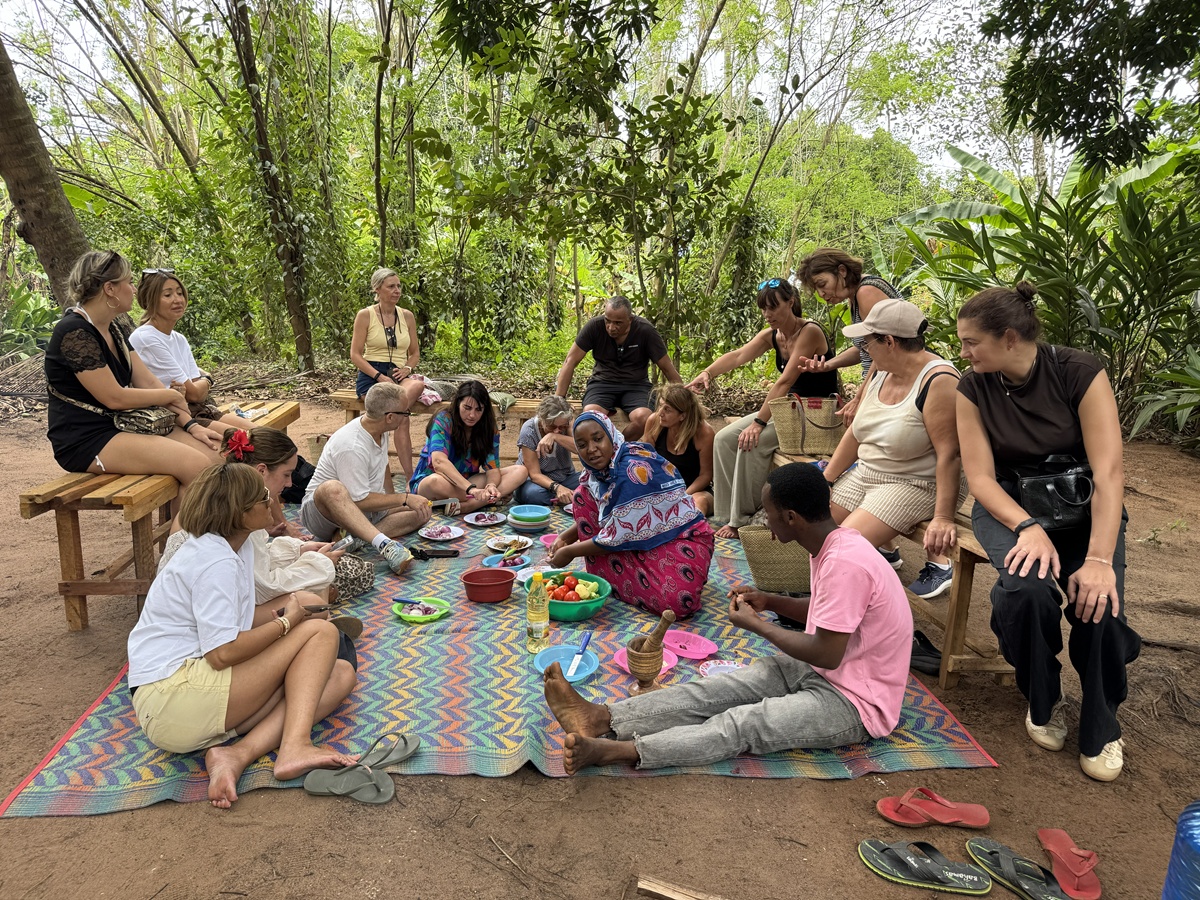
As for activities and excursions outside the hotel, they have been designed to offer immersion in local life, meeting locals and their environment. Guests can visit a village, a school, a clinic, a cooperative to discover women’s trades. During our visit, we were able to explore a clay village, a spice farm, and then participate in a cooking workshop followed by a tasting (see video).

This is NG Travel’s way of highlighting, through experiences, local traditions and Swahili culture through cuisine, music and human exchanges. The Group also collaborates with nearby village residents to source fresh products, crafts and certain cultural activities offered to guests.

Practical info : all holidaymakers can access the activities and all information concerning their stay via a QR code provided before the stay, or on site, tailored and personalized per file.


Focus on the Kappa Senses Zanzibar 5*


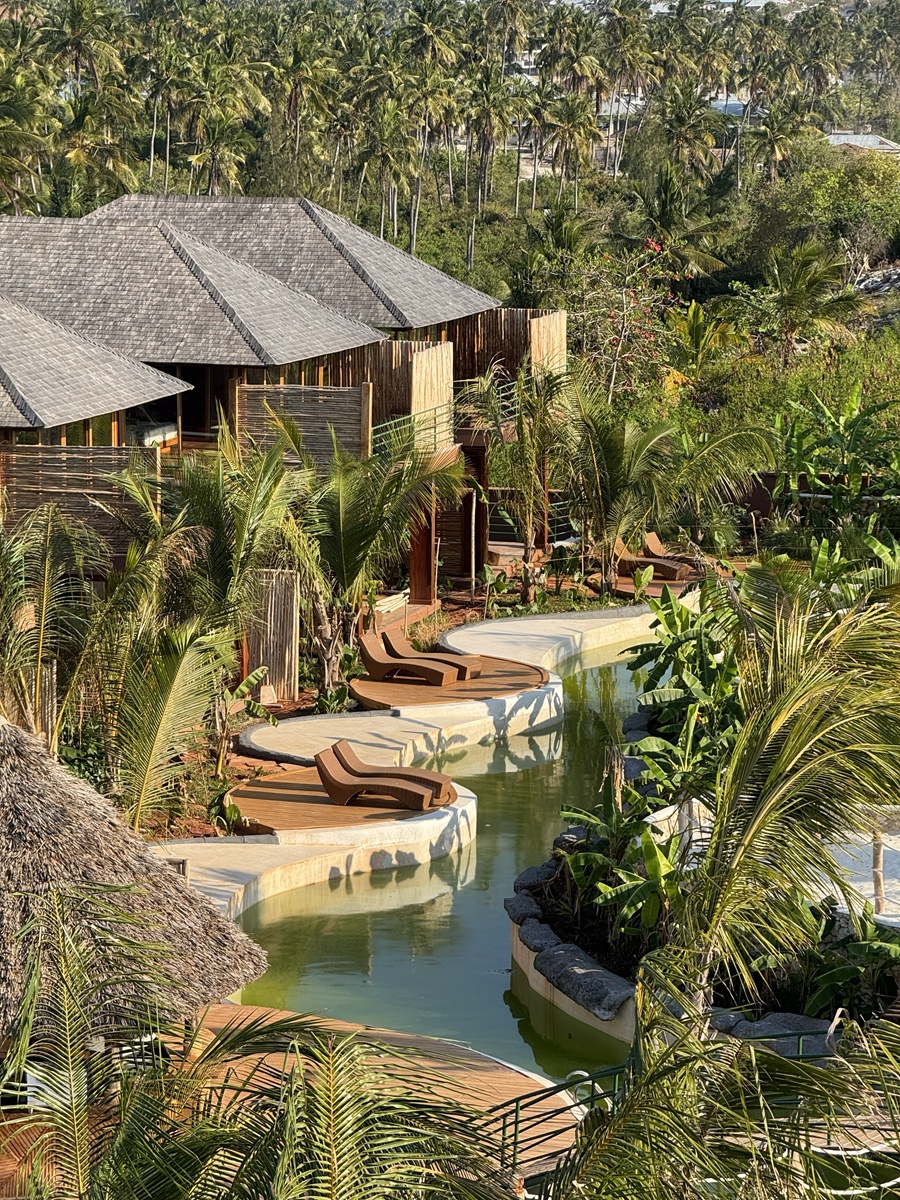
Vue sur la piscine lagon de 1 000m², serpentant entre les suites du Kappa Senses Zanzibar - Photo : AB

If Anaya is starting to find its rhythm, Kappa Senses is still in its startup phase.

At the start of November, the last villas — still under construction at the time of our visit — have finally gone on sale.

The resort comprises, on the one hand, 59 villas with private pools (the closest to the sea), and on the other, 26 Jungle Suites of 60 m², nestled in a tropical setting, with access to a 1,000 m² lagoon pool weaving between the suites and a privileged view of the surrounding vegetation.

Their décor blends African inspirations with contemporary lines.


Shared infrastructures for both establishments

Well-being : The complex features an 1,800 m² wellness zone with a 100 m² vitality pool integrated into the Spa, a fitness area, 10 treatment rooms (including 8 doubles), a relaxation space with a steam room and sauna, and a manicure/pedicure lounge. For every treatment booked, one hour of Spa access is included.

Sports : There are two illuminated padel courts, a beach volleyball court, pétanque areas, a yoga space and a stretching area. Additionally, at the nautical club, snorkeling and stand-up paddle equipment are available, along with the possibility to dive and kite-surf with partner centers.

Shopping : Four shops are clustered in buildings styled like traditional houses, dedicated to African and Zanzibar culture, as well as Maasai culture, with works by local artists and everyday items.

Extras : For guests of the two properties, NG Travel can arrange romantic or family dinners on the beach. Rooftop evenings at Nyota are also charged as extras for all guests. For Anaya guests, premium spirits are also charged extra.


insights from Audrey Storme, Hotel Manager of both establishments

« The Anaya Zanzibar opened on June 16, and the Kappa Senses on August 15. These are two independent properties, separated by a green wall, each with its own reception, dedicated restaurants, its own pools and beaches.

They share certain common infrastructures such as the padel courts, some restaurants, the nautical center and the spa.

The two hotels have very distinct identities: Anaya is a five-star all-inclusive club; Kappa Senses offers classic, ultra-high-end hospitality, on the same model as our first hotel in Ubud, Bali, with suites and villas with private pools.

We therefore target two distinctly different clienteles: for Anaya, guests seeking animation, support, and the friendly, warm atmosphere of the club; for Kappa Senses, guests who prefer independence, tranquility, and a high-end, personalized service.

The main takeaways from these two hotels are :

– The privileged location on the island’s east coast, with a splendid white-sand beach, a turquoise lagoon, protected by a coral reef, plus a private beach that does not disappear at high tide;

– The minimalist style of the two properties, with low-rise architecture, pavilions two to three storeys high maximum, and 132 modern, tastefully decorated rooms on the Anaya side; and 85 suites and villas with private pools on the Kappa Senses side;

– The culinary offer, including Anaya’s All Inclusive program and à-la-carte dining, versus Kappa Senses’ concept of offering varied, high-quality local and international cuisine;

– The sports infrastructures, with two padel courts, a very well-equipped gym, a nautical center offering snorkeling gear, paddle, kayak, etc., and diving and kite-surfing courses run by French-speaking partners;

– The francophone on-site team, with Jet Tours’ animation team at Anaya, and a management team to welcome your French guests at best. »


Very encouraging occupancy rates


Atelier cuisine avec les conseillers voyages conviés fin septembre à découvrir l'Anaya et le Kappa Senses à Zanzibar - Photo : AB

According to Sébastien Mano, Jet Tours’ B2B commercial director, Zanzibar is a destination that NG Travel has steadily developed since its arrival on the island.

Anaya, in particular, has had a rapid start. “Occupancy rates are very good through the end of the year. We still have work to do for next year,” he notes. For October, they stood at 80% for Anaya and 45% for Kappa Senses.

With this new complex, NG Travel aims to offer a different option in the Indian Ocean for clients who have already visited Mauritius, the Seychelles, the Maldives and are seeking new destinations in the area.

The arrival of direct Air France flights also helped push the destination.

If Anaya mainly targets French or Francophone clients (a few Italian and Polish TOs have also taken some stock), Kappa Senses targets a more international clientele, as with Kappa Ubud in Bali.

Note that both hotels are open year-round, with a high season from October to March.

Tanzania safari excursions can be booked in advance or purchased on-site to experience a one-, two- or three-night safari with flights.

Read also: With its Anaya brand, Jet Tours takes it to the next level


Finally, note that Tanzania requires completing a number of formalities to travel there:

– Passport valid for more than 6 months from the date of arrival is required;

– Mandatory visa (about €50 or $50) online via the Tanzanian government site or on arrival at designated international airports and ports;

– Mandatory travel insurance of 44 USD per person valid for 90 days;

– and, since October 17, 2026, an online health declaration (via Afyamsafiri) before arrival as well as a temperature check on arrival due to the Ebola outbreak affecting the Democratic Republic of the Congo and neighboring Kenya.


Air France on direct flights

Air France operates direct flights to Tanzania from Paris CDG, serving Kilimanjaro and Zanzibar.

Given demand, the airline ran five weekly flights during summer 2026. It drops to three weekly flights during the winter 2026-2027 season.

The flights are operated on Boeing 777-200 or Boeing 787 (with seat counts varying slightly by aircraft).

For next summer, three weekly flights are planned on Tuesdays, Thursdays and Saturdays.

Note that Air France<|vq_4631|>In the green season, from late March to late May.

Another important note: the airline does not hold traffic rights between Kilimanjaro and Zanzibar. For clients wishing to do a safari-beach combo, they can travel on Air France direct flights for the Paris-Kilimanjaro outbound and Zanzibar-Paris return, but will need to purchase the Kilimanjaro–Zanzibar segment with a local carrier.


Anaïs Borios Published by Anaïs Borios Journalist – TourMaG.com
See all articles by Anaïs Borios

  • picto Facebook
  • picto Linkedin
  • picto email
Add TourMaG to your Google News feed Google News icon

 </div>


Lu 1523 fois

Tags :
jet tours, kappa senses, sebastien mano, tanzanie, zanzibar

Notez

Nouveau commentaire :


Tous les commentaires discourtois, injurieux ou diffamatoires seront aussitôt supprimés par le modérateur.

Signaler un abus

Dans la même rubrique :

<
>

Vendredi 13 Novembre 2026 – 19:16 Finaxy réunit toutes les activités d’Assurinco et de Xplorassur

Vendredi 13 Novembre 2026 – 17:23 Cap-Vert : Top of Travel met en avant São Vicente et Santo Antão

How Votre Voyage Uses Technology to Power Its Agencies


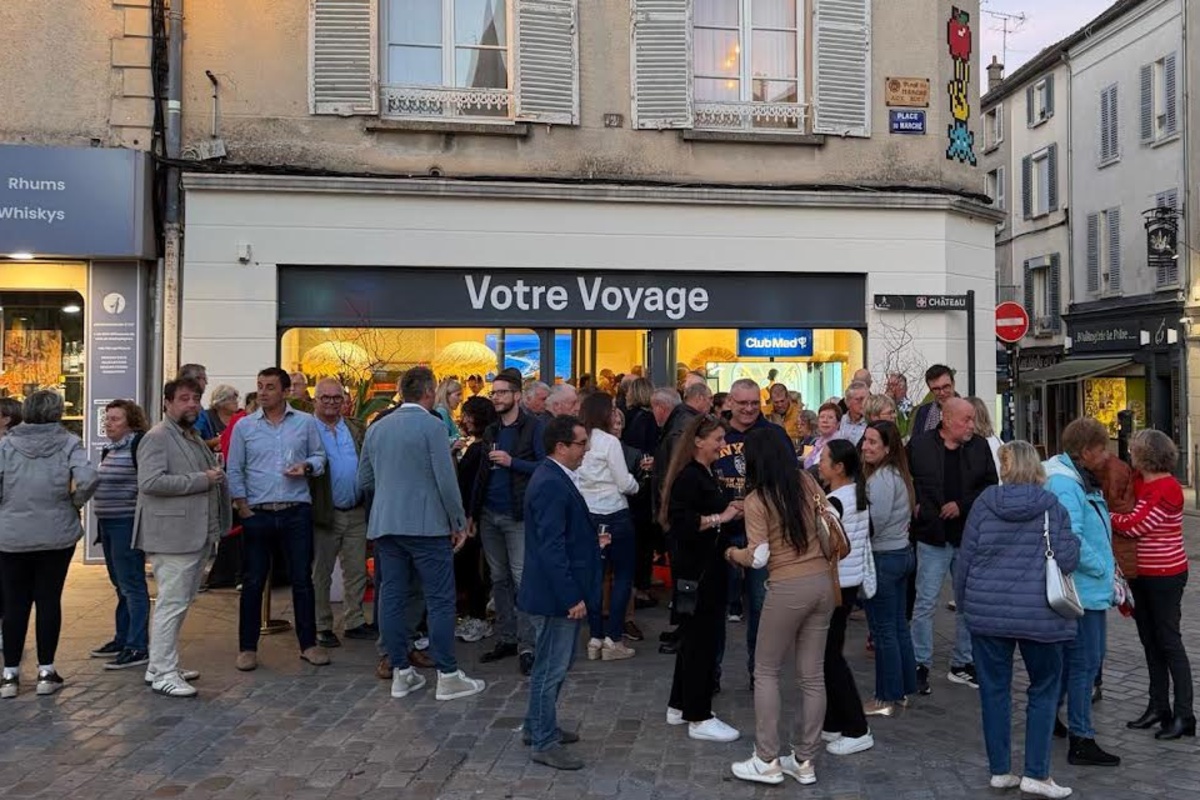
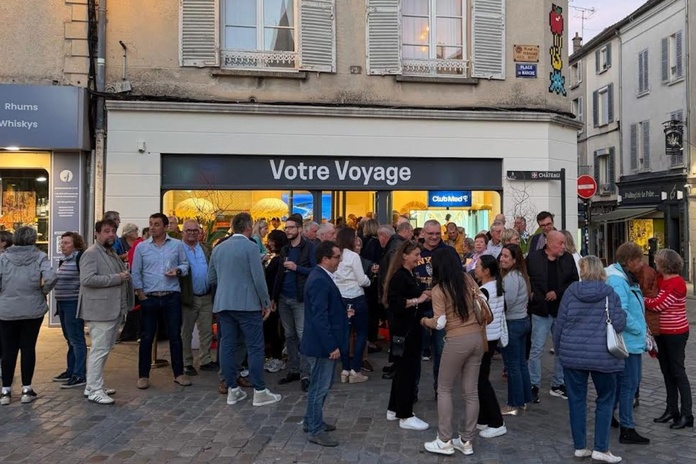
Des nouveaux locaux, inaugurés le 15 octobre, pour Votre Voyage dans son fief historique de Brie-Comte-Robert @Votre Voyage

Climats du Monde


ChatGPT is already bringing in customers.

Franck Clérgeot, who founded Votre Voyage with his wife Stéphanie, has seen travelers arriving at his agencies who had consulted the tool to find a good address nearby. “I’m getting the first customers arriving via ChatGPT”, he says.

To achieve this, the leader encourages advisers to respond to Google reviews and thus improve their online reputation which will then be picked up by AI.

Created in January 2006, Votre Voyage, which inaugurated on October 15 the new premises of its historic Brie-Comte-Robert agency in the place of a closed bookstore, does not wait for the client.


32 staff members and nine locations

The company, a member of the Selectour network, originally Afat Voyages, but operating under its own branding, today brings together 32 employees and nine locations including four Votre Voyage agencies and five Club Med franchises, managed by two distinct companies.

A dual structure that allows Franck Clérgeot to observe different dynamics. This year, Votre Voyage’s activity remains steady or slightly down while Club Med’s grows.

The network also has an online presence with MyHoneymoon.fr, dedicated to honeymoon travel and created during the Covid period to compensate for the cancellation of a wedding fair. It also has a modest presence in the business travel segment.


In Club Med agencies, “buying your trip is already an experience”

The franchise has not diverted the leader from his commercial convictions. While Club Med has developed its boutique-style apartments, he preferred to keep storefronts visible from the street. “Commerce, it’s like Marrakech—showcase, light, and location,” he summarizes.

He opted for the welcoming ambiance of Club Med apartments inside large shops. In Orléans, the agency now covers over 140 m². The layout must invite people to step in and then stay to discuss their project. “It’s already an experience to come and buy your trip,” says Franck Clérgeot.

An attention to ambiance that has existed since the early days of Votre Voyage: music, scent and decoration were meant to distance the outlets from the image of an “insurance office” for some agencies.


WhatsApp to maintain proximity

The relationship continues remotely. “Today, we work a lot through WhatsApp. We hardly send emails anymore,” explains the leader. A messaging tool that helps boost responsiveness.

Technology also plays a role in production. Positioned from the outset in tailor-made travel, Votre Voyage works with receptive partners and handles its airline ticketing with its IATA accreditation. “You have to master the value chain, that’s how you make money,” explains its cofounder.

He follows with keen interest the platforms that enable itinerary building in connection with suppliers. The stakes are high: “A client who walks into a shop today expects a quote within 24 hours,” he notes. Waiting several days becomes difficult to defend even for fully customized itineraries.


ChatGPT licenses for staff

The company has also obtained ChatGPT licenses for its advisers, notably to rephrase emails. Franck Clérgeot finds the tool very effective for preparing a measured reply after a dispute.

He remains more vigilant about travel proposals, which can sometimes be too generic, and about training young staff: learning about destinations remains essential.

After twenty years, the leader still foresees openings if opportunities arise, far from the Cassandra responses that question a supposed bleak future for physical travel agencies.


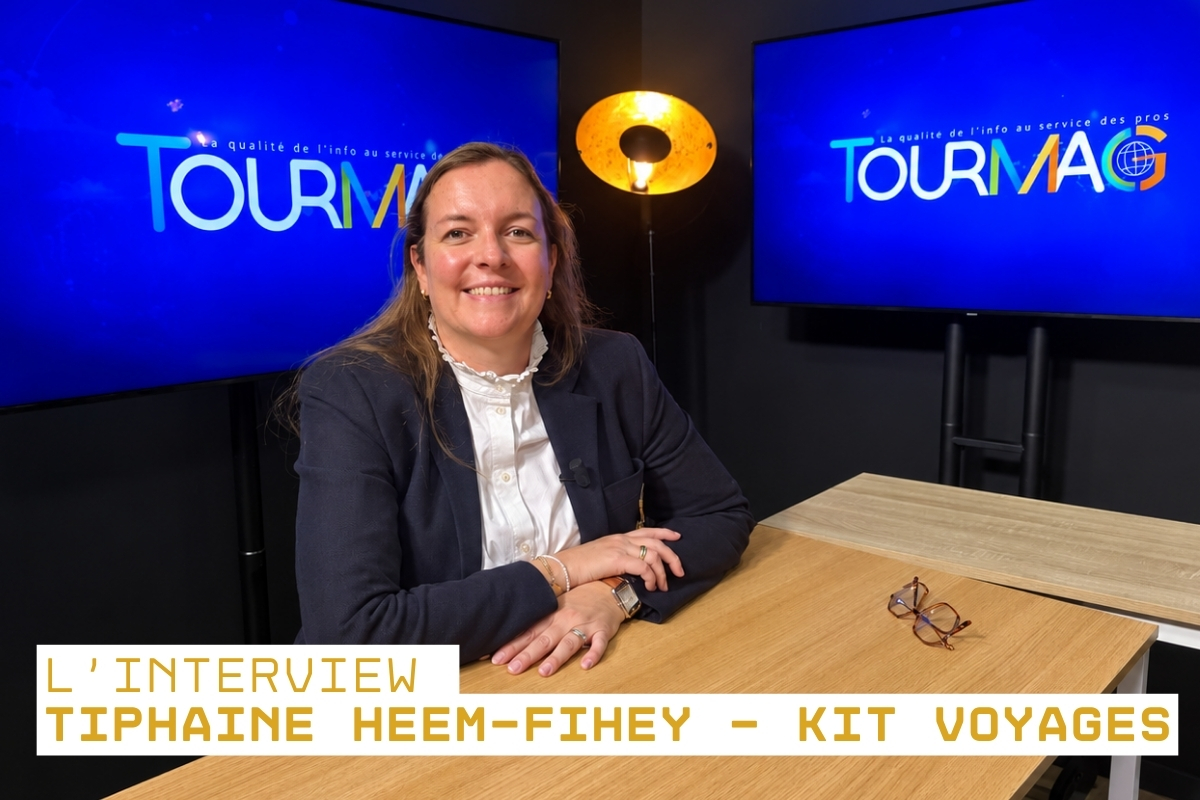
Tiphaine Heem (Kit Voyages): “We Need to Get Clients to Sign Now for 2027”


TourMaG – The year 2026 was marked by a difficult context…

Tiphaine Heem-Fihey :
The conflict in Iran did not make our task easier. We managed to catch up somewhat in July and August, which are normally relatively quiet months for orders, but not entirely.

With the diversification of our activities, we are generally stable compared to last year.

TourMaG – Which activities held up the best?

Tiphaine Heem-Fihey :
Ticketing remains stable. Clients who buy a ticket to return home will still go home despite the conflict. Groups performed very well, as did our peers.

For agencies, it really depends on the points of sale. There are no more rules. Our B2B activity, Kit Soleil, has stayed on track, but we depend on the agencies that book with us.


Kit Soleil, a 100% B2B multi-destination tool

TourMaG – Kit Soleil was originally specialized in Spain and its islands. You pivoted…

Tiphaine Heem-Fihey :
We used to operate air charters from regional départs, notably Lille and Deauville to Majorca, and also to Ibiza. We were well recognized in these regions for providing vacation packages. After Covid, I completely stopped air engagements, due to risk concerns.

We pivoted to a dynamic multi-destination package tool, 100% B2B. Agencies connect to it and book for their clients, with the help of two highly qualified people.

For those who lack time or expertise, we also assemble tailor-made groups in white label. We receive a lot of requests for intergenerational travel, what we call tribes, especially around the Mediterranean basin which remains the majority of requests.

TourMaG – You acquired three Univairmer agencies in 2025; have they found their cruising speed?

Tiphaine Heem-Fihey :
It’s a restart, it isn’t simple, but I think we will reach a very respectable rhythm next year. We are refreshing the brands. The Creil agency will move to premises we acquired, in a more commercial area. The agency will be redone in our image. With the renovations, everything should be ready by early 2027.

Going from 4 to 7 agencies isn’t necessarily easy. Before, everything was handled by phone. Now, we need charters, manuals for the teams. During the acquisition of the 3 agencies, I also brought back an accounting assistant from Univairmer. This helps structure the organization. We also created an intranet. The difficulty, when you are multi-point of sale, is ensuring everyone has the same information at the right moment.


kit Voyages: an internal annual seminar


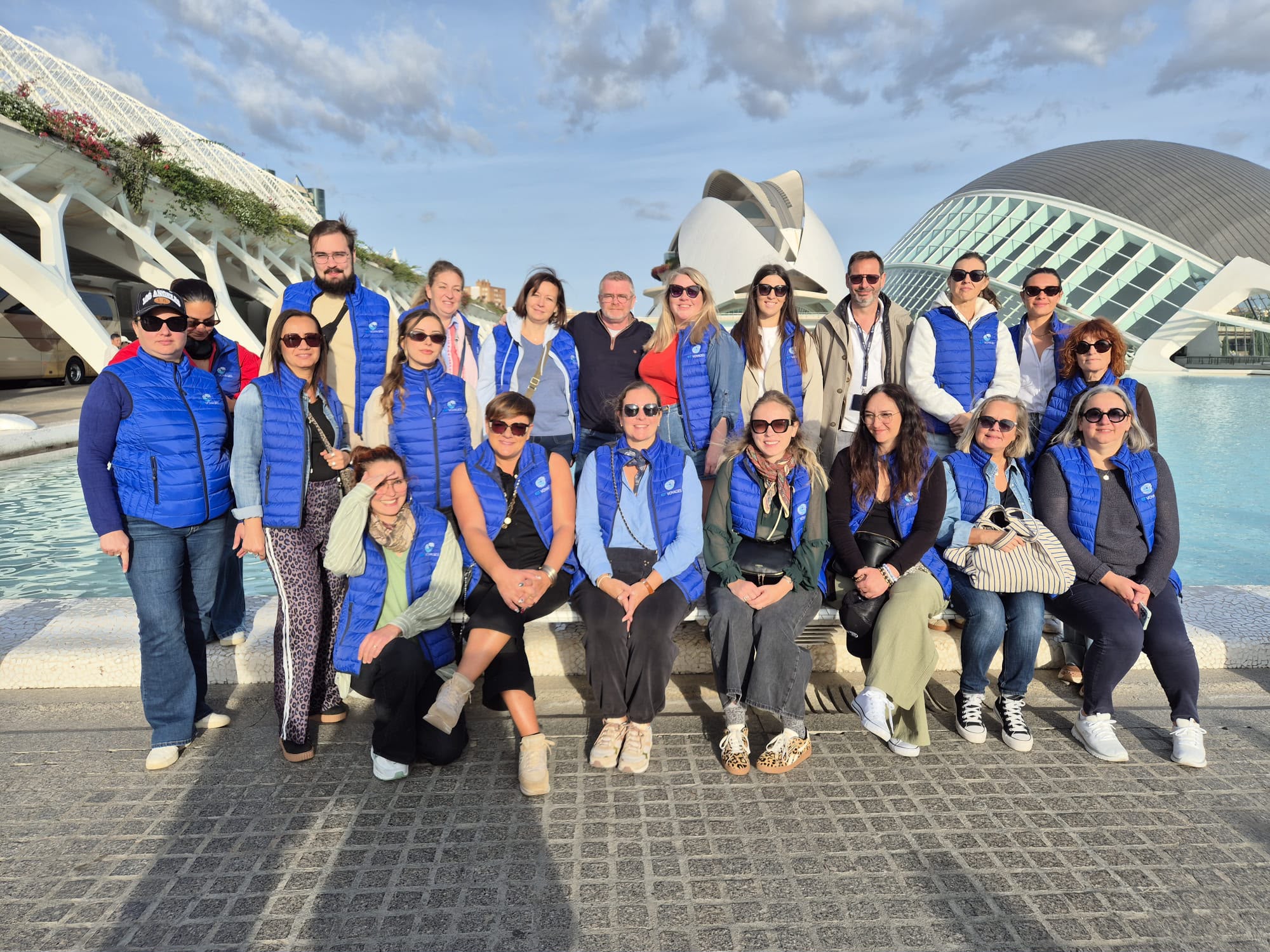
Les équipes de Kit Voyages réunies en séminaire à bord d'un navire MSC Croisières - Photo Kit Voyages

TourMaG – You have just organized a seminar; is this an annual event you organize every year?

Tiphaine Heem-Fihey :
We had already held a seminar last year to bring together teams dispersed across Hauts-de-France. It is truly essential for team cohesion. It is an event I want to sustain. This year everyone was present.

TourMaG – What messages are you conveying?

Tiphaine Heem-Fihey :
I present the year’s results. We also discussed AI, the diversification of roles within each agency, but also CSR so that it takes root in the minds of the employees.

This seminar was organized on a cruise ship. The objective was also to make them discover the product.

It is a profitable product that clients we manage to convert greatly appreciate. Once someone gets on a ship, they will undertake another cruise, whether maritime or river. It is a growing sector, with new ships arriving across all segments and all companies. It is a product that must be mastered.

TourMaG – It is a product that appears easy to sell; does the agency truly have its added value?

Tiphaine Heem-Fihey :
The agency indeed has its added value. The salesperson who has experienced it explains the first and second services much better, the boarding or the pre-transport, the different restaurants. And there is also all the coordination that can be arranged before or after.

From Hauts-de-France, for a departure from Marseille, we plan, for example, a hotel night the day before.


TourMaG – How do you handle flight cancellations, which are increasingly frequent?

Tiphaine Heem-Fihey :
Half of my agencies operate departures from the provinces, notably Lille, but also Brussels or Charleroi. In Paris, the dynamics aren’t the same as in the provinces. In Lille, there is one or two flights per week: if the flight is canceled, you don’t depart.

TourMaG – Is this really a frustration for travel agencies?

Tiphaine Heem-Fihey :
Yes, it’s really frustrating. It concerns all the carriers, and there’s no rule. I stay relaxed about flight cancellations because we know it will happen.

When we go through a tour operator, it is up to them to find the solution. And they are putting more and more processes in place to ensure things go smoothly. We must acknowledge their work. Mass cancellations as we recently experienced are horrible for TOs; it’s hell.

And when the agency handles a package, we are responsible in all cases. The goal is always to get the client to depart.


Installment payments are gaining momentum

TourMaG – The social context in France is tightening; do you feel any nervousness in activity?

Tiphaine Heem-Fihey :
Not necessarily, it’s very hard to predict. We know now that we are subject to uncertainties. Next year is an election year, and people often say it will be a bad year. I don’t fully agree with that. A few years ago there were also elections, and we had a very good year.

Now, yes this worries me; if France goes into recession, people won’t buy trips. That’s where it’s interesting to have several activities: groups, ticketing, individuals, and B2B. It’s rare that the four don’t work at the same time.

TourMaG – Do you feel the purchasing power effect?

Tiphaine Heem-Fihey :
Yes. Affluent clients will always travel. Ticketing will continue to work, but those who save all year for a club may not. That’s why it’s interesting to have diversified activities.

We still feel the purchasing power effect. For clients, travel remains important, it’s the engine after a year of work. We have clients who save all year for their holidays.

TourMaG – Do you offer installment payments?

Tiphaine Heem-Fihey :
Yes. Installment payments were introduced by the three Univairmer agencies that already offered it. We didn’t have it before. It is indeed a growing payment method for us. Initially we offered it on ticketing, and we are expanding it to packages for clients who want to take a great trip and don’t want to pay everything at once. Even a 30% deposit is already a lot.

Even if it reduces our margin, these are clients we might not have reached without this product.

TourMaG – Was the acquisition of these 3 outlets an opportunity; do you plan further acquisitions?

Tiphaine Heem-Fihey :
It isn’t a necessity to grow at all costs. Already the aim is to keep the existing operations running, ensure employees feel good within the company, and stay profitable to pay charges and salaries. That’s already a challenge.

We are refreshing the brands, renovating. Now if someone offers me theirs, I would always consider it. Never say never. Things don’t happen by chance. Buying these 3 agencies was a great opportunity; I’m really glad I did it, I don’t regret anything, and if given the chance to do it again, I would do exactly the same.


Read 2385 times

Tags :
kit voyages

Rate

New comment:


All rude, insulting, or defamatory comments will be immediately removed by the moderator.

Report abuse

In the same section :

<
>

Friday, November 13, 2026 – 11:15 Group stays: Unat wants to put vacation rights back at the heart of the debates

Friday, November 13, 2026 – 07:32 Winter 2026-2027: with Sunweb, bookings slip toward January and March

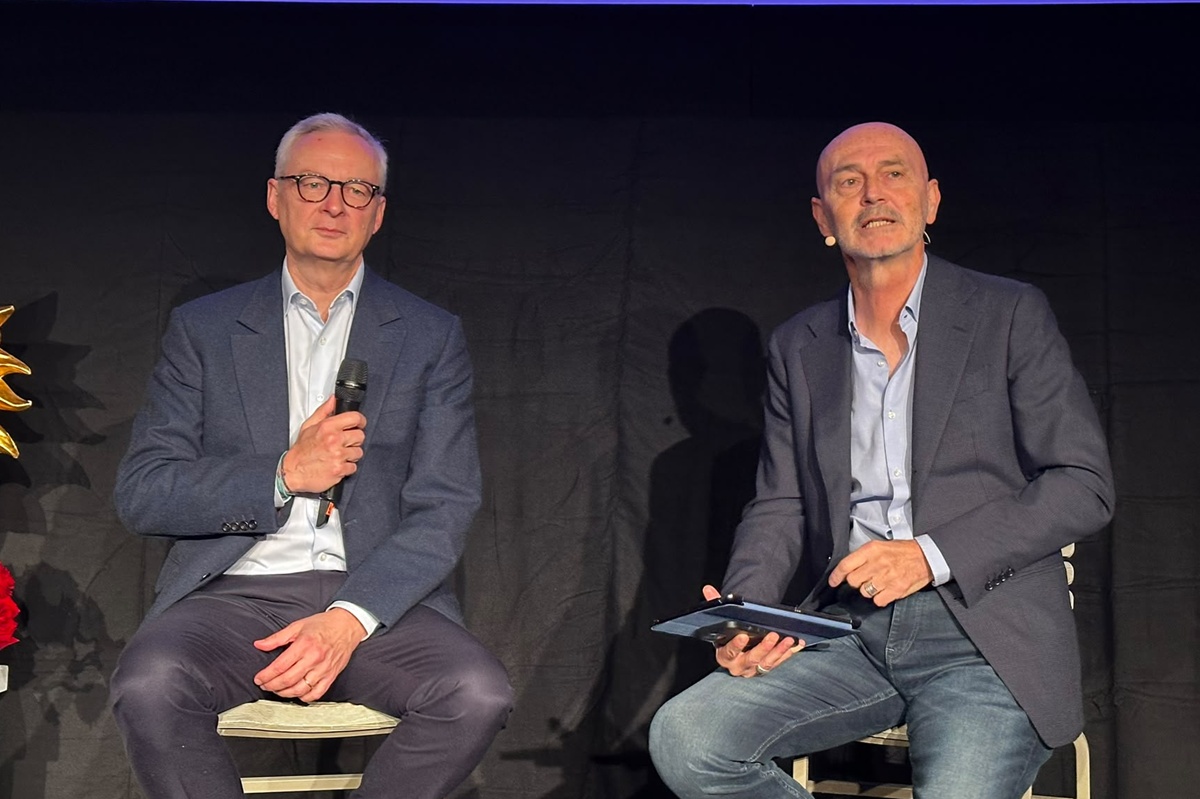
Bruno Le Maire: “We’re Driving Straight Into a Wall While Honking”


Pour Bruno Le Maire, si un budget n'est pas adopté en urgence, la France n'échappera pas à la crise financière - Photo : Noah Penalva

Climats du Monde


Invited to the Manor convention, which wrapped up Thursday in Venice, the former minister devoted more than an hour to recounting his Bercy experience, to the reasons why France, “when it has everything to succeed,” struggles to compete with its European neighbors, and to the reforms he deems necessary.

Among them: reducing public spending, lightening the burdens and reorienting the model toward production.

« The wound is the impoverishment of people. The deep reason for these seismic shocks that keep returning, and will return, is simply a country where work does not pay and where people cannot make ends meet. The looting is the gangrene but the gangrene is on a wound, and the wound is the impoverishment of people.

In a country where those who work, because of charges, taxes and levies, cannot afford holidays at Manor because it costs too much, there is anger. These demonstrations are the product of that anger.

What we expect from politics today is to address the underlying issue: to have a job that pays, lighter charges and lower taxes.»


« Without the protections during Covid, Manor would no longer exist »

« Of course, I bear some responsibility for the weight of the debt. But we must use the right figures; the 900 billion increase means absolutely nothing.

If you have debt and there is wealth on the other side, that is not a problem.
If you have debt and on the other side there is no wealth and it is only to cover your operating costs, your food, or your children’s education, then that is a problem.

The real moment when the debt diverges between Germany and France is the 2008 financial crisis when we took on 30% debt. Before that, relative to GDP, it was 60% in both countries. After the crisis, it stayed at 60% in Germany and rose to 100% in France. This is the situation I found when I arrived at the Finance Ministry.

Then we faced two major crises, Covid and the Yellow Vests. We protected people, and I stand by that protection without which Manor would no longer exist. We increased the debt by 15 points, from 100 to 115, to cope with the worst economic crisis since 1929. That does not strike me as excessive.

The real problem is when it was time to return to normal. No one agreed anymore to cut the aid, the electricity price shield, or the gas aid.
»


With the dissolution, “we entered the downward slide”

« When I saw the situation worsening, I went to see the president and told him: ‘I am starting to reduce public debt, but the situation is too serious; we must strike harder.’ You had to uncouple pensions from indexing, freeze the hiring of civil servants, and implement more austerity in the functioning of the state.

With this plan, we could achieve the goal of returning the deficit below 3% in 2027. But, the day after the European elections, between the budget restoration plan and the dissolution, the President chose dissolution.

We then entered the downward slide: no majority, no unity around restoring the accounts, additional spending and no savings.

We are speeding toward the wall while honking. I hope the parliamentarians will understand that it is urgent to pass a budget, even with little savings. Otherwise, we will not escape the financial crisis.
»


« Reducing the right of amendments by parliamentarians on the budget »

« If you want to pass a budget with savings, the first thing to do is limit the right of amendments by parliamentarians on the budget. At every budget, I had between 70 and 100 billion euros in wasteful amendments, and not a penny of savings.

It is also necessary to shorten the length of debates. A budget typically involves 70 days of debate: cut that to two weeks or 30 days, as in the United Kingdom, and you will have three times less time to make mistakes.

Finally, the Minister of Finance must have a veto on any additional public expenditure. Today, everyone decides everything and no one is responsible for anything.
»


« Do not miss out on the AI revolution »

« I am choosing growth. I do not believe in either stability or degrowth, which would lead to our impoverishment.

For that, we must first rethink the educational model: shorten studies, favor apprenticeships and the vocational path, and drive youth unemployment down from 25% to 15%.

We must prioritize production, ease production taxes and simplify the rules weighing on producers. The AI revolution is not only an intelligence that surpasses our brains.

It also represents manufacturing production: rare earths, minerals, silicon wafers, integrated circuits and complex machinery. There is a lot of money and technology in this revolution.

All countries that stand to one side or merely consume this revolution will be the big losers of the 21st century. My proposal is that six European states invest heavily in semiconductors and software.
»


Laurent Guéna Publié par Laurent Guéna Rédacteur CruiseMaG – TourMaG.com
Voir tous les articles de Laurent Guéna

  • picto Linkedin
  • picto email
Ajoutez TourMaG à votre flux Google Actualités Google Actualités icône

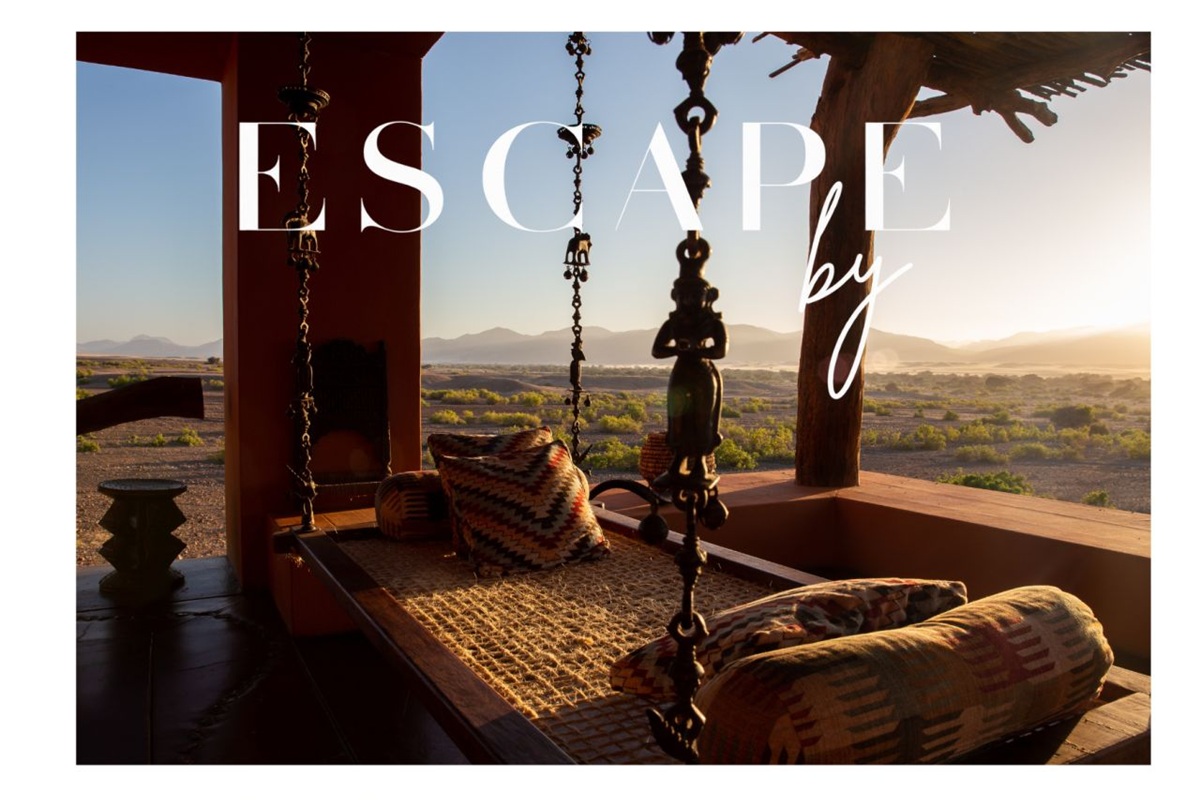
ESCAPE by Two Travel Designers United Under One Brand


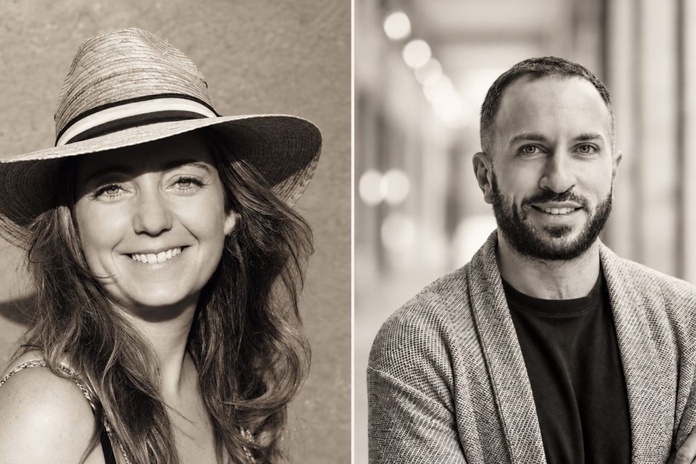
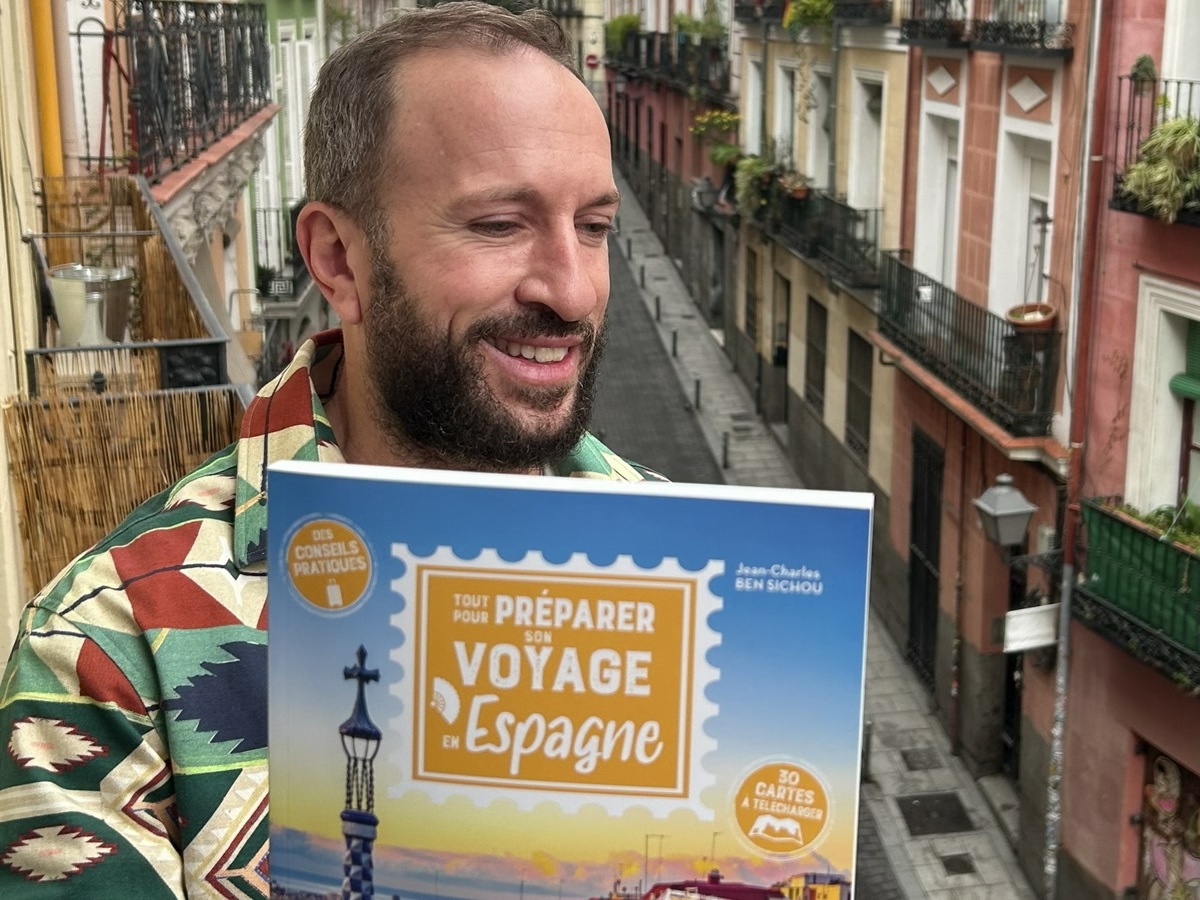
Caroline Chapeaux et Jean-Charles Ben Sichou ont créé ESCAPE by, une marque de voyage sur-mesure portée par le collectif My Way. @jean-charles ben sichou

Climats du Monde


TourMaG: You have a fairly unconventional path in tourism. How did you get into this sector?

Jean-Charles Ben Sichou : I don’t come from a traditional tourism training.

After a master’s in political science, I began my career in international cooperation, notably in Lebanon with the United Nations, then in economic intelligence. I produced investment guides on emerging countries, which led me to live in several places: Morocco, Lebanon, Ukraine, the United Arab Emirates, Indonesia, and Saudi Arabia.

When I returned to France, I decided to turn my passion for on-the-ground work and travel into a profession. I joined Voyageurs du Monde as a travel advisor, where I learned the ins and outs of tourism from the inside. The agency trusted me despite my lack of formal tourism training, valuing my field experience, my passion for travel, and my commercial drive.

I later worked at Continents Insolites before choosing independence in 2024.

TourMaG: Why present yourselves as travel designers rather than travel agents or travel consultants?

Jean-Charles Ben Sichou : I don’t necessarily want to pit these roles against each other. But being a travel designer involves design and creation. We don’t start from pre-made itineraries, but from a blank page and the traveler’s desires to craft a trip. The term tailor-made isn’t misused here: each itinerary is designed according to the traveler’s needs.

TourMaG: Why did you decide to launch ESCAPE by last month with Caroline Chapeaux?

Jean-Charles Ben Sichou : I had already chosen independence through Looking for Charly, a network of travel designers. It was a good structure to start, but we wanted to go further and build a brand identity that truly reflects us.

With Caroline, we have known each other for several years. We met at Continents Insolites, then moved within the same network. We share the same standards and the same approach to designing tailor-made itineraries.

We wanted to preserve what makes the independent travel designer’s strength: freedom, proximity, and personalization, while embedding these values into a strong and reassuring brand for clients.


A brand, two signatures: “By C” and “By JC”

TourMaG: How did you organize your two-person operation?

Jean-Charles Ben Sichou : Each of us has our own client network. Caroline handles more of the Belgian market, while I focus more on the French market. We discuss destinations based on our affinities and areas of expertise, but each of us manages our own clients.

We wanted to preserve our personalities through personal signatures: By C for Caroline and By JC for Jean-Charles.

Working as a duo allows us to pool our knowledge, our partners, and our communications, notably through the website and the newsletters.

TourMaG: You chose to lean on the My Way collective. Why this model?

Jean-Charles Ben Sichou: ESCAPE by is a travel brand. We are part of the My Way collective, which carries the operator framework and registration with Atout France. This lets us keep our independence and our brand while giving clients a secure framework for booking travel.

When starting a business, there is something reassuring about going through a collective and an established legal structure. It notably avoids having to personally bear the financial guarantee, which can be quite burdensome in France. The collective model makes it much easier to create your own brand and launch a business. It is also reassuring for clients, who know they are dealing with professionals recognized and grouped within an existing structure.

Read also: MyWay, the collective that brings freelancers under a single registration


Word-of-mouth, the primary growth engine


ESCAPE by : deux travel designers réunis sous une même marque
TourMaG: What is your market positioning and how do you find clients?

Jean-Charles Ben Sichou : We operate exclusively in B2C, serving a diverse mix of private clients: couples, honeymooners, groups of friends, and retirees.

We position ourselves in the mid-to-upper range, but our clients care most about personalization, support, and service. What matters is not necessarily sleeping in a palace every night, but allocating the budget wisely and crafting a coherent journey.

Our best weapon for attracting new clients remains word-of-mouth. Our travelers are our best ambassadors and often recommend us to those in their circle.

TourMaG: Do you have preferred destinations?

Jean-Charles Ben Sichou : Our strength lies in our ability to design tailor-made trips across a variety of destinations. We work notably in Tanzania, Argentina, Vietnam, Uzbekistan, and Japan. Over the years, we have built a network of trusted local partners and receptive agents.

Currently, safaris continue to perform well. Destinations such as Tanzania, Kenya, or Namibia, with their vast spaces and unique experiences, tend to stand out.


“The international context is fairly volatile”

TourMaG: What are the main challenges you face when launching this activity?

Jean-Charles Ben Sichou : The international context is quite volatile. Clients sometimes find it harder to project themselves. But our travelers are also enthusiasts, and we notice they are increasingly resilient in the face of crises. These can lead to postponements to other destinations rather than cancellations.

TourMaG: Does artificial intelligence represent competition for your activity?

Jean-Charles Ben Sichou: Yes and no. Artificial intelligence can also save us time. Our clients use it as well. It may happen that they submit our travel proposals to an AI. In a sense, this also helps validate our proposals. There is good and bad in artificial intelligence, but it is difficult to predict its evolution.


From travel design to writing guides for Larousse


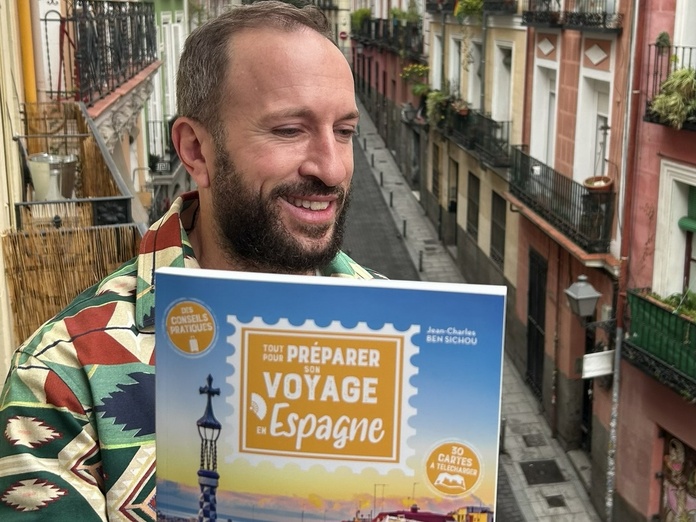
Le premier guide rédigé par Jean-Charles Ben Sichou, sur l'Espagne, est paru en février 2026. @jean-charles ben sichou

TourMaG: What are your ambitions for ESCAPE by?

Jean-Charles Ben Sichou : We want to establish the brand, continue to travel for our clients, and grow our network of trusted partners.

We aim to build for the long term, with growth that does not compromise the personal relationship that is our value. We’re not necessarily looking to grow indiscriminately. We want to stay human-sized, without ruling out the possibility of welcoming other travel designers tomorrow, with new signatures. This could allow us to create a small internal collective around a shared vision, and potentially cover more markets.

TourMaG: You also have a second activity, authoring travel guides for Larousse. How do these two roles relate?

Jean-Charles Ben Sichou: It is a separate activity from my work as a travel designer, but I find that the two feed off each other a lot.

I work for the Larousse collection “Tout pour préparer son voyage” (Everything to prepare your trip). These are guides with a fairly innovative format. They aren’t organized in the traditional way by city or region, but offer itineraries.

For Spain, for example, the guide gathers 25 to 30 itineraries that cover the entire country. It includes the must-sees as well as lesser-known stops.

Through this work, I really rediscover my travel designer craft: verifying the steps, finding the right pace, and locating the right addresses. It’s the same mental gymnastics as building a trip for a client, even though the final result is different.

My Spain guide was published in February 2026. Another one about Greece will be released in February 2027. I spent the whole summer in Greece to discover more secluded islands and to explore central Greece in particular.

Writing takes a lot of time, but this format is exciting and complements my travel designer activity well.


EDV Barometer – Orchestra: October Booking Slowdown (Infographic)


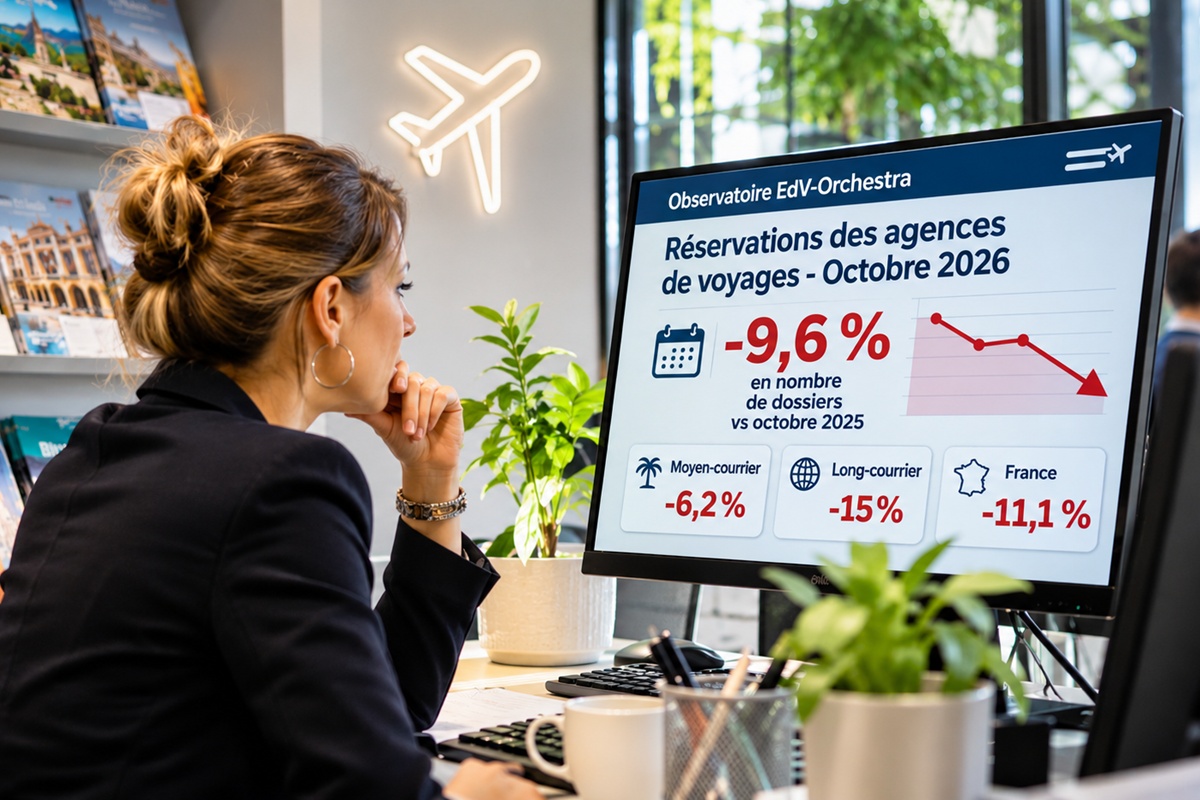
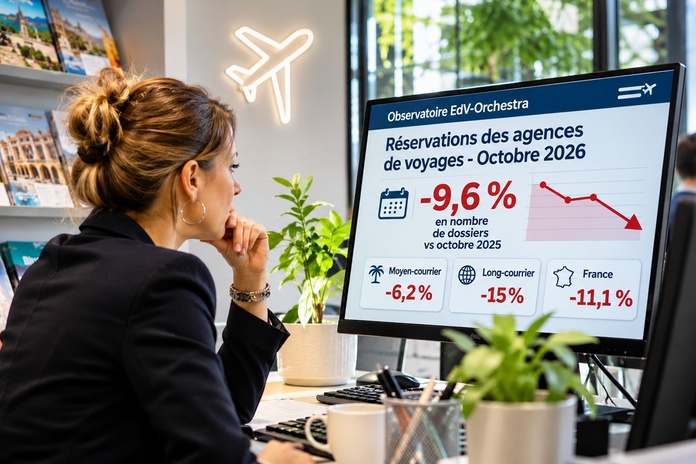
Baromètre EDV - Orchestra : coup de frein sur les réservations en octobre (Infographie) - Image générée par IA Chat GPT

Climats du Monde


The slowdown is pronounced.

According to the EdV-Orchestra Observatory published on November 3, 2026, bookings recorded in October 2026 by travel agencies fell by 9.6% in the number of cases year over year, after a slight rise in August (+2.9%) and a moderate drop in September (-1.7%).

The rise in average basket (+3.4%, to €1,973) limits the decline in business volume to 6.5%. The long-haul sector (-15% in the number of cases) and France (-11.1%) are more affected than the mid-range sector (-6.2%).

Morocco (+32.3%) and Japan (+107.7%) are up, while Spain (-23.3%) and Turkey (-41.1%) fall.

Bookings made more than 90 days ahead account for 36.9% of sales, versus 33.7% in 2025. “ These results reflect a generally softer demand and could indicate greater prudence among travelers in their purchasing decisions, especially in the face of rising prices. ” says the Entreprises du Voyage.


Observatoire EdV-Orchestra

Agences de voyages : octobre 2026

Bookings and departures in October, summer to All Saints’ Day review and early trends for Christmas. Evolutions compared to the same period in 2025.

Reservations recorded in October 2026

Booking period: October 1–31, 2026, change versus October 2025

−6,5 %Volume d’affaires
−9,6 %Nombre de dossiers
+3,4 %Panier moyen1 973 €

Évolution par zone géographique

Volume d’affaires

France−1,3 %
Moyen-courrier−4,8 %
Long-courrier−11,3 %
Nombre de dossiers

France−11,1 %
Moyen-courrier−6,2 %
Long-courrier−15,0 %
Panier moyen

France+11,0 %
Moyen-courrier+1,5 %
Long-courrier+4,4 %

Répartition des dossiers par zone

202645,5%40,8%13,7%
202546,1%39,3%14,6%
FranceMoyen-courrierLong-courrier

Top 20 des destinations

Évolution en nombre de dossiers. Échelle plafonnée à 50 % (barre hachurée au-delà).

  1. 1France−11,1 %
  2. 2Espagne−23,3 %
  3. 3Tunisie+0,6 %
  4. 4Maroc+32,3 %
  5. 5Égypte−1,5 %
  6. 6Italie−9,2 %
  7. 7Grèce−14,1 %
  8. 8Rép. dominicaine+1,3 %
  9. 9Thaïlande−16,1 %
  10. 10Portugal−2,9 %
  11. 11Mexique−17,1 %
  12. 12Cap-Vert−23,8 %
  13. 13Royaume-Uni+24,0 %
  14. 14États-Unis−6,0 %
  15. 15Vietnam−6,3 %
  16. 16Finlande+10,3 %
  17. 17Japon+107,7 %
  18. 18Maurice−23,5 %
  19. 19Pays-Bas−36,3 %
  20. 20Turquie−41,1 %

Anticipation des réservations

36,9 %Part de l’early booking (plus de 90 jours)contre 33,7 % en 2025
+11 %Délai moyen entre réservation et départpar rapport à octobre 2025

Départs d’octobre 2026

Période de départs : du 1er au 31 octobre 2026, évolution par rapport à octobre 2025

−0,5 %Volume d’affaires
−0,6 %Nombre de dossiers
+0,1 %Panier moyen1 924 €

Évolution par zone géographique

Volume d’affaires

France+5,7 %
Moyen-courrier+3,2 %
Long-courrier−13,4 %
Nombre de dossiers

France−1,8 %
Moyen-courrier+2,0 %
Long-courrier−13,2 %
Panier moyen

France+7,6 %
Moyen-courrier+1,1 %
Long-courrier+0,1 %

Répartition des dossiers par zone

202635,1%57,3%7,7%
202535,5%55,7%8,8%
FranceMoyen-courrierLong-courrier

Top 20 des destinations

Évolution en nombre de dossiers. Échelle plafonnée à 50 % (barre hachurée au-delà).

  1. 1France−8,6 %
  2. 2Tunisie+1,7 %
  3. 3Espagne−14,0 %
  4. 4Maroc+23,4 %
  5. 5Égypte−7,7 %
  6. 6Finlande+27,7 %
  7. 7Rép. dominicaine−19,5 %
  8. 8Italie−5,3 %
  9. 9Royaume-Uni+12,4 %
  10. 10Cap-Vert−27,9 %
  11. 11États-Unis−22,0 %
  12. 12Thaïlande−14,7 %
  13. 13Autriche−13,0 %
  14. 14Allemagne+157,4 %
  15. 15Mexique+2,4 %
  16. 16Portugal−10,8 %
  17. 17Guadeloupe−12,8 %
  18. 18Sénégal−1,0 %
  19. 19Martinique−30,6 %
  20. 20Pays-Bas−10,6 %

Anticipation des réservations

36,9 %Part de l’early booking (plus de 90 jours)contre 33,7 % en 2025
+11 %Délai moyen entre réservation et départpar rapport à octobre 2025

Départs d’octobre 2026

Période de départs : du 1er au 31 octobre 2026, évolution par rapport à octobre 2025

−0,5 %Volume d’affaires
−0,6 %Nombre de dossiers
+0,1 %Panier moyen1 924 €

Évolution par zone géographique

Volume d’affaires

France+5,7 %
Moyen-courrier+3,2 %
Long-courrier−13,4 %
Nombre de dossiers

France−1,8 %
Moyen-courrier+2,0 %
Long-courrier−13,2 %
Panier moyen

France+7,6 %
Moyen-courrier+1,1 %
Long-courrier−0,2 %

Répartition des dossiers par zone

202641,3%53,4%5,3%
202542,5%51,7%5,9%
FranceMoyen-courrierLong-courrier

Top 20 des destinations

Évolution en nombre de dossiers. Échelle plafonnée à 50 % (barre hachurée au-delà).

  1. 1France−8,6 %
  2. 2Espagne+1,6 %
  3. 3Tunisie−2,4 %
  4. 4Grèce−5,3 %
  5. 5Maroc−0,8 %
  6. 6Italie+8,8 %
  7. 7Égypte+11,3 %
  8. 8Portugal−6,2 %
  9. 9Albanie+292,2 %
  10. 10Turquie−15,7 %
  11. 11Maurice+1,2 %
  12. 12Rép. dominicaine+2,1 %
  13. 13États-Unis−26,3 %
  14. 14Royaume-Uni+23,6 %
  15. 15Croatie+7,7 %
  16. 16Monténégro+119,5 %
  17. 17Thaïlande+6,6 %
  18. 18 Tanzanie−0,6 %
  19. 19Mexique−22,6 %
  20. 20Japon+22,9 %

Bilan été-Toussaint 2026

Période de départs : du 1er juin au 31 octobre 2026, évolution par rapport à la même période de 2025

−4,7 %Volume d’affaires
−5,8 %Nombre de dossiers
+1,1 %Panier moyen1 938 €

Évolution par zone géographique

Volume d’affaires

France−4,7 %
Moyen-courrier−2,4 %
Long-courrier−14,6 %
Nombre de dossiers

France−8,6 %
Moyen-courrier+0,6 %
Long-courrier−21,0 %
Panier moyen

France+7,3 %
Moyen-courrier+1,7 %
Long-courrier+6,2 %

Répartition des dossiers par zone

202641,3%53,4%5,3%
202550,5%38,8%10,8%
FranceMoyen-courrierLong-courrier

Top 20 des destinations

Évolution en nombre de dossiers. Échelle plafonnée à 50 % (barre hachurée au-delà).

  1. 1France−8,6 %
  2. 2Espagne+1,6 %
  3. 3Tunisie−2,4 %
  4. 4Grèce−5,3 %
  5. 5Maroc−0,8 %
  6. 6Égypte−5,3 %
  7. 7Portugal−15,0 %
  8. 8Turquie−28,5 %
  9. 9Albanie+283,8 %
  10. 10Croatie−8,6 %
  11. 11Maurice−4,7 %
  12. 12Canada+10,2 %
  13. 13États-Unis−34,2 %
  14. 14Royaume-Uni+23,6 %
  15. 15Croatie+7,7 %
  16. 16Monténégro+119,5 %
  17. 17Thaïlande+6,6 %
  18. 18Tanzanie−0,6 %
  19. 19Mexique−22,6 %
  20. 20Japon+22,9 %

Réservations pour les vacances de Noël 2026

Départs du 19 décembre 2026 au 3 janvier 2027, comparés à ceux du 20 décembre 2025 au 4 janvier 2026 (réservations à fin octobre)

−3,7 %Volume d’affaires
−4,9 %Nombre de dossiers
+1,3 %Panier moyen2 645 €

Évolution par zone géographique

Volume d’affaires

France+2,0 %
Moyen-courrier+2,3 %
Long-courrier−16,1 %
Nombre de dossiers

France−4,9 %
Moyen-courrier+0,6 %
Long-courrier−21,0 %
Panier moyen

France+7,3 %
Moyen-courrier+1,7 %
Long-courrier+6,2 %

Répartition des dossiers par zone

202650,5%38,8%10,8%
202550,4%36,6%13,0%
FranceMoyen-courrierLong-courrier

Top 20 des destinations

Évolution en nombre de dossiers. Échelle plafonnée à 50 % (barre hachurée au-delà).

  1. 1France−4,9 %
  2. 2Tunisie+1,7 %
  3. 3Espagne−14,0 %
  4. 4Maroc+23,4 %
  5. 5Égypte−7,7 %
  6. 6Finlande+27,7 %
  7. 7Rép. dominicaine−19,5 %
  8. 8Italie−5,3 %
  9. 9Royaume-Uni+12,4 %
  10. 10Cap-Vert−27,9 %
  11. 11États-Unis−22,0 %
  12. 12Thaïlande−14,7 %
  13. 13Autriche−13,0 %
  14. 14Allemagne+157,4 %
  15. 15Mexique+2,4 %
  16. 16Portugal−10,8 %
  17. 17Guadeloupe−12,8 %
  18. 18Sénégal−1,0 %
  19. 19Martinique−30,6 %
  20. 20Pays-Bas−10,6 %

Bilan été-Toussaint 2026

Période de départs : du 1er juin au 31 octobre 2026, évolution par rapport à la même période de 2025

−4,7 %Volume d’affaires
−5,8 %Nombre de dossiers
+1,1 %Panier moyen1 938 €

Évolution par zone géographique

Volume d’affaires

France−4,7 %
Moyen-courrier−2,4 %
Long-courrier−14,6 %
Nombre de dossiers

France−8,6 %
Moyen-courrier+0,3 %
Long-courrier+0,1 %
Panier moyen

France+4,3 %
Moyen-courrier+0,3 %
Long-courrier+0,1 %

Réservations pour les vacances de Noël 2026

Départs du 19 décembre 2026 au 3 janvier 2027, comparés à ceux du 20 décembre 2025 au 4 janvier 2026 (réservations à fin octobre)

−3,7 %Volume d’affaires
−4,9 %Nombre de dossiers
+1,3 %Panier moyen2 645 €

Évolution par zone géographique

Volume d’affaires

France+2,0 %
Moyen-courrier+2,3 %
Long-courrier−16,1 %
Nombre de dossiers

France−4,9 %
Moyen-courrier+0,6 %
Long-courrier−21,0 %
Panier moyen

France+7,3 %
Moyen-courrier+1,7 %
Long-courrier+6,2 %

Répartition des dossiers par zone

202650,5%38,8%10,8%
202550,4%38,8%10,8%
FranceMoyen-courrierLong-courrier

Top 20 des destinations

Évolution en nombre de dossiers. Échelle plafonnée à 50 % (barre hachurée au-delà).

  1. 1France−8,6 %
  2. 2Espagne+1,6 %
  3. 3Tunisie−2,4 %
  4. 4Grèce−5,3 %
  5. 5Maroc−0,8 %
  6. 6Égypte−5,3 %
  7. 7Portugal−15,0 %
  8. 8Turquie−28,5 %
  9. 9Albanie+283,8 %
  10. 10Croatie−8,6 %
  11. 11Maurice−4,7 %
  12. 12Canada+10,2 %
  13. 13États-Unis−34,2 %
  14. 14Royaume-Uni+23,6 %
  15. 15Croatie+7,7 %
  16. 16Monténégro+119,5 %
  17. 17Thaïlande+6,6 %
  18. 18Tanzanie−0,6 %
  19. 19Mexique−22,6 %
  20. 20Japon+22,9 %

Bilan été-Toussaint 2026

Période de départs : du 1er juin au 31 octobre 2026, évolution par rapport à la même période de 2025

−4,7 %Volume d’affaires
−5,8 %Nombre de dossiers
+1,1 %Panier moyen1 938 €

Évolution par zone géographique

Volume d’affaires

France−4,7 %
Moyen-courrier−2,4 %
Long-courrier−14,6 %
Nombre de dossiers

France−8,6 %
Moyen-courrier+0,3 %
Long-courrier−21,0 %
Panier moyen

France+4,3 %
Moyen-courrier+0,3 %
Long-courrier+0,1 %

Répartition des dossiers par zone

202641,3%53,4%5,3%
202541,3%55,7%3,0%
FranceMoyen-courrierLong-courrier

Top 20 des destinations

Évolution en nombre de dossiers. Échelle plafonnée à 50 % (barre hachurée au-delà).

  1. 1France−4,9 %
  2. 2Tunisie+1,7 %
  3. 3Espagne−14,0 %
  4. 4Maroc+23,4 %
  5. 5Égypte−7,7 %
  6. 6Finlande+27,7 %
  7. 7Rép. dominicaine−19,5 %
  8. 8Italie−5,3 %
  9. 9Royaume-Uni+12,4 %
  10. 10Cap-Vert−27,9 %
  11. 11États-Unis−22,0 %
  12. 12Thaïlande−14,7 %
  13. 13Autriche−13,0 %
  14. 14Allemagne+157,4 %
  15. 15Mexique+2,4 %
  16. 16Portugal−10,8 %
  17. 17Guadeloupe−12,8 %
  18. 18Sénégal−1,0 %
  19. 19Martinique−30,6 %
  20. 20Pays-Bas−10,6 %

Source : Observatoire Les Entreprises du Voyage (EdV)-Orchestra, octobre 2026. Périmètre : agences de voyages physiques et en ligne utilisant la plateforme Orchestra, voyages à forfait comprenant au moins une nuitée. Panier moyen : volume d’affaires divisé par le nombre de dossiers.


Departures in October: nearly steady

October departures are almost stable (−0,6% in bookings). The business volume also records a modest decrease of −0,5%.

Over the October 2026 period, France and the mid-haul segment support activity, with business volumes up by +6% and +3%, respectively. France stands out with the strongest gain in average basket (+8%), which offsets the slight decline in the number of bookings (−2%).

The mid-haul sector is, for its part, the only zone to register a rise in the number of bookings (+2%), accompanied by a small increase in the average basket (+1.1%). Conversely, long-haul remains challenged: −13% in bookings and in business volume.


Bilan des départs de juin à octobre 2026 : baisse des départs de 5,8 %

The EdV–Orchestra Observatory this month offers a summary of departures from June to October 2026. These fell by 5.8% in bookings and by 4.7% in business volume.

The long-haul segment dropped 14.7% in the number of bookings, France fell 8.6% and the mid-haul segment declined by 2.7%. Albania (+283.8%) and Montenegro (+59.3%) rose sharply, while the United States fell significantly by 34.2%.

By contrast, Turkey (-29%) and Portugal (-15%) posted notable declines. Canada (+10%), the United Kingdom (+4.7%) and Spain (+1.6%) also rose.

For Christmas (departures from December 19, 2026 to January 3, 2027), bookings as of end-October show a delay of 4.9%. Long-haul is down 21%, the mid-haul remains steady (+0.6%). Circuits rise by 1%, while accommodation-only bookings fall by 18.6%.

Valérie Boned, president of the Entreprises du Voyage, says in the press release that social movements and events in the latter part of October weigh on the morale of the French and of companies. « Let us hope that the desire to reunite with family, to share special moments and to change the air will encourage the French to book trips for Christmas holidays and the months to come. »

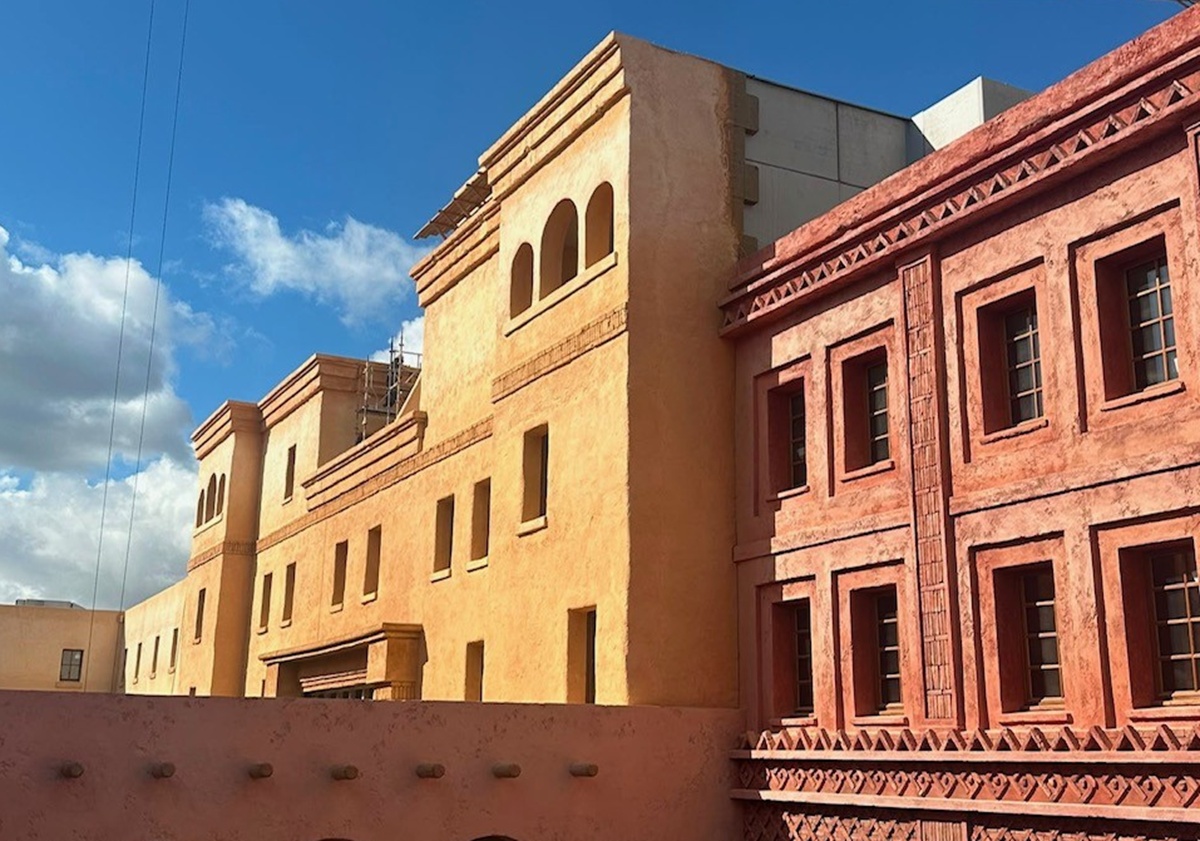
Astérix Park: The Odyssey Hotel Pre-Sales Open October 30


L’Odyssée Hôtel ouvrira le 26 mars 2027 avec 300 chambres - Photo : Parc Astérix

Climats du Monde


Le Parc Astérix agrandit son offre hôtelière. Son quatrième hôtel, L’Odyssée, ouvrira le 26 mars 2027, indique un communiqué de presse.

Les ventes débuteront le 30 octobre, avec des tarifs à partir de 328,30 euros, soit 82,06 euros par personne, pour deux adultes et deux enfants, pour un jour et une nuit.

L’établissement compte 300 chambres thématiques, dont quatre suites et des chambres familiales.

Conçu comme un caravansérail oriental, il a pour thème les civilisations antiques, de la Perse à l’Égypte en passant par la Mésopotamie et la Phénicie. La scénographie est signée Thierry Retif.

L’hôtel comprend deux restaurants – Le Restaurant des Marchands et Le Restaurant des Sables -, le bar L’Oasis et un espace de séminaire modulable de 1 326 m². Il a obtenu le label Haute Qualité Environnementale (HQE), mention « Excellente ».


Nearly 200 positions to fill

The Parc Astérix is launching a nationwide recruitment campaign for nearly 200 positions, permanent and seasonal, notably in reception, housekeeping and dining. A dedicated recruitment day will take place on December 10, 2026.

L’Odyssée joins Les Quais de Lutèce (4-star, 150 rooms), La Cité Suspendue (3-star, 150 rooms) and Les Trois Hiboux (3-star). Located in the forest and accessible on foot from the park, these hotels grant access to the attractions 30 minutes before the official opening.

« With L’Odyssée, we are taking a major step in the Parc Astérix hotel development. […] It is part of our global investment plan of 250 million euros by 2030, aimed at strengthening the park’s appeal and enriching the experience of our visitors », says Delphine Pons, the managing director of Parc Astérix, in the press release.

October 17 Violence: Pretty Images Won’t Erase the Past


Édith Fagnoni : "Il faut d’abord rappeler que tous les lieux ne sont pas touchés" - Photo : RS

Climats du Monde


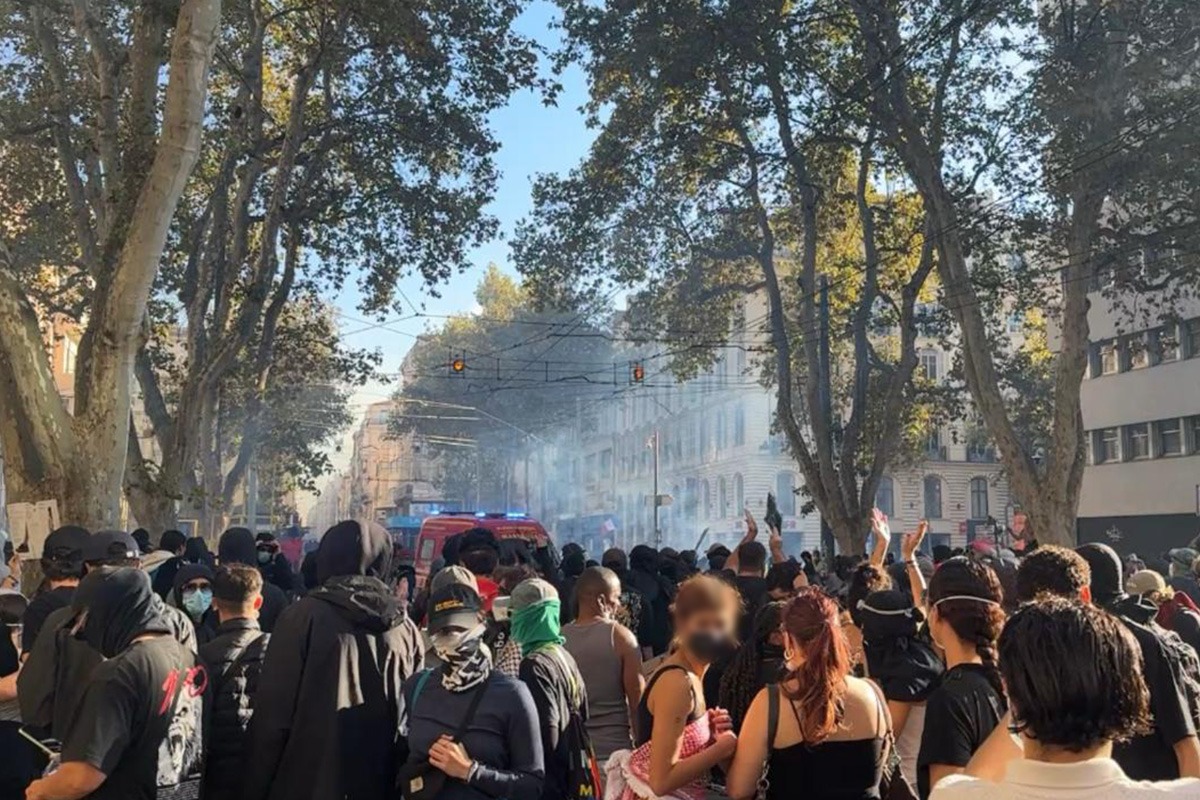
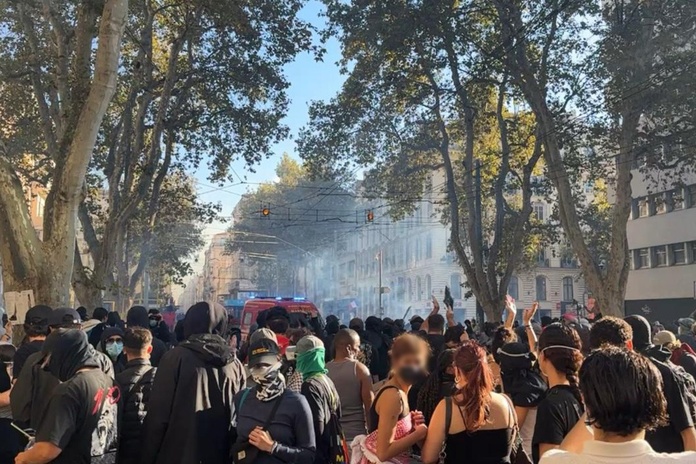
The images of violence and vandalism that occurred in several French cities, notably on October 17, raise questions about the consequences of these events for the country’s tourism appeal.

If industry professionals fear cancellations and a deterioration of France’s image abroad, how can we measure the effects of this crisis and, above all, how can we recover from it?

Édith Fagnoni, whose work focuses notably on the development of territories in crisis and on the role of tourism in transforming territories, analyzes, for TourMaG, the mechanisms and potential levers to restore confidence.


TourMaG – What impact can images of destruction have on tourism?

Édith Fagnoni :
There is a definite impact. However, it is important to avoid thinking in binary terms; not everyone is affected in the same way. There is a gradation among the territories, neighborhoods, and activities involved.

The city’s image, that of romantic Paris or the postcard portrayal, can take a harsh hit. Images can sometimes convey the impression that the country is overrun by mobs of looters and that danger is everywhere, even though this is not the case.

It is particularly the scale of the street, the neighborhood, and the square that is under scrutiny. These public spaces are at the heart of the urban tourist experience. For a visitor who has already booked, these images can evoke a sense of disorder and insecurity, to the point of leading them to cancel their trip, because with no end date, postponing simply becomes less likely.


TourMaG – Do the media play a role in amplifying this feeling of insecurity?

Édith Fagnoni :
The media can do a lot of harm, especially when they replay the same images repeatedly. Those images are then circulated abroad, and their reach becomes much greater.

We also need to be careful with images reused out of context and with the terms used to describe them. Expressions like “civil war” can be used to describe situations that do not necessarily match that reality.

The risk is that visitors generalize what they see in one place to an entire city or country. We can end up with the impression that certain iconic sites are inaccessible, and abandon the idea of visiting a destination altogether.


TourMaG – Can this deterioration of the image be lasting?

Édith Fagnoni :
I hope the consequences won’t be durable, but it will be hard to rebound. This directly touches on the reputation of places.

A crisis inevitably calls for reconstruction. But this rebuilding cannot happen overnight. We must think about how to reinvest in the spaces, how to reinhabit them, and how to give them renewed momentum.

I particularly think of the notion of resilience. How does a territory manage to recover after a crisis? How does it regain attractiveness? These are questions that require collective reflection.

It is essential that tourism stakeholders come together to build a revitalization process.

This concerns not only professionals, but also institutions, local authorities, and city actors, including merchants.

It is also important to recall the role of the tourism offices, which can help inform visitors, reassure them, and highlight visiting possibilities. But no single actor can resolve a crisis of this magnitude alone.


TourMaG – How can destinations counterbalance these negative images?

Édith Fagnoni :
First, it’s important to remember that not all places are affected. In Paris, for instance, some sectors were particularly exposed, but others remain accessible. We can also think of Fontainebleau or the Loire Valley castles.

There is thus work to do to highlight the other tourist resources of a territory. At the city level, this can mean guiding visitors to discover other neighborhoods, other streets, and other sites beyond the most frequented ones. On a broader scale, it also means encouraging visitors to explore the regions surrounding the major metropolises.

It is also necessary to think about communication. I recall a campaign in Tunisia after the Arab Spring. It leveraged a counterpoint idea: “People say Tunisia is a field of ruins. You decide.” The campaign then showcased other facets of the country.

This approach can be interesting; it is not about denying the crisis, but about showing what the territory also has to offer.


TourMaG – Beyond communication, what is ultimately the main challenge for French cities?

Édith Fagnoni :
The crucial word is trust.

When a territory is associated with images of violence or vandalism, it is not only its image that is affected, but also how people perceive it and envision themselves within that space. A place one wished to discover may become a place one prefers to avoid.

It shifts from attractiveness to repulsion.

And that is where resilience comes into play. A city cannot be reduced to a few images, but those images can dominate all others. We must succeed in recreating a mental image in which visitors can again project themselves there.

Mountain Resorts: After Summer, Is the Off-Season Worth Betting On?


Depositphotos.com Auteur AlanStix64

Climats du Monde


Structural figures reveal the scale of the French imbalance. Ski lift operators generate on average 95% of their revenue in winter, sporting goods stores 85%, and hoteliers 75% (1).

The ski domain accounts for around €2 billion in revenue, within a resort economy that exceeds €10–12 billion across all activities (2).

This concentration directly impacts the cost structure. The fixed costs of a ski lift operator hover around 49% of annual turnover, including safety-related obligations, and investment absorbs each year a quarter of receipts (3).

The productive apparatus remains immobilized while depreciation runs. Each additional week of operation improves the return on capital, provided it covers the variable costs it generates. The entire question hinges on this threshold.


Tyrol and South Tyrol Have Already Made the Journey

In Austria, 28.1% of the 2025 overnight stays occurred in April, May, September, October, and November; in Tyrol, October overnight stays gained about a quarter over ten years (4).

October 2025 accounts for 2.35 million overnight stays, one tenth of the summer season (5). In the 2024/2025 tourist year, Tyrol logged 49.6 million overnight stays, split 53% winter and 47% summer (6): the seasonal balance exists across a region with 340,000 beds.

The South Tyrol delivers the most striking signal: in 2025, October recorded more arrivals than January, 695,000 vs 691,000 (7).

The fifth season, the Törggelen, the new wine and chestnuts, reaches the size of a winter month. The neighboring Trentino shows in September 2026 Italy’s first saturation rate on booking platforms (8).

Serfaus-Fiss-Ladis sums up the trajectory: 100% more summer overnight stays since 2005, versus 25% in winter, with the value-added ratio remaining 60 to 40 in favor of winter (9). Volume shifts faster than value, and the project spans decades.


Four Levers, Uneven Maturities

Business tourism leads the way with its suitability for the off-season: in 2023, it already accounted for 10% of the overnight stays in the two Savoie regions (10). September and October correspond to the peak of back-to-work seminars, precisely when beds free up, and the economic profile fits perfectly: high per-capita spending, bundled volume, advanced bookings, weather-insensitive demand.

Three conditions drive success: a coherent plenary capacity aligned with hotel capacity, clear rail accessibility, and a single commercial contact.

Sporting events, from trail running to ultra-cycling, structure the calendar and bring guests who willingly extend their stay.

Gastronomy and agricultural supply chains remain the most underexploited lever in France, while the South Tyrolean Törggelen shows that a rural tradition can become a commercial season.

Wellness and gentle mountains attract couples and seniors outside school holidays. The refuges confirm demand: the FFCAM gains 30% in June, September and October (11).


Conditions for a Profitable Opening

Opening in the off-season is a calculation more than an intention. Four principles emerge from successful Alpine models.

Open one facility rather than an entire domain first: a single structuring lift, sized for pedestrians and mountain biking, reaches its threshold long before a full area does.

Then contract the opening with hoteliers, restaurateurs and shops, because a lift operating in front of closed venues leads to disappointment and costs.

Aim for value over volume, especially. In Tyrol, the vacationer spends on average €223 per day in winter and €176 in summer (12): the off-season pays off through the average spend, longer stays, and the business segment, rather than through occupancy.

Finally, mutualize at the valley level, where 2,000 open beds weigh more than 500 isolated beds, and where recruitment becomes solvable.


The ESG Aspect, Quantified

Lengthening the seasons yields measurable social effects. Seasonal jobs account for 14% of the annual salaried employment in mountain basins and exceed 20% during peaks; 19,300 people held seasonal work across a full year in the studied basins (13).

Nearly four in ten combine their season with a job located more than 50 kilometers away (14). Two short seasons force forced mobility, which contracts from April to October then December to March into an annualized path. Housing remains a constraint: 3% of seasonal workers have employer-provided housing (15).

On carbon, the arithmetic favors the off-season. Transport accounts for 52% of a day’s emissions in a resort according to the Utopies study for ADEME, versus about 3% for the ski area’s operation (16); a prior ANMSM report placed it at 57% (17).

The ratio improves in two ways in autumn: longer stays spread travel over more overnight stays, and a business or urban clientele is far more willing to use the train than February’s family clientele. On water, finally, the off-season taps into the resource when it is reconstituting, contrary to the August peak that the law of 18 August 2026 now invites to manage as a shared use (18).


Sources


A propos d’Armelle Solelhac


Photo : Armelle Solelhac

Graduated with a Master’s in Law and from ESCP Business School, Armelle Solelhac set out in 2005 to travel the world across 286 ski resorts in 27 countries on 5 continents over 2 years.

Upon her return, she founded SWiTCH, a marketing strategy and CSR consultancy specialized in tourism and outdoor sports.

En 2016, she embarked on a second world tour of more than 100 coastal destinations in 14 countries across 4 continents.

In October 2019, she published a work that has become a reference on the Management and Marketing of Mountain Resorts Worldwide.