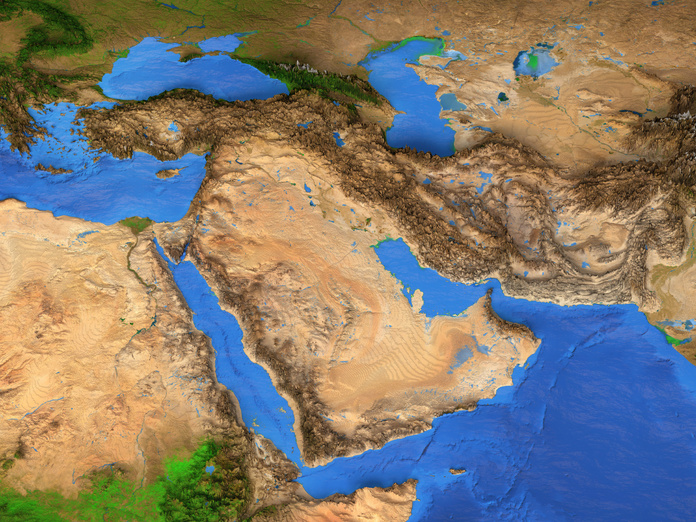
Oman, Qatar, UAE: Travel Guidelines for French Travelers


Le Quai d'Orsay a actualisé ses conseils aux voyageurs pour plusieurs pays du Moyen-Orient - DepositPhotos.com, titoOnz

CroisiEurope


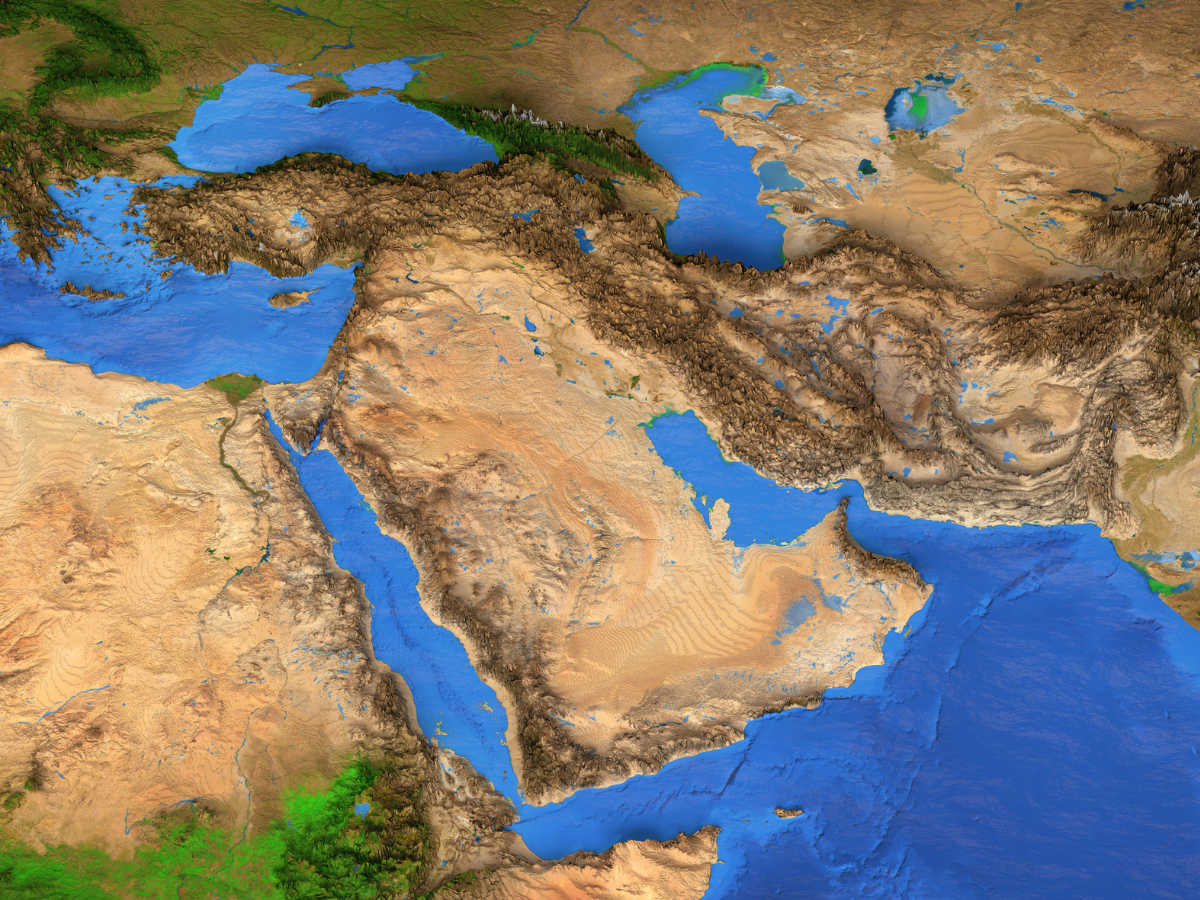
While several Gulf destinations remain accessible to French travelers, the Quai d’Orsay is calling for heightened vigilance.

The recommendations vary by country, but French authorities consistently urge travelers to follow local guidelines, to regularly check the information from their airline and to enroll in the Fil d’Ariane scheme before departure.

In Jordan, where the territory is regularly overflown, and at times targeted, by missiles and Iranian drones since July 9, the ministry recommends particular vigilance.

Travelers are urged to heed the alert sirens, to seek shelter immediately in case of an alert and to avoid the Azraq and Mafraq areas, in the northeast of the country.

A particular vigilance is also recommended in the Qatr region (Aqaba). If airspace remains open, travelers are advised to verify the status of their flight with their airline.


Vigilance renforcée dans plusieurs pays du Golfe

To Oman, French nationals are urged to exercise the greatest vigilance following Iranian strikes that targeted the territory.

Travel within the Salalah, Duqm, Musandam regions as well as along the border with Yemen is discouraged unless there is an imperative reason.

In case of an alert, the Quai d’Orsay recommends following the authorities’ instructions, taking shelter and staying away from military or security installations.

The ministry has also updated its recommendations for the United Arab Emirates, Qatar, Kuwait and Bahrain.

In these four countries, French authorities urge travelers to demonstrate heightened vigilance, to follow the instructions of local authorities and in case of an incident to stay informed about the progression of the regional situation.
Atout France Has Been Hacked: Cyberattack Hits French Tourism Agency


ttt

tttt
Atout France dans la lignée de Belambra, Maeva et Gîtes de France - Depositphotos retouchée par l'IA
ttt

ttt

t

tt

CroisiEurope


tt

tt

tt

tt

ttt

tttt The list is long and shows no signs of stopping.
tttt
tttt
tttt After the historic wave of hacks that hit tourism in May, revealing a relatively basic vulnerability among several major players in the sector, cyberattacks continue in the tourism industry, without ever stopping.
tttt
tttt
tttt And this time, it is the turn of a public institution to have its vulnerabilities laid bare.
tttt
tttt
tttt Atout France therefore suffered an attack by a malicious individual who could have extracted, according to their statements, data from approximately 400,000 user accounts.
tttt
tttt
tttt Samples, as a gesture of good faith, as is customary on the dark web, have been shared.
ttt

tt

tt

t

ttt

ttt

Atout France Following in the Footsteps of Belambra, Maeva, and Gîtes de France

tt

tt

ttt

tttt The hacker claims to have exploited an access-control flaw, i.e., an IDOR (Insecure Direct Object Reference) vulnerability, according to frenchbreaches, as was the case for Belambra, Gîtes de France or Maeva.
tttt
tttt
tttt “In French, one could translate that as having a direct reference to an unsecured object.
tttt
tttt
tttt That is to say that if a profile, a file or an invoice is stored directly within an application, simply entering the direct address could allow access, even without the proper authorization.
tttt
tttt
tttt We are not facing an extraordinarily sophisticated technical exploit, but rather a misunderstanding of security at the human level,
” we were told by Christophe Mazzola, founder of the Cyber Academy, in a previous article.
tttt
tttt
tttt Beyond this weakness, the consequences can be dire for companies or individuals.
tttt
tttt
tttt Regarding Atout France, about 400,000 user accounts would thus be compromised. The attacker(s) would have access to names, first names, roles, emails, phone numbers, billing postal addresses, organizations, member numbers…
tttt
tttt
tttt A multitude of information that could feed, in the future, phishing campaigns or other highly targeted malicious actions. Vigilance will therefore need to be doubled in case of emails purportedly sent by Atout France in the days and months to come.
ttt

tt

tt

t

ttt

ttt

Pacha Tours and Trenitalia France Also Hacked

tt

tt

ttt

tttt Do not believe that, after the historic wave of hacks that the tourism industry experienced, hackers have lost interest in the sector; quite the opposite.
tttt
tttt
tttt Taking advantage, no doubt, of the sector’s cybersecurity weaknesses, the trophies have been many.
tttt
tttt
tttt There was, at the end of June, Pacha Tours. The hackers claimed to have extracted 2 GB of data thanks to “a code-injection technique used to modify or retrieve data in SQL databases (tables with rows and columns, ndlr)“, according to Cloudflare.
tttt
tttt
tttt Thus, on both the Pacha Tours site and its pro space, the compromised data would concern 31,087 unique individuals, 4,413 unique emails, 3,705 unique phones, 132 cleartext passport numbers, 10,153 PNR codes, and 1,096 B2B agency accesses with passwords in clear text, according to the attackers.
tttt
tttt
tttt But that’s not all, because Trenitalia France also suffered a similar misfortune.
tttt
tttt
tttt The malicious actors gained unauthorized access to certain personal data of customers related to ticket purchases. This attack has been confirmed by the operator.
tttt
tttt
tttt An email campaign was sent to the company’s customers.
tttt
tttt
tttt It reveals that the information in the pirates’ possession includes: civil and identification data (buyer and passenger names, passenger date of birth); contact data (email address, phone number); travel data (information associated with the transport ticket, such as itinerary, travel date and time, ticket number); type of offer or service linked to the transport ticket and data needed to benefit from these offers.
tttt
tttt
tttt Moreover, the attackers claim to have extracted data from 60,568 user accounts, as well as metadata from Smartbox agreements or e-signature documents.
tttt
tttt
tttt “We really need to roll up our sleeves and get to work, because this kind of data leak, in Europe, we are truly among the few who know this story.
tttt
tttt
tttt I work a lot in the United Kingdom, Germany, the Netherlands, Luxembourg, Switzerland and Belgium; there, this isn’t as common. France is acting as the delinquent student,
” Christophe Mazzola explained to us.
ttt

tt

tt

t

A Blue World: Connecting River Cruise Operators with French Ports of Call


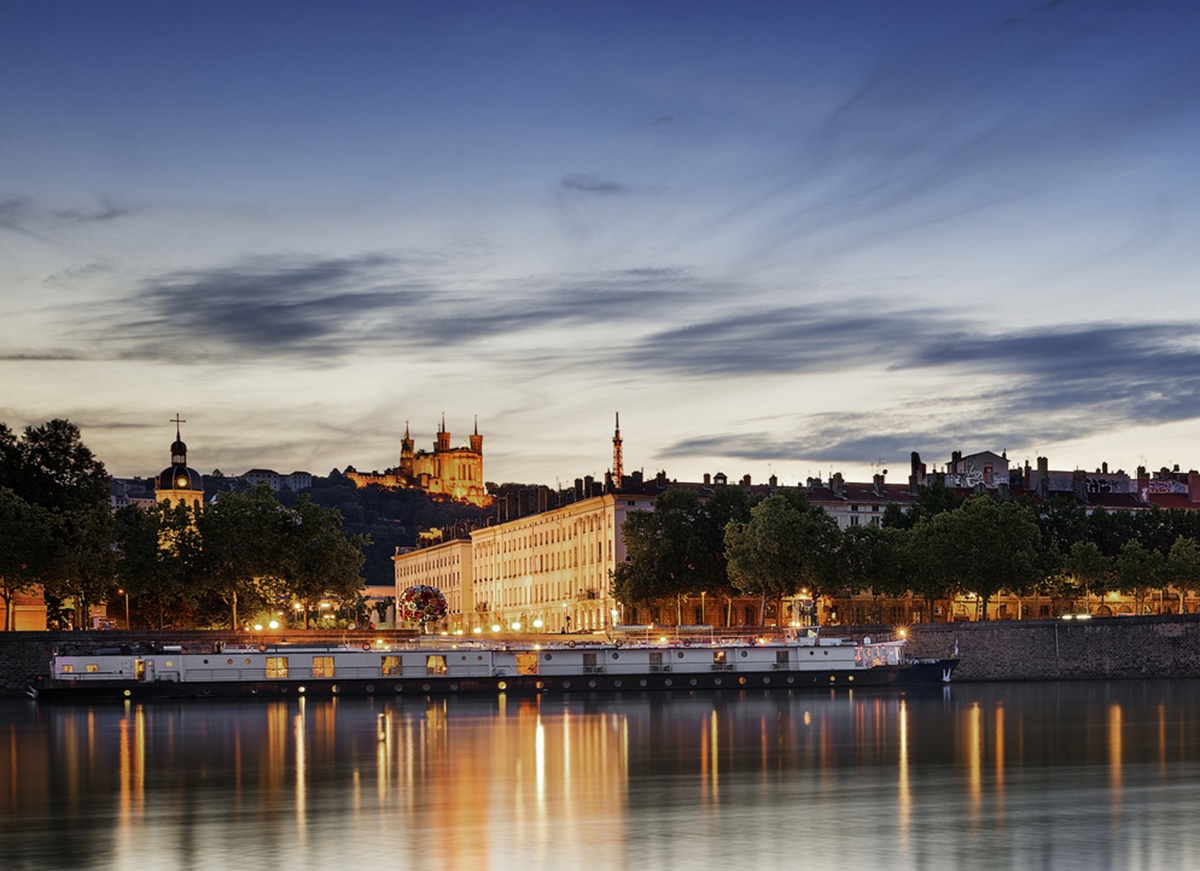
Lyon est l'une des principales escales des croisières fluviales françaises. Un Monde Bleu y organise les excursions et coordonne les prestations terrestres pour le compte de tour-opérateurs internationaux - DepositPhotos.com, Panther Media Seller

CroisiEurope


Pour le passager, tout paraît simple. Le bateau accoste, un autocar attend sur le quai et, quelques minutes plus tard, le groupe prend la direction d’un domaine viticole, d’un village ou d’un grand site touristique.

Derrière cette apparente fluidité se cache pourtant une organisation complexe.

Guides, transporteurs, restaurateurs, musées, domaines viticoles, hôtels : une croisière fluviale mobilise à chaque escale de nombreux prestataires.

C’est précisément le rôle d’une agence réceptive comme Un Monde Bleu, qui fête cette année ses trente ans. Son métier : prendre en charge toute la partie terrestre des programmes proposés en France par ses clients, principalement des tour-opérateurs étrangers.

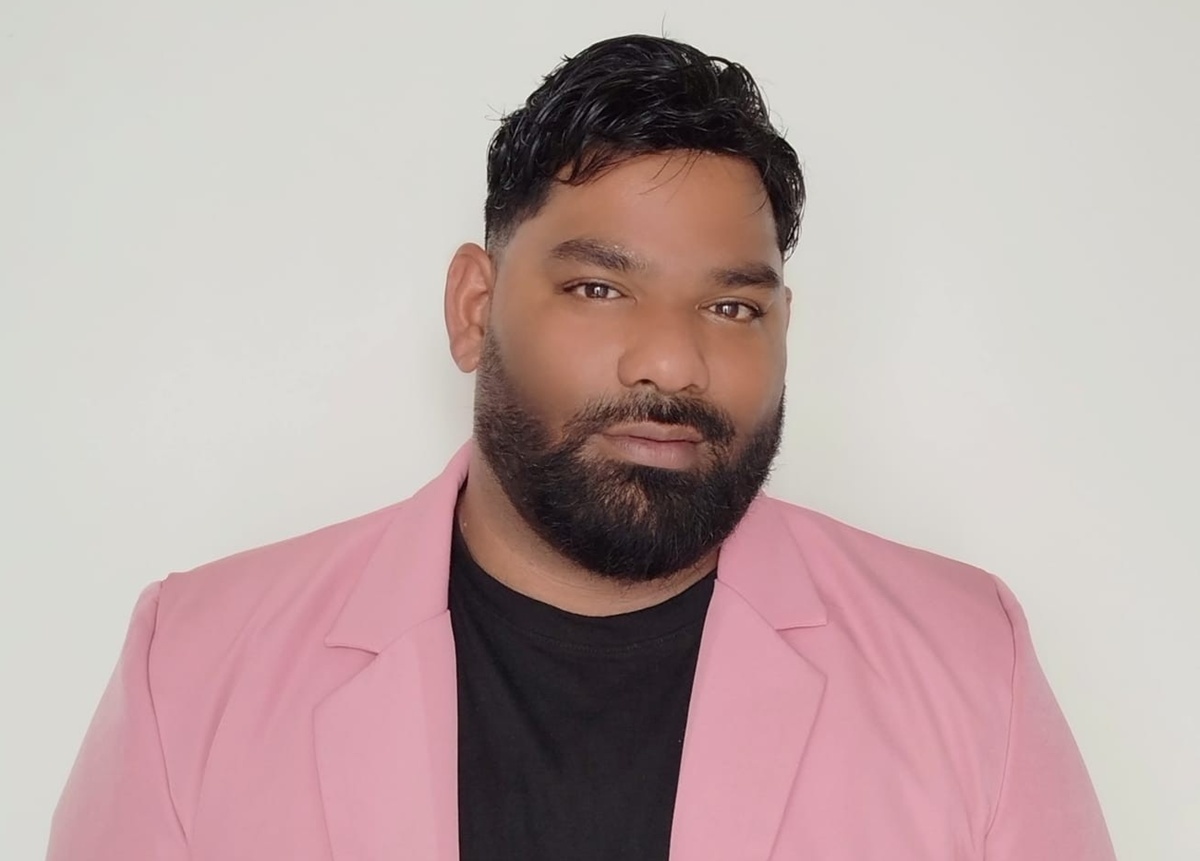
« Nous pouvons nous occuper de toute la gestion touristique à partir du moment où le client pose le pied sur le territoire français », résume Loïck Andamaye, directeur produits et développements du DMC.


From the airport to the ship

The agency’s history is closely linked to the development of river cruising in France.
In its early days, under the name Route Marine, the organization accompanied the first operations of a German-speaking shipping company that aimed to position a vessel on the Rhône.

Its role already consisted of organizing the land portion: excursions, transportation, seeking sightseeing sites or wine estates capable of welcoming passengers.

Thirty years later, the principle remains the same, but the scope has expanded considerably. Today the agency operates across the various French river basins and can also organize pre- or post-cruise stays. Paris, Geneva, Champagne, Brittany or the Côte d’Azur can thus be integrated into multi-day programs.

For a cruise on the Rhône, for example, American passengers can begin their journey with three days in Paris. Un Monde Bleu then arranges airport reception, transfers, the hotel and excursions, before guiding the group to Lyon by TGV.

The agency can even handle luggage separately to the ship and organize an activity between the train’s arrival and embarkation time.


A single point of contact for foreign tour operators


Loïck Andamaye, directeur Produits et Développements d'Un Monde Bleu - Photo : UMB

Une fois la croisière commencée, elle est en mesure d’orchestrer les excursions à chaque escale, mais également certaines animations à bord : démonstrations, spectacles ou interventions d’artistes locaux.

Pour les tour-opérateurs, l’intérêt est de disposer d’un interlocuteur unique capable d’organiser les prestations sur l’ensemble du territoire français.

Cette position fait également de l’agence une porte d’entrée pour les acteurs locaux souhaitant travailler avec la croisière fluviale.

« Une petite cave du Beaujolais peut difficilement entrer directement en contact avec une grande compagnie internationale. Son message risque de se perdre. Notre rôle est justement de faire l’interface entre le local et le tour-opérateur », explique Loïck Andamaye.

Encore faut-il pouvoir répondre aux contraintes de l’accueil des groupes. Capacité, sanitaires, horaires d’ouverture, accessibilité des autocars ou capacité à réagir à une modification d’itinéraire : l’agence accompagne également les prestataires dans leur adaptation aux exigences de cette clientèle.


The advisory role is growing

Car les imprévus font partie du quotidien. Une écluse en panne ou une modification de navigation peut décaler une escale de plusieurs jours. Le tour-opérateur prévient alors son agence réceptive, qui réorganise l’ensemble de la chaîne : guides, autocars, restaurants et sites de visite.

Le métier évolue cependant. Pendant longtemps, les compagnies demandaient essentiellement des excursions classiques : visite de Lyon, découverte du Beaujolais ou grands incontournables parisiens. La concurrence entre les opérateurs et la volonté de rajeunir la clientèle changent désormais la donne.

« Les compagnies nous demandent davantage de produits actifs, des excursions à vélo ou des randonnées. Certaines réfléchissent aussi aux croisières familiales », souligne Loïck Andamaye.

Cette évolution a conduit Un Monde Bleu à créer un département Produits et Développements. Son travail commence désormais très en amont de l’exploitation. L’agence travaille déjà sur des programmes pour 2028.

Elle doit aussi éviter que les compagnies, pourtant concurrentes, ne proposent toutes les mêmes visites au même moment.

Lorsqu’une dizaine de bateaux sont présents simultanément dans une destination, il faut répartir les départs des autocars, décaler les horaires et diversifier les excursions. Une manière de préserver l’expérience des passagers, mais aussi de limiter la pression sur les territoires et leurs habitants.

Lire aussi : Responsable d’escale fluviale : ce métier de l’ombre qui fait toute la différence


Climat, nouvelles destinations et saisons plus longues


A strong demand for France

For Loïck Andamaye, the French potential remains substantial. If the Rhine and the Danube still concentrate most of the European fleet, demand for France remains strong.

The main constraint today would be less commercial than capacity-related: tour operators sometimes struggle to find available ships, and transferring a ship from one river basin to another represents a significant investment.

But prospects remain favorable. « Clients love France and want to include it in their programs. There are ships leaving the market, especially when they are replaced, but there are more arrivals than departures », estimates Loïck Andamaye.

These prospects should further strengthen the role of these discreet intermediaries.


Laurent Guéna Published by Laurent Guéna Journalist – TourMaG.com
See all articles by Laurent Guéna

  • picto Linkedin
  • picto email
Add TourMaG to your Google News feed Google Actualités icône

France-Vietnam Cooperation: Hanoi Seeks to Attract French Tourism Professionals


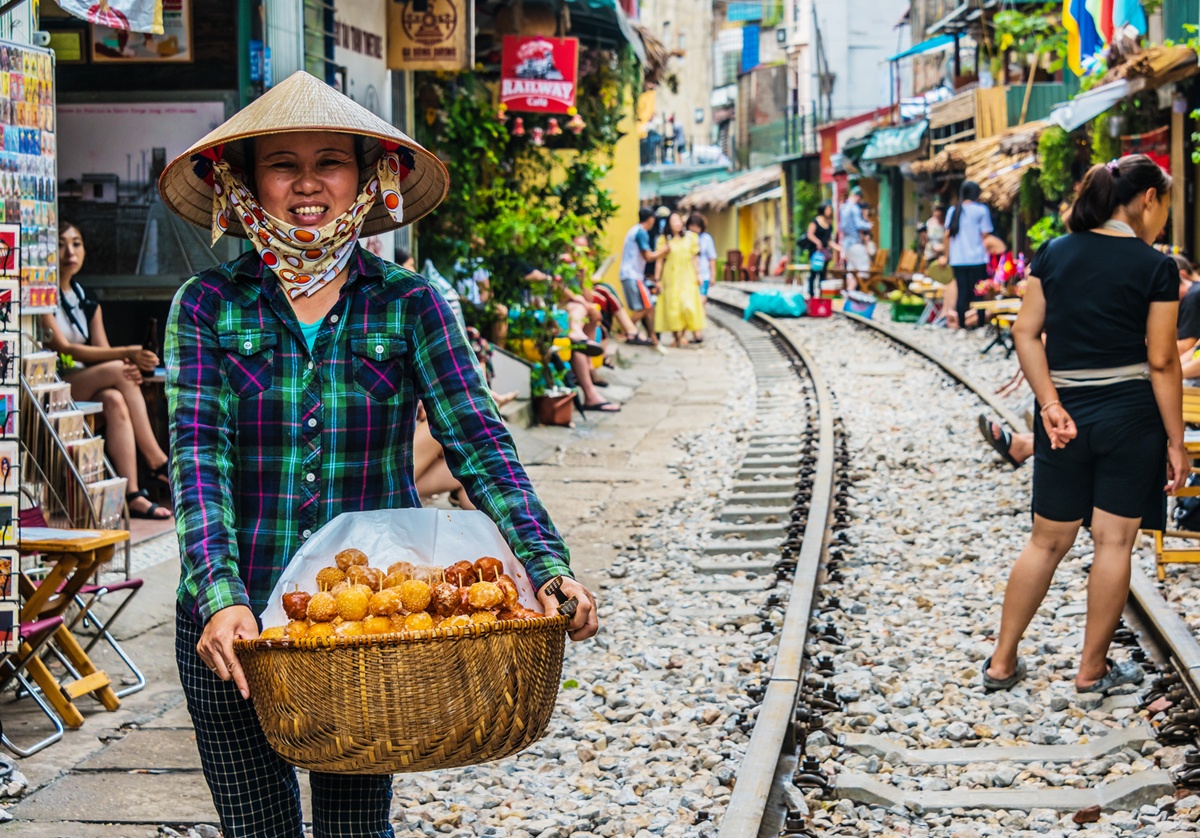
Hanoï donne rendez-vous aux professionnels français le 4 août à Paris - DepositPhotos.com, monticello

CroisiEurope


More than 276,000 French visitors explored the streets of Hanoi in 2025, marking a spectacular 32% increase in a single year.

Building on this momentum, the City of Hanoi plans to take advantage of its visit to Paris to present to French stakeholders the full range of cooperation opportunities offered by the capital.

Coordinated with the support of VNCT (Vietnam Culture & Tourism in Europe Association), this meeting will be held on Tuesday, August 4, 2026, from 5:00 p.m. to 7:30 p.m. at the Artemis Hall in the Batignolles Space, located at 18 Rue de la Condamine in Paris’s 17th arrondissement.

The event is primarily aimed at tour operators, travel agencies, tourism professionals, airlines, companies, investors, institutional bodies, and specialized journalists.

It should provide a platform to address investment, trade and sustainable development opportunities alongside leading speakers, notably Mr. Nguyễn Ánh Dương, Vice-Director of the Hanoi Department of Industry and Trade, Mr. Nguyễn Trần Quang, Vice-Director of Hanoi’s Department of Tourism, and Ms. Lê Y Linh, President of VNCT in France.

The delegation aims to place this event within the continuity of a decentralized cooperation that is already rich and long-standing, conducted notably with Paris, the Île-de-France Region, Toulouse, and other French institutional partners.


Targeted opportunities and direct exchanges with the delegation

On this occasion, Hanoi seeks to better showcase the diversity and richness of its offerings: its historical heritage, its renowned Old Quarter, its remarkable architecture, its cuisine, its traditional craft villages, as well as its cultural tourism and new urban experiences.

Positioning itself as a capital that is both heritage-rich, modern, innovative, and sustainable, the city aims to attract more French partners in strategic areas for its future.

Because beyond the development of trade and investments, the challenge is to intensify tourist flows in both directions.

The partnership opportunities particularly cover urban infrastructures, transportation, logistics, ecological transition, new technologies, creative industries, as well as high-quality agri-food sectors.

An ambition that also fits within the framework of the city’s new investment promotion campaign unveiled in July, which foresees new incentive mechanisms and announces hundreds of investment projects.

This initiative relies on an unprecedented master plan with a 100-year projected development vision, aimed at speeding up the digital transition and materializing about fifty strategic agreements, notably on green and sustainable transport.


A program paced between official briefings and networking

Designed to foster operational contacts and partnerships between actors from the two countries, the event will unfold around two main moments:

  • 5:00 PM – 5:15 PM: Welcome of participants at Espace Batignolles.

  • 5:15 PM – 6:15 PM: Official opening sequence, presentation of the Hanoi delegation, remarks by institutional representatives and a detailed briefing on the investment environment, economic activities and the capital’s tourist potential.

  • 6:15 PM – 7:30 PM: Networking and B2B exchange session to discuss concrete cooperation prospects, accompanied by a presentation of Vietnamese gastronomy and a professional cocktail.

Tourism professionals can register via this link

Saint-Nazaire, Le Havre, Marseille: MSC World Asia’s Very French Launch


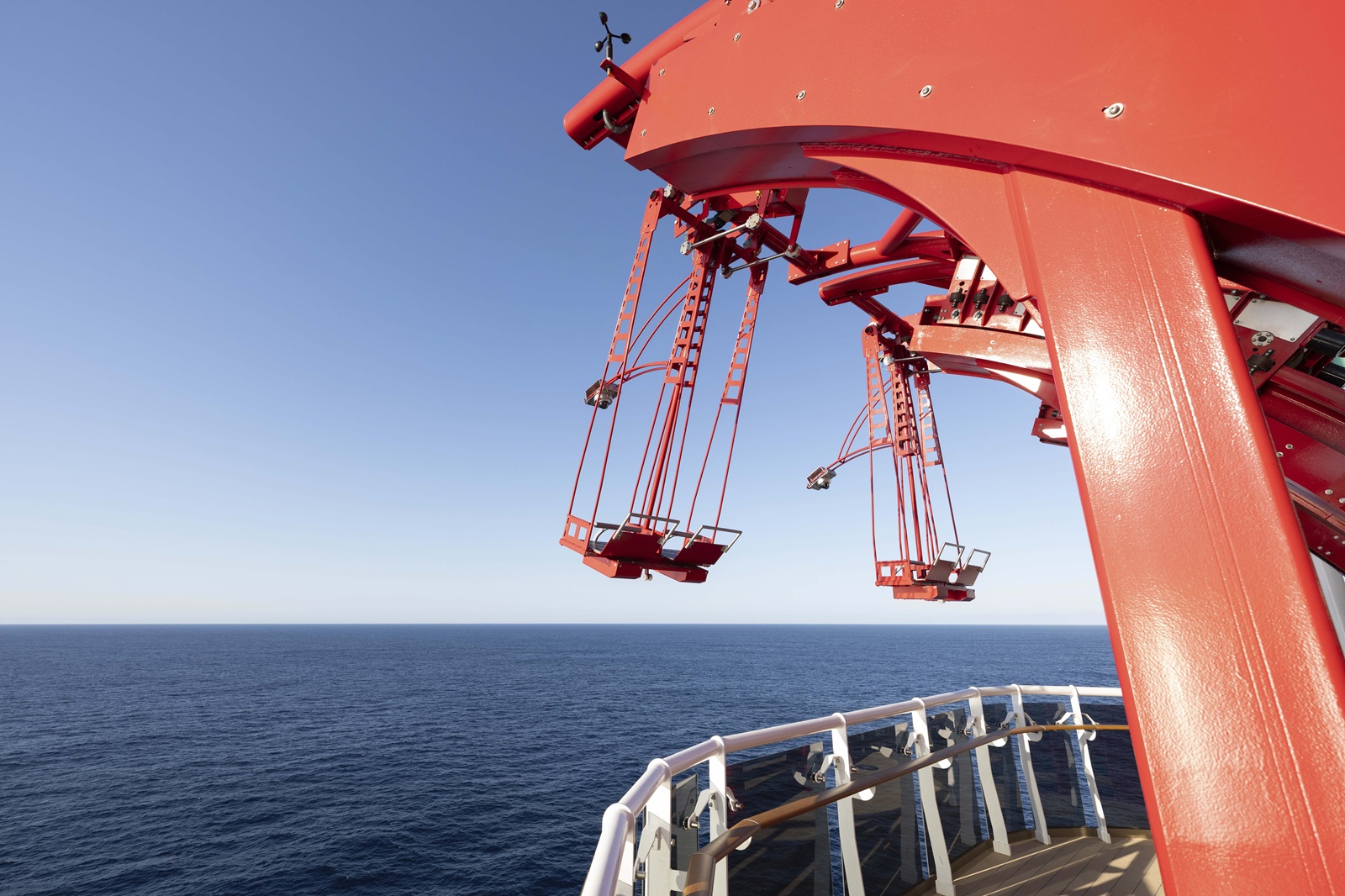
Parmi les nouveautés du MSC World Asia, Cliffhanger, une balançoire suspendue à 50 mètres au-dessus de la mer - Photo : MSC Croisières

CroisiEurope


France will be at the heart of the early days of the MSC World Asia.

The third ship of MSC Cruises’ World class will be delivered on November 25, 2026 by Chantiers de l’Atlantique in Saint-Nazaire, before performing its inaugural sailing and then being officially christened in Le Havre on November 28.

The liner will then join the Mediterranean, where it will kick off its inaugural season starting December 4, 2026.

It will offer seven-night itineraries in the Western Mediterranean, with embarkations notably in Barcelona and Marseille, as well as calls in Messina, Civitavecchia, Naples and Valletta. Passengers will be able to embark at each of these ports.

Beyond its inaugural schedule, this sequence highlights the long-standing partnership between MSC Cruises and Chantiers de l’Atlantique.

Since 2002, the company claims to have invested more than €21 billion in France through the construction of 19 ships, contributing to the maintenance of 7,500 direct jobs and a network of more than 500 French companies.


New attractions and immersive experiences

The arrival of the MSC World Asia also marks the commercial launch of the 2026-2027 winter season in the Western Mediterranean.

The ship will notably be offered from Marseille, which has, over the years, become one of MSC Cruises’ main embarkation ports for French guests.

The company continues to unveil the new features that will distinguish the World Asia from its two predecessors.

Among them are Cliffhanger, a swing suspended 50 meters above the sea, as well as a new version of The Spiral Tree of Life, the spectacular dry slide of more than 80 meters integrated into the ship’s architecture.

The MSC Luna Park Arena will also offer a new generation of immersive entertainment experiences.


Gastronomy: Southeast Asia in the spotlight

The culinary offering will be enriched by a space inspired by Southeast Asian street markets, bringing together a pan-Asian restaurant, street food and a dedicated bar.

The Italian house Venchi will also open its largest space at sea there, featuring a boutique, café, gelateria and Chocolate Lab spanning nearly 300 m².

Families will have access to a fully redesigned Family Aventura District, with The Clubhouse and The Harbour spaces, while the MSC Aurea Spa will inaugurate a new wellness offering.

In total, the ship will boast more than 40 bars and restaurants, seven pools, thirteen hot tubs, as well as an expanded entertainment offering for all generations.

TourMaG will follow the different stages of the MSC World Asia launch, from its delivery in Saint-Nazaire to its christening in Le Havre, before its commercial entry into the Mediterranean.

Access to Holidays: An Unfinished Right Abandoned by French Policies


Les propositions pour remettre le temps libre à l’agenda des politiques publiques - Depositphotos

CroisiEurope


This morning, while opening a Carambar, I read inside this joke that didn’t really make my daughter laugh.

What is the ultimate irony for the world’s number one tourist destination? That all its inhabitants do not go on vacation!” I admit, it wasn’t the funniest, but surely the most realistic.

France welcomes nearly 100 million tourists each year.

A figure proclaimed and proudly announced by Serge Papin, the minister in charge of Tourism, which is expected to rise again this year, as bookings in accommodation are up 1% to 5%, while those in air travel rise by 3%.

Such figures bring a smile to many sector players, starting with Mark Watkins, the founder of Coach Omnium, who notes “there is no way to distinguish and quantify the foreign visitors who come to metropolitan France.”

But meanwhile, there is one statistic that all governments keep and that seems fairly reliable, namely the rate of French people not taking holidays.

For several decades, four in ten French people do not go on vacation. And that has stagnated.

Thus, in the world’s most visited country, the right to holidays remains “an unfinished right“, according to Jean Pinard, who, in a study published by the Terram Institute, warns policymakers about the inequalities in our country and argues that the time has come to redistribute the gains of the tourism economy in favor of those who make it: the French.


Holidays: social gains upended!

For reference, if 60% of French people go on vacation, 87% of Brits do, 80% of Germans, 75% of Dutch and 64% of Poles.

La France se situe tout juste dans la moyenne européenne.

A troubling fact for the country that enshrined paid holidays as a social gain, which proudly marked in 2026 the 90th anniversary of their creation, which enjoys five weeks of vacation every year and which also reduced the working week to 35 hours.

To read: Paid holidays: 90 years of a social revolution… and a still-open agenda

Despite these social advances, currently questioned by a broad swath of the political spectrum, “the gap between the strength of the tourism apparatus and the population’s actual access to holidays is the subject of this study“, explains Jean Pinard in the preface to his study.

Remember that last June, a bill was filed by deputy Éric Pauget, from the Republican Right, aiming to monetize one week of paid leave per year, to give meaning back to the slogan “work more to earn more”.

The fifth week was introduced just one year after the first Back to the Future script was completed. That’s where we are. Our politicians are forcing the nation to ride a time machine back in time.

We are far from discussions on a four-day week, reflections on leisure time, and a society of recreation.

It is not so surprising, because at a conference during the Aix-en-Provence Economic Meetings, Jean Viard was very pessimistic about the notion of progress, whether technological or social.

And faced with societies that seem lost and often look backward, reminiscent of this right-wing deputy seeking to recall a supposedly happier past, the far-right is on the verge of taking power in many parts of the world.

We must rekindle the desire for the future, recount the three anthropological ruptures: nature taking power, patriarchy exploding, and AI jolting us.
Above all, based on this observation, the politicians must say they will build a better world, that future generations will live better than ours.

To restore confidence among the working classes, we must redraw the idea that the horizon will be brighter
“, proclaimed Jean Viard.


The tourism development is being left to private actors by the State

And to make the future desirable, just months before a high-stakes presidential election, the former director of the CRT Occitanie wants to bring the debate about the right to holidays back to the foreground.

It is now up to policymakers to seize upon this study and to put forward proposals.

It should be noted that, among the French who travel every year, only a fraction stays in hotels, camping sites, resort residences or holiday villages. The use of commercial accommodations is well below 50%, according to the study.

And that is unlikely to improve.

Because if, in the 1950s, the State actively led the creation of ski resorts and coast development to structure the offer, that momentum ended in the 1970s, after President Valéry Giscard d’Estaing’s Vallouise speech.

Over time, this mission was abandoned to private actors, the social dimension gradually fading away.

Additionally, the companies that now shape the French tourist landscape have pursued an upmarket strategy aimed at attracting lucrative foreign clientele, effectively excluding more and more French families.

The text also recalls that the Constitution of October 27, 1946 guarantees everyone “rest and leisure“, and that the law of July 29, 1998 elevates “equal access for all, throughout life, to culture, to sport, to vacations and to leisure” into “a national objective“.

However, since then, almost nothing has been done.

Because the tools that enable the greatest number to travel do not weigh on public finances. They are mainly carried by companies, via the social and economic committees (CSE).

And if nothing changes, then this departure rate will, at best, plateau, or even decline, while we could turn domestic tourism into a real growth lever for the industry.

There is more room for maneuver with the French than with foreign clientele.

Going on vacation is a collective desire and a social marker; moreover, the growth of the global middle class is indeed fueling the flow of tourists worldwide.


Vacation departure policies are powered… by companies!

Those who do not go will not have their children go. For holidays and travel are also social learning.

To reduce this fracture between two Frances, there are holiday departure aids.

First, the best known: holiday vouchers. Only 26% of French people report ever having used them. A relatively low rate, explained by a lack of awareness of the programs among the target audiences.

An instrument funded by both employees and companies, the latter benefiting from employer social exemptions.

The net issuance volume sits at around €1.8 billion.

It is difficult to gauge the CSE’s concrete action on this subject, because the study notes that in 2010, CSE expenses for social and cultural activities amounted to €2.6 billion, of which €728 million were for vacation assistance.

According to the CSE Guide site, the ASC budget, for Social and Cultural Activities, of these bodies is estimated at €5 billion per year.

Holiday assistance, in the world’s most tourist country, mainly relies on corporate social policies, operating within a legal framework created by the State with works councils and then the ANCV, and these policies provide the State with tax revenues estimated at €3 billion“, says Jean Pinard in the study.

Note, however, that the State contributes a little over €180 million in various aid types, AVF, AVS, AVE…, a mere fragment compared with private actions.

Added to this is the rise of digital leisure, which continues to seize the free time of younger generations and also represents a substantial portion of their spending.

The finding is clear and quite precise. If the public sector was the origin of the development of the tourism industry, it has gradually abandoned its role to leave private actors to handle it.

Some will say that, in a market economy, this choice is not irrational.

Others will say that, to build a nation, we must not leave anyone by the roadside in July and August, under penalty of letting political parties rather incongruent with democracy gain ground.


Proposals to Put Leisure Time Back on the Public Policy Agenda!

Jean Pinard calls for a political awakening and wishes to “put leisure time back on the public policy agenda“.

The author of the document, a former professional in various tourism bodies, thus lays out several proposals to close the gap and get as many French people as possible on vacation.

Proposals that would be painless for public finances.

The first is to set up a knowledge apparatus on the health and social cohesion benefits of vacations, and also to measure precisely and regularly the under-use of aid and non-departures.

To address the issue of lack of awareness of the departure-support schemes, he proposes relying on local networks constituted by family allowance funds and municipal social action centers, while simplifying the procedures.

And why not create counters directly in tourist offices? This would also help acculturate certain publics to travel.

In addition, he proposes supporting investment in social and solidarity-based tourism, to maintain an offering accessible to all.

Finally, these measures would be funded by a national departure-support fund, itself financed by a dedicated tourist tax, by contributions from highway concessionaires or by redistributing the VAT paid by foreign customers.

This latter approach already exists in Spain and Portugal.

This contribution from highway concessionaires has already been highlighted by the government to finance the framework law on transport development.

Let us recall that these companies will have accumulated, by 2036, around €76 billion in dividends, nearly five times the proceeds from the 2006 sale of the highways.

If, in 2024, the net income of motorway concession companies (SCA) fell by 3.4%, to €4.3 billion, dividends rose by 9%, to €4.4 billion, according to the Transport Regulatory Authority.

Over to you with your proposals !


French Hotel Industry: Strong Start to 2026


L’hôtellerie française confirme son bon début d’année en février 2026 - Depositphotos.com @david_franklin

IFTM prenez RDV avec TourMaG


The French hotel sector confirms its solid momentum at the start of 2026. 

According to the latest barometer published by In Extenso Tourism, Culture & Hospitality, February continues January’s trend, with indicators on the rise at the national level, despite persistent regional disparities.

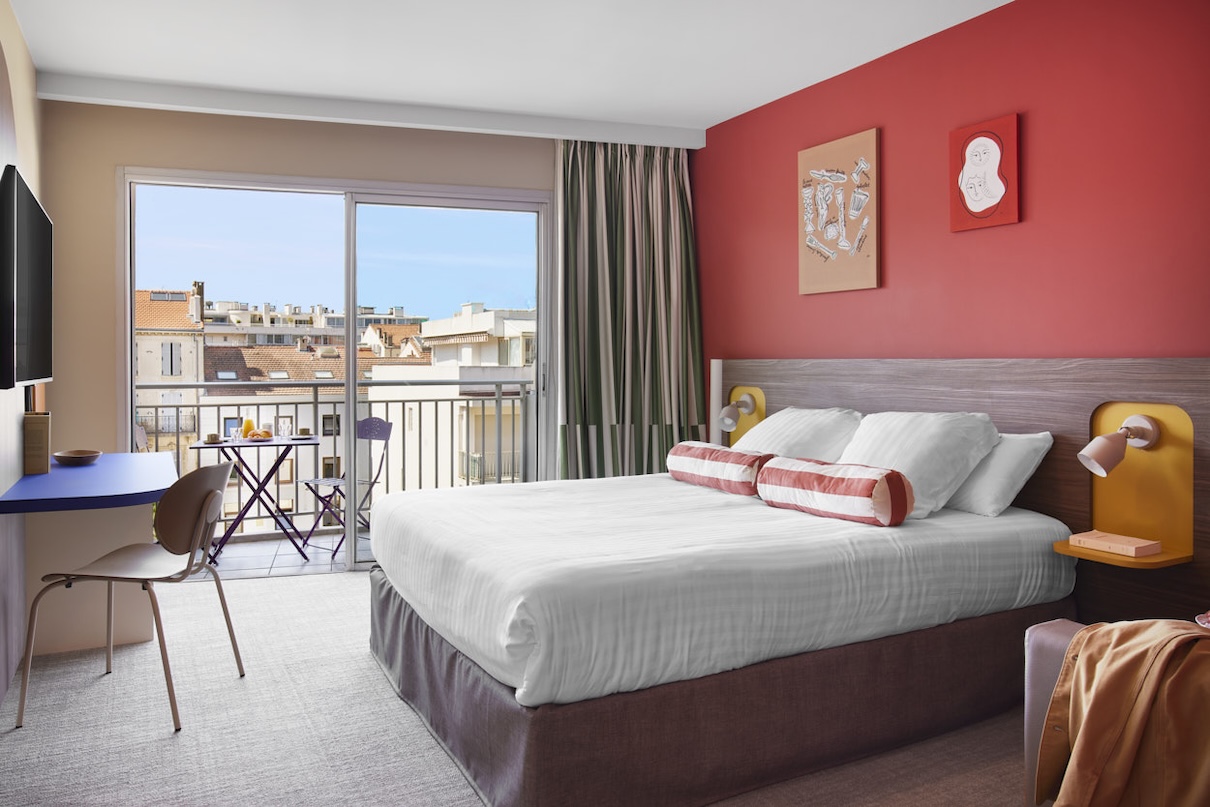
In February, the occupancy rate of hotels in France reaches 55%, up 1 point year over year. The average revenue per room (RMC) stands at €107 excluding tax (+1%), while the RevPAR increases by 2%, to €59 excluding tax. Over the first two months of the year, the average RevPAR reaches €58 excluding tax, also up by 2%.

“”February confirms the broadly positive momentum of the French hotel market at the start of 2026“,” says Olivier Petit, CEO at In Extenso Tourism, Culture & Hospitality.

A trend driven by both the rebound in demand and a dense event calendar, even though some uncertainties remain, notably related to the international geopolitical context.


Paris and Île-de-France Stand Out

In Paris and Île-de-France, hotel activity remains well oriented.

The capital records a RevPAR of €141 excluding tax in February, up 5% year on year. This performance is supported by rising prices, particularly in the mid-range segment, as well as by higher demand.

The dynamism largely rests on a rich calendar that blends business and leisure: trade shows such as Wine Paris & Vinexpo, sports events like the Six Nations Tournament, and calendar milestones such as Valentine’s Day and the Chinese New Year.

Over the first two months of the year, the cumulative RevPAR in Paris reaches €151 excluding tax (+6%), confirming the destination’s role as a driver, even if the rest of the Île-de-France region shows more mixed results.


Regions Still Display Mixed Performance

In the regions (excluding the Côte d’Azur), February appears more mixed. The occupancy rate stays around 50%, with an average price of €84 excluding tax, broadly stable year over year. Only the high-end segment stands out, with RevPAR up by 3%.

Weather conditions weighed on several destinations, notably the coastal areas, as well as cities such as Marseille or the Basque coast around Biarritz. On the coasts outside the Côte d’Azur, RevPAR falls by 8%, with declines especially pronounced on the southwest and Mediterranean fronts.

Some cities benefited from the calendar effect. Lille benefited from cultural and sports events, while Montpellier benefited from the return of the Open Occitanie. However, these occasional dynamics do not suffice to erase gaps between destinations or to overcome the challenges facing the ultra-budget segment.


Confirmed Rebound on the Côte d’Azur

On the Côte d’Azur, February marks a clear rebound in activity. The occupancy rate rises to 53% (+4 percentage points), the average price reaches €107 excluding tax (+5%), and RevPAR jumps by 9%, to €56 excluding tax.

This rebound is largely supported by the event calendar, notably in Cannes, with the return of MIDEM, the IPEM Wealth, the World AI Cannes Festival, and the International Games Festival. In Nice, the Carnival and the Monte Carlo Rally also helped boost attendance, particularly in the mid-range and upper segments.

The sole downside concerns the luxury and palace segment, where price increases appear to have tempered demand.

Finally, urban residences show relative stability in February. Occupancy reaches 64% (+2%), with an average revenue of €76 excluding tax (-1%) and a RevPAR of €49 excluding tax (+1%).

Île-de-France remains the main engine of this segment, with a 3% rise in RevPAR. In the regions, performance remains more uneven, with a decline in the very large urban areas, particularly in the mid-range.


Amelia Brille Published by Amelia Brille TourMaG.com Editor
See all articles by Amelia Brille

  • picto Linkedin
  • picto email
Add TourMaG to your Google News feed Google Actualités icône  

French Riviera: Soniho Hotel Group Bets on a Hybrid Model


Le groupe hôtelier familial Soniho poursuit sa transformation - Crédit photo : Soniho et Kevin Leinster

IFTM prenez RDV avec TourMaG


Sur le littoral des Alpes-Maritimes et du Var, le groupe hôtelier Soniho, dirigé par la troisième génération de la famille Nicoletti, affirme un repositionnement engagé autour d’une hôtellerie plus ouverte et fonctionnelle.

Loin d’un modèle centré uniquement sur l’hébergement, l’entreprise défend désormais des établissements conçus comme des espaces polyvalents, adaptés aussi bien aux clientèles loisirs qu’affaires.

Cette stratégie s’appuie sur un portefeuille de cinq hôtels 3 étoiles situés à Nice, Cannes et Fréjus, représentant près de 400 chambres.

Depuis 2024, le groupe a progressivement abandonné les enseignes sous franchise pour développer sa propre marque indépendante, Soniho, et rénover ses établissements sous cette nouvelle identité.

Le groupe s’est entouré de plusieurs acteurs locaux pour accompagner ce repositionnement, notamment des cabinets d’architecture et une agence de conseil en stratégie et communication, afin de repenser les usages et l’identité de chaque site.


Hotels designed as living spaces

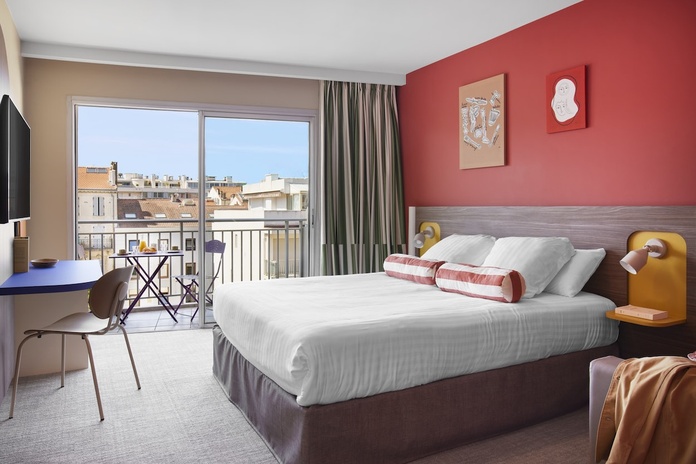
Au cœur de la stratégie de Soniho, les établissements sont conçus comme des espaces hybrides réunissant hébergement, restauration et coworking. Une approche qui vise à faire des hôtels des lieux de rencontre et de partage, au-delà de la seule fonction touristique.

À Nice, l’Hôtel du Pin, situé dans le quartier du Port, illustre ce positionnement. L’établissement de 91 chambres accueille un espace de coworking et de séminaires Scool, ainsi qu’un bar-restaurant ouvert à la clientèle extérieure, participant à l’animation du site du matin au soir.

Toujours à Nice, l’Hôtel Isidore, implanté à l’ouest de la ville, développe une offre similaire avec 79 chambres et l’ouverture prévue d’un espace Scool dédié aux réunions et au travail partagé. L’établissement mise également sur une offre de restauration à forte identité culinaire.

À Cannes, l’Hôtel Abrial propose 48 chambres et un espace bar complété par une terrasse, tandis que l’Hôtel des Victoires, entièrement rénové en 2024, combine 99 chambres, restauration, bar et espaces de séminaires et coworking.

Enfin, à Fréjus, l’Hôtel Cyano vient compléter le portefeuille avec 68 chambres, un restaurant, un bar et une salle de réunion, incarnant également cette logique de lieux polyvalents adaptés à différents usages.


A hotel industry adapted to new uses

Avec cette structuration, Soniho entend répondre à l’évolution des pratiques de voyage et de travail, où les frontières entre séjour, activité professionnelle et moments de convivialité tendent à s’estomper.

Le groupe, qui revendique un chiffre d’affaires global de 11 millions d’euros, affiche également plusieurs projets à moyen terme, dont la poursuite des rénovations et le développement de nouveaux espaces de coworking au sein de ses établissements.


Amelia Brille Publié par Amelia Brille Rédactrice TourMaG.com
Voir tous les articles d’Amélia Brille

  • picto Linkedin
  • picto email
Ajoutez TourMaG à votre flux Google Actualités Google Actualités icône  

Hantavirus: French People Can Travel as They Wish, Says Philippe Tabarot


Hantavirus: "les Français peuvent voyager comme ils le souhaitent" selon Philippe Tabarot - Photo CH

CroisiEurope


Invited to France Info on May 13, 2026, the Minister of Transport Philippe Tabarot sought to reassure travelers and tourism professionals as concerns arose around hantavirus, fuel costs, and air transport ahead of the summer season.

Interroged on the serious hantavirus case detected in Paris following the MV Hondius cruise ship episode, the minister ruled out any restrictive measures in transport. “The virus is not spreading like it did with the coronavirus and the conditions are completely different,” he said on France Info, while acknowledging “the trauma of the French” tied to the Covid-19 health crisis.

Philippe Tabarot confirmed that no restrictions were being considered for trains, planes, subways, or other public transport. “There are currently no restrictions, regardless of the mode of transport,” he insisted, also ruling out any return of mandatory masking.


Hantavirus : “I tell the French that they can travel as they wish”

Questioned about cruises and travel to Argentina or certain zones affected by the virus, the minister sought to reassure.

“I tell the French that they can travel as they wish,” asserted Philippe Tabarot, noting nonetheless that authorities remain “particularly vigilant” on passenger traceability and contact cases, notably through the DGAC’s services.

The Minister of Transport also addressed concerns related to the Middle East conflict and its consequences for the supply of aviation fuel. “There is no kerosene shortage. There are still commercial stocks, there are strategic stocks,” he said, adding that “the French who wish will be able to depart this summer.”

“Airlines have no interest in canceling because simply the summer season is strategic for their business,” he added, also recalling that airlines do not have the ability to raise prices once a ticket has been paid: “When you make a transaction, when it’s signed, you cannot increase the price afterwards,” he stressed, referencing clarification at the European level.

He referred to Volotea, which had requested a fare adjustment for its customers after tickets had already been paid.


Philippe Tabarot also emphasized the tourism significance for the destination France. “We have the world’s leading tourism destination. There are 100 million people who will come to visit us this summer. It must not be a brake to this kerosene issue,” he reminded on France Info.

When Flying: These 10 Bad Passenger Habits Annoy French Travelers

On solid ground as well as at altitude, it remains difficult to get everyone to adopt proper manners, as demonstrated by a new Booking.com study, unveiled to the press on Wednesday, July 8. Among the reservation site’s respondents, 61% of the French, drawn from 1,000 adults who had taken an international flight in the past twelve months, feel that some travelers exercise a bit too much leeway in the air.