
Vacation 2026: Heatwaves Shake French Travel Plans


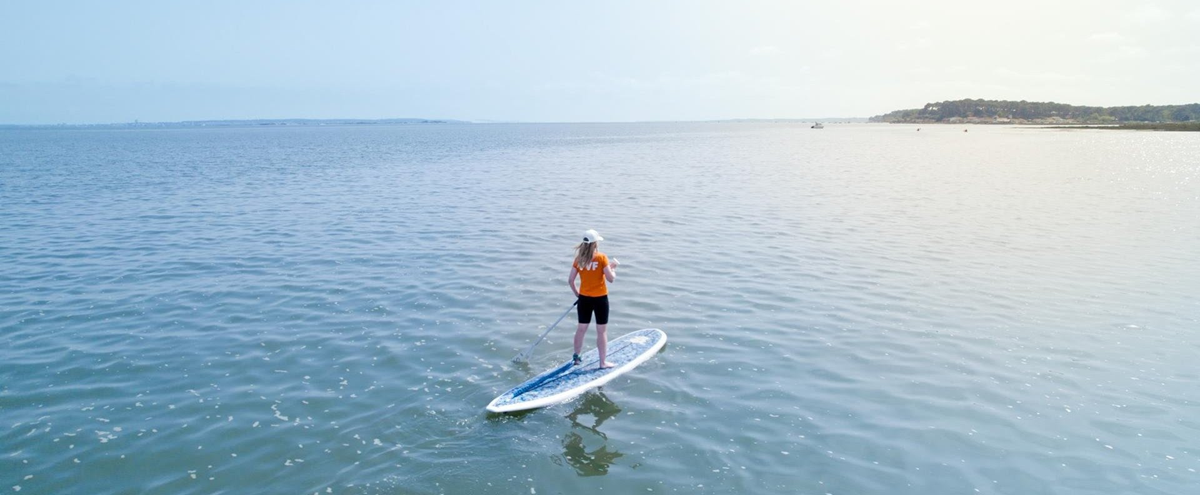
Vacances d'été 2026 : budget et canicule bousculent les choix des Français, photo by VVF

Costa Rica


For their summer holidays, the French now apply the “four-hour drive rule” and prefer cooler destinations.

According to data published by VVF and IFOP, the cost and duration of travel, as well as climate comfort, have become decisive criteria, directly benefiting regions such as Brittany or the Hautes-Alpes.

The tight economic context and rising fuel prices are forcing families to reassess their entire vacation budget.

Transportation costs push them to limit the distance traveled, while stays within a four-hour drive from home are drawing a growing share of bookings.

To read: Tourism: Serge Papin expresses confidence for the summer season

According to the IFOP study, budget is the main obstacle to departure for 57% of 18-40-year-olds, prompting vacationers to prioritize proximity rather than forgoing their getaways.


Holidays: seeking cooler weather and nature

Comme le souligne Stéphane Le Bihan, directeur général de VVF : “les arbitrages ne portent plus uniquement sur le prix de l’hébergement.

Le coût du trajet devient un critère de choix à part entière. Les destinations accessibles rapidement, offrant un environnement plus tempéré, gagnent en attractivité.

Cette évolution traduit une nouvelle manière de choisir ses vacances d’été.

Parallèlement aux enjeux financiers, le facteur climatique transforme les critères de sélection. Les territoires offrant des températures plus clémentes ou des environnements naturels adaptés enregistrent une hausse nette d’attractivité.

Pour l’été 2026, les données de réservation de VVF font état d’une progression de 5 points pour la Bretagne et de 8 points pour les Hautes-Alpes par rapport à l’année précédente, portée par la recherche de moyenne montagne, de lacs ou de littoraux tempérés.

A lire : VVF takes a new direction and will open a holiday village right in the middle of… the city!

Pour répondre à cette demande d’adaptation aux fortes chaleurs, VVF propose une garantie de flexibilité permettant de modifier sans frais le lieu de séjour jusqu’à deux jours avant le départ en cas d’épisode caniculaire.

L’étude souligne également qu’au-delà de l’aspect financier, 62 % des jeunes actifs et familles aspirent à des vacances davantage tournées vers la nature et le bien-être.


Disconnect, Wellness, Discoveries: The New Priorities of French Travelers


Le Sud-Est de la France, l'Espagne, la Bretagne et l'Italie figurent parmi les destinations les plus envisagées par les Français en 2026 - Depositphotos.com, Jomnicha

Costa Rica


The French remain attached to travel.

According to the latest edition of the American Express Lifestyle Trends Observatory, 81% of them plan to depart before the end of the year, including 73% starting as early as the summer 2026. The Southeast of France, Spain, Brittany and Italy are among the most cited destinations.

The under 35 age group shows the strongest departure intentions, with 92% planning to travel before year end.

The study also highlights a shift in expectations. For 54% of respondents, the ideal trip is primarily about time for oneself and relaxation. The possibility to disconnect from daily life (50%) and to recharge mentally and physically (49%) also tops the motivations.

Peace of mind emerges as a central element in the tourism experience. Thus, 91% of the French feel that thorough trip preparation allows for a calmer departure, while 88% attach importance to comfort during their stay.


Discovery remains at the heart of the travel experience

Beyond rest, travelers are also seeking enriching experiences.

The discovery of new landscapes is the main factor making a stay memorable for 60% of French respondents.

Next come cultural and historical visits (47%), local gastronomy (45%) and human encounters (39%).

The study also highlights the importance of a balance between activities and downtime. Nearly nine in ten French people (89%) consider it essential to alternate between the two during a single trip, while 85% wish to multiply discoveries, whether they are cultural, gastronomic or human.

Among those under 35, this quest for experiences is even more pronounced. Half of them associate their travels with unique experiences, compared with 39% for the overall French.

Tourist Activities: New York, Rome, Marrakech — What the French Are Booking

Les Entreprises du Voyage (EDV) et Civitatis dévoilent la troisième édition de leur Index des activités touristiques - Depositphotos.com, IgorVetushko

Costa Rica


The market for activities, guided tours, and excursions continues to rise within the travel experience.

According to data from the third Index of Activities published by the Entreprises du Voyage (EDV) and Civitatis, French travelers are giving an increasing place to on-site experiences, to the point that they now influence their destination choice.

The study, based on reservations made between January 1 and June 15, 2026, mainly highlights a marked difference between purchases made directly by travelers (B2C) and those made through travel agencies (B2B).

In direct bookings, consumers favor immediacy: bookings are made with a median of only six days before the activity and more than half of purchases (53%) are made less than a week before the service.

Conversely, travel agencies anticipate their clients’ needs well in advance. Reservations are made with a median of 66 days before the activity, while 60% of purchases occur between one and six months before departure.

For Valérie Boned, president of Entreprises du Voyage, this analysis provides a real decision-support tool for professionals. “This third edition demonstrates how data is an indispensable growth lever for our members,” she notes.


The activities strengthen the role of agencies

For Georges Sans, head of France development at Civitatis, this evolution also reflects the positioning of travel agencies.

He believes that activities and transfers no longer represent merely add-on sales, but become differentiating elements enabling agencies to accompany clients throughout their journey and to reinforce their loyalty.

The Index also shows that guided tours remain the flagship product for travel agencies. They account for nearly 39% of sales realized via the B2B channel.

On destinations, Paris remains the top French destination.

Internationally, trends vary by distribution channel. Individual travelers favor New York, while travel agencies sell more Rome.

Airport transfers are also among the most sought-after services. In direct bookings, New York tops the requests, while agencies primarily market them in Marrakech, ahead of Seville and Rome, in a strategy of building complete stays.


Tunisia records the strongest growth

The Index also identifies international destinations with the largest increases in reservations compared to the first half of 2025.

Tunisia shows the most spectacular progression with a growth of 289%. It edges out Canada (+145%), Egypt (+106%), and the Dominican Republic (+37%).

Finally, the study confirms France’s attractiveness to international visitors. Paris remains the most visited French city, followed by Lyon and Nice.

According to a study published in May 2026 by Arival in partnership with Civitatis, more than one European traveler in two now considers that the experiences offered on-site play a very important, even decisive, role in choosing their destination.

This trend reinforces the growing weight of tourist activities in shaping travel-agency offers.


Amelia Brille Published by Amelia Brille TourMaG.com Editor
See all articles by Amelia Brille

  • picto Linkedin
  • picto email
Add TourMaG to your Google News feed Google Actualités icône  

Relais & Châteaux: Two French Properties Among the Ten New Entrants


Relais & Châteaux s'agrandit avec l'arrivée de dix nouveaux établissements - Photo : Maison des Cimes

Costa Rica


The Relais & Châteaux association officializes the accession of ten new properties in the hotel and gastronomy sector joining its network.

These incorporations illustrate the brand’s commitment to celebrating the cultural diversity and heritage of each region.

Laurent Gardinier, president of Relais & Châteaux, reiterates the organization’s stance: « Our Association has embarked on a sustainable path, one that contributes, through dining and hospitality, to building a world that is more respectful, more supportive, and in harmony with living beings. »

Among the ten new entrants are two French establishments. Beginning with La Maison des Cimes in Malbuisson, in the Jura, which will open in August 2026.

Located on the shores of Lake Saint-Point, this eight-room hotel (including two suites), from 250€ per night, is led by chef Matthias Marc. It houses the fine-dining table La Table des Cimes and the traditional bistro Le Bistrot des Bûcherons (to open in November 2026).

Inside and outside, Relais & Châteaux La Maison des Cimes adopts the local architectural codes. True to the spirit of the building once a carpenter’s workshop, wood reigns on the walls and floors of the six rooms and two suites, each offering a Nordic bath on its balcony.

And then, Megève Bois, a 13-room chalet (including 1 villa and 5 suites), from 700€ per night, which provides direct access to the La Princesse ski lifts, leading to Mont d’Arbois. It features a gourmet restaurant, The Andrew, and a second refined Franco-Italian dining option, Le Simon, as well as a well-equipped spa (steam sauna, Himalayan salt relaxation room, body and facial treatments, including a ritual immersion in a heated Alpine hay bed).


Who are the other new members?

The collection welcomes eight more addresses with varied profiles :

Verride Palácio de Santa Catarina (Lisbon, Portugal): This 18th-century palace restored comprises 18 rooms and suites, along with a roof-top terrace overlooking the Tagus. The cuisine is led by chef Fabio Alves across the Suba and The Lisbon Club 55 restaurants.

Masseria Auraterrae (Polignano a Mare, Italy): This 18th-century historic estate in Puglia features 22 rooms and a restaurant that highlights seasonal Adriatic produce.

Quintonil Restaurant (Mexico City, Mexico): This two-Michelin-starred dining destination under chef Jorge Vallejo with his partner Alejandra Flores offers a contemporary interpretation of traditional Mexican cuisine.

Relais Villa Corallo (Sant’Omero, Italy): Nestled in the Abruzzo region, this 19th-century 11-room residence presents terroir-focused cuisine from Zunica 1880, a Michelin-starred restaurant.

Hiiragiya (Kyoto, Japan): Run by the same family for seven generations, this 23-room ryokan offers an immersion into traditional Japanese hospitality, with dinners served in a Kyo-Kaiseki style room.

Villa Florhof (Zurich, Switzerland): This historic building underwent three years of renovation under Lalique’s direction. It offers 13 rooms and a gastronomic dining room led by chef Christian Jürgens.

Wilderness Reserve (Sibton, United Kingdom): This 2,500-hectare estate in Suffolk presents several lodging formats (manor, cottages, and thatched-roof houses) totaling 29 villas and 8 rooms, complemented by the dining rooms The Dining Room and Fire Feast.

The Nell New York (New York City, United States): Located at 10 Rockefeller Plaza, this Art Deco-inspired hotel with 134 rooms (opening planned for autumn 2027) houses a fine-dining restaurant on the 17th floor with views of the Rockefeller Center, a 325 m2 spa, and a tasting salon.

Summer Hotels Accelerates Expansion on the French Riviera After Opening Its Capital to Investors


Summer Hotels accélère son expansion sur la Côte d’Azur, Depositphotos.com  Auteur nito103

Costa Rica


The pace of external growth is accelerating for Summer Hotels.

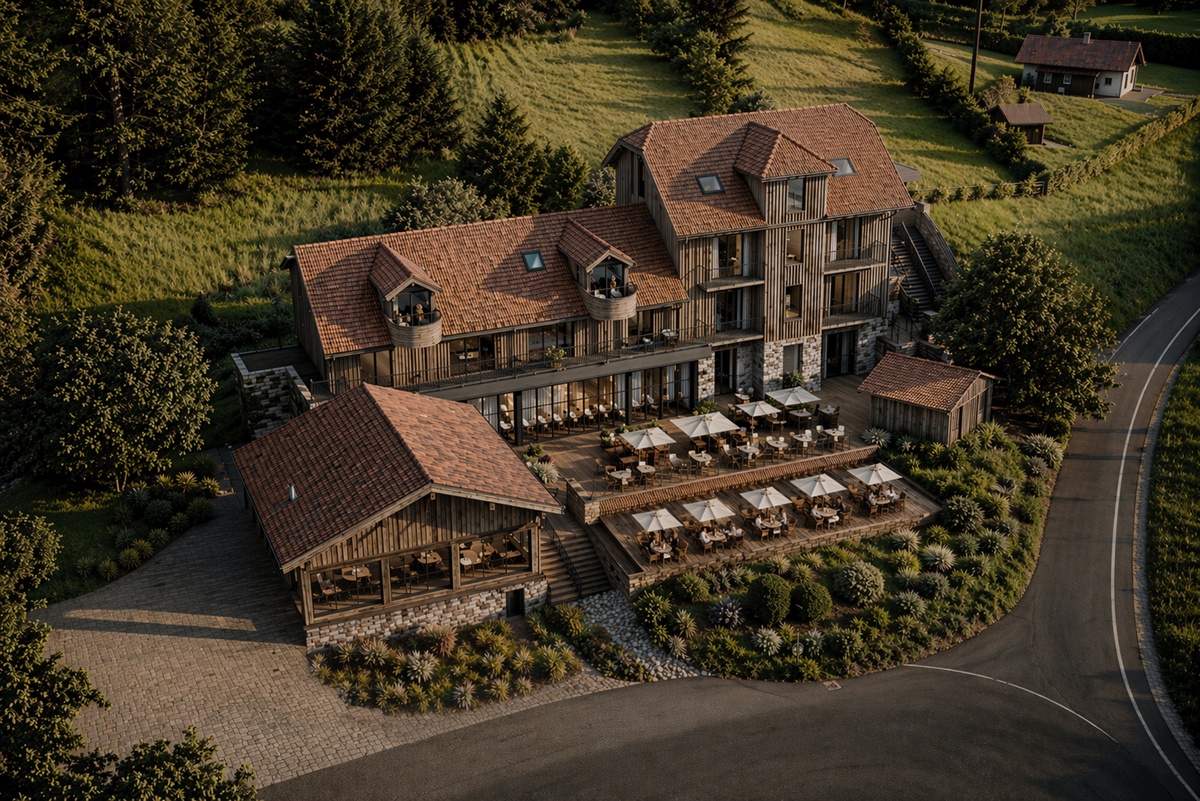
On Thursday, July 9, 2026, Summer Hotels officially announced the acquisition of the Best Western Plus Hotel Cosy Nice, a four-star property ideally located. This operation marks the very first tangible milestone of the growth plan announced earlier in the year, during the fundraising conducted with Bpifrance, Sofipaca (Groupe Crédit Agricole) and BNP Paribas Développement.

Thanks to this integration, the operator now anticipates revenue exceeding €42 million excluding tax for the entirety of 2026, which represents a 15% growth compared with the 2025 financial year.


A strengthened presence in the heart of Nice

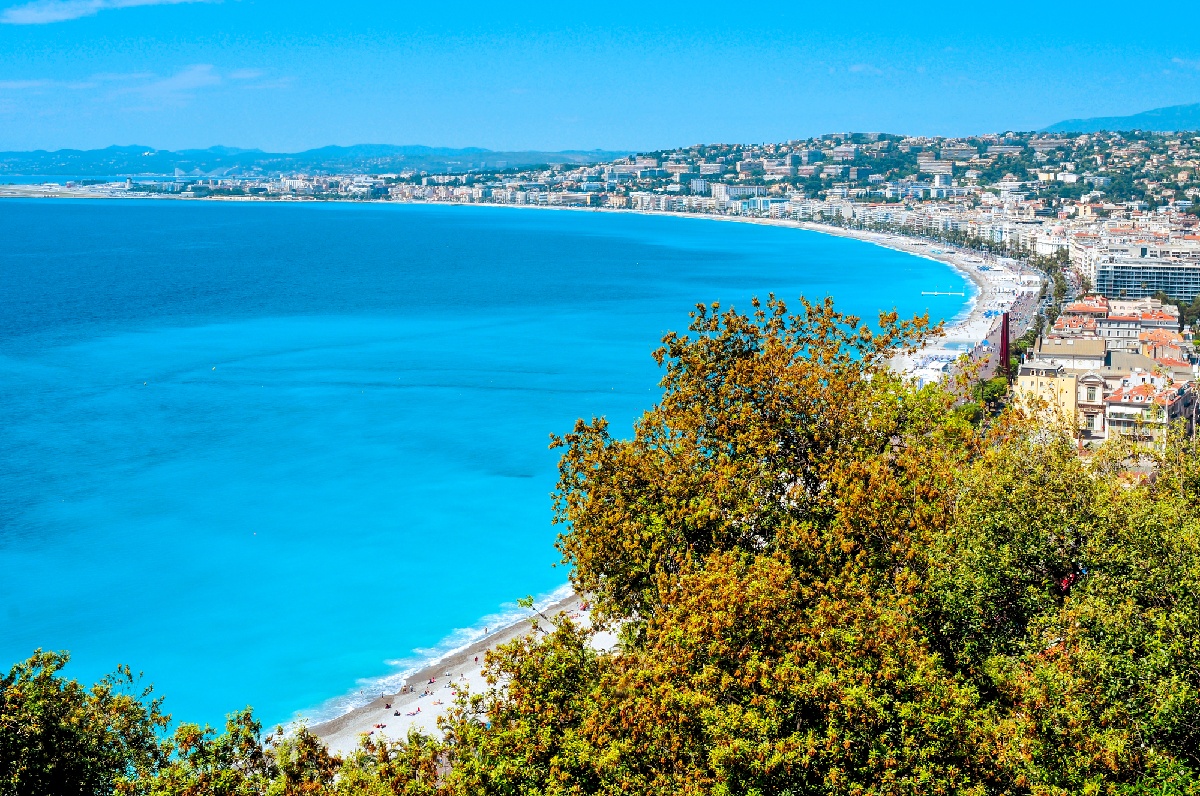
Ideally located in the immediate vicinity of Nice-Ville railway station, Avenue Jean Médecin and tram lines, while only a few minutes’ walk from the famous Promenade des Anglais, the property benefits from a premier location.

It is perfectly sized to attract a dual business and leisure clientele, thanks to its 42 rooms, its seminar spaces, and its services tailored to both French and international travelers.

This operation strengthens Summer Hotels’ footprint in Nice, which becomes its main hub of activity with now eight hotels in operation. True to its operating model, the group’s management plans to progressively support the property to optimize its commercial potential and its operational management.


New opportunities already under study in the PACA region

This transaction marks only a step in the long-term expansion plan driven by the leadership. The equity infusion raised in the first quarter was precisely aimed at equipping the company with the resources needed to swiftly seize opportunities in the Côte d’Azur market.

The group confirms that other acquisition dossiers are currently under study in Provence-Alpes-Côte d’Azur to continue strengthening its position among the region’s leading hotel players.

In a joint statement, Laurent Rossi and Audrey Denis, Chief Executive Officers of Summer Hotels, reaffirmed this ambition:« We had announced at the beginning of the year our intention to accelerate our development through the strengthening of our equity. This acquisition shows that this approach is already underway. The Cosy Nice hotel is a perfectly complementary addition to our portfolio, and we are actively pursuing the study of new opportunities to sustainably support the group’s growth. »

150 Years of Holiday Camps: A French Exception Worth Preserving [ABO]


La « colo » devrait avoir de beaux jours devant elle. A condition que le pouvoir politique admette la nécessité de ne pas détruire un « jouet » qui a mis 150 ans à se développer… - DepositPhotos.com, gpointstudio

Costa Rica


Que s’est-il passé ? Depuis une époque douloureuse où les villes asphyxiées par l’installation d’usines, d’ateliers et de transports divers, ne recelaient plus un air respirable, des âmes sensibles suivant le modèle mis en place en Suisse (voir encadré) eurent l’idée d’envoyer à la campagne des enfants malingres, chétifs, désœuvrés et livrés à eux-mêmes dans un espace urbain ouvert à tous les dangers, donc risquant de « mal tourner » !

Reçus soit dans des familles d’accueil, soit dans des centres collectifs histoire de se faire une santé physique, ces jeunes profitèrent aussi des valeurs prônées par les mouvements d’éducation populaire qui, au fil des années, tentaient de façonner un tourisme accessible et profitable à tous.

La machine était lancée.

Répondant à la vocation hygiéniste de l’époque, l’Etat et la collectivité participaient au financement de tels séjours qui, dans les années soixante, accueillaient plus de 4 millions de jeunes Français. Un record jamais égalé depuis!


A Continuing Decline

Au contraire ! L’histoire glorieuse des « colos » n’est pas linéaire.

Entre 2018-2019 et 2024-2025, près de 132 000 départs de mineurs ont été rayés des listes des jeunes vacanciers. Soit une baisse de 9%.

Sur la seule année passée observée, le nombre de départs en séjours avec hébergement recule de 4%, soit de 50 000 départs, alors que la population augmente. Mais, pourquoi cette hémorragie ?


A Chronic Financial Problem

Une récente enquête Ifop concernant des enfants de 5 à 19 ans, comme tant d’autres au fil des années, invoque cette fois encore, le coût des « colos » !

Pour 52% des parents d’enfants, c’est bel et bien le cas.

Et cela d’autant plus que le paradoxe de la formule réside dans le fait que les classes les plus modestes sont aidées financièrement en fonction des quotients familiaux, alors que la classe moyenne supérieure, en particulier celle qui ne dispose pas de Comités d’entreprise, ne l’est pas.

Une singularité qui fait baisser drastiquement le nombre de partants, surtout quand on sait qu’un séjour qui s’appuie sur une activité nécessitant équipements et personnels très qualifiés (voile, équitation, ski, golf… et séjours linguistiques) avoisine les 400 à 500 euros la semaine, voire plus !

Une somme que peu de familles peuvent débourser, surtout quand elles ont deux ou trois enfants à envoyer en vacances ! Et qu’elles ont ensuite les séjours familiaux à payer.

Quand on sait que le budget moyen pour un foyer pour les vacances estivales se situe autour de 2 000 euros, le calcul est vite fait.

On sacrifie la « colo » et l’on se dépanne comme on peut pendant une partie des vacances avant de s’offrir quelques jours ensemble.

Ainsi, depuis 2020, on enregistre 7% de départs supplémentaires en famille. Une bonne nouvelle confortant la nécessité pour parents et enfants de se retrouver dans un cadre délivré de contraintes.

Mais, dans le même temps, un tiers des enfants et des jeunes âgés de 5 à 19 ans ne sont pas partis du tout en vacances en 2025. Une mauvaise nouvelle qui représente 4,2 millions d’enfants et de jeunes et souligne les inégalités sociales d’un pays comme le nôtre.

Lire aussi : Les colonies de vacances menacées par le budget 2026 ?


Safety under Question

Autre frein à l’envoi d’enfants en « colos », celui concernant la sécurité en général.

Sécurité sanitaire et sécurité liée à des risques de maltraitance de la part de l’encadrement. Une crainte intensifiée par le climat dans lequel est plongée la France à l’heure actuelle.

Certes, les cas sont rares. A moins qu’ils ne soient pas encore révélés. Mais, l’anxiété est réelle et pénalisante pour une formule qui est pourtant soumise à des règles drastiques en matière d’encadrement, activités de loisirs et éducatives.

Autre obstacle au départ, le rejet des séjours collectifs par certains enfants. Généralement les plus jeunes qui, soit ont fait une mauvaise expérience, soit ont entendu leurs proches en parler, soit préfèrent rester chez eux ou chez leurs grands-parents. Lesquels ne l’oublions pas, offrent une solution de « gardienage » très utile aux jeunes couples ne disposant pas d’autant de temps libre que leurs enfants.

N’oublions pas non plus que les 5 semaines de congés ne suffisent pas à prendre en charge des enfants dont les congés sont de 16 semaines !


The “Tour of the Colos”: a Summer Initiative of the JPA


The Invention of Summer Camps

« Les colonies de vacances sont nées à la fin du XIXe siècle. Si certains chercheurs proposent différentes origines aux « colos » en s’appuyant sur des structures existantes auparavant, c’est souvent le pasteur Bion qui en est présenté comme l’inventeur. Ce serait d’ailleurs lui qui leur a donné leur nom, « Ferienkolonien ».

En 1876, ce pasteur de Zurich constate que des enfants de la ville étaient en mauvaise santé alors que les enfants de la campagne étaient en meilleure santé. Il décide alors d’amener 68 enfants de Zurich sur le plateau d’Appenzell durant les mois d’été et continue sur sa lancée les années suivantes, impulsant un mouvement imité dans de nombreux pays d’Europe.

Très vite, il a existé deux types de colonies : le placement familial, par groupes de deux ou trois enfants dans une famille, le plus souvent paysanne et la colonie collective où les enfants logent tous dans la même structure.

Organisée en 1881 par le pasteur Lorriaux, la première colonie de vacances française (de type placement familial) a été soutenue par des Caisses des Écoles, notamment Parisiennes sous le nom de colonies scolaires. Elles étaient laïques, puis se sont diversifiées parmi les pratiquants des autres religions… »

Extrait de « Enfances et jeunesse infos »


Josette Sicsic - DR

Journaliste, consultante, conférencière, Josette Sicsic observe depuis plus de 25 ans, les mutations du monde afin d’en analyser les conséquences sur le secteur du tourisme.

Après avoir développé pendant plus de 20 ans le journal Touriscopie, elle est toujours sur le pont de l’actualité où elle décode le présent pour prévoir le futur. Sur le site www.tourmag.com, rubrique Futuroscopie, elle publie plusieurs fois par semaine les articles prospectifs et analytiques.

Contact : 06 14 47 99 04

Mail : [email protected]

What If the Real Barrier to Recruiting French Cabin Crew Was… English?


Recrutement PNC : beaucoup de candidats français maîtrisent les règles de la langue anglaise mais bloquent lorsqu'il faut improviser une réponse - Depositphotos.com, garagestock

IFTM prenez RDV avec TourMaG


Ten years ago, a B2 level in English sufficed to join a French airline.


Candidates would obtain their certification, tick the box, and move on to the next step.

Today, the rules have changed.

The official criteria remain the same, but recruiters now verify what a certificate does not always measure: the ability to hold a fluent conversation.

This shift comes as France shows a marked lag in spoken expression.

According to the EF English Proficiency Index 2025, the French rank 32nd out of 35 European countries for spoken English. A heavy handicap in a sector where interviews are increasingly conducted in English.


French Companies Raise Their Requirements

En 2022, Air France demandait un niveau B1 avec listening (compréhension orale) et reading (lecture) uniquement. Le speaking (expression orale) n’était pas encore exigé.


En 2024, les critères ont évolué : la compagnie demande désormais soit un a minimum B2 on the LILATE, soit un Linguaskill score de B2 dans chacun des trois skills (compétences).
Pour l’anecdote, la majorité des candidats retenus chez Air France et HOP! en 2026 et accompagnés par l’organisme de formation SkySuccess affichaient un niveau C1 au LILATE.

Le TOEIC, dans sa version la plus courante, ne teste que le listening et le reading, pas l’expression orale. Une version avec les 4 skills existe et est acceptée chez French Bee.

Le TOEIC classique n’est d’ailleurs plus accepté par le groupe Air France. Linguaskill et LILATE évaluent les 4 compétences, et les compagnies exigent cette option.

French Bee, qui a récemment ouvert une campagne de recrutement, accepte le Linguaskill B2 ou le TOEIC B2, tous deux avec les 4 skills. Pour le LILATE, le seuil de recevabilité est fixé à C1.

Lors du salon SFMA, plusieurs compagnies françaises et internationales expliquaient que les candidats titulaires d’un C1 étaient valorisés. Certaines testaient même l’anglais directement sur leur stand.

Lire aussi : TOEIC, Linguaskill, LILATE : quelle certification d’anglais choisir pour devenir PNC ?


32nd out of 35 in Europe: the French handicap

The EF English Proficiency Index 2025 measures, for the first time, the four language skills separately. The French results are unequivocal.

In reading comprehension, France scores 555 points. In speaking, it drops to 456 points. Close to a 100-point gap. This gap places France at the 32nd position out of 35 European countries for spoken English. Only Moldova, Turkey, and Italy perform worse.

A Cambridge Assessment English study, echoed by Le Figaro, confirms this finding: the average level of French people in English is around B1. Yet airlines require a minimum B2. Bridging this gap is real.

The explanation is well known. For decades, the French school system prioritized grammar and reading at the expense of speaking.

Many candidates master the rules of the language but freeze when they have to improvise an answer.


Find all articles by Rémi Duchange by clicking here.


How do candidates close the gap?


A challenge for the sector

Against the rankings, the French paradox becomes clear.


French applicants often possess solid theoretical knowledge. But the skill where France ranks 32nd in Europe is precisely the one recruiters prioritize in evaluations.


This raises a question for the sector. With more than 25,000 annual recruitments according to GIFAS and 678 000 cabin crew members to recruit worldwide by 2034 according to the CAE 2025 study, the level of spoken English among French candidates remains a challenge to overcome.


Who is Rémi Duchange?


Rémi Duchange - Photo : SkySuccess

Rémi Duchange is the cofounder of SkySuccess, a Qualiopi-certified training organization dedicated to future cabin crew, with nearly 15 years of experience in aviation, including roles as a PNC, cabin chief, and instructor within an international airline.


With his team, he offers a human, bilingual (French/English) and individualized approach: preparation for the LILATE and Linguaskill certifications, personalized recruitment coaching up to hire.


For four years, SkySuccess has helped more than 1,000 students join an airline. The organization supports all profiles, with or without a CCA, beginners or seasoned, thanks to a tailor-made method.


Backed by more than 50,000 followers on Instagram and LinkedIn, as well as its newsletter, Rémi daily shares on his career hub job openings for PNC and ramp agents, as well as tips for succeeding in aviation recruiting.

Tahiti Nui Travel: Expert Romantic Getaways in French Polynesia


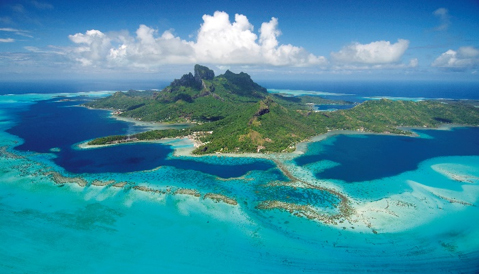
Intercontinental Thalasso Bora Bora   © Damien Gobron

CroisiEurope


A dream setting for lovers…

With its 118 islands spread across five archipelagos, Polynesia offers an exceptionally diverse range of atmospheres: from the understated luxury of an overwater bungalow in Bora Bora to the warm simplicity of a lagoonfront guesthouse in Huahine or Raiatea.


Each island cultivates its own charm:

  • Bora Bora, the ultimate romantic icon, for its turquoise waters, spectacular sunsets, and open-air spas.

  • Taha’a, the vanilla island, for its soft scents and secluded lagoons.

  • Rangiroa or Tikehau, for adventurous lovers seeking a remote corner of the world.

  • Moorea, with its emerald mountains and coves perfect for two-person kayak escapades…


© Philippe Bacchet – Bora Bora aérien

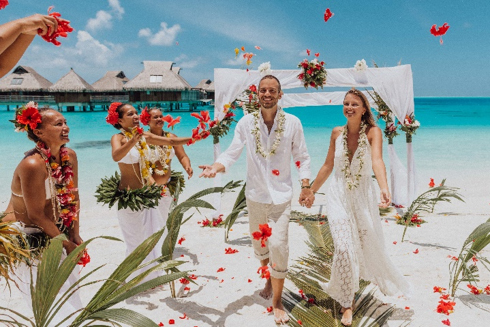
Each year, thousands of couples choose the Fenua to celebrate their union, to experience their honeymoon, to renew their vows, or simply to treat themselves to a two-person getaway. While Bora Bora remains the iconic image of romance, the islands of Moorea, Taha’a, Huahine, Raiatea, and the atolls of the Tuamotus each offer a distinct atmosphere, allowing for the creation of unique itineraries according to travelers’ desires.

But a romantic journey is not limited to a postcard landscape. It is built around thoughtful attentions, a rhythm carefully designed, and experiences that will be etched into memory. It is precisely this expertise that Tahiti Nui Travel has been bringing to the service of travel agencies and tour operators for more than six decades.


More than 60 years of expertise serving tourism professionals


Conrad Bora Bora
© Marc Gérard Photography

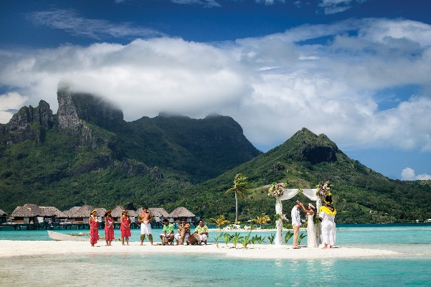
Newlyweds seeking an exceptional sojourn, a couple celebrating a wedding anniversary, a symbolic ceremony on a private beach, a vow renewal in an intimate setting, or a romantic escape off the beaten path: every project receives meticulous, bespoke attention.

The teams work closely with their partners to deliver genuine added value, far beyond a mere hotel or activity booking.

The excellence of a journey also rests on the quality of the partners who make it possible.

Over time, Tahiti Nui Travel has cultivated privileged relationships with leading hotels, charming properties, family-run pensions, and also with many local providers: guides, skippers, photographers, florists, spas, organizers of traditional ceremonies, and private chefs…

This long-standing network now enables us to offer carefully selected experiences, while also providing the flexibility essential for delivering the most personalized projects.


Memories that stand the test of time

When the sun sets… the magic begins!

Imagine a couple boarding an elegant traditional outrigger canoe as the sun slowly sinks behind Moorea’s ridges.

To the rhythm of the ukulele and guitar, the voyage carries them to a private motu where time seems to stand still. On the beach, a few lanterns, torches, and a large bonfire create an intimate atmosphere.


A trusted partner before, during, and after the journey


Four Seasons Bora Bora © D.Riddle

More than a local provider, Tahiti Nui Travel becomes a true extension of its partners’ commercial teams.

Tahiti Nui Travel brings its expertise, on-the-ground knowledge, and partner network to tourism professionals who wish to offer their clients exceptional romantic journeys in French Polynesia.

Because a honeymoon, a wedding, or an anniversary is a once-in-a-lifetime experience, every project deserves special attention and flawless organization.

For travel agencies and tour operators, choosing Tahiti Nui Travel means opting for an experienced, attentive partner capable of designing fully customized journeys and turning every request into an unforgettable experience, worthy of the dreams that French Polynesia has inspired for ages.


Contact


Tahiti Nui Travel : L'expertise au service des plus beaux voyages romantiques en Polynésie française

Created in 1965, Tahiti Nui Travel is one of the oldest inbound agencies to the destination Tahiti and Its Islands and has since become the leading inbound agency with a team of more than 100 specialists. As an inbound tour operator, Tahiti Nui Travel is the unique, ideal solution providing more than 1,000 products and services to any partner seeking to promote and sell French Polynesia on their market.

For more information, please contact us at [email protected] .

Telephone: +689 40 46 41 41

https://tahitinuitravel.com/

>> Tahiti Nui Travel in the DESTIMAG Directory


Cervantino Festival 2026: Guanajuato Speaks French


When an entire city becomes a stage

© xploremexique

CroisiEurope


In Guanajuato, the Cervantino Festival is not merely experienced in a theater. It spills into the streets, slips under balconies, resounds in the squares, and often ends up around a table, late at night. Born from the spirit of the Entremeses Cervantinos, the Festival Internacional Cervantino has become one of Mexico’s major cultural milestones. The official Cervantino Festival site highlights this distinctive identity: in Guanajuato, the city becomes a stage, between music, theater, dance, visual arts, cinema, exhibitions, and encounters. For French travelers, that is precisely where its appeal lies: it’s not simply about “attending a festival,” but about living a city in full swing, wandering at random to discover colorful façades, history-filled alleyways, hidden cafés, art galleries, and viewpoints offering spectacular views. As night falls, the city changes tempo: music rises from the plazas, the lights showcase the colonial buildings, and every corner seems to be part of the scene.


France as Guest of Honor: a Rare Opportunity for French Agencies

The 54th edition of the Cervantino Festival will take place from October 3 to 18, 2026 in Guanajuato, with France as the guest of honor. For French agencies, the case is easy to advocate: it allows offering a cultural, lively Mexico that is different from more traditional seaside stays. The programming, already published on the official Festival Cervantino site and in the online calendar, provides material to build real stays around performances, concerts, dance, theater, exhibitions and artistic encounters. It is also a good pretext to discover Guanajuato differently, at the pace of its lively squares, its colorful alleyways, and its colonial heritage. The city thus becomes more than a mere stopover: it asserts itself as the highlight of a trip where French clients reconnect with a familiar link while discovering one of Mexico’s most unique destinations.


© xploremexique


Guanajuato and San Miguel de Allende: Two UNESCO Credentials

Another strength of Guanajuato lies in its surrounding region. The historic city of Guanajuato and its adjacent mines are inscribed on UNESCO’s World Heritage List. A few hours’ drive away, San Miguel de Allende complements the journey perfectly, with its cobbled lanes, ochre façades, galleries, and the Sanctuary of Atotonilco. TourMaG had already mentioned it in its piece on Mexican world heritage: Guanajuato and San Miguel form an attractive colonial axis for more contemplative and high-end itineraries. This is precisely the kind of stay that resonates with curious travelers seeking a more intimate journey.


Contacts


Festival Cervantino 2026 : Guanajuato parle français
Discover all offers, travel tips and inspirations here

Contact Benjamin, David and Aicha

[email protected],

[email protected],

[email protected]

06 25 89 28 44 / 04 13 41 93 53

https://mexique.xplore-voyages.com/

facebook linkedin instagram

> XPLORE MEXIQUE in the DESTIMAG Directory


South Korea: Between Hallyu and Authenticity, French Travelers Are Hooked


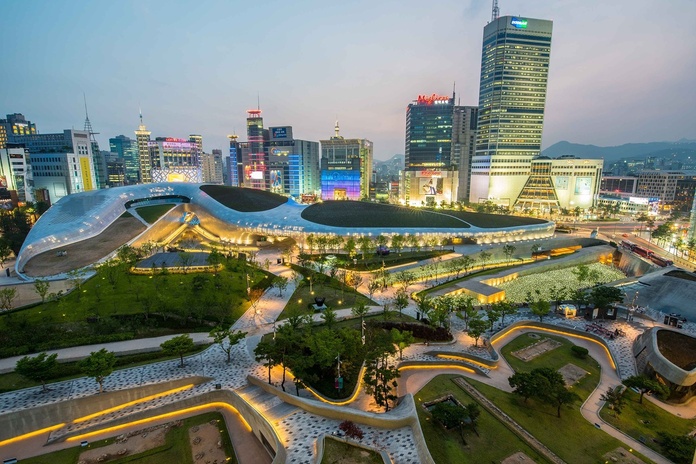
À Séoul, les palais royaux côtoient les quartiers ultra modernes, les gratte-ciel et les technologies de pointe. @Kim Dae-hyeong

CroisiEurope


Longtemps considérée comme une destination de niche, la Corée du Sud s’impose désormais comme l’une des destinations asiatiques les plus dynamiques auprès de la clientèle française.

En 2025, près de 180 000 Français ont visité le pays, soit une progression de 10% en un an et une hausse de 64% par rapport à 2019, année de référence avant la pandémie.

« La France est aujourd’hui un marché stratégique et à fort potentiel de croissance pour la destination Corée », souligne Jung Sunhwa, directrice générale de l’Office National du Tourisme Coréen. La clientèle française représente désormais le 16ᵉ marché émetteur pour la Corée du Sud.

Cette croissance se reflète directement chez les réceptifs spécialisés. Cap Corée, qui a fait voyager plus de 800 clients français en 2025, vise le seuil des 1 000 voyageurs cette année, avec une progression annuelle estimée autour de 30%.

Chez Danim Group, réceptif basé à Séoul, plus de 4 500 voyageurs ont été accueillis en 2025, tandis que l’entreprise prévoit encore une croissance de 10 à 15% en 2026 et environ 25% en 2027 par rapport à 2025.

Pour Phoenix Voyages, qui propose la Corée depuis près de 25 ans, l’évolution est également spectaculaire. « Avant la pandémie, la destination restait principalement choisie par des voyageurs ayant déjà découvert d’autres pays asiatiques et souhaitant approfondir leur connaissance du continent.

Aujourd’hui, la tendance s’est inversée. La Corée devient parfois la première destination asiatique pour des voyageurs qui n’ont encore jamais voyagé en Asie »,
observe Audrey Quoico, directrice des ventes du réceptif.


La Hallyu, moteur de découverte du pays

Le succès actuel de la destination repose d’abord sur la diffusion mondiale de la culture coréenne.

La Hallyu ou « vague coréenne », est devenue un puissant moteur d’attractivité touristique.

Dramas, K-pop, cinéma, gastronomie, jeux vidéo ou encore cosmétiques ont contribué à installer une image forte de la Corée auprès du public français.

« Le Covid a clairement accéléré l’intérêt pour la destination, notamment avec l’explosion des séries coréennes sur Netflix , de la K-pop et de toute la culture coréenne », explique Audrey Quoico de Phoenix Voyages.

Pour Tour de Corée, cette influence culturelle joue un rôle majeur dans le déclenchement du voyage.

L’agence constate notamment une forte demande auprès des femmes retraitées passionnées de dramas coréens. « Beaucoup ont découvert la Corée grâce à Netflix et enchaînent les séries. Elles ont ensuite envie de découvrir le pays réel », explique Mélusine Blanchet, l’une des cofondatrice de l’agence.

Les professionnels soulignent toutefois que l’engouement dépasse largement le seul public jeune.

Les statistiques montrent une clientèle française relativement équilibrée en termes de profils et de genres. Les visiteurs âgés de 10 à 39 ans représentent néanmoins 61% des voyageurs français en Corée, selon l’Office National du Tourisme Coréen.


Une destination entre tradition et modernité


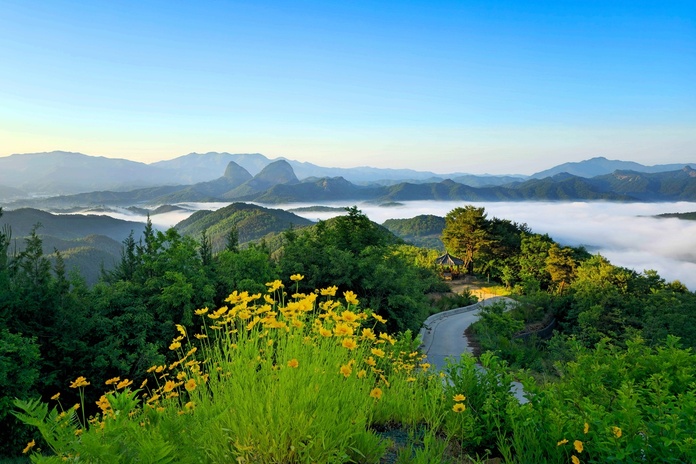
Près de 70 % du territoire coréen est couvert de montagnes. @Seo In-ki

Au-delà de l’effet culturel, les professionnels mettent en avant un positionnement particulièrement adapté aux attentes actuelles des voyageurs français : la rencontre entre patrimoine, innovation et expériences locales.

« La Corée offre un équilibre unique entre tradition et modernité », explique Jung Sunhwa. À Séoul, les palais royaux de la dynastie Joseon côtoient les quartiers ultra modernes, les gratte-ciel et les technologies de pointe.

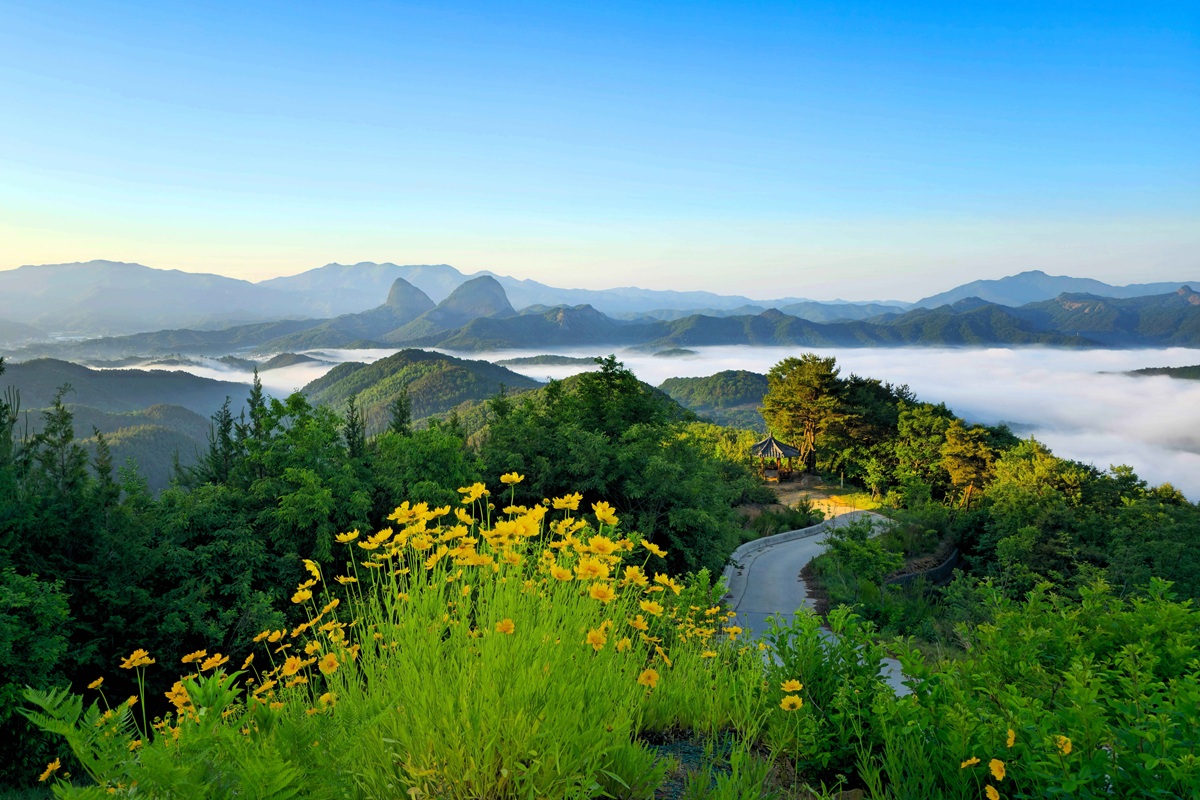
La destination séduit également par sa richesse naturelle. Près de 70% du territoire coréen est couvert de montagnes, permettant de combiner facilement séjour urbain et activités de plein air.

« On peut rejoindre des sentiers de randonnée en moins d’une heure en métro depuis le centre de Séoul », souligne l’Office du tourisme coréen.

Cap Corée insiste également sur la diversité des paysages : mégalopoles modernes, campagnes préservées, montagnes, îles volcaniques ou encore plages autour de Busan.


Sécurité, transports et qualité d’accueil

La sécurité constitue un autre argument fort auprès de la clientèle française.

« La Corée du Sud s’impose comme l’une des destinations les plus sûres au monde. Les voyageurs, y compris ceux qui voyagent seuls, peuvent s’y déplacer sereinement à toute heure », indique Charles Novac, CEO de Cap Corée.

Les infrastructures facilitent également l’expérience touristique : réseau ferroviaire rapide avec le KTX, transports urbains performants, applications locales, cartes de transport utilisables dans tout le pays.

« Avec quelques bases d’anglais et un peu de préparation, il est très facile de voyager seul en Corée », estime Sky Seo, directrice générale de Danim Group.


Gastronomie et K-beauty, nouveaux leviers de croissance


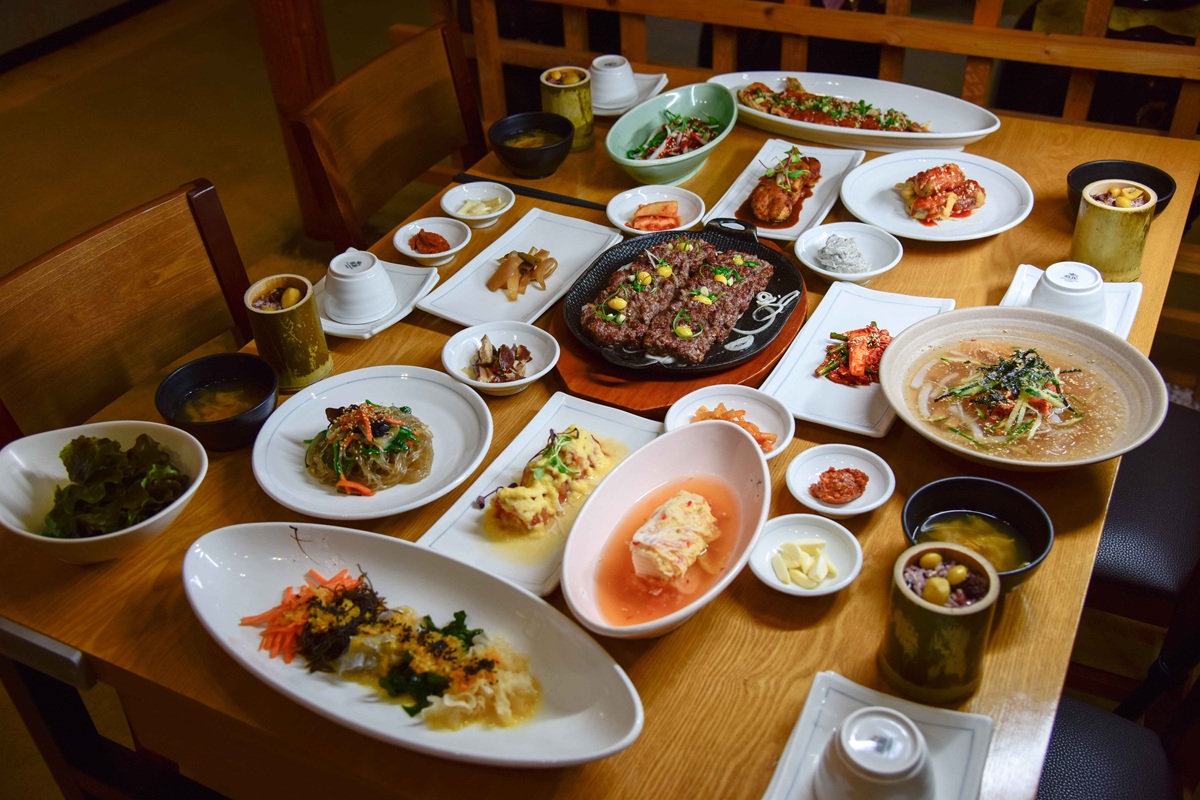
La gastronomie coréenne et la K-beauty constituent des facteurs d’attractivité majeurs. @Studio 4cats

La gastronomie coréenne constitue un autre facteur d’attractivité majeur. Street food, marchés traditionnels, restaurants contemporains : l’offre répond aux attentes des voyageurs français amateurs d’expériences culinaires.

Autre tendance forte : la K-beauty. Les soins cosmétiques coréens, les analyses de peau, la colorimétrie ou encore les Head Spas connaissent une forte demande. « Les soins du cuir chevelu sont devenus une véritable tendance. Les voyageurs veulent intégrer ces expériences bien-être dans leur séjour », observe Mélusine Blanchet de Tour de Corée.

Le tourisme esthétique commence également à émerger, même si la chirurgie esthétique reste encore marginale pour la clientèle française.


MICE, combinés Japon-Corée et voyages sur mesure : les relais de croissance


Caroline Lelievre Publié par Caroline Lelievre Journaliste – TourMaG.com
Voir tous les articles de Caroline Lelievre

  • picto Twitter
  • picto Linkedin
  • picto email
Ajoutez TourMaG à votre flux Google Actualités Google Actualités icône