China Train Travel: Tickets, Sleeper Berths, Meals, and Tips

Traveling on the Chinese green trains requires a bit of foresight: online booking, a passport is essential, seats are often spartan and the comfort is rudimentary. But with a few smart moves and the right accessories, the experience remains simple and transportive. Here is the essential to know before boarding.

Old Trains but Dematerialized Tickets

The Train Is So Successful That Supply Must Increase


Selon l’Autorité de régulation des transports, les voyageurs se reportent massivement vers les transports collectifs - Crédit photo : RP

TAP Air Portugal


Alors que les grandes vacances arrivent à grands pas et que les Français ne sont plus nécessairement en quête d’un soleil de plomb, le train sera sans doute, une nouvelle fois, le tube de l’été.

Même si quelques limites sont apparues ces derniers jours.

En raison de la canicule, le matériel et le réseau ont été soumis à rude épreuve, entraînant, sur la seule journée de mercredi, près de 1 000 annulations de trains sur les 15 000 en circulation.


Les raisons sont multiples. Les rames ne sont pas conçues pour résister à des températures avoisinant les 40 degrés. Une fois cette zone rouge atteinte, la climatisation ne refroidit plus suffisamment, quand elle ne se coupe pas complètement dans les voitures Corail ou certains TER.

De plus, les rails subissent des températures proches de 60 degrés, provoquant des risques de dilatation, tandis que les caténaires peuvent également céder.

Le train est le moyen de transport d’aujourd’hui, mais il va devoir s’adapter au climat de demain, afin de ne pas faire gratuitement de la publicité à l’aérien.

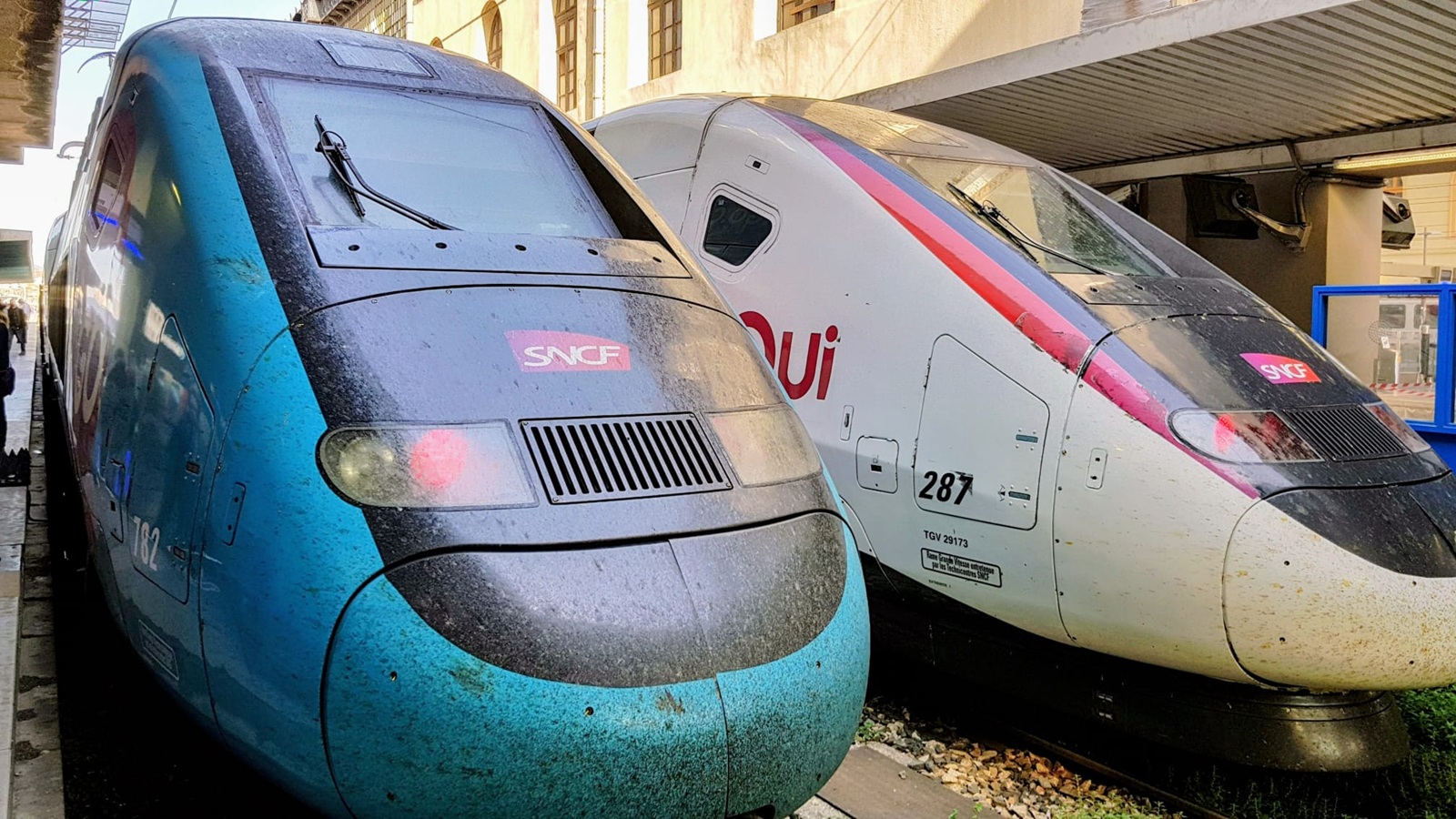
D’autant que le ferroviaire ne cesse de gagner des parts de marché depuis la crise sanitaire, à tel point que, selon l’Autorité de régulation des transports (ART), il est désormais temps d’augmenter l’offre pour répondre à la demande !


The train advances at full speed in the travel habits of the French

In the midst of the flood of climate-related bad news, some data offer a glimmer of hope for a world that is moving toward decarbonization.

To begin with, the train is in vogue and public transport is showing record ridership, surpassing pre-pandemic levels.

This helps reduce greenhouse gas emissions from transport. According to ART’s calculations, they dropped by 1.2% in 2024, even as travel increased by 1%.

Since 2019, the cumulative reduction in GHG emissions stands at 7.4%. That’s the good news of the week!

This decline is not explained only by airlines’ efforts, but above all by a modal shift in favor of rail.

Trains now account for 10.9% of trips in France. And it’s not so much that the supply has increased in recent years as the ridership of the trains.

Last year, according to the latest ART data, TGV ridership rose by 4%, while improvements continued for other train categories.

The occupancy rate on high-speed lines is approaching 80%, i.e. “an unusually high fill rate“, according to the Authority, even if it is lower than low-cost air travel (85%), but 1% higher than its conventional version.

These good figures are explained, on the one hand, by rising demand and, on the other, by a 10% reduction in frequencies compared to 2019 due to a lack of available rolling stock.

A situation that helps improve occupancy and the average ticket, notably thanks to yield management.


TGV: capacity has fallen by 36% in fourteen years!

A success that hasn’t always shown up as expected.

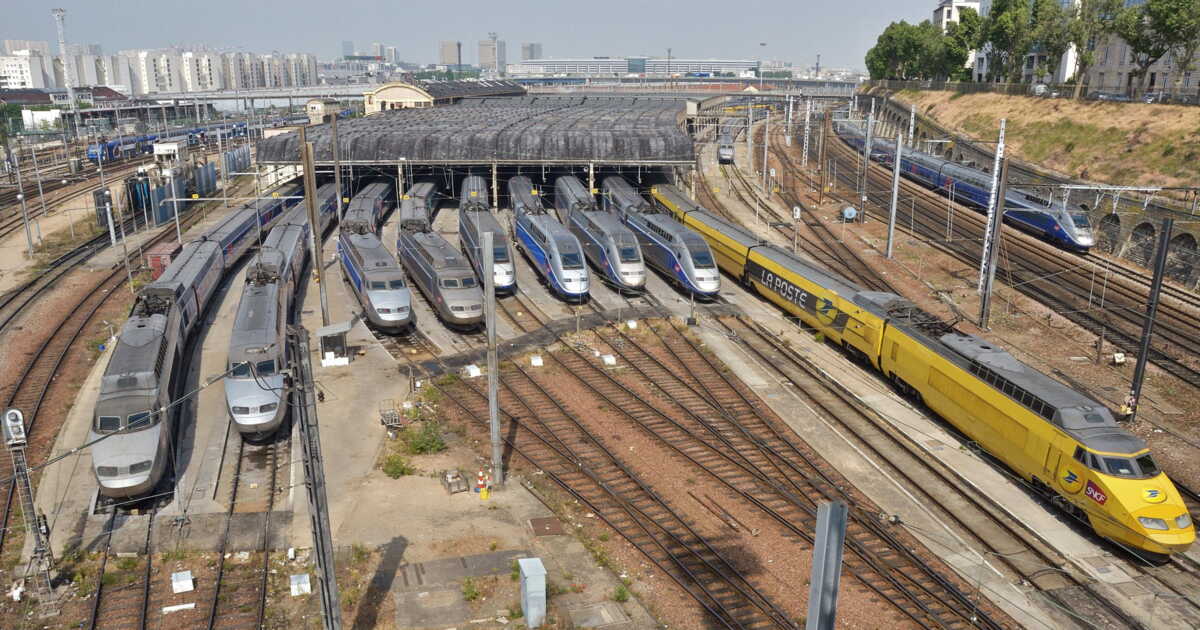
In the mid-2010s, SNCF decided to get rid of its most bulky trains. Faced with occupancy rates hovering below 60%, the operator chose, for cost reasons, to reduce its TGV supply.

It retired no less than 105 trains out of the 482 it owned at its peak in 2012. By the end of 2023, the decline had reached about 20% in ten years, as Libération recalls.

Unfortunately, the situation has not improved since.

According to the latest count we consulted, the company now has only 307 high-speed trains, a 36% drop in fourteen years!

Sauf qu’entre-temps, le train est redevenu à la mode. -> But in the meantime, trains have returned to fashion.

Les Français veulent faire des efforts pour le climat et la SNCF pour les contribuables. L’offre baisse, la demande augmente, le yield s’affole et les prix grimpent.
-> The French want to reduce their carbon footprint and SNCF wants to protect taxpayers. Supply falls, demand rises, yield soars, and prices climb.

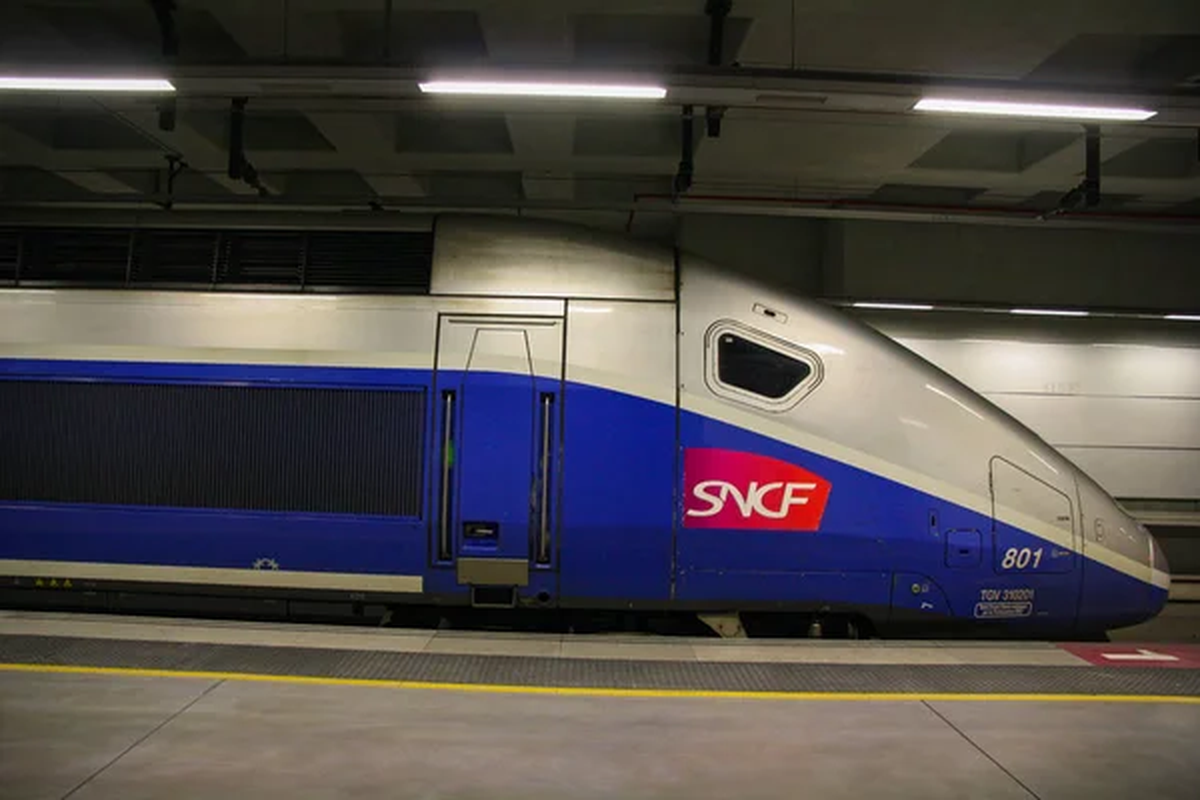
L’opérateur français a bien commandé de nouveaux équipements afin d’accroître ses capacités. Le TGV M devrait entrer en service en septembre 2026, avec deux ans de retard.
-> The French operator has indeed ordered new equipment to boost capacity. The TGV M is expected to enter service in September 2026, two years behind schedule.

À la fin de l’année, treize rames devraient normalement circuler sur les rails. Ce nouveau TGV disposera d’une capacité de 740 places.
-> By year end, thirteen trainsets should normally be in service. This new TGV will have a capacity of 740 seats.

Au total, pas moins de 130 rames ont été commandées. Une quantité qui ne permettra toutefois pas de revenir au pic atteint au début des années 2010.
-> In total, no fewer than 130 trainsets have been ordered. However, this amount will not be enough to return to the peak reached at the start of the 2010s.


Air travel in France: domestic routes collapse…

That’s not all, because during this period competition also arrived on some routes.

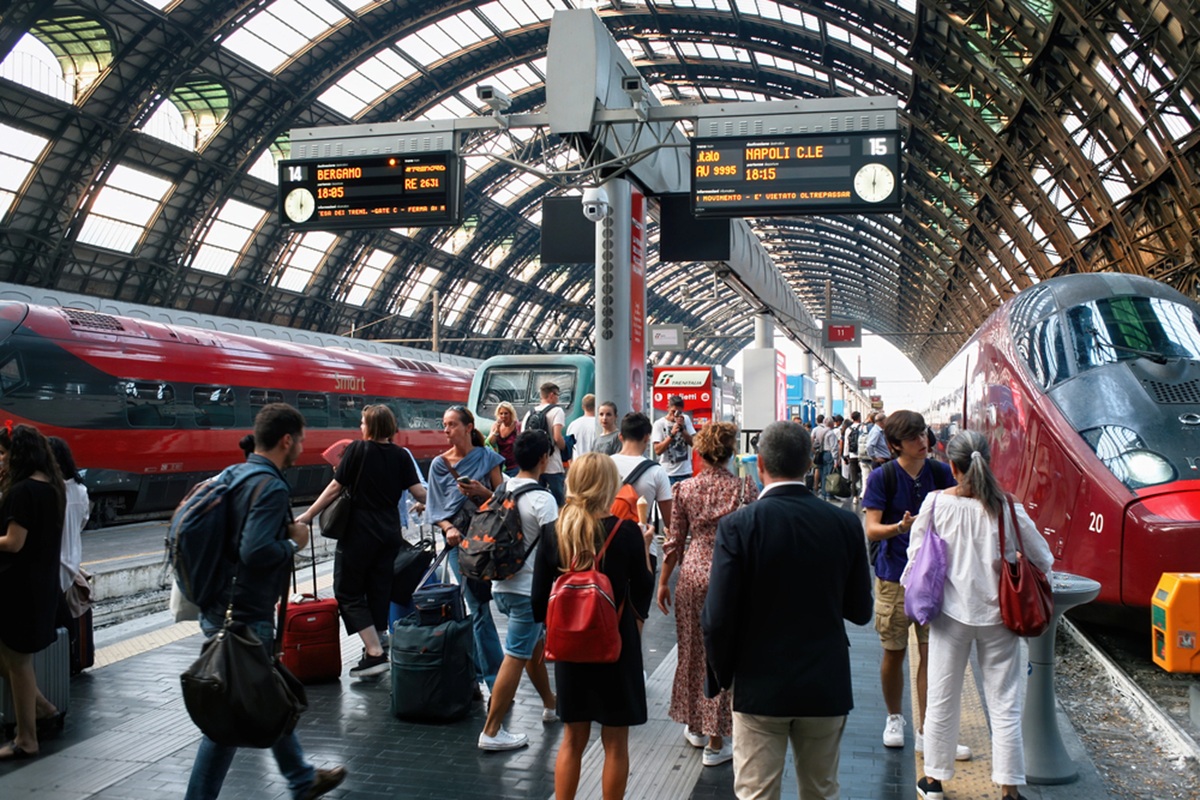
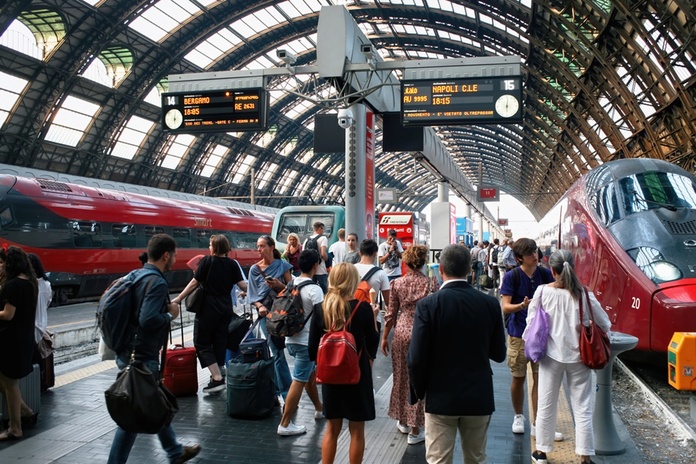
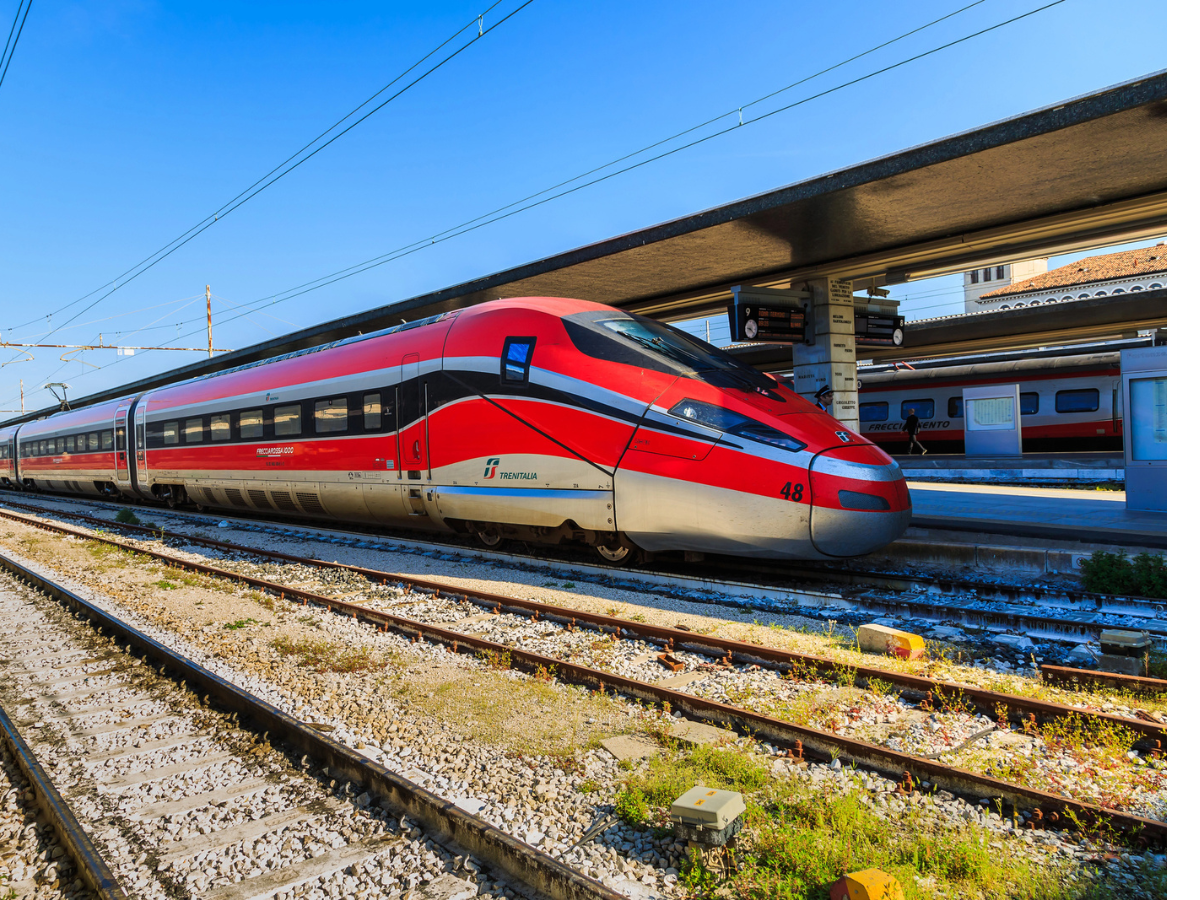
The offering thus rose by 20% on the Paris-Lyon-Marseille axis, but also by 100% on services to Italy. Not enough to reverse the trend. Moreover, while Trenitalia went all out upon entry and found an audience, the Italian carrier still struggles to truly take off.

Its occupancy rate stands at 45% after five years of existence, according to BFM.

For comparison, this figure must reach 75% for a TGV to be profitable at SNCF. It is therefore natural that Trenitalia’s losses continue to widen.

They were 20 million euros in 2021 and reached 68 million in 2024, even though the carrier benefits from a 16.5% reduction on rail tolls until December 2026.

Read: Trenitalia: why, from 2027, fares could be less attractive?

Beyond this date, Trenitalia will again need to approach ART for a decision on a new pricing scheme, more or less advantageous.

And according to the latest report on the French transport market, published a few days ago, public transport is also benefiting from the weakening of air travel.

The demand for domestic flights has fallen by about 20% since 2019.

The drop nonetheless reached 4.3% in 2024. That dynamic continued in 2025 (-2.6%), even as international routes remained on the rise (+3.6%).

If rail transport is the most used mode in France, for distances beyond 400 kilometers air travel captures 15% of trips and keeps gaining share as distances grow, while rail follows the opposite trajectory.

Between 200 and 600 kilometers, the TGV represents 80% of travelers.

It must be noted that, between the government’s elimination of certain lines and the debate that followed, combined with taxes and a sharp rise in prices, domestic air transport has been particularly unsettled in recent years.


Prices explode!

In 2024, the price of domestic air travel rose by 3% and was 40% higher than its 2019 level.

Since the start of 2026, these same prices have fallen by 3.8%. If we widen the observation window, they have nevertheless risen by 15.1% since 2023.

Read: Train more expensive than flying: “a matter of political will”

Despite this general increase, the price of standard air travel stood at 23 euros per 100 kilometers in 2024, versus 13 euros for low-cost carriers.

These carriers accounted for nearly 70% of domestic flights, while at that time Air France was still based at Orly. Meanwhile, rail remained competitive, provided one considers the air-distance.

In this scenario, the cost per 100 kilometers was €12 for conventional trains and €6.90 for the Ouigo offer.

But trains do not run in a straight line to reach Paris and must sometimes detour around towns, mountains, forests or other natural obstacles. The average price then rises mechanically.


The distance traveled by land transport is generally about 20% longer than by air. The gap reaches as much as 42% for a Paris–Nice route and 35% for a Paris–Toulouse trip by TGV. This makes the train less competitive, still according to ART.

The year 2024 was also marked by a lull, with relatively few cancellations in the French transport sector.

Last-minute cancellations accounted for 0.4% of domestic rail movements. Here is what to take away from this 96-page document.

Rail, once deemed old-fashioned, is back in vogue.

But this enthusiasm might not last, due to an undersupply of capacity, rising tariffs, and equipment that could be strained by climate change.


Train: SNCF Connect opens bookings to Germany and Switzerland


SNCF Connect facilite les voyages en France et en Europe du premier au dernier kilomètre, Depositphotos.com, Photo by jayantbahel

TAP Air Portugal


At the approach of the major summer departures, SNCF Connect expands its European catalog. The mobility platform has just integrated offerings from the German and Swiss railways. The agreement with Deutsche Bahn and the Swiss Federal Railways now provides connections to chain together trips in France, Germany and Switzerland.

Users can thus organize cross-border journeys that combine several operators from a single interface.


A Comprehensive Travel Companion and Summer Promotions

Beyond the European extension, the SNCF Connect app preserves its door-to-door itinerary search features, grounded in precise addresses rather than just station-to-station routing.

Travelers can centralize the purchase of multiple transport modes including trains, carpooling, long-distance buses, taxis, or car rental. The platform also integrates the public transport networks of around thirty French urban areas and centralizes ticket management for exchanges or cancellations.

Access to real-time traffic information, compatibility with various payment methods such as Apple Pay or the dematerialized Chèques-Vacances, and discounts on accommodations complete the range of services.

For the summer period, the SNCF Connect app also rolls out several initiatives and promotional activities.

In the leisure domain, a sweepstakes open until the end of August offers a chance to win more than a hundred invites for two to Disneyland Paris. A playful and illustrated holiday workbook is also available online to entertain solo travelers or families during their journeys.

Finally, a thematically curated interactive map, regularly updated, suggests destination ideas based on remaining seats in trains and local points of interest, organized around the sea, the mountains, urban getaways, and cross-border trips.

Travel Agencies: Is Train Travel Easier to Sell Than Plane Tickets?


Si les ventes de billets de train progressent en agences, il reste encore de nombreux freins à son développement - Depositphotos.com, frimufilms

Costa Rica


Rail travel is gaining ground, especially for trips within France.

At Déclic Evasion, rail stays rose by 16% between 2024 and 2025. « This evolution is explained by the increase in stays in France since the health crisis, the reduction of certain domestic air links and the development of alternatives such as Ouigo », explains Olivier Bernard.

The arrival of Trenitalia on Paris-Marseille has also helped to energize certain routes.

At Versailles Voyages, Myriam Tord also notes a progression, even though the train started from a long way off. « We progressed because we were almost starting from zero. The train wasn’t really something that was offered before. »

For her, the turning point comes from personal experience: after completing the Trans-Canada journey between Toronto and Vancouver, she discovered the train as a genuine travel experience.

At Quartier Libre, the assessment is more mixed. The tour operator has been offering since 2025 a train option to Scotland, but it accounts for about 10% of sales on that destination. « It’s a nice calling card, but it remains limited in volume », says Stéphane Dossetto.


What are the arguments for selling train travel?

The primary argument is the experience. For Myriam Tord, train travel should not be presented solely as an alternative to air travel: « It is a different way to travel. »

The train lets passengers take their time, enjoy the scenery and discover a destination in a different way. It is particularly well suited to Canada, Scotland, Switzerland, or Italy.

Professionals also highlight the comfort: arriving in the city center, no baggage constraints, and less waiting before departure — the train offers a different kind of simplicity.

For Olivier Bernard, the train is also appealing for leisure groups. The conditions offered by SNCF on Inoui trains provide greater flexibility for CSE clients, especially regarding registrations and cancellations.

The ecological argument remains present, but it is not always enough. Stéphane Dossetto believes that practicality should also be addressed: « We talk a lot about carbon footprint, but we forget about comfort. »


What are the barriers?

The first obstacle remains the rail offering. Olivier Bernard specifically points to the weakness of province-to-province links. “From Marseille, the availability of direct TGV services remains insufficient.”

For international destinations, connections also complicate sales. Stéphane Dossetto cites the example of Scotland: from Paris, the journey is possible, but from some regions in France, the accumulation of changes makes flying more attractive.

Price also remains a topic. On certain destinations, particularly in the face of low-cost carriers, air travel preserves an advantage.

Customer habits are another brake. Many still appreciate the comfort of a coach trip where they have nothing to manage. « Customers love the cocoon of the coach: they drop their luggage and don’t have to deal with anything », explains Stéphane Dossetto.

Finally, the management of disruptions worries agencies. « If a train is canceled, you have to find another solution: another train, a hotel, a new arrangement. After-sales service is more complicated », remarks Myriam Tord.


What about the tools?

Professionals deem rail tools still inadequately adapted.

For Myriam Tord, the problem also relates to knowledge: « For air travel, we go to Amadeus and it’s quite simple. For trains, you have to know the providers. »

Solutions exist, such as Rail Europe or Resaneo, but they remain little known to agents.

In the group market, expectations are even higher. Olivier Bernard particularly regrets the late opening of sales and the absence of a functional Ouigo group tool.

He also believes it is necessary to improve features: management of traveler typologies, changes in headcount, or seat selection.

Beyond digital tools, human support remains essential. For Déclic Evasion, having a dedicated BtoB contact at Inoui is a real asset during group sales and in case of unforeseen events.


How can train sales be improved?

For the professionals surveyed, the priority is to better promote the product.

« It has to be tested », says Myriam Tord. According to her, an agent who has traveled by train will be more capable of conveying the experience to the client.

Training is therefore an important lever, as is a shift in the way rail travel is sold. The train should not be presented solely as an ecological solution, but as a new travel experience.

It is also necessary to facilitate marketing: better visibility of availability, tools more suited to agencies, and a clearer offer.

Finally, remuneration remains an issue. Olivier Bernard recalls that rail travel retains a commission-based system, unlike air travel, but he believes current levels are insufficient.

The train is thus making progress in agency catalogs, but it has not yet become a sales reflex. To gain ground against aviation, it will need to continue improving its tools and, above all, its ability to appeal beyond the environmental argument.


Trenitalia France Plans High-Speed Train Maintenance Center in Île-de-France


L’exploitation du centre devrait générer environ 100 emplois, directs et indirects - DeposiPhotos.com, teptong

IFTM prenez RDV avec TourMaG


Trenitalia France a signé avec SNCF Réseau un contrat de location de 35 ans pour une zone ferroviaire située à Maisons-Alfort Pompadour, en Île-de-France.

Le futur centre permettra d’assurer la maintenance de la flotte à grande vitesse de Trenitalia France.

L’infrastructure sera conçue pour fonctionner en continu, 24 heures sur 24, et comprendra trois voies permettant l’entretien simultané de trois trains. Elle intégrera également des installations dédiées au lavage, au nettoyage et au remisage.

À pleine capacité, le site pourra accueillir jusqu’à 25 trains. Il contribuera à l’organisation opérationnelle des activités de maintenance et accompagnera le développement de l’offre ferroviaire sur le marché français.

Le centre prendra également en charge les futurs services à grande vitesse Frecciarossa entre Paris et Londres via l’Eurotunnel.


A project aligned with FS Italiane’s European strategy

This project is part of the international development plan of the FS Italiane group, aimed at strengthening its presence on the main high-speed corridors in Europe.

The site’s placement in Île-de-France serves as a base for the group’s international activities, notably on rail links between major European cities.

The construction and operation of the center are expected to generate around 100 jobs, direct and indirect, including activities carried out with partner companies in the fields of maintenance and operational support.

Night Train: European Sleeper Launches Paris–Berlin Service


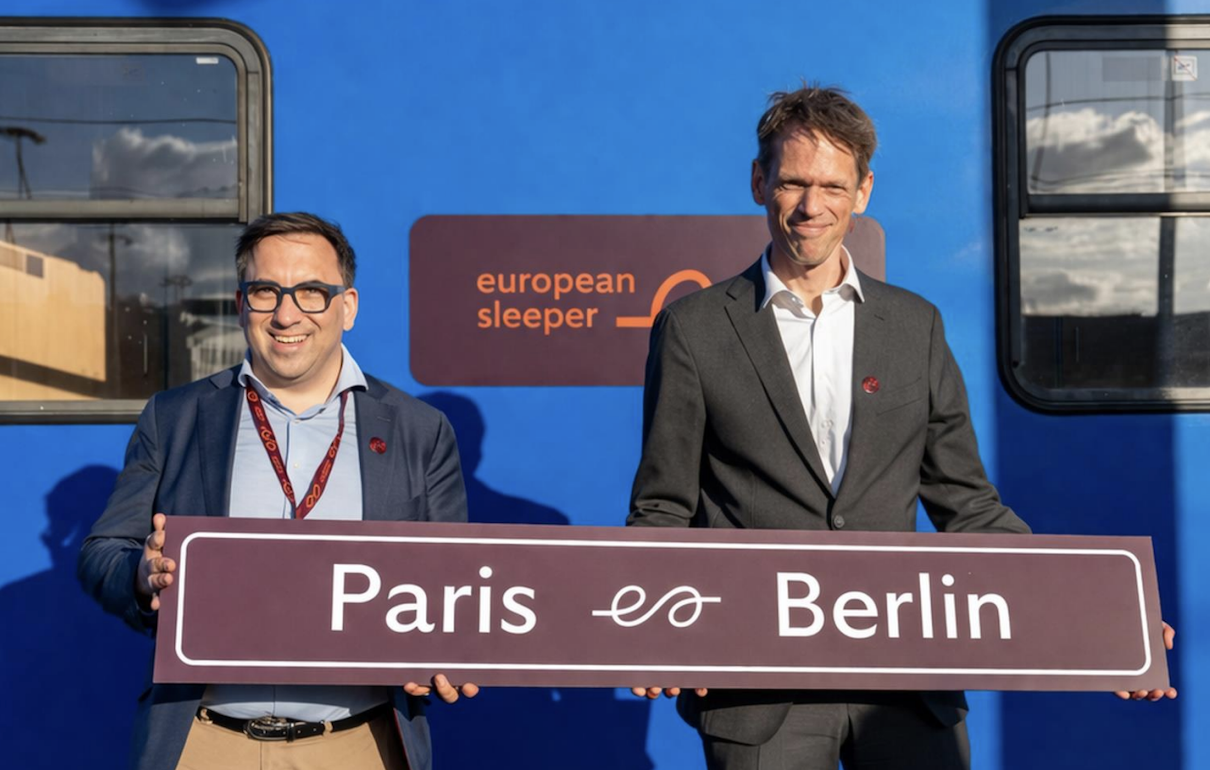
Chris Engelsman et Elmer van Buuren (fondateurs d’European Sleeper) devant le train de nuit Paris-Berlin. Crédit photo : KeepFocus Photography

IFTM prenez RDV avec TourMaG


Departing from the Gare du Nord in Paris, on March 26, European Sleeper officially launched its new overnight link to Berlin, via Brussels.

The train left the French capital at 6:03 PM, marking the return of a direct connection between these great European metropolises, long absent from the rail network.

The convoy’s arrival at Berlin Hauptbahnhof, the following morning, prompted an official reception bringing together partners and institutional representatives.

This new link is part of the progressive development of European Sleeper’s network, already present on the Brussels – Amsterdam – Berlin – Prague axis. The company also plans to launch a night train to Milan from September 2026.

The Paris – Brussels – Berlin line will be operated at a rate of three round trips per week. In time, it will allow six departures per week in each direction between Brussels and Berlin.


A European and Sustainable Ambition

At the launch event in Paris, the founders of the company, Chris Engelsman and Elmer van Buuren, emphasized the challenges involved in developing the night train project.

They particularly stressed the need to gradually build a viable European rail network, while promoting market openness to new operators and improving the integration of cross-border services.

Present at the inauguration, Belgium’s Federal Mobility Minister, Jean-Luc Crucke, highlighted the environmental benefits of the project, noting a credible alternative in favor of low-carbon tourism.

He also recalled the commitment of the Belgian authorities to remove regulatory and technical barriers to such initiatives.

On the SNCF side, Olivier Bancel praised the cooperation among the various actors, stating that these partnerships help reposition rail as a central mode of transport in Europe.


An Accessible Pricing Range

The establishment of this link relies on the collaboration of numerous operational and industrial partners, including Train Charter Services, Wagon Plastron, as well as the Alstom and RAILPOOL groups. New players, such as RDC Deutschland Gruppe, also participated in the project.

Infrastructure managers in France, Belgium and Germany were mobilized to integrate this new offering into the existing networks.

On board, European Sleeper offers several levels of comfort, with tickets from €39.99 for a seated seat. Berths are available from €59.99, including reservation and bed linen.

For higher comfort, passengers can opt for Comfort Standard compartments from €99.99 or Comfort Plus from €129.99, with breakfast included.


Amelia Brille Published by Amelia Brille TourMaG.com Editor
See all articles by Amelia Brille

  • picto Linkedin
  • picto email
Add TourMaG to your Google News feed Google Actualités icône  

The Grand Train Tour of Switzerland


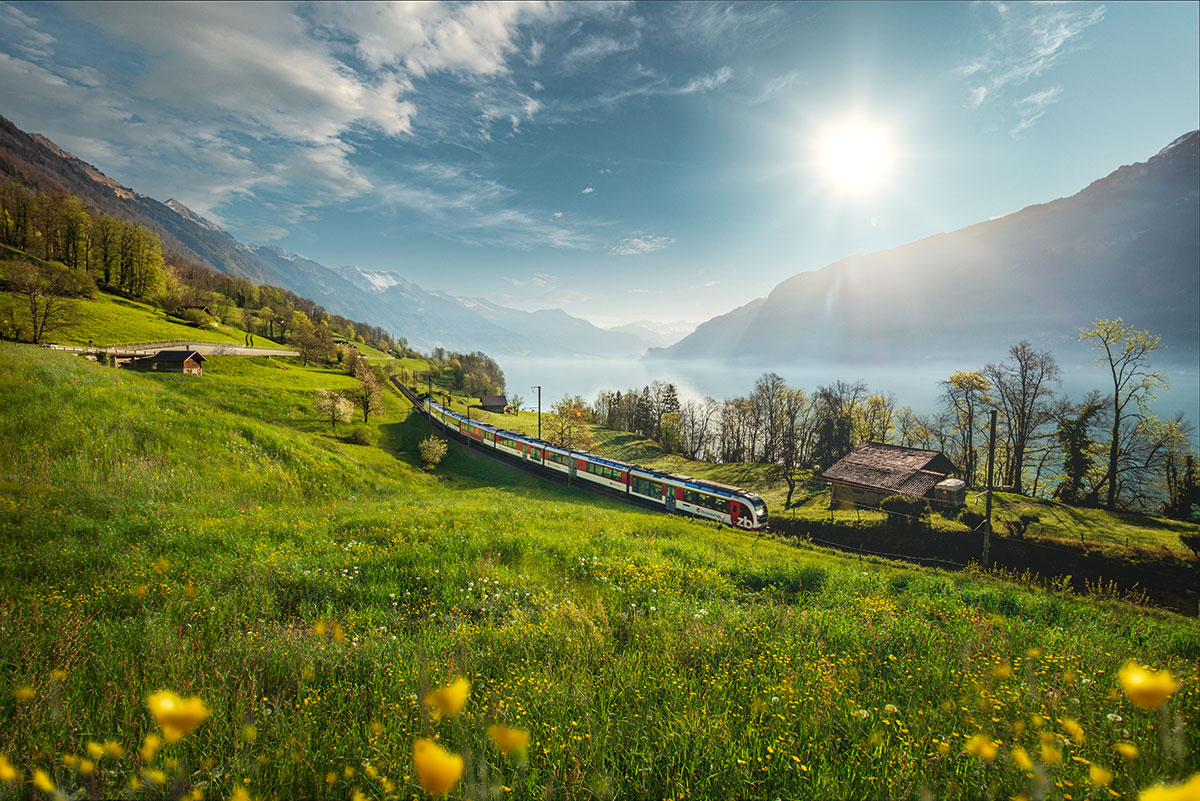
© Zentralbahn, 2024, photographe : Kim Sokola

CroisiEurope


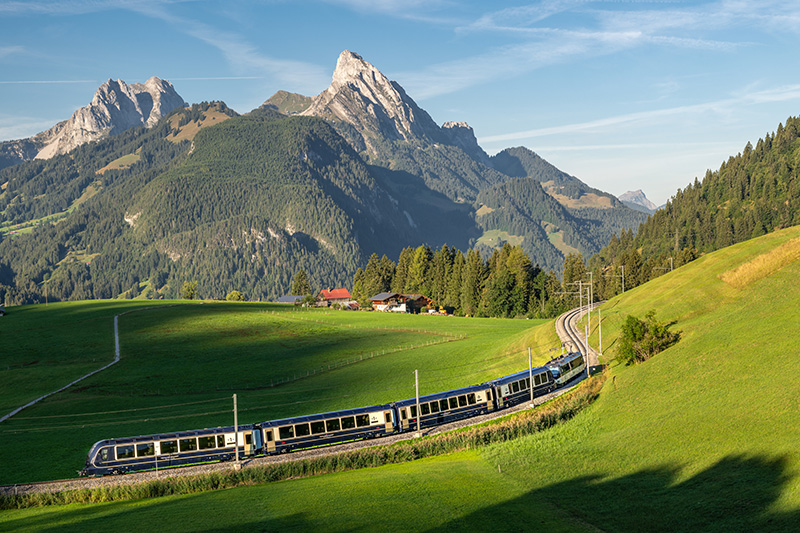
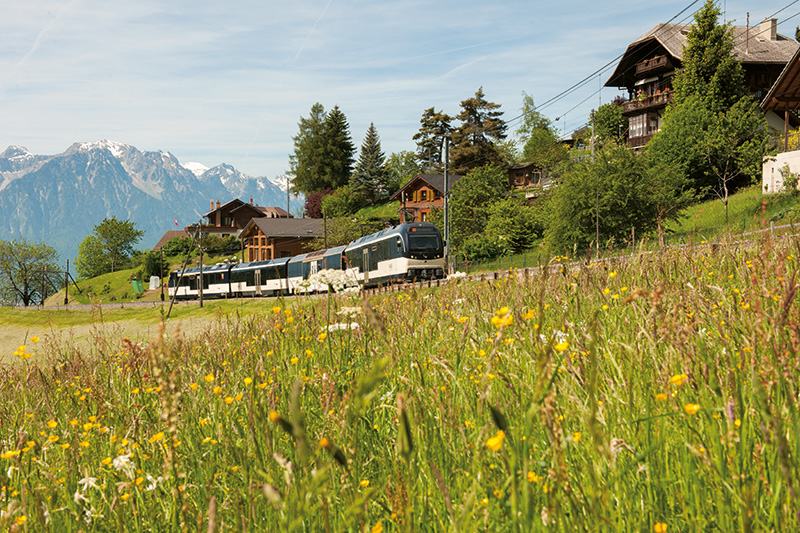
The Grand Train Tour of Switzerland is truly the quintessential Swiss rail experience, to be enjoyed throughout the year. Comprising 1,280 kilometers of tracks and eleven different lines, including eight panoramic trains, it offers a particularly comfortable and relaxing way to discover Switzerland.

Few train journeys worldwide concentrate so many highlights: panoramic lines such as the Bernina Express, the Glacier Express, and the GoldenPass Express; alpine destinations like Zermatt and St. Moritz; as well as lakeside cities such as Montreux, Lucerne, and Zurich. Throughout the journey, travelers enjoy mountain excursions and visits to some of Switzerland’s most famous sites, notably Jungfraujoch, Glacier 3000, and Chillon Castle.


The itinerary can be explored all year round. In Switzerland, even the highest mountain railways operate reliably during winter. In summer, it is possible to explore a glacier in the morning and then enjoy the banks of an urban lake in the evening. In spring and autumn, the off-season offers more space and availability thanks to lower crowds, for a more relaxed travel experience.

What makes the Grand Train Tour of Switzerland particularly unique are the many ways to enjoy it. Booking-ready travel suggestions, offered as standalone packages, enable agents to easily find itineraries that fit their clients’ budgets, calendars, and expectations. They avoid complex customizations and instead present a series of “products within the product” to inspire travelers.


© Swiss Travel System AG, 2022, photographe : Tobias Ryser


For example, the “Glaciers and Palms” circuit highlights Switzerland’s geographical contrasts by taking passengers across Lake Lucerne, over the Bernina Pass at an altitude of 2,238 meters, to the palm-fringed shores of Ticino, in the sunny south of the Alps.

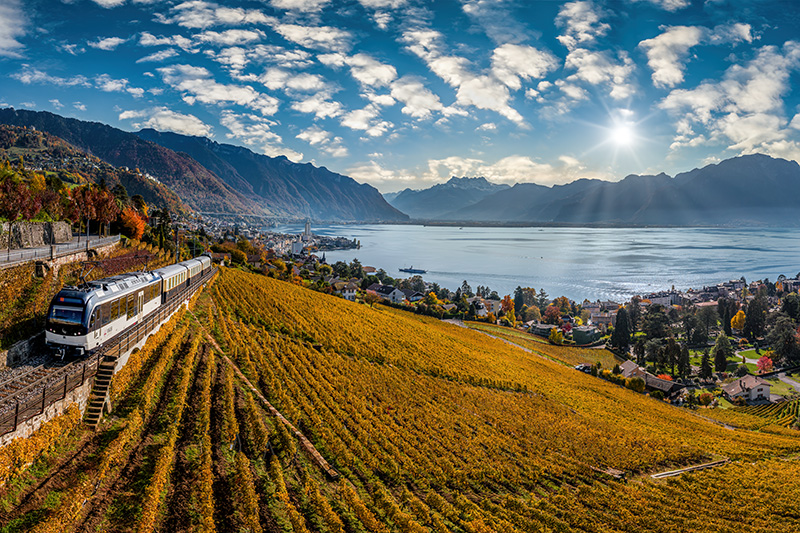
For wine enthusiasts, the “Vines and Valleys” itinerary traverses the heart of Switzerland’s wine regions, including the terraced vineyards of Lavaux – particularly spectacular in autumn.

The “East–West” circuit is ideally suited for travelers arriving from France or via Geneva Airport. Departing from Geneva, it follows the lakefront before ascending to the Alps to link the panoramic lines: the Glacier Express, the Bernina Express, the Gotthard Panorama Express, the Luzern–Interlaken Express, and the GoldenPass Express.


© Swiss Travel System AG, 2020, photographe : Tobias Ryser


Seventeen carefully designed packages can be viewed and booked directly on the Switzerland Travel Centre site. Now, with the discount code STCTA10, agencies benefit from the following advantages:

✔ A 10% commission on the displayed price.

✔ Online payment by Visa or Mastercard.

✔ No additional commission accounting is required – efficient, simple and ideal for your daily professional life.

✔ All travel documents are emailed.

For more information about the Grand Train Tour of Switzerland: Grand Train Tour of Switzerland | Switzerland Travel Centre.


© MOB, 2018


Le Grand Train Tour of Switzerland
For tailor-made journeys, our team of experts is at your disposal.

Simply send your individual inquiries to [email protected] – or call us at

+41 43 210 55 95 – and you will receive a personalized offer within 24 to 48 hours.

You benefit here from true Swiss travel know-how and extensive experience in crafting bespoke itineraries.

>> Switzerland Travel Centre in the DESTIMAG Directory


One Trip, One Ticket: The EU Project to Simplify Train Travel Unveiled in Brussels

Streamlining train bookings has long been a perennial pipe dream in the European Union (EU), despite regular calls to end the fragmentation of the rail network across twenty-seven national systems, which makes travel unnecessarily complicated and costly.

The growth of rail, however, remains crucial for Europe’s climate ambitions. At the outset of her second term in July 2024, the President of the Commission, Ursula von der Leyen, had pledged a single, unified booking system.

To turn this ambition into reality, Brussels is poised, according to sources close to the matter, to table a proposal that would compel operators to sell the tickets of their rivals on their own websites and to share their data with booking platforms.

Currently, “booking cross-border rail travel in Europe remains unnecessarily complicated”, notes Vivien Costanzo, a German member of the European Parliament from the Social Democrats. “A European rail system needs simple reservations, reliable connections, and clear rights for passengers. It is only under these conditions that rail will become a genuine European alternative to short-haul flights”, she warns.

But the proposal is likely to meet fierce opposition from national operators. In Brussels, the “European Rail Community” (ERC), a lobby of EU operators, denounces an “unprecedented interference” by the Commission. “I know of no case where anyone is forced to sell a competitor’s product. Imagine Lufthansa being forced to sell Ryanair tickets”, says Alberto Mazzola, an ERC official interviewed by AFP.

The Network Has Shrunk

Train tickets in Europe are currently primarily sold by national operators. The new legislation would require them to display offers from other companies, enabling passengers to compare prices and book a trip in one go.

A 2025 YouGov survey for the NGO Transport & Environment (T&E) shows that nearly two in three people forego a trip because the booking process is too complex. Studies also indicate that booking a train journey takes on average 70% more time than booking a flight. “With more competition in rail, passengers will benefit from better services and lower prices”, says Jan-Christoph Oetjen, a centrist Member of the European Parliament.

The Commission should also update passenger rights in cases of missed connections, regarding compensation or flexibility to board the next train.

This initiative comes as the war in the Middle East has driven up kerosene prices and raised concerns about supply difficulties for the aviation sector during Europe’s peak tourist season. It could offer railway operators the “opportunity” to “change the narrative” around international train travel and to invest in improving services, believes Victor Thévenet of Transport & Environment.

Rail accounted for only 0.3% of the transport sector’s greenhouse gas emissions in Europe in 2022, compared with nearly 12% for civil aviation. But between 1990 and 2021, the EU railway network shrank by more than 12,000 kilometers, eurodeputies lamented in 2024, vowing to halt this trend.

Best Train Trips in the United States This Summer

Traversing the Rockies, skirting the Pacific Ocean, or reaching the Grand Canyon aboard a historic train… In the United States, several rail lines turn travel into a true journey experience. While summer holidays often herald crowded airports and saturated highways, train travel is attracting more and more travelers who seek slower pace and spectacular scenery. This renewed interest is far from incidental: Amtrak, the U.S. public railway company, logged 34.5 million passenger trips in the latest fiscal year. From panoramic cars to steam locomotives, certain American routes offer journeys among the continent’s most impressive landscapes.

From the Rockies to the Pacific, routes carved for the great outdoors

In the western United States, several lines let visitors discover iconic scenery without taking the wheel. Among them, the Canyon Spirit, formerly known as the Rocky Mountaineer, links Moab to Denver in two days, threading the Rockies and the red rock formations of Utah and Colorado. The itinerary passes through Glenwood Canyon, carved by the Colorado River, and provides access to Arches National Park. On board, travelers enjoy glass-dome panoramic cars, spacious seating, and meals inspired by regional specialties. Nights are spent in hotels along the route.

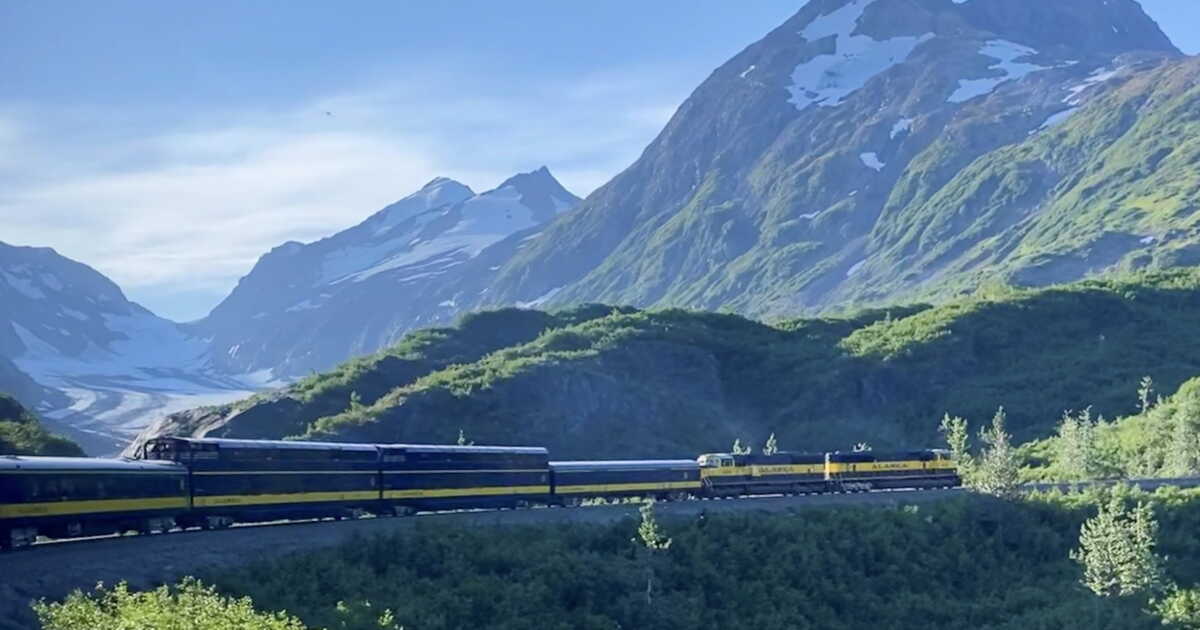
Further north, in Alaska, the Coastal Classic of the Alaska Railroad connects Anchorage to Seward in 4 hours and 30 minutes. This seasonal line, operated from mid-May to mid-September, runs along Turnagain Arm before traversing the wild landscapes of the Kenai Peninsula. Glaciers and waterfalls punctuate the journey to Seward, the gateway to Kenai Fjords National Park.

In California, Amtrak’s Pacific Surfliner remains one of the country’s most popular itineraries. The line runs from San Diego to San Luis Obispo along much of the Pacific coastline, with stops in several seaside towns, including Santa Barbara. “The train journey itself is breathtaking, winding along the southern California coast and offering fascinating views of the Pacific Ocean”, said Jason Abrams, head of public relations at Amtrak, to Travel + Leisure.

The Amtrak network is also betting heavily on this line this summer. New connections have been added between San Diego and Los Angeles to coincide with the FIFA World Cup, further boosting the Surfliner’s appeal for summer travelers.

Historic trains that hark back to the Golden Age of American rail

Other routes appeal mainly for their heritage value. This is the case of the Grand Canyon Railway, which runs daily between the town of Williams, Arizona, and the south rim of the Grand Canyon. The trip lasts about 2 hours and 15 minutes in each direction and then travelers spend more than three hours on site before the return. A distinctive feature of the journey: some rotations are operated by vintage locomotives, recalling the glory days of American rail.

In Colorado, the Durango & Silverton Narrow Gauge Railroad traverses some of the state’s most spectacular mountain scenery. This historic line links Durango to Silverton in 3 hours and 30 minutes aboard a narrow-gauge train classified as a National Historic Landmark, a designation given by the U.S. government for exceptional historical significance. Up to three departures are offered each day during the peak season. Travelers then have a few hours to explore Silverton, an old mining town perched in the mountains.

Another emblematic line is the Cumbres & Toltec Scenic Railroad, straddling New Mexico and Colorado. Considered one of the best-preserved steam railways in the United States, it follows the meanders of a canyon before crossing a viaduct rising 42 meters high. This route operates six days a week from late May to late October.

Finally, long-distance enthusiasts can board the Amtrak Cascades, which connects Eugene, Oregon, to Vancouver, Canada, in a little over ten hours. The journey traverses the Columbia River Gorge and affords views of Mount St. Helens. Jason Abrams also noted to Travel + Leisure that Amtrak’s new Airo trains were set to enter service on this line this summer, with “new levels of physical comfort, a more coherent travel experience, upgraded equipment and dining services meeting today’s travelers’ expectations”.