“Petit Futé” is doing well, and has many bright years ahead. On the occasion of the fifty-year anniversary of the travel guide created in 1976, its co-founder Jean-Paul Labourdette remains optimistic. French travel has evolved, and so has Petit Futé. From a small guide for students in the city of Nancy, the publication has become a reference for travelers, with guides available for 192 destinations. The digital turning point occurred in the 2000s, and by 2025 the site counted 80 million visitors.
France Is Riding the Wave
For GEO, the guide has identified travel trends for 2026. “We draw several lessons from the first half of 2026, compared with the first half of 2025”, notes Stéphan Szeremeta, editorial director of the Petit Futé and editor-in-chief of the Petit Futé Mag.
Indeed, domestic travel is clearly growing: +10% of French people traveled… in France, this year. All regions show an increase in visitor numbers, except Corsica (-4%). “There are several elements that push travelers to stay in France,
D’abord le pouvoir d’achat est sous pression, et la tendance est aux voyages courts, au slow tourisme (tourisme lent, calme). L’envolée des prix des vols joue également un rôle, ainsi que la météo.”
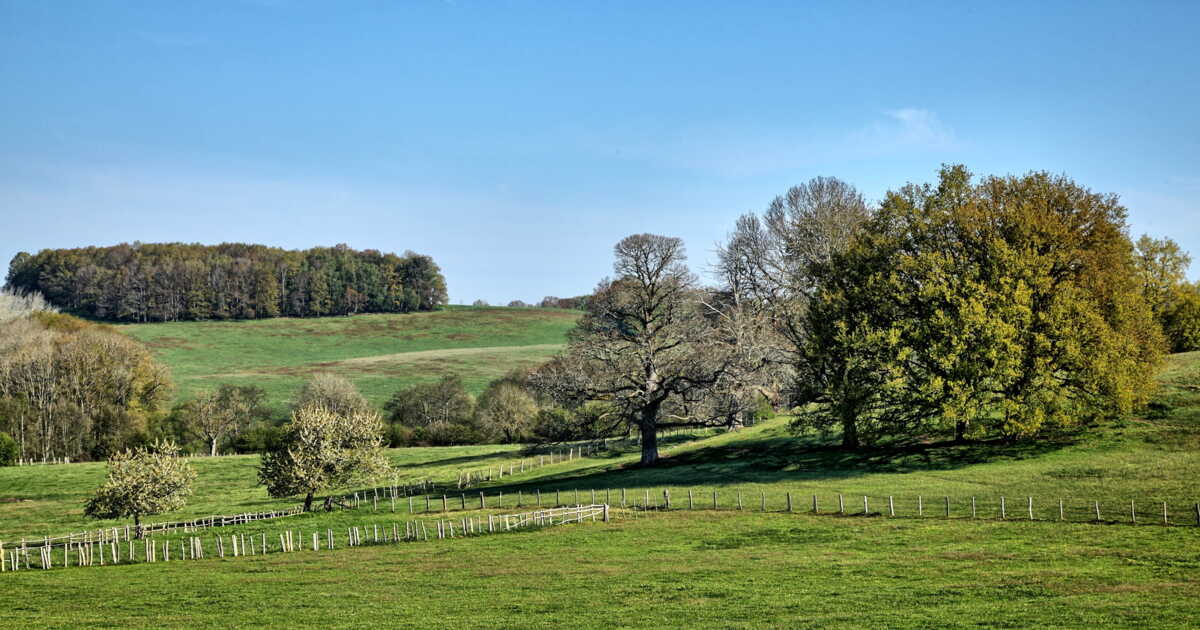
French travelers are turning to authentic destinations, seeking tranquility and calm. Far from crowded tourist circuits and the flashes of smartphones. In this vein, Petit Futé has identified several destinations far from the beaten paths. Among them are La Manche-Cotentin, Orne, Pont-Audemer Val de Risle, the Pays du Perche sarthois, the Val Briard, the Côte d’Amour, the Pays d’Issoire, the Archipelago of Thau, and the Grand Chambord…
“Avant, Chambord, c’était seulement le château, mais maintenant on parle du “grand Chambord”, et cela inclut tout le territoire autour”, we are toldStéphan Szeremeta. “Et le Canal du Nivernais est plus simple d’approche, et moins cher, que le Canal du Midi. Et à Sarrebourg, on peut voir un vitrail de Chagall”.
For le Petit Futé, the objective is twofold: to make known this France “hidden,” and to help relieve overcrowded destinations.
The Mediterranean Dips, Coolcation Takes Off
Parallèlement, les destinations sur la Méditerranée perdent un peu de leur attractivité au premier semestre 2026 par rapport au semestre 2025 (-15 % de touristes Français sont partis pour le Portugal, et -13 % vers l’Italie). Une baisse associée en partie à l’essor de la coolcation, et à la progression des destinations moins chaudes : la Finlande gagne 25 %, la Suisse 11 %, et la tendance touche également la Suède et la Norvège. Le phénomène est entraîné par les canicules qui arrivent.
“It’s the Year of Vietnam!”
Au-delà des frontières européennes, certains pays d’Asie voient de plus en plus de touristes français affluer. Le Vietnam gagne 38 %, ce que le Petit Futé explique par une nouvelle liaison aérienne et un effet de substitution avec le Japon, considéré comme coûteux, et la Thaïlande, perçue comme saturée de touristes.
“Le Vietnam est vu comme sécurisé, proposant un bon rapport qualité/prix, et a une forte présence sur les réseaux sociaux”, note Stéphan Szeremeta. “C’est l’année du Vietnam !” La Corée du Sud et le Cambodge ont également plus de visiteurs français.
C’est aussi une belle année pour le Chili, autrefois dans l’ombre de son voisin péruvien, qui enregistre + 119 % sur ce premier semestre.
Enfin, le tourisme d’expérience prend de l’ampleur. Les Français s’intéressent aux spécialités régionales, aux rencontres avec les producteurs, aux visites culturelles et au patrimoine. Le Petit Futé développe une collection axée sur les expériences et destinée aux enfants (8 à 12 ans) sur le volley-ball (en collaboration avec la Fédération française de volley-ball), la plongée, la cuisine, l’athlétisme, et un guide “Timbres Aventure !”, cahier ludique pour découvrir le monde à travers les timbres.
Mais, si la France est encore la destination la plus attractive du monde (selon les dernières données d’ONU Tourisme, la France a accueilli environ 102 millions de touristes internationaux en 2024), “elle a tendance à vivre sur ses acquis, en matière de promotion du tourisme”, indique Jean-Paul Labourdette. Et le Petit Futé entend bien changer cela.
Sweden, with its majestic natural expanses and its cities that blend modernity with tradition, attracts many visitors each year. Whether you are passionate about nature, culture, or gastronomy, this Scandinavian country has something to satisfy every whim. Let us dive into discovering activities and points of interest that deserve a place on your itinerary according to the season and the duration of your stay.
1. Exploring the cultural capitals
Stockholm
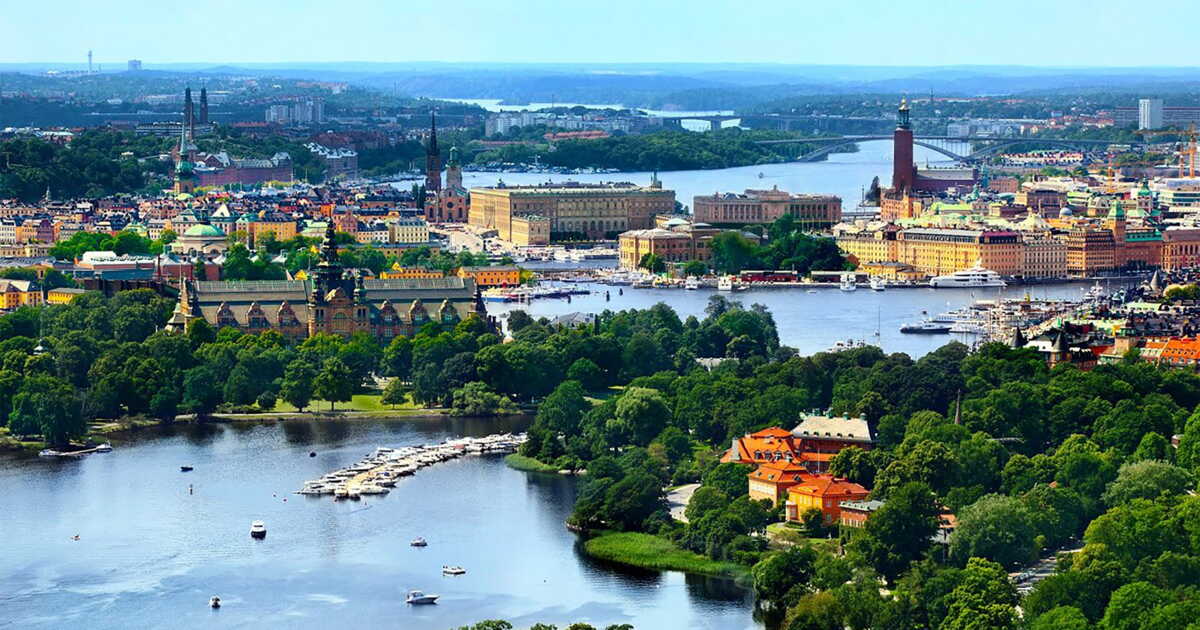
Stockholm, the Swedish capital, is a must-see. During your visit, don’t miss the historic district of Gamla Stan, with its cobbled streets and the Royal Palace. Museum lovers will be delighted with the Vasa Museum, home to a 17th‑century ship, or the ABBA Museum for an immersion into the world of the famous Swedish group. A stroll to Södermalm will plunge you into a trendy and alternative atmosphere.
Gothenburg
The second city of the country, Gothenburg will charm you with the Haga district and its cozy cafés. For an adrenaline rush, the amusement park Liseberg is a must, while art enthusiasts will appreciate the Gothenburg Museum of Art. Additionally, a trip to the west coast archipelago will allow you to discover wild and pristine landscapes.
2. Admire the natural wonders
The Swedish Lapland
The Swedish Lapland offers landscapes of unique beauty, ripe for unforgettable adventures. In winter, head out on an aurora borealis hunt in Abisko or stay at the Icehotel in Jukkasjärvi. Activities such as dog sledding or meeting reindeer are enriching experiences. During the summer, discover the phenomenon of the Midnight Sun.
The Archipelagos
The Swedish archipelagos are synonymous with tranquility and preserved nature. Whether around Stockholm or Gothenburg, each island holds treasures to explore. Rent a bicycle to wander charming fishing villages, swim in clear waters, or take part in a variety of water activities.
3. Seasonal activities to highlight
In winter
Sweden’s winter is ideal for activities such as skiing and skating. Do not miss the Christmas markets, lively and cozy, where you can sample local specialties. After a chilly day, warm up with a fika, a sociable moment around coffee and kanelbullar.
In summer
The summer season is perfect for enjoying the long days illuminated by the Midnight Sun. Take the opportunity to go hiking in national parks or explore the coasts by canoe. Festivals are also plentiful during this period, offering a glimpse into Swedish culture and music.
4. Cultural and gastronomic discoveries
Fika
Fika is more than a simple coffee break; it is an integral part of Swedish culture. Take advantage of this moment to savor a kanelbulle in one of the many local cafés. The culinary exploration continues with specialties such as meatballs, marinated salmon, and various seafood dishes.
Design
Sweden is renowned for its avant-garde design. Explore the shops and dedicated museums where minimalism is king. Each object is conceived to be as aesthetically pleasing as it is functional.
5. Practical tips for a successful trip
Safety and budget
Sweden is perceived as a safe country for visitors. Standard precautions apply as in any other tourist destination. Regarding budget, Sweden isn’t necessarily cheap. However, tips such as discounted transport cards and the option to cook for yourself can help reduce costs.
Transports et hébergements
The country, well served by train, air, and bus, makes it easy to move from one region to another. Accommodation options range from hostels to luxurious hotels, including traditional cottages.
In conclusion, Sweden offers a multitude of activities and places to discover, regardless of the season. This country harmoniously blends wild nature and urban culture, promising you a rich and diverse stay. Make sure to plan your trip with the seasons in mind to experience something aligned with your expectations.
What budget to plan for a trip to Sweden: anticipating the price of a stay in the Nordic landscapes
Planning a trip to Sweden involves taking into account a relatively high cost of living, especially in major cities like Stockholm, but several options allow you to discover Sweden at a lower cost. By opting for a road trip in Sweden, you can reduce transport expenses while accessing less touristy, nature-filled places.
Traveler reviews suggest options such as Sweden with Explora Project, which facilitate immersion at an affordable price. The cost of accommodations varies between city-center hotels and refuges in national parks, particularly in the northern Sweden. Public transport, including the railway and the ferry crossing, is well organized but long-distance train tickets should be booked in advance to benefit from good rates.
Plan an average daily budget of between 80 and 150 euros, depending on the level of comfort chosen, which remains a reasonable estimate to enjoy the beautiful landscapes of the Baltic Sea up to the Norwegian border, passing by canals such as the Göta Canal or the Trollhättan Canal.
What to do in Sweden with kids: ideas for activities suitable for the whole family
Exploring Sweden with children is a journey that is both educational and close to nature. From Stockholm to Kiruna, many must-see activities let you explore Sweden in the great outdoors while keeping young ones engaged.
The Natural History Museum in Stockholm, with its interactive exhibits, offers an educational immersion, while a picnic by a green space or a canal, such as at Kungsportplatsen, nicely rounds out the day. In the Abisko village, beyond the polar circle, children can observe the auroras or try cross-country skiing depending on the season.
The coastline or the colorful buildings of the old town enhance the visual appeal of the stay. For a quiet moment, accessible hiking trails allow you to explore the Royal Route or cultural highlights within a safe setting. Sweden, renowned for its emphasis on family well-being, emerges as a destination perfectly suited to the happiness of family travelers.
What to do in Sweden when it rains: cultural and sheltered options to favor
Even in case of heavy rain, Sweden offers numerous indoor alternatives, especially in its cultural capitals such as Stockholm or Gothenburg. When a trip to Sweden coincides with capricious weather, indoor points of interest become essential: Natural History Museum, the king’s official residence, art galleries, or exhibitions dedicated to Viking mythology.
In Gothenburg, the archipelago remains accessible via the Göta Canal, and indoor visits are possible there. A few days can also be spent exploring typical cafés, sampling local cuisine around the potato, or planning future itineraries, such as the Kungsleden trail, for more temperate days. In short, even in bad weather, discovering Sweden remains rich in structured experiences.
What to do in Sweden at Christmas: Nordic traditions and a fairy-tale atmosphere
Spending Christmas in Sweden lets you explore a deeply rooted aspect of Nordic culture, between fairy tales, warm lights, and ancient traditions. In Stockholm in winter, the old town lights up with understated decorations, and the Christmas markets offer handmade goods and gastronomic specialties.
In the north of Sweden, the Abisko village offers an ideal setting to observe the aurora borealis, while winter activities such as cross-country skiing or sleigh rides fill the snowy days. The season for ski passes coincides with manageable tourist traffic, making access to natural spaces easier.
It is also an opportunity to take the railway to Kiruna, where some of the world’s northernmost places reveal a unique polar experience. December thus offers a peaceful and intimate view of Sweden, between heritage and nature.
Road trip in Sweden: an ideal itinerary to explore nature, culture and the Scandinavian coasts
A road trip in Sweden is an excellent option to discover the country’s geographic wealth, from the Bohuslän coast to the far reaches of the polar circle. Starting from Stockholm, travelers can reach Gothenburg via the canals and the colorful buildings of the historic centers. Then head toward the Sarek National Park or the hiking trails of the Kungsleden, where the panoramic view of the northern hills stands out as one of the visitor’s top picks.
Every great outdoors, every canal or Öresund Bridge crossed, reinforces the Scandinavian core of a trip to Sweden. The ferry crossing between islands, the proximity to the Norwegian border, and the variety of possible activities (from picnicking to winter sports) guarantee an unforgettable experience, structured by the freedom of travel.
This article was drafted with the help of artificial intelligence, then corrected, supplemented, and validated by the editors of the desk.
Mexico City, a fascinating megacity where history blends with a buzzing present. This city with a thousand facets is an invaluable cultural crossroads, offering a multitude of activities ranging from pre-Columbian ruins to contemporary artistic performances. You dream of discovering the treasures of the Mexican capital, but you wonder what to do in Mexico City during your stay? Let’s explore together ten must-see activities and outings.
1. Discover the Plaza de la Constitución and its surroundings
Exploring the Zócalo of Mexico City, also known as the Plaza de la Constitución or the Zócalo, means stepping into the political, religious, and cultural heart of Mexico City. Surrounded by major monuments, this main square perfectly illustrates the layering of eras.
The Metropolitan Cathedral, a masterpiece from the colonial era, faces the National Palace, whose Diego Rivera frescoes trace the city’s history from its pre-Hispanic roots to the Revolution. A few steps away, the ruins of the Templo Mayor, remnants of Tenochtitlan, recall the grandeur of the ancient Aztec capital.
This area serves as a central starting point for any visit to the historic center, whether reached on foot, by the Mexico City Metro, or via the Metrobús, with easy access from hostels or from Mexico City’s airport.
2. Stroll through the neighborhoods of Coyoacán and Condesa
Wandering the tree-lined streets of Coyoacán reveals one of the city’s cultural favorites. This village-like neighborhoodstill marked by the presence of Frida Kahlohosts the Casa Azul, one of the best places to understand the artist’s life and her influence in Latin America. Lively squares, markets, galleries and cafés provide many landmarks for an afternoon of strolling.
Only a few Metro stops away, the Condesa and Roma Norte districts reveal another side of the capital, with renovated skyscrapers, urban parks, Art Deco architecture, and alternative cultural scenes. Parks such as Parque México or Jardín Pushkin provide a tranquil setting between two urban explorations.
3. Explore the National Museum of Anthropology
The National Museum of Anthropology, located at the heart of the Chapultepec Castle Park, is a major reference for pre-Hispanic culture in Latin America. This iconic museum, accessible via the Mexico City Metro, showcases a large part of the treasures from pre-Hispanic cities such as Teotihuacan, Tenochtitlan, and the Zapotec and Maya civilizations.
The journey, organized around a central courtyard, reveals stelae, bas-reliefs, monumental sculptures, and ritual objects, in clear and immersive museography. The institution is also renowned for its ability to make dense content accessible, making it well-suited for both enthusiasts and families. This visit, ideally slotted into an afternoon, remains one of the best things to do in Mexico City.
4. Navigate on a trajinera in Xochimilco
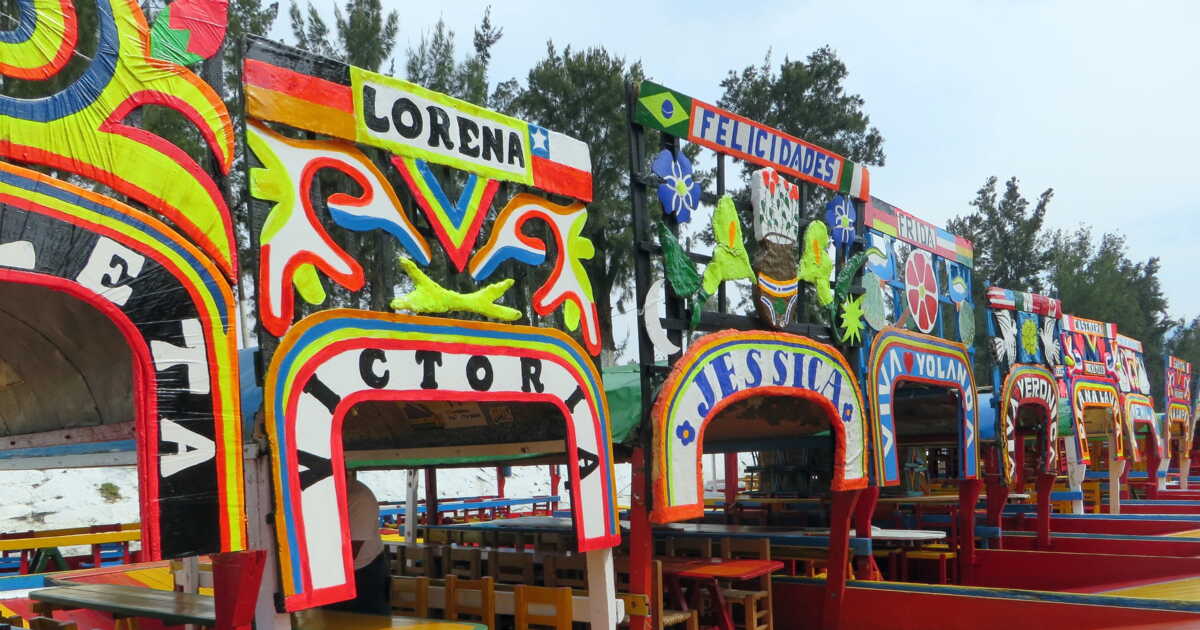
Riding a trajinera on Xochimilco lets you discover the last remnants of the channel network of the pre-Hispanic city of Tenochtitlan. A World Heritage Site, this area lies to the south of Mexico City and offers a festive, cultural, and convivial experience.
The colorful boats, sometimes animated by mariachi musicians, wind between chinampas, those ancient floating agricultural plots. Local cuisine can be enjoyed on board or from the itinerant vendors, in an atmosphere that blends rural traditions with shared enjoyment.
This outdoor excursion is particularly recommended on weekends or for a family afternoon. Access is facilitated by the Metro, supplemented by a short taxi ride or local bus.
5. Attend a lucha libre show
Lucha libre, the city’s emblematic sport tradition, is an integral part of Mexican cultural life. At Arena México, considered the cradle of this discipline, masked wrestlers—athletes and performers—turn matches into captivating stage performances.
Each bout, rhythmically punctuated by the crowd’s cheers, is a moment of popular communion, mixing humor, tension, and meticulously choreographed acrobatics. This unique experience, usually held in the evening, is easily accessible by the Mexico City Metro and can be added to a city exploration during a long weekend.
For a complete package, some agencies even offer excursions that include the ticket, transportation, and explanations of the codes underpinning this show so deeply rooted in Mexican identity.
6. Behold the Palacio de Bellas Artes
The Palacio de Bellas Artes, located just steps from the Alameda Central, stands as a symbol of Mexico City and a premier venue for the arts in Latin America. This elegant building with eclectic architecture blending Art Nouveau and Art Deco hosts both temporary exhibitions and permanent performances, including the renowned Mexican folkloric ballet.
Inside, the monumental frescoes by Diego Rivera, Orozco, and Siqueiros offer a striking panorama of the country’s social and political history. The site is accessible by the Mexico City Metro, and its visit easily fits into a cultural stroll through the historic center or the skyscraper district, where the Torre Latinoamericana also stands, offering a unique vantage point over the capital. This palace remains a favorite architectural and cultural highlight for many visitors.
7. Savor the local gastronomy
Tasting Mexico’s local gastronomy means exploring a culinary tradition recognized by UNESCO, rich in flavors and history. In every neighborhood, stalls offer tacos al pastor, tlacoyos, esquites, and other specialties that have made Mexico City famous.
The Craft Market of Coyoacán, in particular, offers a lively and authentic atmosphere to taste the classics. For bolder experiences, the Mercado de San Juan is renowned for its exotic products, prized by chefs and gourmets. This sensory discovery is done on foot, or via the Mexico City subway lines, which facilitate access to many neighborhoods famed for their culinary offerings. An afternoon savoring street specialties can become a true journey within a journey.
8. Take a day trip to the Teotihuacán pyramids
A day trip to the Teotihuacan pyramids is a must to understand the grandeur of the pre-Hispanic city located about fifty kilometers north of the capital. This World Heritage archaeological site houses the impressive Teotihuacan pyramids: the Pyramid of the Sun, nearly seventy meters tall, and the Pyramid of the Moon, which dominates the Avenue of the Dead. These structures testify to the urban and religious advances of a mysterious civilization that preceded the Aztecs.
Visiting Teotihuacan in Mexico also means discovering reliefs, ancient paintings, and ceremonial temples. This full-day excursion, often organized with pickup from central hotels or hostels, is one of the best things to do for any traveler keen on major archaeological sites on the continent.
9. Enjoy parks and green spaces
The city of Mexico City isn’t limited to its museums and monuments: it also hosts some of the world’s largest urban parks, true oases of nature amid dense urban life. Chapultepec Park, often likened to Central Park, is a park with historic buildings, including Chapultepec Castle, and houses several renowned museums. Walks, picnics, and cultural activities enliven this vast green space that spans several square kilometers.
Other parks, such as Parque México in Condesa or the more intimate Pushkin Garden, offer everyday relaxation spaces highly valued by locals. Accessible via the Mexico City Metro or the Metrobús, these green spaces allow for recharging between cultural visits, reminding us that nature retains a significant role in this vast city.
10. Discover local festivals and events
The richness of Mexico City’s cultural calendar is evident through its numerous festivals, some of which are recognized far beyond borders. Day of the Dead, for example, turns the city into a theater of symbols, colors, and memory, with parades, altars, and exhibitions across the historic center.
But throughout the year, events dedicated to the arts, cinema, literature, or music enliven places such as the Palacio de Bellas Artes, the Antiguo Colegio de San Ildefonso, and major squares like the Zócalo de Mexico. These moments are as many opportunities for visitors to experience the city differently, at the pace of its inhabitants. Keeping up with dates can add an unexpected favorite to a weekend or extended stay.
11. Explore the basilica of Santa María de Guadalupe
Visiting the Basilica of Santa María de Guadalupe helps understand one of the most important dimensions of spirituality in Mexico. Located north of the city, near a park with buildings of different religious eras, this basilica attracts millions of pilgrims from across Latin America each year. The architectural complex blends modernity with colonial heritage, in a place marked by devotion and history.
12. Stroll through the La Ciudadela Market of Arts and Crafts
The La Ciudadela market of arts and crafts, often regarded as the most emblematic artisanal market in Mexico City, is a must for discovering the wealth of local crafts. It offers a wide selection of handmade items — embroidered textiles, pottery, traditional toys, or sculptures — reflecting the identity of different regions of the country.
Conveniently reachable from the historic center or Alameda Central, this covered market also allows you to meet artisans and observe traditional techniques. A perfect spot for a half-day excursion that can be combined with a visit to the National Museum of Anthropology or a stroll along Paseo de la Reforma, balancing cultural discovery with leisurely wandering.
13. Admire the architecture of the Soumaya Museum
The Soumaya Museum, recognizable for its daring architecture, ranks among the top things to see in Mexico City for art lovers. Housing an impressive private collection — from Rodin to Dalí, including European and Mexican painters — this striking building with a contemporary design sits in a neighborhood dominated by skyscrapers, illustrating the modernity of a city in constant evolution.
Admission to the museum is free, making it an ideal stop for a cultural afternoon, especially as a complement to a visit to the Museo Nacional de Antropología or a stroll through the historic center. Easily reachable by the Mexico City Metro, the Soumaya Museum enriches your discovery of the capital with a renewed view of its artistic dynamism.
In summary, Mexico City is a destination that captivates with its diversity and cultural wealth. From its picturesque neighborhoods to its historic sites and flourishing dining scene, the city offers a multitude of activities for every taste. By exploring these diverse facets, you’ll discover why Mexico City isn’t just a city to visit, but an adventure to experience to the fullest.
Is it safe to travel to Mexico? A legitimate question to better prepare your stay in the capital
As in any big city, some precautions are advisable, especially in peripheral areas and at night. However, the main tourist areas — the historic center, the Zócalo (also called Zócalo de Mexico), the museums, the urban parks, and archaeological sites like Teotihuacan — benefit from a reinforced police presence. Using the Mexico City Metro, the Metrobús, or private services with organized pickup is common and enables efficient travel. Staying in hostels, central hotels, or near Mexico City’s airport also makes it easier to arrange a guided trip. Safety thus rests as much on information as on the traveler’s common sense.
What to do in Mexico City with kids? Cultural and playful activities for families
Among the essentials, the Chapultepec Castle located in the park of the same name offers an immersion into the colonial era, while being easily accessible by the Mexico City Metro. At its feet, the National Museum of Anthropology, with its life-sized reproductions, its bas-reliefs, and its immersive staging, arouses curiosity even in the youngest visitors. Not far away, some of the world’s largest urban parks provide outdoor breaks. In the historic center, children will enjoy street performances on the Plaza de la Constitución, the murals by Diego Rivera, or the discovery of lucha libre. On weekends, a family excursion to the Teotihuacan pyramids a few kilometers to the north completes an experience that is both cultural and entertaining.
This article was drafted with the help of artificial intelligence, then corrected, expanded, and validated by the newsroom’s journalists.
Genuine progress has been made over several decades in the management of bathing waters. As summer approaches, the latest report from the European Environment Agency brings reassuring news for holidaymakers. The continent’s beaches, lakes and rivers broadly display excellent bathing water quality. According to the study relayed by the Euronews site on Wednesday, June 17, 96% of monitored sites meet the European Union’s minimum standards, and only 1.5% of them are judged to be of mediocre quality.
Coastal waters remain the clear frontrunners in this ranking, with nearly 88% of seaside sites achieving the maximum score, compared with 78% for inland waters. This difference is largely explained by the “fragility of rivers and small lakes,” which are more vulnerable to pollution episodes linked to heavy rainfall or periods of drought. Experts remind that the analyses rely on the presence of bacteria such as E. coli and intestinal enterococci, which are indicators used to detect potential contamination of fecal origin.
France, not such a good pupil?
At the top of the European ranking, Cyprus stands out with a remarkable performance, with 100% of its waters classified as “excellent.” Behind the Mediterranean island come Greece with a score of 97.1%, Bulgaria with 96.9%, and Austria with 96.5%. For those who swim in lakes or rivers, Austria and Finland stand out in particular, with about 95% of their inland waters also considered as “excellent.”
Other countries, by contrast, face difficulties… In France, the Netherlands and Estonia, more than 3% of the sites inspected are categorized as “mediocre.” Albania, for its part, shows the lowest share of excellent waters in the whole continent, at only 16.8%.
Europe has “one main challenge” to tackle
Regarding inland waters alone, Spain records the most worrying results in the ranking. More than 11% of its rivers and lakes are deemed to be of poor quality, and just over half reach the excellent level. The report also notes that rivers remain the “main environmental challenge in Europe.”
Only 47% of the roughly 1,200 river swimming sites surveyed receive the designation “excellent.” Heavy rains, sewer overflows, agricultural runoff, and discharges from livestock farming continue to weigh heavily on their quality. Despite these drawbacks, the European Environment Agency notes a gradual improvement in many urban waterways, thanks to pollution-control policies pursued in recent years.
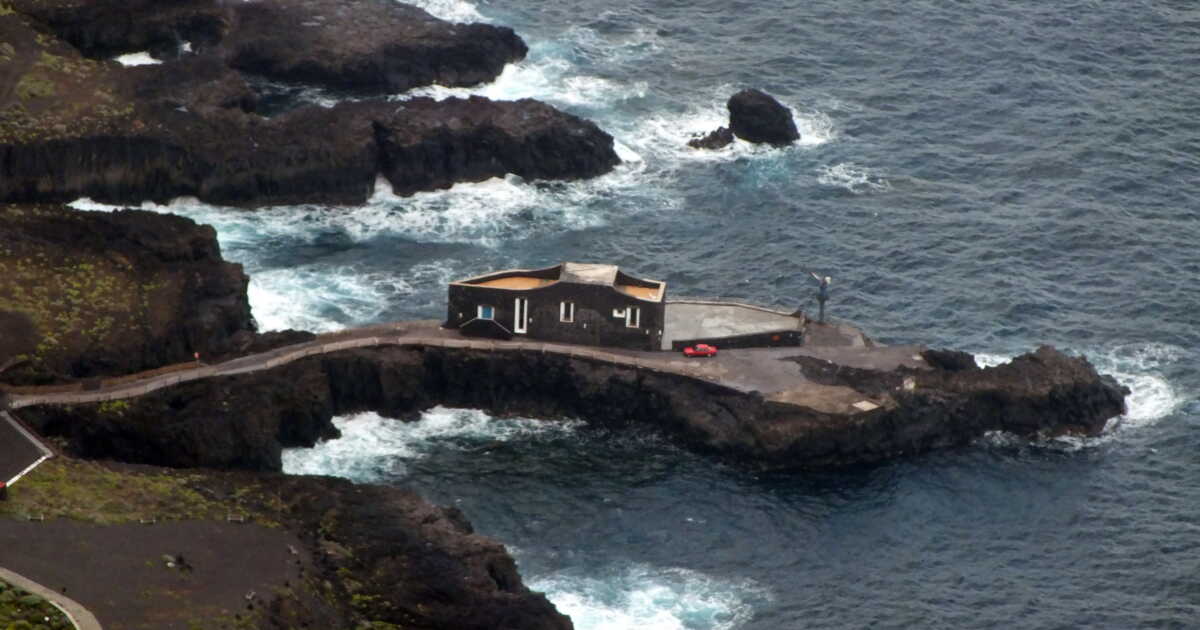
While some European destinations are bursting with visitors, a small Spanish island keeps living away from the crowds. Located at the western edge of the Canary Islands, El Hierro preserves its discreet charm with limited tourism, dramatic landscapes, and a preserved way of life. Between volcanic scenery, age-old traditions, and ecological ambitions, this isolated territory draws travelers in search of authenticity. A uniqueness that helps explain why it remains largely unknown to the general public, as CNN notes.
A volcanic land preserved away from the major tourist circuits
At a moment when Tenerife, Lanzarote, or Gran Canaria welcome millions of visitors each year, El Hierro stands out as an exception. For instance, more than six million international tourists visited Tenerife in 2024, compared with only 4,100 to El Hierro. This gap is largely explained by its limited accessibility. The island has no direct international flight connections and no large hotel complexes.
With its roughly 12,000 inhabitants, El Hierro presents a face radically different from the Canary Islands’ seaside resorts. Nicknamed “the island of a thousand volcanoes,” it hosts nearly 500 visible volcanic craters and around 300 more buried beneath younger lava flows. These geological phenomena have shaped a dramatic landscape where, within just a few kilometers, one encounters varied sceneries and a remarkable diversity of microclimates, despite a land area of a little over 260 square kilometers: black cliffs plunging into the ocean, pine forests perched in the clouds, and natural pools carved into volcanic rock.
This particular geography has also fostered the development of an original agriculture. In the El Golfo valley, a vast natural depression 1,500 meters deep formed by an ancient landslide, crops play a major role in the local economy. Alongside traditional productions, farmers are now experimenting with coffee, cocoa, and even dragon fruit using permaculture techniques adapted to the island’s conditions.
El Hierro also stands out for its winemaking heritage. The island’s isolation helped preserve certain grape varieties that disappeared elsewhere in Europe after the late-19th-century phylloxera crisis. Vineyards remain an integral part of the island’s landscapes and stand as a testament to an old agricultural tradition deeply rooted in local culture.
The island’s isolation likewise safeguarded varieties that vanished elsewhere in Europe—such as Baboso Negro—following the phylloxera crisis at the end of the 19th century. As proof of the drink’s importance to island culture, Alfredo Hernández Gutierrez, head of La Casa del Aguardiente, tells CNN: “There was a time, not so long ago, when we drank wine produced at home because it was more available and cheaper than water.”
An island looking to the future without renouncing its heritage
If El Hierro protects its natural heritage, it also strives to safeguard its cultural traditions. One of the most remarkable is Silbo Herreño, a whistled language inherited from the island’s first inhabitants, the Bimbaches. Used for centuries to communicate across long distances through the rugged terrain, it nearly disappeared in the 1990s. In response to the decline, local authorities established free courses for younger generations. To this day, workshops are organized in schools and at the island’s markets.
The coastline of El Hierro is another major asset. Off the village of La Restinga, the Mar de las Calmas marine reserve is renowned for its volcanic seabeds, coral reefs, and underwater visibility of up to about thirty meters. Local fishermen continue to practice artisanal fishing there in order to preserve biodiversity.
But it is mainly in the energy sector that El Hierro has gained international recognition. The island aims to run on renewable energy. Its Gorona del Viento installation combines five wind turbines, each 60 meters tall, with a hydraulic system that uses two reservoirs carved into former volcanic craters. In 2019, this setup set a world record by powering the island for more than 24 consecutive days without resorting to fossil fuels.
This ecological strategy is now accompanied by a desire to develop a more sustainable form of tourism. New museums, vineyard visits, cheese-making workshops, and experiences of traditional fishing should be offered to visitors.
For residents, however, this growth must be kept in check. As one resident told CNN, “we are happy that more people come to visit us, but preserving our simple way of life is the most important thing.” She adds: “The pace of life here gives you the time and space you need to discover yourself. In this complicated and turbulent era, it is something incredibly rare.”.
Washington, D.C., the capital of the United States, is a city rich in history, culture, and politics. Nestled between the states of Virginia and Maryland, Washington hosts an impressive array of museums, memorials, and historic sites. With its blend of majestic architecture, dynamic neighborhoods, and green spaces, it offers countless activities to discover. If you’re wondering what to do in Washington, here is a guide to help optimize your stay.
1. Explore the National Mall
The National Mall forms the institutional and symbolic heart of Washington, D.C., and extends over three kilometers from the Capitol to the Lincoln Memorial, creating a major axis for the capital. This vast open space houses some of the United States’ most iconic monuments, including the Washington Monument, a nearly 170-meter-tall obelisk honoring George Washington.
At the opposite end, the Lincoln Memorial commemorates the presidency of Abraham Lincoln in a monumental setting, offering a structured perspective on American history. The Jefferson Memorial, dedicated to the author of the Declaration of Independence, and the WWII Memorial, dedicated to World War II veterans, complete this national memory circuit, making the National Mall a must-see route for any visit to Washington DC, accessible and rich in historical content.
2. Discover the Smithsonian Museums
Exploring Washington DC would be incomplete without diving into the collections of the Smithsonian Institution, a network of seventeen museums and galleries, and the National Zoo, freely accessible to the public. The National Museum of Natural History, with its exhibits on dinosaurs, ecosystems, and gemstones, attracts a diverse audience, from families to researchers.
Meanwhile, the National Air and Space Museum offers a structured reading of American aviation and space history through an impressive collection of aircraft, satellites, and space modules. These institutions, integrated into a coherent museum itinerary, reinforce the educational mission of Washington, D.C., as a cultural destination with high added value for visitors of all ages.
3. Visit Key Political Sites
As the federal capital, Washington DC houses the major American political institutions, including the United States Capitol, seat of Congress, accessible to the public through documented guided tours. This historic building, whose dome dominates the city’s skyline, provides a concrete introduction to how the legislative power operates. A few streets away, the White House, though partially open to the public on request, remains a central anchor in any structured itinerary in Washington DC.
Completing this ensemble are the building of the Supreme Court, whose sessions are open to observation according to the court’s schedule, and the Library of Congress, the largest library in the world, accessible for its exhibitions and archival collections. These visits ground the stay in an institutional understanding of American democracy.
4. Strolling through Georgetown
The Georgetown district, one of the oldest in Washington DC, offers a stark contrast to the city’s monumental axes, thanks to its cobblestone streets, historic façades, and a small-town vibe woven into the metropolitan fabric. Renowned for its independent shops, cafés, and varied restaurants, Georgetown attracts architecture lovers, strollers, and visitors seeking local life. The Chesapeake and Ohio Canal, which cuts through the neighborhood, provides a walking or biking route, especially appreciated on sunny days. In the evening, the area becomes a hub of cultural activity, with bars, concerts, and a lively culinary scene, reinforcing its role in the city’s urban diversity.
5. Explore Redeveloped Neighborhoods
The recently redeveloped areas of Navy Yard and The Wharf illustrate the contemporary transformation of Washington, D.C. along its waterfronts. The Navy Yard district, once industrial, has become a mixed-use hub gathering restaurants, microbreweries, public spaces, and family-friendly recreation, notably around Nationals Park. Not far away, The Wharf, on the banks of the Potomac River, offers a more tourist-oriented setting, with outdoor concerts, temporary markets, and river cruises organized throughout the year. These neighborhoods complement the capital’s more traditional circuits, providing a contemporary and dynamic reading of the urban fabric.
6. Visit Arlington National Cemetery
The Arlington National Cemetery, located just across the Potomac River, though outside the administrative boundaries of Washington, DC, is integrated into the region’s major memory-tour itineraries. Renowned for housing the Tomb of the Unknown Soldier, this military site hosts a ceremonial changing of the guard with impressive protocol, especially on national holidays. The site also includes graves of major figures in American history, including John F. Kennedy, marked by the eternal flame. This site, managed by the military, provides a structured moment of reflection for visitors seeking to understand military sacrifice and national memory.
7. Venture Outside Washington
For those with a few days to spare, the surrounding areas of Washington, D.C. offer accessible excursions that enrich the travel experience. A few miles to the south, Old Town Alexandria in Virginia charms with its colonial architecture, bustling shopping streets, and a lively riverfront. Further south, Mount Vernon, the historic residence of George Washington, provides an immersion into the daily life of the nation’s first president, with exhibits focused on his house, his farms, and his political legacy. Eastward, Annapolis, the capital of Maryland and home to the Naval Academy, offers a maritime setting, historic buildings, and a tranquil atmosphere, ideal for a day trip outside the capital.
In conclusion, Washington, D.C. stands out for the richness of its cultural content, the accessibility of its national institutions, and the diversity of its urban neighborhoods. Whether for a short stay or a full week, the city offers a density of sites and activities suited to all traveler profiles. From the Washington Monument to the Capitol, through the Smithsonian museums, neighborhood markets, and redeveloped waterfront spaces, each visitor can build a personalized itinerary according to their interests. Washington DC is not limited to a political function: it is a living territory, at the crossroads of history, innovation and everyday life.
How long does it take to visit Washington DC? A 3- to 5-day stay to explore the essentials
To thoroughly visit Washington DC, a stay of 3 to 5 days is recommended to discover its emblematic sites without rushing. The Capitol, the Lincoln Memorial, the Supreme Court, the Library of Congress, or the Washington Monument all require time to be fully appreciated, both for their historical dimension and for the scale of the buildings. Many museums in Washington, especially those of the Smithsonian, such as the National Museum of Natural History, deserve several hours each. By concentrating visits by geographic area, you optimize travel and improve comfort. Two days can be enough for a quick overview, but that requires making choices.
What to do in Washington DC in 2 days? A focused itinerary between institutions and historic monuments
In 2 days in Washington DC, it is entirely possible to build a coherent itinerary by selecting the must-sees. The first day can be devoted to discovering the iconic monuments: Lincoln Memorial, Washington Monument, Capitol, and, time permitting, a quick visit to the Supreme Court or the Library of Congress, all within reasonable walking distance. The second day can be dedicated to the city’s museums, particularly the National Museum of Natural History, which is very accessible and educational. In the evening, neighborhoods like Georgetown or The Wharf offer a lively atmosphere to close the day. Two days are enough for a first structured approach, provided you have a well-defined program.
This article was written with the help of artificial intelligence, then corrected, expanded, and validated by the newsroom’s journalists.
Among misplaced suitcases, unforeseen delays and disputes with airlines, travelers are increasingly seeking simple solutions to safeguard their belongings. Among them, a very simple habit could nonetheless make all the difference: photograph your luggage before checking it in. A real asset in case of trouble. Explanations.
An Effective Way to Quickly Identify Your Luggage
When suitcases do not appear on the baggage carousel on arrival, the first step is to report their absence to the airline. But one must be able to describe precisely the lost bag. Indeed, in a sea of often similar luggage—black, hard-shell and medium-sized—details count.
That is precisely where photography becomes an ally. As Rob Merlin, a travel advisor, explains in Travel + Leisure, “we always recommend to clients photograph their luggage before a trip, including the exterior of the bag, the luggage tag, and the contents inside”. A picture indeed captures elements that are difficult to describe from memory, such as a scratch, a discreet logo, or a personalized tag.
These visual details greatly facilitate the work of agents tasked with locating luggage. They also save time when filing a claim, by avoiding a long series of questions to specify the appearance of the suitcase. In some cases, a simple photo can be enough to identify a bag among dozens stored in an airport.
An Essential Proof for Insurance and Reimbursements
Beyond localization, photographing your suitcase also documents its contents. In case of loss or prolonged delay, airlines and insurers often require a detailed list of carried items. A task sometimes delicate, especially after several days of travel.
The images taken before departure thus provide a valuable snapshot of what the suitcase contained. Christina Tunnah, a travel insurance specialist, emphasizes their importance: “Photos of a suitcase and its contents help insurers verify lost or damaged items”. Even if they do not replace receipts, they constitute a useful starting point for proof.
This point is all the more crucial as many compensation cases are slowed down, or even denied, for lack of sufficient documentation. As the expert notes, “the more information you can provide to the claims department, the more likely that your request will be processed quickly”.
Photographing the baggage tag issued at the airport is also recommended. This document contains a tracking number essential to trace the bag’s journey. If the paper ticket is lost, the photo becomes a valuable recourse to file a claim or track the bag’s progress.
Finally, this vigilance must continue during the trip. Holiday souvenirs, clothing or items purchased on-site often add to the initial contents. Yet they are frequently forgotten when making declarations. “The biggest mistake travelers make is not documenting the new purchases made during the trip”, notes Rob Merlin. Once again, a few shots are enough to keep a record.
While luggage-tracking technologies are developing, they do not completely replace these simple precautions. Photographing your suitcase, its contents and its tag remains today one of the most effective ways to travel with a clearer mind.
In the same series “Our Travel Tips”:
Reclining seat in the plane, and its absence of headphones… the advice of a flight attendant when facing incivilities
Here are the dirtiest places and objects in a hotel room
Here are the hiding spots to avoid to protect your valuables on vacation
As millions of fans scramble to secure tickets for the 2026 FIFA World Cup through lottery systems and ever-changing price structures, a handful of privileged travelers live a reality that is radically different. For these ultra-wealthy wanderers, attending football’s grandest event isn’t just about a single match: it’s a tailor-made experience blending luxury hotels, private aviation, and exclusive access. Trips that can run into hundreds of thousands, or even millions, of dollars are already booked. A spectacular showcase of the widening gap surrounding the world’s major international sporting events.
Trips worth several hundred thousand dollars around the matches
For the wealthiest clients of luxury-focused agencies, the World Cup is often merely a pretext for a much broader journey. Football matches are woven into itineraries that combine sightseeing, high-end stays, and personalized experiences.
Jack Ezon, founder of Embark Beyond, explains in the Washington Post that the most requested itinerary is to chain several host cities of the tournament. “The most common is what I call the ‘triple threat’: go to Mexico for the opening, to Vancouver for the knockout stages, and finally to the July 19 final in New York,” he said.
According to Nicole Janoff, head of the leisure division at Magma Global, some clients dedicate between $250,000 and $500,000 (roughly €217,000 to €433,000) to their trip when traveling with family. The matches then become “the centerpiece, but not the sole reason for the journey”, she explained.
Hotels are also riding this wave of interest. In Miami, the St. Regis Bal Harbour offers a package priced at $187,000 (about €162,000) that includes two presidential suites, a private driver, massages, yacht excursions, and streamlined access to a World Cup match. By comparison, even without this exceptional offer, nightly rates start at $3,500 (roughly €3,000) for a premium room.
A British client of Scott Dunn has planned a 22-day United States trip around a match played in Dallas. Private tours, whale watching, national parks with dedicated guides, luxury ranches, and premium accommodations are on the agenda. The cost of hotels and excursions, excluding transport, already reaches about $130,000 (around €113,000).
Helicopters, private security and multi-million-dollar tickets
Beyond lodging, the ultra-wealthy primarily seek to avoid the constraints faced by other fans. Overcrowded airports, traffic jams, and long lines are among the inconveniences they prefer to sidestep. Jackie DeAntonis, head of private relations at Scott Dunn, sums up this philosophy: “They know that at their level, they can obtain the most prestigious tickets, a private helicopter transfer, and all-access VIP passes.”
Private-aviation firms anticipate a strong uptick in demand as well. Paul Malicki, CEO of Flapper, estimates activity could be tenfold around the final. At Amalfi Jets, a long-haul private flight between Europe and the United States costs on average $165,000 (about €143,000).
Once on the ground, some clients continue their pursuit of comfort with chauffeurs available around the clock. Others opt directly for helicopter transfers to dodge stadium-area traffic. In Boston, the Raffles hotel, for example, is marketing a package at $75,000 (about €65,000) that includes a private aerial transfer to Gillette Stadium.
Yet it is around the final, scheduled to take place in New Jersey on July 19, 2026, that spending reaches its zenith. Stuart McNeill, founder of Knightsbridge Circle, markets a package that includes front-row midfield seats and access to the trophy ceremony. The price listed for six people is $4 million (about €3.5 million).
Another extravagant example, the Mark hotel in Manhattan offers a package that lives up to its name, dubbed the “World Cup Extravaganza.” It includes four nights in a penthouse, additional rooms for staff, premium seats on the sideline for the final, and helicopter transfers. The bill comes to $1 million (about €867,000).
For some clients, football isn’t the sole motivation. As Erica Jackowitz, cofounder of Roman & Erica, notes, attending the World Cup has become “a true symbol of social status.” A trend that is gradually turning the world’s most-followed sporting event into a showcase of extreme luxury.
When we travel, we love to discover new cultures, traditions, and landscapes. Yet gastronomy also holds a central place in the experience, since it allows us to explore new flavors, spices, and combinations of foods that can sometimes be surprising, reflecting a country’s identity and history. That is why each year Time Out publishes a ranking of the best gastronomic cities for food lovers eager to spark their palates on their next getaway.
This ranking is based on a survey conducted with more than 24,000 residents across 150 cities worldwide, covering the overall quality of the local culinary scene, the cost of restaurant meals, and residents’ favorite addresses. According to Virginia Gil, Time Out’s editor-in-chief in the United States, “the cities on the list are not only today’s gourmet destinations; they are places that have drawn travelers seeking good meals for decades.”
The thousands of responses gathered were then cross-checked with the assessment of Time Out’s culinary experts panel. It is Lima, Peru, that has been crowned the best gastronomic city in 2026 with 70% of the votes. Regarded as the culinary capital of Latin America, this coastal metropolis is particularly renowned for seafood specialties such as ceviche and the cause Limeña, a refined layered cold potato dish.
Only One French City Made the List, And It’s Not Paris
In second place, Bangkok returns for the second year running, whose major culinary asset is its famous street food, illustrating how fully local flavors can express themselves. The Thai city is followed closely by Mexico City, whose culinary scene is a true gastronomic melting pot, where Mexican, Asian, and French influences mingle across many neighborhoods. You’ll also find Michelin-starred restaurants as well as local street markets there.
The ranking continues with, in fourth place, London, regarded as one of the most diverse culinary cities in the world, Barcelona, whose gastronomy bears the strong influence of its Mediterranean heritage, and Ho Chi Minh City, where haute cuisine makes its mark. Australia then appears in seventh position with Melbourne, whose cafés have been named among the city’s highlights. Beij ing, Athens and Lisbon complete the top 10 of this list.
The sole French city on the list is Marseille, occupying the 18th spot. It is acknowledged for a culinary scene already worldwide-renowned and more diverse than ever. Pioneering establishments such as Café des Épices and La Mercerie are particularly cited. Just ahead of it, one finds Cape Town, Osaka, Bangalore, Naples, New York, Hong Kong and Buenos Aires. The final two rungs of the ranking go to Copenhagen and Medellín. The destinations where cuisine is celebrated are thus numerous across the globe.
Located in the heart of Central Europe, Hungary is a destination rich in cultural and natural treasures. Known for its capital Budapest, often nicknamed the “Pearl of the Danube,” the country also offers numerous attractions beyond its major cities. Whether you are a history buff, a foodie, or a nature enthusiast, Hungary holds unforgettable experiences in store. In this article, let us dive together into the activities to discover in this fascinating country, with must-sees in Budapest but also suggestions for exploring beyond.
1. Explore Budapest’s thermal baths
Thermal baths are a symbol of Budapest, born from the region’s abundance of hot springs. Among the most famous, the Széchenyi Baths, located in City Park (Városliget), boast flamboyant architecture and several pools at varying temperatures. The Gellért Baths, meanwhile, celebrate Art Nouveau and are also highly popular. Enjoy a day of relaxation in these venues that combine wellness with cultural discovery.
2. Visit the capital’s historic sites
Budapest is brimming with monuments that bear witness to its rich and complex past. Don’t miss the Hungarian Parliament, a stunning neo-Gothic edifice overlooking the Danube. The Buda Castle and the Fisherman’s Bastion offer breathtaking panoramas of the city. The Matthias Church is another architectural gem to discover. These sites, among others, immerse you in Hungary’s history while presenting unbeatable views.
3. Discover Budapest’s cultural scene
The Hungarian capital is a dynamic cultural hub. For a glimpse into more recent history, the House of Terror Museum reveals dark chapters of the 20th century. Don’t miss a visit to the Central Market Hall for an insight into local gastronomy, and take a stroll along Andrássy Avenue, a UNESCO World Heritage Site that hosts many theaters and luxury boutiques.
4. Enjoy the lively nightlife
Budapest’s ruin bars offer a unique nocturnal experience. Housed in abandoned buildings, these eclectic bars, such as the famous Szimpla Kert, provide a relaxed atmosphere infused with music and art, perfect for meeting people from around the world. Budapest’s nightlife is vibrant and diverse, with options for every taste.
5. Escape to Lake Balaton
Beyond Budapest, Lake Balaton stands as a favored destination for locals and visitors alike. It is the largest lake in Central Europe, ideal for water activities or simply unwinding on its shores. Towns like Tihany and Balatonfüred are renowned for their scenic landscapes and wine-tasting opportunities, particularly with local varieties.
6. Taste traditional Hungarian dishes
Hungarian cuisine is rich and diverse, with distinctive flavors. The goulash, the national dish, is a spicy meat stew typically served with bread. Lángos, a kind of savory fried dough, is a must-try at local markets. You’ll also find pálinka, a traditional fruit brandy. These specialties add a culinary dimension to your journey.
7. Explore the Tokaj wine region
The Tokaj region in the northeast is famous for its sweet wine, often regarded as “the wine of kings.” A visit to Tokaj’s vineyards offers not only tastings of exceptional wines but also the chance to discover a wine landscape inscribed on the UNESCO World Heritage list. Guided tours take you through this renowned terroir.
8. Venture to Eger
The town of Eger, known for its medieval castle and thermal baths, is also the birthplace of the Bull’s Blood wine. Wander its Baroque streets, visit its wine cellars, and don’t miss the Eger Basilica, the second-largest in Hungary. It is a place that blends history, culture, and gastronomy.
9. Discover the Hungarian puszta
The puszta, or Great Hungarian Plain, is a unique ecosystem where folk traditions and natural scenery intertwine. In Hortobágy, you can witness equestrian performances and explore what the region has to offer most authentically. It’s an opportunity to discover local fauna and flora as well as pastoral traditions.
10. Stroll through the artistic village of Szentendre
Near Budapest, Szentendre is a picturesque village with a strong artistic charm. Its narrow lanes are lined with galleries, museums and artisan shops. It’s an ideal day trip, offering a calm and inspiring atmosphere at once.
In conclusion, Hungary is a land of many facets, where tradition and modernity coexist. Its varied attractions, ranging from Budapest’s architectural splendor to the honeyed charms of the Tokaj wine region, and the expansive puszta, guarantee a travel experience that is rich and diverse. Whether your stay is short or extended, this country offers limitless possibilities for discoveries and cultural enrichment.
Is life affordable in Hungary: an analysis of costs for an accessible stay
For a stay in Hungary, cost considerations are essential and the answer tends to be reassuring. Compared with other Central European countries, Hungary remains broadly affordable. Accommodation, dining and transportation offer good value, especially outside of Budapest. A unique experience like exploring the Balaton lake, nicknamed the Hungarian Sea, or a visit to the Museum of Pasta or to the Budapest History Museum can be arranged without breaking a modest budget. Visitors from around the world agree that Hungary provides a pleasant quality of life at a lower cost, particularly when comparing daily expenses with those of other European capitals. Traditional dishes such as fish soup are offered at very accessible prices, including in tourist districts. In short, Hungary is a must-stop for those seeking cultural discovery while staying mindful of the budget.
What are the risks in Hungary: a generally safe country for travelers
Hungary is regarded as a safe destination for tourists, including visitors from around the world. The risks are similar to those in any Central European country: petty theft in tourist areas, caution in transit or in crowded markets. Beautiful places such as the Buda Hills or the Chain Bridge can attract pickpockets. Museums, nature parks like the Hortobágy National Park, or the Aggtelek caves, listed as UNESCO World Heritage sites, require ordinary vigilance. The risks in Hungary relate more to misinterpretations of culture than to concrete threats. Visitors are invited to respect local customs and maintain standard vigilance, as they would in other European capitals.
What to do in Hungary in winter: a season rich in cultural and thermal discoveries
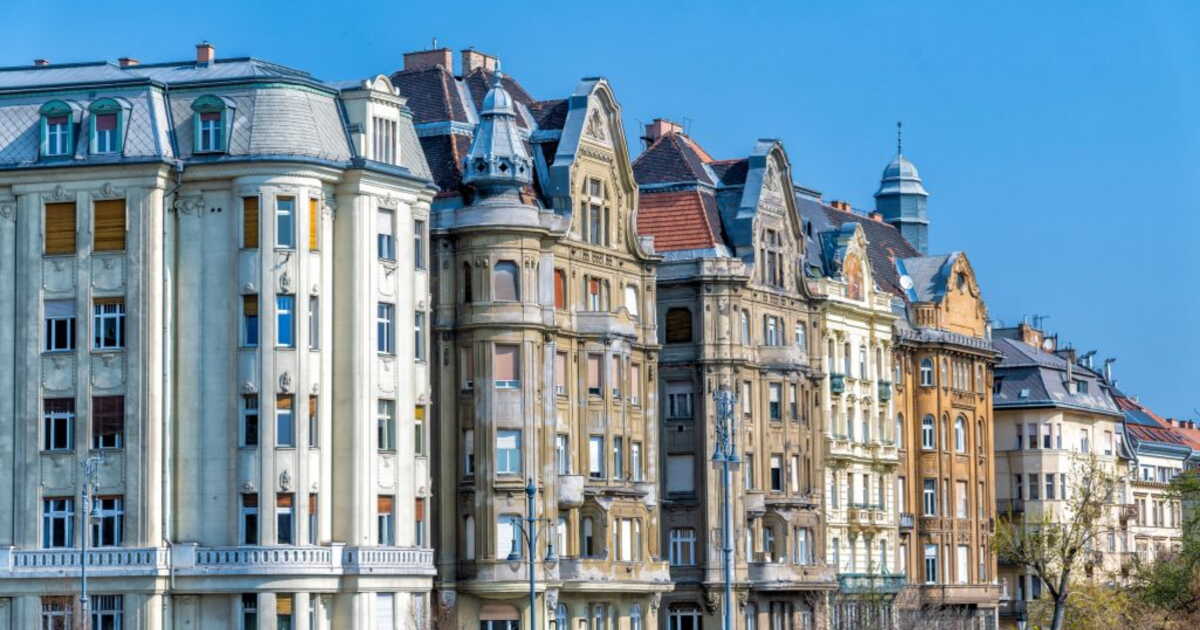
Spending the winter in Hungary offers a unique experience, blending traditions, warm baths, and the cosy atmosphere of historic towns. Budapest, dusted with snow, reveals another facet of its towers and 19th‑century buildings. The hot waters of the baths, such as Széchenyi or Gellért, attract thousands of visitors each year seeking relaxation. The Budapest History Museum or the numerous open-air museums allow continued exploration even on cold days. End-of-year celebrations add extra charm to the street corners animated by Christmas markets. It is also a good time to visit the Aggtelek caves or the city of Pécs in Hungary, less crowded but equally fascinating.
Which city to visit in Hungary: Pécs, a southwest jewel and cultural alternative to Budapest
Among the cities to visit in Hungary, Pécs deserves special attention. Located in the southwest of the country, this university town, marked by a rich Roman, medieval, and Ottoman history, charms with its tranquil atmosphere and heritage. The early Christian necropolis, listed as a World Heritage site, is one of its masterpieces. The city of Pécs is also renowned for its cultural life, with its museums, galleries, and a lively pedestrian center. In winter as in summer, it is a must‑stop for travelers seeking authenticity. Less frequented than the capital, Pécs offers another facet of Hungary, more intimate and just as fascinating.
Travel Hungary by train: a practical and scenic journey through the heart of the country
To discover Hungary by train, the rail network provides a comfortable and affordable option. It’s an excellent way to link major Hungarian cities such as Budapest, Pécs, Debrecen, or the shores of Lake Balaton. Traveling by rail allows you to enjoy landscapes from the northeast to the southwest, across plains, hills, and sometimes even thermal areas. Many lines offer frequent connections from Budapest, easing a car-free stay. It’s also an opportunity to immerse yourself in the cultural heritage and to benefit from spontaneous stops in villages or small towns rich in museums and traditions. For travelers from around the world, rail remains a practical, sustainable and immersive option.
Tourism and safety in Hungary: what you should know before you go
Tourism in Hungary does not present major dangers to travelers, but a few practical tips are worth considering. The country is stable, well connected, and its tourist infrastructures are well adapted, especially in Budapest and around Lake Balaton. Museums, national parks, thermal baths and beautiful places such as Hollókő or the Aggtelek caves, listed as UNESCO World Heritage sites, are open year-round and well managed. The risks are mainly related to ordinary vigilance in crowded areas. Each year, visitors increasingly rent a car to explore rural or isolated areas, particularly on roads near Hortobágy National Park. It is worth noting that Hungary remains a Central European country where unique cultural, natural and culinary experiences abound, provided they are approached with discernment.
This article was drafted with the help of artificial intelligence, then corrected, supplemented and validated by the editorial staff.