
France’s Grand Sites Network Expands With New Territories


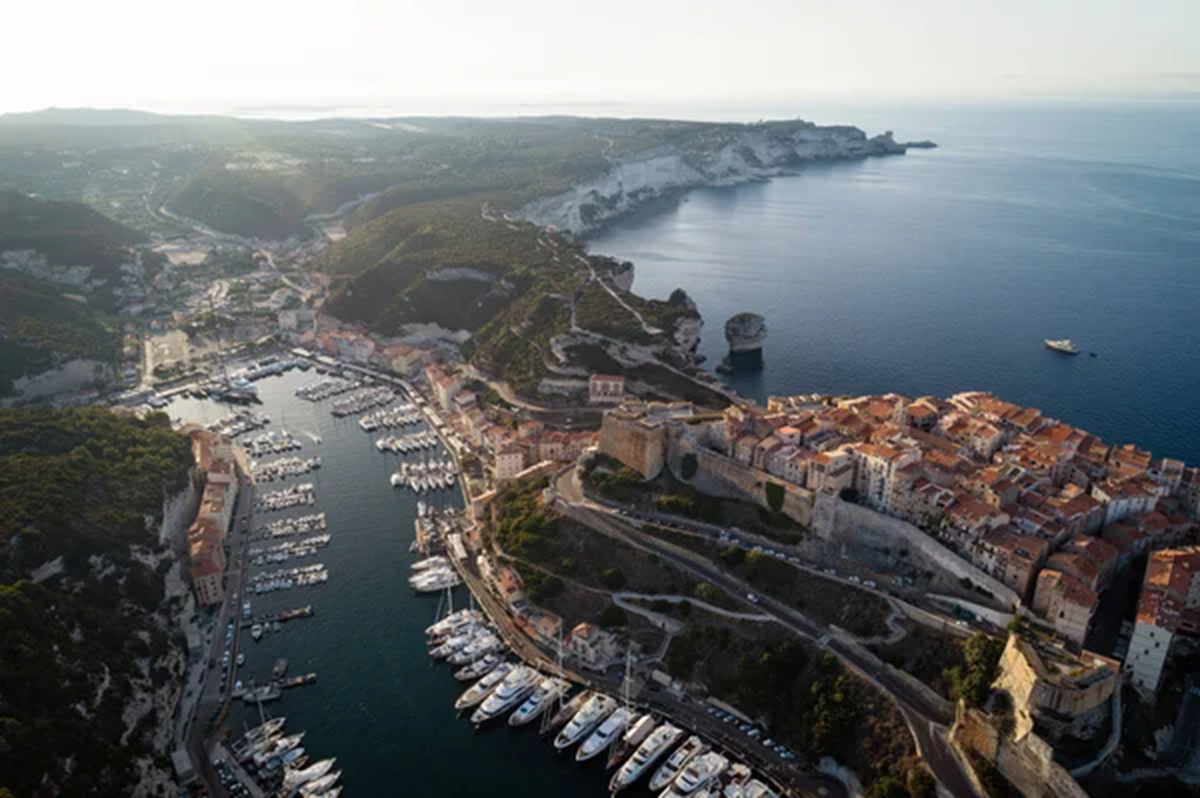
Le Réseau des Grands Sites de France intègre de nouveaux territoires, Bonifacio, Depositphotos.com

Costa Rica


The Network of Grand Sites of France records new progress in protecting and managing remarkable landscapes.

Following the recent favorable opinions of the Superior Commission of Sites, Le Havre du Payré and Bonifacio reach a decisive milestone by becoming Grand Site of France Projects.

This will enable these two territories to commit to implementing their projects and territorial action programs.

This dynamic is accompanied by the Gard Department joining the network and the integration of Gergovie as an associated member.

These efforts aim to reconcile the preservation of designated landscapes with the management of tourist visitation and the maintenance of the local quality of life.

To read : The Grand Site of France label renewed for the Poitevin Marsh

Once these plans are deployed, the two local authorities will be able to submit their official candidacy for the Grand Site of France label.


The Network’s Annual Meetings Will Be Held in Nîmes

The arrival of the Gard Department within the body of major local authorities marks a strong commitment to environmental management. 

Already managing more than 4,500 hectares of sensitive natural spaces, the territory will also host the Annual Meetings of the Network in Nîmes, from 13 to 15 October 2026, around the theme of the residents’ place.

De son côté, the Gergovie plateau and the Arverne sites located in the Puy-de-Dôme join the network as an associated member.

Fortified by its major archaeological heritage and its viewpoints over the Chaîne des Puys, the site begins its journey of support before obtaining validation from the Ministry of Ecological Transition to fully engage in the initiative.
Vacancéole Opens a Second Residence in Ax-les-Thermes


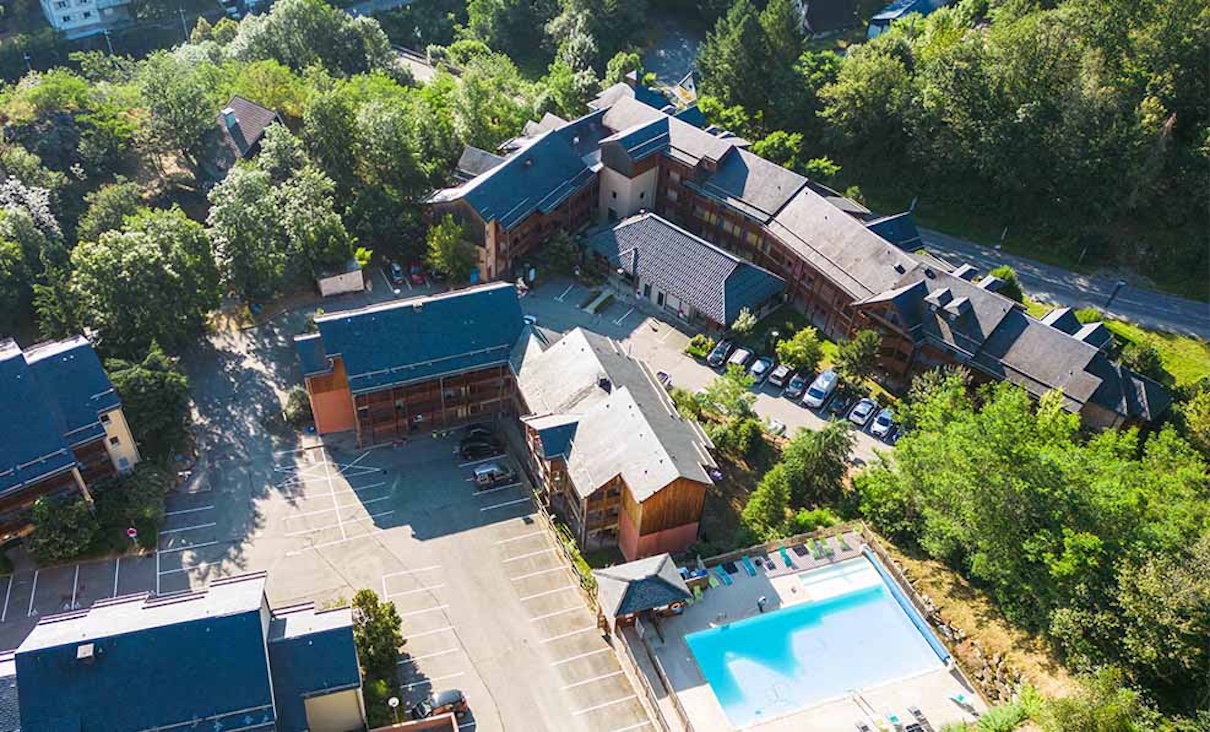
acancéole renforce sa présence à Ax-les-Thermes avec Les Chalets d'Ax*** - Photo Vacancéole

Costa Rica


One year after the opening of the Domaine de la Vallée d’Ax***, Vacancéole continues its expansion in Ax-les-Thermes (Ariège) with the opening of Les Chalets d’Ax***.

Based in the Pyrenees of Ariège since July 2025, the operator of holiday residences announces an initial positive performance for the Domaine de la Vallée d’Ax.

In twelve months, the establishment welcomed nearly 7,000 holidaymakers and generated a business volume of €845,000.

In total, the residence recorded 2,860 booking records and 9,642 nights booked. The winter school holidays periods showed the strongest occupancy rates, with peaks of 93% at the end of December and 90% in mid-February.


A second residence opens in July 2026

Buoyed by these results, Vacancéole broadens its local offering with Les Chalets d’Ax***, a new residence also located in Ax-les-Thermes. Opened since July 2026, it comprises 35 units, all equipped with a balcony or a terrace.

The property also features a seasonal outdoor pool, ski lockers, and a breakfast service. The residence targets a year-round clientele, including skiers, hikers, cyclists, and spa-goers.

One year after the opening of the Domaine de la Vallée d’Ax, we are witnessing the destination’s appeal among our guests.

The opening of Les Chalets d’Ax aligns with our aim to consolidate our presence in the Pyrenees and to offer more lodging solutions in a destination enjoyed in summer as well as in winter
“, said Jérôme Pasquet, chairman of the management board of the Villages Clubs du Soleil Vacancéole Group, in a press release.


Amelia Brille Published by Amelia Brille TourMaG.com Editor
See all articles by Amelia Brille

  • picto Linkedin
  • picto email
Add TourMaG to your Google News feed Google Actualités icône  

Destination Provence Agreement: We Want an Attractive Provence All Year Round


L'objectif n'est plus uniquement d'attirer davantage de visiteurs, mais de mieux répartir la fréquentation dans le temps et sur l'ensemble du territoire - DepositPhotos.com, AleksTaurus

Costa Rica


Créé en 2015 à l’initiative de l’État, le Contrat de Destination Provence rassemble aujourd’hui 34 partenaires autour d’une ambition commune : renforcer l’attractivité internationale de la Provence tout en favorisant un développement touristique plus équilibré.

Pour Isabelle Brémond, directrice générale de Provence Tourisme, cette démarche collective constitue l’une des principales réussites du dispositif.

Au fil des années, le contrat a non seulement conservé ses partenaires historiques, mais il a également accueilli de nouveaux acteurs, à l’image des Saintes-Maries-de-la-Mer.

« Nous sommes aujourd’hui le contrat de destination qui réunit le plus grand nombre de partenaires en France », souligne-t-elle, mettant en avant un fonctionnement fondé sur la coopération plutôt que sur une structure administrative lourde.


Seasonal Balancing Without Distorting the Destination

Si la promotion internationale reste au cœur des missions du Contrat de Destination, la stratégie a sensiblement évolué ces dernières années.

L’objectif n’est plus uniquement d’attirer davantage de visiteurs, mais de mieux répartir la fréquentation dans le temps et sur l’ensemble du territoire.

Pour la directrice générale de Provence Tourisme, cette évolution répond autant aux attentes des habitants qu’à celles des voyageurs.

« La Provence est agréable toute l’année », rappelle-t-elle, estimant que développer les séjours hors saison permet à la fois de limiter la pression estivale et de créer de nouvelles retombées économiques pour les territoires.

Cette stratégie repose également sur une meilleure connaissance des clientèles internationales. Les campagnes sont désormais construites à partir d’analyses croisées portant sur les habitudes de voyage, le pouvoir d’achat ou encore les dessertes aériennes.

Les marchés de proximité, comme l’Espagne ou la Suisse, font ainsi l’objet d’actions spécifiques afin de renforcer leur fréquentation en dehors des mois d’été, tandis que les marchés plus lointains sont développés en lien avec les stratégies des aéroports de Marseille et Toulon.


Artificial Intelligence Enters Tourism Promotion

Parmi les nouveaux chantiers figure également l’intelligence artificielle. Pour Isabelle Brémond, les IA génératives deviennent progressivement un canal incontournable pour préparer un voyage, et bientôt pour réserver directement des prestations touristiques.

L’enjeu est donc de s’assurer que les données des hébergements, activités et destinations soient correctement référencées afin qu’elles apparaissent dans les réponses fournies par ces nouveaux outils.

Pour autant, la responsable estime que la technologie ne remplacera jamais l’expérience vécue sur place. « L’intelligence artificielle facilite l’information et demain la réservation, mais elle ne remplacera jamais les rencontres, la culture, la gastronomie ou l’hospitalité », insiste-t-elle.

Lire aussi : L. Bertounèche (Genial) : « L’intelligence artificielle ne remplacera jamais l’expérience du territoire »

Au-delà de ces évolutions technologiques, la feuille de route reste inchangée : préserver ce qui fait l’identité de la Provence.

Cela passe par le développement des mobilités douces, la valorisation des savoir-faire locaux, des circuits courts et d’un tourisme respectueux des habitants comme de l’environnement.

Pour Isabelle Brémond, la force de la destination réside avant tout dans son identité. Une Provence qui, rappelle-t-elle, est « tout un monde », façonnée par son histoire, ses paysages, son art de vivre et sa culture. Un patrimoine qu’il convient désormais de promouvoir sans le dénaturer.

Paris Welcomed About 3.8 Million Tourists in June 2026


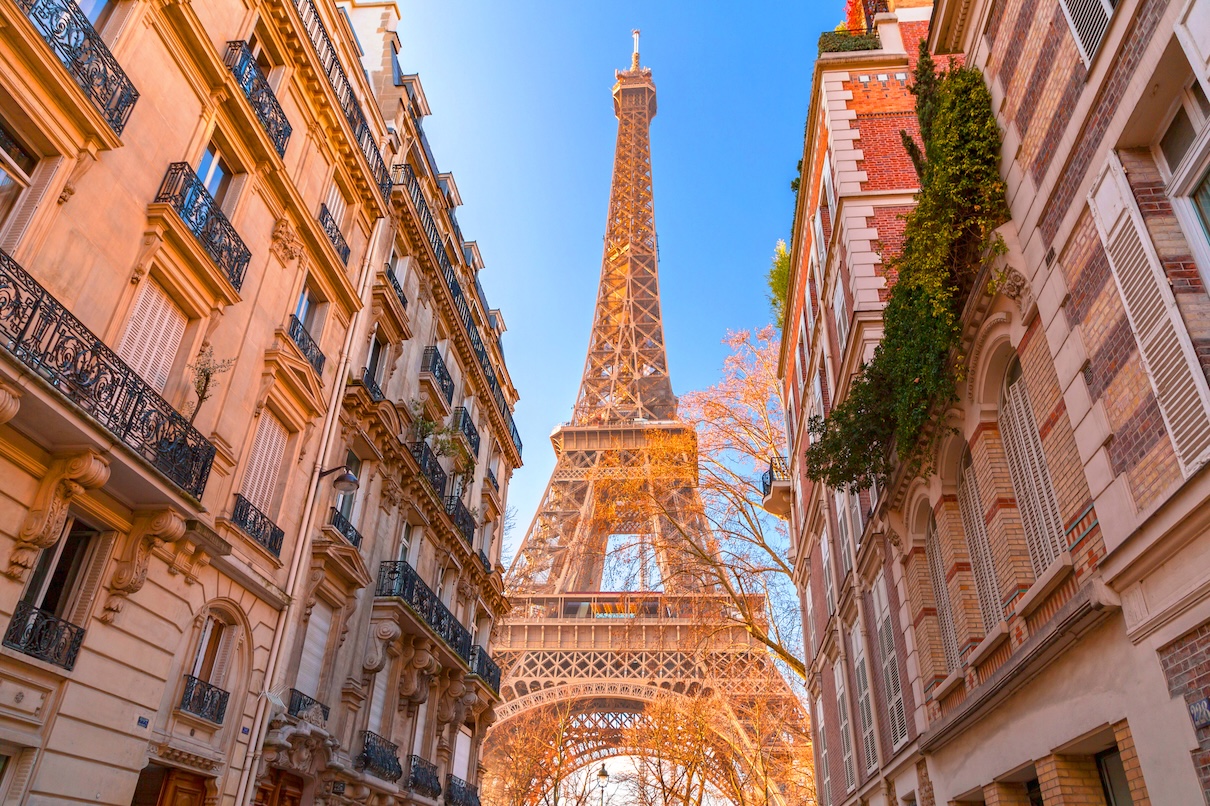
La capitale a accueilli environ 3,8 millions de touristes en juin 2026 - Depositphotos.com @EnginKorkmaz

Costa Rica


The Paris tourism traffic shows a slight uptick in June 2026.


According to the Paris tourist office barometer – Paris je t’aime, the destination welcomed around 3.8 million visitors during the month.

Air arrivals rose by 2.4% compared with June 2025. This growth, however, masks significant differences depending on markets. The Spanish (+34.1%) and Portuguese (+19.5%) markets show the strongest gains, followed by the Polish and Mexican markets (+15.7%).

Conversely, the United Kingdom recorded a decline of 19.1%, ahead of Brazil (-11.7%), India (-11.2%) and Germany (-5.4%).

The French clientele also shows a marked rise. According to Orange Flux Vision Tourisme data, the number of overnight stays by French tourists in Greater Paris increased by 19.3% year over year.

Overall, overnight tourist presence rises by 3% for the entire month of June. Hotel occupancy remains, however, almost stable (+0.1%). This trend should be viewed in the context of a less favorable comparison base, notably due to the absence of the Bourget Air Show in 2026.

Also read: Tourism: Serge Papin expresses confidence for the summer season


A More Contrasting Start to July

The early days of July show a less uniform trend.


Between July 1 and 12, hotel occupancy remains slightly higher than last year (+0.4%), while overnight tourism presence falls by 3.2%.

This decline occurs despite several events likely to support attendance, including The Weeknd concerts at the Stade de France, Bad Bunny at the Plenitude Arena, and the launch of the Esports World Cup at Paris Expo Porte de Versailles.


The Paris Heatwave

Weather also weighed on tourist behavior. During the heatwave episode from June 20 to 28, overnight tourist presence rose by 1.4% compared with 2025, roughly matching the trend observed for the reference period spanning from the start of June to mid-July (+1.3%).

The heat spell from July 7 to 13 was, however, accompanied by a more pronounced decline of 7.2%. The data thus suggest a greater impact of the heat on trip duration, movements, and last-minute bookings.

The heatwave also seems to have accelerated Parisians’ departures, with resident presence lower than that observed for the rest of June. These results should, however, be interpreted with caution, as the last weekend of June was also marked by the cancellations of Solidays and the Pride March.

In this context, the opening of new swimming spaces appears as an adaptation to the intense heat. In 2025, swims in the Seine attracted 100,000 people, including 13% international tourists.

In 2026, swimming in the Canal Saint-Martin generated more than 1,300 online media articles, largely positive or balanced.


Cautiously Positive Prospects for the Coming Months

The outlook for the next three months remains broadly favorable. Air bookings for August, September and October are up by 2.9%, representing around 3.2 million anticipated tourist arrivals.

The month of August is expected to remain relatively stable (+0.7%). The projected hotel occupancy rate is currently forecast to rise by 1.6%, supported in particular by the Esports World Cup, the CIGRE conference, and last-minute bookings.

September appears more mixed. Air arrivals are expected to increase by 2.1%, but the projected hotel occupancy rate remains 1.6 percentage points lower than in 2025.

The return to routine could nonetheless be boosted by a dense events calendar, including concerts by PLK, Jay-Z and Céline Dion, as well as the IPEM and Batimat trade shows.

October appears, at this stage, as the most dynamic month. Air arrivals are expected to rise by 5.8%, driven notably by the American, Chinese, Canadian, Mexican and Indian markets. Several professional engagements are also expected to support attendance, including SIAL and the French Radiology Days at the Palais des Congrès.


Amelia Brille Published by Amelia Brille TourMaG.com Editor
View all articles by Amelia Brille

  • picto Linkedin
  • picto email
Add TourMaG to your Google News feed Google Actualités icône  

Barcarès: Club Med Officially Opens Its First-Ever Resort in Occitanie


Le Club Med officialise son tout premier Resort en Occitanie - Depositphotos.com, Willy Mobilo

Costa Rica


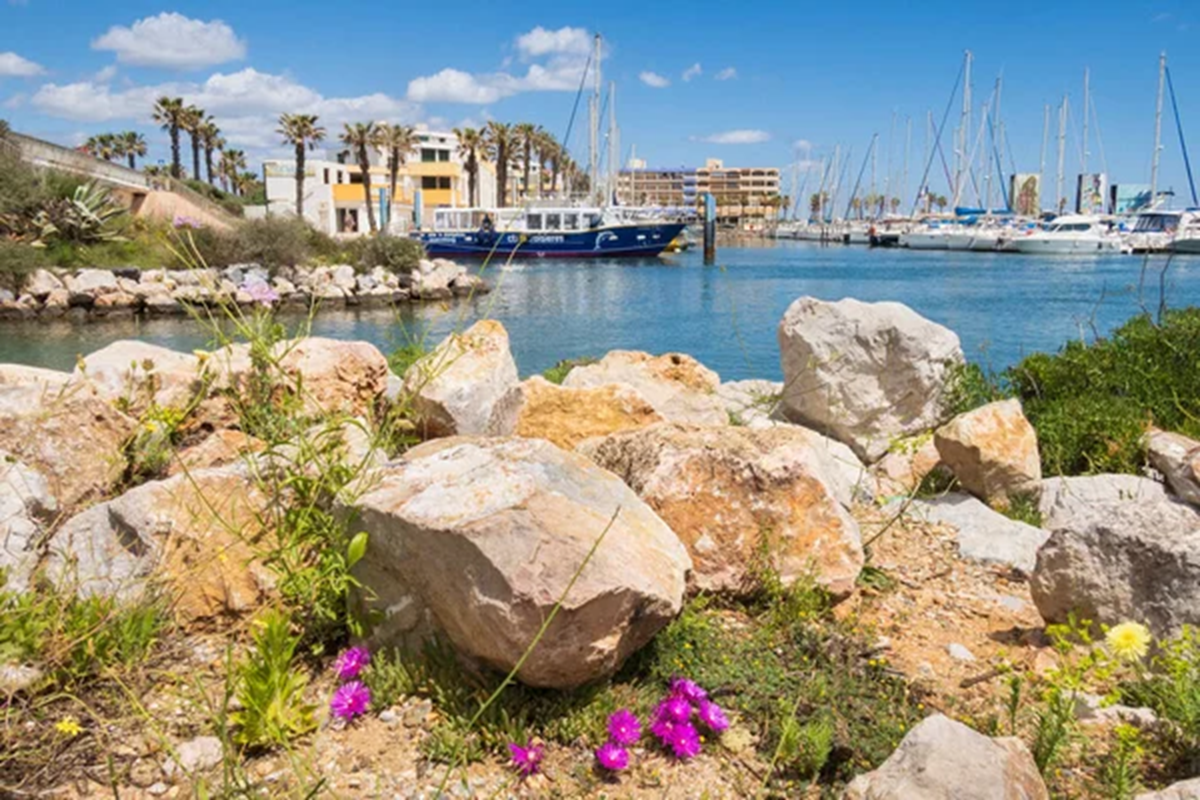
Le Club Med poursuit son ancrage méditerranéen avec l’annonce de son implantation au Barcarès (Pyrénées-Orientales).

Ce mercredi 22 juillet 2026, les partenaires publics et privés (Club Med, la Région Occitanie, le Département des Pyrénées-Orientales, Perpignan Méditerranée Métropole (PMM), la Ville du Barcarès, Barcarès Aménagement, la CCI des Pyrénées-Orientales, la Banque des Territoires et Promologis) ont signé un protocole d’intention commun à Perpignan, qui fixe les principales conditions et modalités de coopération des différents partenaires.

La construction d’un futur resort haut de gamme, familial et tout compris doit permettre la réhabilitation d’une friche touristique, sur une parcelle de 13,6 hectares acquise en 2019 par la société Barcarès Aménagement, tout en intégrant un programme de logements dédié aux salariés saisonniers.

Le complexe comprendra environ 400 chambres et proposera une offre d’activités sportives et de bien-être (piscines, courts de padel, tennis, spa) ainsi que des équipements pour les enfants dès 4 mois, précise le Club Med dans un communiqué.

La proximité de la plage et de l’étang permettra le développement des sports nautiques.

L’exploitation sera assortie d’exigences environnementales avec des démarches de certification BREEAM pour la construction et Green Globe pour la gestion.

L’ouverture de l’établissement est envisagée à l’horizon de l’été 2030.


Un ancrage stratégique pour le groupe en Méditerranée

Cette signature marque une étape clé pour l’opérateur touristique, qui entend renforcer son réseau d’implantations en France.

Le projet doit générer environ 450 emplois directs et près de 500 emplois indirects dans la région, tout en favorisant les circuits courts avec les prestataires locaux.

Stéphane Maquaire, Président-Directeur général du Club Med, résume ainsi l’ambition du groupe pour cette nouvelle destination : « Avec Port-Barcarès, nous poursuivons une ambition qui me tient particulièrement à cœur : réinvestir la Méditerranée, berceau de l’histoire de Club Med, tout en imaginant le tourisme de demain.

Transformer une friche touristique en une destination vivante, ouverte sur son territoire, créatrice d’emplois et de valeur pour l’économie locale démontre qu’un projet touristique peut être un véritable projet de territoire.
»

Lire aussi : Club Med : objectif 100 villages en 2035

Périgord: An Almost Open-Air History Book


A Lascaux IV, dans la salle des taureaux - Photo : Dan Courtice

Costa Rica


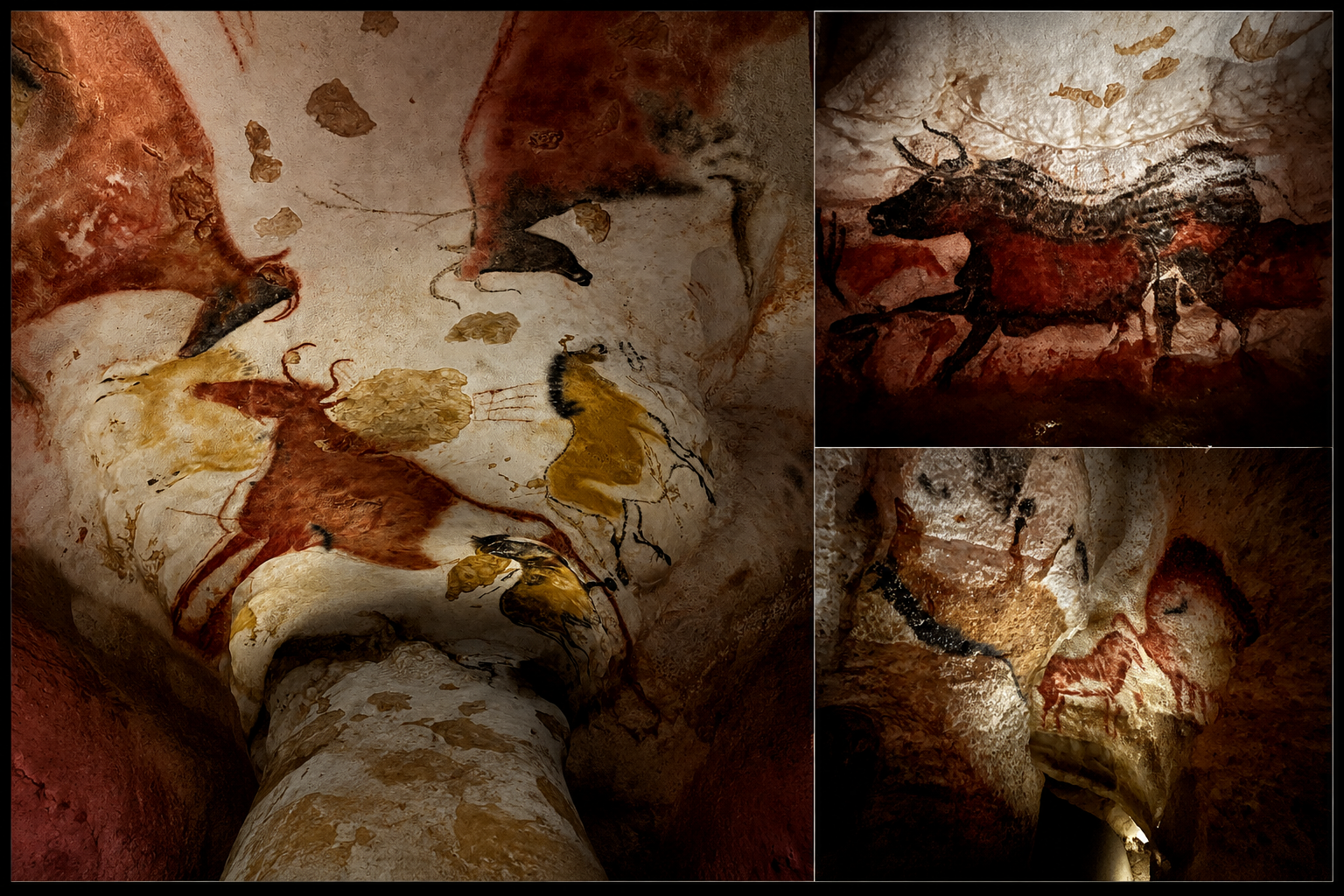
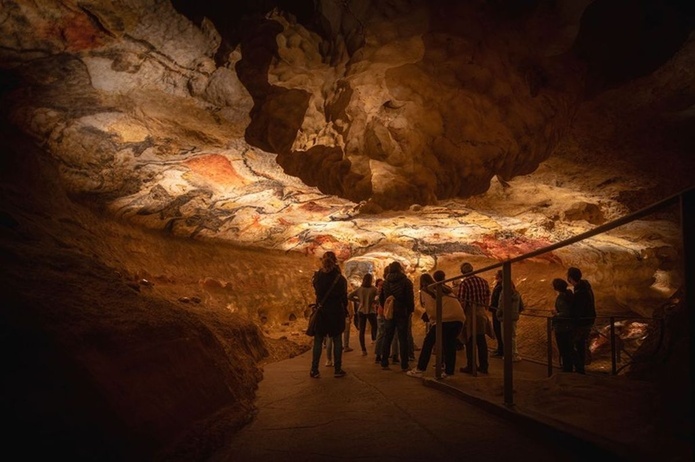
The most recent replica of the famous cave, Lascaux IV is so perfect that one could easily imagine standing before the “real” masterpieces left around 21,000 years ago by early Magdalenian hunters.

How can one not be moved? Perhaps even overwhelmed?

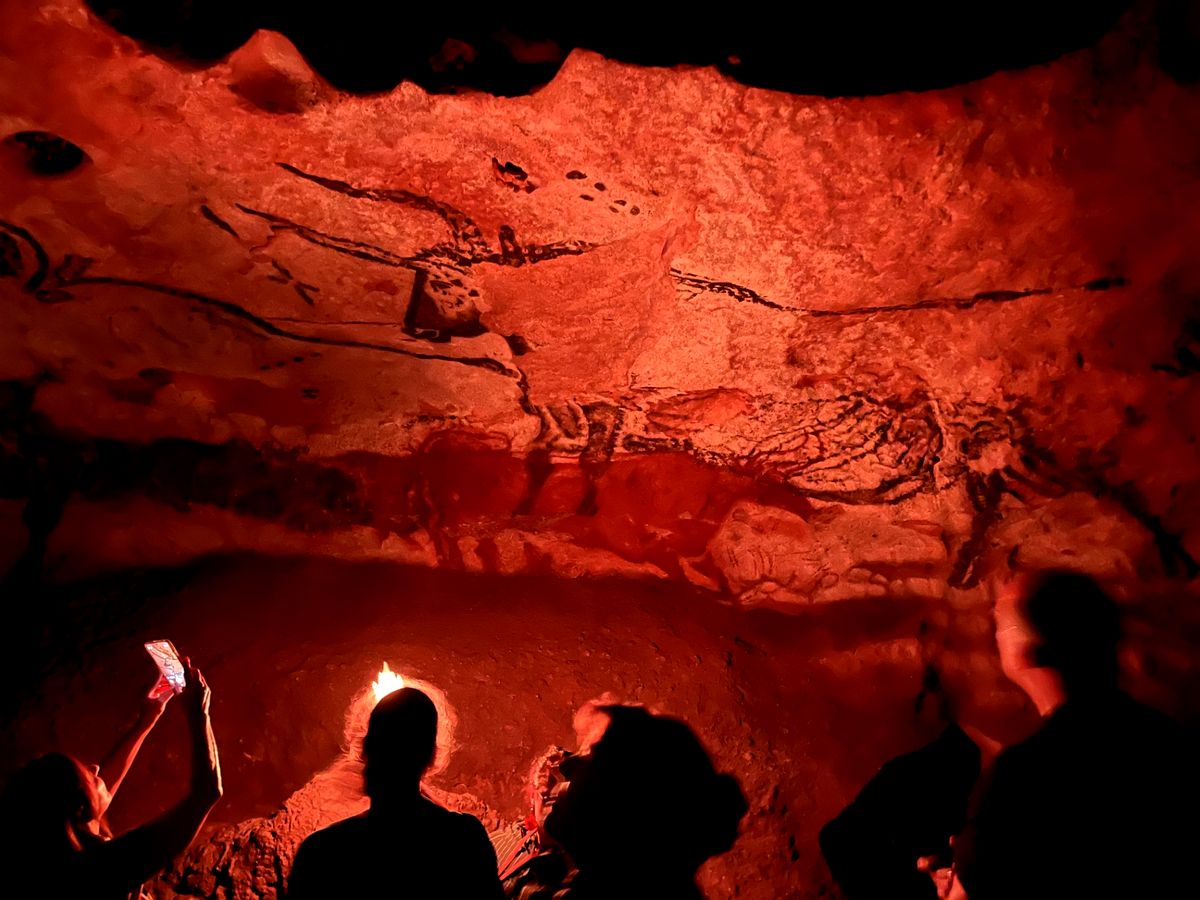
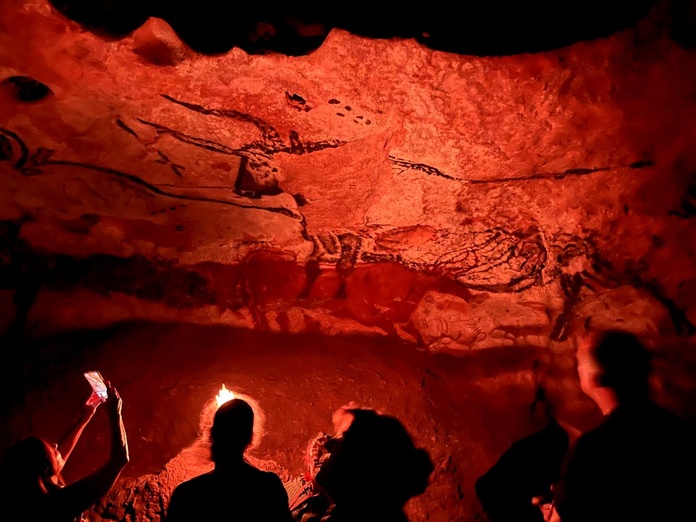
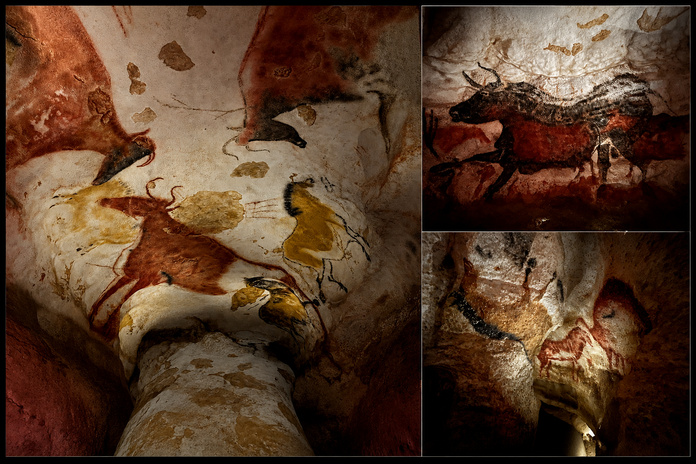
In the dim light of a torch, unforgettable stampedes of aurochs, ibex, bison, deer and horses are carved or painted in ochre, red, and black along the walls.

Welcomed by the “Unicorn,” a strange two-horned figure, visitors then wander through the Hall of the Bulls under the gaze of impressive animals—up to 3.5 meters tall—before progressing into a sequence of caverns adorned with polychrome paintings, among which a human figure with four fingers and a bird’s beak.


A major revelation of the 20th century


Souvent, ceux qui visitent Lascaux II ont la certitude d'avoir vu la "vraie" grotte - Photo : PB

The original Lascaux cave was one of the greatest archaeological revelations of the 20th century.

It was discovered in 1940 by four teenagers — Marcel Ravidat, Georges Agniel, Simon Coencas, Jacques Marsal — in the depths of a hill topped with chestnut trees and pines, in Montignac, Dordogne.

Listed as a UNESCO World Heritage site in 1979, this “Sistine Chapel of parietal art” has not revealed all of its secrets.
Indeed, it was decorated, by Cro-Magnon men, by scratching, rubbing, blowing and stamping, sometimes aided by scaffolding. But what was its purpose since it was never inhabited? Experts believe it may have had a religious function.
Since 1963, for conservation reasons (the carbon dioxide exhaled by visitors was destroying the paintings), it has been inaccessible to the public. Several replicas have therefore been made.


Lascaux IV: a full replica


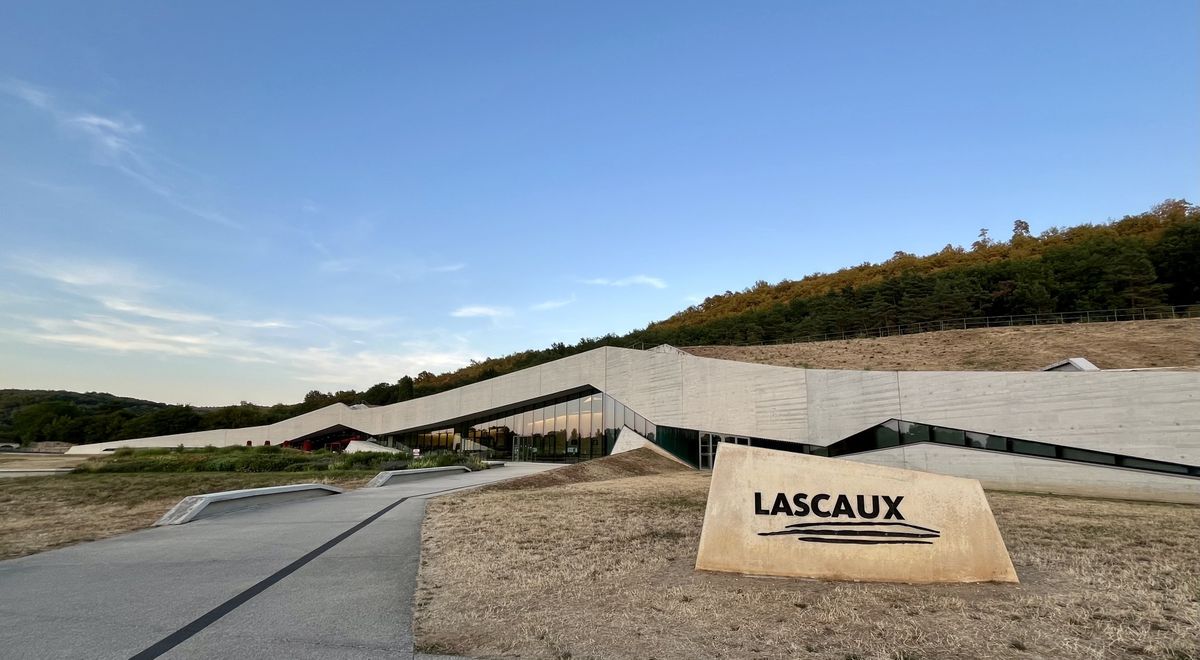
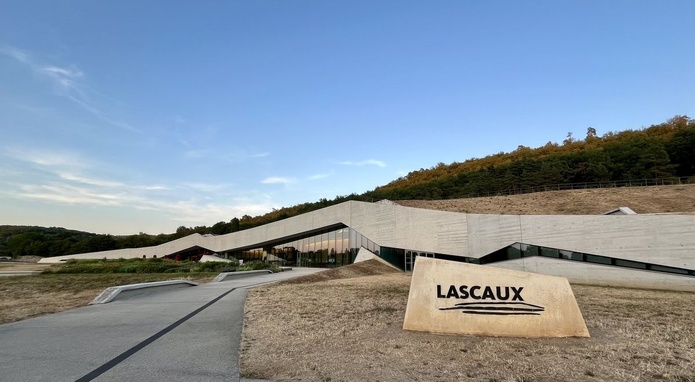
Pour abriter Lascaux IV, le cabinet d'architecture norvégien Snøhetta a conçu un bâtiment-paysage au pied de la colline où se cache la grotte originale - Photo : PB

The first replica, built as early as 1983, right beside the original cave, Lascaux II, already seems so faithful to the original that its 70,000 annual visitors often believe they are seeing the “real” cave. Yet, it shows only the Hall of the Bulls and the axial diverticulum.
Conceived in 2010, Lascaux III is a traveling, “kit” version of only part of the decorated cave (its twelve panels will be exhibited in Chicago in 2027).
By contrast, Lascaux IV is the first facsimile reproducing the entire original cave: its 900 m² of decorated walls have been restored with millimeter precision.
To reach such a level of realism, the teams at the Atelier des Fac-Similés du Périgord combined technology and craft: ultra-precise 3D digital surveys, wall modeling, application of colored patinas, then hand reproduction of paintings and engravings with natural pigments, just as 21,000 years ago!
Housed in an elegant, semi-buried white building at the foot of the original hill, Lascaux IV marks its tenth anniversary this year, with a program blending immersive experiences, gastronomic evenings, performances and new themed tours.


Lascaux IV: 380,000 visitors annually


A Lascaux IV, des cavalcades d'animaux inoubliables - Photos : PB, composition générée par IA

An exceptional project, Lascaux IV cost 60 million euros, financed by the region, the department, the State, Europe, patrons and Semitour Périgord, a mixed‑economy company created by the Dordogne Department.
A substantial budget, indeed. But, open 340 days a year, the International Center of Parietal Art/Lascaux IV has become one of the essential cultural sites of Périgord. “We welcome 380,000 visitors annually. A remarkable figure for a rural territory,” notes André Barbé, general director of Semitour Périgord, in charge of this extraordinary site.
As the department’s leading tourist enterprise, Semitour manages seven other cultural sites there. Each tells a slice of local history while engaging with contemporary creation, as Lascaux IV does thanks to digital tools and the know‑how of the Center for Parietal Art.


The Grand Roc mineral forest

In the ceaseless back-and-forth between past and present highlighted by these sites, the Grand Roc Cave stands out with a vertiginous plunge back to the Upper Cretaceous: between 100 and 66 million years ago!
Nestled in Les Eyzies, inside an impressive cliff, this cave is part of the UNESCO-listed Vézère Valley sites.
Discovered in 1924 by Jean Maury, it offers a magical immersion in a mineral forest gradually formed by water seeping through the rock.
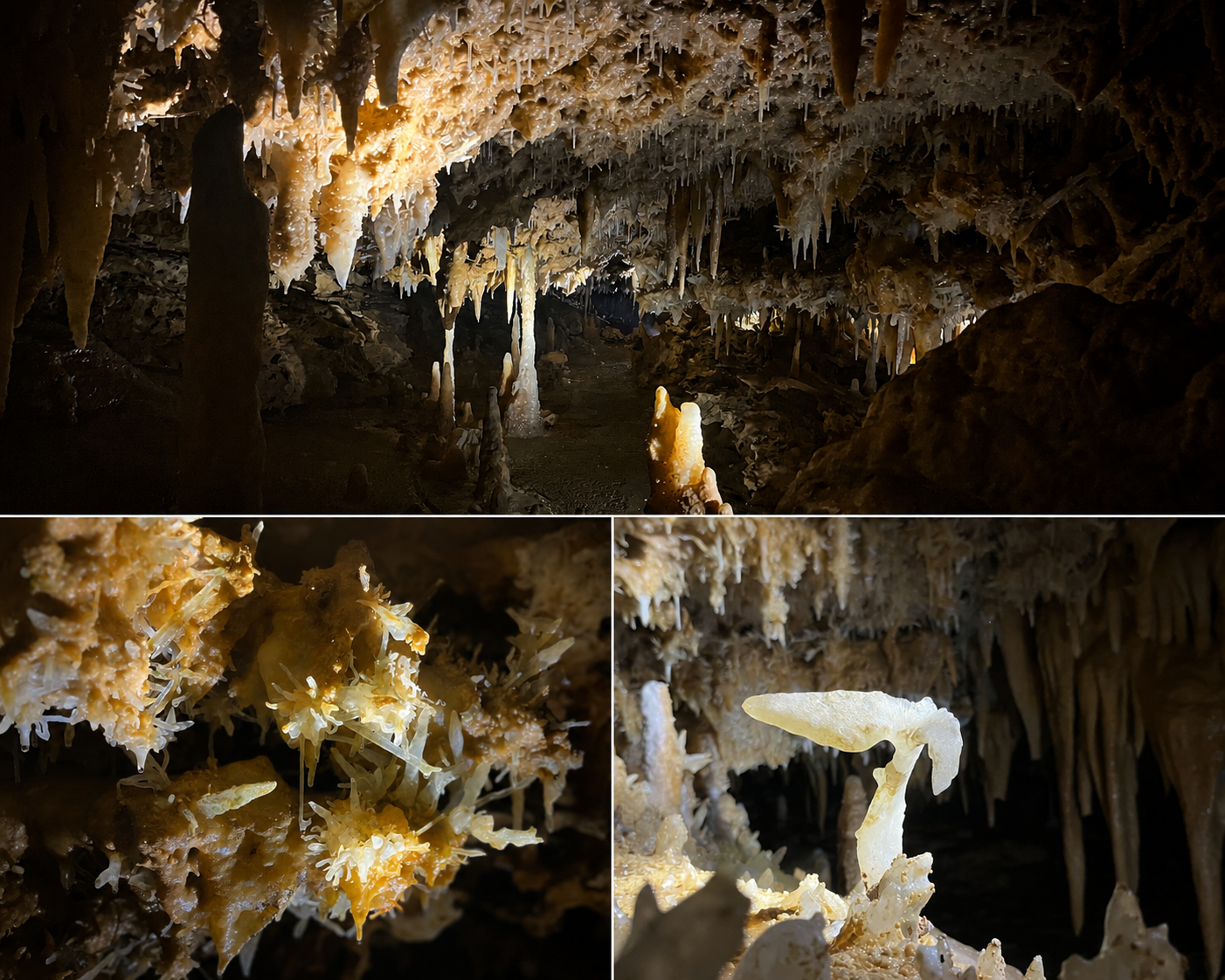
Yet one must first climb 76 fairly steep steps (no accessible access for people with mobility impairments), then wander along a path guided by discreet lighting to admire stalagmites, stalactites, columns, stone draperies and astonishing “eccentric concretions,” almost translucent, with surprising chrysanthemum-shaped forms!
Further down, under the same cliff, the prehistoric Laugerie-Basse site was occupied by humans as early as the Magdalenian period.
Excavations in the rock shelter known as “des Marseilles” (a joint ticket with Grand Roc) revealed four layers of occupation and hundreds of objects, including the famous “Indecent Venus,” a female statuette with a broken head.


In Biron, ten centuries of history


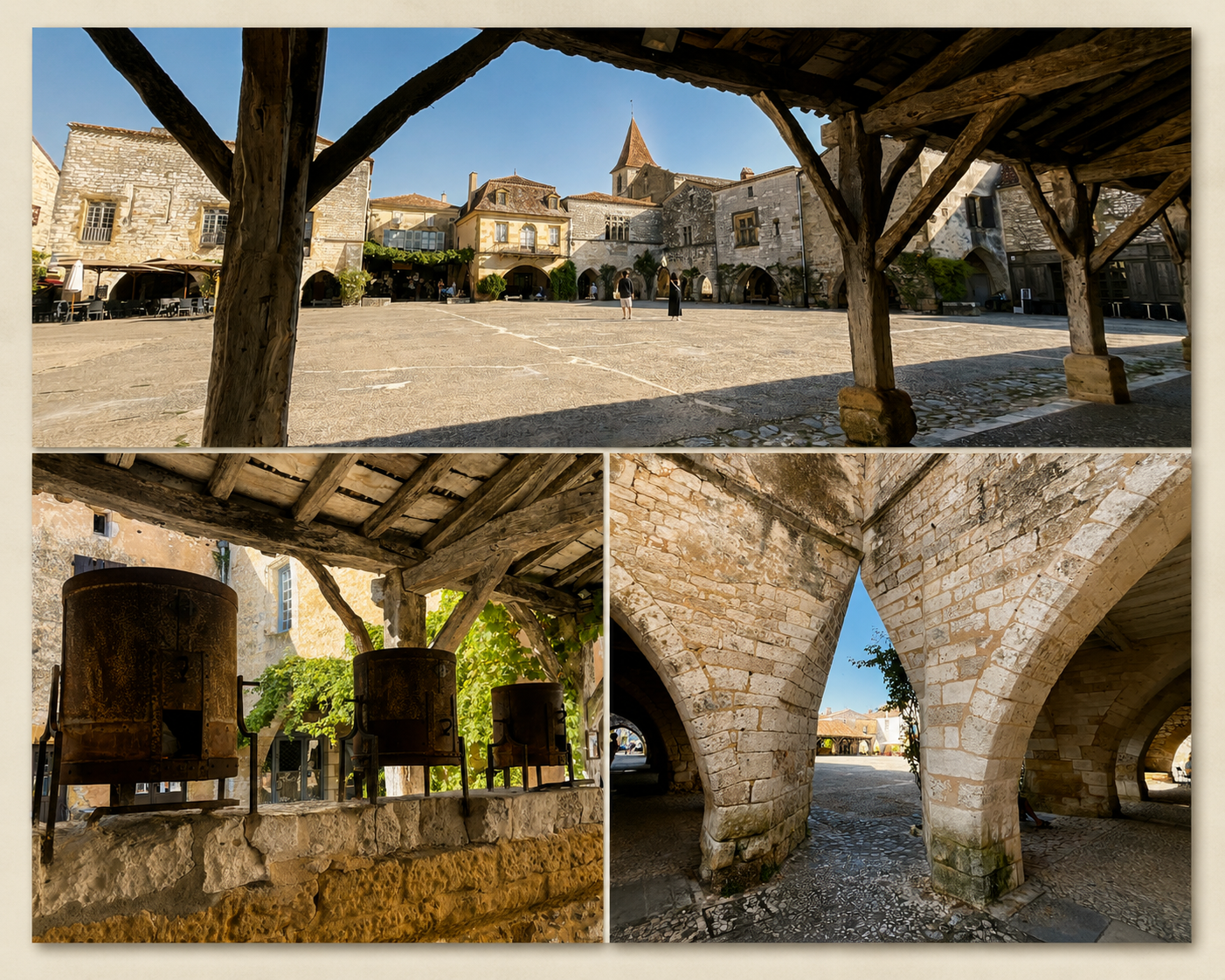
Monpazier, once a commercial “bastide,” now a “City of Arts and Crafts”


Trois visages de Monpazier, prospère place commerciale du XIIIe - Photos PB, composition générée par IA

Last rendezvous with medieval history in Monpazier, close to Biron.
This charming town of pale stone is one of the 300 “new towns” built in the southwest of France between 1222 and 1373: called bastides, they were active commercial hubs.
At that time, the Hundred Years’ War had not yet begun, but the English—established in Aquitaine since, through marriage, the King of England had become Duke— and the French were already facing one another, each trying to rally local lords to their cause.
From its creation in 1284, by Edward I, king of England—on land granted by the lord of Biron—Monpazier thus lived behind solid ramparts and fortified gates still visible.
Its plan remains organized around two main axes and the central square surrounded by arcades and covered ways, pierced by passages (the “corners”).
The market still takes place on Thursdays under the powerful chestnut-framed hall where three of the original grain measures are kept, once used to determine the price of goods and the amount of taxes to be imposed.


Exclusive tours and private dinners


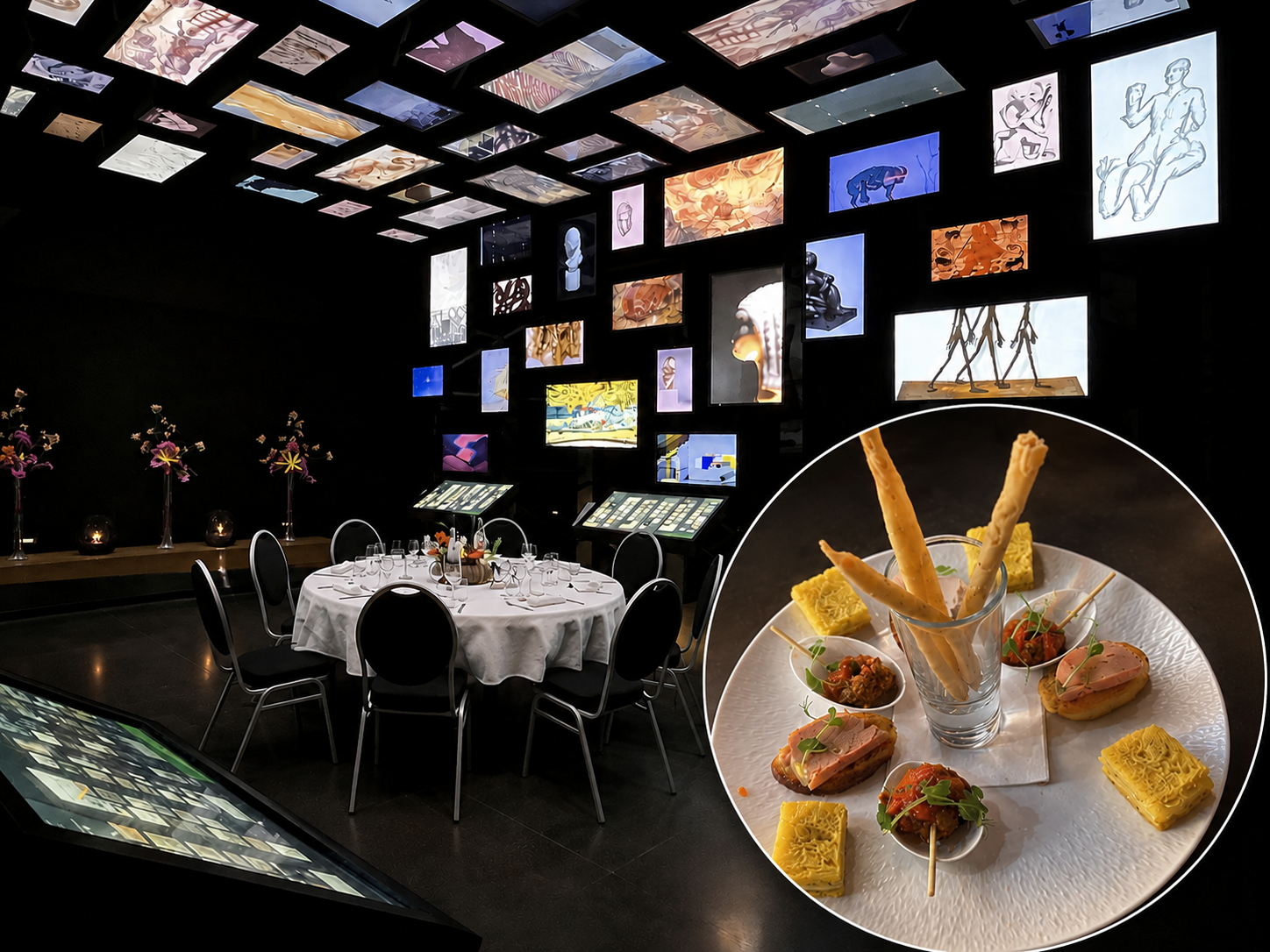
Pour ce dîner privé à Lascaux IV, la table a été dressée dans la Galerie de l’Imaginaire - Photos : PB, composition générée par IA

With more than 22 artists and artisans for barely 500 inhabitants, Monpazier has, in recent years, reinvented itself as a “City of Arts and Crafts”.
Shops and restaurants likewise highlight the delicious specialties — duck, foie gras, truffles, walnuts, wines, etc. — that make the Périgord a destination prized by gourmets as much as by heritage and history lovers.
For attracting new audiences, Semitour now offers, with the help of local caterers, a combination of exclusive tours and private dinners (by reservation) at Lascaux IV, Cadouin Abbey, and Biron Castle.
Tailor-made offers (price on request) worthy of attention for agencies seeking experiences for their clients.
Truly driving forces, the eight cultural sites managed by Semitour help keep shops, restaurants and accommodations thriving.
In this rural area, there are options of all standings, from the modest Cadouin Abbey Youth Hostel to the elegant four-star Les Glycines, housed in a park with a pool and Spa in Les Eyzies.
Its owner, Pascal Lombard, even earned a Michelin one-star for his gastronomic table, “Le 1862.”
In Monpazier, the Edward 1st Hotel ****, recently renovated in a 19th‑century manor, is also aiming higher since it was taken over by Michel Fredric and his wife Isabelle, who bring solid experience in upscale hospitality in Mauritius and Zanzibar.
Clearly, many paths lead to the Périgord.


PAULA BOYER Published by Paula Boyer Head of the LuxuryTravelMaG section – TourMaG.com
View all articles by Paula Boyer

  • picto Twitter
  • picto Linkedin
  • picto email
Add TourMaG to your Google News feed Google Actualités icône

Wildfire in Gironde: Arcachon Bay Tourism Under Pressure


Incendie en Gironde : le secteur touristique du Bassin d’Arcachon sous pression - Depositphotos.com, VanderWolf Images

Costa Rica


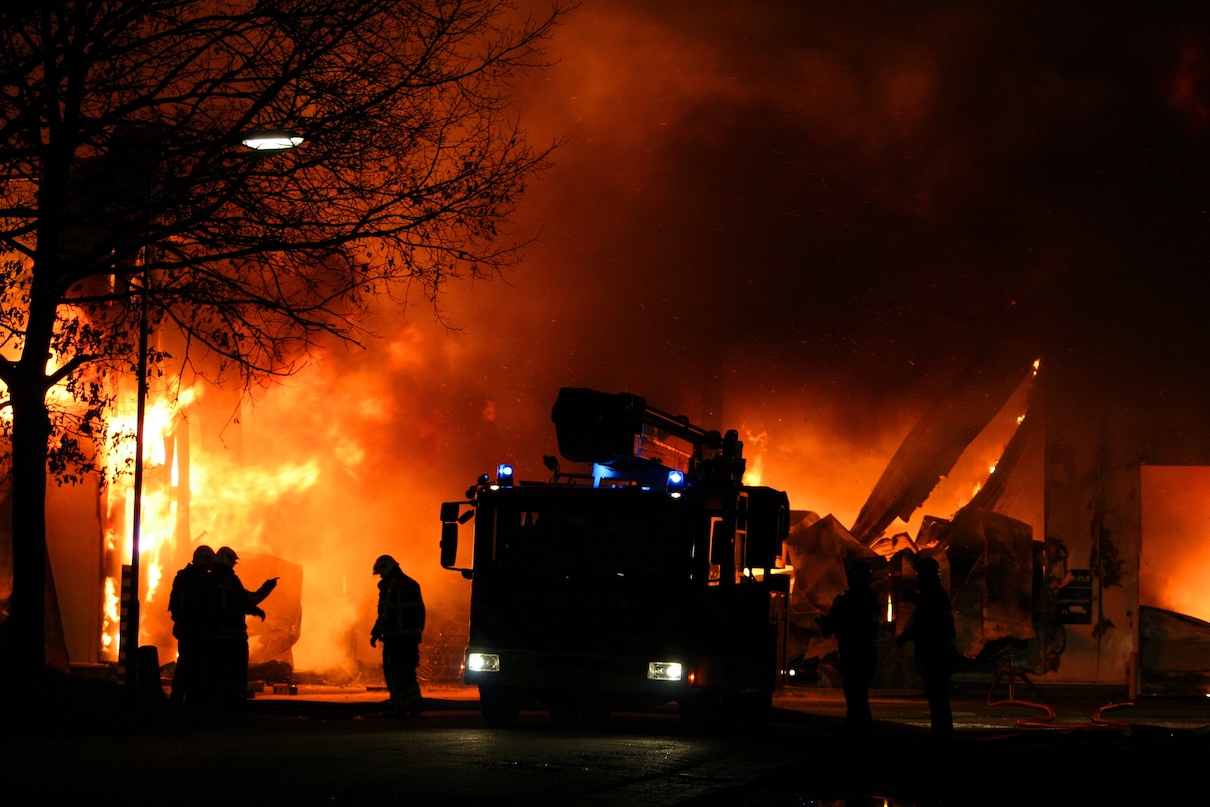
A fire broke out on Wednesday, July 22, 2026 at midday in the Saumos area, north of the Arcachon Basin.

It rapidly spread through a dense, dry pine forest, before advancing toward Le Porge and then toward the Lège-Cap-Ferret peninsula.

The meteorological situation complicated the work of the rescue services. Winds, which blew from the north and northeast in the sector, helped promote the fire’s spread toward the southwest and then toward areas heading in the direction of Le Porge and the north of the Basin.

Conditions remained unfavorable, with the fire described by responders as particularly violent and difficult to control.

In response to the fire’s progression, authorities carried out numerous preventive evacuations. In total, eight campsites and vacation centers were affected, among which La Grigne, La Jenny, Le Truc Vert, La Prairie, La Pinède, Camping aux Couleurs du Ferret, Le Grand Crohot and Brémontier.

These establishments are mainly situated between Le Porge, the ocean coastline and the Cap-Ferret peninsula, in the heart of a zone heavily visited by tourists during the summer.

Close to 20,000 people were evacuated. This includes both residents living on the forest fringes and tourists.

Several municipalities, including Lège-Cap-Ferret, Le Porge, Lacanau, Biganos, Marcheprime, Mios, Carcans, Audenge and Bordeaux, opened reception sites.

More than 2,500 people were housed or temporarily accommodated there, according to the Gironde Prefecture.

In the late morning, Thursday, July 23, new preventive evacuations were carried out to ease the work of the emergency forces and to manage evacuations progressively.

With the fire currently located near the village of Lège and not having crossed the Grand Crohot road, the prefecture ordered preventive evacuations for the following establishments located in Claouey, near the forest: the VVF, the Embruns campsite and the Ferret domain.


Fire in the Arcachon Basin: holidays interrupted in the middle of the season

This decision draws on the lessons learned from the 2022 fires involving outdoor accommodation facilities.

Furthermore, the Cap Ferret lighthouse is also closed, while residents of the Cap Ferret peninsula must evacuate the area as quickly as possible.

For tourism professionals as well as holidaymakers, the fire arrives at the heart of the year’s most important period. Thousands of tourists had to leave their accommodations in a hurry, sometimes with little time to retrieve their possessions.

At La Grigne campsite in Le Porge, nearly 3,500 people were evacuated on Wednesday evening.

Some of the holidaymakers were directed to Lège-Cap-Ferret, where several hundred people found refuge in municipal halls and various reception sites.

The priority remains, however, the protection of people and the fight against the fire. At this stage, no victims have been recorded. About 500 firefighters are mobilized, supported by extensive ground and air resources.

The emergency services have notably deployed Dash, Canadairs, and Air Tractor planes, while several roads and access routes to the massifs have been closed.

For tourism professionals, the immediate impact is primarily logistical: evacuations, cancellations, movement of holidaymakers, and disruption of activity in several establishments.

The economic consequences will, however, depend on the duration of the fire and whether access restrictions continue in the coming days.


Fire in the Arcachon Basin: four years after the 2022 fires

The new blaze inevitably rekindles memories of the summer of 2022. At that time, Gironde was struck by two major fires, in La Teste-de-Buch and in Landiras.

More than 30,000 hectares of forest had been destroyed, and five campsites located at the foot of the Dune du Pilat were ravaged by the flames.

Among them was the famous campsite of Flots Bleus, made famous by the TV series “Camping,” which had been destroyed by about 90%. The establishment eventually reopened only partially in spring 2023, after several months of reconstruction.

In July 2022, the impact on outdoor lodging had been particularly significant. Five campsites destroyed in the La Teste-de-Buch area represented a substantial portion of the Arcachon Basin’s tourist accommodation capacity.

The sector then faced a double crisis: the destruction of several establishments and the broader impact on the image and the destination’s attendance.

Four years later, the fire does not affect exactly the same areas, but the situation once again highlights the vulnerability of tourist destinations located in the heart of forested massifs.

Le Porge, Lège-Cap-Ferret and nearby municipalities indeed host numerous campsites, holiday villages and outdoor centers, often situated in close proximity to the forest and the coastline.


Amelia Brille Publié par Amelia Brille Rédactrice TourMaG.com
Voir tous les articles d’Amélia Brille

  • picto Linkedin
  • picto email
Ajoutez TourMaG à votre flux Google Actualités Google Actualités icône  

Monts du Genevois Bet on Digital to Extend Tour de France Momentum


Les Monts du Genevois prolongent le Tour de France avec une chasse aux trésors digitale - Depositphotos.com, southmind

Costa Rica


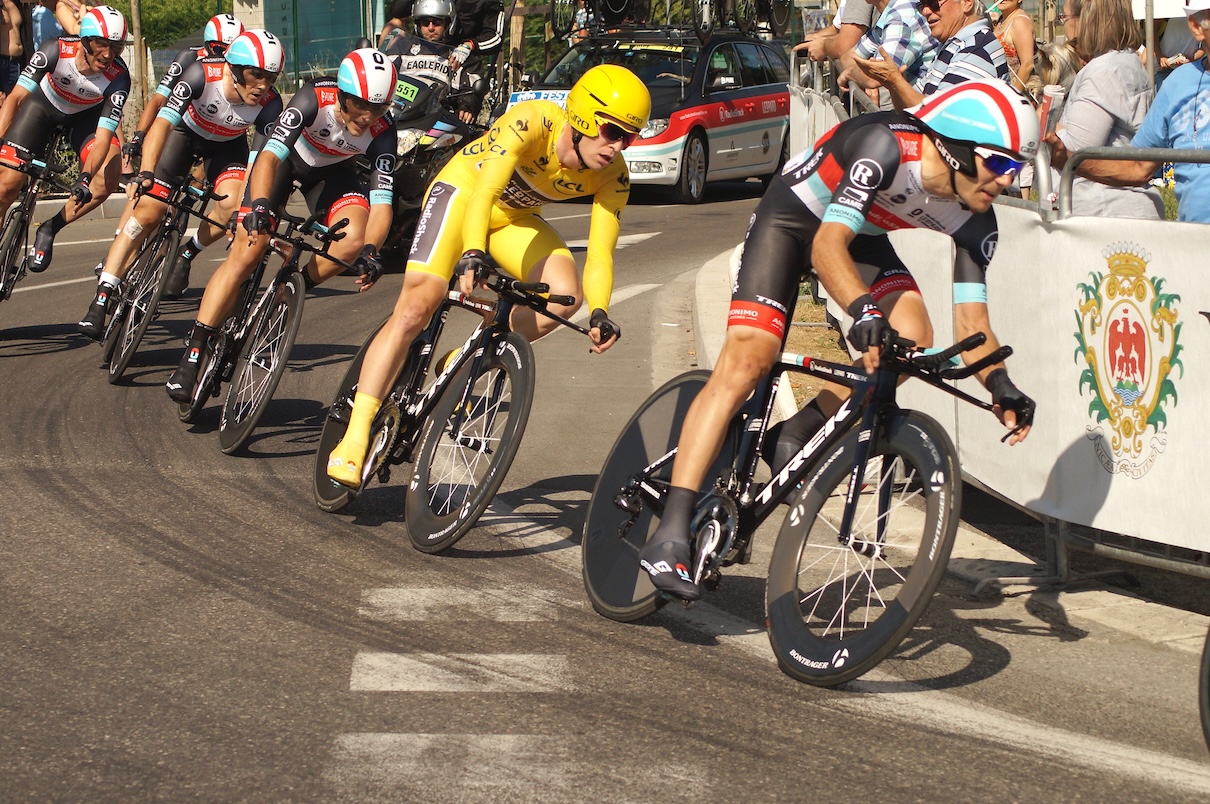
The Tour de France’s passage placed the Monts du Genevois in the spotlight on July 19.

The 15th stage of the Grande Boucle notably crossed the Col de la Croisette, perched at over 1,300 meters altitude, in the Salève massif.

On the occasion of this event, the Office de Tourisme des Monts du Genevois launched a gamification experience aimed at extending interest beyond the riders’ passage.

Until July 31, 2026, residents, visitors and curious people are invited to explore the area through a playful route accessible from a smartphone, a tablet or a computer.


A Treasure Hunt Inspired by the World of Cycling


Illustration : OT des Monts du Genevois

The setup rests on an interactive map and a series of local riddles.

Participants progress through several stages inspired by cycling vocabulary: breakaways, ascents, intermediate sprints, and even mythical cols.

As they advance, they must locate symbols hidden in various locations across the Monts du Genevois.

The riddles lead them to viewpoints, natural sites, villages and addresses that contribute to the territory’s appeal.

A secondary quest, designed as a “time trial,” completes the experience.

It allows the most motivated participants to take on an extra challenge and win goodies, in a nod to the Tour de France’s advertising caravan.


Local Experiences to Win

The prizes have been designed in collaboration with several tourism players and professionals of the Monts du Genevois. The top prize, awarded by draw, will offer two people an immersion in the territory.

The stay includes, notably, a ride on the Salève cable car, a gourmet lunch at Hôtel-Restaurant L’Arborescence, and a night in the Salève Cabanes. Winners will also receive a personalized roadbook crafted by the Office de Tourisme.

A second draw also makes it possible to win several local experiences, including entries to UCPA Vitam, Filenvol, or the Salève cable car.


Making Visiting an Interactive Experience

Through this initiative, the Monts du Genevois Tourism Office aims to extend the Tour de France’s impact beyond the mere passing of the race.

The sporting event thus becomes the starting point for a tourism and digital experience intended to encourage discovering the territory.

The project relies on the experiential tourism trend, which motivates visitors to seek out activities and experiences to live rather than merely follow itineraries. The gamification here transforms the discovery of the Monts du Genevois into an interactive adventure.

The smartphone becomes the platform for this exploration, while the riddles guide participants to different sites around the territory.

A way for the Tourism Office to highlight its landscapes, its villages, and its tourism stakeholders in a playful light, while capitalizing on the visibility offered by the Tour de France’s passage.


Amelia Brille Publié par Amelia Brille Rédactrice TourMaG.com
Voir tous les articles d’Amélia Brille

  • picto Linkedin
  • picto email
Ajoutez TourMaG à votre flux Google Actualités Google Actualités icône  

Business Travel: Fewer Trips, Yet Greater Strategic Stakes Than Ever


Voyage d'affaires : moins de déplacements, mais des enjeux plus stratégiques que jamais - Depositphotos.com, Milkos

Costa Rica


À l’heure où le travail hybride a profondément rebattu les cartes des déplacements professionnels, le voyage d’affaires résiste et se réinvente.

Selon le rapport mondial de FCM Consulting, le taux d’occupation des hôtels dans les principaux marchés d’affaires a ainsi atteint 73,7% au niveau mondial en 2025, en hausse de 1,3 point par rapport à l’année précédente.

Dans plusieurs destinations, la progression est encore plus marquée : Sydney affiche 81,5% (+4 points), Singapour 79,2% (+2 points), tandis que Tokyo (82,9%) et Londres (82%) s’imposent parmi les marchés les plus actifs.

Au milieu de ce paysage en plein essor, la France se détache et devient la championne mondiale du tourisme d’affaires entrant, avec une hausse de 53% des visites professionnelles internationales en un an, soit 11,6 millions de voyageurs supplémentaires.

Cette reprise reflète un changement structurel des pratiques. Le travail hybride n’a pas mis au fin aux déplacements professionnels, mais il a contribué à les recentrer sur l’essentiel : relation client, développement commercial, gestion de projets, événements.

Les réunions internes de routine, autrefois grandes pourvoyeuses de voyages, ont fortement diminué. Les entreprises privilégient désormais les voyages liés à la relation client, au développement commercial, à la gestion de projets ou aux événements professionnels.

Résultat : 77% des entreprises estiment désormais que les réunions en présentiel restent essentielles à l’atteinte de leurs objectifs.


Des programmes hôteliers à repenser de fond en comble

If demand is picking up again, hotel programs for companies, however, have not always kept pace.

According to FCM Consulting, many have evolved through successive adjustments without a comprehensive rethink of their overall operating model: suppliers changed, policies tweaked, yet the overarching architecture remained largely intact.

The report illustrates its point with the case of a large international group whose program was completely revamped. Following an audit of spend and booking practices, 545 hotels were contracted under a global tender, expanding the program’s coverage to 80%.

At stake are €5 million in savings versus market rates, and an additional potential reduction of €2.4 million identified.

The report also highlights an underutilized lever: hotel loyalty programs. Complimentary breakfast, lounge access, upgrades—these benefits can enhance the traveler experience without incurring extra costs for the company, and promote adherence to the travel policy.

The resistance linked to loyalty status is often underestimated during a program change“, notes Rachel Newns, Global Hotel Practice Lead at FCM Consulting. “If not addressed early enough, it can undermine procurement decisions that are otherwise well founded.”

To read: FCM Consulting launches an index to measure the value of business travel

ChatGPT, Claude, AI Agents: CDS Connects Its Services to the Global AI Ecosystem


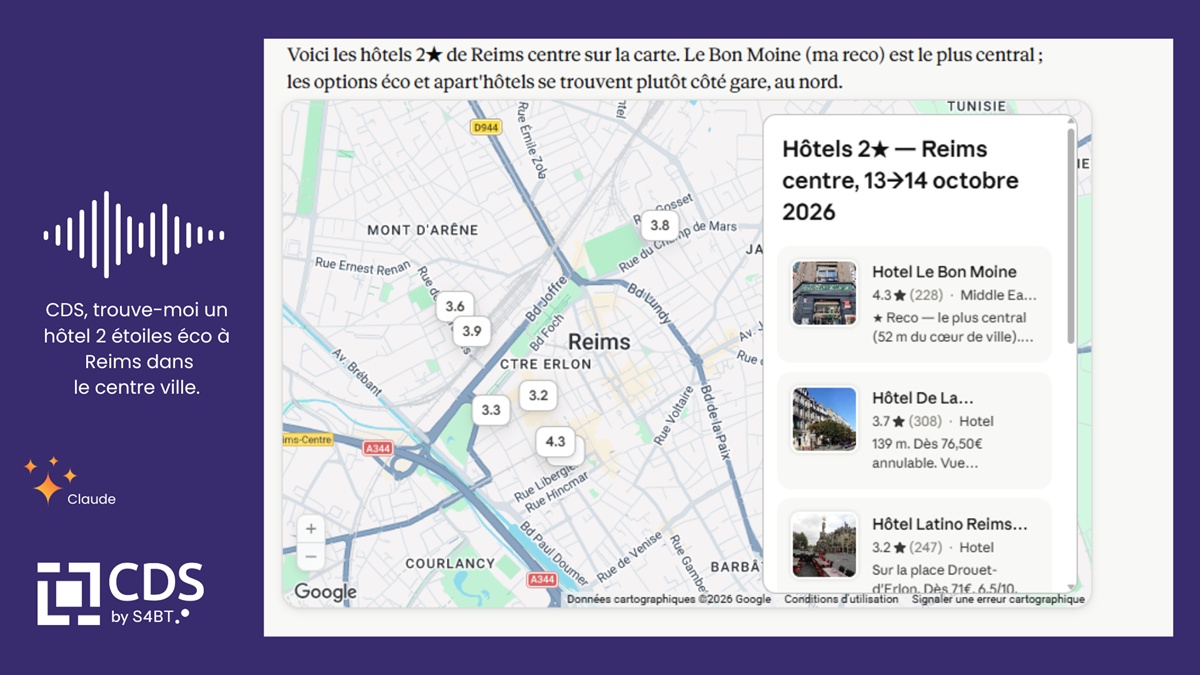
Selon CDS, "ce qui nécessitait auparavant plusieurs recherches et validations peut désormais être réalisé à partir d'une simple conversation" - Illustration : CDS

Costa Rica


CDS devient l’une des premières plateformes mondiales de Business Travel à connecter ses services à l’écosystème mondial de l’intelligence artificielle.

Les entreprises clientes peuvent désormais réserver un hôtel, appliquer leur politique hébergement ou centraliser un paiement directement depuis ChatGPT, Claude ou leur propre environnement IA par une simple demande en langage naturel“, précise le groupe dans un communiqué.

En s’appuyant sur l’IA conversationnelle, voyageurs, travel managers, acheteurs et agences bénéficient d’un accès naturel, instantané et sécurisé à leur environnement professionnel, sans rupture de parcours ni complexité d’usage“.

A partir d’une conversation – par exemple : “CDS, trouve-moi un hôtel 3 étoiles à proximité de mon rendez-vous à Paris, conforme à ma politique voyage, avec paiement centralisé et facture dématérialisée” – la plateforme analyse la demande, applique les règles de l’entreprise, vérifie les plafonds tarifaires, identifie les meilleures options et finalise la réservation, en quelques secondes.


An Open, Secure Architecture Built for the Enterprise

Avec cette innovation, CDS souhaite “mettre l’intelligence artificielle au service de l’expertise métier, pour une expérience plus intuitive, plus conforme et plus efficace. Chaque recherche, chaque recommandation et chaque réservation bénéficie simultanément de la puissance de l’IA et de plus de vingt-cinq années d’expertise développées par CDS“.

L’ouverture de l’écosystème CDS repose sur le protocole MCP (Model Context Protocol), “un standard émergent qui permet aux assistants IA, copilotes métiers et agents autonomes d’interagir avec les applications d’entreprise de manière sécurisée et standardisée“, poursuit CDS.

L’entreprise garantit à ses clients un accès durable à leurs services Business Travel depuis n’importe quelle intelligence artificielle qu’elle soit développée par les grands acteurs du marché ou conçue en interne.

Côté sécurité, “toutes les données demeurent hébergées, administrées et gouvernées par CDS. Aucune donnée sensible n’est transférée, répliquée ou exposée aux modèles d’IA“, assure le Groupe.


L’accès repose sur des mécanismes d’authentification forte, de double authentification, de contrôle des habilitations et de traçabilité répondant aux exigences des grandes organisations internationales.

Chaque requête continue d’appliquer les politiques voyages, programmes hôteliers, règles de conformité et processus de validation définis par l’entreprise, qui conserve la maîtrise exclusive de sa gouvernance des données.”


An Innovation Ready to Spread

D’ailleurs, CDS et le Groupe S4BT invitent développeurs, éditeurs, intégrateurs et partenaires technologiques souhaitant explorer les usages du protocole MCP appliqués au Business Travel à les contacter, “afin de construire ensemble la prochaine génération de services de voyage d’affaires alimentés par l’IA“.

Déployée aujourd’hui chez CDS, cette innovation a vocation à s’étendre progressivement à l’ensemble des solutions du groupe : hôtellerie d’affaires, réservation multimodale, paiement, facturation électronique, automatisation des processus et services aux agences.

Nous sommes convaincus que l’IA deviendra l’interface universelle du Business Travel. En ouvrant nos services à l’écosystème mondial de l’intelligence artificielle, nous ne connectons pas une plateforme à une technologie : nous construisons l’infrastructure qui redéfinira la façon dont les entreprises voyagent, réservent et paient.

Notre engagement est simple – garantir à nos clients un accès pérenne à leurs services, quelle que soit l’IA qu’ils choisiront demain
“, a ainsi déclaré Ziad Minkara, fondateur de CDS et CEO du Groupe S4BT.